Looking Up & Forward

Barn, Canon 70-200 mm 2.8 IS L Series Lens, Canon Camera, Canon Live View, Combine (Farming), Farm, Home, Homestead, Journaling, Light Intensity, Photography & Conceptualizing Beauty, Still Life, Vehicle, Vehicle Restoration, Weather, Winter
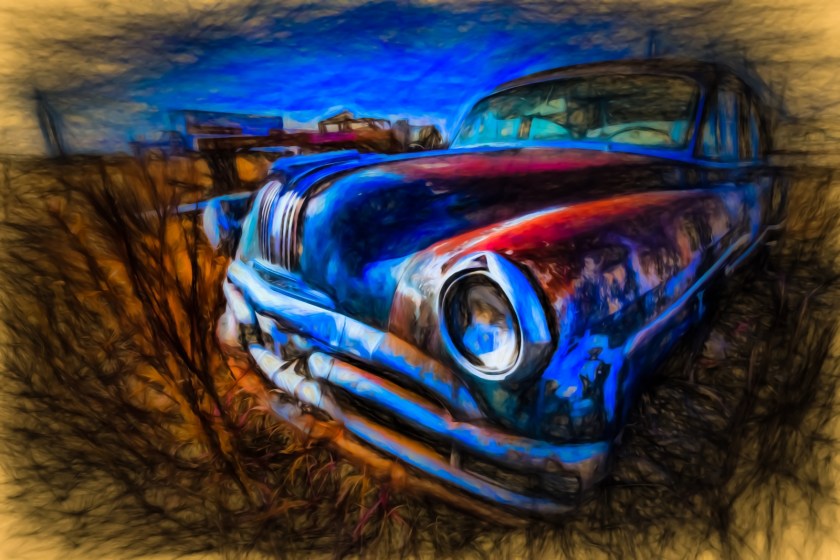
Fifties Ford - Fort Vermilion, Ab - Canada

Fifties Ford – Fort Vermilion, Ab – Canada

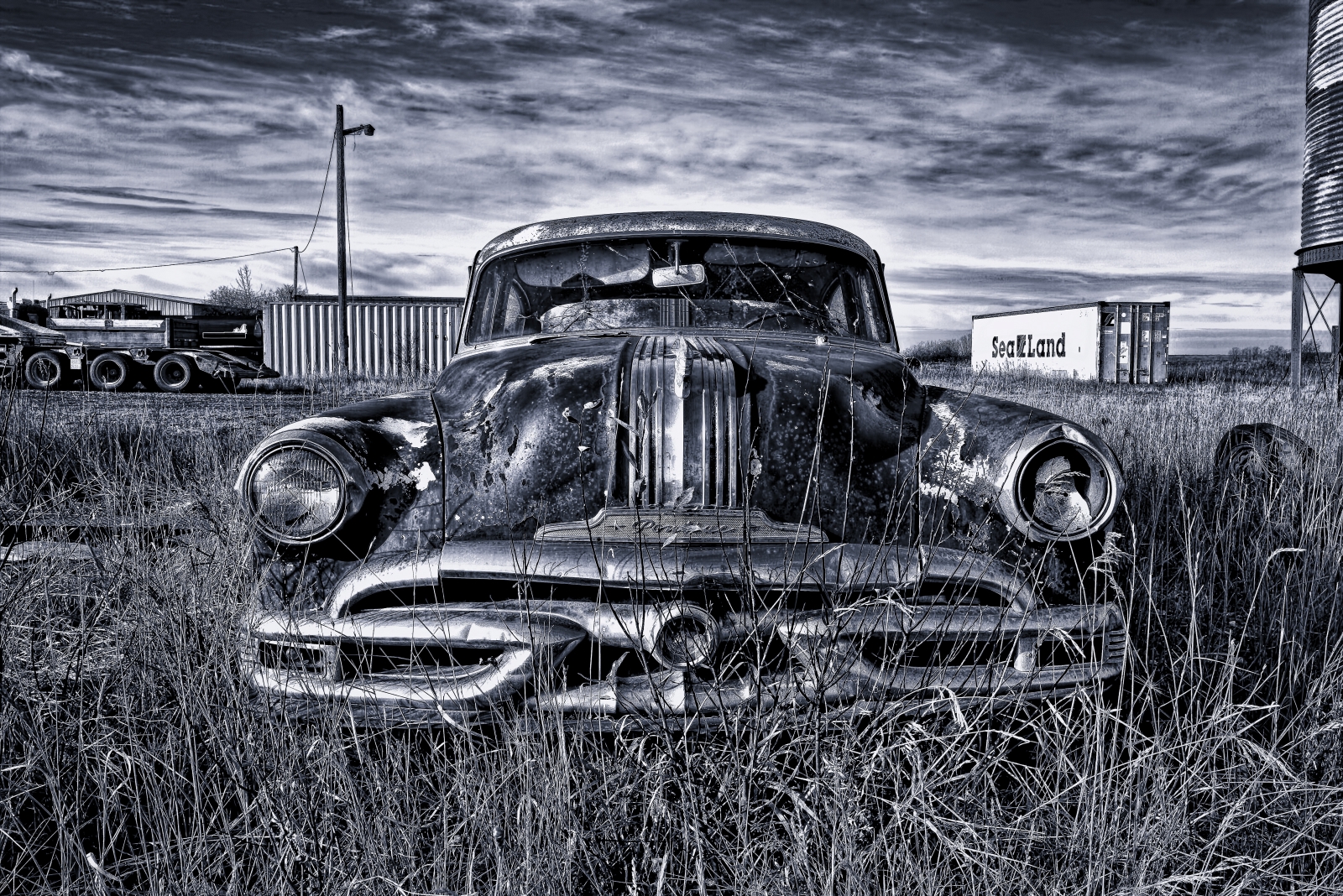
The day held a meeting and rather than a team of colleagues going, I would attend the meeting alone. I took camera gear with me. I hoped that the day would yield photographs, that I would find myself within the situation of a photograph. Having left early enough, I could scout out possible images; there was no need for haste through the morning’s seventy-eight kilometre drive.

The day held different gifts.

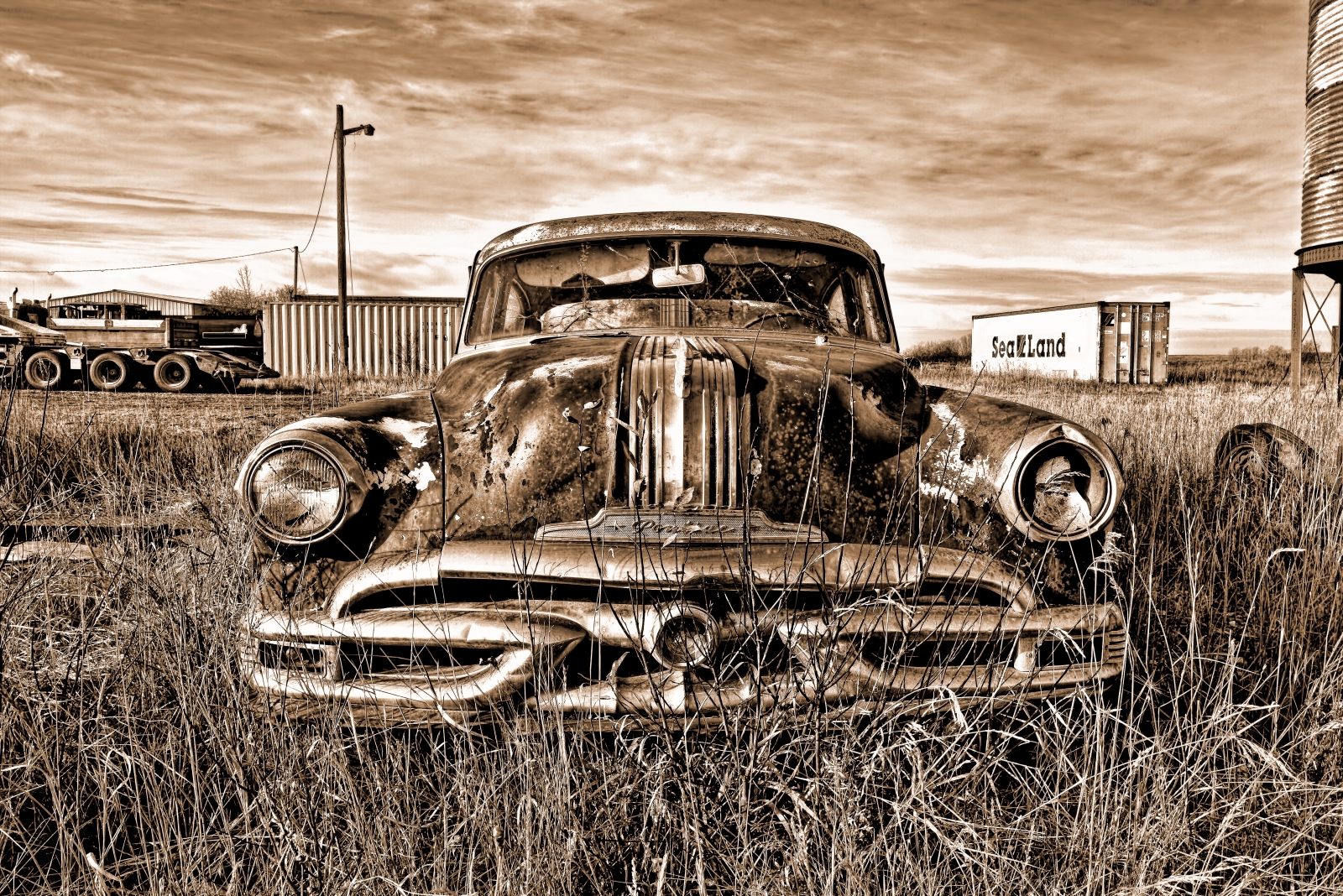
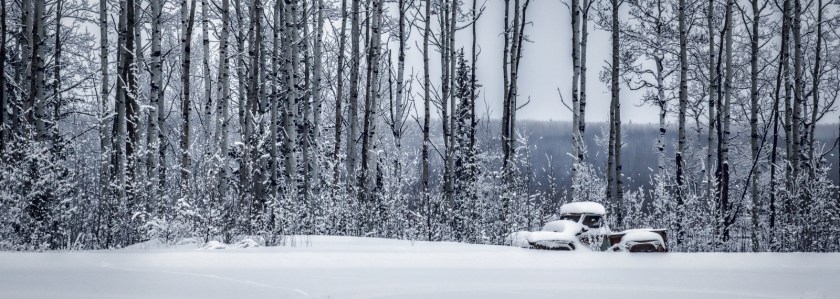
A year ago, a friend related an experience. He’d needed to take a call and had parked his service truck in a farmer’s farm entrance to be off the highway. He’d needed to turn his vehicle around, backing it onto the highway. Before he moved too far, he looked up, forward to find an old truck, perhaps a Ford, from the fifties or sixties. He captured the image with his smartphone. On this day, traveling to a meeting, I was in his neck of the woods, perhaps no more than three or four kilometres from Fort Vermilion and I saw the vehicle he was referring to from the highway. At day’s end, I would return and see if a photograph was possible. With less than an hour of daylight left I was able stop and take a series of shots.

The image above was the image photographed.
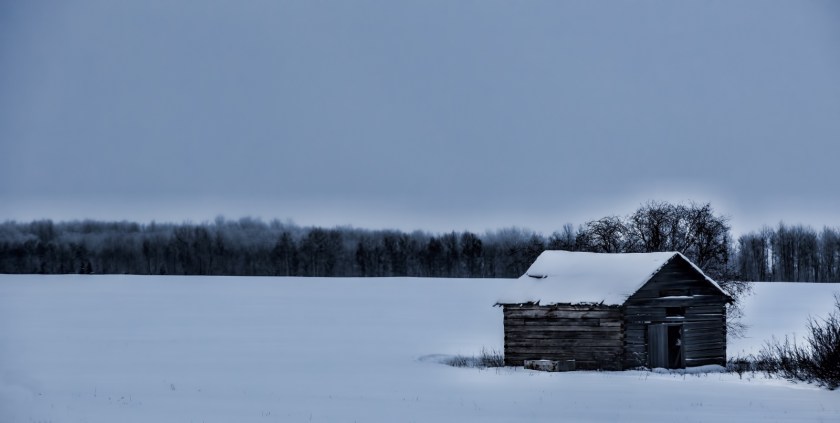
Shed - Buttertown, Ab - Canada 1

Shed – Buttertown, Ab – Canada 1

Shed - Buttertown, Ab - Canada 2

Shed – Buttertown, Ab – Canada 2

Shed - Buttertown, Ab - Canada 3

Shed – Buttertown, Ab – Canada 3

Windrow - Buttertown, Ab - Canada

Windrow – Buttertown, Ab – Canada

Combine - Buttertown, Ab - Canada

Combine – Buttertown, Ab – Canada

I intended to travel from Fort Vermilion to the north settlement after the meeting. At the meeting I asked a friend and colleague about the north settlement. “Would I be able to access or walk in to the St. Louis Catholic Mission church?” She didn’t know. But, the revelation was to find that she lived in the north settlement. Her and her husband’s families had lived in the north settlement through generations. She is someone who knows the stories of the north settlement, of Buttertown. That’s something.

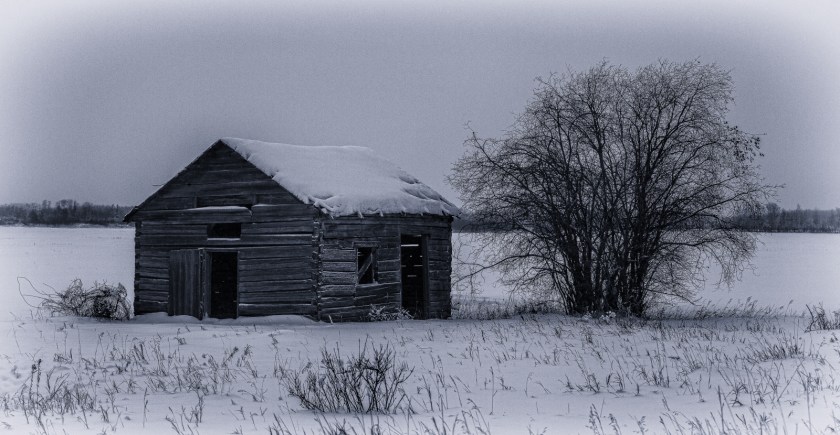
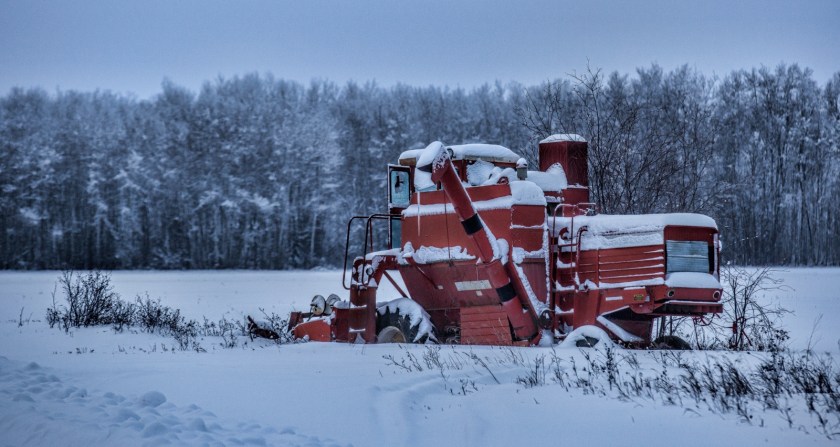
These images are Buttertown, north settlement images.

Listening to – Kate Bush’s ‘Running Up That Hill,’ Peter Gabriel’s ‘Mercy Street’ and Roxy Music’s ‘More Than This.’

Quote to Consider – “The picture that you took with your camera is the imagination you want to create with reality.” Scott Lorenzo

B-Sides, Life and Form

Canon Camera, Canon Lens, Canon Live View, Journaling, Light Intensity, Lookback Photos - One Year Ago, Photoblog Intention, Project 365 - Photo-a-day, Still Life, Weather, Winter
Trappers Shack Diner - Fort Vermilion, Ab - Canada 1

Trappers Shack Diner – Fort Vermilion, Ab – Canada 1

Trappers Shack Diner - Fort Vermilion, Ab - Canada 2

Trappers Shack Diner – Fort Vermilion, Ab – Canada 2

Trappers Shack Diner - Fort Vermilion, Ab - Canada 3

Trappers Shack Diner – Fort Vermilion, Ab – Canada 3

Trappers Shack Diner - Fort Vermilion, Ab - Canada 4

Trappers Shack Diner – Fort Vermilion, Ab – Canada 4

Trappers Shack Diner - Fort Vermilion, Ab - Canada 5

Trappers Shack Diner – Fort Vermilion, Ab – Canada 5

Trappers Shack Diner - Fort Vermilion, Ab - Canada 6

Trappers Shack Diner – Fort Vermilion, Ab – Canada 6

Trappers Shack Diner - Fort Vermilion, Ab - Canada 7

Trappers Shack Diner – Fort Vermilion, Ab – Canada 7

Trappers Shack Diner - Fort Vermilion, Ab - Canada 8

Trappers Shack Diner – Fort Vermilion, Ab – Canada 8

Trappers Shack Diner - Fort Vermilion, Ab - Canada 9

Trappers Shack Diner – Fort Vermilion, Ab – Canada 9

This day had begun with intention – to consider the state of this wordpress blog and consider what’s next; what does it become? For the longest while this blog has been memory’s placeholder, a responding point for photographs created. In the editing of each image, memory could be pulled forward to surface, the image associating to personal history and consideration, a starting point from which to journal. Today, though, the question was that of what does this blog next become. Is it now time to move the photoblog towards a Blurb book or perhaps a Mixbook, a hardcopy, something you need two hands to look at?
The day began with photoblog intention, investigating the integrity of photo files starting with the blog’s oldest photos. I was surprised to find that first photos I’d posted were surprisingly out of focus – the consequence of using Adobe Lightroom with presets alone; these images were created long before editing images in NiK Collection and Topaz software. I returned to original images and had a second go at editing. Along the way I rediscovered images that had been b-sides, those that had not been first choices for presentation in this blog.

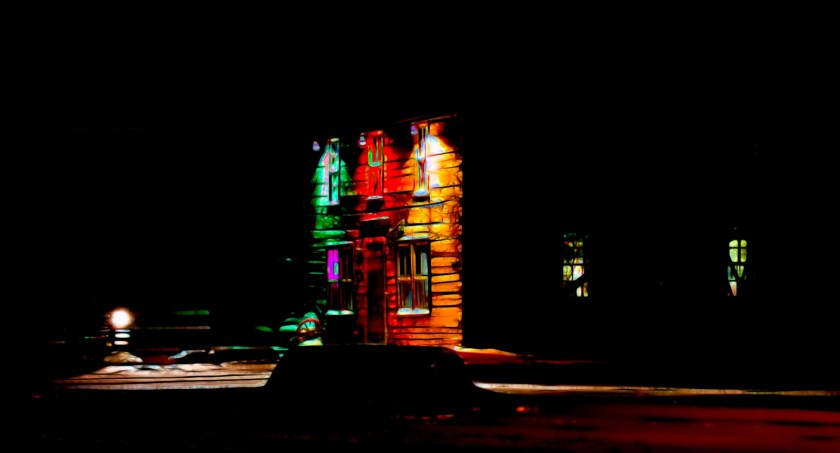
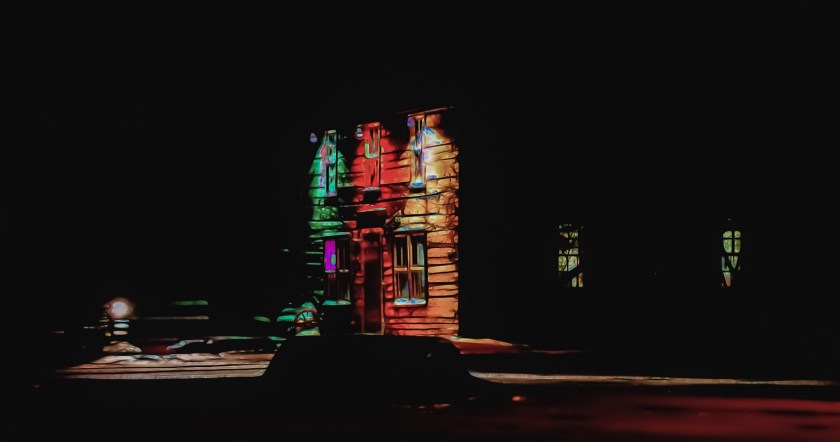
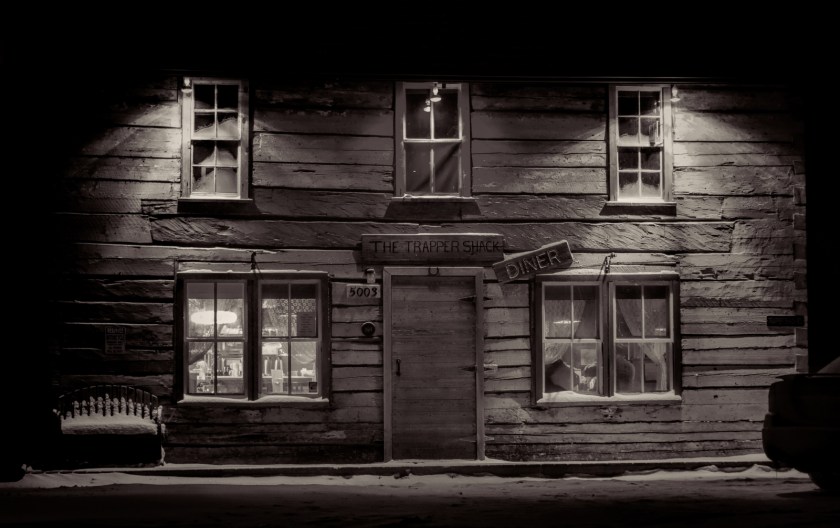
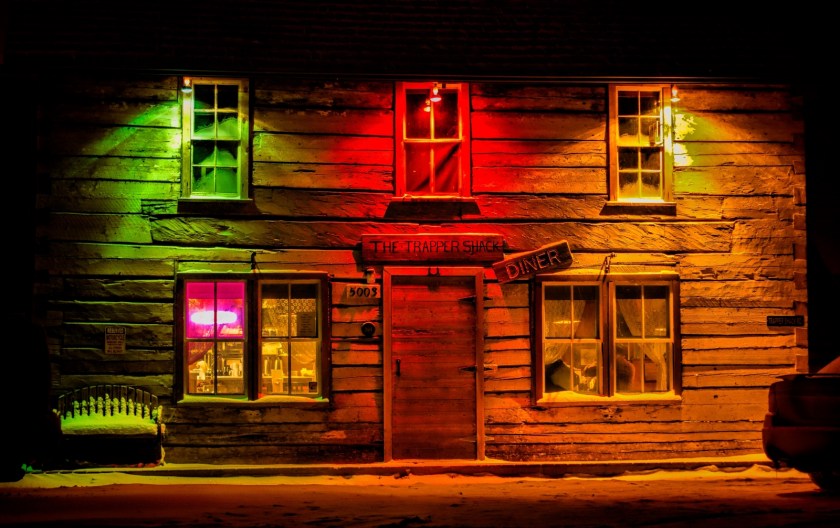
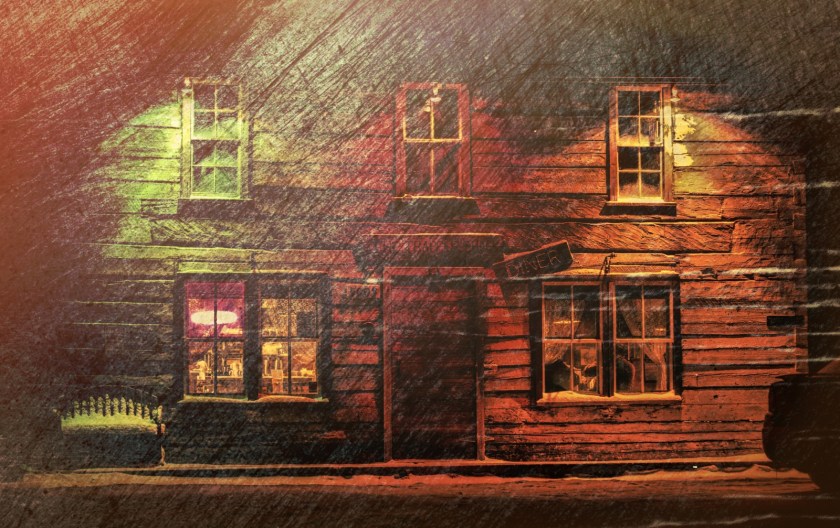
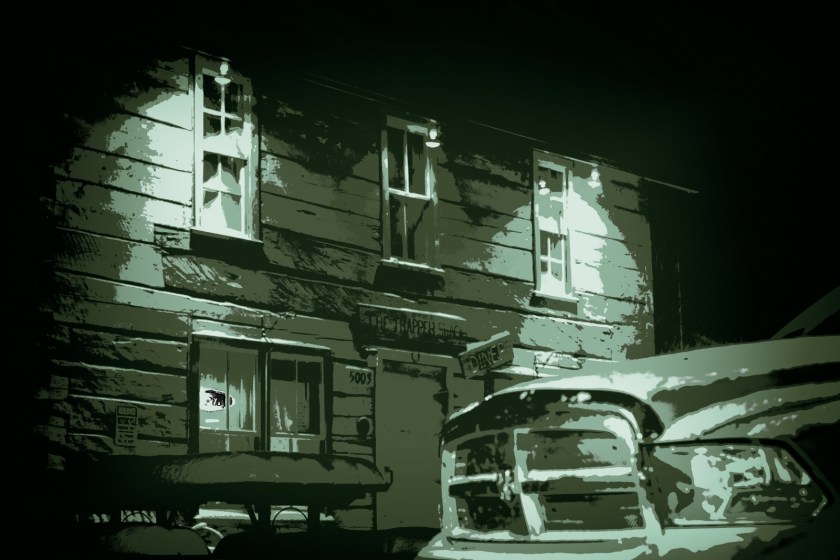
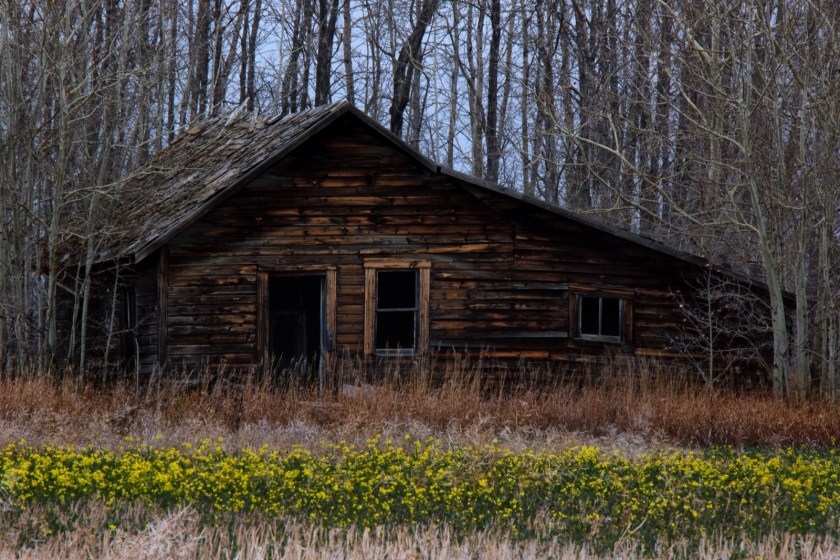
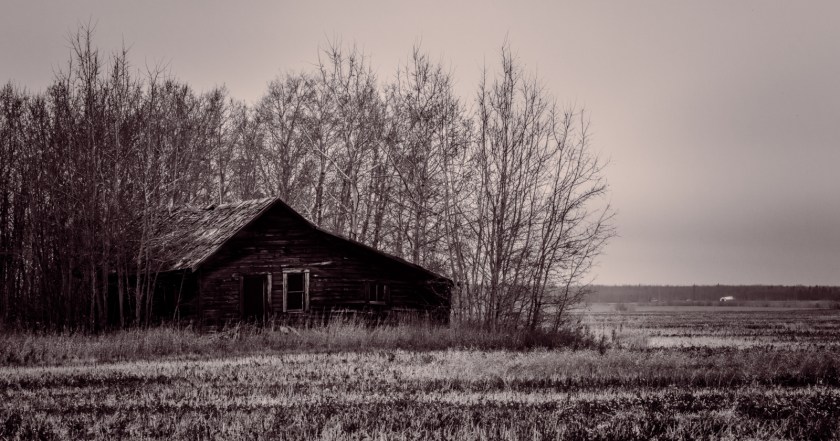
The endeavor began in fueling my body in front of a computer screen – coffee, an omelette and raisin toast. The images for editing were four-year old photos from Fort Vermilion, Alberta (December, 2011). A previous century building was first edit, a building that had been re-purposed to serve as restaurant – The Trappers Shack Diner. And, while it was all the go four years back, it has, within these past two years, sat vacant. This blog has tended to do that, encourage recognition of beginnings and recognition of how and when change occurs, particularly slower moving changes – the aging barn photographed has collapsed, the rare find of a La Crete-bound forties, three-tonne REO Speedwagon cab and chassis has now been sold and removed from its Manning, Alberta farmer’s field, the forested land that was forest, is now cleared, a farmer’s field with next use in Rocky Lane, Alberta.

Time editing, today, has held music. A friend and minister recommended new tunes, an album by Mary Coughlan and Erik Visser, ‘Scars on the Calendar’ – jazzy, dark and resonant in lyric and tune. A second album that I’ve previously looked for was recommended and found today on iTunes, ‘Another Day, Another Time: Celebrating the Music of ‘Inside Llewyn Davis,’ a look at the sixties folk scene and the music associated with the movie, ‘Inside Llewyn Davis.’

Curious Quotes to Consider – “‘Religion and art,’ he says, ‘are almost the same thing anyway. Just different ways of taking a man out of himself, bringing him to the emotional pitch that we call ecstasy or rapture. They’re both a rejection of the material, common-sense world for one that’s illusory, yet somehow more important. Now it’s always when a man turns away from this common-sense world around him that he begins to create, when he looks into a void, and has to give it life and form.’” … Mrs. Bentley quoting her husband. Sinclair Ross, ‘As for Me and My House,’ p. 112; after re-reading this curious quote, the pull toward Carl Jung and his quote surfaced – “Who looks outside, dreams; who looks inside, awakens.” Jung’s quote is engraved on a dark metal plaque I have hanging in my office at school.

Listening to – musician and songwriter, Brian Houston’s ‘We don’t need religion,’ a protest song – ‘we could use the love of God’ (excerpted lyrics).

That Which Was Is

Best Practices - Photography, Canon Camera, Canon Lens, Canon Live View, Fauna, Photography & Conceptualizing Beauty, Project 365 - Photo-a-day, Still Life, Summer
Dinosaur - Drumheller, Ab - Canada 1

Dinosaur – Drumheller, Ab – Canada 1

Dinosaur - Drumheller, Ab - Canada 2

Dinosaur – Drumheller, Ab – Canada 2

Dinosaur - Drumheller, Ab - Canada 3

Dinosaur – Drumheller, Ab – Canada 3

Dinosaur - Drumheller, Ab - Canada 4

Dinosaur – Drumheller, Ab – Canada 4

Dinosaur - Drumheller, Ab - Canada 5

Dinosaur – Drumheller, Ab – Canada 5

Dinosaur - Drumheller, Ab - Canada 6

Dinosaur – Drumheller, Ab – Canada 6

Dinosaur - Drumheller, Ab - Canada 7

Dinosaur – Drumheller, Ab – Canada 7

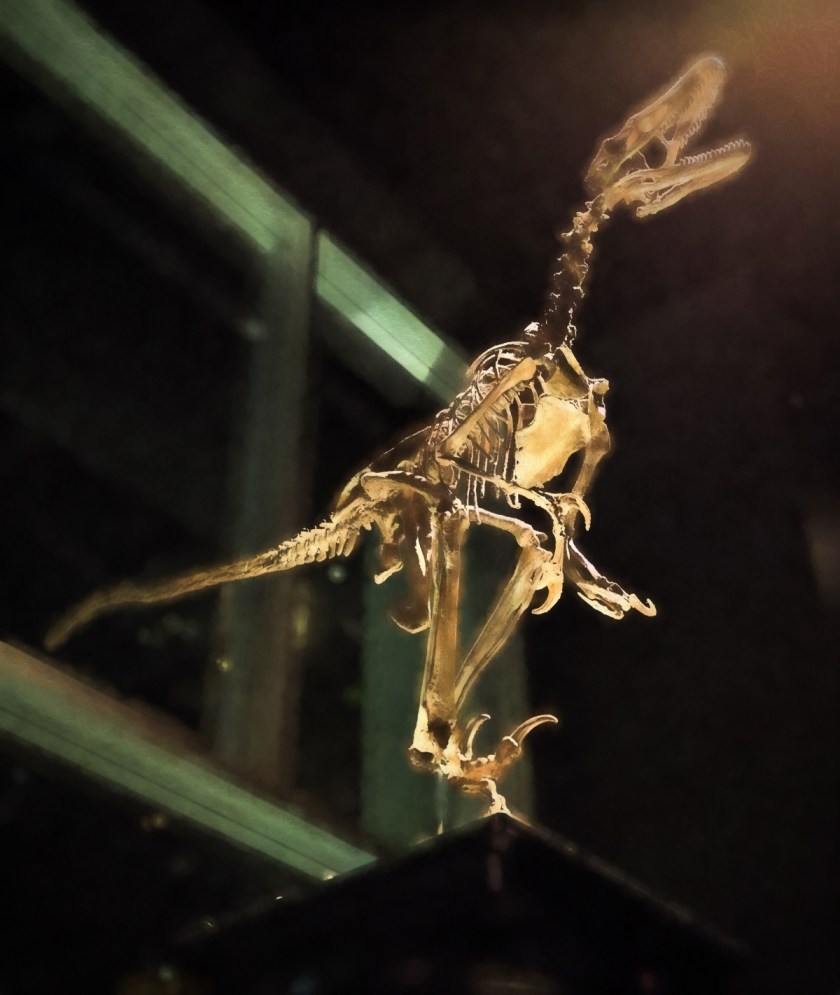
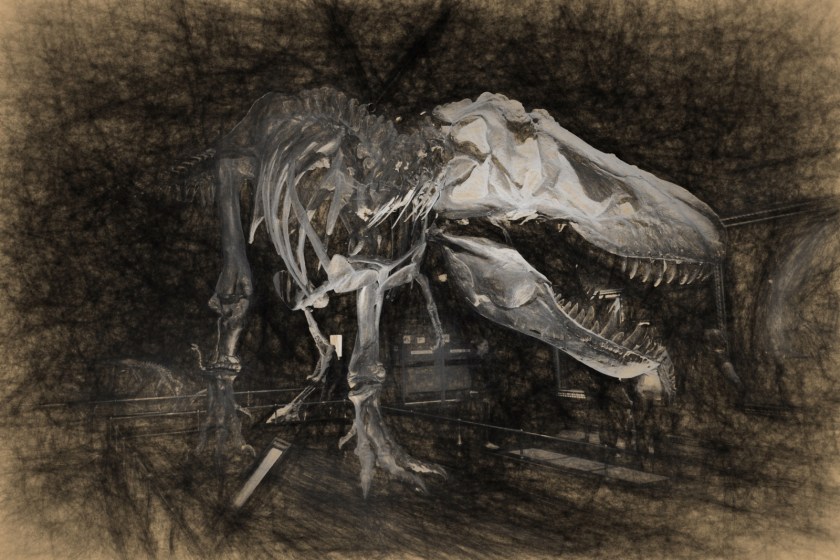
I had a go at photographing remnants of long ago creatures, fossilized and in many cases fully intact, displayed to be discovered again by the would-be archeologist at The Royal Tyrell Museum of Palaeontology. The challenge then became that of presenting images that focused solely on the creature; that was accomplished with editing.

Quote to Consider/Inspire – “I began to realize that the camera sees the world differently than the human eye and that sometimes those differences can make a photograph more powerful than what you actually observed.” – Galen Rowell

Listening to – Bruce Springsteen’s ‘Santa Claus is Comin’ to Town,’ Over the Rhine’s ‘White Horse’ and ‘New Redemption Song,’ The Steep Mountain Rangers’ ‘Atheists Don’t Have No Songs,’ Martyn Joseph’s recently released ‘Bobby,’ ‘The Luxury of Despair,’ ‘Are You Ready’ and ‘Sanctuary,’ Deacon Blue’s ‘Bethlehem Begins,’ The Pogues’ ‘Fairytale of New York,’ Dustin Kensrue’s ‘This is War’ and Bruce Cockburn’s ‘Cry of a Tiny Babe.’

Merry Christmas, all – Take good care of your good selves.

Photographic Recollection

Canon Camera, Canon Lens, Canon Live View, Farmhouse, Home, Journaling, Photography & Conceptualizing Beauty, Project 365 - Photo-a-day, Season, Weather, Winter
Homestead in Late Fall - Fairview, Ab ii

Homestead in Late Fall – Fairview, Ab ii

Canadian Geese - Flying South, Fairview, Alberta - Canada

Canadian Geese – Flying South, Fairview, Alberta – Canada

Homestead in Late Fall - Fairview, Ab i

Homestead in Late Fall – Fairview, Ab i

Homestead in Fall - Fairview, Alberta - Canada 1

Homestead in Fall – Fairview, Alberta – Canada 1

Homestead in Fall - Fairview, Alberta - Canada 2

Homestead in Fall – Fairview, Alberta – Canada 2

Homestead in Fall - Fairview, Alberta - Canada 3

Homestead in Fall – Fairview, Alberta – Canada 3

An audio-book calmed us, my wife and I, during a night drive north on Alberta’s highway 63. Moving past our Grassland pit stop, we turned left traveling northward to Fort McMurray. As we drove, a snow storm brewed until we were within a wall of big, heavy snow flakes. I backed off on the gas and turned our high-beams to low. I minded the road, scouting the snow track left by previous vehicles. I gave oncoming vehicles a wide berth. I placed our vehicle with care on this highway with sharp shoulders.

I pushed the first audio-cassette in.

A familiar, Canadian voice met our ears – Donald Sutherland began narrating our story. “Did he know? Had he guessed that I knew for certain what everyone else only suspected?” … “I found myself looking straight into the past. Sunday, October 28, 1956. A cabin, not ten miles from where I stood now.” … “This is the weekend when we’re closing the cabin for the season and my mother has been moving around in the other room, cleaning, but now the screen door snaps shut as she steps outside. It is now that I see my father. He is hurrying away from the cabin ….” (Part 1 – May Brightman, Chapter 1 – ‘The Red Fox’ by Anthony Hyde, 1986). The cabin is starting point for a narrative that moves the reader compellingly around the world, a journalistic detective story that weaves historical fiction into curious and intriguing questions of ‘what-if.’

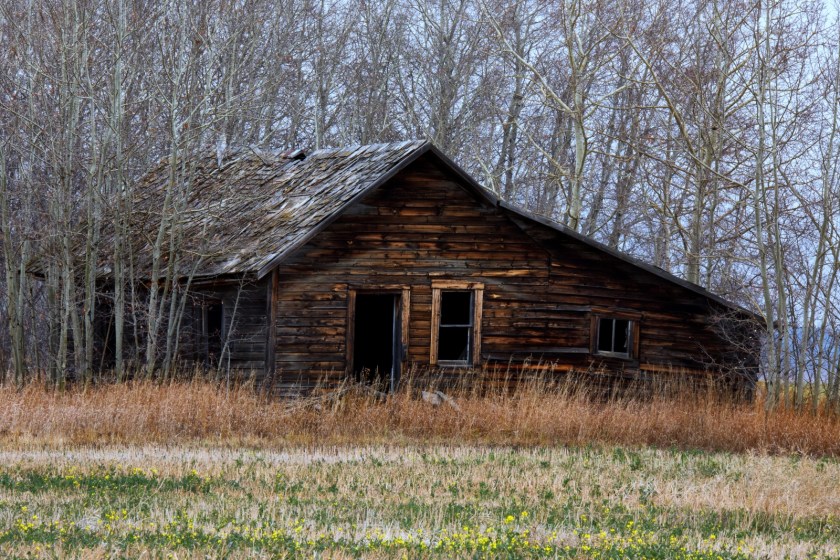
The homestead in the photographs posted here is one I have photographed many times. The edit arrived at in this image has brought forward mind’s eye recollection of the family summer cabin that Robert Thorn, protagonist (and journalist) recalls, as well, in an October funeral for his mother. Anthony Hyde’s novel led us as listeners through the untangling of truth from lies and the consideration of possibilities and where their trajectories of reasoning would lead you – definitely the right book to listen to on a long, snowy drive into Alberta’s north.

Listening to – Bruce Springsteen’s ‘If I Should Fall Behind.’

Quote to Inspire/Consider – “The eye should learn to listen before it looks.” – Robert Frank

At Home – Dad

Canon Camera, Canon Lens, Canon Live View, Fall, High Dynamic Range (HDR), Journaling, Project 365 - Photo-a-day, Still Life, Summer

Pontiac Memories - Manning, Alberta - Canada

The Open Road - Sunshine Ski Resort, Banff - Canada

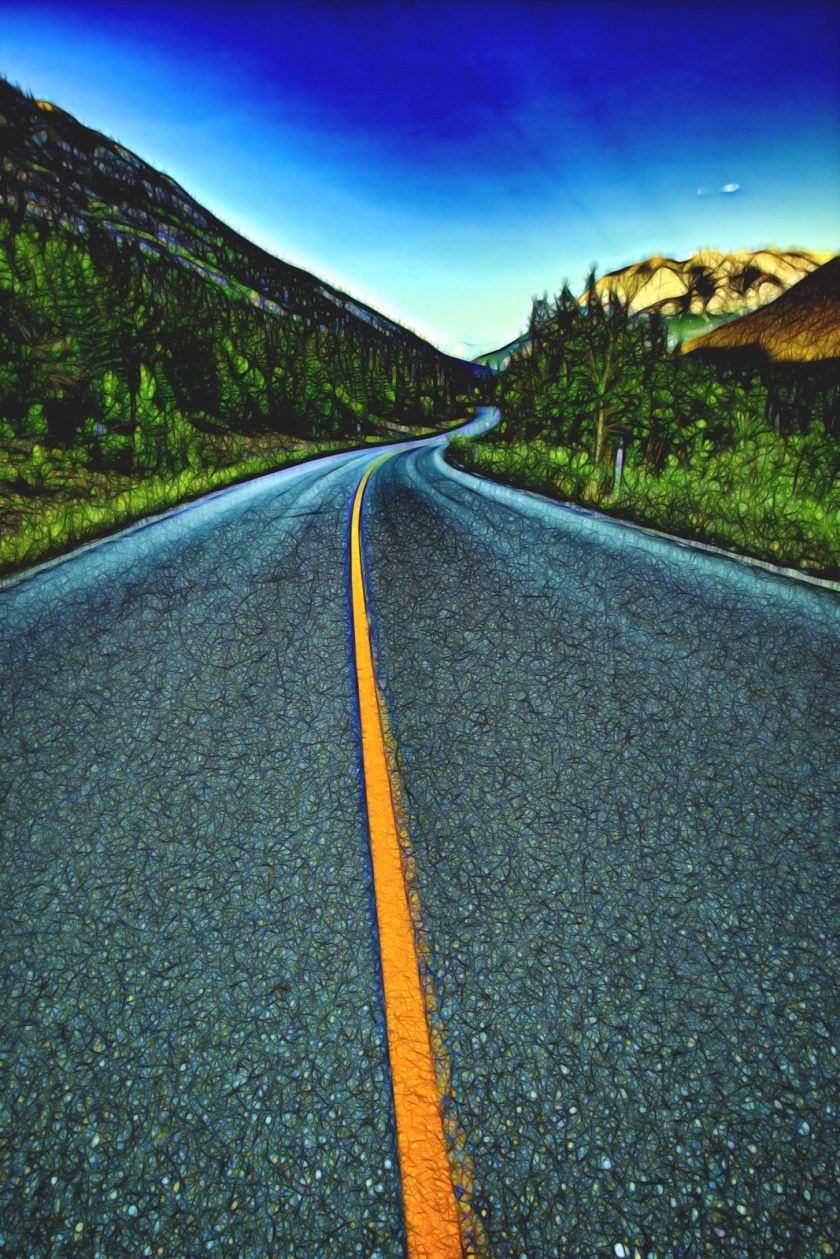
It was a Pontiac, the car my father taught me to drive – an olive green, two-door Pontiac Parisienne built for 1969 yet available to Dad in the fall of 1968. On St. Brendan’s field, hanging out with friends, I saw Dad drive it home – colour, class, chrome and shape. It had a 350 cubic inch engine, powerful enough to pass others easily on the open road; Dad said it had ‘Pep.’ There were seat belts for us all and an a.m. radio tuned to CBC 740, CKUA 580 or CFRN 1260 on the dial … and you dialed in best sound. With Dad, I learned to drive carefully, eloquently and with ease. There were wake-up calls and near misses and other drivers who spoke with their horns. On the highway, Dad said my foot was a little heavy … he said that with a smile. The transition was from driving with Dad to driving alone the way Dad would have me drive. There were times when the tie-rod end came off, when after ten years the regulator was jammed so full with dust and sand that the alternator couldn’t keep a current running through the electrical system on a slow idle and there was that time when a lifter clanged loudly after a drive with me at the wheel. Dad knew what to do and we kept the Pontiac running. My Dad, who made time for all this, did this for me, his son.

Parker J. Palmer speaks of something similar with his father; his father gave him, “… a sense of being at home in [his] own skin and on the face of the Earth.” William Stafford’s poem ‘Father’s Voice,’ resonates in similar fashion.

Father’s Voice
by William Stafford

“No need to get home early;
the car can see in the dark.”
He wanted me to be rich
the only way we could,
easy with what we had.

And always that was his gift,
given for me ever since,
easy gift, a wind
that keeps on blowing for flowers
or birds wherever I look.

World, I am your slow guest,
one of the common things
that move in the sun and have
close, reliable friends
in the earth, in the air, in the rock.

Listening to – Brubeck’s ‘Time Out’ and for a bit more fun, ‘Bru’s Boogie Woogie’ – tunes Dad would play on a Saturday night on his Heintzman grand piano in vertical form, a very bright sounding piano.

East Side Shed

Canon Camera, Canon Lens, Canon Live View, Flora, High Dynamic Range (HDR), Journaling, Photography & Conceptualizing Beauty, Still Life, Weather, Winter
Granary in Fog - Dixonville, Ab - Canada i

Granary in Fog – Dixonville, Ab – Canada i

Granary in Fog - Dixonville, Ab - Canada ii

Granary in Fog – Dixonville, Ab – Canada ii

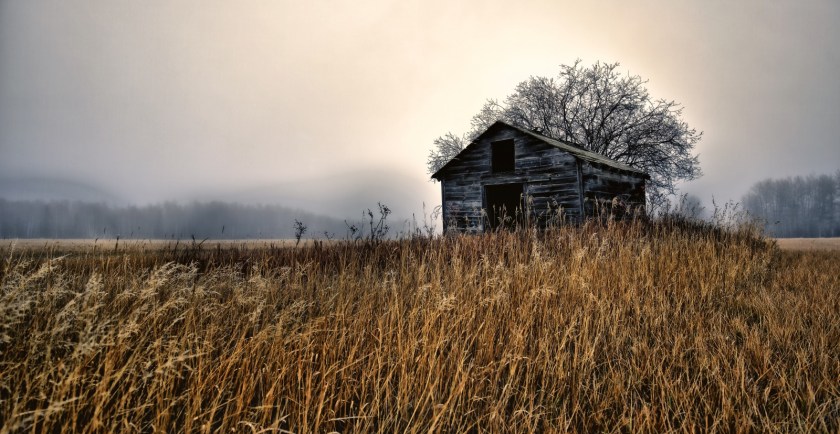
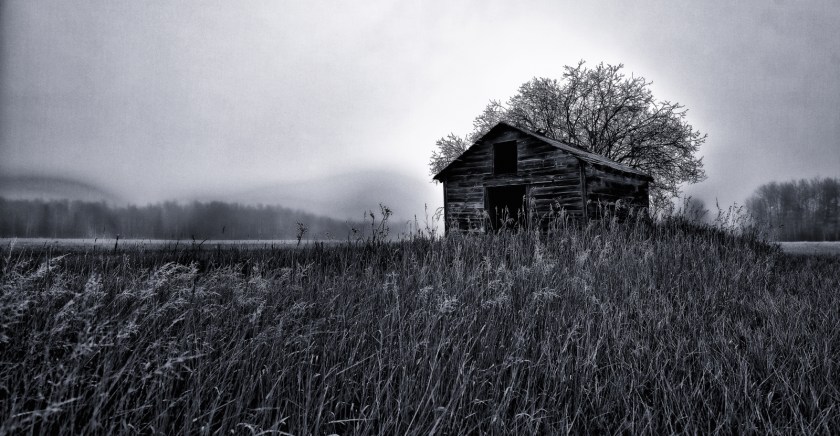
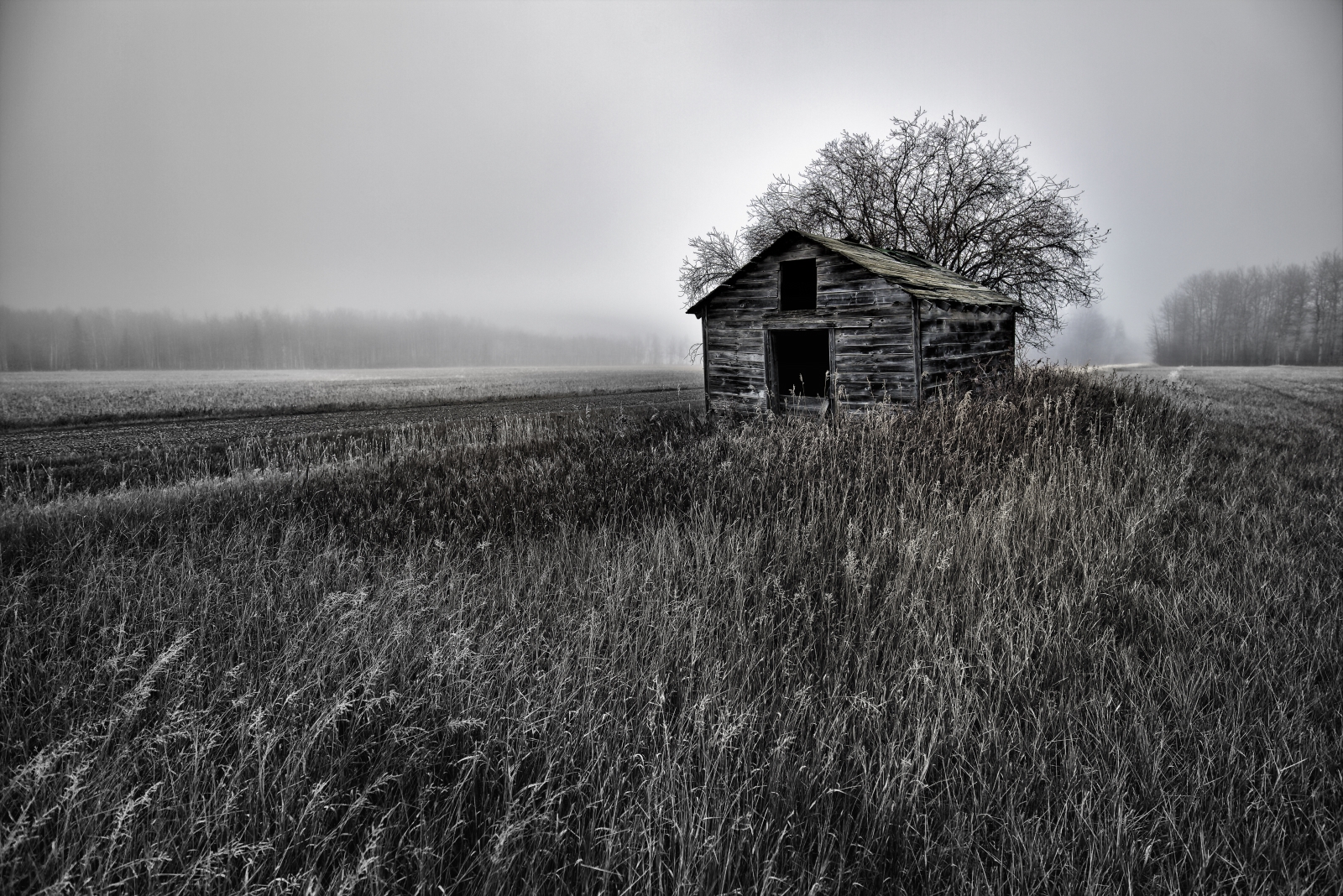
I like this grain shed image. The shed resides perhaps halfway between Dixonville and Manning, Alberta. You can see it from the highway. It’s about a kilometre in on the East side of the highway. The image works with perspective, environmental condition (fog), light, colour and texture. The image has also been about editing and finding best rendering of a High Dynamic Range (HDR) shot. The weather is curious, something not seen every day. Fog, as precursor to winter snow, hangs, waiting … holding off.

A darker image, it recalls several scenes from Sinclair Ross’ novel, ‘As For Me and My House.’ The novel was required reading in Dr. Bruce Stovel’s Canadian Literature course in his second term at the University of Alberta, a narrative that holds one rendering of the Canadian experience during the Great Depression.

“The dust clouds behind the town kept darkening and thinning and swaying, a furtive tirelessness about the way they wavered and merged with one another that reminded me of northern lights in winter…. The little town cowered close to earth as if to hide itself. The elevators stood up passive and stoical. All round me ran a hurrying little whisper through the grass. (p. 100)

This narrative has moved around the world and received acclaim for holding features of Canadian experience and culture that become what is considered Canadian identity.

Quote to Consider – “Everybody needs beauty as well as bread, places to play in and pray in, where nature may heal and cheer and give strength to the body and soul alike.” – John Muir, his essay, ‘Nature Writings’

Listening to – Leem Lubany’s ‘Wild World,’ Brian Houston’s ‘Next to Me,’ and Bob Dylan’s ‘Knockin’ On Heaven’s Door.’

Miasma Cover

Canon Camera, Canon Lens, Canon Live View, Fall, Farm, High Dynamic Range (HDR), Journaling, Photoblog Intention, Photography & Conceptualizing Beauty, Still Life, Weather
Foggy Granary - Dixonville, Ab - Canada i

Foggy Granary – Dixonville, Ab – Canada i

Foggy Granary - Dixonville, Ab - Canada ii

Foggy Granary – Dixonville, Ab – Canada ii

Foggy Granary - Dixonville, Ab - Canada iii

Foggy Granary – Dixonville, Ab – Canada iii

Foggy Granary - Dixonville, Ab - Canada iv

Foggy Granary – Dixonville, Ab – Canada iv

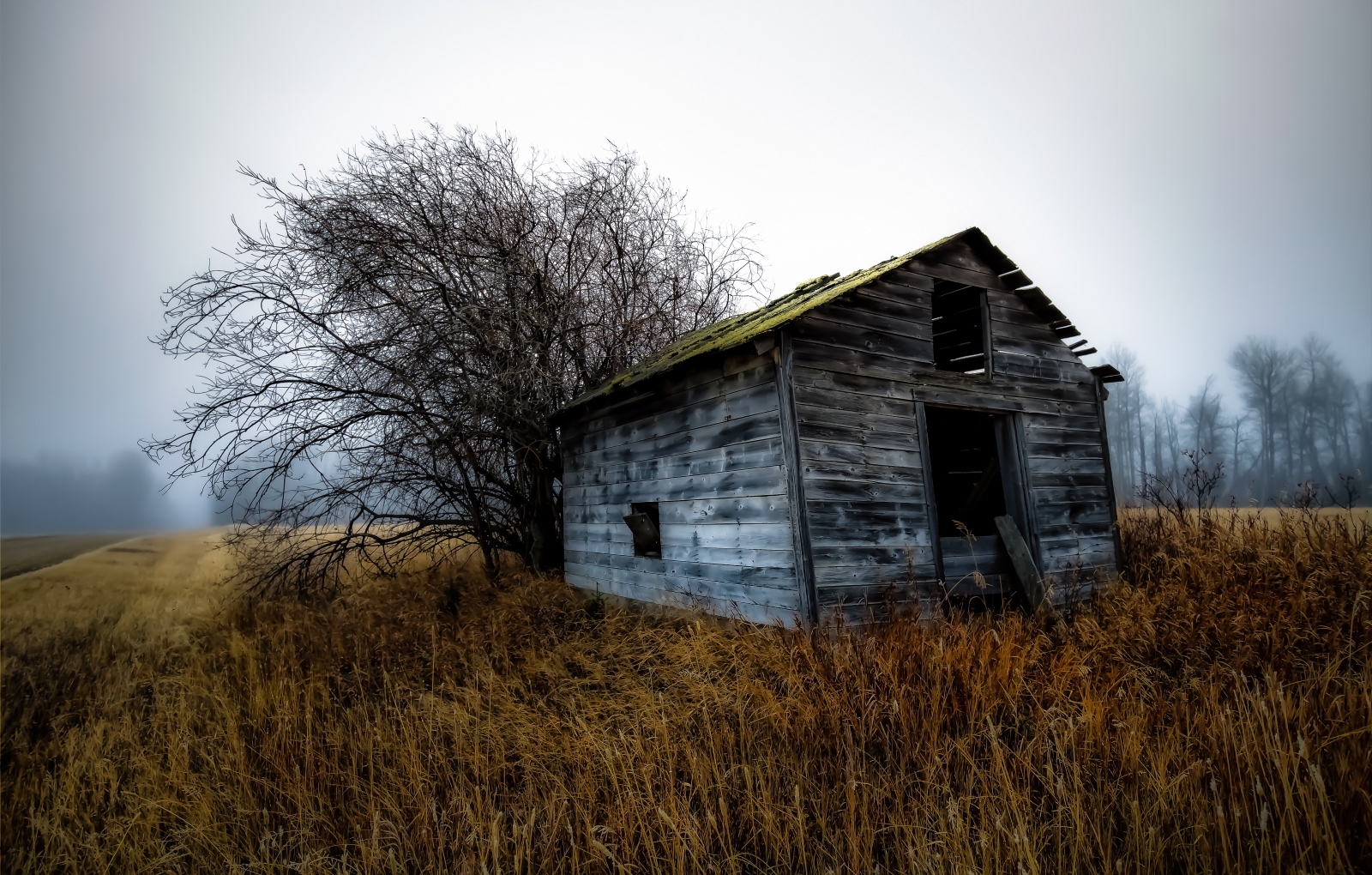
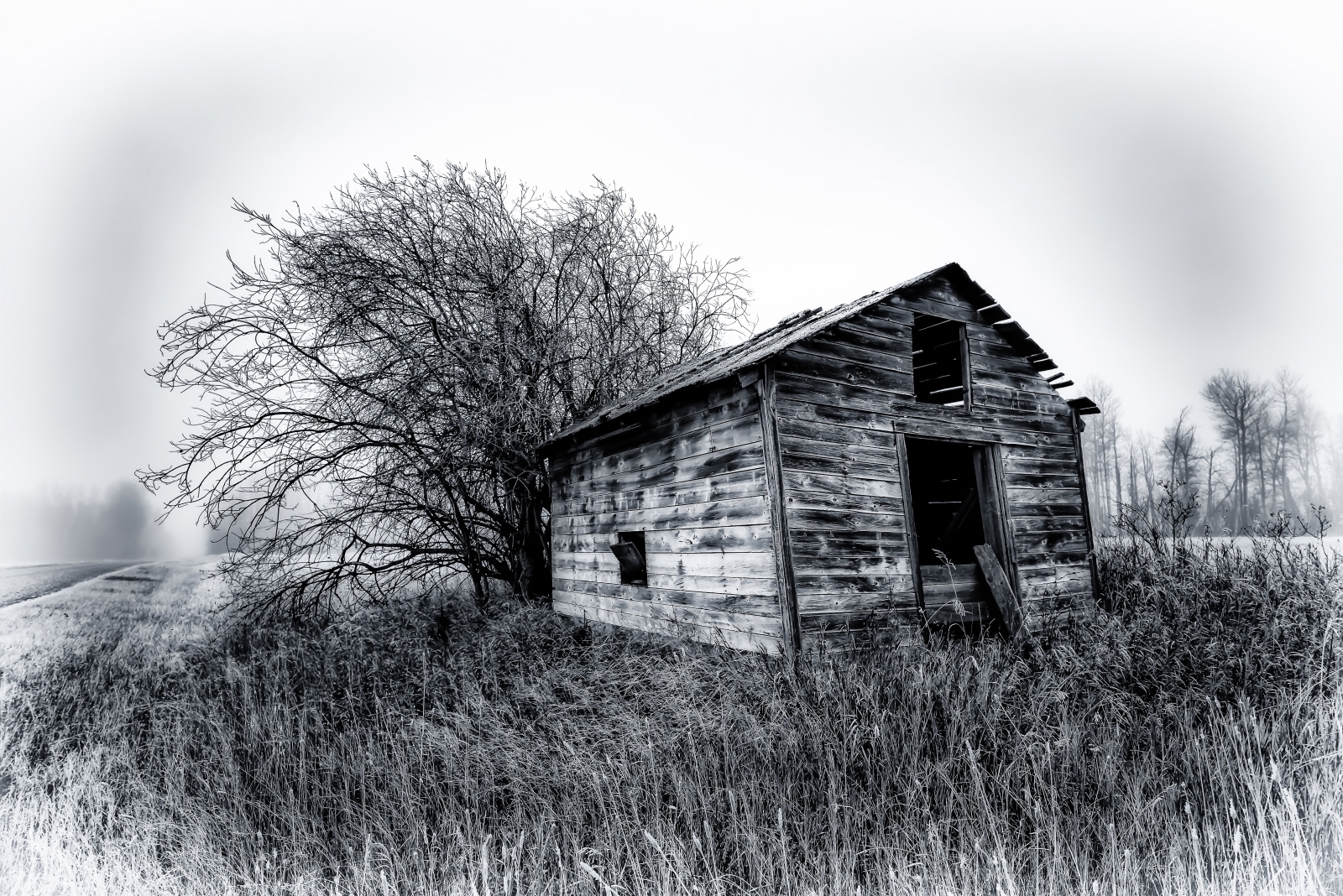
The return, a drive home in late October; fog hangs in the air for two hundred kilometres – from Peace River north to Keg River Cabins. I’ve had my eye on this granary within these past two years as one to investigate with my camera. I’m liking the colour, textures and miasma – all visual opportunity.

Listening to – ‘The Dignity of Difference,’ an On Being podcast with Jonathan Sacks.

“Beauty can be seen in all things, seeing and composing the beauty is what separates the snapshot from the photograph.” – Matt Hardy

Land’s Next Use

Canon Camera, Canon Lens, Canon Live View, Fall, Farm, High Dynamic Range (HDR), Homestead, Journaling, Photoblog Intention, Photography & Conceptualizing Beauty, Project 365 - Photo-a-day, Still Life, The Candid Frame, Weather, Winter
Strewn Timber - Rocky Lane, Alberta - Canada iv

Strewn Timber – Rocky Lane, Alberta – Canada iv

Strewn Timber - Rocky Lane, Alberta - Canada ii

Strewn Timber – Rocky Lane, Alberta – Canada ii

Strewn Timber - Rocky Lane, Alberta - Canada iii

Strewn Timber – Rocky Lane, Alberta – Canada iii

Strewn Timber - Rocky Lane, Alberta - Canada i

Strewn Timber – Rocky Lane, Alberta – Canada i

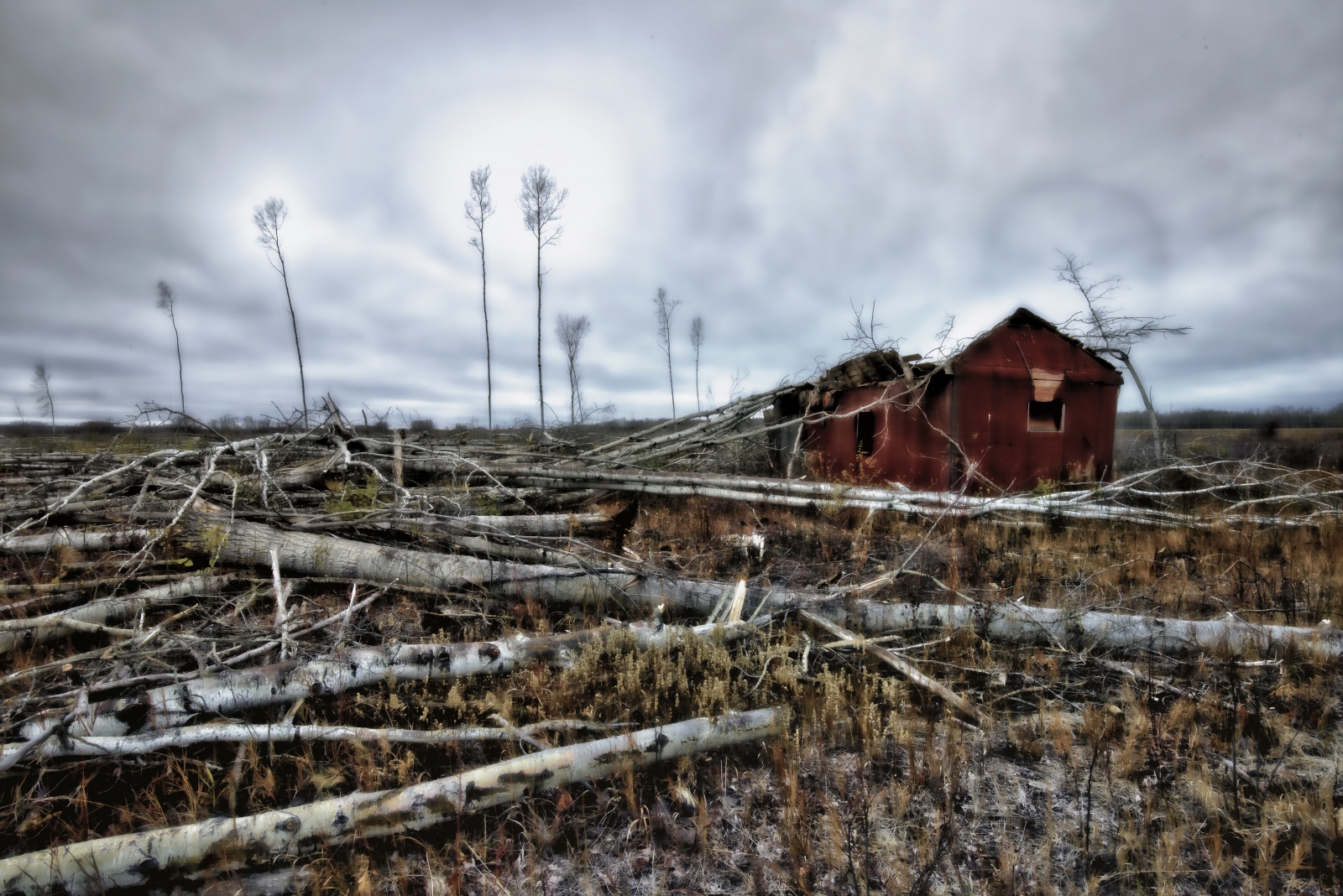
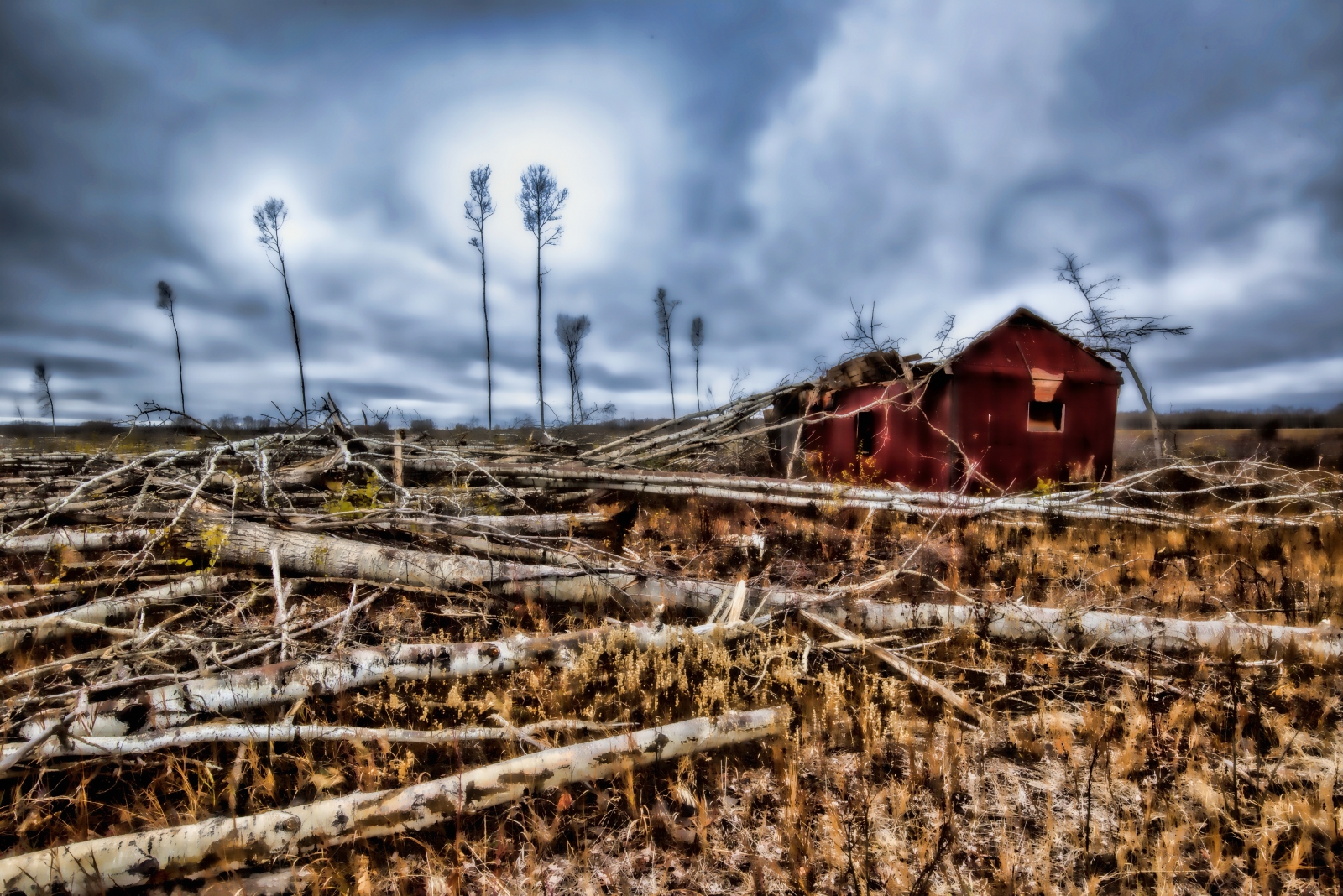
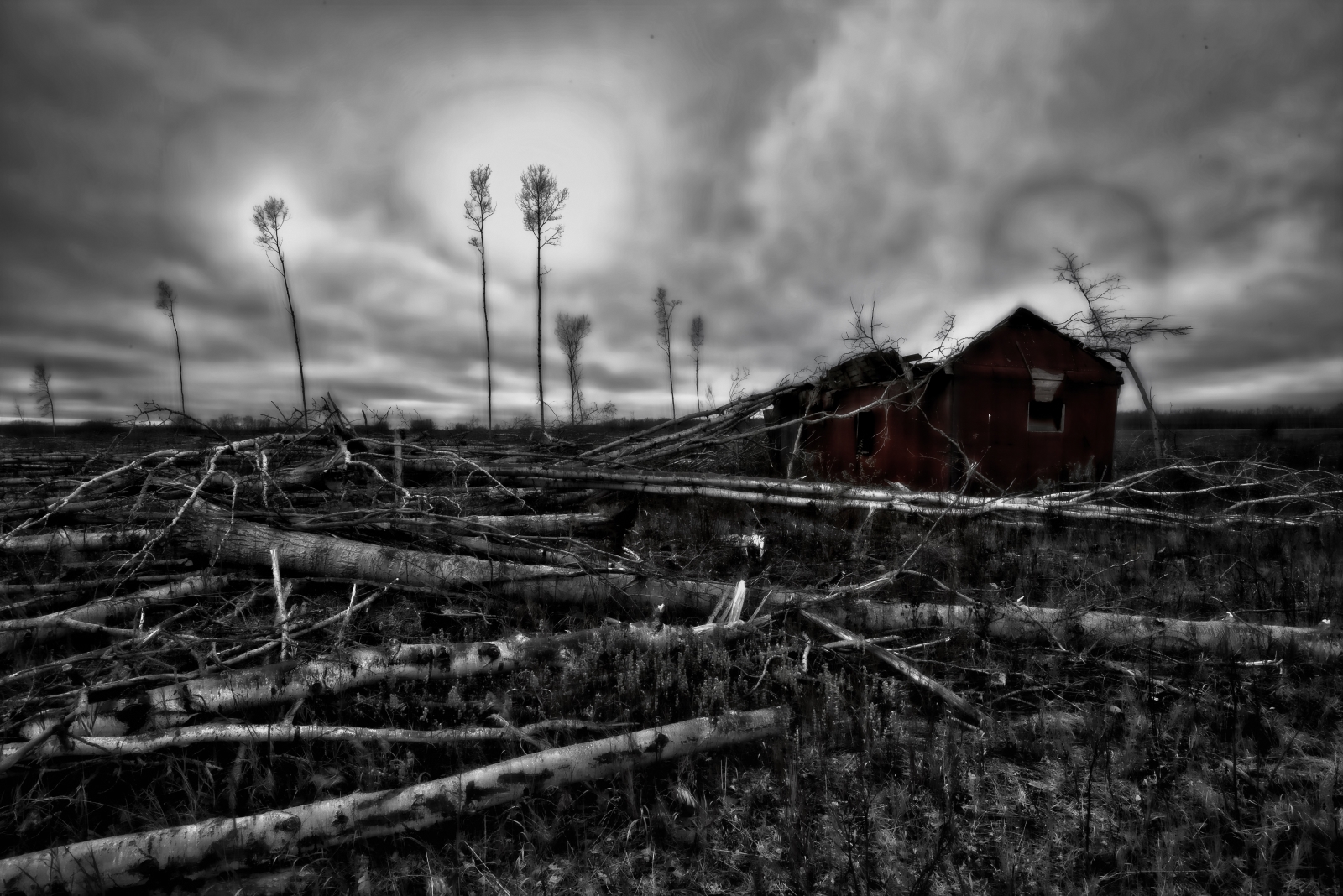
Timber, pushed down, lies strewn throughout a farmer’s field, a first step in clearing the land. Timber has also fallen across the structure of a homestead house yet has not crushed it. The house and a water-filled dugout suggest that a previous owner, another farmer, had initiated and abandoned a similar project in an earlier era. For now, timber will be gathered for burning; a winter or spring burn will reduce these trees and this homestead house to ashes, the land becoming ready for another use.

Quote to Consider – “I really believe there are things nobody would see if I didn’t photograph them.” – Diane Arbus

Listening to – Ibarionex Perello’s ‘The Candid Frame’ – episode 238, an interview with Sara Jane Boyers, Jesse Cook’s ‘Ocean Blue,’ Shadowfax’s ‘Move the Clouds,’ Agnes Obel’s ‘Fivefold,’ U2’s ‘Song for Someone’ and Sigur Ros’ ‘Glosoli.’

The Place Where We Are Right
by Yehuda Amichai

From the place where we are right
flowers will never grow
in the Spring.

The place where we are right
is hard and trampled
like a yard.

But doubts and loves
dig up the world
like a mole, a plough.
And a whisper will be heard in the place
where the ruined
house once stood.

Pathfinder Forays

Canon Camera, Canon Lens, Canon Live View, Fall, High Dynamic Range (HDR), Journaling, Photography & Conceptualizing Beauty, Project 365 - Photo-a-day, Season, Service Station, Vehicle, Vehicle Restoration

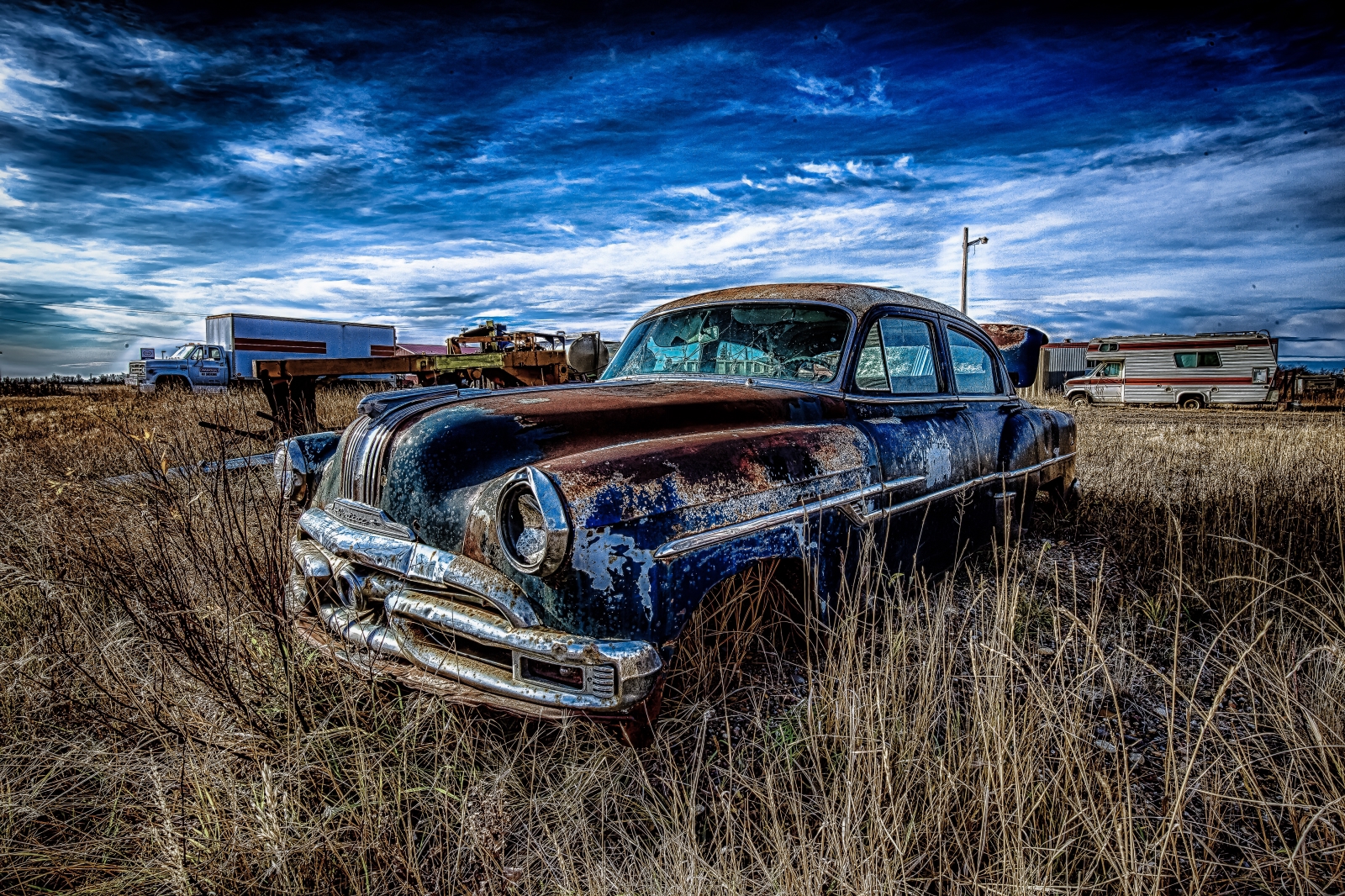
1953 Pontiac Pathfinder - Manning, Alberta - Canada i

1953 Pontiac Pathfinder - Manning, Alberta - Canada ii

1953 Pontiac Pathfinder - Manning, Alberta - Canada iii

1953 Pontiac Pathfinder - Manning, Alberta - Canada iv

1953 Pontiac Pathfinder - Manning, Alberta - Canada v

Nissan Pathfinders – my wife and I have owned and driven three of these sports utility vehicles in Northwestern Alberta. We used each to travel in and out of Wood Buffalo National Park on our bi-weekly grocery run, a distance of 200km one way. Most of the time, the Pathfinder was locked in true four wheel drive and careening forward, sliding on any angle but straight along slick, clay-mud, corduroy roads or perhaps creating a first track along snow laden roads. The joke at the time was that we could have filmed a Nissan Pathfinder commercial because of the treatment each Pathfinder received and because of the durability and handling found in its use. And, though the Pathfinder did always find its path, there were humbling times when it got stuck and had to be pulled out – six times in my last year in the park.

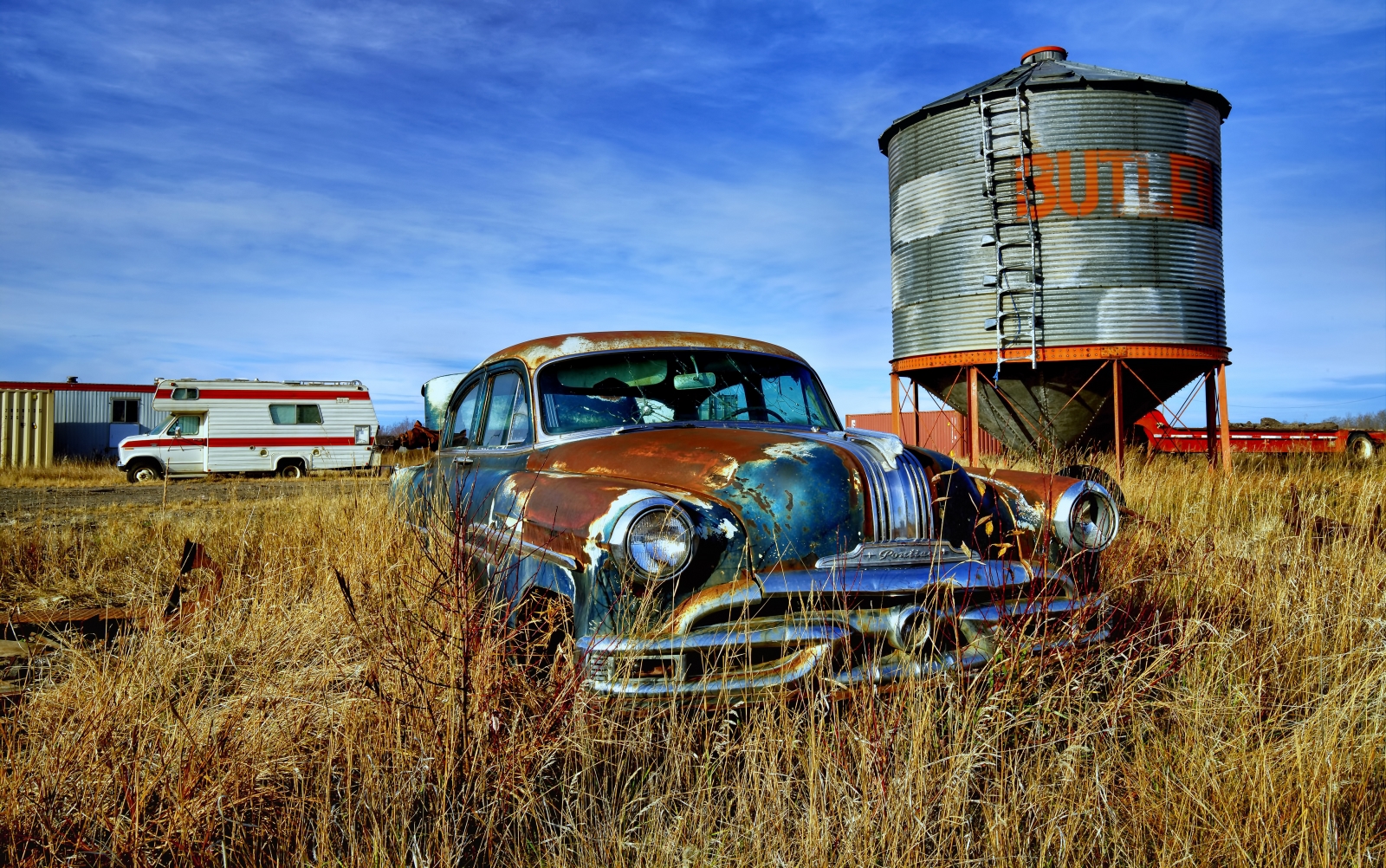
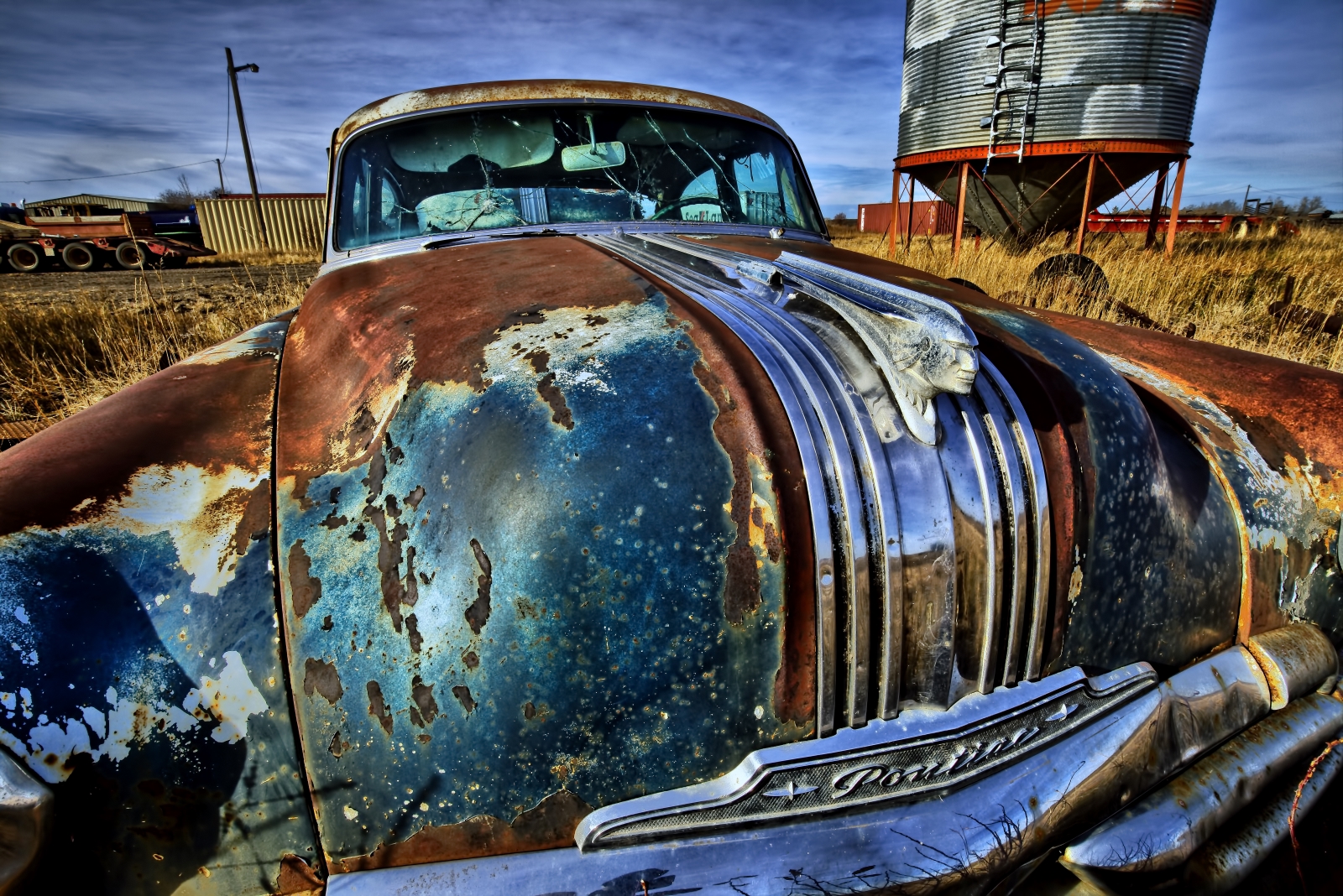
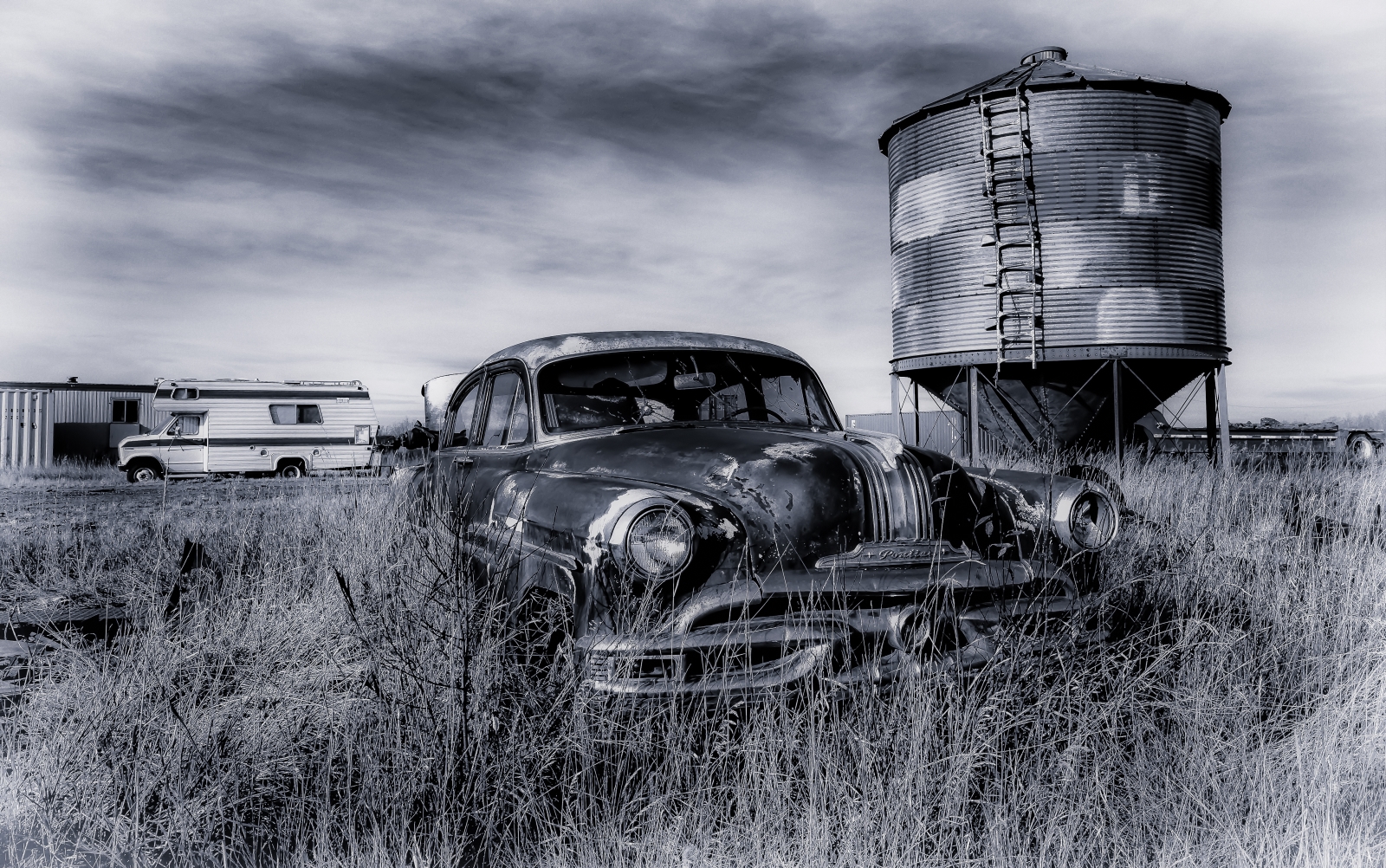
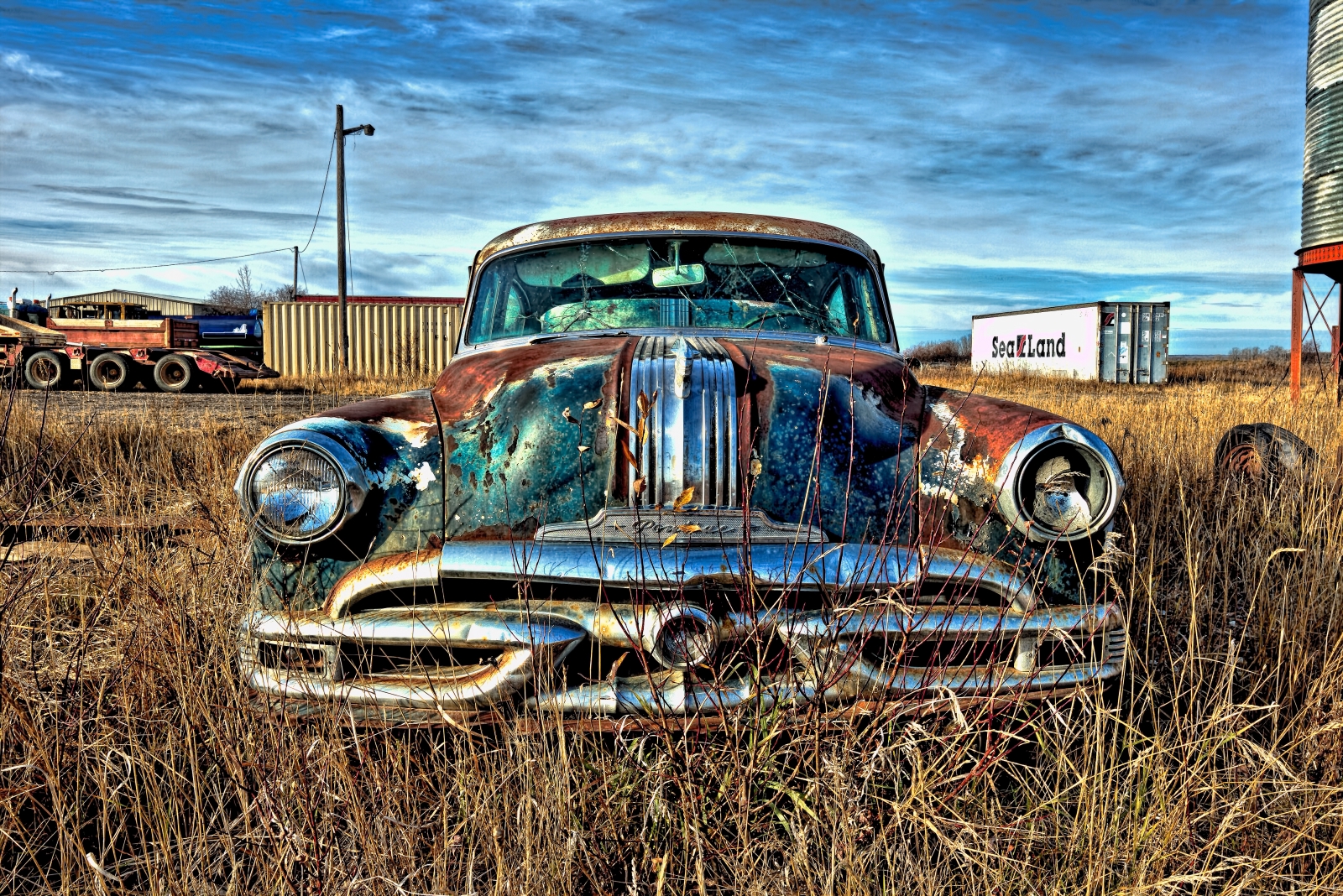
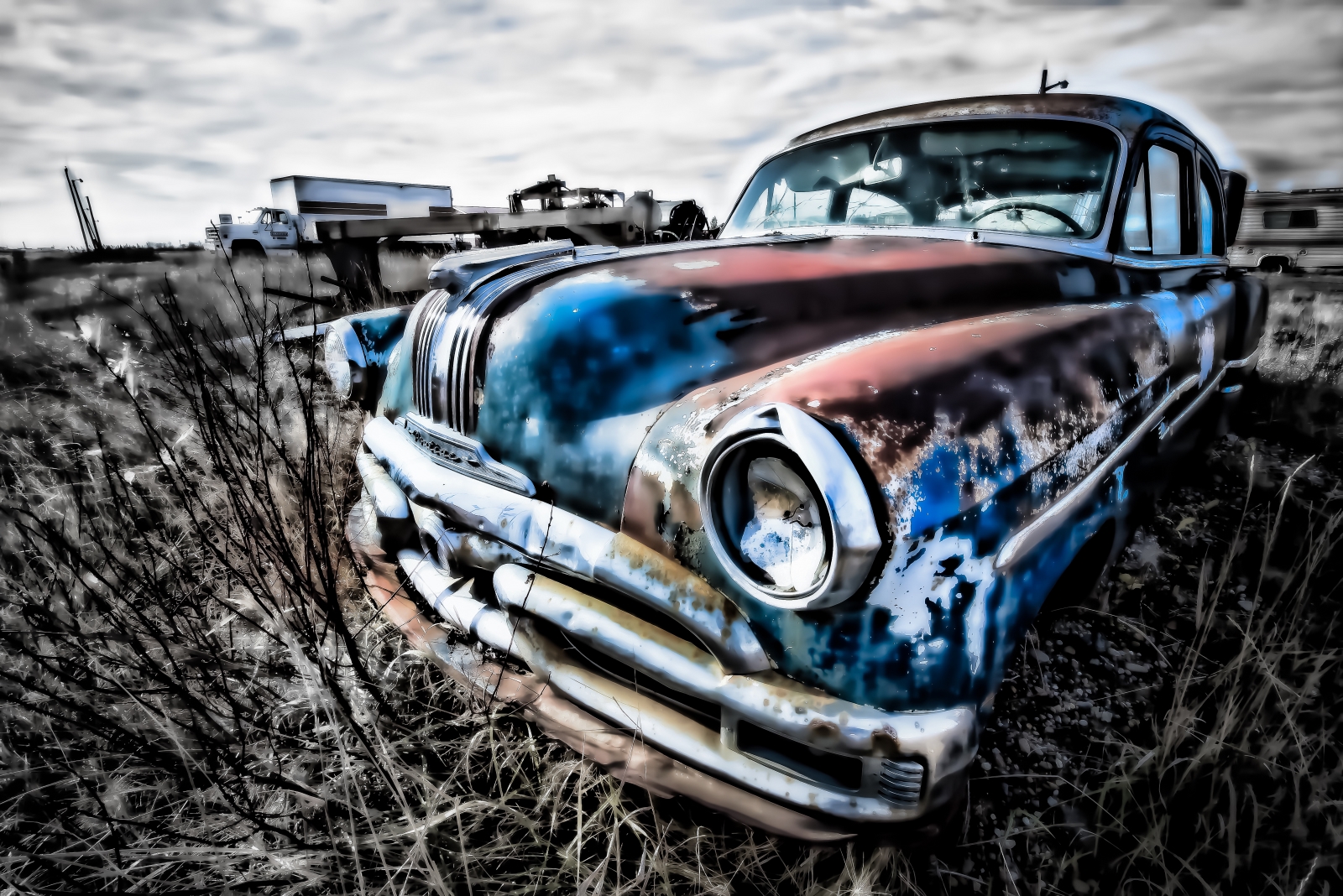
A few years ago, travelling with my camera among the backroads in and around Blue Hills, Alberta, I stumbled across an early fifties Pontiac, an old grey vehicle that had been parked among trees and other aging farm implements along the entrance to a Mennonite farm. I photographed the vehicle and did some research. The Pontiac was a sedan, possibly one intended only for Canadian markets – a 1953 Pontiac Pathfinder. A Pontiac buff, having driven my father’s 1969 Pontiac Parisienne through most of high school, I was surprised to find that Pontiac had had its own Pathfinder.

On Saturday, I drove past a service station two kilometres north from Manning, Alberta. An old, early fifties vehicle was displayed on the property, having sat on the site, ready for sale, through these past two years; but, the vehicle has always had a blue industrial shipping container placed next to it, something which has made it awkward to photograph from a stance of adjacent backgrounds and from sunlight never totally surrounding the entirety of the car properly. As I drove by I realized that the shipping container was no longer there and that the opportunity of a good photograph was possible. I captured these images and in researching the Pontiac found it to be another 1953 Pontiac Pathfinder. It was good to spend time photographing the car and then it’s been fun to edit the images, too – each a high dynamic range (HDR) shot.

Listening to – Walter Trout’s ‘Almost Gone,’ a voice that sounds so similar to the Who’s Roger Daltry singing ‘Won’t Get Fooled Again’ and ‘Baba O’Reilly;’ the song accompanies this rusting relic well.

Quotes to Consider – (1) “I’ve never taken a picture I’ve intended. They’re always better or worse.” – Diane Arbus. (2) “Some pictures are tentative forays without your even knowing it. They become methods. It’s important to take bad pictures. It’s the bad ones that have to do with what you’ve never done before. They can make you recognize something you hadn’t seen in a way that will make you recognize it when you see it again.” – Diane Arbus