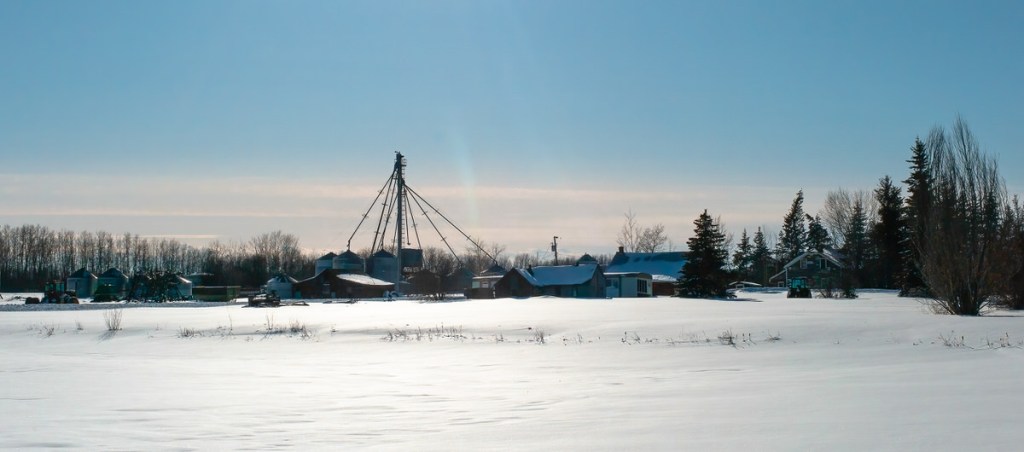
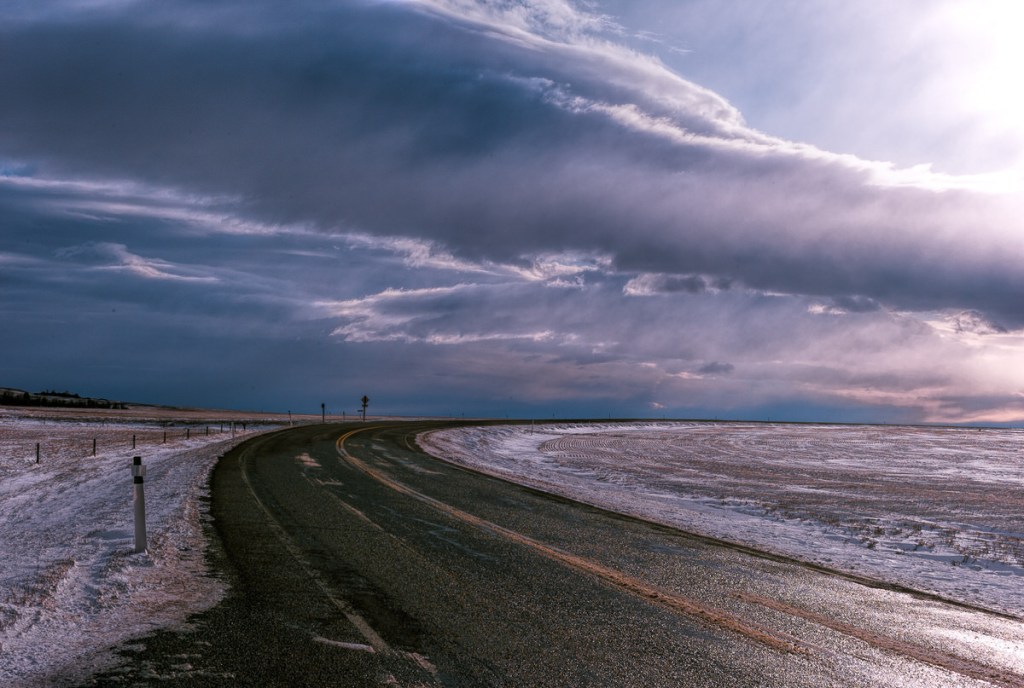
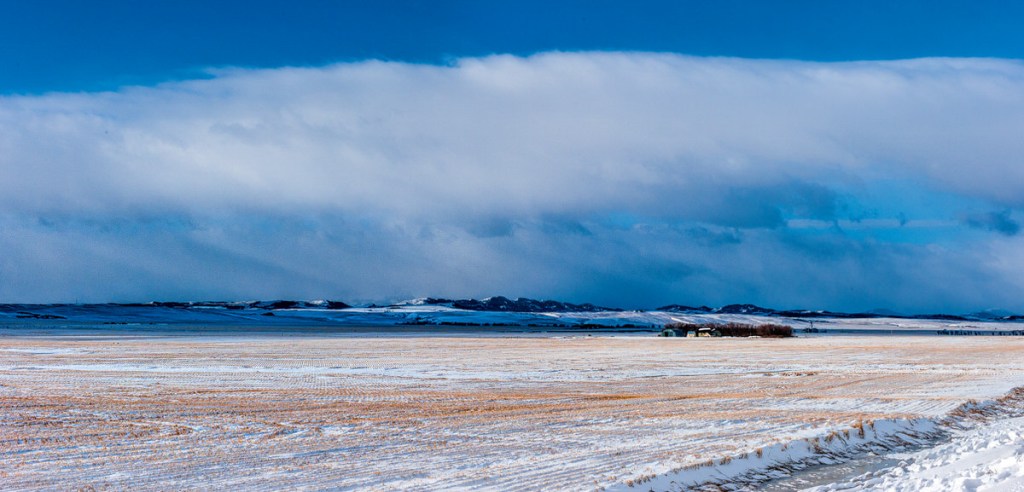
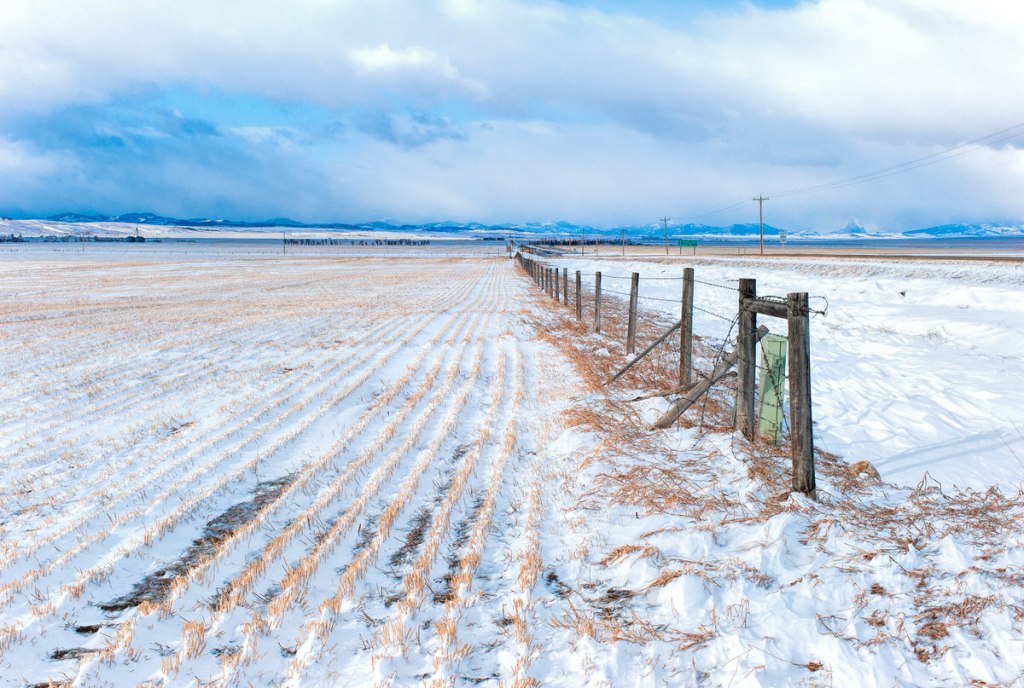
Finished Work is the Work That Matters

Best Practices - Photography, Perfectionism, Project 365 - Photo-a-day

There is a gap between photographers who keep moving forward and those who never quite get there. Talent doesn’t explain it. Effort doesn’t explain it. More often than not, the gap comes down to perfectionism — and the quiet, costly way it keeps good work from ever reaching the world.

Perfectionism creates two things: spin and fear. Spin is the endless cycle, the feeling of working hard without getting anywhere. Fear is the worry that what you’ve made won’t measure up — that putting it out there will expose you to judgment, that it won’t resonate, and that people won’t get it. Together, they create a trough that’s easy to fall into and hard to climb out of. The longer you stay, the deeper it gets.
The truth is simple and worth saying plainly: your work will never be perfect. It can’t be. With virtually any photograph ever made, you can find a stronger one somewhere. Perfect is a strange, slippery word, and chasing it leads nowhere useful. More often, it leads to an archive of the ‘almost-done,’ projects that deserved to exist in the world, sitting in folders, waiting for one more pass that never quite comes.

The better approach is to care deeply, build steadily, and know when to call it done. Think it through, then start. Refine as you go — re-shoot, clean up, improve. At some point, say the words: This is good. This is ready. Then put it out and move on to the next story. Some of the greatest leaps in craft come from diving into a project before you feel fully prepared, building skills in real time, and letting the work push you forward. That’s how it works. That’s how it has always worked.

What “Good Enough” Actually Means

Good enough is not a lowering of standards. It’s a calibration — one of the most important things a working photographer can learn to do.

Good enough means good enough for this stage of your development, this story, and this moment in your practice. It is not a fixed ceiling you settle beneath. It is a moving standard that grows alongside you. As your eye sharpens and your craft deepens, what you consider good enough rises with them. Perfection, by contrast, is fixed and unreachable — a point on the horizon that never draws closer, no matter how long you walk toward it. Good enough is where you actually are, and it is enough to begin, finish, and share.

The Work That Gets Done Can Be Shared

This is where the argument moves beyond practice and into something more significant.

Perfectionism is not only a personal obstacle. It is a withholding. The work that never gets finished never enters the world. It never finds its audience. It never joins the larger conversation that photography is always having — about beauty, about truth, and about how the world looks, feels, and means something. A completed project, even one that falls short of some imagined ideal, may matter to someone else. An unfinished one has no chance at all.

There is something genuinely generous about finishing and releasing work. You are making it available. And availability is where resonance, connection, and real influence live.

Once the work is out, it enters someone else’s life and meets something in them you couldn’t have predicted or planned for — something known to them, unknown to you. A photograph you almost didn’t share becomes the image that stops someone mid-scroll and makes them feel seen. A project you nearly abandoned becomes the body of work that moves someone to pick up their own camera. At that point of intersection, the work belongs to the encounter as much as to you. That is where photography becomes something more than a craft.

This also addresses the fear that keeps so much work locked away. The worry is that putting your work out there exposes you to judgment. But the alternative is that the work simply doesn’t exist for anyone but you. Which, in the end, is the greater loss?


The Audience That’s Waiting

Someone out there needs the story you’re sitting on.
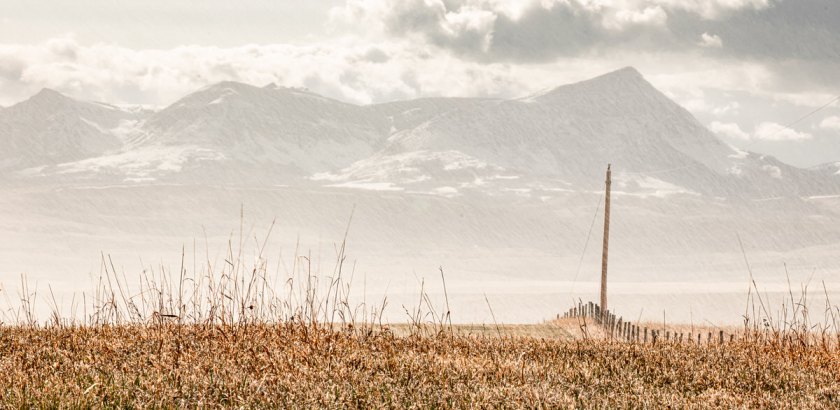
Not abstractly — specifically. The person who would have been moved by your work, who would have learned from it, who would have felt a little less alone because of it, never gets that chance when the work remains locked in revision. The withholding carries a human cost that extends well beyond you. Your stories do not belong only to you.
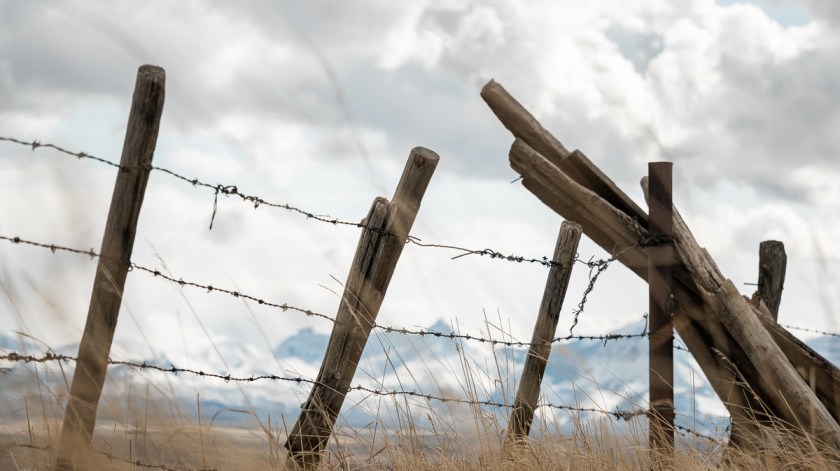
If your camera has been gathering dust, if there’s a project you’ve been circling for months or years, if you keep telling yourself you’ll finish it when the conditions are right — this is what matters: the conditions will never be perfect. But the story still needs to be told. And you are the one who can tell it.


Time Is Your Most Valuable Resource

Perfectionism wastes the one thing you cannot recover: time.
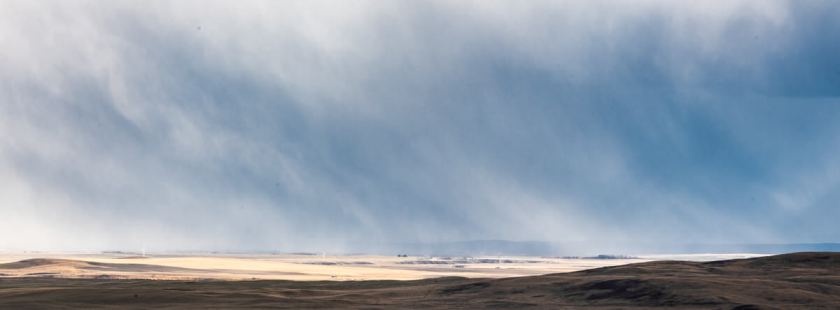
And the waste compounds. Time spent over-refining one project is time not spent starting the next — and often, it’s the next project where the real growth happens. The photographer who finishes and moves on builds a body of work. The photographer who endlessly refines builds an archive of the almost-done.

Progress lives in completion and momentum, not in the final, elusive pass.


Finishing Builds the Confidence to Keep Going

Every completed project does something endless revision cannot: it gives you the lived experience of having done it. Each finished body of work becomes evidence — to yourself — that you can do it again. That you are someone who makes things and puts them into the world.
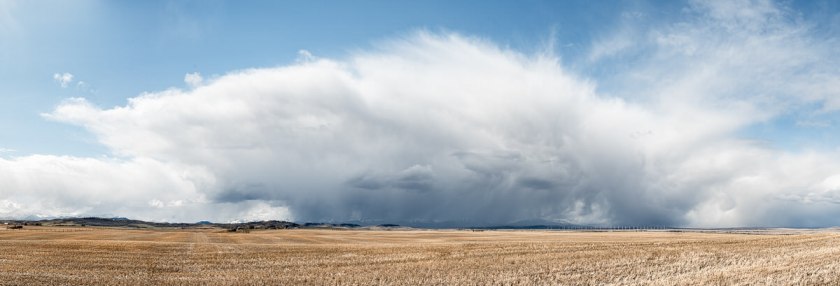
Paradoxically, perfectionism erodes the very confidence it claims to protect. By never letting you finish, it never lets you prove to yourself that finishing is possible. The doubt grows. The camera gathers more dust.

The best remedy is a completed project. Then another. Then another. That is how a practice is built and how a photographer becomes, over time, the person they were trying to be when they first picked up a camera.


The Work Teaches You

There is one more thing perfectionism costs you, and it may be the most practical of them all.
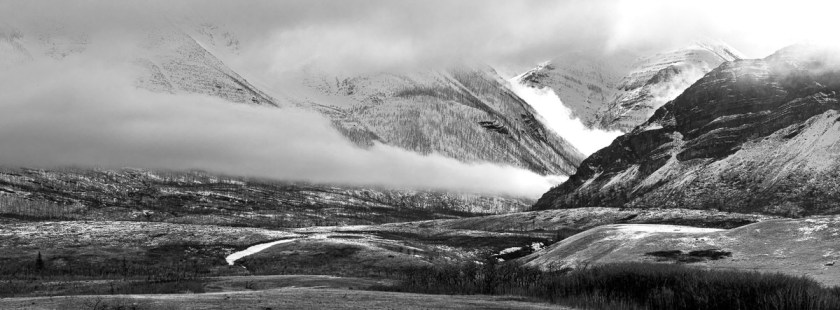
Releasing a project and observing how it lands — what resonates, what doesn’t, what you would do differently — yields information you cannot get any other way. That feedback, from an audience, from time and distance, and from your own eyes returning to finished work months later, is how a practice grows. The perfectionist never gets that loop. Every project held back is also a lesson withheld.
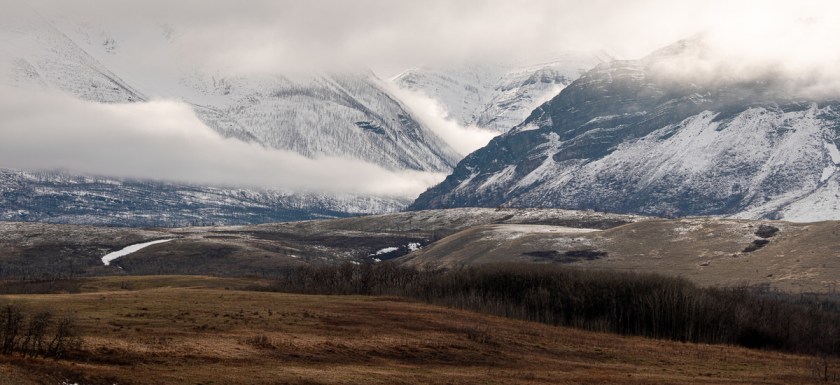
Finishing is not merely an act of completion. It is a form of learning — and that learning only begins when the work goes out.


Take the Leap

Whether it’s a single image, a project you’ve carried for years, or a portfolio you’ve been afraid to show — don’t let perfectionism keep it from existing in the world. Get a little uncomfortable. Start before you’re ready. Build as you go. Make the call when the work is good, then let it go. The work you finish will always matter more than the work you’re still perfecting. Someone is waiting for it, even if neither of you knows it yet. Put it out. Value your time enough to spend it on the next thing. You may be surprised by what you create — and by how much it resonates with others.
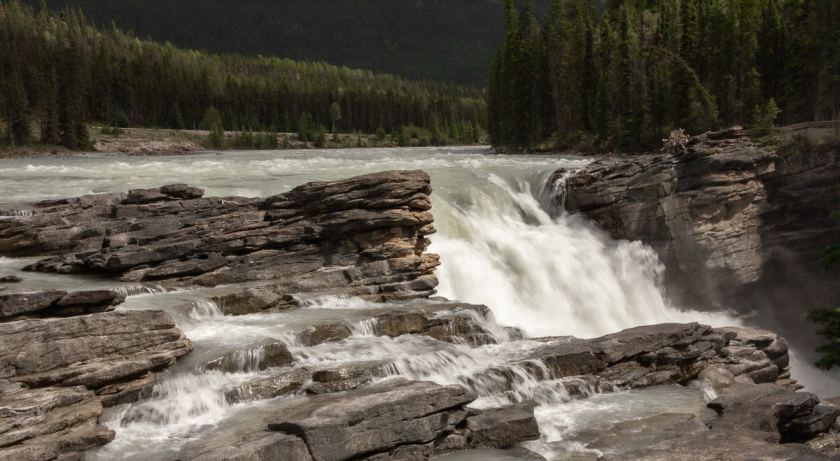
Sources / Further Reading – The initial framework for this article was inspired by a discussion of perfectionism by Dave Brosha in his Storyteller course on the Teachable online learning platform. His framework and concepts served as a foundation from which the ideas in this article were further developed. (https://davebrosha.com/)

Listening to:

  • An unabridged audiobook performance of ‘A Perfect Spy’ by John Le Carré. I first listened to an abridged version narrated by David Cornwell (John Le Carré) cycling on Edmonton’s River City bike trails way back in 1987. This full version, while autobiographical in many ways for Cornwell, also points to the lives Burgess and Maclean must have led to do what they did all those years ago.

Quotes to Consider (about Perfectionism and Art)

  • “To demand perfection is to deny your ordinary (and universal) humanity, as though you would be better off without it. Yet this humanity is the ultimate source of your work; your perfectionism denies you the very thing you need to get your work done (Art & Fear: Observations on the Perils (and Rewards) of Artmaking by David Bayles and Ted Orland).”
  • Have no fear of perfection, you’ll never reach it (Salvador Dalí).”
  • The artist who aims at perfection in everything achieves it in nothing (Eugene Delacroix).”
  • “Don’t think about making art, just get it done. Let everyone else decide if it’s good or bad, whether they love it or hate it. While they are deciding, make even more art (Andy Warhol).”
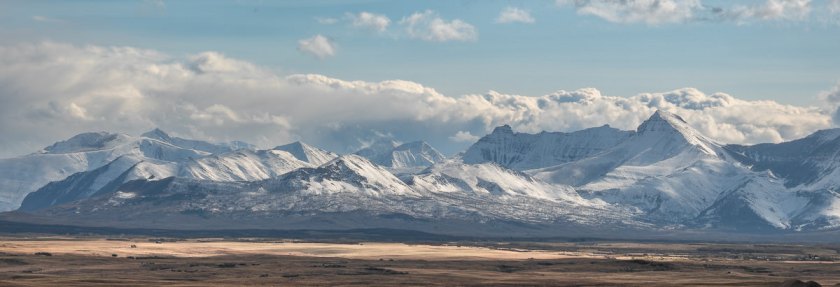
Again …

Perfectionism is one of the most common—and paralyzing—hurdles in any creative journey. When we fixate on flawlessness, we often stunt the very experimentation and output required to actually improve.

Growth in photography and art comes from doing, failing, analyzing, and doing it again. Leaving perfectionism behind is the only way to free yourself up to make those necessary, beautiful mistakes.
5 Truths Reconnecting You to Photography (and Your Camera)

Best Practices - Photography, Cameras as Meaning Makers, Journaling
Returning to Photography and my Camera Bag.

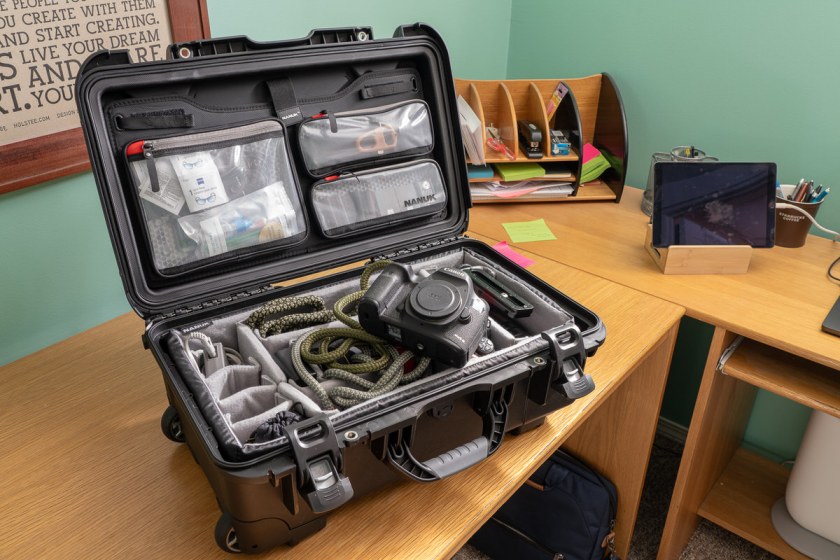
The camera bag sits in the corner, its leather cool to the touch. Weeks have passed — maybe months, maybe years — since you last heard the shutter click. The battery is dead. The SD card is a graveyard of half-finished ideas. Meanwhile, the smartphone in your pocket vibrates incessantly, a black mirror that demands your attention every waking moment.

Ruth Guest has seen this pattern countless times. A photographer with an MSc in Cyberpsychology, she has spent her career studying how technology shapes our behaviour, identity, and sense of self — and has lived it. “I spent years shooting high-end fashion and portraits across Europe, feeling absolutely nothing,” she says. After a failed tech startup and a bruising corporate job, her DSLR gathered dust for four years.
“Your camera isn’t broken,” she says. “Your relationship with it is. To come back, we have to stop looking at the glass and start looking at the soul.”


1 – The Problem Isn’t Your Eye — It’s Your ‘Why’

When creative momentum stalls, the instinct is to look outward. We ask how to improve, buy a sharper lens, or chase new post-processing techniques. But ‘how’ is a technical question that masks a deeper void. The only question that matters is: “Why did you stop?”

Photography often loses its appeal when it shifts from a practice of love to a performance for validation — shooting for likes or to meet a client’s expectations. When external rewards dry up, the internal engine stalls. The longer the camera sits in the drawer, the harder it becomes to close that gap.
No amount of new gear will fix this. Until you name the real blockers — fear, resentment, exhaustion — you won’t want to shoot again. The problem was never your technique or your eye. You simply lost sight of why you picked up the camera in the first place.


2 – You Are Caught in the ‘Mass Drift.’

Every time you unlock your phone, you are flooded with other people’s visions, aesthetics, and curated lives. In cyberpsychology, this relentless ‘identity performance’ is well documented — and it quietly erodes your sense of self.

Guest calls this the Mass Drift. When your eye is saturated with a billion other images, your unique way of seeing begins to fade. “The algorithm has become your creative director,” she says, “… even though you never hired it.” “It is not neutral — it is,” as she puts it, “… a parasitic creative director reshaping what you think your work and your life should look like.”

The drift isn’t just about taking uninspired photos. It is a drift from yourself. Your visual voice hasn’t vanished; it is buried. The first step toward recovery is a deliberate Media Fast — closing the black mirror long enough to let your own visual hunger return.


3 – Your Camera is a Mirror, Not a Window

We tend to think of photography as looking outward at the world. In reality, the camera points back at us. The subjects you choose, the light you seek, and the themes you return to — all of it reflects your internal landscape: your desires, fears, and values.

Guest discovered this through what she calls an Archive Audit, a process of reviewing her own body of work. She noticed she had been obsessively photographing couples during a painful breakup, then shifted to themes of friendship and coming-of-age when her brother emigrated. She hadn’t consciously chosen these subjects — her subconscious was using the camera to process her life.

She also identifies a related pattern: using the Camera as Armour, placing the lens between yourself and a world that feels too overwhelming to face directly. An honest Emotion Audit — asking what you were feeling when you took your best shots — can transform photography from a passive hobby into a vital, truthful practice.


4 – The ‘Contained Practice:’ Addition by Subtraction

When we feel creatively stagnant, the reflex is to add: a new location, a faster sensor, or a different genre. Guest argues the opposite. The secret to restoring the eye is constraint.

She calls it the Contained Practice, governed by the 1-1-1 Rule: one camera, one lens, one film stock. Strip away the burden of choice, and you eliminate gear fixation, freeing the brain to engage with the world in front of it.

For Guest, this meant selling all her digital equipment and buying a secondhand 1983 Leica without a light meter or backup. “It wasn’t the smart choice,” she admits, “but it was necessary.” That limitation forced her into what she describes as the Three Stages of Seeing — a discipline of noticing the world before even raising the camera.

For those feeling overwhelmed, she offers the 3-30 Rule as a starting point: give yourself three minutes to find a shot within a 30-foot radius, or limit yourself to three frames in 30 minutes. Less equipment, less time, fewer frames — and, paradoxically, more of yourself in every one.


5 – Shooting to ‘Escape Death:’ Finding Your True Philosophy

The deepest reason we take photographs is rarely spoken aloud. We are, Guest argues, trying to escape death — leaving proof that we were here, that we saw things, and that our particular way of seeing was ours and no one else’s.

This is the photography philosophy that outlasts every trend. When you begin to see your body of work as a legacy — a testament to your existence — the pressure to perform for an audience quietly dissolves. The practice ceases to be something you do and becomes an honest extension of how you live.


The Camera Has Waited Long Enough

Returning to photography is not about mastering technical settings. It is about stepping out of the Mass Drift and back into an honest, personal practice — finally deciding that you are done waiting to live the life you truly want.

Your love for the craft is still there, tucked away in that bag with the dead battery and the dusty lens. Before you pick it up again, Guest leaves you with one last, uncomfortable question.

What does your current body of work — or its absence — reveal about who you are right now?

The camera has waited long enough. It is time to see again.

Sources / Further Reading This article was inspired by Neale James’s interview with Ruth Guest on the Photowalk podcast. The frameworks and concepts discussed here are drawn from her work; her returning-to-photography workbook is available at ruthguest.com/returning-to-photography-workbook.

Quote to Inspire / Consider: borrowed from the Photowalk because it is relevant within the podcast, to the work of Ruth Guest and for what our photography is about. “What you have caught on film is captured forever. It remembers little things long after you’ve forgotten everything – Aaron Siskind.”

Listening to: Hollow Coves’ ‘Pictures,’ and Roo Panes’ ‘Message to Myself.’

The Reason Found

Best Practices - Photography, Farmhouse, Homestead, Journaling, Photoblog Intention, Photography & Conceptualizing Beauty, Project 365 - Photo-a-day, Summer, travel

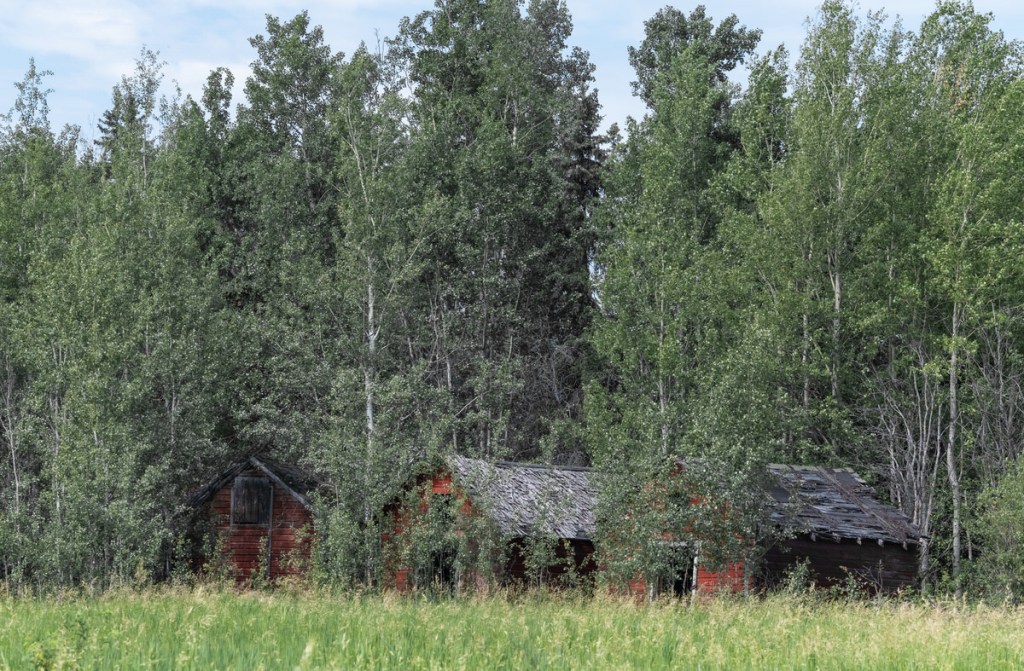
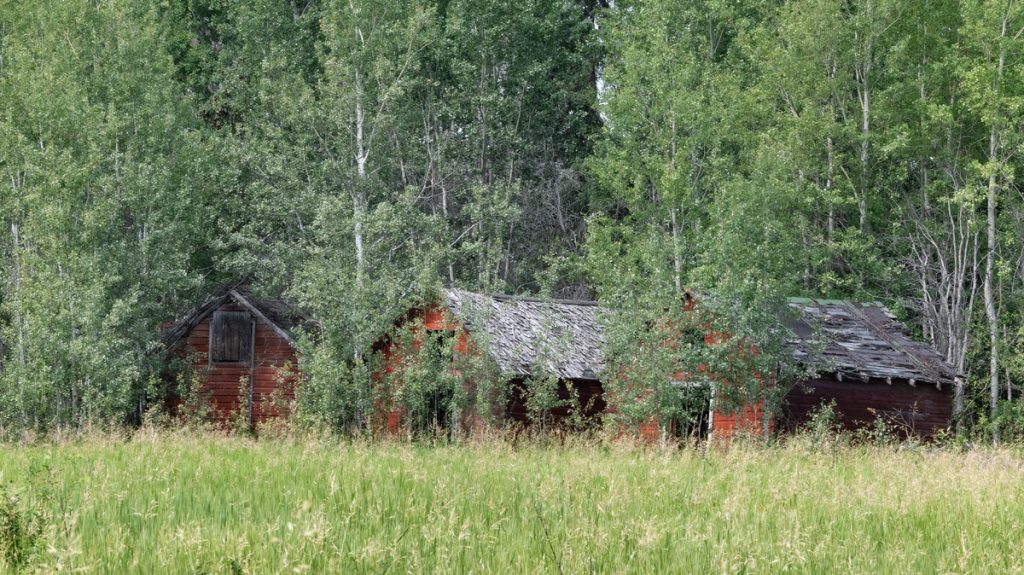
Homestead 1 – Donnelly, Ab

Homestead 2 – Donnelly, Ab

Homestead 2 – Northern Lights County

Homestead 2 – Northern Lights County

Homestead 1 – Donnelly, Ab

Homestead 1 – Donnelly, Ab

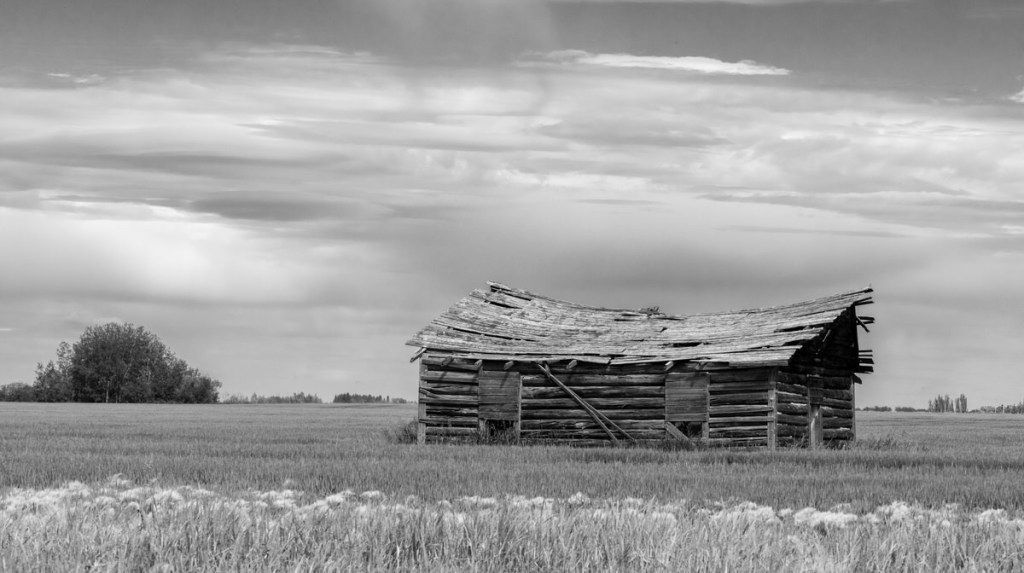
Grain Sheds – Northern Lights County

Homestead 1 – Donnelly, Ab

Homestead 1 – Donnelly, Ab

Grain Sheds – Northern Lights County

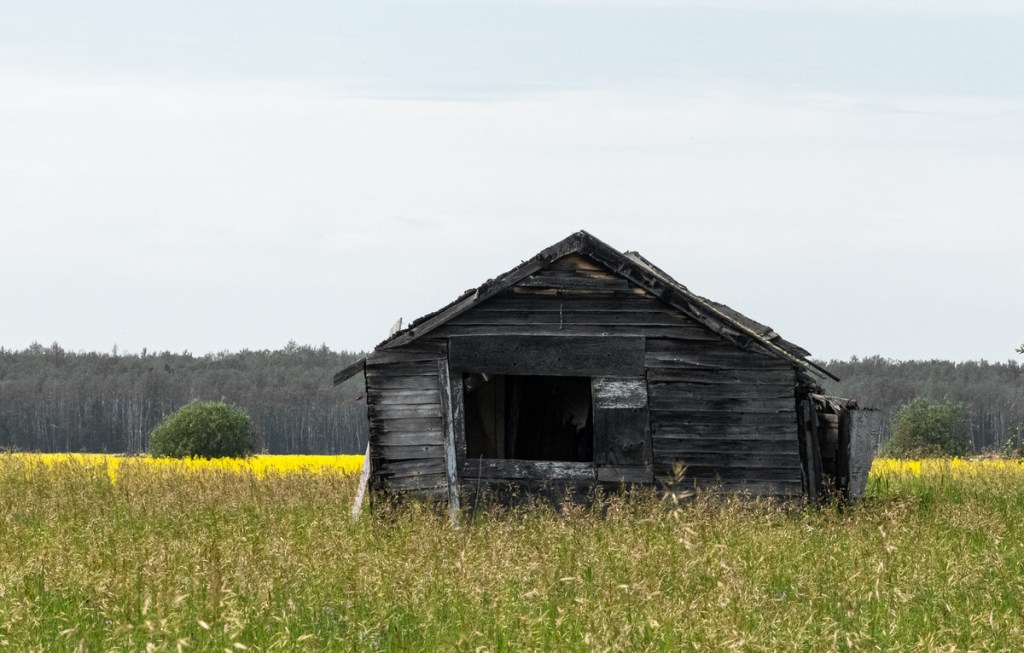
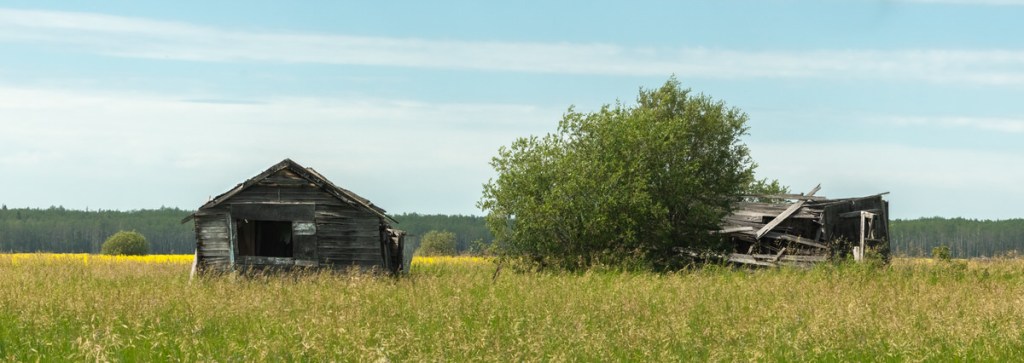
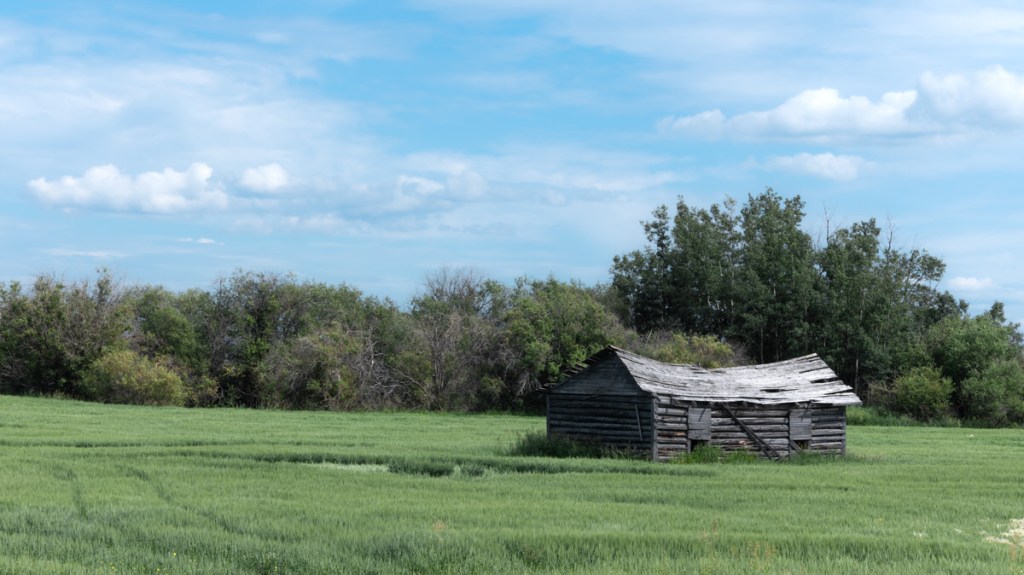
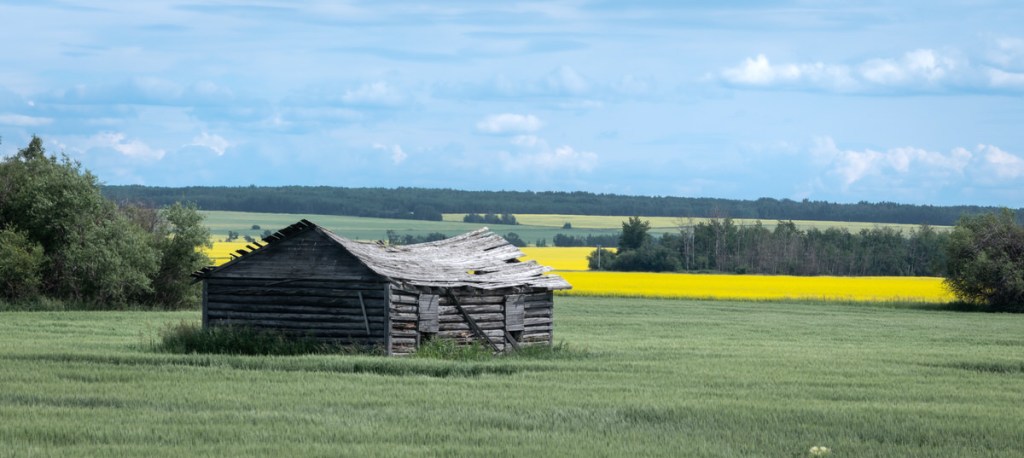
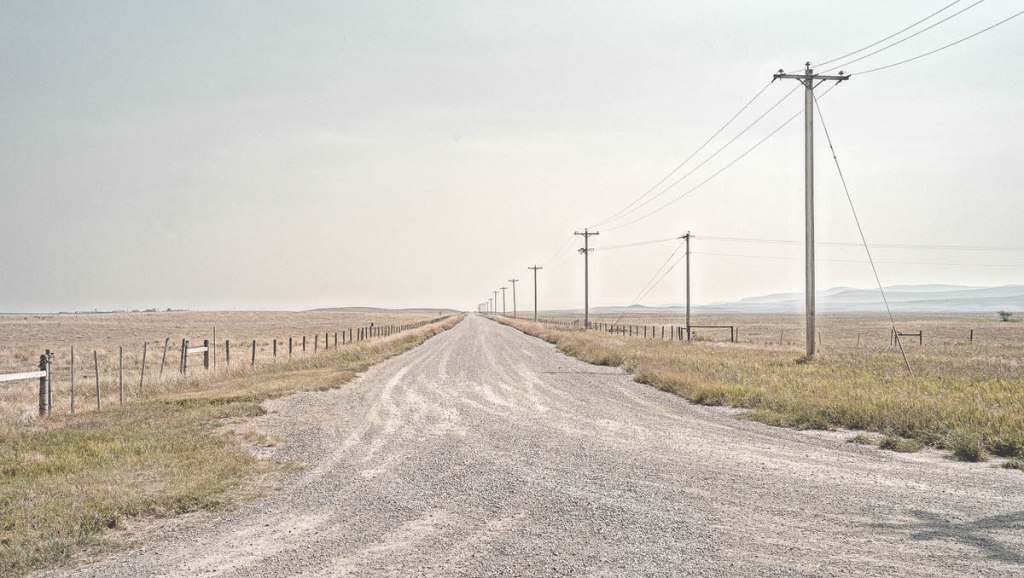
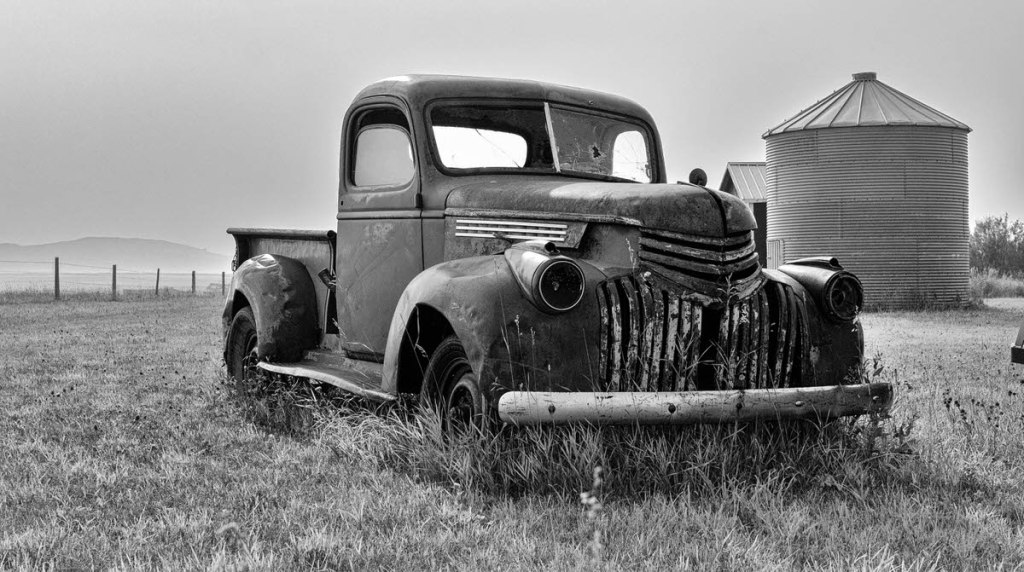
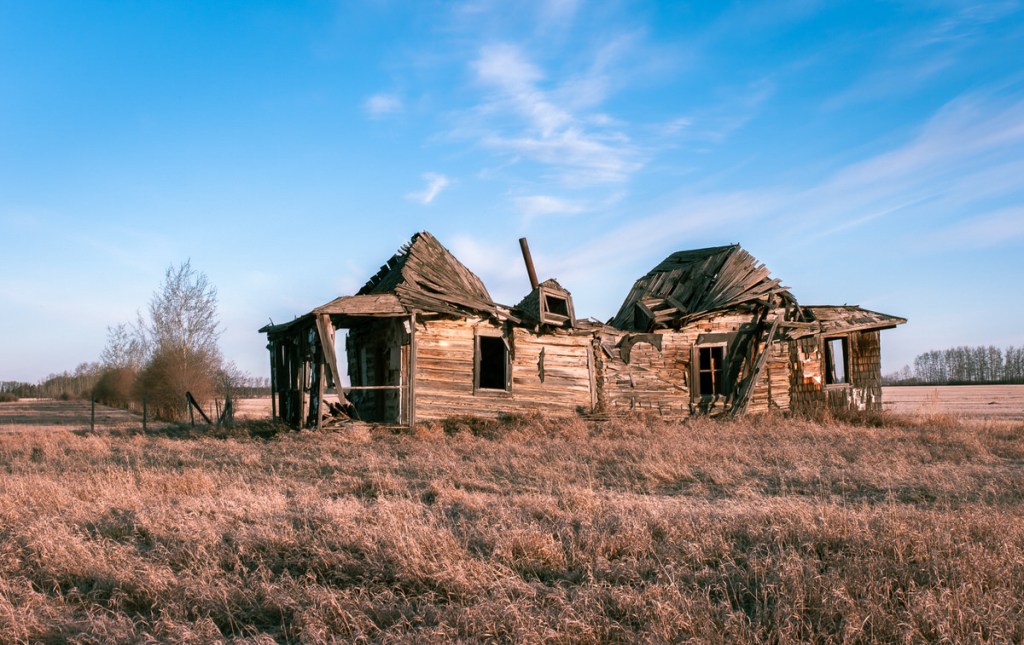
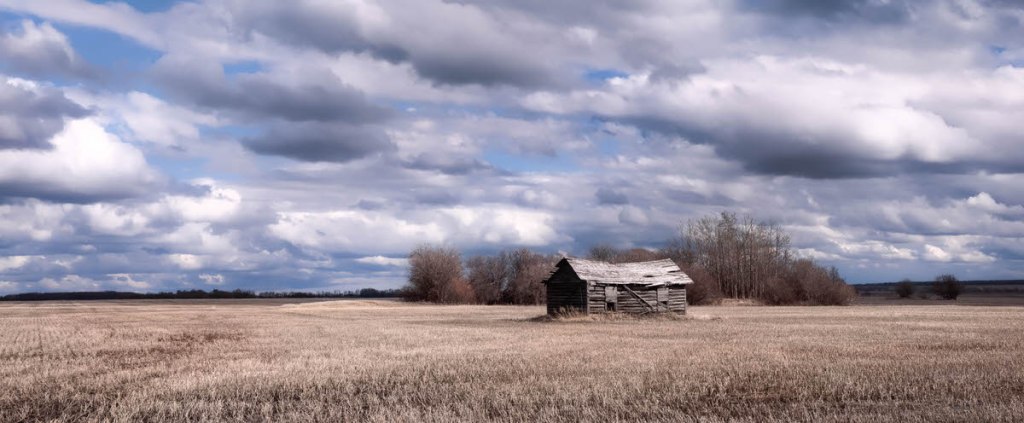
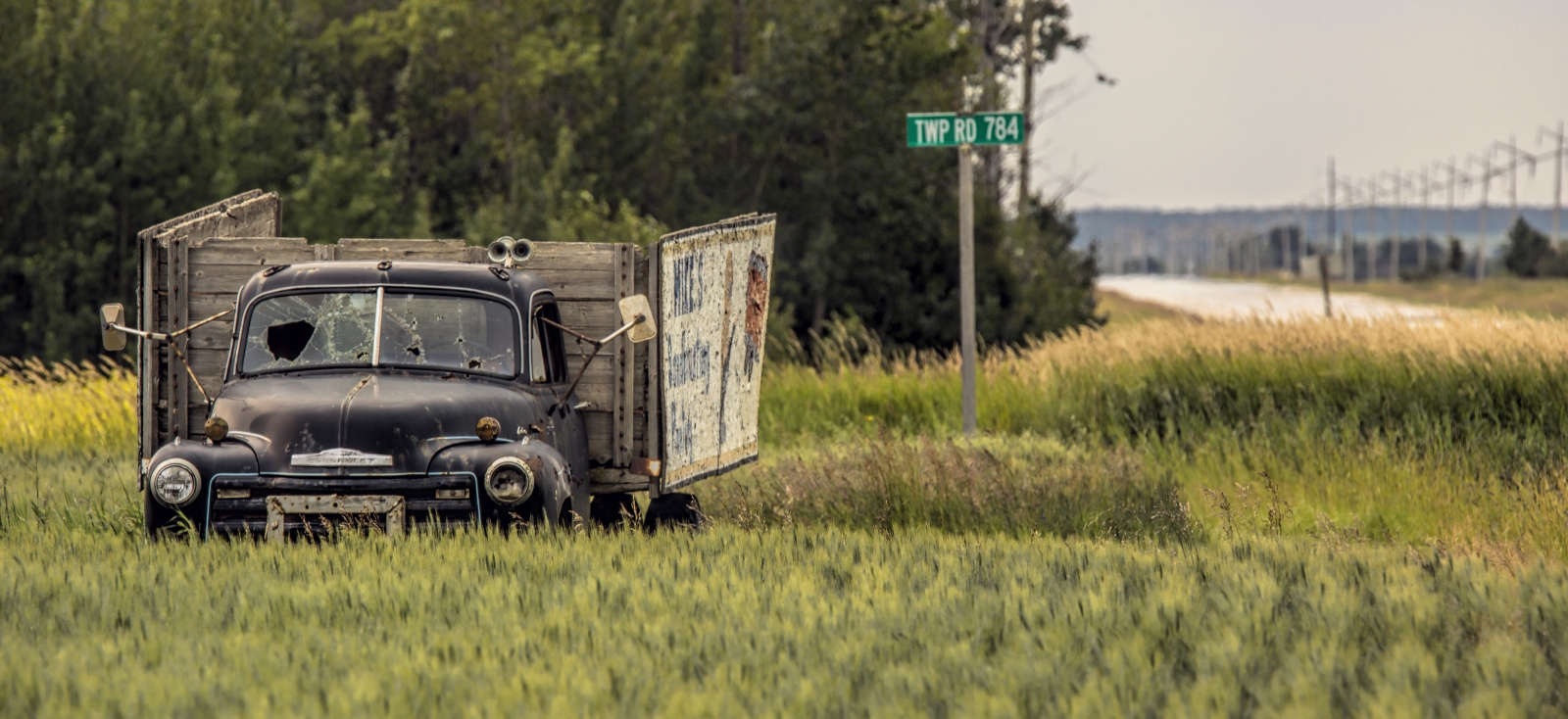
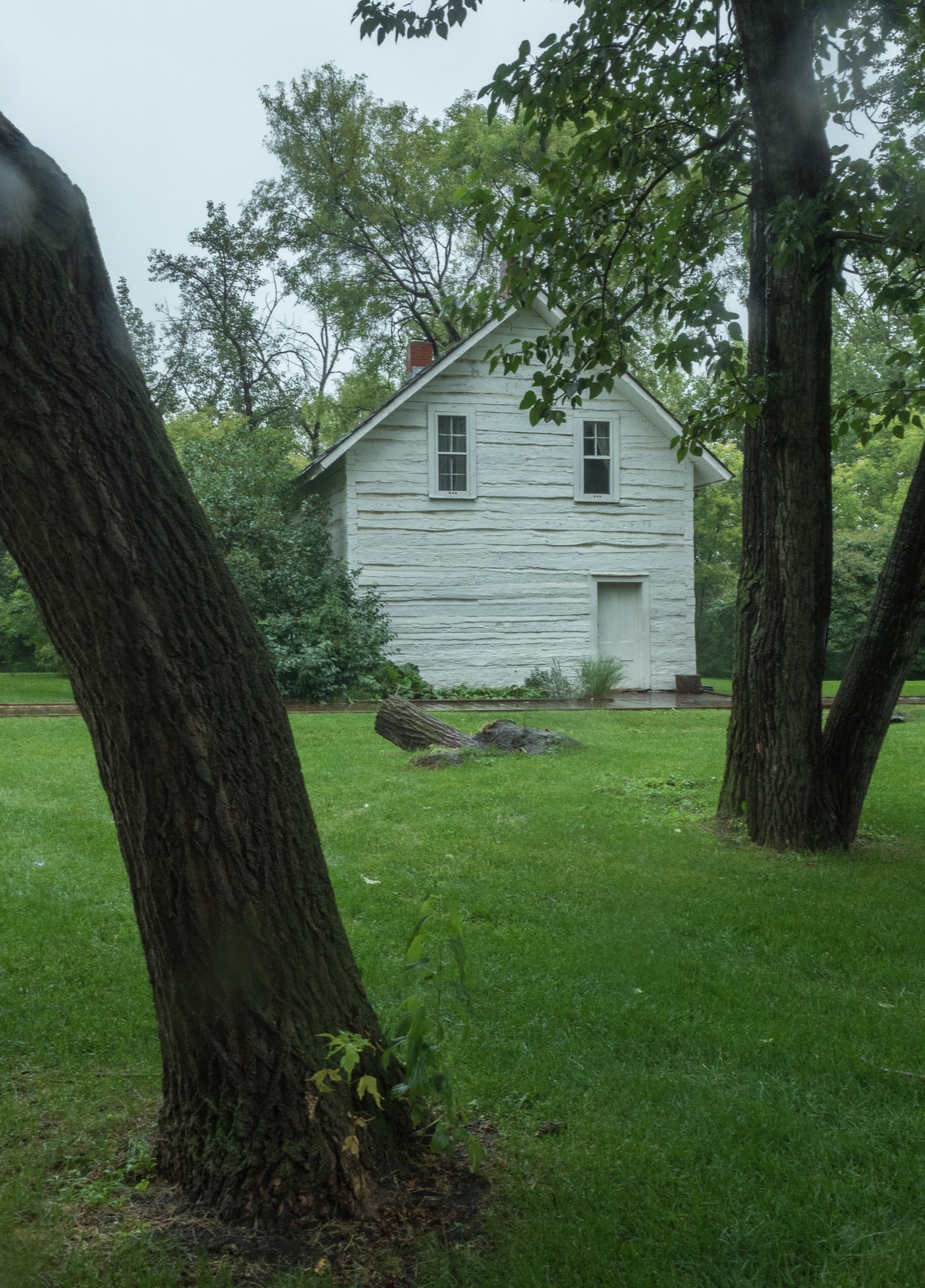
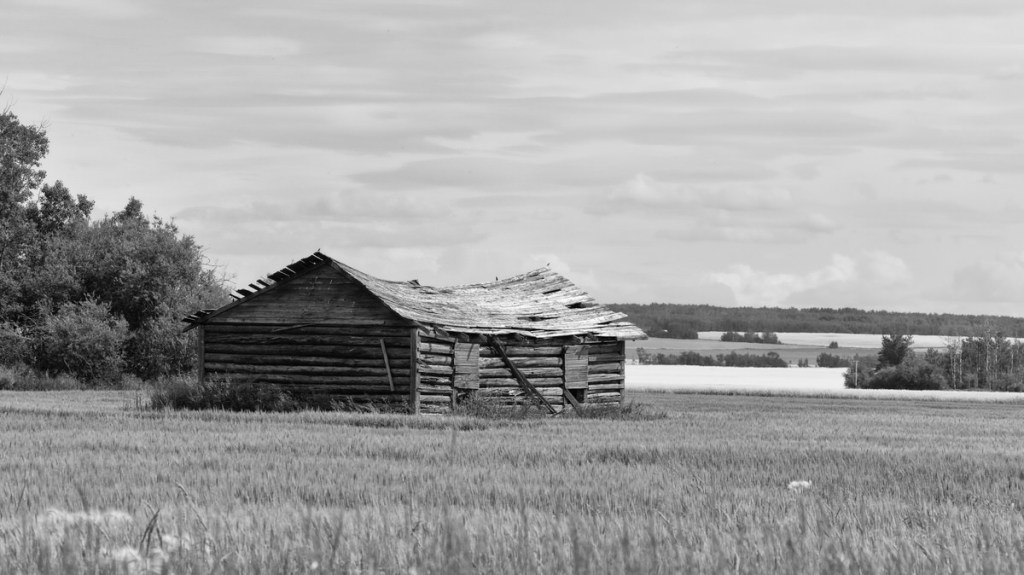
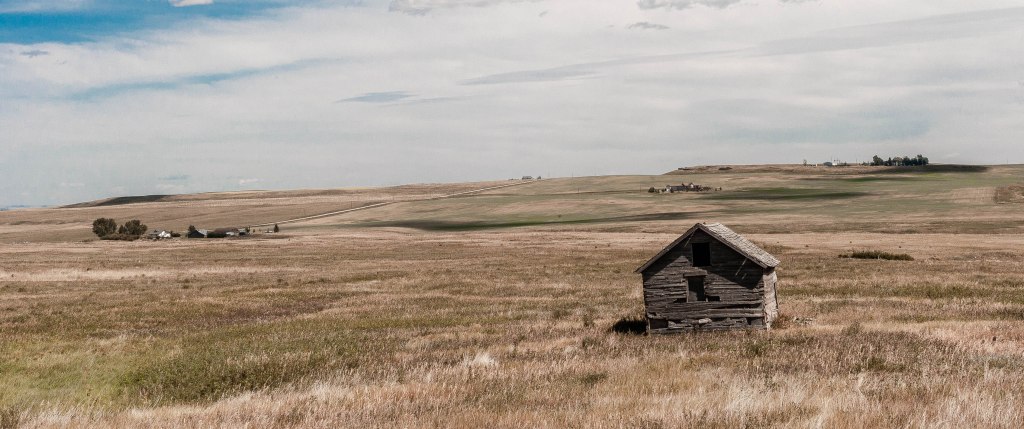
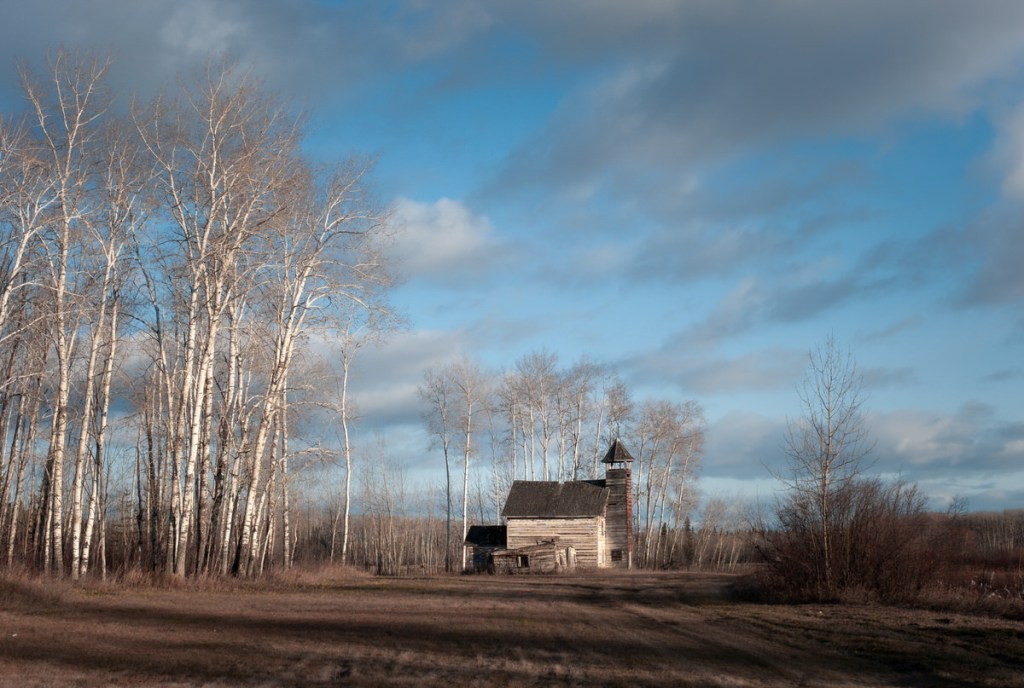
The reason for travel found, I drove southward through Boreal Forest made farmland. Allowing my eye to look and see and using my camera, these are first images of farmsteads and homesteads, now derelict, that hold memories for families whose predecessors built them.  For travelers, though, along northern Alberta roads, they serve as mile markers, helping them gauge their progress toward a given destination.

There is a visual narrative to gather – those with a camera, curious with wonder, often stop and photograph. I am one of those. ‘Who lived and worked here?’ ‘How did weather shape Life through each season?’ ‘What were hard times like?’ ‘What were the good times?’ The story is there. With patient wandering, the ‘would-be’ photographer can unearth different parts of that story and make sense of them.

Listening to – #447 – Publish Your First Book, The Photowalk Podcast

Quotes to Inspire / Consider – ‘You give Life to what you give energy to.’ – Gary Williams / Neale James (via The Photowalk Podcast); ‘The energy of the mind is the essence of Life.’ – Aristotle

Getting Out The Door – Summer’s Launch

Best Practices - Photography, Journaling, Leica, Photography & Conceptualizing Beauty, Prime Lens, School, Summer, Vehicle Restoration

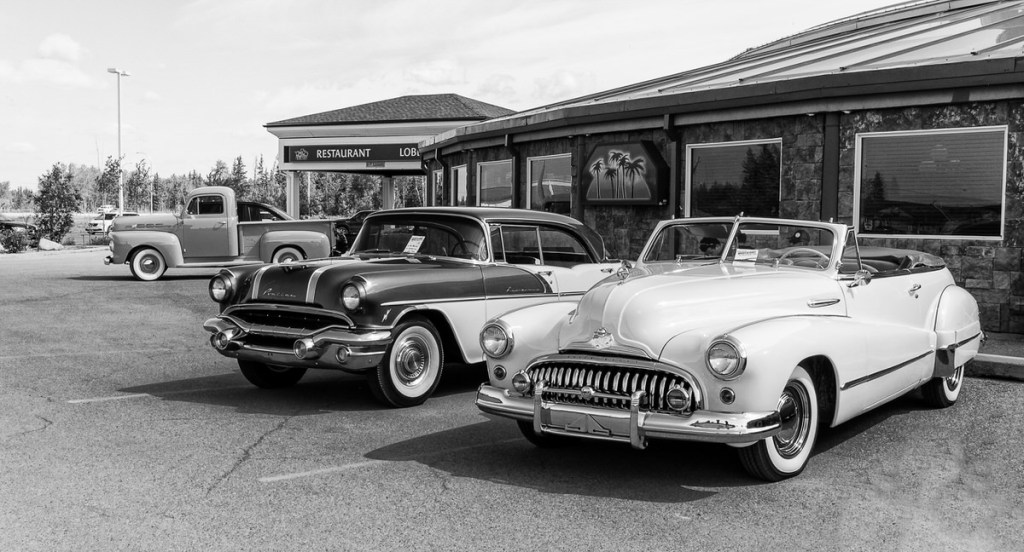
Wheels and Deals – High Level, Alberta – 1

Wheels and Deals – High Level, Alberta – 2

Wheels and Deals – High Level, Alberta – 3

Wheels and Deals – High Level, Alberta – 4

Summer is here.

In the first week of summer break, school’s work has lessened—the last report, comprehensive as it was, has been written and submitted. Students’ award photos have been edited and uploaded, and the division’s long-service award images have been edited and delivered by thumb drive to the appropriate person. Next year, I will use Dropbox to move big images over the Internet. That done, I am able to launch into summer’s rest, time to myself with my thoughts, and begin letting go of the year that has been our school year and bridling down my watch for the next necessary thing needing done. It is time to release all that and take-up my own Life, once again. Movies are being watched – older ones, older favorite’s, and ones linked to novels read.  An old pattern is there – movie marathon nights help dissociate me from the year that has been, one part of unlocking the door to summer.

The other day, it was a good thing to wake up, gather my wife from her university work and into our truck, and get out for a drive. It set the tone for a summer’s day. That essential premise – get out the door – was lived out. I got out that door again yesterday, recalling with some strength that there should be a ‘Wheels and Deals’ event at the Mirage Hotel in High Level, Alberta, a ‘Show and Shine’ kind of gathering of favored vehicles with the added opportunity of a swap meet – ‘wouldn’t that be something for me to find a late sixties Pontiac, like the one I used to drive during high school?’ I took my Leica M8 with Zeiss ZM Biogon 28mm lens and went to have a look. I had my Fujifilm GFX 50r and Ricoh GR iii as cameras I might use as well.

I shot for the first hour with the M8, focusing with the rangefinder’s viewfinder and focus patch. I moved through the area as people set up. Cars, trucks and motorcycles arrived and were arranged in the hotel’s parking lot. I could move around, talk with vehicle owners, and photograph vehicles. I could shoot according to what I saw compositionally. I could take my time with the M8. Good.

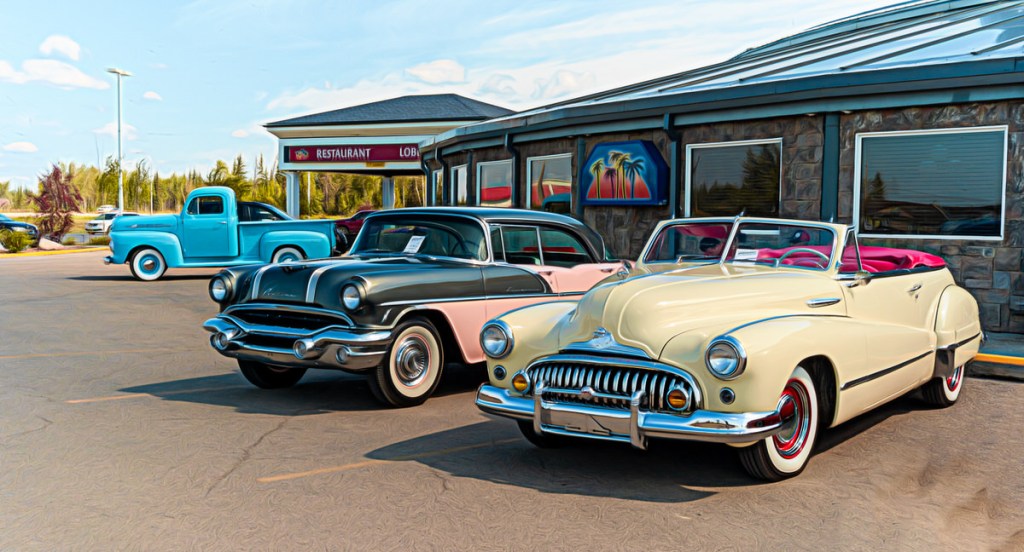
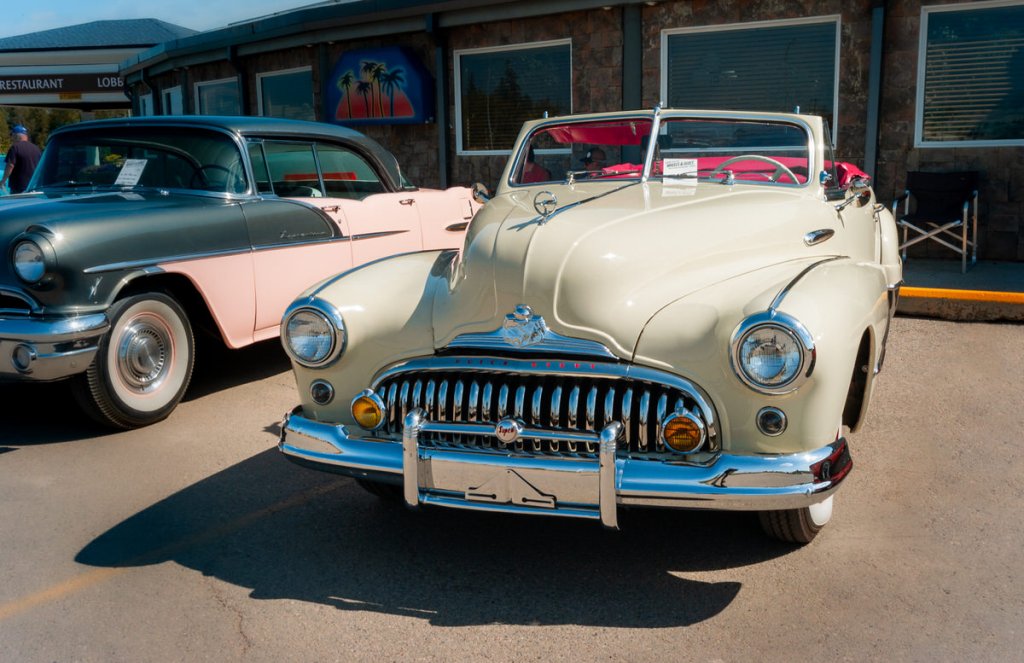
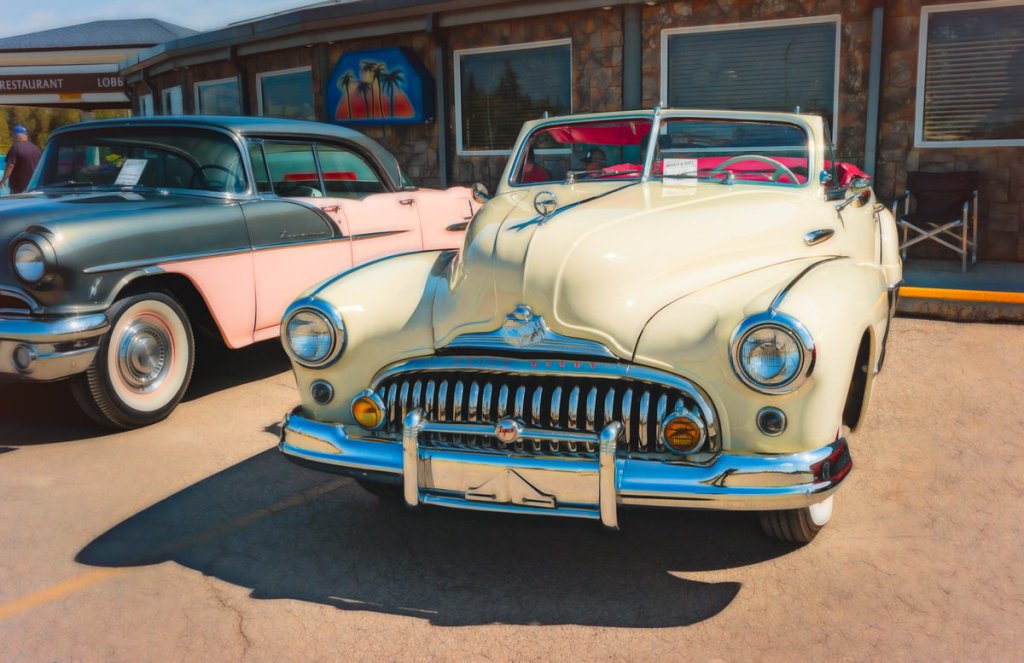
The black-and-white image presented here highlights some elements of visual composition—the Pontiac and the Buick Super Eight cluster in terms of visual weight in the image, and the black-and-white gradient of tone reveals shape, reflection, and vehicle lines (and an era of automobile design). A sense of depth is there as the eye moves from the Buick, past the Pontiac, to the Mercury truck and the hotel’s entryway. While the image was shot and edited primarily in colour, using Silver Efex from the NiK Collection provided an extraordinary, eye-captivating, black-and-white image – an image captured yesterday, in the summer of 2024, that, in terms of variety and proximity among vehicles, black-and-white toning, visual weight, and proportion, could easily have been an image captured in black-and-white during the fifties when these vehicles were first manufactured. In that sense, the image becomes nostalgic. It relates to a time preceding me … just.  Other colour images are presented for reference.

Listening to: Bruce Springsteen’s ‘Open All Night,’ ‘Highway Patrolman,’ from the ‘Nebraska’ Album, JD McPherson’s ‘Let the Good Times Roll,’ and most of Bruce Springsteen’s ‘Tunnel of Love’ album, starting with ‘Walk Like a Man.’

Quotes to Consider – Re: Photography …

‘Date your cameras, marry your lenses.’ This quote is new to me, yet highlights a key idea for photographers – that investing in glass (good lenses) is essential while the cameras used over time will change.

‘Innovation comes from people who take joy in their work (W. Edwards Deming).’ The quote was offered in a YouTube video offered by ‘Three Blind Men and An Elephant’ in their video, ‘Leica D-Lux 8 Defies Expectations, Including My Own, (2 July 2024)’ to recognize that Leica, as a company already producing stellar cameras, is one whose employees enjoy innovation and improvement that can be made to their cameras and lenses. On the Adizes’ Curve, Leica has embraced a key dynamic that allows them to remain in the ‘prime’ of organizational/corporate lifecycles.

That Camera & Ten-thousand Hours

Best Practices - Photography, Photography & Conceptualizing Beauty, Podcast, The Candid Frame

A decade ago, we brought Dad back to Edmonton, Alberta, from his retirement in Qualicum Beach, British Columbia, and found him a venue for assisted care/living close to family. Alzheimer’s Disease had its hold on him, and my brothers and I witnessed the decline of Dad’s physical and cognitive abilities through to end-of-life. Managing short-term memory day-to-day grew difficult for him. Long-term memory, though, found him a resource for family histories. Playing the piano had always been a source of joy for Dad. At the piano, in these later years, he could find his way to the music of his youth and that which he enjoyed on his 1964 Heintzman piano through our family years. In Edmonton, the expressive side of Dad’s language diminished, yet we could interact with him through the yes-and-no nods and shaking of his head to help him establish certainty in his communication. As school began in September 2016, we lost him. He’d lived eighty-three years.

We found time, my brothers and I, to disburse Mom and Dad’s belongings among the family – furniture, paintings, photos, China, and personal effects … items that, in their use, would draw out memories of Mom and Dad. One item that came to me was a 1956 Red Dial Leica If camera. While growing up at home, with all my father photographed, of his and mom’s travels abroad, of our family on vacation, of times with extended family and with his time downstairs in his darkroom, Dad had not told me about this camera and the role it played early on in his career.

As far as I knew, my father used Canon cameras, a Canon F-1 and Canon AE-1, during our school years. Before I was born, he made photographs using a Yashica Twin Lens Reflex camera, a medium format film camera, and a handheld light meter. As a research chemist, my father used the 1956 Red Dial Leica If camera to determine and maintain the quality of the product the company produced. The camera was gifted to him in retirement to remember the place and people he worked with when he transferred with his company to Toronto in the mid-eighties. One of my brothers had talked to Dad about the camera and shared the story of its use with me.

The 1956 Red Dial Leica If camera is a rangefinder, a version of the Leica IIIf series without a viewfinder or rangefinder incorporated into its body nor with the ability to work at slow speeds. It uses 35 mm film. The camera measures 5.35 inches by 1.54 inches by 2.60 inches. The body has black leatherette skin, aluminum with chrome plated brass top plate, base plate and knobs. It has two hot shoes to allow the use of an external viewfinder and rangefinder. Where the camera, as produced, was intended for use with an Elmar 50 mm f/3.5 lens, the lens on this camera is a post-war Russian Jupiter 50 mm f/2 lens (a lens not comparable with the Elmar) and not used for regular photography. The Leica If is thinner than today’s cameras. Its weight, though not weighty conveys gravitas – you have a serious piece of photographic equipment in your hands.

Microscope and Adapter – The red velvet Leica camera box contains a camera manual and a manual for an adapter, a MIKAS Micro Attachment for the Leica. With the adapter, the camera can be attached to a microscope directly. The Micro Attachment adapter attaches to the camera’s lens mount and to the microscope. It provides an eye-piece/viewfinder midway along the adapter at an angle perpendicular to the microscope’s eyepiece tube for establishing focus. Making exposures involves calculating settings, trial and error and managing the microscope’s light source. The image produced is called a ‘photomicrograph.’ Placing the camera’s production year into Dad’s career timeline, he would likely have been working in Edmonton, and documents for the camera indicate it being sold in 1957-58.

Looking back to who my father was, I can readily associate a Leica camera with him – a Canadian student from the Maritimes who, at the age of 24, had earned a Ph.D. from a London university in the United Kingdom, a pioneer in organic chemistry on the world stage. He was good at what he did. Leica was quality. So was Dad.

Leica Cameras & The Candid Frame

My first significant consideration of Leica cameras occurred listening to a 5 October 2014 podcast, ‘The Candid Frame – with Ibarionex Perello,’ in which Ralph Gibson was interviewed (The Candid Frame #252 – Ralph Gibson). Dorothea Lange and points of departure were considered. A book Gibson had worked on called ‘The Somnambulist’ was discussed. Gibson discussed a kind of visual literacy that involves not only the content of an image but the visual narrative of the image juxtaposed with other images and in terms of an image among images in sequence. In other talks, Gibson would discuss the proportion of the page in which an image rests as influencing and shaping its visual narrative. Gibson shot with Leica film cameras. In his early post-Navy years, Gibson sometimes pawned one or two of his Leicas to make ends meet. Gibson’s later presentations would consider photography an act of perception, a matter of being present in the situation and to what is photographed. In a broader sense, photography for Gibson is a mindfulness or meditative practice. The range of understanding Gibson brings to photography is extraordinary and captivates – you recognize ‘this is what photography is about.’ Gibson remains a photographer who uses Leica cameras.

“Photography is a way of shouting, of freeing oneself, not of proving or asserting one’s own originality. It’s a way of Life (Henri Cartier-Bresson).”

Gratitude – I am indebted to Ibarionex Perello and his podcast, ‘The Candid Frame,’ for the over eight hundred interviews he has conducted with photographers and their take on what photography is about. Listening to these podcasts while cycling, walking, and driving has been part of my development as a photographer.

10,000 Hours & Photography

With the extremes of cold northern Alberta winters, my exercise game plan involved getting on an inclined treadmill for an hour each morning before getting to school. I set up a basement treadmill area so that with a minimum of noise, I could gather the full-body exercise of walking on the treadmill while watching television and listening to its audio feed through earbuds or headphones. All this occurred in the wee early morning hours while the household slept.

“Dreams without movement are delusions, escapes, kid’s play. You have to put your feet into your dreams if they’re ever going to be reality. The dreamers we know and love today are the ones who worked the hardest (Paul Newman/Interview with James Grissom/1993/Photograph by CW Braun).”

Considering the ‘ten-thousand-hour’ rule suggested by Malcolm Gladwell, that ten-thousand hours of appropriately guided practice would allow the learner to achieve a level of proficiency that would rival that of a professional, I directed my treadmill television watching toward photography. I explored what YouTube offered. I found photographers who used YouTube to share the immediacy of their photography experiences and who used YouTube to generate viewer interest in the photography workshops they led. Adam Gibbs (Quiet Light Photography), Gavin Hardcastle (Fototripper), Nigel Danson, Sean Tucker, and Thomas Heaton became mentor photographers with whom I began my ten-thousand hours of guided photography practice.

“Habit and imitation – there is nothing more perennial in us than these two. They are the source of all working, and all apprenticeship, of all practice and all learning, in this world (Thomas Carlyle).”

The ‘just-like-me’ impact of these videos was surprising. Within a landscape photo shoot, the Lowepro camera bag on the ground that Thomas Heaton was opening up was one I was using. The Canon 5D Mk III camera he put on a tripod was one I used. His Canon 70-200 mm, f/2.8 lens was a lens I used. In weekly videos, Thomas talked through image-making as he made images. Watching the videos, I encountered a photographer who was personable, fallible and a photographer keenly interested in his craft and landscapes around the world. Travel, hiking, camping, exploring various landscapes, image capture, image editing and image printing were the mainstays of his videos. I began to see what was possible in landscape photography and was developing an understanding of choices that can be made when making photographs. The breadth of what photography can achieve became more doable and within reach.

“Apprenticeship is all about being tutored by those who have trod the path we desire to tread (Vincent Okay Nwachukwu).”

The images of a New Zealand photographer attracted my attention. His photography and work came across as a YouTube channel recommendation. Inspired by Thomas Heaton’s vlogging, Paul C. Smith shared videos that explored New Zealand with a camera, exposing viewers to New Zealand’s culture, people, and landscape. While photographing much of New Zealand with Olympus Digital cameras, one being an Olympus EM-D E-M5 II that I also use, Paul also photographs New Zealand with Leica cameras – an M6, M8 and M9. Much of his photography is done with the M8, and the images produced contain a quality reminiscent of Life Magazine images from the 1950s and 1960s – a quality resulting from the camera’s APS-H 10.3-megapixel Kodak CCD image sensor in combination with the colour red being diffracted differently through Leica lenses (as compared to other non-Leica lenses). An infrared UV filter can be used with Leica lenses to render a more natural colour. Paul does not always use the infrared filter, though. Paul speaks of the ‘buttery’ feel of images captured with Leica lenses. You can see this in his photography.

Here are some examples of M8 images I have made – they are from Southern Alberta, Canada.

Paul C. Smith is a self-taught photographer who has a great sense of composition, colour, and light. He believes that a photograph is the result of seeing context, proportion, balance, and placement. To enhance colour, textures, tone, and mood in his pictures, he chooses his Leica M8 camera, which gives his photos a stunning, filmic look. For black-and-white images, he uses his Leica M6 film camera as it presents tone and mood differently. While he uses his Leica M9 camera, it does not get as much use as the M8. ‘Heart’ is another essential ingredient that produces treasure in his images. When someone takes in his photos, they become privy to his response to the subject and scene, and they can consider the beauty and moment captured in his photos. For Paul, a photograph, if done well, is ‘a stolen moment.’

“A good photograph is one that communicates a fact, touches the heart and leaves the viewer a changed person for having seen it. It is, in a word, effective (Irving Penn).”

“Beauty does not indeed lie in things, but in the feeling that we give to them (Carl Jung).”

Leica M8

In the summer of 2018, I visited The Camera Store in Calgary to check out new and old cameras before returning home. While there, I noticed two used Leica M8 camera bodies on consignment. I was intrigued by the possibility of trying out the Leica M8 to see if it could help me improve my photography skills and compare my results with those of a fellow photographer who used the same camera. However, the essential question was whether I could make the Leica M8 work for me and produce the photos I wanted. I decided not to buy the camera as I was unprepared to make such a purchase and needed to rationalize such spending. It was a year later when I purchased the remaining Leica M8 with a Leica Summarit 35 mm lens. I learned to operate the camera by taking photos during the drive home. Once I got home, I ordered a battery charger from the Leica store in Miami, Florida and a few years later a new battery from B&H Photo. I also updated the firmware for the Leica M8. Later, I would add a Zeiss 28mm 2.8 ZM Biogon lens and a fifty-year-old Ernst Leitz Wetzlar Elmar 90 mm lens.

“Life shrinks or expands in proportion to one’s courage (Anais Nin).”

A season of learning began, making photos whenever possible with the M8. The camera helps slow down image-making. I work in aperture priority mode and select an f/stop based on my intention for the photo. Images are composed within the viewfinder frame lines and then the rangefinder focus patch must be aligned to the image within the viewfinder to achieve focus. Once aligned, pressing the shutter button captures the image. This process promotes consideration of composition, lighting, and positioning with respect to the subject. Each element adds to the creation of a well-thought-out image. The resulting ten-megapixel photos are extraordinary.

Operational Fix – Leica M8

While old Leica M8 batteries can be charged, weak batteries can cause operational issues and issues writing images to an SD card.  I thought my Leica M8 had died two years ago – the menu would not hold settings; photos, once taken, would not write to the SD card. My research on what I encountered took months, and finally surfaced a recommendation to replace older batteries with new ones as a solution.  Because I enjoyed working with this camera, I gave it a go and purchased a new Leica Rechargeable Lithium-Ion Battery (Leica 14464) from B&H Photo.  The new battery restored all camera functions and full camera use.

Picture, Story, Photographer

In October 2022, Paul C. Smith produced a video entitled, ‘Cameras Are My Clickbait.’ Responding to a viewer’s question about the cameras he used, Paul spoke about his early YouTube work and having produced videos that few people viewed. He began making videos highlighting photography, the photographer and the camera used. The cameras were older, used, high-end cameras. Gear talk tended toward the trial-and-error process of mastering the camera’s use to create a photograph. Such discussion concerned what impressed him about the picture produced on the other side of picture-making with the camera. Of the cameras used – Olympus, Leica, Hasselblad and others – the Leica M8 was his first choice.

Good photographers will affirm a core truth Paul draws attention to – “Photography is about the picture, the story behind the photo and the photographer. The equipment is not that important – a camera is a camera.” A Frames Magazine podcast with photographer Walid Azami presented a few weeks after Paul’s video (November 2022) echoes the matter of equivalency of gear and takes the discussion Paul offered a step further … ‘[You] either have a Sony, a Fuji, a Canon, a Nikon, or a Hasselblad and … it comes down to a couple of other brands too. That’s it. … [We] all … have the same gear … [What] makes you … stand out is [that] you have to have opinions.’ While Walid asserts that what separates one photographer from other photographers is your opinion, he would likely agree that ‘opinion,’ as he refers to it, comes down to the photographer’s way of seeing and that one’s ‘way of seeing,’ ‘one’s opinion’ is the embodiment of ‘style.’ This part of the photographer’s photo-making adds to the image’s narrative and the photograph produced.

Along Those 10,000 Hours

Ten-thousand hours of appropriate, guided practice seems longish to me now.  One hour a day for one year yields a minute step forward to the ten thousand hours Malcolm Gladwell suggests in his book, ‘Outliers.’ In terms of photography, it is not only about being mentored by a photographer. The praxis part of photography must be dialed into the equation – the time in play with the camera in hand, solving problems and making photos. It is the getting out to photograph, taking time to consider intention, making many photographs, sitting down at the computer editing and working out the presentation of photos by way of the printer, photobook or a photoblog such as this.  It’s also about encountering the good, bad and unintended consequences of making and presenting photos along the way.  It is about learning to see and recognize where an image lies (often right in front of you) and recognizing opportunity. Sometimes it’s the photo waiting for you as you drive by, and you need to make an active choice: stop, turn around, go back, see the scene, walk the scene, and gather not just one photograph but several.  In many ways, it is about mastering yourself so that you have the discipline to go back, see all that is there and take the next step in taking the photo. A photo mentor steps in as you choose along the way – you witness the work of others, you take a workshop, you read books that develop your understanding of photography (e.g., Susan Sontag – ‘On Photography), you listen to podcasts, you find your way to talking through photographs with other photographers, friends and family, and you encounter moments that surprise you when the understanding and doing of photography coalesce in pictures you produce. Your photography becomes about the images you make, the stories behind your photographs, and you as a photographer. I am a long way into my ten-thousand hours and perhaps closing in on meeting its threshold. But there will always be something more to consider, learn, and evolve into practice. Right?

“One doesn’t stop seeing. One doesn’t stop framing. It doesn’t turn off and on. It’s on all the time. (Annie Leibovitz).”

Listening to:  Hollow Coves’ ‘Pictures,’ Roo Panes’ ‘Message to Myself,’ JD McPherson’s ‘Dimes for Nickels,’ The New Customs’ ‘Chasing Light,’ Liz Longley’s ‘Unraveling,’ John McCutcheon’s take on ‘Turn, Turn, Turn,’ Dougie Maclean’s ‘The Osprey,’ and Galen Huckins Glacier Quartet’s ‘The Kennicott.’

Photo-A-Day Challenge

Barn, Best Practices - Photography, Journaling, Lookback Photos - One Year Ago, Photoblog Intention, photography, Photography, Photography & Conceptualizing Beauty, Project 365 - Photo-a-day

Photography is more an active endeavour than a passive one. You take a photo by placing yourself in front of your subject – you move in small ways aligning camera and lens to subject, and at other times, you move in terms of distances travelled, large and small, to photograph your subject. The word endeavour has work at its core, perhaps even … sustained work, linked to achieving a goal.

In 2009 – 2010, I stumbled upon the photo-a-day challenge, an active pursuit in which a would-be photographer can engage in photography and evolve skills needed to take, edit, and present photos. Over time, the photos created would become stepping stones from which one could look back and consider emerging questions about photography that one was ready to have answered when they had consolidated (put together and understood) the question to be asked. Add exposure to others’ photography, and questions would then be about how photographers brought together an image and their intention to present it in the way they had. Photography in a 365-day, photo-a-day pursuit would become step-by-step, emergent learning. As a favourite ‘Motivation to Move’ podcaster, Scott Smith puts it, all you’d need to do is ‘Stand up, take a step, and repeat … until you’ve reached the goal of your dreams.’

Investigating what others had to say about photo-a-day challenges, Woody Campbell surfaced as a photographer with an interesting tack. In Woody’s ‘1 Photo Every Day’ website, you’ll find that Woody has resolved to ‘… take one photograph every day for the rest of [his] life (www.woodycampbell.com)’ and that, at the time of writing, he has done so for thirteen years. He posts his images in a format of day number since he began photographing for this project – his post for Friday, 30 June 2023, while having a small statement descriptor, also notes the post as ‘Day 5006 of photograph every day for the rest of my life;’ in each post he also presents a look-back image – an image to recall and share.

What is there, though, is Woody’s commitment to photo-a-day image-making, and for the would-be photographer, in addition to Woody’s engaging and captivating photography, an arms-length camaraderie and inspiration in like-endeavour are to be found. Because he engages in this work, you are joining him in like-endeavour.

My trek through the photo-a-day project that this WordPress blog sprang from today finds me sifting through 1100+ edited images taken since 2021 that have not been posted, images that were destined for this ‘In My Back Pocket Photography’ blog. As a teacher now in summer, I am enjoying the post-race wind-down following a ten-month marathon with students, staff, and parents, a school year saturated with people, planning, teaching, and testing. However, through the school year, while I have continued to take photos on an almost daily basis, the matter of posting photos has many steps along its way and my posting stats disappoint grievously.

In this third week of July, I am surfacing to a less other-focused Life, something Frank McCourt refers to in his biography, ‘Teacher Man,’ as all that time off, abbreviated as ‘a.t.t.o.’. All that time off allows me to consider and return to personal pursuits and one of them is posting on this blog. At present, the situation gives me the opportunity to consider and present to you ‘points of departure’ as Dorothea Lange states it (via Ralph Gibson) – the common themes or projects I tend to photograph as I review images moving forward since 2021.

Current Points of Departure (2021 to present, Summer 2023)

Along Northern Roads – Alberta

Winter Walks / Cycling in High Level, Alberta

Dunvegan Historic Site and Dunvegan Bridge – Alberta

Edmonton, Alberta

Fort Vermilion, Alberta

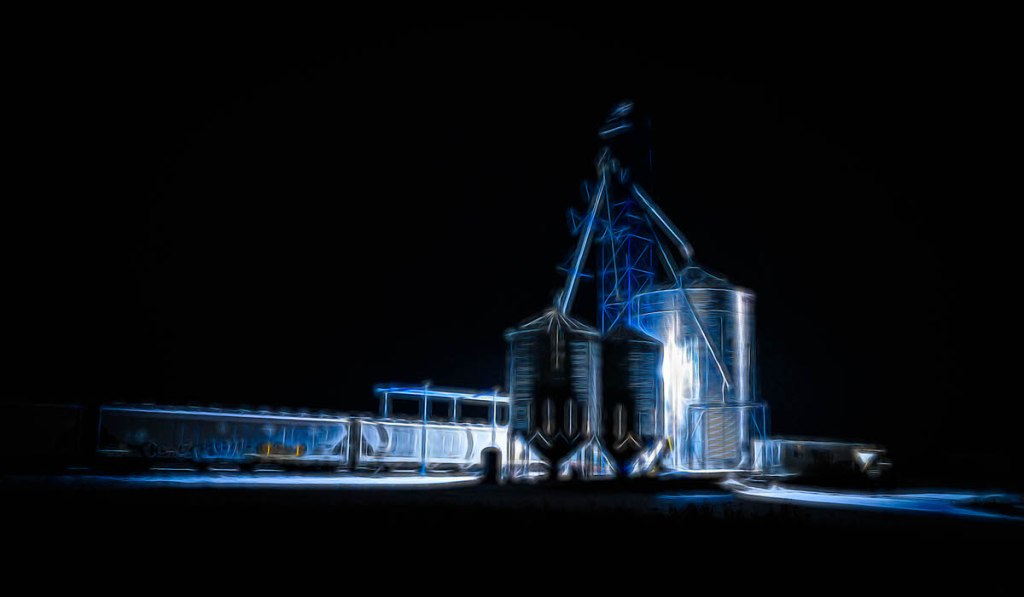
Grain Elevators

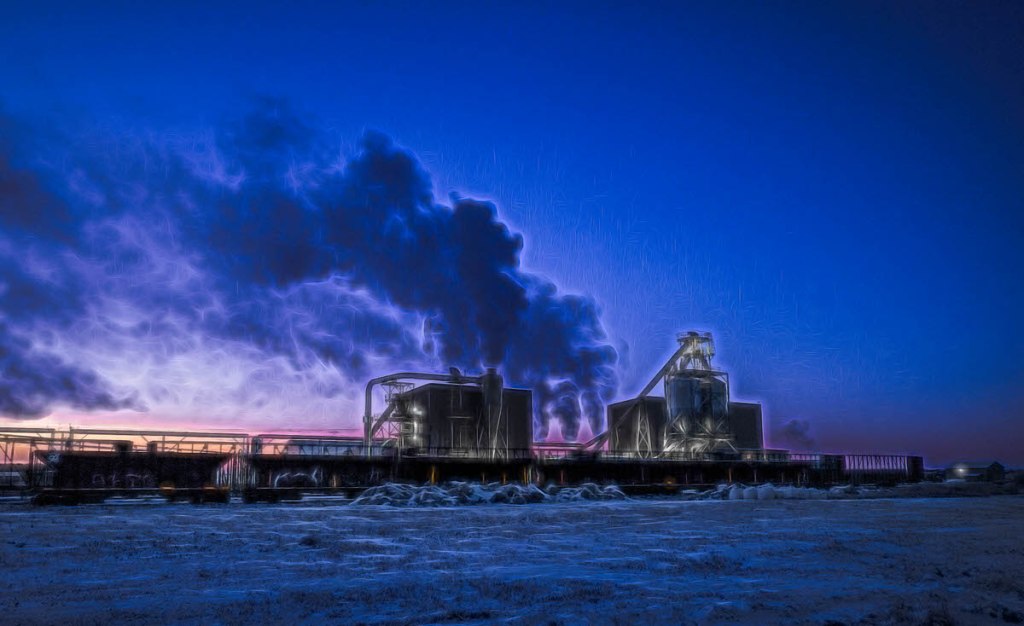
Industrial Area (Morning Rides – Winter and Summer) – High Level

Peace River Area, Alberta

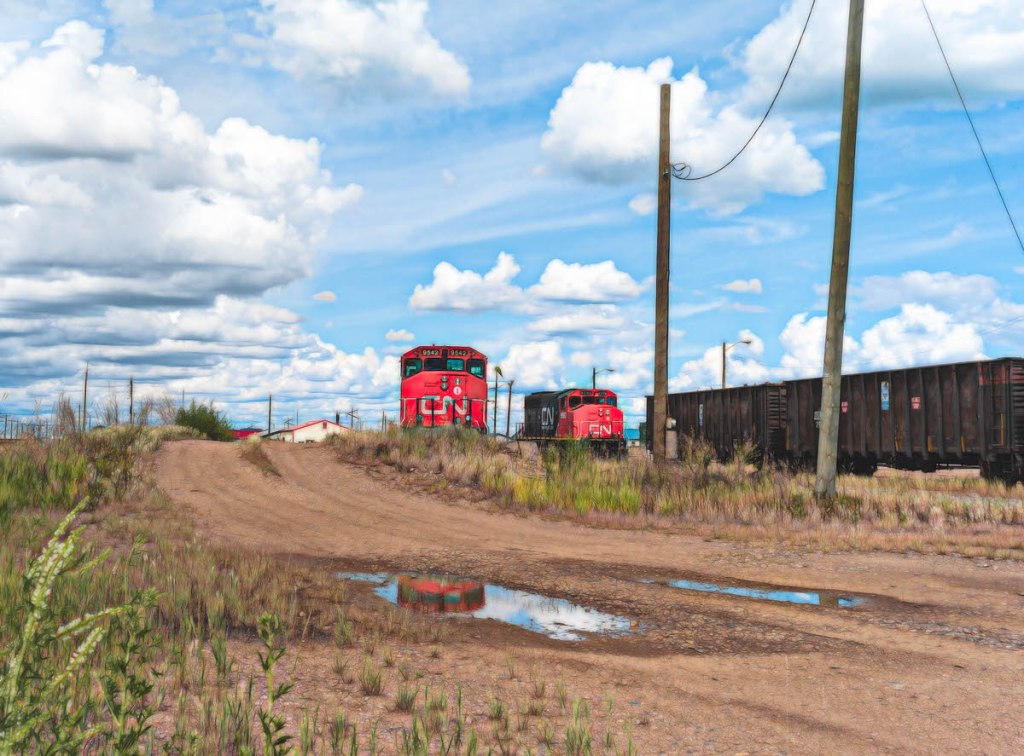
Trains

Quotes & Concepts to Consider & Inspire

Oubaitori – (1) ‘the idea that people, like flowers, bloom in their own time and in their individual ways (Victoria Ericksen);’ (2) ‘the meaning of oubaitori is that, instead of comparing ourselves to other people, we should be focusing on our own growth, and valuing what makes us special (https://vocab.chat/blog/japanese-oubaitori.html).’

It is not the answer that enlightens, but the ‘question’ (Eugene Ionesco).”

Whatever you can do, or dream you can, begin it. Boldness has genius, magic and power in it (Johann Wolfgang von Goethe).’

You’ve got what it takes, but it will take everything you’ve got.’ – Anonymous

I have discovered in life that there are ways of getting almost anywhere you want to go, if you really want to go (Langston Hughes).’

Listening to: David Gray’s ‘Sail Away,’ Martyn Joseph’s ‘One Step Up,’ Over the Rhine’s ‘Who Will Guard the Door,’ Amanda Marshall’s ‘Believe in You,’ Van Morrison’s ‘Behind the Ritual,’ and Billy Joel’s ‘This is the Time.’

Loosening Memory

Best Practices - Photography, Canon 70-200 mm 2.8 IS L Series Lens, Canon Live View, Farm, Leica, Light Intensity, Summer, Sunset

Foothill's Wheat - Rimbey, Alberta 1

Foothill’s Wheat – Rimbey, Alberta 1

Foothill's Wheat - Rimbey, Alberta 2

Foothill’s Wheat – Rimbey, Alberta 2

Foothill's Wheat - Rimbey, Alberta 3

Foothill’s Wheat – Rimbey, Alberta 3

Foothill's Wheat - Rimbey, Alberta 4

Foothill’s Wheat – Rimbey, Alberta 4

Manning - Canola

Manning – Canola

Nampa - Grain Truck 1

Nampa – Grain Truck 1

Nampa - Grain Truck 2

Nampa – Grain Truck 2

Spruce Grove - Canola

Spruce Grove – Canola

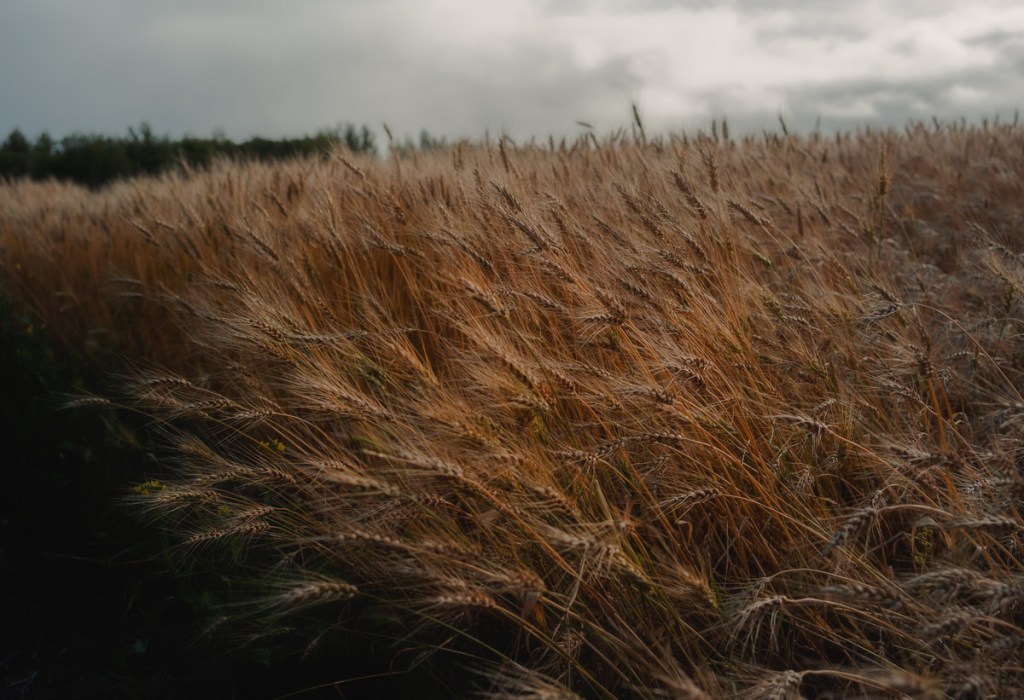
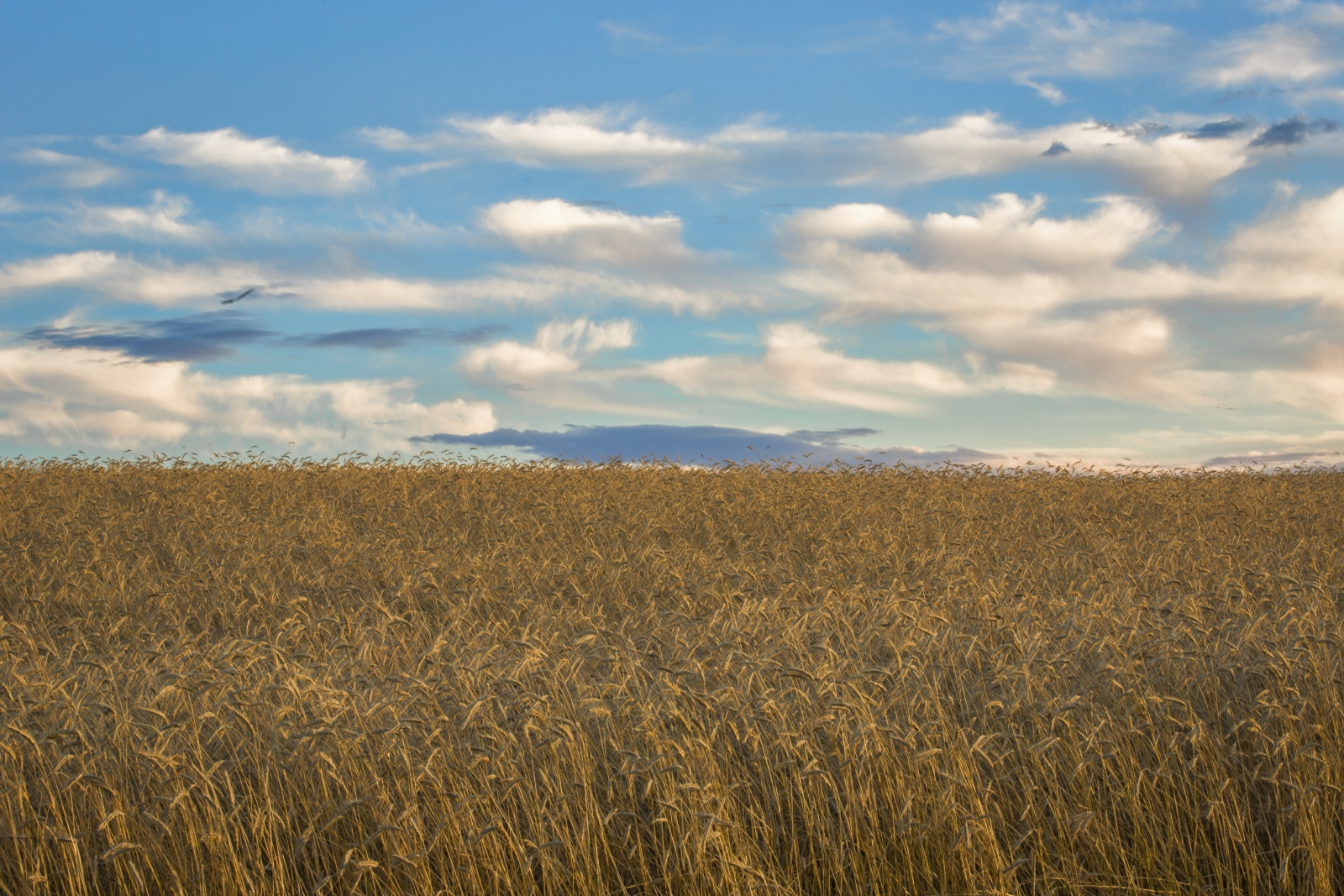
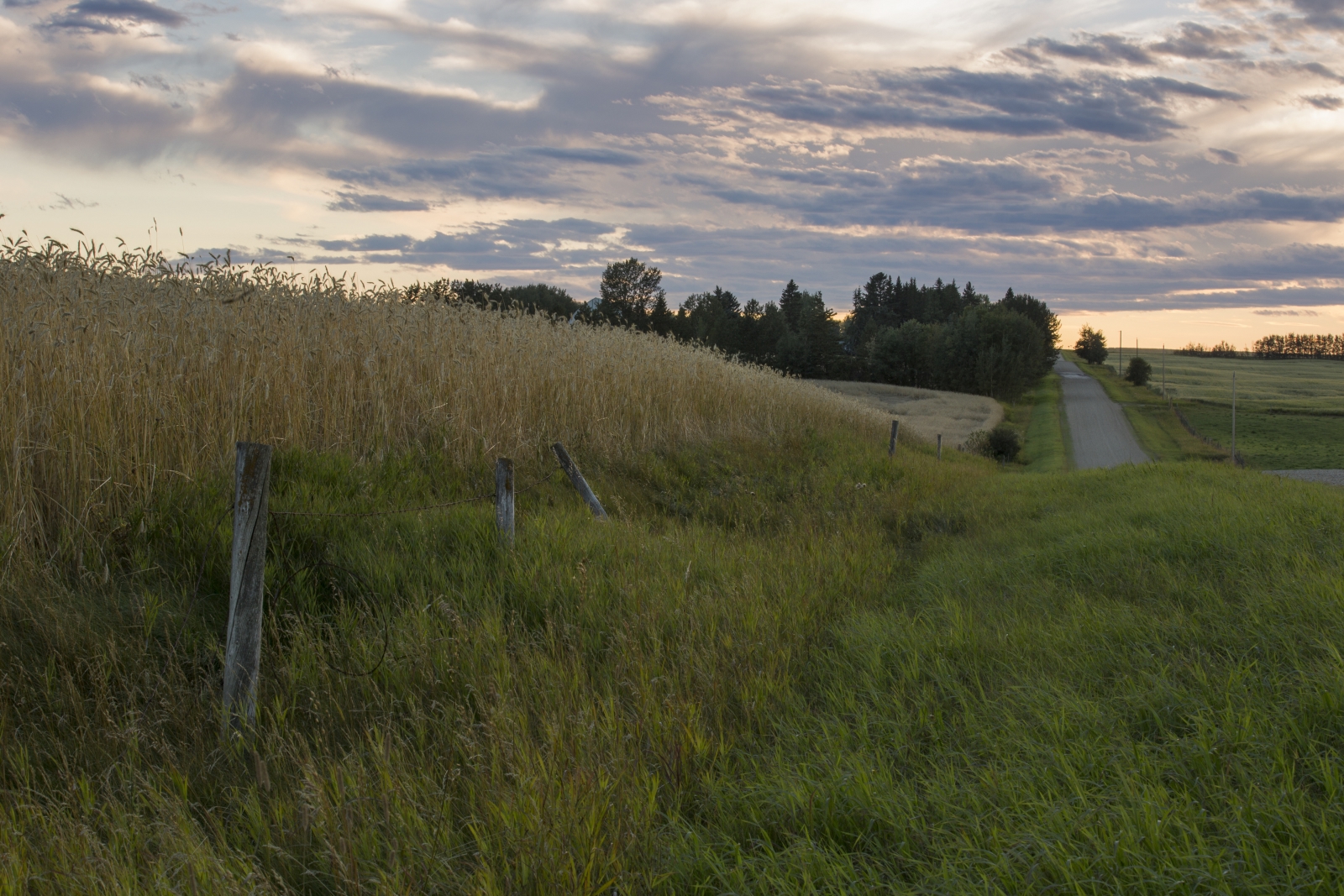
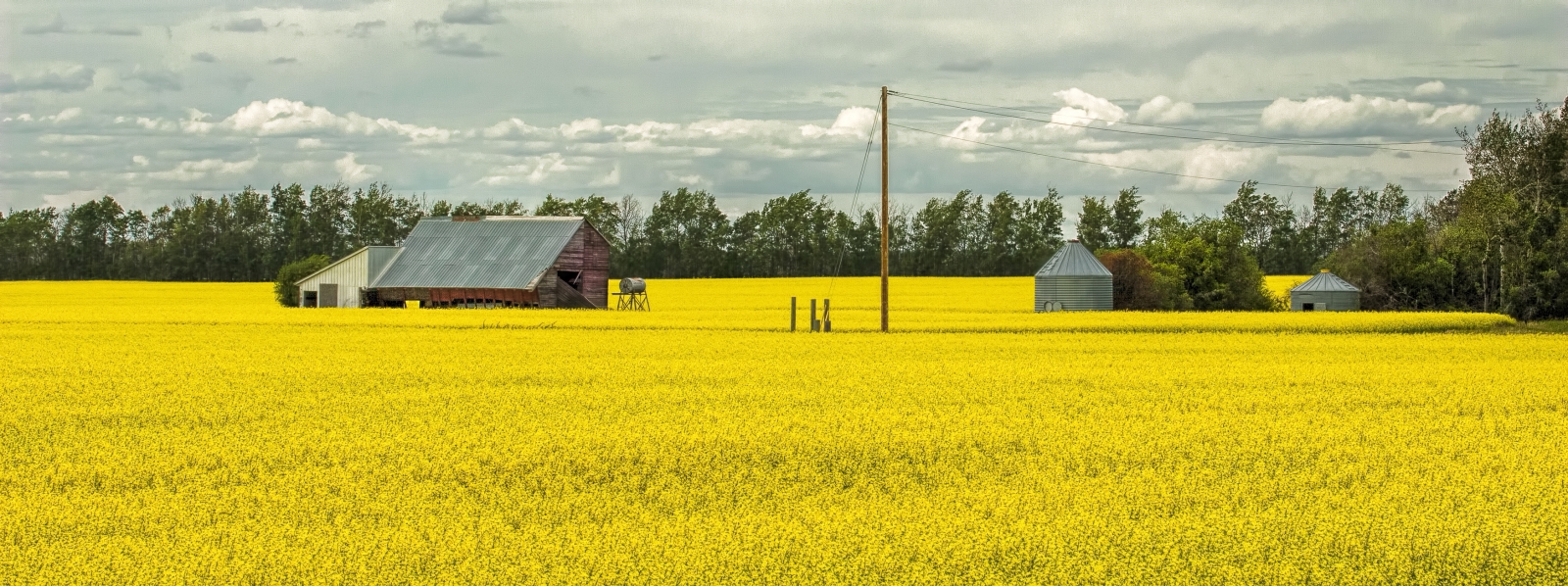
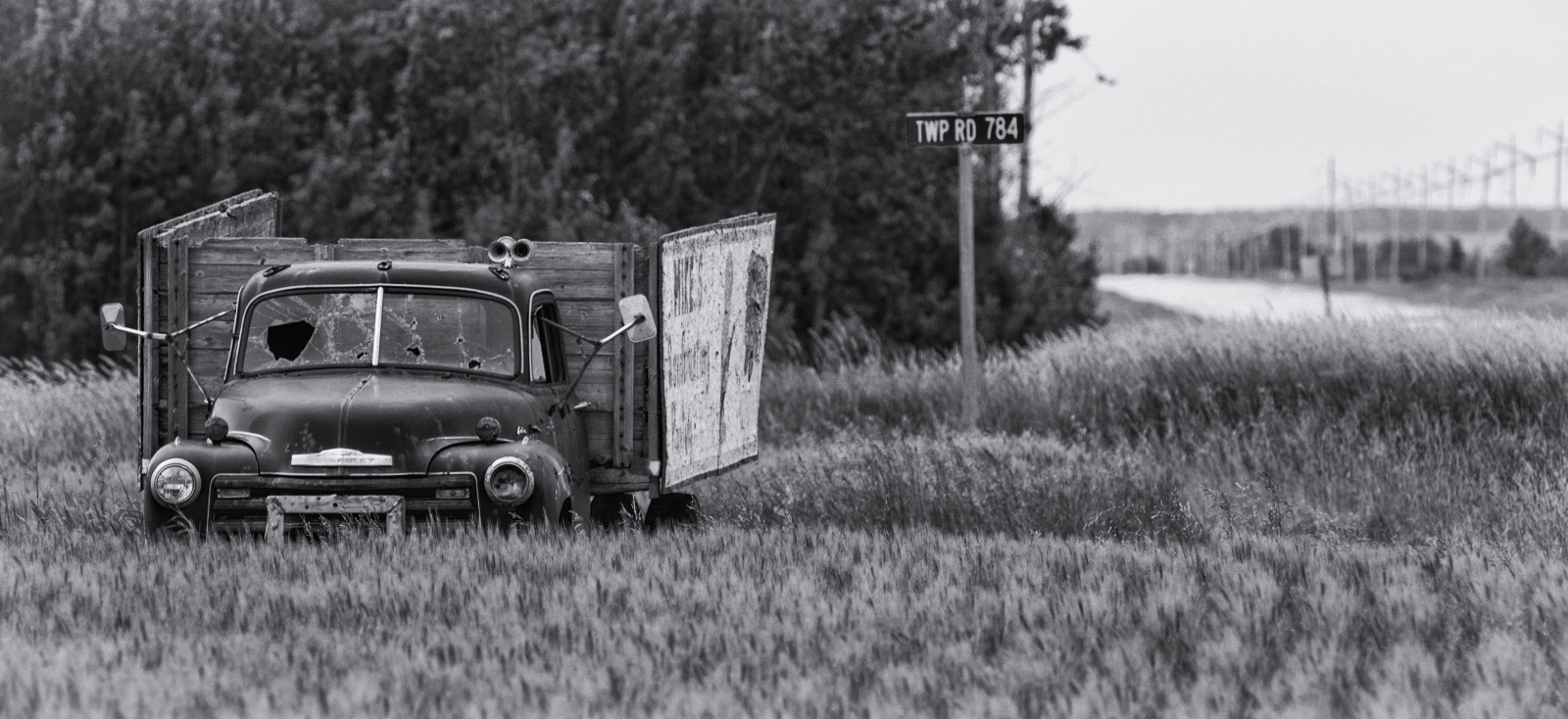
A few days drive from home, I stop my truck … my eyes have found something. I walk this scene, allowing my eyes to question ‘What is it that is here?’ I set camera upon tripod. I look and frame what I see – ‘click.’ Light’s point of origin directs golden light to and around the landscape it is falling upon – ‘click.’ Light’s absence, its shade and shadow and depth – at sunset, shadows are growing long – ‘click.’ My eyes are finding passage of time – ‘click.’ I’ve recognized something in the landscape and quality of light. I am recalling something – ‘click.’ I manage the machine, my camera, working aperture, shutter speed and ISO – ‘click.’ I am exposure bracketing to seven shots at one-step intervals – ‘click, click, click, click, click, click and click.’ HDR shots are possible – ‘click.’ My intent is not only to capture and hold this moment in memory – ‘click.’ It is to recast reality with the image produced – ‘click.’ Wheat fields that blanket rolling foothills are drawing my imagination to this scene – ‘click.’ Appreciation for what I see builds – ‘click.’ A long-ago memory loosens, … ‘click’ … connecting me to what I now see for the first time as an adult – ‘click.’ A sense of something familiar grows – ‘click.’ My mind resides and works equally in another place – ‘click.’ It anticipates the other side of download, edit and image production, ‘Can I bring the edited image produced close to what I now see?’ ‘Click.’ Weeks pass. I make time to edit images. I remove the SD card from my camera and download it onto an external hard drive. A Lightroom edit begins. In the edit, the surprise of the extraordinary occurs; what my eyes and camera captured weeks ago is now re-seen and more fully seen in the image that has been created. Good.

Images – Foothills Wheat Crop, Manning Canola, Nampa Grain Truck and Spruce Grove Canola.

Quote to Consider/Inspire: “Look for LEICA patterns; Look for lines, edges, intersections, contrast and angles in the shapes, light and shadows of the global and local elements of a photo to create a harmonious composition,” John Kosmopoulos.

Listening to: Molly Tuttle & John Mailander’s ‘Another Side, Tell Me,’ ‘Morning Morgantown,’ ‘Moonshiner,’ ‘I’m Over You’ and ‘Red Prairie Dawn;’ Spencer Elliot’s ‘Torque.’

Between Terms – Hybrid Trail

Best Practices - Photography, Home, Journaling, Light Intensity, Lookback Photos - One Year Ago, Photography & Conceptualizing Beauty, Project 365 - Photo-a-day, Summer

MIrrored Building - Edmonton, Alberta 1

MIrrored Building – Edmonton, Alberta 1

alberta-legislature-edmonton-alberta-2

alberta-legislature-edmonton-alberta-2

alberta-legislature-edmonton-alberta-3

alberta-legislature-edmonton-alberta-3

alberta-legislature-edmonton-alberta-4

alberta-legislature-edmonton-alberta-4

architectural-festival-installation-edmonton-alberta

architectural-festival-installation-edmonton-alberta

cn-tower-edmonton-alberta

cn-tower-edmonton-alberta

edmonton-skyline-from-north-east

edmonton-skyline-from-north-east

edmonton-skyline-from-under-saskatchewan-drive

edmonton-skyline-from-under-saskatchewan-drive

edmonton-skyline-from-west

edmonton-skyline-from-west

gibson-building-edmonton-alberta

gibson-building-edmonton-alberta

grant-mcewan-university-entrance

grant-mcewan-university-entrance

hotel-cutaway-edmonton-alberta

hotel-cutaway-edmonton-alberta

mirrored-building-edmonton-alberta-1

mirrored-building-edmonton-alberta-1

mirrored-building-edmonton-alberta-2

mirrored-building-edmonton-alberta-2

mirrored-building-edmonton-alberta-3

mirrored-building-edmonton-alberta-3

walterdale-home-edmonton-alberta

walterdale-home-edmonton-alberta

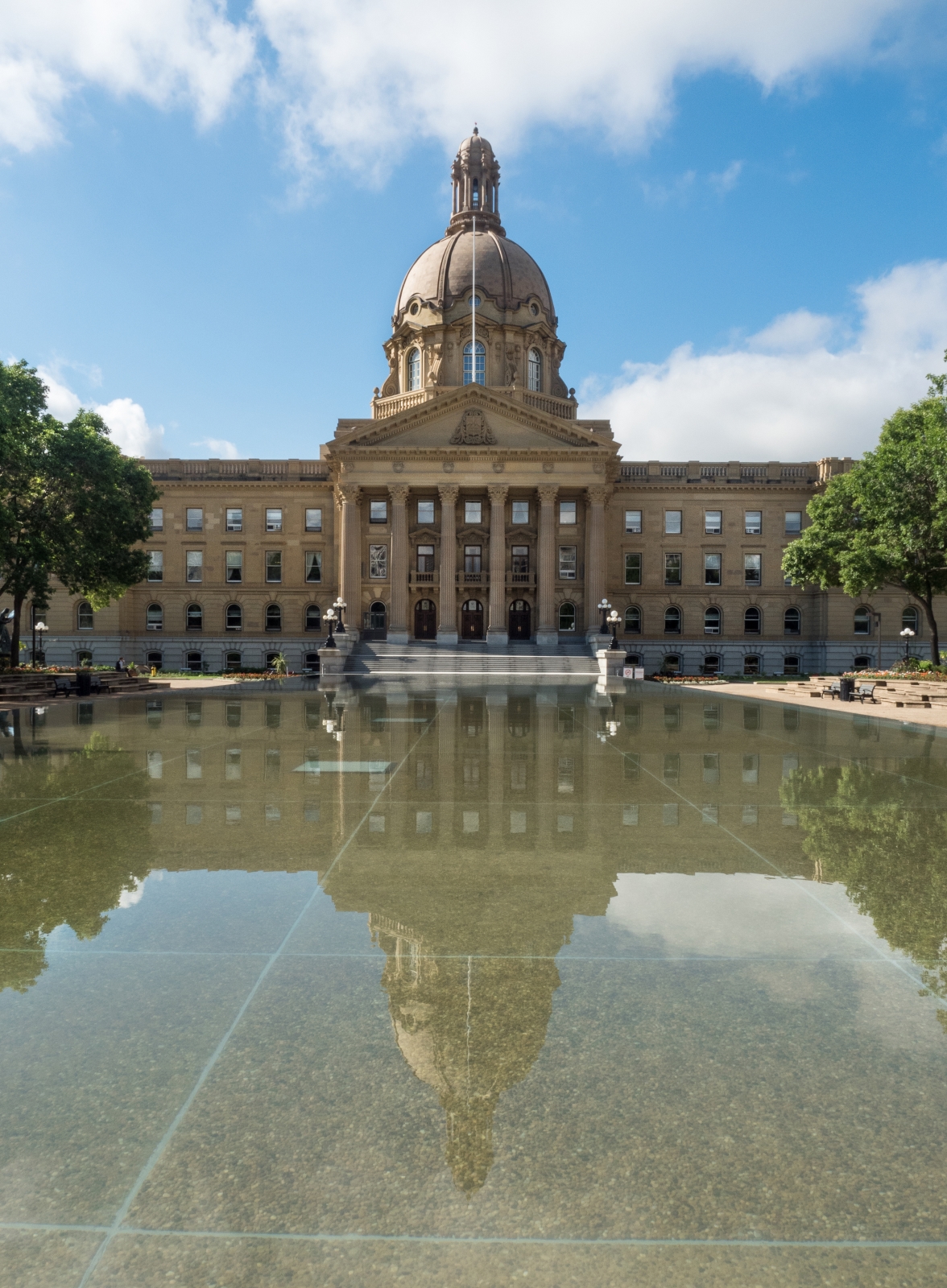
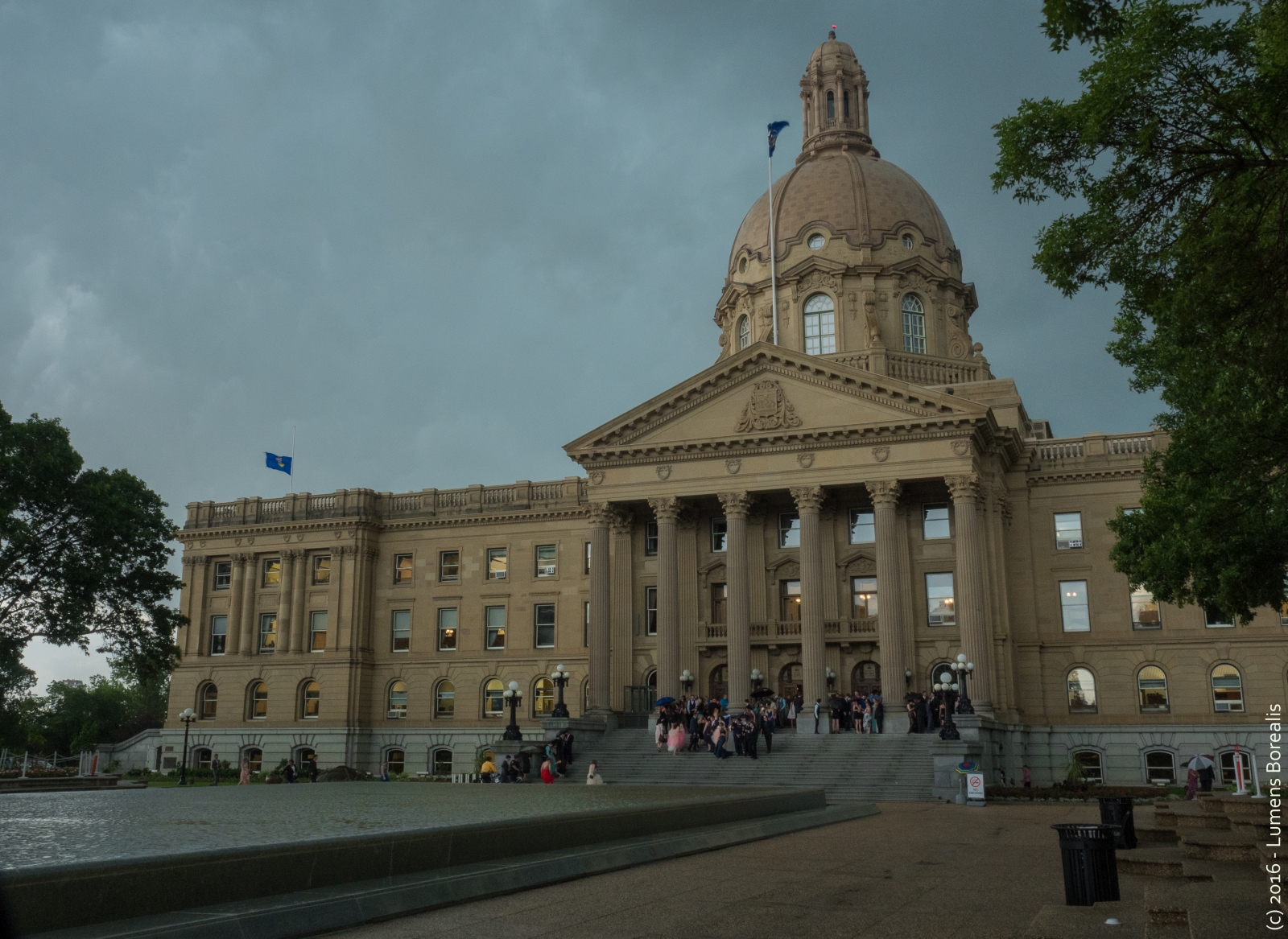
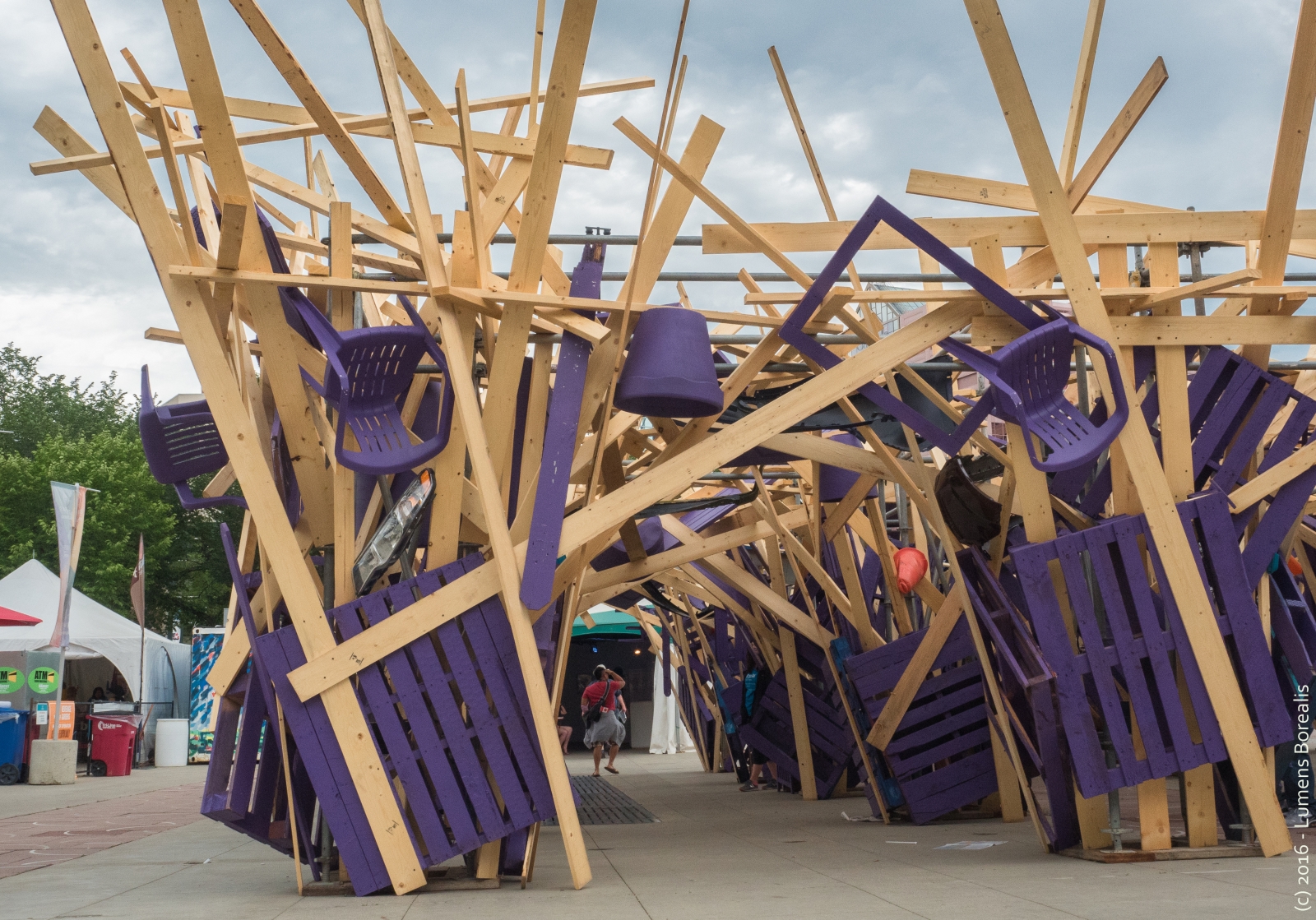
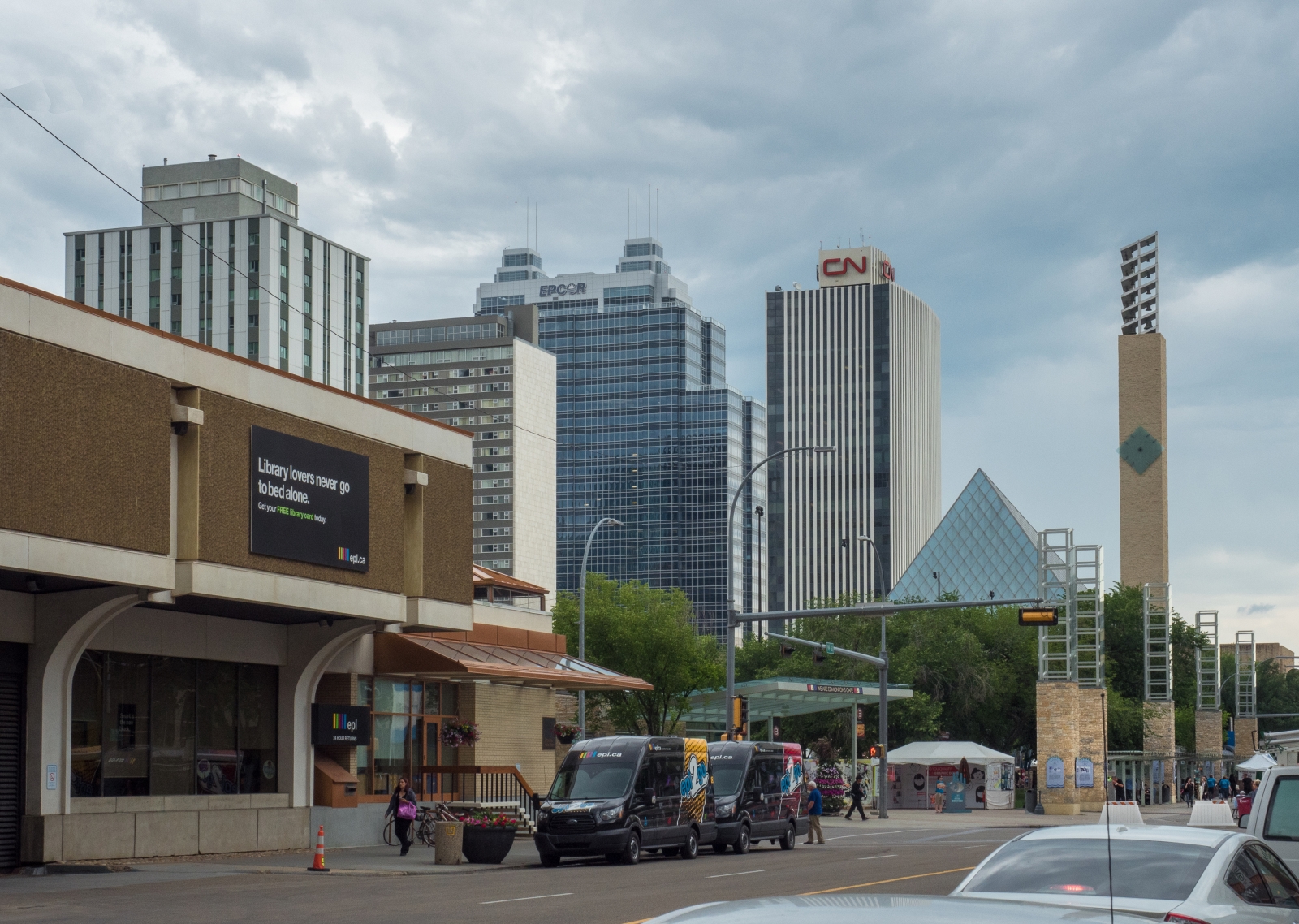
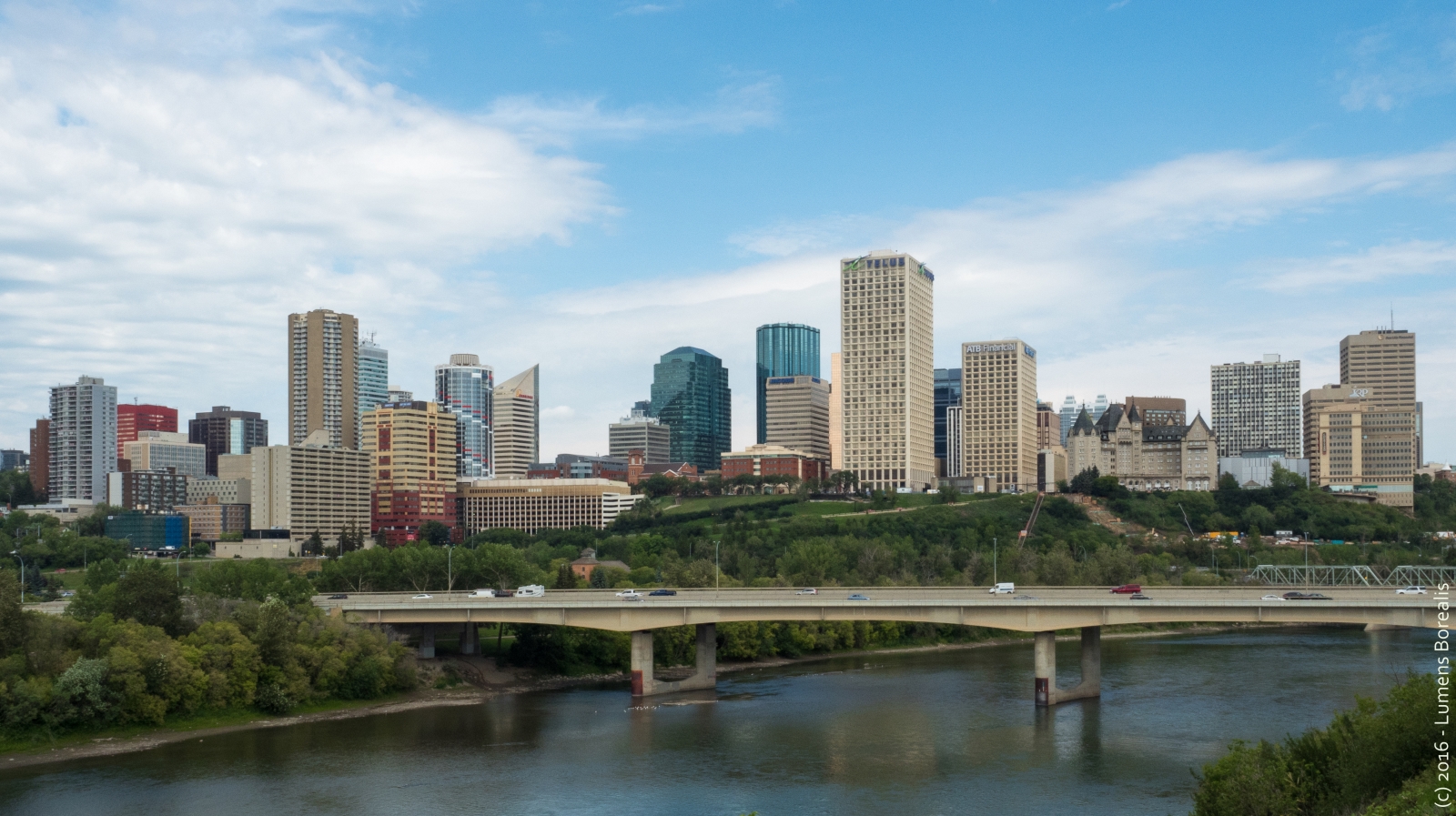
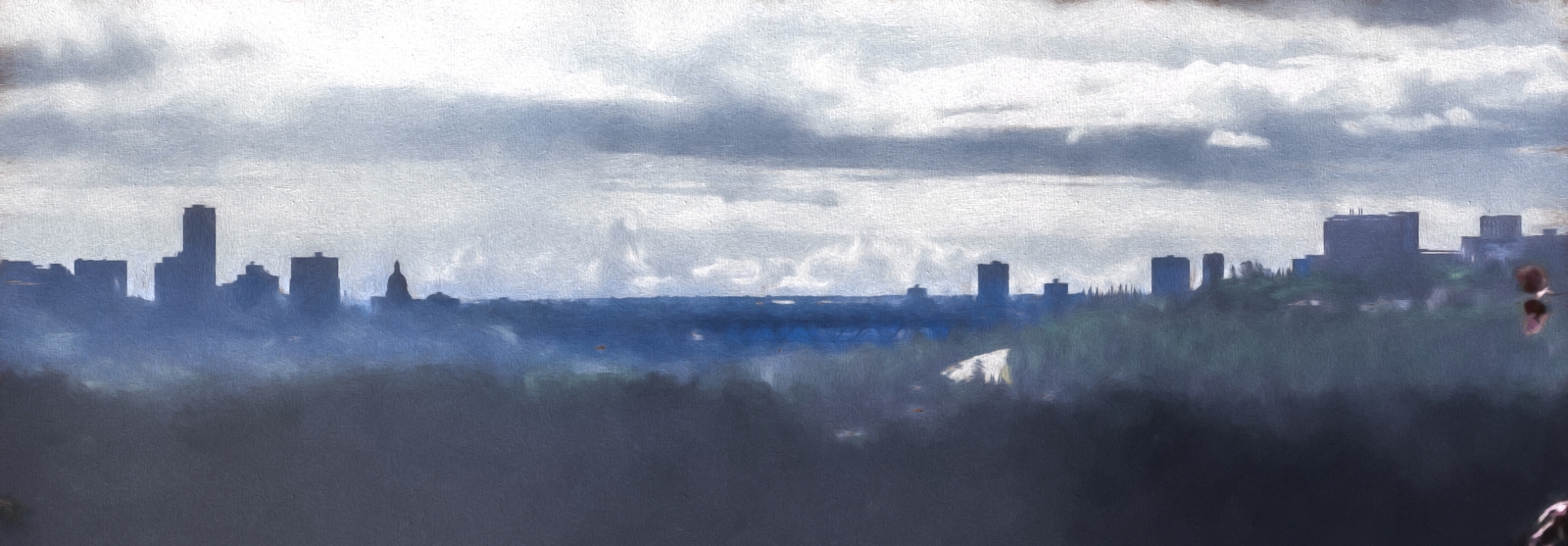
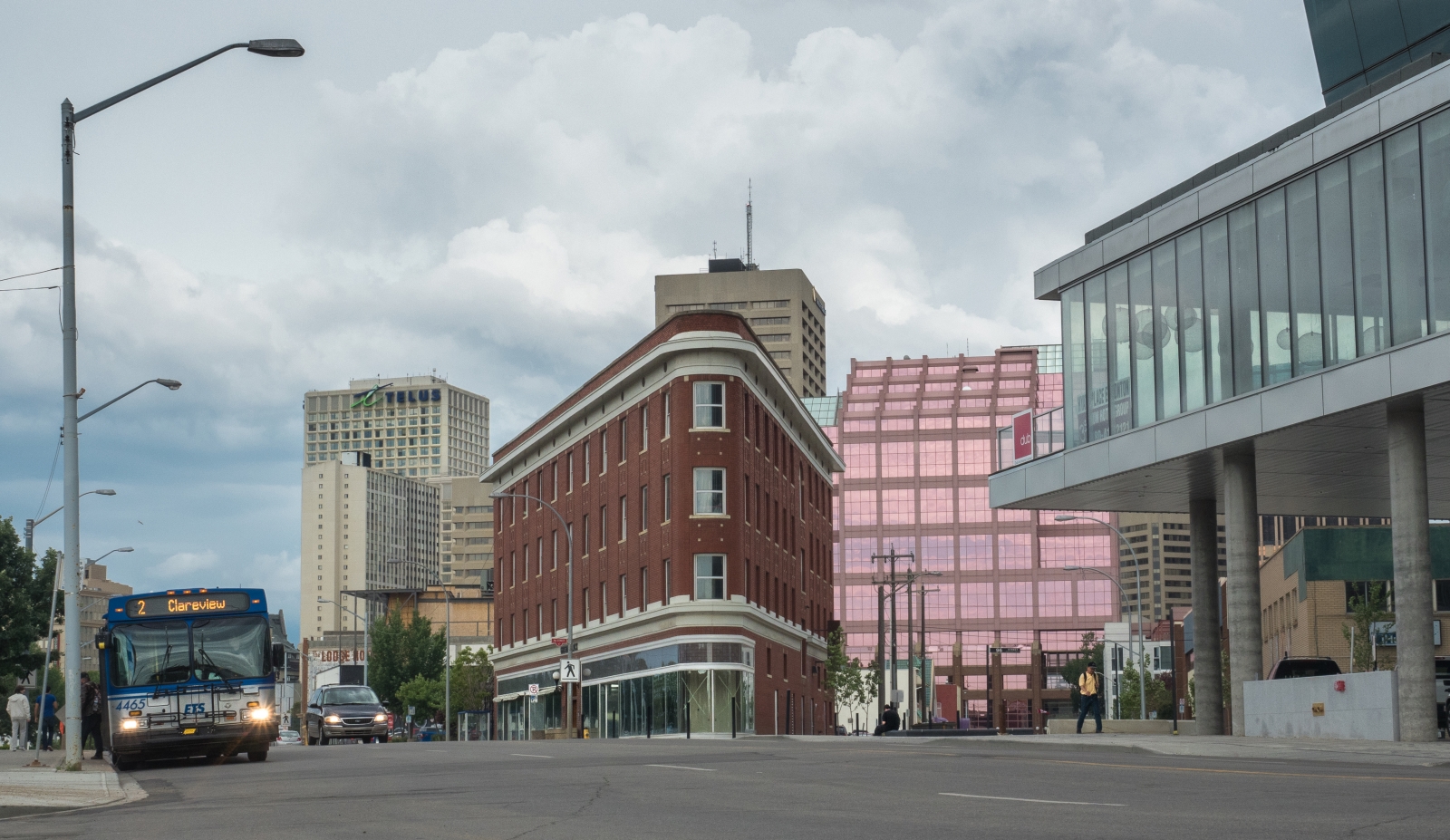
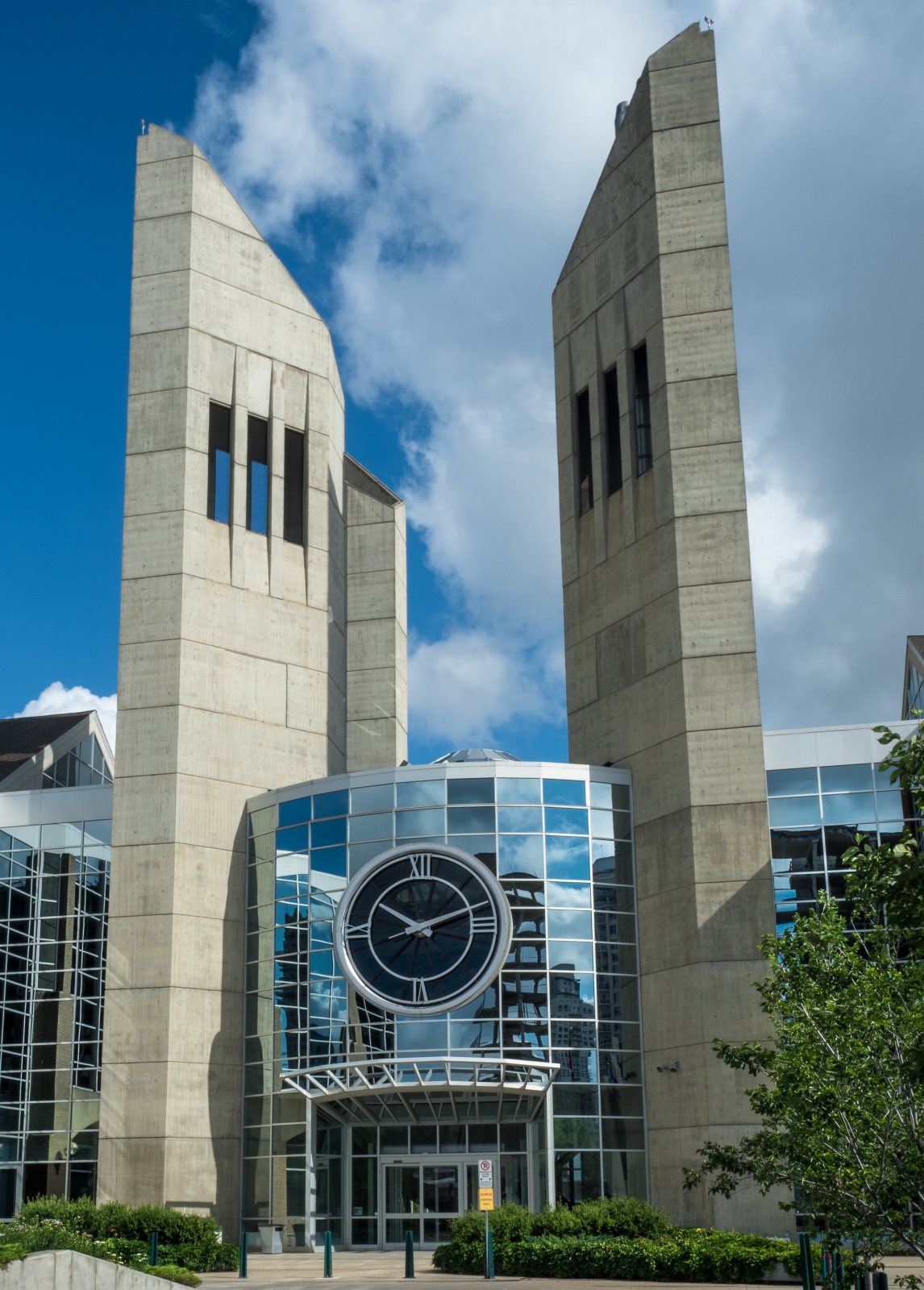
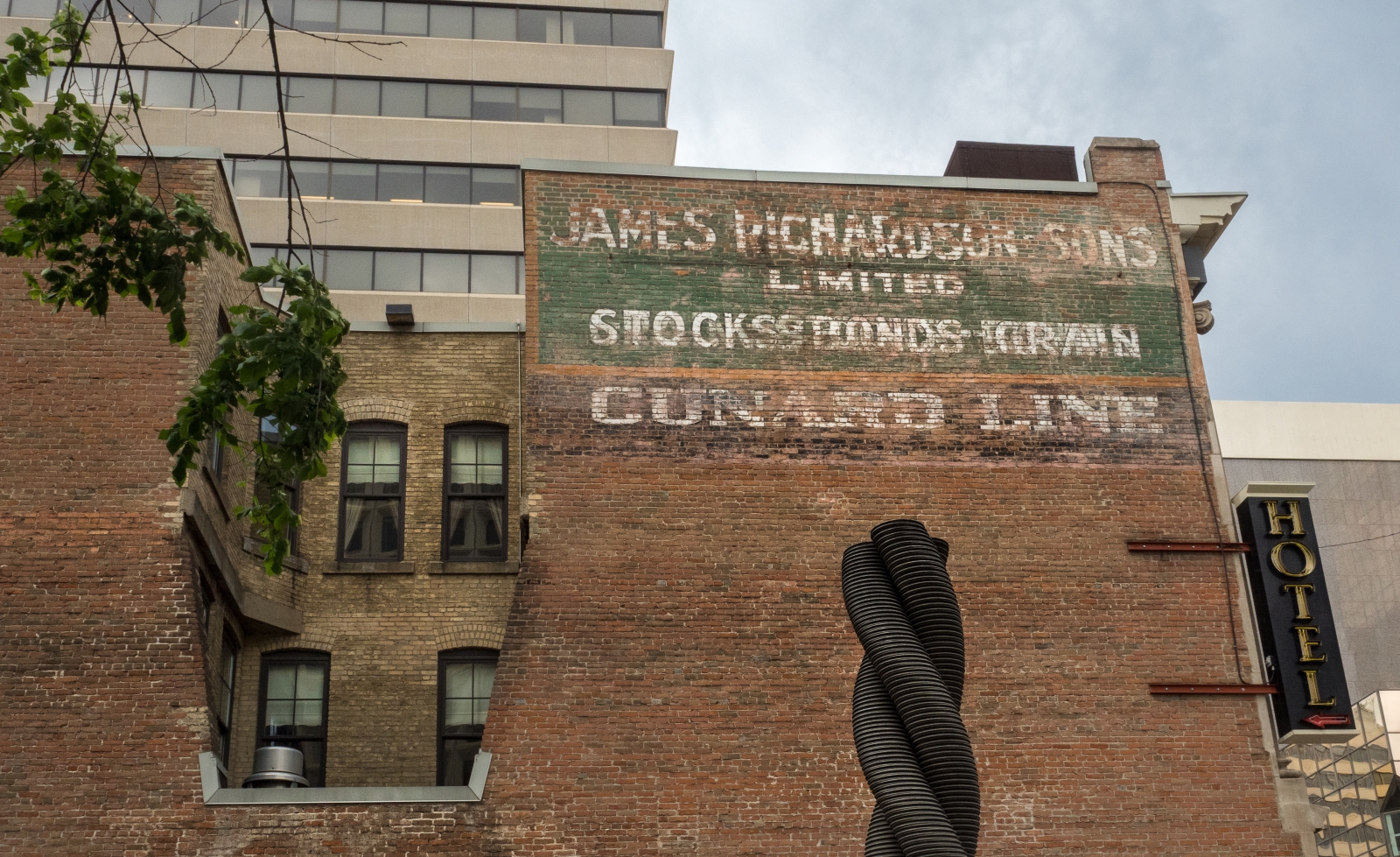
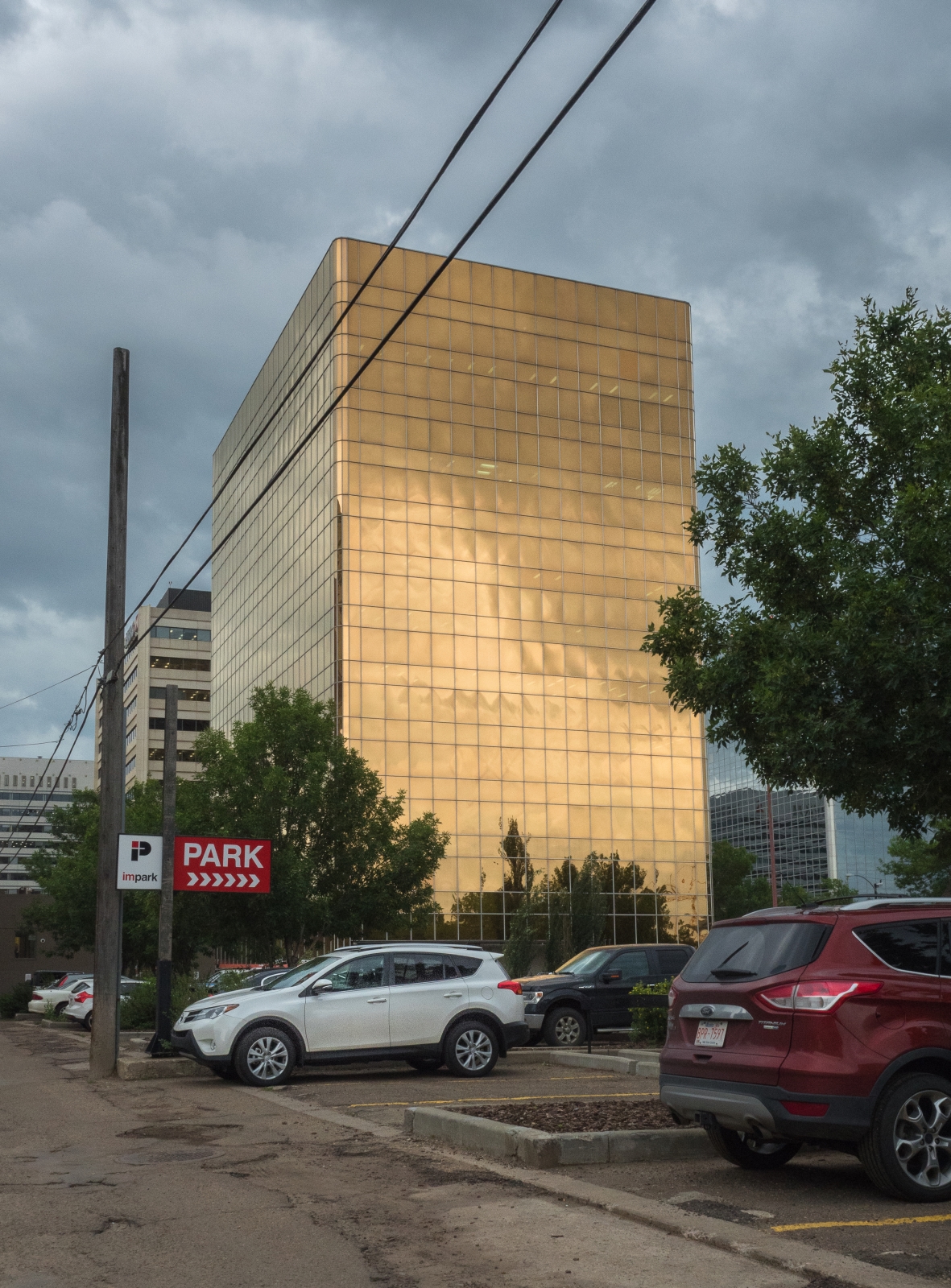
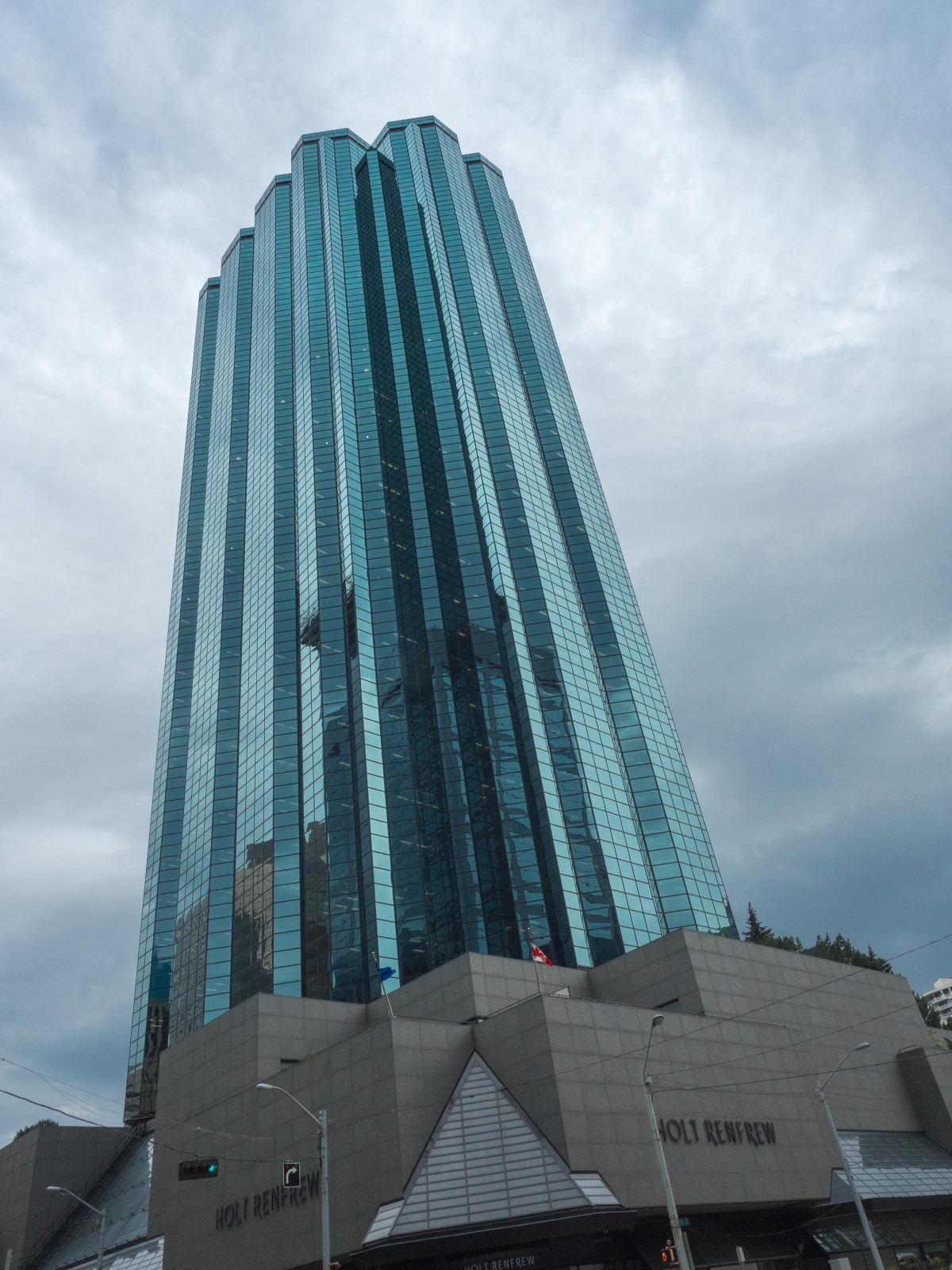
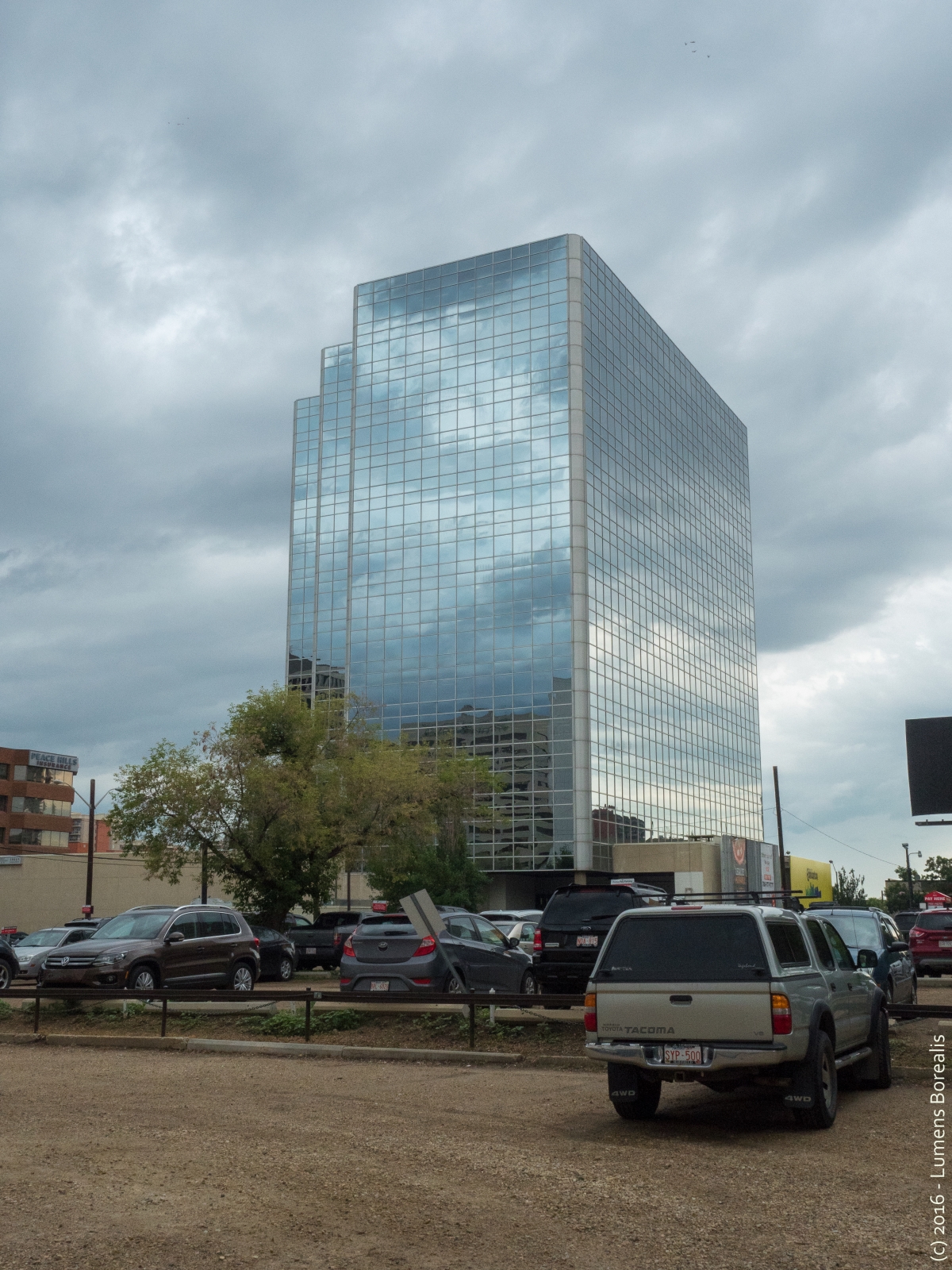
We were in Edmonton and only days into our summer break when I seized the opportunity to cycle along Edmonton’s River Valley Bike trails. These trails were ones I road between terms at University thirty years ago. Then, I road a Kuwahara, chromoly steel-framed mountain bike. I bought it after my 1986 convocation and completion of my first degree. Now I road a new, Giant Hybrid Roam I. It replaced my weathered, well-ridden, fifteen-year-old, yellow Specialized HR (HardRock) Comp mountain bike. I donated it to Goodwill and bought the Giant Roam I.

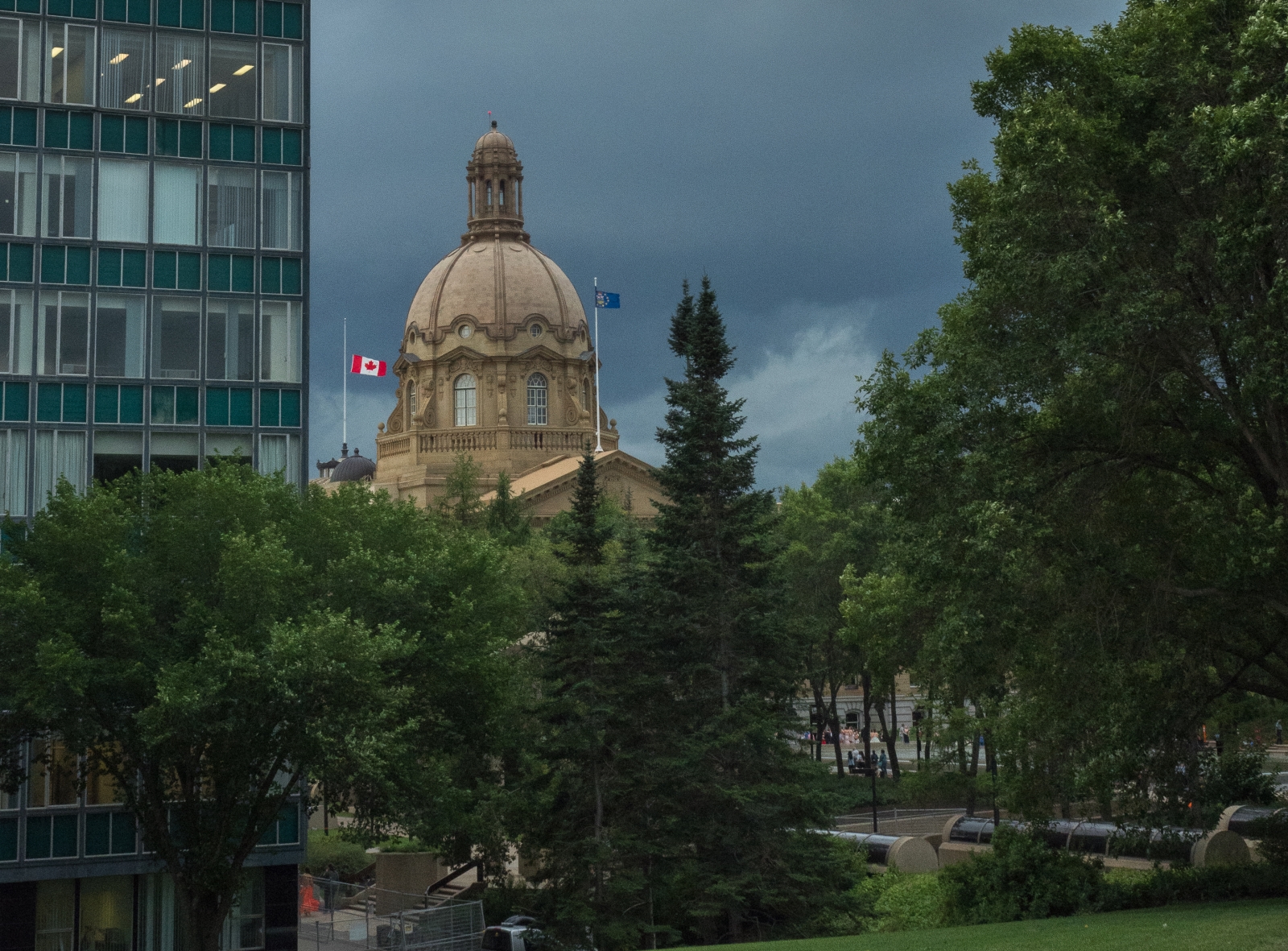
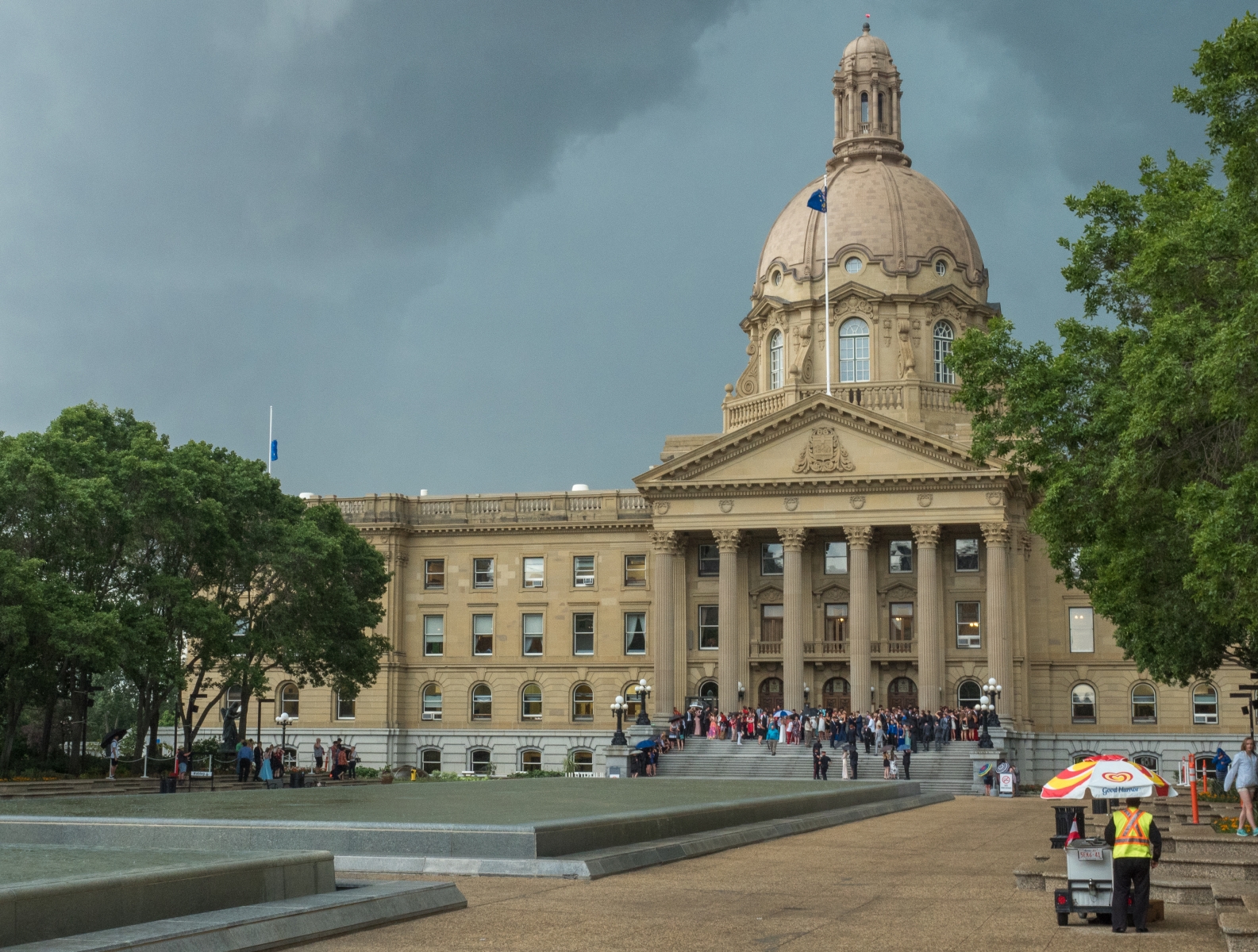
The trail I remember had been a quick-paced, two-hour ride. The route covered upwards of forty kilometres. Now, I encountered the River Valley’s up and down on each side of the North Saskatchewan River. It passed by the Riverside Golf Course, through Rundle Park, out to the Strathcona Science Centre, then back along Ada Boulevard to Concordia College. From there, it moved past the Dawson Bridge, under the City Centre, past the Alberta Legislature, across the High Level Bridge, alongside the Pitch-and Putt behind the Kinsmen Field House, under Saskatchewan Drive toward the James MacDonald Bridge, then the Low Level Bridge and finally up a rigorous climb from under the St. Joseph Seminary out of the River Valley and then through Forest Heights Park to McNally High School where my truck waited.

Where I had completed this trek in two hours, thirty years ago, this well-worn path was taking me upwards of three and a half hours to complete. Sections of the once familiar route now suffered neglect – cracks and frost-heaves made the trail uneven. Hard-core, cycle-til-you-drop Edmonton cyclists had taken to spray painting cracks with bright paint to remind and to warn other cyclists of bumps along the trail. Other parts of the cycling trail were being restored. In one case a cycling bridge beneath the Shaw Centre was being dismantled and replaced. A detour was needed around this construction site – a ten minute, hard climb out of the valley with travel along the edge of the city centre core. Cycling time extended. Detours added delay.

Stopping to gather photographs slowed my cycling circuit. I was searching-out images associating to memories of early morning cycling in the Edmonton River Valley. Other images took-in and experimented with Edmonton architecture. Composition in some photographs now seems hasty. Cycling’s faster pace has seemed, at this later editing date, to have limited my awareness of all (or other) composition choices. Images that I photograph while walking hold different consideration. Walking into the scene gathers perception for what an image can become. Good consideration for how to frame a shot can occur. Three days of early summer cycling gathered these images.

Listening to – Keith Jarrett’s concert album, ‘The Köln Concert’ from 24 January 1975 – enjoying this as a former piano player.

Quote to Consider / Inspire: “Adequate photographers use their sight, good photographers use their senses, and great photographers use their souls.” – A. J. Compton

Watt Mountain Weather

Best Practices - Photography, Canon Lens, High Dynamic Range (HDR), Journaling, Photoblog Intention, Photography & Conceptualizing Beauty, Still Life, Weather, Winter

Watt Mountain Weather - High Level, Ab Canada 1

Watt Mountain Weather – High Level, Ab Canada 1

Watt Mountain Weather - High Level, Ab Canada 2

Watt Mountain Weather – High Level, Ab Canada 2

Watt Mountain Weather - High Level, Ab Canada 3

Watt Mountain Weather – High Level, Ab Canada 3

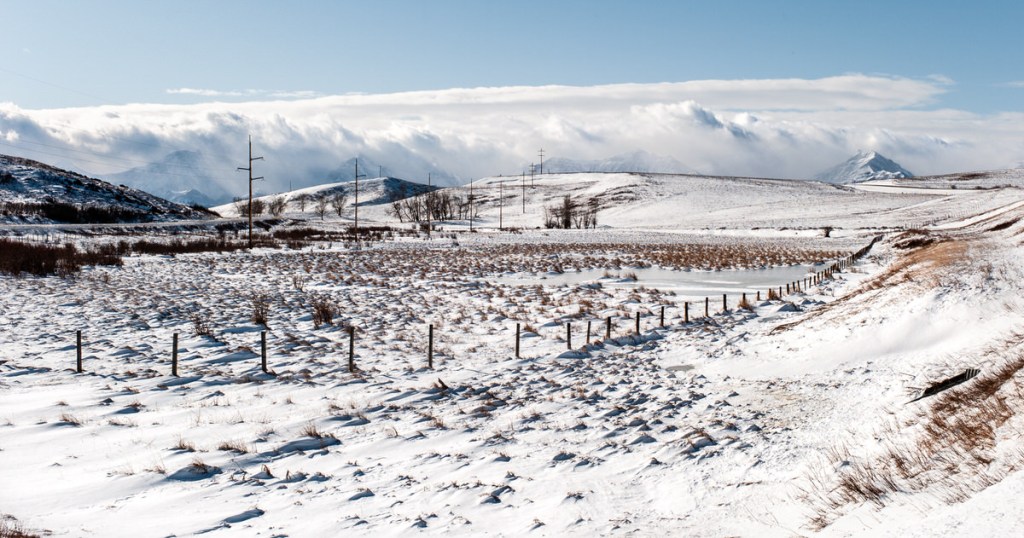
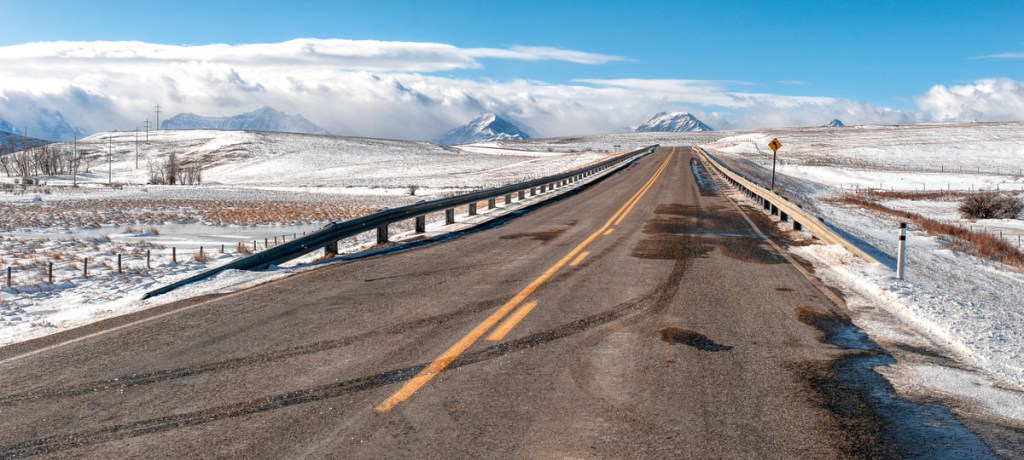
After a late winter snow, my truck brought me up the 12 kilometre climb to the top of Watt Mountain and its weather.

Listening to – Agnes Obel’s ‘Fivefold,’ Junip’s ‘Don’t Let It Pass,’ Coldplay’s ‘Another’s Arms’ and U2’s ‘Song for Someone.’

Quote to Consider – “Photography is for me, a spontaneous impulse that comes from an ever-attentive eye, which captures the moment and its eternity.” – Henri Cartier Bresson

Stabilizing Forgiveness

Best Practices - Photography, Christmas, Christmas Lights, Flora, Journaling, Light Intensity, Night, Photography & Conceptualizing Beauty, Project 365 - Photo-a-day, School, Still Life, Weather, Winter

Christmas Lights - Town Hall, High Level 1

Christmas Lights – Town Hall, High Level 1

Christmas Lights - Town Hall, High Level 2

Christmas Lights – Town Hall, High Level 2

High Level Public School - Gym Entrance

High Level Public School – Gym Entrance

High Level Public School Walkway

High Level Public School Walkway

Lattice Work of Trees - High Level, Alberta

Lattice Work of Trees – High Level, Alberta

REW Memorial Pool - High Level, Alberta

REW Memorial Pool – High Level, Alberta

Senior's Centre - High Level, Alberta - 1

Senior’s Centre – High Level, Alberta – 1

Senior's Centre - High Level, Alberta - 2

Senior’s Centre – High Level, Alberta – 2

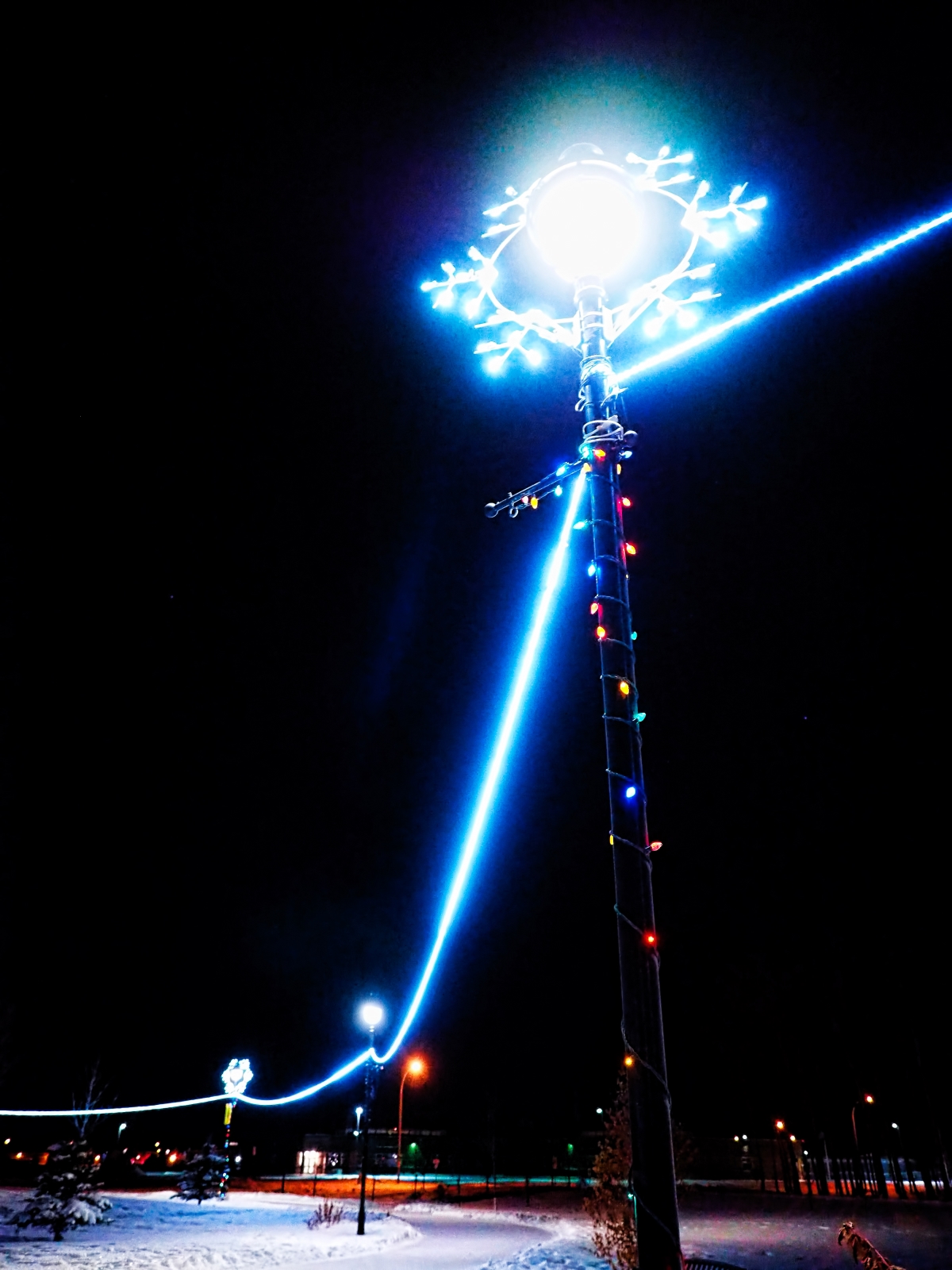
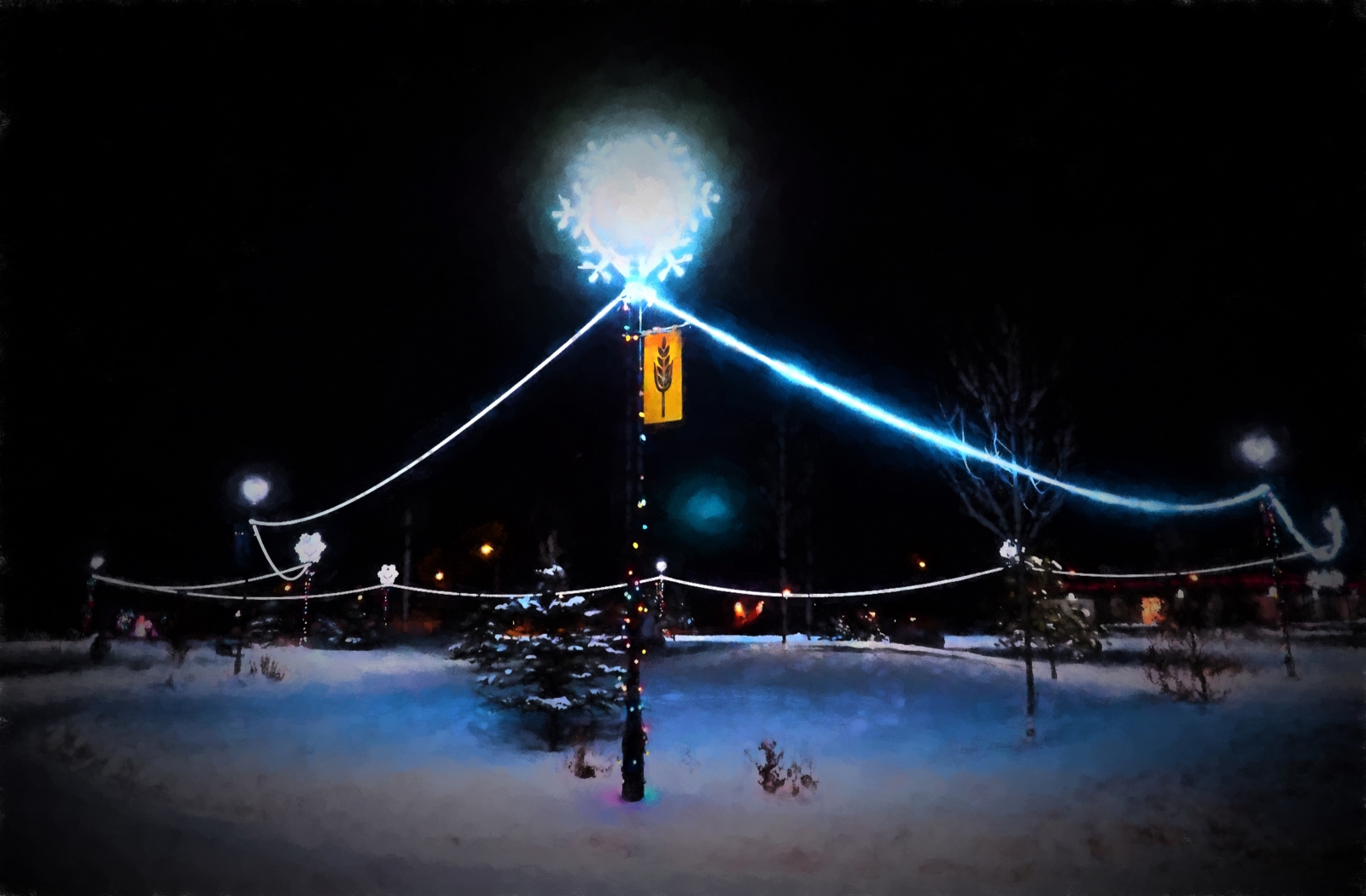
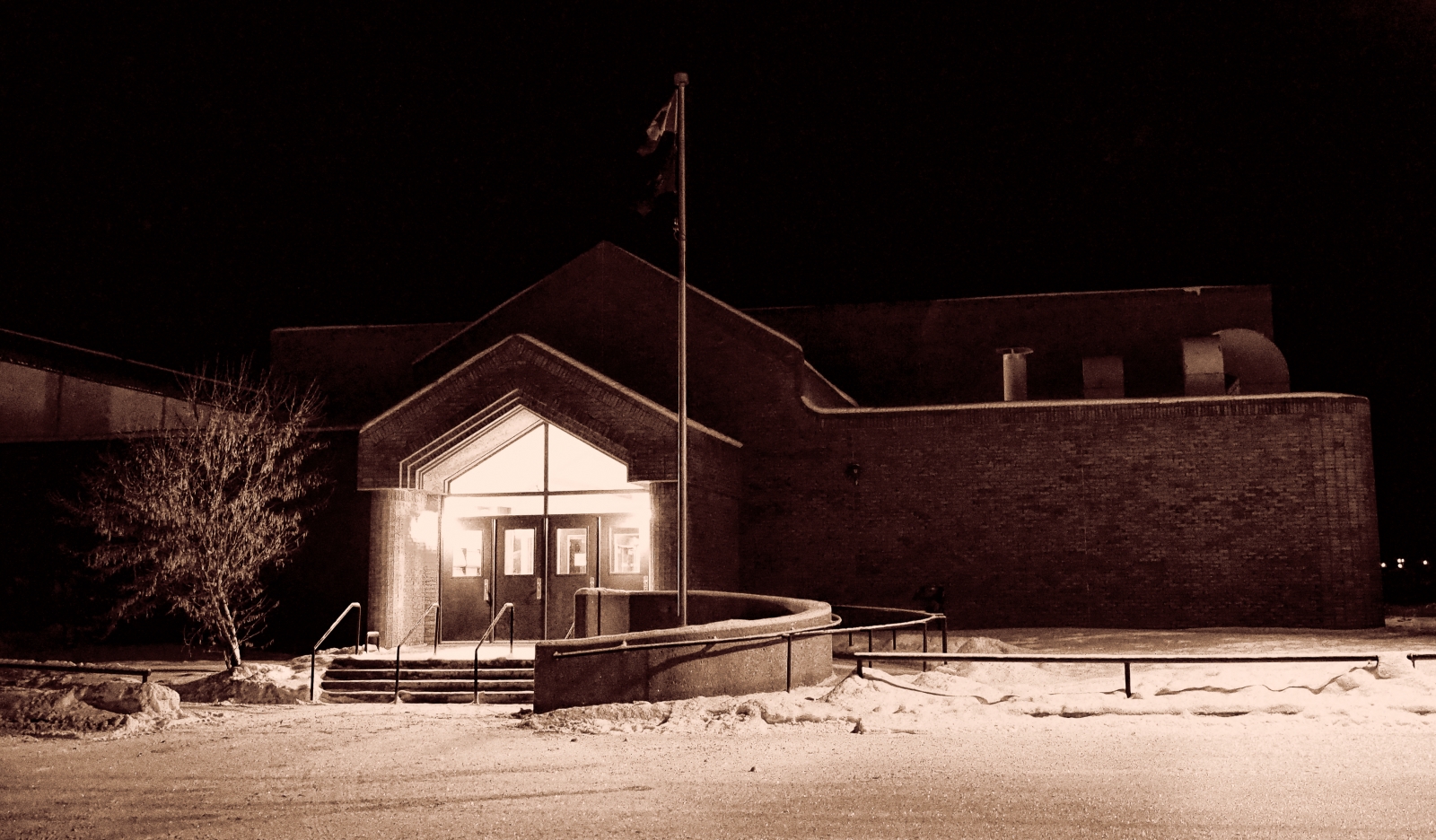
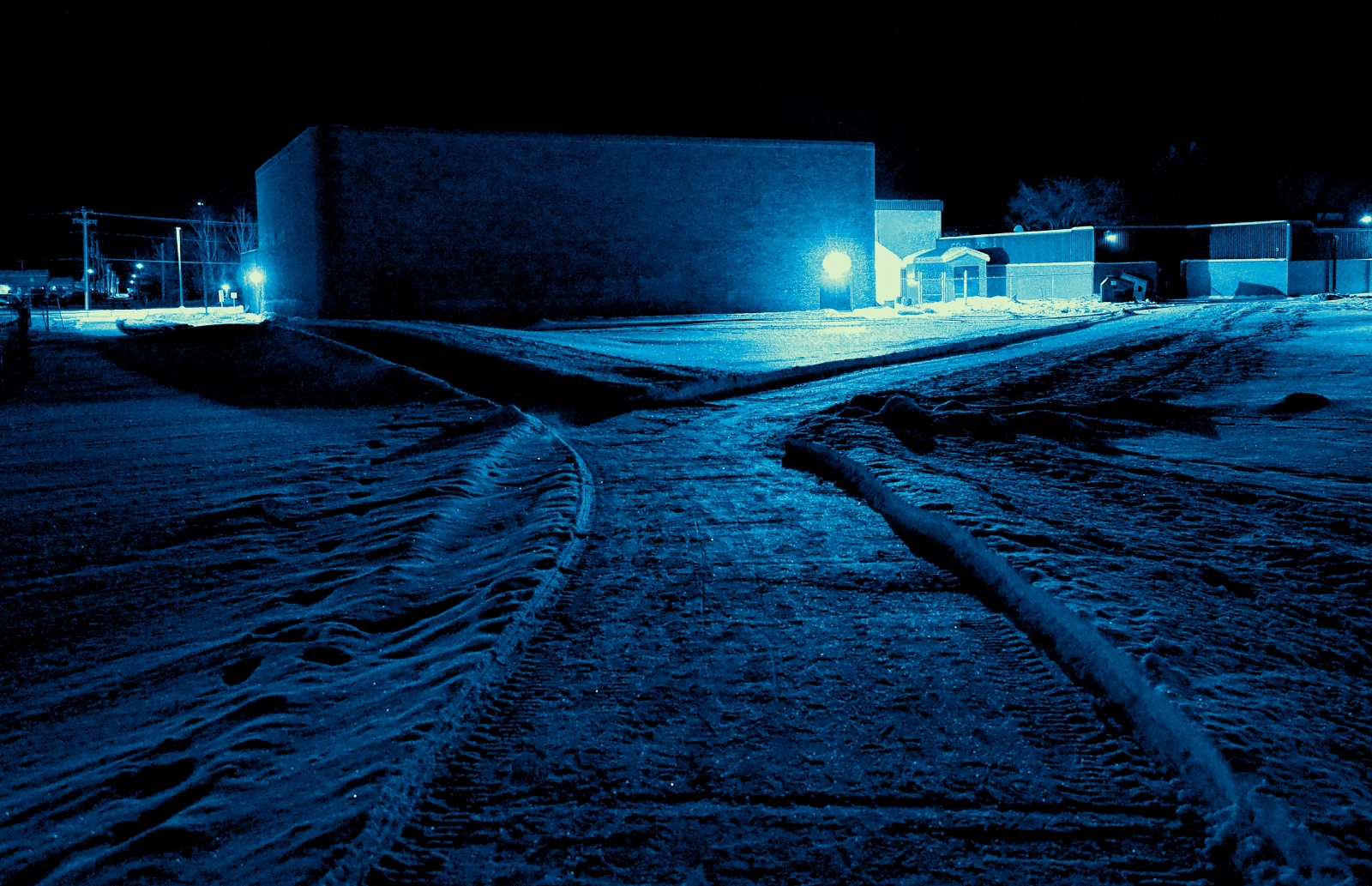
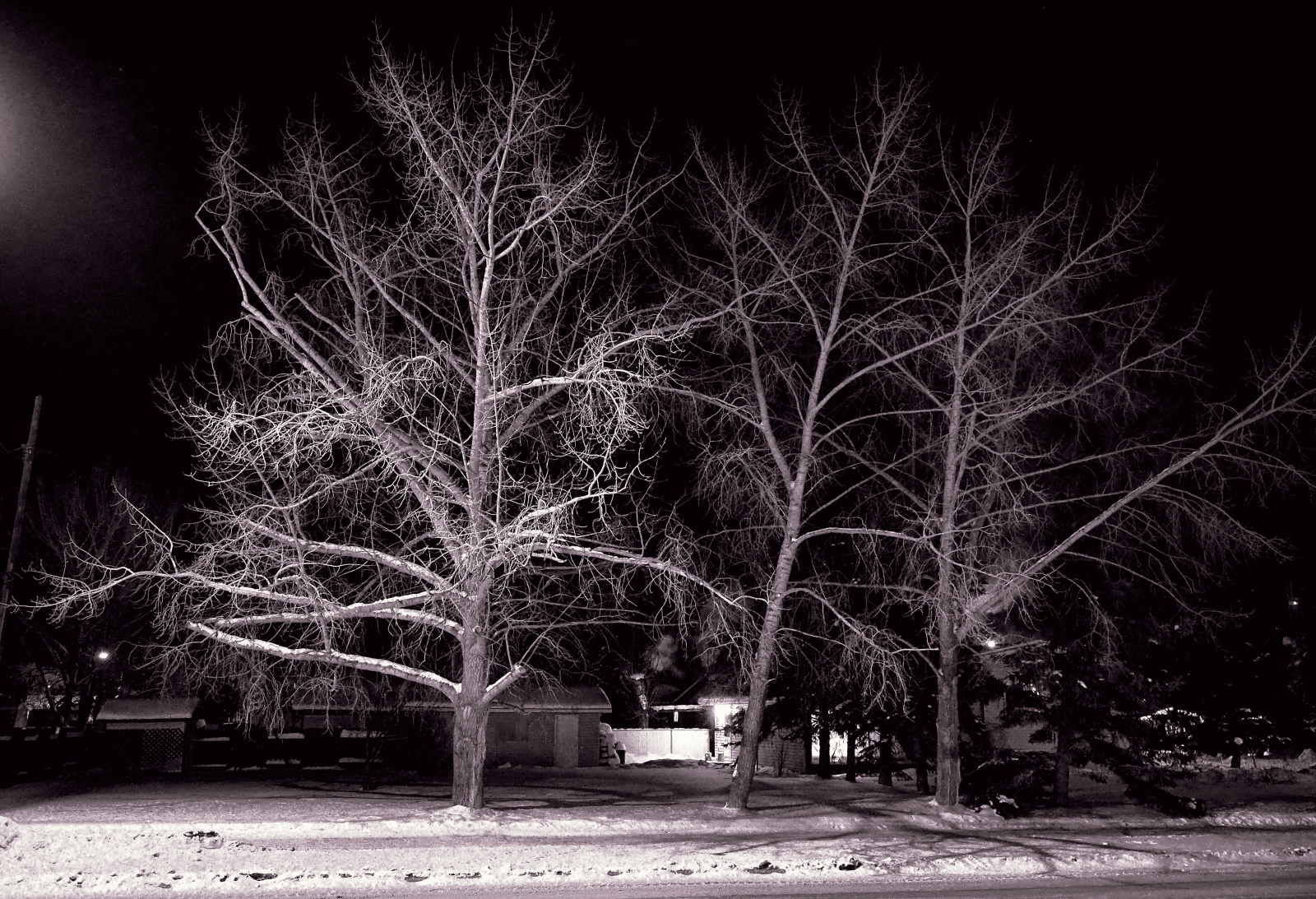
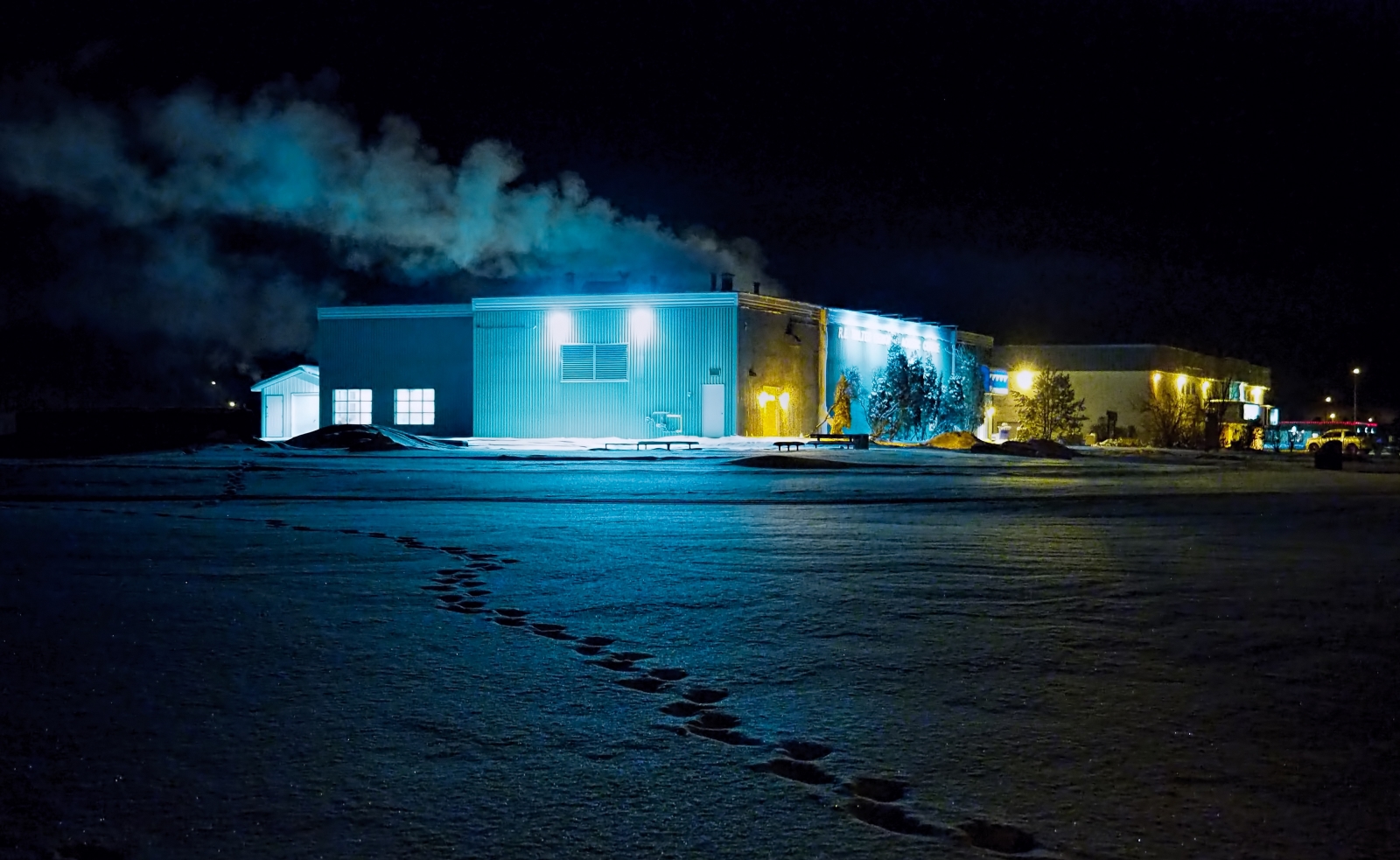
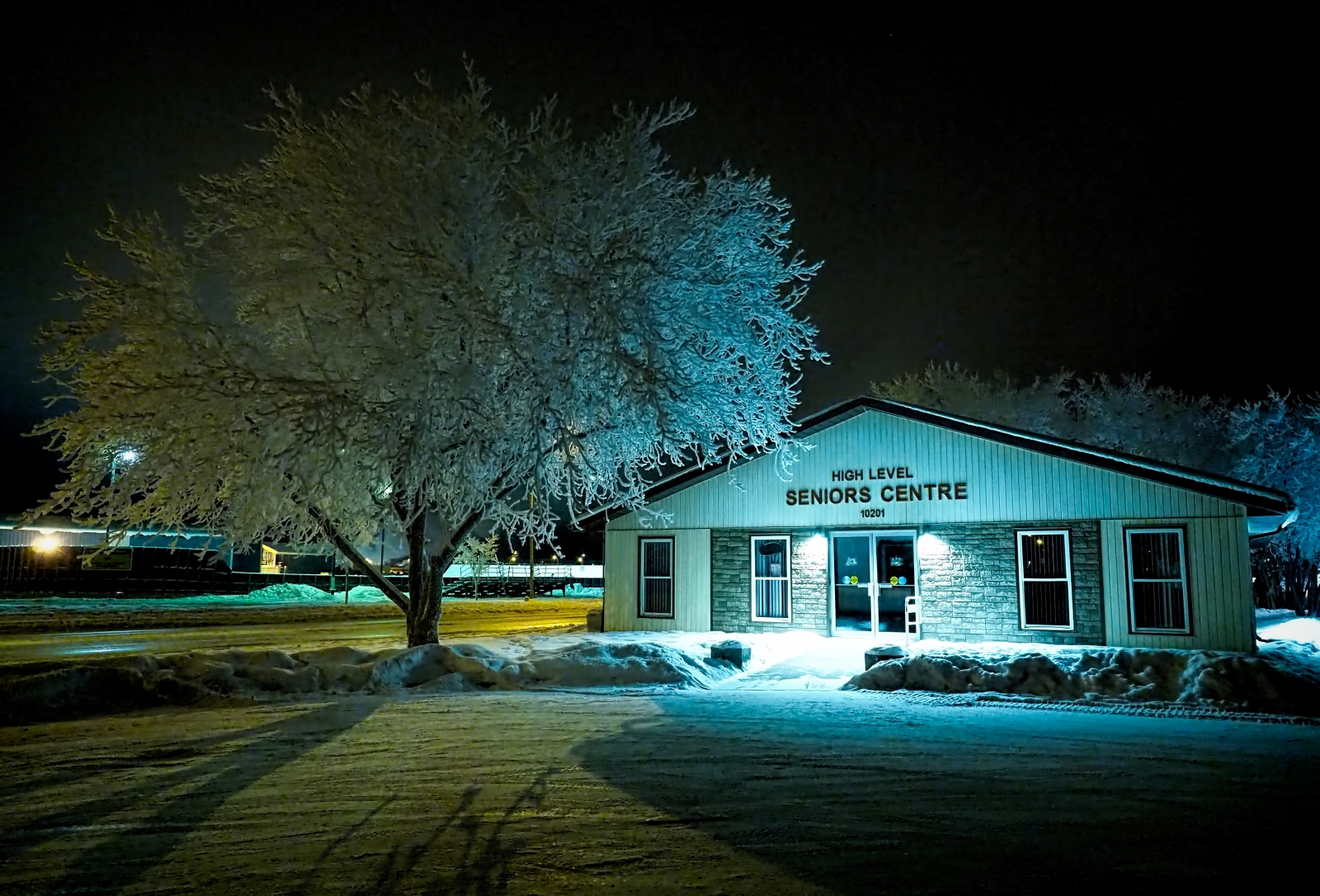
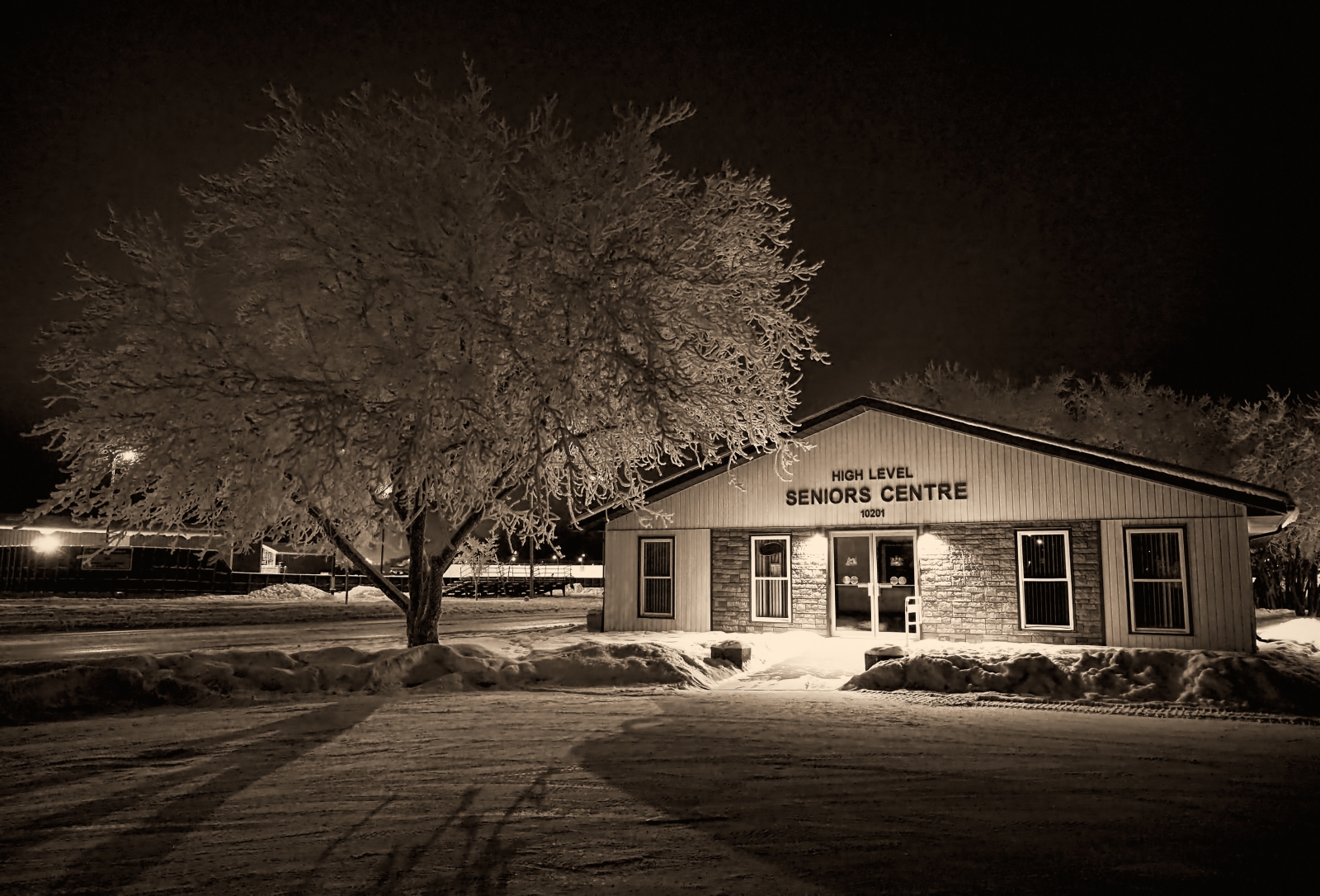
I have been intrigued to find success in creating night time images from handheld shots using wide open aperture and ISO 6400; stabilization must have been accounted for and become the forgiveness factor in this camera. Good!

Listening to – liking Martyn Joseph’s new album, ‘Sanctuary;’ enjoying the tribute to Robert F. Kennedy in ‘Bobby’ and the instrumental work in ‘Sanctuary’ that reminds of songs from Martyn’s album ‘Thunder and Rainbows.’

Quote to Consider – “You’ve got to push yourself harder. You’ve got to start looking for pictures nobody else could take. You’ve got to take the tools you have and probe deeper.” – William Albert Allard