There is a gap between photographers who keep moving forward and those who never quite get there. Talent doesn’t explain it. Effort doesn’t explain it. More often than not, the gap comes down to perfectionism — and the quiet, costly way it keeps good work from ever reaching the world.
Perfectionism creates two things: spin and fear. Spin is the endless cycle, the feeling of working hard without getting anywhere. Fear is the worry that what you’ve made won’t measure up — that putting it out there will expose you to judgment, that it won’t resonate, and that people won’t get it. Together, they create a trough that’s easy to fall into and hard to climb out of. The longer you stay, the deeper it gets.
The truth is simple and worth saying plainly: your work will never be perfect. It can’t be. With virtually any photograph ever made, you can find a stronger one somewhere. Perfect is a strange, slippery word, and chasing it leads nowhere useful. More often, it leads to an archive of the ‘almost-done,’ projects that deserved to exist in the world, sitting in folders, waiting for one more pass that never quite comes.
The better approach is to care deeply, build steadily, and know when to call it done. Think it through, then start. Refine as you go — re-shoot, clean up, improve. At some point, say the words: This is good. This is ready. Then put it out and move on to the next story. Some of the greatest leaps in craft come from diving into a project before you feel fully prepared, building skills in real time, and letting the work push you forward. That’s how it works. That’s how it has always worked.
What “Good Enough” Actually Means
Good enough is not a lowering of standards. It’s a calibration — one of the most important things a working photographer can learn to do.
Good enough means good enough for this stage of your development, this story, and this moment in your practice. It is not a fixed ceiling you settle beneath. It is a moving standard that grows alongside you. As your eye sharpens and your craft deepens, what you consider good enough rises with them. Perfection, by contrast, is fixed and unreachable — a point on the horizon that never draws closer, no matter how long you walk toward it. Good enough is where you actually are, and it is enough to begin, finish, and share.
The Work That Gets Done Can Be Shared
This is where the argument moves beyond practice and into something more significant.
Perfectionism is not only a personal obstacle. It is a withholding. The work that never gets finished never enters the world. It never finds its audience. It never joins the larger conversation that photography is always having — about beauty, about truth, and about how the world looks, feels, and means something. A completed project, even one that falls short of some imagined ideal, may matter to someone else. An unfinished one has no chance at all.
There is something genuinely generous about finishing and releasing work. You are making it available. And availability is where resonance, connection, and real influence live.
Once the work is out, it enters someone else’s life and meets something in them you couldn’t have predicted or planned for — something known to them, unknown to you. A photograph you almost didn’t share becomes the image that stops someone mid-scroll and makes them feel seen. A project you nearly abandoned becomes the body of work that moves someone to pick up their own camera. At that point of intersection, the work belongs to the encounter as much as to you. That is where photography becomes something more than a craft.
This also addresses the fear that keeps so much work locked away. The worry is that putting your work out there exposes you to judgment. But the alternative is that the work simply doesn’t exist for anyone but you. Which, in the end, is the greater loss?
The Audience That’s Waiting
Someone out there needs the story you’re sitting on.
Not abstractly — specifically. The person who would have been moved by your work, who would have learned from it, who would have felt a little less alone because of it, never gets that chance when the work remains locked in revision. The withholding carries a human cost that extends well beyond you. Your stories do not belong only to you.
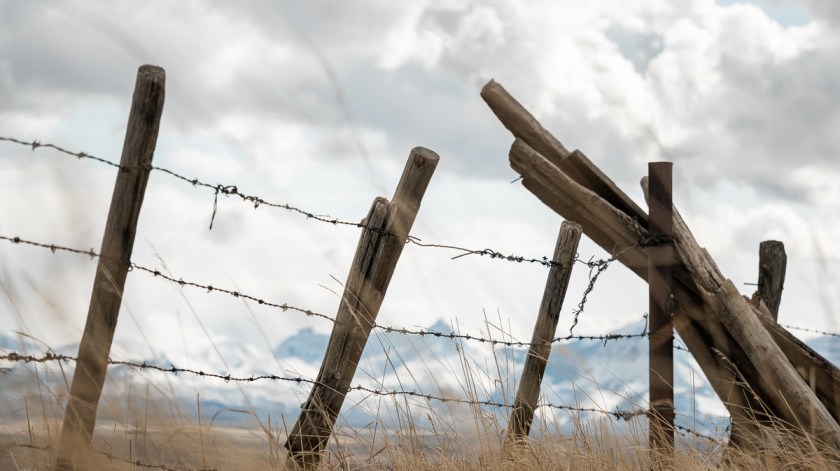
If your camera has been gathering dust, if there’s a project you’ve been circling for months or years, if you keep telling yourself you’ll finish it when the conditions are right — this is what matters: the conditions will never be perfect. But the story still needs to be told. And you are the one who can tell it.
Time Is Your Most Valuable Resource
Perfectionism wastes the one thing you cannot recover: time.
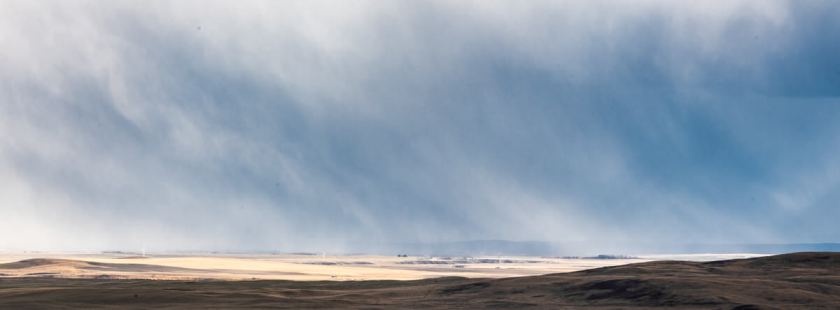
And the waste compounds. Time spent over-refining one project is time not spent starting the next — and often, it’s the next project where the real growth happens. The photographer who finishes and moves on builds a body of work. The photographer who endlessly refines builds an archive of the almost-done.
Progress lives in completion and momentum, not in the final, elusive pass.
Finishing Builds the Confidence to Keep Going
Every completed project does something endless revision cannot: it gives you the lived experience of having done it. Each finished body of work becomes evidence — to yourself — that you can do it again. That you are someone who makes things and puts them into the world.
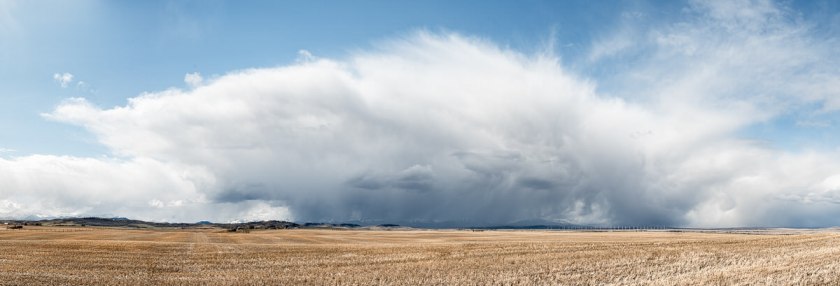
Paradoxically, perfectionism erodes the very confidence it claims to protect. By never letting you finish, it never lets you prove to yourself that finishing is possible. The doubt grows. The camera gathers more dust.
The best remedy is a completed project. Then another. Then another. That is how a practice is built and how a photographer becomes, over time, the person they were trying to be when they first picked up a camera.
The Work Teaches You
There is one more thing perfectionism costs you, and it may be the most practical of them all.
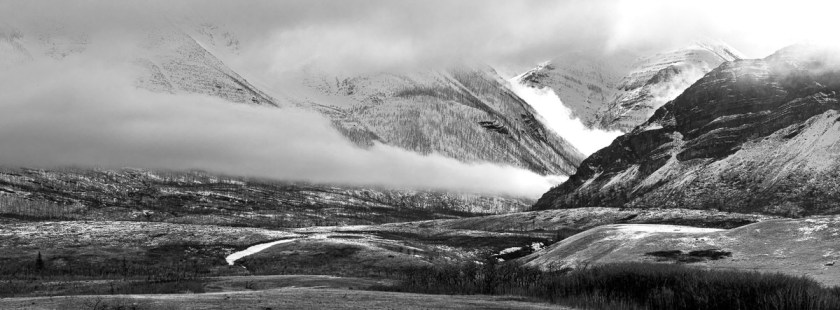
Releasing a project and observing how it lands — what resonates, what doesn’t, what you would do differently — yields information you cannot get any other way. That feedback, from an audience, from time and distance, and from your own eyes returning to finished work months later, is how a practice grows. The perfectionist never gets that loop. Every project held back is also a lesson withheld.
Finishing is not merely an act of completion. It is a form of learning — and that learning only begins when the work goes out.
Take the Leap
Whether it’s a single image, a project you’ve carried for years, or a portfolio you’ve been afraid to show — don’t let perfectionism keep it from existing in the world. Get a little uncomfortable. Start before you’re ready. Build as you go. Make the call when the work is good, then let it go. The work you finish will always matter more than the work you’re still perfecting. Someone is waiting for it, even if neither of you knows it yet. Put it out. Value your time enough to spend it on the next thing. You may be surprised by what you create — and by how much it resonates with others.
Sources / Further Reading – The initial framework for this article was inspired by a discussion of perfectionism by Dave Brosha in his Storyteller course on the Teachable online learning platform. His framework and concepts served as a foundation from which the ideas in this article were further developed. (https://davebrosha.com/)
Listening to:
- An unabridged audiobook performance of ‘A Perfect Spy’ by John Le Carré. I first listened to an abridged version narrated by David Cornwell (John Le Carré) cycling on Edmonton’s River City bike trails way back in 1987. This full version, while autobiographical in many ways for Cornwell, also points to the lives Burgess and Maclean must have led to do what they did all those years ago.
Quotes to Consider (about Perfectionism and Art)
- “To demand perfection is to deny your ordinary (and universal) humanity, as though you would be better off without it. Yet this humanity is the ultimate source of your work; your perfectionism denies you the very thing you need to get your work done (Art & Fear: Observations on the Perils (and Rewards) of Artmaking by David Bayles and Ted Orland).”
- “Have no fear of perfection, you’ll never reach it (Salvador Dalí).”
- “The artist who aims at perfection in everything achieves it in nothing (Eugene Delacroix).”
- “Don’t think about making art, just get it done. Let everyone else decide if it’s good or bad, whether they love it or hate it. While they are deciding, make even more art (Andy Warhol).”
Again …
Perfectionism is one of the most common—and paralyzing—hurdles in any creative journey. When we fixate on flawlessness, we often stunt the very experimentation and output required to actually improve.
Growth in photography and art comes from doing, failing, analyzing, and doing it again. Leaving perfectionism behind is the only way to free yourself up to make those necessary, beautiful mistakes.

