Photos’ Blog & Writing

Best Practices - Photography, Canon 60D, Canon 70-200 mm 2.8 IS L Series Lens, Canon Camera, Canon Lens, Canon Live View, Farm, Journaling, Lookback Photos - One Year Ago, Photoblog Intention, Photography & Conceptualizing Beauty, Project 365 - Photo-a-day, Sigma Lens - Wide Angle 10-20mm, Still Life, Sunset, Vehicle, Winter
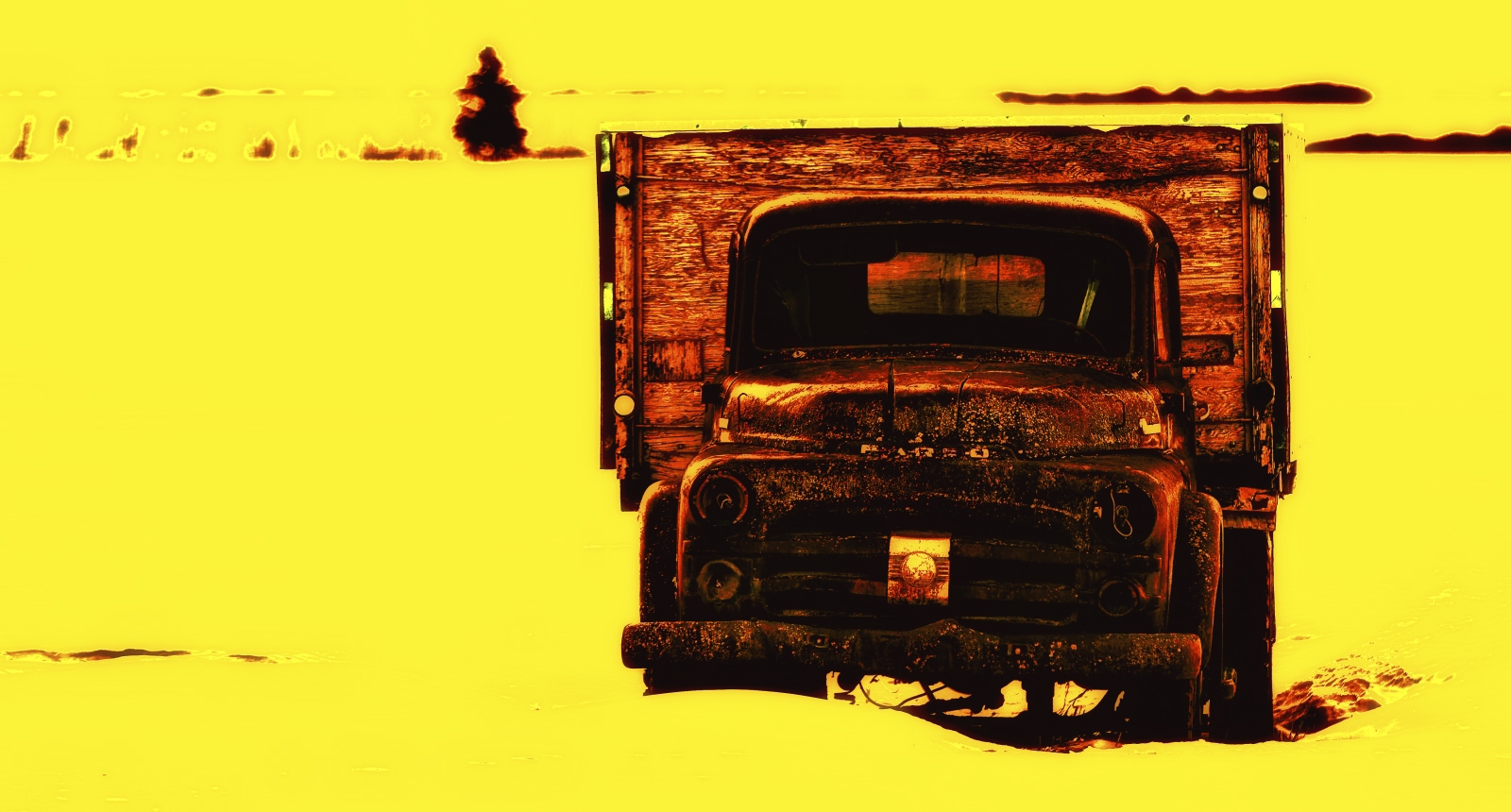
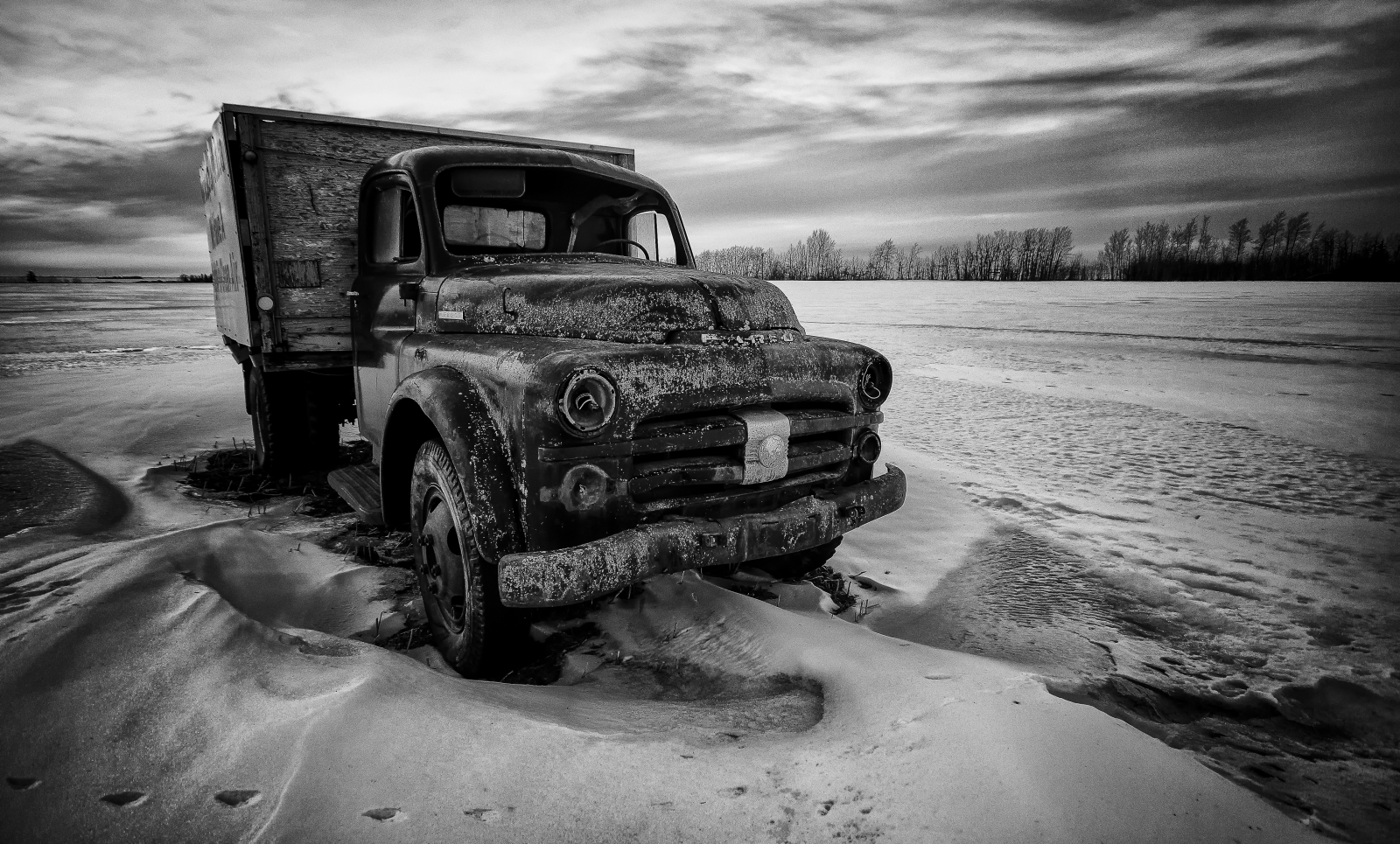
Fargo Grain Truck - Nampa, Alberta 1

Fargo Grain Truck – Nampa, Alberta 1
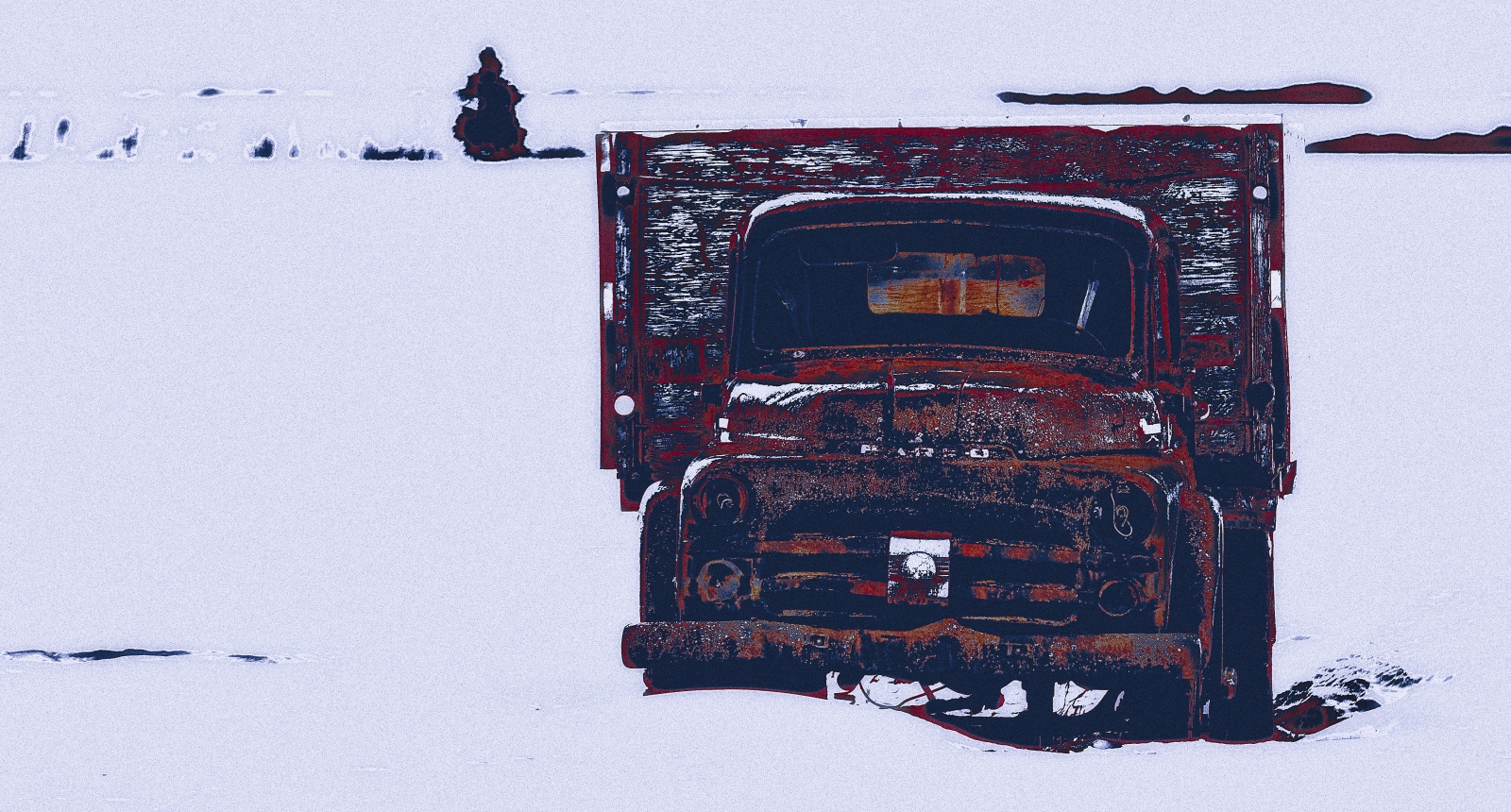
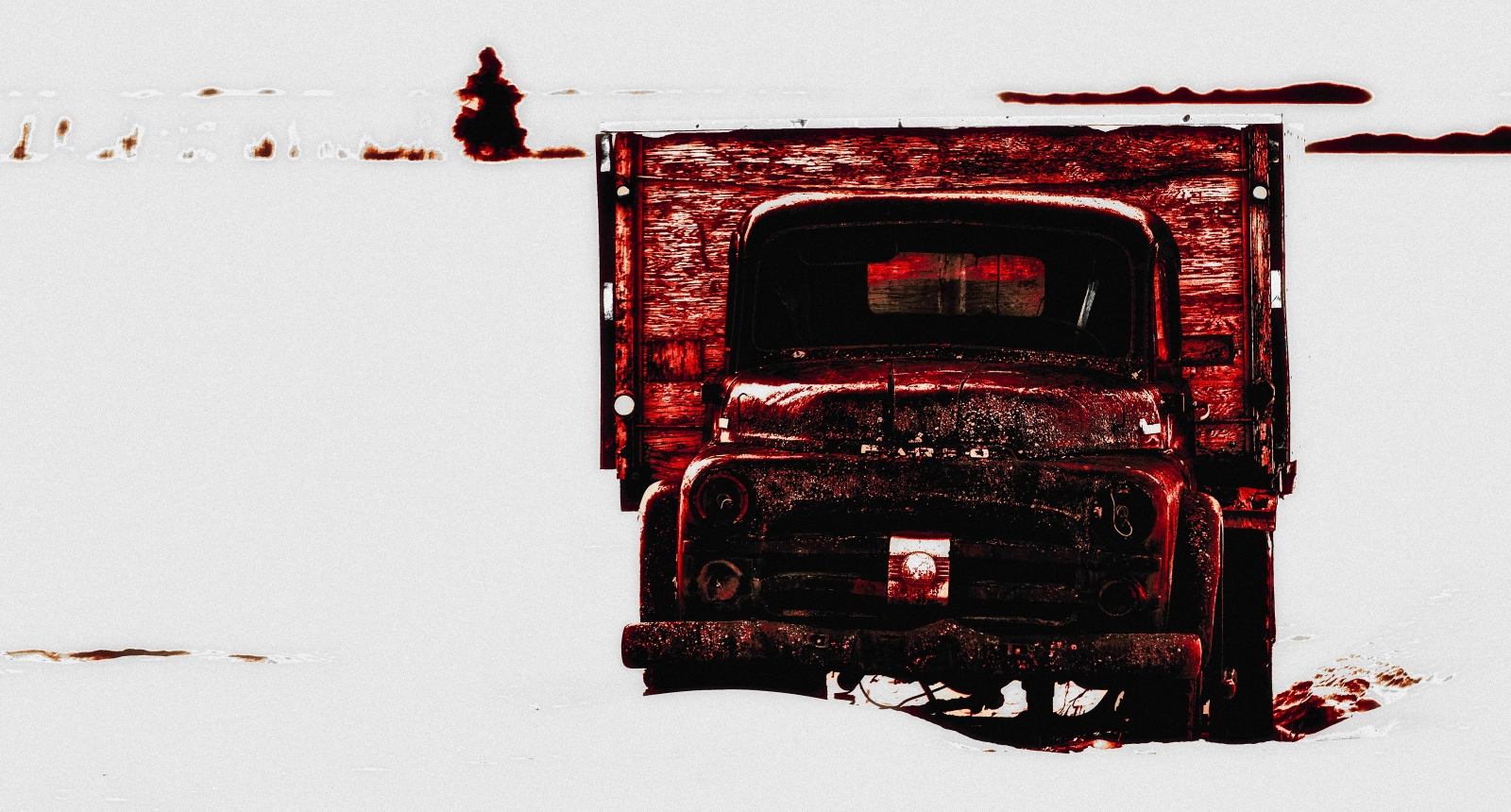
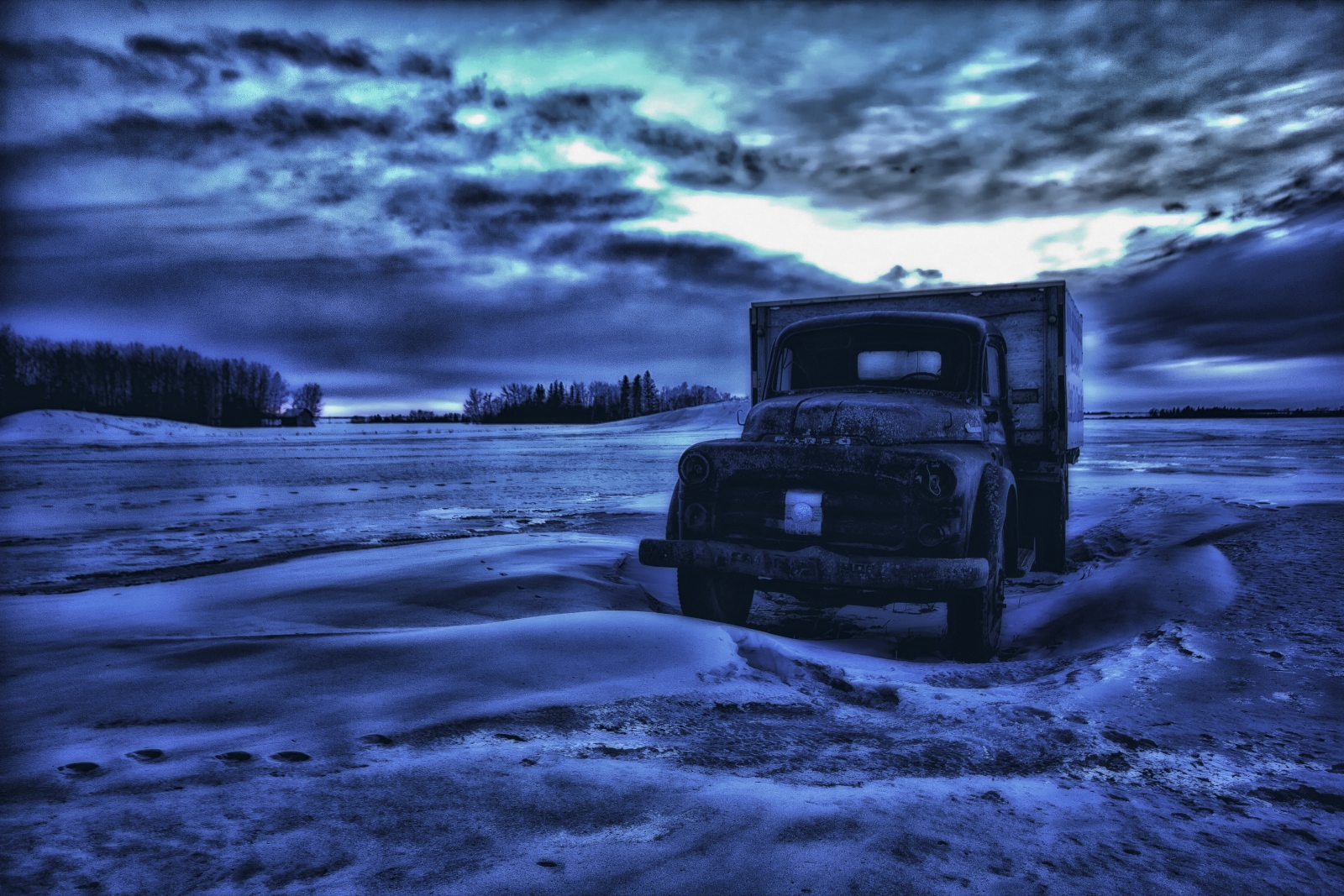
Fargo Grain Truck - Nampa, Alberta 2

Fargo Grain Truck – Nampa, Alberta 2

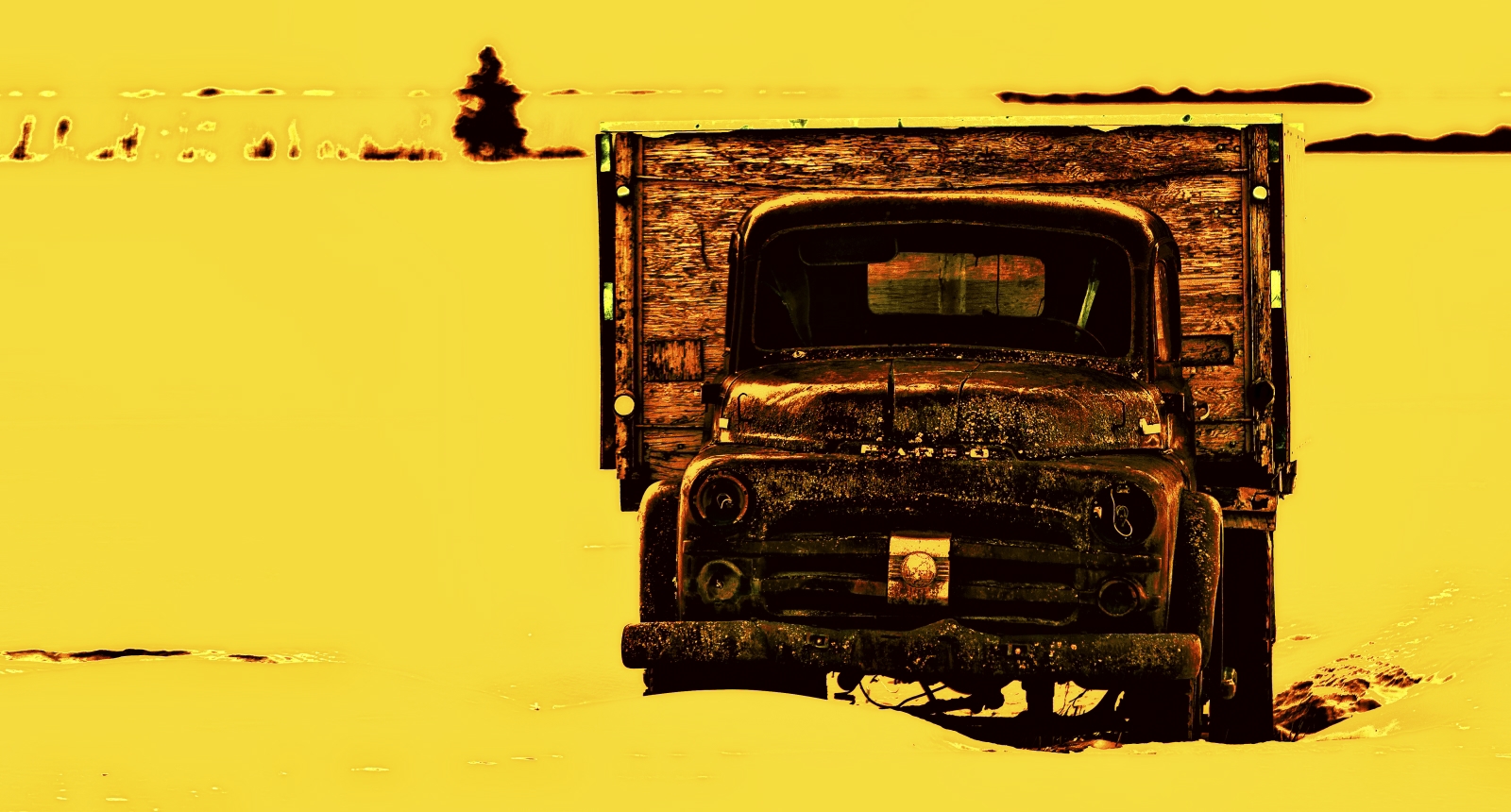
Fargo Grain Truck - Nampa, Alberta 3

Fargo Grain Truck – Nampa, Alberta 3

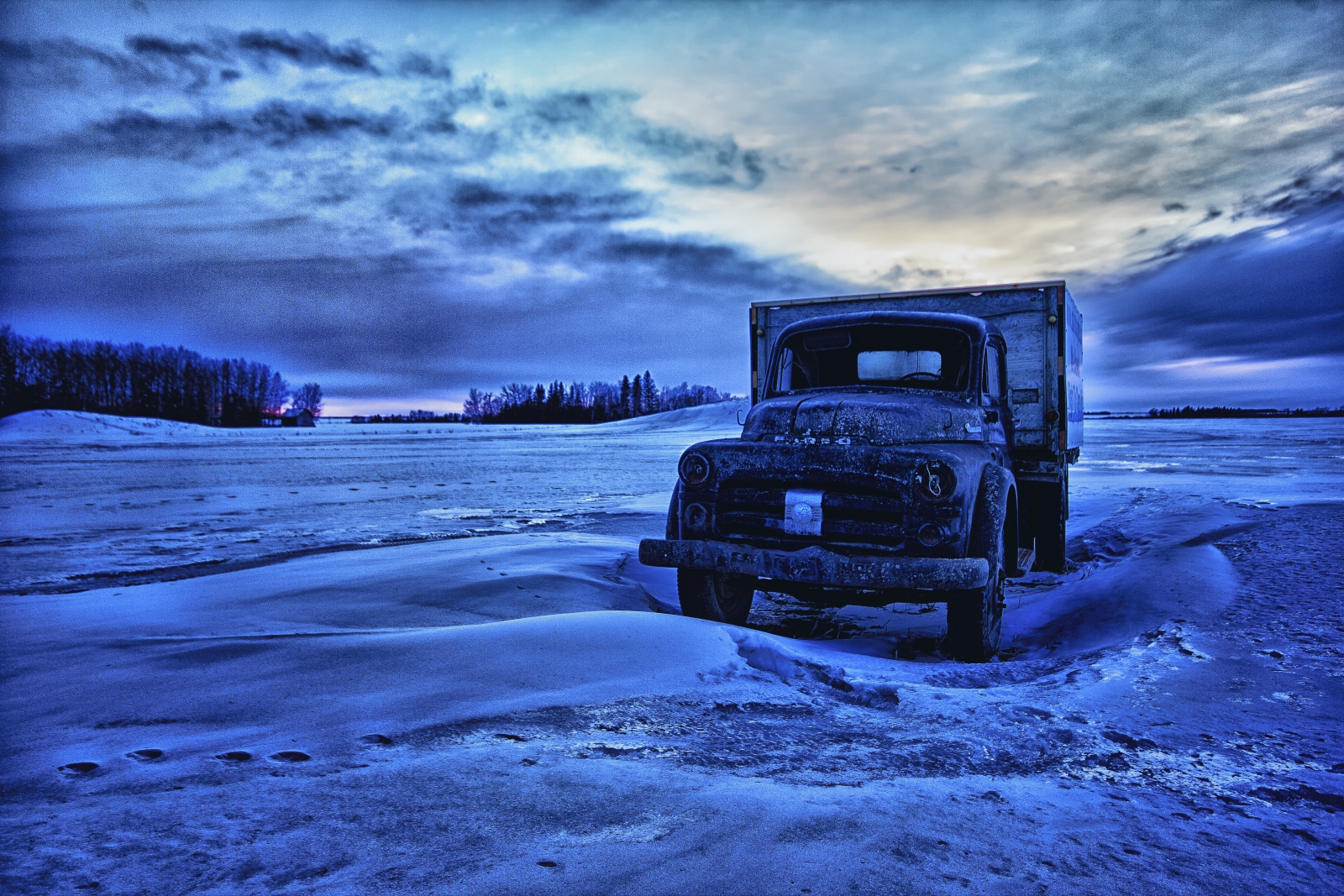
Fargo Grain Truck - Nampa, Alberta 4

Fargo Grain Truck – Nampa, Alberta 4

Fargo Grain Truck - Nampa, Alberta 5

Fargo Grain Truck – Nampa, Alberta 5

Fargo Grain Truck - Nampa, Alberta 6

Fargo Grain Truck – Nampa, Alberta 6

Fargo Grain Truck - Nampa, Alberta 7

Fargo Grain Truck – Nampa, Alberta 7

Fargo Grain Truck - Nampa, Alberta 8

Fargo Grain Truck – Nampa, Alberta 8

Turning through pages of tablature, a songwriter’s guide in Martyn Joseph’s ‘Notes on Words,’ surfaces (after years) and has had me consider what I might assert as truth in how writing about photographs ought to work within any of our photo blogs. What would I say? Would I promote one way of going about presenting and responding to photos? Some core ideas seem key.

Photo Blog Writing Guide …

1. Within each photograph, reveal the subject in ways never before seen.
2. Get a moleskin and record image ideas within this idea journal.
3. Pay attention to how you feel at moments before, during and following image capture.
4. Pay attention to how the image resonates with each new edit of a photograph … edit and edit again.
5. Add words to your photographs, sparingly – get to the core response to your photograph.
6. Be honest about this image and you; posers present others’ sentiment ….
7. Dialogue with others about your images and theirs; provide likes and comments – find what’s key.
8. Photograph with others occasionally; they and their lens will reveal the world in ways new to you.
9. Snap the photo while you’re there – stop the car, halt your walk, stop your chat; take out your camera and photograph that subtle, subtle thing that your mind and eyes have recognized and wish to amplify.
10. Return to subjects again and again, photographing subjects from how you now know them each subsequent time.
11. Pay attention to good photographers – talk with them, listen to them; pay attention to visual narrative and image work in movies, in art, in photographs and the visual narrative you encounter in daily life.
12. “… Capture those special moments when life is amplified above the norm for a few seconds (Martyn Joseph – Notes On Words, 2003).”
13. “Go to locations that inspire – places from your past, places that will challenge you, [… take you camera and moleskin with you] (Martyn Joseph – Notes On Words, 2003).”
14. “If it doesn’t excite you it probably won’t do much for anyone else (Martyn Joseph – Notes On Words, 2003).”

Perhaps the other essential thing is the matter of being grateful for each photo found and discovered, for what you learn along the way and from who and for process – all that stuff that comes together in creating each new photograph. Beyond this photo discussion thanks, here, goes out to Martyn Joseph for each of the following – ‘One of Us,’ ‘Don’t Talk about Love and all that was that Edmonton concert at the Queen Alexandra Community Hall.

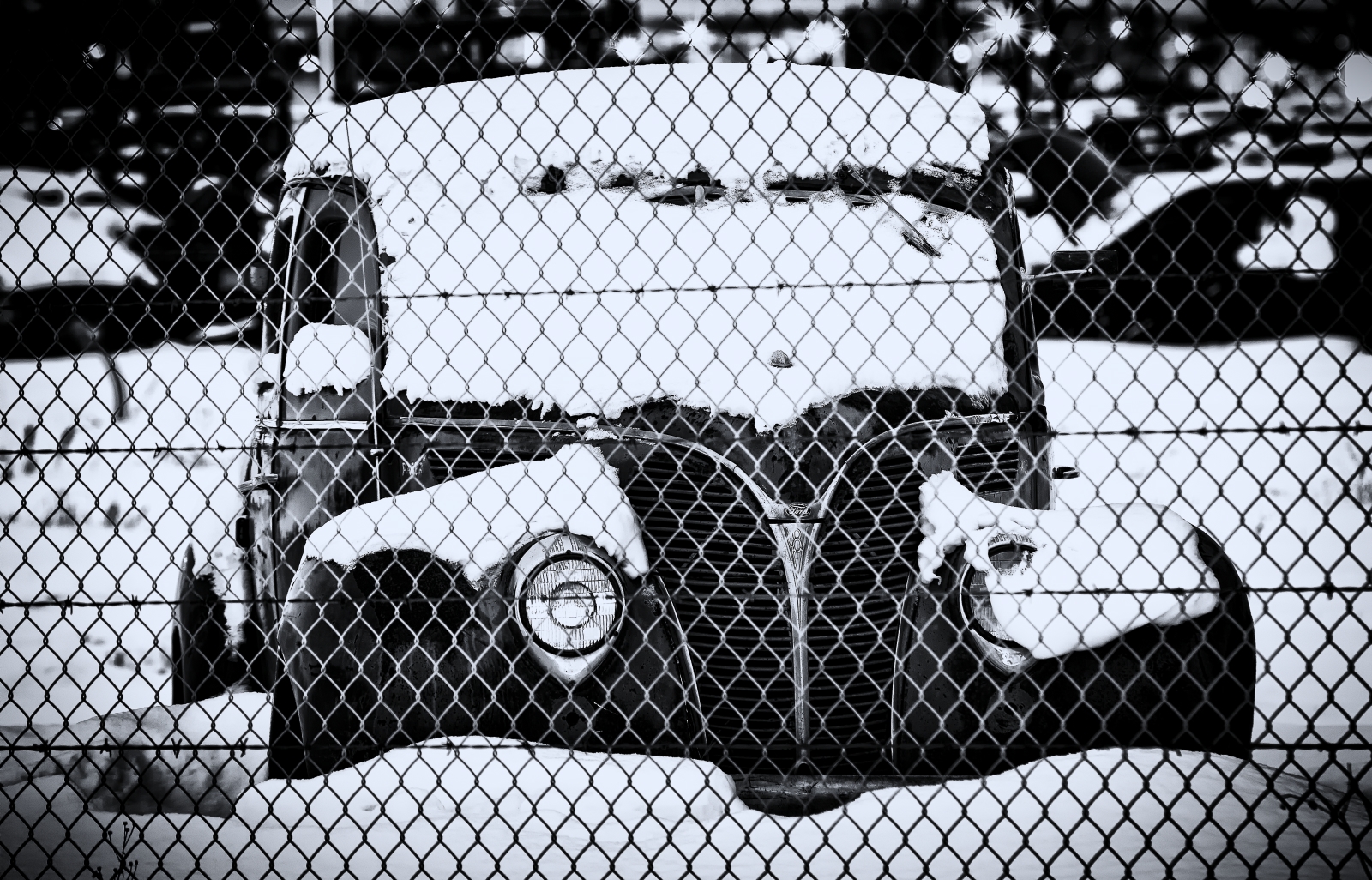
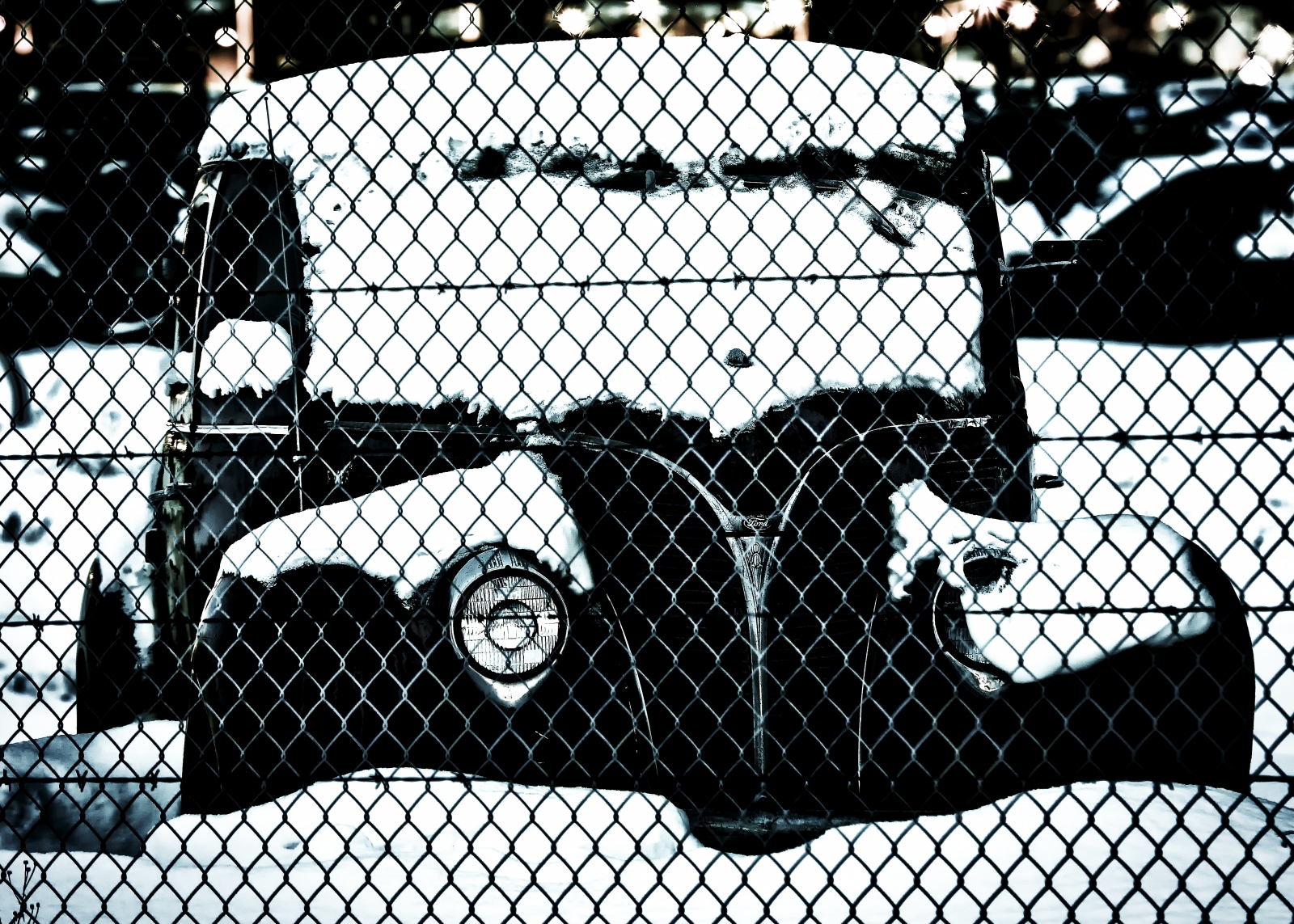
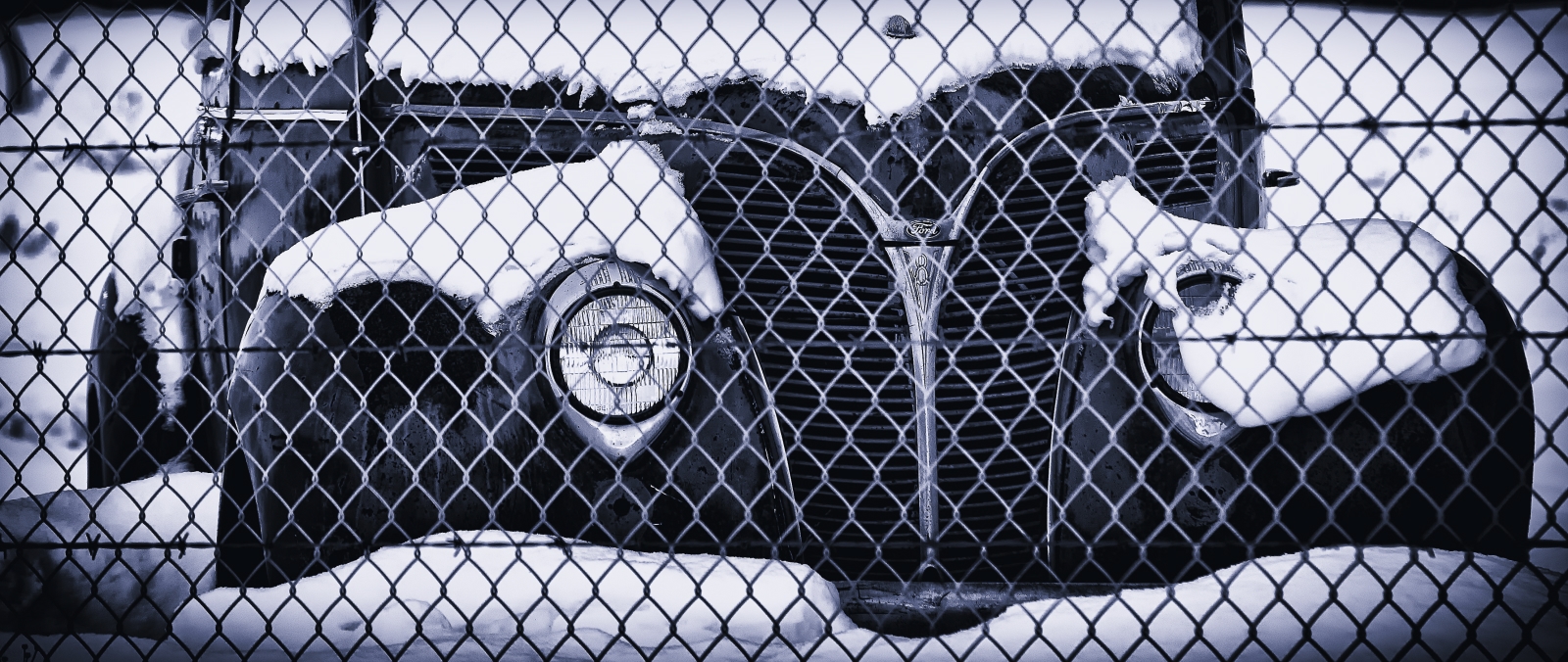
The road home last weekend finally provided opportunity to photograph this grain truck near Nampa, Alberta, the sides of its grain box now sandwich board, advertising (or perhaps better said as raising awareness with regard to) a social issue the world needs to know about. For me, the photograph is more about setting or context as well as that of articulating the shape of a vehicle from a former time; it has been something to see how far I could extend edits in shaping the image in terms of mood and tone beyond the factual/literal rendering of the image.

Listening to – Son Houses’ ‘Death Letter,’ Snow Patrol’s ‘Run,’ The Who’s ‘Won’t Get Fooled Again,’ Steve Miller’s ‘Mercury Blues,’ Ross Copperman’s ‘Holding On and Letting Go,’ The Red Hot Chili Peppers’ ‘Snow [Hey Oh],’ and Joe Bonamassa’s ‘Long Distance Blues.’

Quote to Inspire – “The photograph is completely abstracted from life, yet it looks like life. That is what has always excited me about photography.” – Richard Kalvar

Moored – Day’s End

Best Practices - Photography, Canon 30D, Canon Camera, Canon Lens, Lookback Photos - One Year Ago, Photoblog Intention, Photography & Conceptualizing Beauty, Project 365 - Photo-a-day, Spring, Sunset
Norweta et al, Great Slave Lake, NWT

Norweta et al, Great Slave Lake, NWT

One of the inlets, off the Great Slave Lake serves as home to three smaller boats just across the way from where the Canadian Coast Guard moors its smaller vessels. The water, calm, reflects the boats and sky – the end of one of spring’s last days.

Listening to – Sigur Ros’ ‘Ný batterí,’ ‘Svefn-g-englar,’ ‘Fljótavík,’ ‘Inní mér syngur vitleysingur,’ ‘Sæglópur,’ ‘Festival,’ ‘E-Bow,’ ‘Popplagið’ and ‘Lúppulagið.’

Quote to Inspire – “A photograph is not created by a photographer. What they do is just open a little window and capture it. The world then writes itself on the film. The act of the photographer is closer to reading than it is to writing. They are the readers of the world.” – Ferdinando Scianna

81 Years – Today

Best Practices - Photography, Canon 60D, Canon Camera, Canon Lens, Canon Live View, Farm, Flora, Home, Homestead, Lookback Photos - One Year Ago, Photography & Conceptualizing Beauty, Project 365 - Photo-a-day, Season, Smoke, Sunset, Winter
Fields of Home 1

Fields of Home 1

Fields of Home 2

Fields of Home 2

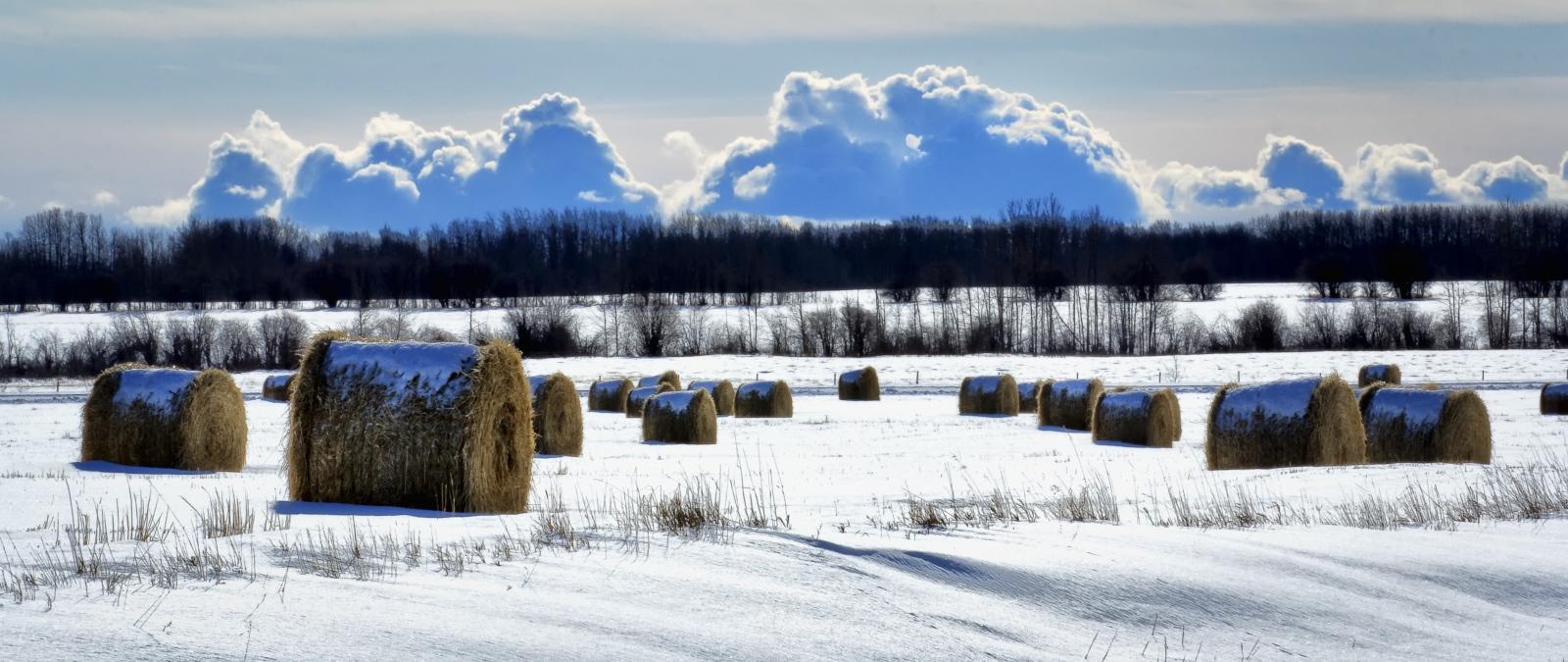
Hay Bale - Fields

Hay Bale – Fields

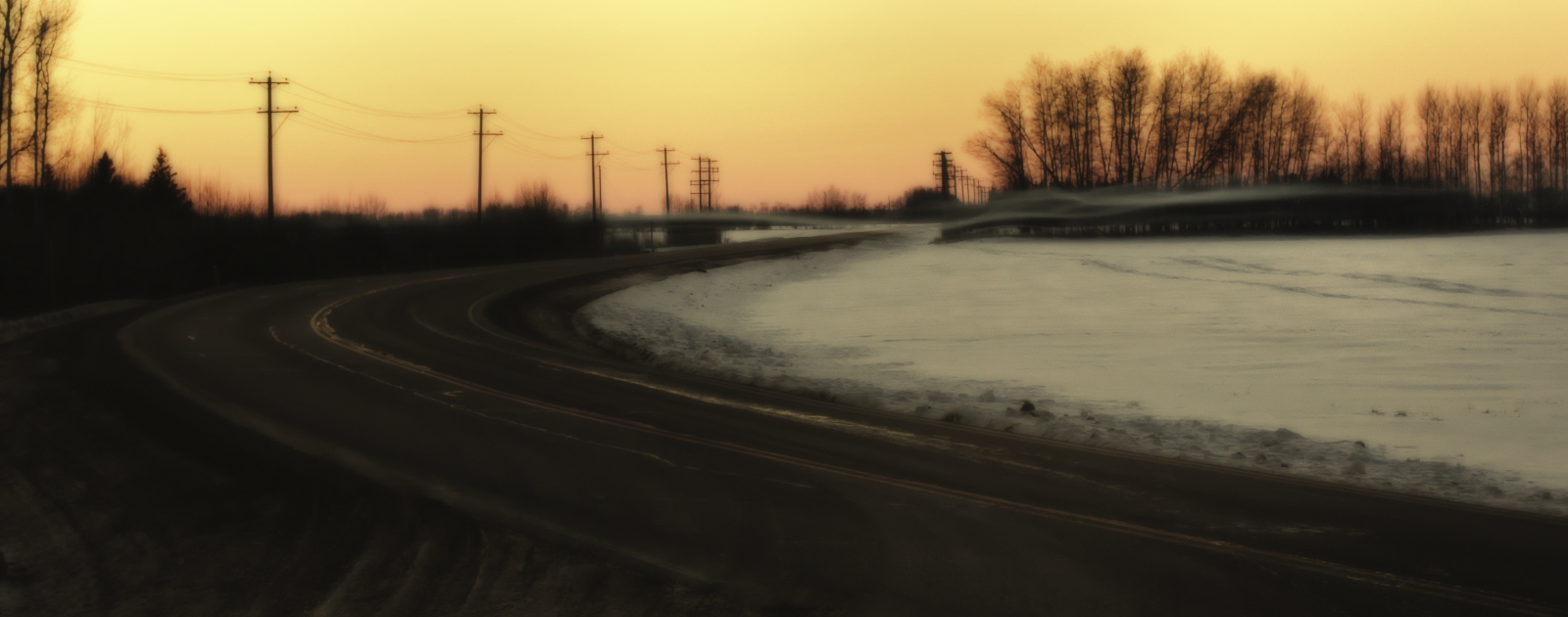
The Road Home

The Road Home

The following blessing is something that’s opened-out and extended back recollection of my father and his shaping, steadfast hand. It’s his birthday, today … and these words – John O’Donohue’s words, ‘For a Father’ – recall him to me.

“The longer we live,
The more of your presence
We find, laid down,
Weave upon weave
Within our lives.

The quiet constancy of your gentleness
Drew no attention to itself,
Yet filled our home
With a climate of kindness
Where each mind felt free
To seek its own direction.

As the fields of distance
Opened inside childhood,
Your presence was a sheltering tree
Where our fledgling hearts could rest.

The earth seemed to trust your hands
As they tilled the soil, put in the seed,
Gathered together the lonely stones.

Something in you loved to inquire
In the neighborhood of air,
Searching its transparent rooms
For the fallen glances of God.

The warmth and wonder of your prayer
Opened our eyes to glimpse
The subtle ones who
Are eternally there.

Whenever, silently, in off moments,
The beauty of the whole thing overcame you,
You would gaze quietly out upon us,
The look from your eyes
Like a kiss alighting on skin.

There are many things
We could have said,
But words never wanted
To name them;
And perhaps a world
That is quietly sensed
Across the air
In another’s heart
Becomes the inner companion
To one’s own unknown.” (‘For a Father’ in ‘Homecomings,’ To Bless the Space Between Us, John O’Donohue)

Listening to – U2’s ‘Kite’.

Quote to Inspire – “The camera is an excuse to be someplace you otherwise don’t belong. It gives me both a point of connection and a point of separation.” Susan Meiselas

Derelict Farmhouse II

Best Practices - Photography, Canon 60D, Canon 70-200 mm 2.8 IS L Series Lens, Canon Camera, Canon Lens, Canon Live View, Christmas, Farm, Farmhouse, Homestead, Journaling, Night, Photoblog Intention, Photography & Conceptualizing Beauty, Sunset, Winter
Derelict Farmhouse 2 - Lamont, Alberta 1

Derelict Farmhouse 2 – Lamont, Alberta 1

Derelict Farmhouse - Lamont, Alberta 2

Derelict Farmhouse – Lamont, Alberta 2

Derelict Farmhouse - Lamont, Alberta 3

Derelict Farmhouse – Lamont, Alberta 3

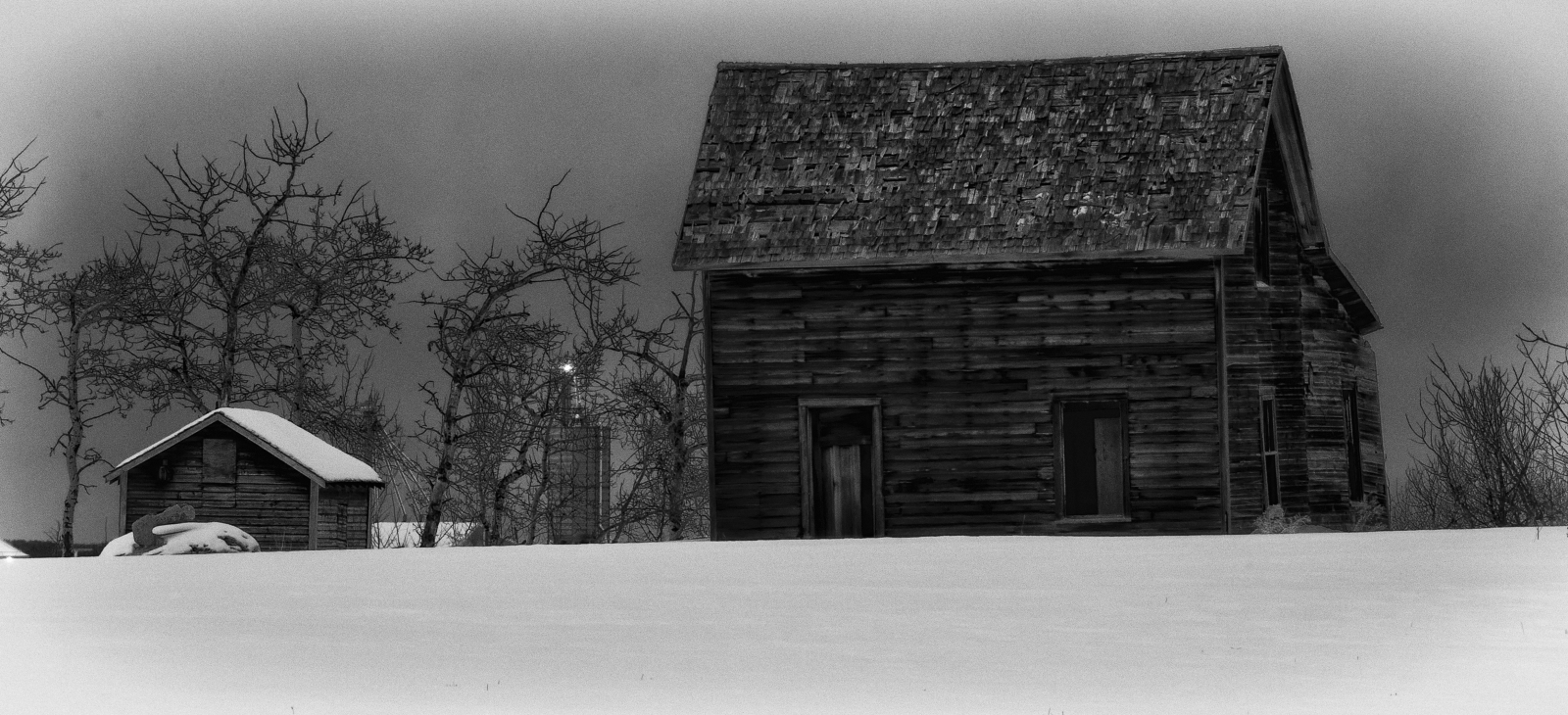
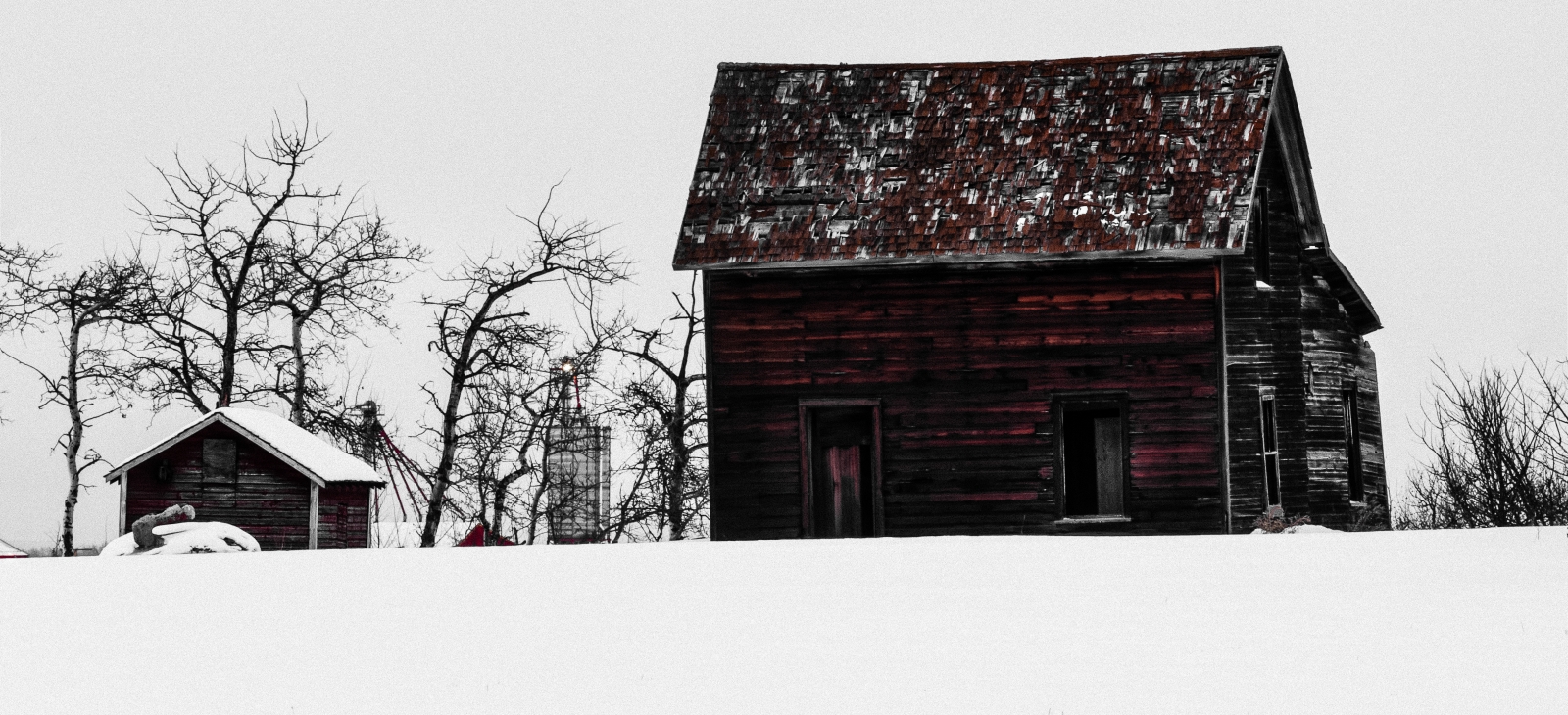
The front face or façade of a derelict farmhouse precedes a wooden grain shed and newer, state of the art grain silos. The image contrasts new, old and older. The house sits on a ridge overlooking a storage yard for people’s equipment, a collecting point or nexus for anything unused and nearly disposed of … old mobile homes, vehicles, farming implements and machinery. This house, on the other hand, has structure and form and context – it has beauty; it had purpose in a former time. What would this house have been like in its day, when people were proud of the land’s first fruits? Is this a homestead house built following World War I or World War II? Would the farmers who farmed here have come to Canada or would they have been a generation or two arrived. In terms of today, why has the building not been torn down? What memorial does this house provide and to whom? Who does this house continue to serve?

Listening to – Radiohead’s ‘Little by Little’ from the King of Limbs album (Live from the Basement).

Quote to Inspire – “Quit trying to find beautiful objects to photograph. Find the ordinary objects so you can transform it by photographing it.” – Morley Baer

Last, Day-lit Images

Backlight, Best Practices - Photography, Canon 60D, Canon 70-200 mm 2.8 IS L Series Lens, Canon Lens, Christmas, Light Intensity, Night, Photoblog Intention, Photography & Conceptualizing Beauty, Project 365 - Photo-a-day, Sunset, Weather, Winter
Scotford Refinery - Fort Saskatchewan, Alberta

Scotford Refinery – Fort Saskatchewan, Alberta

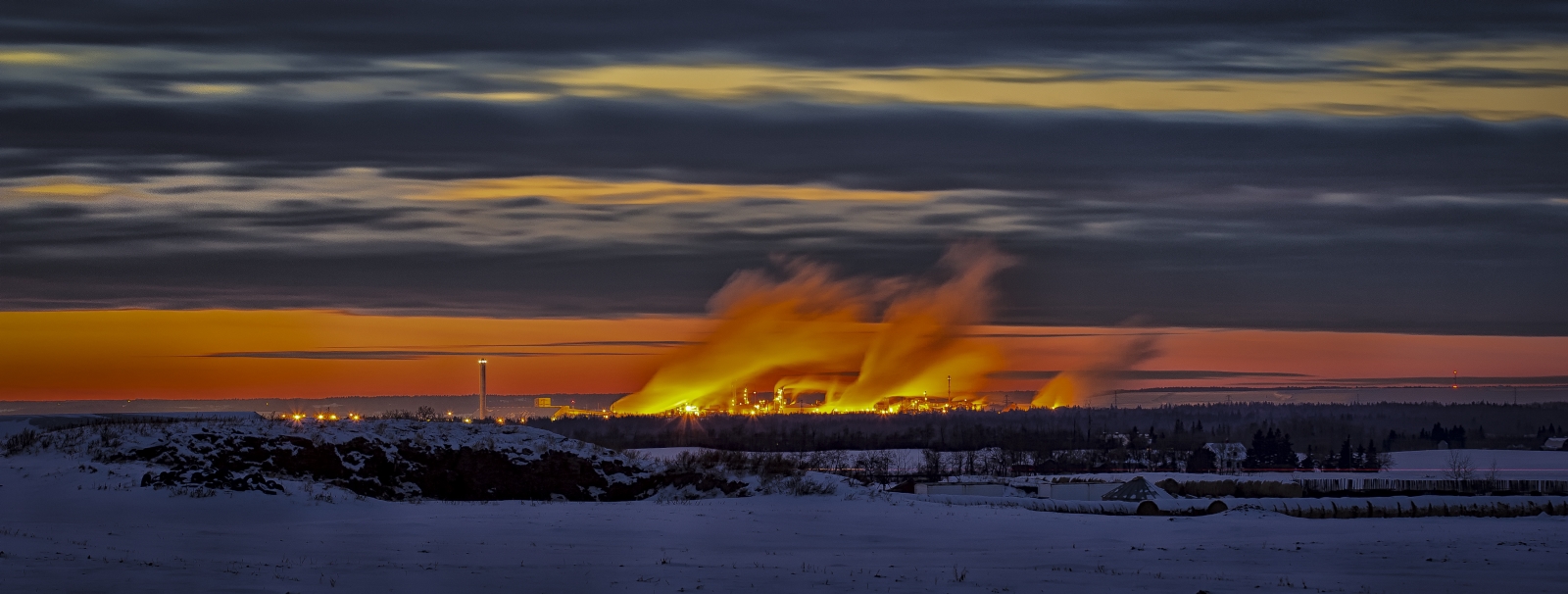
An image of the Scotford Refinery near Fort Saskatchewan, one of the last day-lit images shot at dusk looking east towards Edmonton after a good day of looking for and finding images.

Listening to – Simple Minds’ ‘Alive and Kicking.’

Quote to Inspire – “The marvels of daily life are exciting; no movie director can arrange the unexpected that you find in the street.” – Robert Doisneau

Blake’s Bison

Best Practices - Photography, Canon 60D, Canon 70-200 mm 2.8 IS L Series Lens, Canon Camera, Canon Lens, Christmas, Fauna, Light Intensity, Photoblog Intention, Photography & Conceptualizing Beauty, Project 365 - Photo-a-day, Season, Shuttertime with Sid and Mac, Sunset, Weather, Winter
Bison - Elk Island 1

Bison – Elk Island 1

Bison - Elk Island 4

Bison – Elk Island 4

Bison - Elk Island 3

Bison – Elk Island 3

Bison - Elk Island 2

Bison – Elk Island 2

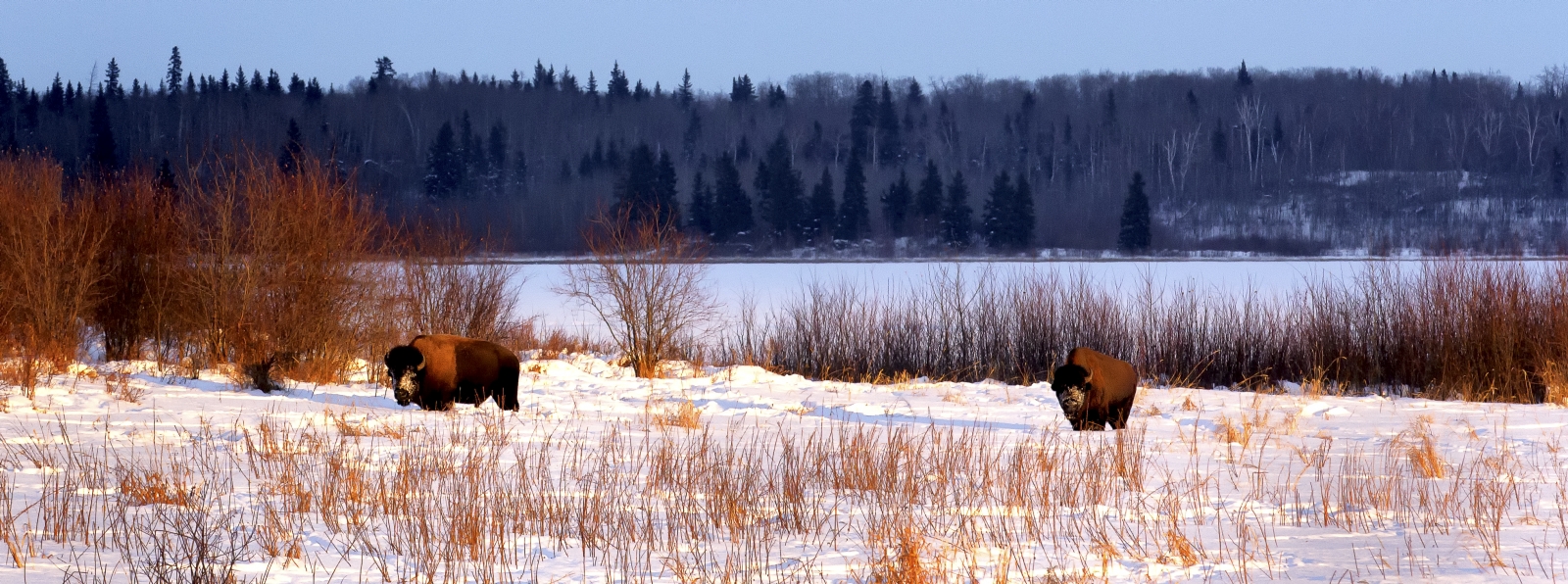
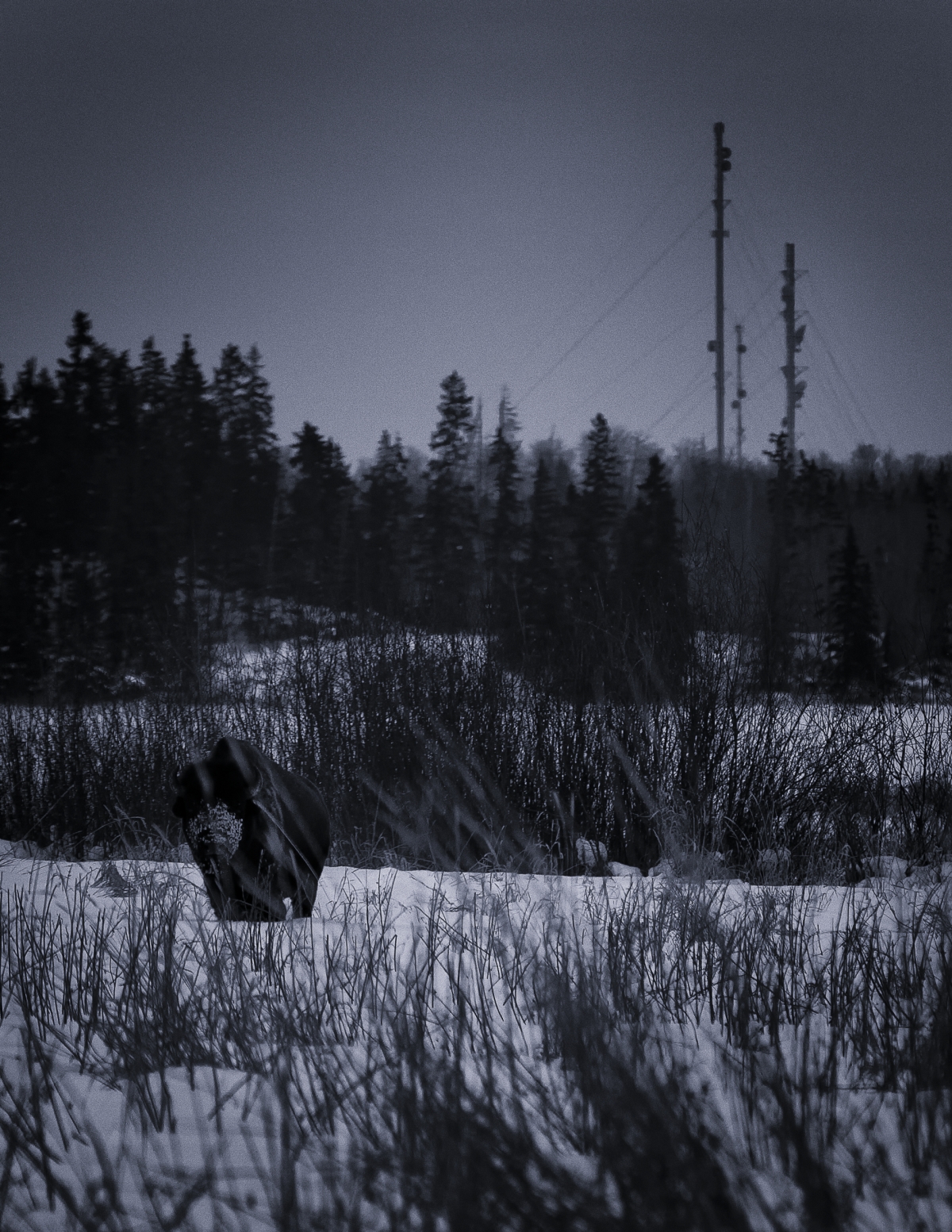
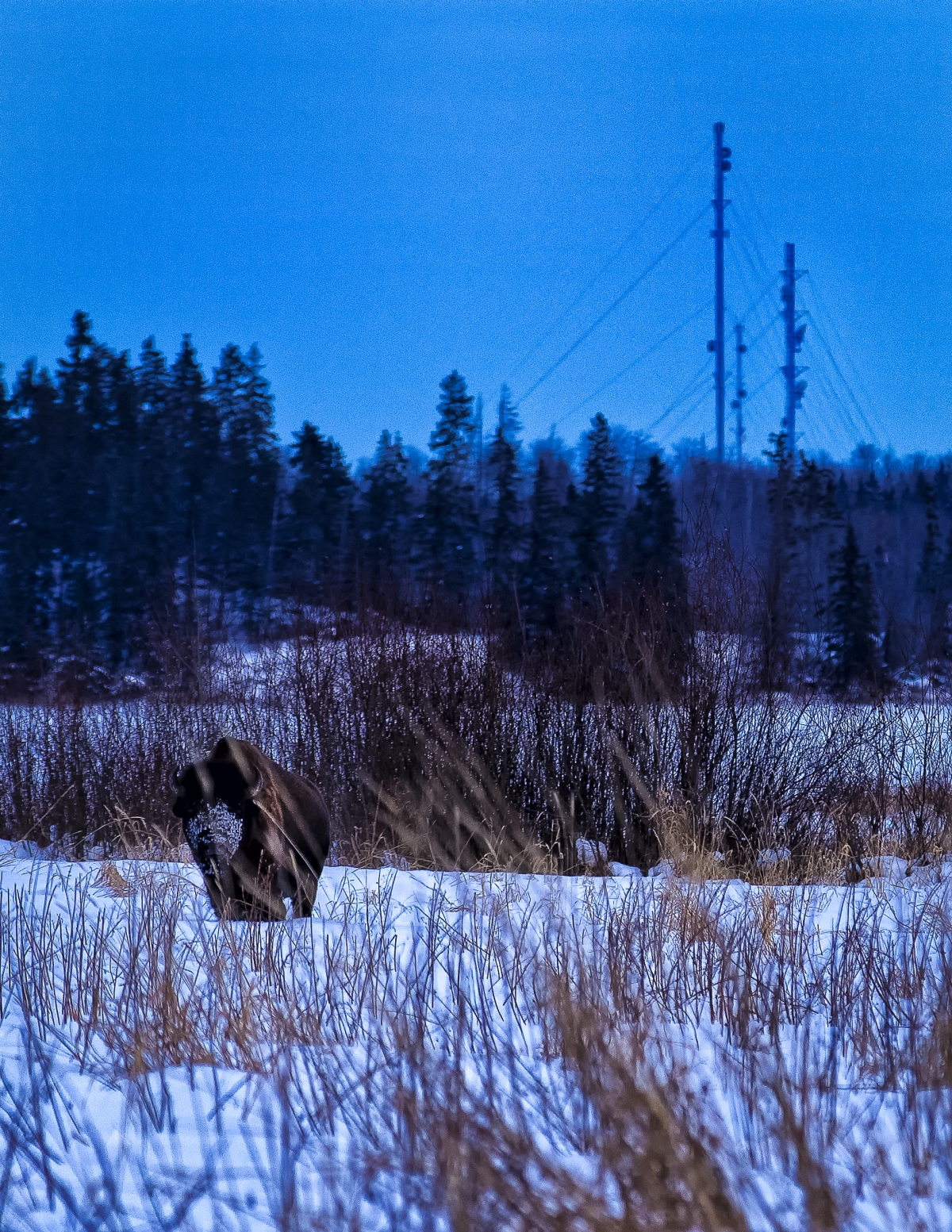
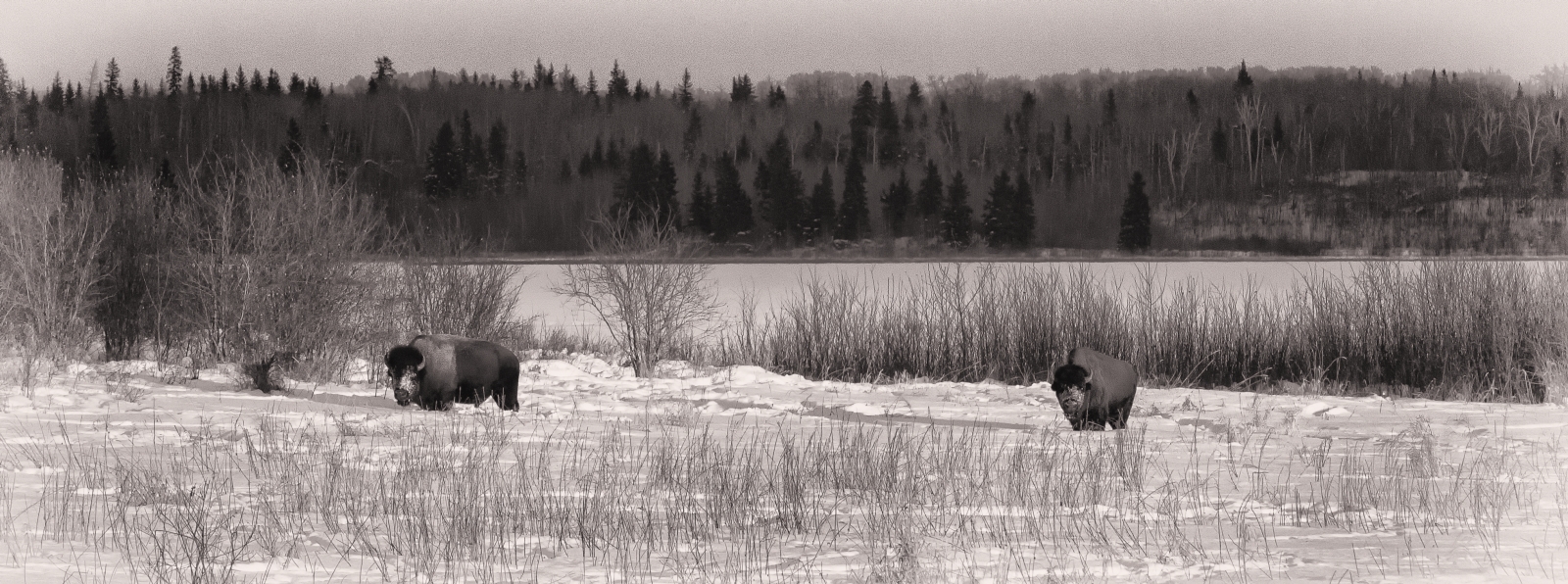
In a day that’s been bright, yet overcast, the sun shines through broken cloud as it moves towards the horizon in late afternoon, shining directly on two Bison grazing at Astotin Lake in Elk Island National Park, images inspired by Sidney Blake’s discussion of animal/nature photography and by her extraordinary black and white images of Bison in winter.

Listening to – The Von Bondies with ‘C’mon C’mon’.

Quote to Inspire – “When people ask me what equipment I use – I tell them my eyes.” – Anonymous

Dodges, Pontiac and Ford – All Start

Canon 60D, Canon 70-200 mm 2.8 IS L Series Lens, Canon Camera, Canon Lens, Canon Live View, Christmas, Light Intensity, Photography & Conceptualizing Beauty, Still Life, Sunset, Vehicle, Vehicle Restoration, Winter
38 Ford 1 - Lamont, Alberta

38 Ford 1 – Lamont, Alberta

38 Ford 2 - Lamont, Alberta

38 Ford 2 – Lamont, Alberta

38 Ford 3 - Lamont, Alberta

38 Ford 3 – Lamont, Alberta

38 Ford Grill Work - Lamont, Alberta

38 Ford Grill Work – Lamont, Alberta

My mind seems to be within the years tonight, thinking back to Ardrossan, out east from Edmonton, to Ivan’s country estate, an expansive, one-level home set on an acreage lot with a shop big enough to accommodate a semi-tractor unit (or perhaps two). Within the shop there’d be a mocha Chrysler New Yorker with black vinyl roof, a white Dodge 100 shortbox (his father’s) with a camper on top, a gold and brown Dodge Mirada and an old, old, blue Ford tractor with blade behind it to grade the snow and gravel.

On a Saturday or Sunday in the eighties I’d bring his daughter (now my wife) out to the acreage – she’d spend time with her mother in the house and I’d spend time out in the shop chatting – looking at the world with a sideways glance with Ivan. We’d reason our way through a few things. We’d work on the brakes for a motorbike for his son or replace a piston or piston ring on his skidoo. And, we talk all the way through it. He’d have an old, old Coke Machine in the corner stocked with eight or nine flats of beer … sodas, he called them … and in the course of an evening a chunk of a flat would disappear.

Outside his shop, one time, we ran oil or power steering fluid through the running carburetor of my father’s 69 Pontiac Parisienne. The engine coughed and coughed and sputtered; it may have died. And, then with some skilled cranking of the starter Ivan brought it back to life with a roar – the carburetor now clean and optimized. I’m sure he was having some fun with me … seeing where my worry and trust would lie.

A few years later he set me to work polishing a four-door, cream coloured Ford Gran Torino, a vehicle our family bought from our uncle in Rimbey. This was the four door version of the 76 Ford Gran Torino made more notable by the Starsky and Hutch television series in the late seventies. With our Ford and with a professional polisher, rubbing compound and glaze I worked on the car for four of five hours. Ivan had me wash down the engine in addition to washing the exterior. When it came time to drive home the Gran Torino wouldn’t start. And, when I went up to the house I found that while my girlfriend (now wife) and her mother were watching television, he was sleeping in his chair. Not wanting to disturb him, I went back down to the shop, hooked up some booster cables between the Ford and his Dodge Ram, not knowing anything about reversed polarities on the Dodges of the day.

Hmmh … Now two vehicles wouldn’t start.

I had to roust Ivan from his sleep and let him know that in addition to my not being able to start my vehicle, I now couldn’t start his. The language was colourful, yet mindful of not wanting to go too, too far. He seemed to know within minutes that water under the distributor cap of the Ford was the problem; we dried it with a rag. And where there’d be an electrical etching in the top of the distributor cap, he knew to take a pencil and draw two lines, one on each side of the etching, perpendicular to it; that limited the problem. We boosted the Ford … still using his Dodge, his way. The Ford started. I’m sure he was happy to get me on my way. And, he was certain that he’d have his truck running within moments after I left. Ivan was a Dodge man.

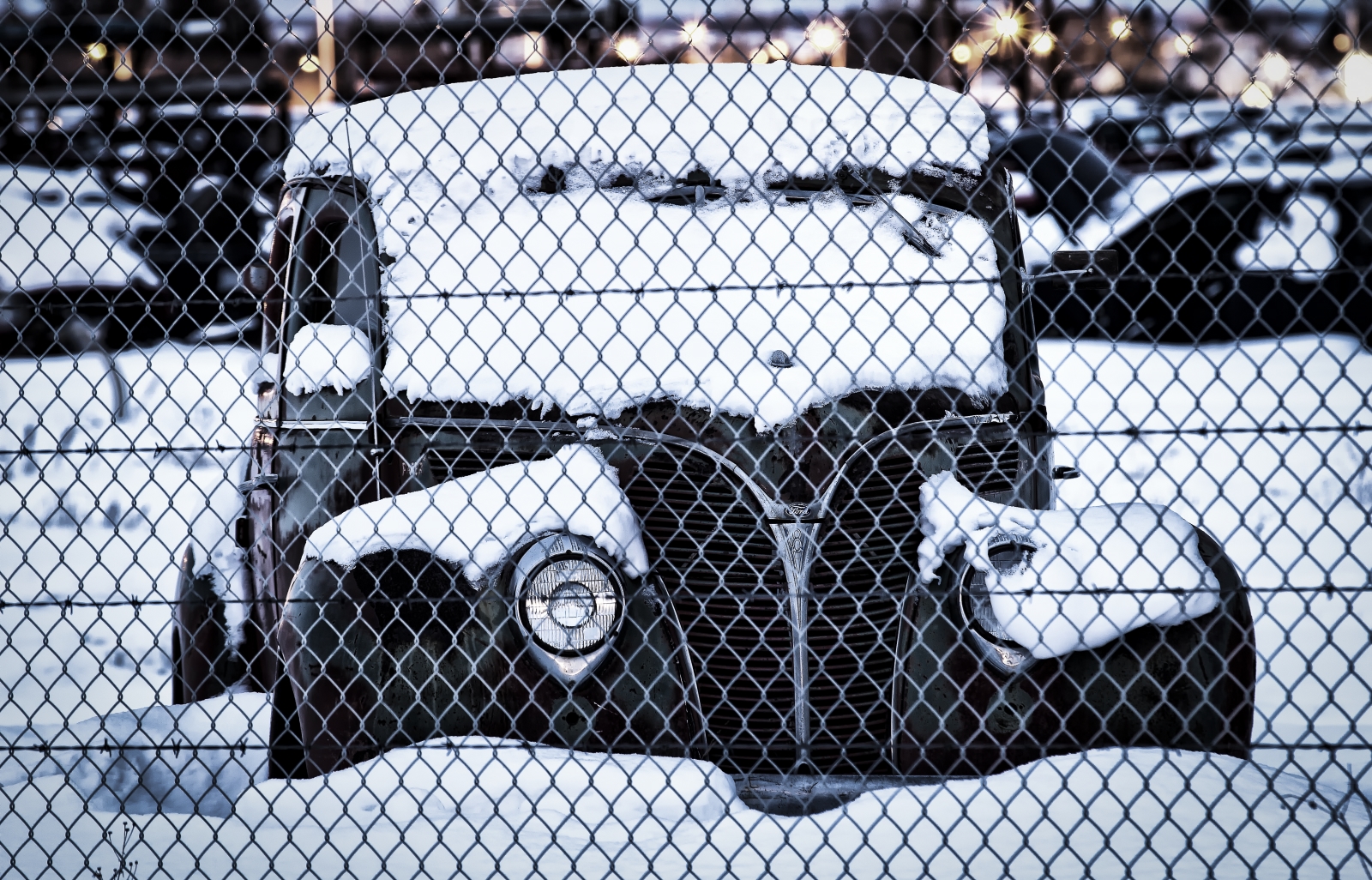
Ivan was one of the first people I’d heard refer to rust on a vehicle as it being cancered out or having cancer … something he knew how to remedy in an autobody shop. The Ford image presented here is one found a few miles from the southern gate of Elk Island National park; the nearest towns would probably be Lamont or Bruderheim. To some extent the Ford has its share of cancer; but, in totality there is more there of the car than not there, making it an excellent candidate for restoration. The vehicle has had me thinking back to Ivan and the early days of dating my wife. 🙂

Listening to – ‘The End of Illness’ by David B. Agus, MD, a book looking at a systems approach to good health … it’s about understanding your body’s system and how it works, for you.

Quote to Inspire – “Taking an image, freezing a moment, reveals how rich reality truly is.” – Anonymous

Homestead & Winter Skies

Backlight, Best Practices - Photography, Canon 60D, Canon 70-200 mm 2.8 IS L Series Lens, Canon Camera, Canon Live View, Farm, Farmhouse, Home, Homestead, Journaling, Light Intensity, Lookback Photos - One Year Ago, Photoblog Intention, Photography & Conceptualizing Beauty, Project 365 - Photo-a-day, Season, Sunset, Weather, Winter
Winter Skies 1

Winter Skies 1

Solid, well-made, a homestead house looks southwest to winter skies at dusk. Windowless, vacant and solitary now, the building did once serve as home, refuge from one’s day, shelter during one’s night, that place to regroup, rejuvenate and revive before handling tomorrow. On the crest of a hill, a farmer’s field, wind and snow blow through this former home to farmers and their families.

Listening to – Mike Plume’s Rattle the Cage;  reminds of Mindy Smith’s similar song with same title.

Quote to Inspire – “My photography is a reflection, which comes to life in action and leads to meditation. Spontaneity – the suspended moment – intervenes during action, in the viewfinder.” – Abbas

Winter Skies 2

Winter Skies 2

Winter Skies 3

Winter Skies 3

Winter’s Wraith-like Wisps

Best Practices - Photography, Canon 50mm, Canon 50mm Lens, Canon 60D, Canon Camera, Canon Lens, Farm, Fog, Home, Homestead, Journaling, Light Intensity, Lookback Photos - One Year Ago, Photoblog Intention, Photography & Conceptualizing Beauty, Prime Lens, Project 365 - Photo-a-day, Season, Smoke, Sunset, Weather, Winter
Woodsmoke Wisps - Fort Vermilion Alberta

Woodsmoke Wisps – Fort Vermilion Alberta

Late on a November Saturday afternoon, wraith-like, wisps of wood smoke drift over winter’s fallow field near Fort Vermilion. A homestead’s woodstove produces an intense dry heat, welcome warmth in the midst of a cold, Alberta winter. The day, a first opportunity to work with a new prime lens, a Canon 50mm – f/1.4 lens; my wife has encouraged me to begin my work with it. The image is one of the first images with the lens.

Listening to – Coldplay’s Mylo Xyloto, In My Place, Major Minus and Yellow.

Quote to Inspire – “The photograph is completely abstracted from life, yet it looks like life. That is what has always excited me about photography.” – Richard Kalvar
First Images & Former Images

Best Practices - Photography, Canon 30D, Canon Camera, Canon Lens, Flora, Journaling, Lookback Photos - One Year Ago, Photoblog Intention, Photography & Conceptualizing Beauty, Project 365 - Photo-a-day, Season, Still Life, Summer, Sunset

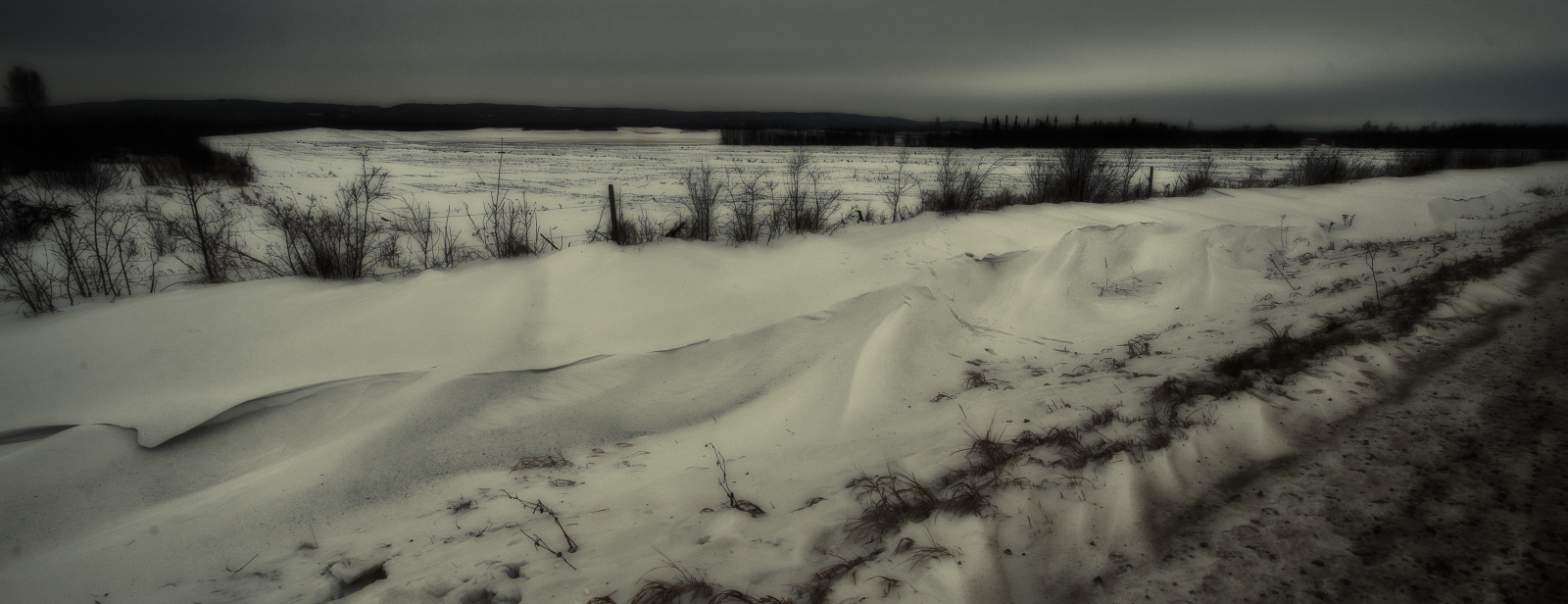
Creating a photograph involves the photographer in workflow. You scout your scene for potential images – as Rick Sammon says, you ‘see’ it or you ‘walk the scene’. Then, you plan your photograph thinking it through in terms of image outcome – you determine best camera angle, you arrange and/or work with light, you plan your work with plane of focus and depth; you open the camera’s shutter and create an exposure/image. Later, you edit and crop the image; what is considered to be a photograph is that final point of image rendering in which the photographer determines that no further adjustment is needed. By the time first images are rendered you understand quite a lot about the image in terms of its visual information – the visual narrative within the photograph. First images become former images. And, former images seen again, after a time, allow time to breathe revelation into each image and its rendering possibilities. The images presented, here, are former first images, seen from time to time; the fun in the past few days has been in working through second edits to find those other possibilities that are/were present within the images – that other part of the visual narrative that was formerly hidden within the photograph.

Listening to Snow Patrol’s Those Distant Bells, New York and This Isn’t Everything You Are.

Quote to Inspire – “Taking pictures is like fishing or writing. It’s getting out of the unknown that which resists and refuses to come to light.” – Jean Gaumy