Mindful Photography

Project 365 - Photo-a-day

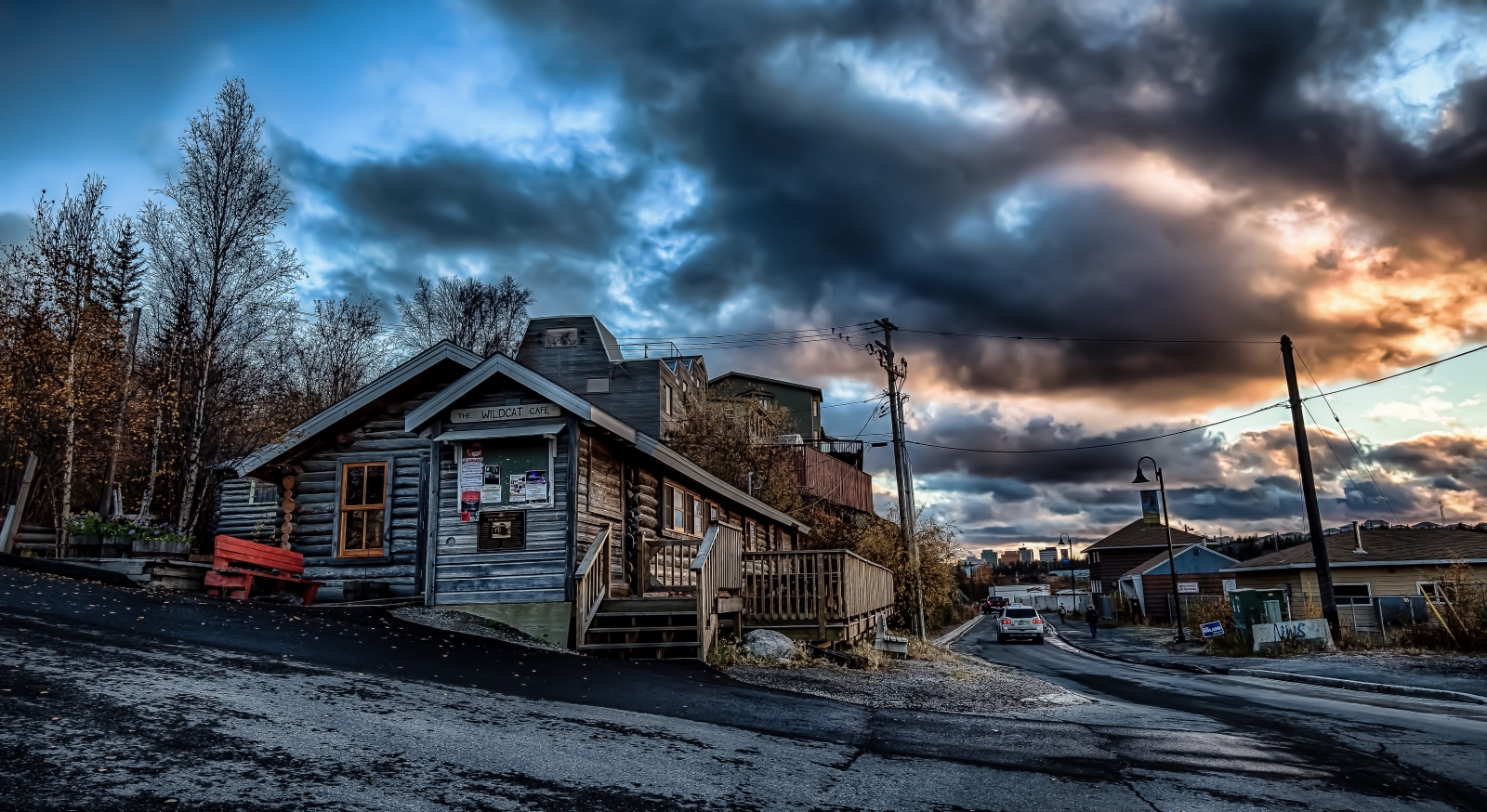
Wildcat Cafe - Yellowknife, NT - Canada

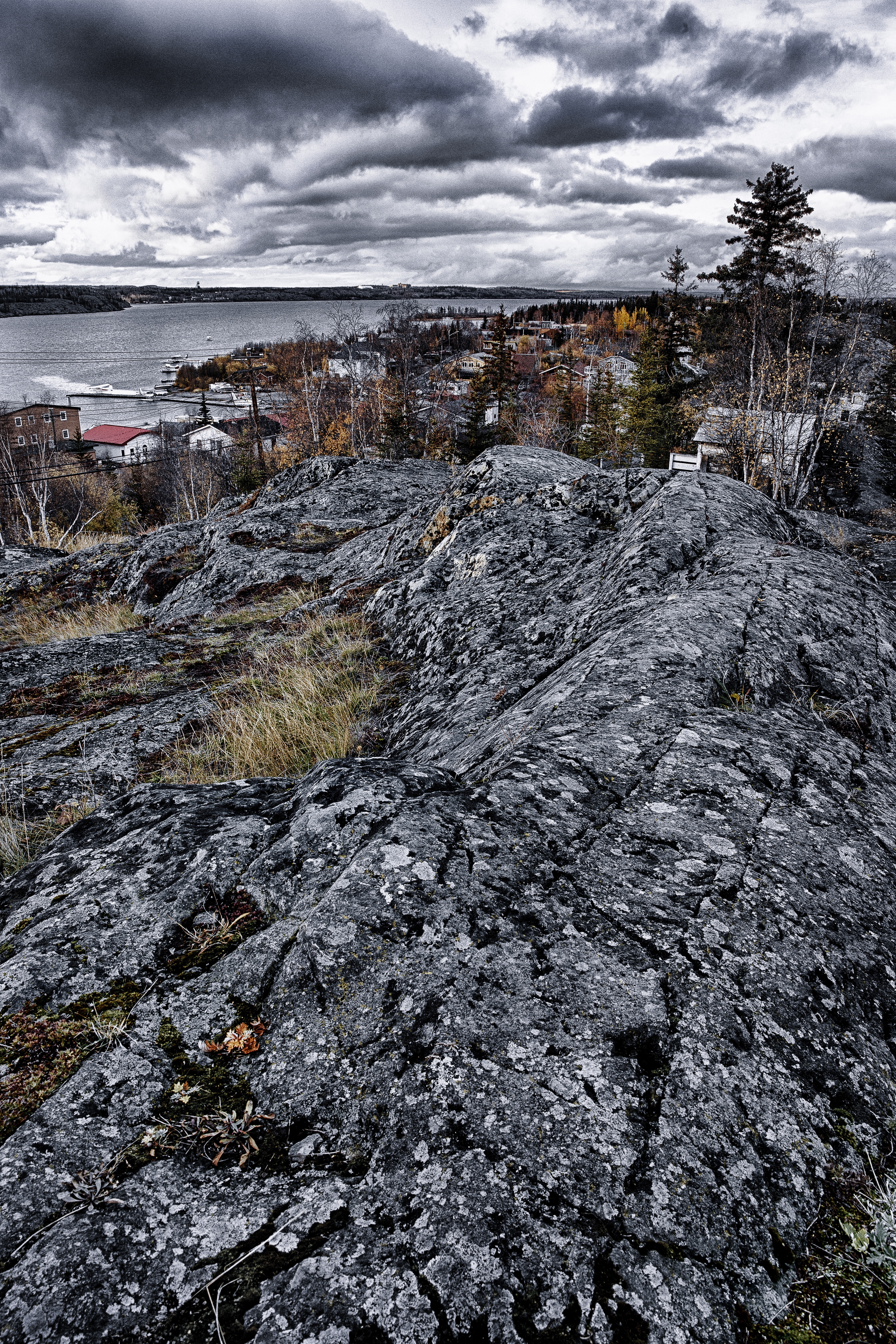
Looking Out from the Pilot's Memorial - Yellowknife NT - Canada

Looking Out from the Pilot’s Memorial – Yellowknife NT – Canada

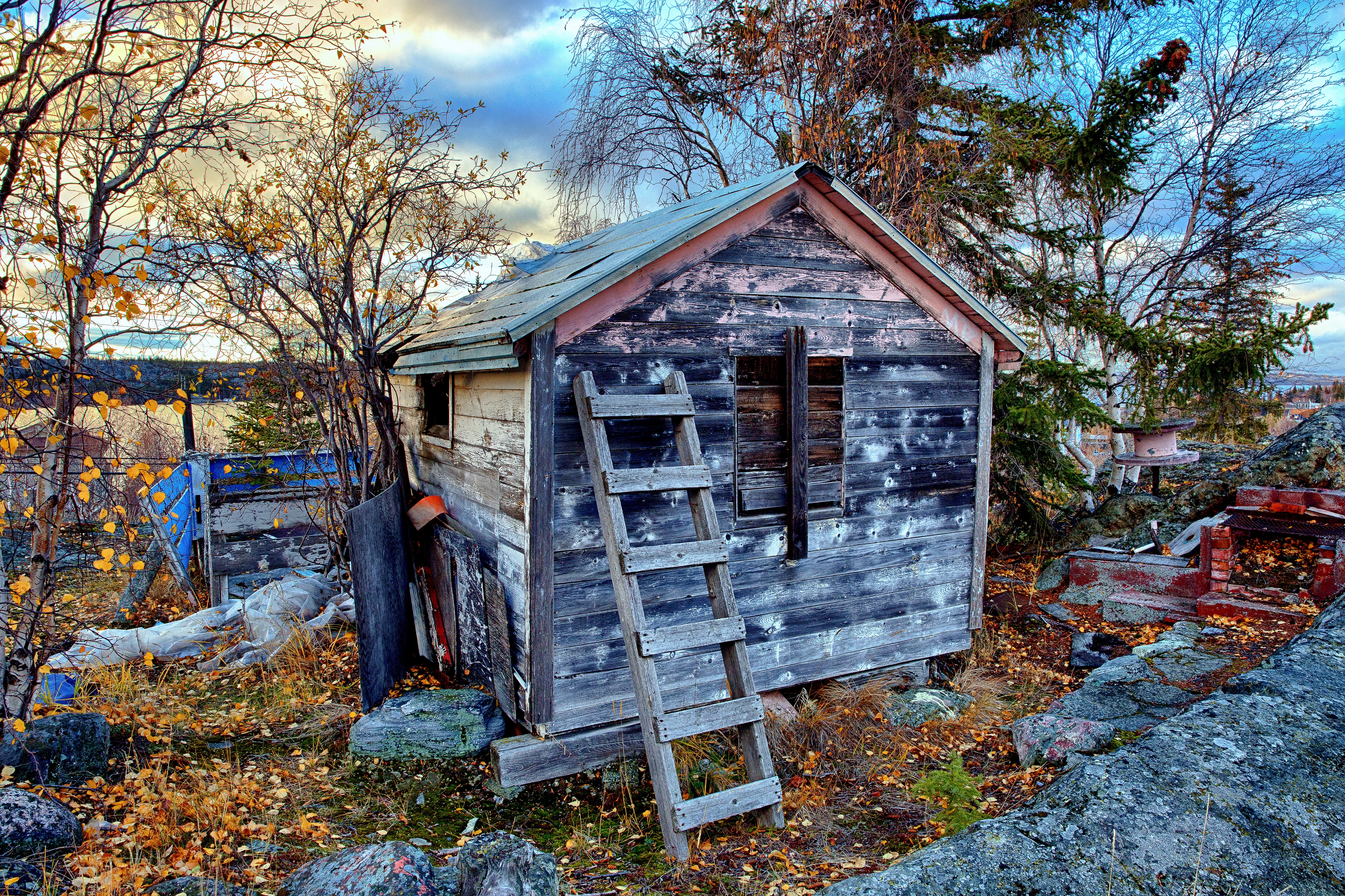
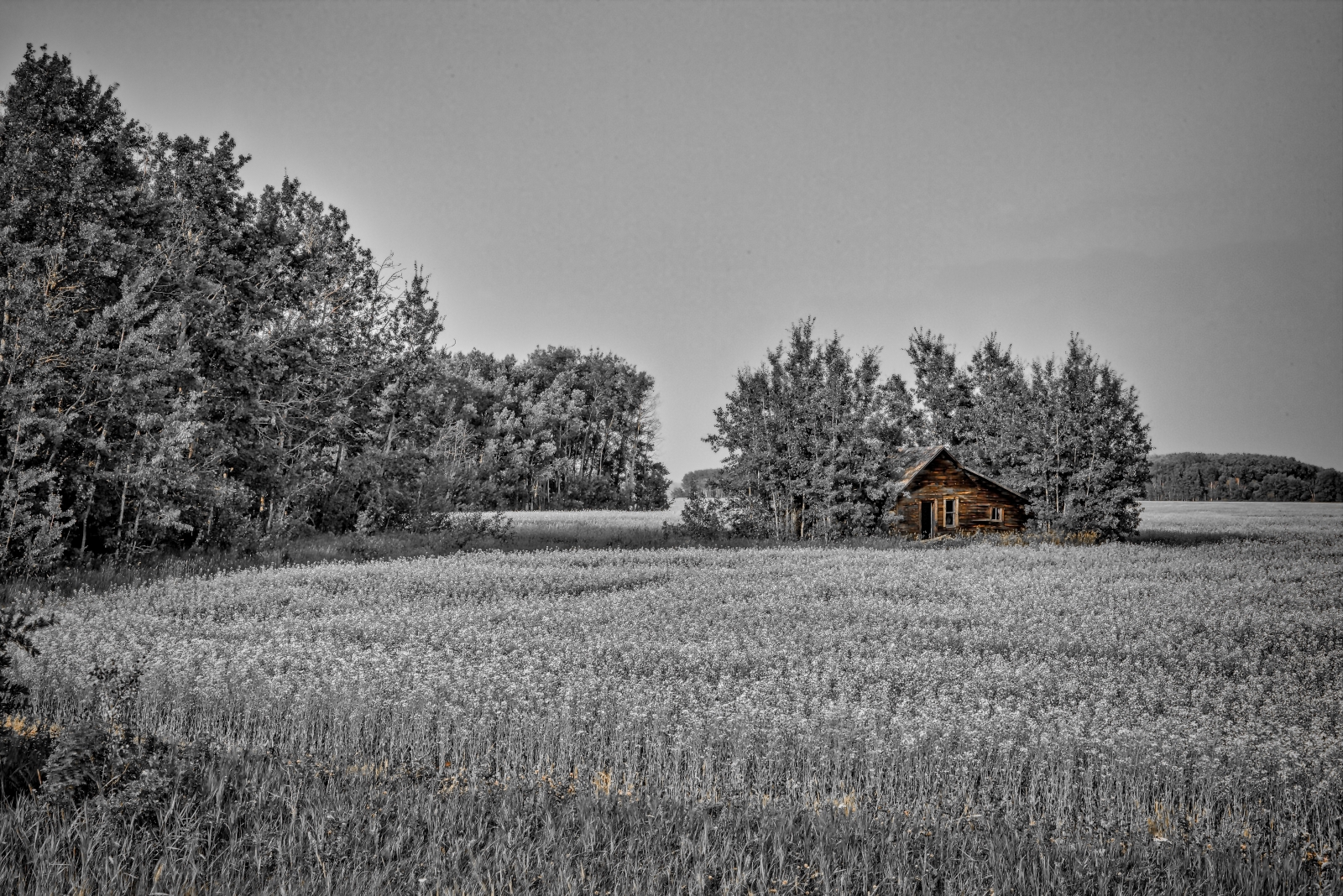
Shack near Pilot's Memorial - Yellowknife, NT - Canada

Other images from the Kelby World Wide Photo Walk in Yellowknife, NT – Canada. My thanks goes out to Samantha Stuart who organized the event and the eleven other walkers who partook in the walk. Well done, all!

Listening to – U2’s ‘Lucifer’s Hands,’ Bruce Cockburn’s ‘Call It Democracy,’ U2 and the Dubliners’ ‘Ballad of Ronnie Drew’ and Coldplay’s ‘Oceans.’

Quote to Consider – Harvard psychologist and researcher Ellen Langer defines “mindfulness as the simple act of actively noticing things and notes its connection with increased health, competence and happiness …” (there’s something in such conceptualization for photographers).

Land’s Next Use

Canon Camera, Canon Lens, Canon Live View, Fall, Farm, High Dynamic Range (HDR), Homestead, Journaling, Photoblog Intention, Photography & Conceptualizing Beauty, Project 365 - Photo-a-day, Still Life, The Candid Frame, Weather, Winter
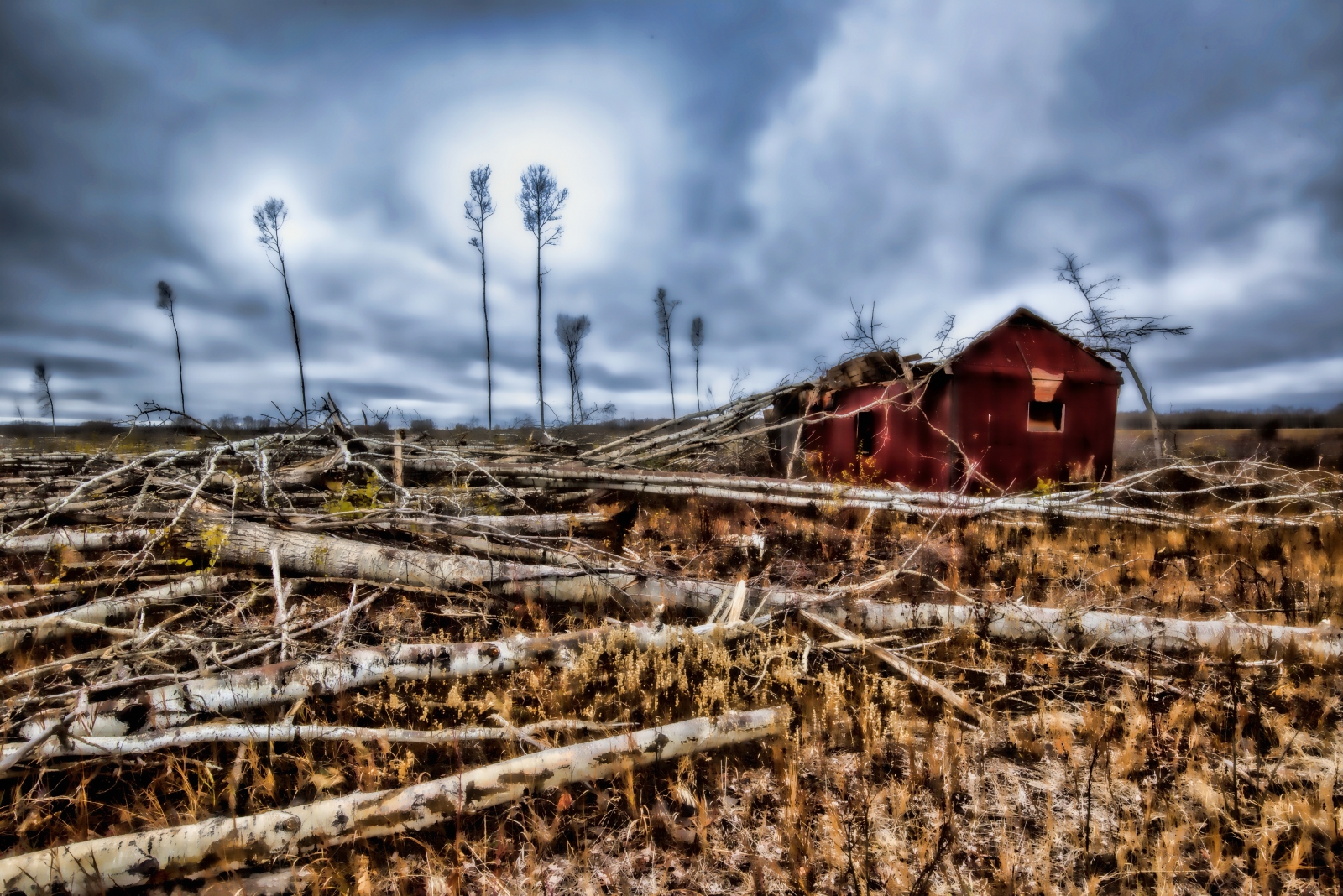
Strewn Timber - Rocky Lane, Alberta - Canada iv

Strewn Timber – Rocky Lane, Alberta – Canada iv

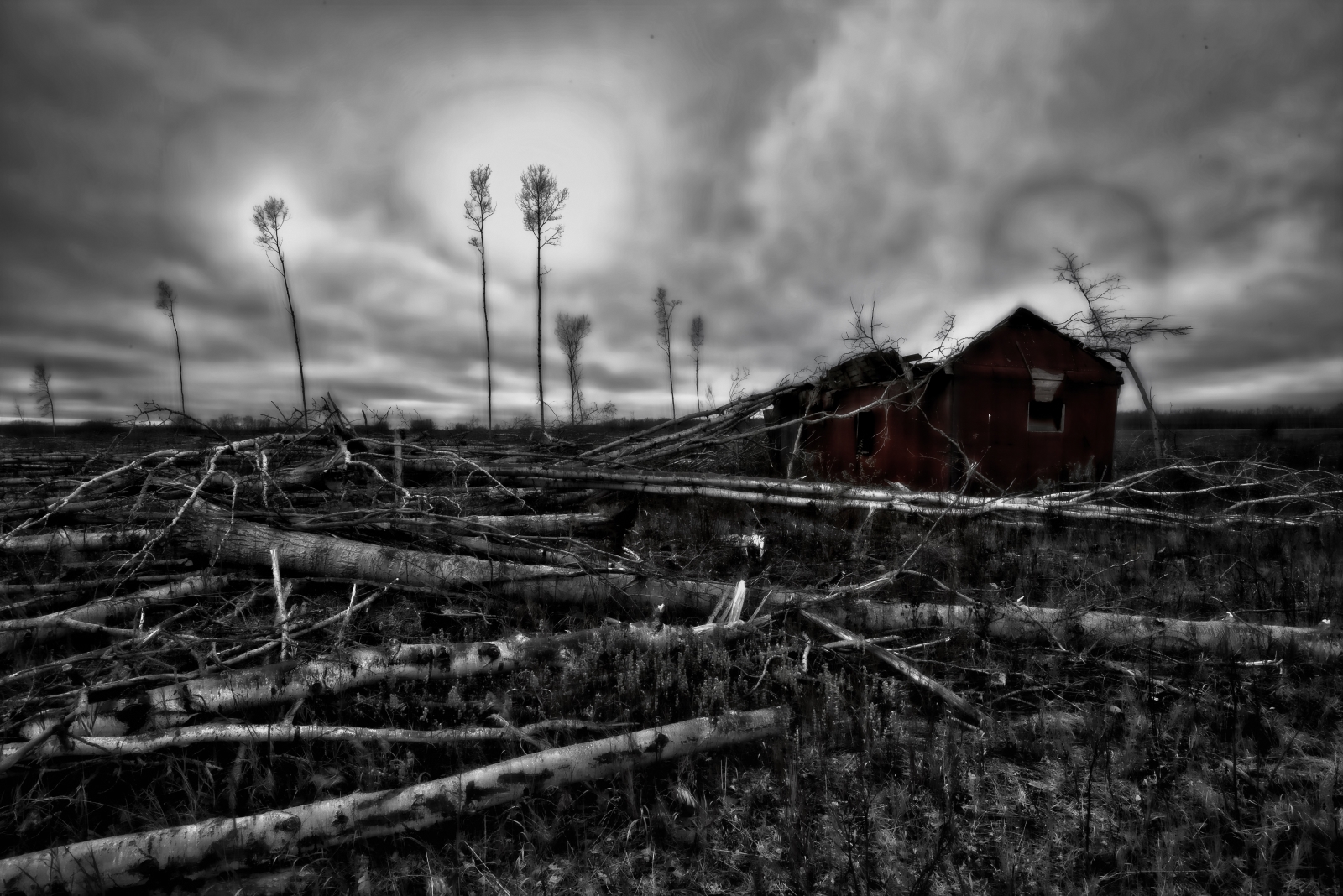
Strewn Timber - Rocky Lane, Alberta - Canada ii

Strewn Timber – Rocky Lane, Alberta – Canada ii

Strewn Timber - Rocky Lane, Alberta - Canada iii

Strewn Timber – Rocky Lane, Alberta – Canada iii

Strewn Timber - Rocky Lane, Alberta - Canada i

Strewn Timber – Rocky Lane, Alberta – Canada i

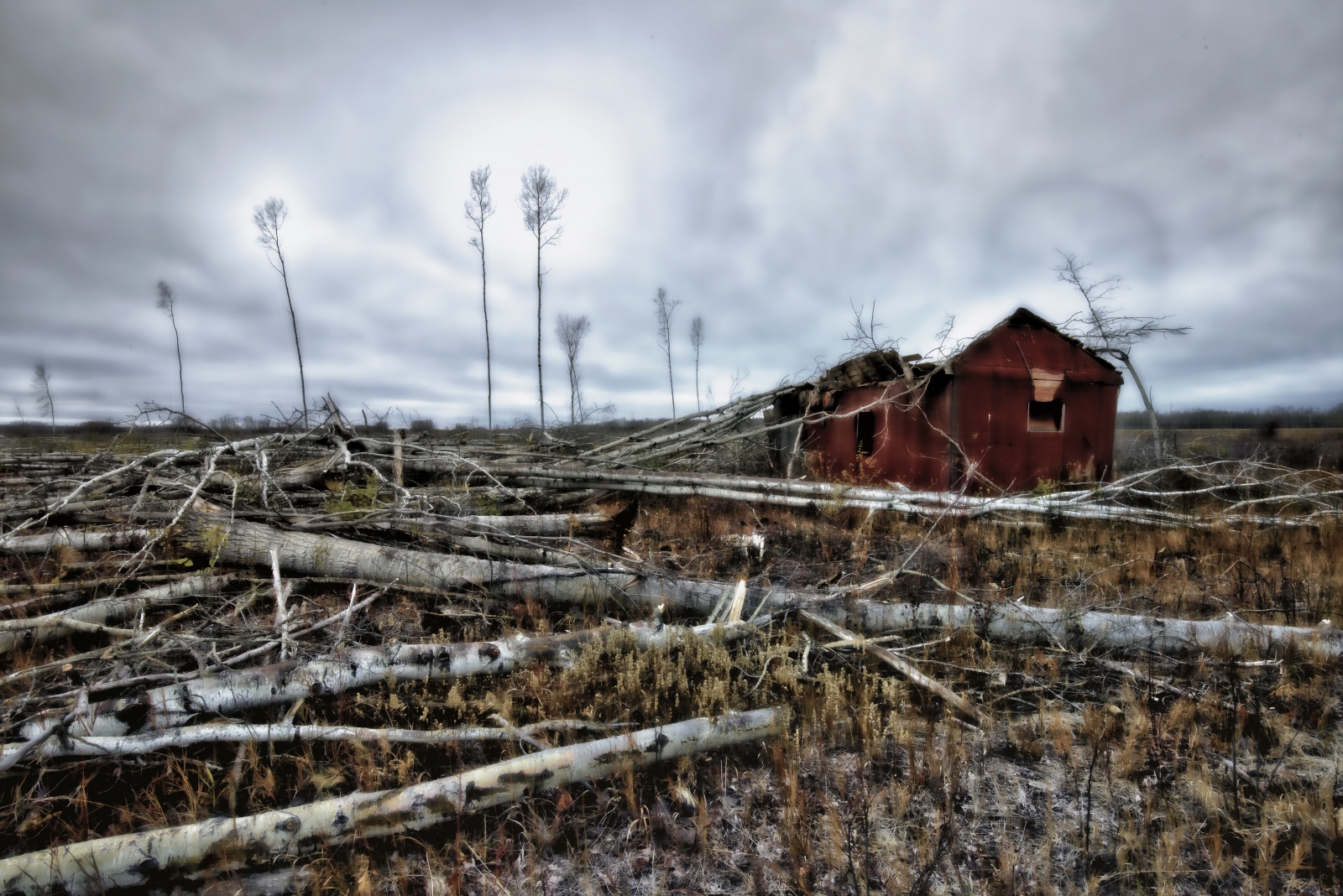
Timber, pushed down, lies strewn throughout a farmer’s field, a first step in clearing the land. Timber has also fallen across the structure of a homestead house yet has not crushed it. The house and a water-filled dugout suggest that a previous owner, another farmer, had initiated and abandoned a similar project in an earlier era. For now, timber will be gathered for burning; a winter or spring burn will reduce these trees and this homestead house to ashes, the land becoming ready for another use.

Quote to Consider – “I really believe there are things nobody would see if I didn’t photograph them.” – Diane Arbus

Listening to – Ibarionex Perello’s ‘The Candid Frame’ – episode 238, an interview with Sara Jane Boyers, Jesse Cook’s ‘Ocean Blue,’ Shadowfax’s ‘Move the Clouds,’ Agnes Obel’s ‘Fivefold,’ U2’s ‘Song for Someone’ and Sigur Ros’ ‘Glosoli.’

The Place Where We Are Right
by Yehuda Amichai

From the place where we are right
flowers will never grow
in the Spring.

The place where we are right
is hard and trampled
like a yard.

But doubts and loves
dig up the world
like a mole, a plough.
And a whisper will be heard in the place
where the ruined
house once stood.

Pathfinder Forays

Canon Camera, Canon Lens, Canon Live View, Fall, High Dynamic Range (HDR), Journaling, Photography & Conceptualizing Beauty, Project 365 - Photo-a-day, Season, Service Station, Vehicle, Vehicle Restoration

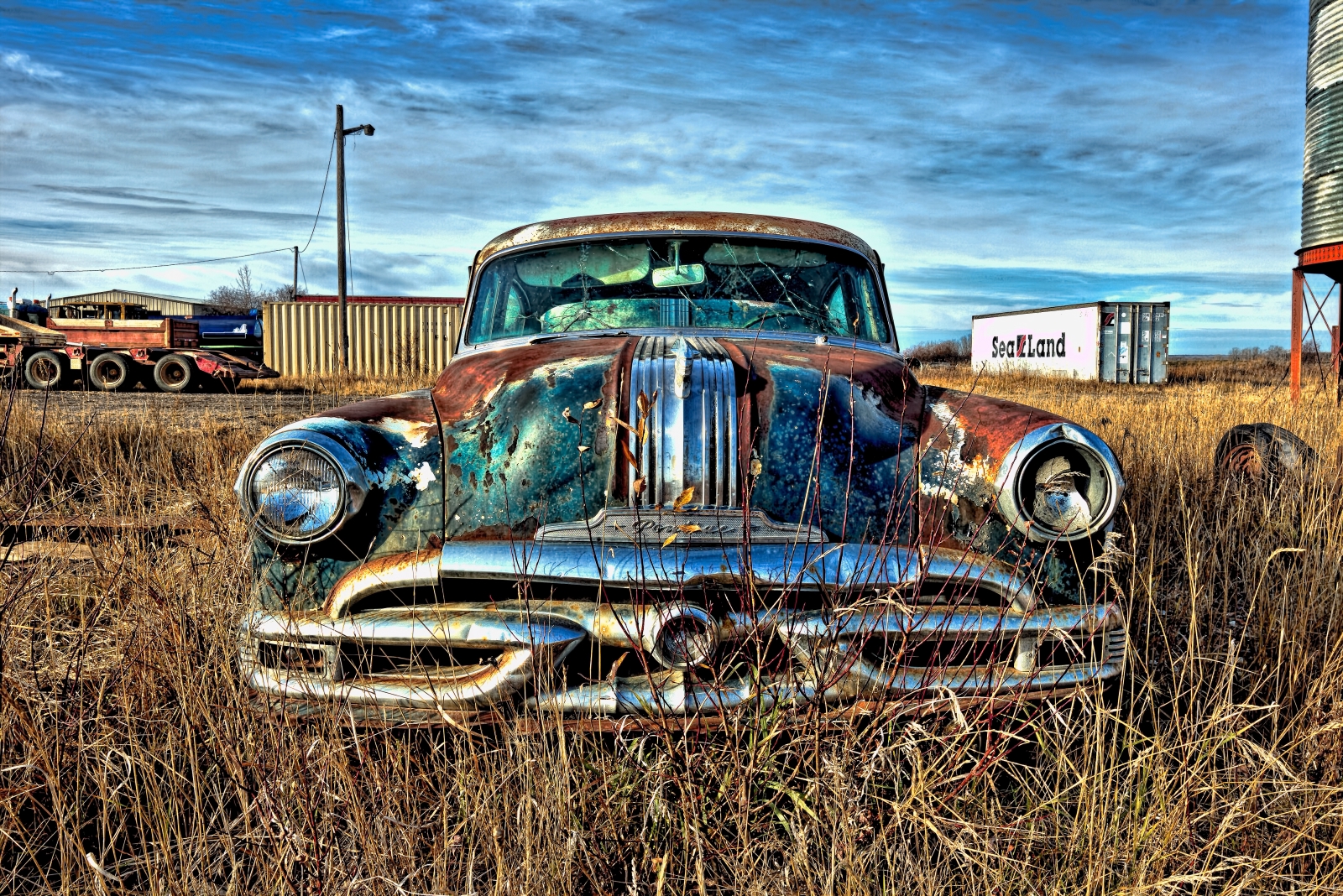
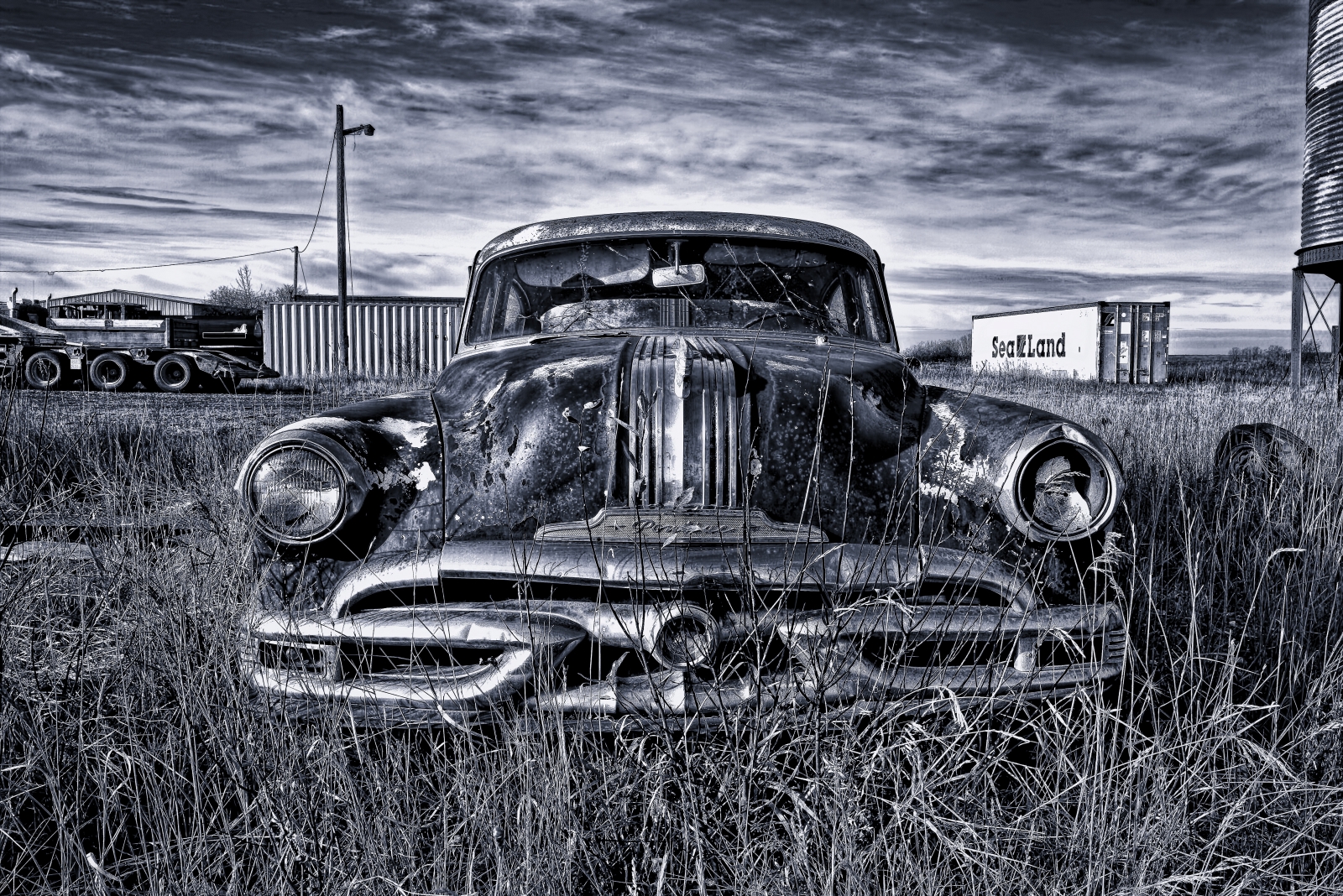
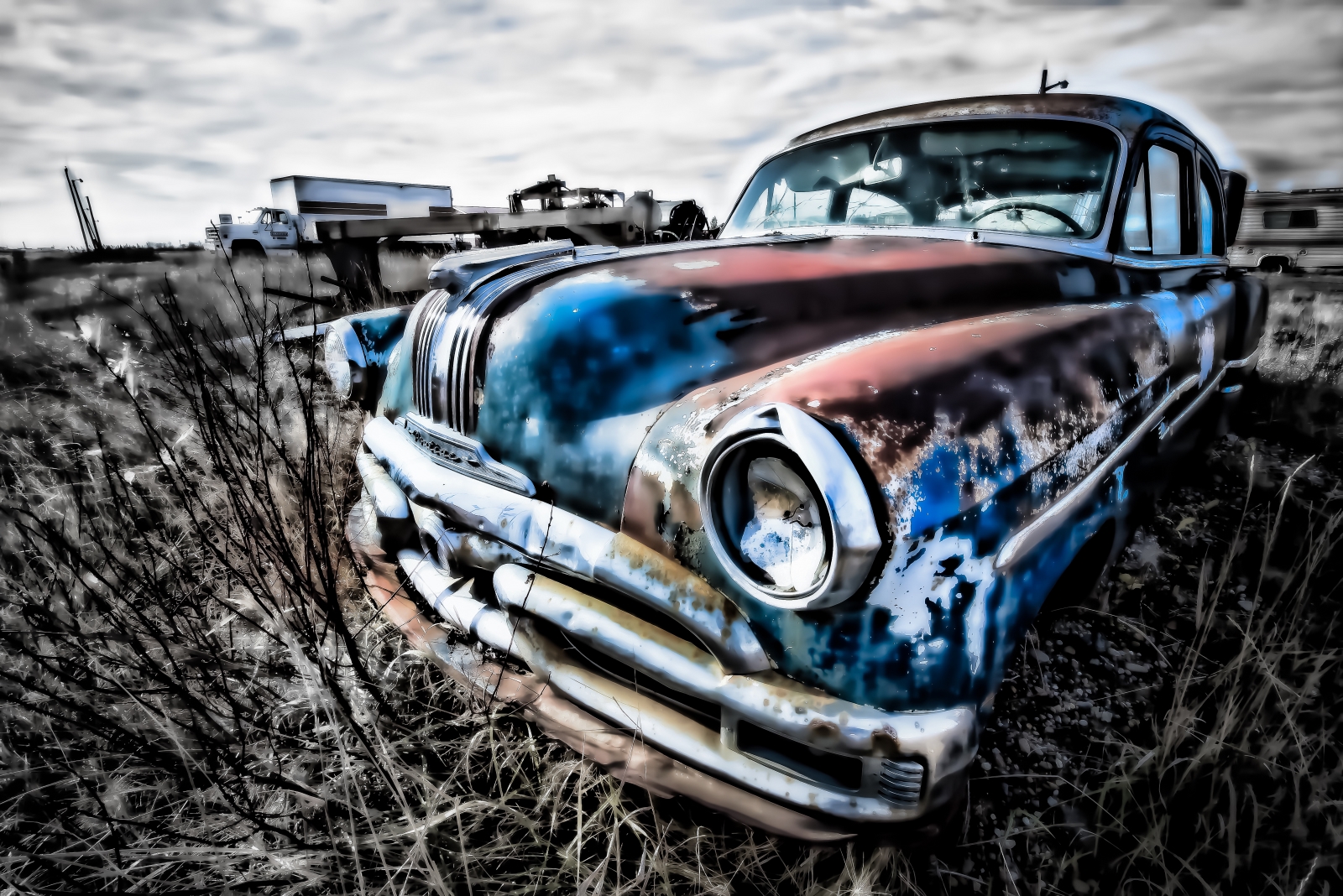
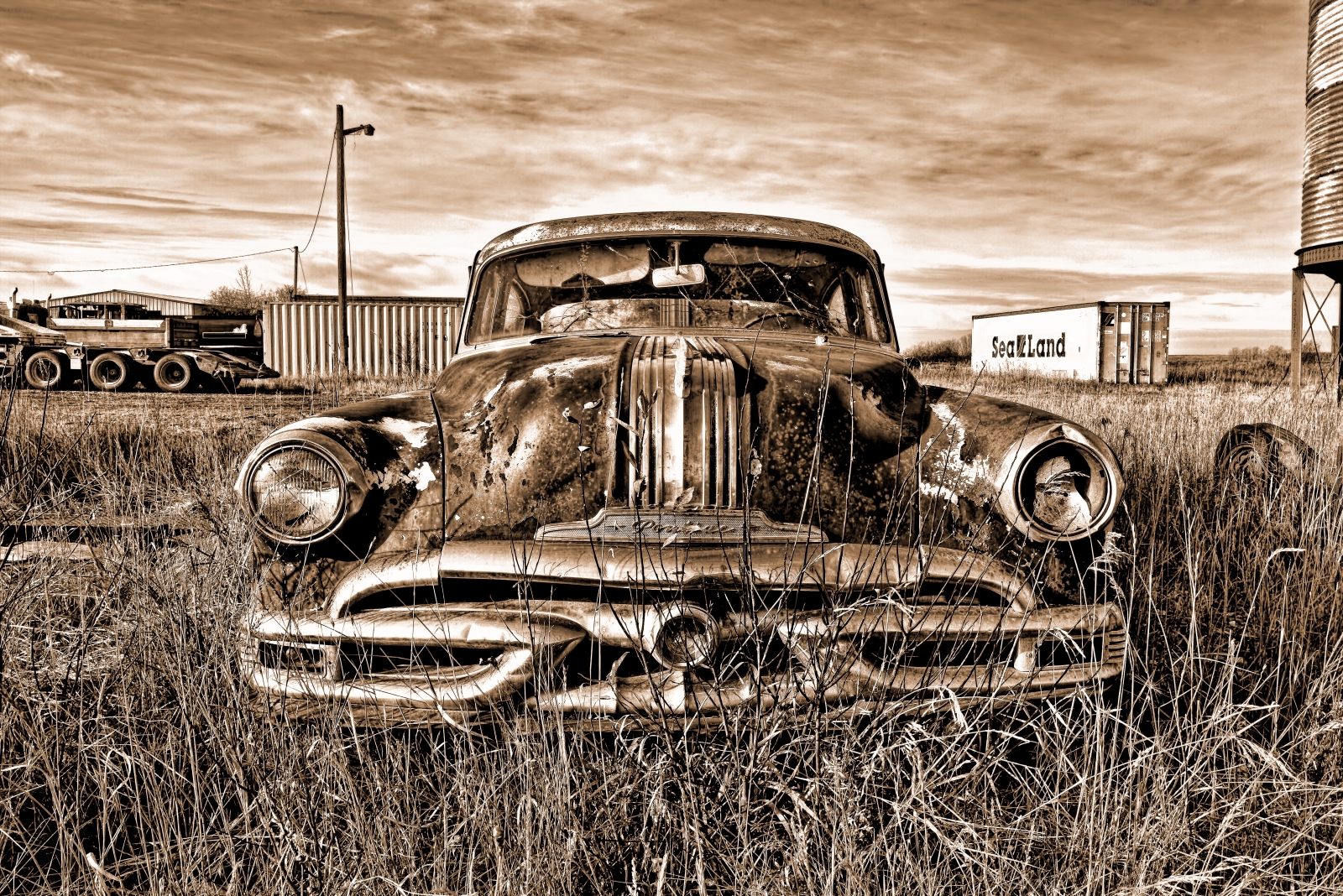
1953 Pontiac Pathfinder - Manning, Alberta - Canada i

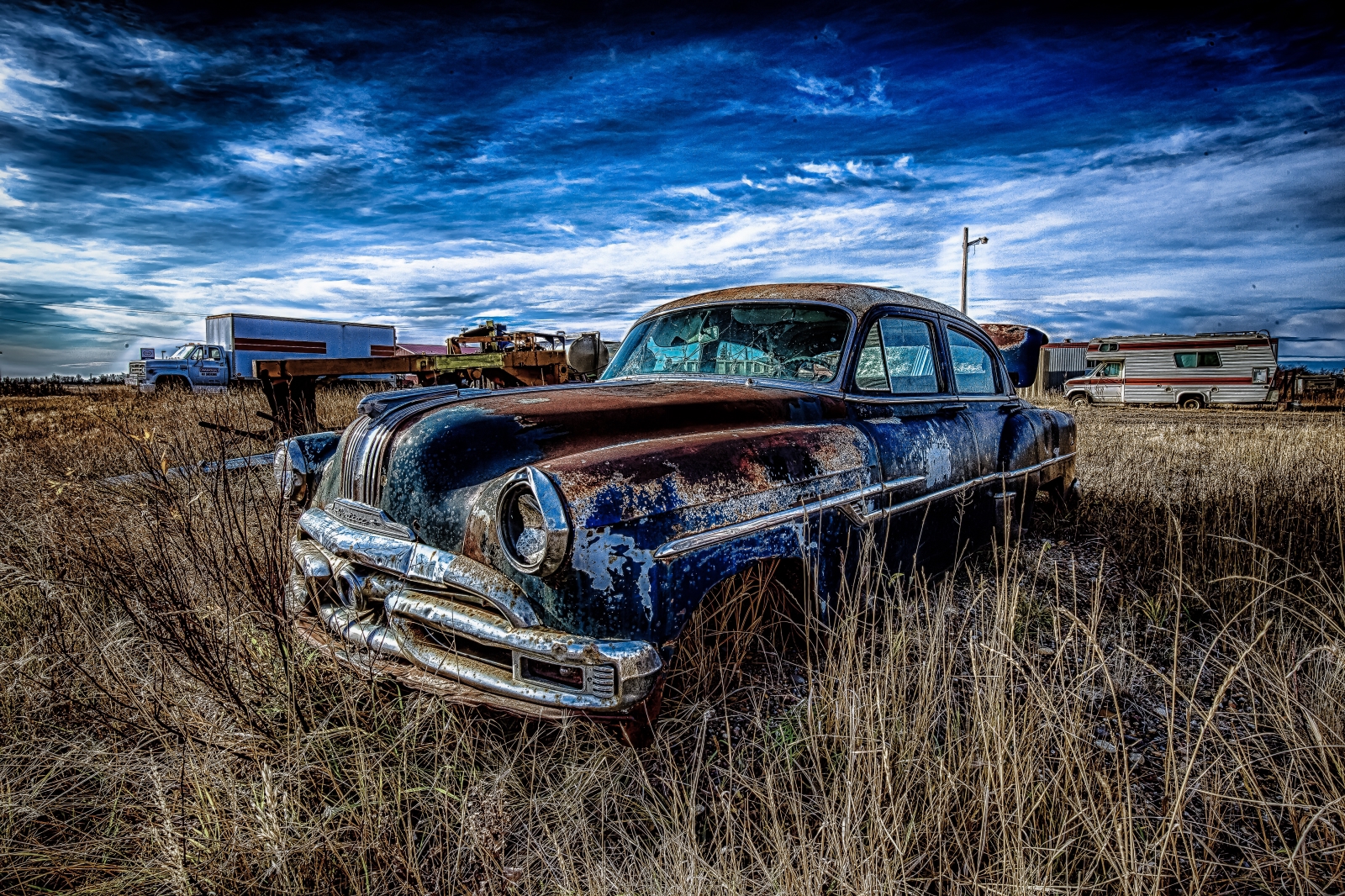
1953 Pontiac Pathfinder - Manning, Alberta - Canada ii

1953 Pontiac Pathfinder - Manning, Alberta - Canada iii

1953 Pontiac Pathfinder - Manning, Alberta - Canada iv

1953 Pontiac Pathfinder - Manning, Alberta - Canada v

Nissan Pathfinders – my wife and I have owned and driven three of these sports utility vehicles in Northwestern Alberta. We used each to travel in and out of Wood Buffalo National Park on our bi-weekly grocery run, a distance of 200km one way. Most of the time, the Pathfinder was locked in true four wheel drive and careening forward, sliding on any angle but straight along slick, clay-mud, corduroy roads or perhaps creating a first track along snow laden roads. The joke at the time was that we could have filmed a Nissan Pathfinder commercial because of the treatment each Pathfinder received and because of the durability and handling found in its use. And, though the Pathfinder did always find its path, there were humbling times when it got stuck and had to be pulled out – six times in my last year in the park.

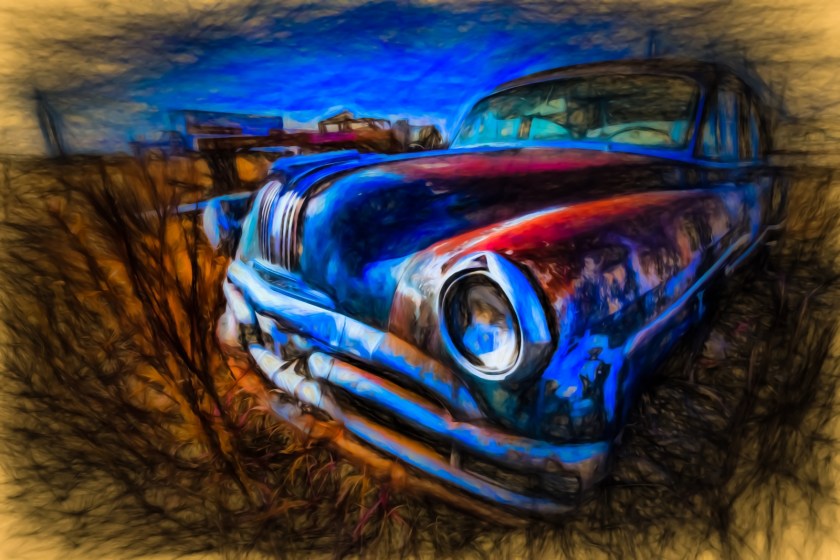
A few years ago, travelling with my camera among the backroads in and around Blue Hills, Alberta, I stumbled across an early fifties Pontiac, an old grey vehicle that had been parked among trees and other aging farm implements along the entrance to a Mennonite farm. I photographed the vehicle and did some research. The Pontiac was a sedan, possibly one intended only for Canadian markets – a 1953 Pontiac Pathfinder. A Pontiac buff, having driven my father’s 1969 Pontiac Parisienne through most of high school, I was surprised to find that Pontiac had had its own Pathfinder.

On Saturday, I drove past a service station two kilometres north from Manning, Alberta. An old, early fifties vehicle was displayed on the property, having sat on the site, ready for sale, through these past two years; but, the vehicle has always had a blue industrial shipping container placed next to it, something which has made it awkward to photograph from a stance of adjacent backgrounds and from sunlight never totally surrounding the entirety of the car properly. As I drove by I realized that the shipping container was no longer there and that the opportunity of a good photograph was possible. I captured these images and in researching the Pontiac found it to be another 1953 Pontiac Pathfinder. It was good to spend time photographing the car and then it’s been fun to edit the images, too – each a high dynamic range (HDR) shot.

Listening to – Walter Trout’s ‘Almost Gone,’ a voice that sounds so similar to the Who’s Roger Daltry singing ‘Won’t Get Fooled Again’ and ‘Baba O’Reilly;’ the song accompanies this rusting relic well.

Quotes to Consider – (1) “I’ve never taken a picture I’ve intended. They’re always better or worse.” – Diane Arbus. (2) “Some pictures are tentative forays without your even knowing it. They become methods. It’s important to take bad pictures. It’s the bad ones that have to do with what you’ve never done before. They can make you recognize something you hadn’t seen in a way that will make you recognize it when you see it again.” – Diane Arbus

Treasure, In Return

Backlight, Canon Camera, Canon Lens, Canon Live View, Combine (Farming), Fall, High Dynamic Range (HDR), Journaling, Light Intensity, Photography & Conceptualizing Beauty, Project 365 - Photo-a-day, Weather
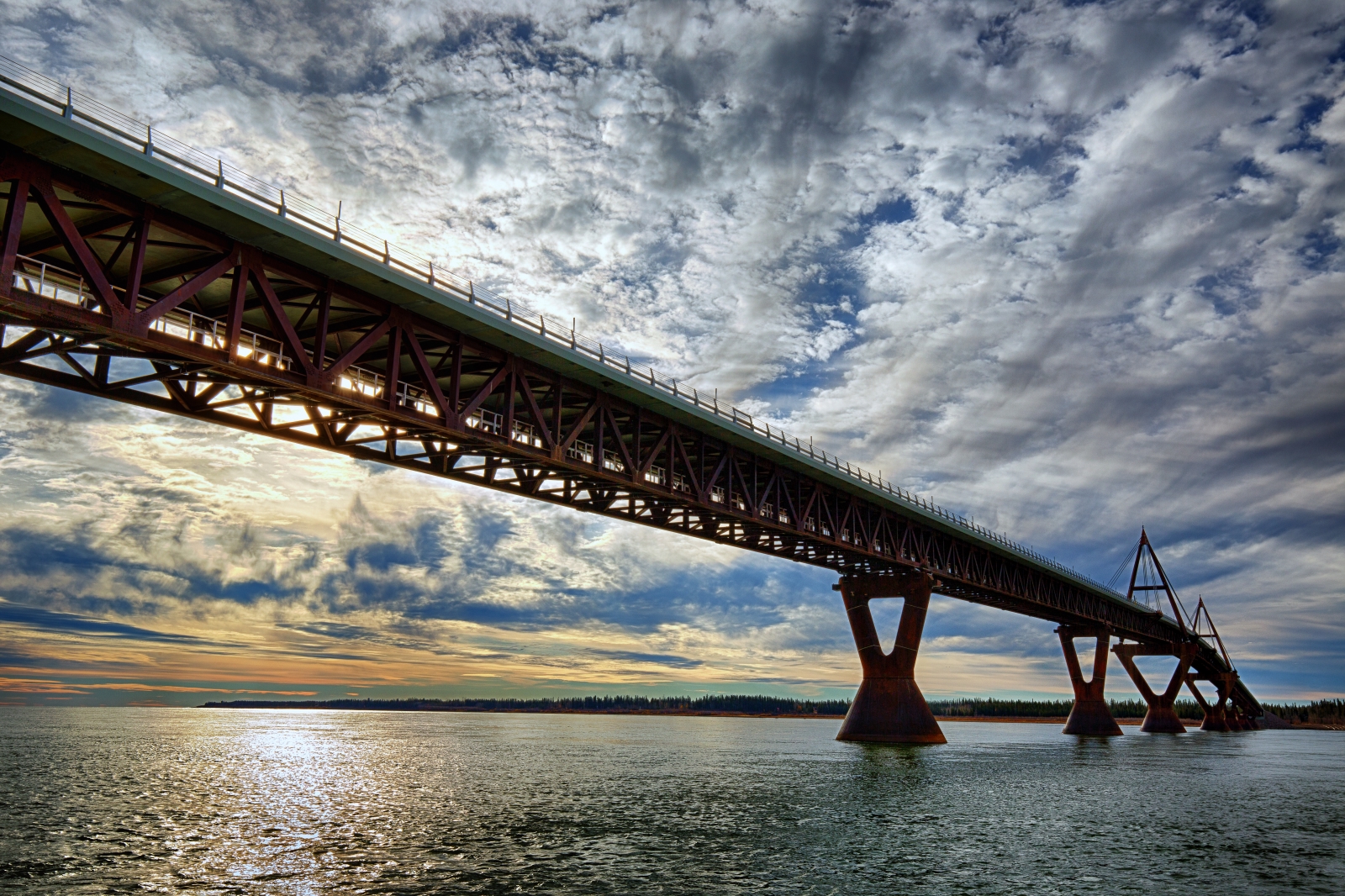
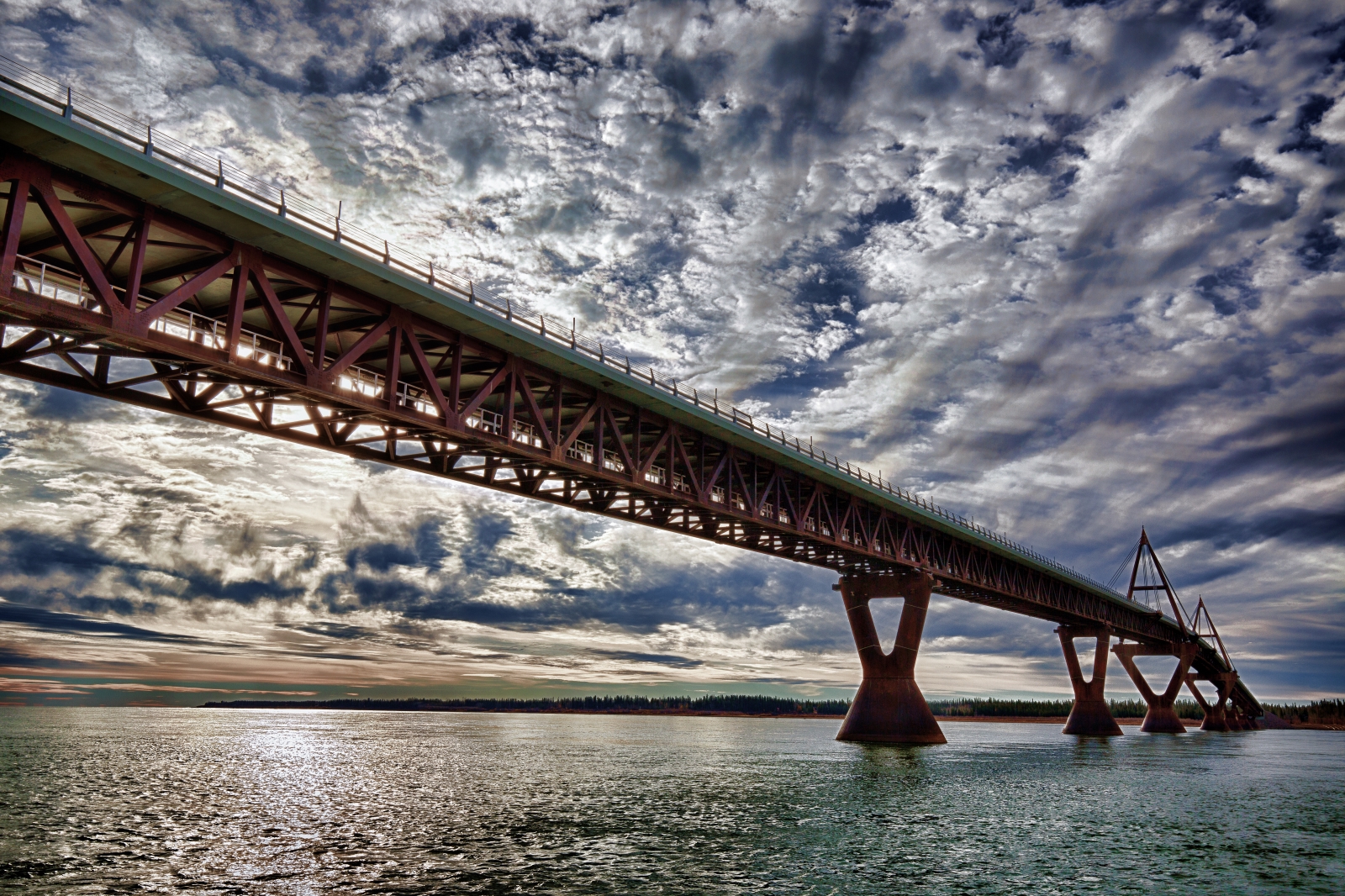
MacKenzie River Bridge - Fort Providence, NT - Canada i

MacKenzie River Bridge – Fort Providence, NT – Canada i

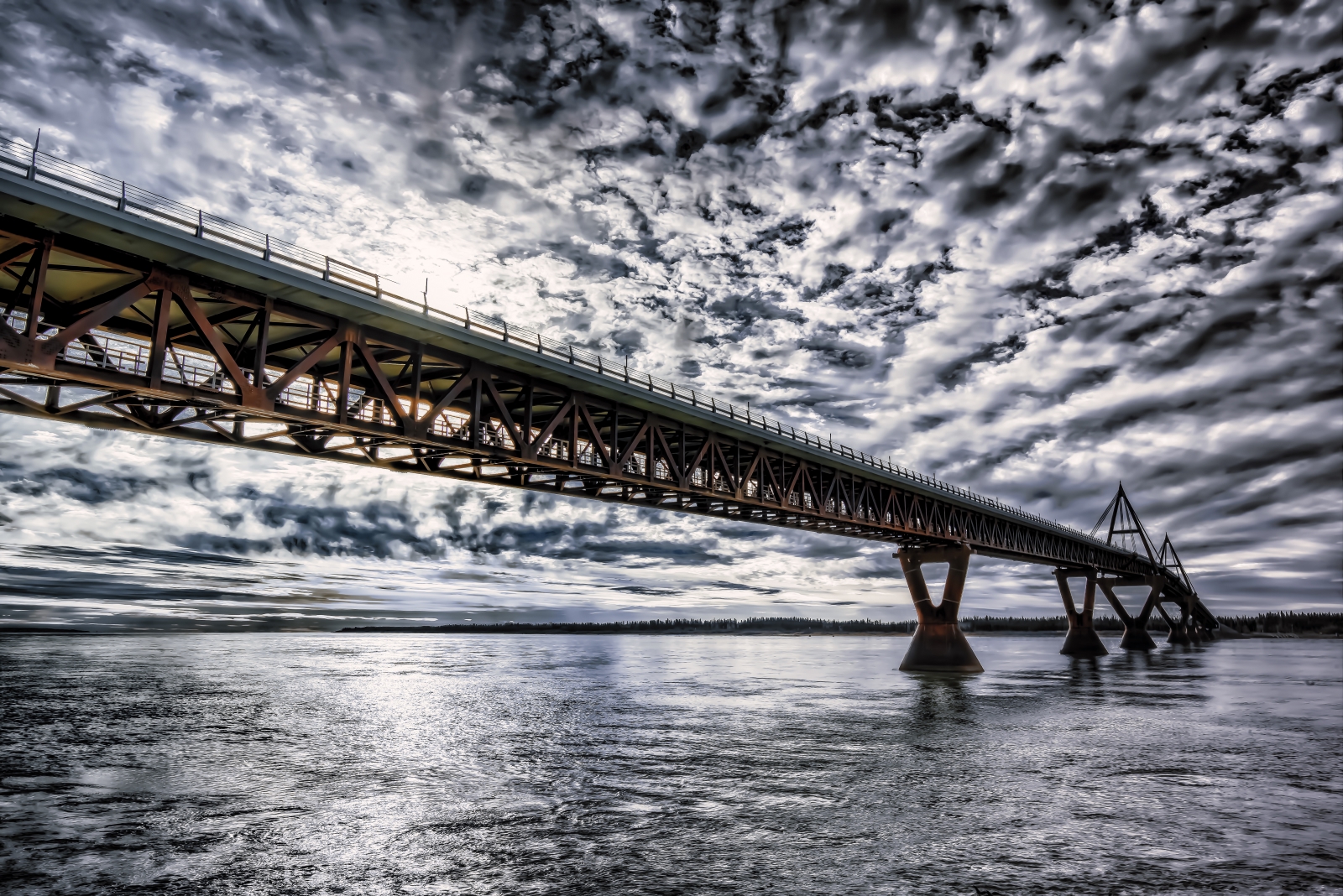
MacKenzie River Bridge - Fort Providence, NT - Canada ii

MacKenzie River Bridge – Fort Providence, NT – Canada ii

MacKenzie River Bridge - Fort Providence, NT - Canada iii

MacKenzie River Bridge – Fort Providence, NT – Canada iii

Perhaps twenty years ago, Chris Short, an art specialist from Newfoundland, slowed the pace of my thought when she asserted that between High Level and Edmonton, Alberta (750km), an artist could easily spend as many as three days to gather and respond to terrain and landscape in drawing and painting (and, then, you could repeat this task/vocation seasonally, too). Another friend coined an expression Chris would understand. In response to seeing fresh landscape and terrain, that friend would interrupt travel asking to … “Stop. Let me feast my eyes.” The call was to stop in our current proceedings and to take note with awe and wonder of something beautiful, right there, in front of us.

For the Yellowknife Photo Walk getting to destination would mean focusing on the drive and returning to many photographic opportunities encountered along the way at a future date. A similar conundrum confronted me in getting to my first Photo Walk in Fort St. John, British Columbia in 2011. In both cases, while opportunities for photos were available, my eyes and imagination would only be able to scout the scene and return to them at a later date. I would know where to return for future photographs, a treasure of sorts. Travel to Fort St. John had presented incredible autumn landscapes, a morning well-lit by sun with impending, dark winter clouds moving off in the distance; farmers, at that time, were completing their harvest, some still combining fields on either side of the highway between Rycroft and Fort St. John. In the same way, travel to and from Yellowknife presented many opportunities for images – the bridge among the terrain in the Rae Edzo area in the morning’s golden hour will be something to return for as will bison feeding on the warmer, sunlit side of the highway in the afternoon. Then, there was this bridge that crosses the MacKenzie River at Fort Providence. The river, at this point, spans almost two kilometres. Driving across this two lane bridge is a breathtaking experience. I stopped and in my friend’s words, I feasted my eyes. These images are the result.

Listening to – U2’s ‘Every Breaking Wave,’ John Mayer’s ‘The Age of Worry,’ Maroon 5’s ‘Lucky Strike,’ Coldplay’s ‘Us Against the World,’ Ed Sheeran’s ‘Little Bird’ and Snow Patrol’s ‘This Isn’t Everything You Are.’

Quotes to Consider – “Taking pictures is like tiptoeing into the kitchen late at night and stealing Oreo cookies.” – Diane Arbus; “To me, photography is an art of observation. It’s about finding something interesting in an ordinary place …. I’ve found it has little to do with the things you see and everything to do with the way you see them.” – Elliott Erwitt

Inborn Alarm Clock – Happenstance Coalescence

Project 365 - Photo-a-day
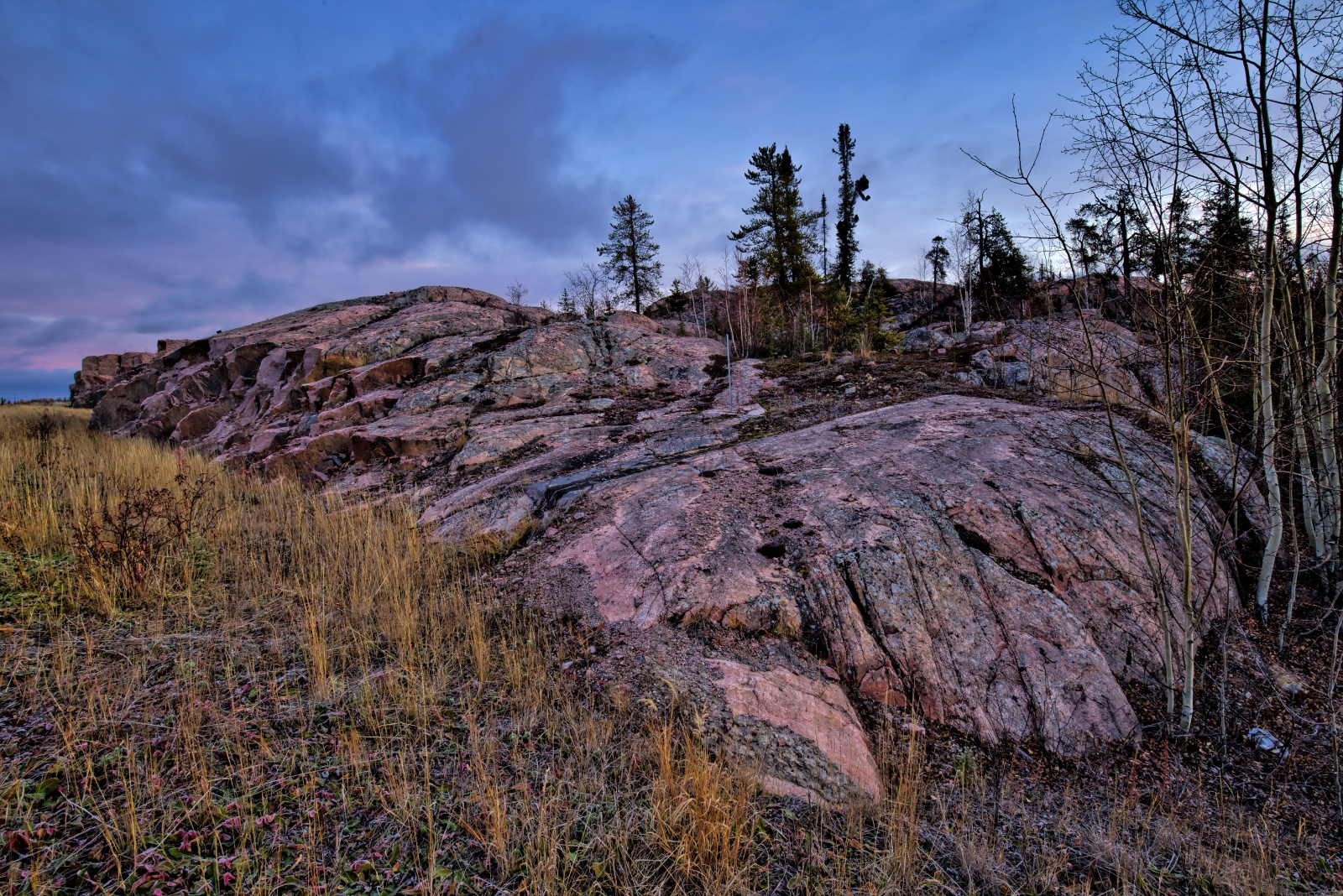
Rock Terrain - Yellowknife, NT - Canada i

Rock Terrain – Yellowknife, NT – Canada i

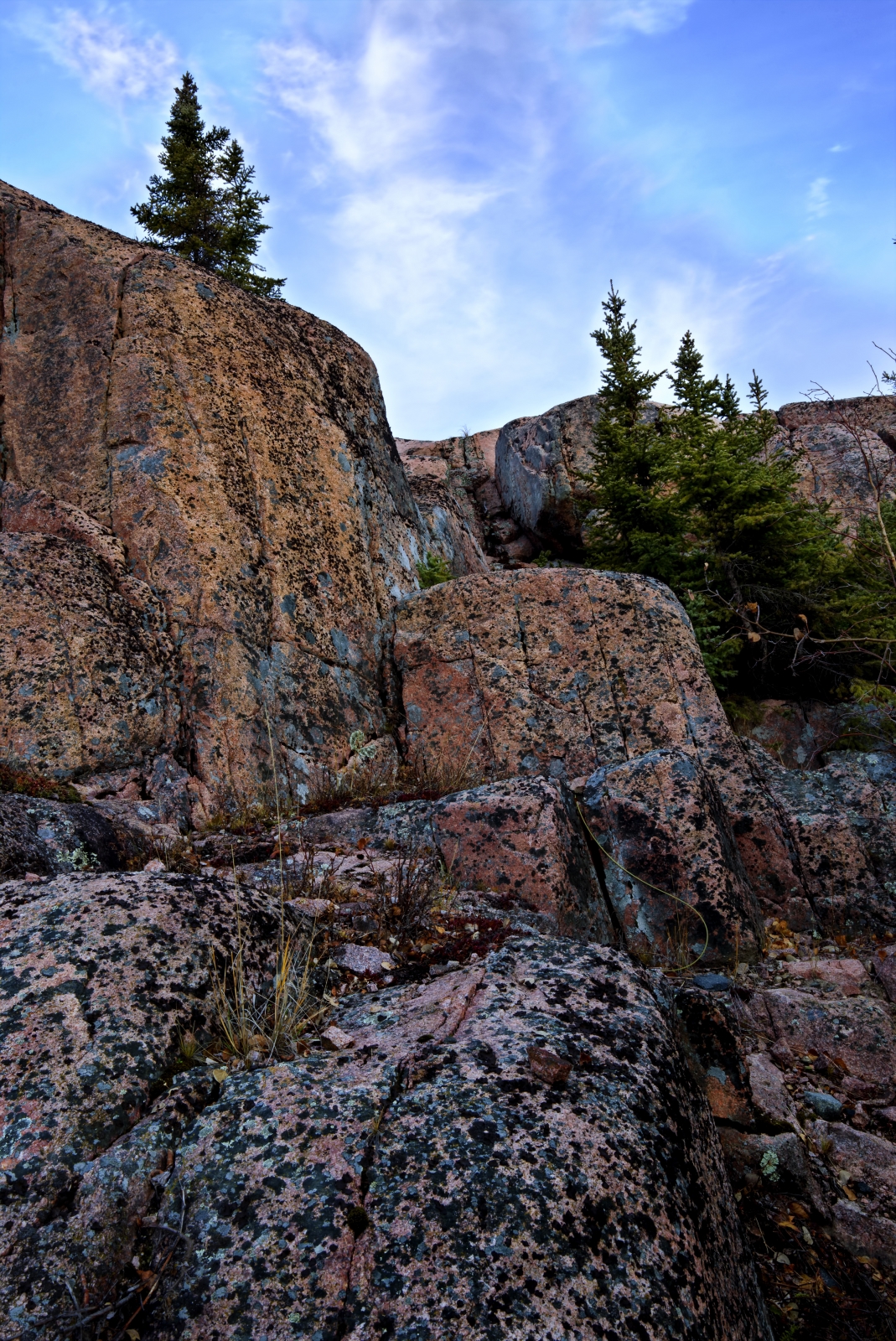
Rock Terrain - Yellowknife, NT - Canada ii

Rock Terrain – Yellowknife, NT – Canada ii

Rock Terrain - Yellowknife, NT - Canada iv

Rock Terrain – Yellowknife, NT – Canada iv

Rock Terrain - Yellowknife, NT - Canada v

Rock Terrain – Yellowknife, NT – Canada v

Rock Terrain - Yellowknife, NT - Canada vi

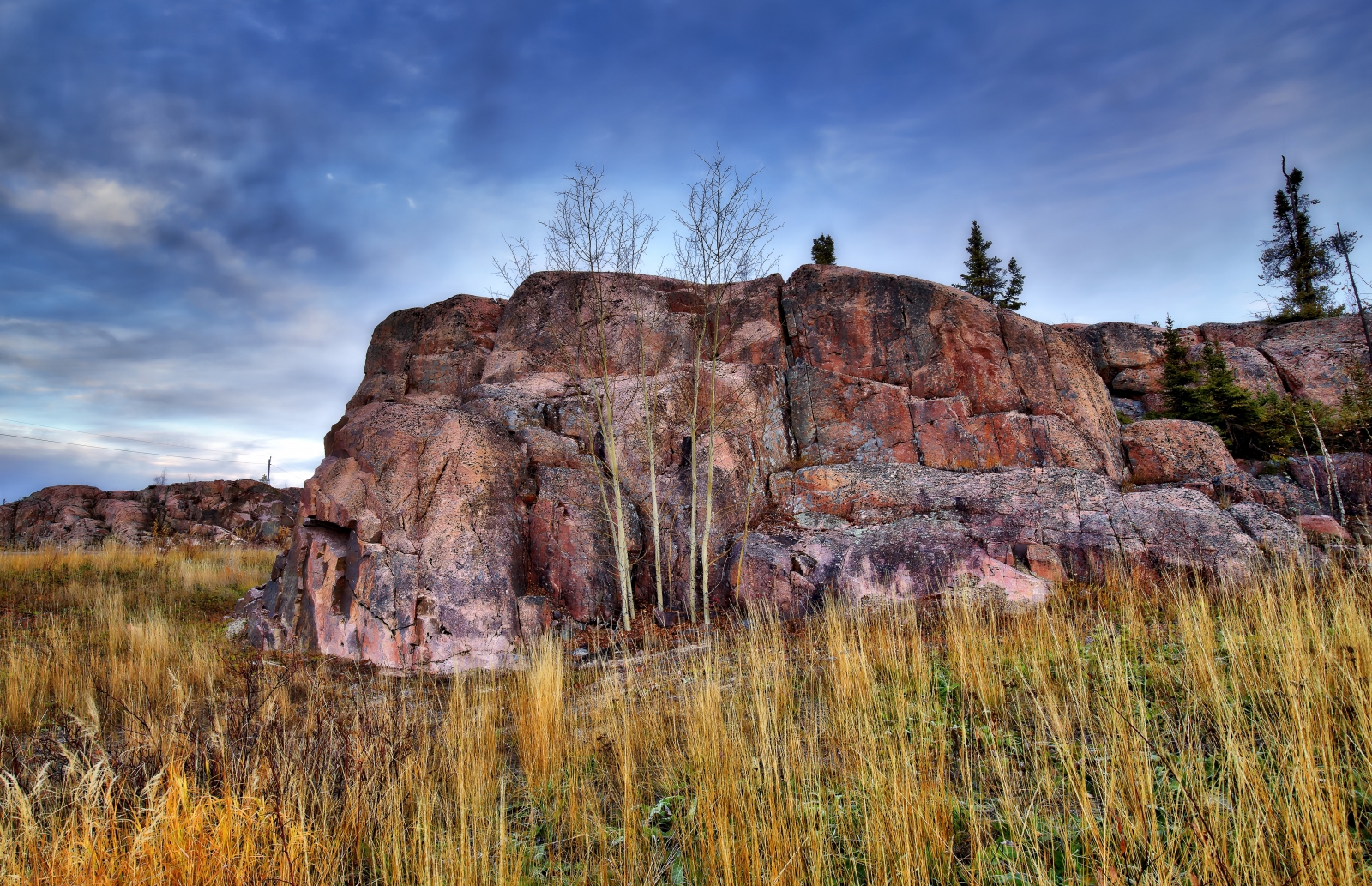
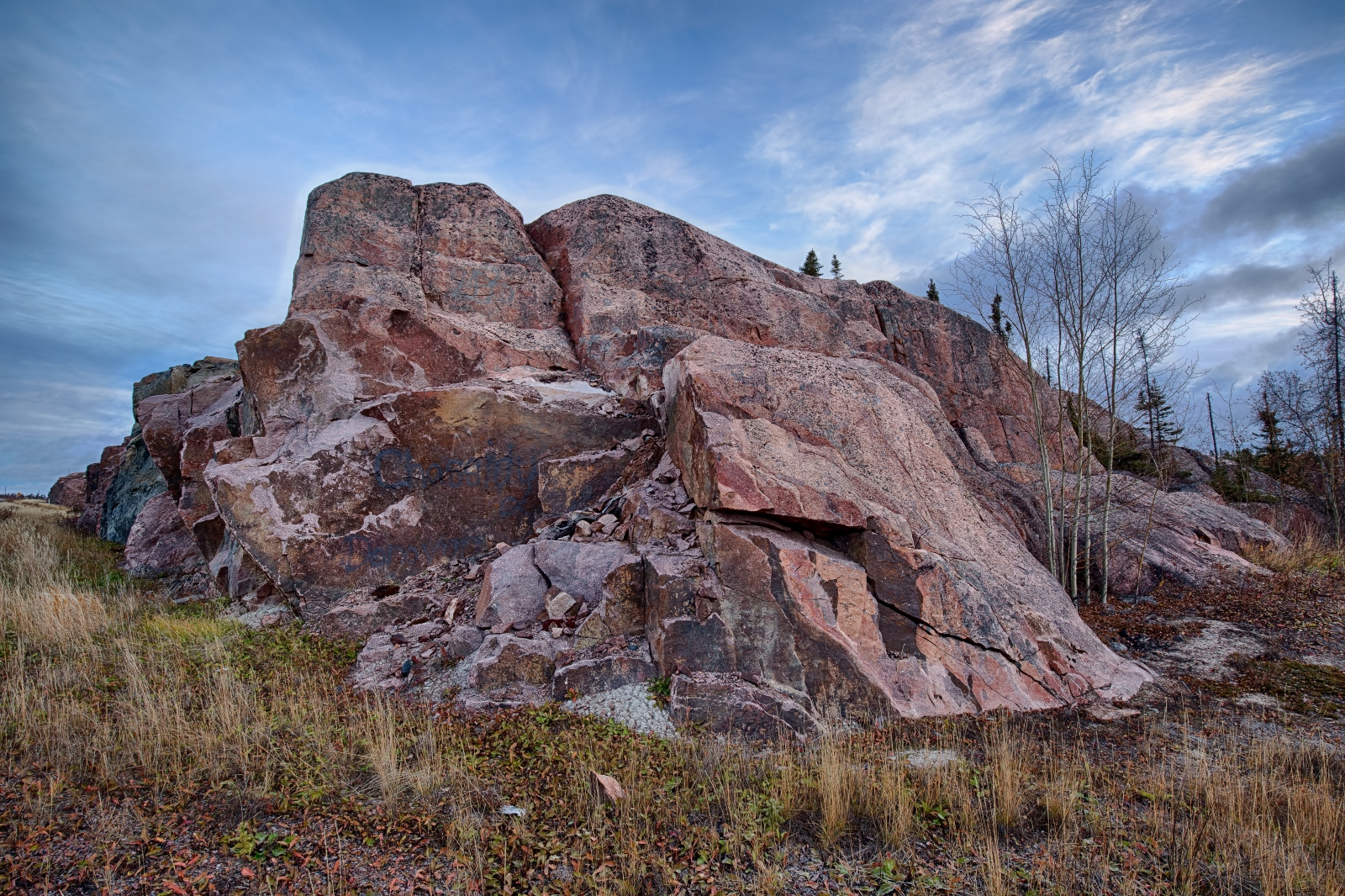
Two teeth, both set for root canal the following Tuesday at the Blue Sky Dental Clinic in High Level, Ab, serve as inborn alarm clock early in the morning following the Yellowknife Photo Walk; Motrin pain relief subsides and pain returns me to the day. My southward journey home begins. At 5:30 a.m., I am the only guest checking out from Yellowknife’s Explorer Hotel. The front desk clerk orients me to a Yellowknife map and ensures that I will be able to fuel my truck, at this hour, before starting out. There’s good happenstance coalescence – my drive has me move into the day through a colourful morning golden hour, striking with the interplay of weather backdrop and colourful rock terrain. Houses are situated on top of rock, vehicles are parked on top of rock. The landscape holds curiosities and narrative … to discover another day. I will return.

Listening to, Watching – U2’s ‘Song for Someone,’ video done with Woody Harrelson within a narrative that becomes an evocative explication regarding Grace.

Quote to Consider – “No place is boring if you’ve had a good night’s sleep and have a pocket full of unexposed film.” – Robert Adams

Sulfur Mountain – Sunset

Backlight, Best Practices - Photography, Canon Camera, Canon Lens, Canon Live View, High Dynamic Range (HDR), Light Intensity, Night, Photography & Conceptualizing Beauty, Project 365 - Photo-a-day, Summer, Sunset
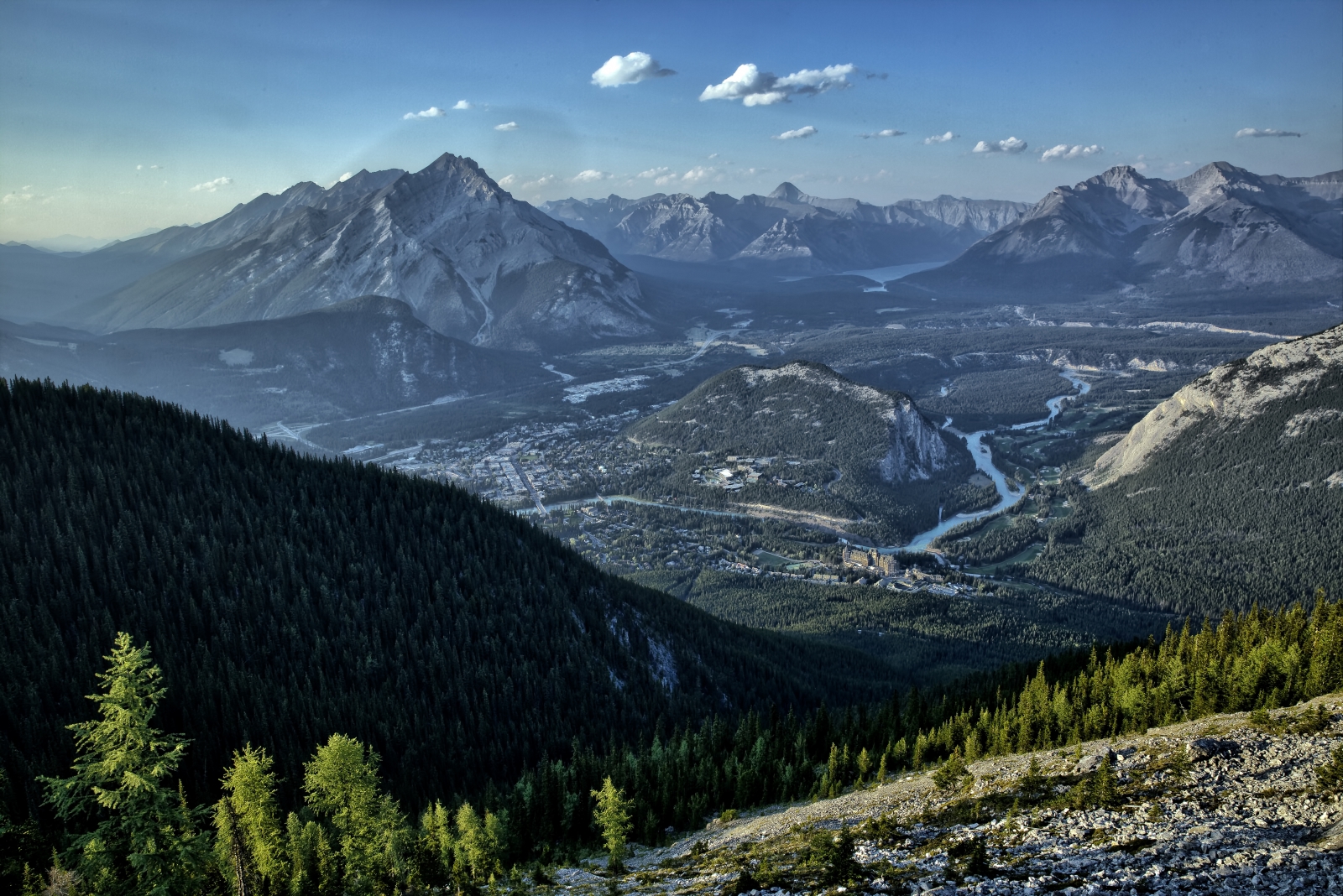
Banff from Sulfur Mountain - Banff, Alberta - Canada

Banff from Sulfur Mountain – Banff, Alberta – Canada

Gondola Sunset - Banff, Alberta - Canada i

Gondola Sunset – Banff, Alberta – Canada i

Gondola Sunset - Banff, Alberta - Canada ii

Gondola Sunset – Banff, Alberta – Canada ii

Sulfur Mountain looking West - Banff, Alberta - Canada

Sulfur Mountain looking West – Banff, Alberta – Canada

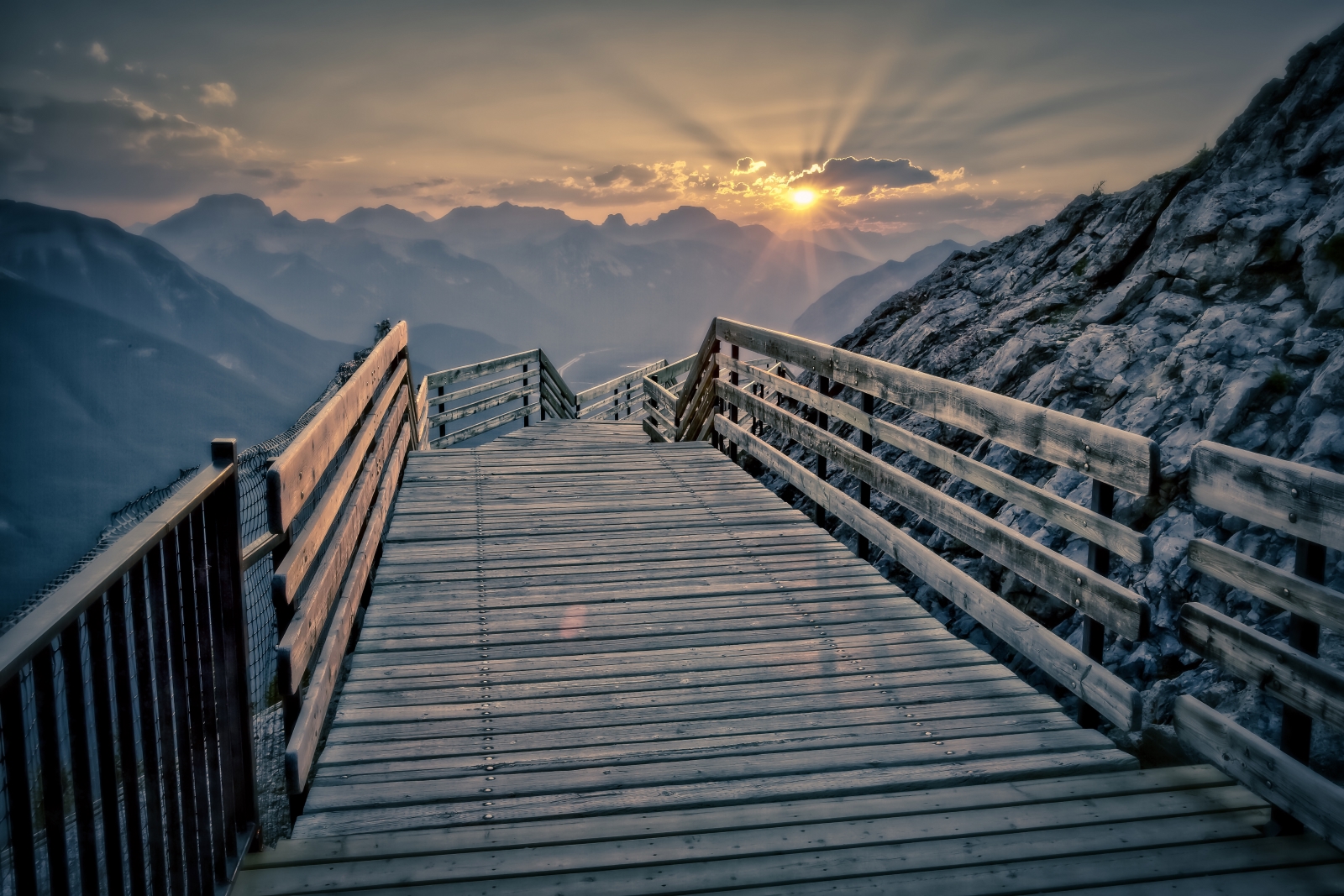
Sulfur Mountain Walkway - Banff, Alberta - Canada

Sulfur Mountain Walkway – Banff, Alberta – Canada

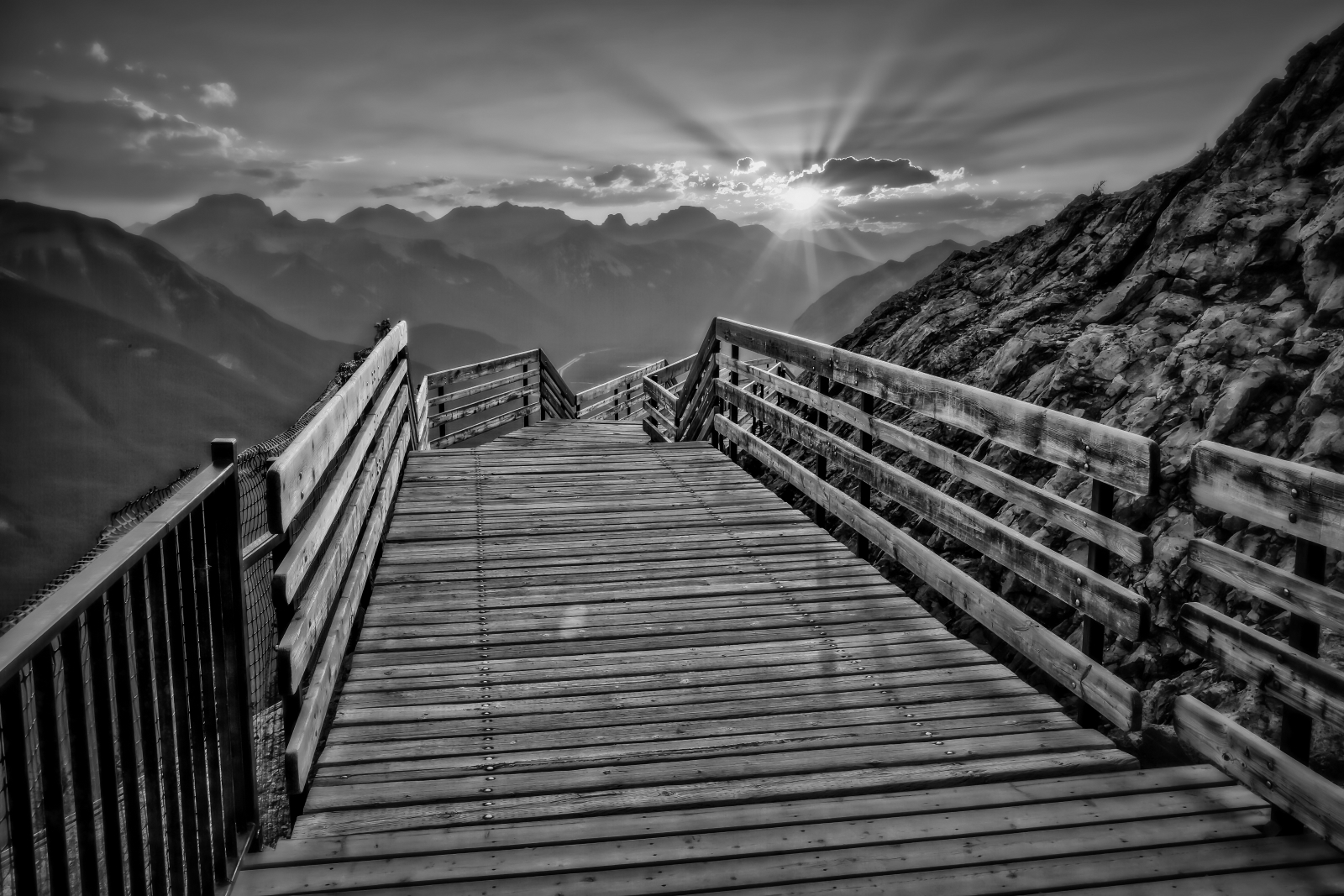
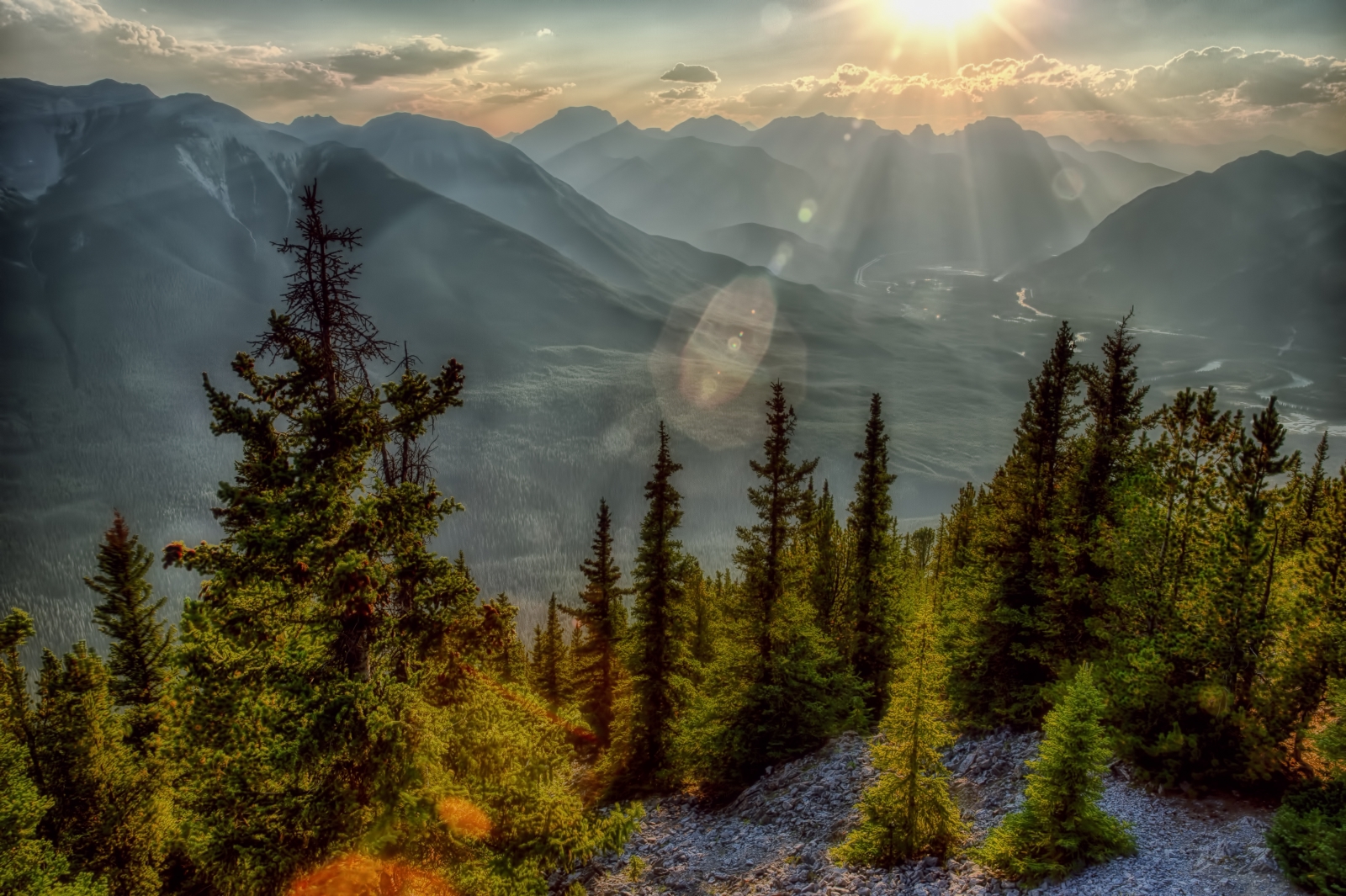
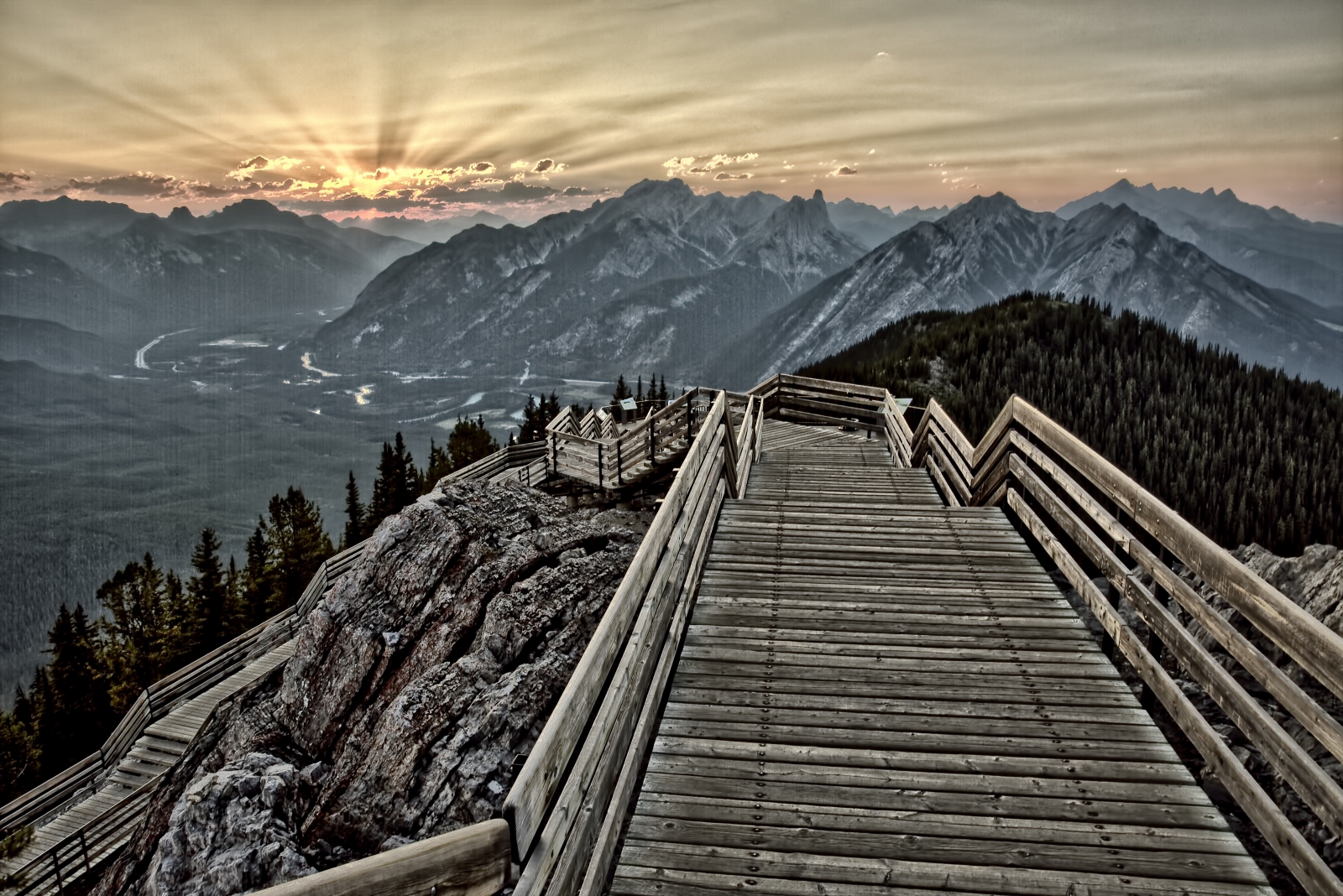
August, up behind Banff, on Sulfur Mountain, a Gondola ride ferries me, skyward, high above to a prominent mountain peak, a culling point for a cross-section of travelers and wanderlust. The sun, glimpsed behind clouds … sets – a time for a photo, a time to share with fellow mountain-top travelers what my camera captures; encouragement comes in broken, best effort English … “ten more minutes” and “beautiful [sunset].”

Quote to Consider – “To consult the rules of composition before making a picture is a little like consulting the law of gravitation before taking a walk.” – Edward Weston

Listening to – Of Monsters and Men’s ‘King and Lionheart,’ ‘Dirty Paws’ and ‘Slow and Steady.’

HDR – Bracketed Swath

Best Practices - Photography, Canon Camera, Canon Lens, High Dynamic Range (HDR), Journaling, Light Intensity, Photography & Conceptualizing Beauty, Project 365 - Photo-a-day, Still Life, Summer
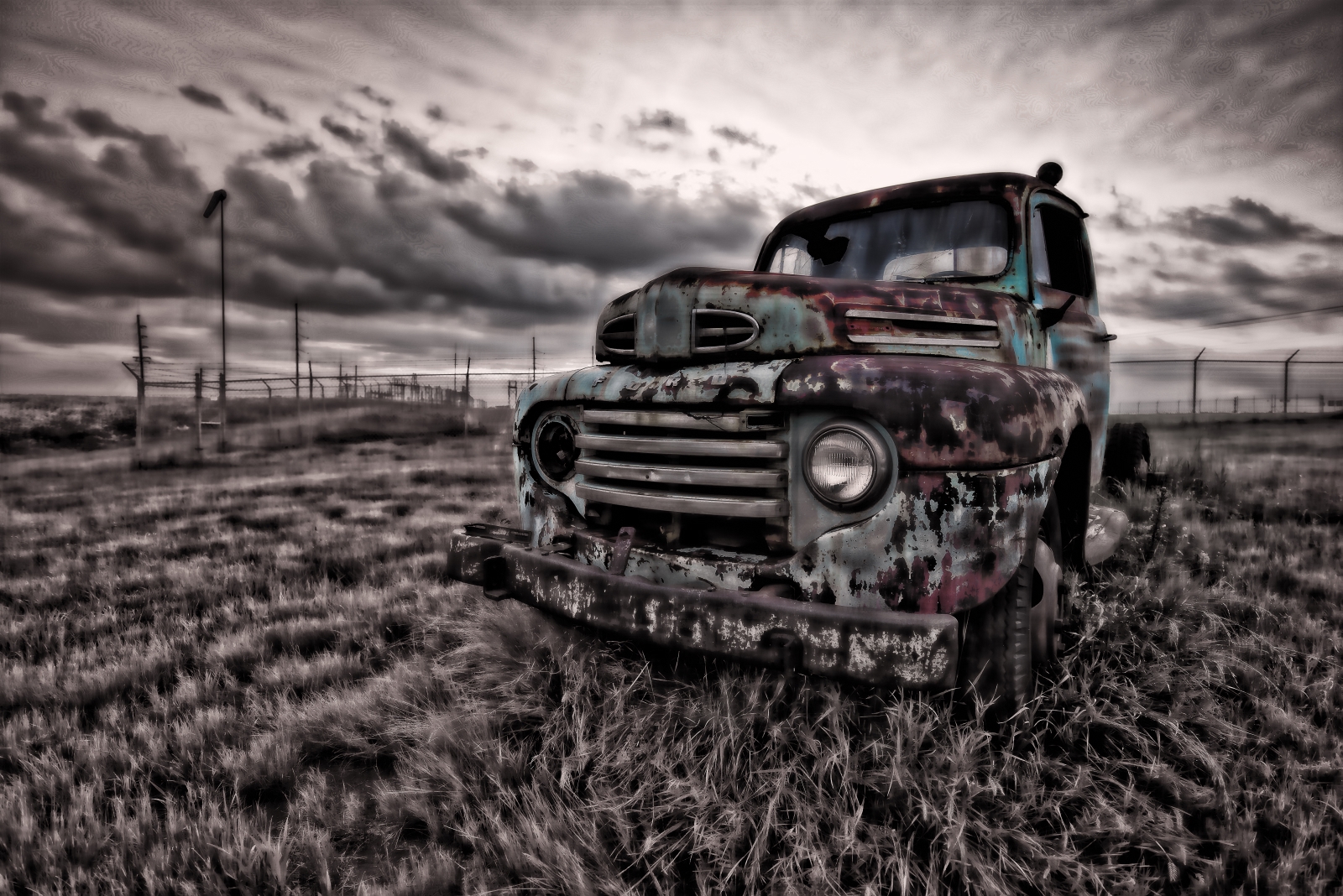
53 Ford - Drumheller, Alberta - Canada i

53 Ford – Drumheller, Alberta – Canada i

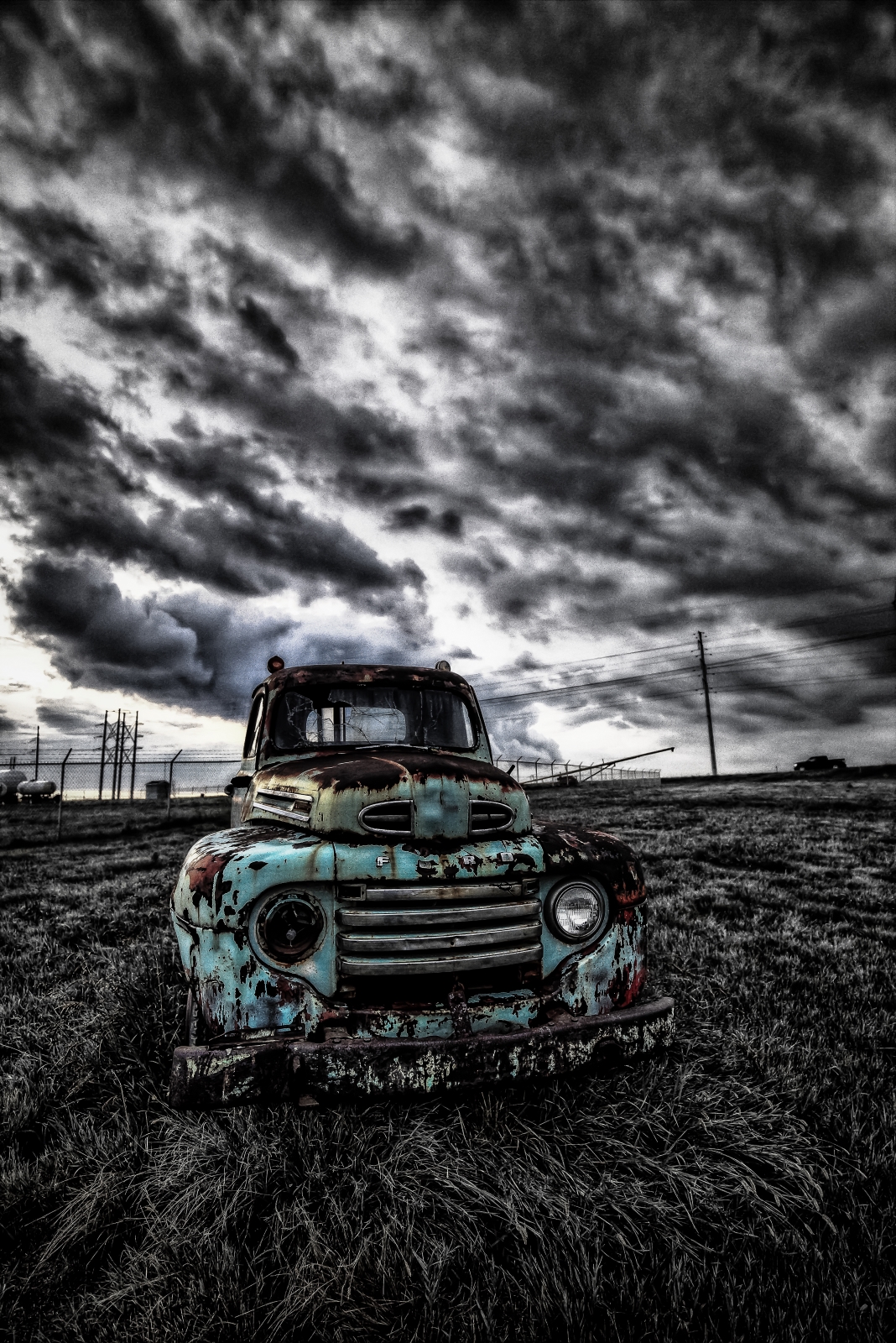
53 Ford - Drumheller, Alberta - Canada ii

53 Ford – Drumheller, Alberta – Canada ii

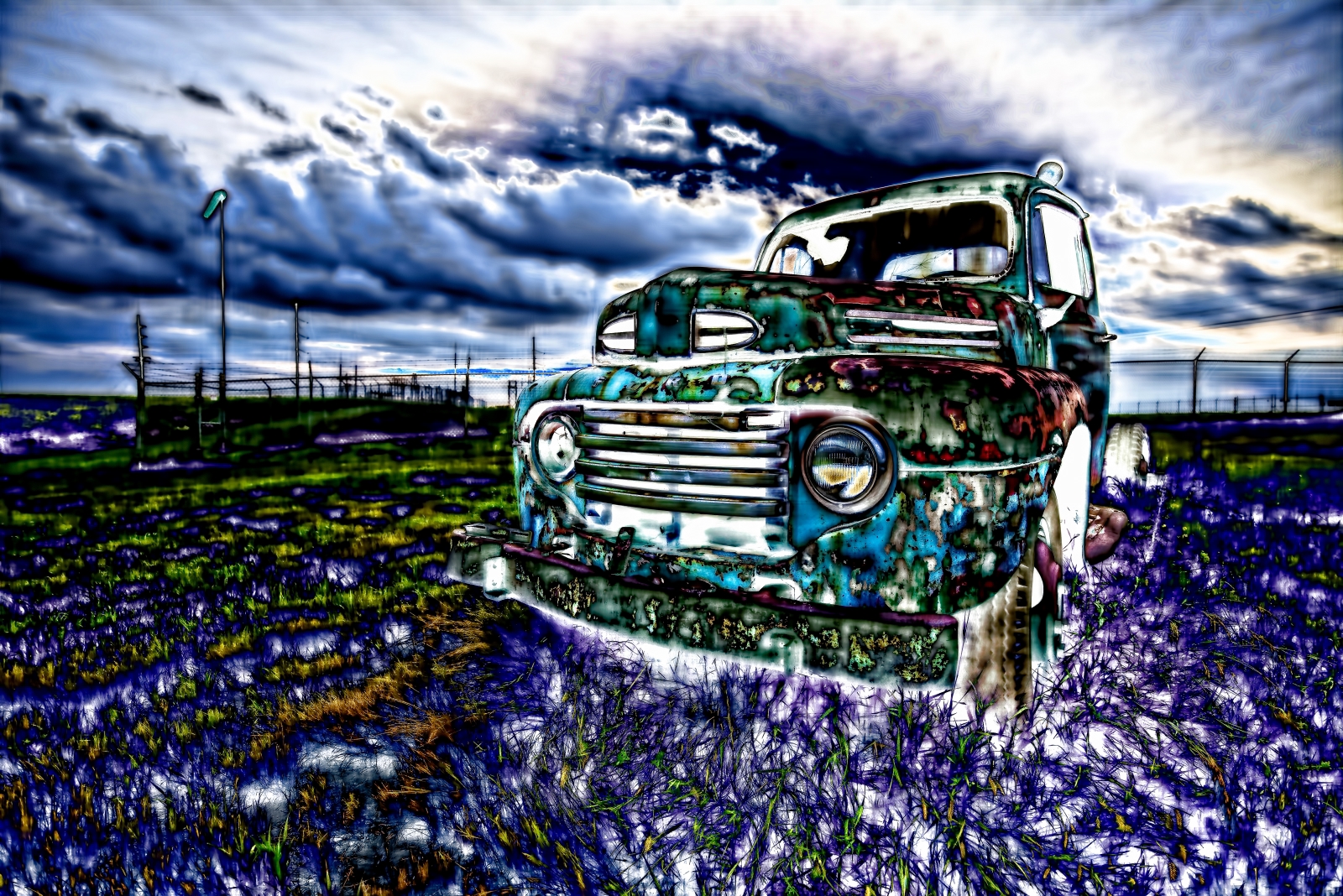
53 Ford - Drumheller, Alberta - Canada iii

53 Ford – Drumheller, Alberta – Canada iii

53 Ford - Drumheller, Alberta - Canada iv

53 Ford – Drumheller, Alberta – Canada iv

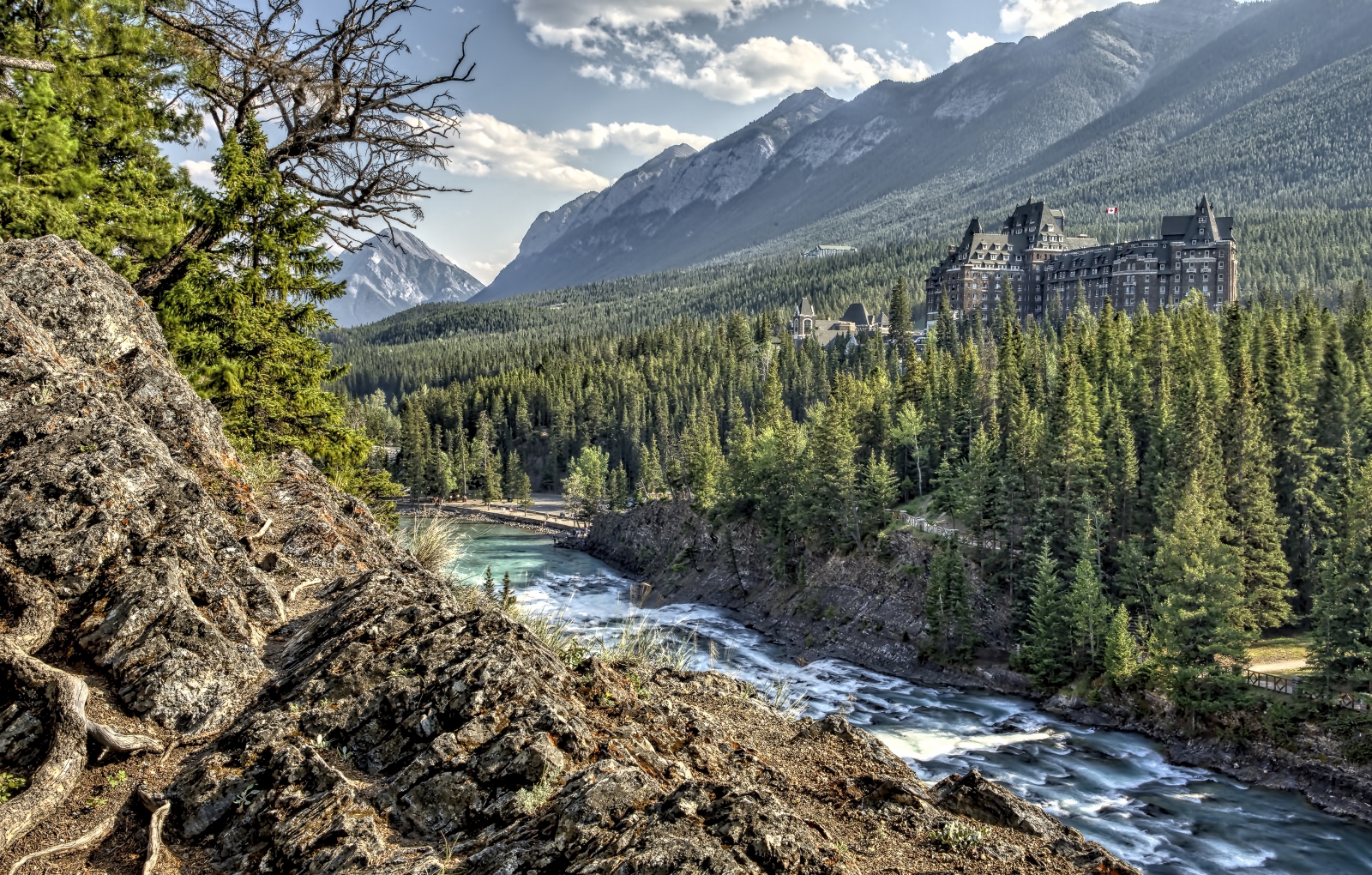
Banff Springs Hotel - Banff, Alberta - Canada

Banff Springs Hotel – Banff, Alberta – Canada

Fairview Homestead HDR i-Edit-Edit-Edit

Fairview Homestead HDR i-Edit-Edit-Edit

Fairview Homestead HDR ii-Edit-Edit-Edit-2

Fairview Homestead HDR ii-Edit-Edit-Edit-2

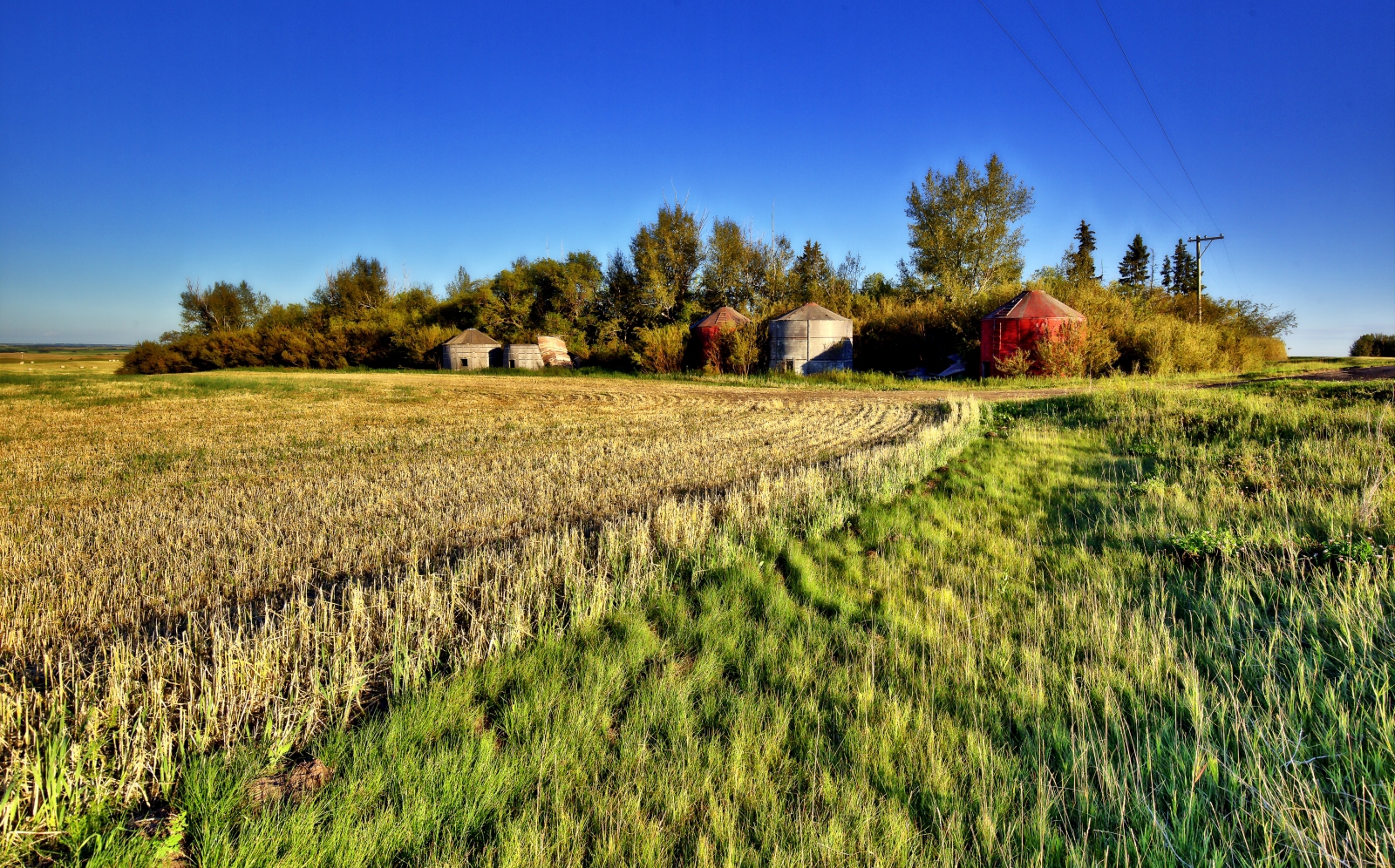
Grain Bins - Stettler, Alberta

Grain Bins – Stettler, Alberta

Johnson Canyon - Banff, Alberta - Canada i

Johnson Canyon – Banff, Alberta – Canada i

Johnson Canyon - Banff, Alberta - Canada ii

Johnson Canyon – Banff, Alberta – Canada ii

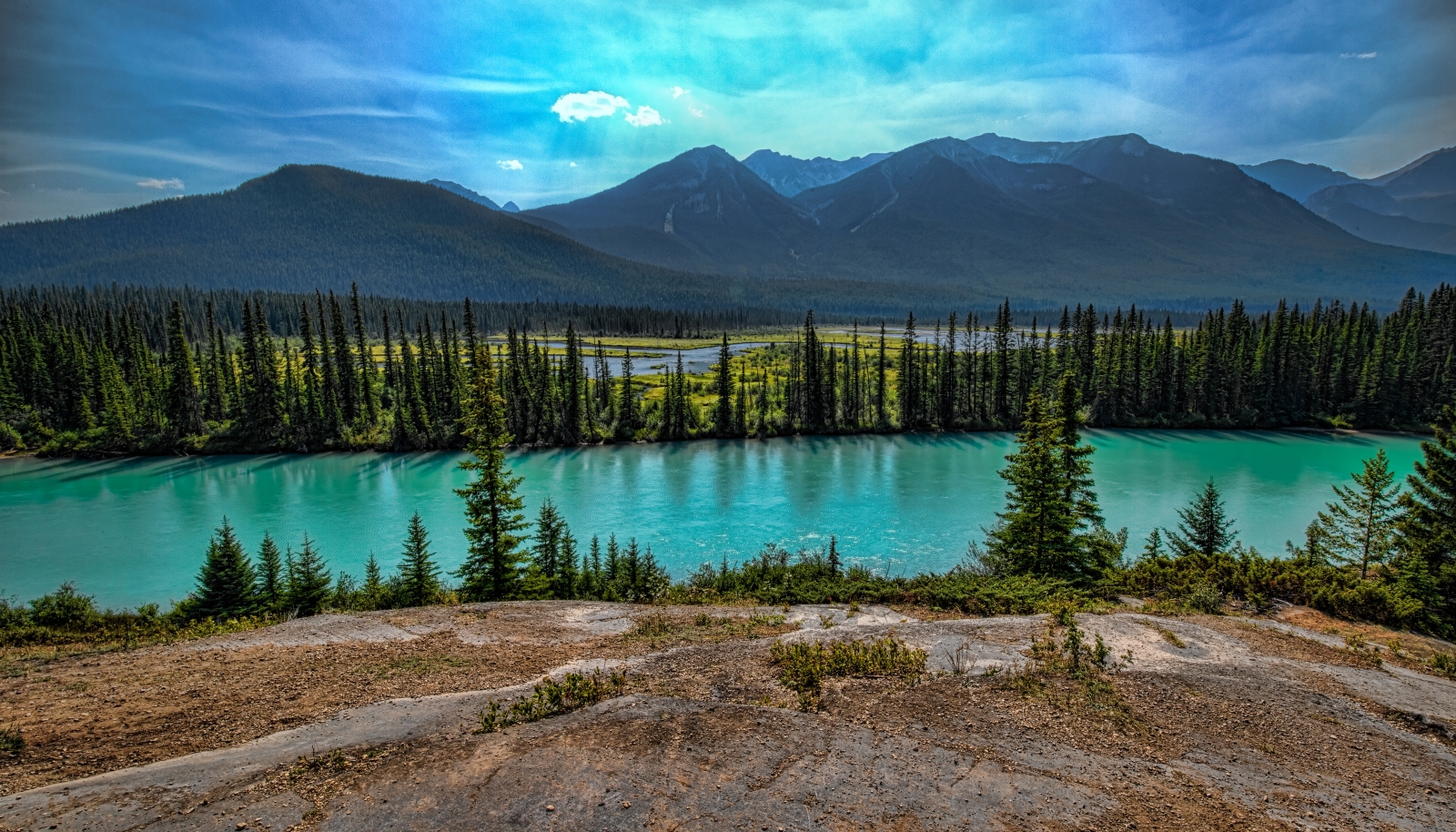
Kananaskis Mountains - Canada

Kananaskis Mountains – Canada

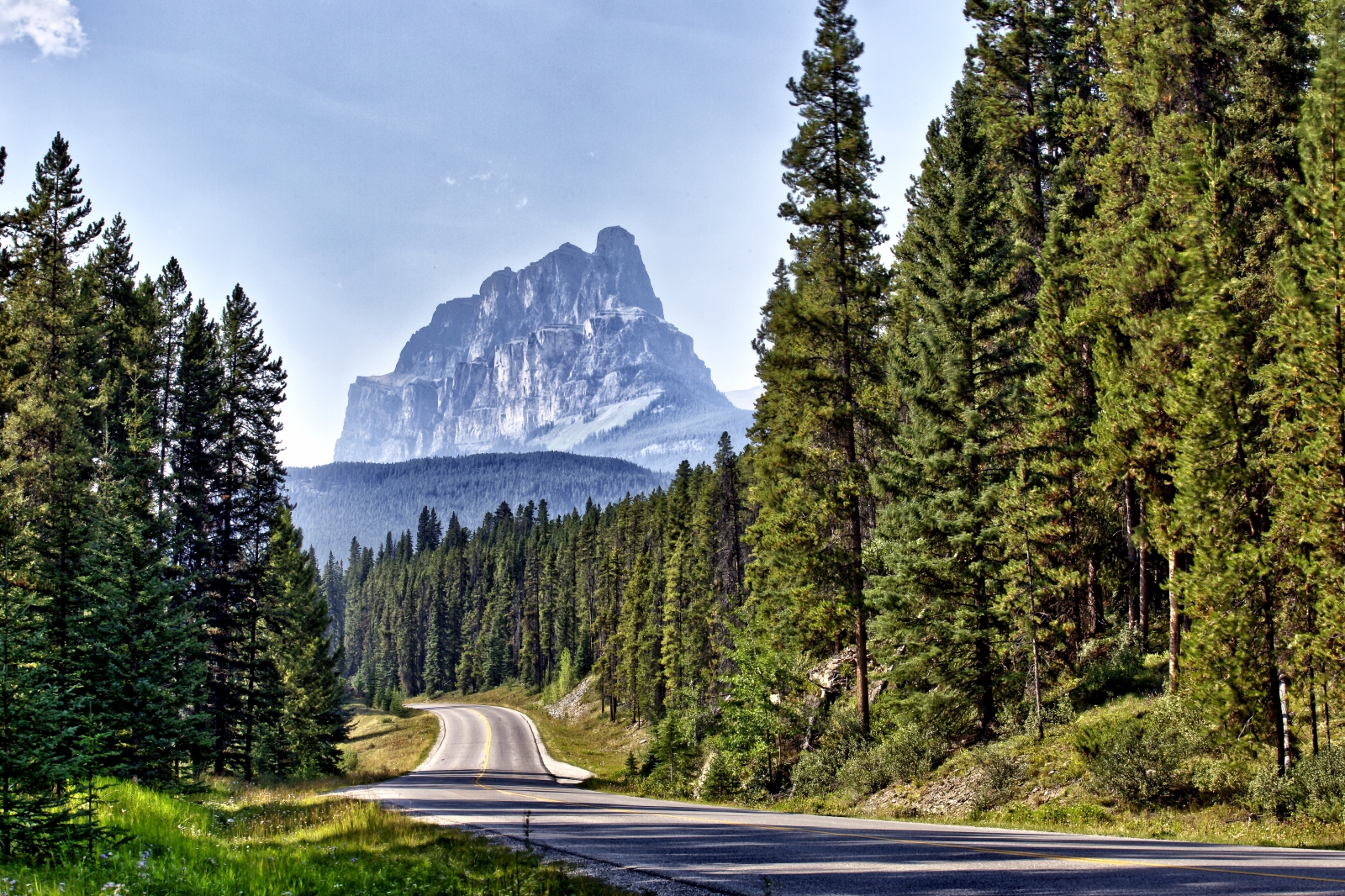
Sunshine Ski Resort Road - Banff, Alberta - Canada

Sunshine Ski Resort Road – Banff, Alberta – Canada

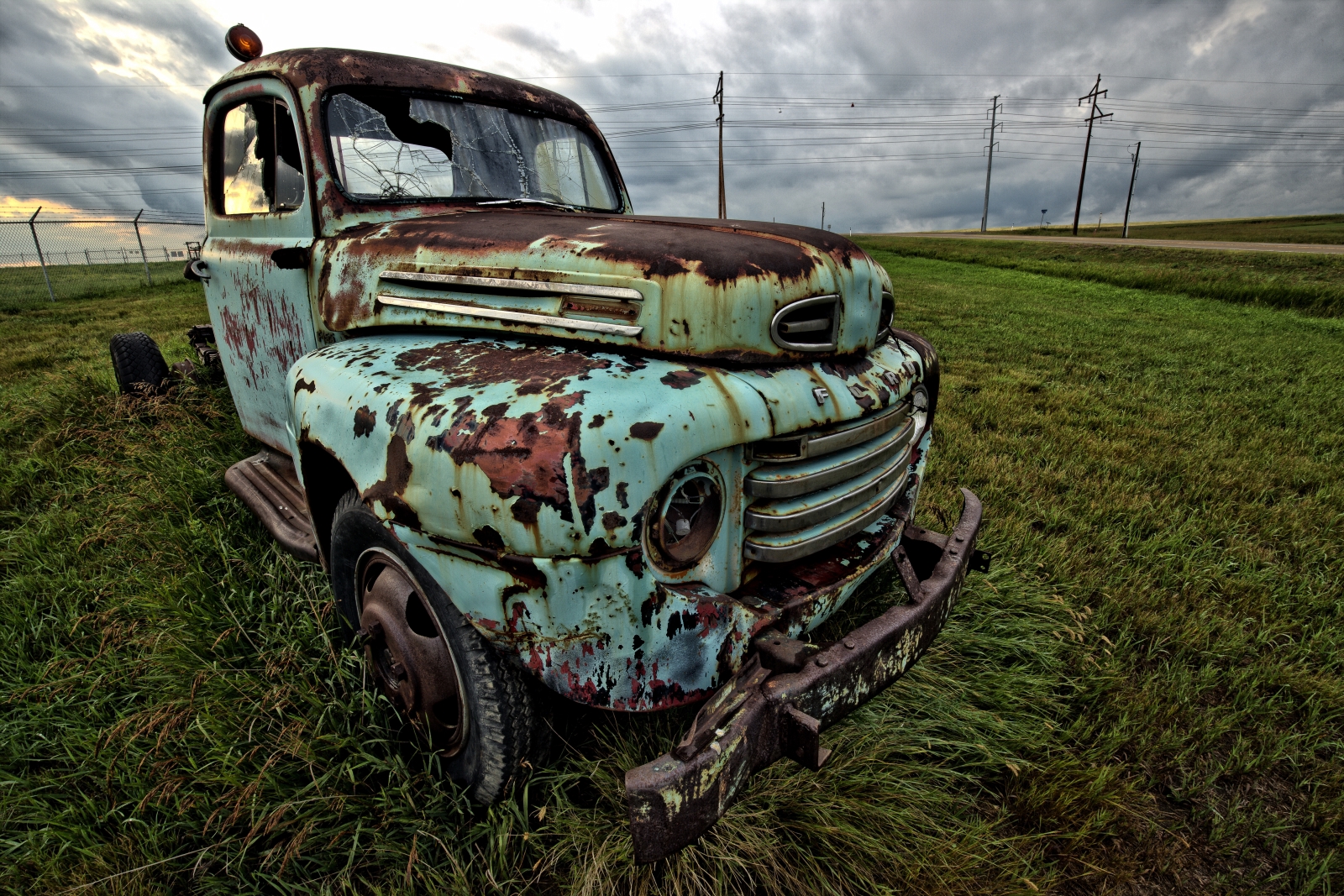
One of this summer’s revelations was finding that my Canon DSLR was able to move from three images in automatic exposure bracketing to seven, a potent option of possibility for use in High Dynamic Range (HDR) Photography. In August, I trialed this broad swath of bracketed exposures in Southern Alberta in creating HDR images. Beyond such experimentation with camera and tripod, where I have been using Adobe CS6, Photomatix and Google’s HDR Efex for High Dynamic Range image processing, I found a free HDR program within the accompanying DVD/CD to my June 2015 issue of PhotoPlus Magazine (the Canon Magazine) – HDR Projects 2 – and was surprised to find how much more was now in my photo-editor’s control in producing an HDR image; I have since upgraded the software to HDR Projects 3 Professional. Summer’s downtime also presented opportunities to gather HDR skills. I took-in a webinar offered by RC Concepcion, ‘HDR Exposed,’ through the KelbyOne website. The webinar dealt with static and moving HDR images and dealt with all considerations in the process of creating the final HDR image (e.g. overcoming camera distortion, creating photo-stitched panoramas in portrait or landscape formats etc.). One of my new goals is to create an HDR image of a building interior – new, old, dilapidated and to utilize natural light to capture colour, textures and depth. We’ll see what happens.

Possibly an HDR Quote to Consider – “In Photography there are no shadows that cannot be illuminated.” – August Sander

Listening to – Bruce Springsteen’s ‘Eyes on the Prize,’ Bruce Hornsby and The Range’s ‘The Valley Road,’ Don Henley’s ‘Sunset Grill,’ The Kingsmen’s ‘Louie Louie,’ Coldplay’s ‘Magic’ and Of Monsters and Men’s ‘Slow and Steady.’

Rainbow Re-edit

Best Practices - Photography, Canon 60D, Canon 70-200 mm 2.8 IS L Series Lens, Canon Camera, Canon Live View, Farm, Flora, High Dynamic Range (HDR), Journaling, Light Intensity, Lookback Photos - One Year Ago, Photography & Conceptualizing Beauty, Project 365 - Photo-a-day, Smoke, Summer, Weather
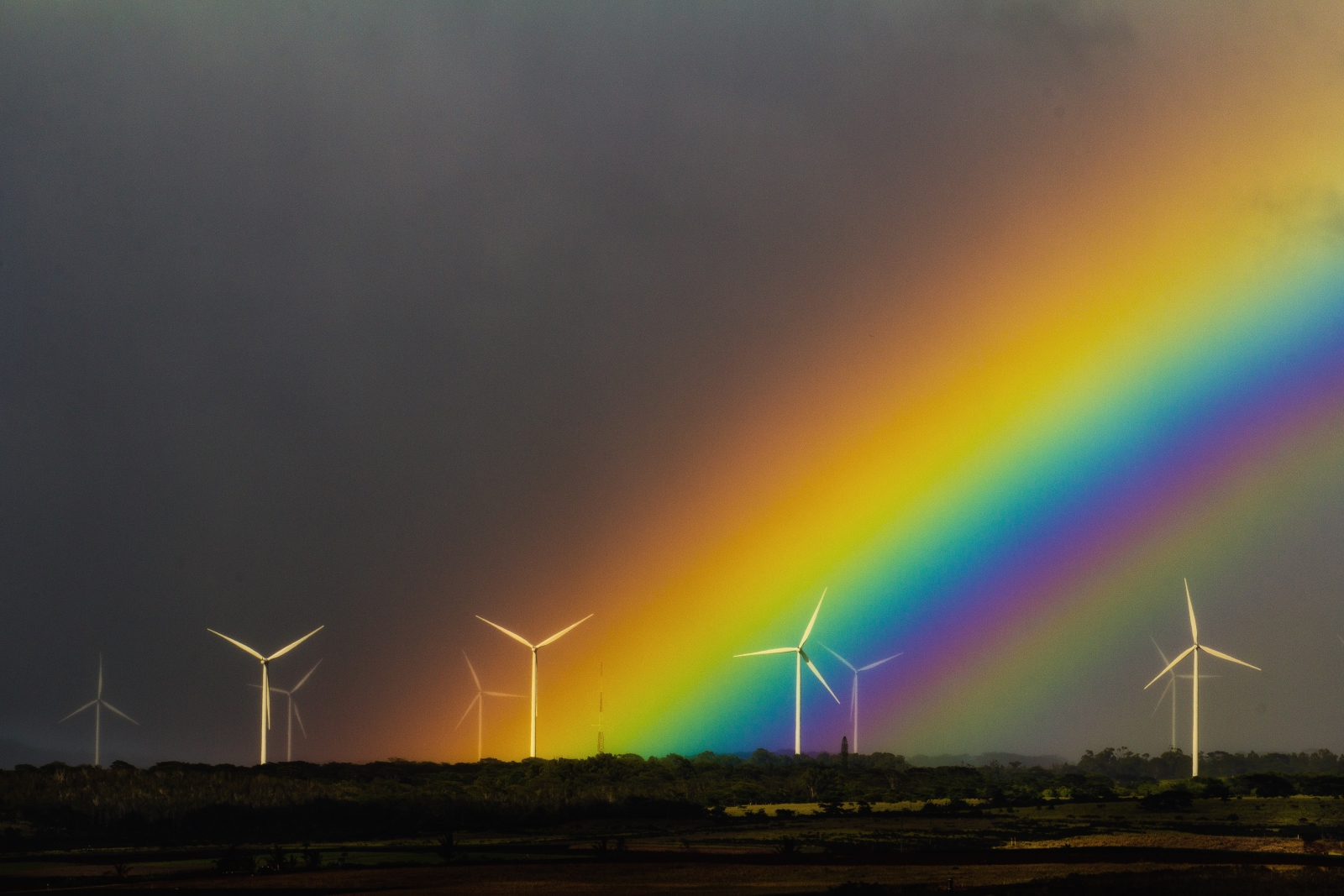
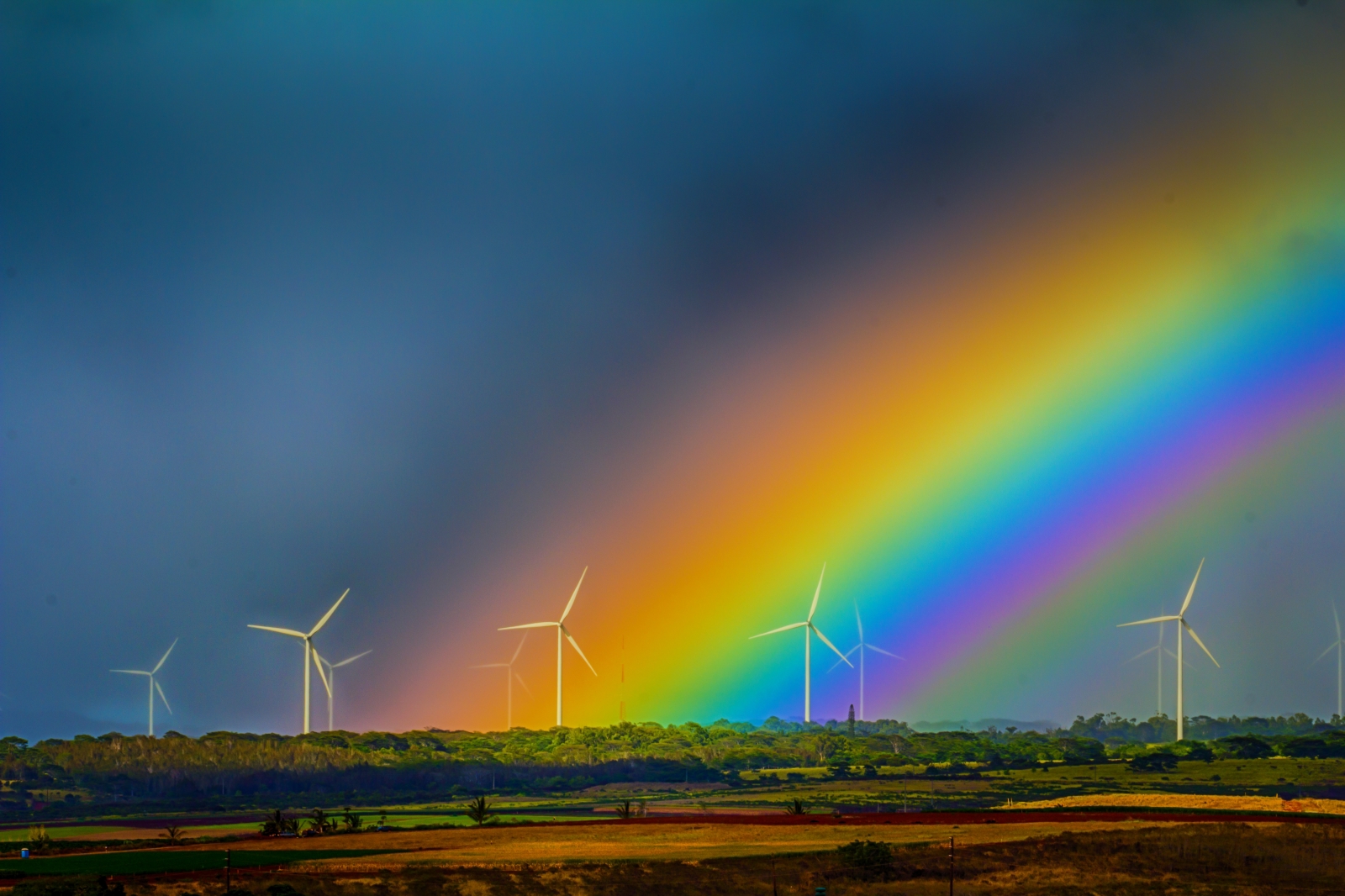
Wind Turbines and Rainbow - Oahu 1

Wind Turbines and Rainbow – Oahu 1

Plantation Fire - Haleiwa, Oahu

Plantation Fire – Haleiwa, Oahu

Wind Turbines and Rainbow - Oahu 5

Wind Turbines and Rainbow – Oahu 5

Wind Turbines and Rainbow - Oahu 4

Wind Turbines and Rainbow – Oahu 4

Wind Turbines and Rainbow - Oahu 3

Wind Turbines and Rainbow – Oahu 3

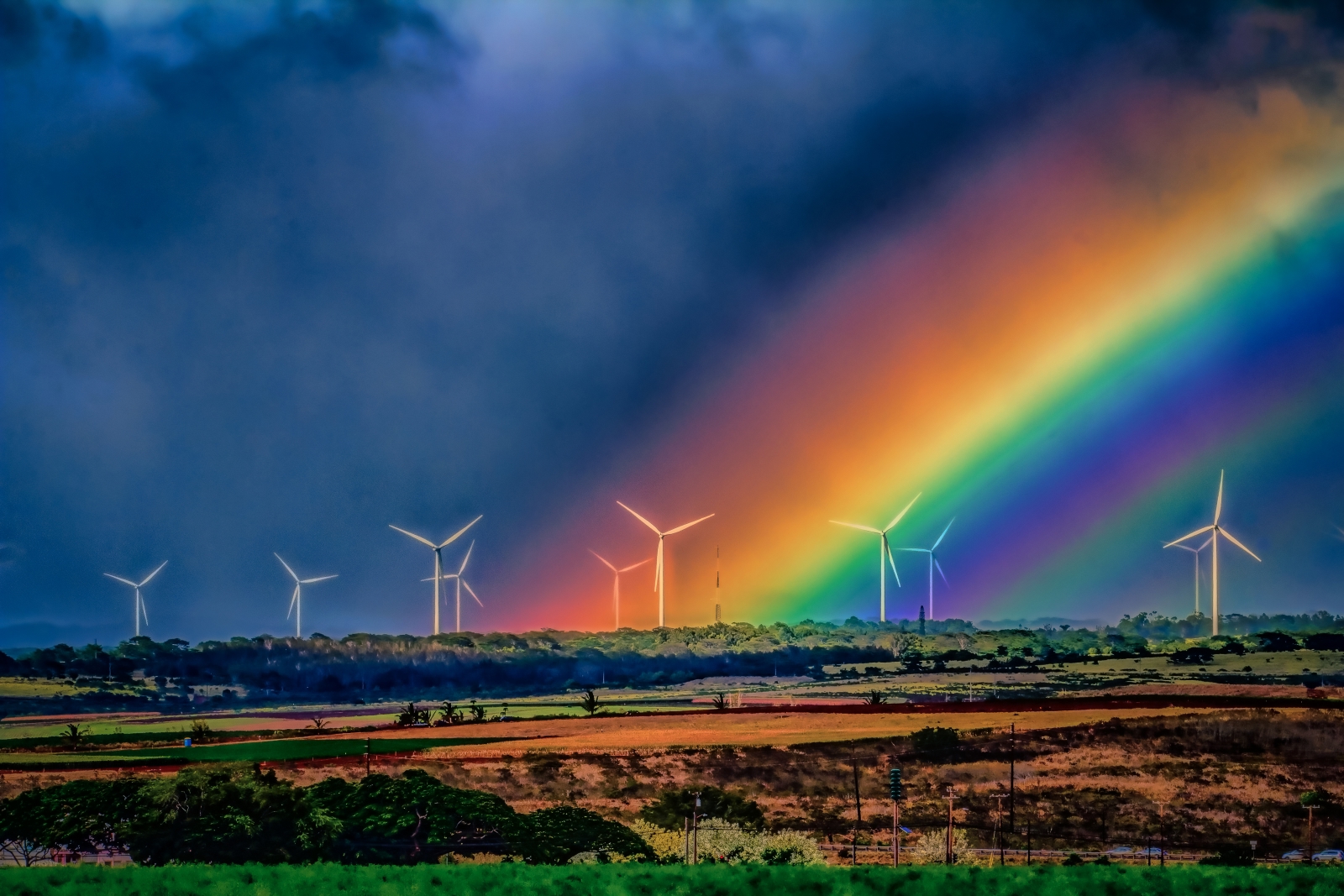
Two summers ago, my wife, daughter and I enjoyed two weeks on Oahu. We rented a car, a Ford Fusion, for the time and used it to take us on day trips exploring Oahu. In the second week we returned for perhaps the fourth time to Haleiwa, part of Oahu’s North Shore. Exploring, shopping and photo gathering were elements of that day. We’d each finished an ice cream cone and were buying t-shirts for my son when sirens of fire engines moved through town – one, then, five minutes later another.

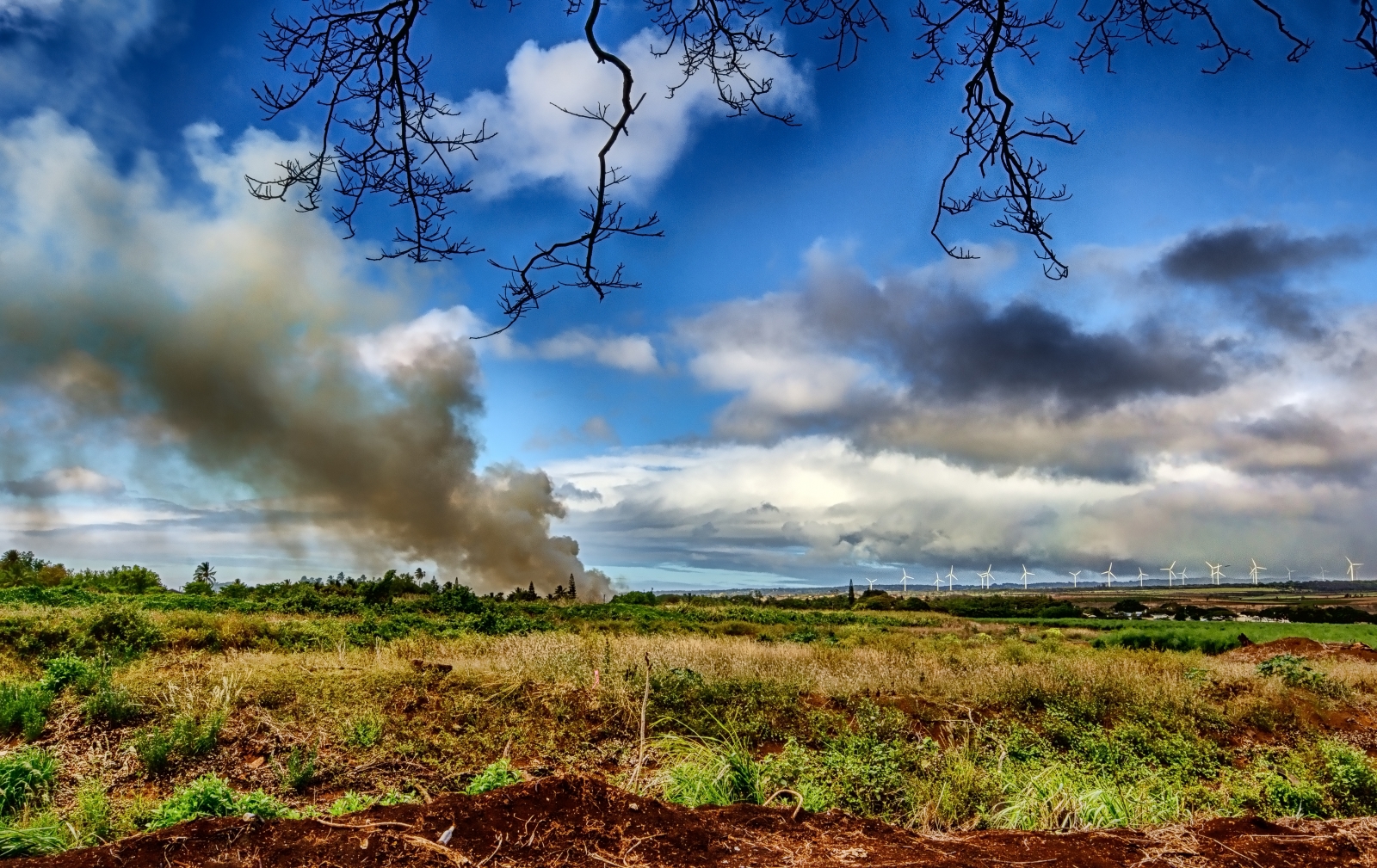
To the north, a plantation, perhaps a mile away was burning and dark black smoke was billowing in the air.

When traffic had returned to its steady flow we got into the car with the intention of returning to Honolulu for the evening. Traffic had slowed, returning to an ambling pace. As we headed away from Haleiwa the idea to see the site of the fire attracted my curiosity. I took a right from the main road and followed a one-lane backroad toward the fire. I thought better of it; the backroad to the plantation was narrow and blocking traffic would be a problem.

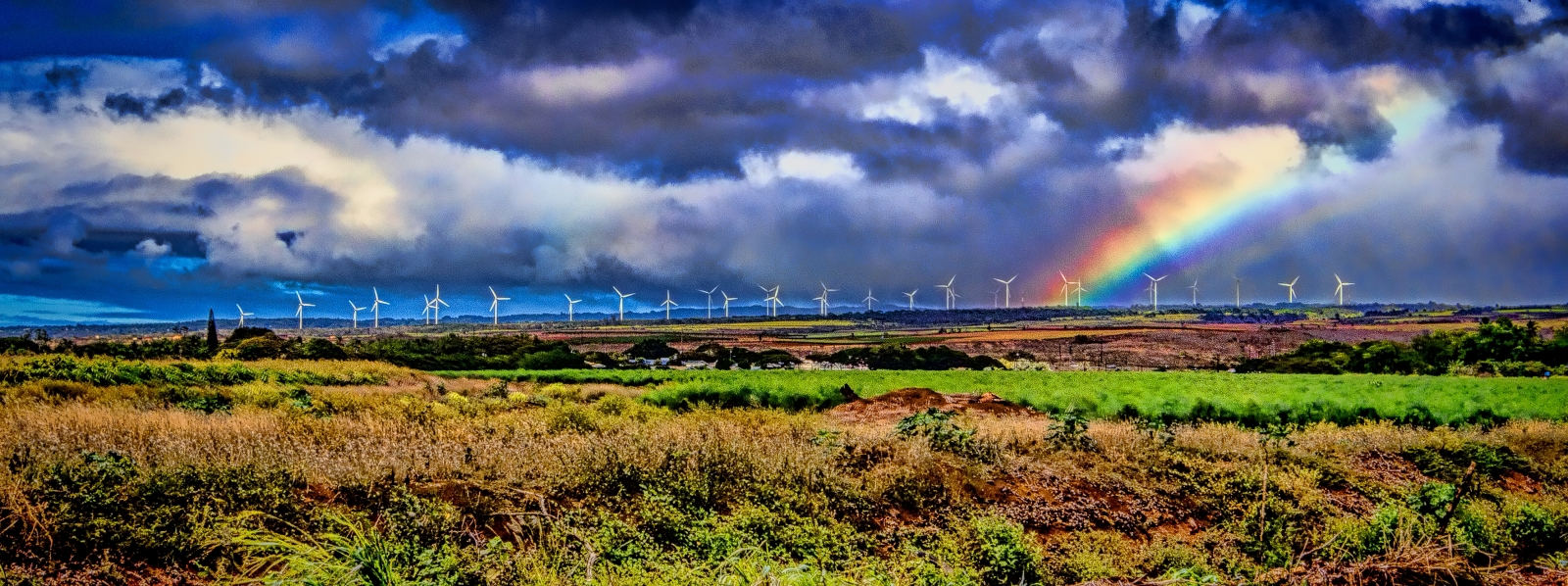
I stopped our vehicle, got out and looked back over my right shoulder to see these wind turbines with a rainbow coming down in the midst of them – an opportunity for a photograph had presented itself. I attached my 70-200mm lens to my Canon 60D, zoomed in and captured these images. I posted the image on this blog maybe eighteen months ago, an image edited on my laptop while waiting for clothes to dry in the laundry room of the Marriott Hotel in Honolulu. The original posted is the third image above. Yesterday, I explored this sequence of images and found a few others to share. My thanks to Mark Kurtz for drawing my attention back to these images.

Listening to – Parov Stelar’s ‘Room Service,’ Nitin Sawhney’s ‘Firmament,’ the Gotan Project’s ‘Santa Maria (Del Buen Ayre)’ and Quantic & Tempo’s ‘Sabor.’

Quote to Consider – “In photography there are no shadows that cannot be illuminated.” – August Sander

Reflecting, Road Thought Work

Backlight, Best Practices - Photography, Canon Camera, Canon Lens, Canon Live View, Farm, Farmhouse, Flora, Fog, High Dynamic Range (HDR), Home, Homestead, Journaling, Light Intensity, Night, Photoblog Intention, Photography & Conceptualizing Beauty, Project 365 - Photo-a-day, Still Life, Summer, Sunset, Weather
Homestead - La Glace, Alberta, Canada

Homestead – La Glace, Alberta, Canada

Homestead - La Glace, Alberta, Canada

Homestead – La Glace, Alberta, Canada

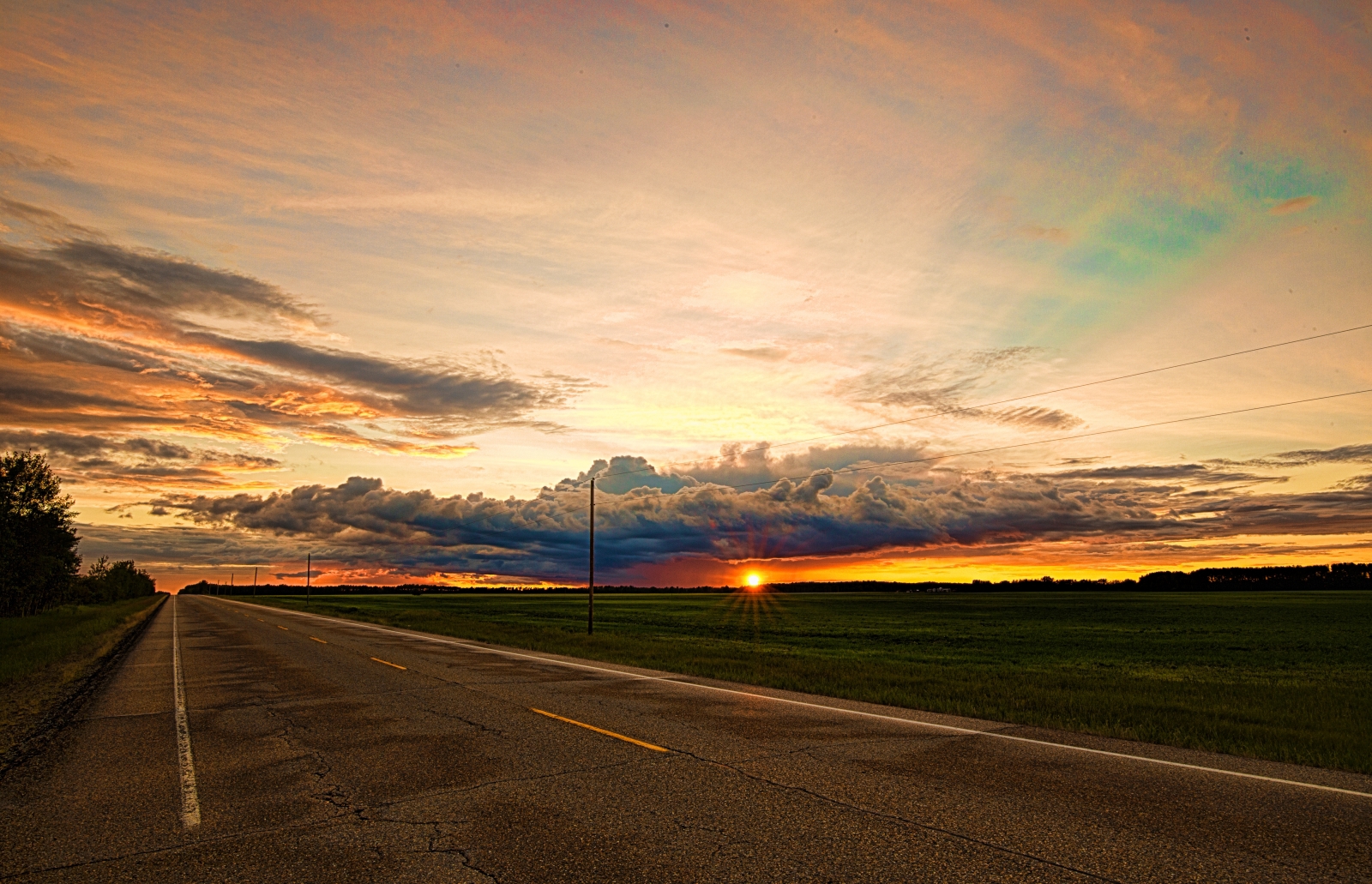
Stop Ahead Turnoff - NW Alberta

Stop Ahead Turnoff – NW Alberta

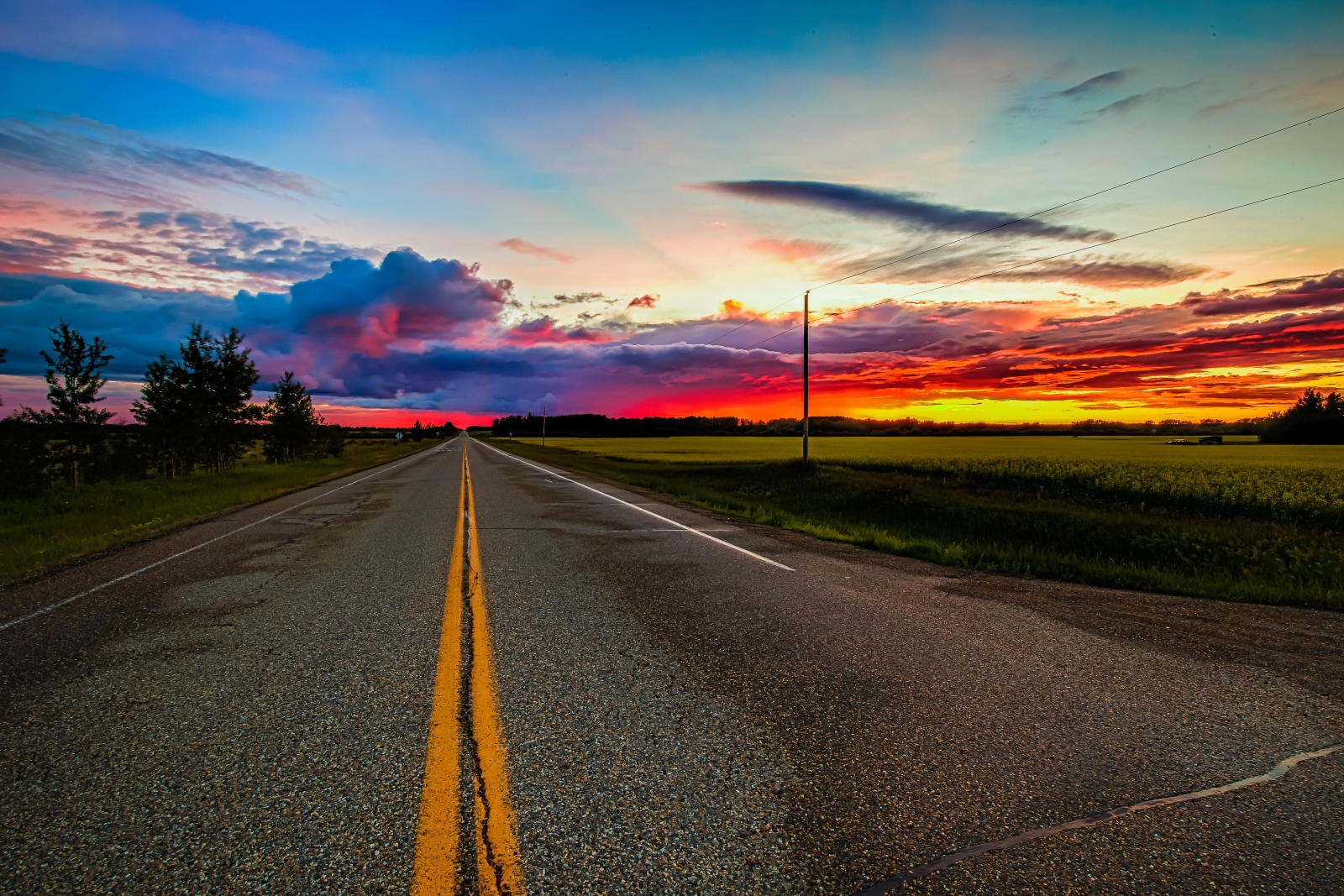
Sunset - Warrensville, Alberta Canada 1

Sunset – Warrensville, Alberta Canada 1

Sunset - Warrensville, Alberta Canada 2

Sunset – Warrensville, Alberta Canada 2

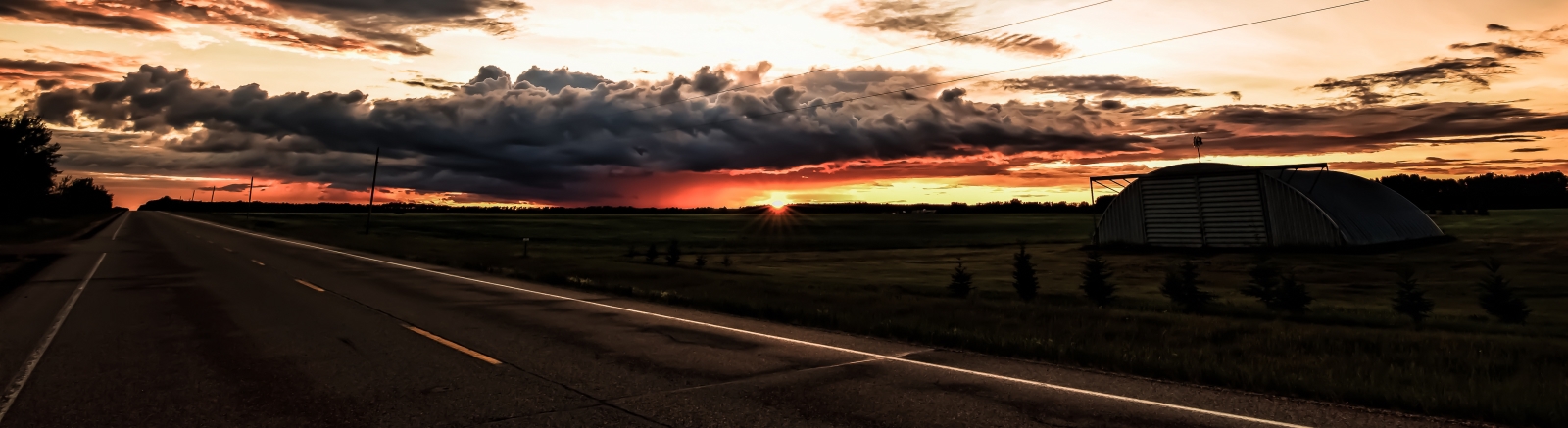
Sunset - Warrensville, Alberta Canada 3

Sunset – Warrensville, Alberta Canada 3

Sunset - Warrensville, Alberta Canada 4

Sunset – Warrensville, Alberta Canada 4

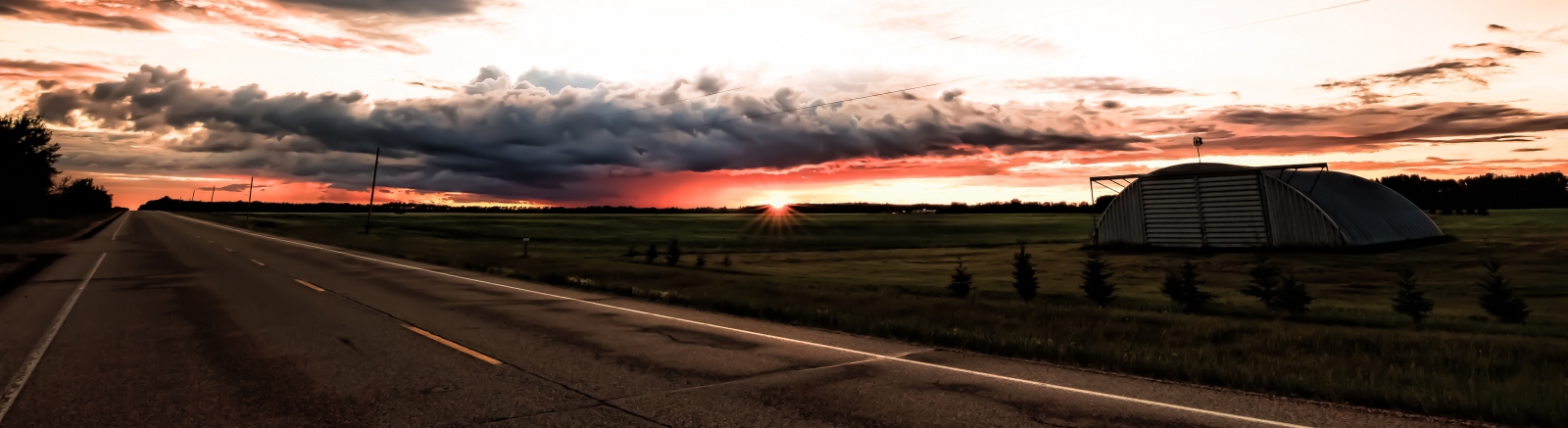
Sunset - Warrensville, Alberta Canada 5

Sunset – Warrensville, Alberta Canada 5

Sunset - Warrensville, Alberta Canada 5

Sunset – Warrensville, Alberta Canada 5

“We never see another person’s experience; all we see is their behaviour (R.D. Lang).”

I have had some alone time travelling in the past few weeks and been able to engage in uninterrupted thought work – some intersecting of ideas has occurred. I’ve listened to a 2007 John O’Donohue lecture on the creative force of the imagination and key ideas as starting points about our inner lives – in his words, “I always think that behind every face there is a secret life and that humanoids are the strangest creatures that you’d ever meet because so much is contained within the human body. A human face is one of the most unusual things in the world. On such a small canvas such a variety of presence can appear. And, behind every face there is a secret, hidden inner life … if friendship means anything it means in the presence of the other you begin to see who you are in how they reflect you back to you.”

Within this same time frame I took in a photography workshop offered by Joe McNally – ‘The Moment It Clicks.’ As I listened and watched Joe work to produce different portraits there was recognition that the photographer does what John O’Donohue proposes; ultimately, the photographer reflects the subject back to him- or herself. I have wondered, though, if portrait photography is really a dance of interrogation; I have wondered if shared vulnerabilities result in trust and a richer portrait. And, is it the photographer’s leading interrogation about the subject’s narrative that produces the best photograph? Or, is it something more mutual that does so? I am wondering if the good portrait photographer leads the subject in the relationship that produces the portrait? It is possible that subject and photographer would share a context of silence in portrait making.

John O’Donohue’s words highlight some of this – “No two humans inhabit the same world, internally. We all inhabit the same world physically. But, internally, each world is completely different.” On the side of the photographer and on the side of the subject, what follows is starting point. “… No one else sees the world the way you do. No one else sees it from the perspective that you do. In no one else is the same narrative building as there is within you. And even though similar things have happened to you as with other people the context that they find in your heart and mind and narrative is different from everyone else. Your inner world is completely hidden from other humans.” So, within portrait photography interrogation has the opportunity to work on both sides co-creating a reality – that of photographer and that of subject. Relationship and moment are captured and recorded as the shutter button is pressed.
As the week rounded out, I found myself among this theme, again, being explored and brought to life in Ben Stiller’s film of James Thurber’s story, The Secret Life of Walter Mitty.

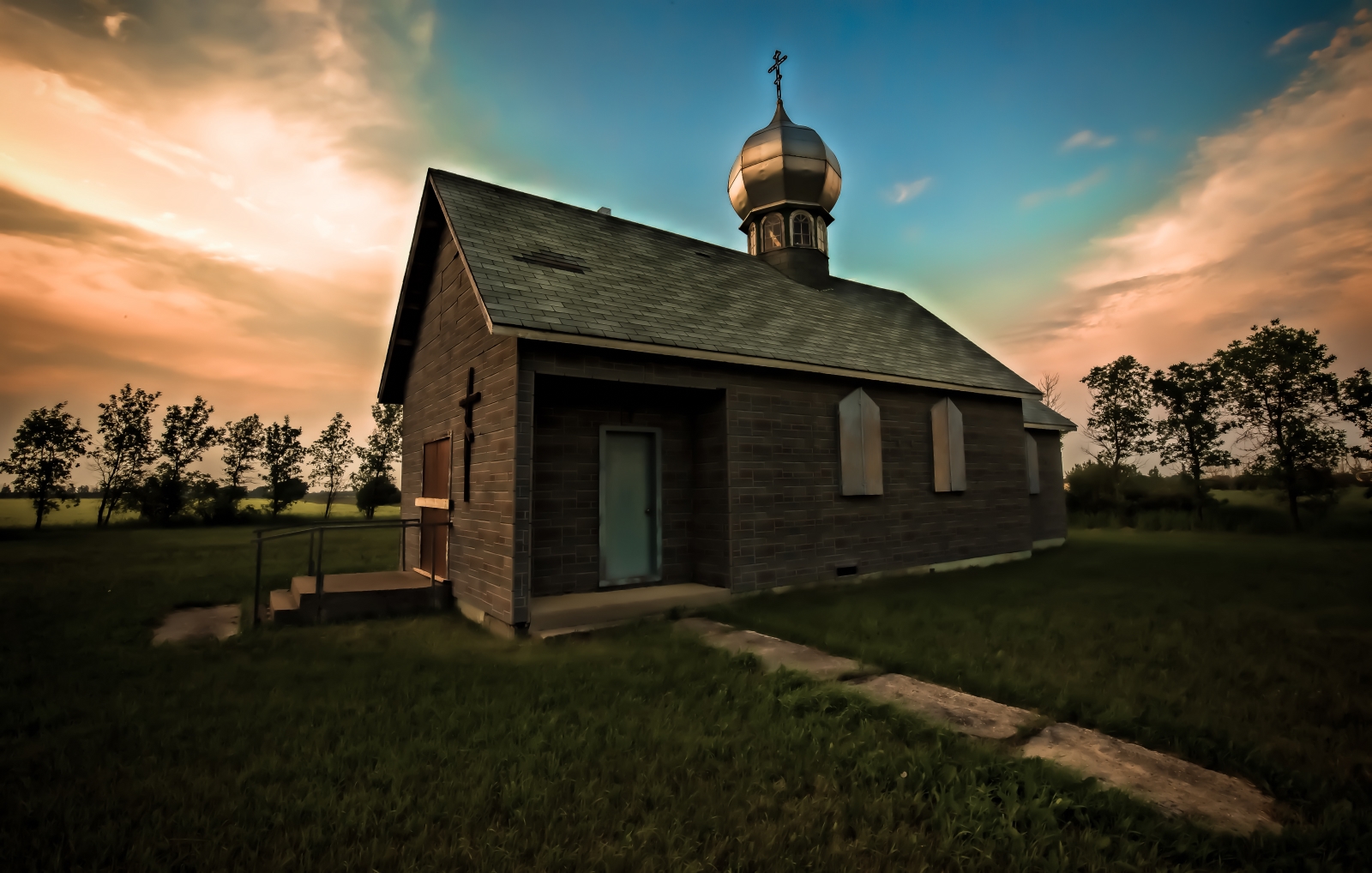
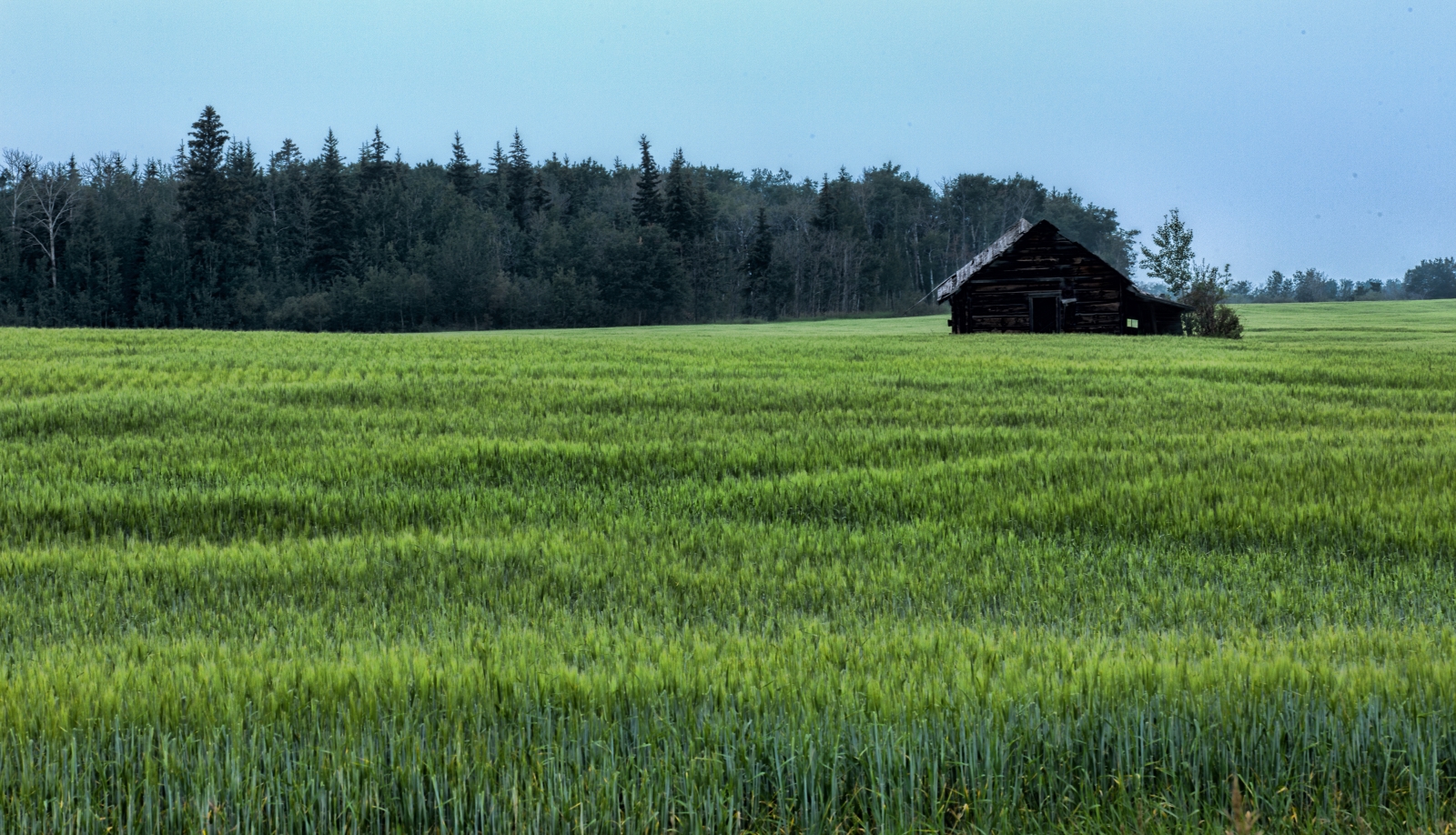
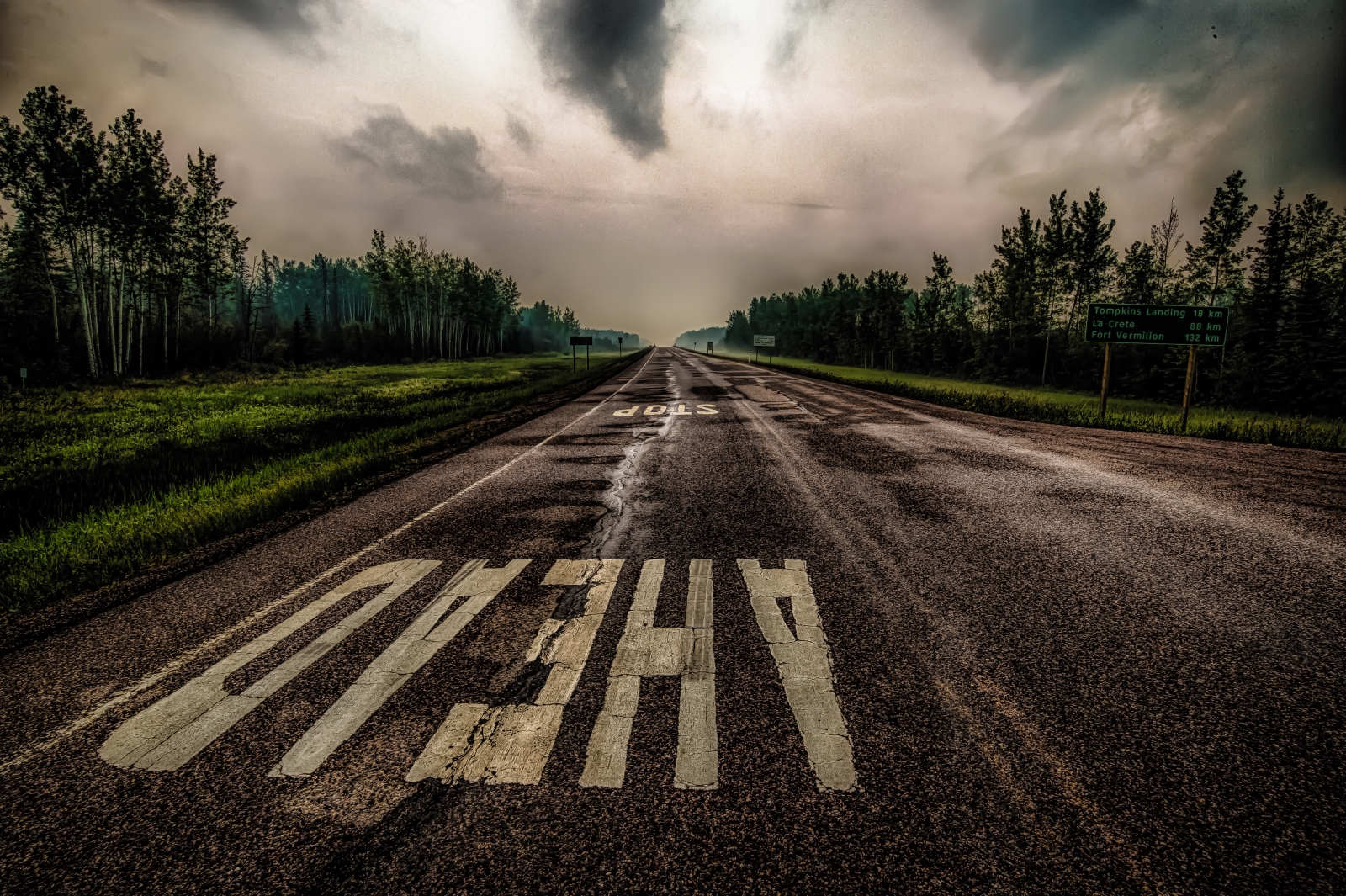
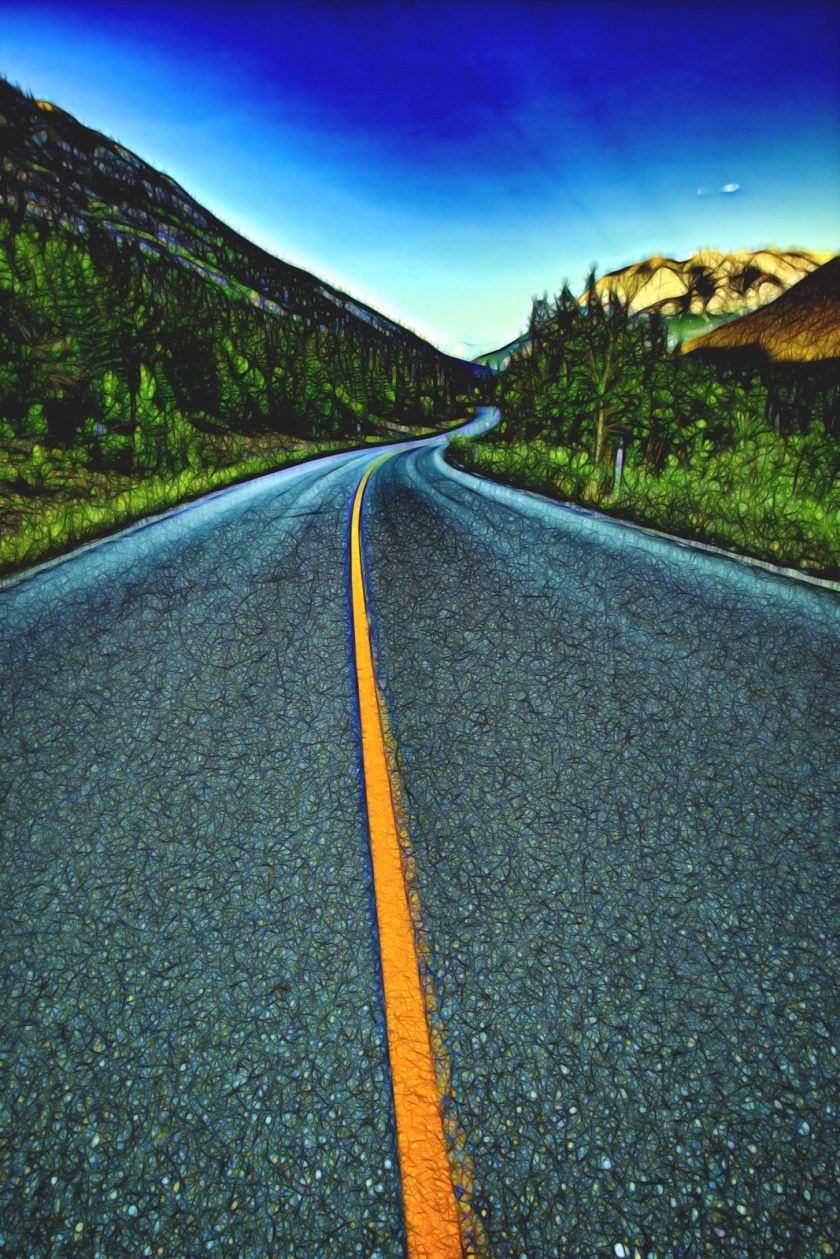
Images from the Road – a derelict church in Woking, a La Glace homestead, the road at night and sunsets.

Quote to Consider – “If you’re having difficulty finding a natural or intuitive expression in a portrait session or having trouble identifying with the person you’re photographing, look into their eyes carefully and see if you can find your own reflection there. Discover yourself looking at you. Then, ask your subject to look into your camera lens and find their own reflection, and be prepared to make the portrait.” – Shelby Lee Adams, ‘Find Your Reflection’ … seems follow-up from the aphorism, “The more I know me, the more I know thee.” – Buber-esque and good, good schtuff!

Listening to – Jose Gonzalez’ ‘Stay Alive’ and Thomas Merton’s ‘The Seven Storey Mountain.’

From within the Smoke

Canon Camera, Flora, Night, Photography & Conceptualizing Beauty, Project 365 - Photo-a-day, Smoke, Summer, Sunset, Weather
Wildfire - 10km South - High Level, Ab 1

Wildfire – 10km South – High Level, Ab 1

Wildfire - 10km South - High Level, Ab 2

Wildfire – 10km South – High Level, Ab 2

Wildfire - 10km South - High Level, Ab 3

Wildfire – 10km South – High Level, Ab 3

Wildfire - 10km South - High Level, Ab 4

Wildfire – 10km South – High Level, Ab 4

Outside on Saturday afternoon, I was mowing grass on day 1 of our summer break. Daylight filtered through a light smoke haze. Looking from the yard of our High Level home southward plumes of smoke were notably dark and heavy … and very close to town. In a wildfire advisory I was to read that only ten kilometres separated a wildfire from High Level. Air tankers roared through the air all afternoon and into the night soaking the blaze with water until 10:00 p.m.. Later that evening, in driving out to the point nearest the fire on the highway I witnessed a DC-3 air tanker moving through smoke arcing out of a water-dropping run – crossing the highway from right to left and climbing as it turned to its left and northward to the High Level airport … a sight that would have made an extraordinary photograph. I pulled off the road onto a temporary turnout and took these images. In one I aimed to capture the sun as a solid orange disk as seen through smoke; the image I present here is one result I am happy with though it is not what I intended.

Listening to – Willie Nelson’s cover of ‘Just Breathe’ with his son Lukas and Willie Nelson’s cover of a Coldplay tune, ‘The Scientist,’ featured in the Robert Downey Jr. film with Robert Duvall, ‘The Judge.’

Quote to Consider – “It can be a trap of the photographer to think that his or her best pictures were the ones that were the hardest to get.” – Timothy Allen, ‘On Editing Photos’