Russet Rain

Backlight, Canon Camera, Canon Lens, Canon Live View, Farm, Flora, High Dynamic Range (HDR), Journaling, Photoblog Intention, Photography & Conceptualizing Beauty, Project 365 - Photo-a-day, Summer, Sunset, Weather
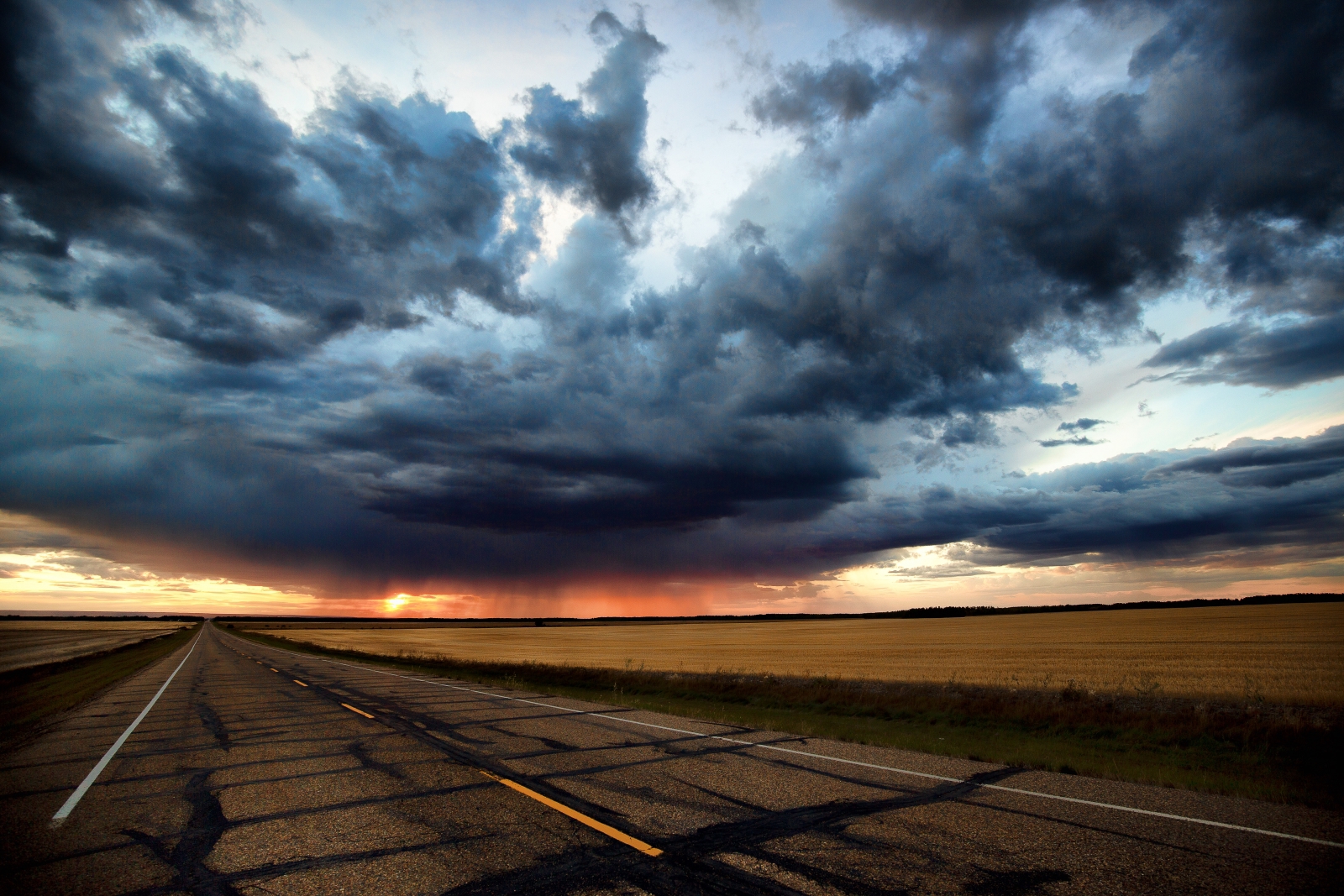
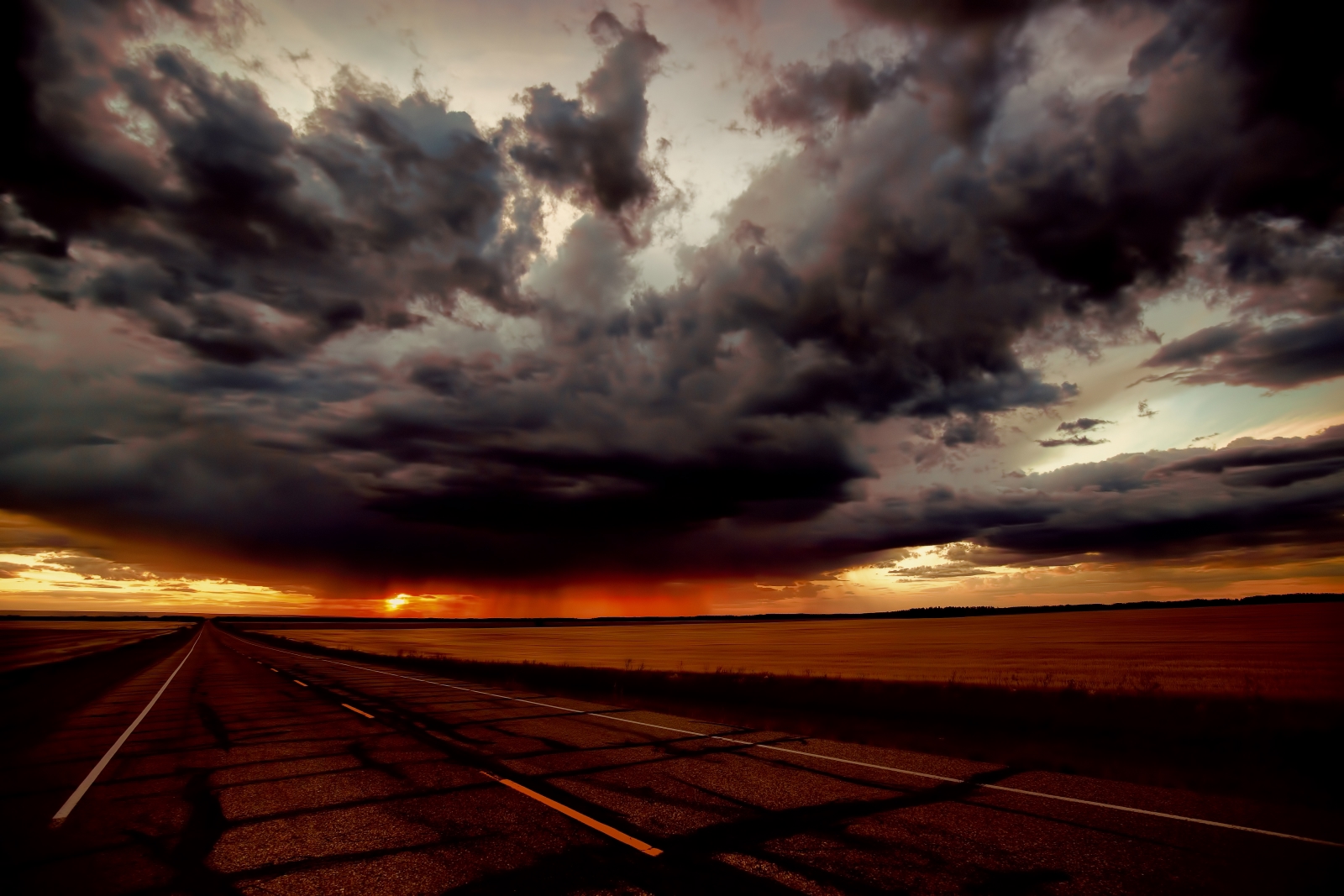
Russet Rain - Valleyview, Alberta 1

Russet Rain – Valleyview, Alberta 1

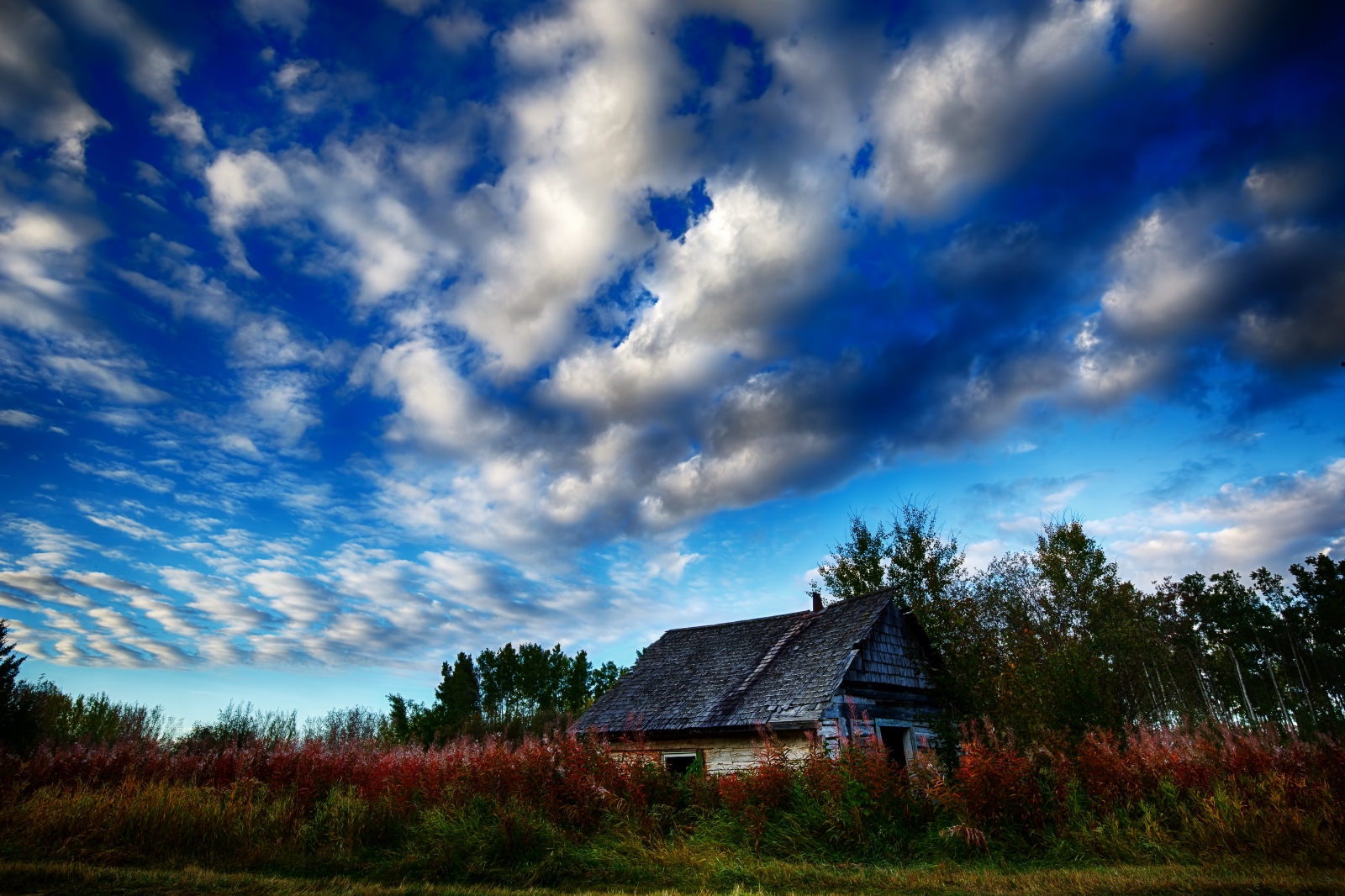
Russet Rain - Valleyview, Alberta 2

Russet Rain – Valleyview, Alberta 2

Labour Day weekend, that point in the year when parents of college- and university-aged children make the drive taking students to cities far away, returning them to another year of campus Life. Travel toward school held anticipation for my son. For me, there was the chance meeting of a teaching friend while refueling our vehicles in Valleyview; both of us were taking our kids to University. We chatted, exchanged e-mails and committed to staying in touch via e-mail. In Edmonton, my son and I shopped and got him squared away in terms of his belongings and his first set of groceries. We said our good-byes and I left him to connect with his friends and settle into his University term. Five hours away on my return journey, a rain shower, off in the distance near Valleyview became a focal point to explore with my camera – an immense set of clouds beginning to release rain at sunset. I’m liking the endpoint of this expressive, moody edit.

Listening to – U2’s ‘Raised by Wolves’ intrigues with different possible trajectories – the feral child (raised by wolves), trial-by-fire and being taken advantage of steering towards better, wiser paths and the duality of wolf and lamb that needs to be discerned in terms of people you encounter and deal with.

Quote to Consider – “Nothing is more acceptable today than the photographic recycling of reality, acceptable as an everyday activity and as a branch of high art.” – Susan Sontag, ‘On Photography’

Psalm-like, Dylan

Canon Camera, Canon Lens, Canon Live View, High Dynamic Range (HDR), Journaling, Photoblog Intention, Photography & Conceptualizing Beauty, Project 365 - Photo-a-day, Summer
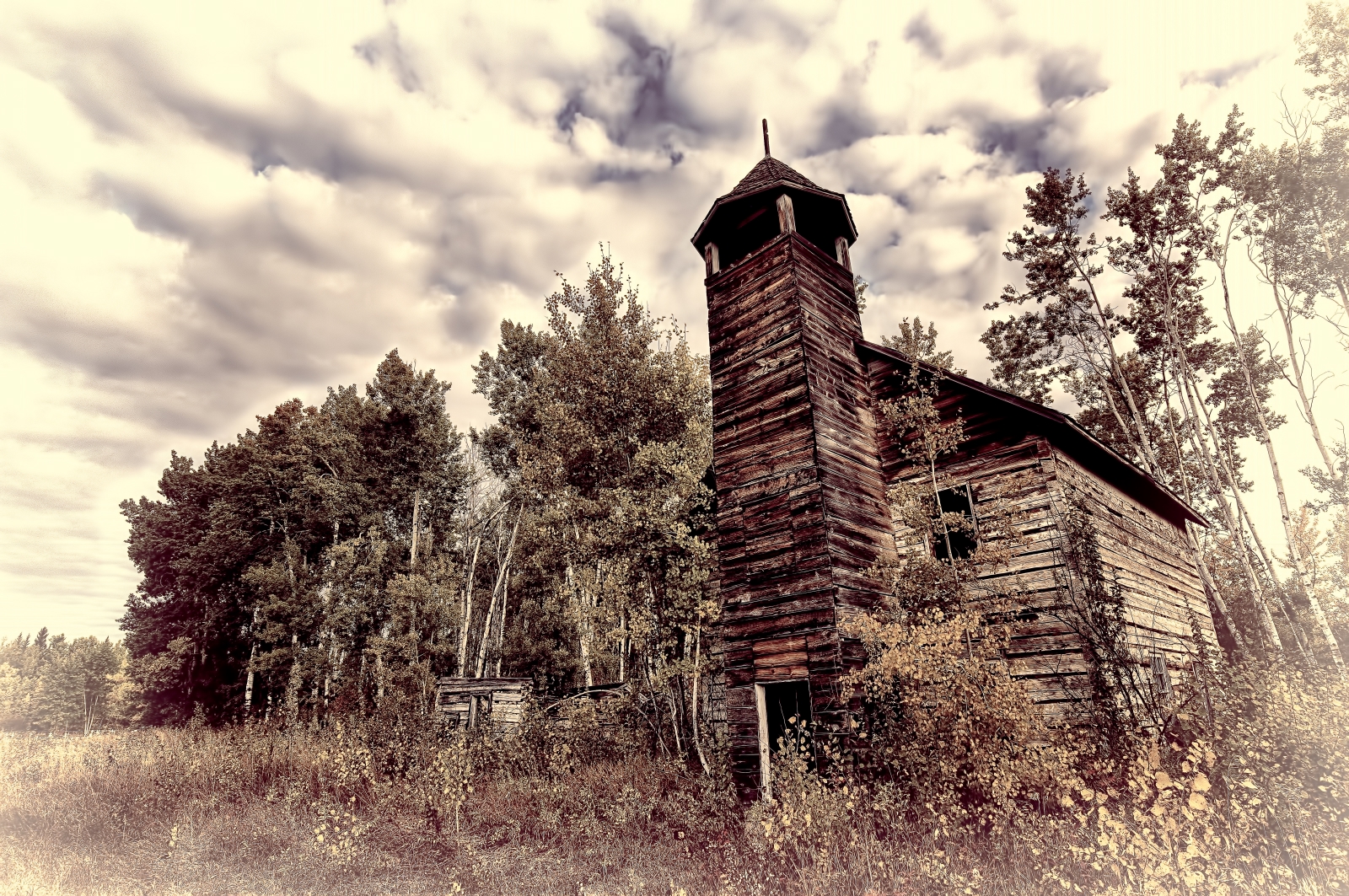
Church - Buttertown, Ft Vermilion, Alberta 1

Church – Buttertown, Ft Vermilion, Alberta 1

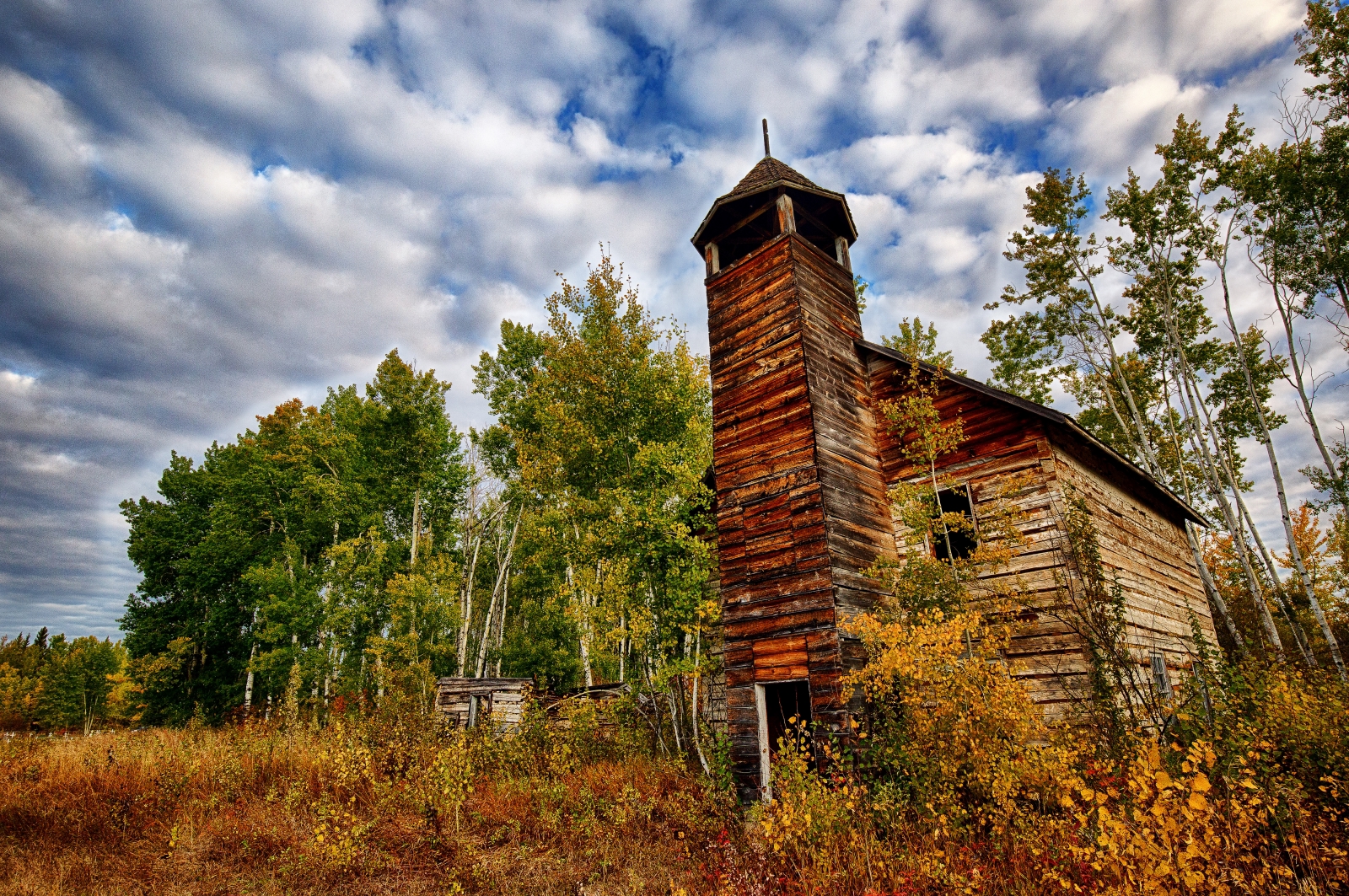
Church - Buttertown, Ft Vermilion, Alberta 2

Church – Buttertown, Ft Vermilion, Alberta 2

I have just had a listen to Bob Dylan’s ‘Last Thoughts on Woody Guthrie (Live)’ and am struck by a quality in the monologue that is almost psalm-like, the average woman and man’s take on the business of living, almost the concerns they’d express in prayer, concerns that would consider the gap between what Life ought to hold and Life that needs to be fought for, a Life requiring help. Likely that’s the point – Woody Guthrie articulated such concerns for the average man and woman in song that is psalm, song that’s poetic, song that infuses hope by way a compassionate ear. Woody Guthrie’s words are psalms for Lives in a country emerging from the depression and war and surfacing into the fifties.

The images above are two more edits of the clapper-board church at the St. Louis Roman Catholic mission in Fort Vermilion’s north settlement – Buttertown.

Listening to – Bob Dylan’s ‘Dignity’ and John Mayer’s ‘Queen of California.’

Quote to Consider – “Some photographers set up as scientists, others as moralists. The scientists make an inventory of the world; the moralists concentrate on hard cases.” – Susan Sontag – ‘On Photography’

Highlight & Shroud

Canon Camera, Canon Lens, Canon Live View, High Dynamic Range (HDR), Journaling, Light Intensity, Photography & Conceptualizing Beauty, Project 365 - Photo-a-day, Summer, Sunrise
rtown, Fort Vemilion, Alberta

rtown, Fort Vemilion, Alberta

Before the day’s meeting and before arriving at our meeting’s destination a colleague and I detoured to a way point with our cameras – his Nikon and my Canon. An hour later our cameras held images gathered from the St. Louis Roman Catholic mission in Fort Vermilion’s north settlement – Buttertown. During that hour, the groundwork for this high dynamic range shot was sparked by the cloud work highlights above and the darker light below enveloping the mission storehouse and surrounding foliage, shrouding texture and low-lying colour … three shots (-2, 0 and +2) a good harvest with which to begin a bigger day of work – my gratitude goes out to my fellow camera shooter and colleague, for investing an earlier hour with me, image-making. Good on you!

Photography, this week – this past seven days has been extraordinary in terms of encountering students, colleagues, friends and former students who have engaged in dialogue about photography, gear and software, each a photographer in the making. My gratitude goes out to each of you for your solid discussion and trajectory as photographers – good schtuff!

Listening to – the morning has held Casting Crown’s ‘Follow Me,’ Bruce Springsteen’s ‘One Step Up,’ and two tonally heavy tunes from Chris Whitley – ‘Big Sky Country’ and ‘Dust Radio;’ musically, U2’s ‘Vertigo Tour’ has been the concert to watch via DVD this week.

Quote to Inspire – “The photographer is always trying to colonize new experiences or find new ways to look at familiar subjects – to fight against boredom. For boredom is just the reverse side of fascination: both depend on being outside rather than inside a situation, and one leads to the other.” – Susan Sontag, ‘On Photography’

Composition – Edit Toward Mindfulness

Best Practices - Photography, Canon Camera, Canon Live View, Journaling, Photography & Conceptualizing Beauty, Project 365 - Photo-a-day, Still Life, Summer
Foundation as Canvas - Utah 1

Foundation as Canvas – Utah 1

Foundation as Canvas - Utah 2

Foundation as Canvas – Utah 2

Foundation as Canvas - Utah 3

Foundation as Canvas – Utah 3

Foundation as Canvas - Utah 4

Foundation as Canvas – Utah 4

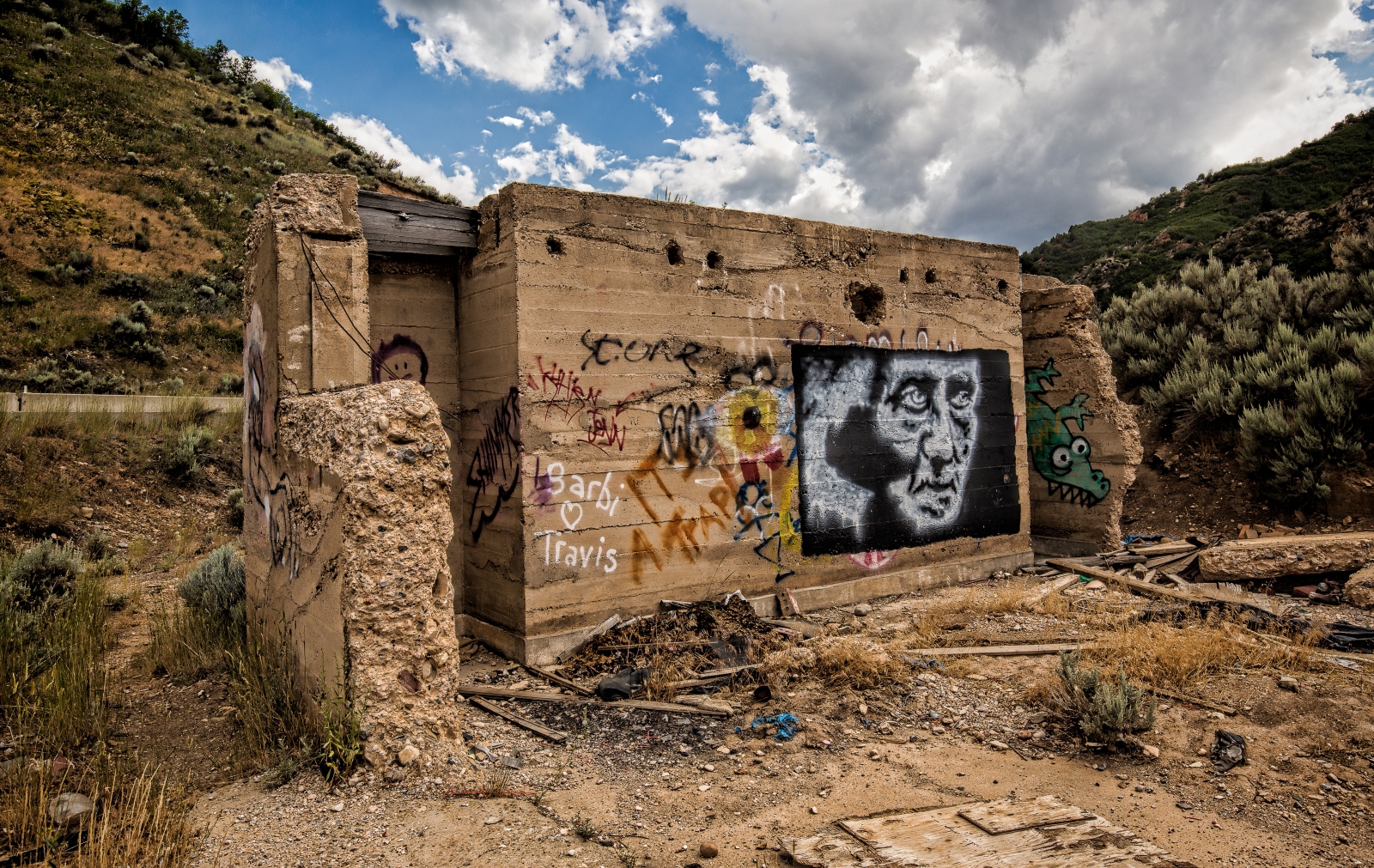
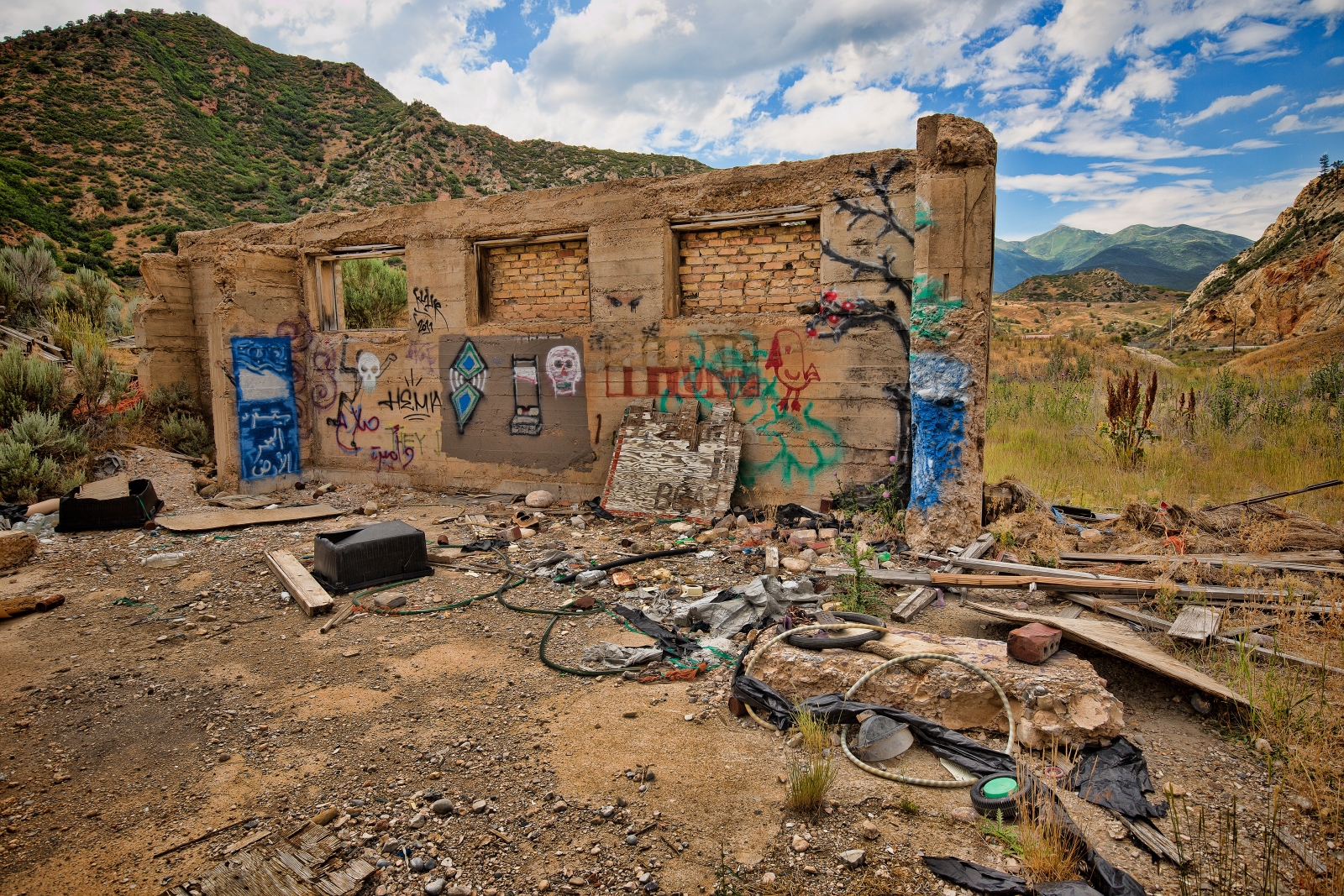
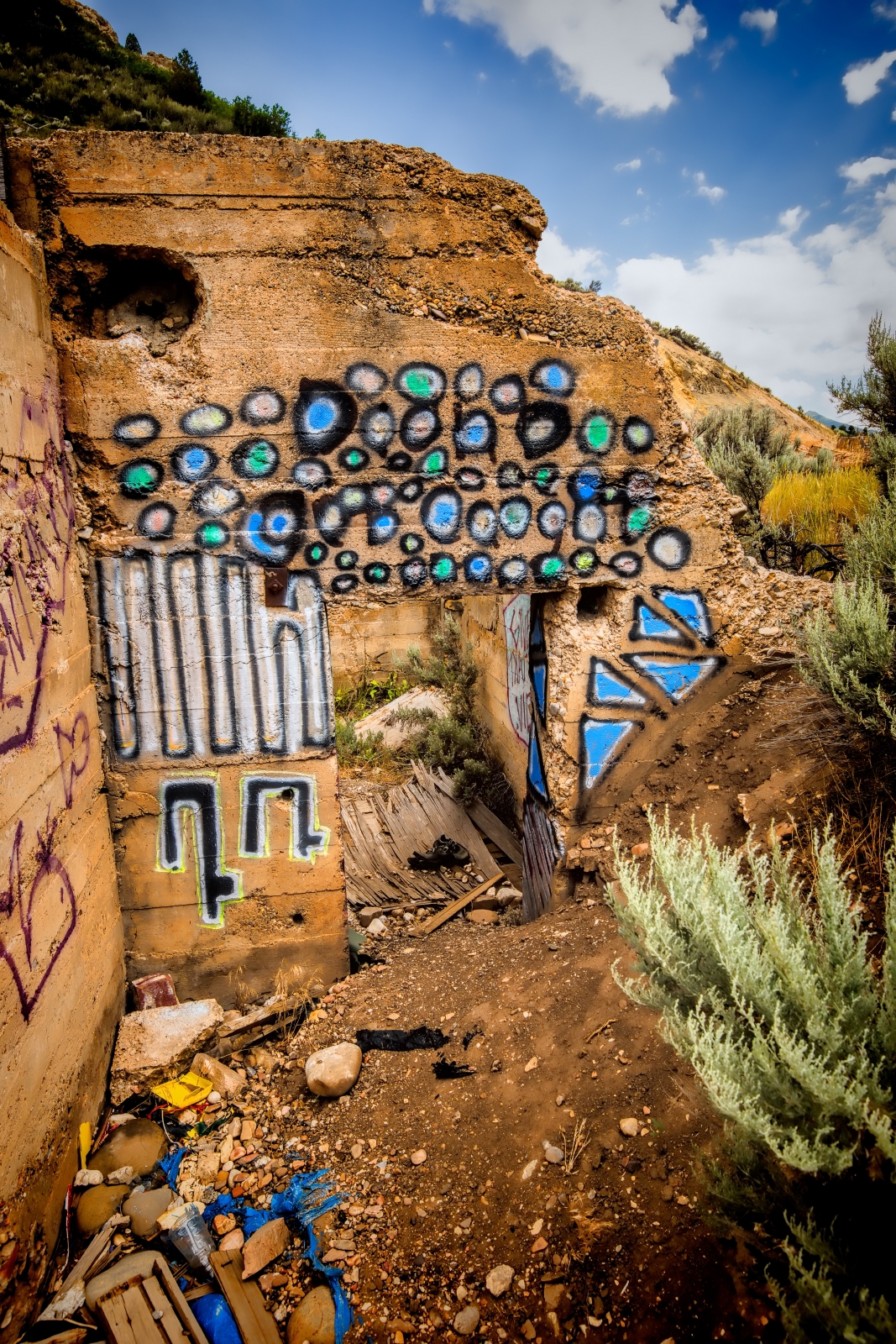
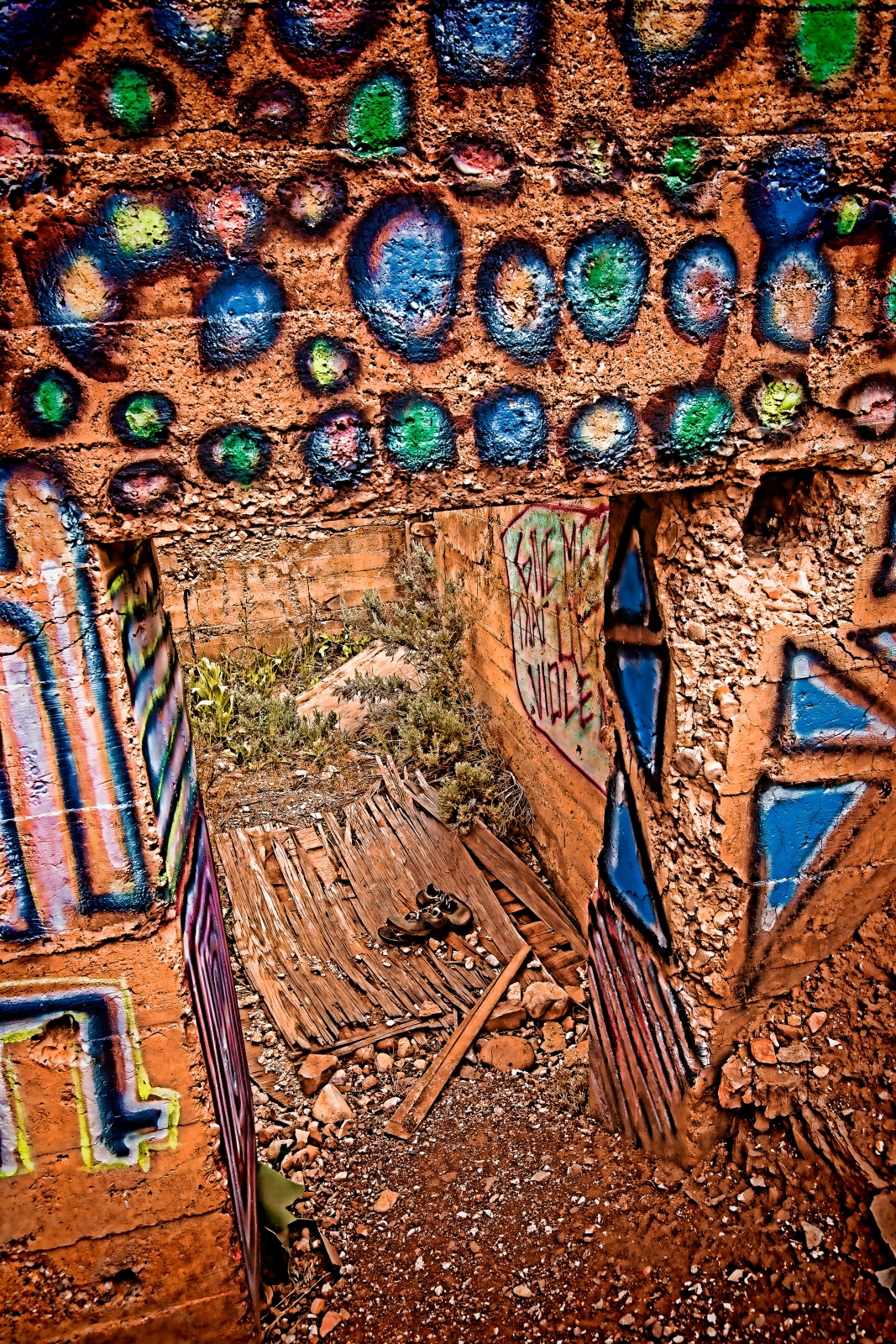
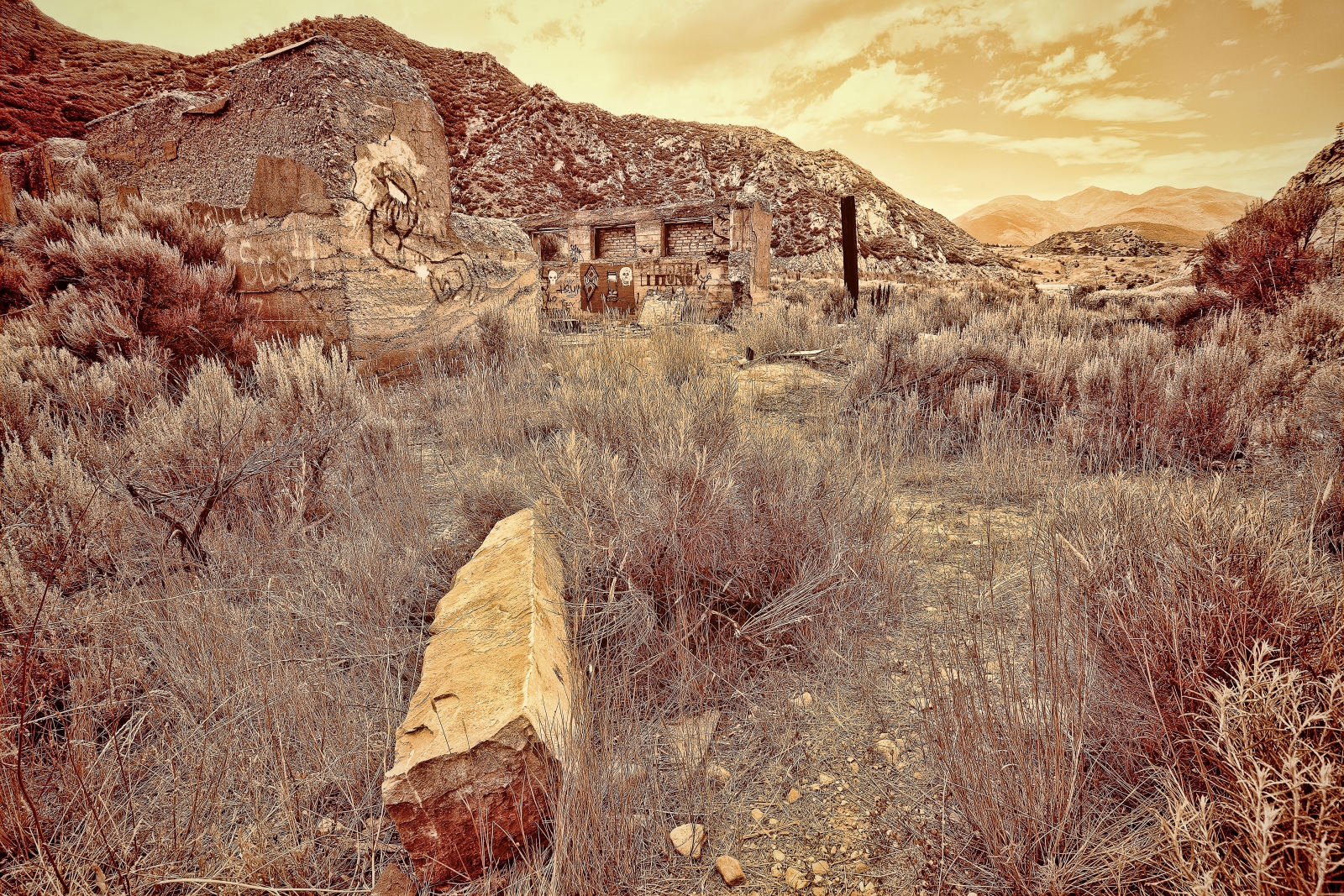
Elements of composition were the subject of discussion a day ago. Eight different ideas about composing a photograph were considered – pattern, symmetry, depth of field, lines and leading lines, framing, perspective, balance and colour. We ended at the point of composition being about finding the best way of seeing … the subject. The discussion stayed with me as I edited images later that evening – we also find the best way of seeing the subject in editing as we try out variation in exposure, consider the blur and detail of clarity and consider the depth or wash of contrasts. With each of these considerations as the image is edited we see more and more of what the image holds – things not fully seen or recognized when the right moment to capture the image was recognized. For me, composition and editing toward best composition are about discovering the narrative of the photograph; each edit or potential edit considered increases mindfulness of what’s going on or has happened within the photograph. These images do that.

Again, we are at one of the first stops in our scouting look at southeastern Utah. The foundations of a derelict building are tattooed and tagged with graffiti, foundation walls becoming canvas to expression. What are you mindful of in looking at this canvas (or perhaps an actor’s stage to extend and cross-pollinate metaphors)? What can be extrapolated?

Listening to – some of Dave Brubeck’s ‘Time Out’ and remembering my father and early years at home, sophisticated, challenging music; yet now also with a strong, strong element of home. This morning’s tunes have also included U2’s ‘Songs of Innocence’ – the curious phrase, probably for their young adult children is ‘young, not dumb.’ The morning has also held Coldplay – ‘Always in My Head,’ ‘Midnight’ and ‘Oceans’ among others.

Quote to Consider – “Photographs are a way of imprisoning reality … or they enlarge reality that is felt to be shrunk. One can’t possess reality, one can possess images – one can’t possess the present but one can possess the past.” – Susan Sontag, ‘On Photography’

Curious, Unique

Canon Camera, Canon Lens, Canon Live View, Journaling, Photography & Conceptualizing Beauty, Project 365 - Photo-a-day, Still Life, Summer
Utah Landscape

Utah Landscape

Having read Jack Kerouac’s novel, ‘On The Road,’ this image of American landscape holds interest; the building within this landscape was perhaps intact and used at the time the novel was written, the end of the forties. I’m liking the resulting edit, expressive in terms of colour and compositionally pulling my curiosity toward this former building.

Listening to – U2’s ‘Sleep Like a Baby Tonight,’ ‘Cedarwood Road’ and ‘Raised by Wolves.’

Quote to Inspire – “For photography to compete with painting means invoking originality as an important standard for appraising a photographer’s work, originality being equated with the stamp of a unique, forceful sensibility.” Susan Sontag, ‘On Photography’

Her Garden

Best Practices - Photography, Canon Camera, Canon Live View, Flora, Journaling, Photoblog Intention, Photography & Conceptualizing Beauty, Prime Lens, Project 365 - Photo-a-day, Summer
Utah Flower 1

Utah Flower 1

Utah Flower 2

Utah Flower 2

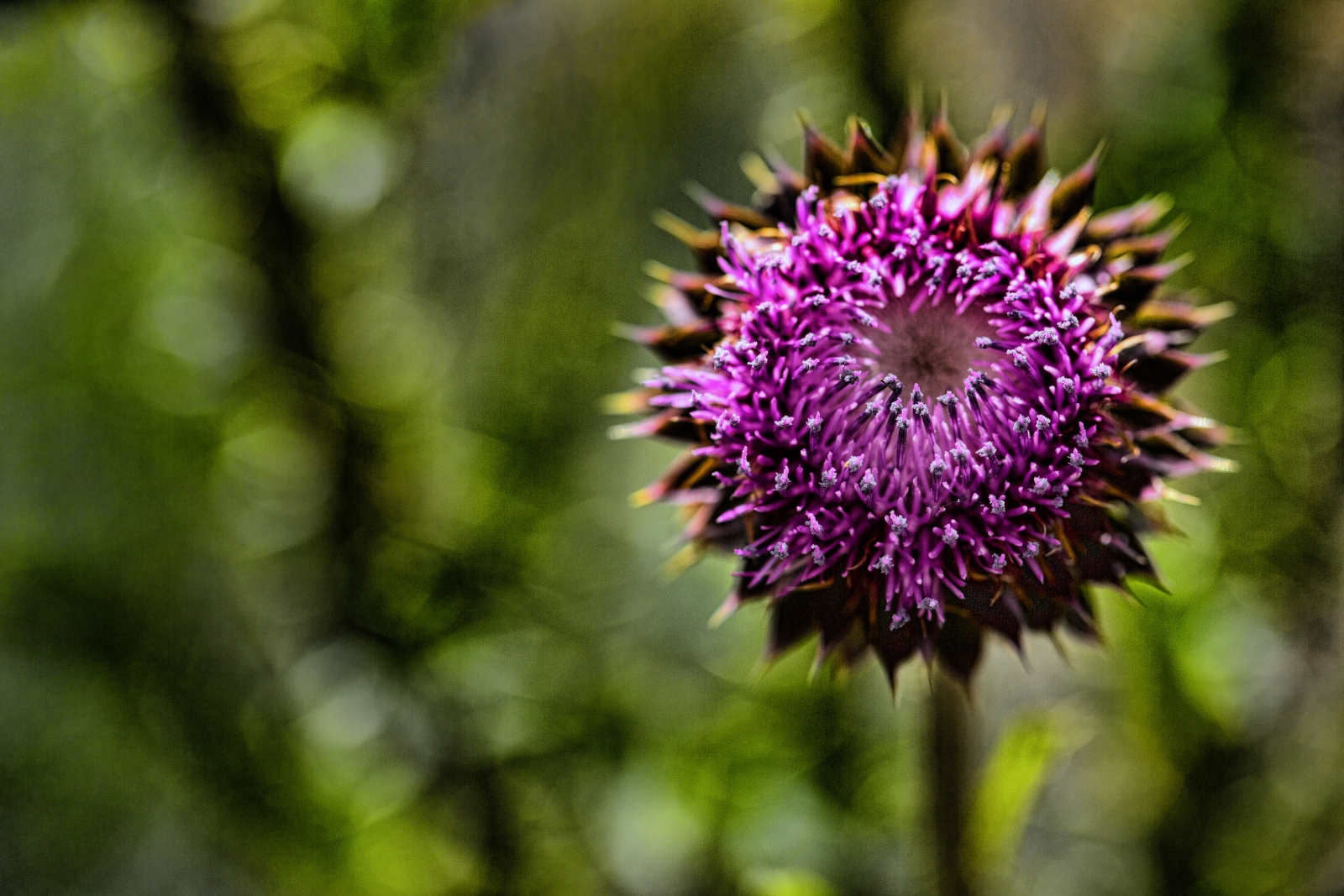
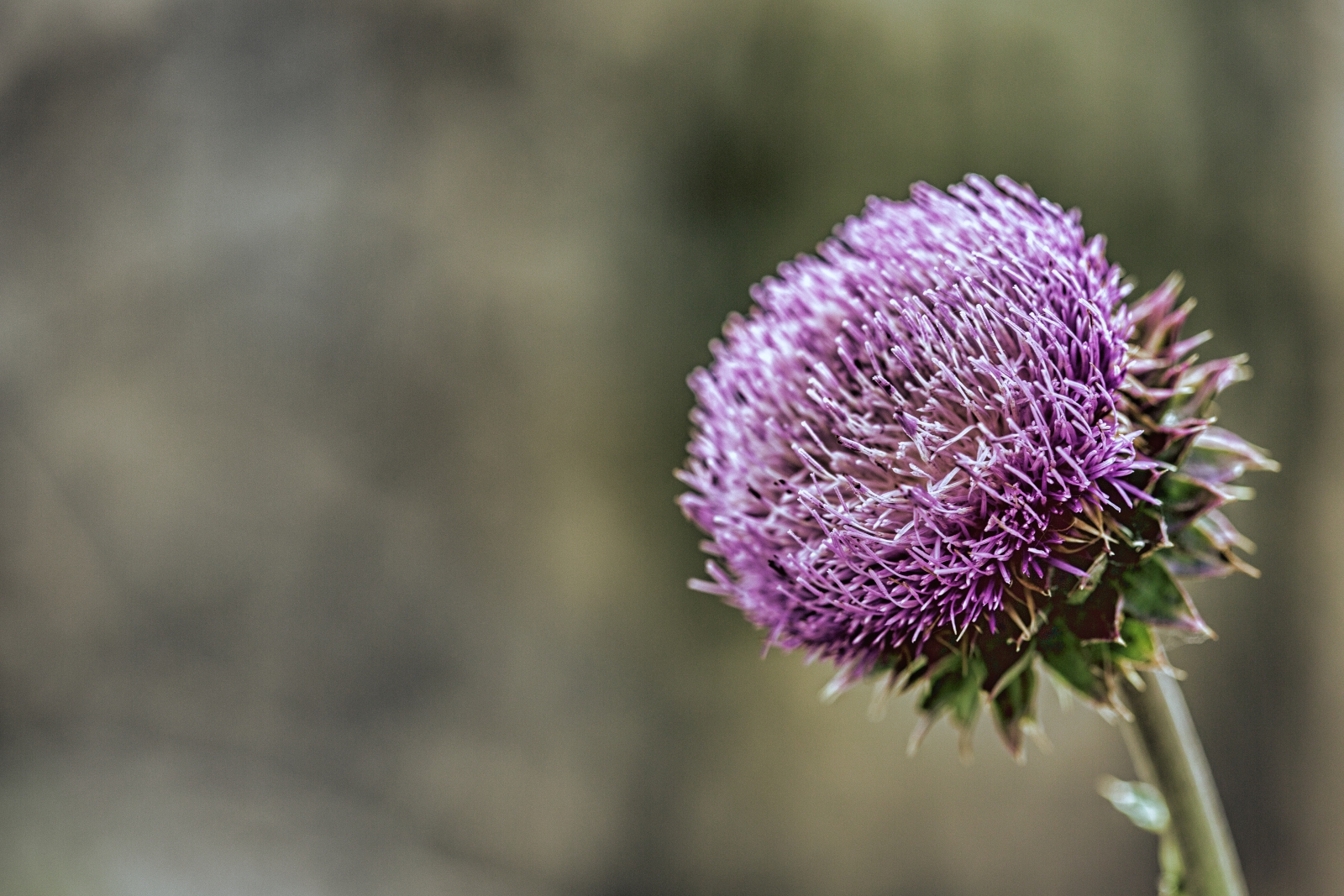
In my life time, I have been witness to my mother’s gardens. She had three successive gardens, one in Edmonton, another in Brampton and her final garden in Qualicum Beach. Her gardens were always something to take in. Her garden would contain trees and flowers and shrubs, and, through the seasons there would be the colour of active and full Life and there would be the wither of desaturation found in dormancy. Through the year, my mother would research plants she’d like to grow and then take them on in her garden. This summer, our first scouting drive into Utah put us on the road for six hours doing a large loop of the southeastern part of the state. We found these flowers, plants very similar to some my mother had in her garden and occasionally would have in a vase on her dining room table.

Listening to – U2’s ‘California (There is No End to Love)’ … it starts out recalling the Beach Boys’ tune, ‘Barbara Ann’ … “Bar, Bar, Barbara, Santa Barbara.”

Quote to Consider – “For photographers there is, finally no difference – no greater aesthetic advantage – between the effort to embellish the world and the counter-effort to rip off its mask.” – Susan Sontag, ‘On Photography’

Sundays and Trains

Best Practices - Photography, Canon Camera, Canon Lens, High Dynamic Range (HDR), Journaling, Photoblog Intention, Photography & Conceptualizing Beauty, Project 365 - Photo-a-day, Rail Yard, Summer
Union Pacific Engine - Ogden, Utah

Union Pacific Engine – Ogden, Utah

Burned Out Box Car - Ogden, Utah 1

Burned Out Box Car – Ogden, Utah 1

Burned Out Box Car - Ogden, Utah 2

Burned Out Box Car – Ogden, Utah 2

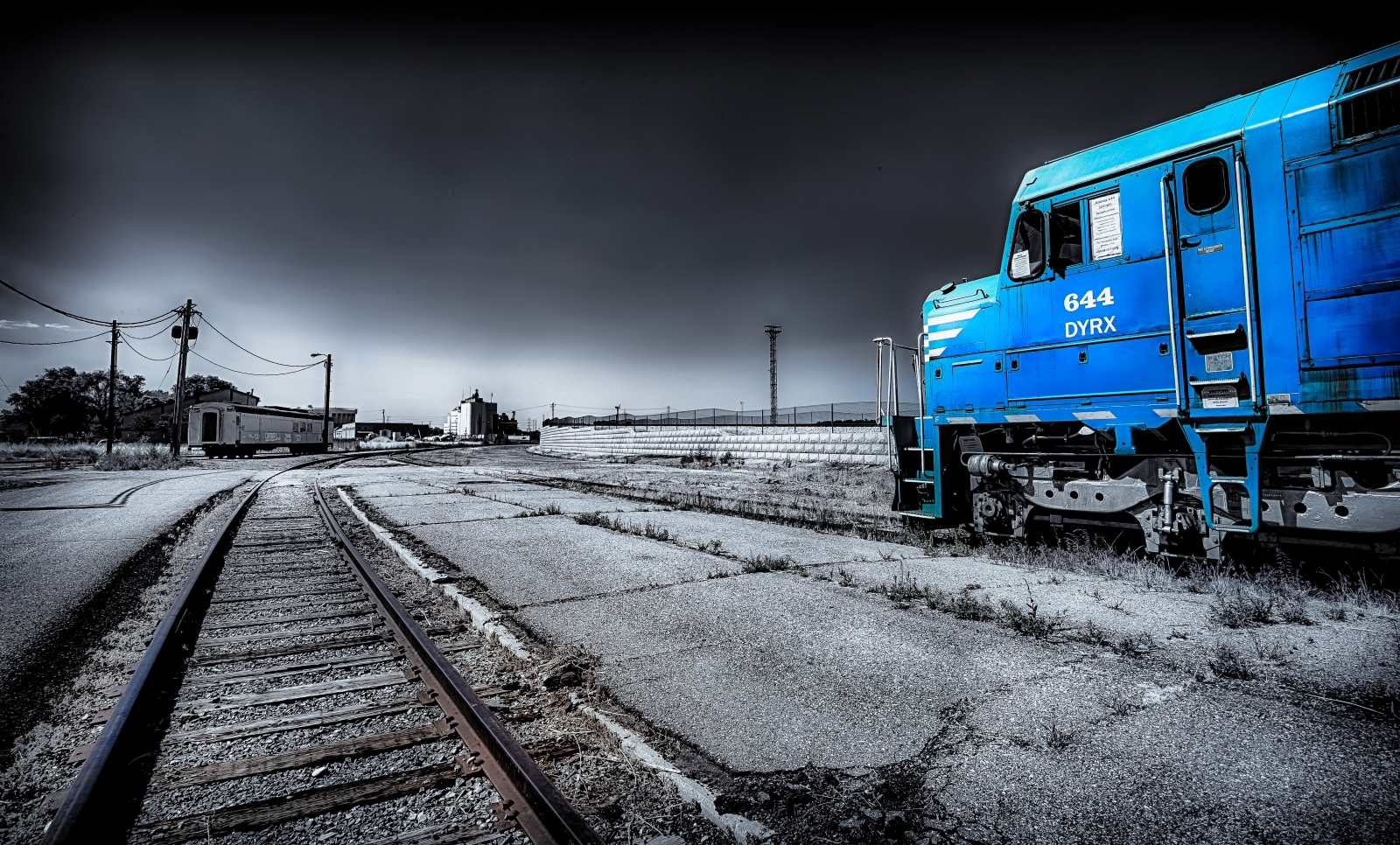
Cargill Engine - Ogden, Utah

Cargill Engine – Ogden, Utah

Rail Abstraction - Ogden, Utah

Rail Abstraction – Ogden, Utah

Rail Car - Ogden Utah

Rail Car – Ogden Utah

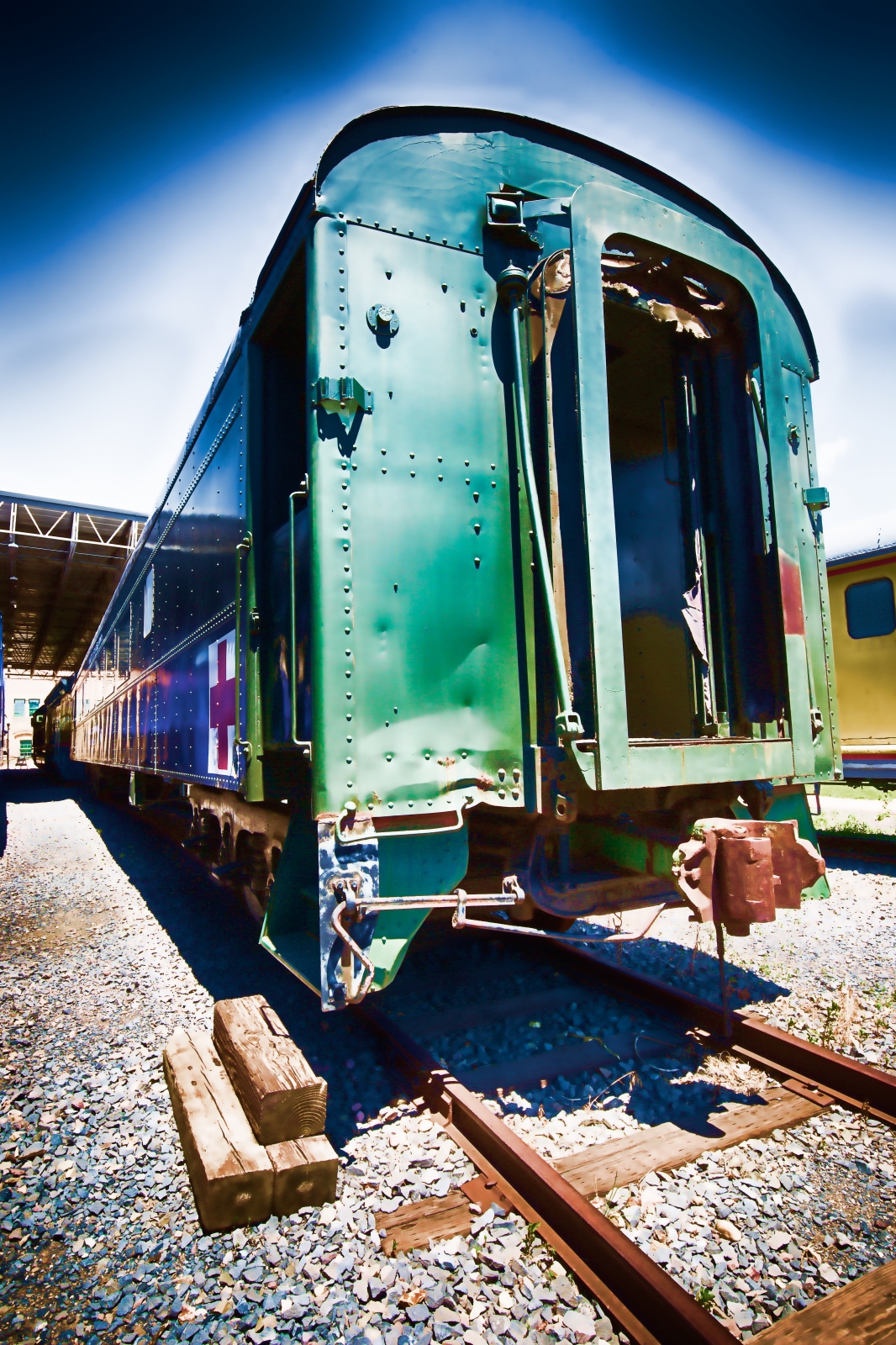
Red Cross Hospital Car - Ogden, Utah

Red Cross Hospital Car – Ogden, Utah

Train Snow Plow - Ogden, Utah

Train Snow Plow – Ogden, Utah

Train Engine - Ogden, Utah

Train Engine – Ogden, Utah

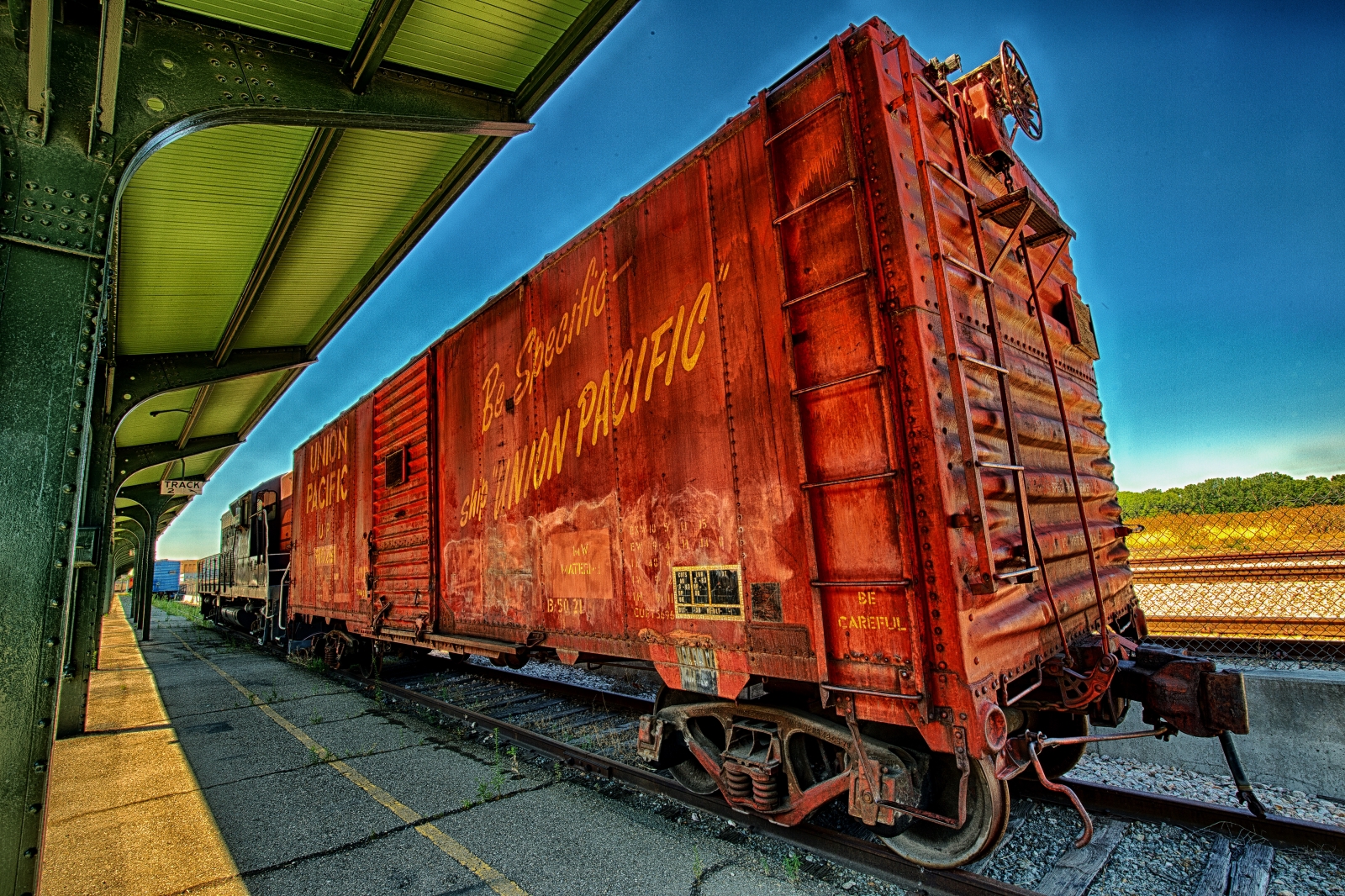
Union Pacific Box Car - Ogden, Utah

Union Pacific Box Car – Ogden, Utah

A Sunday – day’s end; we had enjoyed family’s camaraderie and been among cousins at our cousins farm, an hour away from our Edmonton home. On what is now known as the Queen Elizabeth II highway between Calgary and Edmonton we traveled home Dad at the wheel of our green 69 Pontiac Parisienne. Often on our right travelling northward with us would be a train – three or four engines together pulling a string of cars, box cars, black tankers, different hopper cars etc.. As we finally entered the city of Edmonton and made our right turn from Calgary trail onto 51st avenue at the intersection holding Koch Mercury and the Van Winkle hotel, we would encounter the train we had traveled with at the rail crossing behind Koch Mercury. And, as you sat in your car waiting for the train to pass you could sometimes signal the engineer to sound the train’s horn by putting your fist in the air and pulling down in same fashion that the engineer would with his hand on the cable line that would release the bellow of the train’s horn. More often than not, the train’s engineer would oblige, the horn would release and the sound could be heard for miles.

It’s been a generation or two since Dad and Mom took my two brothers and I to my cousin’s farm. I have had my own time working with trains during summers in University, often as rail car spotter. My own son is now entering his fourth year of University and there’s even been a good long while since he and I would read of Sir Topham Hat, Gordon, Percy, Thomas et al in Reverend W. Awdry’s ‘Thomas the Tank Engine’ books.

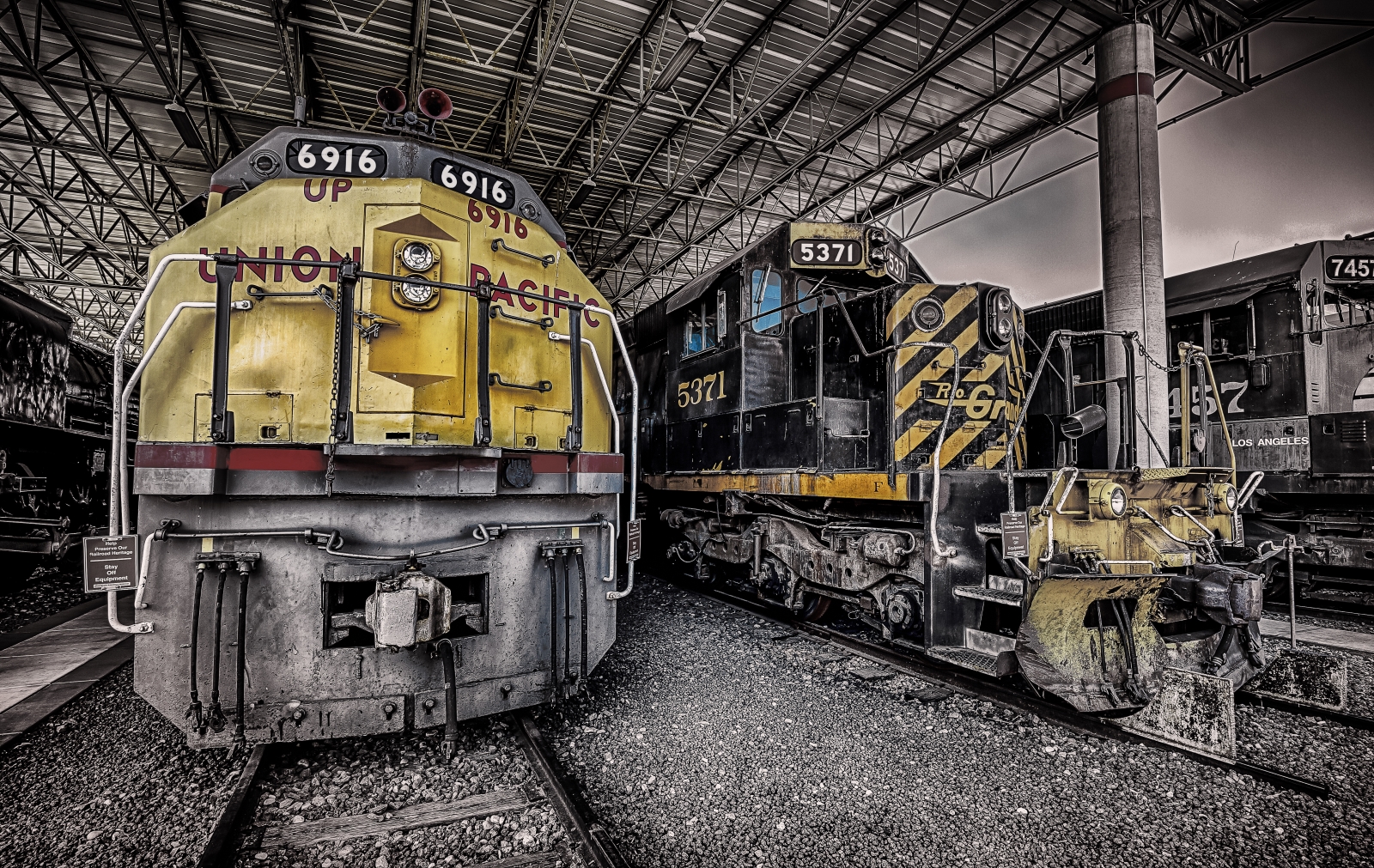
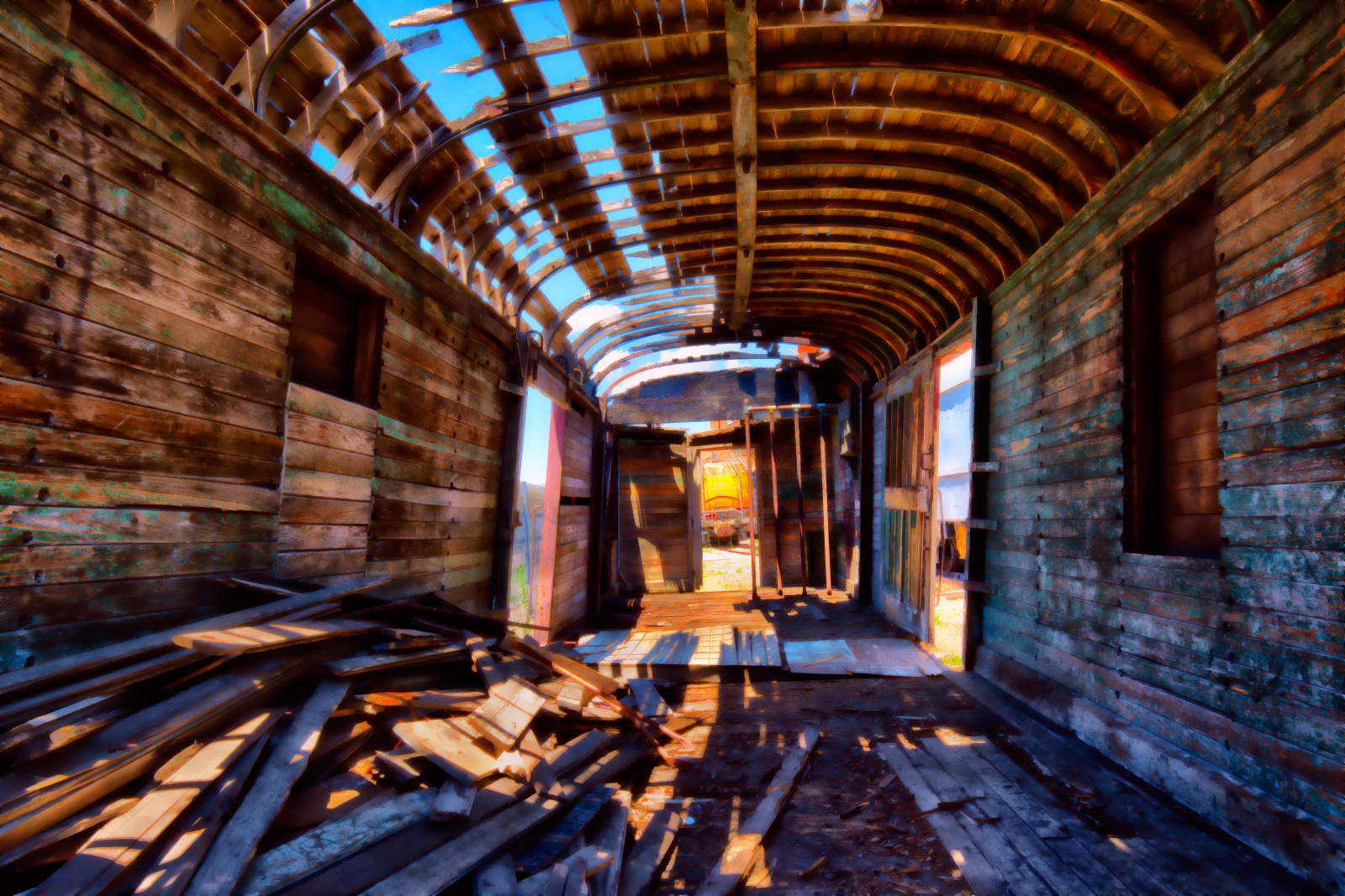
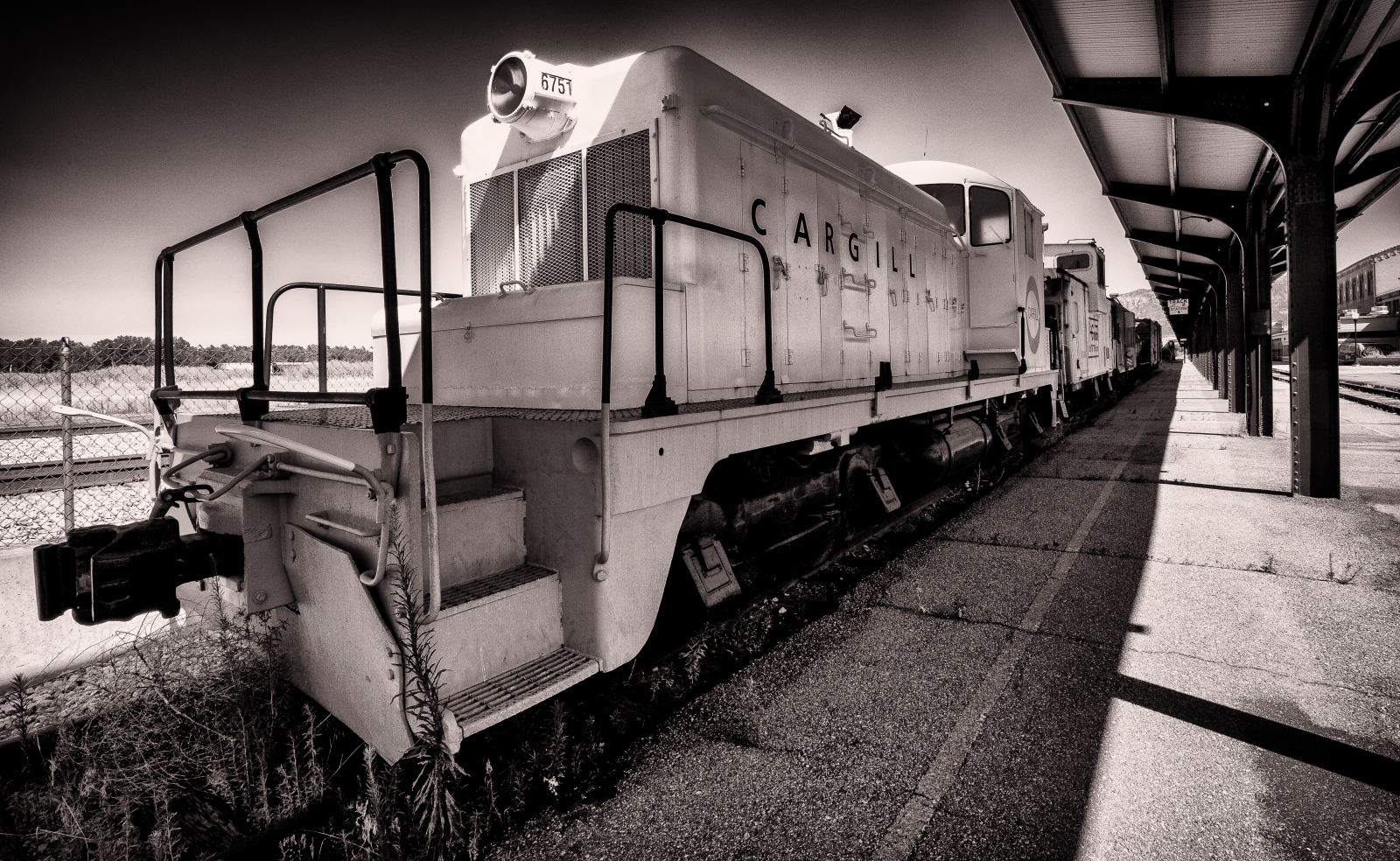
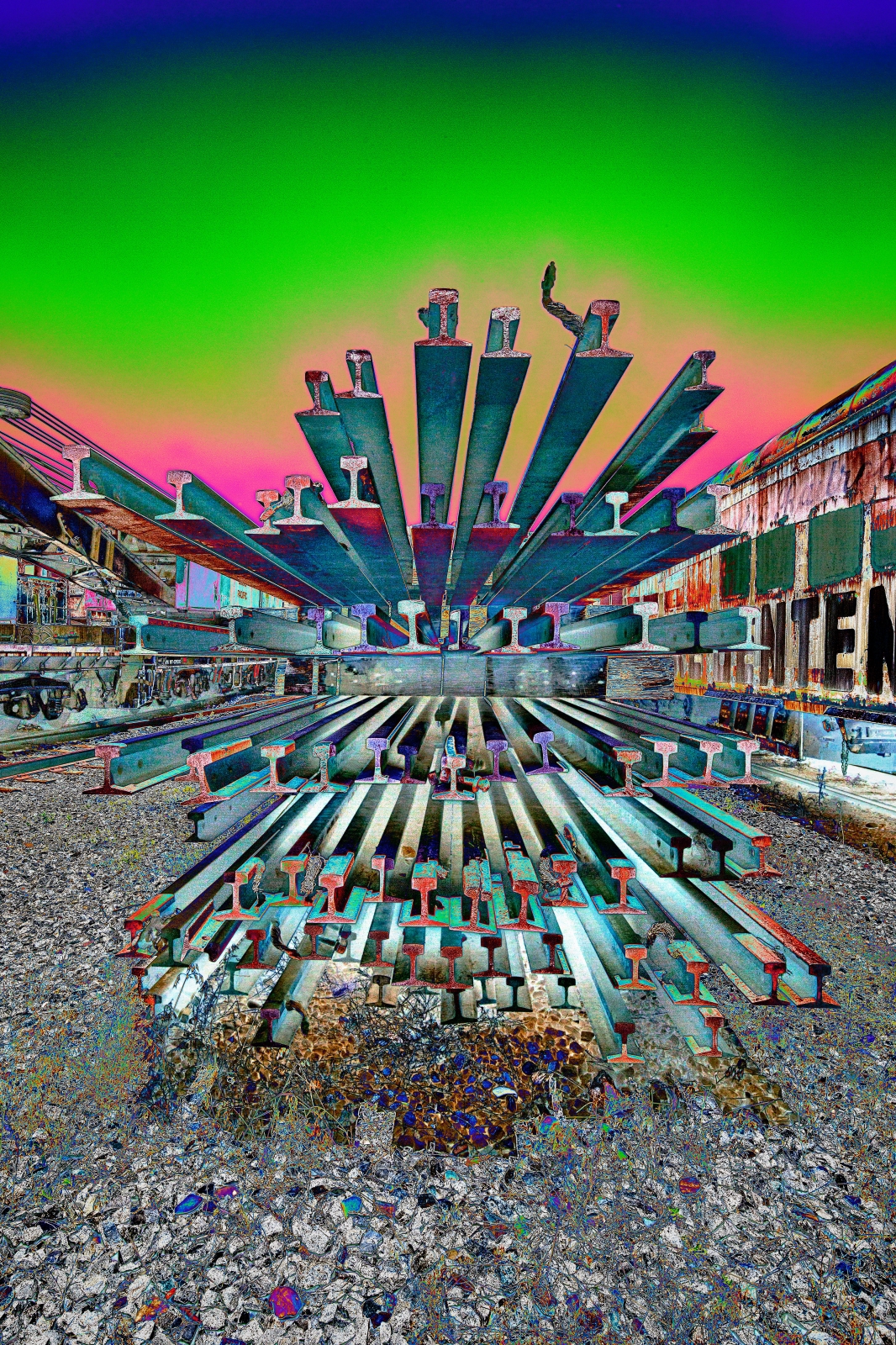
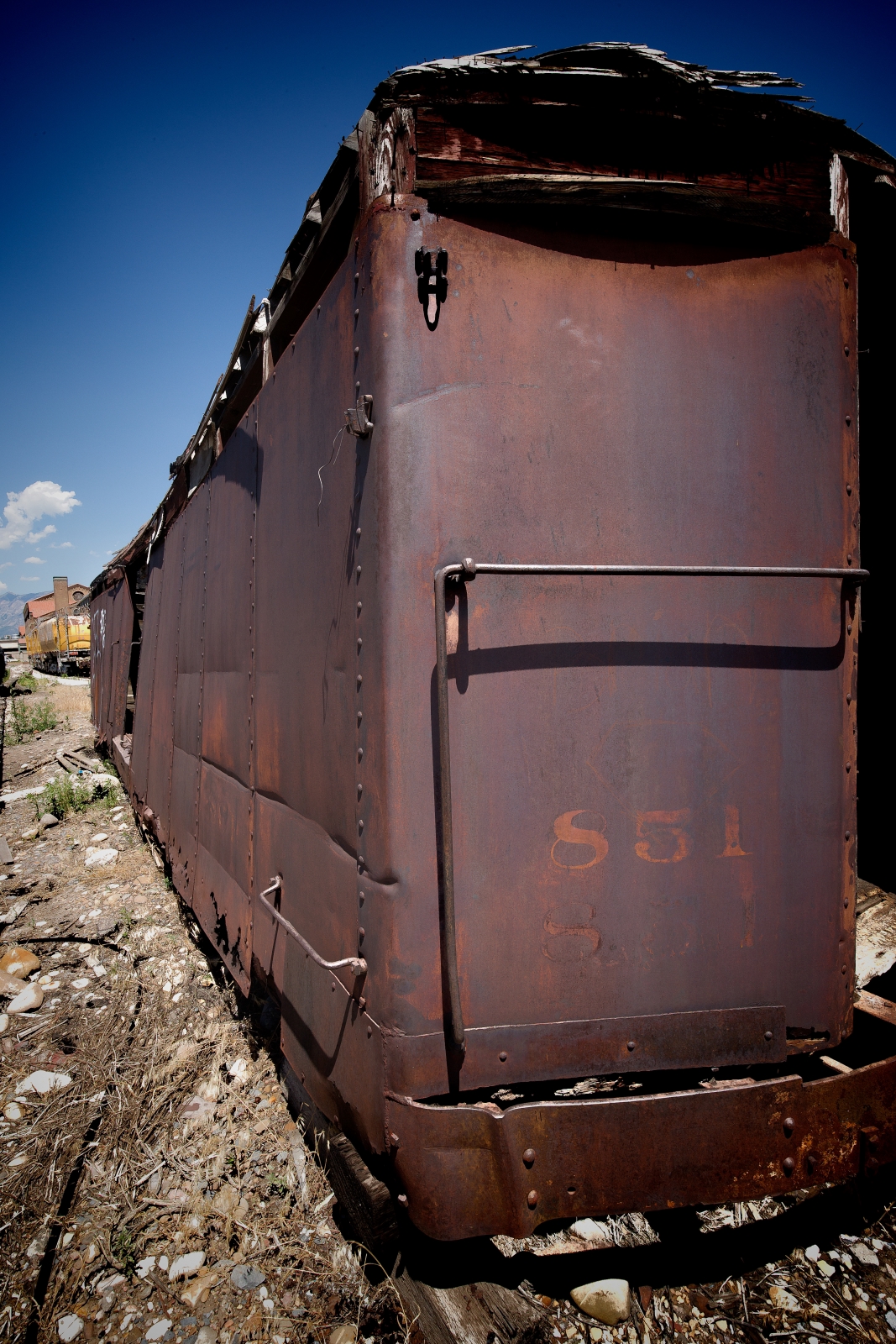
And, my own interest in trains has not waned. The following photos are a number of first edits from Ogden and engines for viewing at the the Union Pacific railway station, there.

Listening to: ‘The Miracle (of Joey Ramone’) and ‘Every Breaking Wave’ from U2’s ‘Songs of Innocence’ – flip, you don’t have to buy the album, it’s free in iTunes; also the morning has been about Springsteen’s music and musicares celebration of his achievement.

Quote to Inspire – “… Photographs are evidence of not only what’s there but of what an individual sees, not just a record but an evaluation of the world.” – Susan Sontag, ‘On Photography’

Recommended book encouraging literacy in children – ‘The Read Aloud Handbook,’ by Jim Trelease

Opportunities, Extraordinary

Backlight, Canon Camera, Canon Lens, Flora, Journaling, Light Intensity, Night, Photography & Conceptualizing Beauty, Project 365 - Photo-a-day, Shuttertime with Sid and Mac, Summer, Sunrise
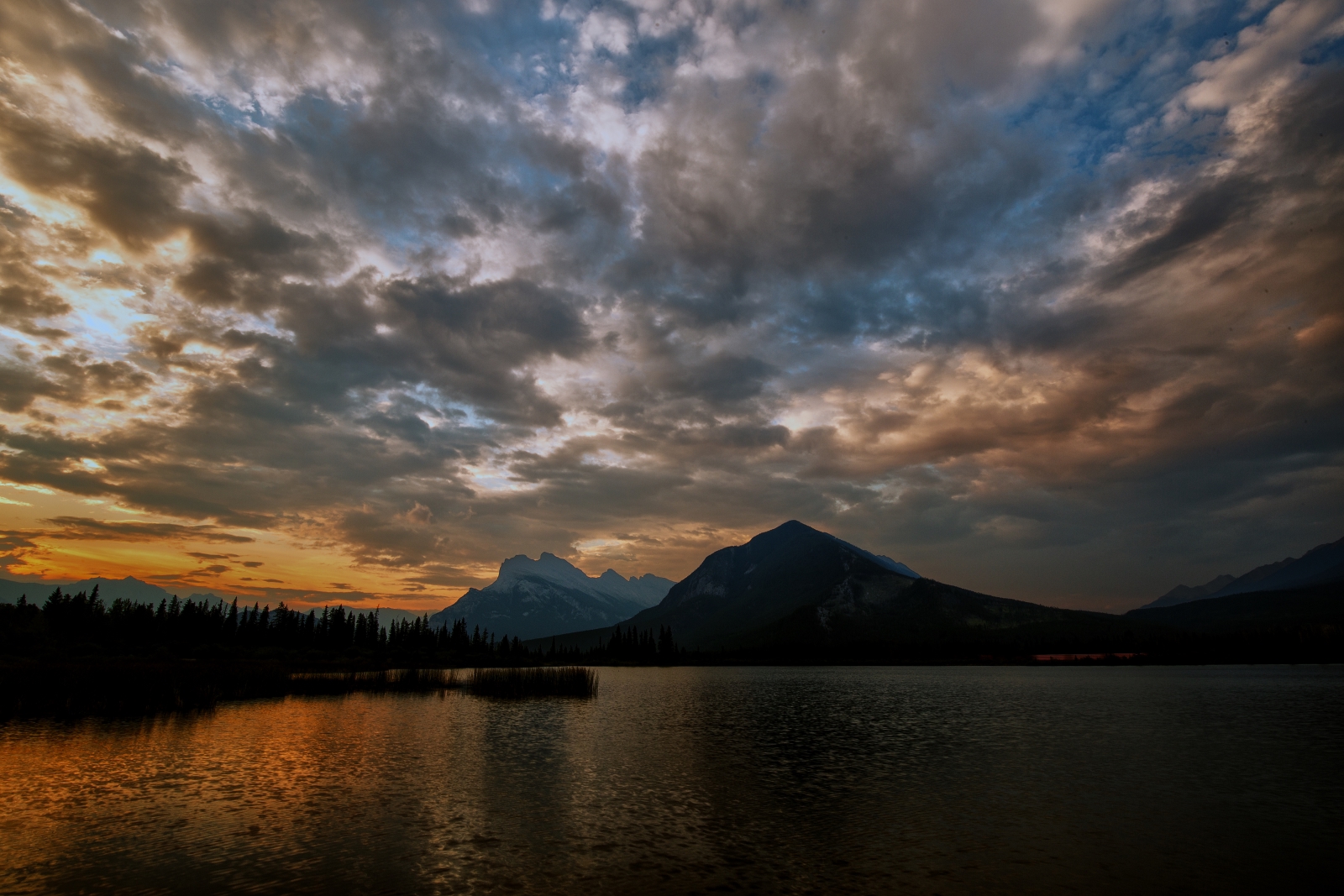
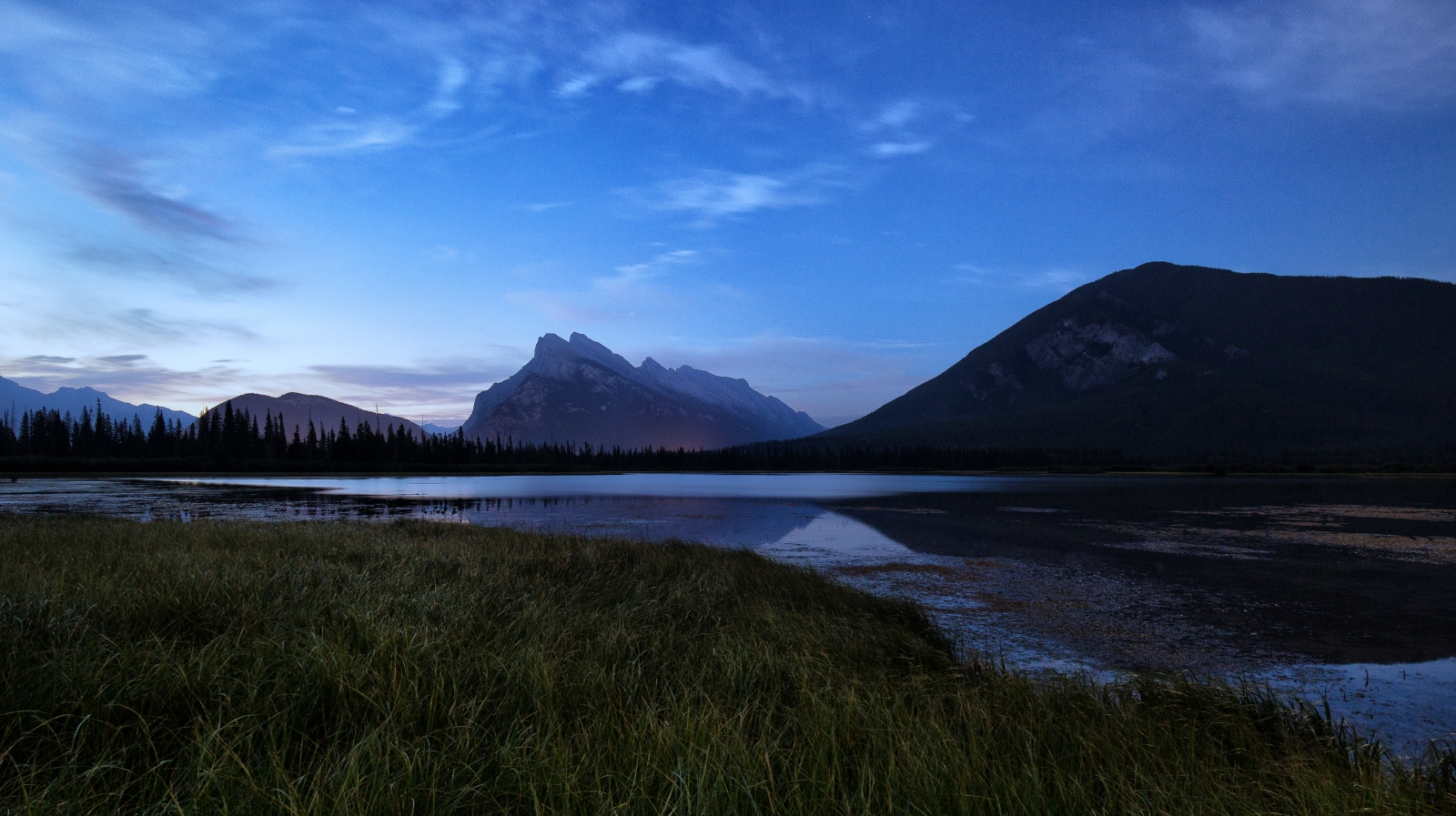
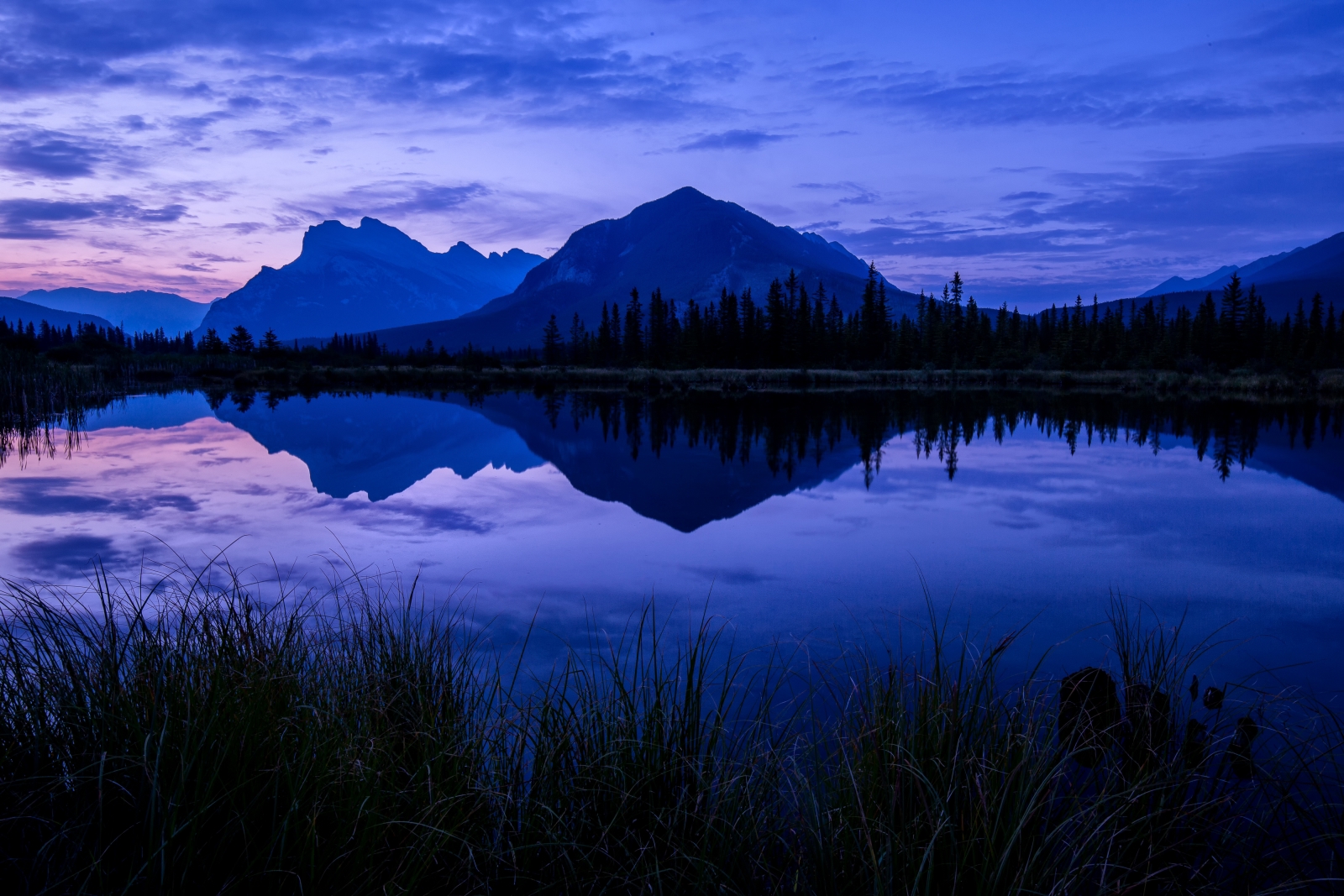
Vermillion Lakes, Banff, Alberta 1

Vermillion Lakes, Banff, Alberta 1

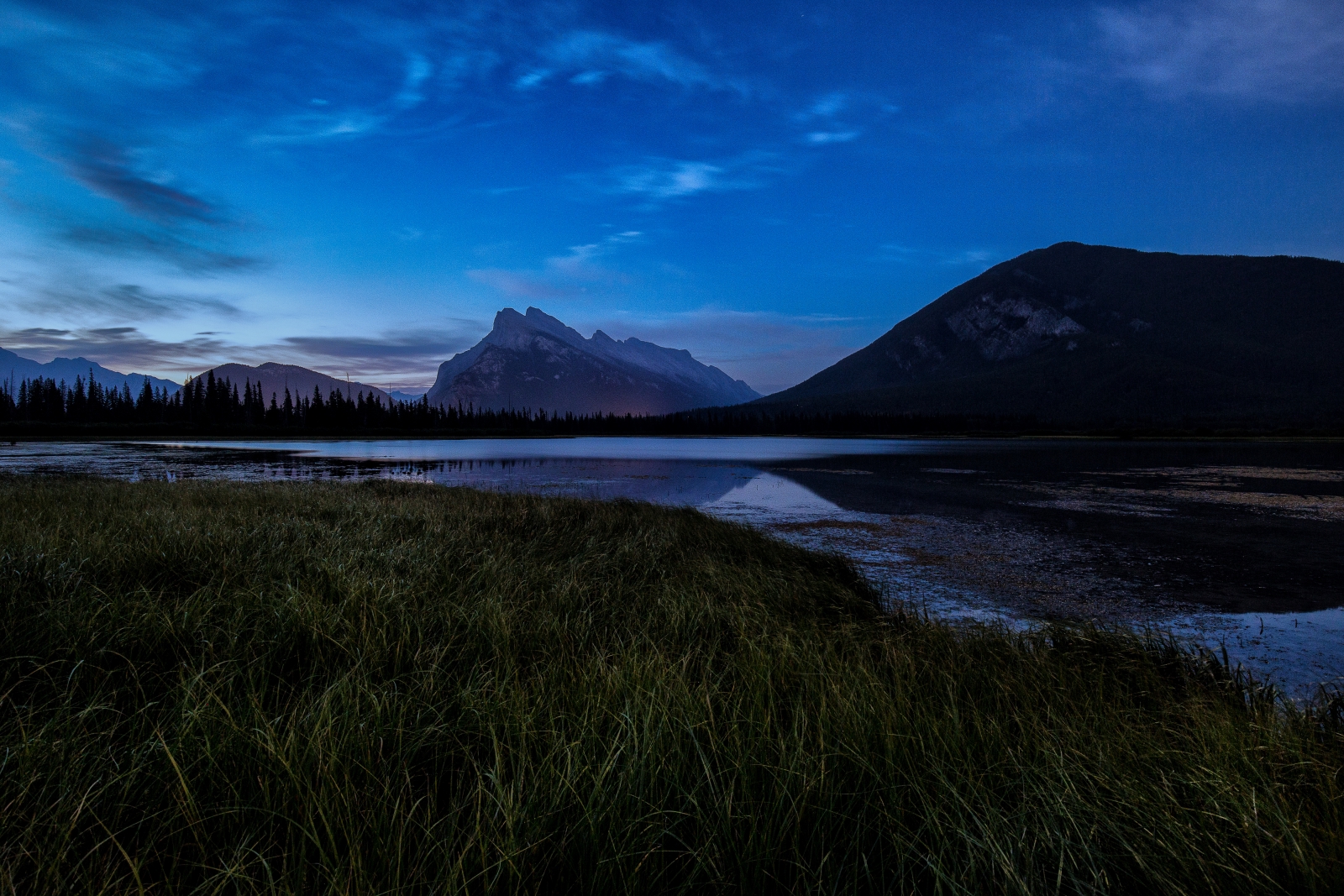
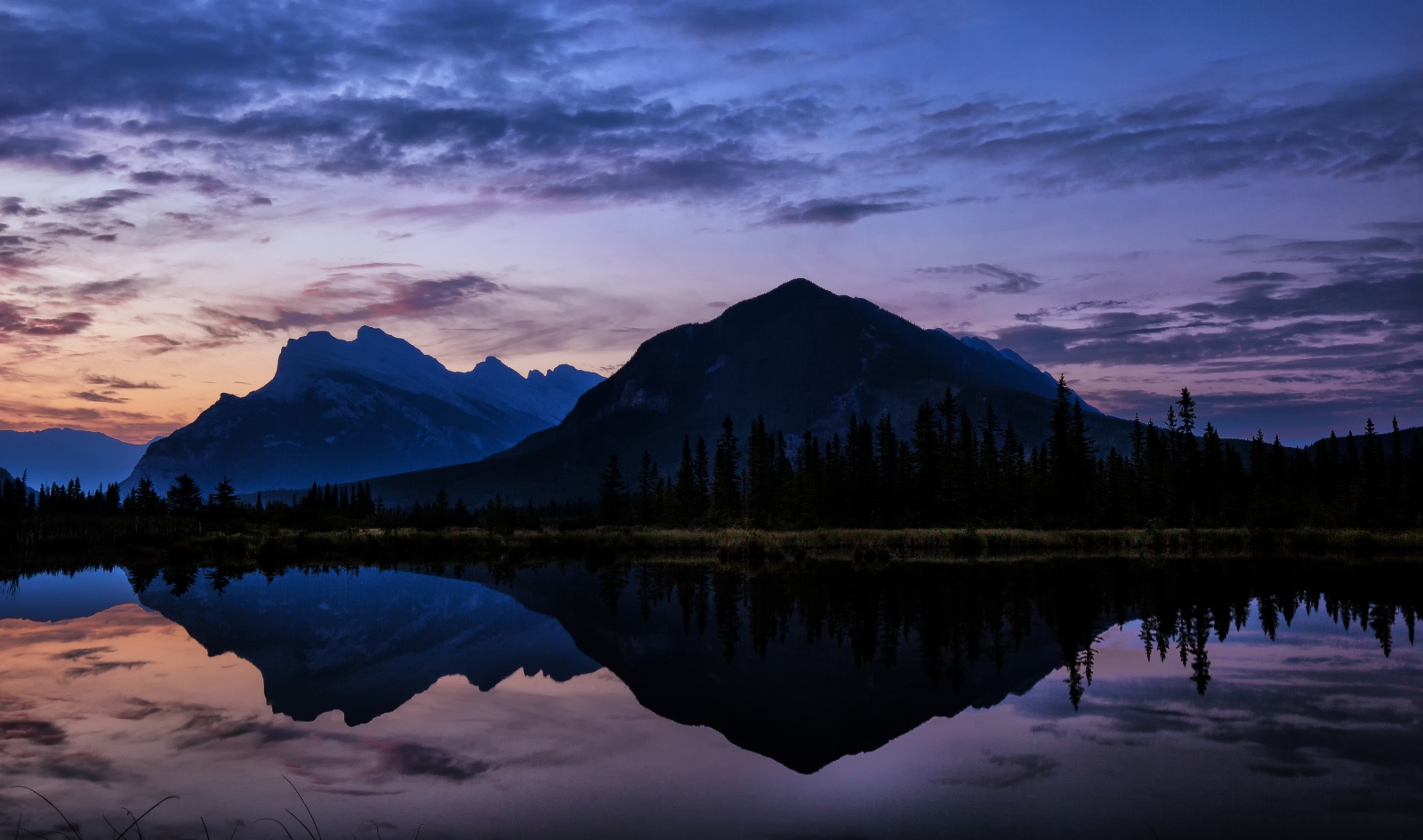
Vermillion Lakes, Banff, Alberta 2

Vermillion Lakes, Banff, Alberta 2

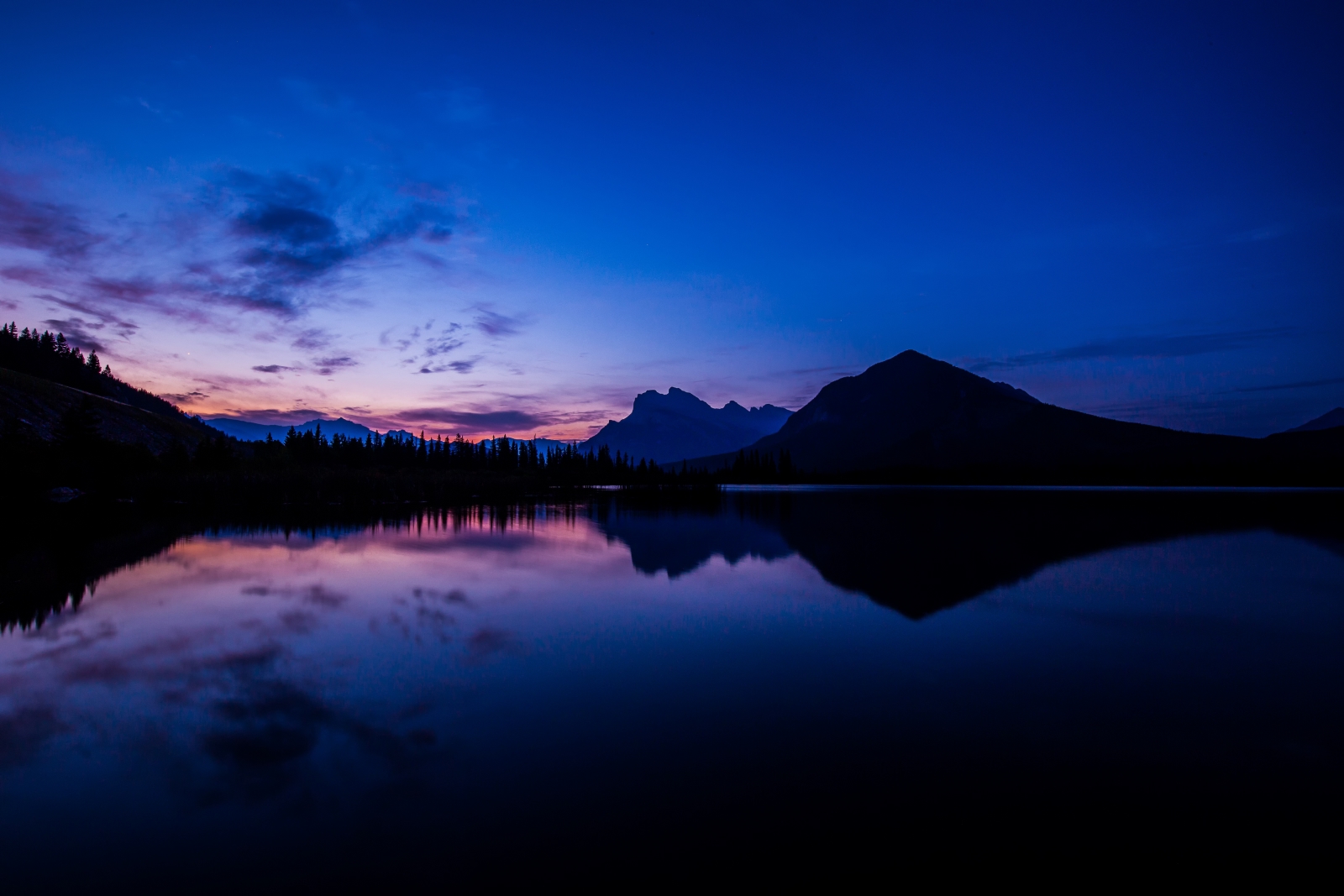
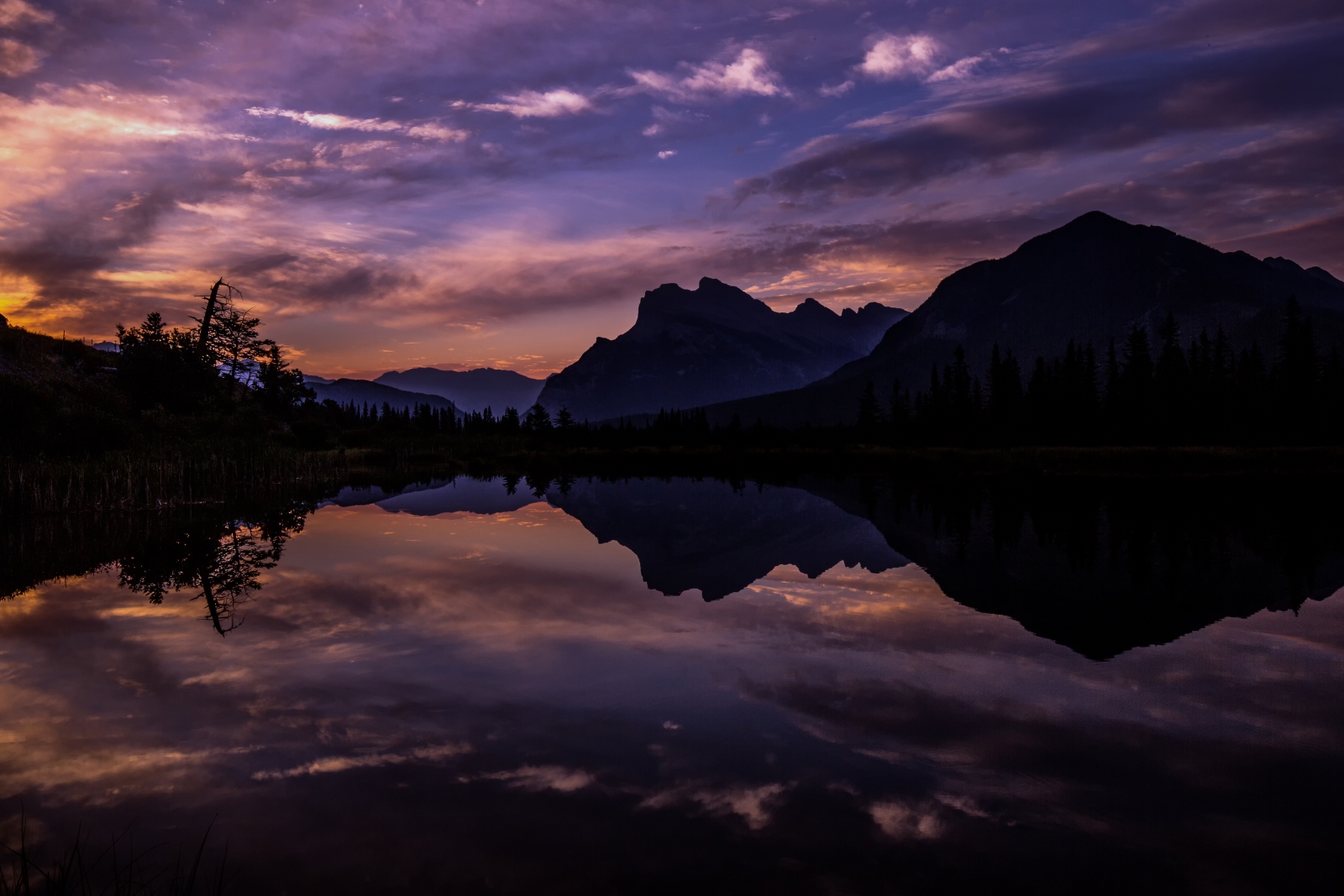
Vermillion Lakes, Banff, Alberta 3

Vermillion Lakes, Banff, Alberta 3

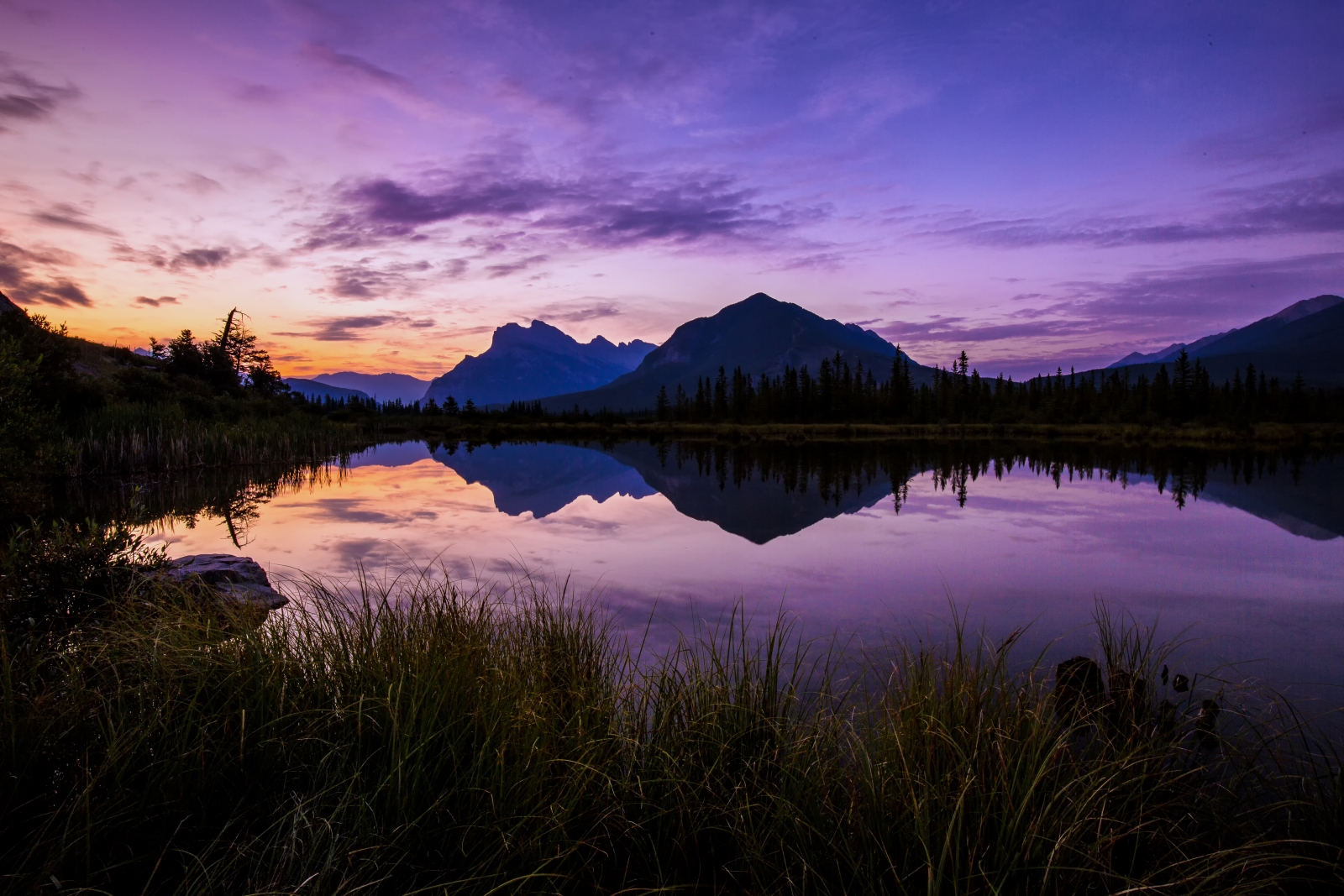
Vermillion Lakes, Banff, Alberta 4

Vermillion Lakes, Banff, Alberta 4

Vermillion Lakes, Banff, Alberta 5

Vermillion Lakes, Banff, Alberta 5

Vermillion Lakes, Banff, Alberta 6

Vermillion Lakes, Banff, Alberta 6

Vermillion Lakes, Banff, Alberta 7

Vermillion Lakes, Banff, Alberta 7

Vermillion Lakes, Banff, Alberta 8

Vermillion Lakes, Banff, Alberta 8

One aspect of photography that has grown into practice is the matter of recognizing the opportunity presented by the derelict car in a field along the highway, the abandoned farmhouse and former granaries, that thing that you come upon in your travels that you may not ever see again. The challenge is to make time for it, to engage fully in seeing it, to name it, to grasp what it is and what has been its narrative, to share time with it. The choice becomes that of photographing it (… or not) and there are choices in editing that honour the subject and the image, to find its best way(s) of being seen. The image, in its being shared creates opportunity; what has been witnessed and what has been created, not only allows others to see something more of the world, but serves to encourage (or perhaps compel) exploration of that thing witnessed through your camera and lens.

Some of this is about that key teaching from Robin Williams, as professor Keating, in the ‘Dead Poets Society’ in the first poetry lesson – ‘Gather ye rose buds while ye may,’ the import of which was his solemn admonition to his students – ‘seize the day’ and ‘make your lives extraordinary.’ Carpe Diem is about seizing the day as much with any of life’s opportunities as with the opportunities for images that can be created with a camera.

http://www.tcm.com/mediaroom/video/579285/Dead-Poets-Society-Movie-Clip-Seize-The-Day.html

In Banff last week, perhaps owing to summer heat or day/night air pressure differential in the mountains I found myself not always sleeping through the entire night and chose to get out with my camera for landscape photos in pre-dawn dusk. Before leaving for Banff, I had reviewed Maciek Solkulski’s Google+ page for winter sunrise shots he had taken at the Vermillion Lakes in Canada’s Banff National Park. Maciek, an Edmonton photographer, is one half of the podcasting duo of the Shutter Time with Sid and Mac podcast. From Mac’s Google+ page I was able to review maps of where the Vermillion Lakes were in relation to Banff. And, so, before dawn, two days in a row, I got out to the Vermillion Lakes for morning images; these are presented here.

Listening to – Elliott Smith’s ‘Between Bars,’ ‘No Name #3’ and ‘Angeles,’ Gerry Rafferty’s ‘Baker Street’ and The Waterboys’ ‘Fisherman’s Blues’ – all songs from Good Will Hunting.

Quotes to Inspire – (1) “The photographer both loots and preserves, denounces and consecrates;” and, “Life is not about significant details, illuminated (in) a flash, fixed forever. Photographs are.” – Susan Sontag, ‘On Photography’

Lost & The Way

Canon Camera, Canon Lens, Canon Live View, Flora, High Dynamic Range (HDR), Journaling, Night, Photography & Conceptualizing Beauty, Project 365 - Photo-a-day
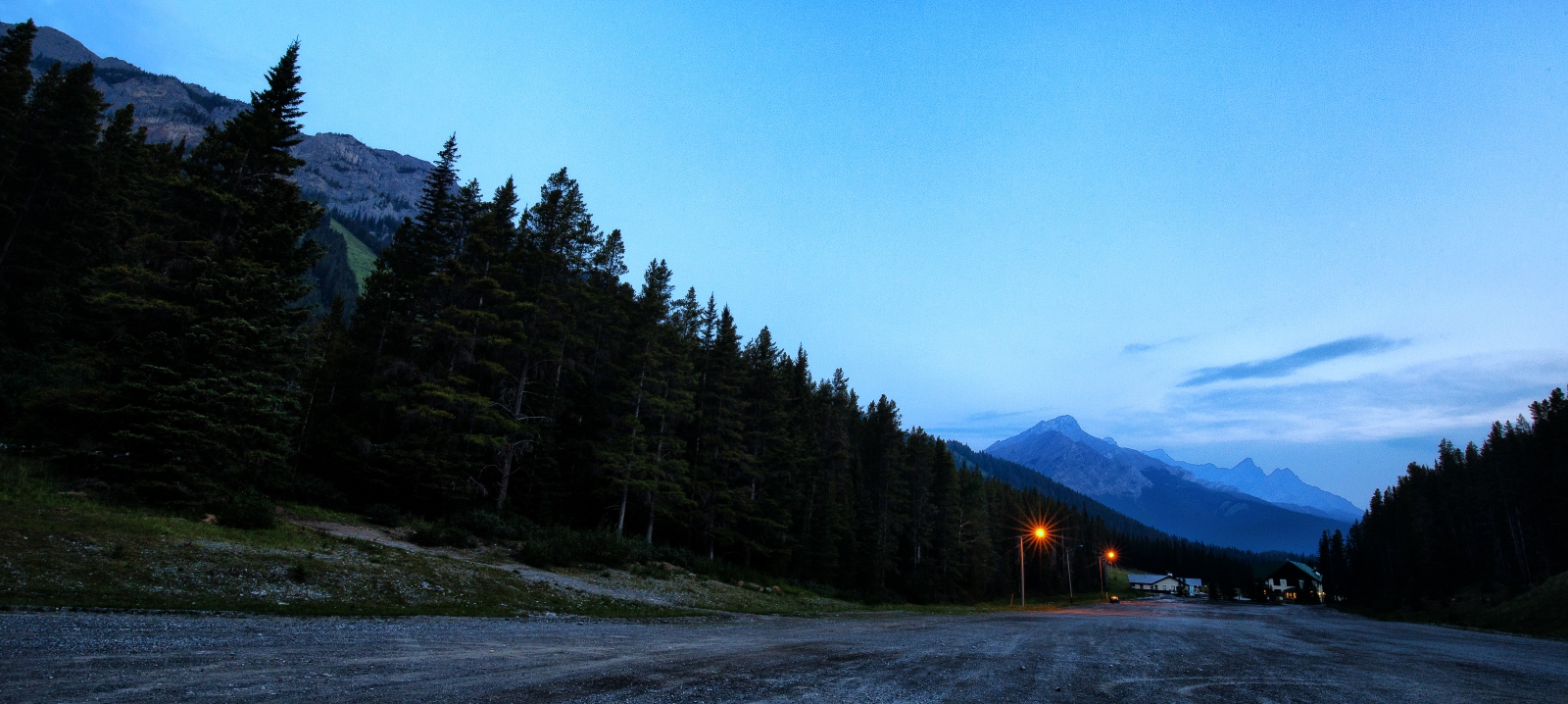
Mount Norquay Ski Hill - Banff, Alberta 1

Mount Norquay Ski Hill – Banff, Alberta 1

Mount Norquay Ski Hill - Banff, Alberta 2

Mount Norquay Ski Hill – Banff, Alberta 2

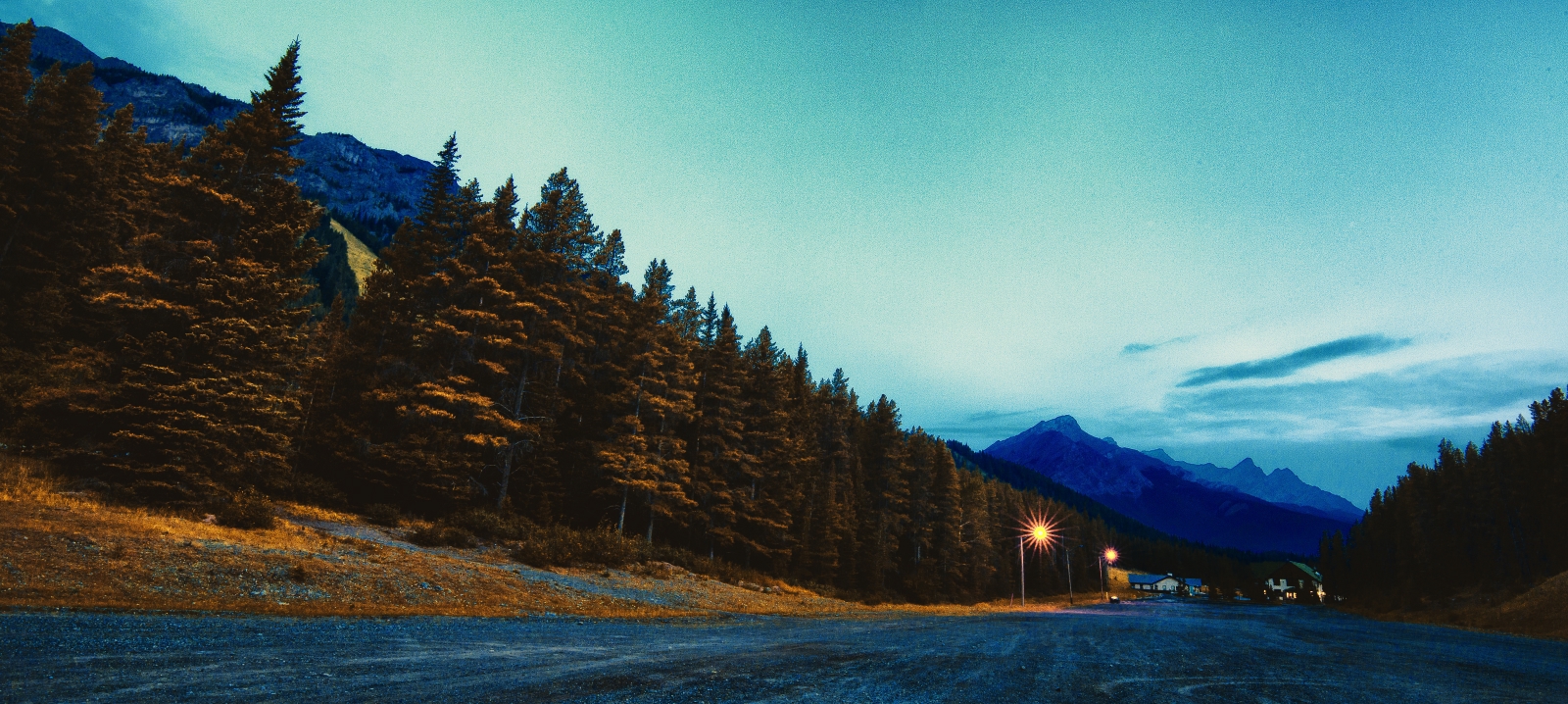
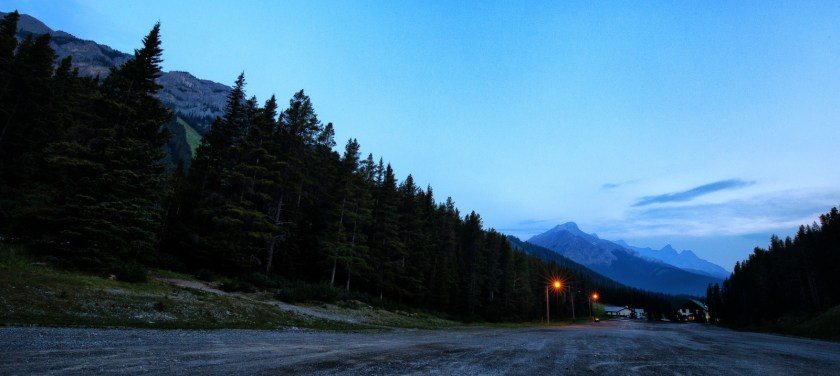
Trusting the map, trusting Steve with the map – some twenty-five years ago, in Canada’s Banff National Park we cycled along a fire road behind Mount Norquay with the intention of riding our mountain bikes up and down the mountain along what should have been a short ride on a horse trail, no more than four hours at the most. Instead, for two or three hours, our bikes were hefted onto shoulders and step-by-step, in sunlight, through rain, in sunlight again and then through snow we climbed upward toward Elk Point summit. Steve, whose cardio-vascular fitness out-stripped ours, was up the mountain easily and a ways ahead, scouting the trail.

We crested the summit in snow, large, feathery, wet flakes of snow, our legs rubbery gelatin, needing rest. Plodding forward without the energy to return to cycling, we pushed our bikes, hoping to meet Steve somewhere on the path and settle-in for a rest. We looked ahead into the snow for Steve and looking harder a second time saw him racing toward us and pointing to his right (our left); he was signalling something quite assertively. When he met us, he pointed again to our left and gasping identified the bear on the other side of the summit’s meadow. We focused our eyes. There it was, scrabbling at the earth, eating, with its back to us. Along our climb we had seen massive bear paw prints in the mud – twelve-to-fourteen inches in diameter. We’d hoped they were not fresh. Now, we needed to get on our bikes, get our pedals pumping and put distance between us and this bear. Ten minutes later we huddled beneath a huge forest conifer, away from the bear, out of the snow.

We considered the time; we started riding at 2:00 p.m. and aimed to complete our twenty kilometre trek by suppertime. It was now 8:00 p.m.; we’d made it to the summit and with September’s shrinking daylight hours the sun’s incline over the horizon had already begun. Riding down the mountain would occur in shadow and our descent would, for the most part, occur in darkness. We began riding downward on the mountain’s horse trail switchbacks. Our bicycles’ brake pads quickly wore down to nothing – we needed to sit on the cross-bar and use our feet on gravel to slow our descent. Seeing pretty well in the dark, I led through the zig and zag of mountain switchbacks. Fifteen minutes went by without incident. Then, rounding one switchback Steve’s bike flew over my head … without Steve; he’d been higher up, on a switchback behind me. His bike had landed in bushes ahead of me. We halted taking stock of how we were doing. We were cold, somewhat lost and had exhausted the food we’d brought – our best bet was to follow trail markers toward Banff. We put Steve back on his bike and trudged on. The switchbacks levelled out into a long valley, an area that should have been easy to traverse – just cycling along the track. But, the track was mud, four inches deep … likely the result of the rain and snow we’d encountered on the other side of the mountain. We would have to push our bikes through the mud or carry them; without sustaining food and calories, our legs remained gelatinous rubber. We hefted our bikes and pushed them on drier bits of earth.

The photograph, presented here, is the area where the four of us moved from mountain trail on to paved road surface.

From here, I rode down the mountain, quickly, got to the Ford three-quarter ton, returned and got the others – Steve, Vince and Goose (last name Guzman). Hypothermic, worried and overwhelmed, Vince and Goose had fallen from their bikes crossing the western-most Texas-gate leading into Banff, Vince hurting family jewels and Goose hyper-extending two fingers. At the hospital, we were fed cookies and tea and Vince and Goose were examined by a doctor who scolded us for cycling into bear country – cyclists, in their speed, can surprise bears and this doctor had treated a cyclist the week before who had been mauled by a bear.

Rather than return to our tent trailer, I rented a chalet and its proprietor allowed us to use the pool/Jacuzzi to warm ourselves. Later, pizza and much needed sleep served to rejuvenate us; we were ready to go at the crack of dawn, the next day. With our endeavor, we’d trusted Steve with a mountain map and there’d been confusion with directions. That night, as we each made sense of the mishap we were amazed at where we’d been; our twenty-some kilometre trek had morphed into sixty-two kilometres by the ride’s end. Looking back, those were much younger days, the kind my son will have with his pals at University. For me, though, I was freshly married, out of University, yet to be employed and among friends as my wife began her school year as teacher in northern Alberta. I had not been to this site for more than twenty-five years. Last week, looking in and around Banff with my camera I found it and this story again.

Lost
By David Wagoner

Stand still. The trees ahead and bushes beside you
Are not lost. Wherever you are is called Here,
And you must treat it as a powerful stranger,
Must ask permission to know it and be known.
The forest breathes. Listen. It answers,
I have made this place around you.
If you leave it, you may come back again, saying Here.
No two trees are the same to Raven.
No two branches are the same to Wren.
If what a tree or a bush does is lost on you,
You are surely lost. Stand still. The forest knows
Where you are. you must let it find you.

Listening to – Jessica Sanchez’ ‘Lead Me Home,’ Jack Johnson’s ‘Home,’ Sarah Masen’s ‘The Valley’ and Snow Patrol’s ‘Life Boats’ and ‘This Isn’t Everything You Are.’

Quote to Inspire – “[Photographing] … is a way of at least tacitly … encouraging whatever is going on to keep on happening.”

Utah – Salt Flats & Sky

Canon Camera, Canon Live View, Journaling, Light Intensity, Photography & Conceptualizing Beauty, Project 365 - Photo-a-day, Shuttertime with Sid and Mac, Summer, Sunset, Vehicle, Weather
Utah Skies - Knolls, Utah 1

Utah Skies – Knolls, Utah 1

Utah Skies - Knolls, Utah 2

Utah Skies – Knolls, Utah 2

For perhaps five years, each time my wife and I took our son and daughter out to enjoy a meal at High Level’s Boston Pizza with friends or on our own we would gaze upon what has become a familiar painting on the wall above the cash register and waiting area – Jack Vettriano’s Bonneville; the painting celebrates the work, the interest and the observation of what it is to break and set different land speed records in various vehicles. Beyond this, there was that movie … Anthony Hopkins, as actor, played the role of Burt Munro in a 2005 movie, ‘The World’s Fastest Indian’ (Indian, here, referring to the Indian motorcycle). Burt Munro was a mechanic/inventor/racer from New Zealand who raced motorcycles. He set a world record at Utah’s Bonneville Salt Flats. My wife encouraged me to go. She and our daughter would remain at the hotel and lounge at the pool cooling themselves in Utah’s summer heat (close to 100 F most days). They would remain cool, rest and read their newly purchased Barnes and Noble treasures. I would investigate Utah’s salt flats.

From Midvale, I steered our rented 2012 Toyota Rav 4 toward Salt Lake City and then follow directions from our Tom Tom GPS to Utah’s salt flats, then to the Bonneville speedway and to Wendover, Utah and the B-29 Bomber Base where the crew of Enola Gay were trained in World War II. By day’s end, I would have photographed the salt flats, Bonneville and Wendover; I would have had a flat tire and need to double back to Wendover to have the tire repaired; and, I would almost run out of gasoline on the return drive home. Doubling back would allow me to investigate more fully the B-29 Bomber Base and discover a goldmine of remarkably maintained American-built cars from the sixties and seventies – both at Wendover, Utah.

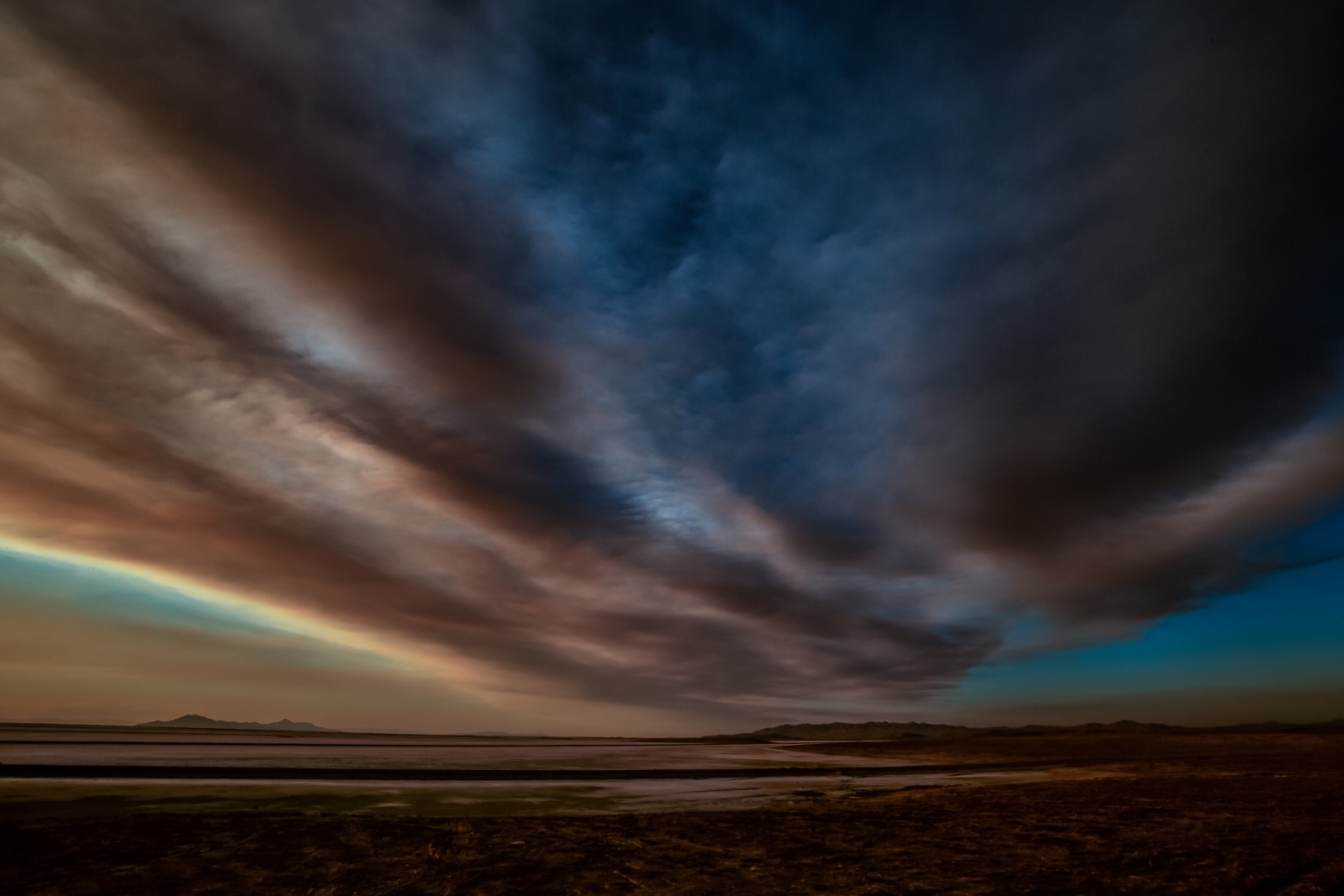
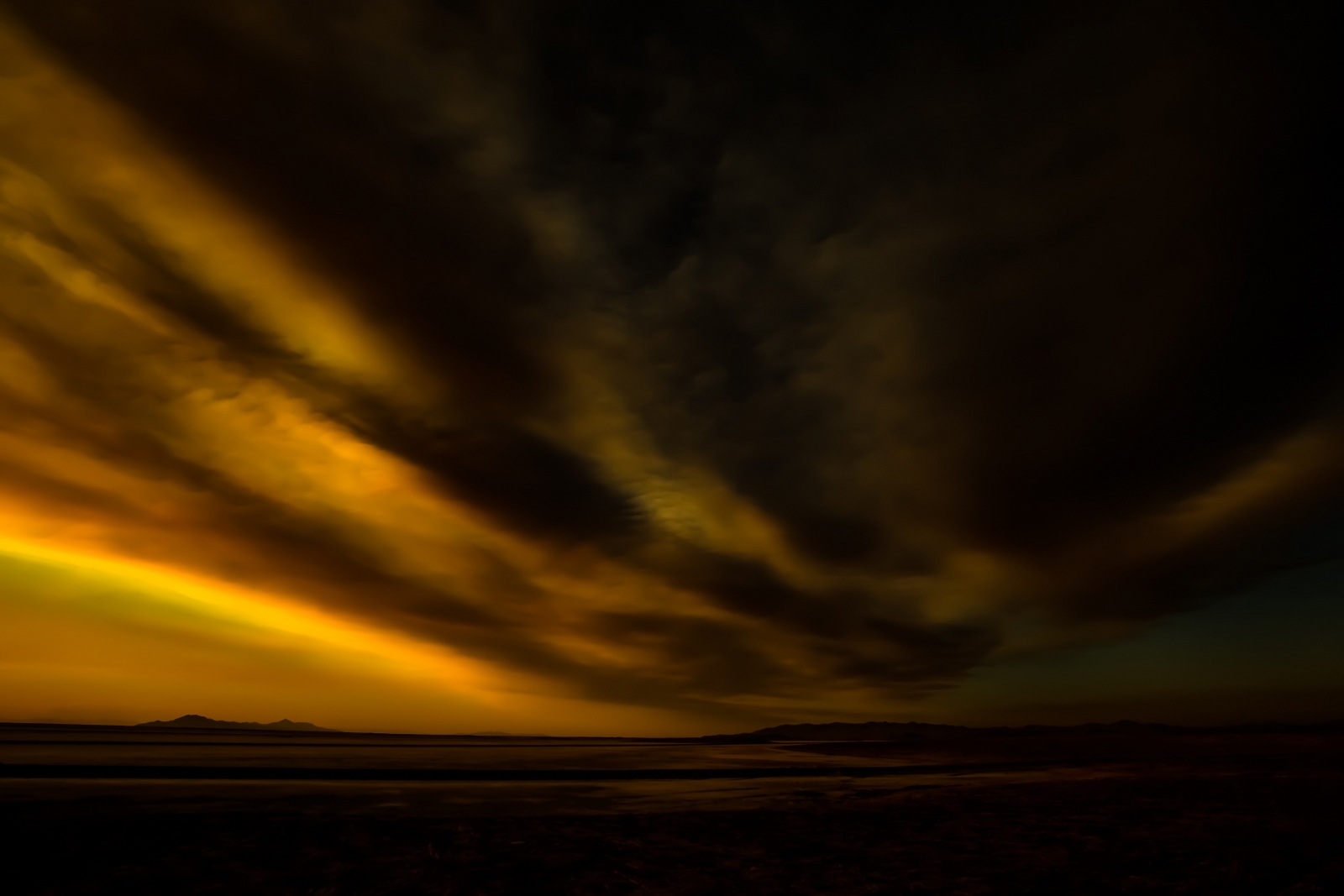
Here, one of the final rewards of the day was the evening cloud-work after the sun had crossed the horizon.

Shout Out – a big thank you to Maciek Sokulski (‘Shuttertime with Sid and Mac’ podcast) for articulating good best practices for working with Adobe Lightroom.

Quote to Consider/Inspire – “This freezing of time – the insolent, poignant stasis of each photograph – has produced new and more inclusive canons of beauty.” – Susan Sontag, ‘On Photography’

Listening to – Bruce Springsteen’s ‘Highway Patrolman.’