I have been listening to an interview with Parker Palmer and Courtney Martin, this morning. The interview is presented as a podcast by Krista Tippett in her ‘On Being’ podcast/broadcast and is entitled ‘The Inner Life of Rebellion.’ The extrapolation as it relates to photography is to consider how photography is an act of rebellion … likely such a question has been fodder for Susan Sontag in her book, ‘On Photography.’ Susan Sontag’s book and this ‘On Being’ podcast are both worth attention.
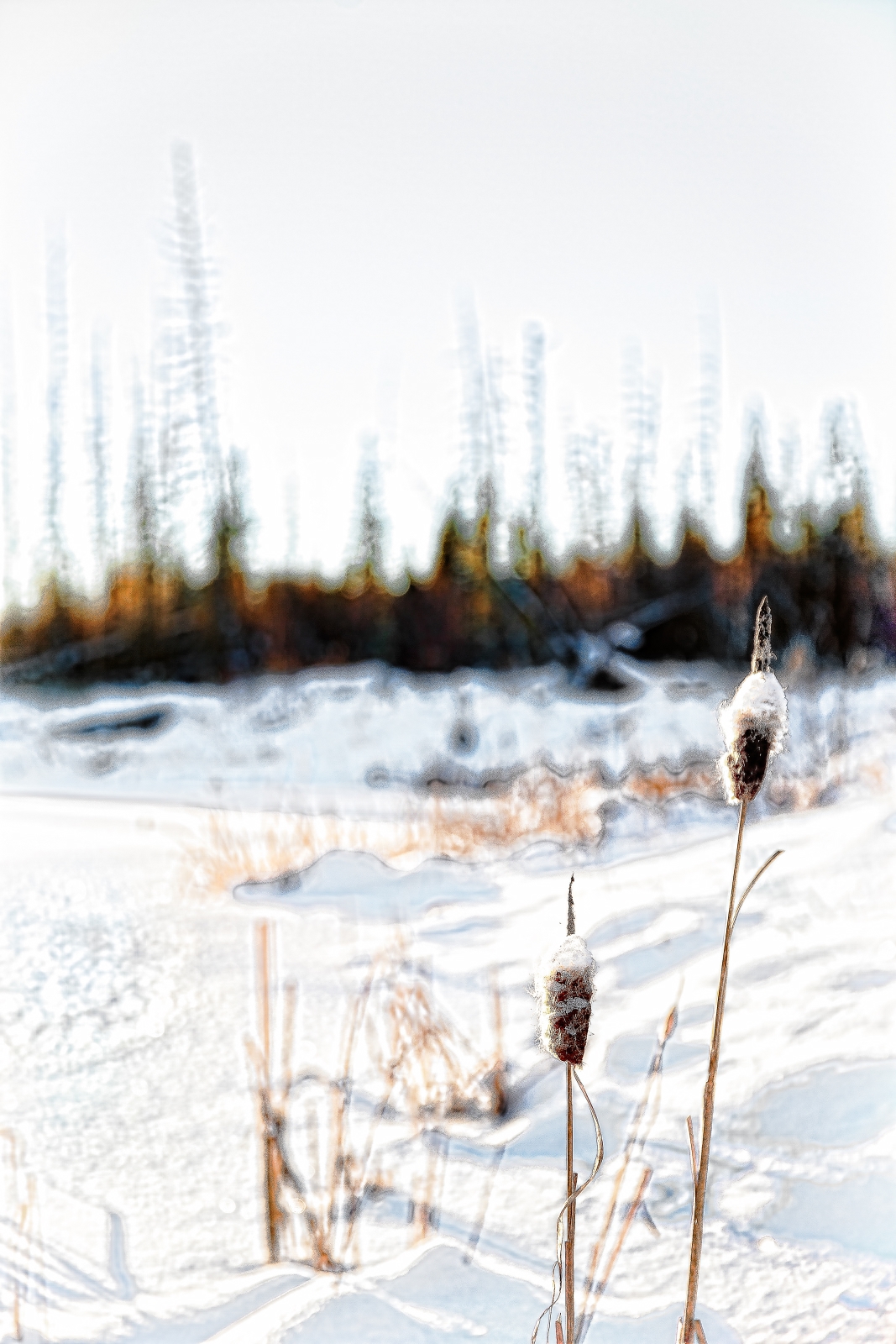
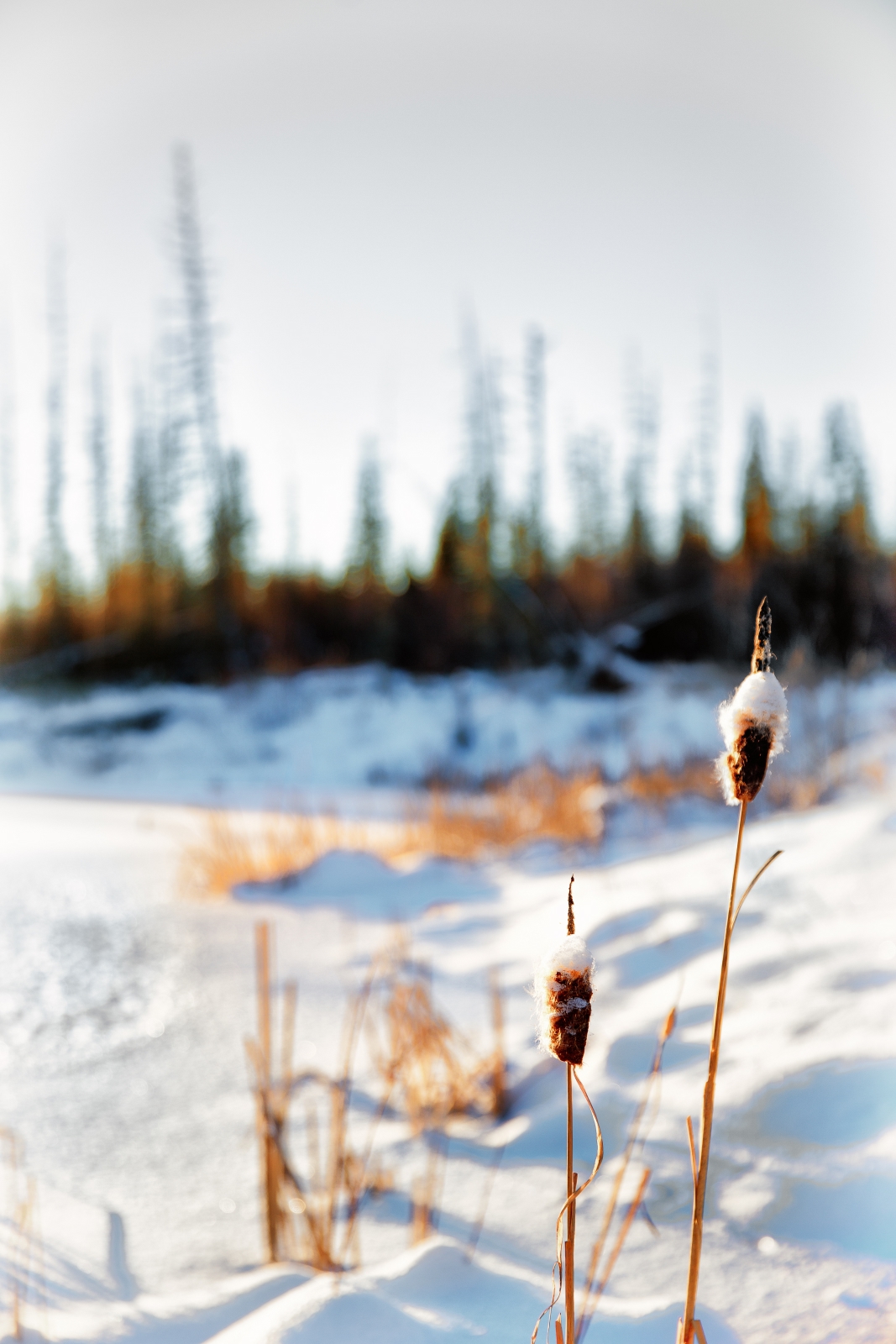
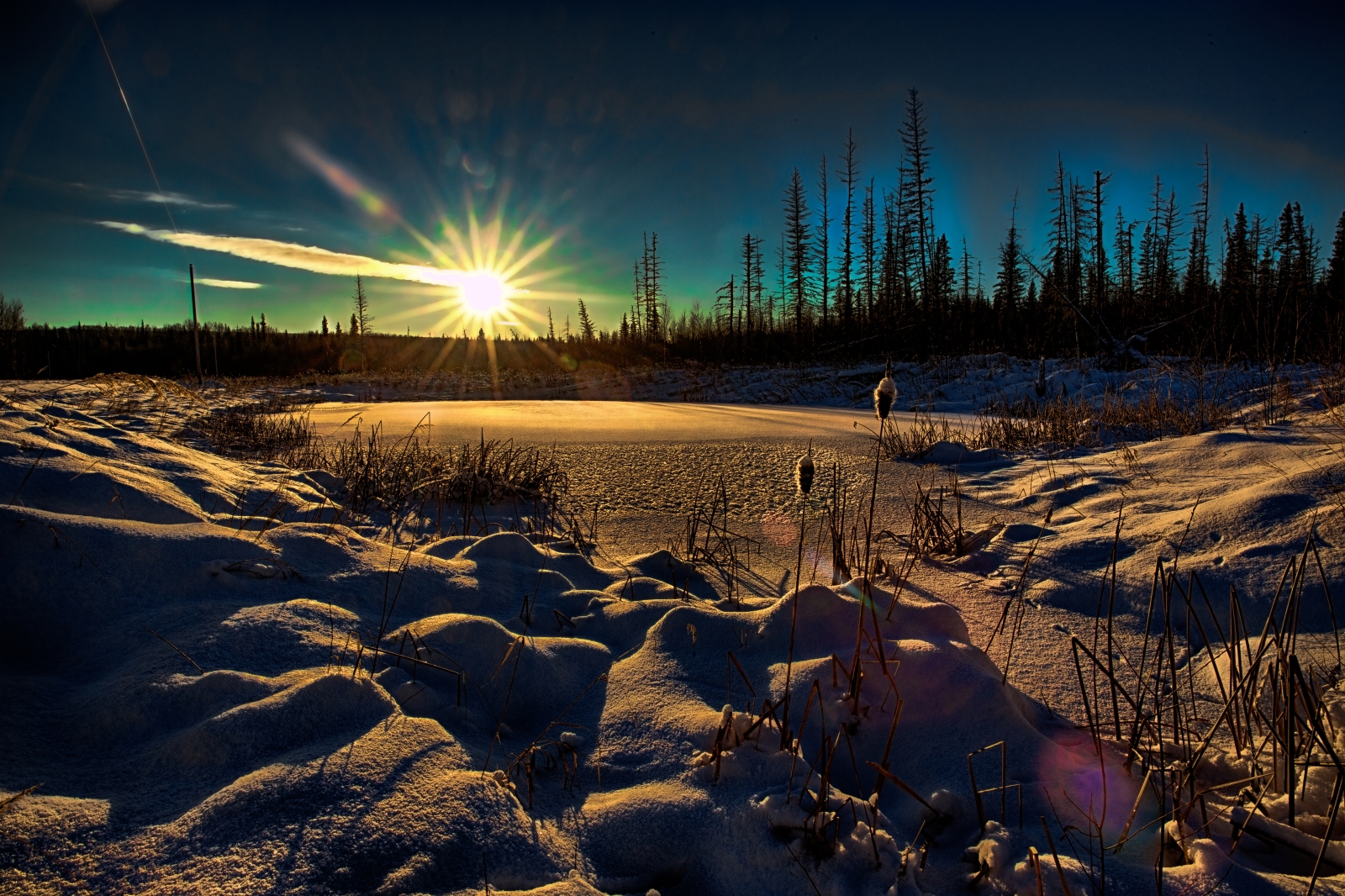
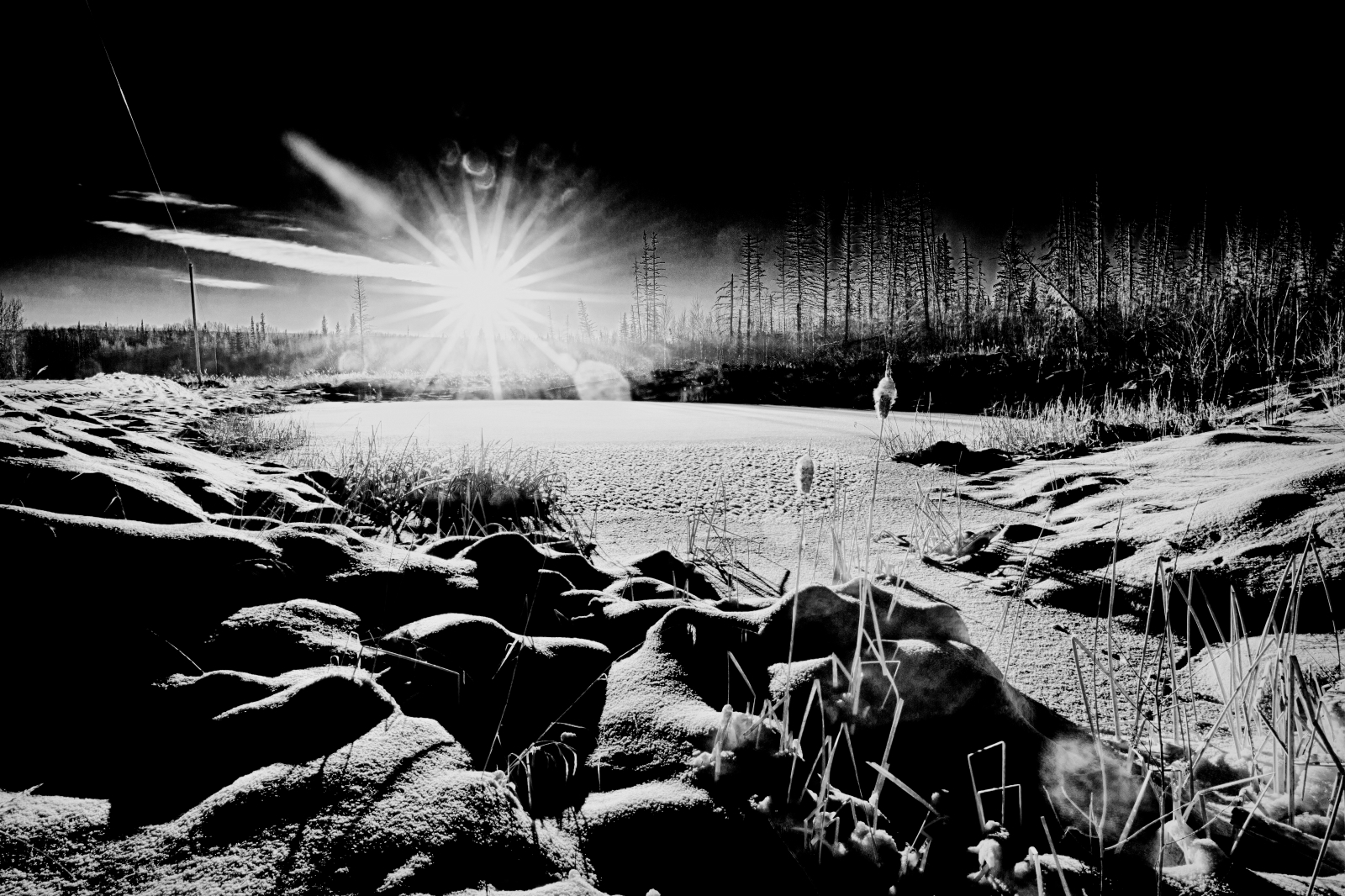
Images – A Sunday afternoon’s photos in January, toward Watt Mountain.
Listening to: Hang Massive’s ‘Once Again;’ the week has also brought some time travel in terms of music – ‘At the River’ by Groove Armada, ‘Friday I’m in Love’ by The Cure and ‘Push the Button’ by the Sugababes. I’ve also had a go at Zoe Keating’s ‘Into the Trees’ album – ‘Seven League Boots’ often adds transition in ‘On Being’ podcasts.
Quote to Consider – “Skill in photography is acquired by practice and not by purchase.” – Percy W. Harris; “I am not interested in rules or conventions. Photography is not a sport.” – Bill Brandt
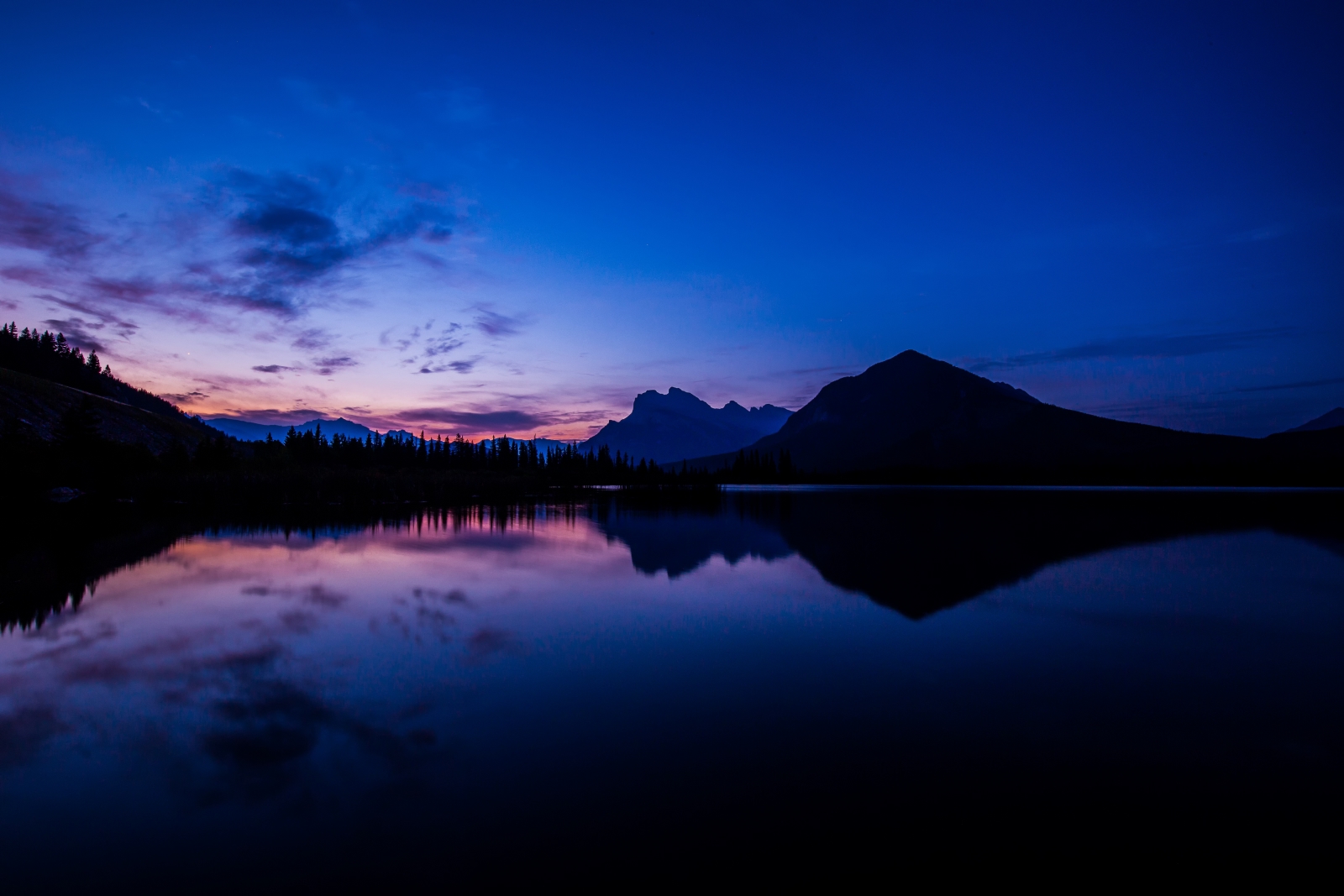
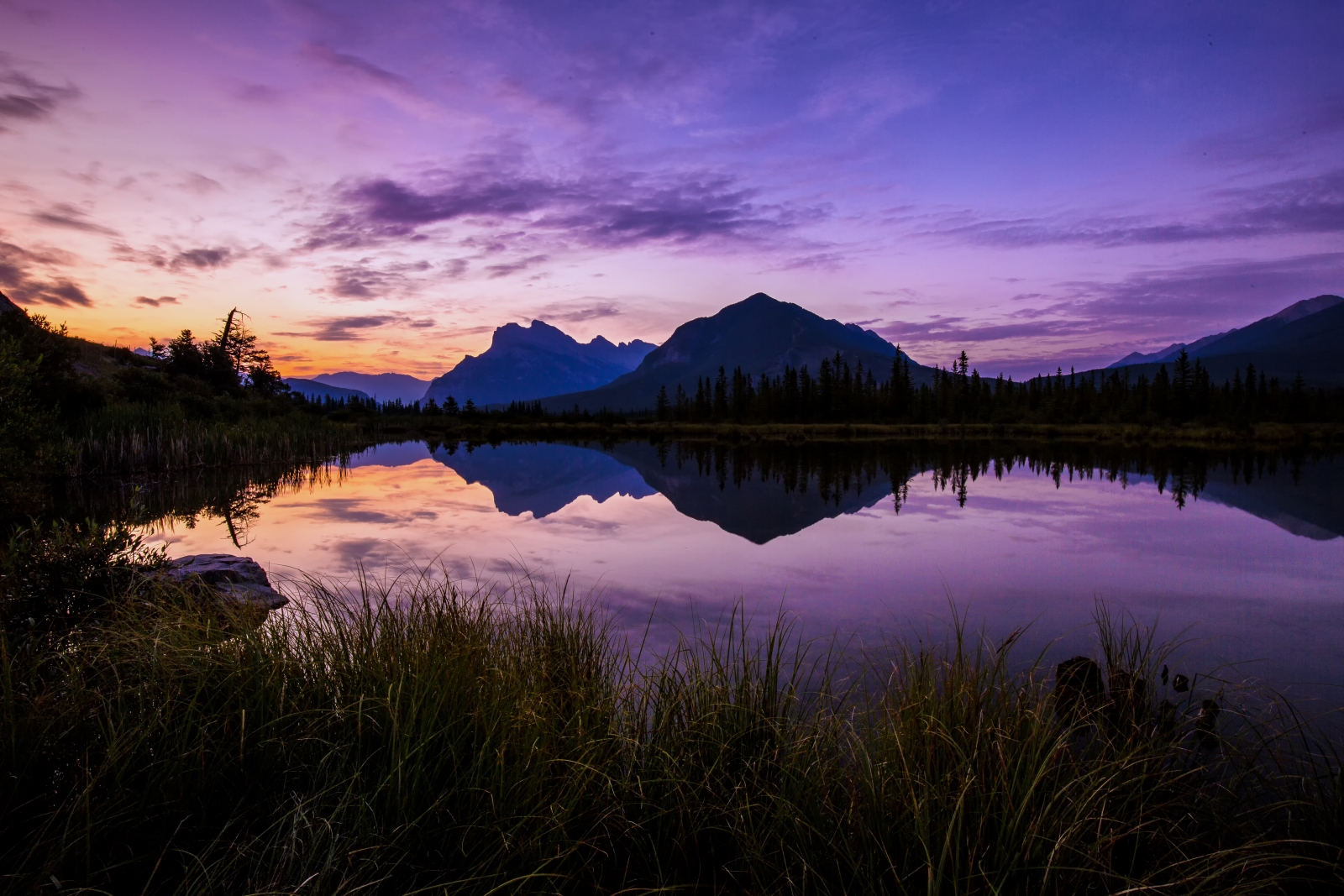
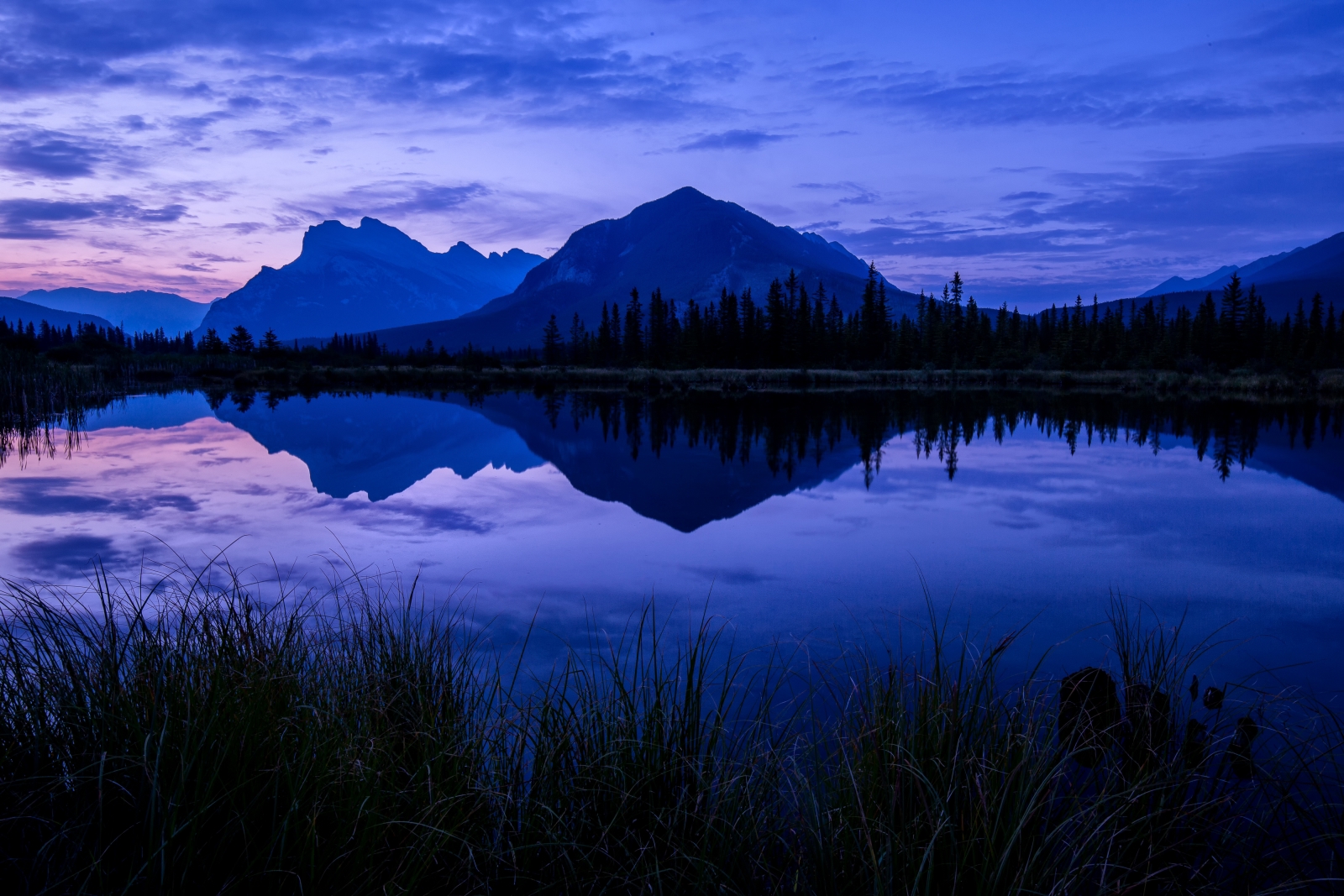
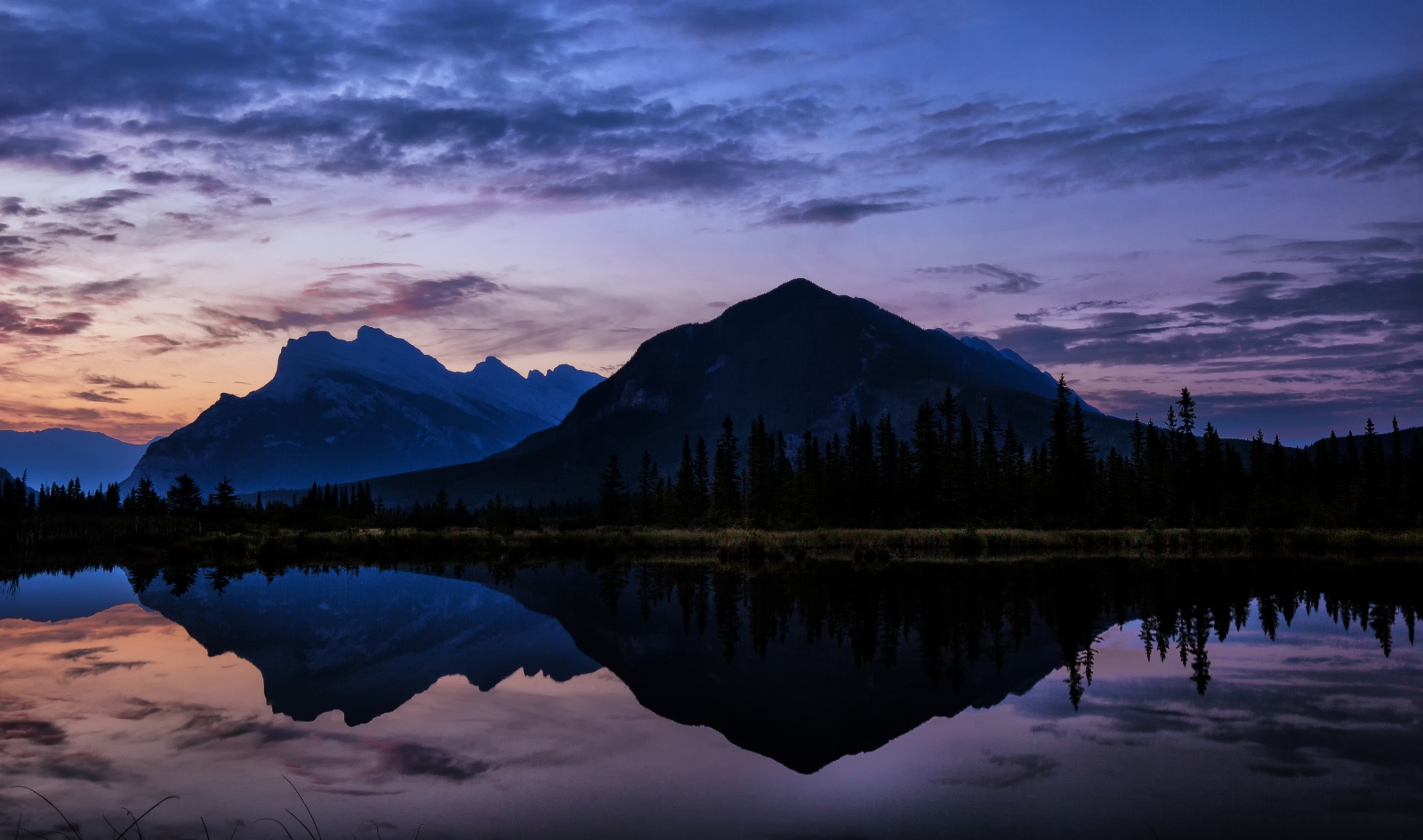
Vermillion Lakes, Banff, Alberta 1Vermillion Lakes, Banff, Alberta 2Vermillion Lakes, Banff, Alberta 3Vermillion Lakes, Banff, Alberta 4Vermillion Lakes, Banff, Alberta 5Vermillion Lakes, Banff, Alberta 6Vermillion Lakes, Banff, Alberta 7Vermillion Lakes, Banff, Alberta 8
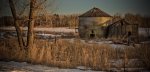
One aspect of photography that has grown into practice is the matter of recognizing the opportunity presented by the derelict car in a field along the highway, the abandoned farmhouse and former granaries, that thing that you come upon in your travels that you may not ever see again. The challenge is to make time for it, to engage fully in seeing it, to name it, to grasp what it is and what has been its narrative, to share time with it. The choice becomes that of photographing it (… or not) and there are choices in editing that honour the subject and the image, to find its best way(s) of being seen. The image, in its being shared creates opportunity; what has been witnessed and what has been created, not only allows others to see something more of the world, but serves to encourage (or perhaps compel) exploration of that thing witnessed through your camera and lens.
Some of this is about that key teaching from Robin Williams, as professor Keating, in the ‘Dead Poets Society’ in the first poetry lesson – ‘Gather ye rose buds while ye may,’ the import of which was his solemn admonition to his students – ‘seize the day’ and ‘make your lives extraordinary.’ Carpe Diem is about seizing the day as much with any of life’s opportunities as with the opportunities for images that can be created with a camera.
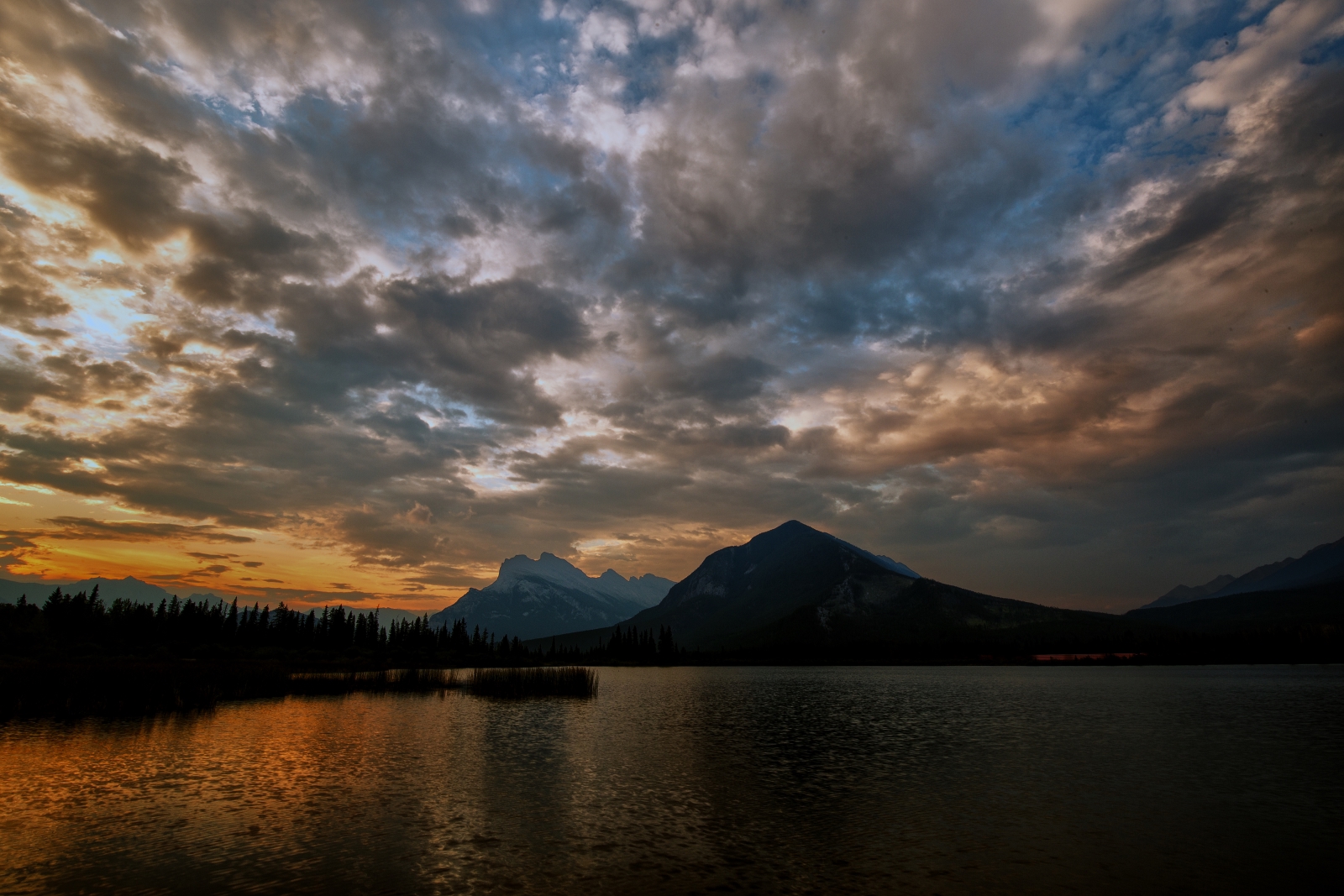
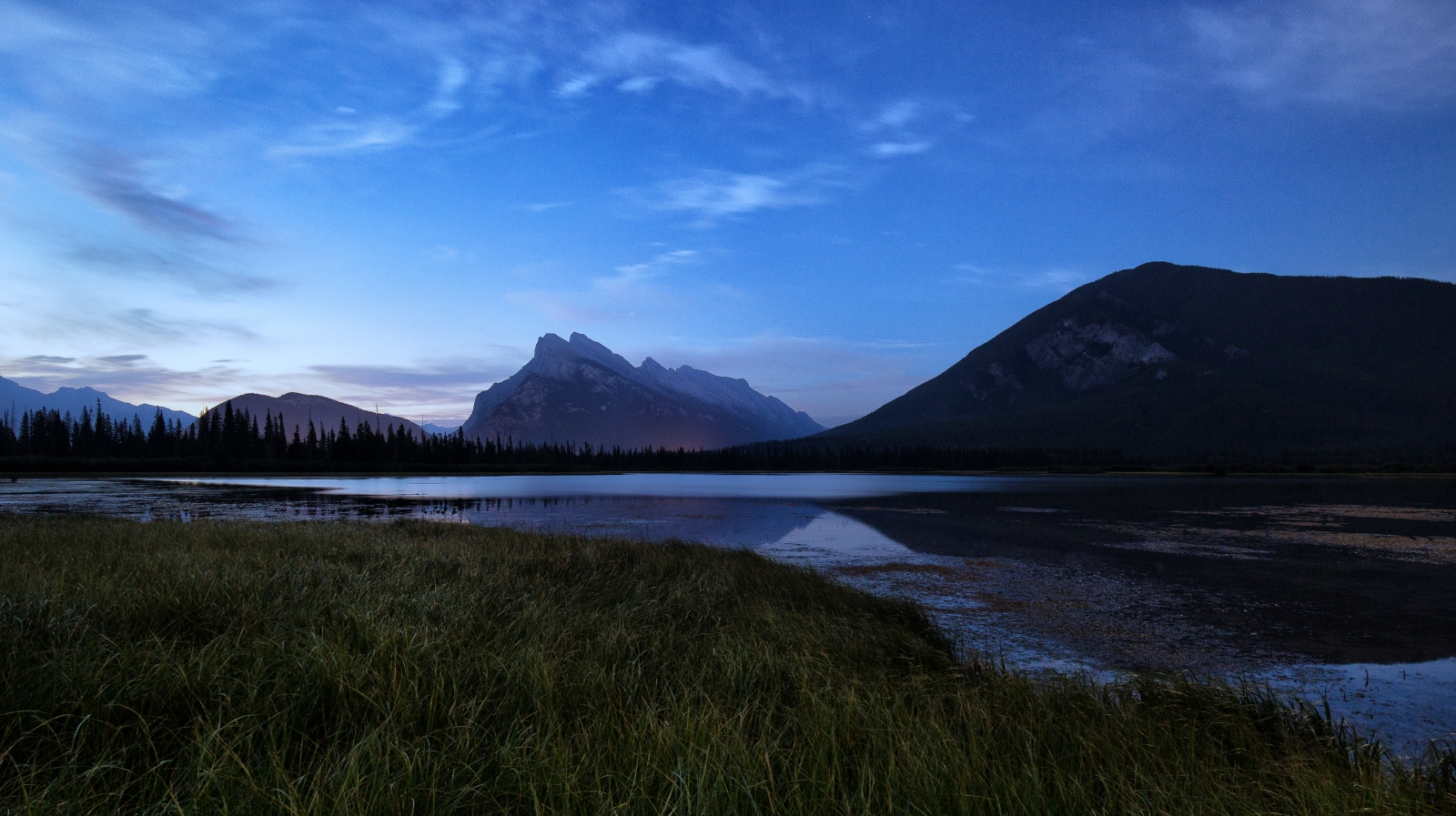
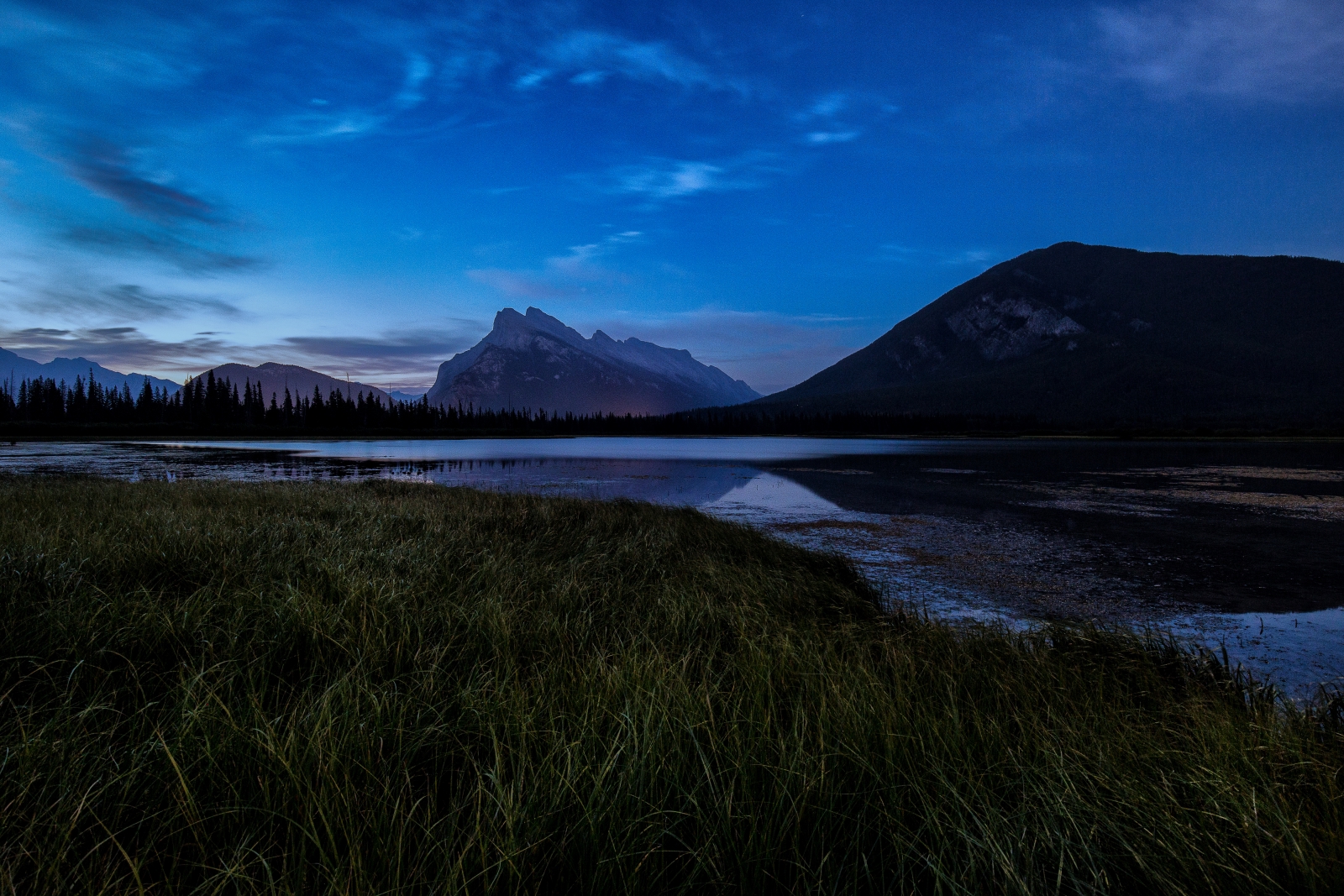
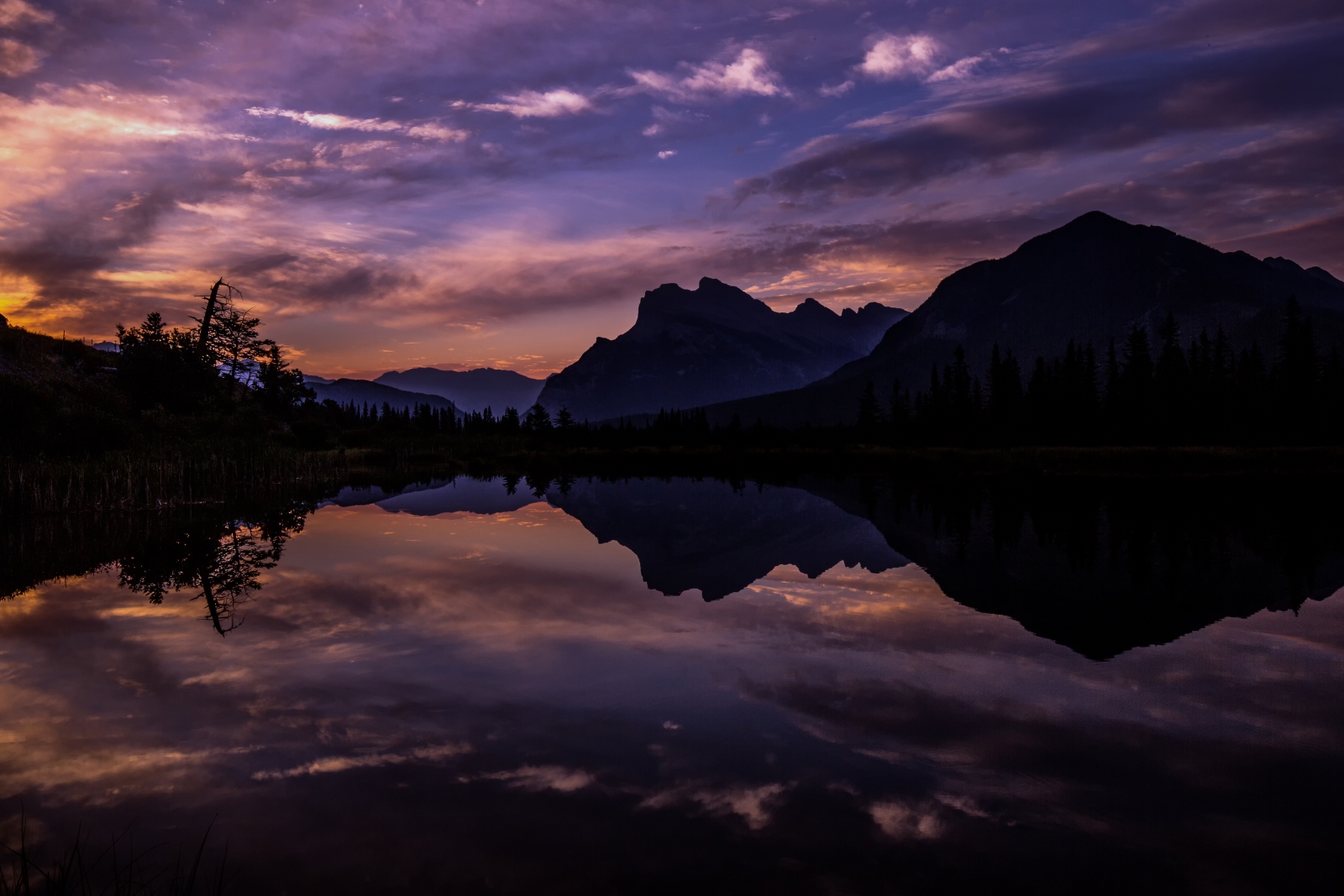
In Banff last week, perhaps owing to summer heat or day/night air pressure differential in the mountains I found myself not always sleeping through the entire night and chose to get out with my camera for landscape photos in pre-dawn dusk. Before leaving for Banff, I had reviewed Maciek Solkulski’s Google+ page for winter sunrise shots he had taken at the Vermillion Lakes in Canada’s Banff National Park. Maciek, an Edmonton photographer, is one half of the podcasting duo of the Shutter Time with Sid and Mac podcast. From Mac’s Google+ page I was able to review maps of where the Vermillion Lakes were in relation to Banff. And, so, before dawn, two days in a row, I got out to the Vermillion Lakes for morning images; these are presented here.
Listening to – Elliott Smith’s ‘Between Bars,’ ‘No Name #3’ and ‘Angeles,’ Gerry Rafferty’s ‘Baker Street’ and The Waterboys’ ‘Fisherman’s Blues’ – all songs from Good Will Hunting.
Quotes to Inspire – (1) “The photographer both loots and preserves, denounces and consecrates;” and, “Life is not about significant details, illuminated (in) a flash, fixed forever. Photographs are.” – Susan Sontag, ‘On Photography’
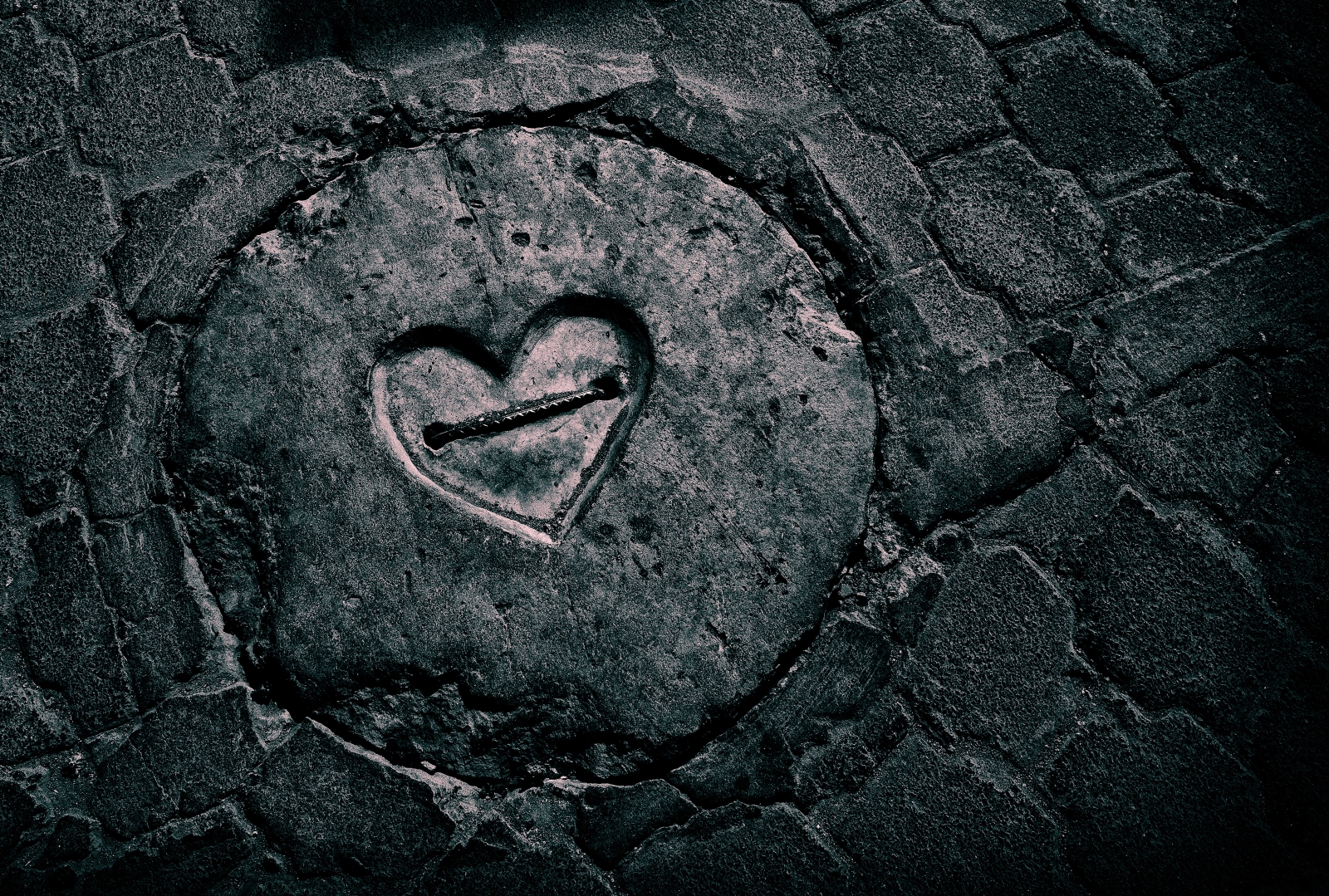
A creative manhole cover in Tizate, Guatemala; liking the colour, shapes and texture within the image. The image reminds of U2’s ‘Love Comes to Town’ with BB King.
Quote to Inspire – “Photography inevitably entails a certain patronizing of reality. From being ‘out there’ the world comes ‘inside’ photographs.” – Susan Sontag, ‘On Photography’
An autumn memory, a gift to view as we move into snow and extreme sub-zero temperature – nature’s architecture providing visual articulation of golds on black at harvest.
Quote to Inspire – “Photographs are a way of imprisoning reality …. One can’t possess reality, one can possess images – one can’t possess the present but one can possess the past.” – Susan Sontag, ‘On Photography’
Listening to – U2’s ‘In a Little While,’ Linkin Park’s ‘Roads Untraveled,’ Jessica Sanchez’ ‘Lead Me Home’ and Bob Dylan’s ‘Shelter from the Storm.’
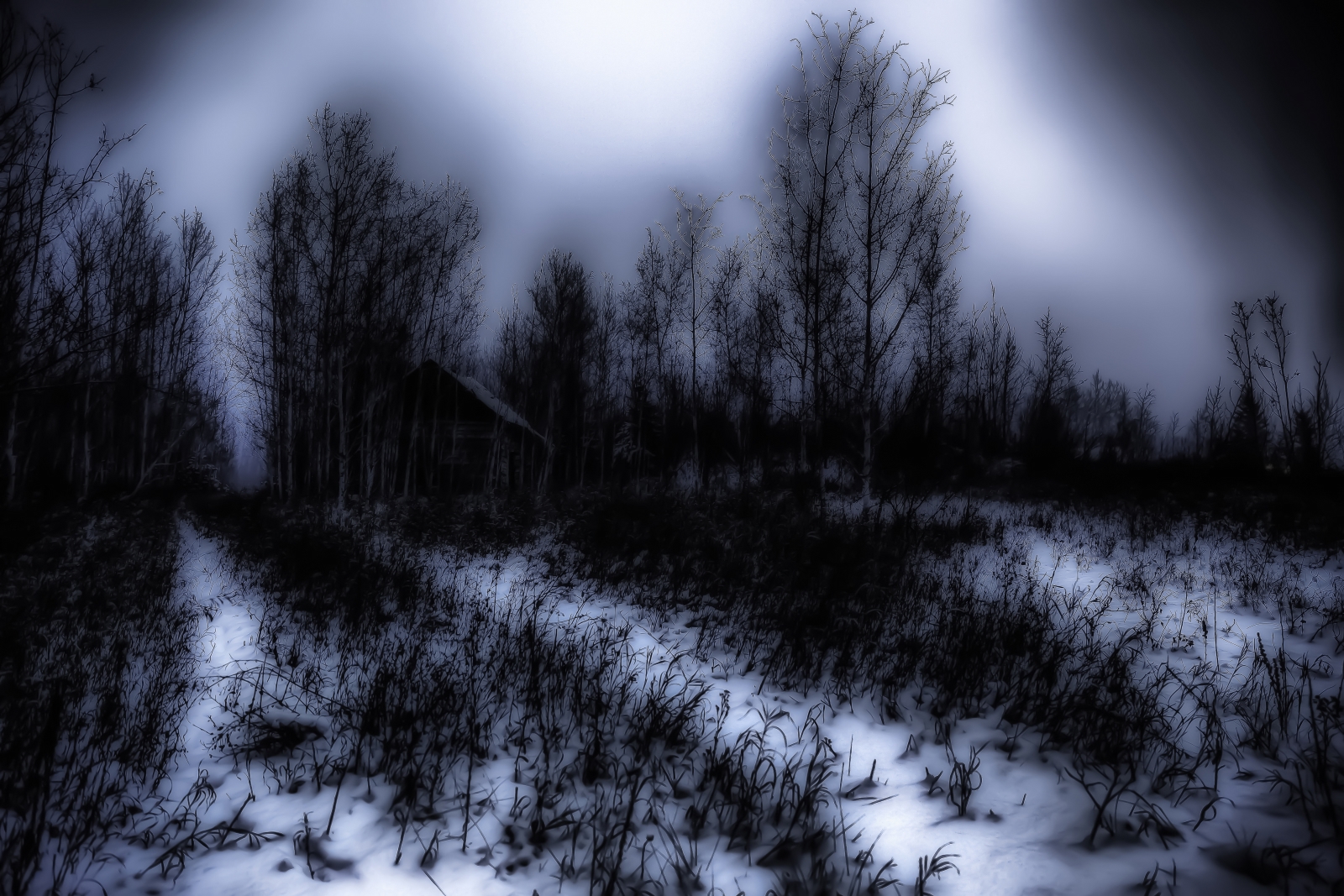
Buttertown Trail & Homestead – North Vermilion Settlement, Fort Vermilion, Alberta
Returning to High Level from La Crete I chose to investigate briefly the photographic opportunities available at Buttertown, a community just across the river from Fort Vermilion, Alberta. I followed the track through Buttertown finally stopping near this homestead home that may be a century old; it resides only a stone’s throw away from the St. Louis Roman Catholic mission. The moment was quiet, one in which I could hear the wind in the forest, the scrunch of my boots on snow and the occasional drone of vehicles passing miles away. Snow was being loosened from clouds on an overcast, yet moonlit night. What is more, the photograph is shot following sunset and the time is only 6:00 p.m..
Within this image, the track, house, snow and trees recall winter nights walking along less defined paths in what continues to be Alberta’s frontier, its north-central region in and surrounding Wood Buffalo National Park. In those walks, moonlit snow would glow along trails and paths. Most nights would see me cross the kilometre span of Ice Bridge covering the Peace River between December and March. In severely cold temperature, I have walked and encountered northern lights brightening my path with the intensity of vehicle headlights. I have come upon wild horses on trails, not daring to move, shivering, their coats glazed with frost. Two hours hiking would have me out and about looking at the world and move me through ten to twelve kilometres. It was good to move, think and explore.
The tones within the image recall scenes from short stories and novels in which an evening moonlit walk takes a character beyond the safety of home in her or his travel to a neighbor’s home or to town on evening business. Jane Eyre meets the man she’ll later marry, Mr. Rochester by first startling his horse and causing him to fall and sprain his ankle; unwittingly, this is her first encounter with her employer who’s brought her to Thornfield Hall as governess to his child born out of wedlock. Dickens’ story, ‘The Signal Man,’ occurs primarily at night in a cleft of land surrounding a railway switch in conditions similar to those found in this image, conditions ripe for mishap. Many, but not all ‘Ghost Stories’ of M.R. James occur at night in light that obscures perceptions. And, it is perception within half-light scenes that becomes the stage for most occurrences or happenings within Henry James’ novel, ‘Turn of the Screw,’ an excellent ghost story that has the reader consider whether or not the governess actually senses the preternatural existence of others; the alternative is that half-light is playing tricks on her perceptions and that’s she subject to the workings of an overactive, imaginative mind.
In looking into Buttertown, it is actually a name for the North Vermilion settlement associated with Fort Vermilion. The nickname Buttertown came about in the early nineteen hundreds after an incident when some rancid butter had been sold (Place Names of Alberta, Volume IV, Northern Alberta – Merrily K. Aubrey).
Listening to – ‘On Photography’ by Susan Sontag, a selection of essays written about all facets and dynamics of photography, a good listen. Music-wise – I’ve been listening to Dave Matthew & Tim Reynolds concert, ‘Live in Lost Vegas’ – ‘Lying in the Hands of God,’ ‘Some Devil’ and ‘Alligator Pie.’
Quotes to Consider – (1) “To photograph is to appropriate the thing photographed.” (2) “[Photographs] … still want, first of all, to show something ‘out there.’” (3) “[The camera] makes real what one is experiencing … a way of certifying experience … converting experience into an image, a souvenir.” – Susan Sontag, from ‘On Photography’.
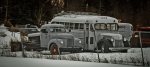
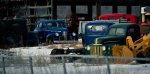
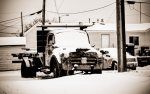
Older Vehicles – Alaska Highway Museum, Sangudo, Alberta
Cab and Chassis & Bus 1
Cab and Chassis & Bus 2
Old Cab and Chassis 1
Old Cab and Chassis 2
Old Cab and Chassis 3
Sangudo Truck Museum 1
Sangudo Truck Museum 2
Sangudo Truck Museum 3
Nampa Flat Deck Truck 1
Nampa Flat Deck Truck 2
Cab & Chassis – Sangudo 1
Cab & Chassis – Sangudo 2
Cab & Chassis – Sangudo 3
Cab & Chassis – Sangudo 4
Saw Mill – Whitecourt 1
Saw Mill – Whitecourt 2
If you’ve been around the internet in the past five years, consideration of what comprises a perfect average day has surfaced as a means of designing one’s day so that key features in one’s day are found and recognized, so that Life-long goals are actualized and so that people recognize and master control over what happens within their days rather than being mere do-bodies, going from bed to work and back again with little awareness of time, values, meaning and effort, all of which are invested in each day. For me, what to do about photography and pursuing each next, best picture has been the question of the day … through many months. Photography is an activity that you make time for, an activity that you fit into your day, an activity that must, in precedence, rank equally to other activities in your day if you’re to find successes with it. It’s about photographing things you like to photograph, things you’re interested in. It’s about photographing things you don’t normally have access to in your day-to-day existence. It’s about capturing unique qualities in your subject that you and others may perhaps never find again. And, it’s about recognizing the beauty in things and photographing them. In Susan Sontag terms photography is about appropriating and making the thing photographed, yours. Photography is not an activity easily engaged in. Often the timeframe from image capture through to print and presentation is a separation of tasks that involves days, weeks, months and as I’m still finding, it may involve years. It is work and it is cumulative work – seeing more and more of what the image can become. It is an endeavor engaged in primarily because the print outcome is reward; what is produced is a kind of manna for the viewer to feast upon. In the subjects photographed, while there are seasons and changes we pass through, what’s also beginning to surface as more photographs are created is the commonality or mean of existence, the fundamentals that we need to live and thrive. And, I note my good fortune in not being fully exposed to lives lived in the absence of these basic ingredients of Life.
The photographs presented here are the other photographs, the b-side images that were not ones selected to tackle consideration of a single theme or idea or subject. What’s interesting, though, is the repetition of what is subject within photographs – it’s beginning to reveal commonality among our human needs.
Listening to Young the Giant’s Cough Syrup, (a second night’s acclimatization to the tune), Ulrich Schnauss’ Passing By (from Elizabethtown Soundtrack – vol. 2), the Propellerheads’ Take California, Tricky’s Hell Is Around the Corner, Supreme Beings of Pleasure’s Strangelove Addiction, Moby’s Porcelain and the Gotan Project’s Santa Maria (Del Buen Ayre).
Quote to Inspire – “Photography, like alcohol, should only be allowed to those who can do without it.” – Walter Sickert
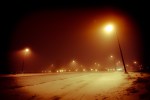
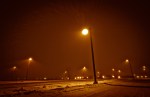
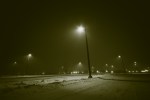
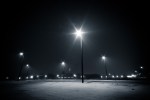
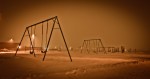
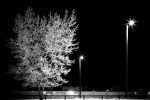
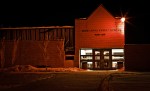
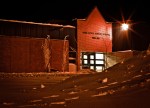
On Thursday evening, the temperature in High Level, Alberta dropped from -10C to -20C+. The moisture in the air transitioned to noticeable fog and then crystallized on physical objects producing a beautiful array of hoarfrost on trees, buildings and fences throughout the town. I went for my evening walk, walking a counter clockwise, reverse 6 km circuit through High Level, returning home to collect my Canon 60D and Manfrotto Tripod. The variation in subjects is limited – bus lane light standards between High Level Public School and Florence MacDougall Community School (showing the play of light against fog), a hoarfrosted tree in parking lot to the west, three entrance images to High Level Public School and the school’s playground equipment. In all images, a change in the weather has altered the landscape, creating new possibilities for photographs.
Composition for photographs has been on my mind and while there are many rules or principles to guide angle of view, subject and lighting, the thing I’ve been reminded of is that composition is about ‘finding’ the strongest way of seeing the subject. Here, Angela Patterson of the Ditch Divas would remind me that while there are technical considerations, it is also important to get to the point of taking the picture … not to over-think the opportunity in front of you … likely because it’s impermanent.
Listening to Impermanent Things by Peter Himmelman from his Stage Diving album; (thank you to Stocki for this Rhythms of Redemption recommendation … all those years ago).
Quote to Inspire – “Photographs really are experience captured, and the camera is the ideal arm of consciousness in its acquisitive mood.” ~ Susan Sontag, On Photography
Bloggers and image viewers – Thank you for stopping by and recommending this site to friends and colleagues. Cheers!



















You must be logged in to post a comment.