I have just had a listen to Bob Dylan’s ‘Last Thoughts on Woody Guthrie (Live)’ and am struck by a quality in the monologue that is almost psalm-like, the average woman and man’s take on the business of living, almost the concerns they’d express in prayer, concerns that would consider the gap between what Life ought to hold and Life that needs to be fought for, a Life requiring help. Likely that’s the point – Woody Guthrie articulated such concerns for the average man and woman in song that is psalm, song that’s poetic, song that infuses hope by way a compassionate ear. Woody Guthrie’s words are psalms for Lives in a country emerging from the depression and war and surfacing into the fifties.
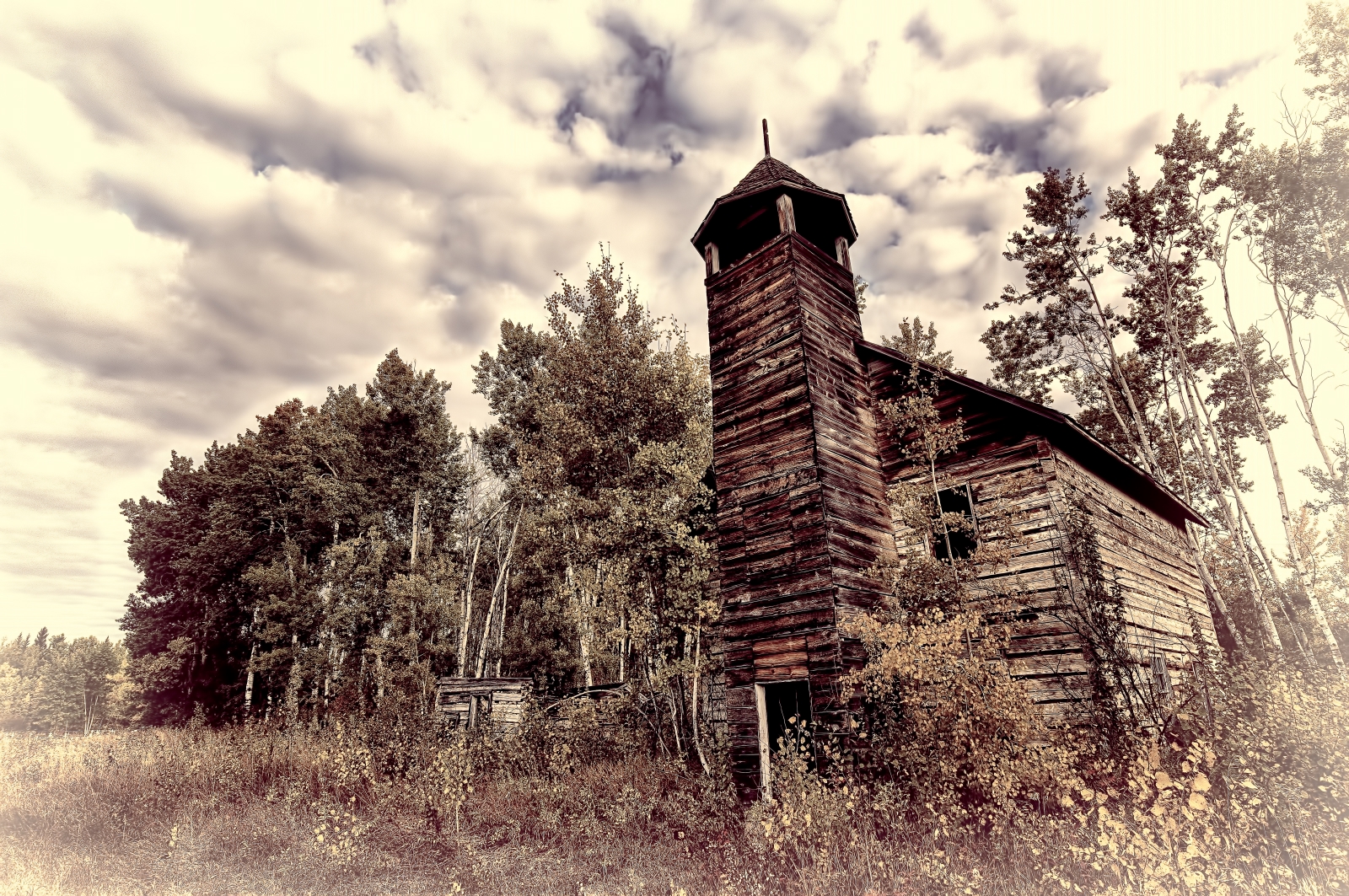
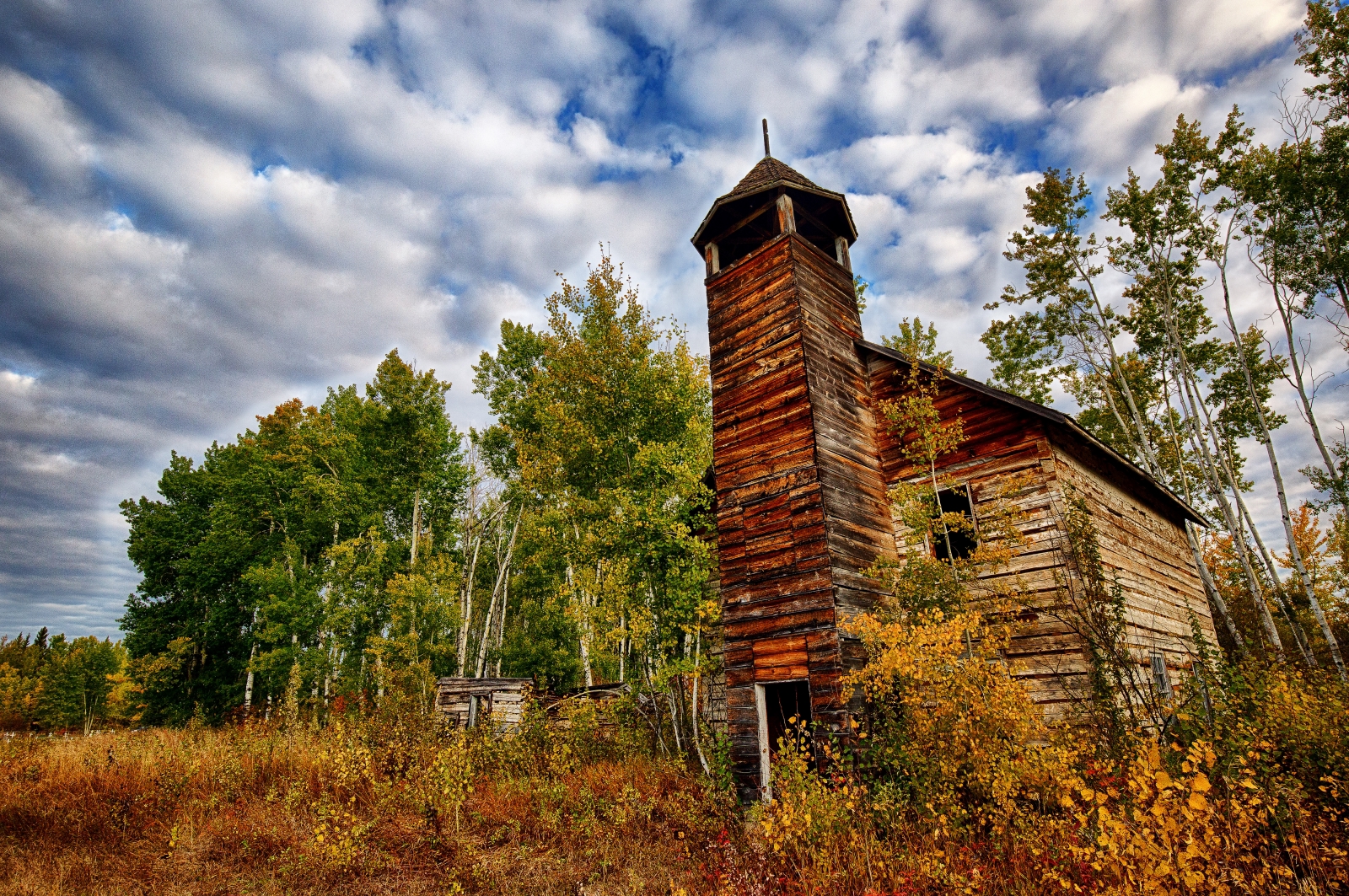
The images above are two more edits of the clapper-board church at the St. Louis Roman Catholic mission in Fort Vermilion’s north settlement – Buttertown.
Listening to – Bob Dylan’s ‘Dignity’ and John Mayer’s ‘Queen of California.’
Quote to Consider – “Some photographers set up as scientists, others as moralists. The scientists make an inventory of the world; the moralists concentrate on hard cases.” – Susan Sontag – ‘On Photography’
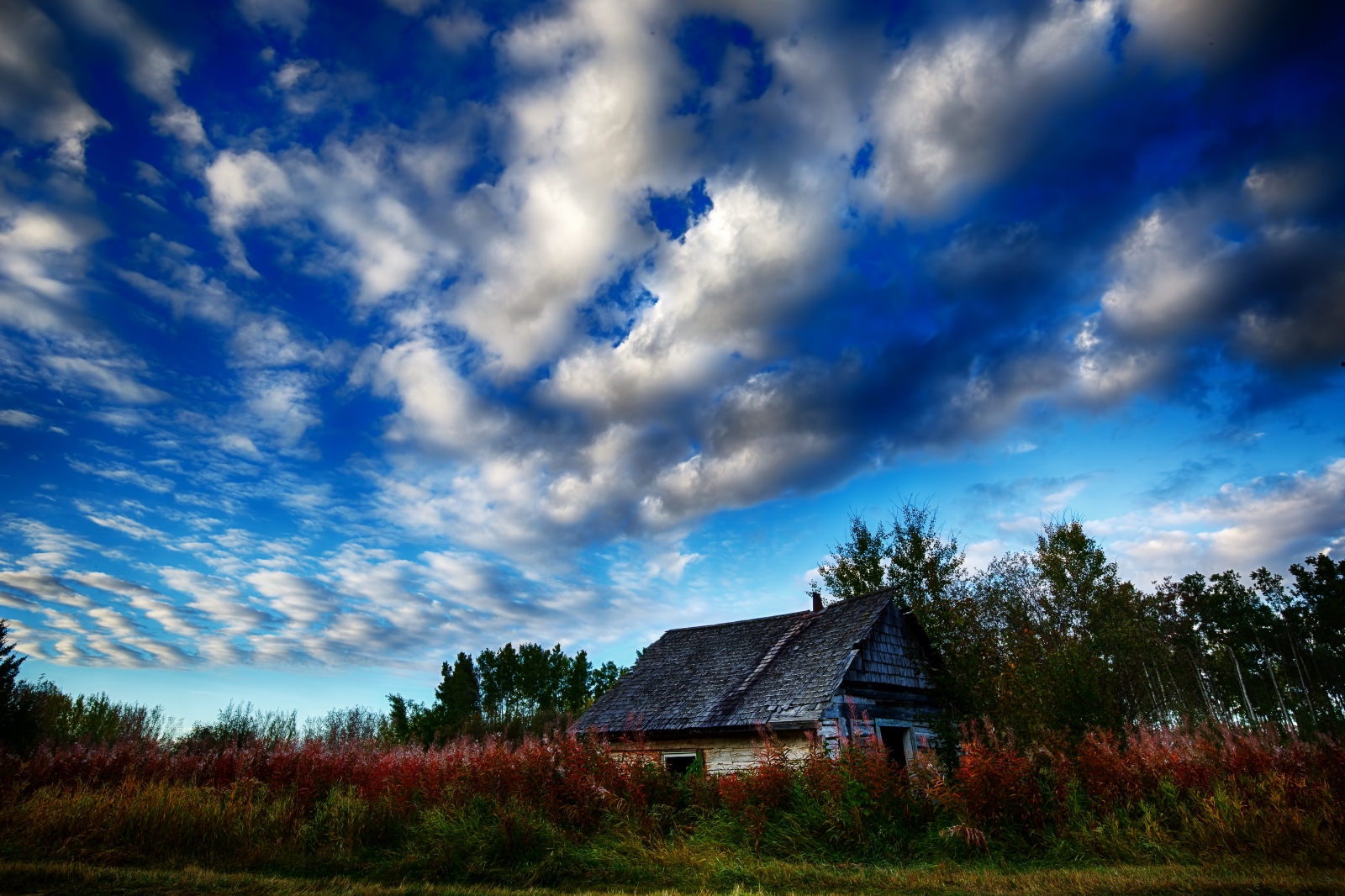
Before the day’s meeting and before arriving at our meeting’s destination a colleague and I detoured to a way point with our cameras – his Nikon and my Canon. An hour later our cameras held images gathered from the St. Louis Roman Catholic mission in Fort Vermilion’s north settlement – Buttertown. During that hour, the groundwork for this high dynamic range shot was sparked by the cloud work highlights above and the darker light below enveloping the mission storehouse and surrounding foliage, shrouding texture and low-lying colour … three shots (-2, 0 and +2) a good harvest with which to begin a bigger day of work – my gratitude goes out to my fellow camera shooter and colleague, for investing an earlier hour with me, image-making. Good on you!
Photography, this week – this past seven days has been extraordinary in terms of encountering students, colleagues, friends and former students who have engaged in dialogue about photography, gear and software, each a photographer in the making. My gratitude goes out to each of you for your solid discussion and trajectory as photographers – good schtuff!
Listening to – the morning has held Casting Crown’s ‘Follow Me,’ Bruce Springsteen’s ‘One Step Up,’ and two tonally heavy tunes from Chris Whitley – ‘Big Sky Country’ and ‘Dust Radio;’ musically, U2’s ‘Vertigo Tour’ has been the concert to watch via DVD this week.
Quote to Inspire – “The photographer is always trying to colonize new experiences or find new ways to look at familiar subjects – to fight against boredom. For boredom is just the reverse side of fascination: both depend on being outside rather than inside a situation, and one leads to the other.” – Susan Sontag, ‘On Photography’
A Sunday – day’s end; we had enjoyed family’s camaraderie and been among cousins at our cousins farm, an hour away from our Edmonton home. On what is now known as the Queen Elizabeth II highway between Calgary and Edmonton we traveled home Dad at the wheel of our green 69 Pontiac Parisienne. Often on our right travelling northward with us would be a train – three or four engines together pulling a string of cars, box cars, black tankers, different hopper cars etc.. As we finally entered the city of Edmonton and made our right turn from Calgary trail onto 51st avenue at the intersection holding Koch Mercury and the Van Winkle hotel, we would encounter the train we had traveled with at the rail crossing behind Koch Mercury. And, as you sat in your car waiting for the train to pass you could sometimes signal the engineer to sound the train’s horn by putting your fist in the air and pulling down in same fashion that the engineer would with his hand on the cable line that would release the bellow of the train’s horn. More often than not, the train’s engineer would oblige, the horn would release and the sound could be heard for miles.
It’s been a generation or two since Dad and Mom took my two brothers and I to my cousin’s farm. I have had my own time working with trains during summers in University, often as rail car spotter. My own son is now entering his fourth year of University and there’s even been a good long while since he and I would read of Sir Topham Hat, Gordon, Percy, Thomas et al in Reverend W. Awdry’s ‘Thomas the Tank Engine’ books.
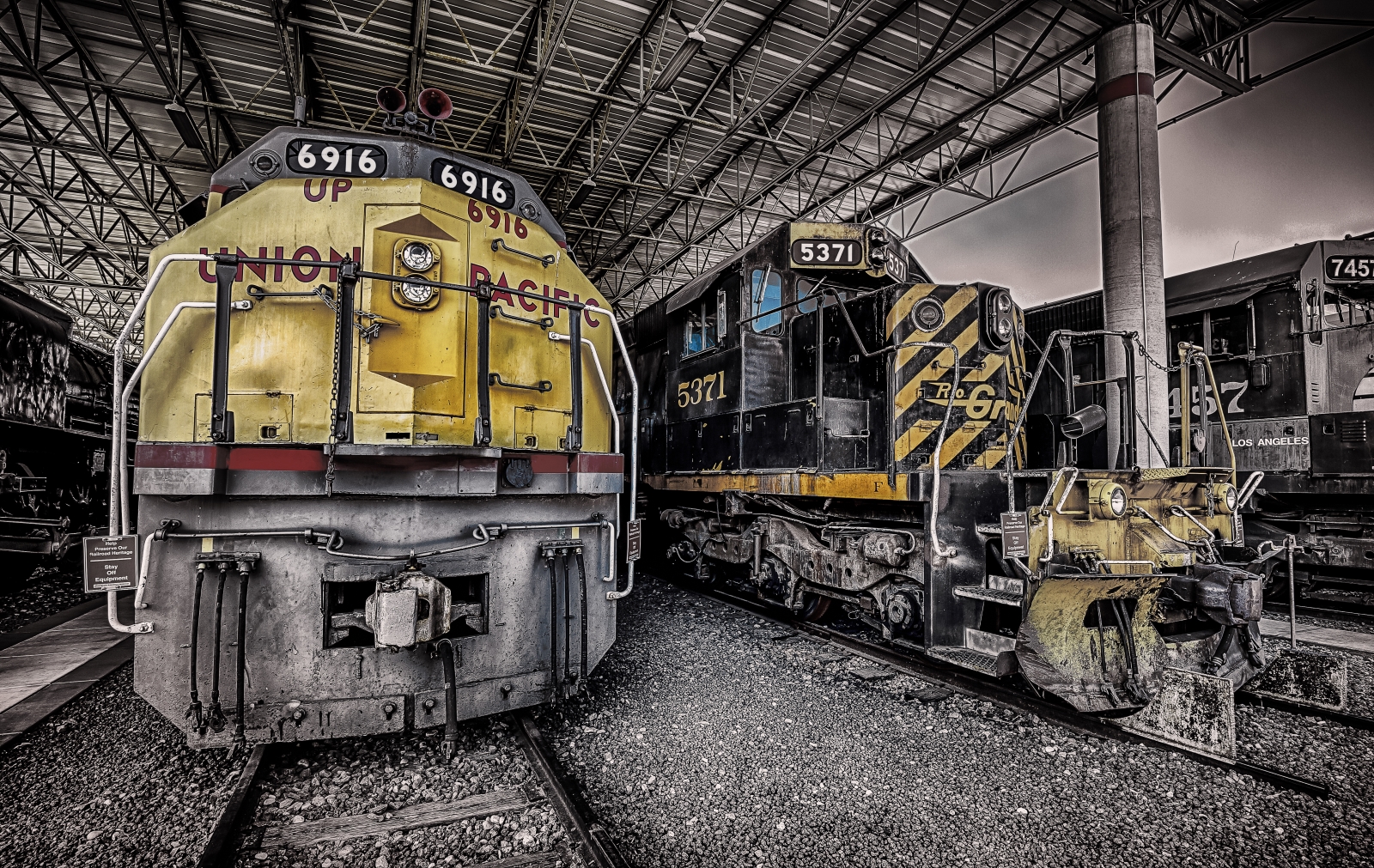
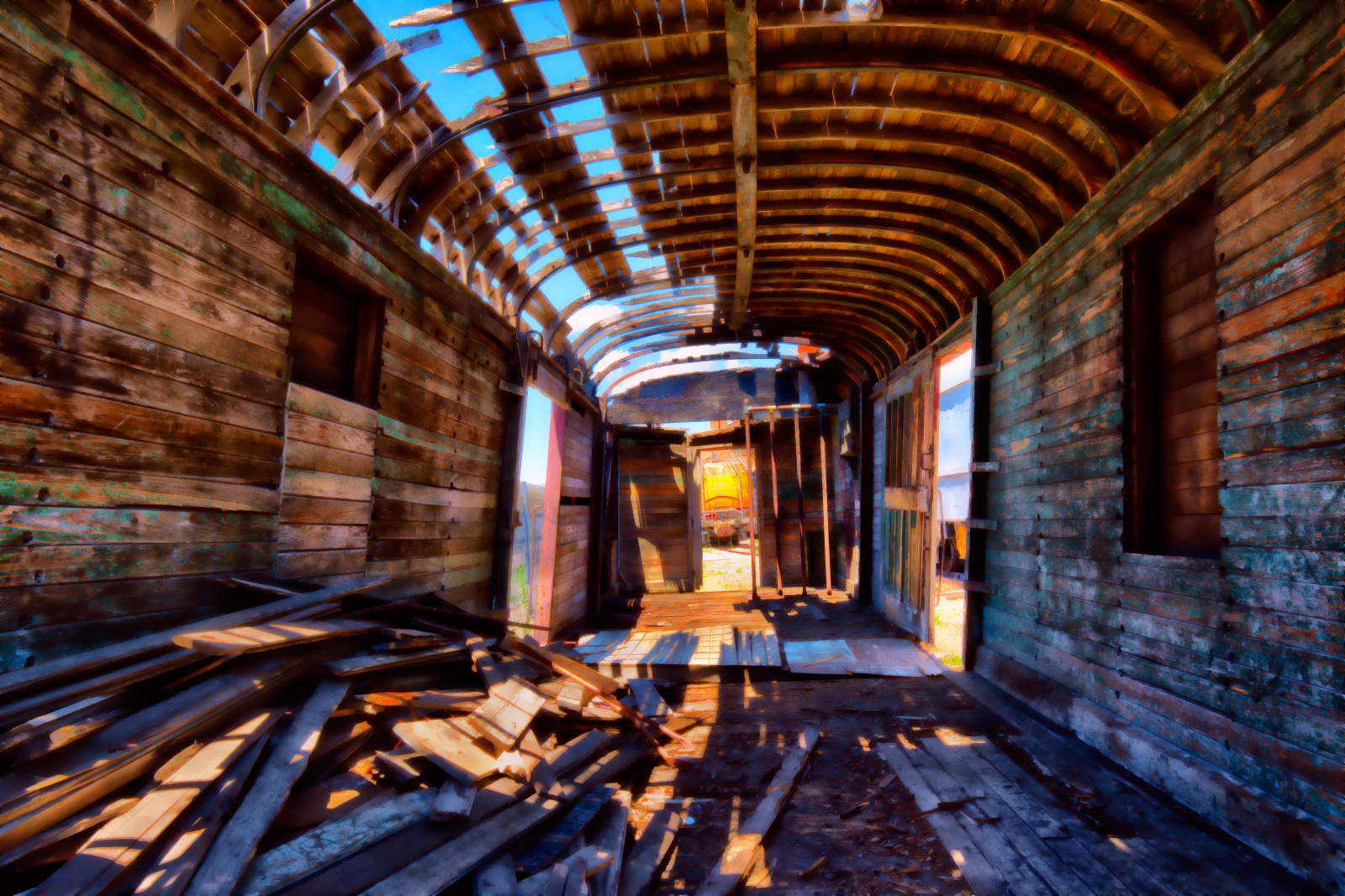
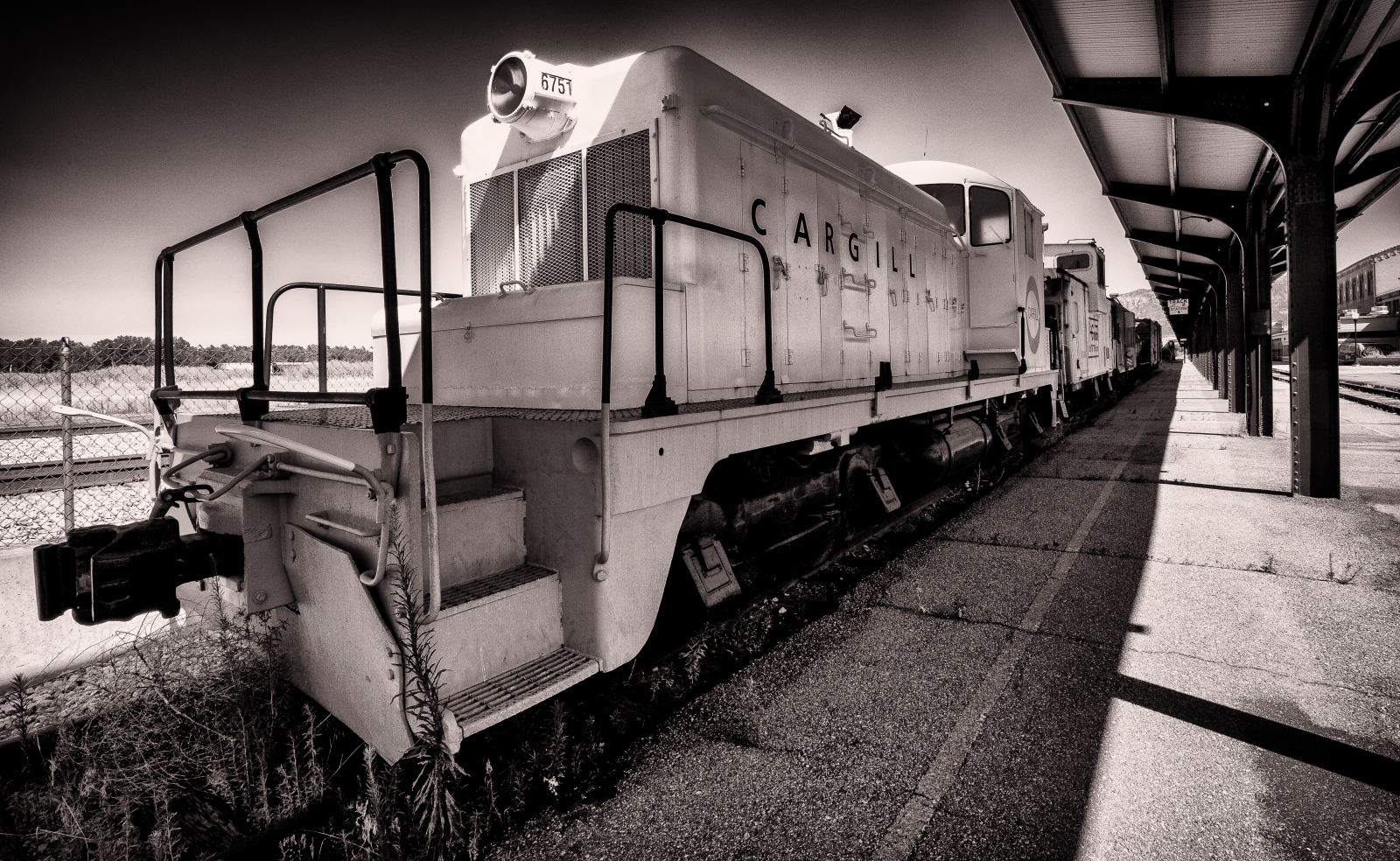
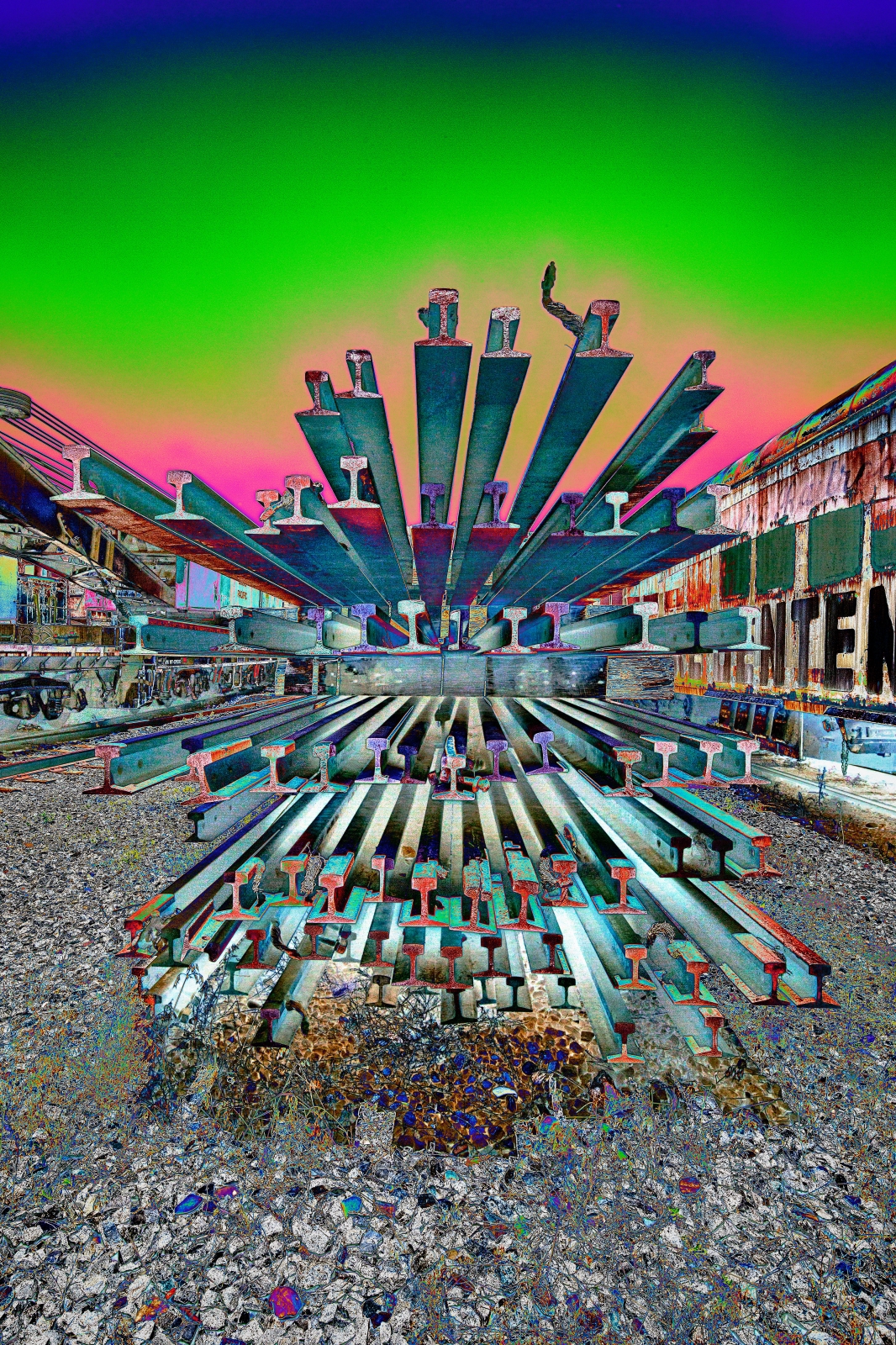
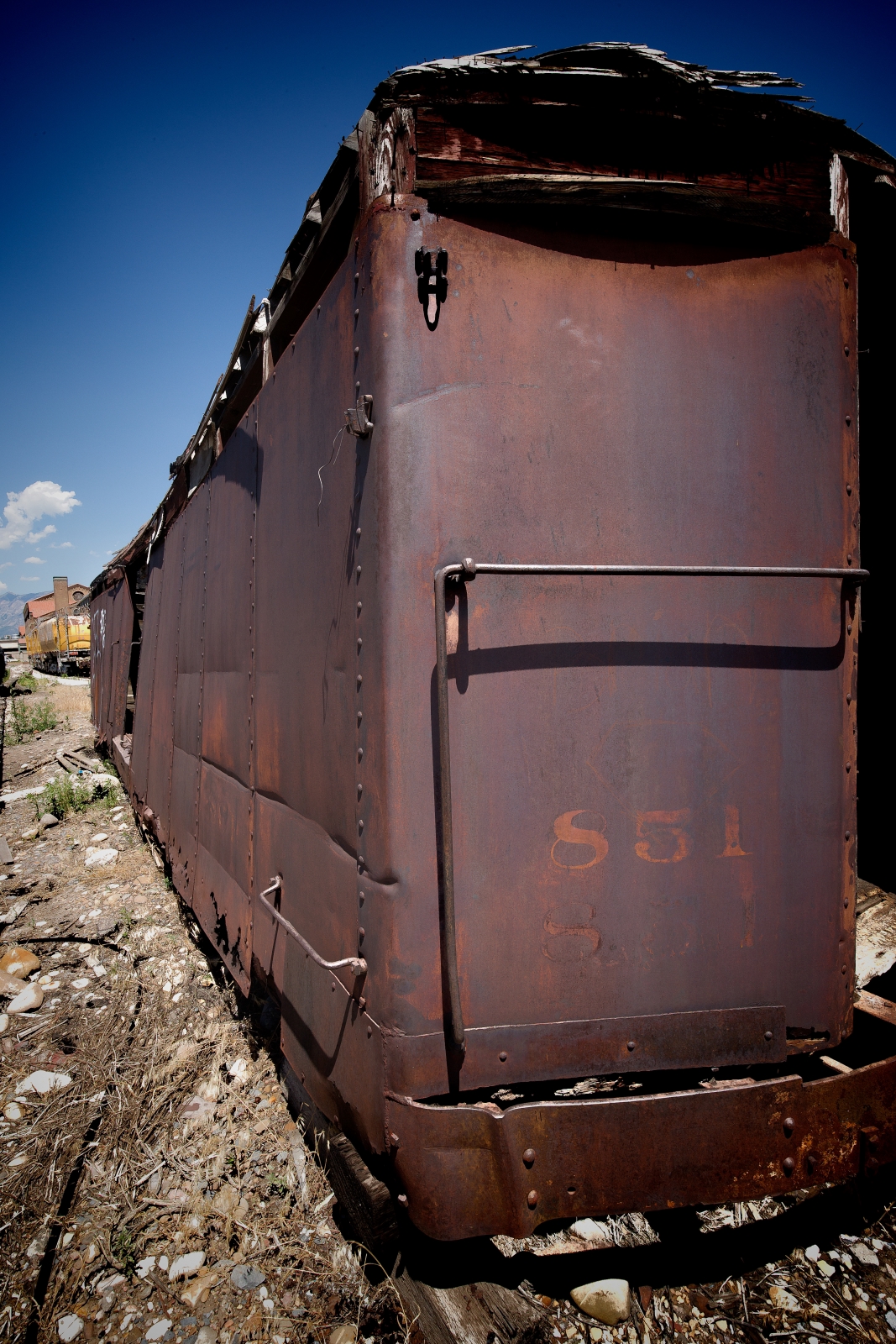
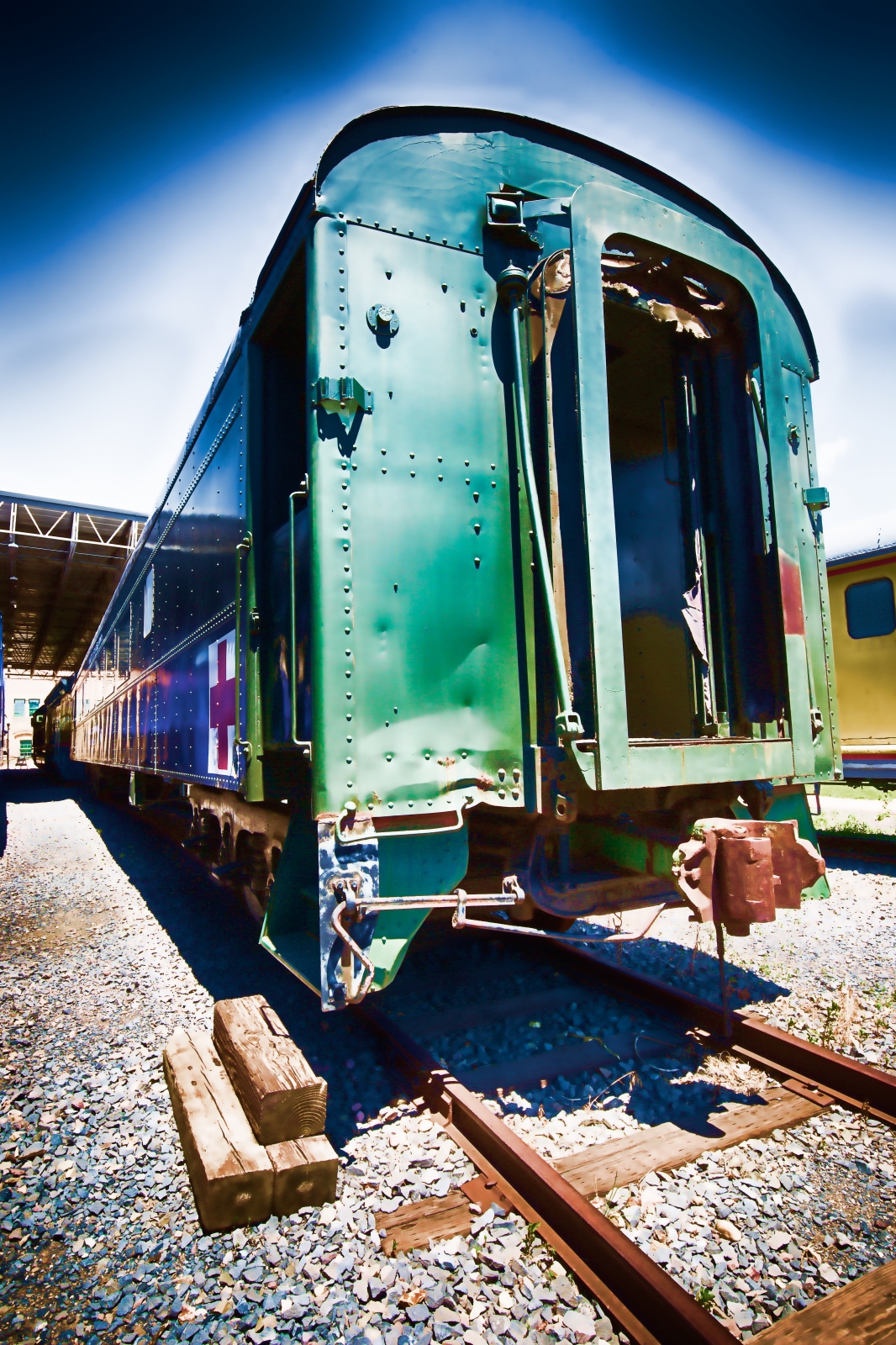
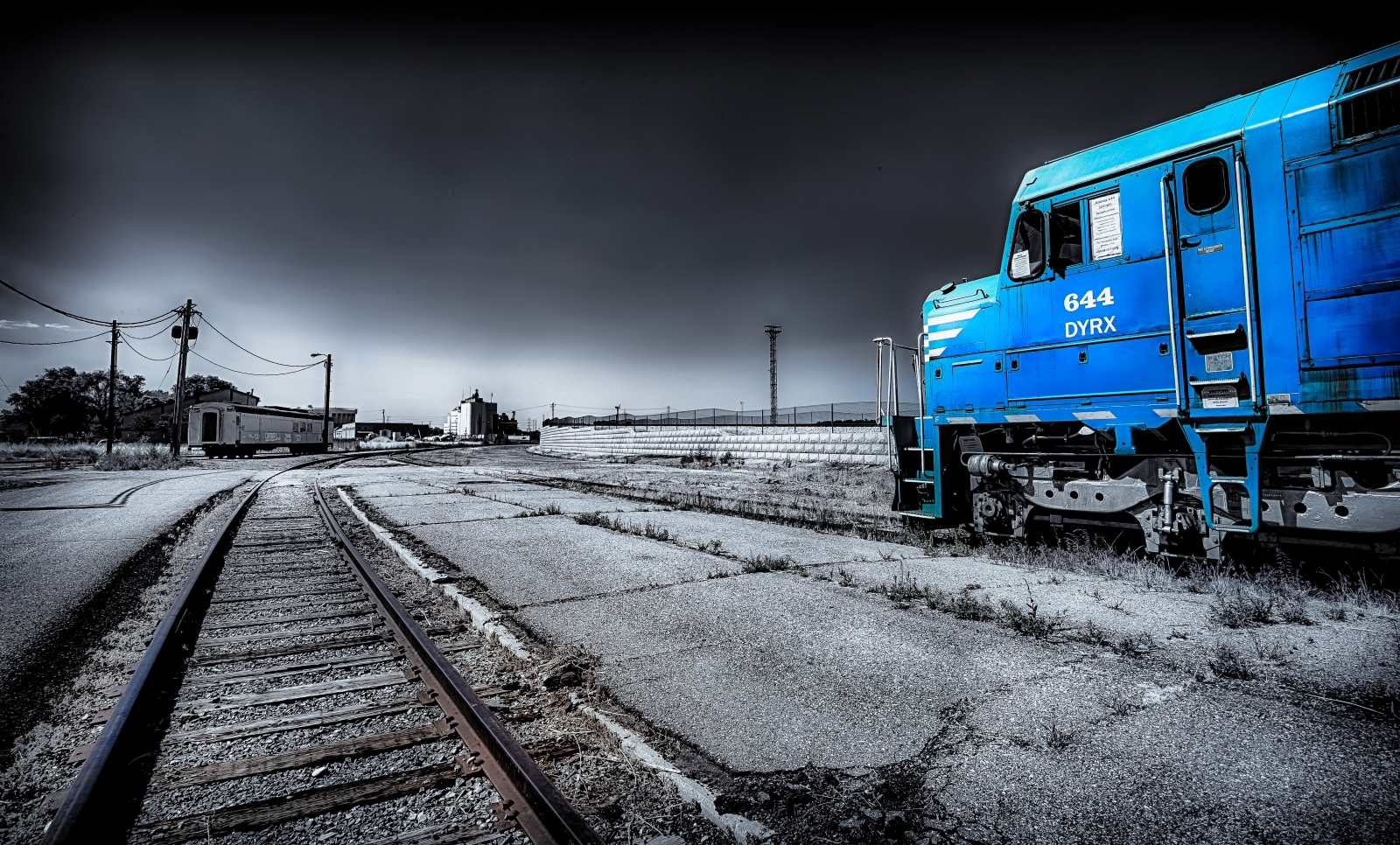
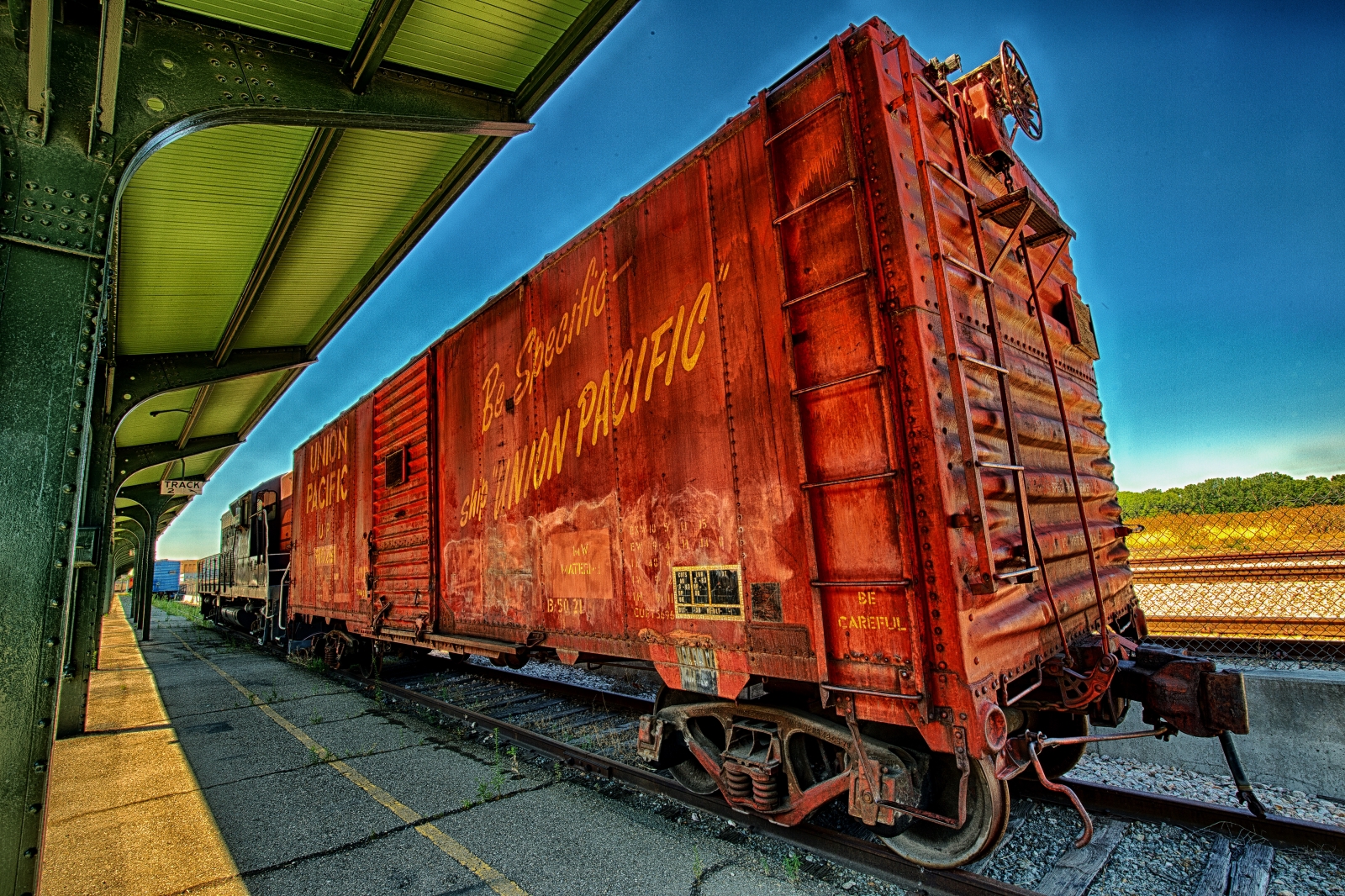
And, my own interest in trains has not waned. The following photos are a number of first edits from Ogden and engines for viewing at the the Union Pacific railway station, there.
Listening to: ‘The Miracle (of Joey Ramone’) and ‘Every Breaking Wave’ from U2’s ‘Songs of Innocence’ – flip, you don’t have to buy the album, it’s free in iTunes; also the morning has been about Springsteen’s music and musicares celebration of his achievement.
Quote to Inspire – “… Photographs are evidence of not only what’s there but of what an individual sees, not just a record but an evaluation of the world.” – Susan Sontag, ‘On Photography’
Recommended book encouraging literacy in children – ‘The Read Aloud Handbook,’ by Jim Trelease
Trusting the map, trusting Steve with the map – some twenty-five years ago, in Canada’s Banff National Park we cycled along a fire road behind Mount Norquay with the intention of riding our mountain bikes up and down the mountain along what should have been a short ride on a horse trail, no more than four hours at the most. Instead, for two or three hours, our bikes were hefted onto shoulders and step-by-step, in sunlight, through rain, in sunlight again and then through snow we climbed upward toward Elk Point summit. Steve, whose cardio-vascular fitness out-stripped ours, was up the mountain easily and a ways ahead, scouting the trail.
We crested the summit in snow, large, feathery, wet flakes of snow, our legs rubbery gelatin, needing rest. Plodding forward without the energy to return to cycling, we pushed our bikes, hoping to meet Steve somewhere on the path and settle-in for a rest. We looked ahead into the snow for Steve and looking harder a second time saw him racing toward us and pointing to his right (our left); he was signalling something quite assertively. When he met us, he pointed again to our left and gasping identified the bear on the other side of the summit’s meadow. We focused our eyes. There it was, scrabbling at the earth, eating, with its back to us. Along our climb we had seen massive bear paw prints in the mud – twelve-to-fourteen inches in diameter. We’d hoped they were not fresh. Now, we needed to get on our bikes, get our pedals pumping and put distance between us and this bear. Ten minutes later we huddled beneath a huge forest conifer, away from the bear, out of the snow.
We considered the time; we started riding at 2:00 p.m. and aimed to complete our twenty kilometre trek by suppertime. It was now 8:00 p.m.; we’d made it to the summit and with September’s shrinking daylight hours the sun’s incline over the horizon had already begun. Riding down the mountain would occur in shadow and our descent would, for the most part, occur in darkness. We began riding downward on the mountain’s horse trail switchbacks. Our bicycles’ brake pads quickly wore down to nothing – we needed to sit on the cross-bar and use our feet on gravel to slow our descent. Seeing pretty well in the dark, I led through the zig and zag of mountain switchbacks. Fifteen minutes went by without incident. Then, rounding one switchback Steve’s bike flew over my head … without Steve; he’d been higher up, on a switchback behind me. His bike had landed in bushes ahead of me. We halted taking stock of how we were doing. We were cold, somewhat lost and had exhausted the food we’d brought – our best bet was to follow trail markers toward Banff. We put Steve back on his bike and trudged on. The switchbacks levelled out into a long valley, an area that should have been easy to traverse – just cycling along the track. But, the track was mud, four inches deep … likely the result of the rain and snow we’d encountered on the other side of the mountain. We would have to push our bikes through the mud or carry them; without sustaining food and calories, our legs remained gelatinous rubber. We hefted our bikes and pushed them on drier bits of earth.
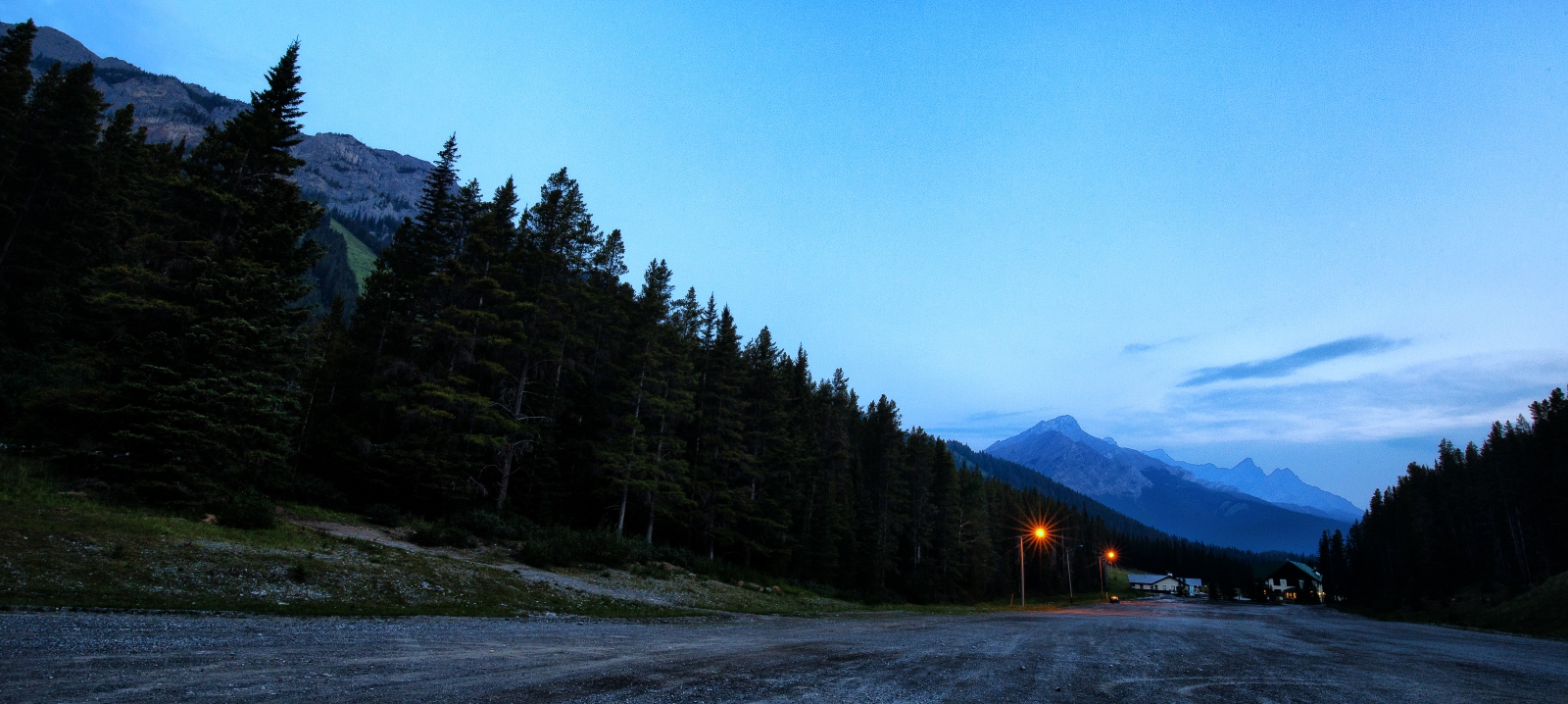
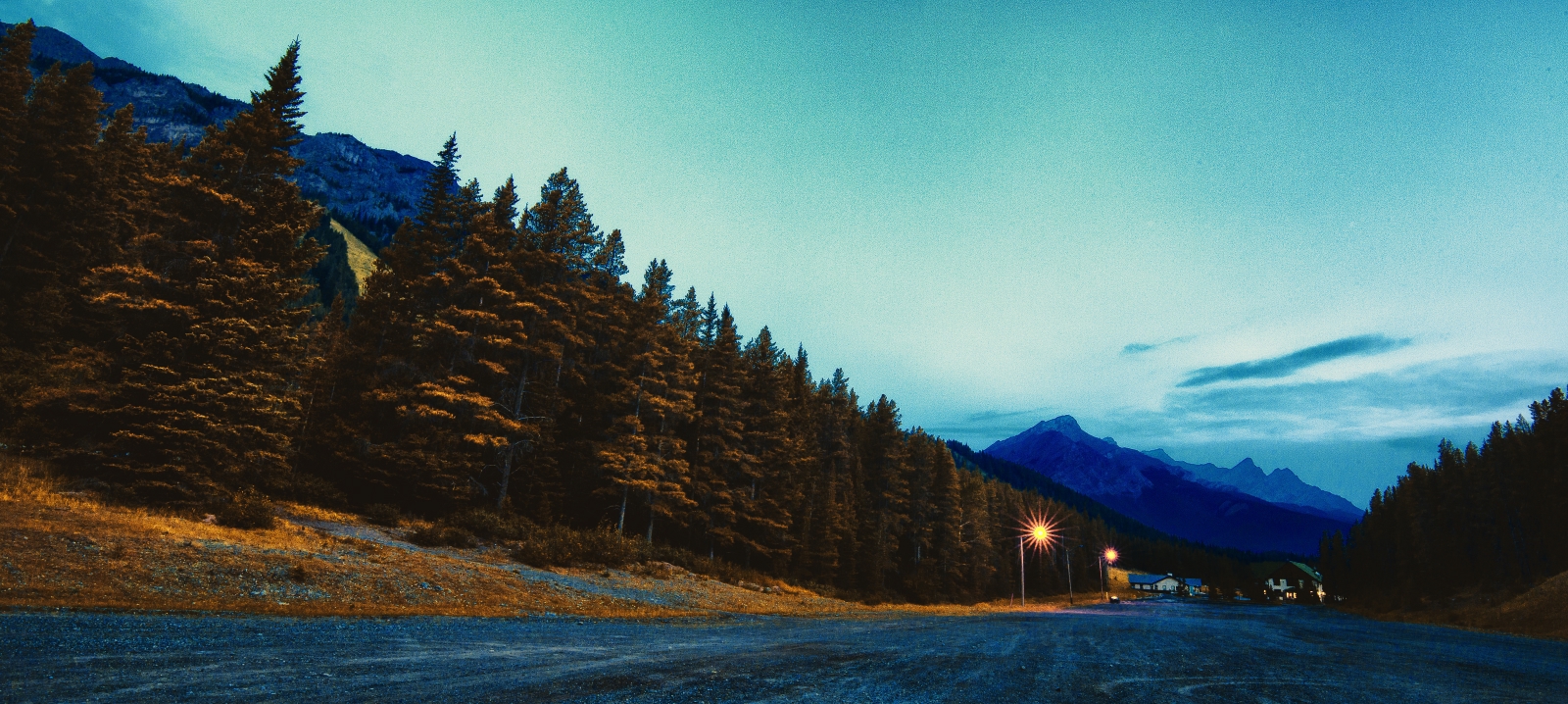
The photograph, presented here, is the area where the four of us moved from mountain trail on to paved road surface.
From here, I rode down the mountain, quickly, got to the Ford three-quarter ton, returned and got the others – Steve, Vince and Goose (last name Guzman). Hypothermic, worried and overwhelmed, Vince and Goose had fallen from their bikes crossing the western-most Texas-gate leading into Banff, Vince hurting family jewels and Goose hyper-extending two fingers. At the hospital, we were fed cookies and tea and Vince and Goose were examined by a doctor who scolded us for cycling into bear country – cyclists, in their speed, can surprise bears and this doctor had treated a cyclist the week before who had been mauled by a bear.
Rather than return to our tent trailer, I rented a chalet and its proprietor allowed us to use the pool/Jacuzzi to warm ourselves. Later, pizza and much needed sleep served to rejuvenate us; we were ready to go at the crack of dawn, the next day. With our endeavor, we’d trusted Steve with a mountain map and there’d been confusion with directions. That night, as we each made sense of the mishap we were amazed at where we’d been; our twenty-some kilometre trek had morphed into sixty-two kilometres by the ride’s end. Looking back, those were much younger days, the kind my son will have with his pals at University. For me, though, I was freshly married, out of University, yet to be employed and among friends as my wife began her school year as teacher in northern Alberta. I had not been to this site for more than twenty-five years. Last week, looking in and around Banff with my camera I found it and this story again.
Lost
By David Wagoner
Stand still. The trees ahead and bushes beside you
Are not lost. Wherever you are is called Here,
And you must treat it as a powerful stranger,
Must ask permission to know it and be known.
The forest breathes. Listen. It answers,
I have made this place around you.
If you leave it, you may come back again, saying Here.
No two trees are the same to Raven.
No two branches are the same to Wren.
If what a tree or a bush does is lost on you,
You are surely lost. Stand still. The forest knows
Where you are. you must let it find you.
Listening to – Jessica Sanchez’ ‘Lead Me Home,’ Jack Johnson’s ‘Home,’ Sarah Masen’s ‘The Valley’ and Snow Patrol’s ‘Life Boats’ and ‘This Isn’t Everything You Are.’
Quote to Inspire – “[Photographing] … is a way of at least tacitly … encouraging whatever is going on to keep on happening.”
That idea, potent, yet half-formed did have to be put down, but not put away – it would yield treasure should I return to it. My father, a plastics chemist, evolved a habit of downloading his mind into moleskins as his best tack for moving past interruption and returning to most current endeavor. Years later I would discover Evernote, a digital means of recording texts or MP3s of current and next ideas without losing them. Scott Smith (Motivation to Move) and Dave Allen (author of Getting Things Done) would both advocate the practice of downloading one’s mind and a system for organizing those ideas into workable and profitable work. Tonight, enough things have occurred organizationally to allow me to uncover and sift through months of notes, curious quotations and ideas (mine) and the trajectory upon which they can move were I to breathe Life into them.
Curious Ideas to Consider (from Moleskin pages)
(1) “… Courage is the most important of all the virtues, because without courage you can’t practice any other virtue consistently. You can’t be consistently fair or kind or generous or forgiving [any of these] without courage.” – Maya Angelou (in conversation with Krista Tippett, ‘On Being’ podcast)
(2) On Photography – “In composition the important thing is to isolate and simplify.” – Tony Sweet (in conversation with Ibarionex Perello, ‘The Candid Frame’ podcast)
(3) The BBC reported 07 August 2014 that dementia has been linked to lack of exposure to sunlight; my father has Alzheimer’s Disease.
(4) Love Your Enemy (what doing so also means) – it involves the courage to be vulnerable with those with whom you passionately disagree; it requires that you consider what in your own position troubles you, and, that you consider that which resides in the other person’s position that attracts you – an idea from an ‘On Being’ podcast dealing with American Civil Rights.
(5) “Forgiveness means giving up all hope for a better past.” – Laugh-ins’ Lily Tomlin (in conversation with Krista Tippett, ‘On Being’ podcast)
Part of tonight’s treasure has been the scribble containing music heard as far back as January, this year. My scrawl was the result of auditory capture; listening to CKUA while down in Edmonton I heard two songs – the first, was a quiet, fingerstyle rendering of the Rolling Stones’ Satisfaction from James Lee Stanley and John Batdorf; the other, was a take on U2’s ‘With or Without You,’ most likely offered by Sarah Darling … tonight is my first chance to hear it again and to purchase it.
Forgetfulness
by Billy Collins
The name of the author is the first to go
followed obediently by the title, the plot,
the heartbreaking conclusion, the entire novel
which suddenly becomes one you have never read,
never even heard of,
as if, one by one, the memories you used to harbor
decided to retire to the southern hemisphere of the brain,
to a little fishing village where there are no phones.
Long ago you kissed the names of the nine Muses goodbye
and watched the quadratic equation pack its bag,
and even now as you memorize the order of the planets,
something else is slipping away, a state flower perhaps,
the address of an uncle, the capital of Paraguay.
Whatever it is you are struggling to remember,
it is not poised on the tip of your tongue,
not even lurking in some obscure corner of your spleen.
It has floated away down a dark mythological river
whose name begins with an L as far as you can recall,
well on your own way to oblivion where you will join those
who have even forgotten how to swim and how to ride a bicycle.
No wonder you rise in the middle of the night
to look up the date of a famous battle in a book on war.
No wonder the moon in the window seems to have drifted
out of a love poem that you used to know by heart.
The poem reminds of George Smiley in one of Le Carre’s MI-5 novels and the personal wisdom of relaxing his mind and letting that half-forgotten idea, concept or name resurface in its time (relax and let your mind have the time … it will come).
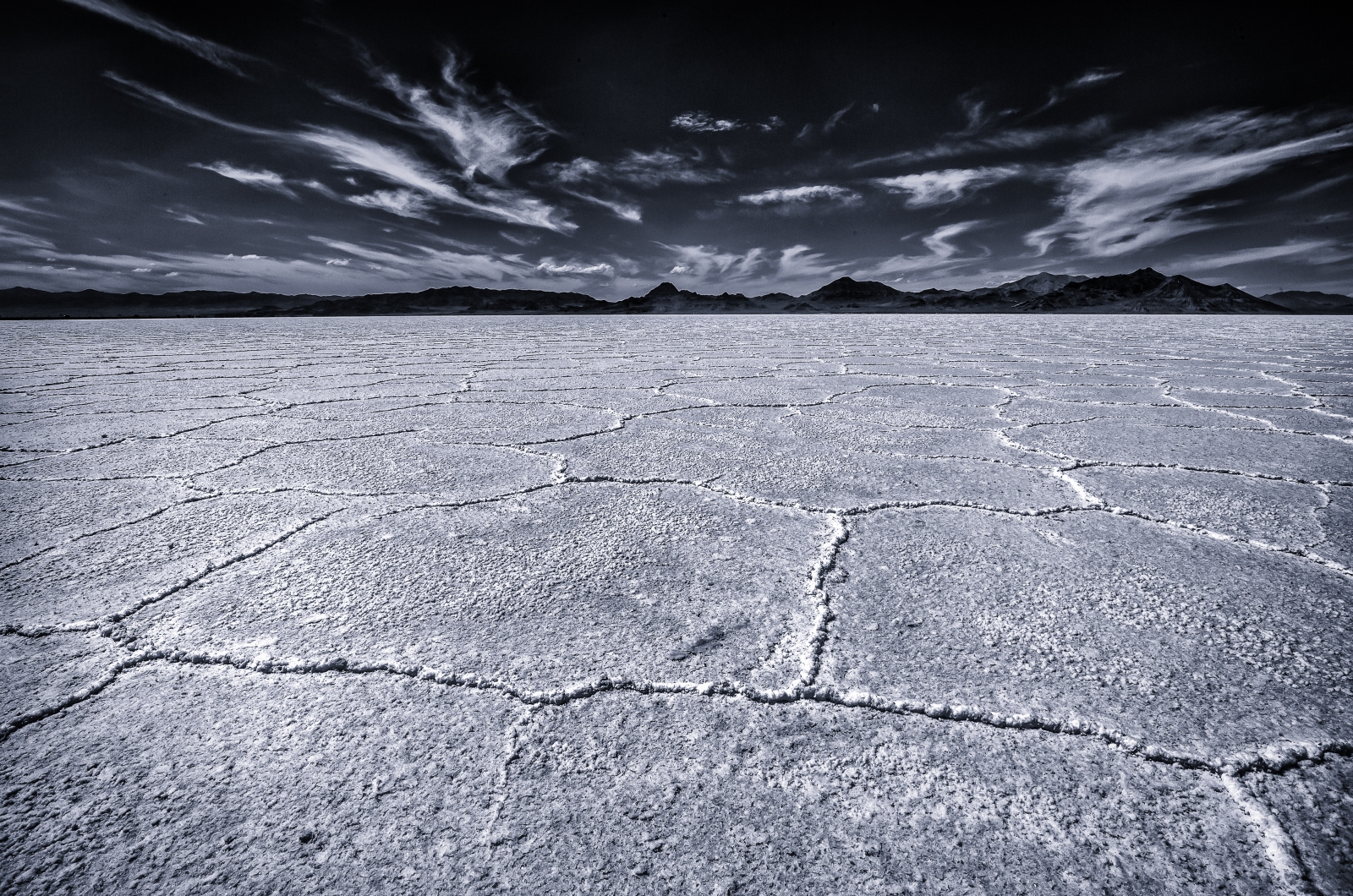
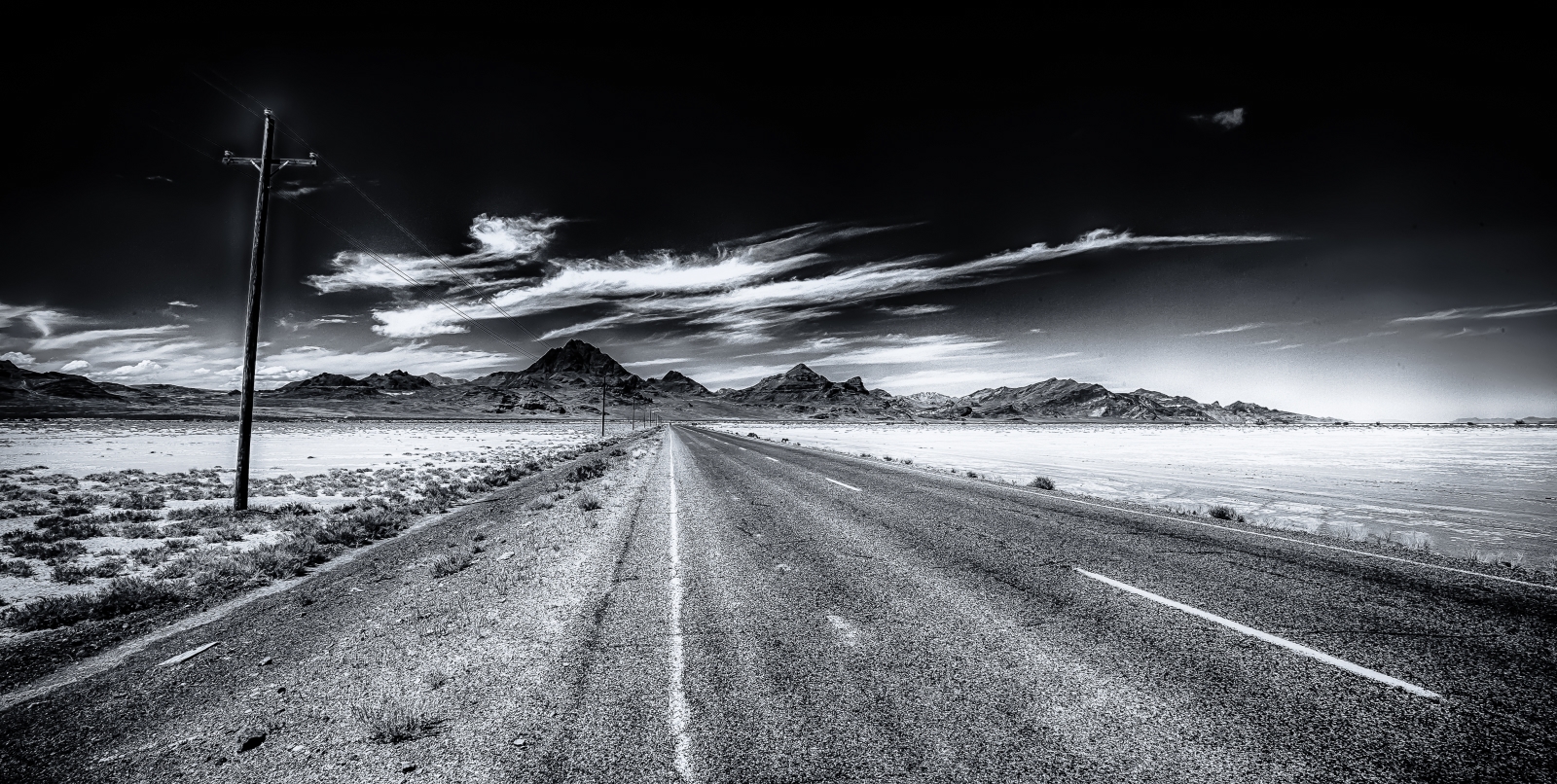
Images presented here include the blue and white contrast of Utah’s salt flats as well as a black and white edit of the same image. As well, there’s the road from the interstate to the Bonneville Speedway – Speed Week is next week.
Quote to Consider – “Photography is an elegiac art, a twilight art. Most subjects photographed are, just by virtue of being photographed, touched with pathos.” – Susan Sontag, ‘On Photography’
Listening to – Sarah Darling’s rendering of ‘With or Without You’ and John Batdorf and James Lee Stanley’s ‘Ruby Tuesday,’ ‘Wild Horses,’ and ‘Satisfaction.’
I hadn’t driven the back road from Fort Vermilion to Slave Lake for perhaps ten or more years. While intention had been to cut hours from drive time, my curiosity pulled me toward what had become of Slave Lake after the town had been overcome by forest fire in May, 2011, losing a third to two thirds of its homes and businesses. I remember being five hours north and listening to radio reports of the fire moving rapidly, of the fire jumping highways, of the immediate need for evacuation of residents from Slave Lake to Athabasca and of those residents being given emergency shelter in school gymnasiums. Adele’s ‘Set Fire to the Rain’ was played by local radio stations to highlight the firefighters and water bomber pilots battling the fire and the evacuation of residents – some of the song’s lyrics associate well to the experience endured; the paradox of setting fire to rain was the attracting lyric.
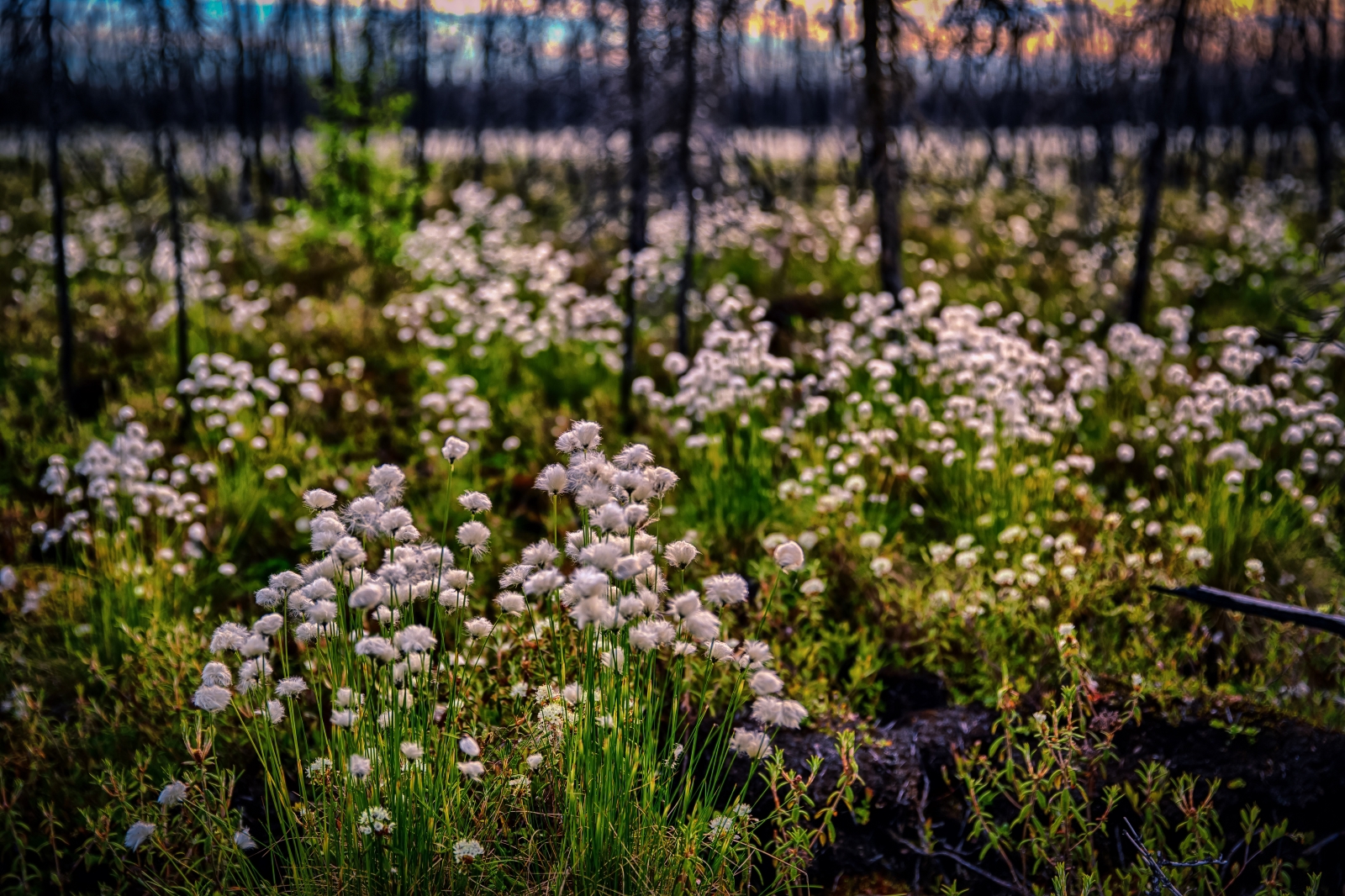
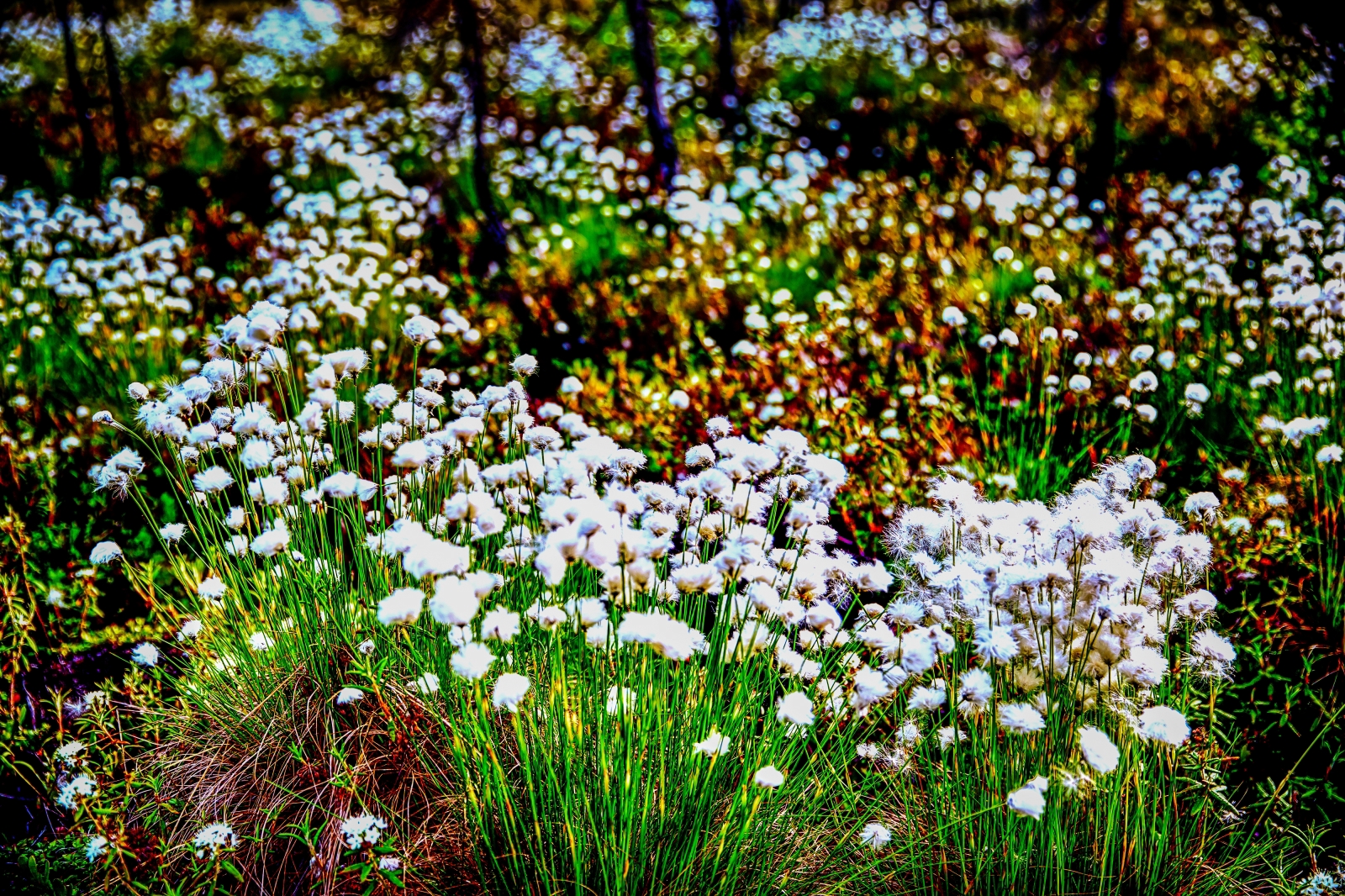
For me, three years on, travelling to Edmonton, along highway 88 toward Slave Lake, I found other areas of forest that had been touched in the same fire. I stopped my car for the second interruption to my drive, where the silhouette of remaining blackened, yet dead trees continue to stand somewhat vertical, in the up-and-down of pick-up-stix, against a northern Alberta sunset – their silhouette catching my eye and drawing out my camera. The first growth of flowers, cotton-like intrigued me. I walked in twenty metres on muskeg – watery, peaty, muddy, gelatinous earth that overlays earth beneath that remains frozen. These flower images were gathered.
Listening to – Supertramp’s ‘Live in Paris ’79’ Concert; I’d first seen the ‘Crisis, What Crisis?’ concert in 1978; currently captivating songs include ‘Bloody Well Right,’ ‘Another Man’s Woman,’ ‘Dreamer’ and ‘Crime of the Century.’
Quote to Inspire – “Photographs cannot create a moral position, but they can reinforce one – and can help build a nascent one.”
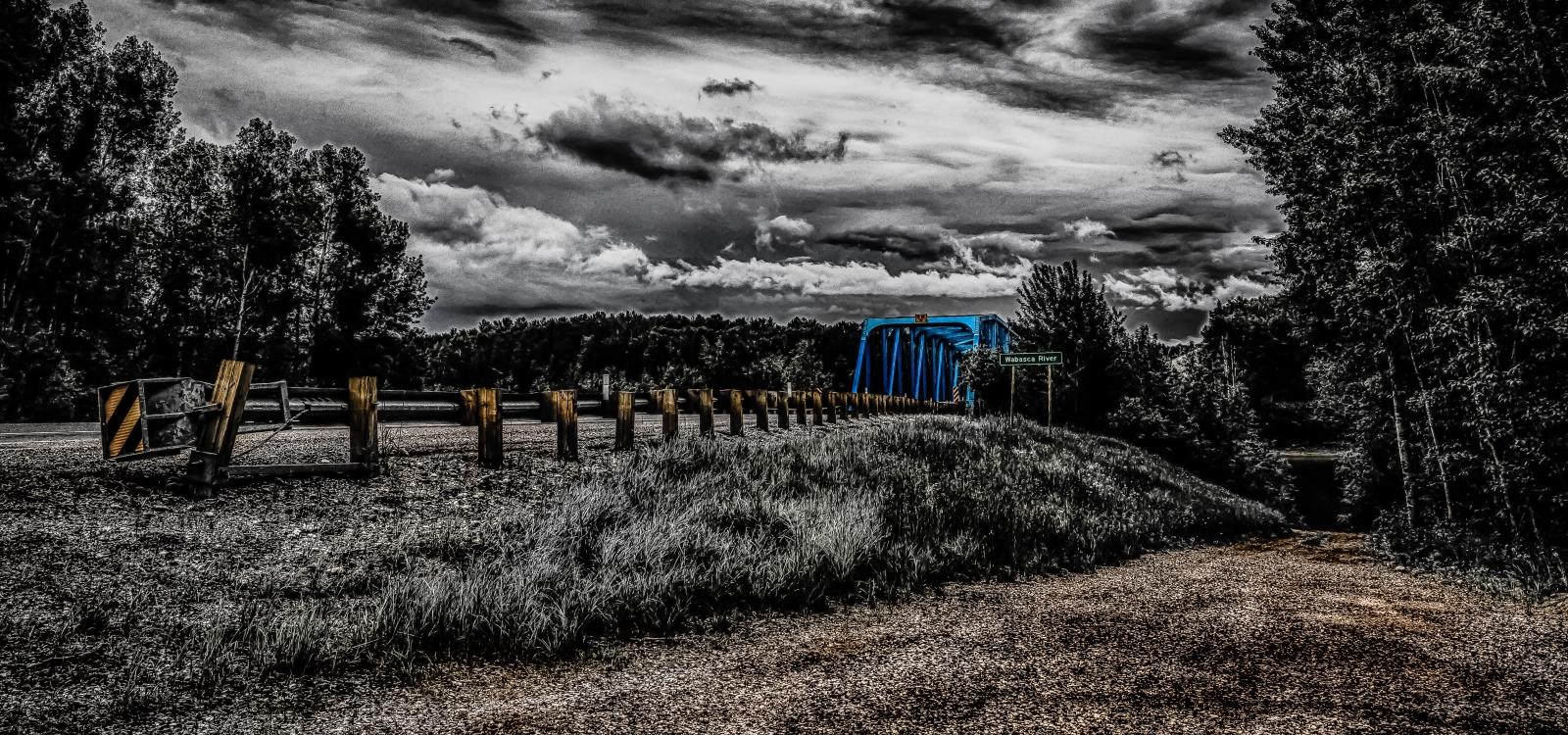
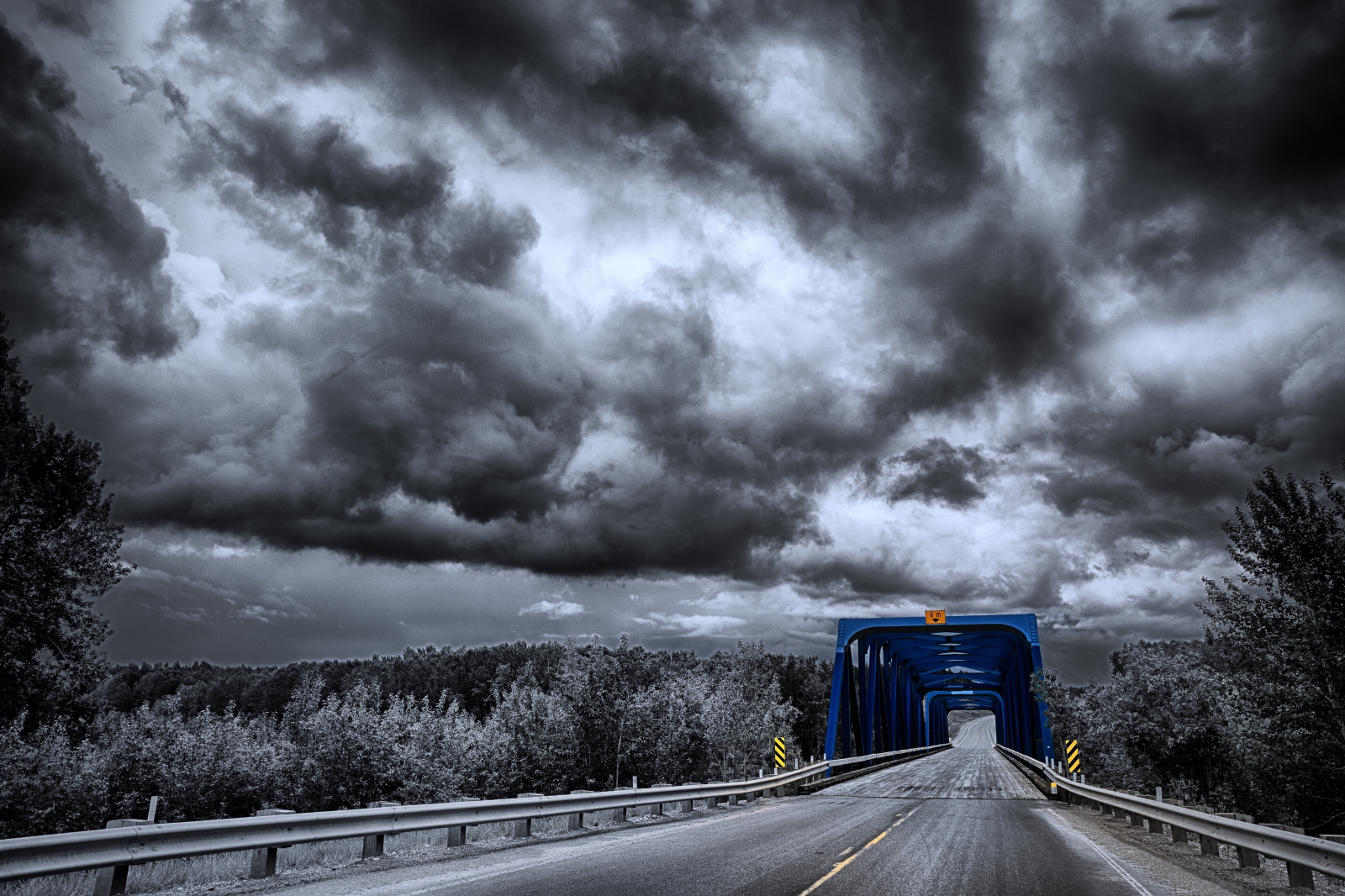
Long hours of tired travel, southward along a back way, High Level, Fort Vermilion, Red Earth, Slave Lake and Edmonton to share time with a father in critical care dealing with his body’s weakening and the stumbles and tumbles associated with later Life. Along the way, to interrupt the hold of travel’s fatigue I stopped when I could to gather images and movement – restorative stuff. The road and bridge over the Wabasca River were the first dry area in June’s rain and served as my first stop. The Wabasca River flows through north and south Tallcree reserves and eventually feeds into the much, much bigger flow of the Peace River. Cloud work, the bridge and the lines within the image – each are elements attracting my eye to these images.
Listening to the Soundtrack to ‘It Might Get Loud’ – ‘Embryo No. 1,’ Jimmy Page, ‘Until the End of the World,’ U2, ‘Sitting on Top of the World,’ Jack White Sr & Jr, ‘Ramble On,’ Jimmy Page, ‘Blue Orchid’ and ‘Apple Blossom,’ Jack White and the ‘Battle of Evermore,’ Jimmy Page.
Quote to Inspire – “The painter constructs, the photographer discloses.” – Susan Sontag, ‘On Photography’
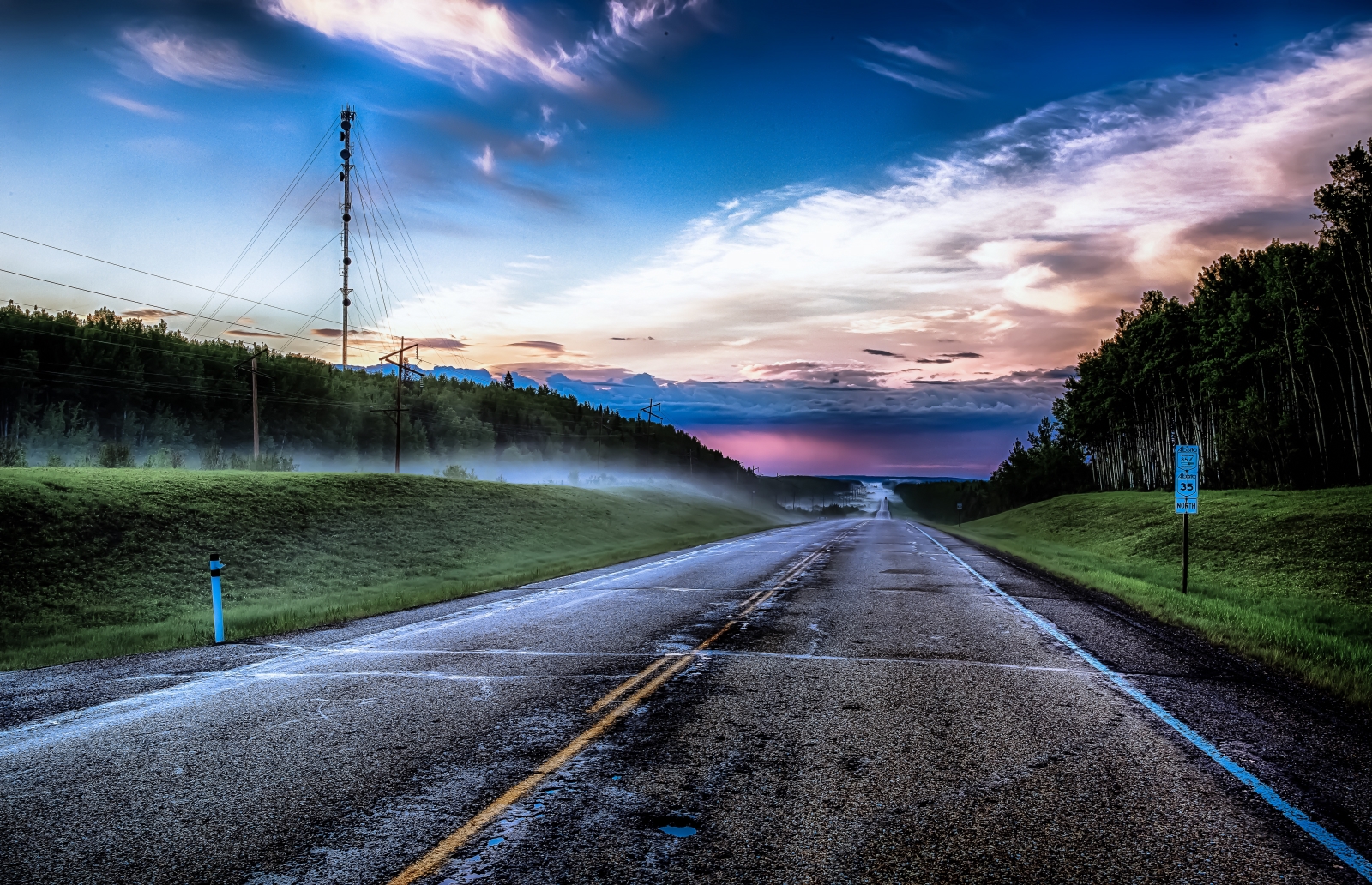
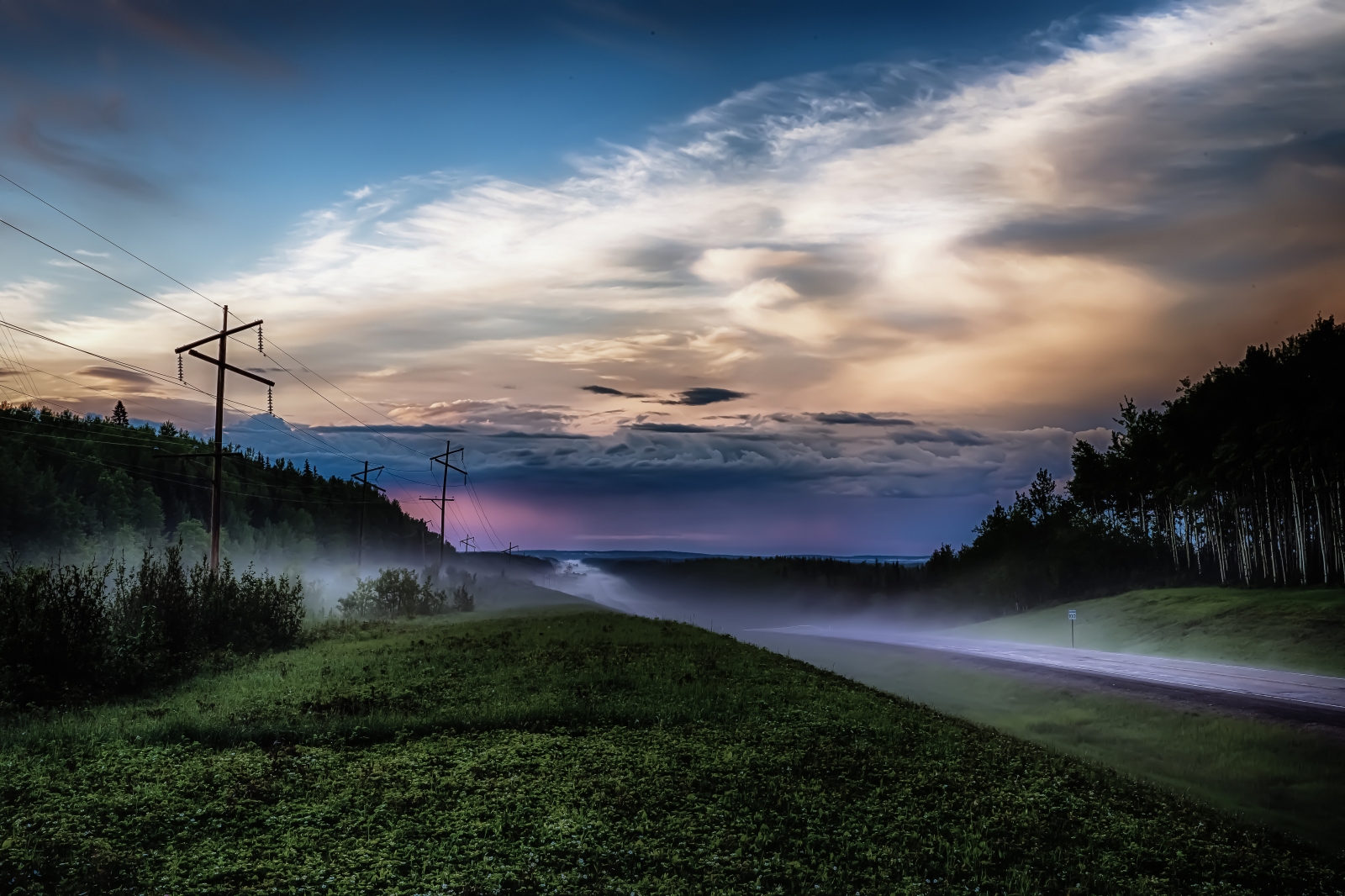
I asked my son to stop our truck, here, at Twin Lakes just where you begin a five kilometre descent, a significant change in altitude often accompanied by an equally significant change in weather. Twin Lakes was our first safe opportunity to pull off the road and to use the camera to capture what we’d been seeing. Not quite, London’s pea-soup fog, but fog thick enough for you to hear a vehicle approaching before you would see it. And, northern Alberta is the land of the midnight sun; at 10:30 p.m. the sun has still not quite crossed the horizon to the West (left). There were perhaps ten other, perhaps more dramatic shots before this point in the road that I would have taken, but stopping in misty conditions could have caused an accident. Better to be safe and take shots without peril.
Listening to – ‘On Being with Krista Tippett’ and her 2011 interview with Vincent Harding who recently passed away; Vincent has connection to the Mennonites and wrote some of Martin Luther King’s speeches.
Quote to Inspire – “Imperfect technique has come to be appreciated precisely because it breaks the sedate equation of Nature and Beauty.” – Susan Sontag, ‘On Photography’
Those of you, who have read Timothy Harris’ book, ‘The Four Hour Work Week,’ have likely contended with the possibility that it may be possible to generate an income from only four hours per week. While that may be the premise for this guide to entrepreneurialism in the twenty-first century, the book also presents many novel concepts for earning a living. Within a project-based earning environment, another idea would be to follow a pattern of working for two months and then taking a month off – the focus would be to manage one’s resilience and project tenacity using the principle of contact and withdrawal as it is applied to work. Cool stuff! Beyond this, the book presents many resources available for the entrepreneur who needs help with part of a project – that project piece can be outsourced to others who can earn a living helping you out. What occurred to me within the last few days was to outline a project – a photo walk – to be organized and configured according to parameters that I set. Then, I would outsource my project idea and have others potential photo walk leaders (perhaps other photographers) bid on the opportunity to lead the photo walk and from there refine terms toward what would work for the project leader and me and others who might participate in the photo walk. The eLance website would be the forum in which I would farm-out and tender the project to others. Hmmh? Have you ever thought of doing something like this?
I did have all these thoughts. But, the weekend that could be used for this endeavor crept up rather quickly. I did not configure the project. I did not submit my project for tender in elance. I was not at the start or finish of a photo walk. Rather, at the end of my work week at school, having been encouraged to get away for some photography by my wife and others at school, I gathered my photo gear and bags, got into our Ford F-150 and headed south. I aimed at Edmonton and intended to see my father who’s in a retirement home, there. But, at four hours in to the journey the weather changed – winter rain began to fall and it seemed unwise to travel the remaining distance on treacherous roads. No hotels could be found in Valleyview. I changed my course and phoned ahead to Grande Prairie’s Stanford Inn – they had a room for me.
Saturday in Grande Prairie was overcast. It was not a day for outdoor photography.
Saturday became more an opportunity to explore what was new in familiar stores, to see a movie and to gather and replace clothes damaged in our recent Guatemala trip. At Long and McQuade Music I stopped in and tried out a couple of L’Arrivee guitars; I taught one of the sales persons a song – Rickie Lee Jones’ ‘Sailor Song,’ a song my mother heard me play when she was alive. It was a high point in the day to be able to jam with another guitar player.
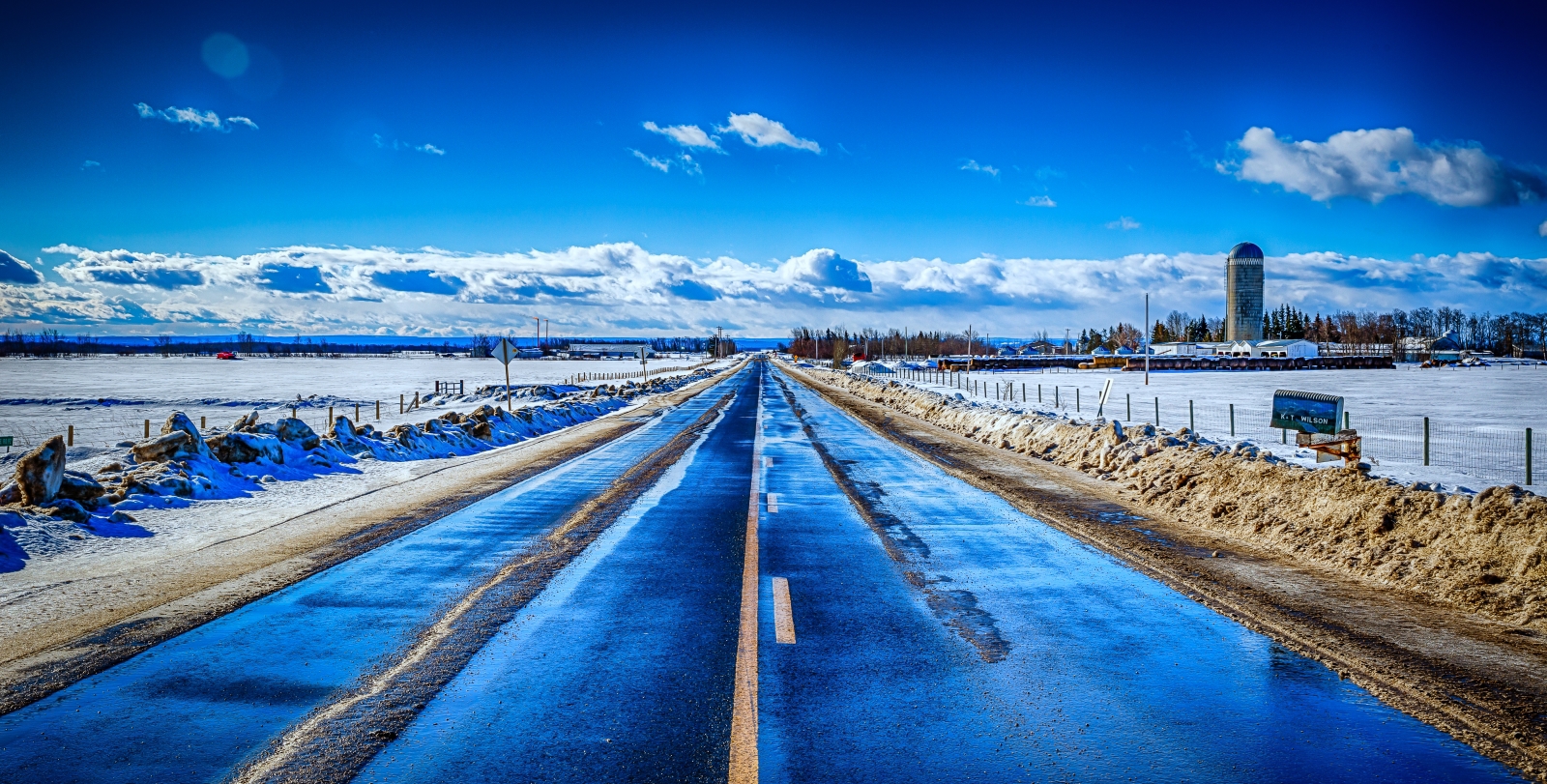
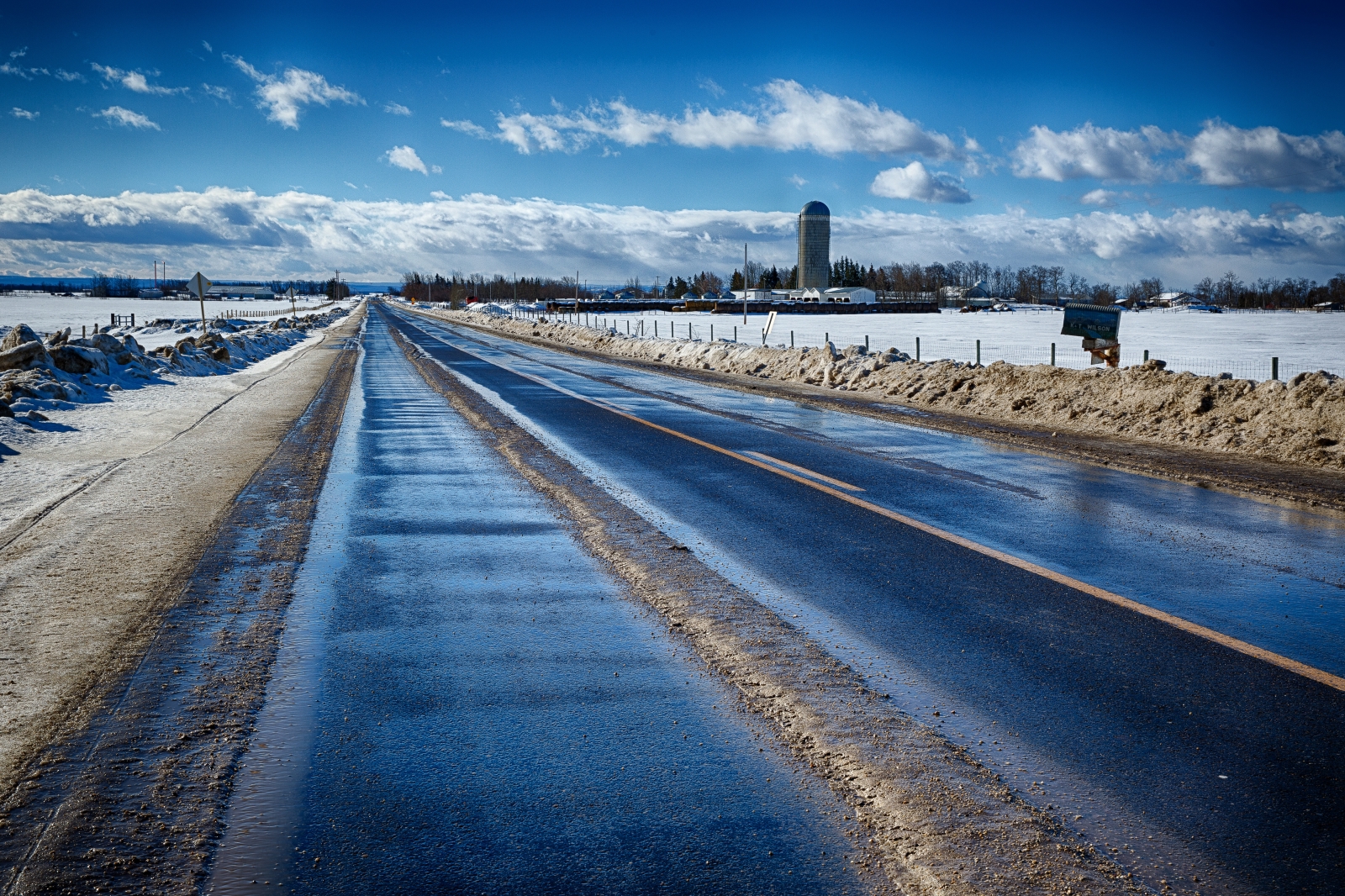
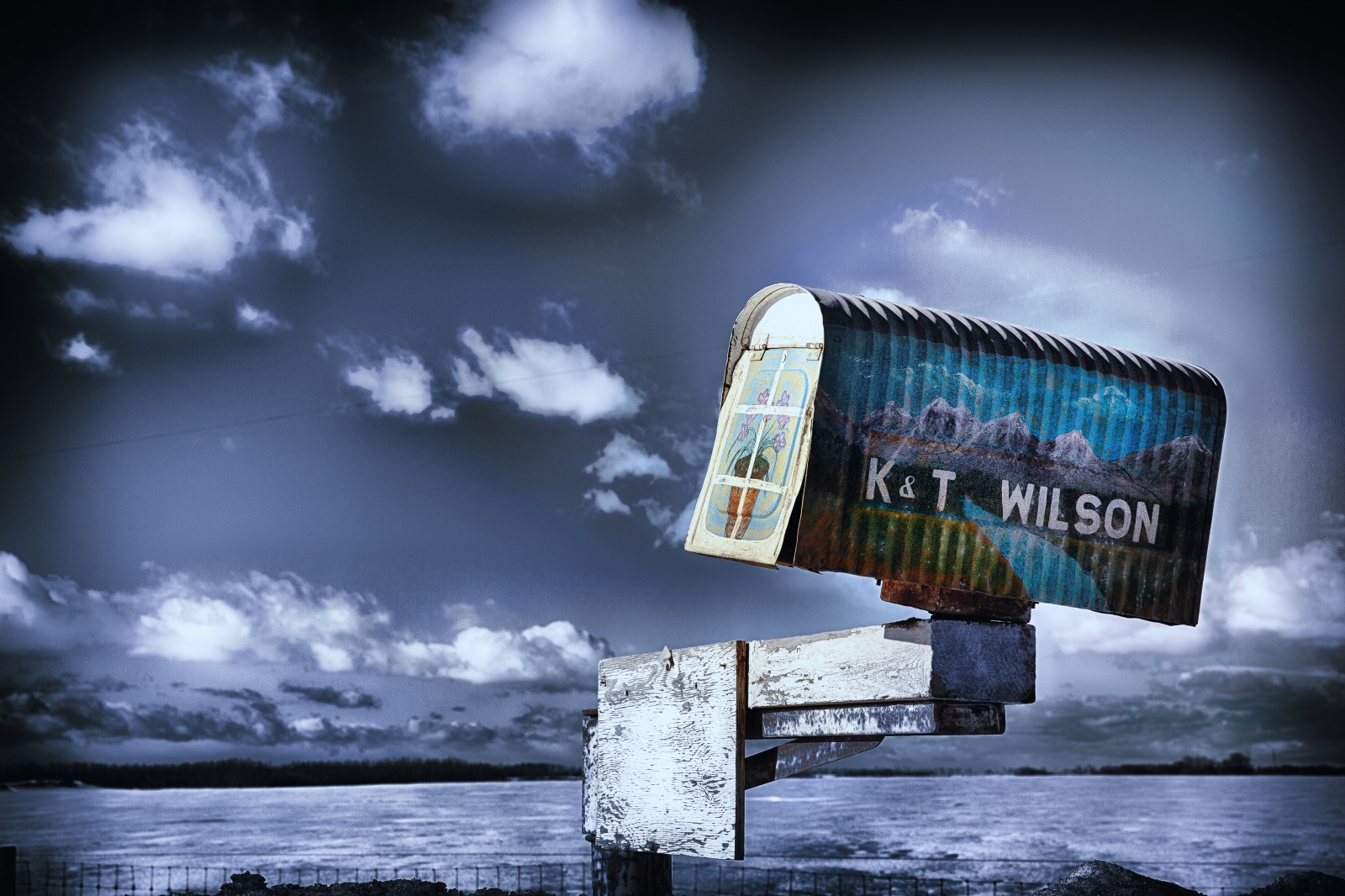
Sunday, on the other hand, swept in with substantial spring muster. To the west from Grande Prairie clouds billowed as they crossed the final strip of the Canadian Rockies before meeting foothills and prairie. The photos presented here are ones gathered along a westward trek from Grande Prairie towards the Rockies – an interesting area in terms of landscape and it being a bright spring day. The subject is a paved farm road near Beaverlodge, Alberta – something extraordinary for me as most farm roads I have known have been gravelled ones. Here, the reflection of the sky colours the road blue.
Listening to – Rickie Lee Jones’ ‘Sailor Song.’
Quote to Inspire – “But when viewed in their new context, the museum, or gallery, photographs cease to be ‘about’ their subjects in the same direct or primary way; they become studies in the possibilities of photography.” – Susan Sontag, ‘On Photography’.
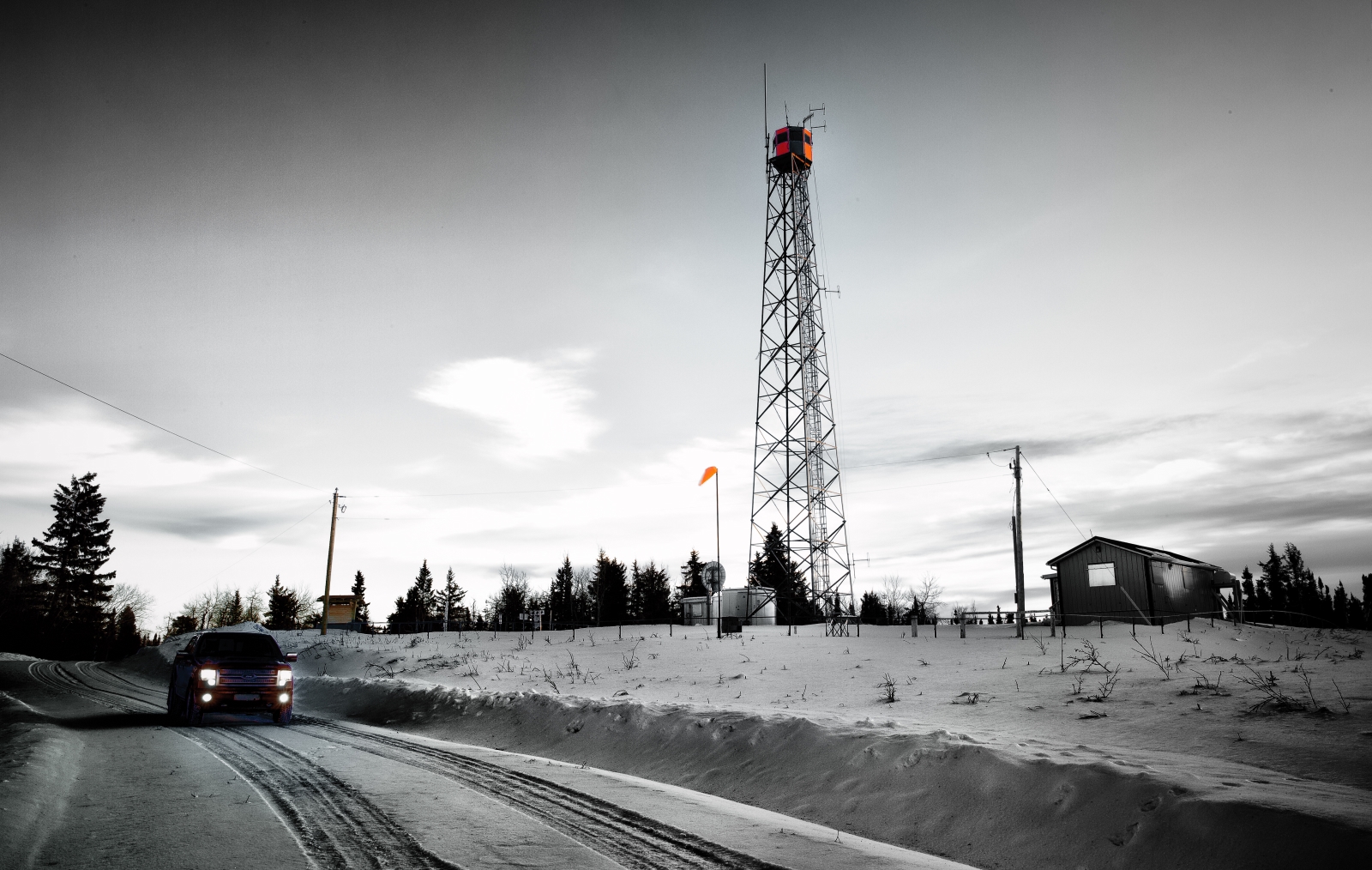
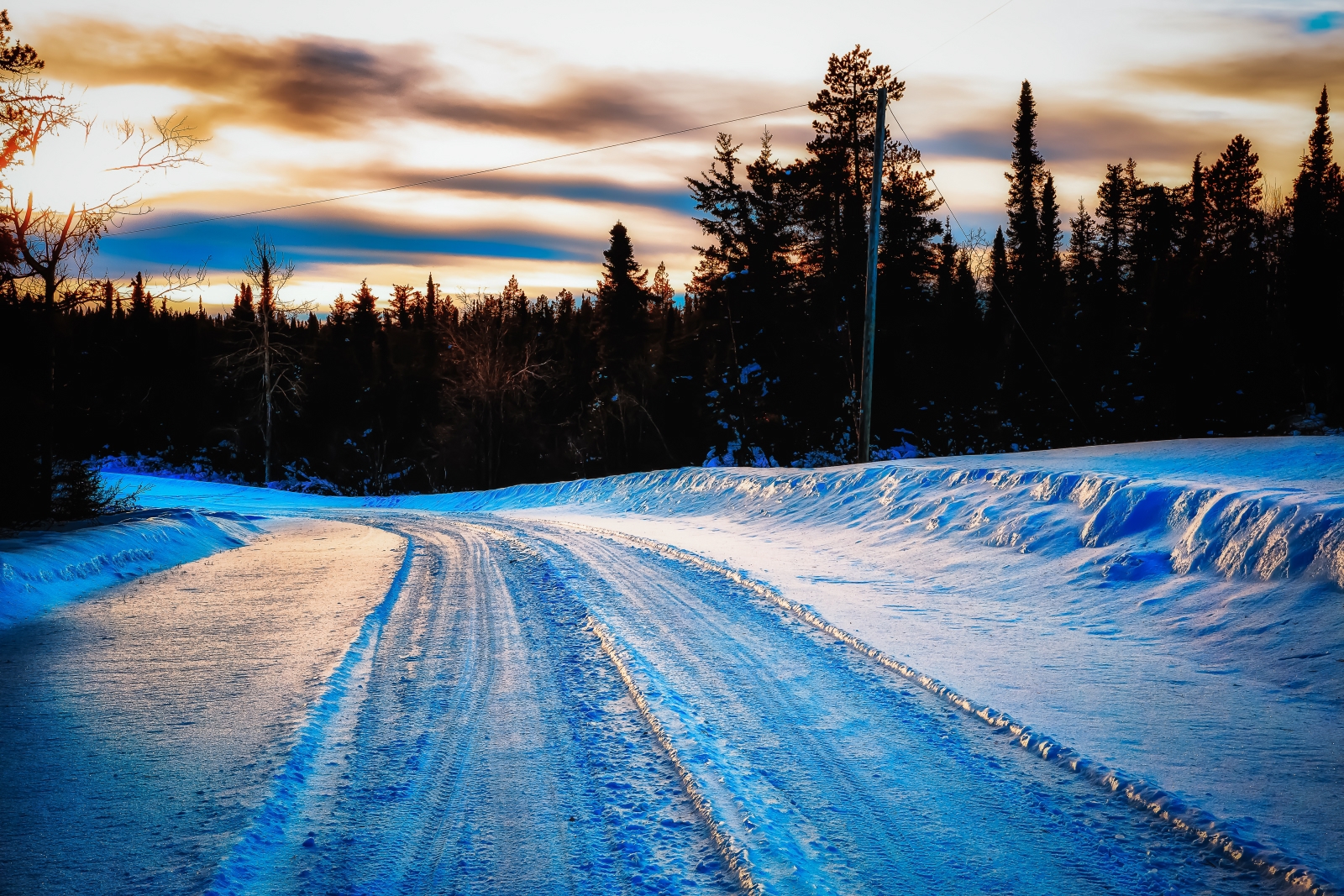
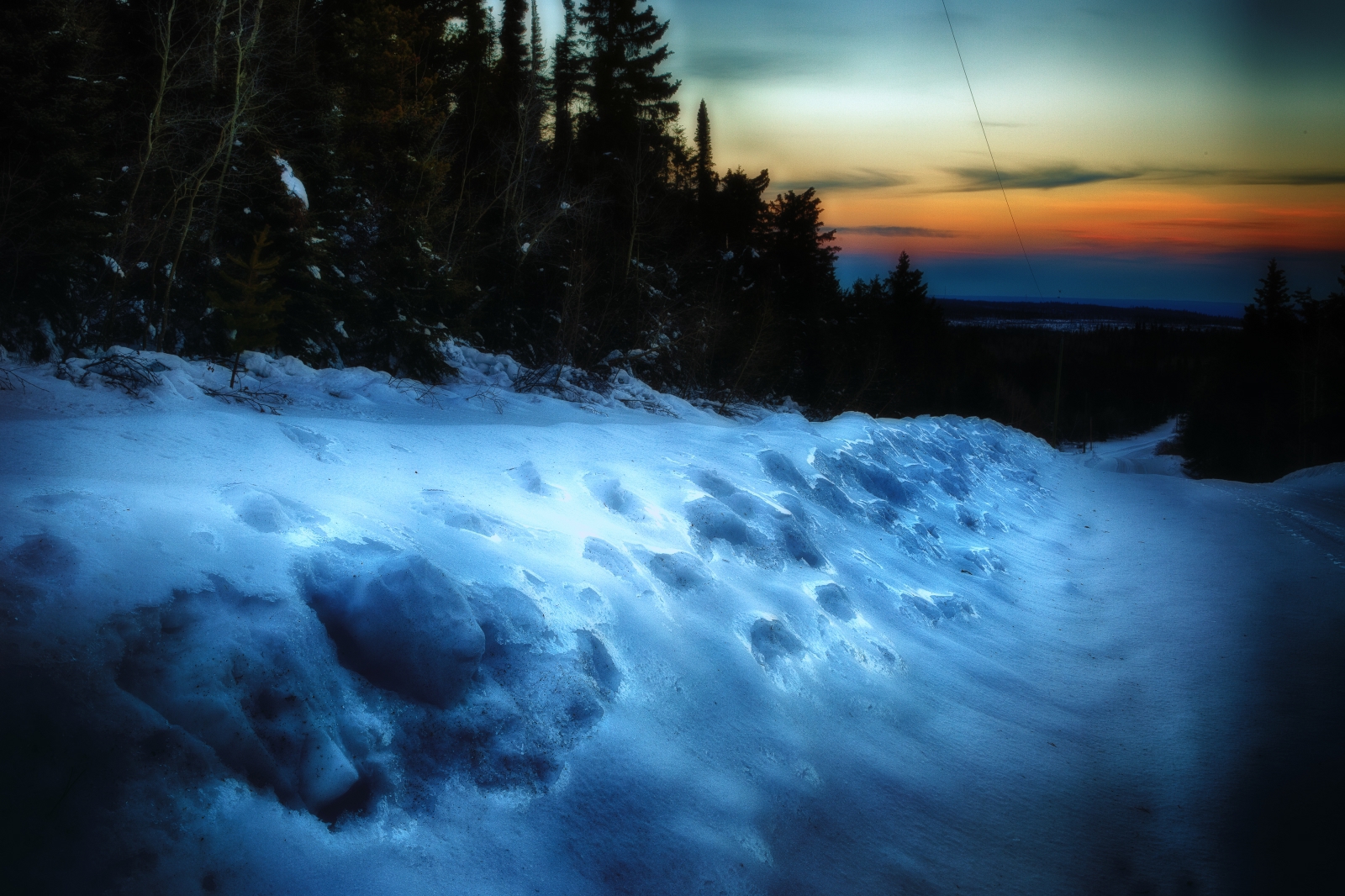
A quiet Saturday, one spent mostly at home comes to a close. The Ozark Mountain Daredevils play from my iTunes account through computer speakers, ‘If You Wanna Get To Heaven’ – muted strings on a guitar are percussive, a harmonica brings in melody and other instruments, the sound preceding lyrics that consider getting to heaven – song and lyrics attract my ear, a song from my youth. The evening has involved editing images from Watt Mountain.
Listening to – Bruce Springsteen’s ‘Highway Patrolman,’ ‘One Step Up,’ and ‘Last to Die.’ There’s been ‘Rumble’ by Link Wray and the Wraymen. The Who have played ‘Boris the Spider,’ ‘I Can See for Miles’ and ‘Magic Bus.’ The Kingsmen have played ‘Louie Louie.’ Green Day have played ‘East Jesus Nowhere.’ The playlist has rounded out with Bruce Springsteen singing Pete Seeger’s Civil Rights anthem, ‘We Shall Overcome.’
Quote to Consider – “Picture-taking has been interpreted in two entirely different ways: either as a lucid and precise act of knowing, of conscious intelligence or as a pre-intellectual, intuitive mode of encounter.” – Susan Sontag, ‘On Photography’







 In My Back Pocket - Photography
You must be logged in to post a comment.