Her Garden

Best Practices - Photography, Canon Camera, Canon Live View, Flora, Journaling, Photoblog Intention, Photography & Conceptualizing Beauty, Prime Lens, Project 365 - Photo-a-day, Summer
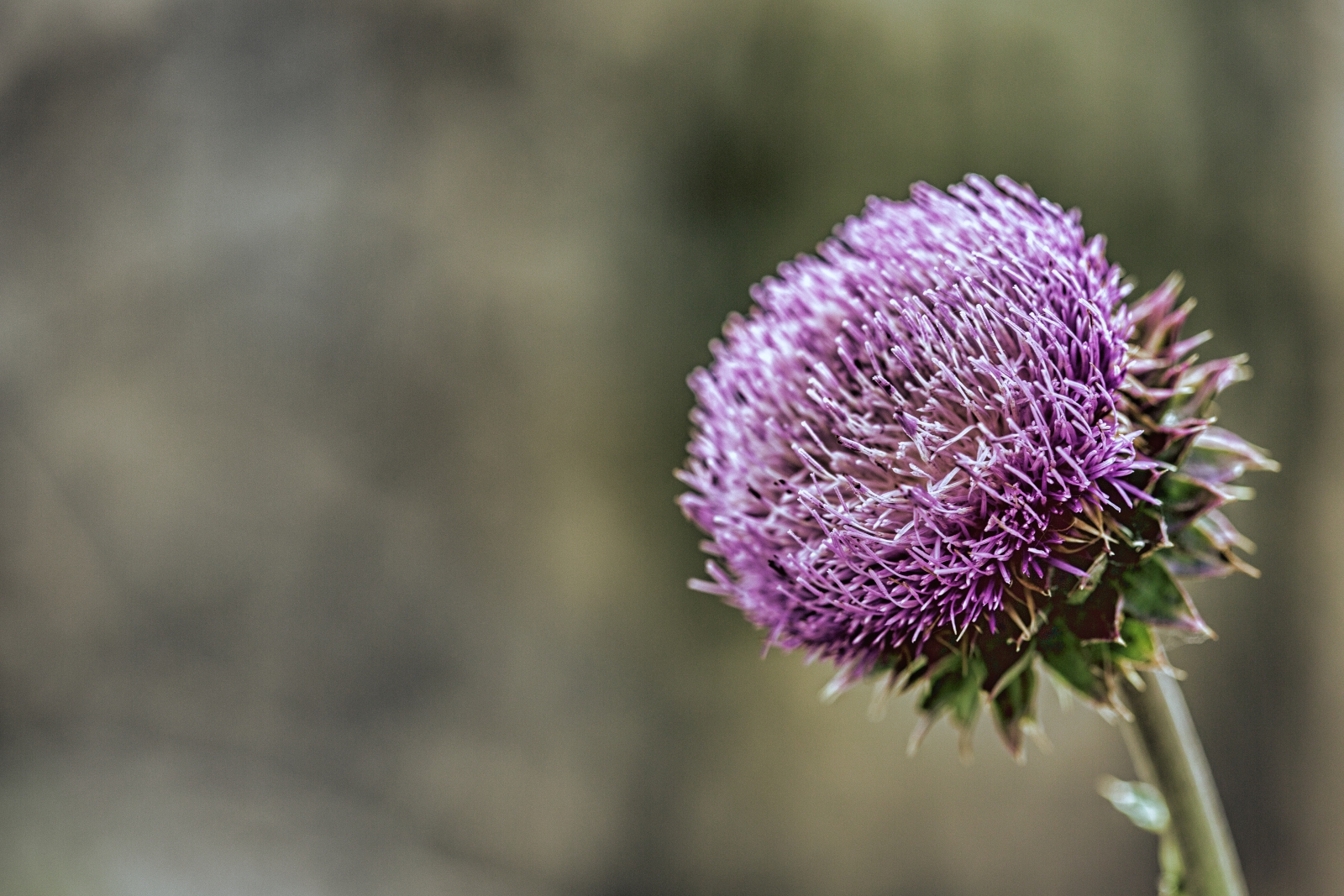
Utah Flower 1

Utah Flower 1

Utah Flower 2

Utah Flower 2

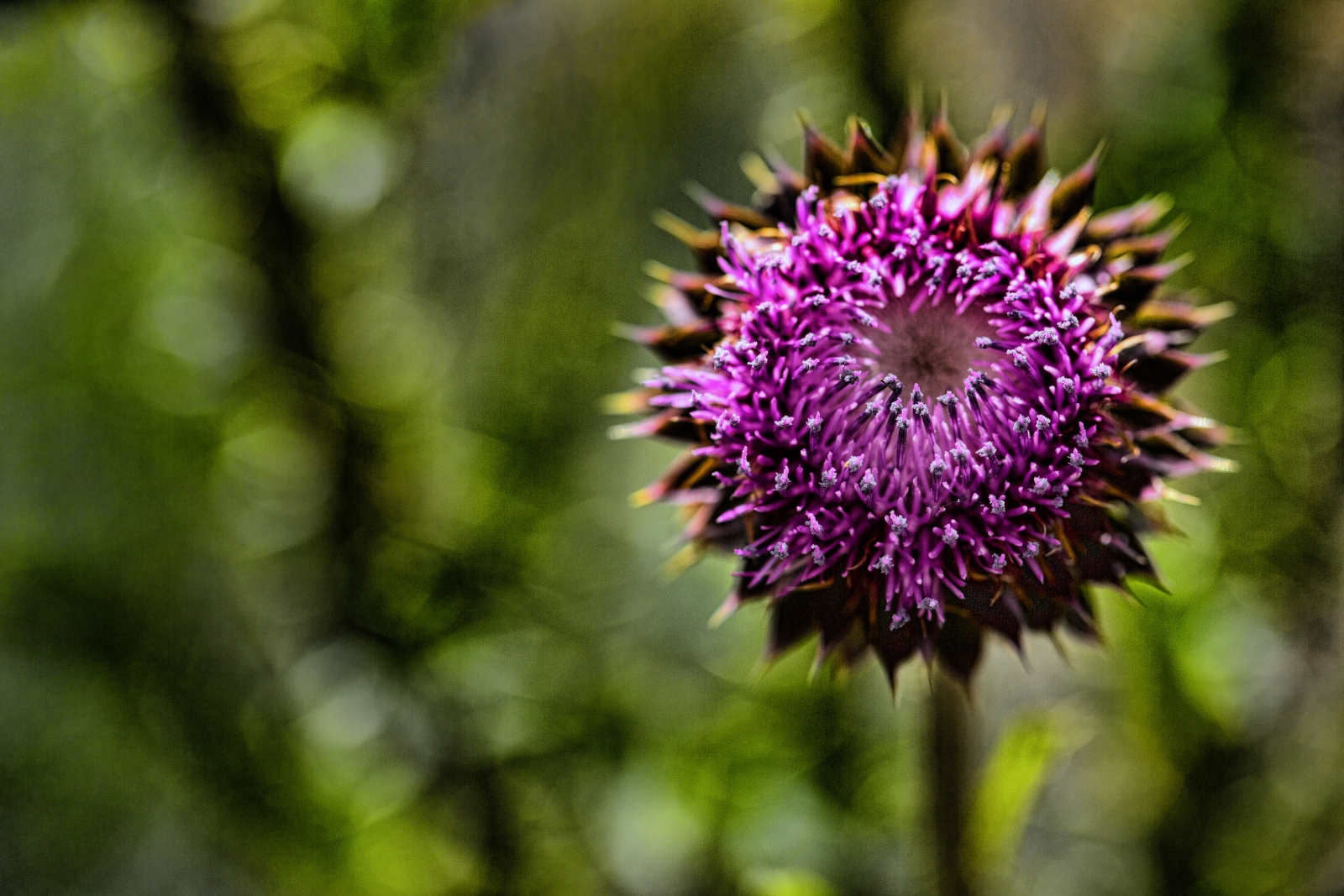
In my life time, I have been witness to my mother’s gardens. She had three successive gardens, one in Edmonton, another in Brampton and her final garden in Qualicum Beach. Her gardens were always something to take in. Her garden would contain trees and flowers and shrubs, and, through the seasons there would be the colour of active and full Life and there would be the wither of desaturation found in dormancy. Through the year, my mother would research plants she’d like to grow and then take them on in her garden. This summer, our first scouting drive into Utah put us on the road for six hours doing a large loop of the southeastern part of the state. We found these flowers, plants very similar to some my mother had in her garden and occasionally would have in a vase on her dining room table.

Listening to – U2’s ‘California (There is No End to Love)’ … it starts out recalling the Beach Boys’ tune, ‘Barbara Ann’ … “Bar, Bar, Barbara, Santa Barbara.”

Quote to Consider – “For photographers there is, finally no difference – no greater aesthetic advantage – between the effort to embellish the world and the counter-effort to rip off its mask.” – Susan Sontag, ‘On Photography’

Opportunities, Extraordinary

Backlight, Canon Camera, Canon Lens, Flora, Journaling, Light Intensity, Night, Photography & Conceptualizing Beauty, Project 365 - Photo-a-day, Shuttertime with Sid and Mac, Summer, Sunrise
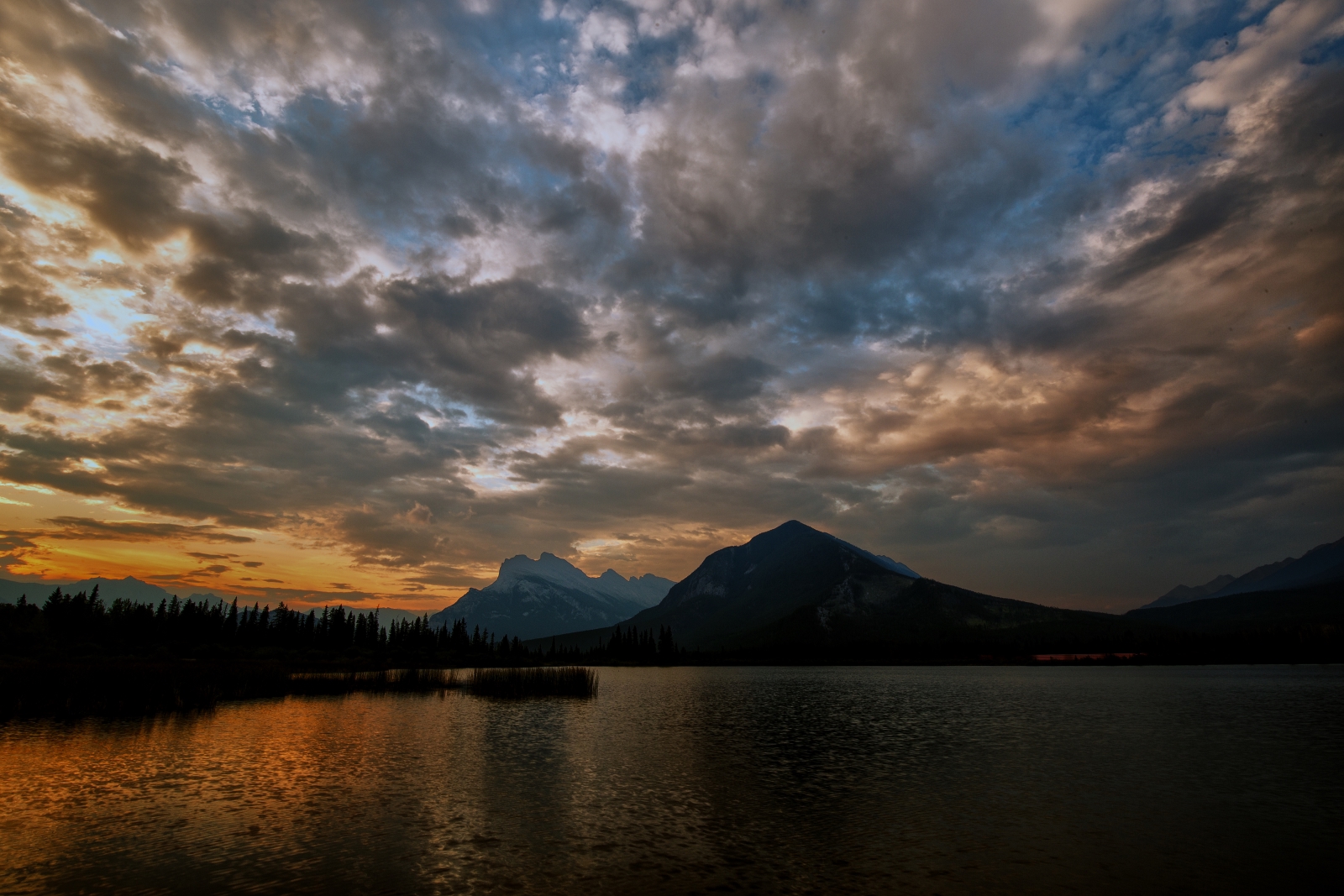
Vermillion Lakes, Banff, Alberta 1

Vermillion Lakes, Banff, Alberta 1

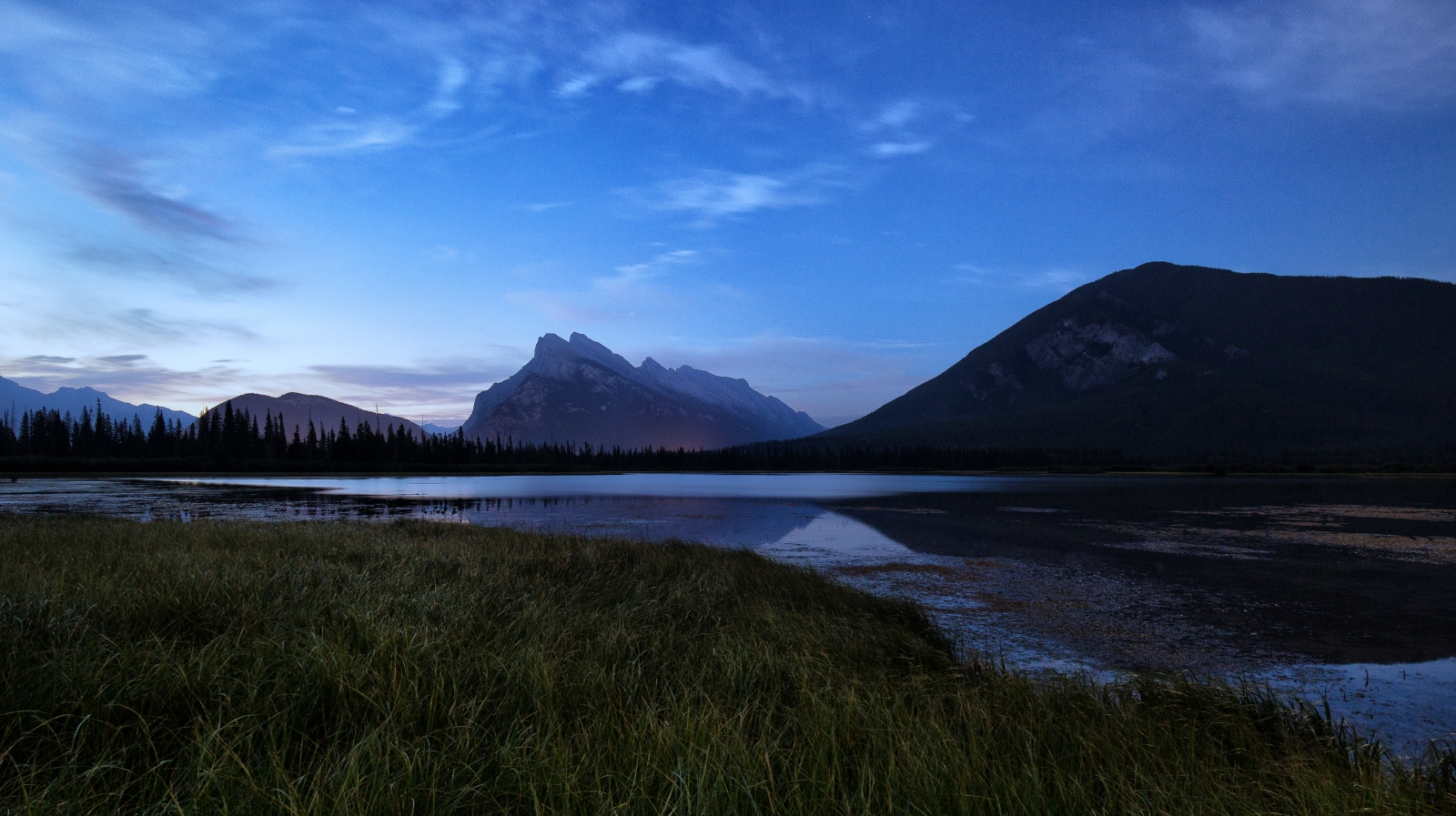
Vermillion Lakes, Banff, Alberta 2

Vermillion Lakes, Banff, Alberta 2

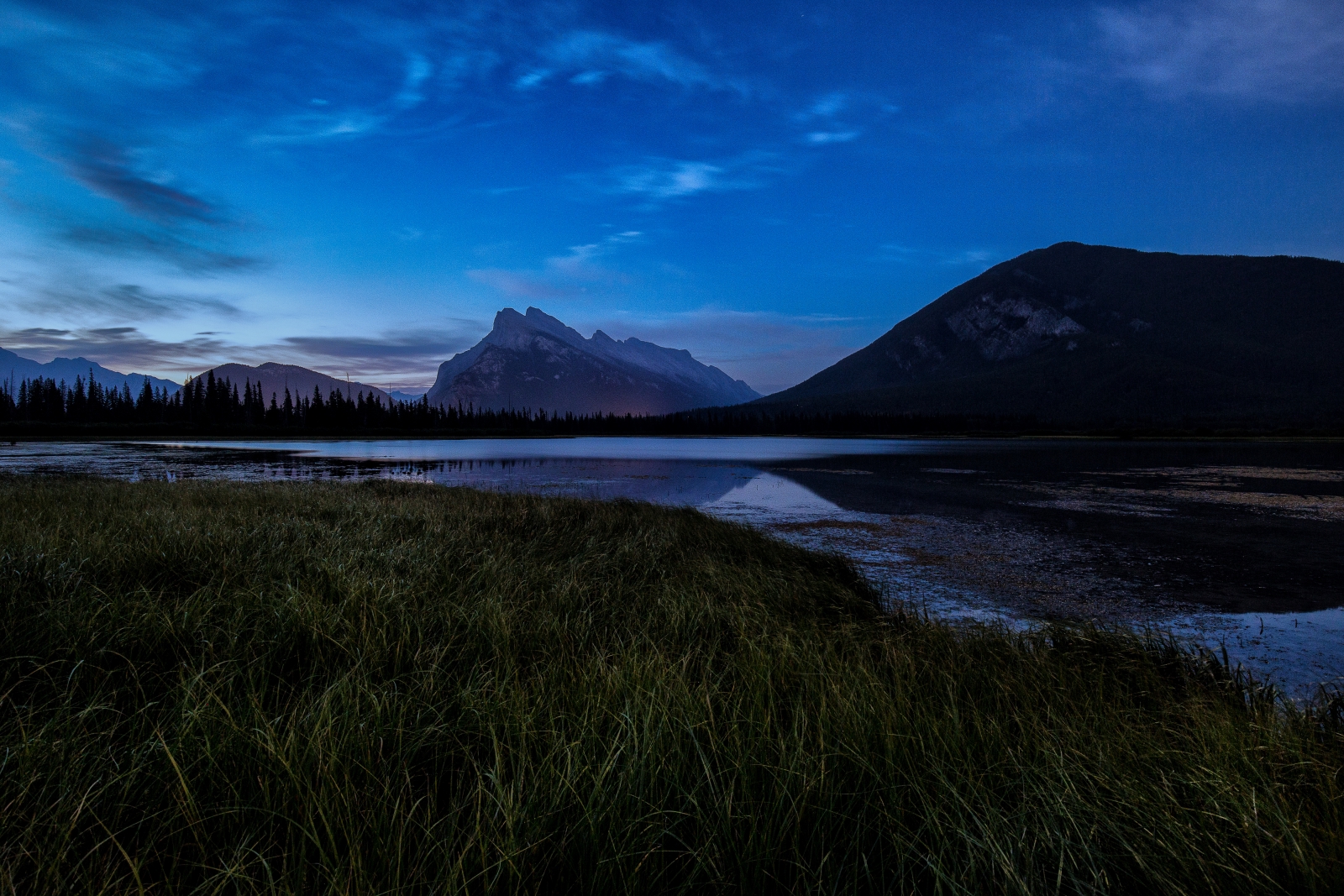
Vermillion Lakes, Banff, Alberta 3

Vermillion Lakes, Banff, Alberta 3

Vermillion Lakes, Banff, Alberta 4

Vermillion Lakes, Banff, Alberta 4

Vermillion Lakes, Banff, Alberta 5

Vermillion Lakes, Banff, Alberta 5

Vermillion Lakes, Banff, Alberta 6

Vermillion Lakes, Banff, Alberta 6

Vermillion Lakes, Banff, Alberta 7

Vermillion Lakes, Banff, Alberta 7

Vermillion Lakes, Banff, Alberta 8

Vermillion Lakes, Banff, Alberta 8

One aspect of photography that has grown into practice is the matter of recognizing the opportunity presented by the derelict car in a field along the highway, the abandoned farmhouse and former granaries, that thing that you come upon in your travels that you may not ever see again. The challenge is to make time for it, to engage fully in seeing it, to name it, to grasp what it is and what has been its narrative, to share time with it. The choice becomes that of photographing it (… or not) and there are choices in editing that honour the subject and the image, to find its best way(s) of being seen. The image, in its being shared creates opportunity; what has been witnessed and what has been created, not only allows others to see something more of the world, but serves to encourage (or perhaps compel) exploration of that thing witnessed through your camera and lens.

Some of this is about that key teaching from Robin Williams, as professor Keating, in the ‘Dead Poets Society’ in the first poetry lesson – ‘Gather ye rose buds while ye may,’ the import of which was his solemn admonition to his students – ‘seize the day’ and ‘make your lives extraordinary.’ Carpe Diem is about seizing the day as much with any of life’s opportunities as with the opportunities for images that can be created with a camera.

http://www.tcm.com/mediaroom/video/579285/Dead-Poets-Society-Movie-Clip-Seize-The-Day.html

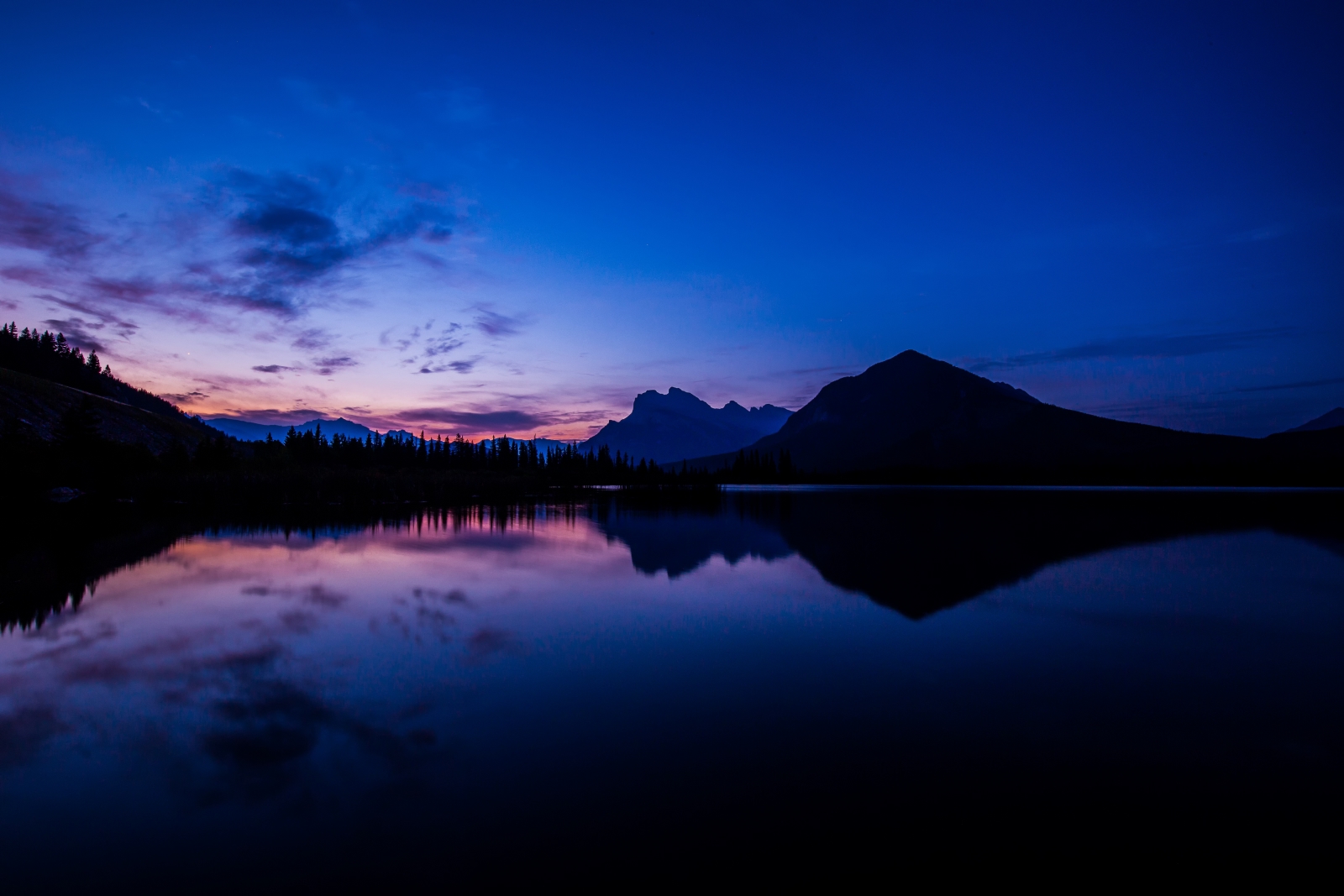
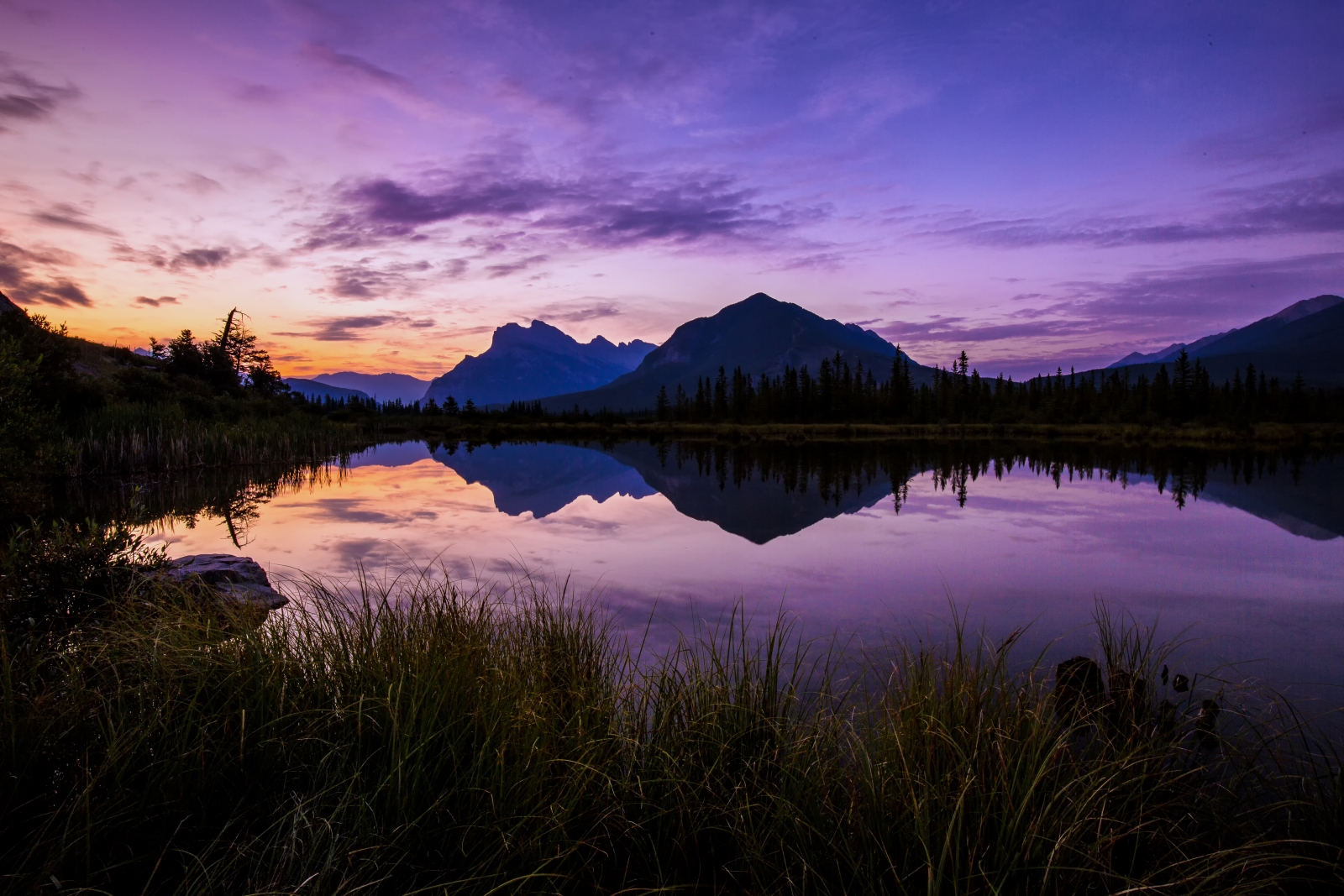
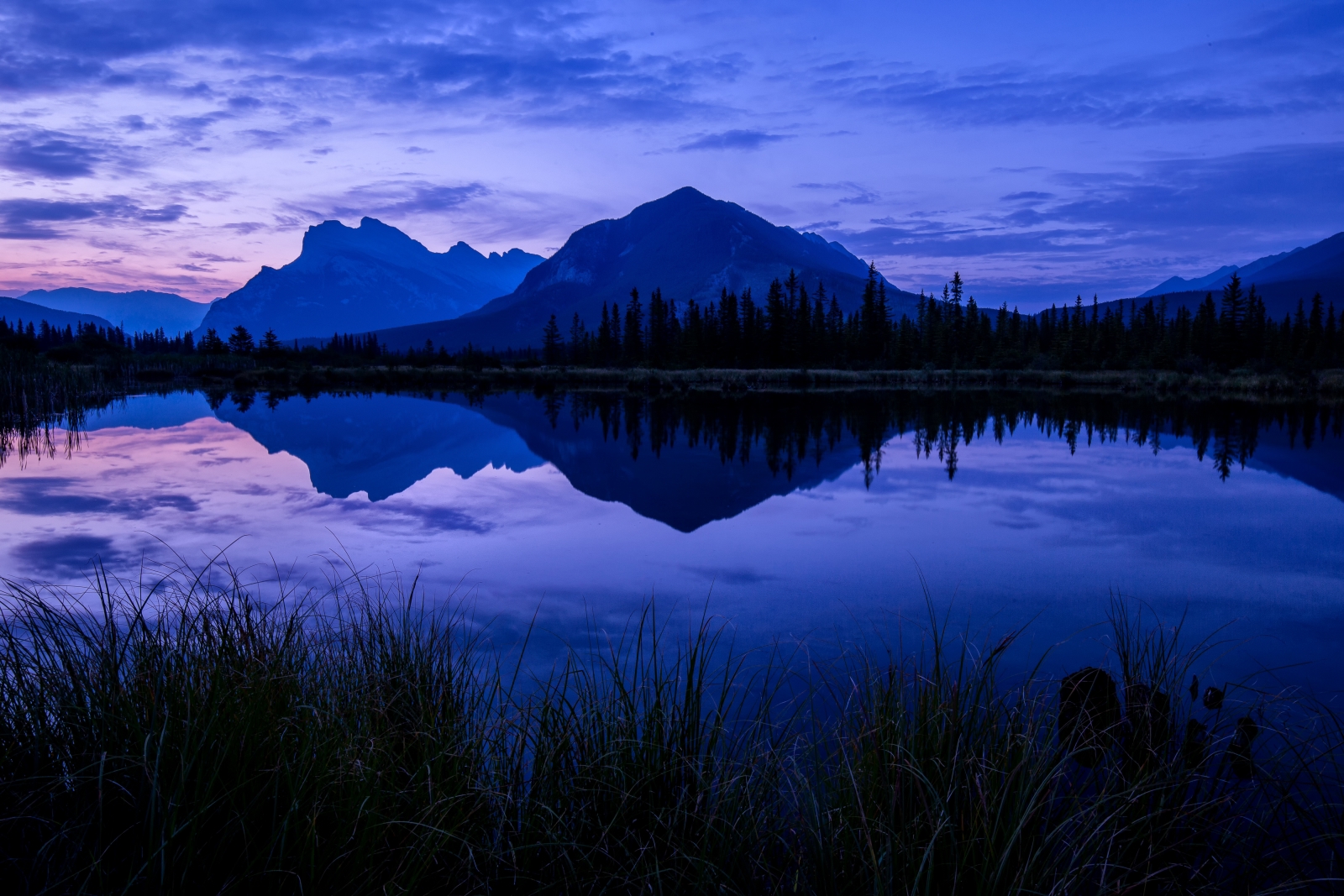
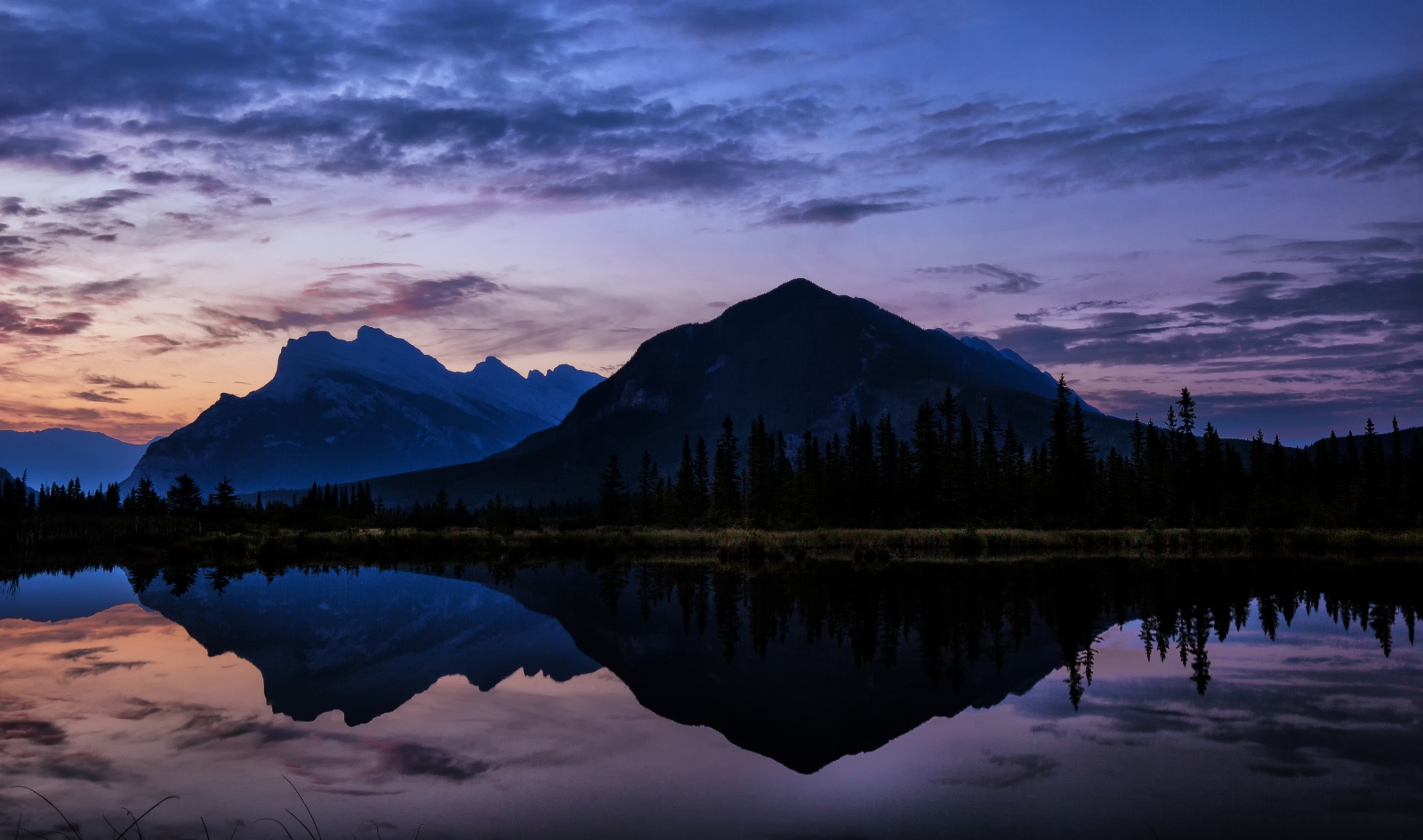
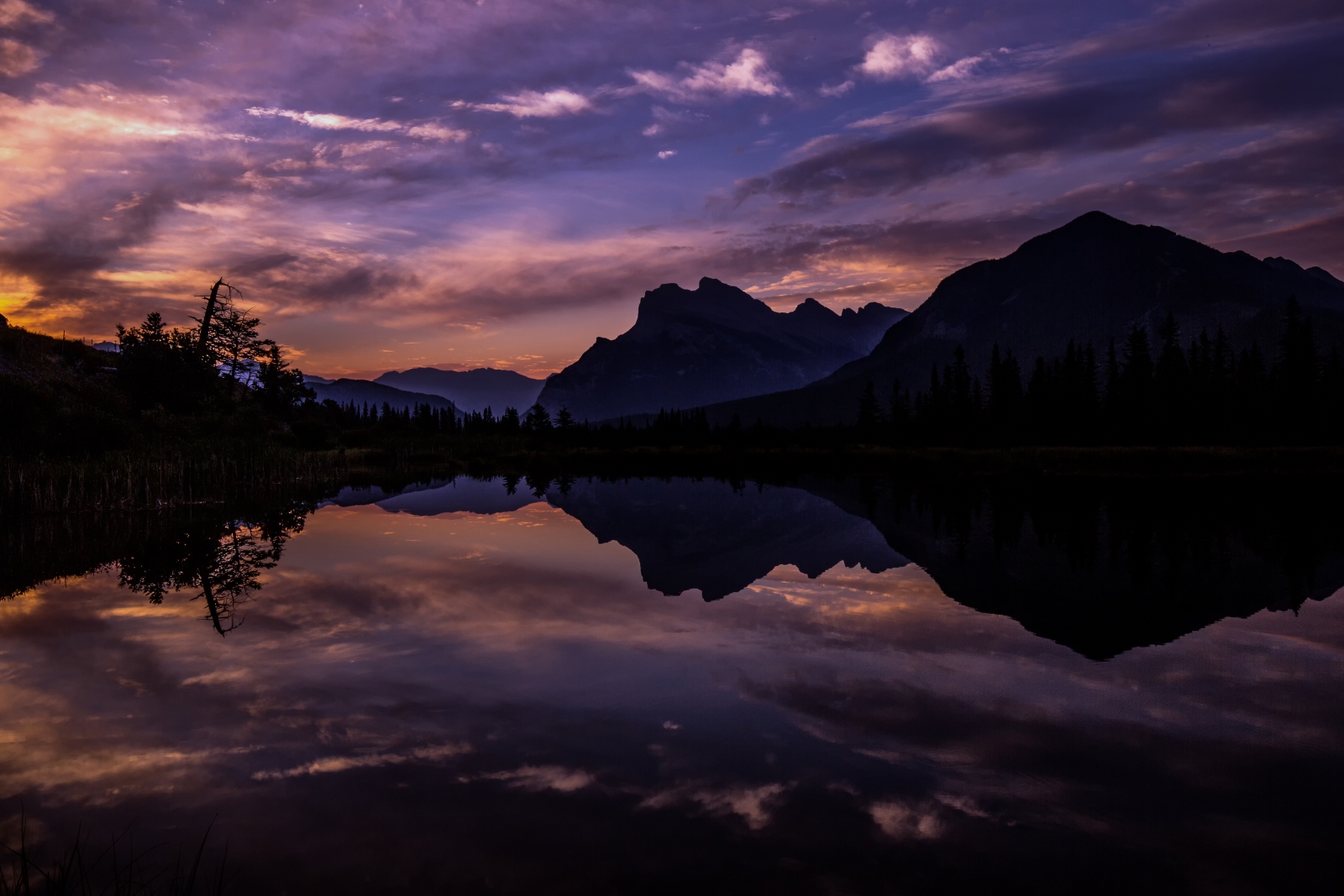
In Banff last week, perhaps owing to summer heat or day/night air pressure differential in the mountains I found myself not always sleeping through the entire night and chose to get out with my camera for landscape photos in pre-dawn dusk. Before leaving for Banff, I had reviewed Maciek Solkulski’s Google+ page for winter sunrise shots he had taken at the Vermillion Lakes in Canada’s Banff National Park. Maciek, an Edmonton photographer, is one half of the podcasting duo of the Shutter Time with Sid and Mac podcast. From Mac’s Google+ page I was able to review maps of where the Vermillion Lakes were in relation to Banff. And, so, before dawn, two days in a row, I got out to the Vermillion Lakes for morning images; these are presented here.

Listening to – Elliott Smith’s ‘Between Bars,’ ‘No Name #3’ and ‘Angeles,’ Gerry Rafferty’s ‘Baker Street’ and The Waterboys’ ‘Fisherman’s Blues’ – all songs from Good Will Hunting.

Quotes to Inspire – (1) “The photographer both loots and preserves, denounces and consecrates;” and, “Life is not about significant details, illuminated (in) a flash, fixed forever. Photographs are.” – Susan Sontag, ‘On Photography’

Lost & The Way

Canon Camera, Canon Lens, Canon Live View, Flora, High Dynamic Range (HDR), Journaling, Night, Photography & Conceptualizing Beauty, Project 365 - Photo-a-day
Mount Norquay Ski Hill - Banff, Alberta 1

Mount Norquay Ski Hill – Banff, Alberta 1

Mount Norquay Ski Hill - Banff, Alberta 2

Mount Norquay Ski Hill – Banff, Alberta 2

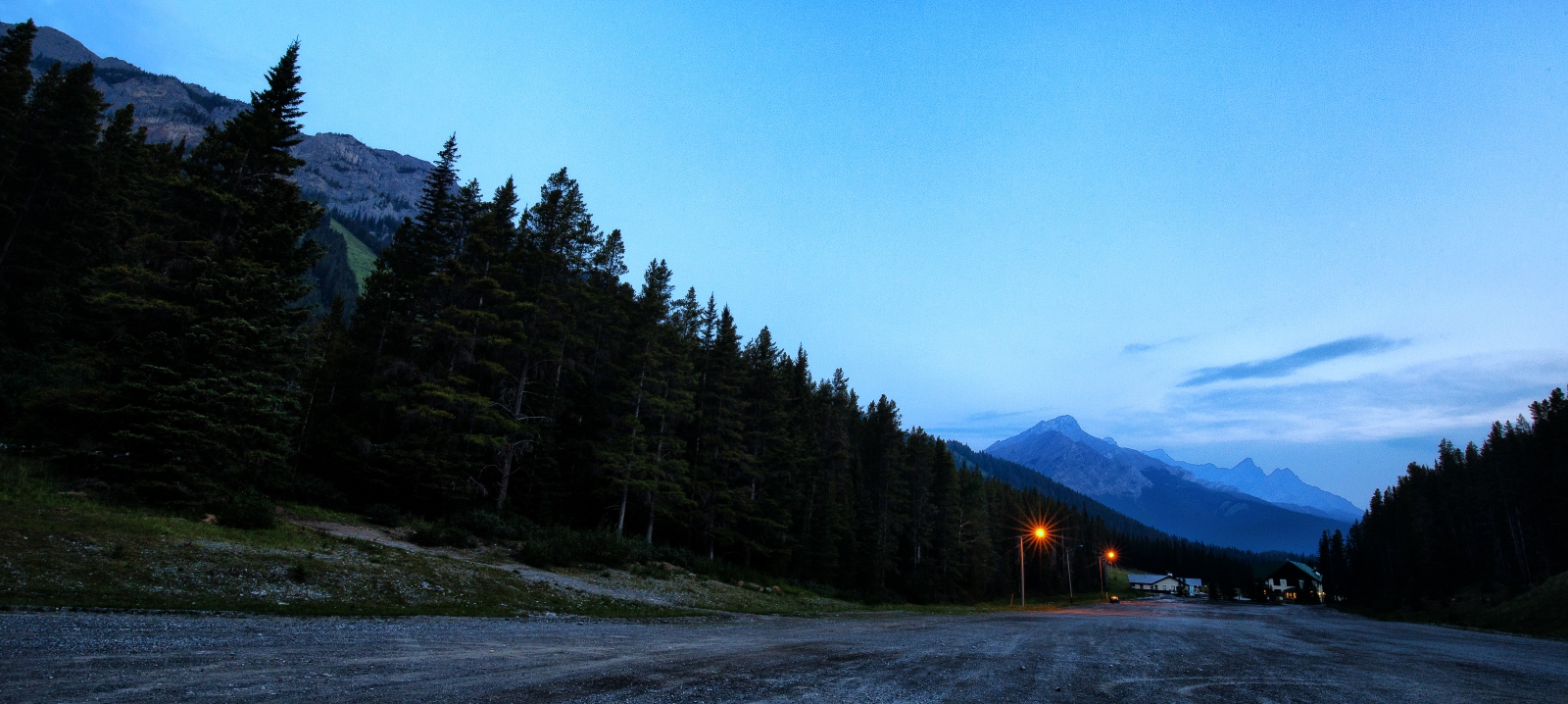
Trusting the map, trusting Steve with the map – some twenty-five years ago, in Canada’s Banff National Park we cycled along a fire road behind Mount Norquay with the intention of riding our mountain bikes up and down the mountain along what should have been a short ride on a horse trail, no more than four hours at the most. Instead, for two or three hours, our bikes were hefted onto shoulders and step-by-step, in sunlight, through rain, in sunlight again and then through snow we climbed upward toward Elk Point summit. Steve, whose cardio-vascular fitness out-stripped ours, was up the mountain easily and a ways ahead, scouting the trail.

We crested the summit in snow, large, feathery, wet flakes of snow, our legs rubbery gelatin, needing rest. Plodding forward without the energy to return to cycling, we pushed our bikes, hoping to meet Steve somewhere on the path and settle-in for a rest. We looked ahead into the snow for Steve and looking harder a second time saw him racing toward us and pointing to his right (our left); he was signalling something quite assertively. When he met us, he pointed again to our left and gasping identified the bear on the other side of the summit’s meadow. We focused our eyes. There it was, scrabbling at the earth, eating, with its back to us. Along our climb we had seen massive bear paw prints in the mud – twelve-to-fourteen inches in diameter. We’d hoped they were not fresh. Now, we needed to get on our bikes, get our pedals pumping and put distance between us and this bear. Ten minutes later we huddled beneath a huge forest conifer, away from the bear, out of the snow.

We considered the time; we started riding at 2:00 p.m. and aimed to complete our twenty kilometre trek by suppertime. It was now 8:00 p.m.; we’d made it to the summit and with September’s shrinking daylight hours the sun’s incline over the horizon had already begun. Riding down the mountain would occur in shadow and our descent would, for the most part, occur in darkness. We began riding downward on the mountain’s horse trail switchbacks. Our bicycles’ brake pads quickly wore down to nothing – we needed to sit on the cross-bar and use our feet on gravel to slow our descent. Seeing pretty well in the dark, I led through the zig and zag of mountain switchbacks. Fifteen minutes went by without incident. Then, rounding one switchback Steve’s bike flew over my head … without Steve; he’d been higher up, on a switchback behind me. His bike had landed in bushes ahead of me. We halted taking stock of how we were doing. We were cold, somewhat lost and had exhausted the food we’d brought – our best bet was to follow trail markers toward Banff. We put Steve back on his bike and trudged on. The switchbacks levelled out into a long valley, an area that should have been easy to traverse – just cycling along the track. But, the track was mud, four inches deep … likely the result of the rain and snow we’d encountered on the other side of the mountain. We would have to push our bikes through the mud or carry them; without sustaining food and calories, our legs remained gelatinous rubber. We hefted our bikes and pushed them on drier bits of earth.

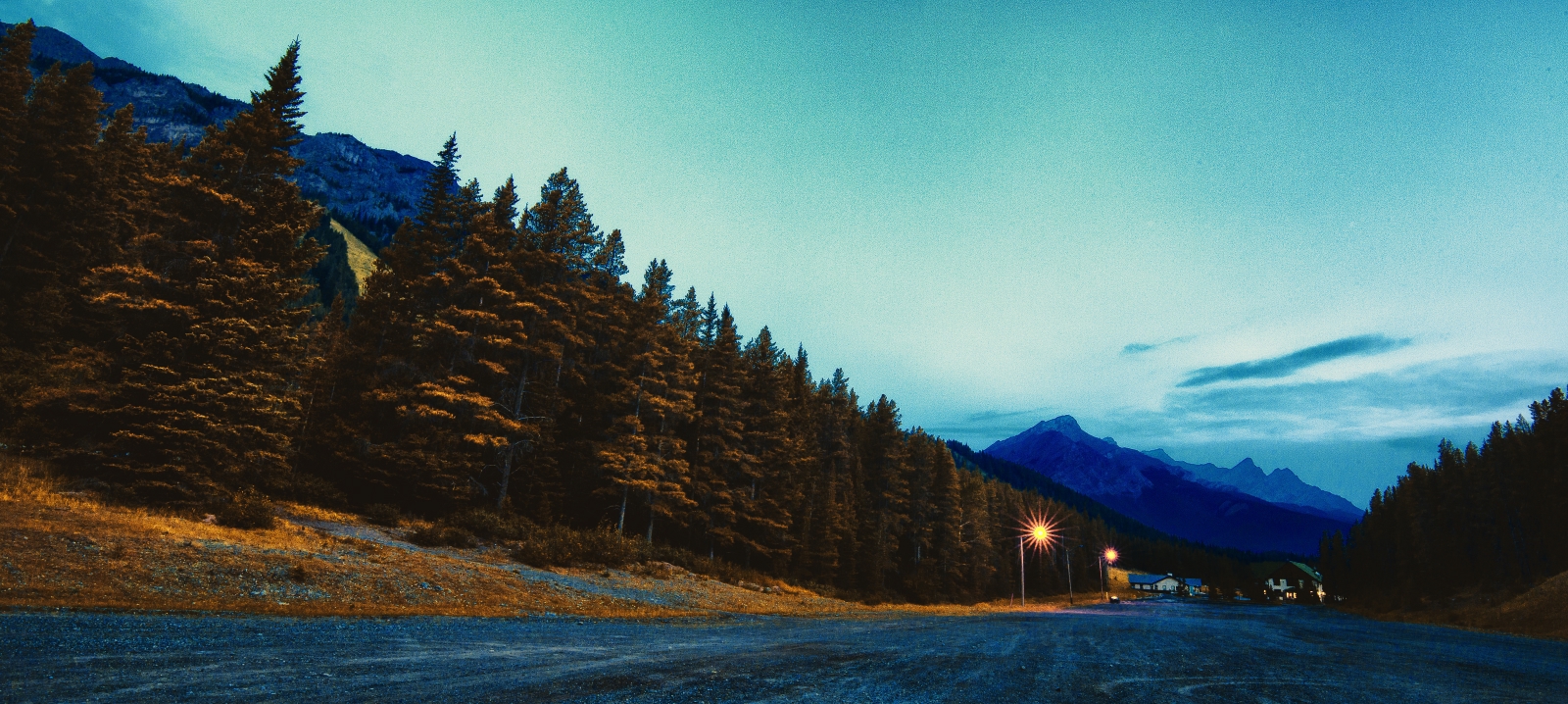
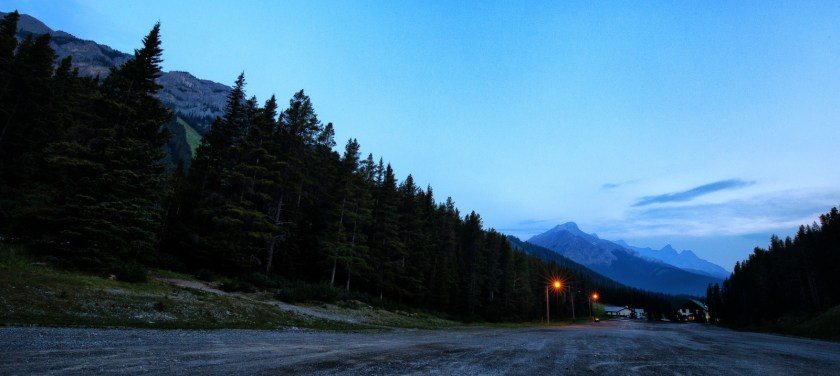
The photograph, presented here, is the area where the four of us moved from mountain trail on to paved road surface.

From here, I rode down the mountain, quickly, got to the Ford three-quarter ton, returned and got the others – Steve, Vince and Goose (last name Guzman). Hypothermic, worried and overwhelmed, Vince and Goose had fallen from their bikes crossing the western-most Texas-gate leading into Banff, Vince hurting family jewels and Goose hyper-extending two fingers. At the hospital, we were fed cookies and tea and Vince and Goose were examined by a doctor who scolded us for cycling into bear country – cyclists, in their speed, can surprise bears and this doctor had treated a cyclist the week before who had been mauled by a bear.

Rather than return to our tent trailer, I rented a chalet and its proprietor allowed us to use the pool/Jacuzzi to warm ourselves. Later, pizza and much needed sleep served to rejuvenate us; we were ready to go at the crack of dawn, the next day. With our endeavor, we’d trusted Steve with a mountain map and there’d been confusion with directions. That night, as we each made sense of the mishap we were amazed at where we’d been; our twenty-some kilometre trek had morphed into sixty-two kilometres by the ride’s end. Looking back, those were much younger days, the kind my son will have with his pals at University. For me, though, I was freshly married, out of University, yet to be employed and among friends as my wife began her school year as teacher in northern Alberta. I had not been to this site for more than twenty-five years. Last week, looking in and around Banff with my camera I found it and this story again.

Lost
By David Wagoner

Stand still. The trees ahead and bushes beside you
Are not lost. Wherever you are is called Here,
And you must treat it as a powerful stranger,
Must ask permission to know it and be known.
The forest breathes. Listen. It answers,
I have made this place around you.
If you leave it, you may come back again, saying Here.
No two trees are the same to Raven.
No two branches are the same to Wren.
If what a tree or a bush does is lost on you,
You are surely lost. Stand still. The forest knows
Where you are. you must let it find you.

Listening to – Jessica Sanchez’ ‘Lead Me Home,’ Jack Johnson’s ‘Home,’ Sarah Masen’s ‘The Valley’ and Snow Patrol’s ‘Life Boats’ and ‘This Isn’t Everything You Are.’

Quote to Inspire – “[Photographing] … is a way of at least tacitly … encouraging whatever is going on to keep on happening.”

Amid Blackened Pick Up Stix

Backlight, Canon Camera, Canon Lens, Canon Live View, Flora, High Dynamic Range (HDR), Photography & Conceptualizing Beauty, Project 365 - Photo-a-day, Spring, Sunset
Muskeg Flowers - Lesser Slave Lake, Alberta 1

Muskeg Flowers – Lesser Slave Lake, Alberta 1

Muskeg Flowers - Lesser Slave Lake, Alberta 2

Muskeg Flowers – Lesser Slave Lake, Alberta 2

I hadn’t driven the back road from Fort Vermilion to Slave Lake for perhaps ten or more years. While intention had been to cut hours from drive time, my curiosity pulled me toward what had become of Slave Lake after the town had been overcome by forest fire in May, 2011, losing a third to two thirds of its homes and businesses. I remember being five hours north and listening to radio reports of the fire moving rapidly, of the fire jumping highways, of the immediate need for evacuation of residents from Slave Lake to Athabasca and of those residents being given emergency shelter in school gymnasiums. Adele’s ‘Set Fire to the Rain’ was played by local radio stations to highlight the firefighters and water bomber pilots battling the fire and the evacuation of residents – some of the song’s lyrics associate well to the experience endured; the paradox of setting fire to rain was the attracting lyric.

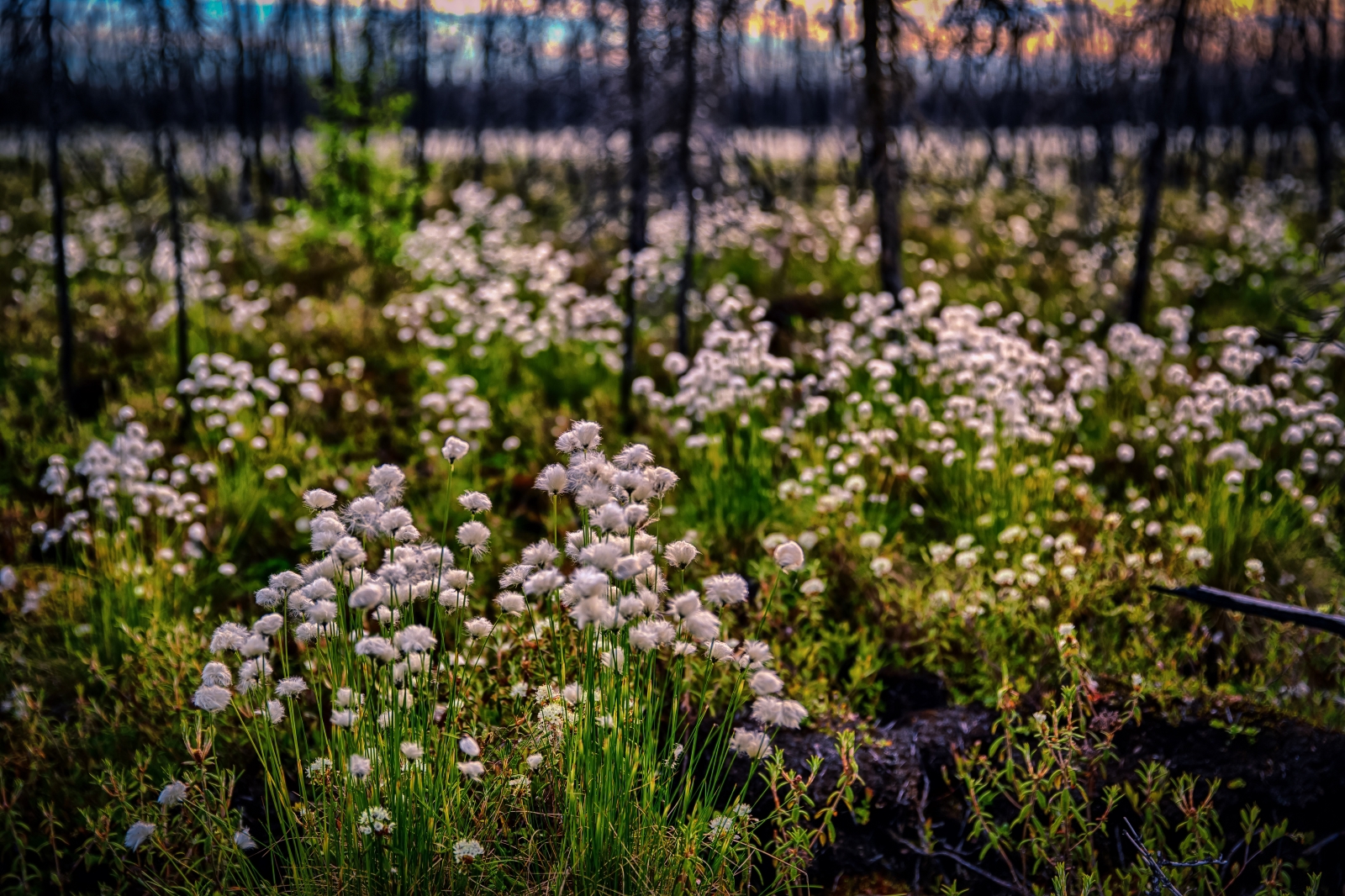
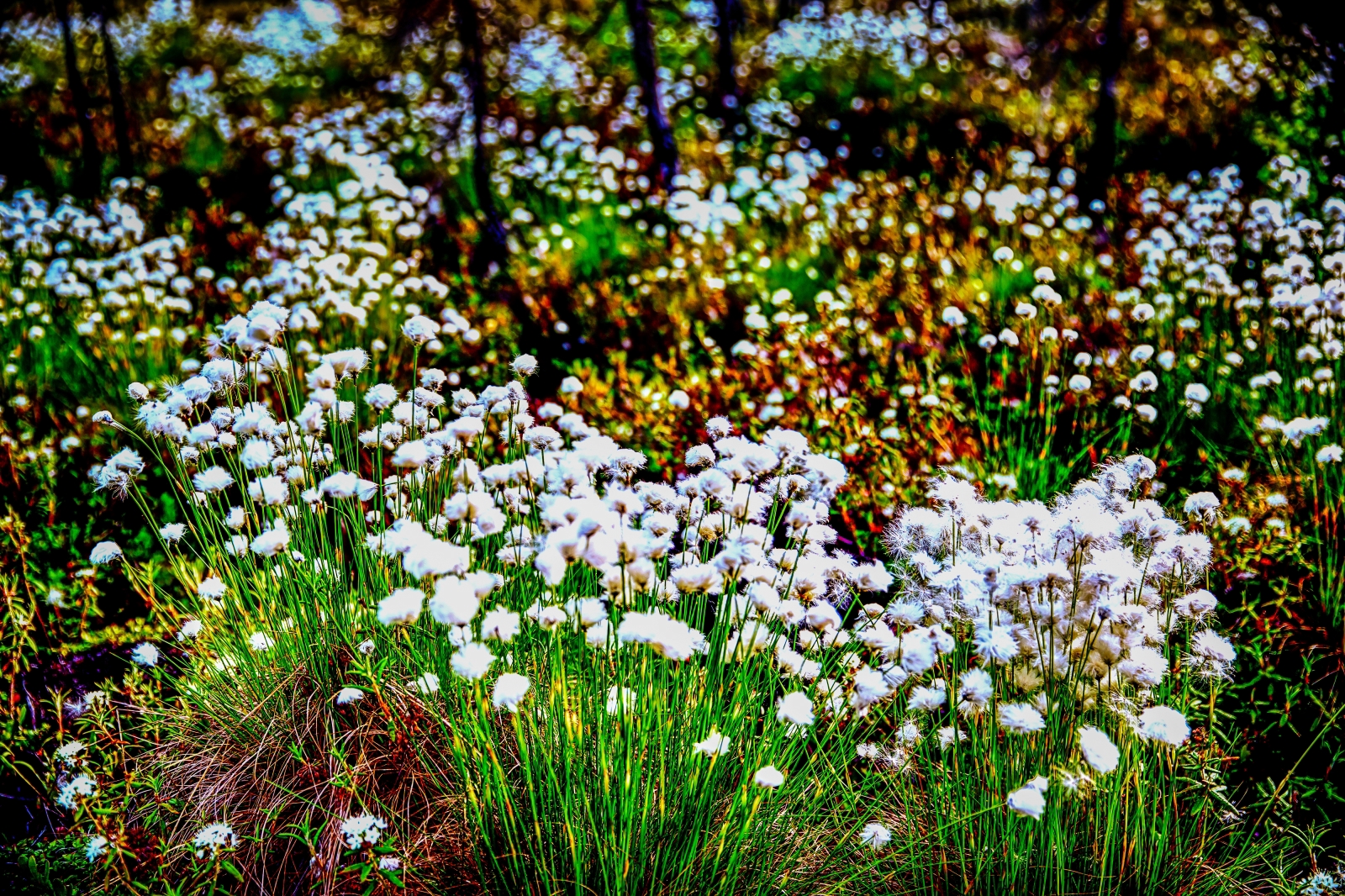
For me, three years on, travelling to Edmonton, along highway 88 toward Slave Lake, I found other areas of forest that had been touched in the same fire. I stopped my car for the second interruption to my drive, where the silhouette of remaining blackened, yet dead trees continue to stand somewhat vertical, in the up-and-down of pick-up-stix, against a northern Alberta sunset – their silhouette catching my eye and drawing out my camera. The first growth of flowers, cotton-like intrigued me. I walked in twenty metres on muskeg – watery, peaty, muddy, gelatinous earth that overlays earth beneath that remains frozen. These flower images were gathered.

Listening to – Supertramp’s ‘Live in Paris ’79’ Concert; I’d first seen the ‘Crisis, What Crisis?’ concert in 1978; currently captivating songs include ‘Bloody Well Right,’ ‘Another Man’s Woman,’ ‘Dreamer’ and ‘Crime of the Century.’

Quote to Inspire – “Photographs cannot create a moral position, but they can reinforce one – and can help build a nascent one.”

Midnight Sun – Mists

Best Practices - Photography, Canon Camera, Canon Lens, Canon Live View, Flora, High Dynamic Range (HDR), Photoblog Intention, Photography & Conceptualizing Beauty, Project 365 - Photo-a-day, Spring, Still Life, Sunset, Weather
Highway Mists - Twin Lakes, Alberta 1

Highway Mists – Twin Lakes, Alberta 1

Highway Mists - Twin Lakes, Alberta 2

Highway Mists – Twin Lakes, Alberta 2

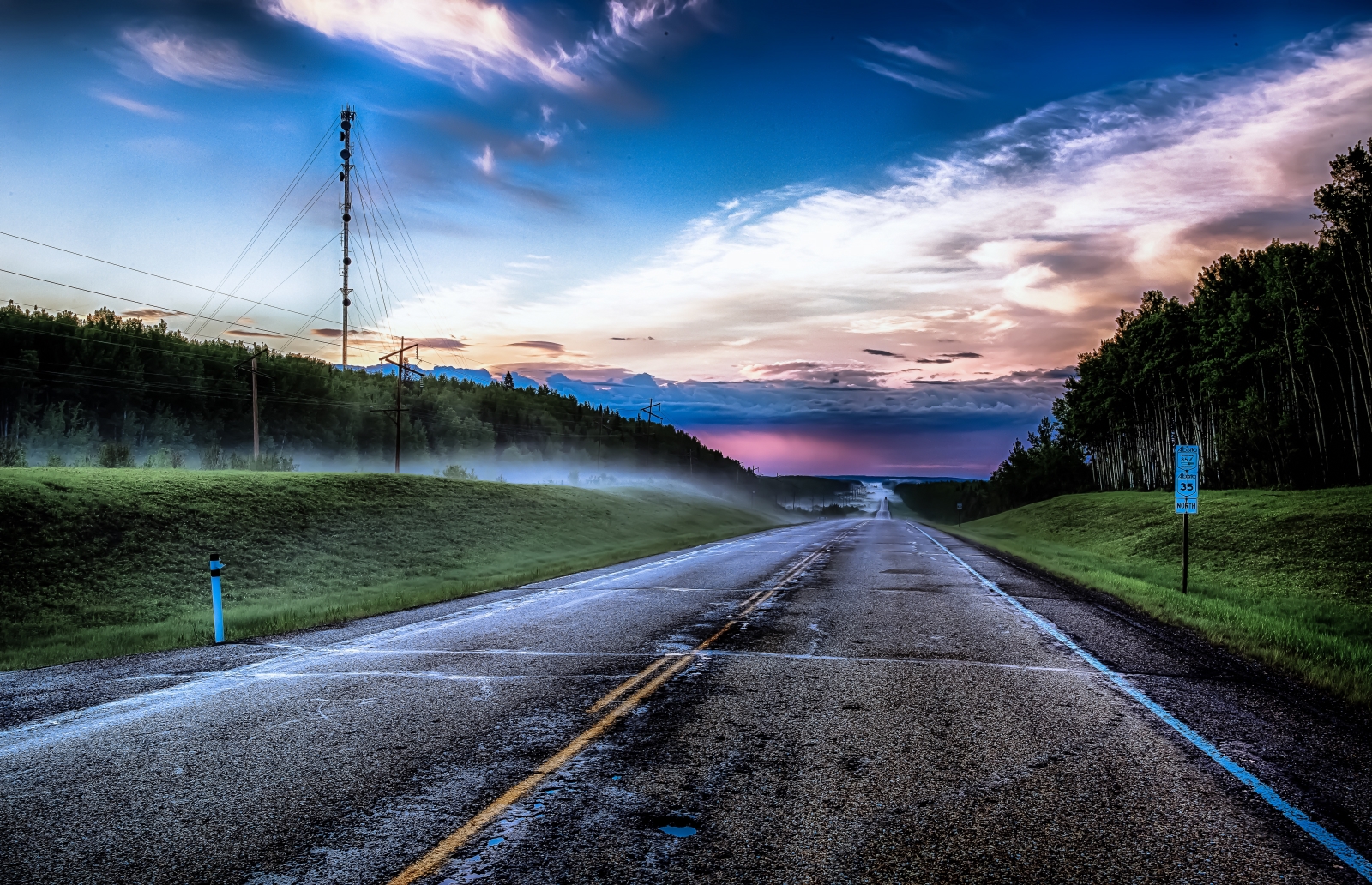
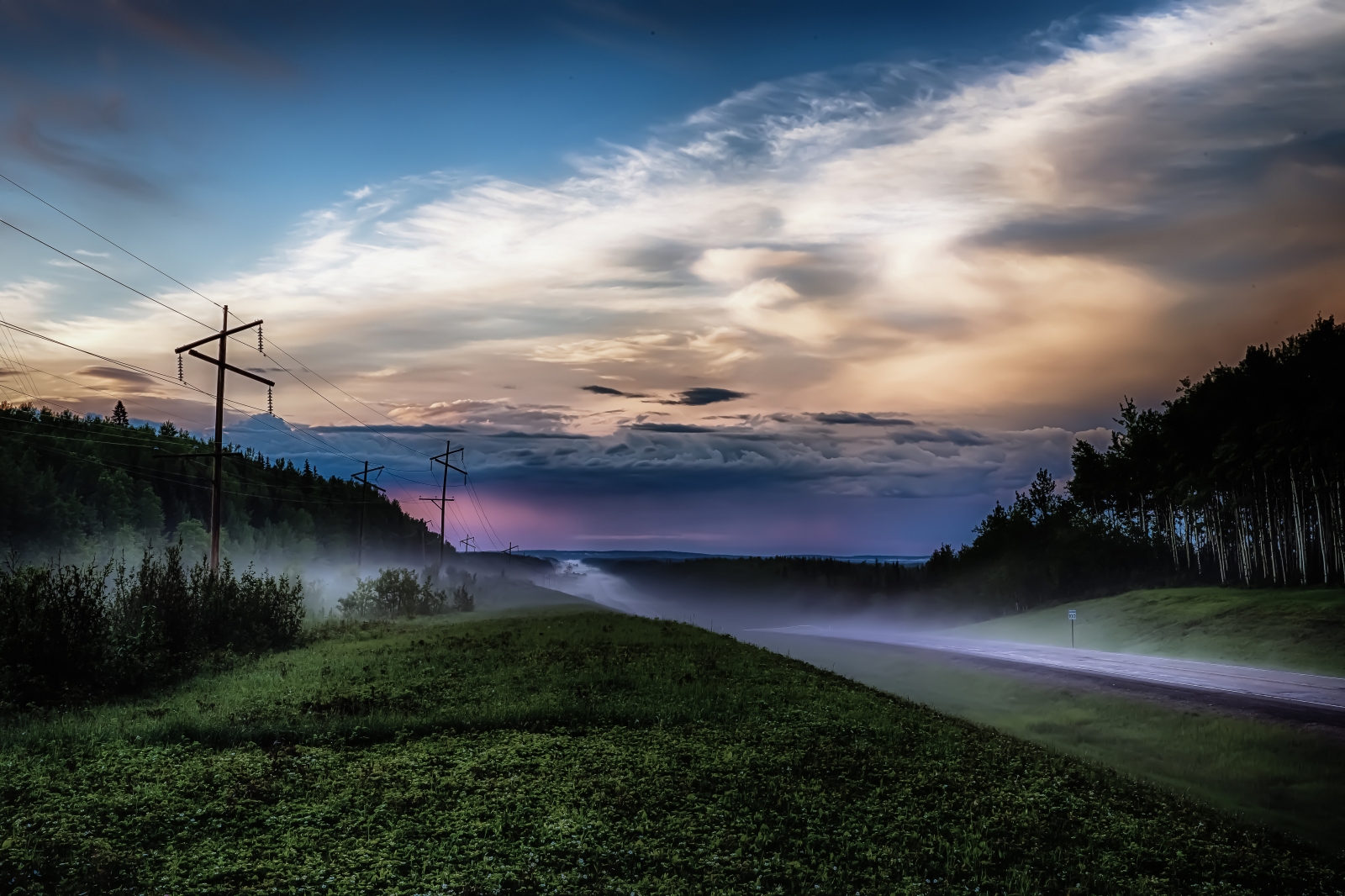
I asked my son to stop our truck, here, at Twin Lakes just where you begin a five kilometre descent, a significant change in altitude often accompanied by an equally significant change in weather. Twin Lakes was our first safe opportunity to pull off the road and to use the camera to capture what we’d been seeing. Not quite, London’s pea-soup fog, but fog thick enough for you to hear a vehicle approaching before you would see it. And, northern Alberta is the land of the midnight sun; at 10:30 p.m. the sun has still not quite crossed the horizon to the West (left). There were perhaps ten other, perhaps more dramatic shots before this point in the road that I would have taken, but stopping in misty conditions could have caused an accident. Better to be safe and take shots without peril.

Listening to – ‘On Being with Krista Tippett’ and her 2011 interview with Vincent Harding who recently passed away; Vincent has connection to the Mennonites and wrote some of Martin Luther King’s speeches.

Quote to Inspire – “Imperfect technique has come to be appreciated precisely because it breaks the sedate equation of Nature and Beauty.” – Susan Sontag, ‘On Photography’

Sun Streams, Mist & Pure Seeing

Backlight, Best Practices - Photography, Canon Camera, Canon Lens, Flora, Fog, Homestead, Light Intensity, Photography & Conceptualizing Beauty, Project 365 - Photo-a-day, Smoke, Spring, Weather
Mists - El Tizate, Guatemala 1

Mists – El Tizate, Guatemala 1

Mists - El Tizate, Guatemala 2

Mists – El Tizate, Guatemala 2

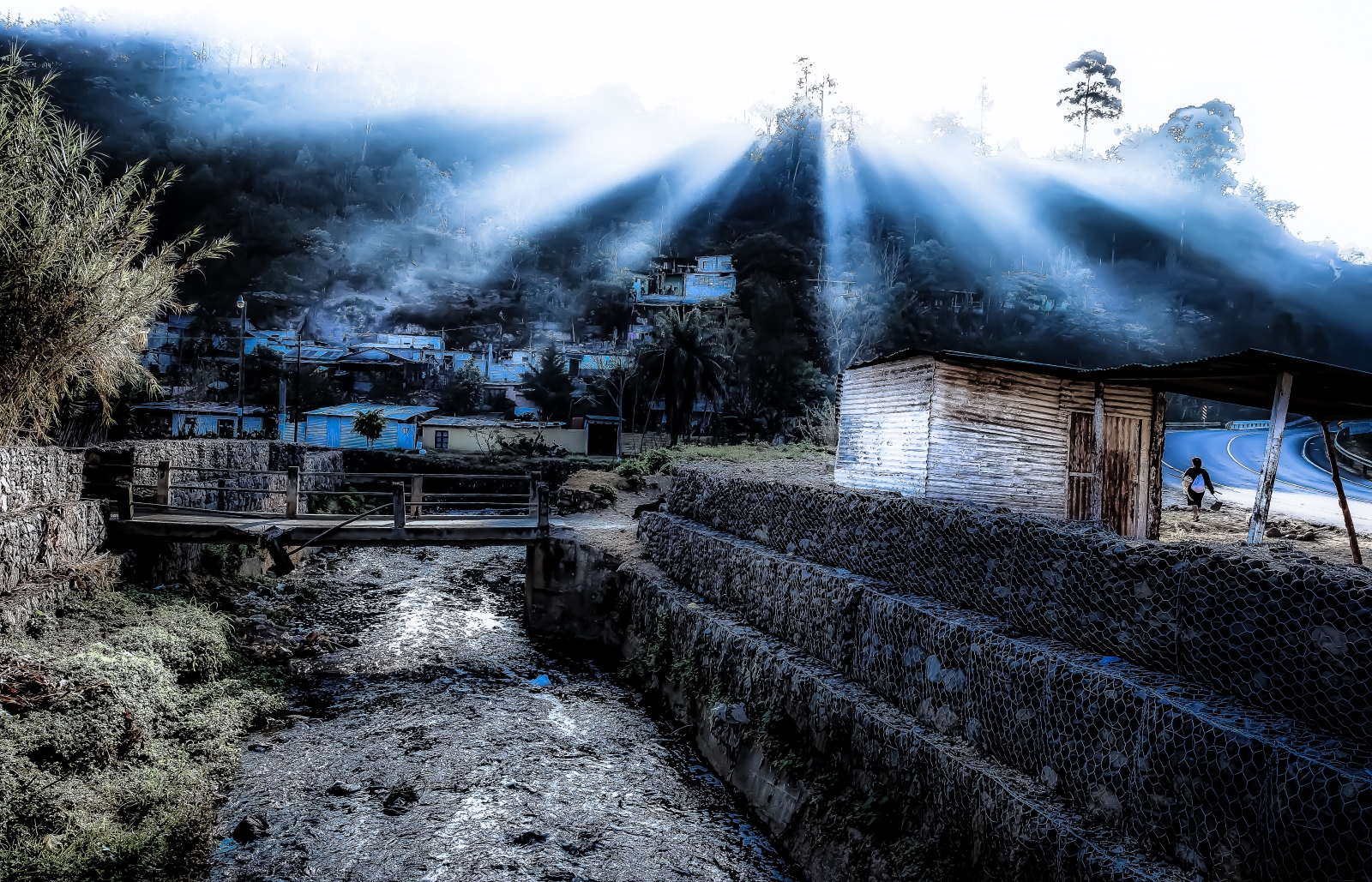
Sun streams down over a mountain through morning’s mist – condensation and wood smoke – into the community of El Tizate. It is morning, perhaps the last day of our time in El Tizate – we wait for our tour bus; I look out at the world through my camera and lens – rewarded with this extraordinary scene to my foreigner’s eye.

Listening to – three songs from Casting Crowns: ‘Just Be Held,’ ‘Broken Together’ and ‘Follow Me.’

Quote to Inspire – “Poetry’s commitment to concreteness … parallels photography’s commitment to pure seeing. Both imply discontinuity, disarticulated forms and compensatory unity – wrenching things from their context …, bringing things together elliptically….” – Susan Sontag, ‘On Photography’

Summer Colour & Warmth

Canon 60D, Canon Camera, Canon Lens, Canon Live View, Farm, Flora, High Dynamic Range (HDR), Lookback Photos - One Year Ago, Photography & Conceptualizing Beauty, Project 365 - Photo-a-day, Summer, Weather
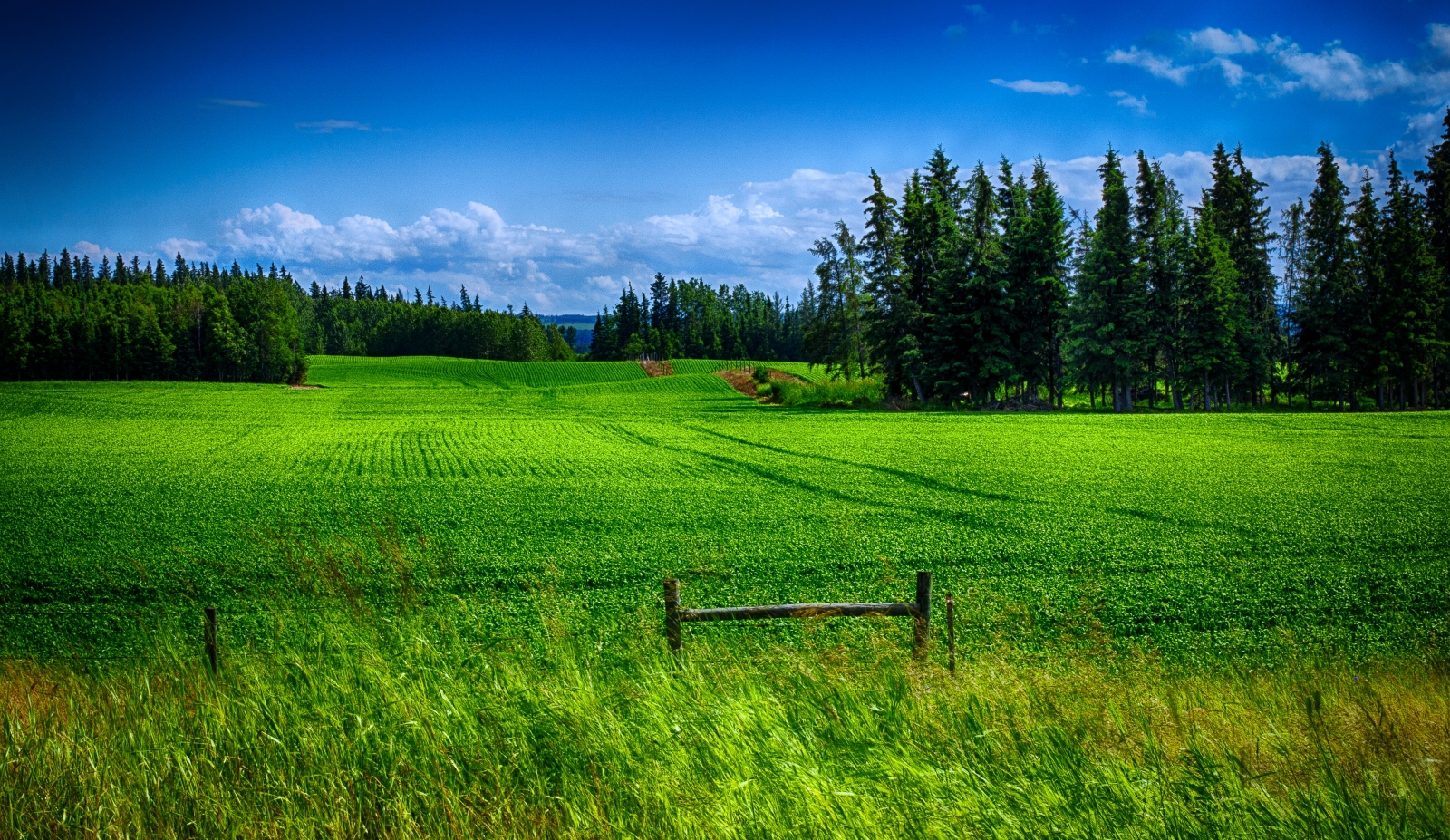
Field Green - Near Greencourt, Alberta

Field Green – Near Greencourt, Alberta

Our Boxing Day is overcast. Snow falls (four inches worth), family sleeps late – the television has had its share of use and all have been able to settle and rest. Coffee and tea warm us. Outside is winter’s cold, an entity that almost requires a northern household to have a fire place to throw off a dry, substantial heat (one day, perhaps) or in-floor heating, at least. Our day is quiet, moving me to recall summer’s colour and warmth, a time when it is easier for an object in motion to stay in motion – a very different time of year. Loreena McKennitt has an album for a day such as this, ‘Music to Drive the Cold Winter Away,’ a Christmas gift from my brother several years back.

Listening to – Ed Sheeran’s ‘The a Team;’ my daughter received sheet music to this song; I’ve had a go at fretting chords and then doing so with the actual song, finding nuance in how it’s played.

“Photography makes us feel that the world is more available than it really is.” – Susan Sontag, ‘On Photography’

Shape Sense – Light & Shadow

Canon 60D, Canon Lens, Canon Live View, Fall, Farm, Flora, High Dynamic Range (HDR), Light Intensity, Photography & Conceptualizing Beauty, Weather
Autumn Gold 2 - Donnely, Alberta 1

Autumn Gold 2 – Donnely, Alberta 1

Autumn Gold 2 - Donnely, Alberta 2

Autumn Gold 2 – Donnely, Alberta 2

Autumn Gold 2 - Donnely, Alberta 3

Autumn Gold 2 – Donnely, Alberta 3

Autumn Gold 2 - Donnely, Alberta 4

Autumn Gold 2 – Donnely, Alberta 4

Autumn Gold 2 - Donnely, Alberta 5

Autumn Gold 2 – Donnely, Alberta 5

It’s cold this morning. At -26C, the conundrum is how to deal with my camera (battery-life) and tripod (breakable at colder temperatures). Warmly cloaked, as I trek round my morning’s 6km circuit, I’m resigned to using the walk to scout out pictures. Throughout, I’m listening to conversations – interviews, podcasted on my iPod. But, cold-weather photo-making is not as easy an endeavor as capturing an image within that moment when I find its promise. I turn my initiative to what I can do indoors – editing of previous photos, investigating shots that I haven’t yet worked with and finding new results. This morning is follow-up to other images in the series following the Autumn Gold image from a few days back. Versions of the photo are non-HDR, HDR Black and White and HDR Colour – some fun. The realization is that the HDR images provide better gradation of light and shadow creating better sense of shape as contrasted with non-HDR images. Have a look.

Listening to – Krista Tippett’s interview with Jean Vanier, founder of L’Arche; interesting concepts include the necessity of becoming vulnerable in order to be able to love another and the vulnerability of God in Loving us. Another captivating idea is the path from soul to reality … the curious extrapolation is how this path is distorted, twisted or perhaps even strangled; the last thought has be prodded from a friend’s newly found cynicism – a lot can stand in our way, obscuring our vision and awareness of others.

Quote to Consider – “Nobody ever discovered ugliness through photographs. But many, through photographs, have discovered beauty. Except for those situations in which the camera is used to document, or to mark social rites, what moves people to take photographs is finding something beautiful.” – Susan Sontag, On Photography

Autumn Gold

Best Practices - Photography, Canon Camera, Canon Live View, Fall, Farm, Flora, High Dynamic Range (HDR), Light Intensity, Night, Photography & Conceptualizing Beauty, Project 365 - Photo-a-day, Sunset, Weather
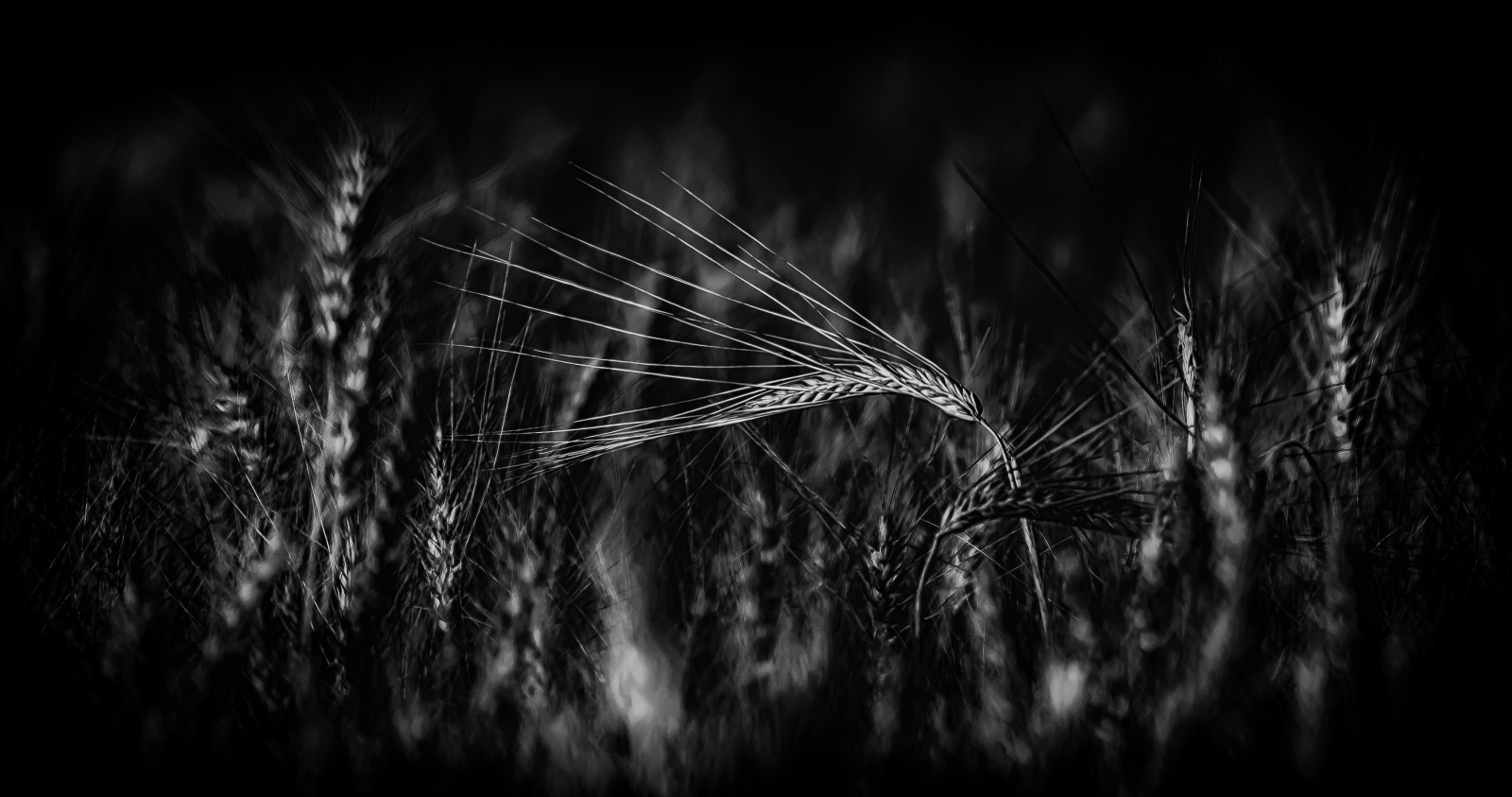
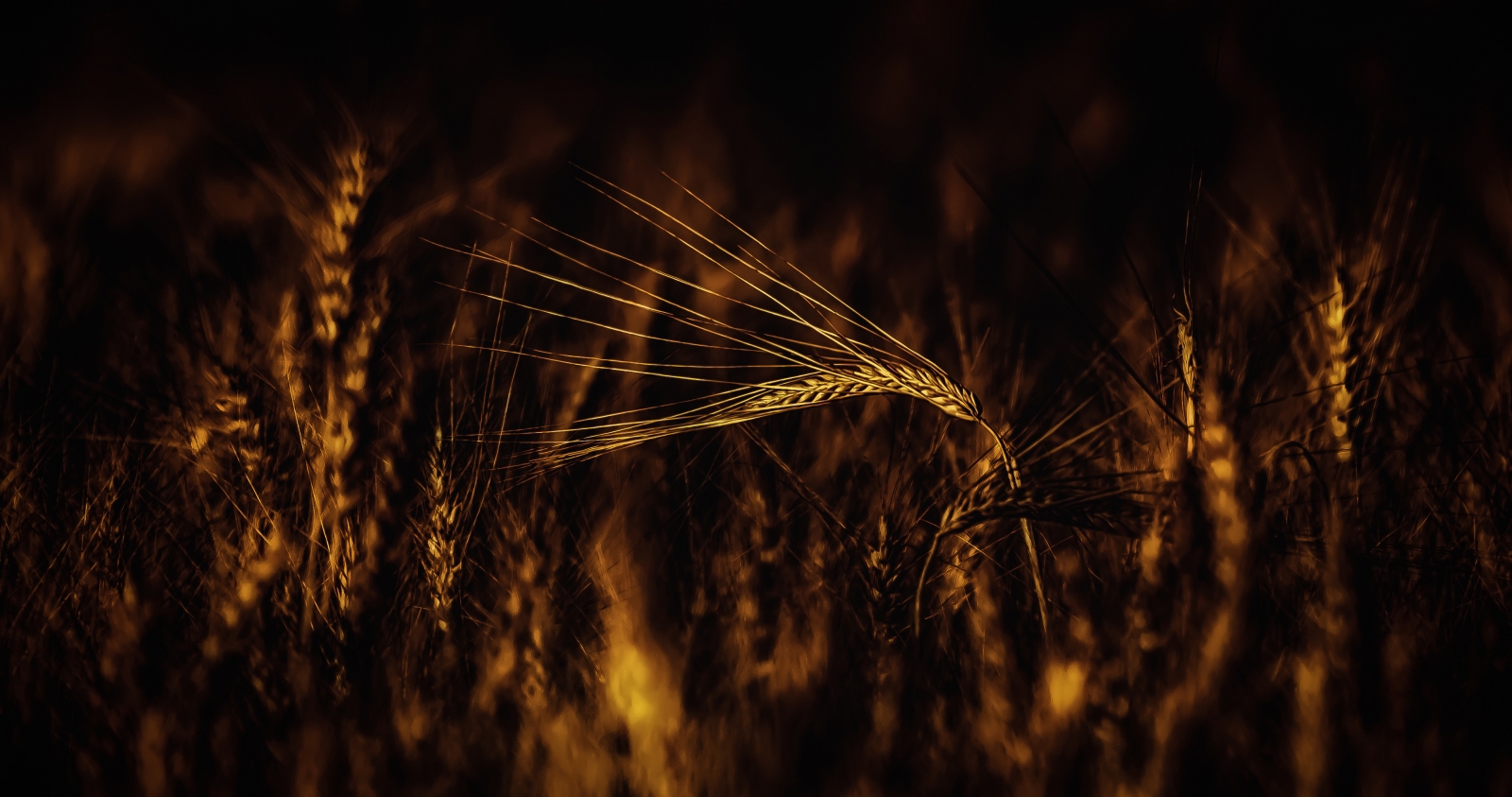
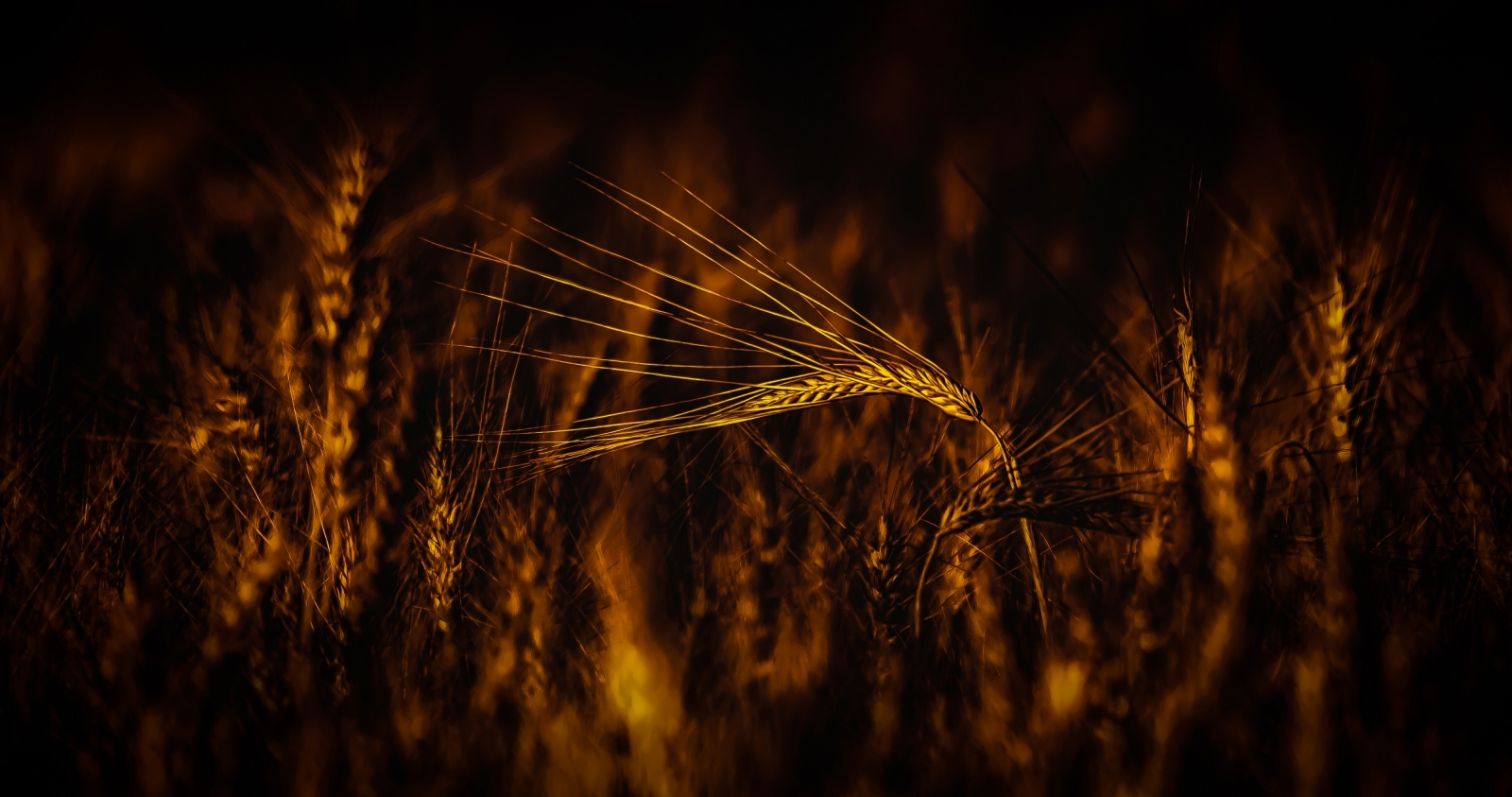
Autumn Gold - Donnelly, Alberta

Autumn Gold – Donnelly, Alberta

An autumn memory, a gift to view as we move into snow and extreme sub-zero temperature – nature’s architecture providing visual articulation of golds on black at harvest.

Quote to Inspire – “Photographs are a way of imprisoning reality …. One can’t possess reality, one can possess images – one can’t possess the present but one can possess the past.” – Susan Sontag, ‘On Photography’

Listening to – U2’s ‘In a Little While,’ Linkin Park’s ‘Roads Untraveled,’ Jessica Sanchez’ ‘Lead Me Home’ and Bob Dylan’s ‘Shelter from the Storm.’

Pillowed, Pocketed – Undulation

Barn, Canon Camera, Canon Lens, Canon Live View, Flora, High Dynamic Range (HDR), Light Intensity, Photography & Conceptualizing Beauty, Project 365 - Photo-a-day, Still Life, Sunset, Winter
Golden Hour Hay Bales - Sexsmith, Alberta 1

Golden Hour Hay Bales – Sexsmith, Alberta 1

Golden Hour Hay Bales - Sexsmith, Alberta 2

Golden Hour Hay Bales – Sexsmith, Alberta 2

Golden Hour Hay Bales - Sexsmith, Alberta 3

Golden Hour Hay Bales – Sexsmith, Alberta 3

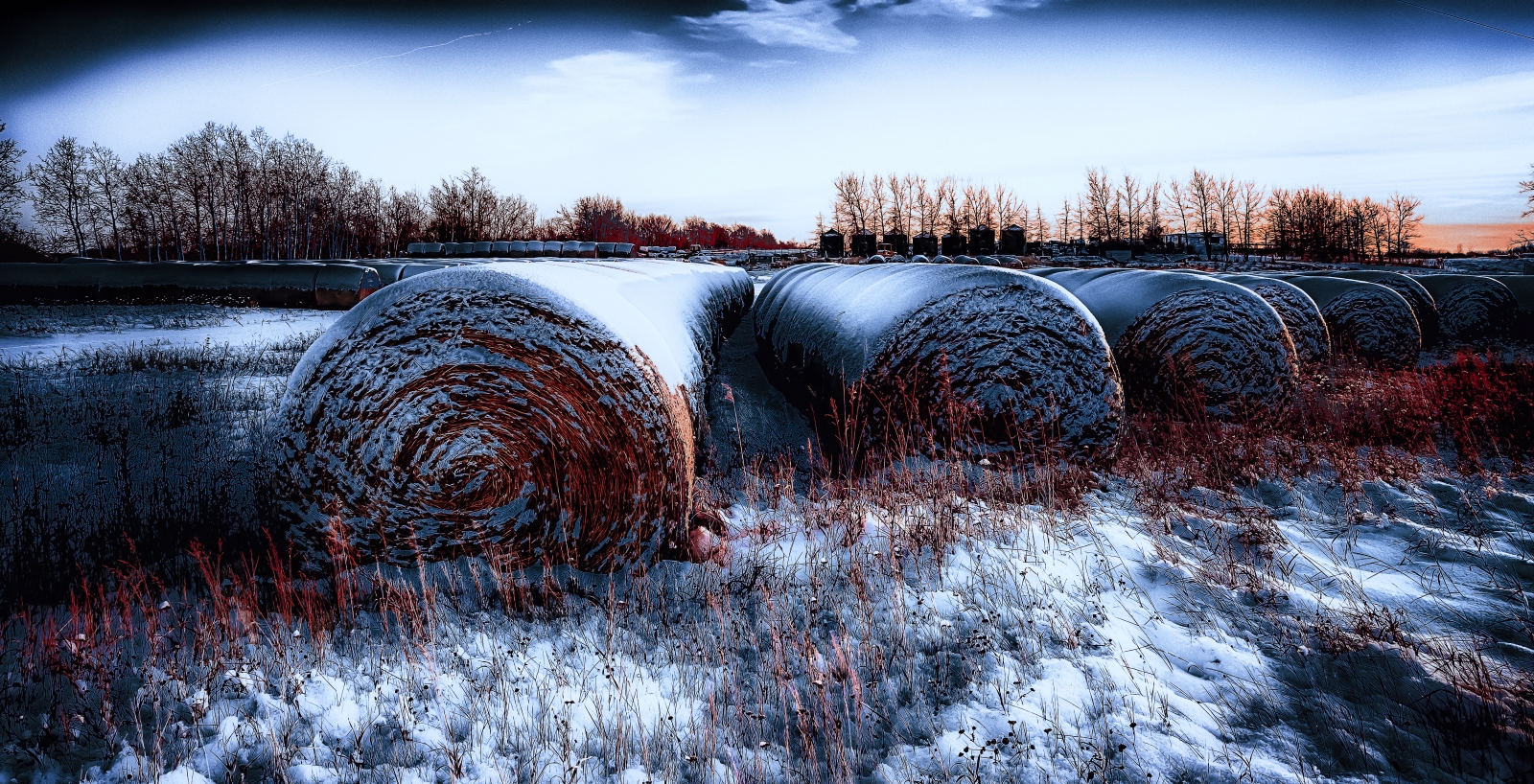
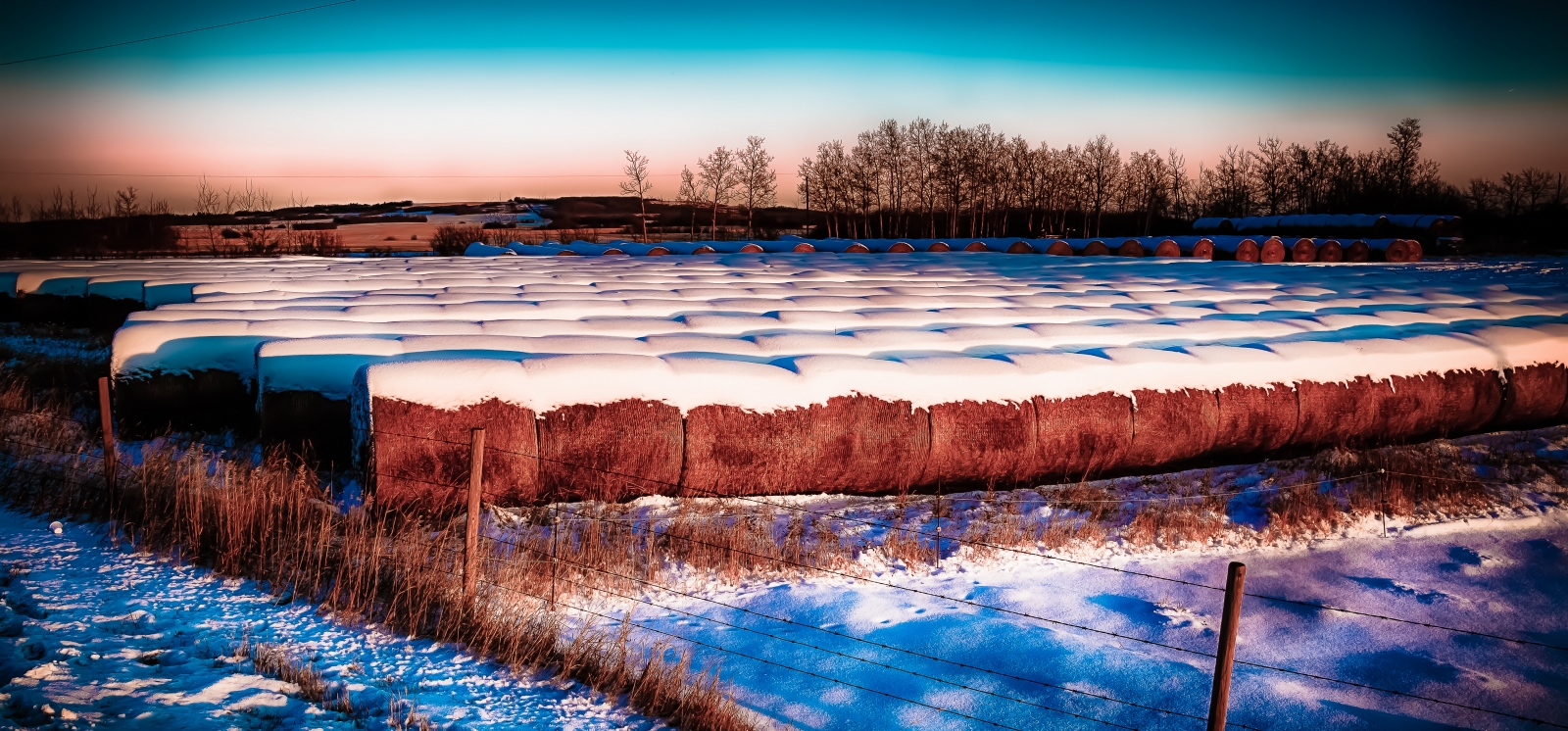
In the golden hour, when the sun nears the horizon to sunset, I was travelling, leaving Grande Prairie and had driven past Clairmont and Sexsmith just where the divided highway shrinks down to two lanes. To my right was the patterning of snow covered round bales of hay, a regular undulation resembling a pillowed or pocketed quilt. I stopped, got into my winter gear and with camera claimed these shots.

Listening to – Martyn Joseph’s cover of ‘The Ghost of Tom Joad.’

Quote to Inspire – “My photography is a reflection, which comes to life in action and leads to meditation. Spontaneity – the suspended moment – intervenes during action, in the viewfinder.” – Abbas