December’s Shift – Past Tense

Best Practices - Photography, Canon 60D, Canon 70-200 mm 2.8 IS L Series Lens, Canon Camera, Canon Lens, Canon Live View, Farmhouse, Homestead, Lookback Photos - One Year Ago, Photoblog Intention, Photography & Conceptualizing Beauty, Project 365 - Photo-a-day, Season, Still Life, Weather, Winter
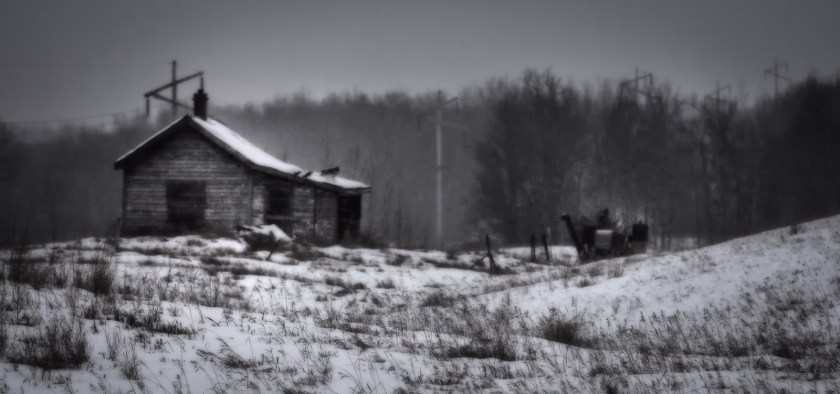
Peace River - Homestead Starting Point

Peace River – Homestead Starting Point

A December day – my brother forwards an e-mail from a family friend, someone from the old neighborhood in Edmonton’s Ottewell community, a friend we shared the neighborhood with as kids. At eighty years, his father, a good friend of my father’s, has passed – succumbing to cancer’s disease. The e-mail conveys global or summary view of his father, a statement written by a man in middle-age, a message made more striking because of its first shift to the past tense of Life – Life has been lived well; Life lived on … beyond the passing of his wife thirty years prior; and, anticipation of how the loss will be felt and recognized. Life’s patterns will change for his family without him.

My memory is of him, his wife, his three boys and his daughter in their Edmonton home on 94b Avenue during the seventies. An accountant, he drove a chocolate brown BMW sedan way back then. My Dad and he shared wit and story. Both were sharp, intelligent people – achievers with achievements; they and their wives had travelled – our families vacationed together. Dad and he were close and knew how to share time together well. Our families may even have met at Church – Ottewell United Church. As I think him through I think of starting points, places any of us began. For him, he’d been adopted in the thirties and loved and raised well – something carried on in each of his children.

Listening to – Roky Erickson’s You’re Gonna Miss Me, Bow Wow Wow’s I Want Candy, Elton John’s Crocodile Rock, Joan Jett and the Blackhearts’ Crimson and Clover, Katrina and the Waves Walking on Sunshine and Bruce Springsteen’s The River.

Quote to Inspire – “I photograph to find out what something will look like photographed.” – Garry Winogrand

Shandy & Molson Signage

Best Practices - Photography, Canon 60D, Canon 70-200 mm 2.8 IS L Series Lens, Canon Camera, Canon Lens, Canon Live View, Home, Lookback Photos - One Year Ago, Photography & Conceptualizing Beauty, Project 365 - Photo-a-day, Season, Still Life, Winter

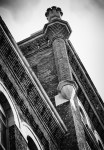
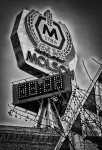
Molson signage, atop the former, now derelict Edmonton Molson brewing plant anchors Edmonton to a nostalgic, retro-feel of former days. Next door is the former Crosstown Motors’ Dodge Chrysler dealership site. Blocks away from Edmonton’s Waterloo Mercury dealership on 107th Avenue and 114th Street, the Molson Brewery site is perhaps most appropriately considered part of Edmonton’s Oliver community. Beer was made here, and through each year brewer after brewer was bought out by the larger Molson corporation, each good beer being subsumed into Molson’s menu of beer. The Molson building and brewery site is now in the process of being dismantled. It’s in the way of what now could be. There’s a great gash in the earth in front of the brewery building – what had been basement to a portion of the brewing site is being removed. The older, more aesthetically pleasing portion of the building still remains, behind chain-link fence. Architecturally, this regal, ornate building dates back to the 1920’s or thirties … perhaps the forties. Design, texture and colour all comprise what the building is about … but you do have to look around to see what is there.

I’m reminded of a summer, two years back and of combining a quality ginger beer with a dark lager, making something Dad called a Shandy for Dad and I – a couple of good, summer sips.

Listening to – You Can’t Buy Shoes in a Painting, by Jill Osier (read by Eliza Foss from poetryfoundation.org) on CKUA.

Quote to Inspire – “A tear contains an ocean. A photographer is aware of the tiny moments in a person’s life that reveal greater truths.” – Anonymous

Beyond the Mayan’s Calendar – To Christmas 2012

Best Practices - Photography, Canon 60D, Canon Camera, Canon Lens, Canon Live View, Farmhouse, Flora, Journaling, Lookback Photos - One Year Ago, Photoblog Intention, Prime Lens, Project 365 - Photo-a-day, Season, Still Life, Summer

Saturday, we are two Saturdays before the Christmas of 2012. The Mayan calendar that had threatened to cancel all of time’s forward movement now seems unlikely to halt the movement of the moon and planets; the clock and calendar will continue to tick on, day by day.

Tonight, it’s been television with family – The Barbie Nutcracker and now Danny Kaye and Bing Crosby in White Christmas. Today, Christmas plans have been considered; how our few Christmas days will be spent with family has been hammered through. We will see my father, we will see my brothers, our kids – the cousins will gather and shop and talk; there will be Christmas games and family times … and photos. For us, way up north, most Christmas gifts have been gathered. Some discussions still need that – discussion; but, the gifting of gifts is being sorted through and understood with good understanding. A photo of a Rocky Lane homestead house, already framed upon my wall will become present for my father, a pioneering reminder/analogy for my father and his Edmonton work at Edmonton Works – the textures and highlights and colours work well together and hold the eye and interest of the viewer.

Tonight, there’s the excited buzz of cousins chatting at a distance over the telephone about the possibilities that their Christmas will hold – a holiday is being planned, places to shop are being determined and things asked for are being disclosed. There’s been a daughter/father phone call checking in on how Christmas will be spent at another location where we will not be; there’s been goodwill there and solid encouragement to spend time with that son of ours who’s been away at University these last four months. As things wind down at work, things are winding up for the Christmas we will make for our family and friends – last evening it was a joy just to sit around a kitchen table at a friend’s home, to chat and dig a little deeper into that thing we call Life … friendship’s blessing – something I’ve been able to count upon all year.

Today’s been a slower one, a day for recovery from a weeklong cold, a day to exercise and yet a day to slow down and gather energy. I fell asleep watching the Shawshank Redemption, a film that Steve Stockman (Stocki) has often recommended. I’ve been editing photographs today, older ones from within this year … a second glance, a second edit and the second-sight of understanding visual narrative within images; it’s been a time to experiment and play … a good day.

Listening to – Holly Golightly’s Wherever You Were, Tim Armstrong’s Into Action, Hawaii Five-O by the Ventures, Nazareth’s This Flight Tonight and Joy sung by Mick Jagger with Bono.

Quote to Inspire – “With photography, I like to create fiction out of reality. I try and do this by taking society’s natural prejudice and giving this a twist.” – Martin Parr

Common Road – Common Talking Point

Canon 60D, Canon Camera, Canon Lens, Canon Live View, Project 365 - Photo-a-day, Still Life, Winter
Twin Lakes 2 - Twin Lakes, Alberta

Twin Lakes 2 – Twin Lakes, Alberta

Twin Lakes 3 - Twin Lakes, Alberta

Twin Lakes 3 – Twin Lakes, Alberta

Twin Lakes 1 - Twin Lakes, Alberta

Twin Lakes 1 – Twin Lakes, Alberta

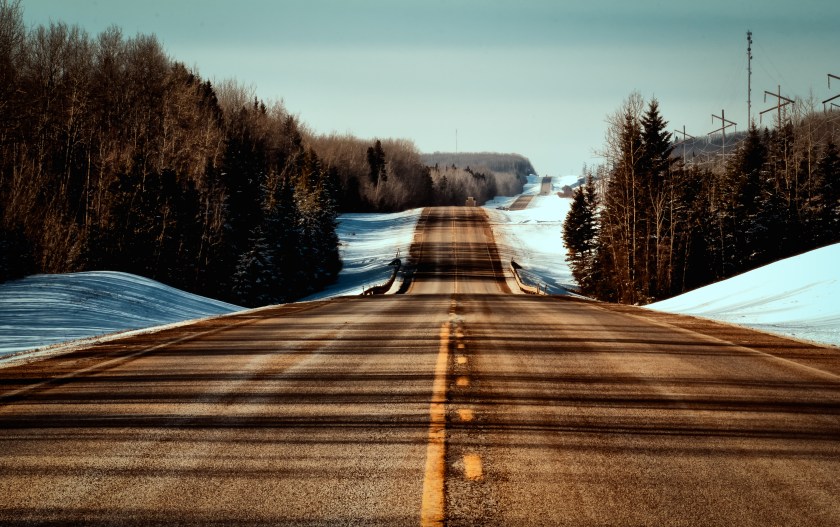
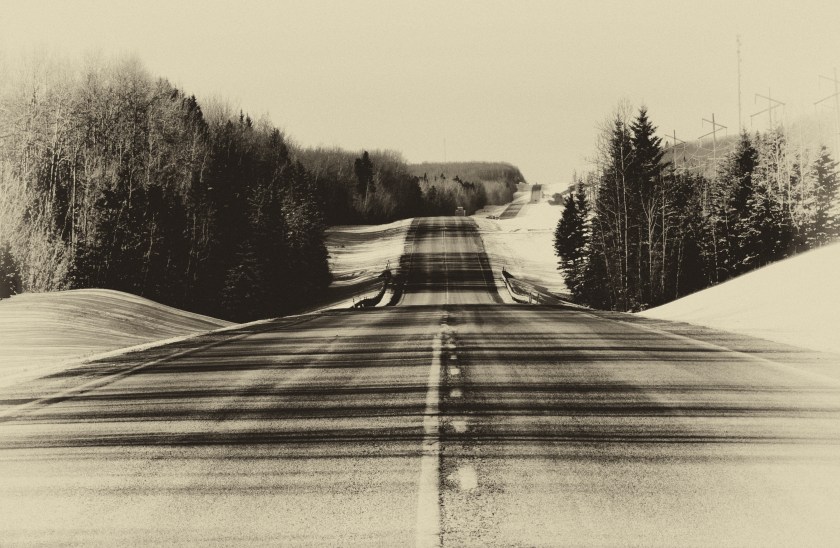
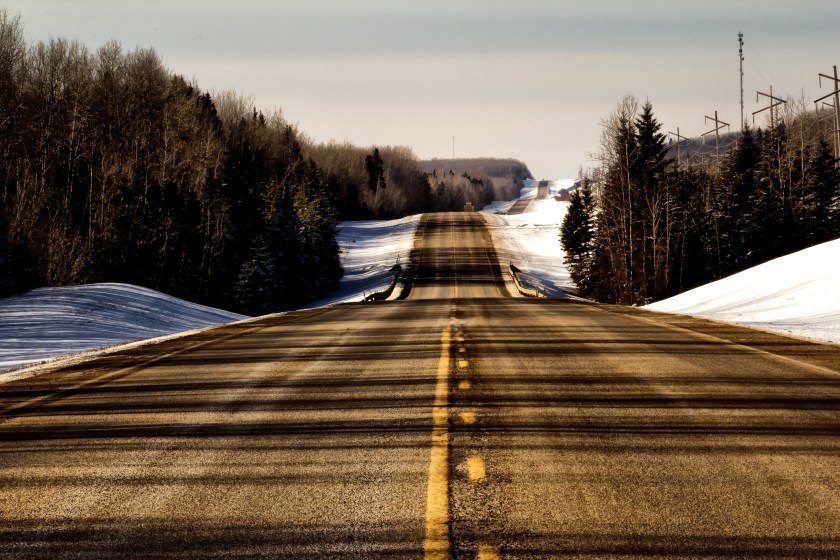
A common road travelled becomes common talking point, especially in terms of those travels upon that road that challenge you. Two kilometres receive representation in this photo from the photo’s bottom-most edge to the crest of the Twin Lake’s hill. On your way to Edmonton from High Level (or on your return journey) this part of the road is the tricky bit – the section of the road that requires finesse. Traveling northward, from the hill’s crest the descent (behind the camera) is some five kilometres. And, weather within the air mass covering this hill can change drastically in winter. A driver may encounter fog or several inches of snow. The long road surface can be glazed with ice and you may be driving upon it before a sanding truck is able to add surface grip. And, with the rolling hills of incline/descent it is possible to be surprised by an oncoming vehicle passing another in your lane. This Twin Lakes hill demands a driver’s alertness, calm and skill. Usually once you’re past Twin Lakes traveling north or south the drive regains steady and anticipated progress.

So, this photo may be the one, as common talking point the photo may be the one to try as a large canvas print. We’ll see.

Listening to – Leonard Cohen’s Hallelujah, a song played on our Heintzman piano (bright sounding piano) by my daughter – good, good schtuff.

Quote to Inspire – “Quit trying to find beautiful objects to photograph. Find the ordinary objects so you can transform it by photographing it.” – Morley Baer

Image Design, Picture Perfect – Prints Printed

Best Practices - Photography, Canon 60D, Canon 70-200 mm 2.8 IS L Series Lens, Canon Camera, Canon Lens, Canon Live View, Farm, Homestead, Light Intensity, Lookback Photos - One Year Ago, Photoblog Intention, Photography & Conceptualizing Beauty, Project 365 - Photo-a-day, Season, Still Life, Vehicle, Vehicle Restoration, Weather, Winter
Chevrolet Grain Truck 1

Chevrolet Grain Truck 1

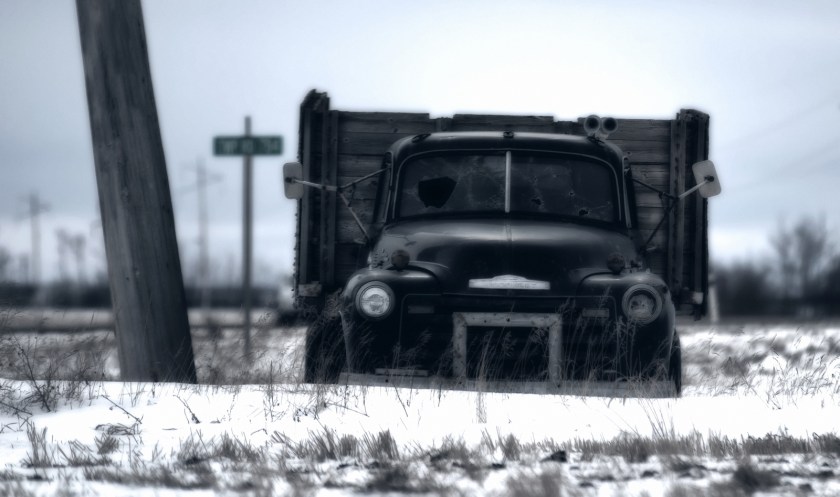
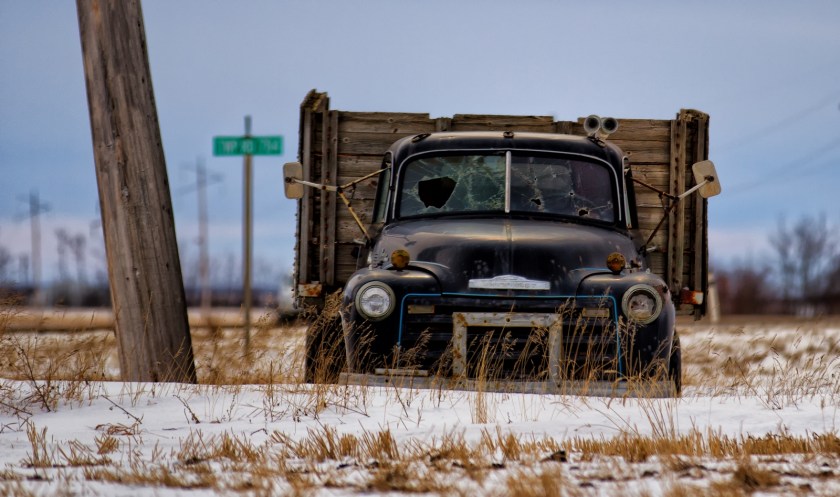
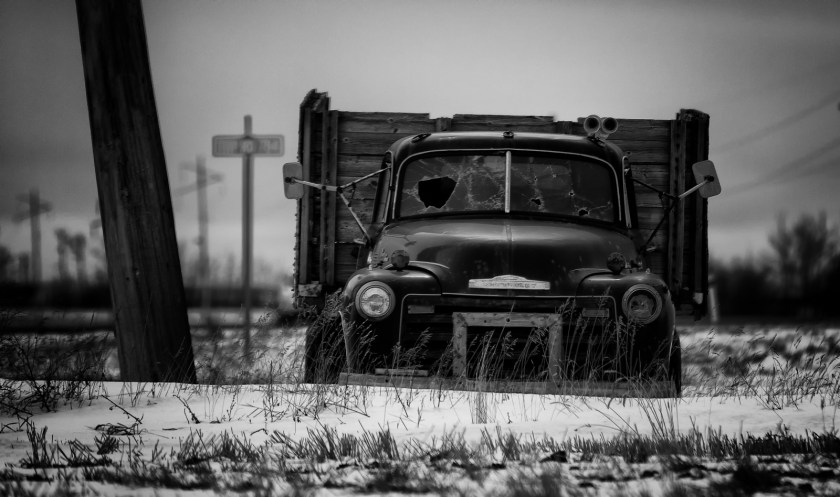
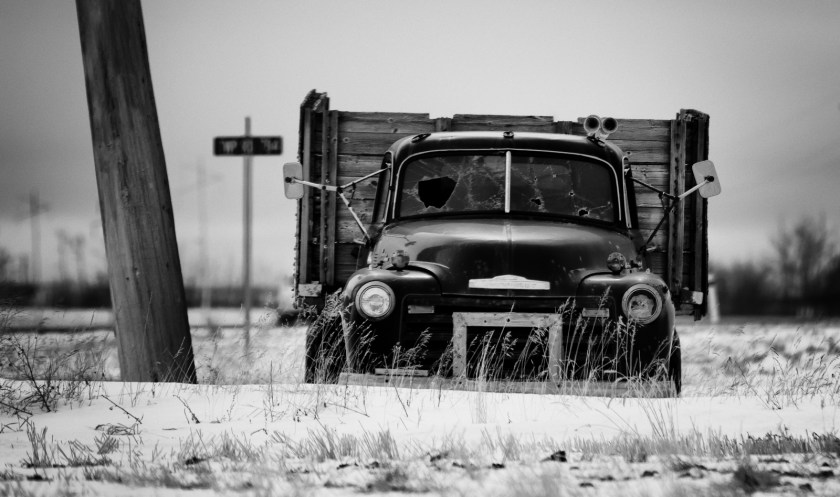
At day’s end, cold yet indoors, changing tack on the day’s direction – printing two or three images, ones that I might have done as canvas prints. I chatted with Image Design Pros in Grande Prairie – cost and size of the image that can be produced are both attractive elements within my decision. Shutterfly is another option, an option my wife has talked around with her colleagues.The Picture Perfect Frame and Gallery in Grande Prairie may also serve as framing point for prints.  I discovered that Dan Kameka who has photographed many retrospective farming tribute photos as well as the Dunvegan bridge has been former owner of this same Picture Perfect Frame and Gallery. Upstairs the gallery contains two or three remaining prints of Dan Kameka’s – farming tribute … black and whites with selective colorization (retro greens and reds from the forties, fifties and sixties), nostalgic prints holding memories for people within and around Grande Prairie. There are artists from within the regions – Klaus Peters, Robert Guest and Frank Martel. I bought a Martel work for my son for Christmas – there’s an intensity in the use of colours that is vibrant and energizing.

In printing photos tonight I am pleased with the colour fidelity between monitor and actual print. It’s been ‘Homestead & Winter Skies,’ ‘Winter’s Wraith-like Wisps,’ ‘Rivetting – Edmonton’s High Level Bridge,’ and ‘Gorge – Englishman River Falls, British Columbia.’ The photos presented here tonight are a quartet of winter images of that Nampa grain truck, a Chevrolet three-ton from a few posts back.

Listening to – The Road Home with Bob Chelmick, CKUA streaming via the Internet … two poems by Lorna Crozier begin the show; one’s called Patience; then it’s Things to Do by Calgary’s John Rutherford.

Quote to Inspire – “A photo is a small voice, at best, but sometimes – just sometimes – one photograph or a group of them can lure our senses into awareness. Much depends upon the viewer; in some, photographs can summon enough emotion to be a catalyst to thought.” – W. Eugene Smith

Chevrolet Grain Truck 2

Chevrolet Grain Truck 2

Chevrolet Grain Truck 3

Chevrolet Grain Truck 3

Chevrolet Grain Truck 4

Chevrolet Grain Truck 4

Upon that Unprofitable Land

Canon 60D, Canon 70-200 mm 2.8 IS L Series Lens, Canon Camera, Canon Lens, Canon Live View, Combine (Farming), Farm, Light Intensity, Lookback Photos - One Year Ago, Photoblog Intention, Photography & Conceptualizing Beauty, Project 365 - Photo-a-day, Still Life, Weather, Winter
Massey-Harris Combine, Peace River, Alberta – 1

Massey-Harris Combine, Peace River, Alberta – 1

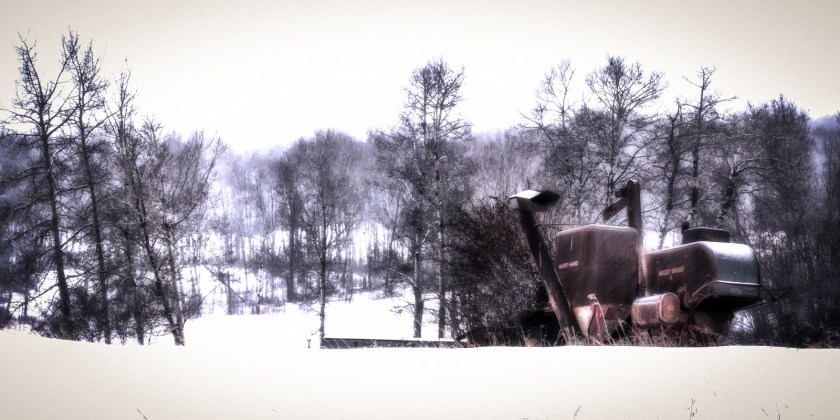
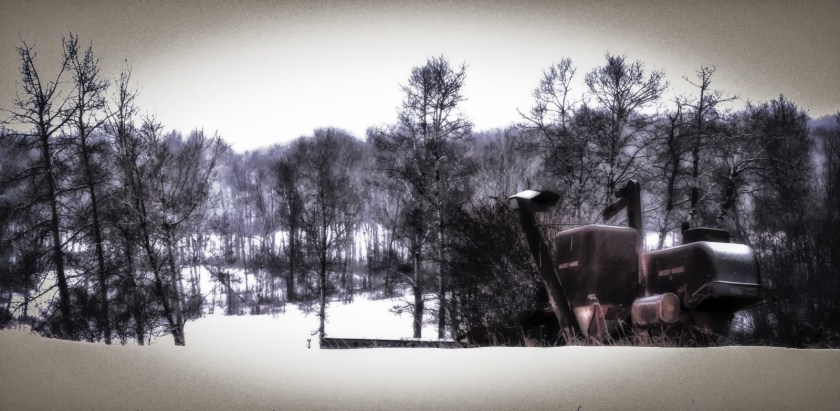
The back forty is a farming phrase taken to mean the untended area of a farm, land not in public view, land not regularly or productively used by its farmer. The back forty may be difficult to navigate with farm machinery. It may contain a slough or the water table may be high enough making the work of land use unprofitable. Such land, untamed, untrammeled and unused is often best used as a place for storing farming machinery that you might need for parts in future days. North from Peace River, Alberta, this Massey-Harris sits on the steeper slope of a field, an area of land that its farmer has found difficult to use, part of what might described as the back forty.

Listening to – Snow Patrol’s Those Distant Bells, Matthew Perryman Jones’ Keep It On The Inside, Murray McLaughlin’s Hard Rock Town, Liz Longley’s Unraveling and Shawn Colvin’s All Fall Down.

Quote to Inspire – “My life is shaped by the urgent need to wander and observe, and my camera is my passport.” – Steve McCurry

Massey-Harris Combine, Peace River, Alberta – 3

Massey-Harris Combine, Peace River, Alberta – 3

Massey-Harris Combine, Peace River, Alberta – 2

Massey-Harris Combine, Peace River, Alberta – 2

Fencing and Furrows

Best Practices - Photography, Canon 60D, Canon 70-200 mm 2.8 IS L Series Lens, Canon Camera, Canon Lens, Canon Live View, Farm, Home, Homestead, Lookback Photos - One Year Ago, Photoblog Intention, Photography & Conceptualizing Beauty, Project 365 - Photo-a-day, Season, Still Life, Weather, Winter
Rolling Hills - Onoway Alberta

Rolling Hills – Onoway Alberta

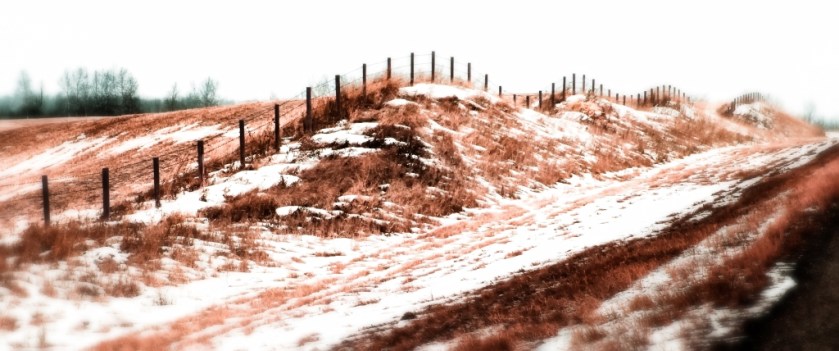
A February photo, one of the first few shots with a Canon 70-200 mm – f/2.8 IS lens, looks northwest toward Onoway, Alberta … perhaps twenty minutes away. Rolling hills of a farmer’s field add relief to landscape reminding of larger furrows found in an unmade blanketed bed. A well-tended fence running four strands of barbed wire limits livestock straying onto this range road.

Listening to – Coldplay’s Clocks, Fix You and Every Teardrop is a Waterfall.

Quote to Inspire – “I don’t believe a person has a style. What people have is a way of photographing what is inside them. What is there comes out.” – Sebastiao Salgado

Winter’s Wraith-like Wisps

Best Practices - Photography, Canon 50mm, Canon 50mm Lens, Canon 60D, Canon Camera, Canon Lens, Farm, Fog, Home, Homestead, Journaling, Light Intensity, Lookback Photos - One Year Ago, Photoblog Intention, Photography & Conceptualizing Beauty, Prime Lens, Project 365 - Photo-a-day, Season, Smoke, Sunset, Weather, Winter
Woodsmoke Wisps - Fort Vermilion Alberta

Woodsmoke Wisps – Fort Vermilion Alberta

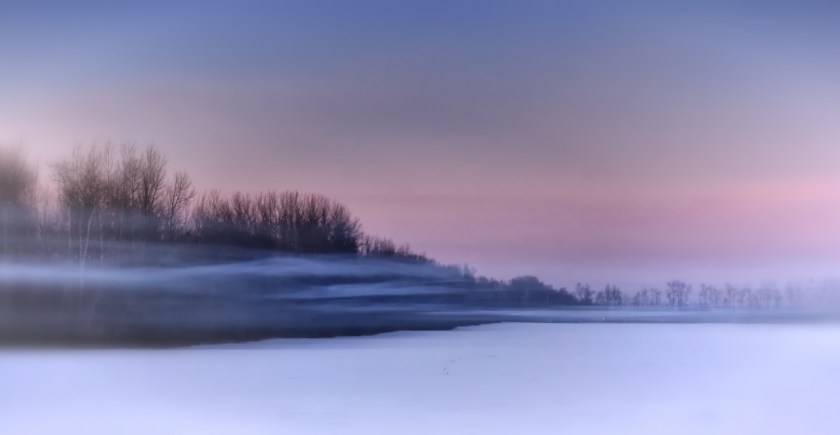
Late on a November Saturday afternoon, wraith-like, wisps of wood smoke drift over winter’s fallow field near Fort Vermilion. A homestead’s woodstove produces an intense dry heat, welcome warmth in the midst of a cold, Alberta winter. The day, a first opportunity to work with a new prime lens, a Canon 50mm – f/1.4 lens; my wife has encouraged me to begin my work with it. The image is one of the first images with the lens.

Listening to – Coldplay’s Mylo Xyloto, In My Place, Major Minus and Yellow.

Quote to Inspire – “The photograph is completely abstracted from life, yet it looks like life. That is what has always excited me about photography.” – Richard Kalvar

Rivetting – Edmonton’s High Level Bridge

Best Practices - Photography, Canon 50mm, Canon Camera, Canon Lens, Canon Live View, Home, Journaling, Light Intensity, Lookback Photos - One Year Ago, Night, Photoblog Intention, Photography & Conceptualizing Beauty, Prime Lens, Project 365 - Photo-a-day, Vehicle, Winter
Rivet and Girder - High Level Bridge - Edmonton Alberta

Rivet and Girder – High Level Bridge – Edmonton Alberta

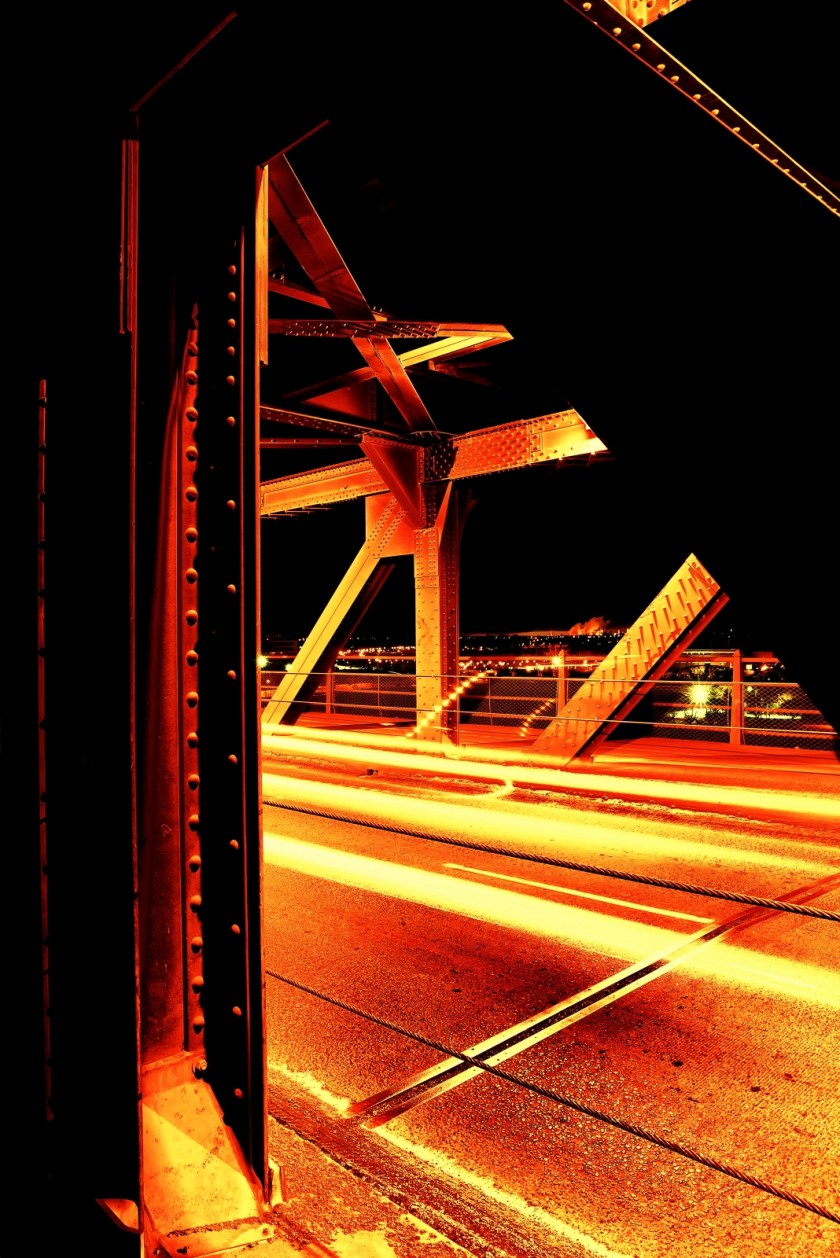
At night, light and shadow reveal girder and rivet patterning along the High Level Bridge, a bridge that connects the north bank high above the North Saskatchewan River at the Alberta Legislature ground site to the south bank – an area that becomes entrance to the University of Alberta and Edmonton’s Old Strathcona community. The scene within this image contains the light trails of two cars moving across the bridge while emphasizing perspective with foreground, middle ground and back ground elements – the riveted girders and bridge deck (near), the girder and walkway (opposite – middle ground) and the steam of the petrochemical plants along Edmonton’s baseline road in the distance. The bridge is a landmark within Edmonton and a piece of architecture I have cycled over and under most days during summer’s break between winter and spring sessions at the University of Alberta.  At night, the bridge becomes vista from which to survey much of Edmonton – northeast to the legislature, east to the Muttart Conservatory and refinery row, south and southeast to the skyline of Saskatchewan Drive, southwest to the University of Alberta, northwest to a skyline that follows Jasper Avenue west and west toward Glenora’s community. On both sides, the North Saskatchewan River snakes through Edmonton – winding west, past Emily Murphy park and onto Hawrelak park; east past the Rossdale power plant, past the Edmonton Queen sternwheeler and onto Rundle park. At all times of the day and night, the bridge is active conveying people from one side of the river to the other – by foot, jogging, cycling, by truck, bus or car. Within this image, texture and sense of space attract me as do memories of former times.

Listening to – U2’s One, Walk On, Where the Streets Have No Name, Moment of Surrender and With or Without You.

Quote to Inspire – “I really believe there are things nobody would see if I didn’t photograph them.” – Diane Arbus

First Images & Former Images

Best Practices - Photography, Canon 30D, Canon Camera, Canon Lens, Flora, Journaling, Lookback Photos - One Year Ago, Photoblog Intention, Photography & Conceptualizing Beauty, Project 365 - Photo-a-day, Season, Still Life, Summer, Sunset

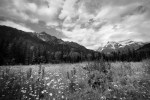
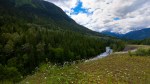
Creating a photograph involves the photographer in workflow. You scout your scene for potential images – as Rick Sammon says, you ‘see’ it or you ‘walk the scene’. Then, you plan your photograph thinking it through in terms of image outcome – you determine best camera angle, you arrange and/or work with light, you plan your work with plane of focus and depth; you open the camera’s shutter and create an exposure/image. Later, you edit and crop the image; what is considered to be a photograph is that final point of image rendering in which the photographer determines that no further adjustment is needed. By the time first images are rendered you understand quite a lot about the image in terms of its visual information – the visual narrative within the photograph. First images become former images. And, former images seen again, after a time, allow time to breathe revelation into each image and its rendering possibilities. The images presented, here, are former first images, seen from time to time; the fun in the past few days has been in working through second edits to find those other possibilities that are/were present within the images – that other part of the visual narrative that was formerly hidden within the photograph.

Listening to Snow Patrol’s Those Distant Bells, New York and This Isn’t Everything You Are.

Quote to Inspire – “Taking pictures is like fishing or writing. It’s getting out of the unknown that which resists and refuses to come to light.” – Jean Gaumy