Last year, I moved within my school jurisdiction to a role as a photographer. Previously, I had been a teacher, an educational assistant, a teacher, an administrator, a teacher again, a home education facilitator, an administrator again, a teacher again, and an inclusive education coordinator — in that order. By June, last year, I was completing my first year as a photographer, where I was responsible for taking students’ school photos using a portable studio, establishing a volume photography platform with the school authority, and teaching Communication Technology courses to senior high students. Much of the studio lighting work was unfamiliar territory for me to master.
I had developed the technical skills. I could manage lighting, composition, editing, and the logistical demands of volume photography. However, as the only staff member in the jurisdiction working with photography, I lacked a collegial base for creative or technical problem-solving. The camaraderie of fellow portrait photographers was absent, and with it, the chance to develop beyond mere technical competence.
When I signed up for a workshop with master photographers Dave Brosha and Wayne Simpson, I was seeking something specific: a path to authenticity. I aimed to learn how to create portraits that revealed the true person in front of my lens, not just a well-composed photograph. What I didn’t anticipate was that the workshop would challenge not only my technical approach but also my entire understanding of what portraiture—and creative work itself—could mean.
Writing this six months later, I see how the workshop sowed seeds that only fully blossomed through subsequent practice. At the time, I understood these concepts intellectually, but their true depth revealed itself through months of doing and learning, learning and doing. Here are the three most meaningful insights that have genuinely transformed my understanding of what it means to be a portrait photographer. I am truly grateful to the inspiring instructors, Wayne and Dave, as well as all the enthusiastic workshop participants who helped me grow.
Your Most Impactful Work Is Personal
A key discovery from the workshop was that 80% of the content on Dave and Wayne’s professional websites is personal work. This isn’t client work; it’s the work they do for themselves, driven by their curiosity and passion, without the stress of money or payment.
Why does personal work resonate so strongly? Because authenticity is unmistakable. When we create from genuine curiosity rather than client requirements, we connect to something universal through the specific. Wayne Simpson’s Miziwezi project exemplifies this principle beautifully.
Miziwezi is an Ojibwe word meaning ‘he is whole,’ a concept that became central to Wayne’s journey. The project started as a personal quest to reconnect with his family and Ojibwe culture, from which he had been separated. Through his aunt, he learnt about his mother, and through community members, including another aunt and the Chief of the Ojiinun First Nation, he began to piece together his heritage.
This journey introduced him to the stories of survivors of the ’60s Scoop, a dark chapter in Canadian history when Indigenous children were forcibly removed from their families, fostering a culture marked by brokenness. By listening to and photographing these accounts of trauma, Wayne created a body of work with a powerful, unmistakable voice—one earned through the complex yet healing process of confronting a deep cultural wound.
Art is a Wound Turned into Light
A key insight from the workshop was conveyed in a quotation by the French painter Georges Braque:
“L’art est une blessure qui devient lumière”—”Art is a wound turned into light.”
This was not presented as mere philosophy but as a practical truth: our most profound creative work often arises from confronting pain and transforming it into something illuminating and universal.
Wayne Simpson’s Miziwezi project exemplifies this, transforming the deep wound of the ’60s Scoop into a testament to resilience and wholeness. This sentiment was echoed in the workshop’s philosophy, which holds that a portrait is an artful reflection of both wounds and wonder, as well as the full spectrum of human emotion. It isn’t about concealing our struggles but about recognizing the beauty, strength, and humanity within them.
Talking to Strangers
Since childhood, we’ve been advised to be cautious around strangers. Although this advice stems from love and a desire to keep us safe, the workshop presented a compelling counterpoint for creatives: engaging with unfamiliar people, learning about them, and making connections can often lead to some of the most rewarding experiences. During the workshop, we worked with local individuals as portrait subjects and created environmental portraits of them.
I realised that developing comfort with strangers isn’t just a pleasant skill—it’s the foundation of portraiture. Each encounter with an unfamiliar subject becomes an opportunity: to move beyond discomfort, to establish genuine connection, to uncover new stories and facets of myself.
Conclusion: Which story will you share?
These lessons go beyond photography. Whether we’re behind a camera, at a keyboard, or pursuing any creative calling, meaningful work comes from the same foundation: the courage to pursue what truly moves us, the vulnerability to turn our wounds into light, and the openness to forge genuine connections—even with strangers.
The technical skills matter, yes. But they’re simply tools for telling the stories that matter. So ask yourself: What story are you avoiding because you’re fixated on the perfect shot? Which wound will you transform into light?
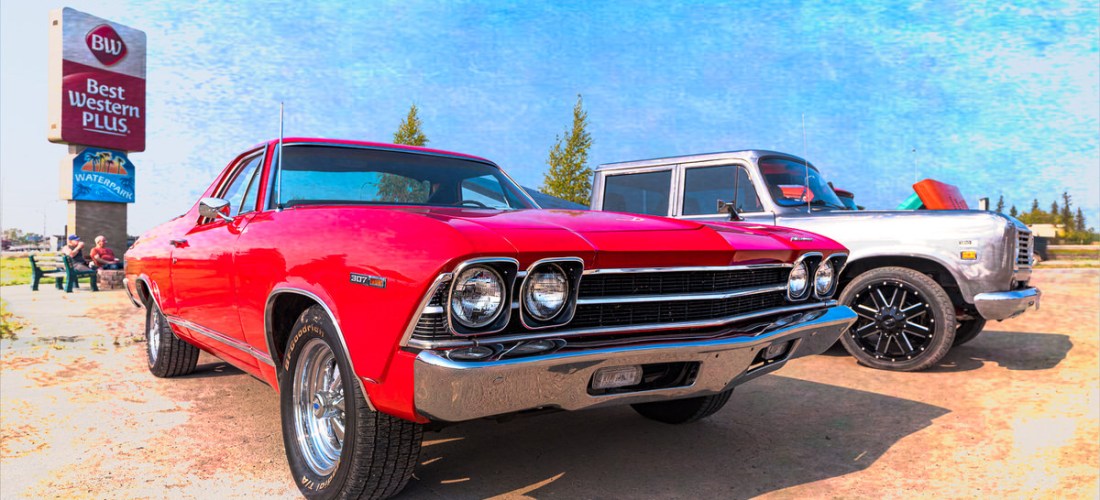
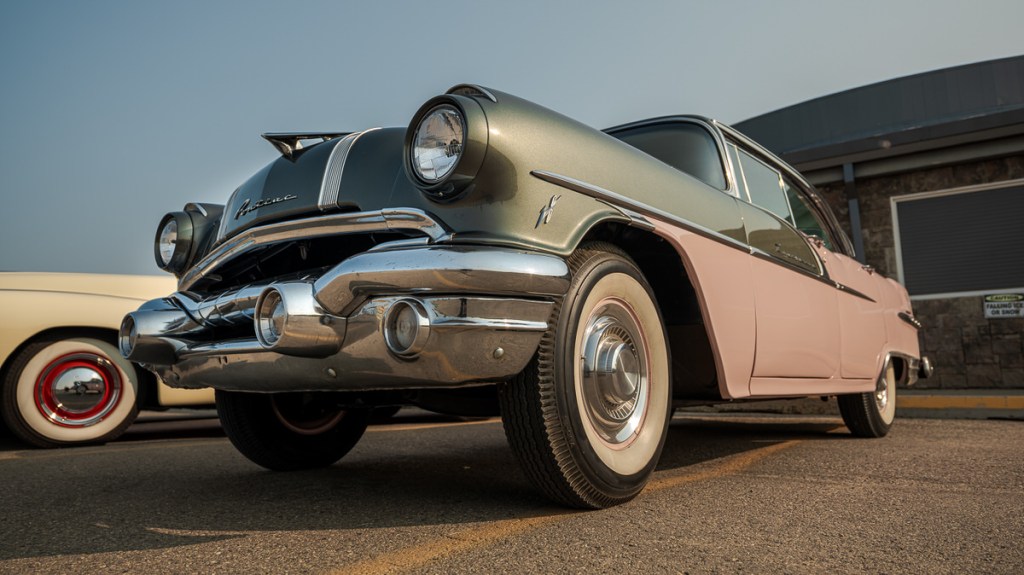
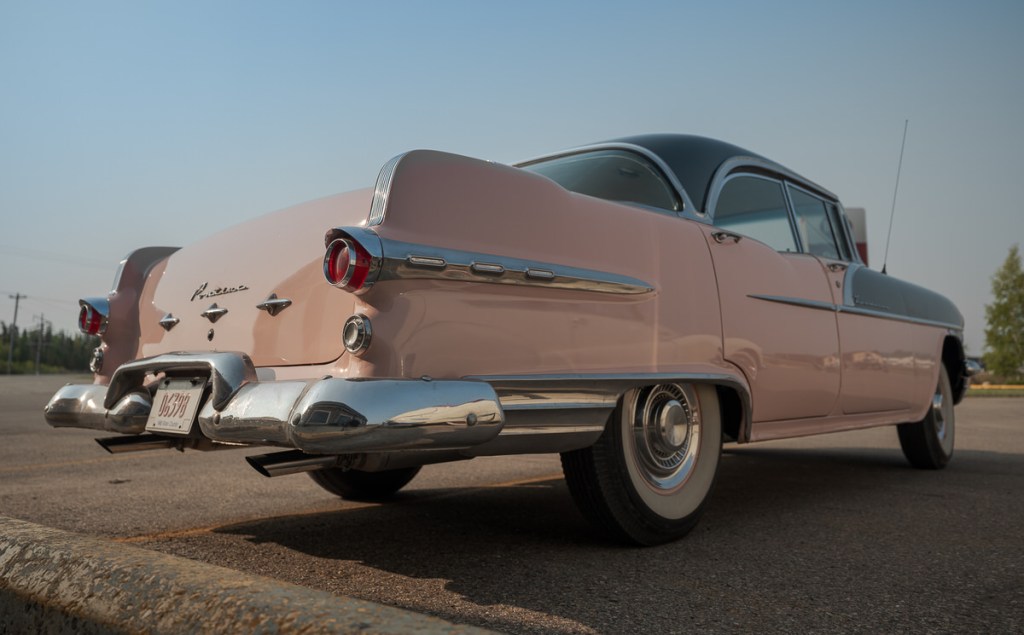
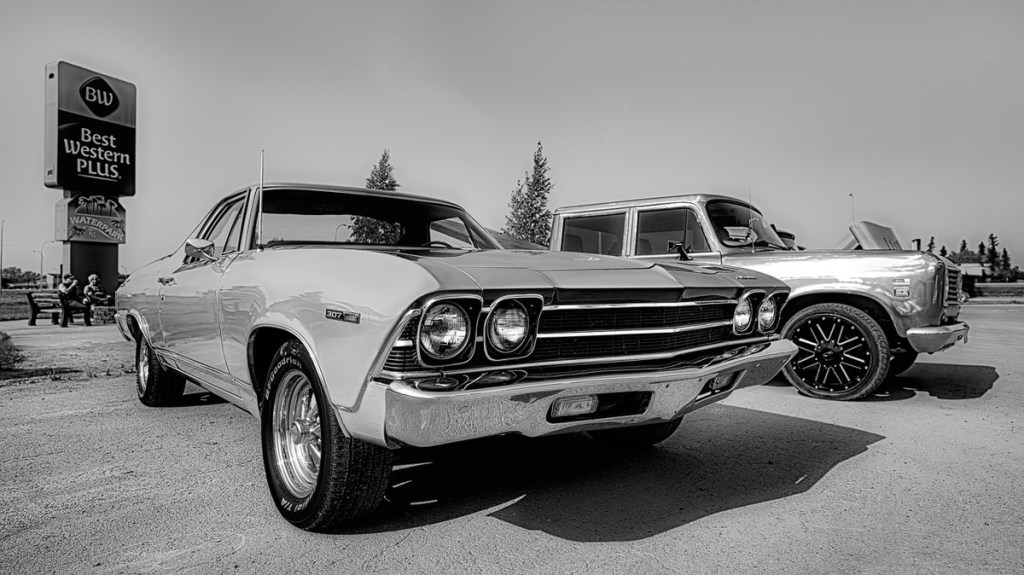
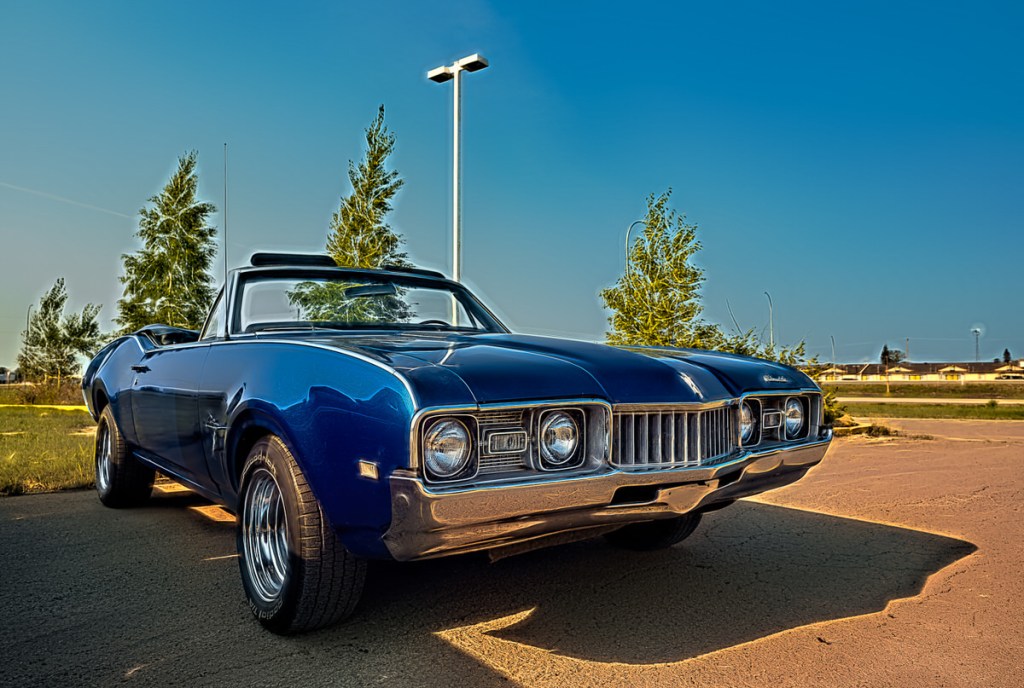
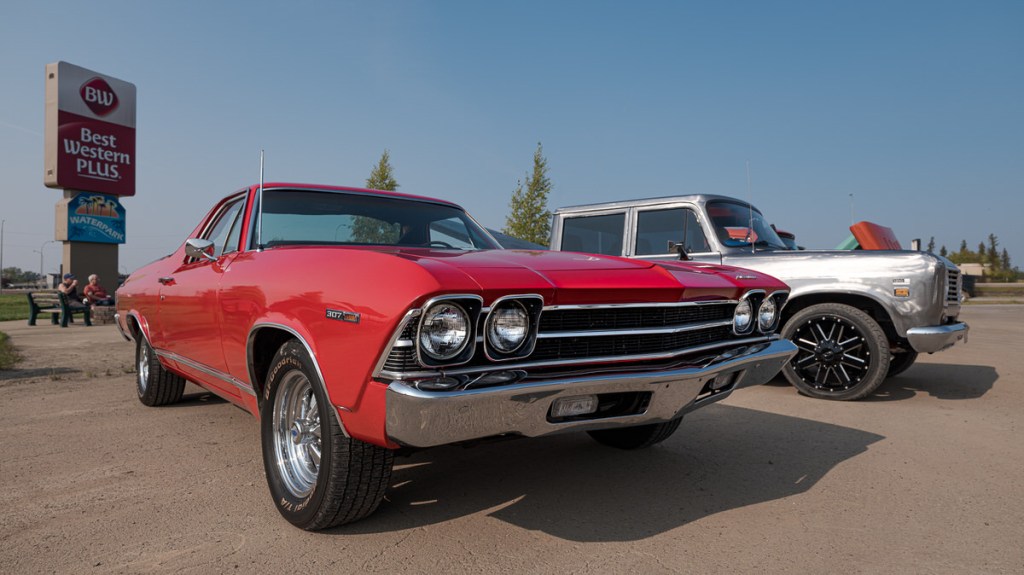
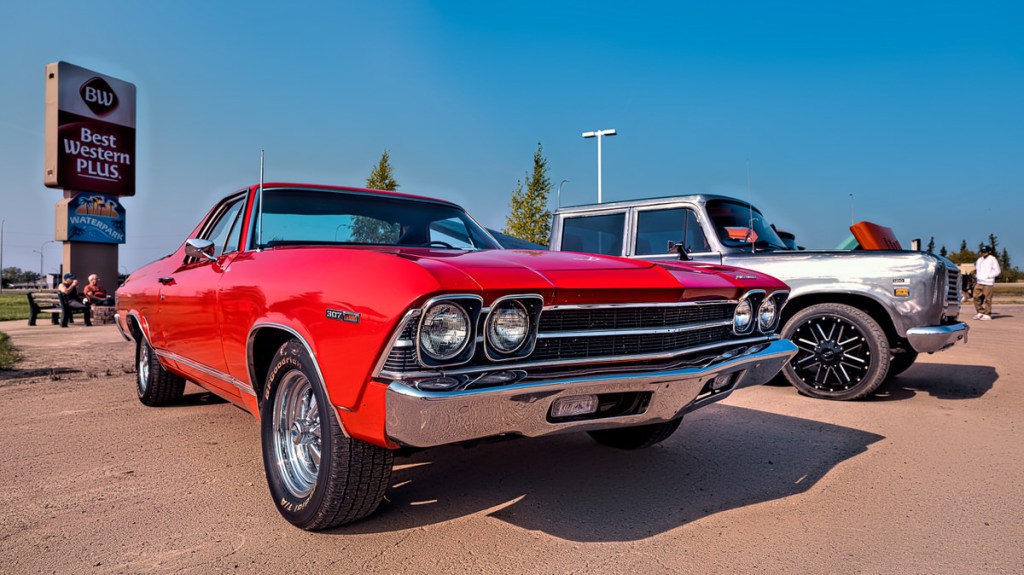
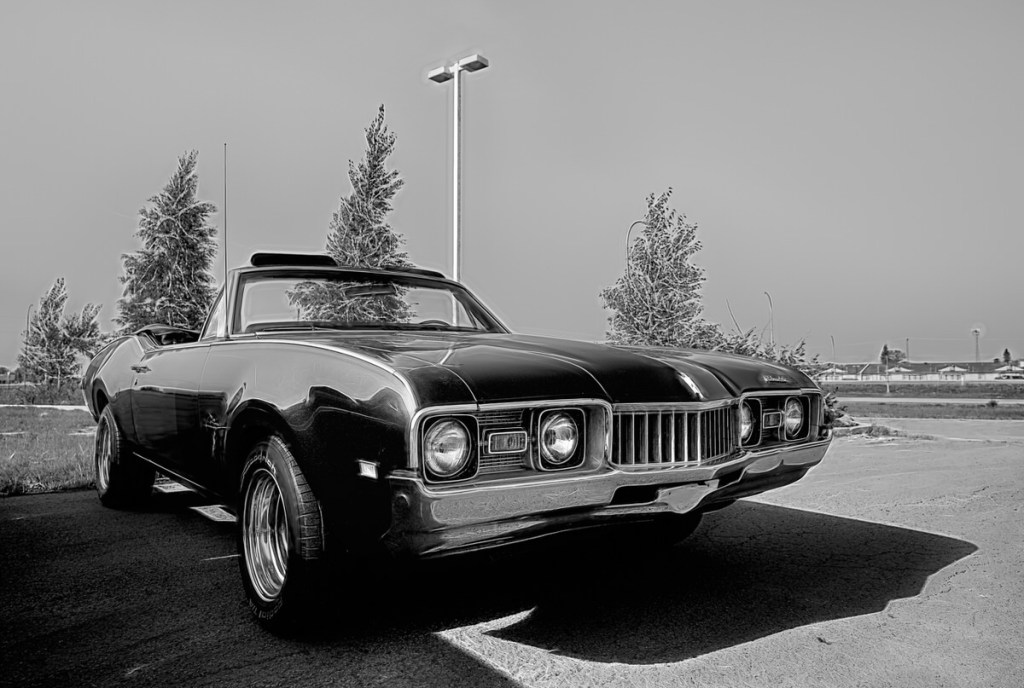
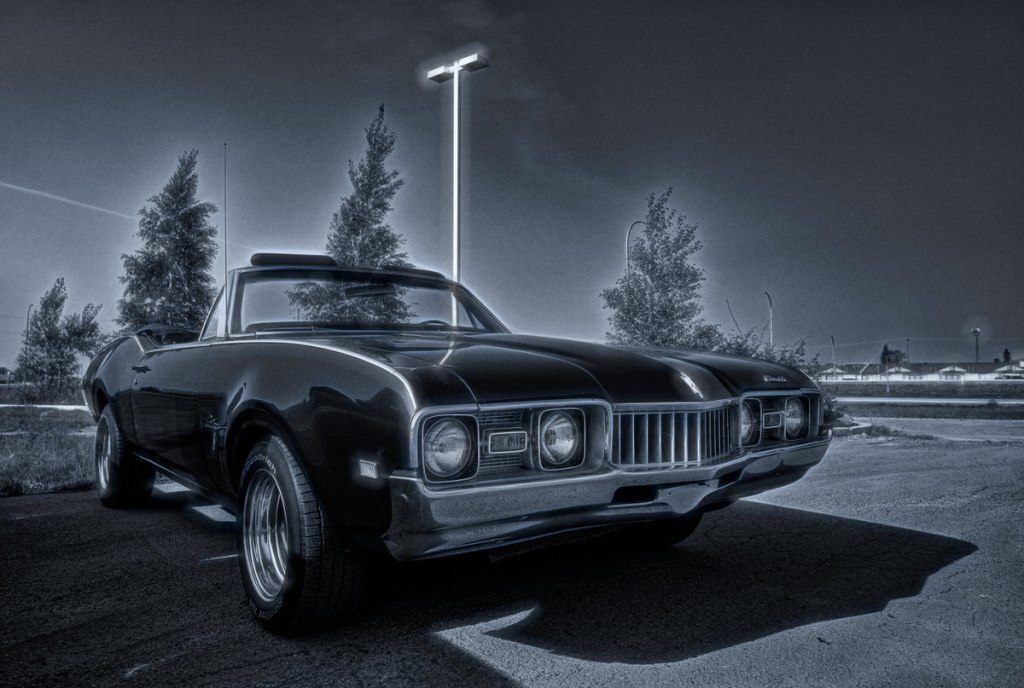
It all started with a simple question from my neighbour about an upcoming ‘Show and Shine.’ As we discussed his classic ‘Cuda and its stubborn engine, my thoughts drifted to the real challenges of photographing such stunning machines. ‘How do you capture the soul of a car and the stories it holds?’This year, with the event moved to a beautiful autumn setting, I decided to go beyond the usual snapshot. I reached out to an AI assistant with a specific prompt, blending modern technology with inspiration from masters like Tim Wallace to find a new perspective on automotive photography. Join me as I share the results of this experiment and reveal some of the tips and tricks I found for capturing the heart and soul of a car show.
A Dynamic, Live, Often Chaotic Arena
An outdoor ‘show and shine’ event represents a profound challenge to the traditional, controlled commercial photoshoot. Unlike the sterile precision of a studio, this environment is a dynamic, live, and often chaotic arena. A fundamental understanding of this chaos is not a suggestion but a necessity, as it is the first step toward transforming a series of liabilities into a wellspring of creative opportunities.
The most immediate problem is the sheer proximity of subjects and the relentless presence of crowds. Vehicles are typically parked tightly together, which leaves very little of what is called “breathing room” in the frame. The constant flow of attendees—owners, enthusiasts, and other photographers—makes capturing a clean, uncluttered shot feel like a rare commodity. This necessitates a strategic, rather than a reactive, approach to composition. The challenge of unfiltered light also defines the environment. Midday sun is a known adversary in outdoor photography, creating harsh, unflattering shadows and distracting specular highlights, or ‘hot spots,’ on a vehicle’s highly reflective surfaces. When the sun is high, a car’s body becomes a mosaic of extreme contrast, and its sculpted form is lost to the tyranny of glare. Finally, the distracting backdrop is an ever-present issue. A prepared photographer typically scouts an ideal location in advance. Still, a show floor is filled with visual clutter—other cars, people, trash, vendor signs, and overhead power lines—all of which act as a constant source of distraction, pulling the viewer’s eye away from the intended subject.
Lenswork … Amid People & Cars
Success at a ‘show and shine’ event is less about reacting to problems as they arise and more about preparing with a deliberate, intentional strategy. This is not a spontaneous endeavour but a tactical operation where every step is pre-visualised and executed with purpose. The most critical, yet deceptively simple, strategy is to arrive as early as possible and remain as late as possible. The hours before and after the main crowds and the most intense midday sun are the prime opportunities for capturing a clean frame. This window allows for shots without the typical distractions, providing a canvas closer to the desired final image.
Within the event itself, patience becomes the most valuable tool in the photographer’s kit. Rather than rushing from one vehicle to the next, the most effective approach is to find a desired angle, set the camera on the tripod, and wait for a momentary lull in the foot traffic. The shot will eventually present itself. This requires a level of perseverance and commitment that distinguishes a professional from a hobbyist. Furthermore, engaging with the exhibitors and vehicle owners with a peer-to-peer approach is not just a courtesy; it is a professional tactic. Exhibitors are deeply proud of their vehicles, having often invested significant time and money. By approaching them with respect and genuine interest, a photographer can earn the courtesy of asking them to close a door or hood for a cleaner composition, or to step away temporarily.
This strategic mindset transforms the event from a series of annoyances into a high-stakes, live-action training ground. The environment’s inherent problems—the crowds, the bad light, the clutter—serve as a strategic challenge. By consciously applying advanced techniques, a photographer can reaffirm their “unconsciously competent” status by producing spectacular results under less-than-ideal conditions. The challenge itself is the creative point. This approach also extends beyond the immediate moment. Networking at a show and shine is an intentional practice of planting seeds that may take months or years to bear fruit. A respectful conversation with an owner about their vehicle, a genuine compliment on their hard work, and a professional demeanour can lead to a future private shoot. That private shoot, conducted under complete creative control, is where a truly conceptual, high-value image can be created. Thus, the show and shine is not merely a shooting opportunity, but a vital business development asset — a deliberate part of the “farming” process of client acquisition.
Composition – Artistic & Strategic Vision
For photographers working at their highest level, recommendations must not only provide a path to success but also delineate the common missteps that separate the professional from the amateur. These are not merely technical errors; they are failures of artistic and strategic vision. The primary failure of a mundane photograph is its lack of soul. The most common errors stem from a fundamental inability to view the vehicle as a character with a personality and to compose in a way that creates an emotional connection.
A major pitfall is shooting at eye level. This is arguably the biggest blunder in automotive photography. People view cars from this perspective every day, so a shot from this angle is instantly forgettable and lacks the impact needed to convey the vehicle’s power or the artistry of its design. The car’s surface is a giant mirror, and unprepared photographers often fail to control the reflections, inadvertently capturing their own image, a distracting light post, or the reflection of a nearby vehicle. Such clutter ruins the clean lines and design, cheapening the final image. Similarly, failing to frame the car correctly—clipping a bumper, a wheel, or an antenna—is a rookie mistake. The vehicle must fit entirely within the frame with enough ‘breathing room’ to convey its full presence.
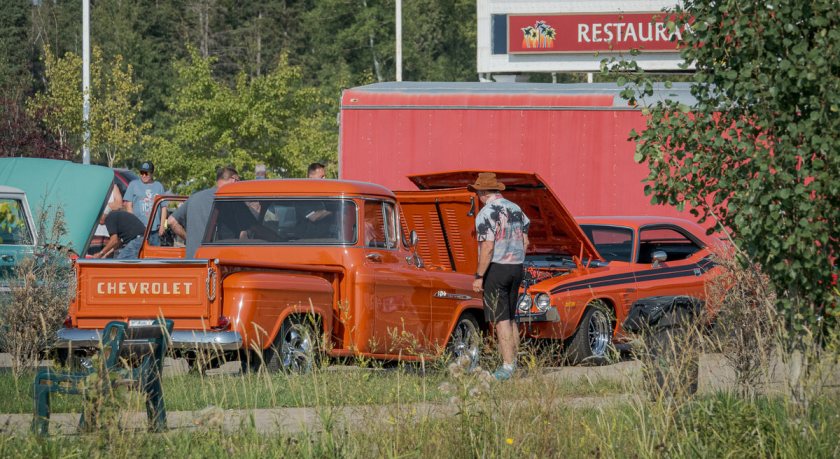
Another common issue is what can be termed ‘show and tell’ photography. While leaving doors, hoods, and trunks open might be a point of pride for an exhibitor to showcase their hard work, it fundamentally breaks the fluid lines of the car and disrupts its natural stance. A professional understands that a car is most beautiful and its sculptural form is most evident when it is ‘closed up.’ The cool stuff under the hood or inside the cab should be captured in separate, dedicated detail shots.
Thinking It Through – Light, Shadow, Glare, Reflection
Light is not simply a tool for making a subject visible; it is the primary instrument for creating emotion, contrast, and form. A failure to understand its purpose leads to bland, lifeless imagery. The intense, direct light of high noon creates a flat, harsh look with deep, unflattering shadows that eliminate the car’s sculpted form. Similarly, simply pointing a flash at a subject, particularly a reflective one, can create a flat, artificial result that lacks mood and dimension. While a fill flash can be helpful in brightening shadows, it must be used with expert care, often off-camera, to avoid a novice-level outcome. Furthermore, a reliance on HDR (High Dynamic Range) blending, while capable of recovering lost detail, can often lead to an image that appears artificial, unnatural, and soulless. A professional strives to capture the authenticity of a scene, and with a high-end camera, the need for extensive bracketing is significantly reduced.
Many of these common mistakes—shooting at midday, using on-camera flash, and over-editing—stem from a misguided goal: to achieve flat, even lighting. However, the true purpose of lighting is to control contrast and to use shadows to define form and add drama. The genuine ‘mistake’ is therefore not technical but a conceptual misunderstanding of light’s fundamental purpose. An uncluttered shot is not just aesthetically pleasing; it is a strategic move that signals professionalism and enhances the image’s marketability. An editor or client who sees a clean shot, free of bad reflections or distracting crowds, knows that the photographer understands the high standards required for publication. A good shot is not enough; the image must be a ‘safe bet’ that signals to the industry that you can be trusted to deliver.
Slowing Down – Deliberate Work with Camera & Tripod
The tools a professional chooses are not random selections; they are a deliberate extension of their creative vision. For a high-level automotive photographer, a medium-format camera and a heavy-duty tripod, while potentially seen as a burden by others, are a force multiplier for a master of the craft.
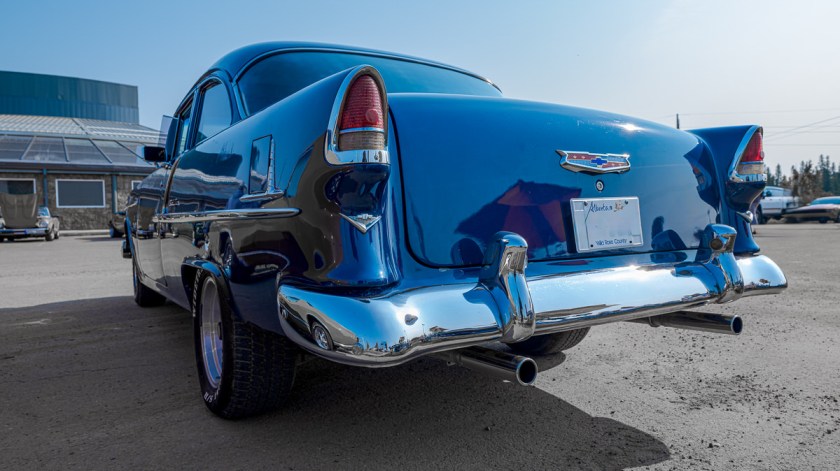
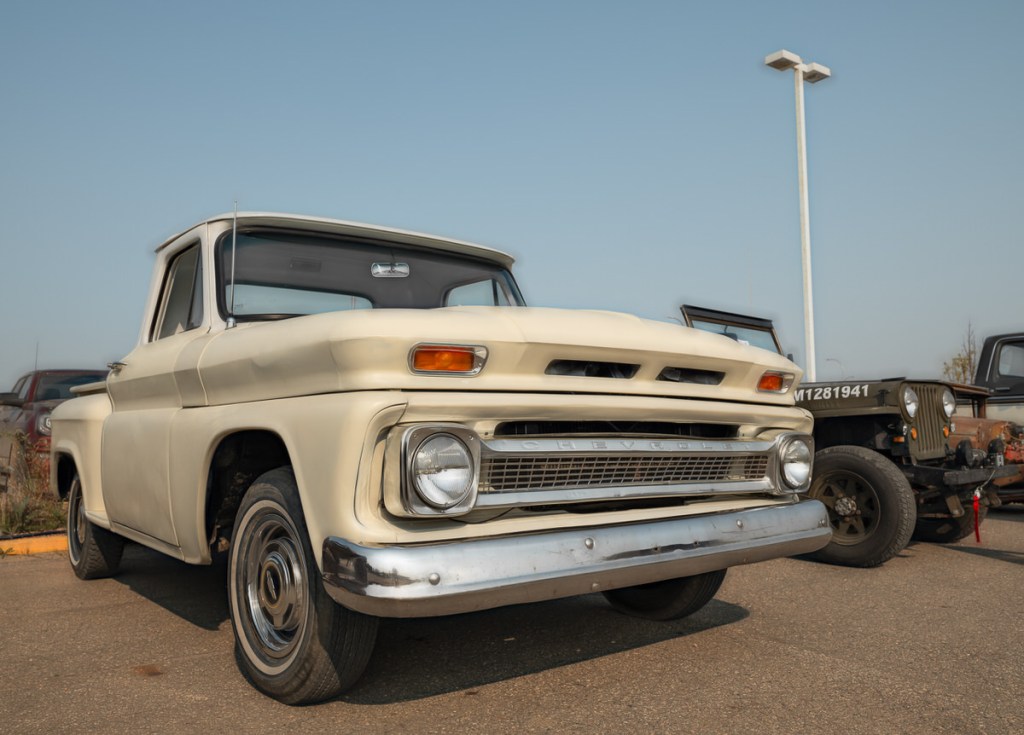
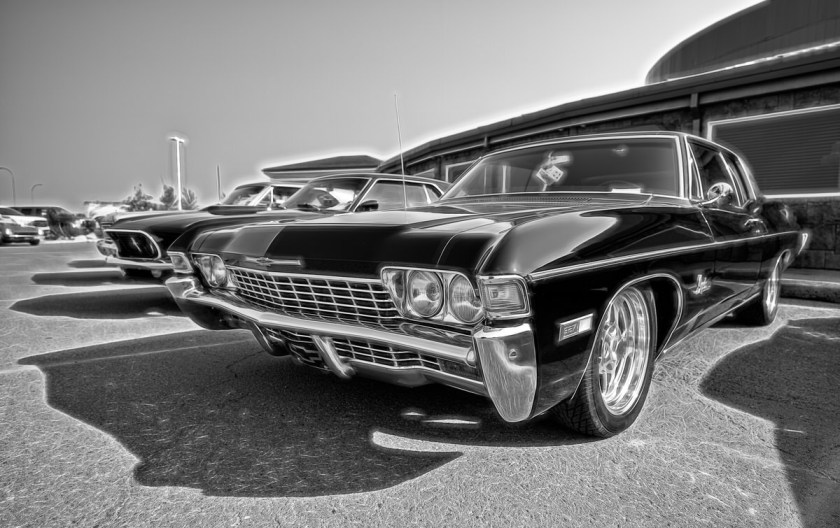
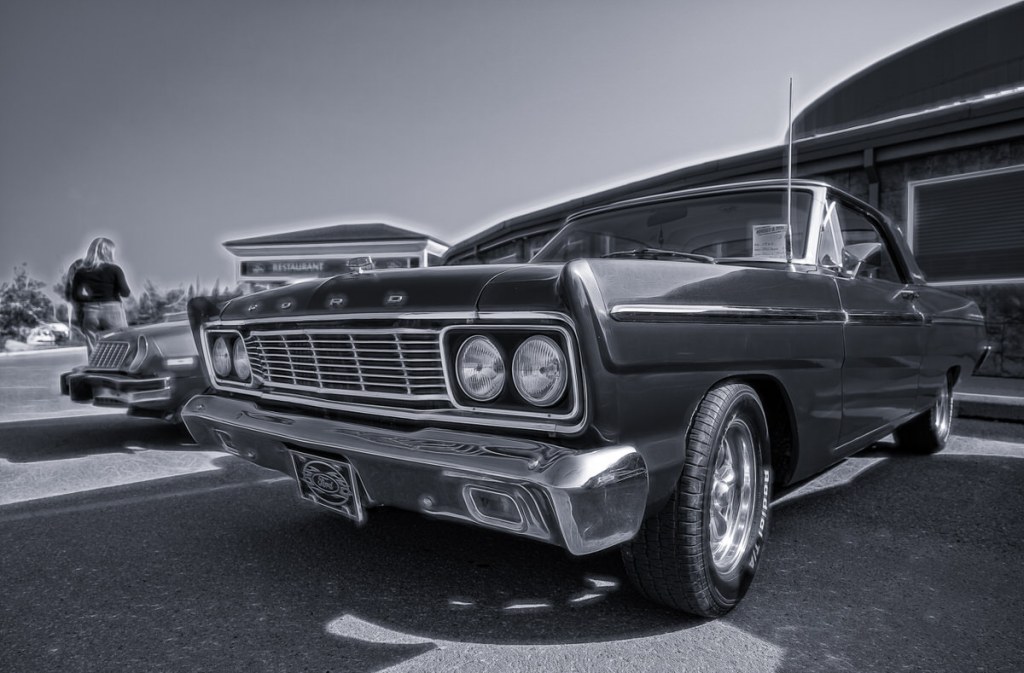
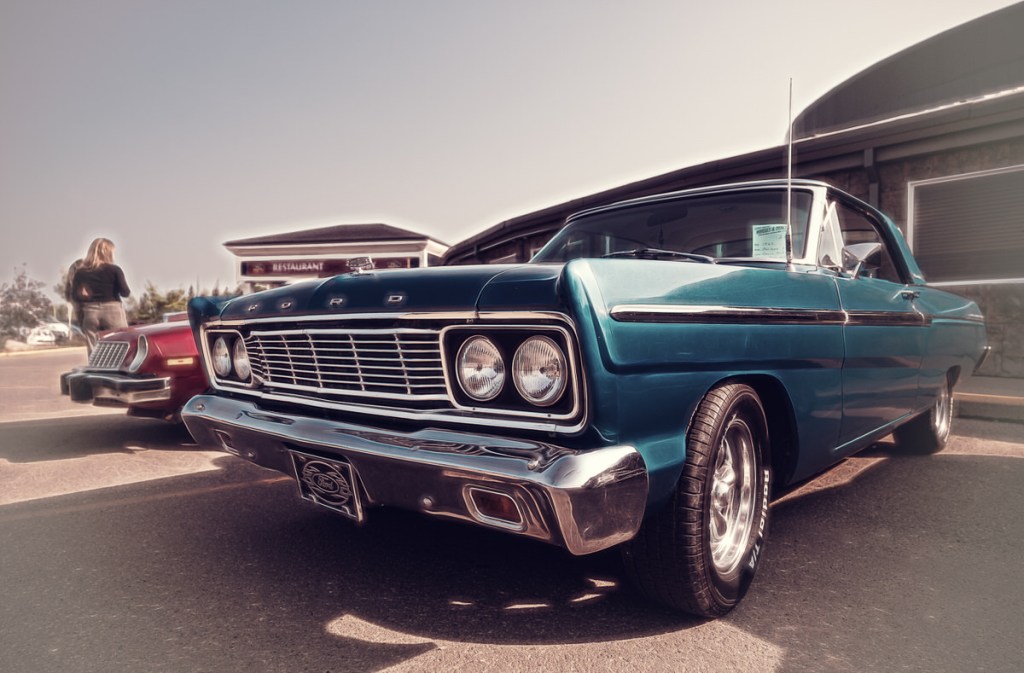
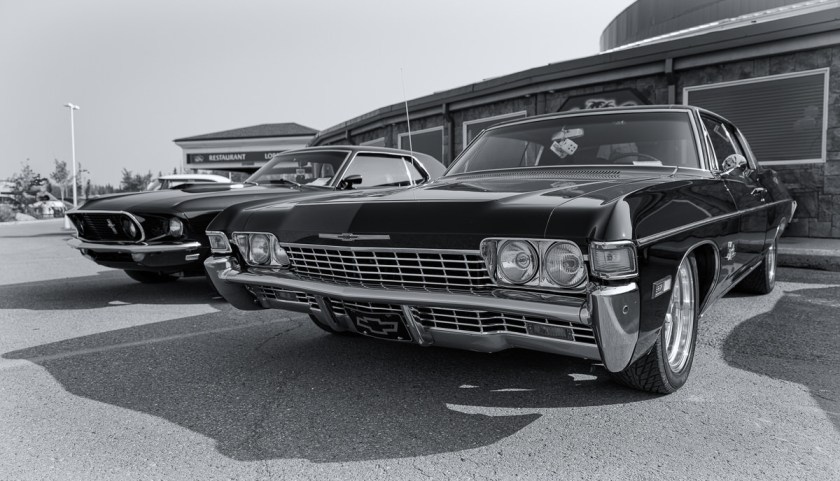
Chevrolet Impala
Medium Format – Toward Unconscious Competence
While I did shoot with two other mirrorless cameras – the 16MP Micro Four-Thirds Olympus OM-D E-M5 and the 61MP Sony A7RIV – I also photographed many of these images with a medium-format camera, the Fujifilm GFX 50R. A medium format camera is more than a tool; it is a precision instrument engineered for professional-grade results. Its capabilities directly enhance the specific creative and technical approach required for this kind of work. With a larger sensor and larger pixels, a medium format camera captures an incredible amount of detail and resolution. This capability allows for massive prints and aggressive cropping in post-production. For a photographer who views every line and curve as a critical part of a vehicle’s sculpture, this is an invaluable asset.
The most critical advantage, however, is the camera’s wide dynamic range—up to 15 stops in some cases. This capability is a direct solution to the harsh contrast of a show-and-shine environment, as it allows for the capture of subtle details in deep shadows under the car and bright highlights on a polished fender in a single exposure. This negates the need for exposure bracketing or artificial HDR blending, aligning perfectly with the philosophy of creating the finished image in-camera with minimal post-production. The sensor’s ability to produce a smoother, more ‘analogue,’ and film-like output also creates a distinctive aesthetic that resonates with the emotional, nostalgic feel of classic cars and the conceptual feel of high-end commercial work.
Tripod – Anchoring Level, Height & Intention
The tripod, often perceived as a hindrance in a crowded environment, is the very tool that unlocks advanced and creative techniques. It is a symbol of patience, not passivity. Beyond its primary function of preventing camera shake, its actual value lies in its ability to enable long-exposure photography. This is essential for creating motion blur and, more importantly, for the signature technique of light painting. After dark or during the blue hour, the tripod allows for long exposures where a simple light source can be used to ‘paint’ the car’s body, creating a custom, dramatic look that appears as if it has not been lit at all. This is the ultimate solution to the harsh daytime lighting of a show and shine. The tripod also forces a more deliberate, pre-visualized approach, where the photographer meticulously scouts the angle and waits for the perfect moment, eliminating the tendency to fire off quick, uninspired shots.
Gear, Settings, Application & Thinking
The following table provides a summary of the essential gear and settings, bridging the philosophical and technical aspects of the approach.
Gear/Setting
Rationale
Creative Application
Photographer Philosophy
Source Snippets
Medium Format Camera
High resolution for detail and large prints. Superior dynamic range negates bracketing. Distinctive colour and depth.
Capture intricate details of chrome and patina. Handle extreme contrast in a single shot. Create a film-like aesthetic.
The tool is an extension of vision, enabling the capture of the final image exactly as it was conceived in the mind.
Sturdy Tripod
Essential for long exposures and stability. Enables advanced techniques.
The embodiment of patience and commitment. The tripod requires a deliberate approach to composition.
Circular Polarizer (CPL) Filter
Reduces glare and reflections on paint and glass. Saturates colors.
Remove distracting reflections of crowds or other cars. Deepen the richness of the car’s paint.
My work is about control. The CPL is the first line of defense against an unruly environment.
Light Sources (Flashlights, LED Panel)
Used for light painting and selective lighting.
Create dramatic, custom lighting on the car’s body. Highlight specific design lines and curves at night.
Lighting is a means of controlling contrast and position, not just intensity. Subtlety is key.
Camera Settings
Aperture: f/8 or higher for full sharpness.
ISO: Lowest possible.
Shutter Speed: Varies based on time of day (e.g., 1/200s for static, slower for motion/low light).
Capture maximum detail from front to back. Minimize noise for a clean image. Freeze action or create motion blur.
The final shot is created in-camera through a precise balance of settings, with “very little post-production to do” later on.
Narratives & Personas
The goal is not to merely photograph cars but to capture their essence and personality. A show and shine’s diversity of vehicles means a one-size-fits-all approach is insufficient. Each vehicle type requires a unique visual narrative.
Custom Classics & Vintage Autos – Patina & Chrome
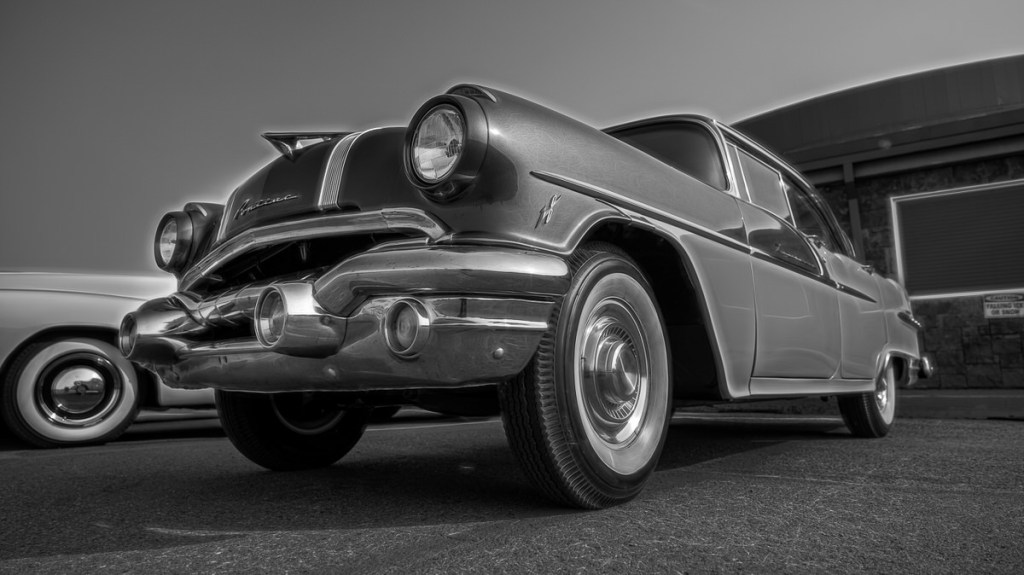
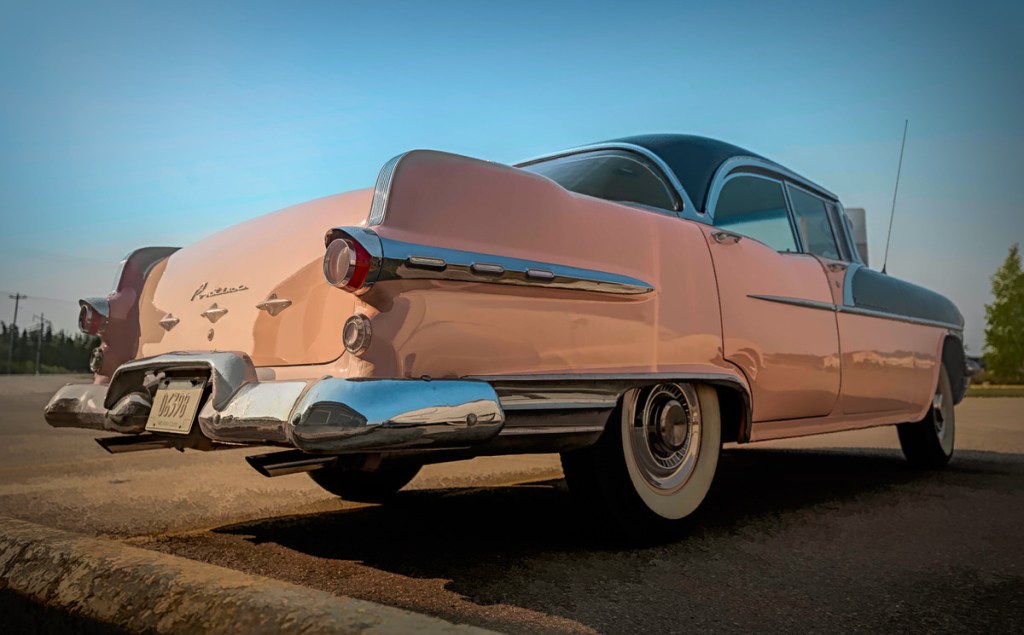
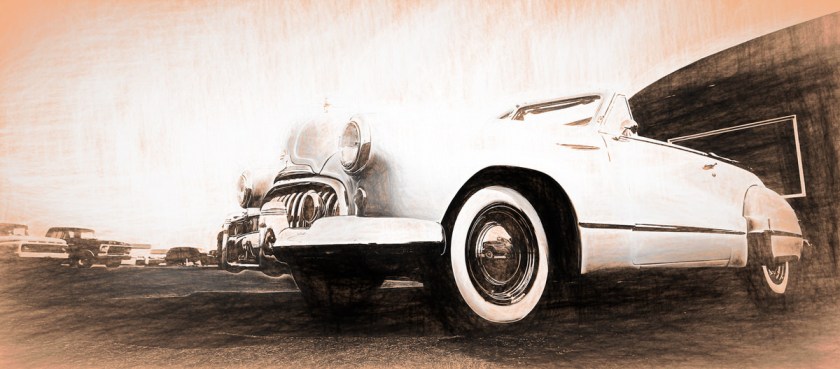
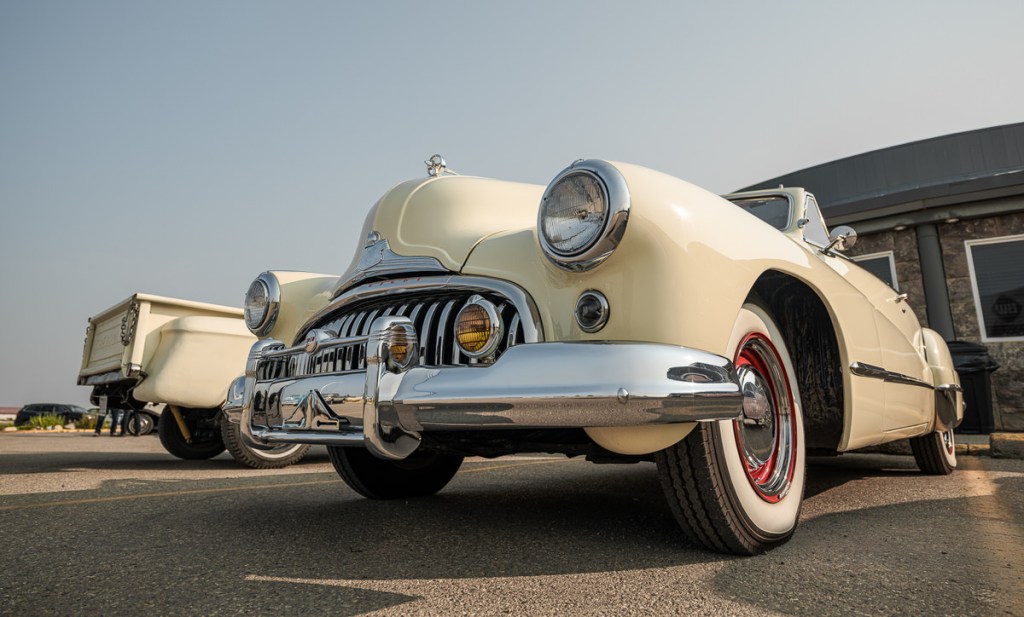
These vehicles serve as a testament to history. Their stories are embedded in their bodywork, and photography should capture this essence. The goal isn’t to make the car look brand new but to preserve its authenticity. This involves highlighting patina, rust spots, worn leather, and period-correct details that narrate a genuine story. The aesthetic prioritizes finding beauty in imperfection, transience, and simplicity – such flaws reflect the passage of time and add character, giving the vehicle its soul. Its natural, weathered look, with dents and scratches, demonstrates its use and is seen as a badge of honour by many enthusiasts. While chrome can create reflections that are difficult to control, it also offers a compelling tool for visual storytelling. A circular polarizer (CPL) filter helps reduce harsh reflections, while subtle lighting techniques can enhance the chrome’s sparkle and set the mood. The professional approach extends beyond full car shots to capturing intimate details that make each vehicle unique, such as original bonnet ornaments, badges, interior stitching, and its worn features (patina, rust, imperfections).
Muscle Cars – Style, Performance & Power
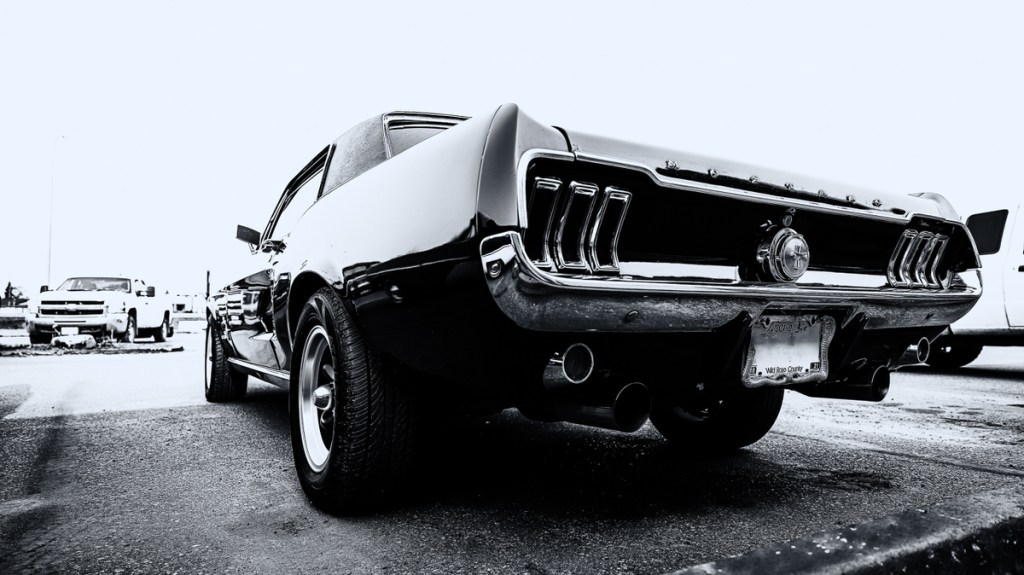
These vehicles are about speed and power. The photography must convey this dynamic nature even when the subject is stationary. Low angles are key to emphasizing the car’s aggressive stance and power. By getting down on one knee or even placing the camera on the ground, the vehicle can be made to look more menacing and powerful. Since the vehicles at a show are stationary, turning the front wheels toward the camera is a small but critical detail that adds a sense of motion, as if the car is “swerving to avoid you,” making the photograph feel dynamic and alive.
Utility Vehicles – Presence, Scale & the Unexpected
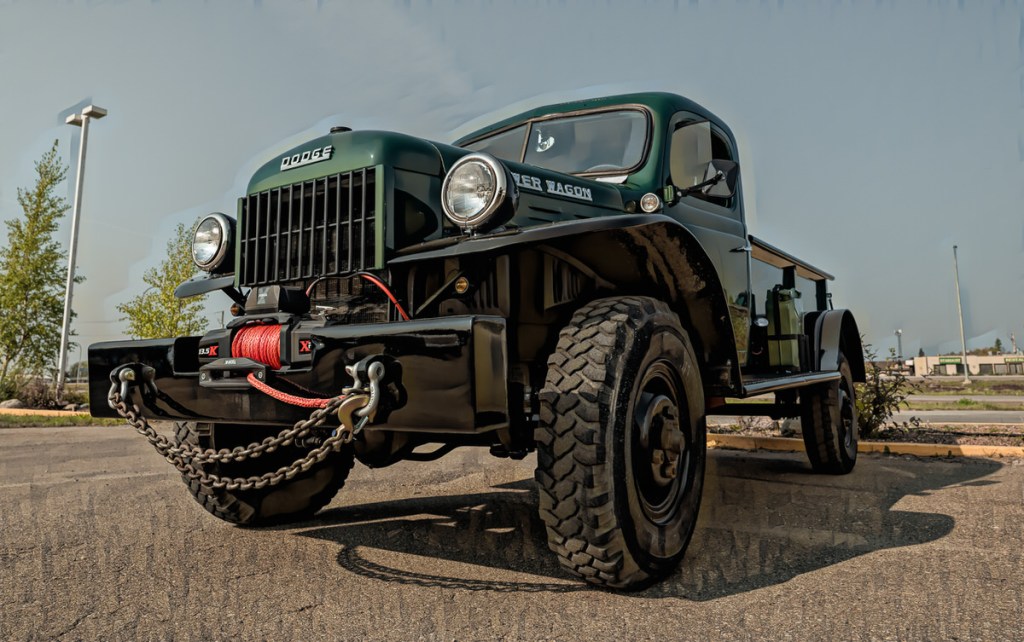
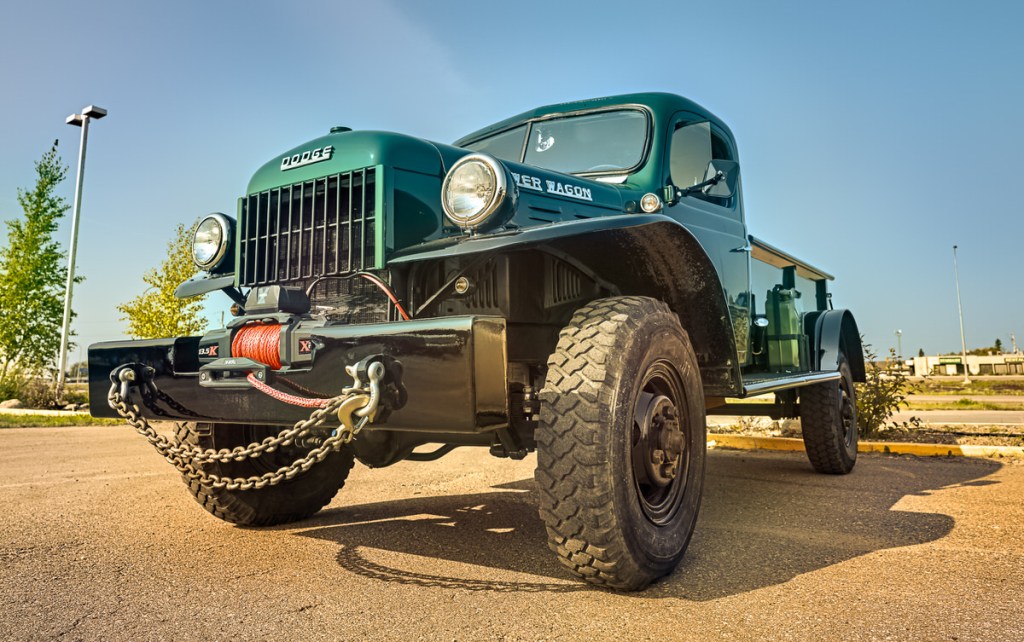
The most creative opportunities are often found in the most unexpected subjects. Trucks and large utility vehicles are about presence and sheer scale. Low angles can emphasize their massive size, while a wide-angle lens can give a sense of overwhelming power. Motorcycles are a different kind of machine; their complexity lies in the open view of their mechanical parts. A focus on the intricate details of the engine, the chrome wheels, and the brakes is essential. Unique vehicles, such as vintage campers, require a different approach. The goal is not just the vehicle but the story it tells. The photographer should frame the shot with a narrative in mind—a sense of adventure, nostalgia, or rustic charm.
Vehicle-Specific Shot List & Creative Prompts
The following table provides a quick-reference guide, breaking down the shot list by vehicle type and providing specific creative prompts to encourage a more intentional, high-level approach to the event.
Vehicle Type
Recommended Angles & Shots
Detail-Focused Shots
Creative Prompt / Narrative to Pursue
Source Snippets
Street Rods, Custom Classics & Vintage Automobiles
Front & rear ¾ view (all four wheels visible), full side profile, low-angle shot for stance.
“The Sculpted Machine.” How can you highlight the artistry of the open mechanics?
Unique Vehicles (Campers, Tractors, etc.)
Full profile shots to show scale, wide environmental shots to place it in context.
Interior elements, vintage logos, unique fittings, personal touches added by the owner.
“The Road Less Traveled.” How can you tell a story of adventure, nostalgia, or purpose?
Post-Production Begins At … Visualization –Reverse Engineering the Photo, Then Pressing the Shutter Button
For a professional, the final stage is about the polish. A truly successful shoot is one where the image is so meticulously crafted in-camera that extensive post-production is rendered largely unnecessary. The photograph is “reverse engineered” in the mind before the shutter is even pressed, and the subsequent editing is about refinement, not correction.
Final Polish – The Image Pops, Your Signature Look
The superior dynamic range and colour depth of a medium format camera, combined with a meticulous in-camera process, mean that extensive post-production is largely unnecessary. The heavy lifting is done on location with the careful use of light and position. The editing process is not about fixing mistakes but about subtle enhancements. This includes minor adjustments to highlights and shadows, fine-tuning contrast to make the image ‘pop,’ and cleaning up any remaining distracting reflections that could not be avoided on location. The final stage is about applying a signature look, working with contrast and texture to produce a final image that aligns with the brand’s vision. This is the final, non-contracted “extra bit of value to knock it out of the park” that turns a good photo into a great one.
The Outdoor Show & Shine, An Exercise in Creative Problem-Solving
The outdoor ‘show and shine’ is the antithesis of a controlled, commercial studio shoot, but it is precisely this unpredictability that makes it an invaluable proving ground for an photographer. The event is not a simple collection of vehicles to be documented; it is an exercise in creative problem-solving and strategic business development.
The most critical recommendations for a photographer seeking to excel in this environment are to embrace the chaos with clear, intentional strategies:
Prioritize Patience and Preparation: Arrive early and stay late to work in the prime hours free of crowds and harsh light. The most valuable tool is not the camera but the patience to wait for the perfect, clean shot.
Leverage the Toolset: The medium format camera and a tripod, while perceived as cumbersome, are the keys to unlocking high-level techniques. The camera’s superior dynamic range eliminates the need for extensive post-production, while the tripod enables long-exposure light painting, a powerful technique for creating a dramatic look in low-light conditions.
Master the Narrative: Move beyond the basic snapshot by viewing each vehicle as a distinct persona. Adapt the compositional and lighting approach for each vehicle type, from a classic car’s patina to a modern muscle car’s aggressive stance.
Think Beyond the Shot: The event is a prime opportunity for business development. A genuine, peer-to-peer approach with vehicle owners can lead to private shoots later on, where the controlled environment allows for the creation of truly valuable, high-end conceptual work.
Ultimately, the show and shine is a microcosm of the entire photography journey. The challenge lies in applying a high-end, studio-honed philosophy—the control of light, the manipulation of form, and the art of problem-solving—to an uncontrolled environment. Success is defined not by avoiding the chaos, but by mastering it.
Post Script – Mastering Best Practices
There is a learning pedagogy that often helps photographers stay confident on their journey towards mastering best practices. In the 1970s, Noel Burch introduced the Conscious Competence Learning Model, which describes four stages of acquiring any new skill, each identified by an overarching psychological state: (1) Unconscious Incompetence – ‘You don’t know what you don’t know.’ The photographer is unaware of their skill gap; (2) Conscious Incompetence – ‘You know what you don’t know.’ The photographer recognizes the gap and values learning the new skill; (3) Conscious Competence – ‘You know that you can do it (but you have to think about it);’ the photographer can perform the skill reliably, but it requires focus; and (4) Unconscious Competence (Mastery) – ‘You can do it without thinking about it;’ the skill has become second nature, performed easily and automatically.
In all this, any of us as photographers aim, through time (the 10,000 hours of guided practice and instruction), to evolve to ‘unconscious competence’ with our seeing, our imagination and our cameras.
Quotes to Consider: (1) “A camera does not create a great photograph, the photographer does, 90% of the achievement lies in your imagination of what you want to create.” (2) “In some ways, I view each car as a person that has a personality, and the starting point is to understand what the design and overall purpose is, the challenge then is to use my photography to best get this message across.” (3) “It’s easy to create an ‘acceptable’ image for a quick win, but with real passion, you can make use of the light and design to create a truly inspirational piece of work through careful thought, exposure, and lighting.”
Tim Wallace
Listening to: John Mellencamp’s ‘Grandview,’ Linda McRae’s take on Bowie’s ‘Heroes,’ The Verve’s ‘Bittersweet Symphony,’ William Prince’s ‘Great Wide Open,’ Birdy’s ‘Quietly Yours,’ and Bruce Springsteen’s ‘Used Cars‘ and ‘Open All Night.’
Thanks for reading. Hoping you get out the door with your camera once or twice this week. Take care …
Photography is more an active endeavour than a passive one. You take a photo by placing yourself in front of your subject – you move in small ways aligning camera and lens to subject, and at other times, you move in terms of distances travelled, large and small, to photograph your subject. The word endeavour has work at its core, perhaps even … sustained work, linked to achieving a goal.
In 2009 – 2010, I stumbled upon the photo-a-day challenge, an active pursuit in which a would-be photographer can engage in photography and evolve skills needed to take, edit, and present photos. Over time, the photos created would become stepping stones from which one could look back and consider emerging questions about photography that one was ready to have answered when they had consolidated (put together and understood) the question to be asked. Add exposure to others’ photography, and questions would then be about how photographers brought together an image and their intention to present it in the way they had. Photography in a 365-day, photo-a-day pursuit would become step-by-step, emergent learning. As a favourite ‘Motivation to Move’ podcaster, Scott Smith puts it, all you’d need to do is ‘Stand up, take a step, and repeat … until you’ve reached the goal of your dreams.’
Investigating what others had to say about photo-a-day challenges, Woody Campbell surfaced as a photographer with an interesting tack. In Woody’s ‘1 Photo Every Day’ website, you’ll find that Woody has resolved to ‘… take one photograph every day for the rest of [his] life (www.woodycampbell.com)’ and that, at the time of writing, he has done so for thirteen years. He posts his images in a format of day number since he began photographing for this project – his post for Friday, 30 June 2023, while having a small statement descriptor, also notes the post as ‘Day 5006 of photograph every day for the rest of my life;’ in each post he also presents a look-back image – an image to recall and share.
What is there, though, is Woody’s commitment to photo-a-day image-making, and for the would-be photographer, in addition to Woody’s engaging and captivating photography, an arms-length camaraderie and inspiration in like-endeavour are to be found. Because he engages in this work, you are joining him in like-endeavour.
My trek through the photo-a-day project that this WordPress blog sprang from today finds me sifting through 1100+ edited images taken since 2021 that have not been posted, images that were destined for this ‘In My Back Pocket Photography’ blog. As a teacher now in summer, I am enjoying the post-race wind-down following a ten-month marathon with students, staff, and parents, a school year saturated with people, planning, teaching, and testing. However, through the school year, while I have continued to take photos on an almost daily basis, the matter of posting photos has many steps along its way and my posting stats disappoint grievously.
In this third week of July, I am surfacing to a less other-focused Life, something Frank McCourt refers to in his biography, ‘Teacher Man,’ as all that time off, abbreviated as ‘a.t.t.o.’. All that time off allows me to consider and return to personal pursuits and one of them is posting on this blog. At present, the situation gives me the opportunity to consider and present to you ‘points of departure’ as Dorothea Lange states it (via Ralph Gibson) – the common themes or projects I tend to photograph as I review images moving forward since 2021.
Current Points of Departure (2021 to present, Summer 2023)
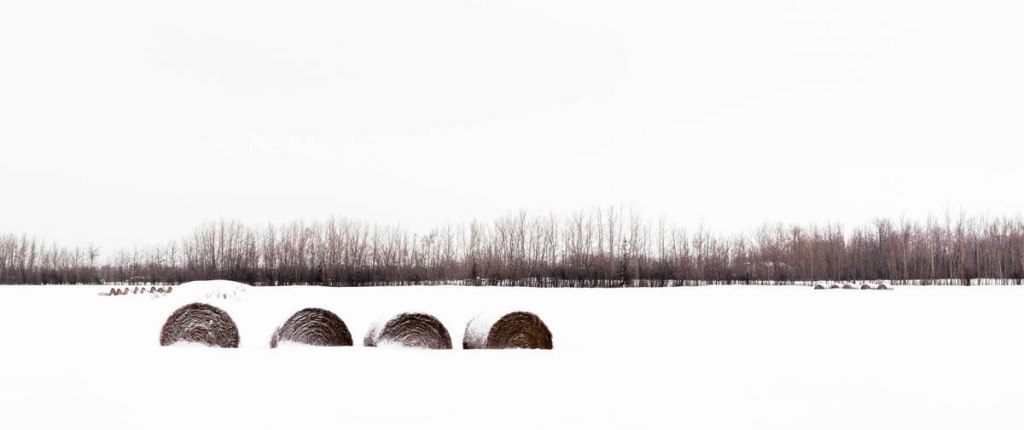
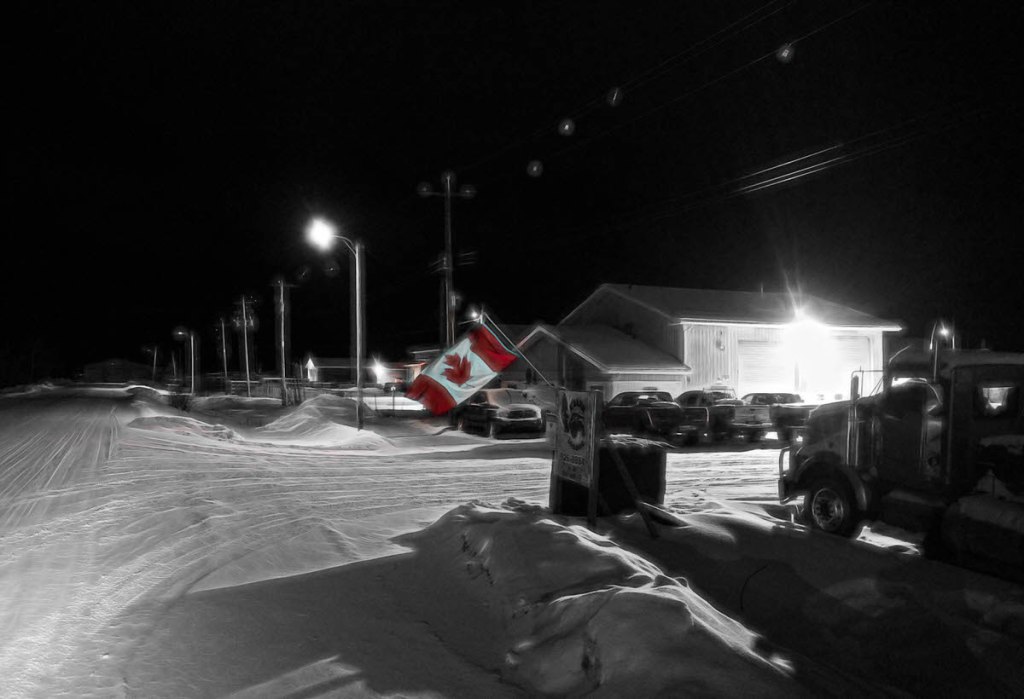
Along Northern Roads – Alberta
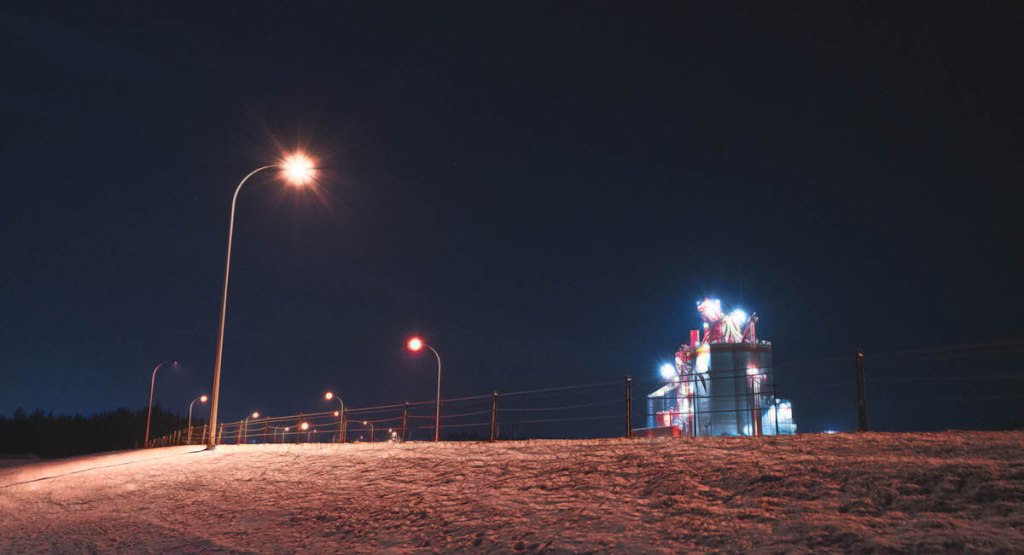
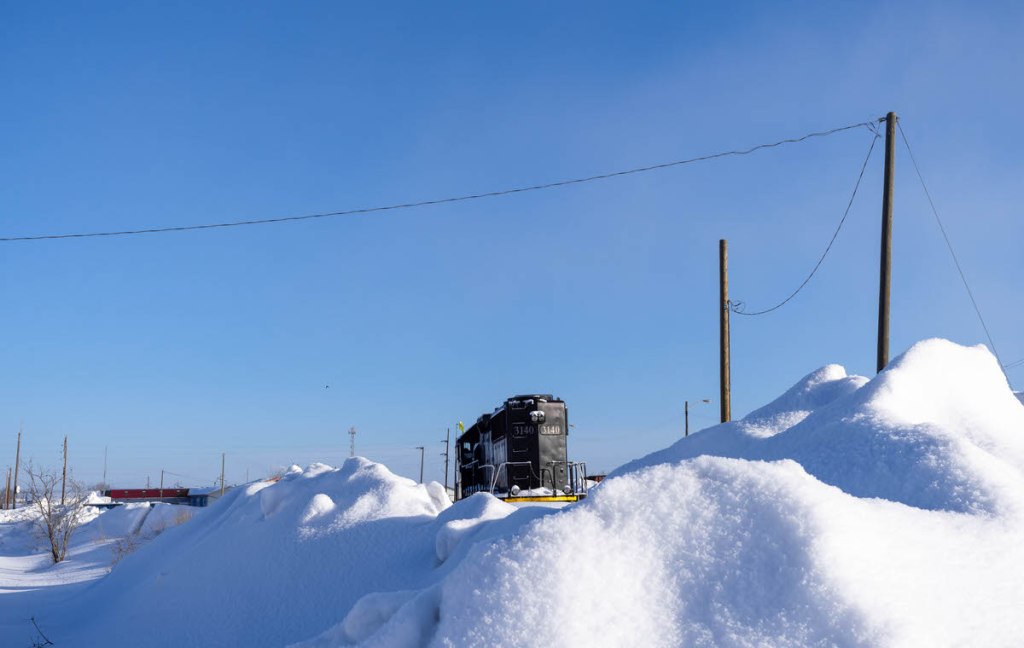
Winter Walks / Cycling in High Level, Alberta
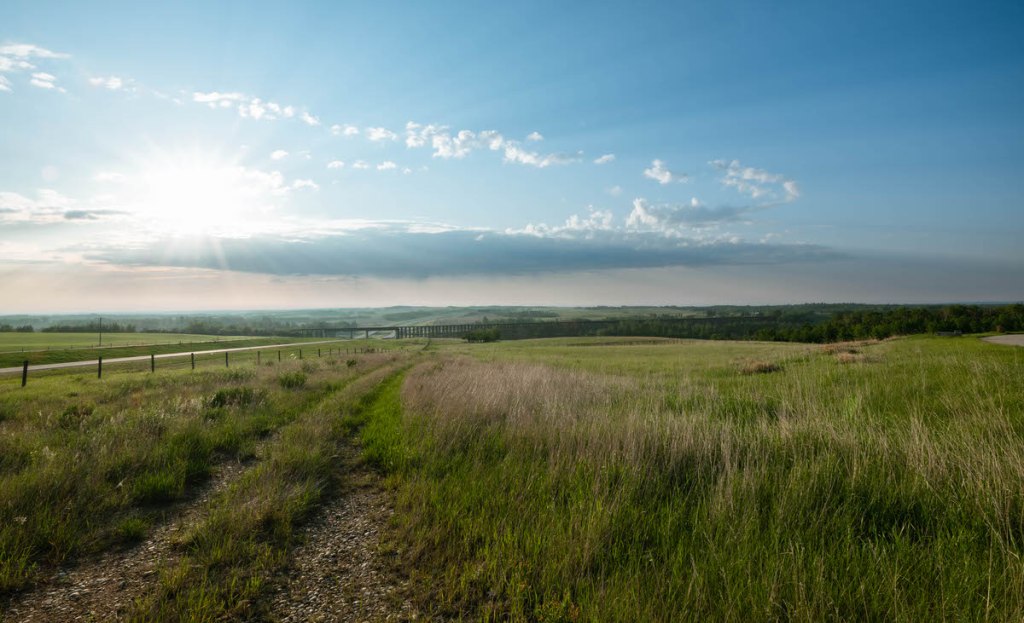
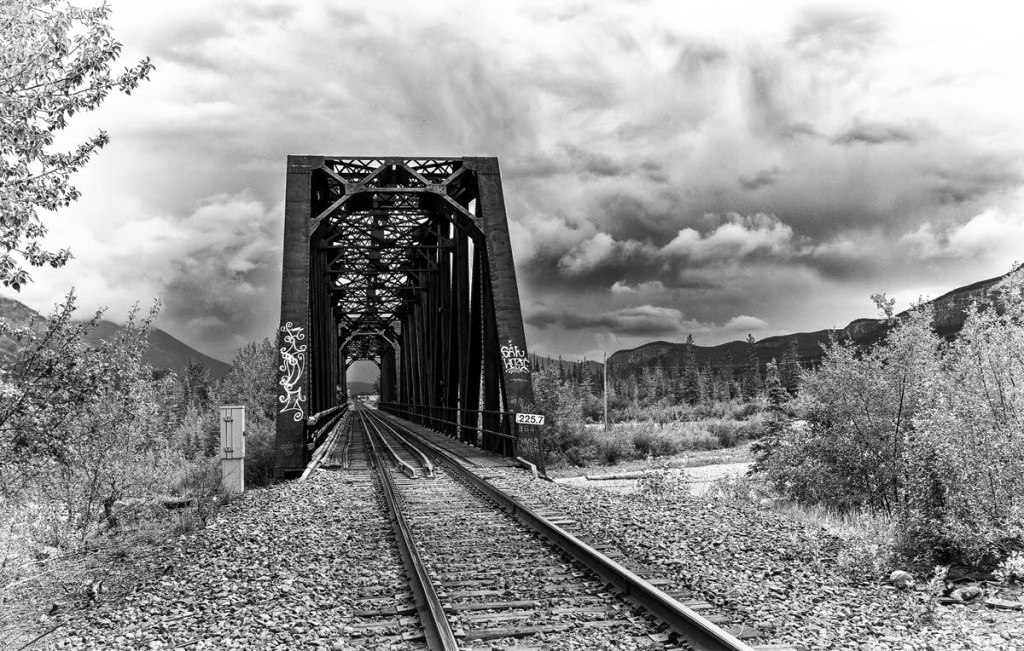
Dunvegan Historic Site and Dunvegan Bridge – Alberta
Edmonton, Alberta
Fort Vermilion, Alberta
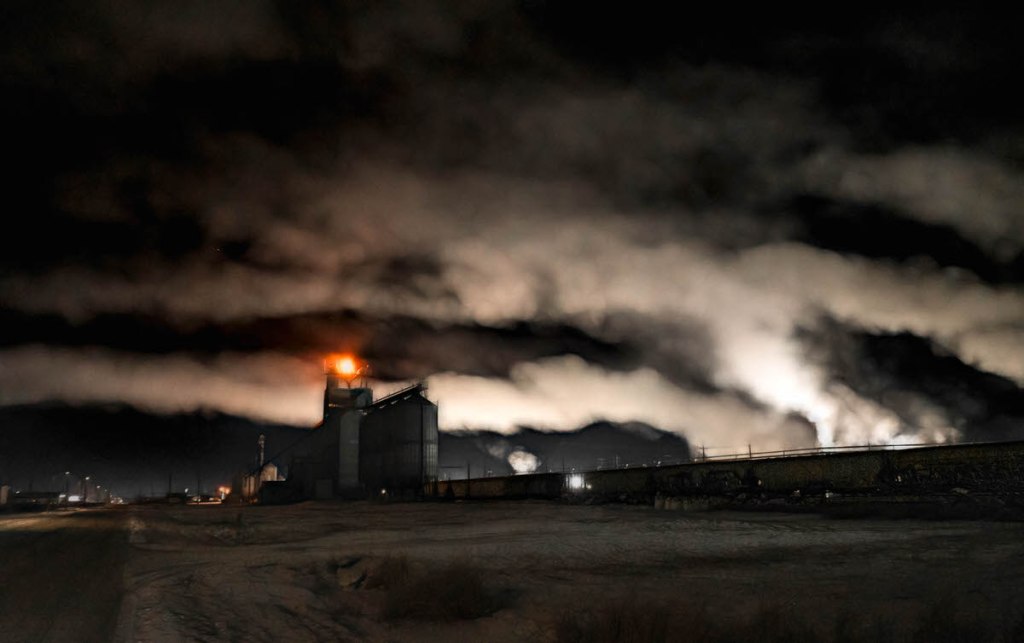
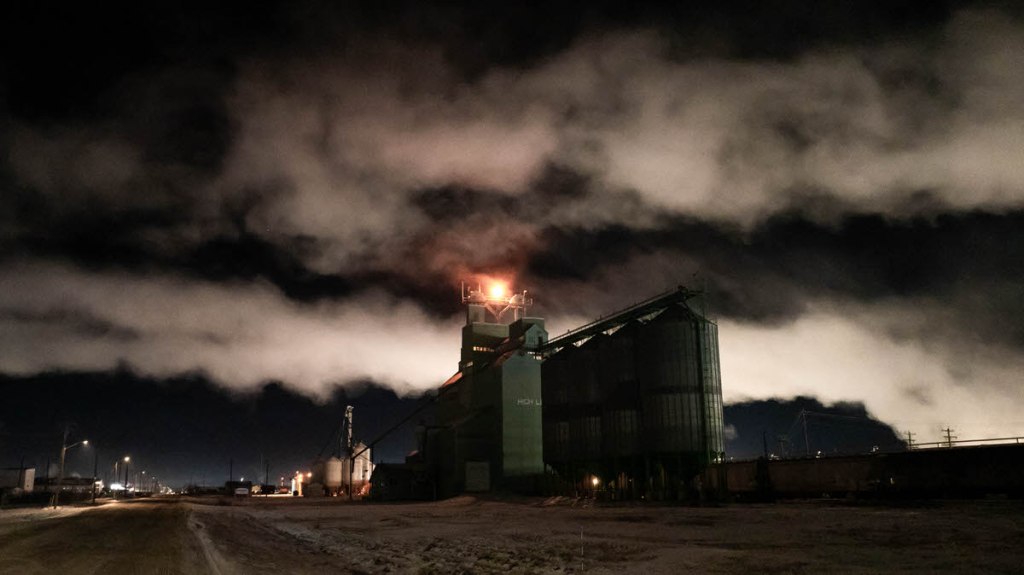
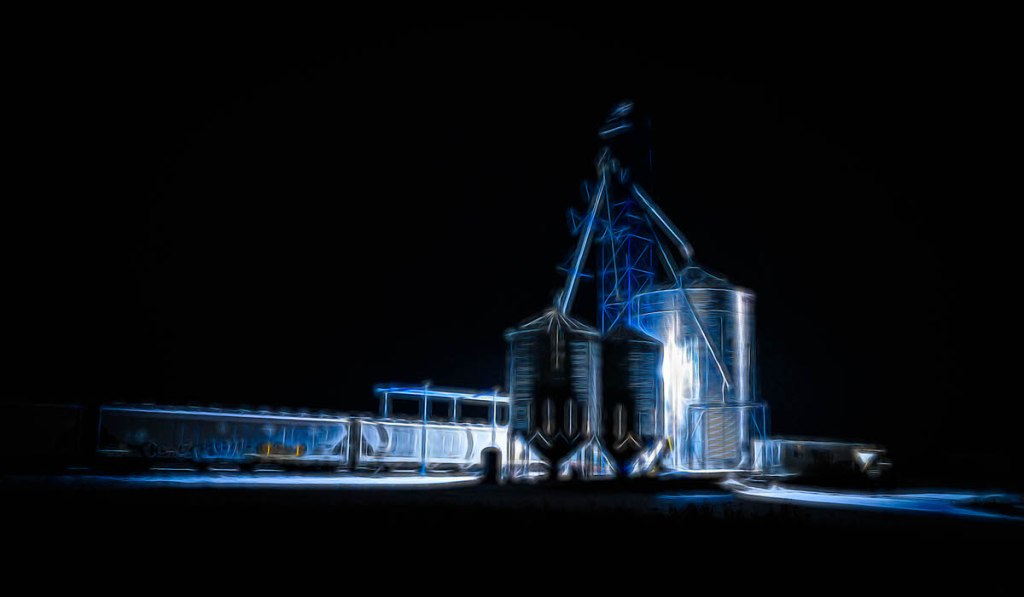
Grain Elevators
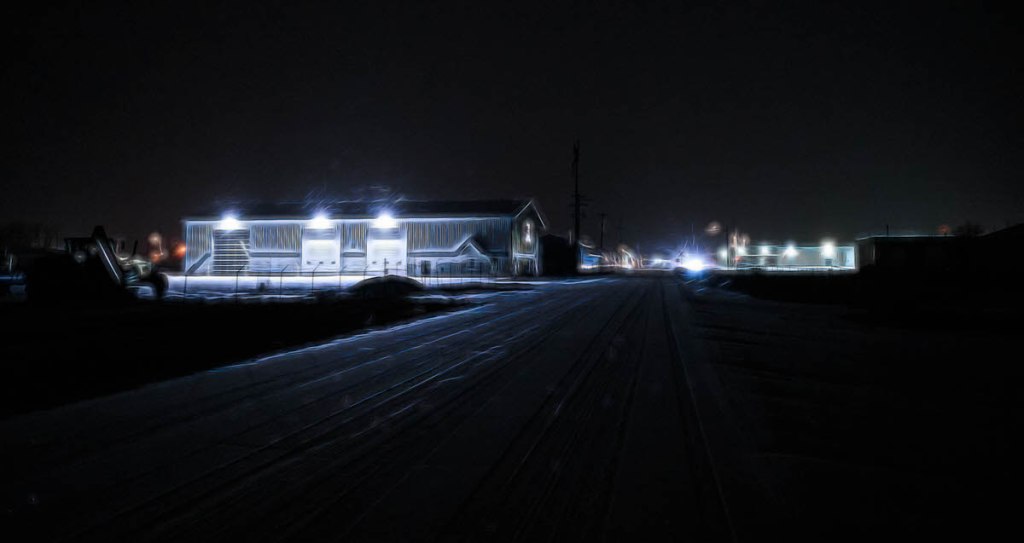
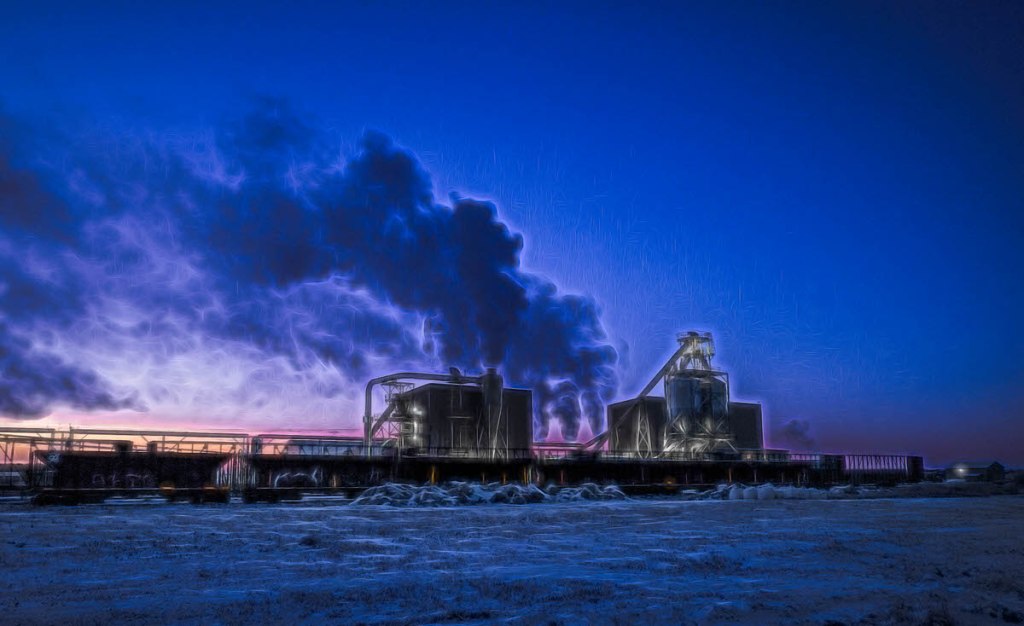
Industrial Area (Morning Rides – Winter and Summer) – High Level
Peace River Area, Alberta
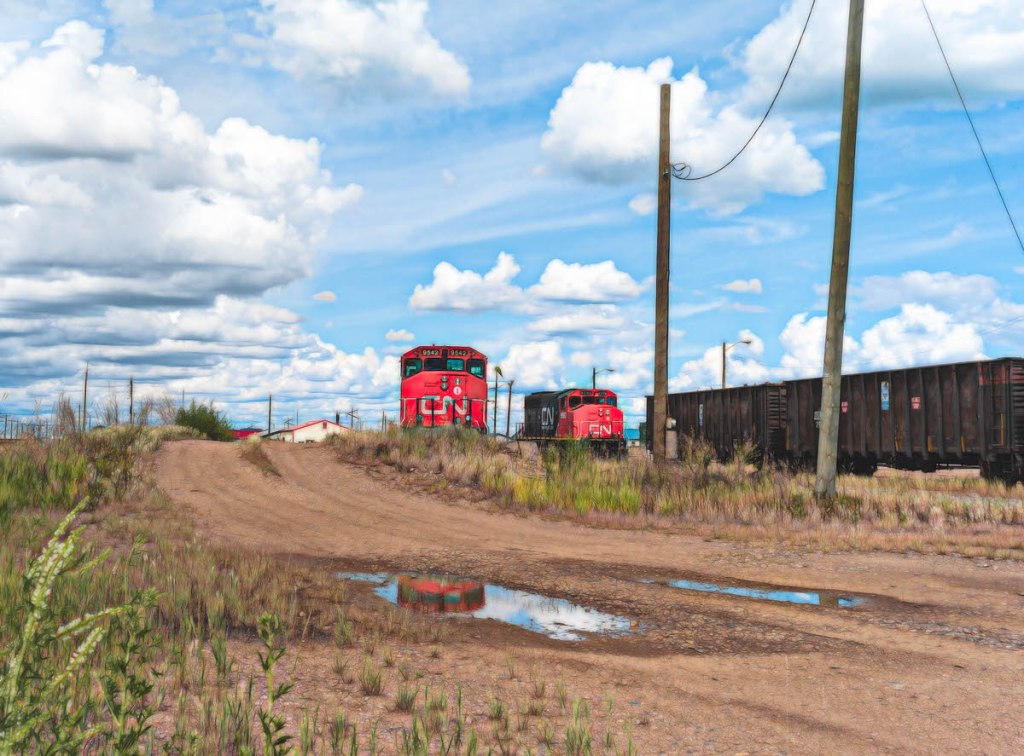
Trains
Quotes & Concepts to Consider & Inspire
Oubaitori – (1) ‘the idea that people, like flowers, bloom in their own time and in their individual ways (Victoria Ericksen);’ (2) ‘the meaning of oubaitori is that, instead of comparing ourselves to other people, we should be focusing on our own growth, and valuing what makes us special (https://vocab.chat/blog/japanese-oubaitori.html).’
“It is not the answer that enlightens, but the ‘question’ (Eugene Ionesco).”
‘Whatever you can do, or dream you can, begin it. Boldness has genius, magic and power in it (Johann Wolfgang von Goethe).’
‘You’ve got what it takes, but it will take everything you’ve got.’ – Anonymous
‘I have discovered in life that there are ways of getting almost anywhere you want to go, if you really want to go (Langston Hughes).’
Listening to: David Gray’s ‘Sail Away,’ Martyn Joseph’s ‘One Step Up,’ Over the Rhine’s ‘Who Will Guard the Door,’ Amanda Marshall’s ‘Believe in You,’ Van Morrison’s ‘Behind the Ritual,’ and Billy Joel’s ‘This is the Time.’
Rosanne Cash says about songwriting, “… Songs are there in the ether, and you just have to have your skills good enough to get them.” Like acapella singer Bobby McFerrin, Cash believes that as a songwriter, “You catch songs…. [and,] … you have to have your catcher’s mitt on…. Sometimes I’m afraid that if I don’t get it down, then somebody else will (Rosanne Cash, Time Traveler – On Being with Krista Tippett, 5 January 2012, https://onbeing.org/programs/rosanne-cash-time-traveler/ ).”
Photography is like that – about being present and ready for what you see, connecting with the moment, and ‘catching the image’ and its import as it confronts you.
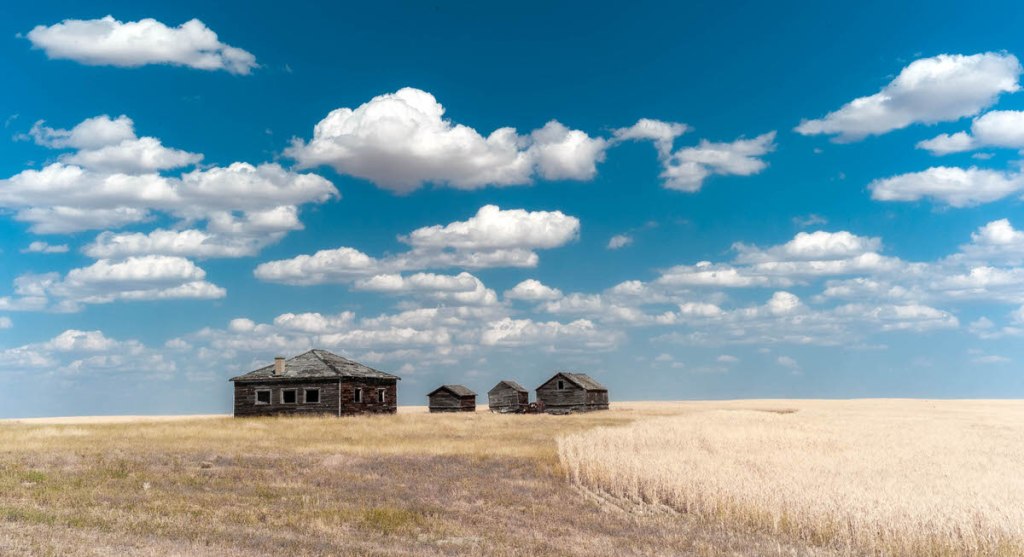
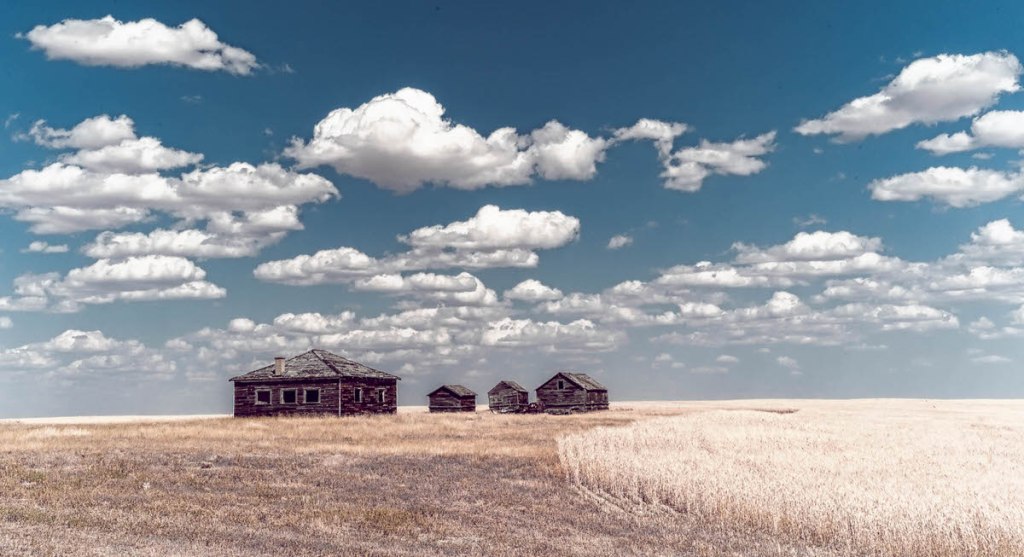
Wheat Kings and farmsteads served as points of departure. Stirling, Wrentham, Skiff, Foremost, Orion and Manyberries were place names in my travel – each had wooden grain elevators from the previous century used to stockpile grain for railway transportation. Some appeared to remain in use. Grey, weathering wood of still-standing derelict farm buildings clustered in disused prairie farmland with the rusting reds and browns of grain trucks – abandoned, yet holding memory to the past. General stores no longer in use faded in terms of colour and signage. I and my cameras went about image making.
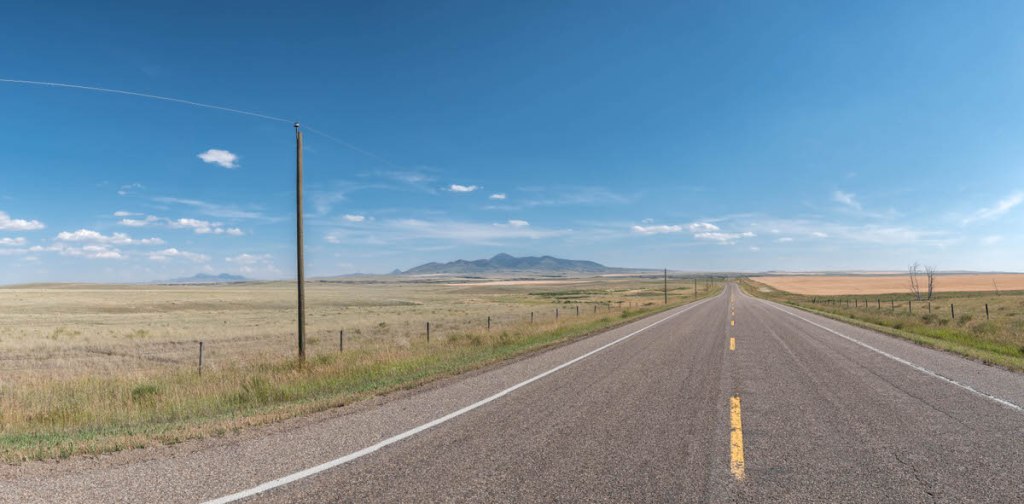
As I meandered, making exposures, travelling east and south, then west toward Milk River, two or three mountains loomed, growing more prominent in Alberta’s southernmost prairie, an unexpected juxtaposition – mountains within the prairie. I photographed them in stages as I travelled closer to them. While the mountains seemed to span the Canada – United States border, I was seeing the Sweetgrass Hills of Montana and evidence that volcanoes were a part of the prairie shared between Montana and Alberta. My mobile phone carrier began sending SMS messages advising of the need for a rate-plan change should I cross into the United States and need to use my phone. They were looking out for me. Good!
At this point in my summer, I was re-reading Thomas King’s novel, ‘Indians on Vacation,’ which has become one venue for Canadians to begin opening out Canada’s treaty history following the release of the National Truth and Reconciliation Commission report in 2015. Characters, Blackbird Mavrias (or ‘Bird’) and Mimi, are vacationing in Prague, in the Czech Republic.
In the interrogatory phrase they encounter with familiar cadence, ‘Where are you from?’ an equivalency of people among peoples, vacationers among vacationers, is drawn out. At play is Bird and Mimi’s nationality, which, while Canadian, shifts as they share it between Canadian (from Canada) and their indigenous first nation identification as Cherokee (Bird has Greek and Cherokee lineage) and Blackfoot (Mimi). ‘Where are you from?’ … is always a jumping-off point for being known and getting to know others.
Bird Mavrias is a writer and journalist looking toward retirement. For Mimi and Bird, considering Prague’s history, exploring it as a city, and its current events – all serve to jostle them, surfacing memories. Their conversations move them through their past and occasionally surface facts from the Truth and Reconciliation Commission’s final report – moments of poignancy, disappointment and numbing revulsion concerning the unimaginable. Somehow, what they remember almost becomes a Viktor Frankl choice point to move forward, to move on.
Bird recalls a story he covered regarding an encampment at ‘Writing-On-Stone’ in southern Alberta. Within the park, on the southern side of the Milk River, an indigenous woman sought to gather and practice traditional ways with those of like-mind, ways of their people(s) on their people’s land. The story recognizes a need to find and return to traditional ways. The story looks at the breaking down of the camp and moving trespassers from the site. Bird’s recollection recalls the impotence of the situation – what it did not achieve and its disappointment.
In my drive, moving south and east toward Aden from Milk River and then toward the Sweetgrass Hills of Montana, I came upon this site at ‘Writing-on-Stone Provincial Park.’ In Blackfoot, this site is referred to as Áísínaiʼpi, a word meaning ‘it is pictured’ or ‘it is written.’ The conceptualization of photography as being ‘writing with light’ and exposure of what the camera witnesses seem close to indigenous intention here, and the word Áísínaiʼpi seems as though it should be part of a photographer’s vocabulary. In both cases, the terminology refers to memory being held to be witnessed, considered and understood.
Gauging what remained of my day in terms of kilometres, gas and final meal, I began my return drive to Lethbridge and my hotel quite late. Tired at the end of my drive, I had accomplished a lot of what I intended – a day open for discovery, thought and camera work. I found Wheat Kings. I encountered the big sky of southern Alberta’s prairie landscape. I had scouted and became acquainted with an area of Alberta I was interested in and will return to.
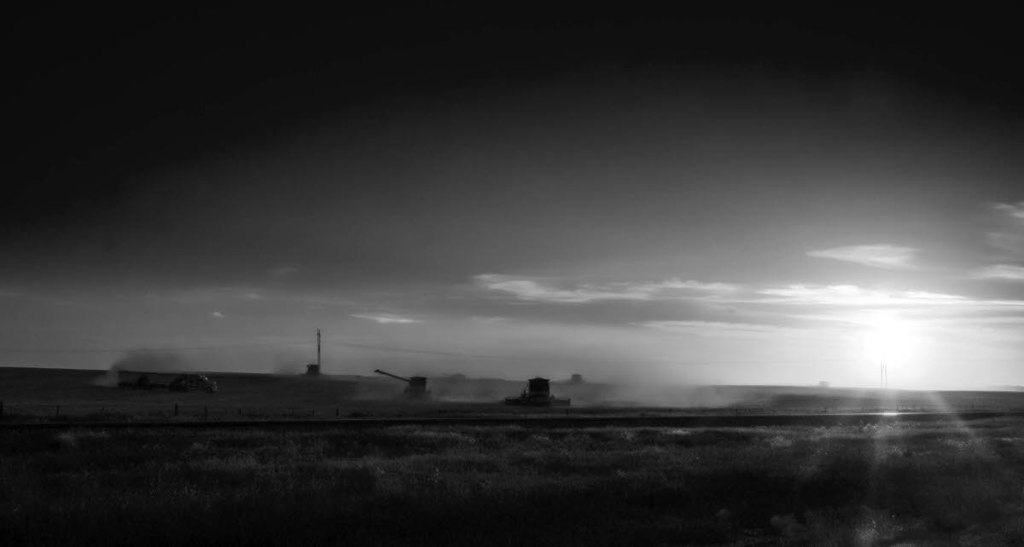
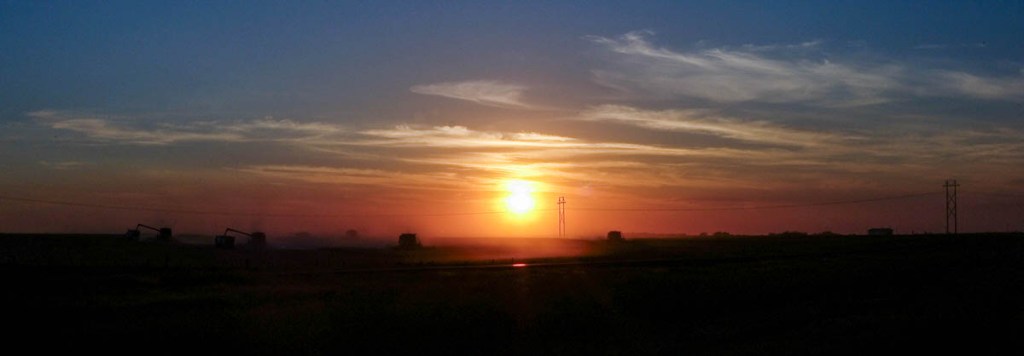
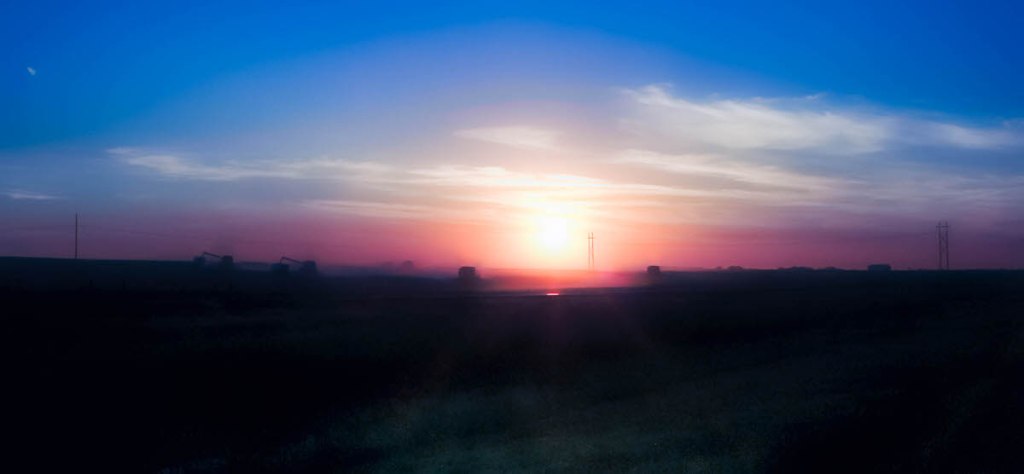
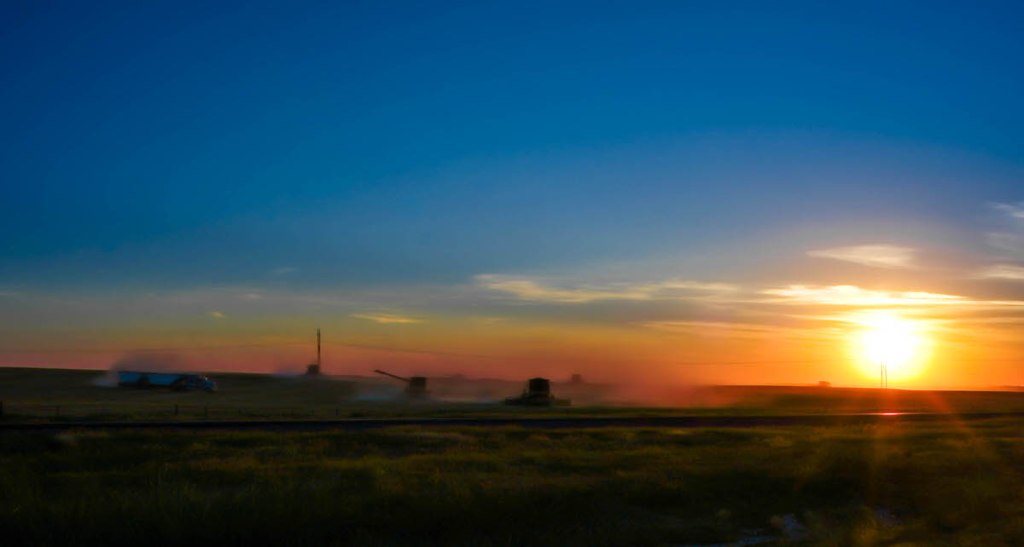
Harvest, though, caught me by surprise. Somewhere between 10:30 – 11:00 p.m. I drove past this late-night harvest scene below. The sight was extraordinary for me because the grain harvest in northern Alberta occurs from late August to mid-September. Here, it was an extraordinary sight … to see as many as five combines gathering grain from the prairie immensity. These mid-August images contain silhouettes of combines and grain haulers outlined in black against a colourful backdrop of setting sun, sky and prairie. People are at work, doing this day’s work as daylight diminishes.
Catcher’s Mitt & Day’s End
My day did not end there. Returning late to Lethbridge meant supper would be drive-through or order-in, and I hadn’t eaten for hours. Near midnight, a McDonald’s provided two quarter-pounders with cheese and a pop. A young, homeless teen hid in the shadows of the building beyond the sight of the cashier. As I moved from the drive-through, the teen presented cardboard on which was written, ‘Needing food. Can you help?’ I gave her twenty dollars, then left, returning to my hotel.
In all this, consideration of Thomas King’s novel has continued to intrigue me in its detail, humour, happenings, intention, and reference to areas of this country I know. It seems to hold the potential to prompt moving toward a good understanding of historical, colonial or treaty complexities for treaty people on both sides of each treaty. The narrative leaves off with vacationers returning from a vacation to the stability and familiarity routine offers but with questions and urgings about what’s next. Often returning from vacation, though, we are empowered (and perhaps have gained perspective enough) to consider ‘the what’ of what’s next. For Bird and Mimi, Tofino is on the table.
A year later, the photographs gathered continue to serve as a point of departure, not just in terms of images or photographic projects, but as a jumping-off point for thought and perspective gathered from such thought. A catcher’s mitt was at play within the day in song, thought and photos.
Quote to Consider / Inspire: “I like it when one is not certain about what one sees. When we do not know why the photographer has taken a picture and when we do not know why we are looking at it, all of a sudden, we discover something that we start seeing. I like this confusion.” – Saul Leiter.
Listening to: Courtney Marie Andrews’ ‘I’ll be Thinking On You,’ Ben Harper’s ‘Yard Sale,’ Terra Lighfoot’s ‘One High Note,’ GA-20’s ‘Dry Run,’ Iris Dement’s ‘The Sacred Now,’ Alberta Hunter’s ‘I’ve Got a Mind to Ramble,’ and Kue Varo’s ‘Yip Yip.’
The weather was that of early spring – a day grey and overcast, later filling with snow flurries, then shifting to bright sunlight among clouds as I drove south from Peace River, Alberta. I was taking time … to look around, to explore, to learn more about a region I drive through regularly but through decades had not yet investigated.
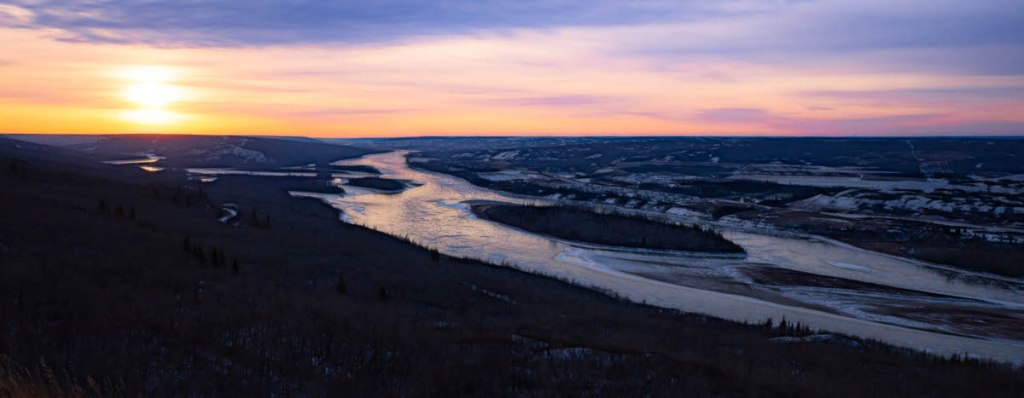
In December 2022, interested in the Peace River’s river valley’s terrain, I asked a farmer about possible vantage points for viewing the river. The river, from one kilometre to a kilometre and a half vast as it moves through an area I teach in, has intrigued me since my wife and I flew into a fly-in teaching community three decades ago. Two locations were recommended to look over the town of Peace River and along the river valley. The Twelve Foot Davis gravesite was high above the town on its east side. The second recommendation caught my attention – the Sagitowa Friendship lookout point had been described as being along the road to Judah, the hamlet of Judah, perhaps forty minutes south and west of Peace River along a route that follows the southern river bank. This lookout point allows the eye to travel west and south following the river; it allows for a look down and north to the town of Peace River’s south end, up to its north end; it permits looking across the river to the Shaftesbury Estates, the West Peace area, Saddleback Ridge and the Pines.
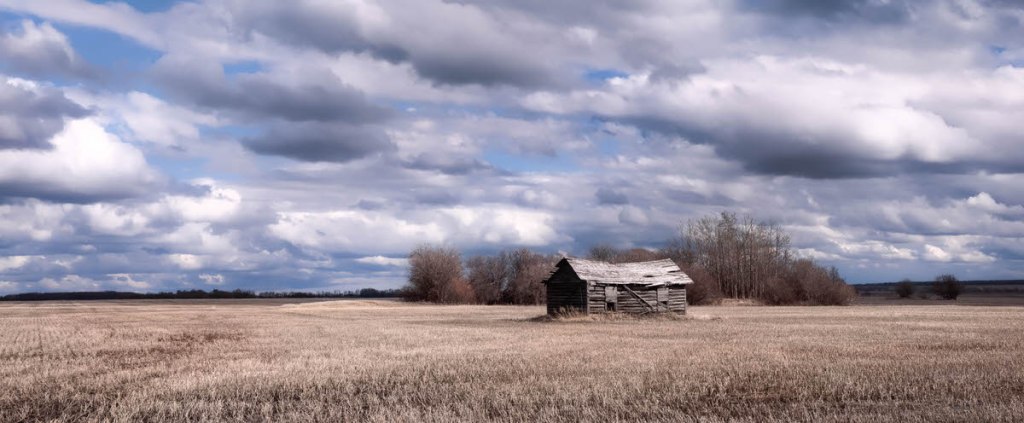
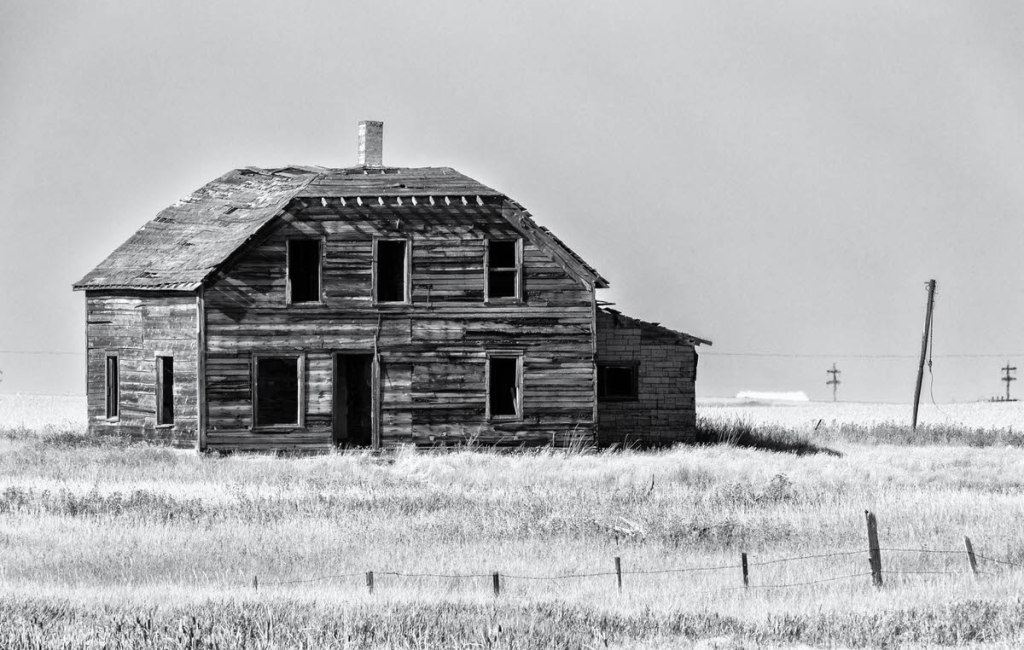
I was at the Sagitowa lookout working with my camera. After several shots, it began to snow. I packed up and began a drive toward Judah. In the early afternoon, the sun came out, somewhat harsh in terms of the contrast of light and shadows. Within the hamlet of Judah, I found treasure – this homestead.
Quotes to Inspire – two quotes have found me this week; both have value for a photographer. First, ‘We don’t see things as they are. We see them as we are (Anais Nin).’ The second is one that seems related, ‘People only see what they are prepared to see (Ralph Waldo Emerson).’ This quote highlights a photographer’s readiness to see a given subject and perhaps maturation in terms of seeing that subject. It attaches to a follow-up statement, ‘If you look for what is good and what you can be grateful for, you will find it everywhere.’ So, perhaps Emerson’s quote is a nudge out-of-context but still has import as we use it.
Listening to: Motorhead’s version of David Bowie’s ‘Heroes,’ Fred Eaglesmith’s ‘Can’t Dance,’ Pickin’ On U2 – A Bluegrass Tribute’s version of ‘One,’ and Bono’s ‘Surrender: 40 Songs, One Story’ audiobook reading.
On the final day of 2022, I drove from Lethbridge in southern Alberta to High Level in northern Alberta, a long fourteen- to fifteen-hour journey. As a return drive, I had started early, reached Edmonton just after noon, and continued northward through the day. In that time, I concluded my listening to an intriguing audiobook, ‘The Splendid and the Vile’ by Erik Larson, about Winston Churchill written recently and with access to documentation from previously unavailable sources; the book compiles memoirs and correspondences into a more intimate view of Winston’s world – Britain and its people, colleagues, family, friends, brokered loyalties, and royalty – all at a time of war, World War II.
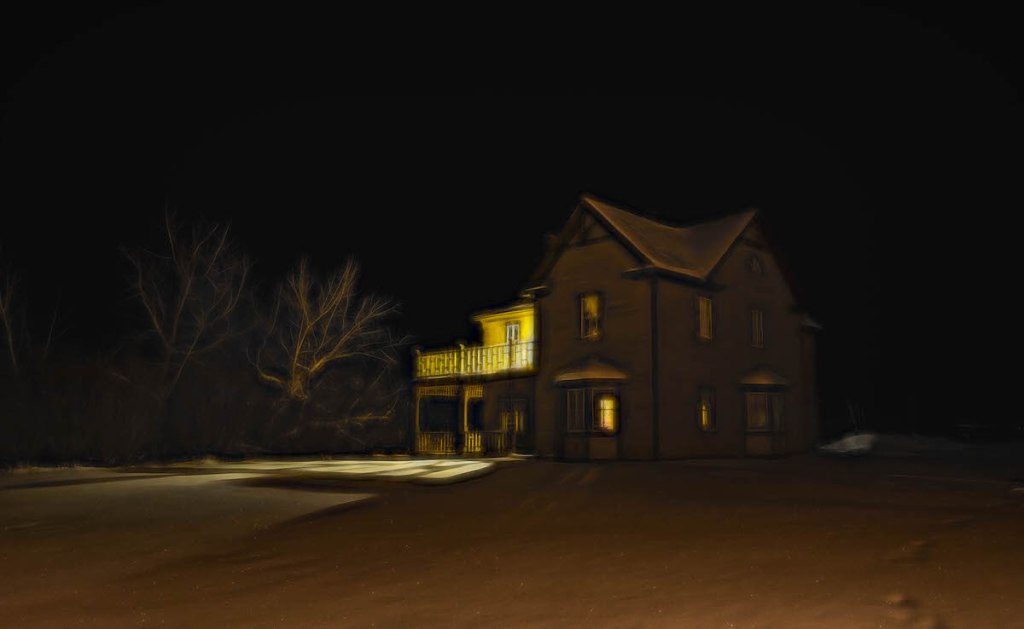
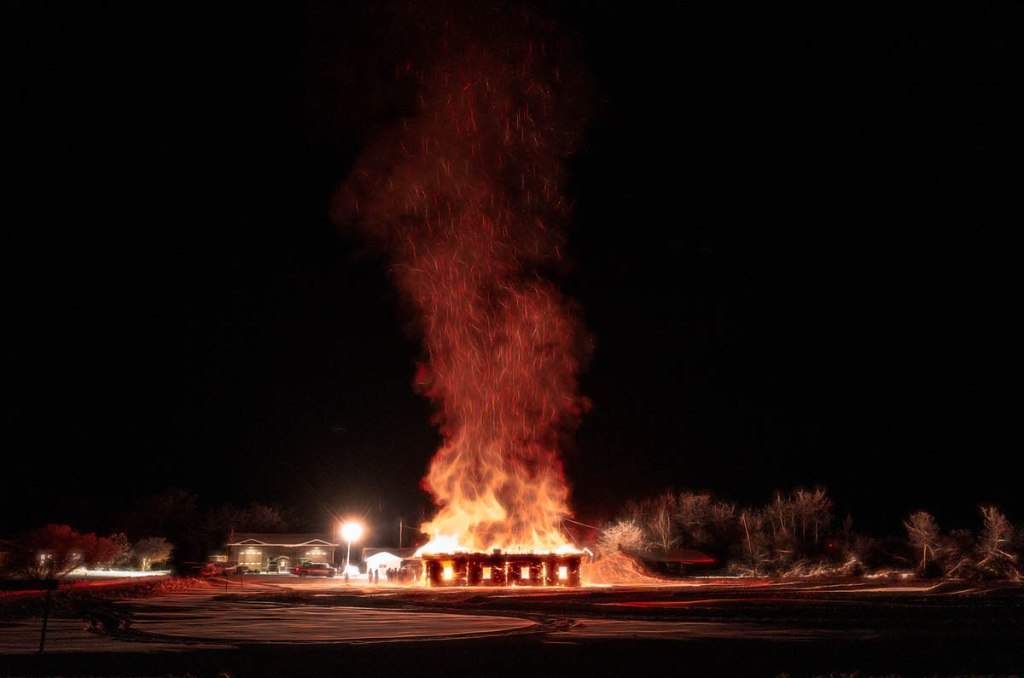
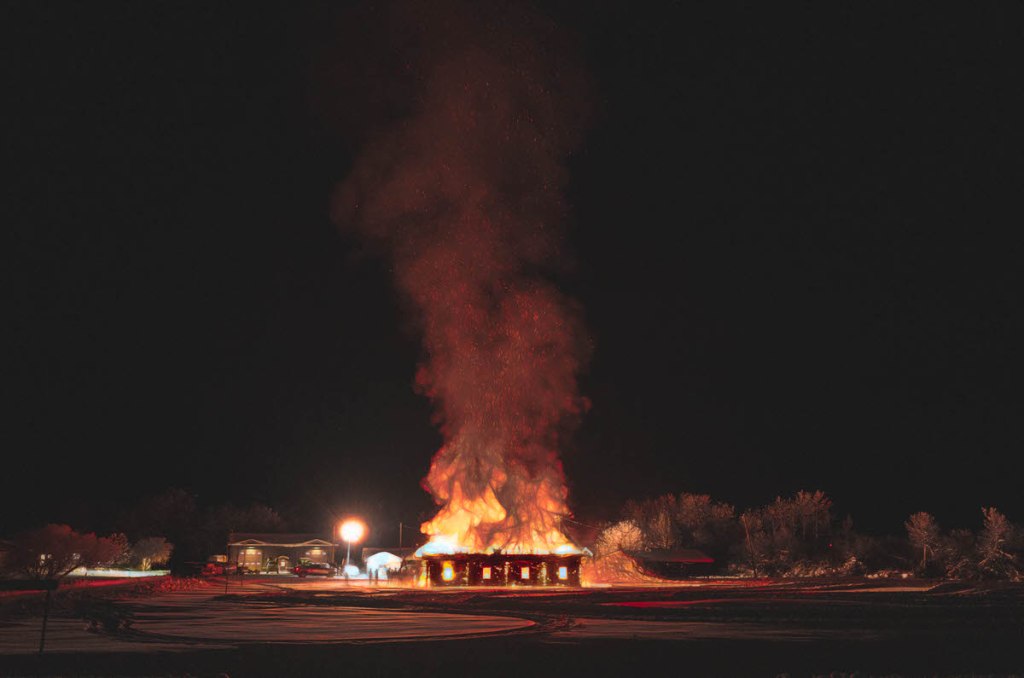
Near 9:00 p.m., my drive brought me to Manning, Alberta, where I fueled my Corolla, got snacks and began the last leg of my journey home. Northward, cresting the hill leading out of Manning, clouds in the night sky reflected bright, red-orange light. As I drove toward the Manning airport (ahead, on my left), flames reached high into the sky.
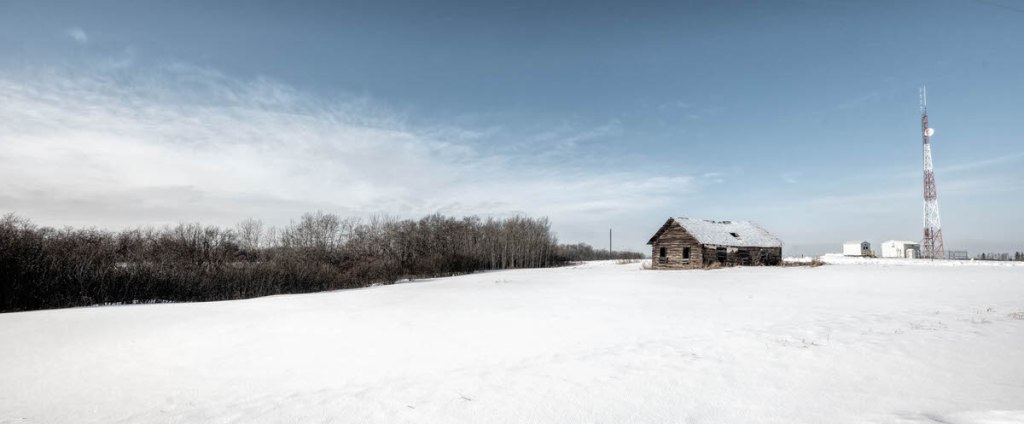
A building was burning, not at the airport, but at a farm on land immediately preceding the airport. The building was one I had considered photographing through the years. But it had been dressed down. While the overall shape and architectural style held interest, the building’s windows were boarded up, and the structure had been painted a dark chocolate brown. It was more a dark brown brick than architectural interest worthy of a photograph.
A week later, driving south, the building was absent. Nothing remained. The area, where the building had stood, was flat, cleared of debris and now offered a clear, unimpeded view from the farm home out to the service road and highway. Winter likely had been the safest time to burn this farm building, and burning the structure may have been the most efficient way to remove it.
Listened to: Erik Larson’s ‘The Splendid and the Vile: A Saga of Churchill, Family, and Defiance During the Blitz.’
Quotes to Inspire (1) ‘I walk, I look, I see, I stop, I photograph (Leon Levinstein).’ (2) ‘Photography must be integrated with the story (James Wong Howe).’
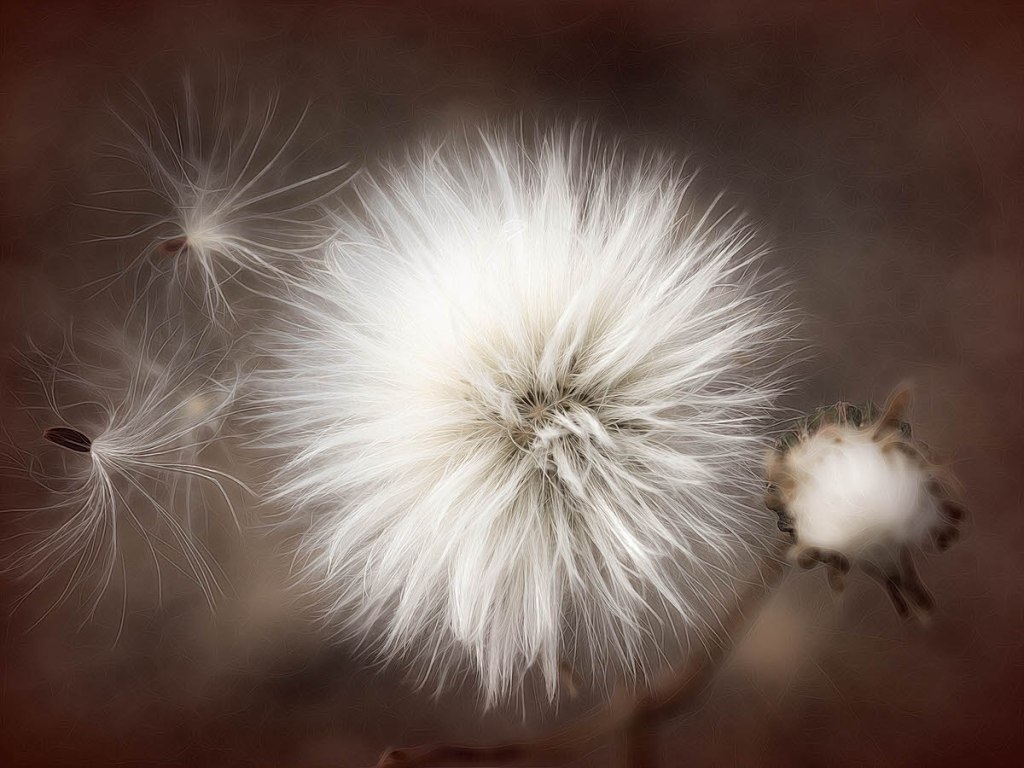
In my free time, I looked back through my Lightroom catalogue this past summer. I took the opportunity to view images I had taken a while ago. The intent was, in some ways, a historical look back. In another way, it became an opportunity to edit images I like using my present workflow. This dandelion image became a series of different edits – these edits. Looking back, I was surprised that this is a photo from October 2016 and that I had taken the image with my Olympus E-M5 Mark II. Pocketable and light, this camera was easy to use, rendered good images and was a camera I enjoyed using.
Quote to Inspire – “If you argue for your limitations, you get to keep them. But if you argue for your possibilities, you get to create them!” ― Kelly Lee Phipps.
Listening to: Spencer Elliott’s ‘Torque,’ Charl du Plessis’ ‘Ode to Peace,’ Pat Green’s take on U2’s ‘Trip Through Your Wires,’ Birdy’s ‘Quietly Yours’ from the ‘Persuasion’ soundtrack, and 100 Mile House and ‘1952 Vincent Black Lightning.’
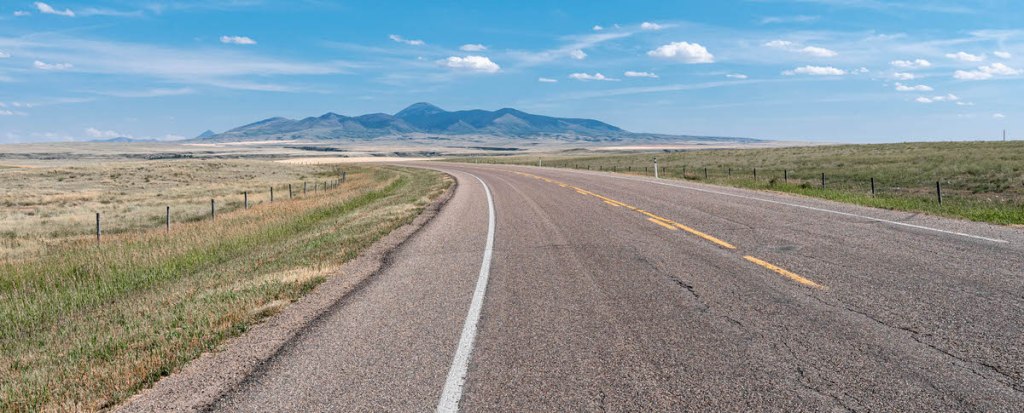
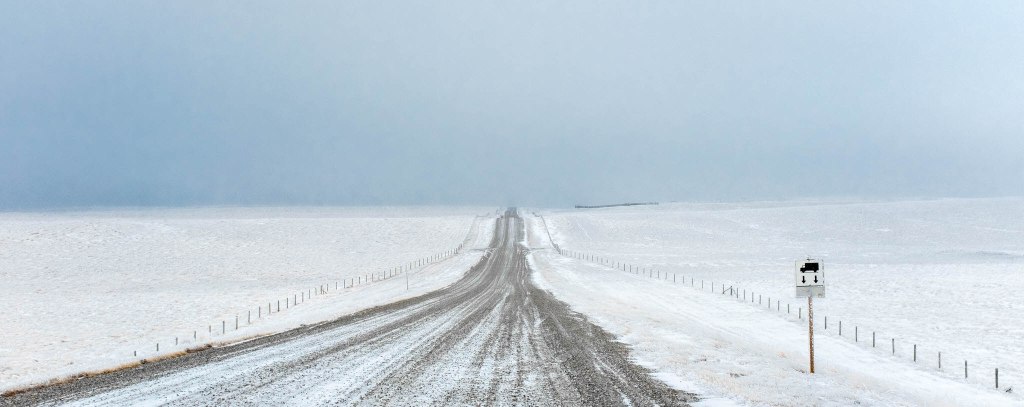
Three weeks back, amid mileage and a COVID pivot, on a road west in Southern Alberta, I was able to stop, get out of my truck, frame this image and two others, and return to my truck and motor on. Many elements make this image come together, not the least of which is the encounter of colour within a monochromatic image. Liking it.
Quote to Consider / Inspire – “One should not only photograph things for what they are, but for what else they are.” – Minor White, Frames Magazine, February 2021.
Listening to – Kathleen Edwards’ ‘Take It With You When You Go’ and Appalachian Road Show’s ‘Don’t Want to Die in the Storm.’
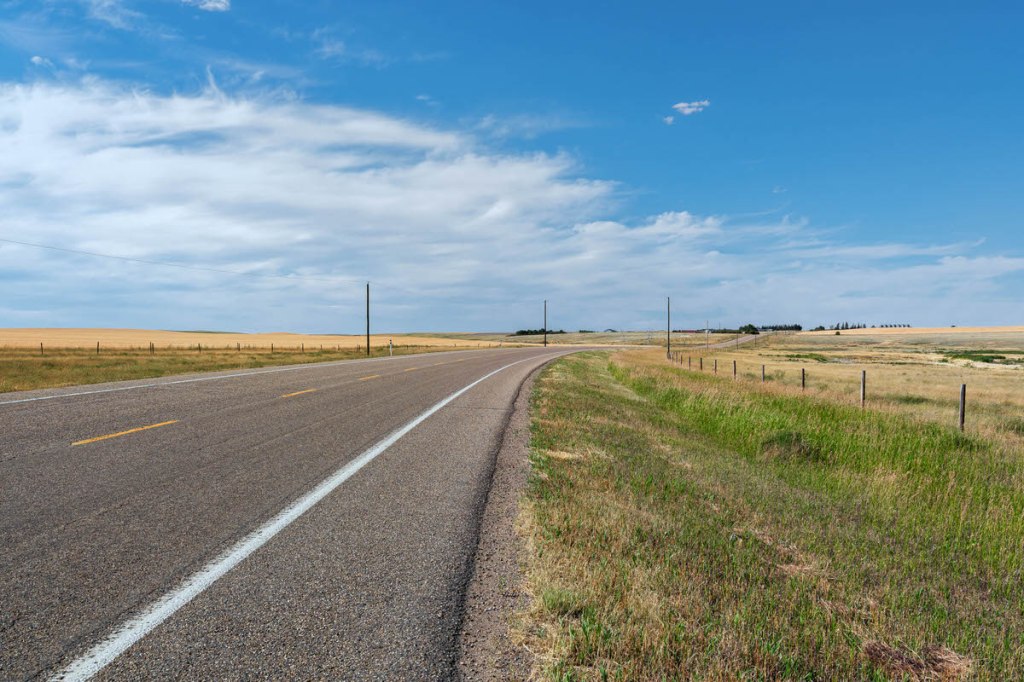
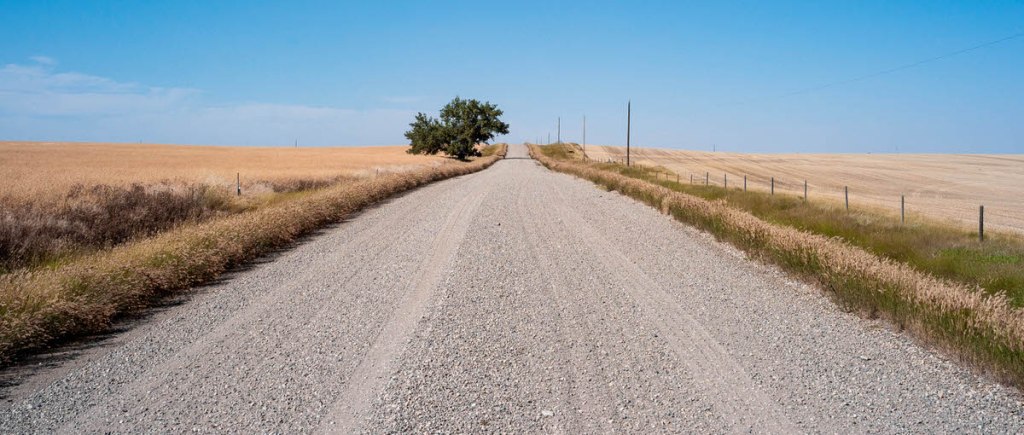
A COVID pivot provides minimalist moments among the modulation and ramble of foothills roads in southernmost Alberta.
Quote to Consider / Inspire – “Photography, as we all know, is not real at all. It is an illusion of reality with which we create our own private world.” – Arnold Newman, Frames Magazine, January 2021
Listening to – Jools Holland & Kylie Minogue’s take on the Clash’s ‘Should I Stay or Should I Go.’
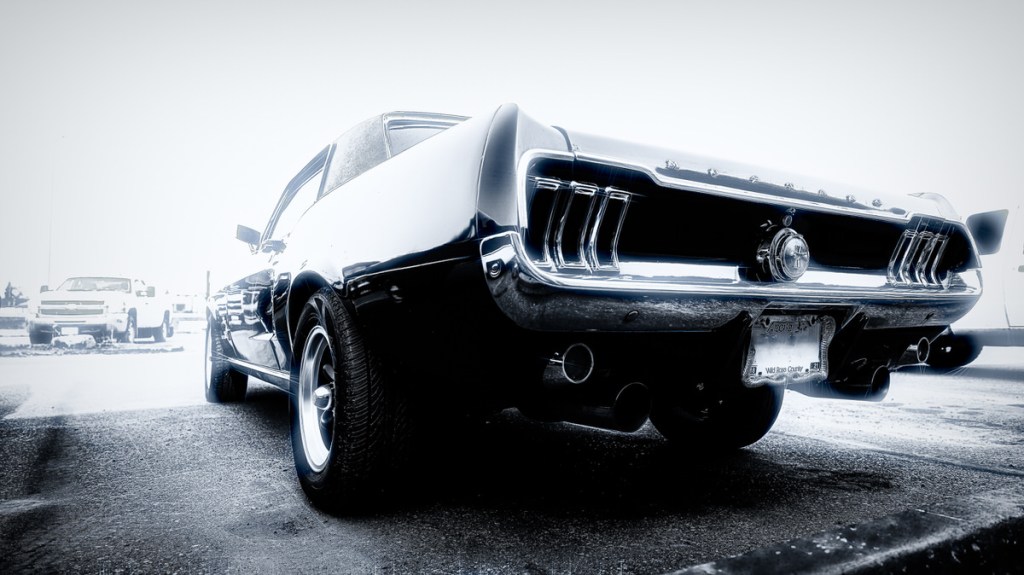
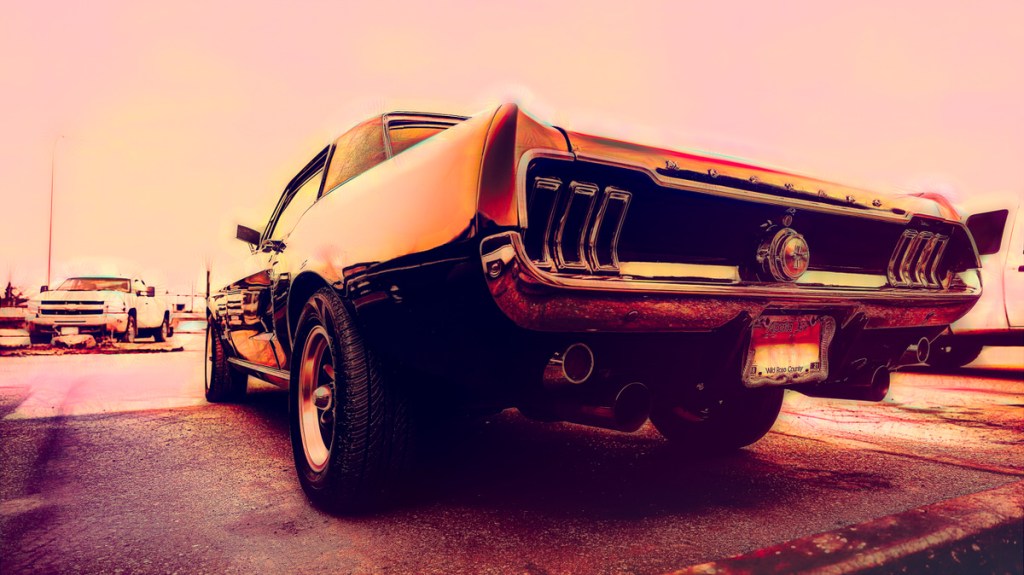
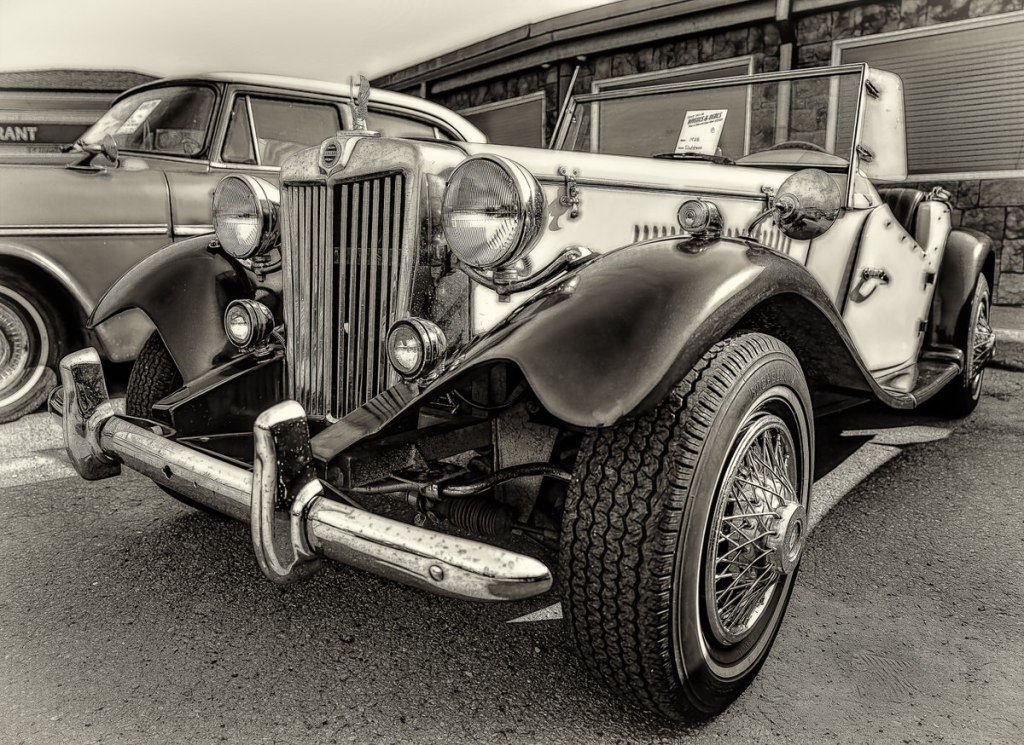
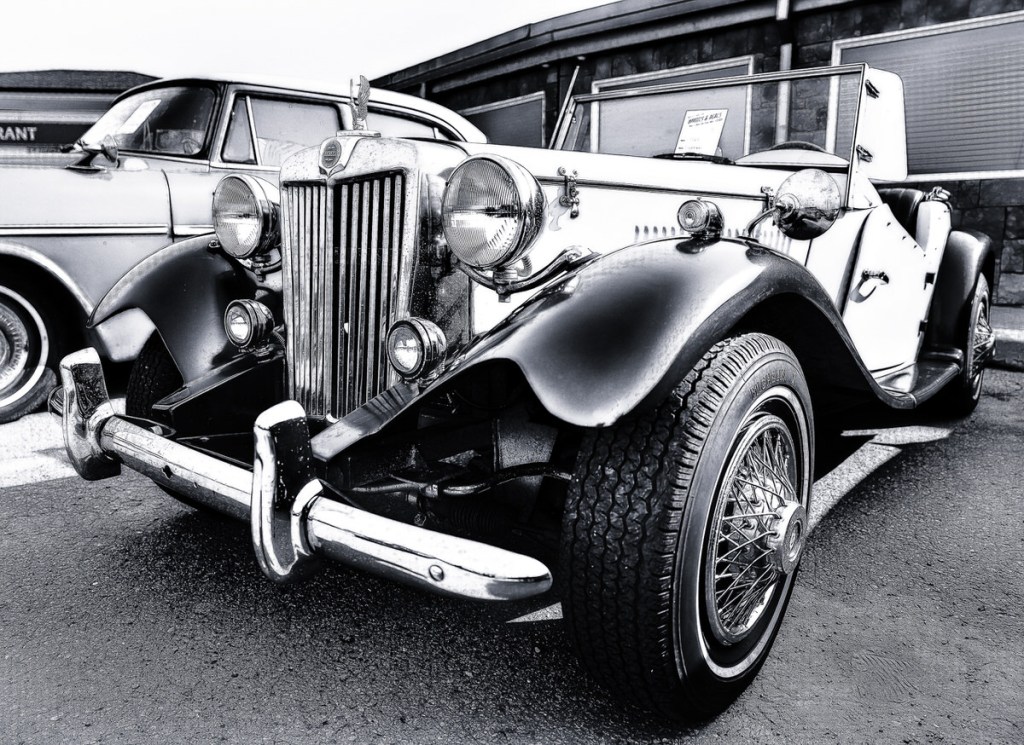
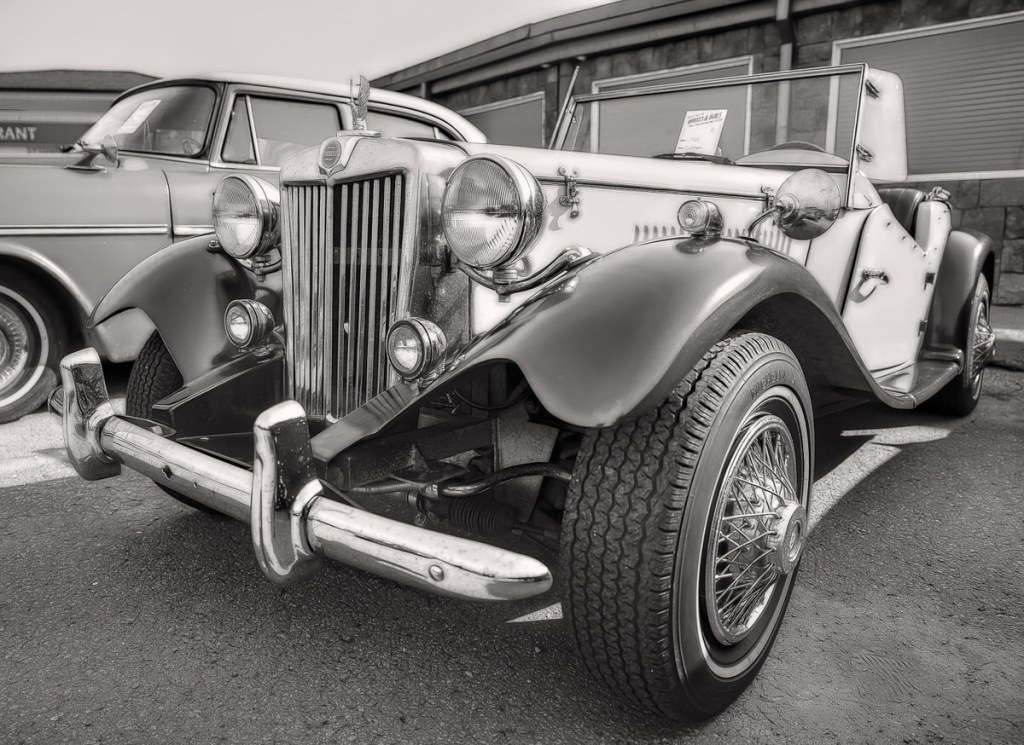
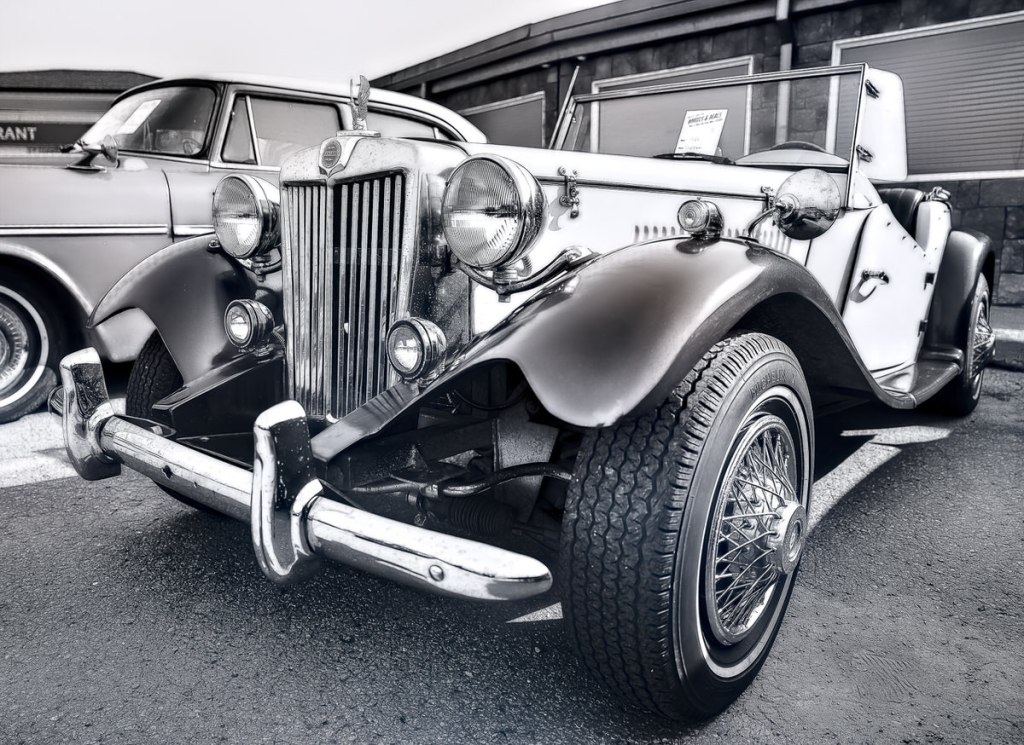
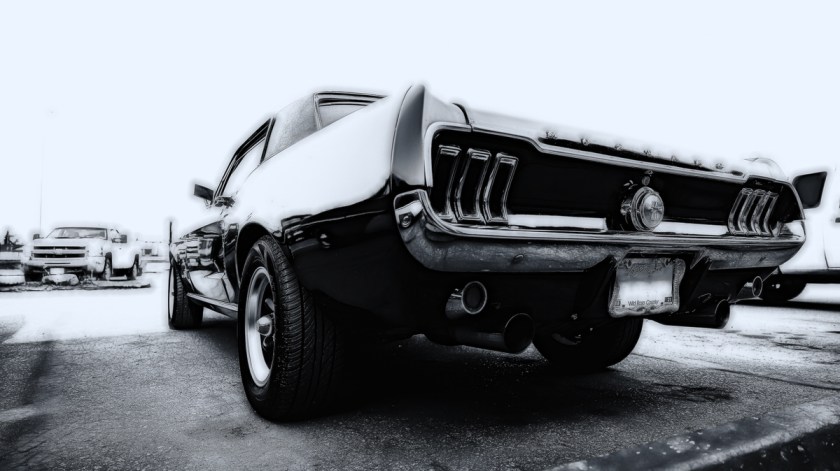
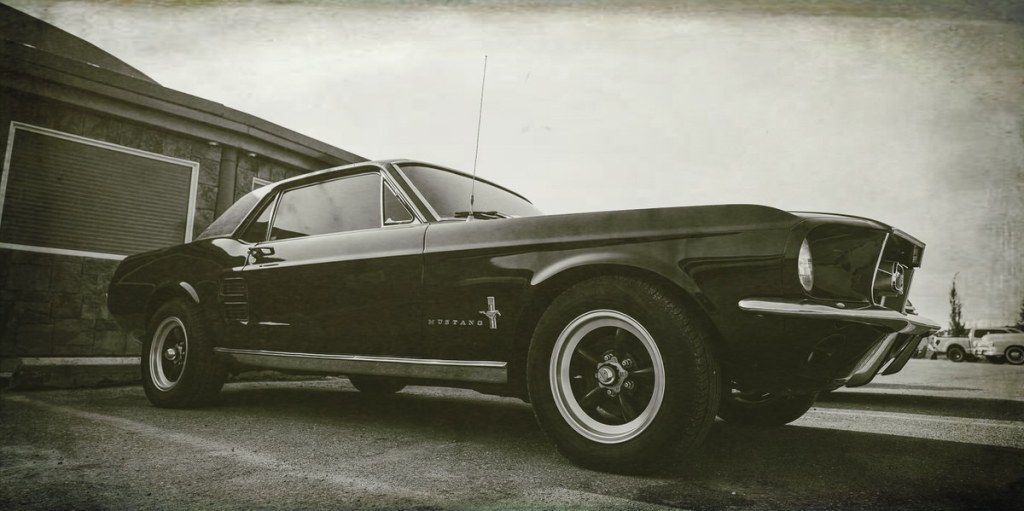
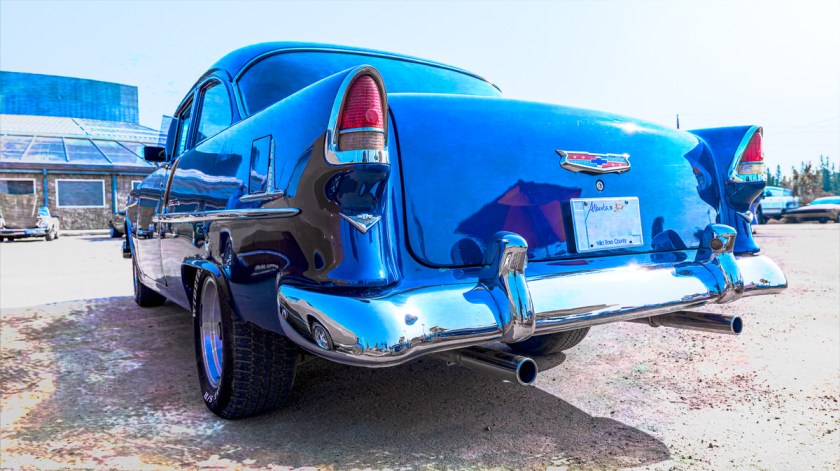
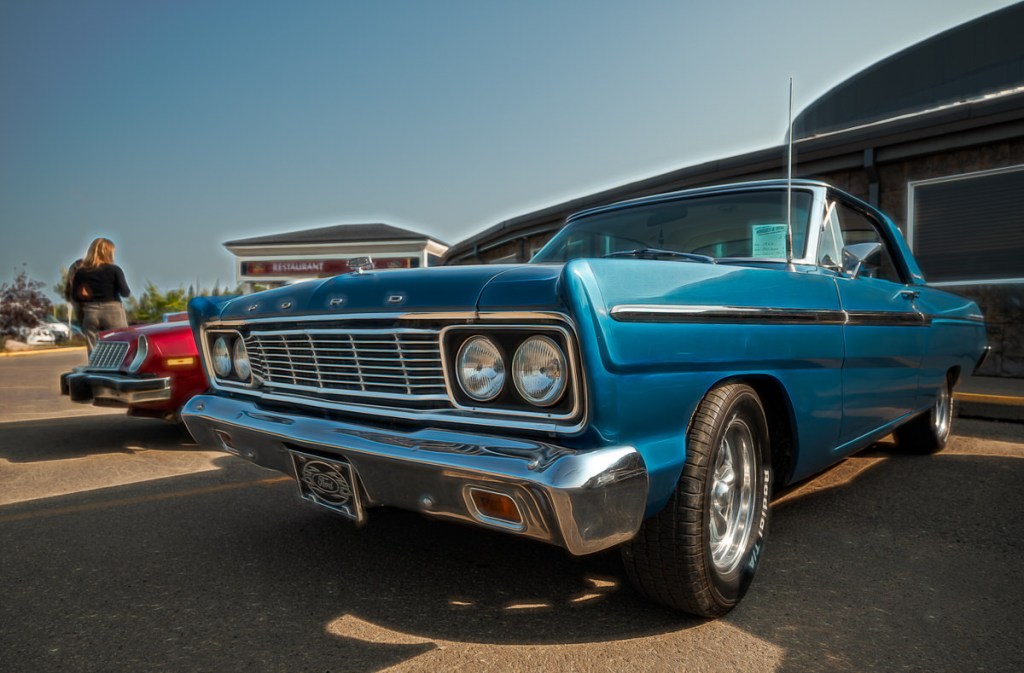
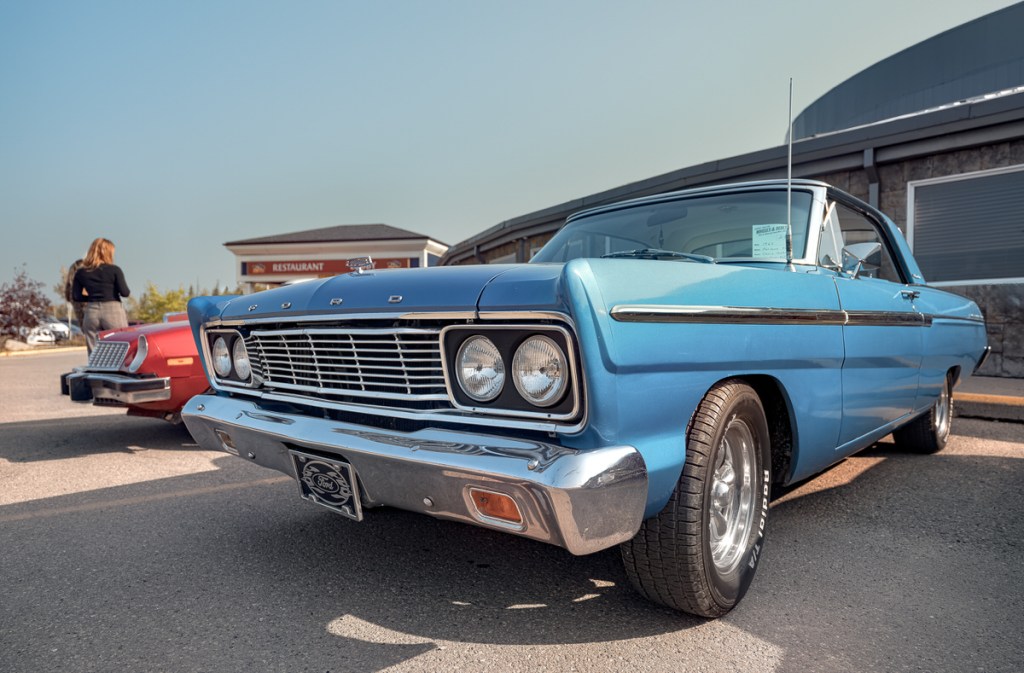
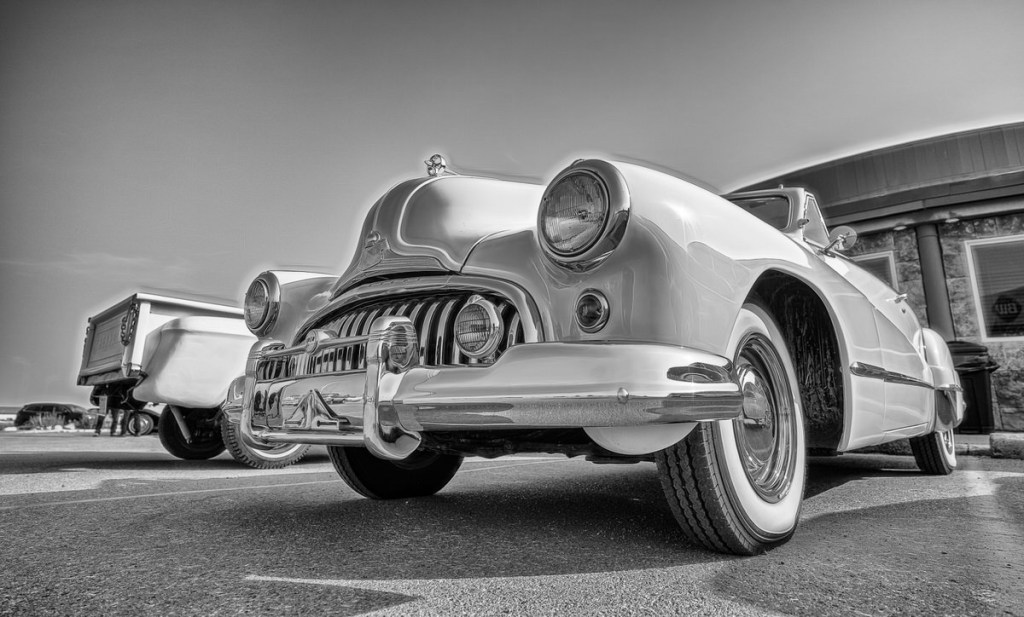
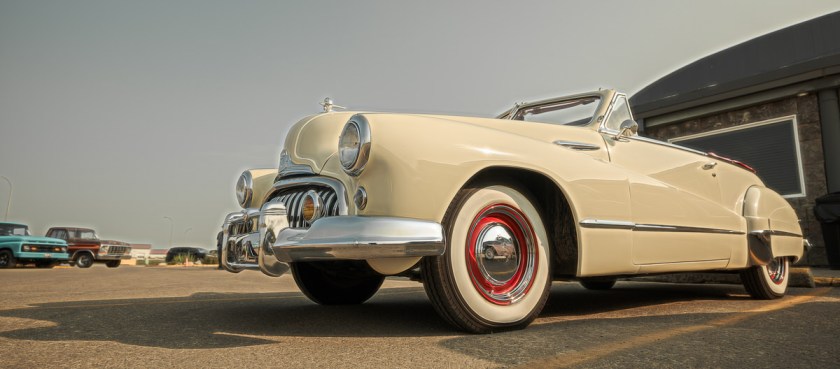
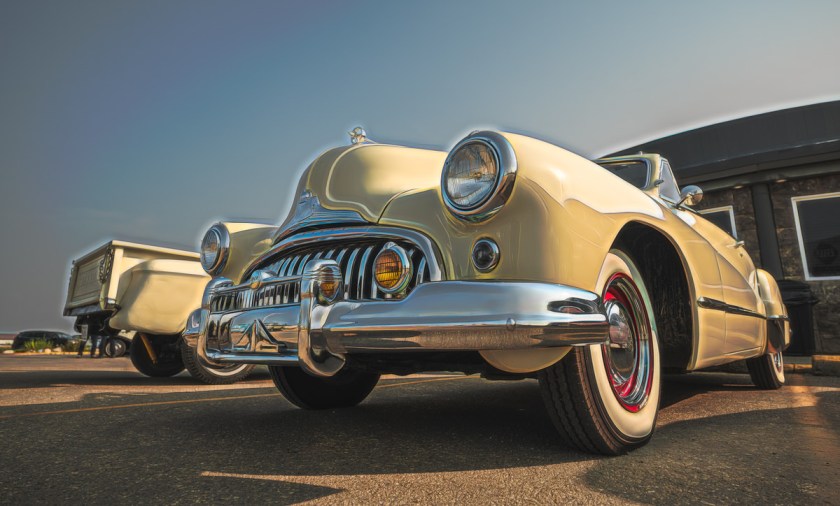
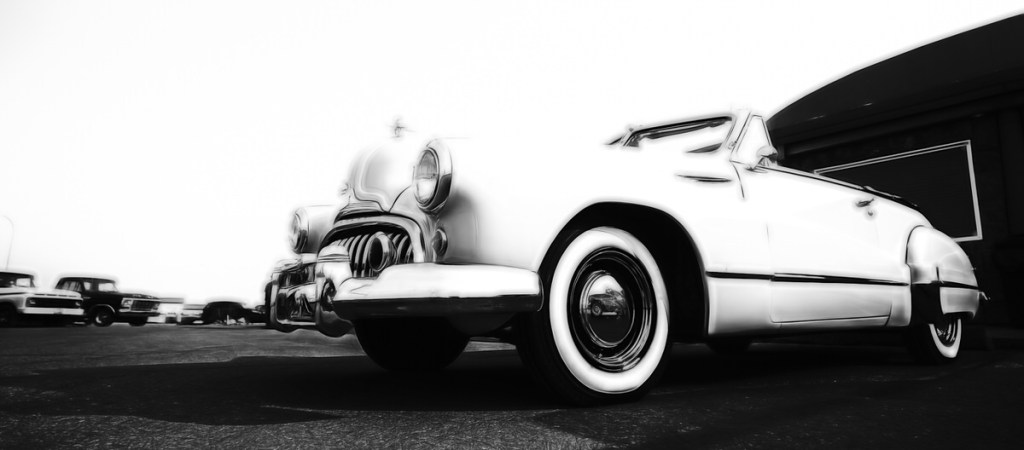
Vintage Vehicles at Ricky’s All Day Grill – Edmonton, Alberta 3
Vintage Vehicles at Ricky’s All Day Grill – Edmonton, Alberta 2
Vintage Vehicles at Ricky’s All Day Grill – Edmonton, Alberta 1
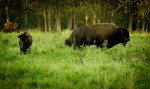
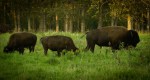
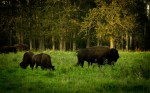
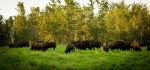
Are you someone who does this? Do you keep an idea file for photographs you’d like to try? I’ve found myself doing this at times when travel cannot afford the time to stop and snap a few photos. At other times, I will realize that the subject of a shot works but that the conditions may not work ideally. And, if I’m lucky I’ll be able to ask my daughter to write down a note in a moleskin notebook while we drive about location and subject and particulars; the moleskin stays in the vehicle and I can refer back to it. Wildlife photographer, Moose Peterson in an interview on Shutter Time with Sid and Mac (Sidney Blake and Maciek Sokulski) spoke of being encouraged to keep an idea file for photographs and to revisit the file and plan for opportunities to make the shot or shots happen. The bison at Elk Island National Park (east of Edmonton, Alberta) are subject for one set of photographs found here. The bison have been a part of my idea file since I’ve been listening to Sid and Mac’s exploits in repeated and regular photo sessions at the park. For me, in terms of the camera work the learning is about shutter speed. Within the golden hour of sunlight and with the continual movement of the bison in their grazing there is a need for a faster shutter speed in terms of capturing crisp images.
The issue I am grappling with when traveling is that I will often be days or weeks from my photos before I can edit and see images. I am still considering the value of a laptop from the perspective of allowing greater immediacy of editing while traveling. There is learning to be derived from the editing process and it may be that working with a laptop with different subjects will foster good results in second or third visits/photo sessions.
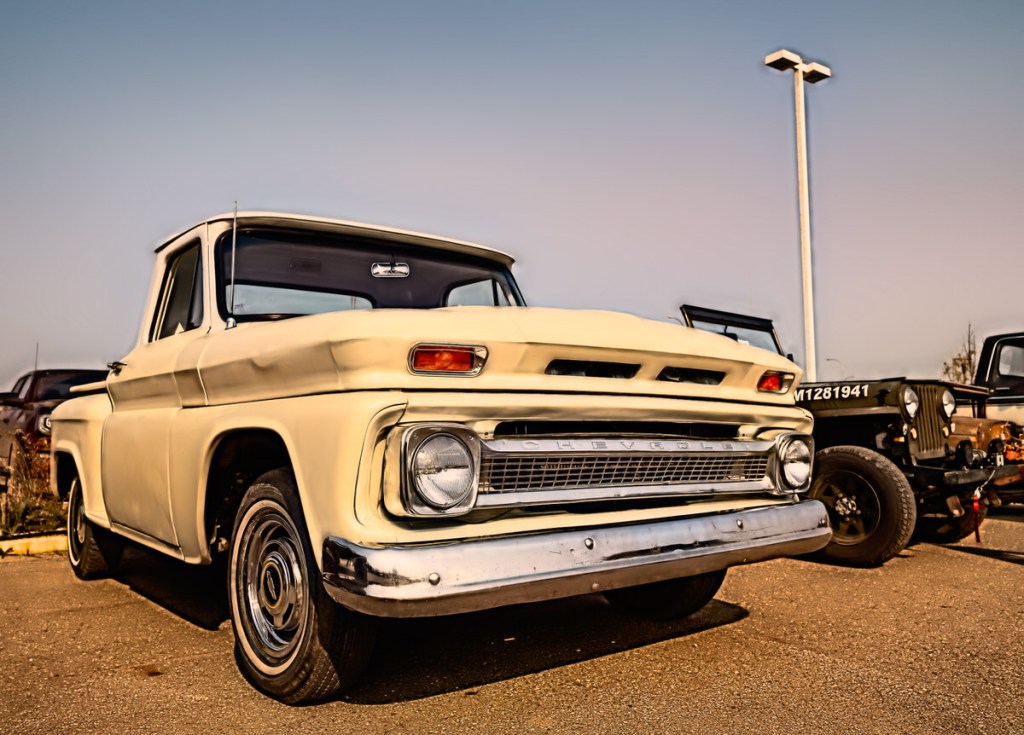
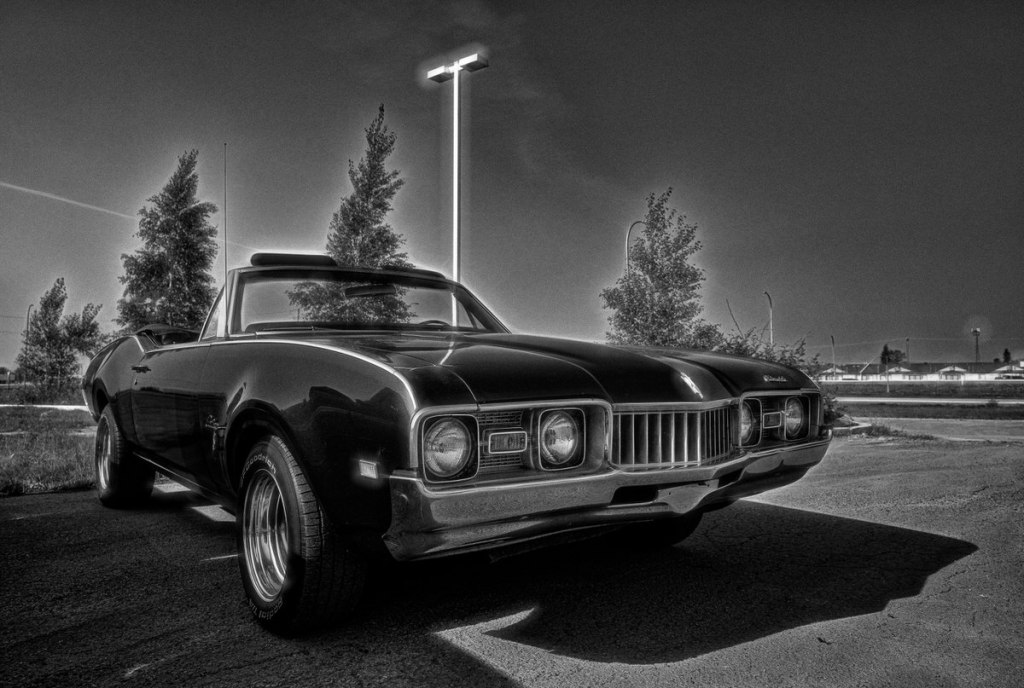
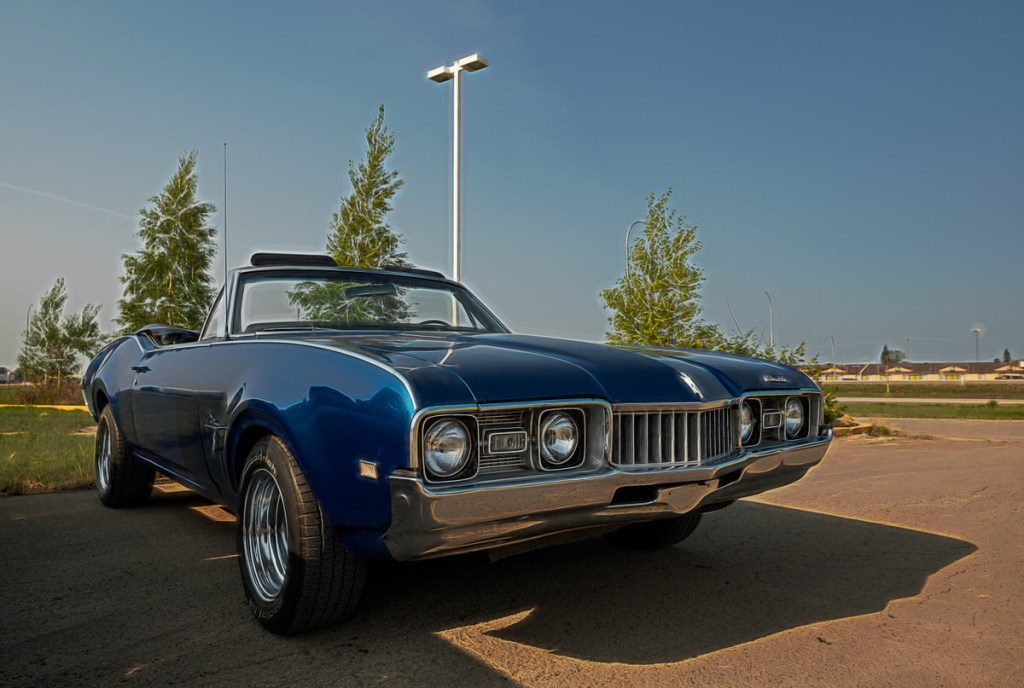
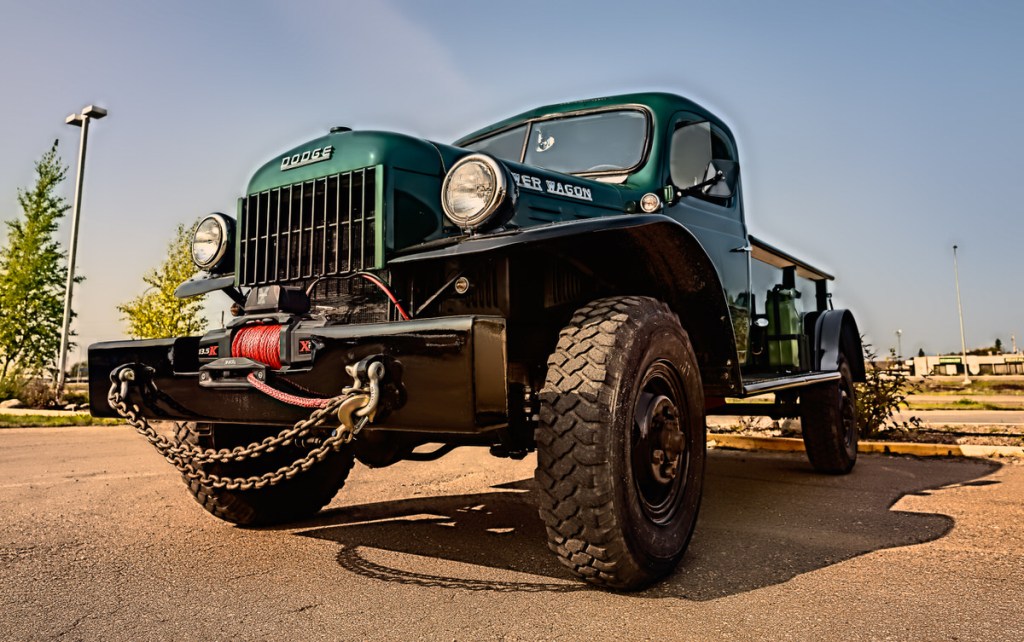
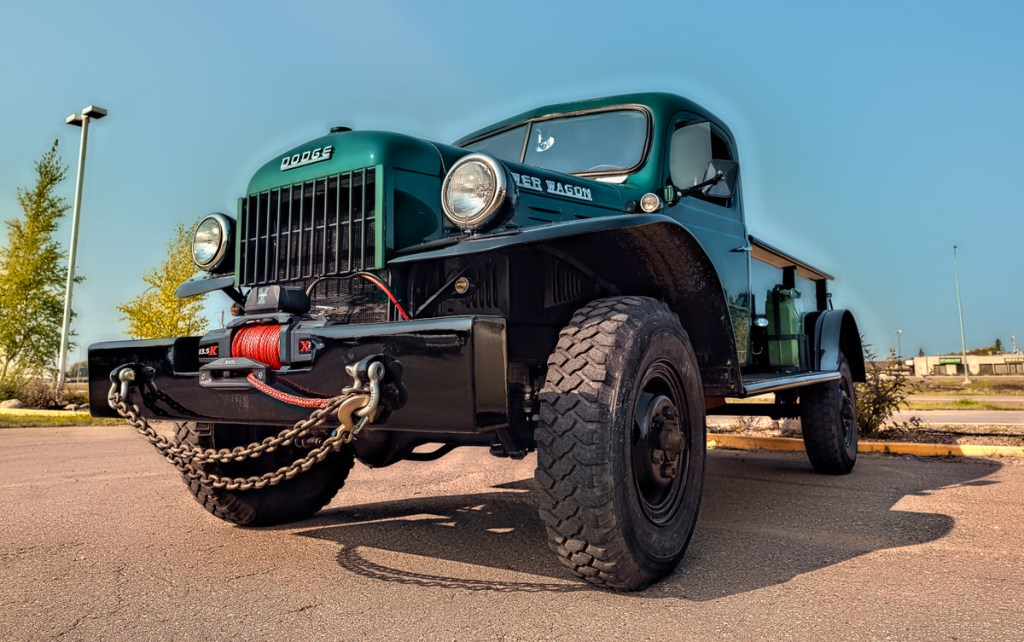
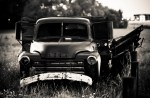
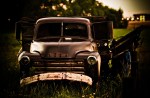
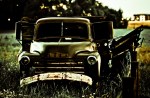
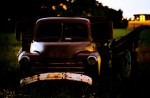
The remaining pictures are catch-all – images that have been kicking around, interesting to look at; the vintage late 30’s sedan, the T-bird and the late sixties Dodge Dart were parked outside Ricky’s All Day Grill and are the work of one person. Imagine being able to say to two of your best buddies, “Hey let’s take a few of my cars for a spin,” and then take them out to breakfast. Cool! Beyond these, there are other renderings of the fifties one-ton truck, a rusting relic.
Listening to – John Mayer’s Queen of California, a song reminding of the Doobie Brothers back in the seventies.
Quote to Inspire – “All photographs are memento mori. To take a photograph is to participate in another person’s (or thing’s) mortality, vulnerability, mutability. Precisely be slicing out this moment and freezing it, all photographs testify to time relentless melt.” – Susan Sontag




















































 In My Back Pocket - Photography
You must be logged in to post a comment.