The camera bag sits in the corner, its leather cool to the touch. Weeks have passed — maybe months, maybe years — since you last heard the shutter click. The battery is dead. The SD card is a graveyard of half-finished ideas. Meanwhile, the smartphone in your pocket vibrates incessantly, a black mirror that demands your attention every waking moment.
Ruth Guest has seen this pattern countless times. A photographer with an MSc in Cyberpsychology, she has spent her career studying how technology shapes our behaviour, identity, and sense of self — and has lived it. “I spent years shooting high-end fashion and portraits across Europe, feeling absolutely nothing,” she says. After a failed tech startup and a bruising corporate job, her DSLR gathered dust for four years.
“Your camera isn’t broken,” she says. “Your relationship with it is. To come back, we have to stop looking at the glass and start looking at the soul.”
1 – The Problem Isn’t Your Eye — It’s Your ‘Why’
When creative momentum stalls, the instinct is to look outward. We ask how to improve, buy a sharper lens, or chase new post-processing techniques. But ‘how’ is a technical question that masks a deeper void. The only question that matters is: “Why did you stop?”
Photography often loses its appeal when it shifts from a practice of love to a performance for validation — shooting for likes or to meet a client’s expectations. When external rewards dry up, the internal engine stalls. The longer the camera sits in the drawer, the harder it becomes to close that gap.
No amount of new gear will fix this. Until you name the real blockers — fear, resentment, exhaustion — you won’t want to shoot again. The problem was never your technique or your eye. You simply lost sight of why you picked up the camera in the first place.
2 – You Are Caught in the ‘Mass Drift.’
Every time you unlock your phone, you are flooded with other people’s visions, aesthetics, and curated lives. In cyberpsychology, this relentless ‘identity performance’ is well documented — and it quietly erodes your sense of self.
Guest calls this the Mass Drift. When your eye is saturated with a billion other images, your unique way of seeing begins to fade. “The algorithm has become your creative director,” she says, “… even though you never hired it.” “It is not neutral — it is,” as she puts it, “… a parasitic creative director reshaping what you think your work and your life should look like.”
The drift isn’t just about taking uninspired photos. It is a drift from yourself. Your visual voice hasn’t vanished; it is buried. The first step toward recovery is a deliberate Media Fast — closing the black mirror long enough to let your own visual hunger return.
3 – Your Camera is a Mirror, Not a Window
We tend to think of photography as looking outward at the world. In reality, the camera points back at us. The subjects you choose, the light you seek, and the themes you return to — all of it reflects your internal landscape: your desires, fears, and values.
Guest discovered this through what she calls an Archive Audit, a process of reviewing her own body of work. She noticed she had been obsessively photographing couples during a painful breakup, then shifted to themes of friendship and coming-of-age when her brother emigrated. She hadn’t consciously chosen these subjects — her subconscious was using the camera to process her life.
She also identifies a related pattern: using the Camera as Armour, placing the lens between yourself and a world that feels too overwhelming to face directly. An honest Emotion Audit — asking what you were feeling when you took your best shots — can transform photography from a passive hobby into a vital, truthful practice.
4 – The ‘Contained Practice:’ Addition by Subtraction
When we feel creatively stagnant, the reflex is to add: a new location, a faster sensor, or a different genre. Guest argues the opposite. The secret to restoring the eye is constraint.
She calls it the Contained Practice, governed by the 1-1-1 Rule: one camera, one lens, one film stock. Strip away the burden of choice, and you eliminate gear fixation, freeing the brain to engage with the world in front of it.
For Guest, this meant selling all her digital equipment and buying a secondhand 1983 Leica without a light meter or backup. “It wasn’t the smart choice,” she admits, “but it was necessary.” That limitation forced her into what she describes as the Three Stages of Seeing — a discipline of noticing the world before even raising the camera.
For those feeling overwhelmed, she offers the 3-30 Rule as a starting point: give yourself three minutes to find a shot within a 30-foot radius, or limit yourself to three frames in 30 minutes. Less equipment, less time, fewer frames — and, paradoxically, more of yourself in every one.
5 – Shooting to ‘Escape Death:’ Finding Your True Philosophy
The deepest reason we take photographs is rarely spoken aloud. We are, Guest argues, trying to escape death — leaving proof that we were here, that we saw things, and that our particular way of seeing was ours and no one else’s.
This is the photography philosophy that outlasts every trend. When you begin to see your body of work as a legacy — a testament to your existence — the pressure to perform for an audience quietly dissolves. The practice ceases to be something you do and becomes an honest extension of how you live.
The Camera Has Waited Long Enough
Returning to photography is not about mastering technical settings. It is about stepping out of the Mass Drift and back into an honest, personal practice — finally deciding that you are done waiting to live the life you truly want.
Your love for the craft is still there, tucked away in that bag with the dead battery and the dusty lens. Before you pick it up again, Guest leaves you with one last, uncomfortable question.
What does your current body of work — or its absence — reveal about who you are right now?
The camera has waited long enough. It is time to see again.
Sources / Further ReadingThis article was inspired by Neale James’s interview with Ruth Guest on the Photowalk podcast. The frameworks and concepts discussed here are drawn from her work; her returning-to-photography workbook is available at ruthguest.com/returning-to-photography-workbook.
Quote to Inspire / Consider: borrowed from the Photowalk because it is relevant within the podcast, to the work of Ruth Guest and for what our photography is about. “What you have caught on film is captured forever. It remembers little things long after you’ve forgotten everything – Aaron Siskind.”
Listening to: Hollow Coves’ ‘Pictures,’ and Roo Panes’ ‘Message to Myself.’
The following started as a conversation about a specific decision — trading unused lenses at a camera store rather than selling them privately. It turned into something more broadly useful. I’m sharing it here so I can return to the thinking, and in case it helps anyone else in the same loop.
The Shape of the Problem
The decision to trade unused lenses at a camera store — rather than sell them privately — appears, on the surface, to be a financial one. In practice, it’s a psychological one. The hesitation stems from two opposing forces: fear of being taken advantage of by the store and guilt over losing the original investment in the gear. Together, they create a kind of paralysis that no amount of spreadsheet math can resolve on its own.
For anyone living outside a major urban centre, the calculus shifts considerably. Online platforms like MPB and KEH Camera don’t operate in Canada. Local buyers are scarce or non-existent. Shipping is a genuine friction point. The camera store becomes not a predator but, as it’s worth framing, a liquidity provider: a business that assumes the risk of time, shelf space, and eventual resale so you don’t have to.
Reframing the Trade-In
The instinct to watch your old gear reappear on the store’s website at a 40–60% markup is understandable, but it’s worth clarifying what that markup actually represents. The store bought your gear at a price that compensates them for the months it might sit in a display case, the staff time spent testing and listing it, the risk it might not sell, and the overhead of running a physical retail operation. That margin is not profit extracted from you — it is the cost of a service you’ve effectively hired them to perform.
Think of it less as “losing money on the trade” and more as paying a commission to an intermediary who handles the work you couldn’t or wouldn’t do yourself. Seen that way, the markup isn’t a sting — it’s a fee receipt.
The Real Value of Unused Gear
A lens sitting in a bag has a functional value of zero. This is the part that overthinking tends to obscure: unused gear is not a savings account. It depreciates whether you use it or not, and keeping it out of a sense of “protecting the investment” is the classic sunk-cost fallacy in photographic form — like holding onto a gym membership you never use because you already paid the sign-up fee.
A more useful way to look at it: take the total amount you feel you’re “losing” and divide it by the number of months you’ve owned the gear. In most cases, you’ll find that you effectively rent those lenses for between $5 and $15 a month. That’s a reasonable rate for the enjoyment they provided while you were using them. The loss isn’t a loss — it’s the final invoice for a rental that quietly ended some time ago.
A Pre-Visit Strategy
Before walking into the store, spend fifteen minutes researching. Check eBay’s “Sold” listings — not the asking prices, but the completed sales — for each piece of gear you’re trading. A reputable shop will typically offer 40–60% of that private-sale resale value. Use that range to set your floor: a number below which you’ll politely decline, and above which you’ll say yes without hesitation and without looking back.
This is important: make the decision before you’re standing at the counter. If you set your threshold in advance, the in-store negotiation becomes a simple binary — acceptable or not — rather than an anxious improvisation.
Once the trade is complete, take a photograph with the new lens the same day. The shift from thinking about assets (what you own) to making art (what you’re doing) is the fastest way to close the mental ledger on the transaction.
A Note on Watching the Aftermath
The single most corrosive thing you can do after a trade-in is monitor the store’s used inventory to see what your old gear sold for. There is no outcome from that exercise that makes you feel better. If it sells quickly for a high price, you’ll feel taken advantage of. If it sat for months at a reduced price, you’ll feel validated but gain nothing. Either way, you’ve spent mental energy on a transaction that is already closed.
A reasonable rule: once the trade is complete, consider those specific model numbers off-limits in your browsing for at least 90 days. By then, the photographs you’ve taken with the new lens will have replaced the memory of the trade-in price.
The Bottom Line
You are trading clutter, stagnation, and the ongoing mental overhead of unused gear for simplicity and a tool you will actually use. In a northern location where time and ease carry a premium, that exchange has real value beyond the dollar figures. The store will make money on your trade. That was always going to be true. The question is whether the clarity and creative momentum you gain in return are worth the commission — and, honestly, in most cases they are.
Set your floor. Make the trade. Go take photographs.
Quote to Inspire: “The logical solution is to sell what you are not using. It’s sitting there depreciating in value, taking up space and gathering dust when it could probably be helping someone else get into photography and capture great images.” — Angela Nicholson, Amateur Photographer Magazine
Listening to: an audiobook about a photographer, ‘Still Life with Bread Crumbs,’ by Anna Quinlan.
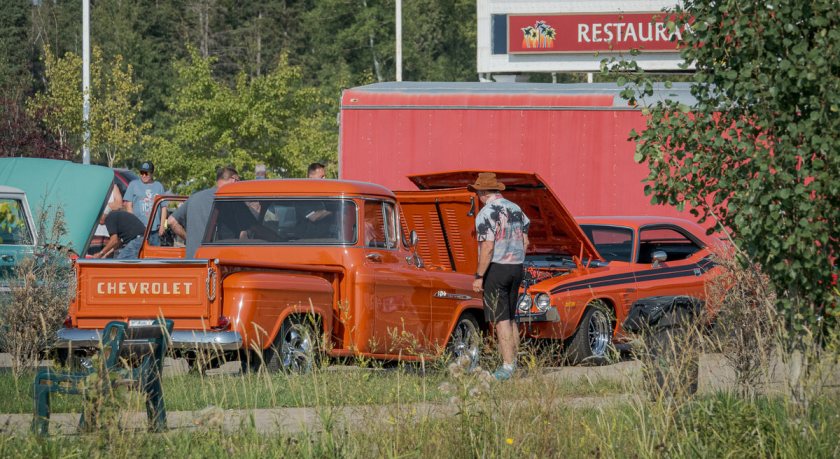
It all started with a simple question from my neighbour about an upcoming ‘Show and Shine.’ As we discussed his classic ‘Cuda and its stubborn engine, my thoughts drifted to the real challenges of photographing such stunning machines. ‘How do you capture the soul of a car and the stories it holds?’This year, with the event moved to a beautiful autumn setting, I decided to go beyond the usual snapshot. I reached out to an AI assistant with a specific prompt, blending modern technology with inspiration from masters like Tim Wallace to find a new perspective on automotive photography. Join me as I share the results of this experiment and reveal some of the tips and tricks I found for capturing the heart and soul of a car show.
A Dynamic, Live, Often Chaotic Arena
An outdoor ‘show and shine’ event represents a profound challenge to the traditional, controlled commercial photoshoot. Unlike the sterile precision of a studio, this environment is a dynamic, live, and often chaotic arena. A fundamental understanding of this chaos is not a suggestion but a necessity, as it is the first step toward transforming a series of liabilities into a wellspring of creative opportunities.
The most immediate problem is the sheer proximity of subjects and the relentless presence of crowds. Vehicles are typically parked tightly together, which leaves very little of what is called “breathing room” in the frame. The constant flow of attendees—owners, enthusiasts, and other photographers—makes capturing a clean, uncluttered shot feel like a rare commodity. This necessitates a strategic, rather than a reactive, approach to composition. The challenge of unfiltered light also defines the environment. Midday sun is a known adversary in outdoor photography, creating harsh, unflattering shadows and distracting specular highlights, or ‘hot spots,’ on a vehicle’s highly reflective surfaces. When the sun is high, a car’s body becomes a mosaic of extreme contrast, and its sculpted form is lost to the tyranny of glare. Finally, the distracting backdrop is an ever-present issue. A prepared photographer typically scouts an ideal location in advance. Still, a show floor is filled with visual clutter—other cars, people, trash, vendor signs, and overhead power lines—all of which act as a constant source of distraction, pulling the viewer’s eye away from the intended subject.
Lenswork … Amid People & Cars
Success at a ‘show and shine’ event is less about reacting to problems as they arise and more about preparing with a deliberate, intentional strategy. This is not a spontaneous endeavour but a tactical operation where every step is pre-visualised and executed with purpose. The most critical, yet deceptively simple, strategy is to arrive as early as possible and remain as late as possible. The hours before and after the main crowds and the most intense midday sun are the prime opportunities for capturing a clean frame. This window allows for shots without the typical distractions, providing a canvas closer to the desired final image.
Within the event itself, patience becomes the most valuable tool in the photographer’s kit. Rather than rushing from one vehicle to the next, the most effective approach is to find a desired angle, set the camera on the tripod, and wait for a momentary lull in the foot traffic. The shot will eventually present itself. This requires a level of perseverance and commitment that distinguishes a professional from a hobbyist. Furthermore, engaging with the exhibitors and vehicle owners with a peer-to-peer approach is not just a courtesy; it is a professional tactic. Exhibitors are deeply proud of their vehicles, having often invested significant time and money. By approaching them with respect and genuine interest, a photographer can earn the courtesy of asking them to close a door or hood for a cleaner composition, or to step away temporarily.
This strategic mindset transforms the event from a series of annoyances into a high-stakes, live-action training ground. The environment’s inherent problems—the crowds, the bad light, the clutter—serve as a strategic challenge. By consciously applying advanced techniques, a photographer can reaffirm their “unconsciously competent” status by producing spectacular results under less-than-ideal conditions. The challenge itself is the creative point. This approach also extends beyond the immediate moment. Networking at a show and shine is an intentional practice of planting seeds that may take months or years to bear fruit. A respectful conversation with an owner about their vehicle, a genuine compliment on their hard work, and a professional demeanour can lead to a future private shoot. That private shoot, conducted under complete creative control, is where a truly conceptual, high-value image can be created. Thus, the show and shine is not merely a shooting opportunity, but a vital business development asset — a deliberate part of the “farming” process of client acquisition.
Composition – Artistic & Strategic Vision
For photographers working at their highest level, recommendations must not only provide a path to success but also delineate the common missteps that separate the professional from the amateur. These are not merely technical errors; they are failures of artistic and strategic vision. The primary failure of a mundane photograph is its lack of soul. The most common errors stem from a fundamental inability to view the vehicle as a character with a personality and to compose in a way that creates an emotional connection.
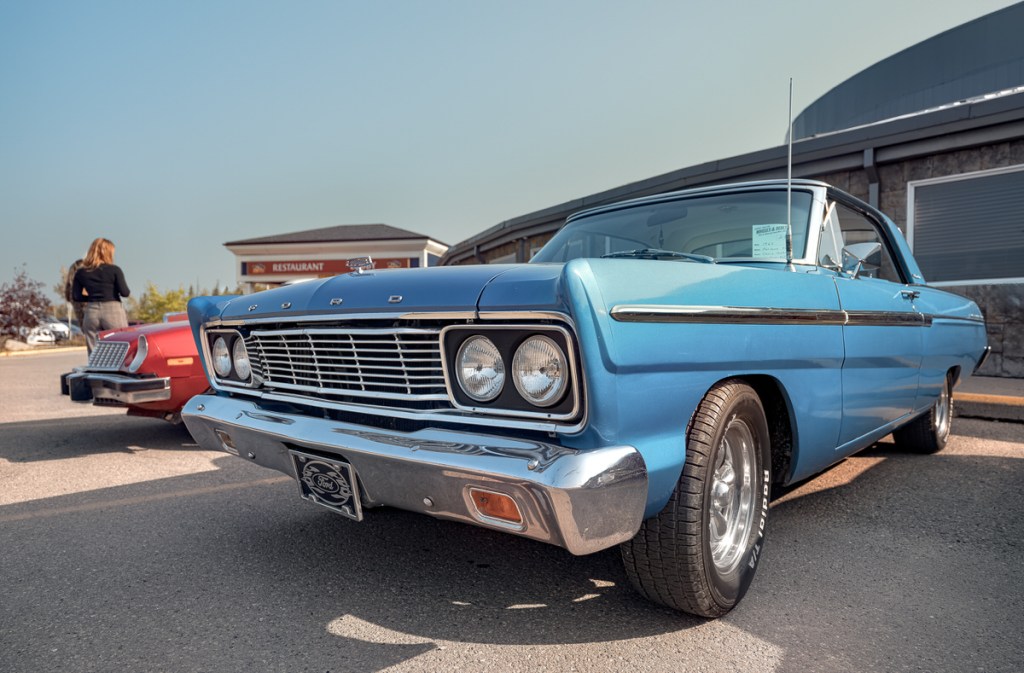
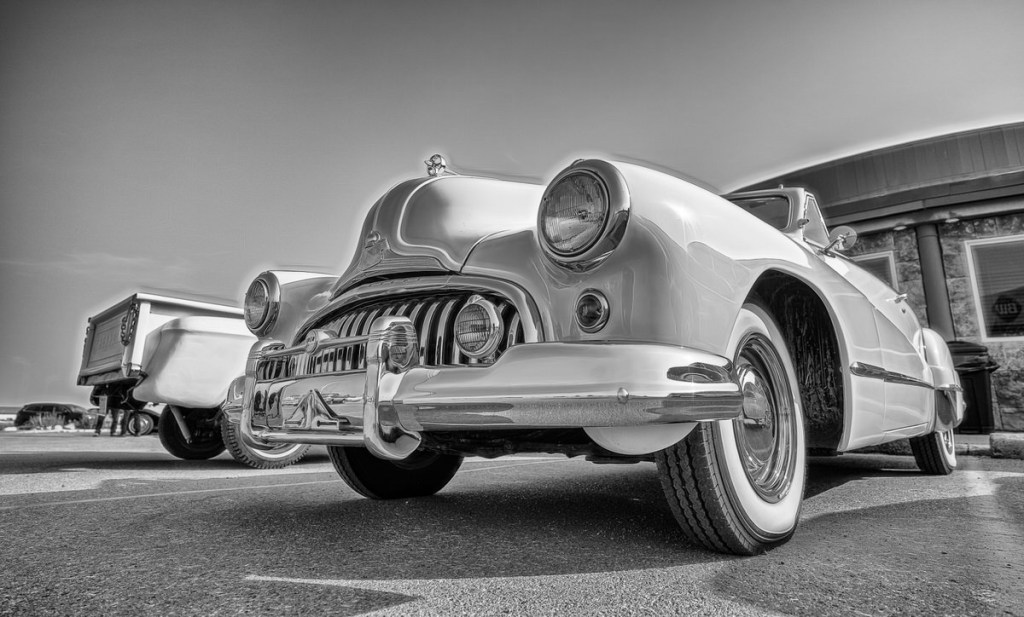
A major pitfall is shooting at eye level. This is arguably the biggest blunder in automotive photography. People view cars from this perspective every day, so a shot from this angle is instantly forgettable and lacks the impact needed to convey the vehicle’s power or the artistry of its design. The car’s surface is a giant mirror, and unprepared photographers often fail to control the reflections, inadvertently capturing their own image, a distracting light post, or the reflection of a nearby vehicle. Such clutter ruins the clean lines and design, cheapening the final image. Similarly, failing to frame the car correctly—clipping a bumper, a wheel, or an antenna—is a rookie mistake. The vehicle must fit entirely within the frame with enough ‘breathing room’ to convey its full presence.
Another common issue is what can be termed ‘show and tell’ photography. While leaving doors, hoods, and trunks open might be a point of pride for an exhibitor to showcase their hard work, it fundamentally breaks the fluid lines of the car and disrupts its natural stance. A professional understands that a car is most beautiful and its sculptural form is most evident when it is ‘closed up.’ The cool stuff under the hood or inside the cab should be captured in separate, dedicated detail shots.
Thinking It Through – Light, Shadow, Glare, Reflection
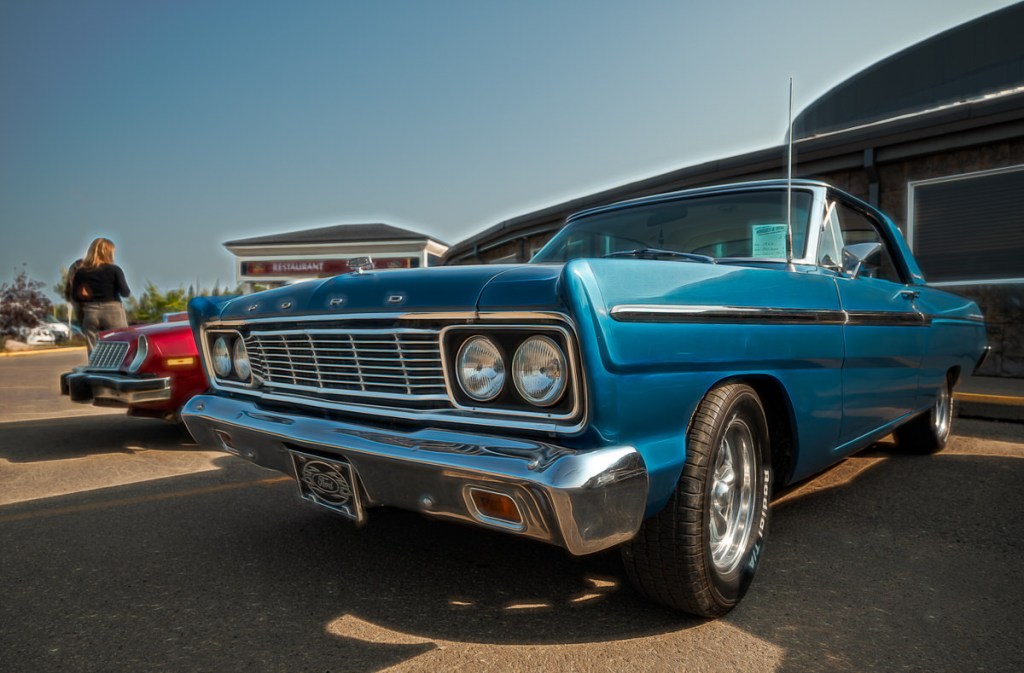
Light is not simply a tool for making a subject visible; it is the primary instrument for creating emotion, contrast, and form. A failure to understand its purpose leads to bland, lifeless imagery. The intense, direct light of high noon creates a flat, harsh look with deep, unflattering shadows that eliminate the car’s sculpted form. Similarly, simply pointing a flash at a subject, particularly a reflective one, can create a flat, artificial result that lacks mood and dimension. While a fill flash can be helpful in brightening shadows, it must be used with expert care, often off-camera, to avoid a novice-level outcome. Furthermore, a reliance on HDR (High Dynamic Range) blending, while capable of recovering lost detail, can often lead to an image that appears artificial, unnatural, and soulless. A professional strives to capture the authenticity of a scene, and with a high-end camera, the need for extensive bracketing is significantly reduced.
Many of these common mistakes—shooting at midday, using on-camera flash, and over-editing—stem from a misguided goal: to achieve flat, even lighting. However, the true purpose of lighting is to control contrast and to use shadows to define form and add drama. The genuine ‘mistake’ is therefore not technical but a conceptual misunderstanding of light’s fundamental purpose. An uncluttered shot is not just aesthetically pleasing; it is a strategic move that signals professionalism and enhances the image’s marketability. An editor or client who sees a clean shot, free of bad reflections or distracting crowds, knows that the photographer understands the high standards required for publication. A good shot is not enough; the image must be a ‘safe bet’ that signals to the industry that you can be trusted to deliver.
Slowing Down – Deliberate Work with Camera & Tripod
The tools a professional chooses are not random selections; they are a deliberate extension of their creative vision. For a high-level automotive photographer, a medium-format camera and a heavy-duty tripod, while potentially seen as a burden by others, are a force multiplier for a master of the craft.
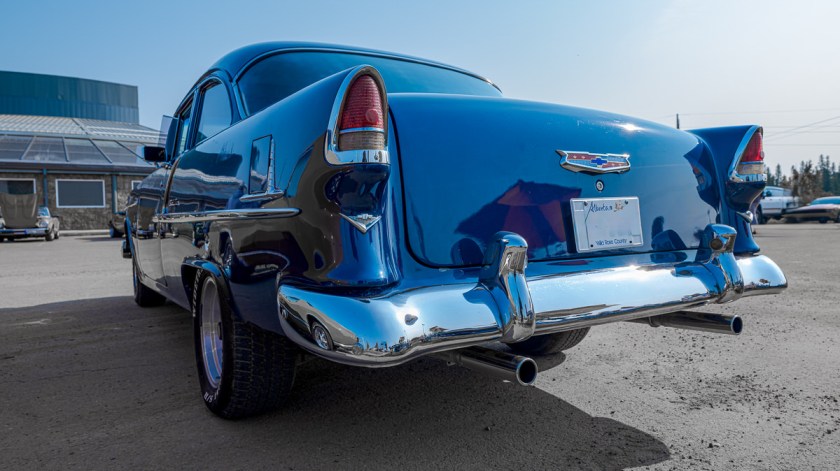
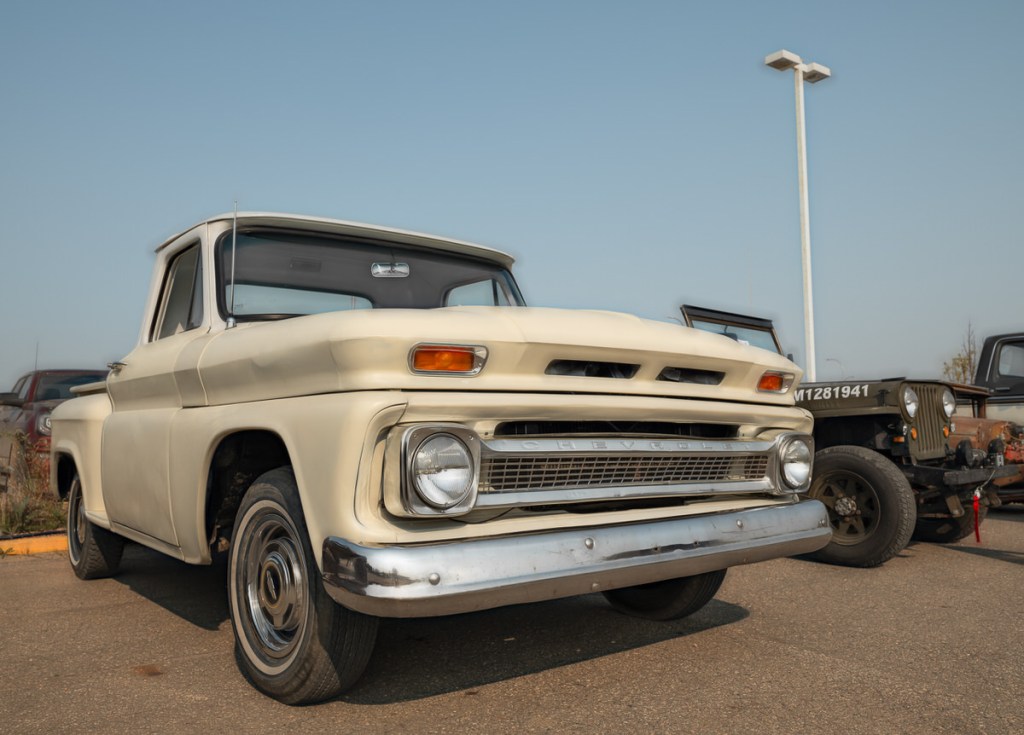
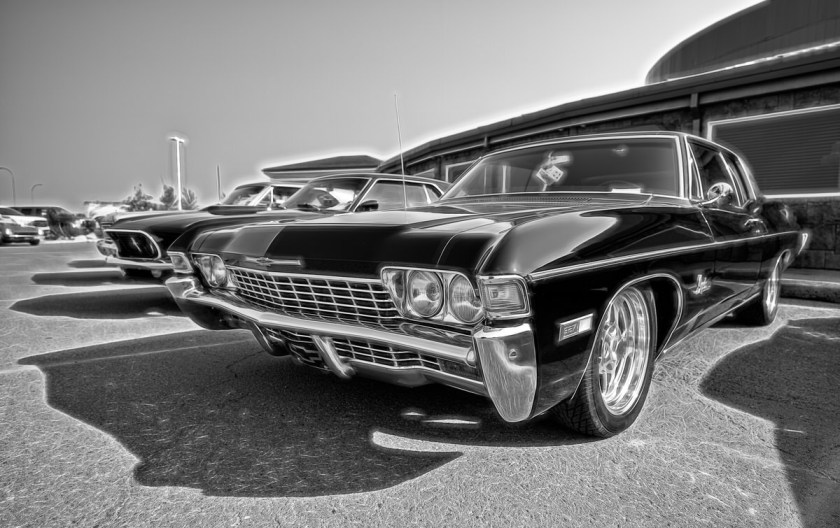
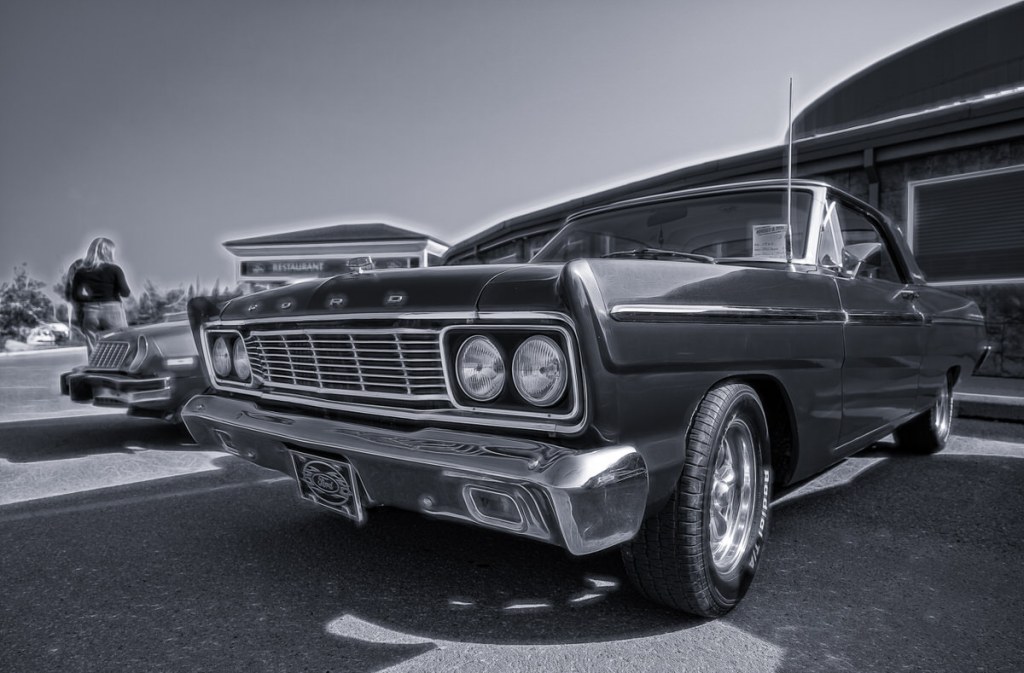
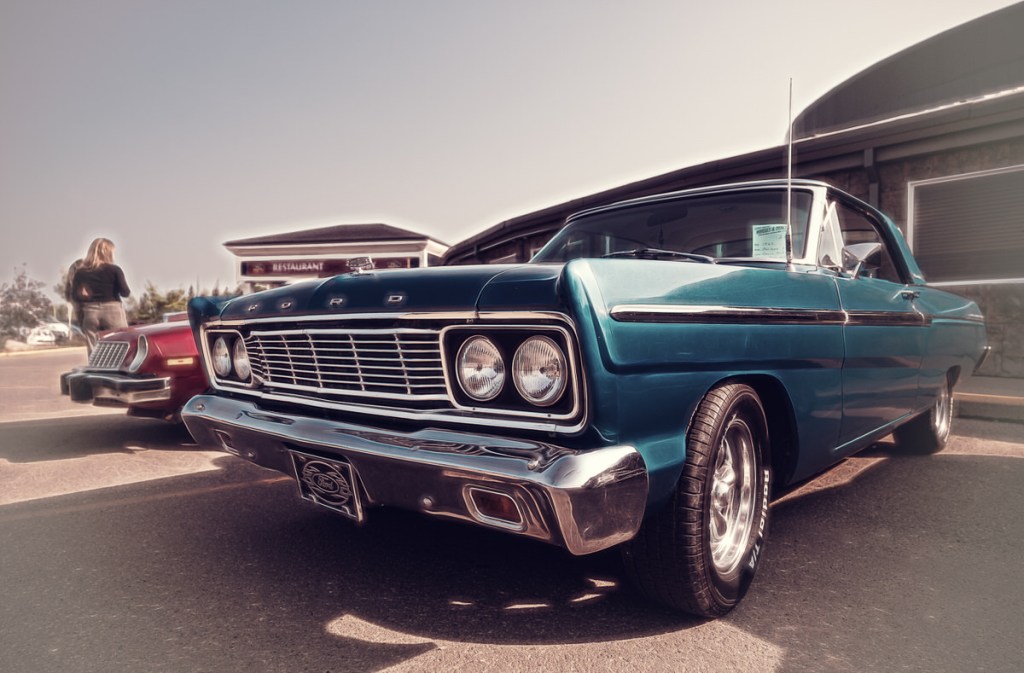
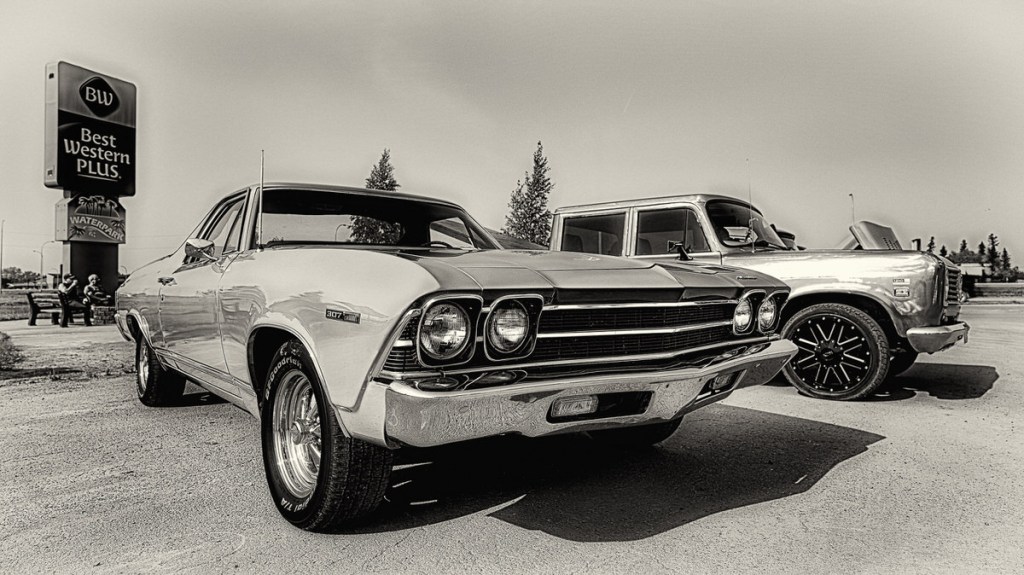
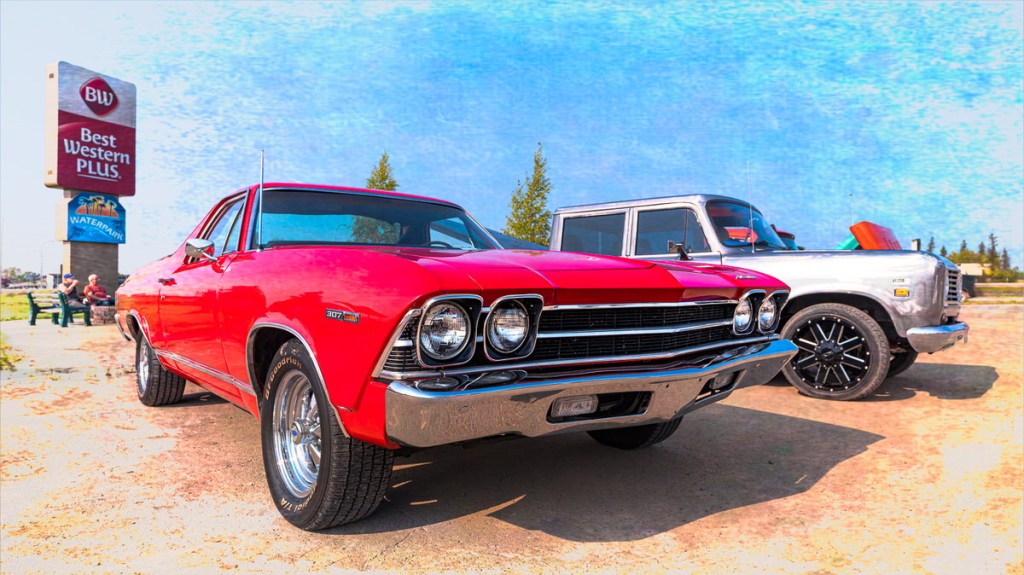
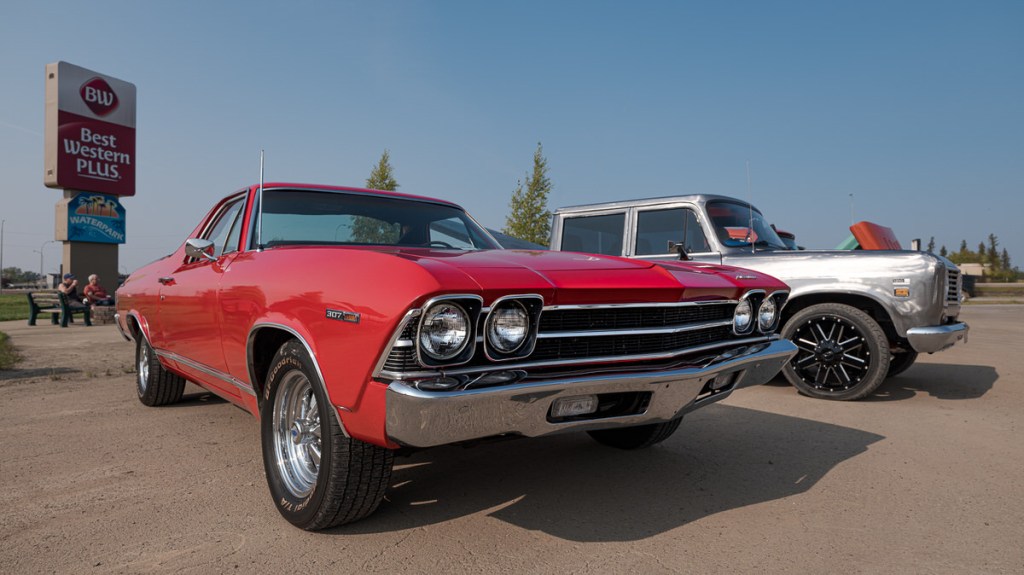
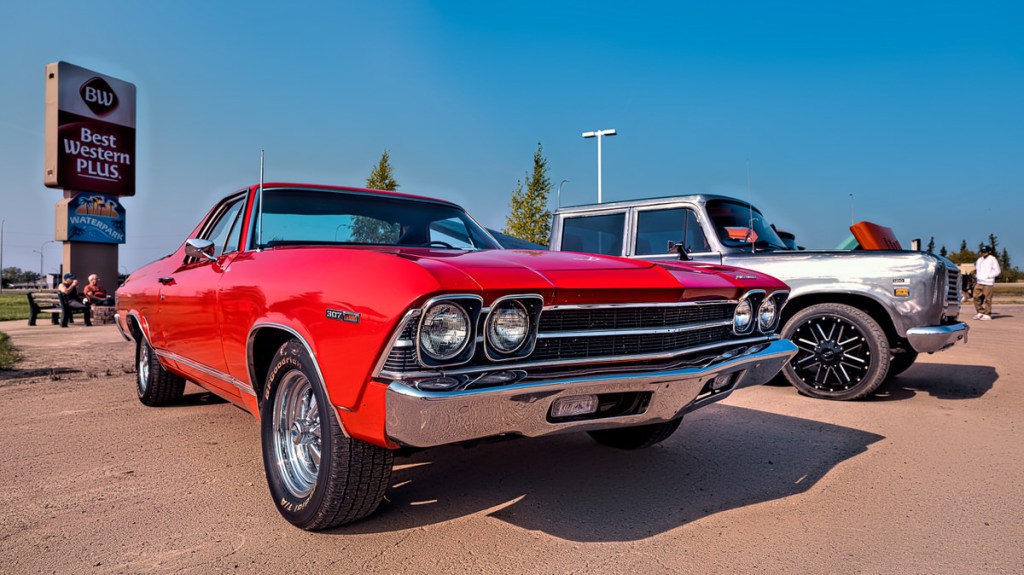
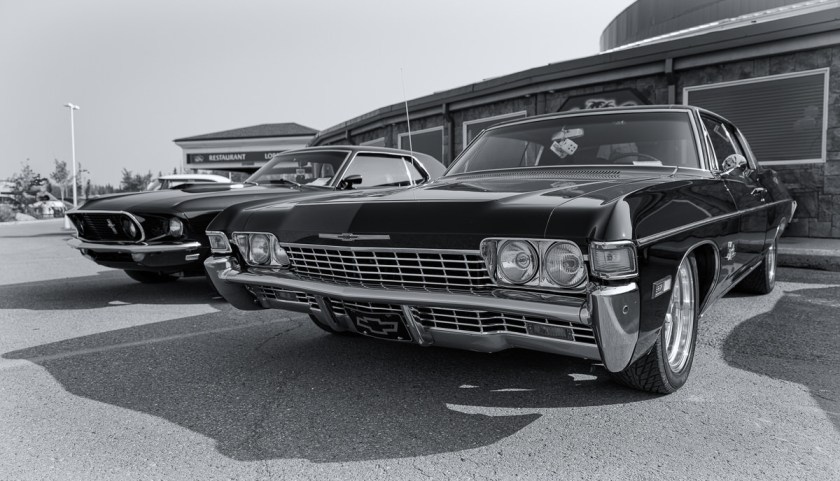
Chevrolet Impala
Medium Format – Toward Unconscious Competence
While I did shoot with two other mirrorless cameras – the 16MP Micro Four-Thirds Olympus OM-D E-M5 and the 61MP Sony A7RIV – I also photographed many of these images with a medium-format camera, the Fujifilm GFX 50R. A medium format camera is more than a tool; it is a precision instrument engineered for professional-grade results. Its capabilities directly enhance the specific creative and technical approach required for this kind of work. With a larger sensor and larger pixels, a medium format camera captures an incredible amount of detail and resolution. This capability allows for massive prints and aggressive cropping in post-production. For a photographer who views every line and curve as a critical part of a vehicle’s sculpture, this is an invaluable asset.
The most critical advantage, however, is the camera’s wide dynamic range—up to 15 stops in some cases. This capability is a direct solution to the harsh contrast of a show-and-shine environment, as it allows for the capture of subtle details in deep shadows under the car and bright highlights on a polished fender in a single exposure. This negates the need for exposure bracketing or artificial HDR blending, aligning perfectly with the philosophy of creating the finished image in-camera with minimal post-production. The sensor’s ability to produce a smoother, more ‘analogue,’ and film-like output also creates a distinctive aesthetic that resonates with the emotional, nostalgic feel of classic cars and the conceptual feel of high-end commercial work.
Tripod – Anchoring Level, Height & Intention
The tripod, often perceived as a hindrance in a crowded environment, is the very tool that unlocks advanced and creative techniques. It is a symbol of patience, not passivity. Beyond its primary function of preventing camera shake, its actual value lies in its ability to enable long-exposure photography. This is essential for creating motion blur and, more importantly, for the signature technique of light painting. After dark or during the blue hour, the tripod allows for long exposures where a simple light source can be used to ‘paint’ the car’s body, creating a custom, dramatic look that appears as if it has not been lit at all. This is the ultimate solution to the harsh daytime lighting of a show and shine. The tripod also forces a more deliberate, pre-visualized approach, where the photographer meticulously scouts the angle and waits for the perfect moment, eliminating the tendency to fire off quick, uninspired shots.
Gear, Settings, Application & Thinking
The following table provides a summary of the essential gear and settings, bridging the philosophical and technical aspects of the approach.
Gear/Setting
Rationale
Creative Application
Photographer Philosophy
Source Snippets
Medium Format Camera
High resolution for detail and large prints. Superior dynamic range negates bracketing. Distinctive colour and depth.
Capture intricate details of chrome and patina. Handle extreme contrast in a single shot. Create a film-like aesthetic.
The tool is an extension of vision, enabling the capture of the final image exactly as it was conceived in the mind.
Sturdy Tripod
Essential for long exposures and stability. Enables advanced techniques.
The embodiment of patience and commitment. The tripod requires a deliberate approach to composition.
Circular Polarizer (CPL) Filter
Reduces glare and reflections on paint and glass. Saturates colors.
Remove distracting reflections of crowds or other cars. Deepen the richness of the car’s paint.
My work is about control. The CPL is the first line of defense against an unruly environment.
Light Sources (Flashlights, LED Panel)
Used for light painting and selective lighting.
Create dramatic, custom lighting on the car’s body. Highlight specific design lines and curves at night.
Lighting is a means of controlling contrast and position, not just intensity. Subtlety is key.
Camera Settings
Aperture: f/8 or higher for full sharpness.
ISO: Lowest possible.
Shutter Speed: Varies based on time of day (e.g., 1/200s for static, slower for motion/low light).
Capture maximum detail from front to back. Minimize noise for a clean image. Freeze action or create motion blur.
The final shot is created in-camera through a precise balance of settings, with “very little post-production to do” later on.
Narratives & Personas
The goal is not to merely photograph cars but to capture their essence and personality. A show and shine’s diversity of vehicles means a one-size-fits-all approach is insufficient. Each vehicle type requires a unique visual narrative.
Custom Classics & Vintage Autos – Patina & Chrome
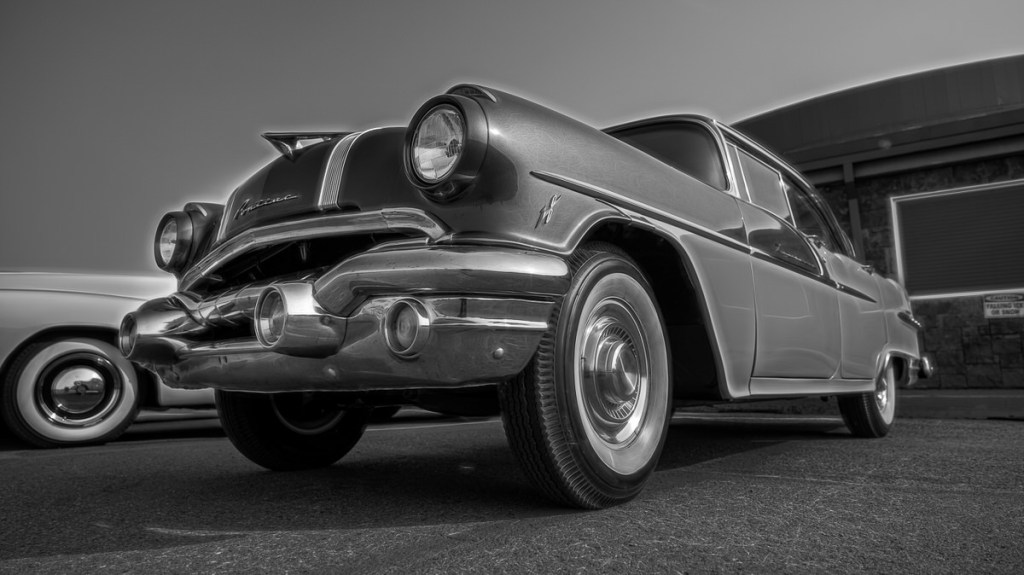
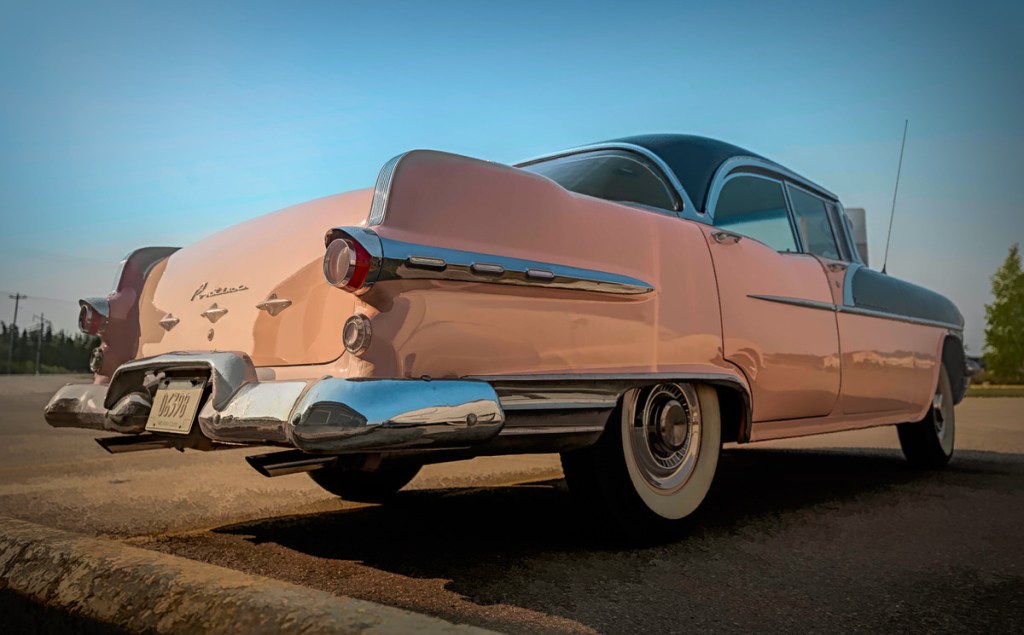
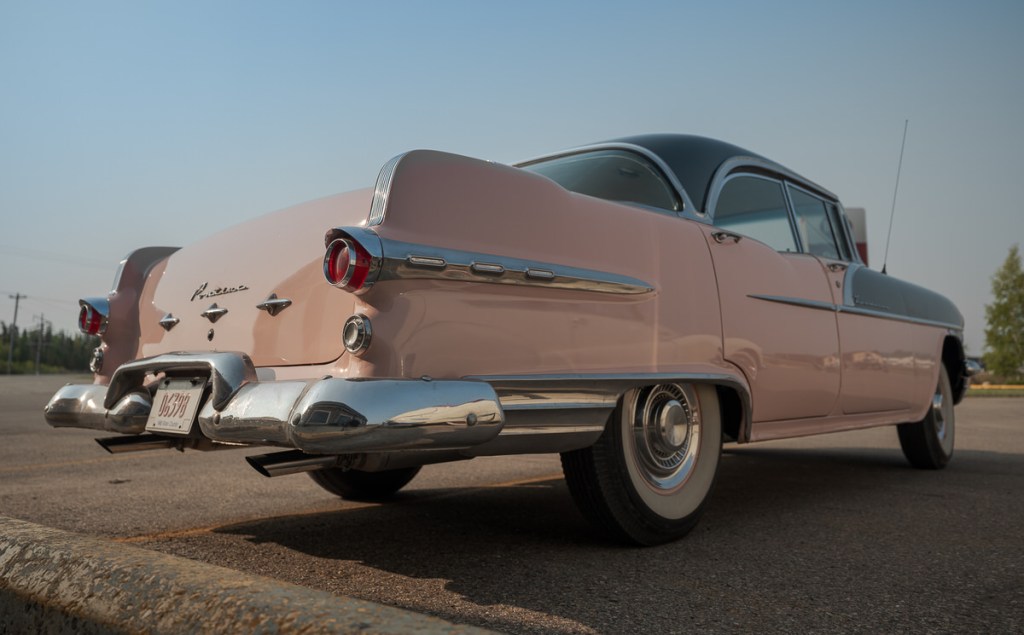
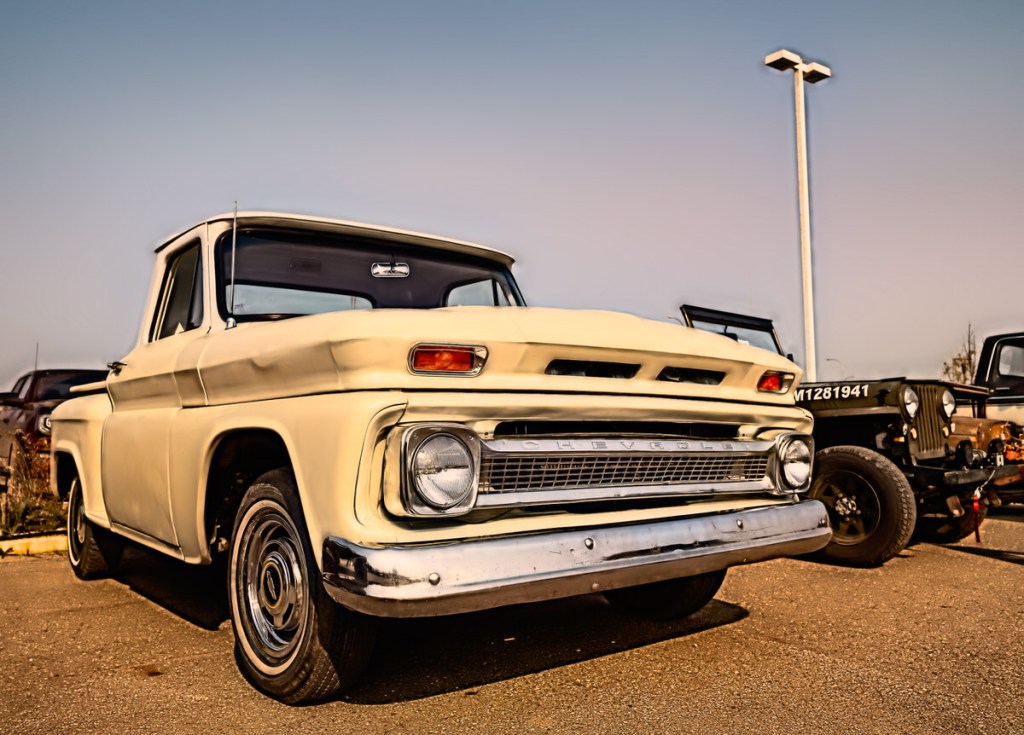
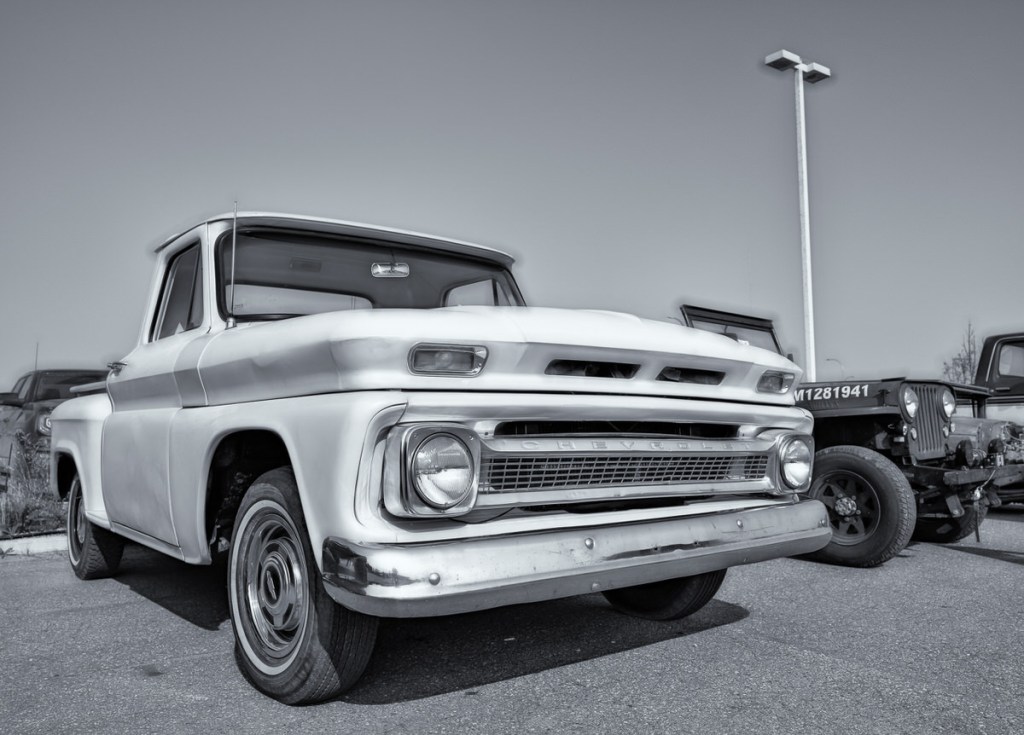
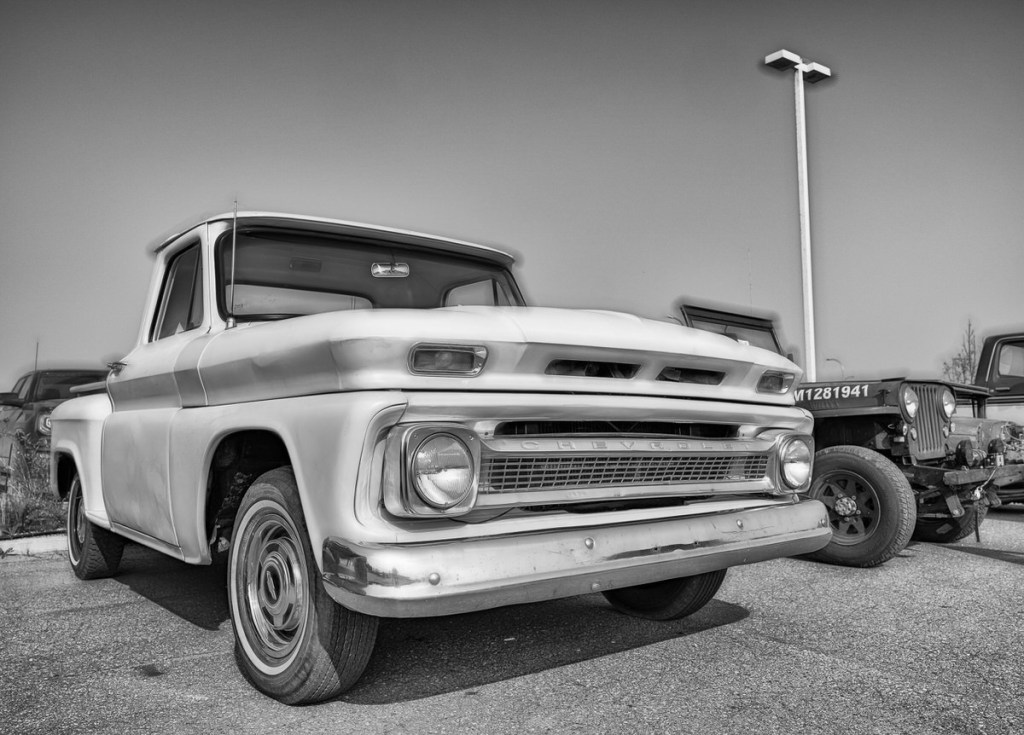
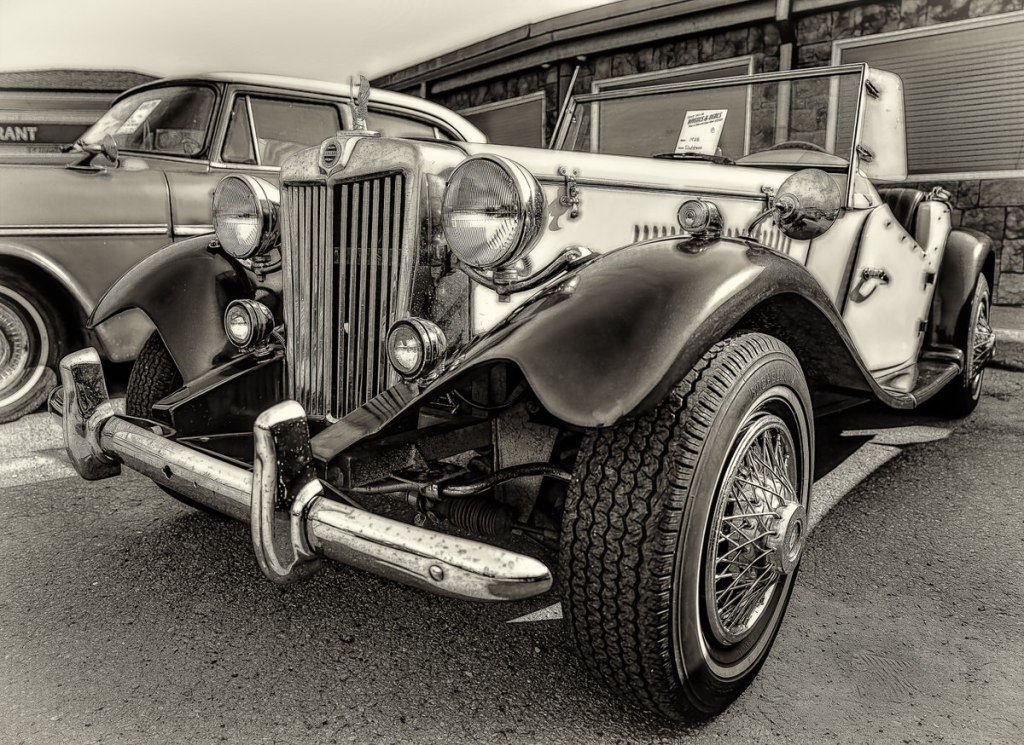
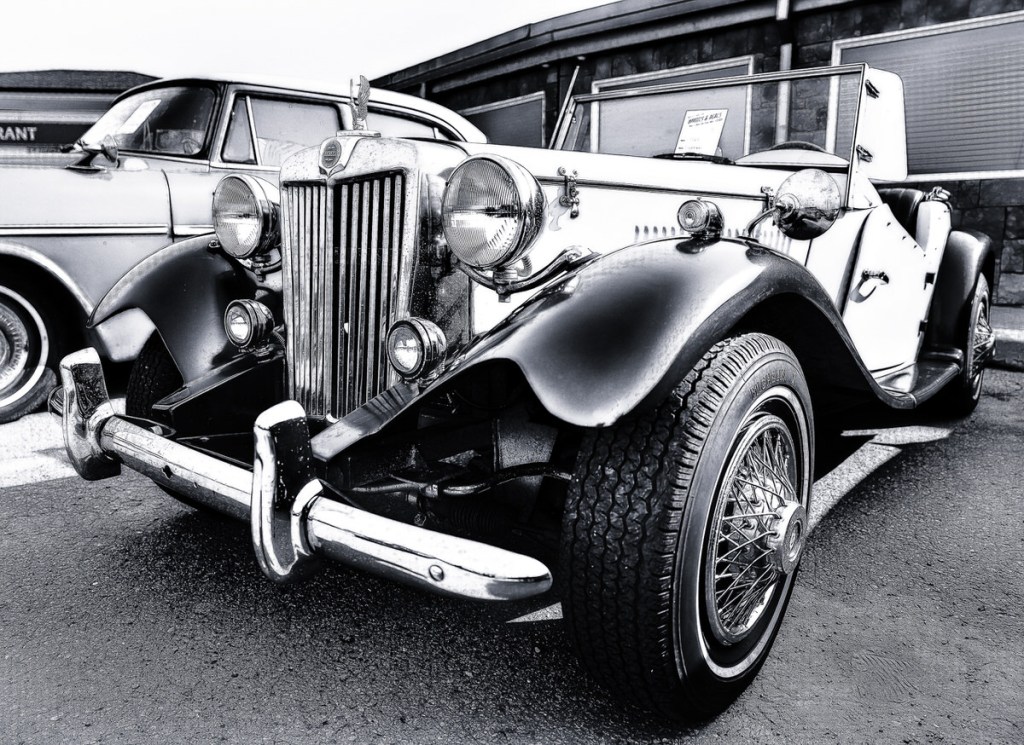
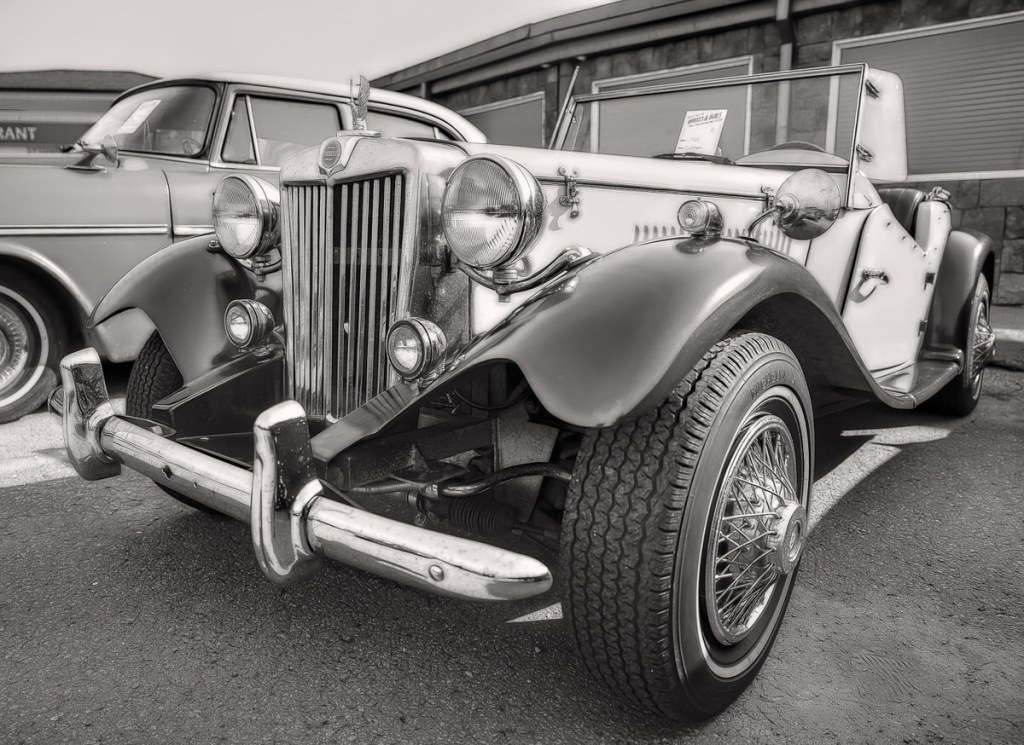
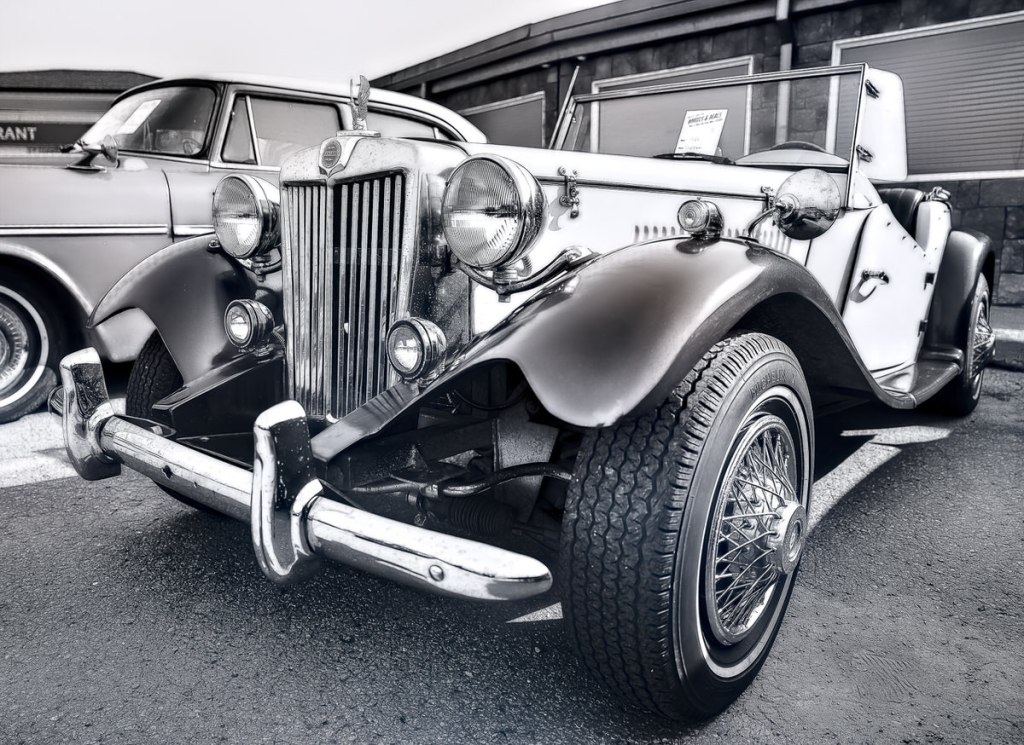
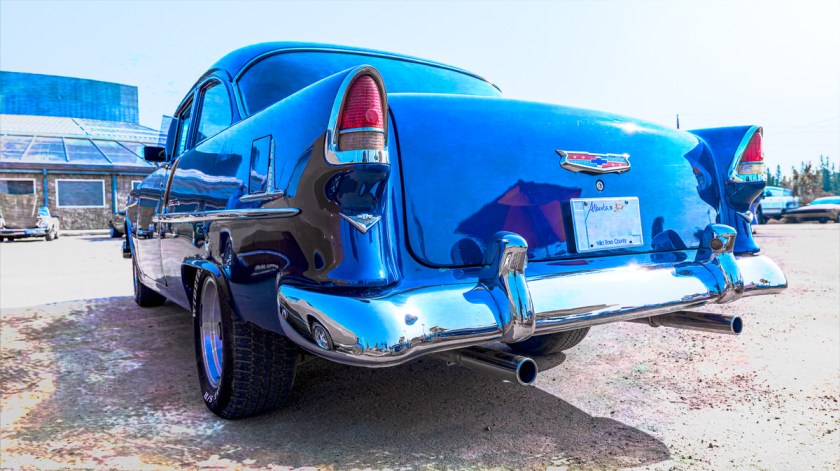
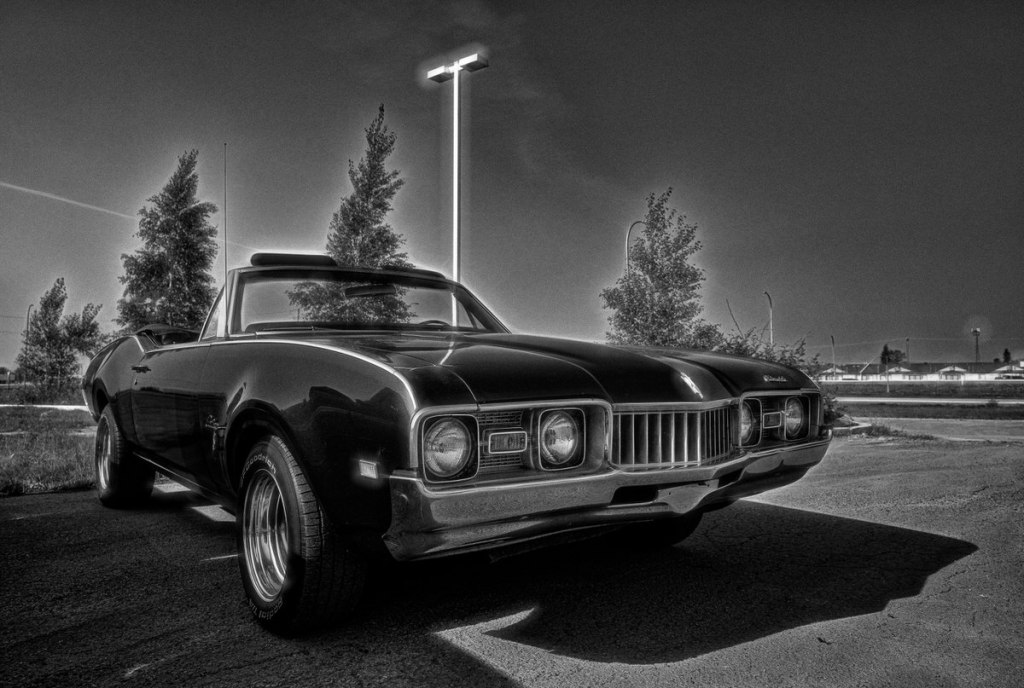
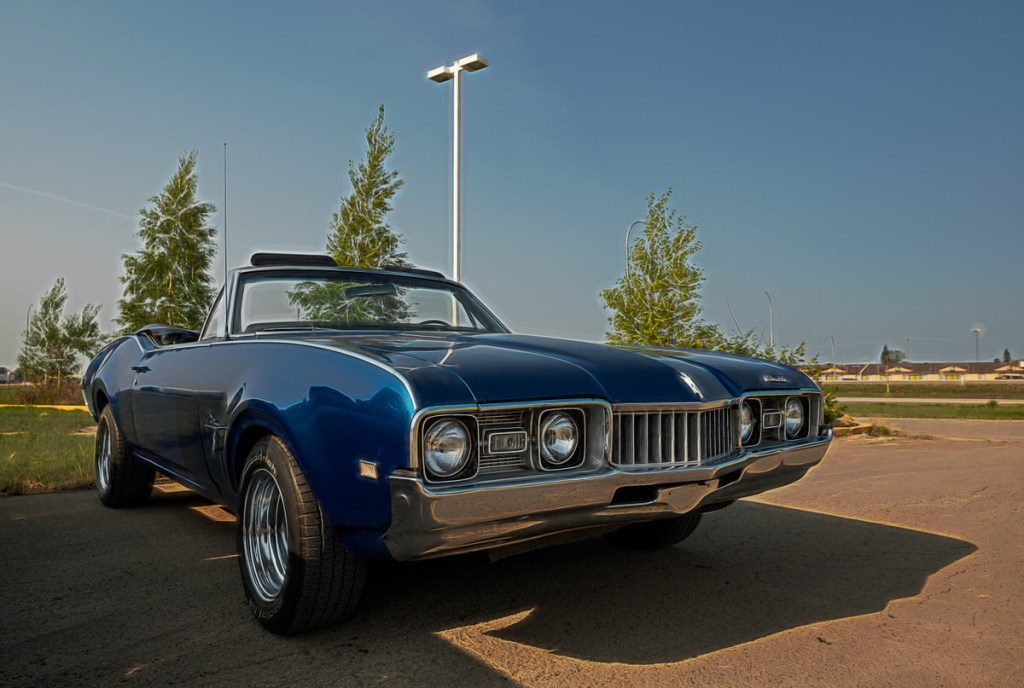
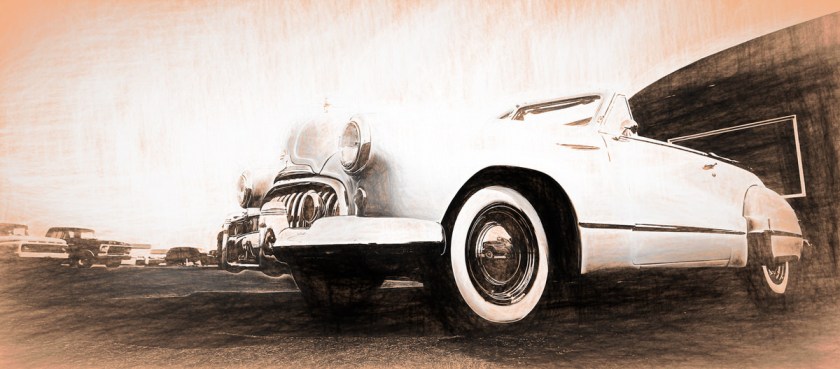
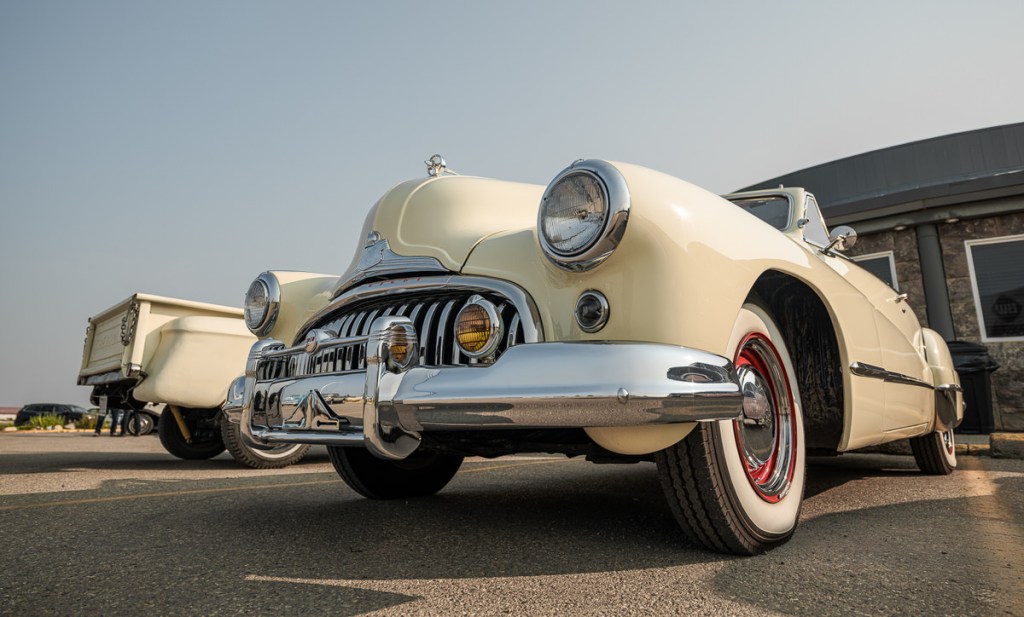
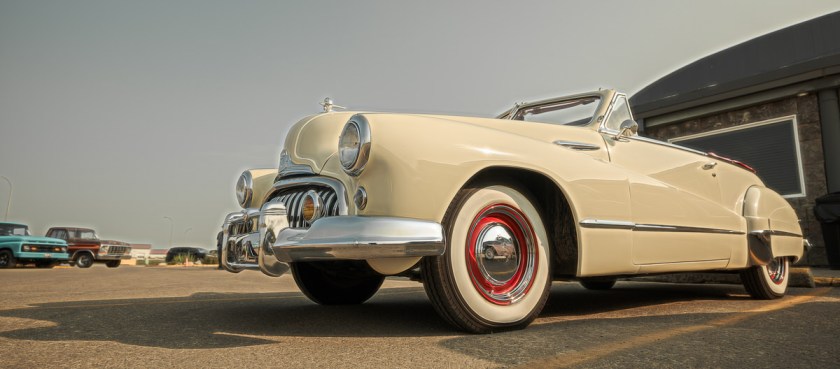
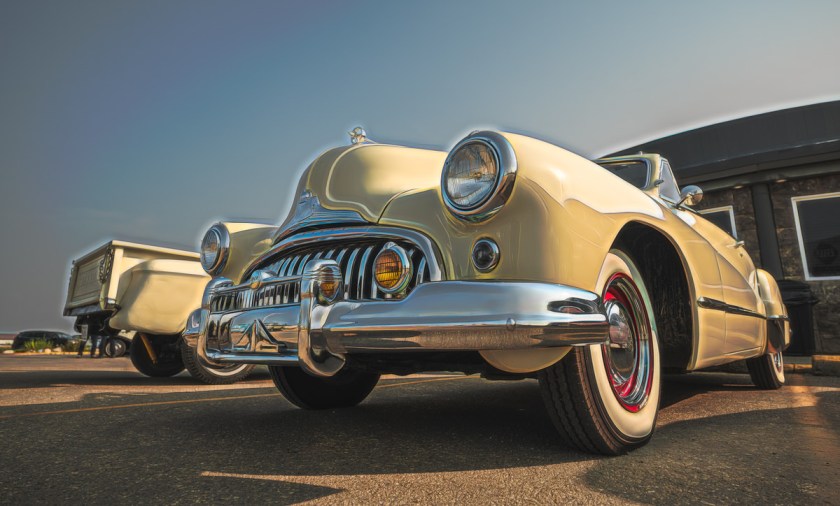
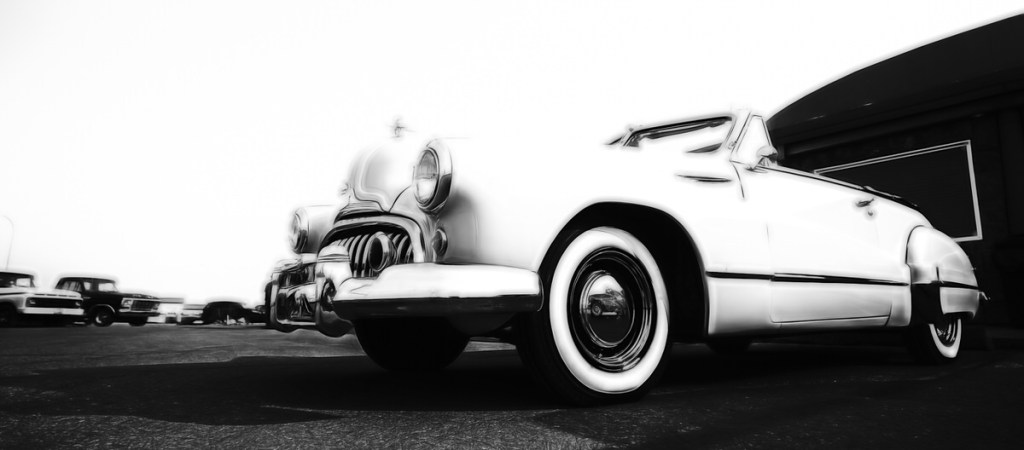
These vehicles serve as a testament to history. Their stories are embedded in their bodywork, and photography should capture this essence. The goal isn’t to make the car look brand new but to preserve its authenticity. This involves highlighting patina, rust spots, worn leather, and period-correct details that narrate a genuine story. The aesthetic prioritizes finding beauty in imperfection, transience, and simplicity – such flaws reflect the passage of time and add character, giving the vehicle its soul. Its natural, weathered look, with dents and scratches, demonstrates its use and is seen as a badge of honour by many enthusiasts. While chrome can create reflections that are difficult to control, it also offers a compelling tool for visual storytelling. A circular polarizer (CPL) filter helps reduce harsh reflections, while subtle lighting techniques can enhance the chrome’s sparkle and set the mood. The professional approach extends beyond full car shots to capturing intimate details that make each vehicle unique, such as original bonnet ornaments, badges, interior stitching, and its worn features (patina, rust, imperfections).
Muscle Cars – Style, Performance & Power
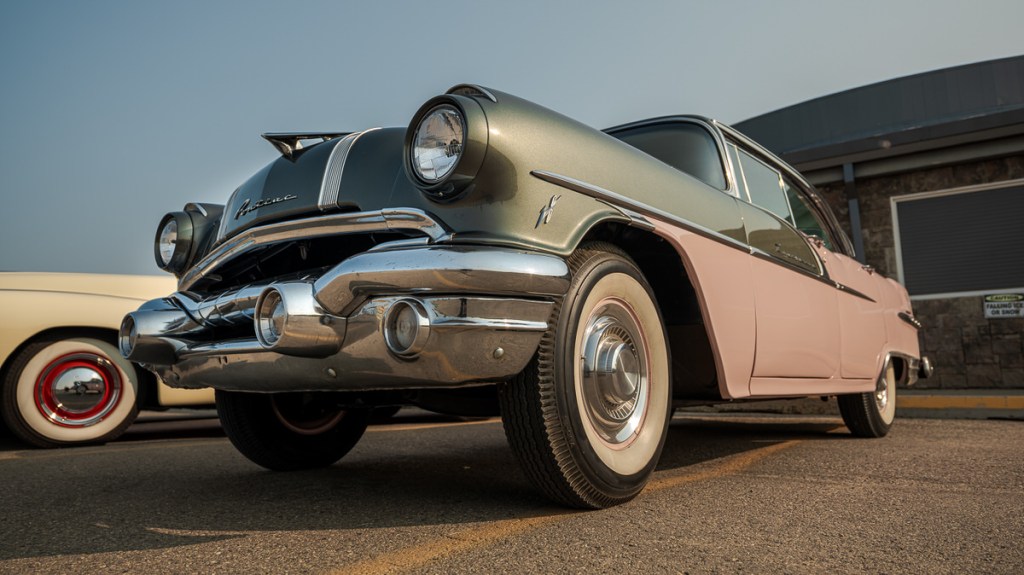
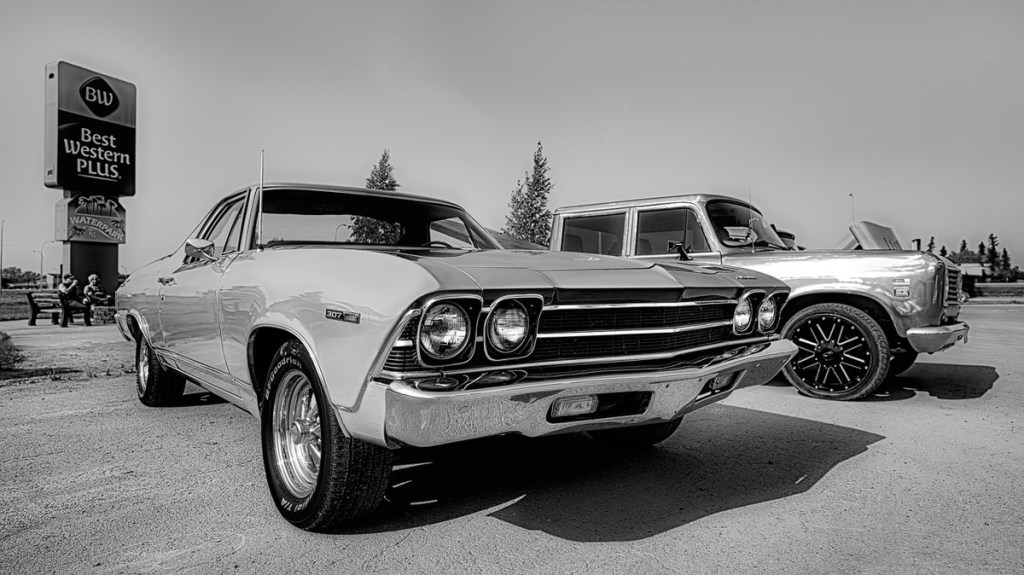
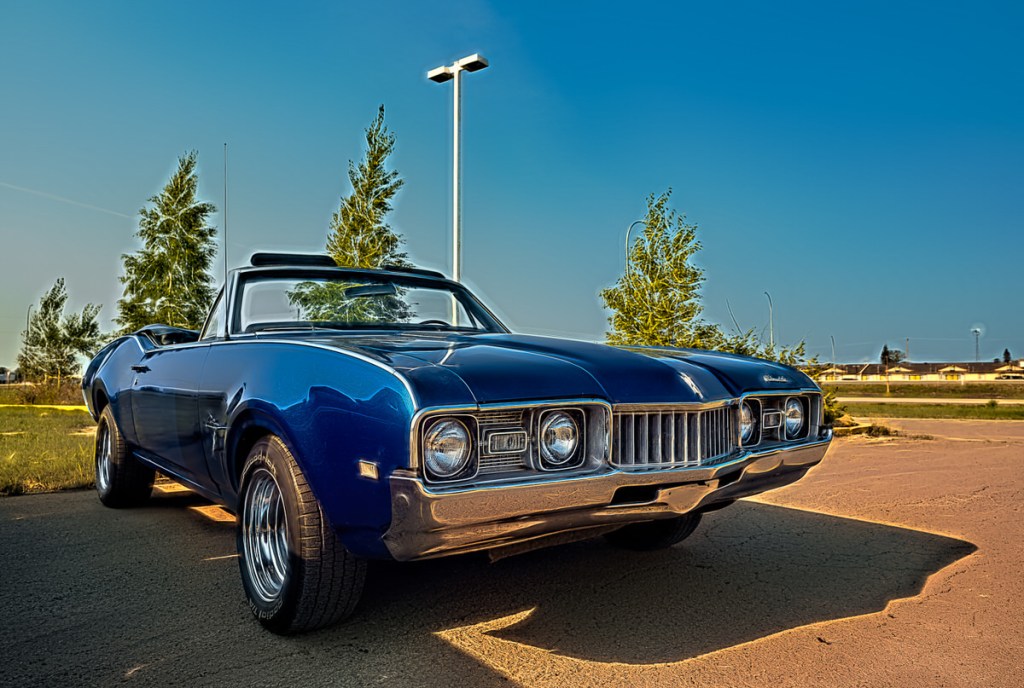
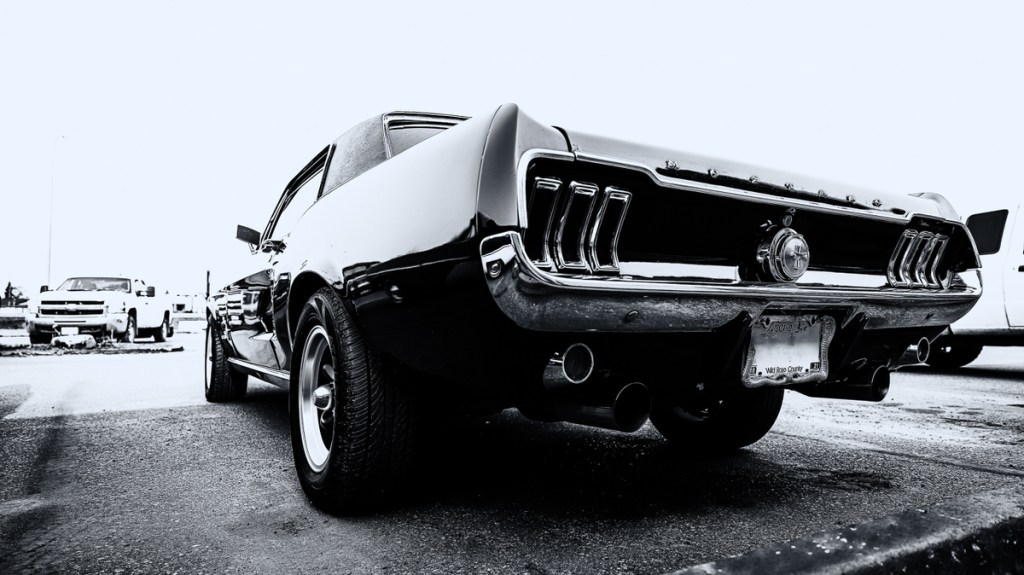
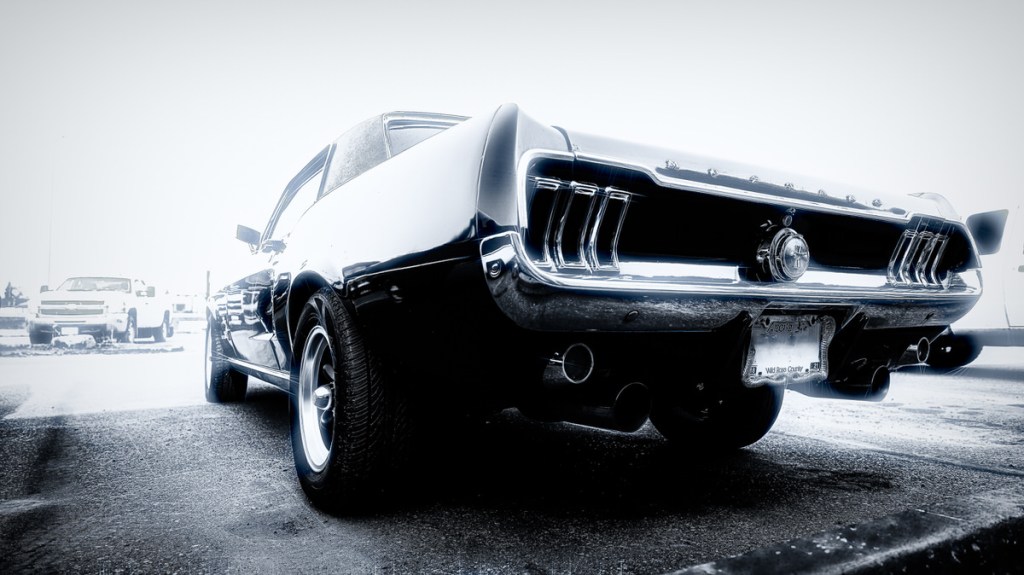
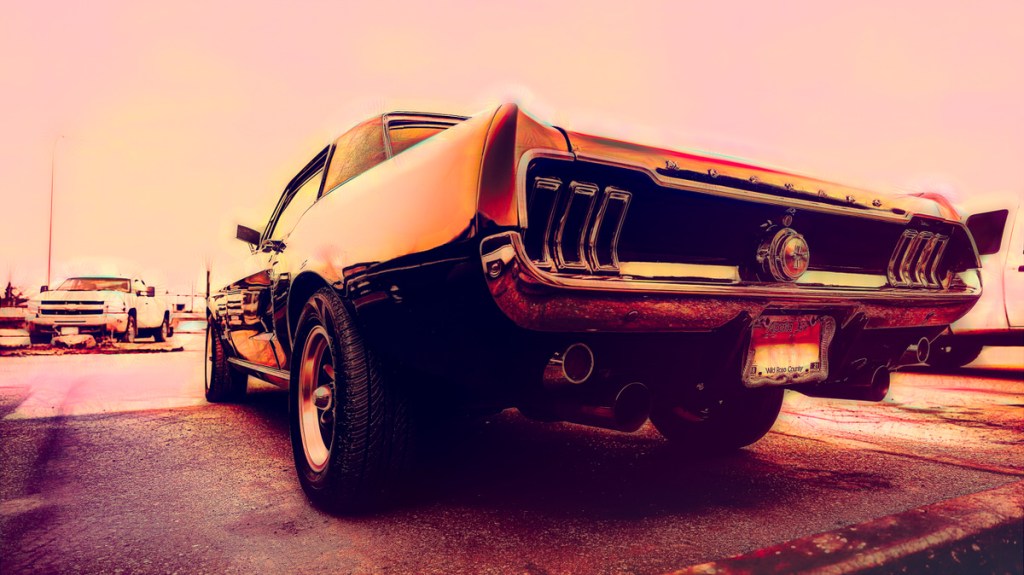
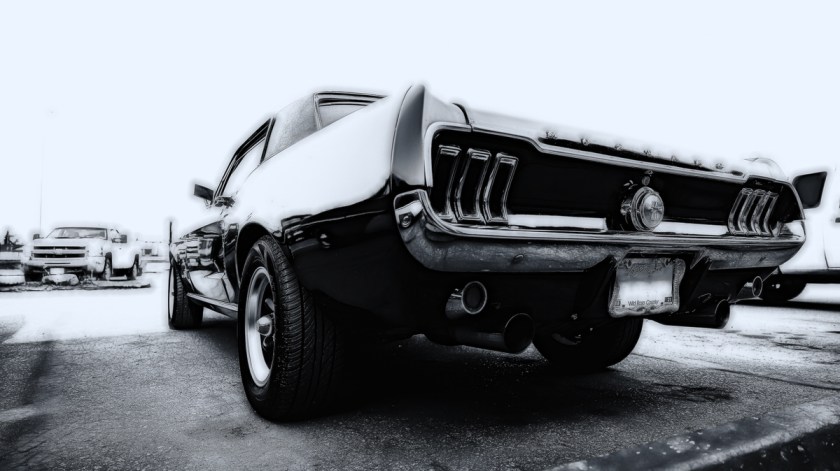
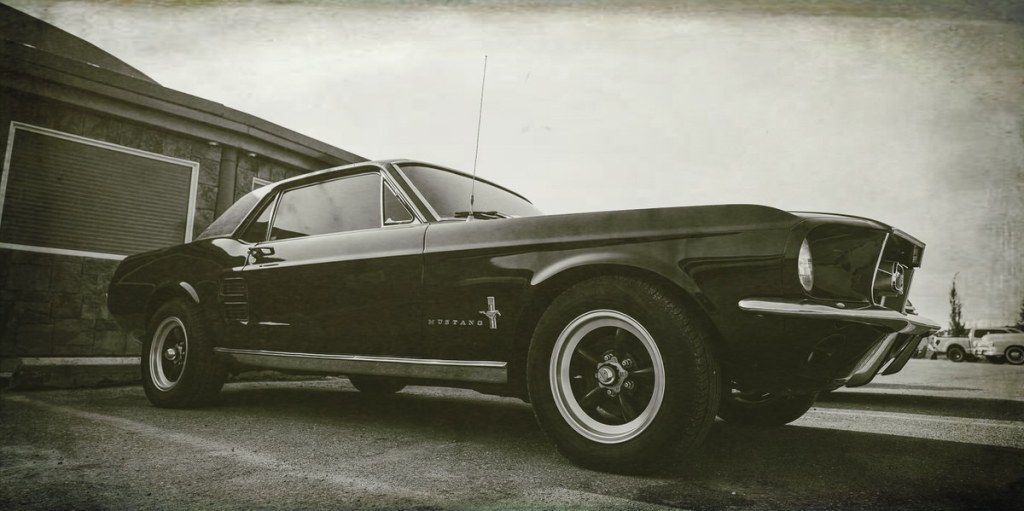
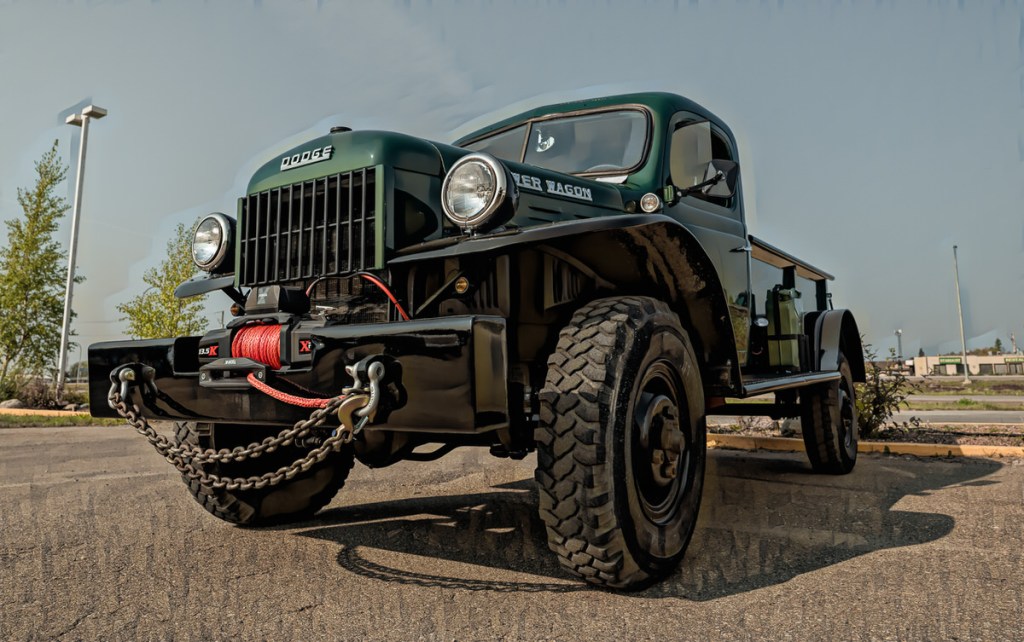
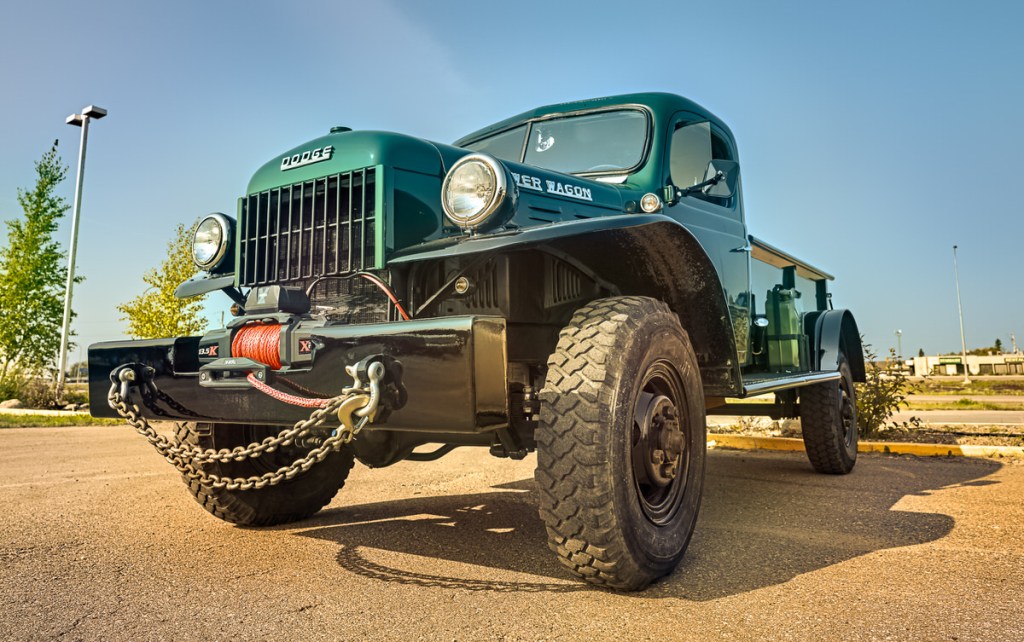
These vehicles are about speed and power. The photography must convey this dynamic nature even when the subject is stationary. Low angles are key to emphasizing the car’s aggressive stance and power. By getting down on one knee or even placing the camera on the ground, the vehicle can be made to look more menacing and powerful. Since the vehicles at a show are stationary, turning the front wheels toward the camera is a small but critical detail that adds a sense of motion, as if the car is “swerving to avoid you,” making the photograph feel dynamic and alive.
Utility Vehicles – Presence, Scale & the Unexpected
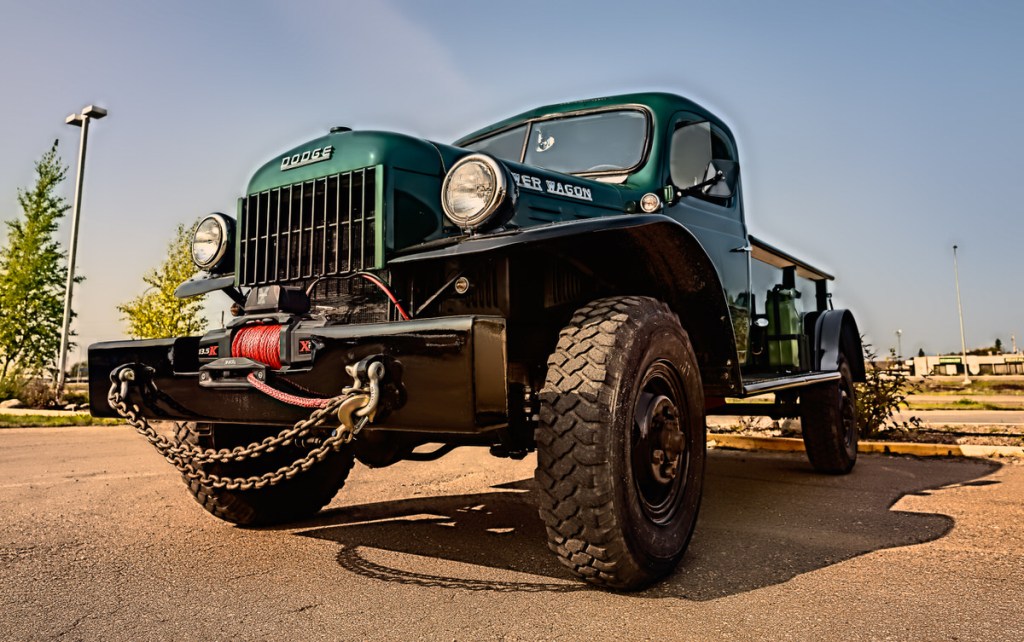
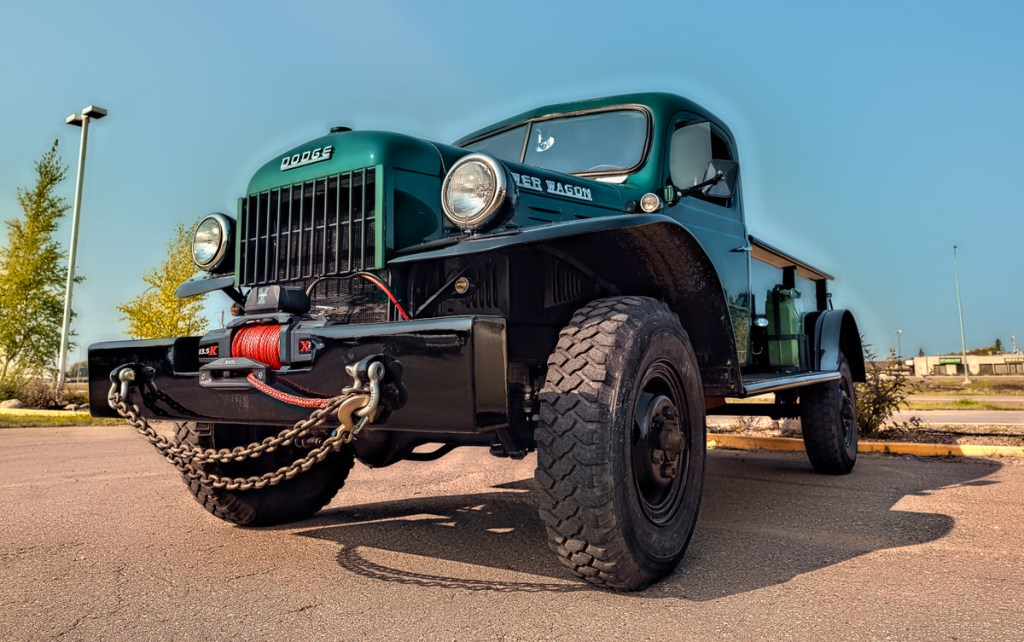
The most creative opportunities are often found in the most unexpected subjects. Trucks and large utility vehicles are about presence and sheer scale. Low angles can emphasize their massive size, while a wide-angle lens can give a sense of overwhelming power. Motorcycles are a different kind of machine; their complexity lies in the open view of their mechanical parts. A focus on the intricate details of the engine, the chrome wheels, and the brakes is essential. Unique vehicles, such as vintage campers, require a different approach. The goal is not just the vehicle but the story it tells. The photographer should frame the shot with a narrative in mind—a sense of adventure, nostalgia, or rustic charm.
Vehicle-Specific Shot List & Creative Prompts
The following table provides a quick-reference guide, breaking down the shot list by vehicle type and providing specific creative prompts to encourage a more intentional, high-level approach to the event.
Vehicle Type
Recommended Angles & Shots
Detail-Focused Shots
Creative Prompt / Narrative to Pursue
Source Snippets
Street Rods, Custom Classics & Vintage Automobiles
Front & rear ¾ view (all four wheels visible), full side profile, low-angle shot for stance.
“The Sculpted Machine.” How can you highlight the artistry of the open mechanics?
Unique Vehicles (Campers, Tractors, etc.)
Full profile shots to show scale, wide environmental shots to place it in context.
Interior elements, vintage logos, unique fittings, personal touches added by the owner.
“The Road Less Traveled.” How can you tell a story of adventure, nostalgia, or purpose?
Post-Production Begins At … Visualization –Reverse Engineering the Photo, Then Pressing the Shutter Button
For a professional, the final stage is about the polish. A truly successful shoot is one where the image is so meticulously crafted in-camera that extensive post-production is rendered largely unnecessary. The photograph is “reverse engineered” in the mind before the shutter is even pressed, and the subsequent editing is about refinement, not correction.
Final Polish – The Image Pops, Your Signature Look
The superior dynamic range and colour depth of a medium format camera, combined with a meticulous in-camera process, mean that extensive post-production is largely unnecessary. The heavy lifting is done on location with the careful use of light and position. The editing process is not about fixing mistakes but about subtle enhancements. This includes minor adjustments to highlights and shadows, fine-tuning contrast to make the image ‘pop,’ and cleaning up any remaining distracting reflections that could not be avoided on location. The final stage is about applying a signature look, working with contrast and texture to produce a final image that aligns with the brand’s vision. This is the final, non-contracted “extra bit of value to knock it out of the park” that turns a good photo into a great one.
The Outdoor Show & Shine, An Exercise in Creative Problem-Solving
The outdoor ‘show and shine’ is the antithesis of a controlled, commercial studio shoot, but it is precisely this unpredictability that makes it an invaluable proving ground for an photographer. The event is not a simple collection of vehicles to be documented; it is an exercise in creative problem-solving and strategic business development.
The most critical recommendations for a photographer seeking to excel in this environment are to embrace the chaos with clear, intentional strategies:
Prioritize Patience and Preparation: Arrive early and stay late to work in the prime hours free of crowds and harsh light. The most valuable tool is not the camera but the patience to wait for the perfect, clean shot.
Leverage the Toolset: The medium format camera and a tripod, while perceived as cumbersome, are the keys to unlocking high-level techniques. The camera’s superior dynamic range eliminates the need for extensive post-production, while the tripod enables long-exposure light painting, a powerful technique for creating a dramatic look in low-light conditions.
Master the Narrative: Move beyond the basic snapshot by viewing each vehicle as a distinct persona. Adapt the compositional and lighting approach for each vehicle type, from a classic car’s patina to a modern muscle car’s aggressive stance.
Think Beyond the Shot: The event is a prime opportunity for business development. A genuine, peer-to-peer approach with vehicle owners can lead to private shoots later on, where the controlled environment allows for the creation of truly valuable, high-end conceptual work.
Ultimately, the show and shine is a microcosm of the entire photography journey. The challenge lies in applying a high-end, studio-honed philosophy—the control of light, the manipulation of form, and the art of problem-solving—to an uncontrolled environment. Success is defined not by avoiding the chaos, but by mastering it.
Post Script – Mastering Best Practices
There is a learning pedagogy that often helps photographers stay confident on their journey towards mastering best practices. In the 1970s, Noel Burch introduced the Conscious Competence Learning Model, which describes four stages of acquiring any new skill, each identified by an overarching psychological state: (1) Unconscious Incompetence – ‘You don’t know what you don’t know.’ The photographer is unaware of their skill gap; (2) Conscious Incompetence – ‘You know what you don’t know.’ The photographer recognizes the gap and values learning the new skill; (3) Conscious Competence – ‘You know that you can do it (but you have to think about it);’ the photographer can perform the skill reliably, but it requires focus; and (4) Unconscious Competence (Mastery) – ‘You can do it without thinking about it;’ the skill has become second nature, performed easily and automatically.
In all this, any of us as photographers aim, through time (the 10,000 hours of guided practice and instruction), to evolve to ‘unconscious competence’ with our seeing, our imagination and our cameras.
Quotes to Consider: (1) “A camera does not create a great photograph, the photographer does, 90% of the achievement lies in your imagination of what you want to create.” (2) “In some ways, I view each car as a person that has a personality, and the starting point is to understand what the design and overall purpose is, the challenge then is to use my photography to best get this message across.” (3) “It’s easy to create an ‘acceptable’ image for a quick win, but with real passion, you can make use of the light and design to create a truly inspirational piece of work through careful thought, exposure, and lighting.”
Tim Wallace
Listening to: John Mellencamp’s ‘Grandview,’ Linda McRae’s take on Bowie’s ‘Heroes,’ The Verve’s ‘Bittersweet Symphony,’ William Prince’s ‘Great Wide Open,’ Birdy’s ‘Quietly Yours,’ and Bruce Springsteen’s ‘Used Cars‘ and ‘Open All Night.’
Thanks for reading. Hoping you get out the door with your camera once or twice this week. Take care …










You must be logged in to post a comment.