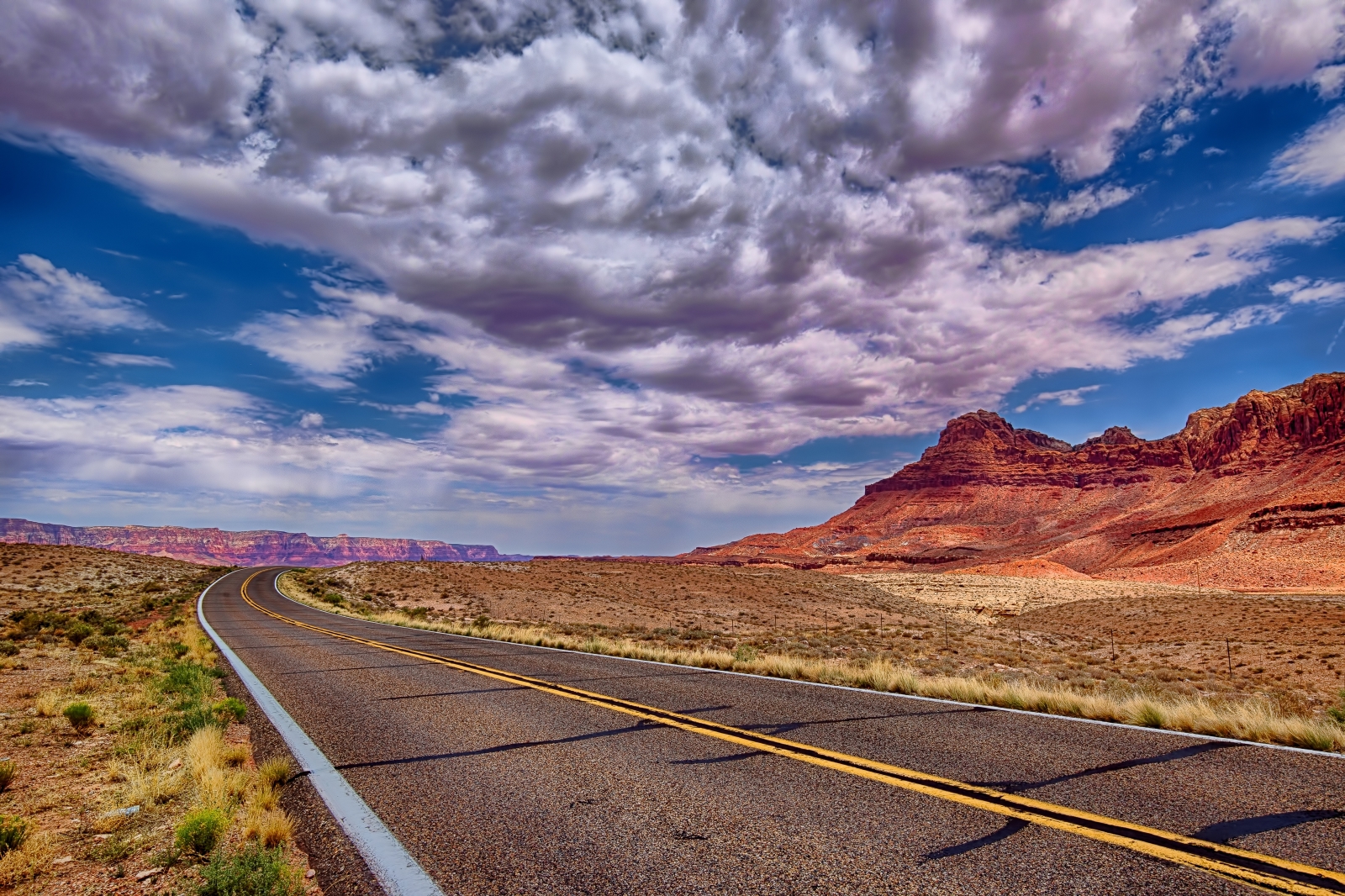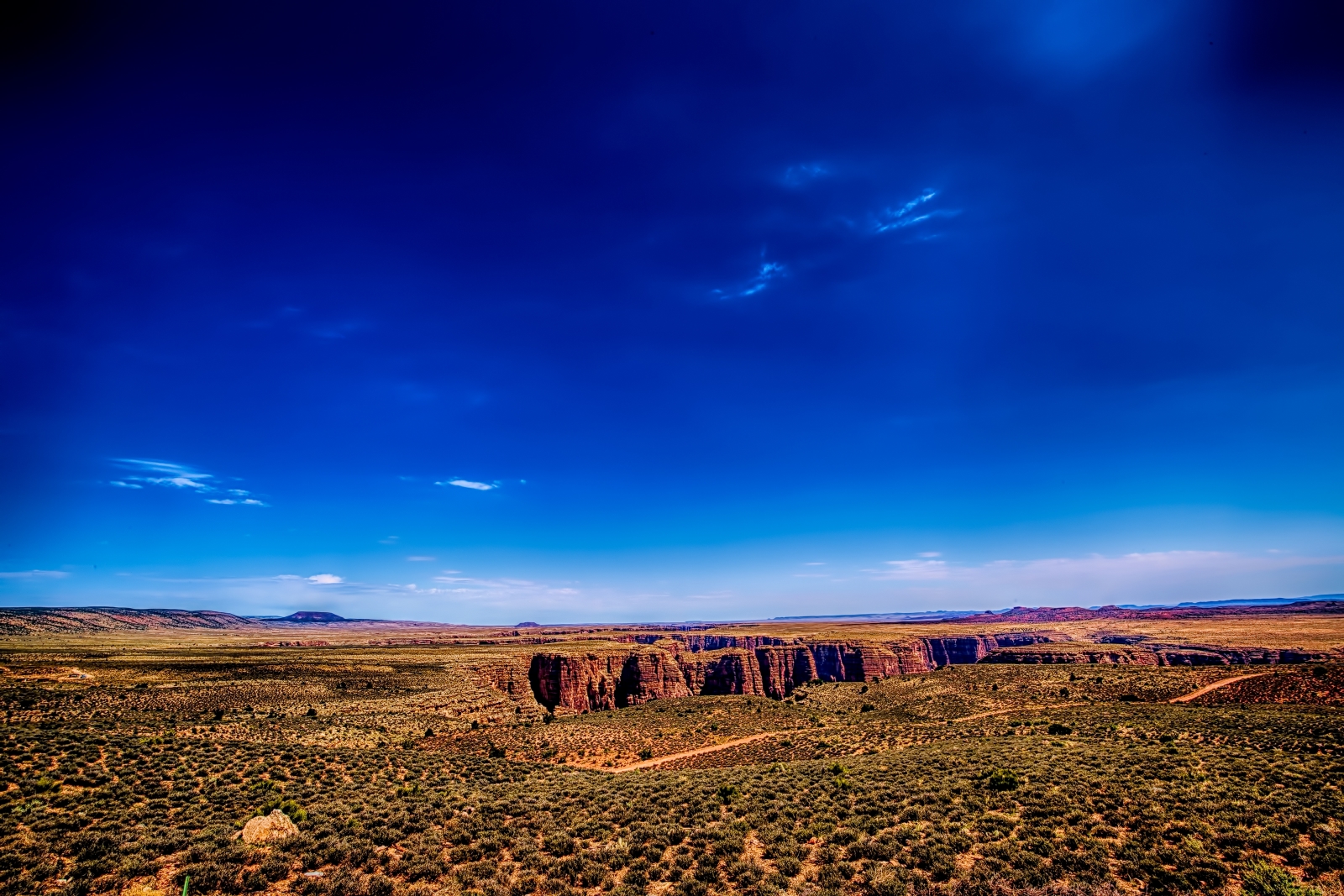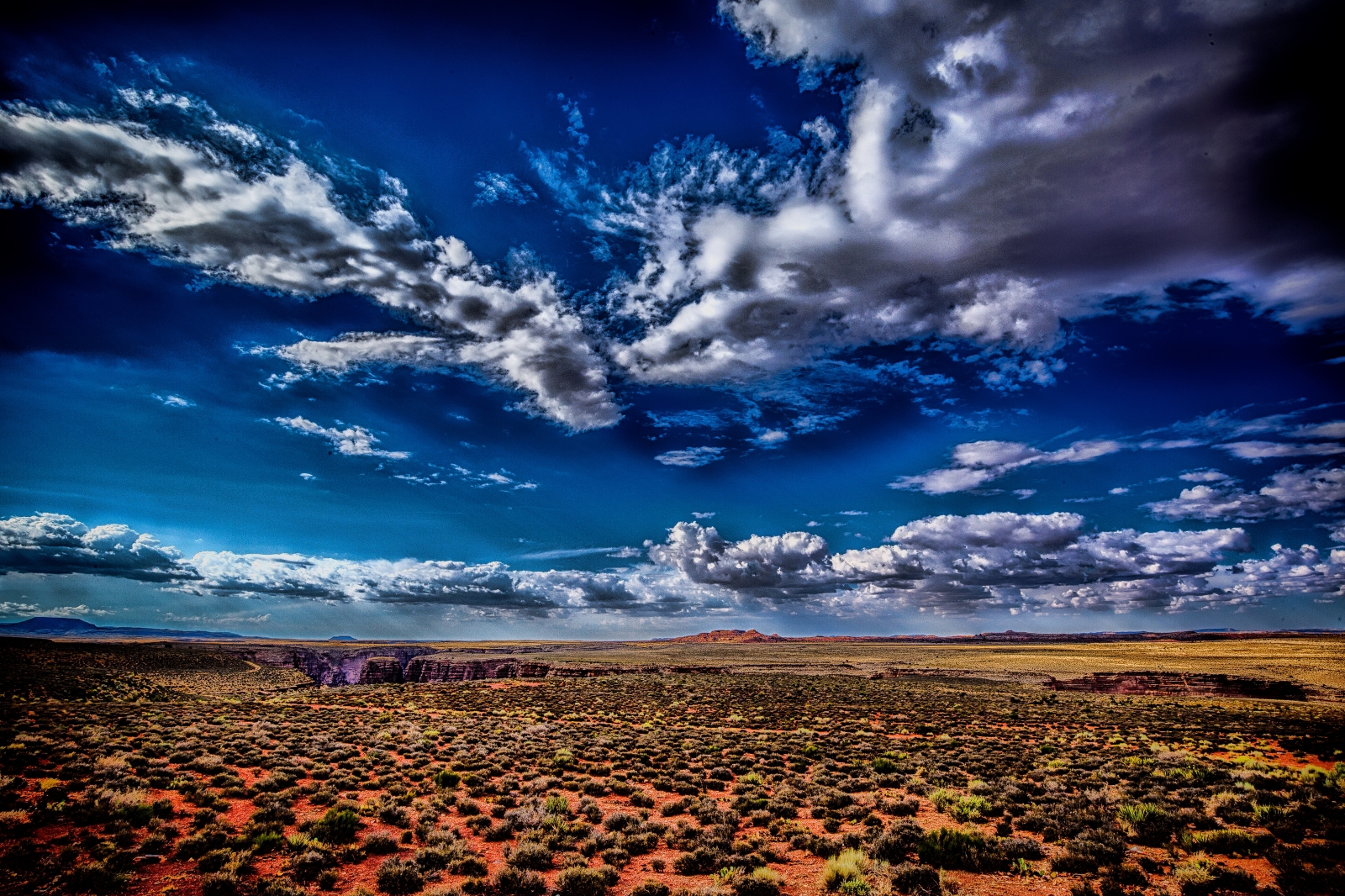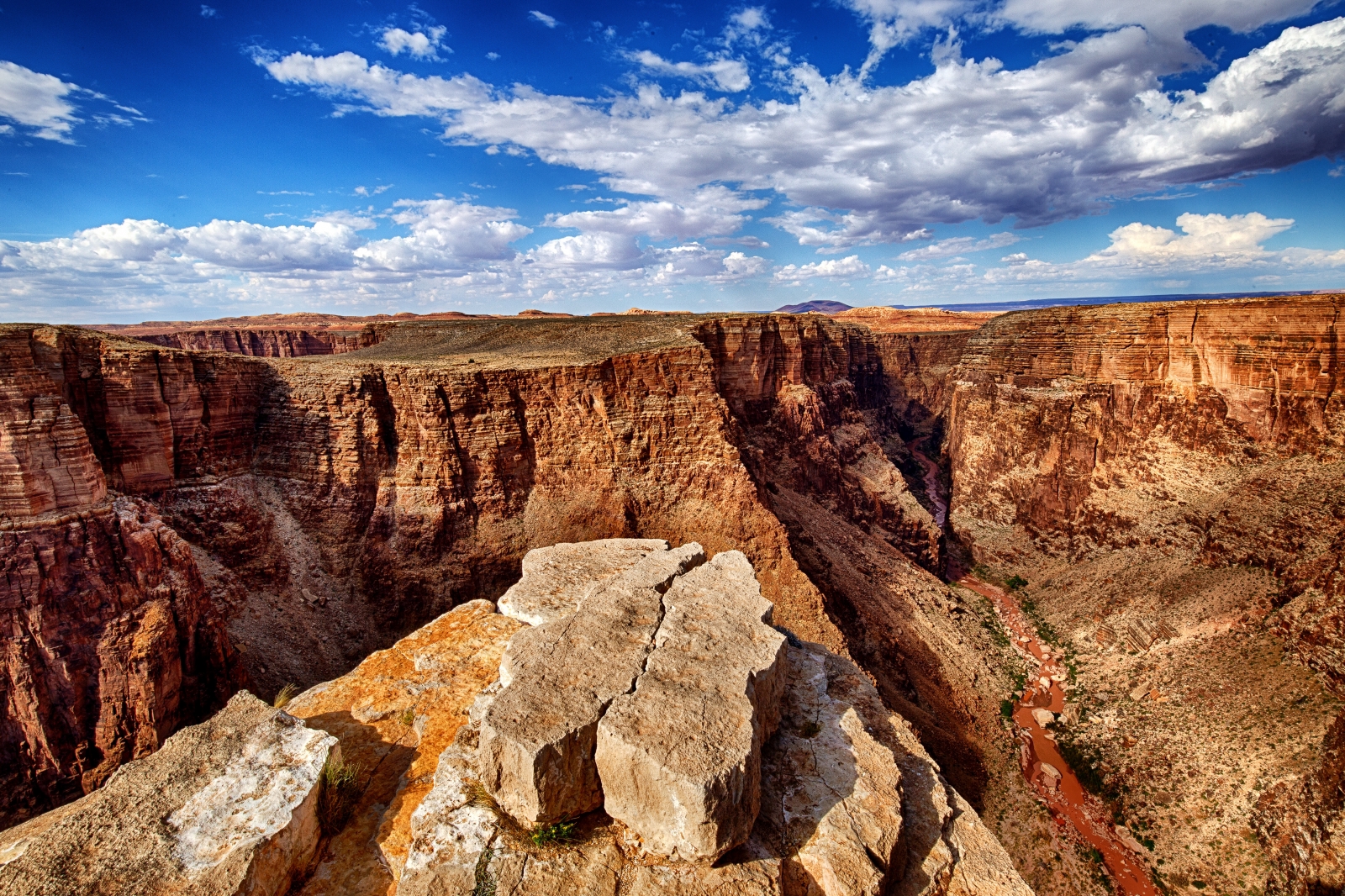
HDR – Bracketed Swath

Best Practices - Photography, Canon Camera, Canon Lens, High Dynamic Range (HDR), Journaling, Light Intensity, Photography & Conceptualizing Beauty, Project 365 - Photo-a-day, Still Life, Summer
53 Ford - Drumheller, Alberta - Canada i

53 Ford – Drumheller, Alberta – Canada i
53 Ford - Drumheller, Alberta - Canada ii

53 Ford – Drumheller, Alberta – Canada ii
53 Ford - Drumheller, Alberta - Canada iii

53 Ford – Drumheller, Alberta – Canada iii
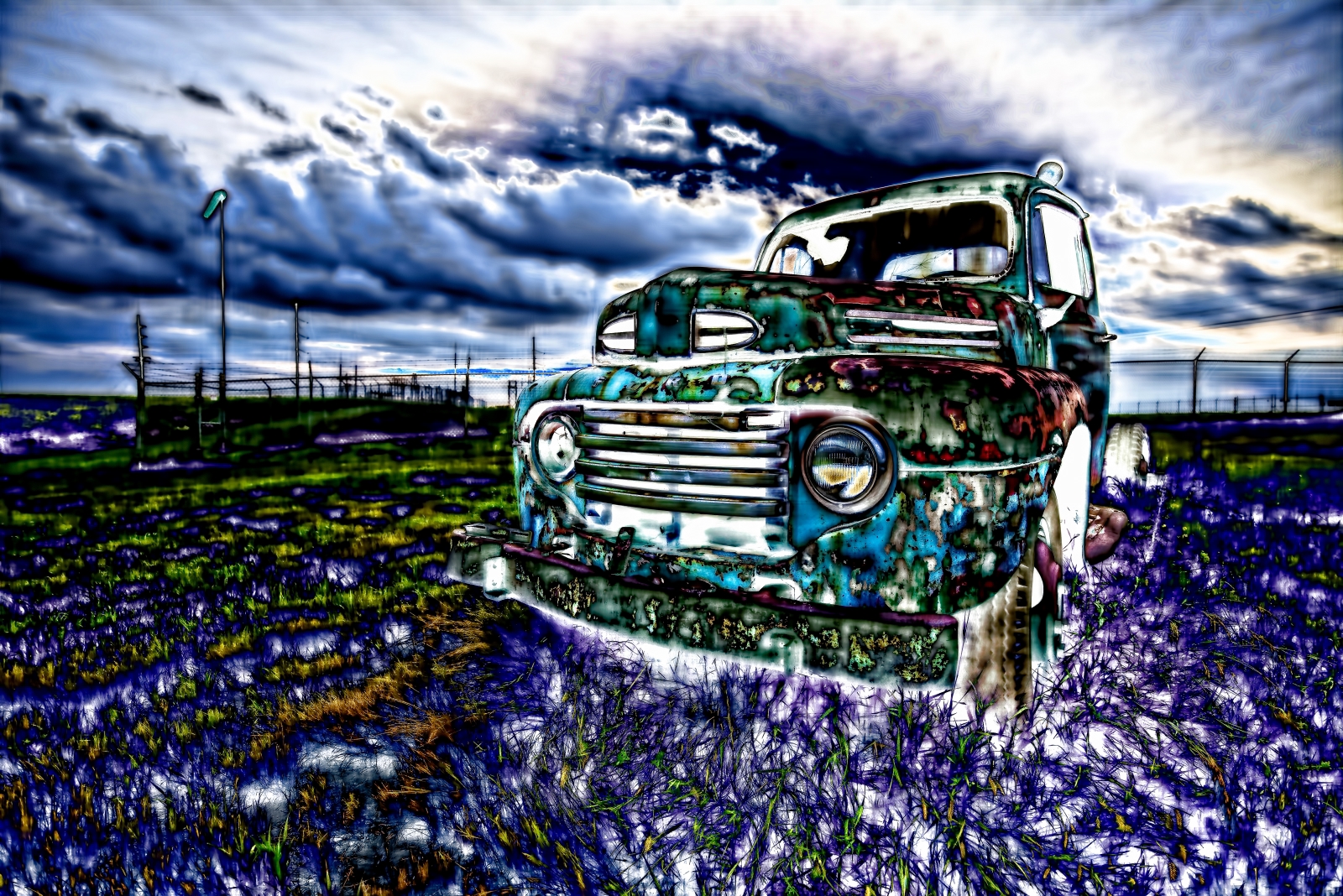
53 Ford - Drumheller, Alberta - Canada iv

53 Ford – Drumheller, Alberta – Canada iv
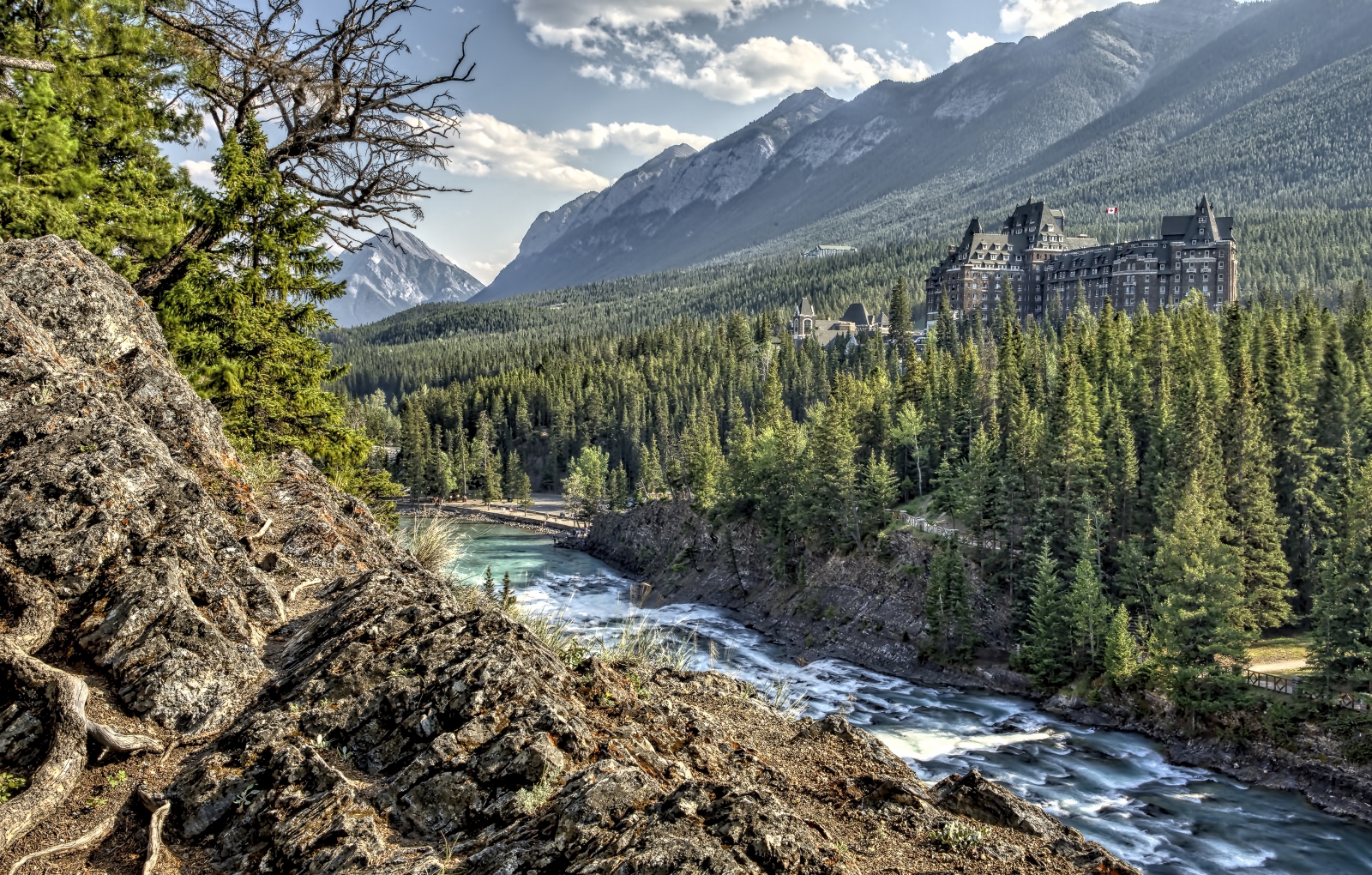
Banff Springs Hotel - Banff, Alberta - Canada

Banff Springs Hotel – Banff, Alberta – Canada

Fairview Homestead HDR i-Edit-Edit-Edit
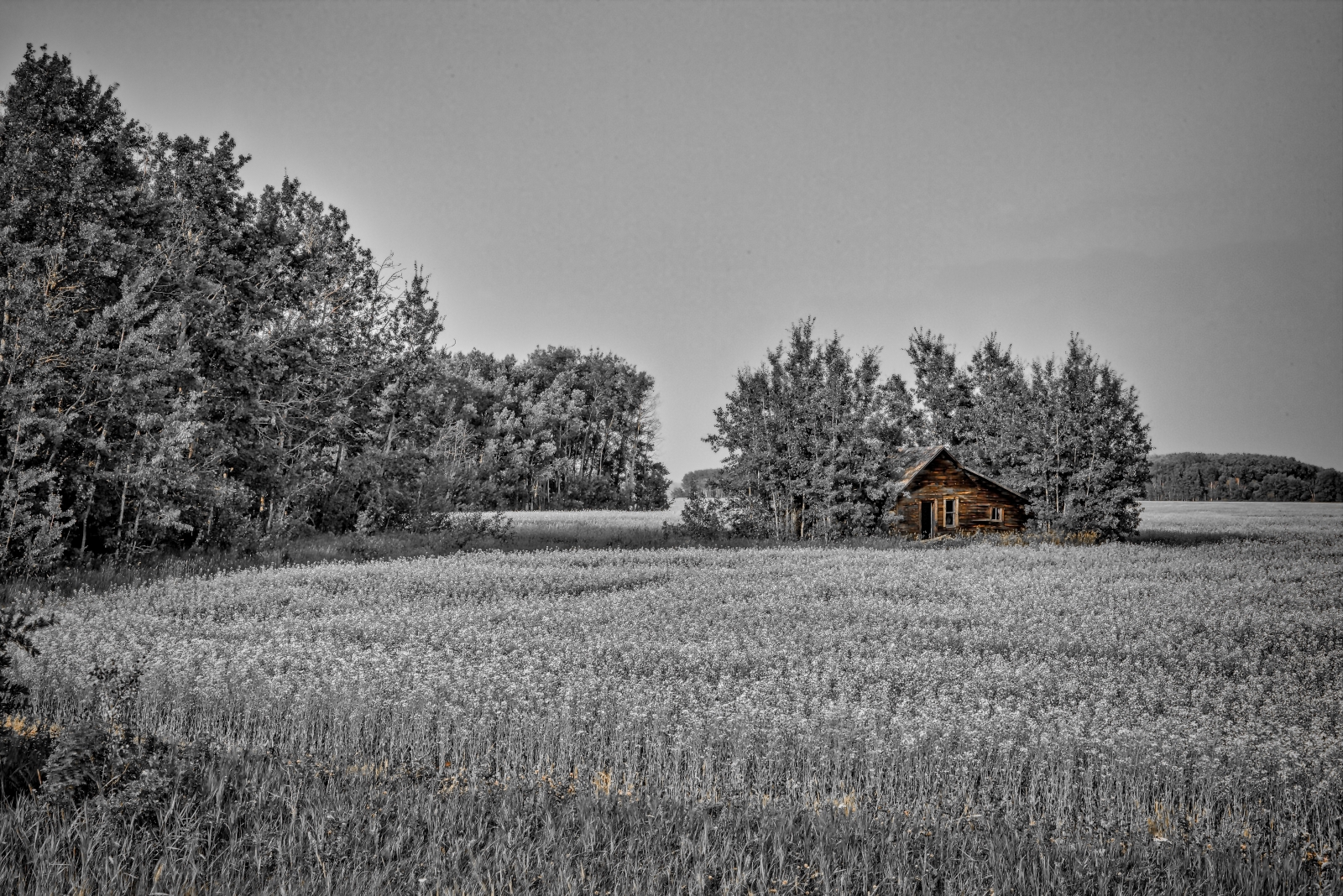
Fairview Homestead HDR i-Edit-Edit-Edit

Fairview Homestead HDR ii-Edit-Edit-Edit-2
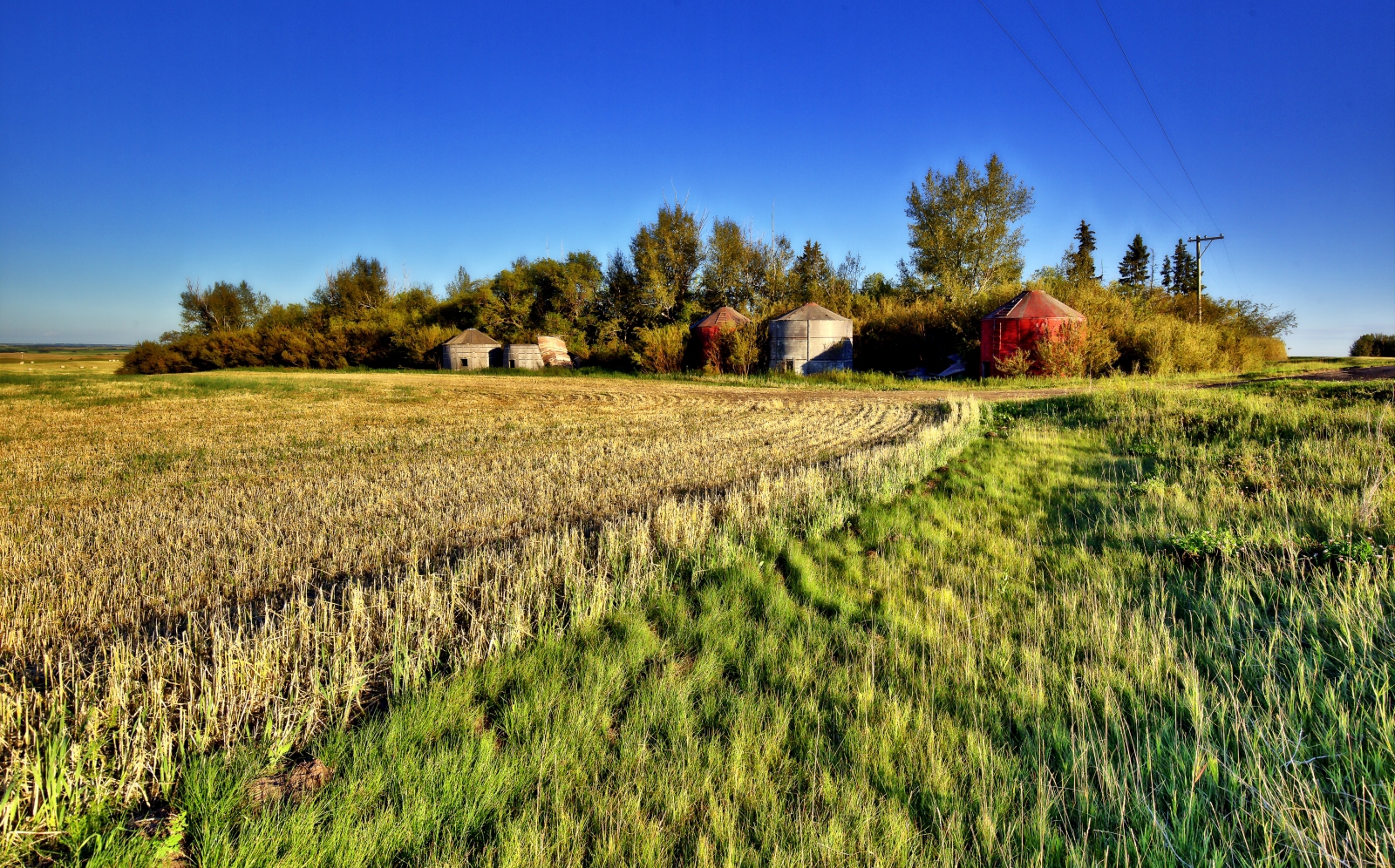
Fairview Homestead HDR ii-Edit-Edit-Edit-2

Grain Bins - Stettler, Alberta

Grain Bins – Stettler, Alberta

Johnson Canyon - Banff, Alberta - Canada i

Johnson Canyon – Banff, Alberta – Canada i
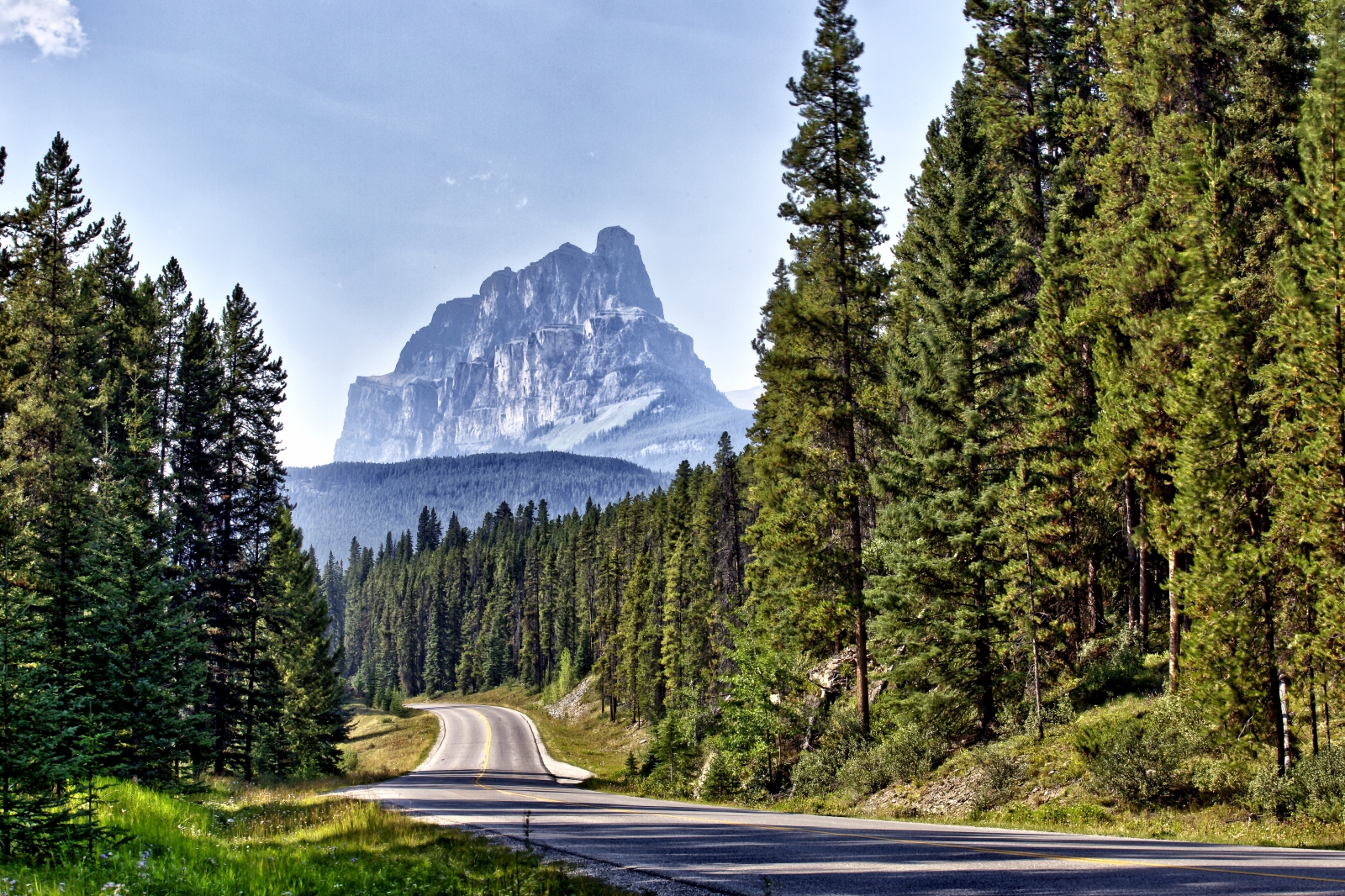
Johnson Canyon - Banff, Alberta - Canada ii

Johnson Canyon – Banff, Alberta – Canada ii
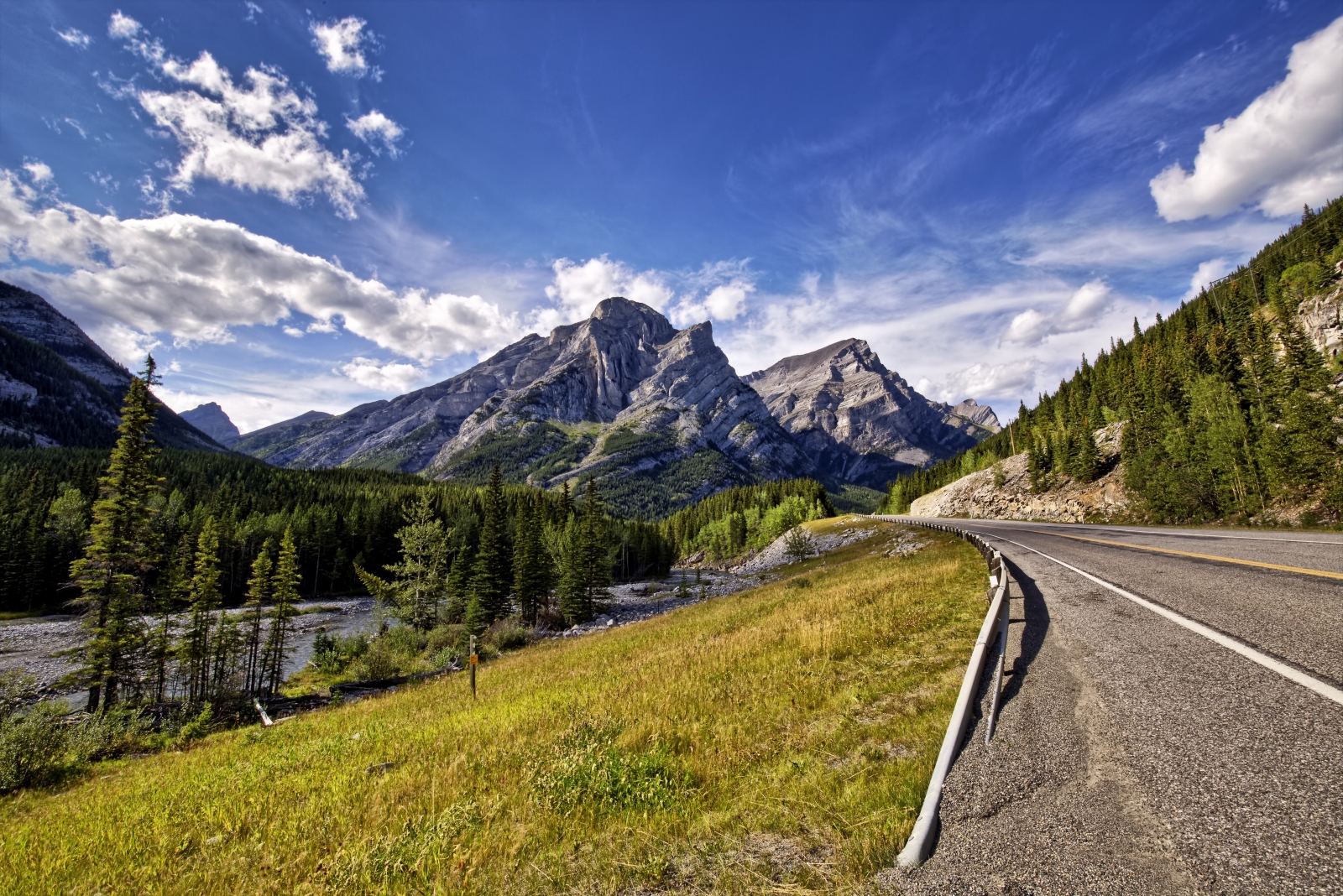
Kananaskis Mountains - Canada

Kananaskis Mountains – Canada

Sunshine Ski Resort Road - Banff, Alberta - Canada

Sunshine Ski Resort Road – Banff, Alberta – Canada

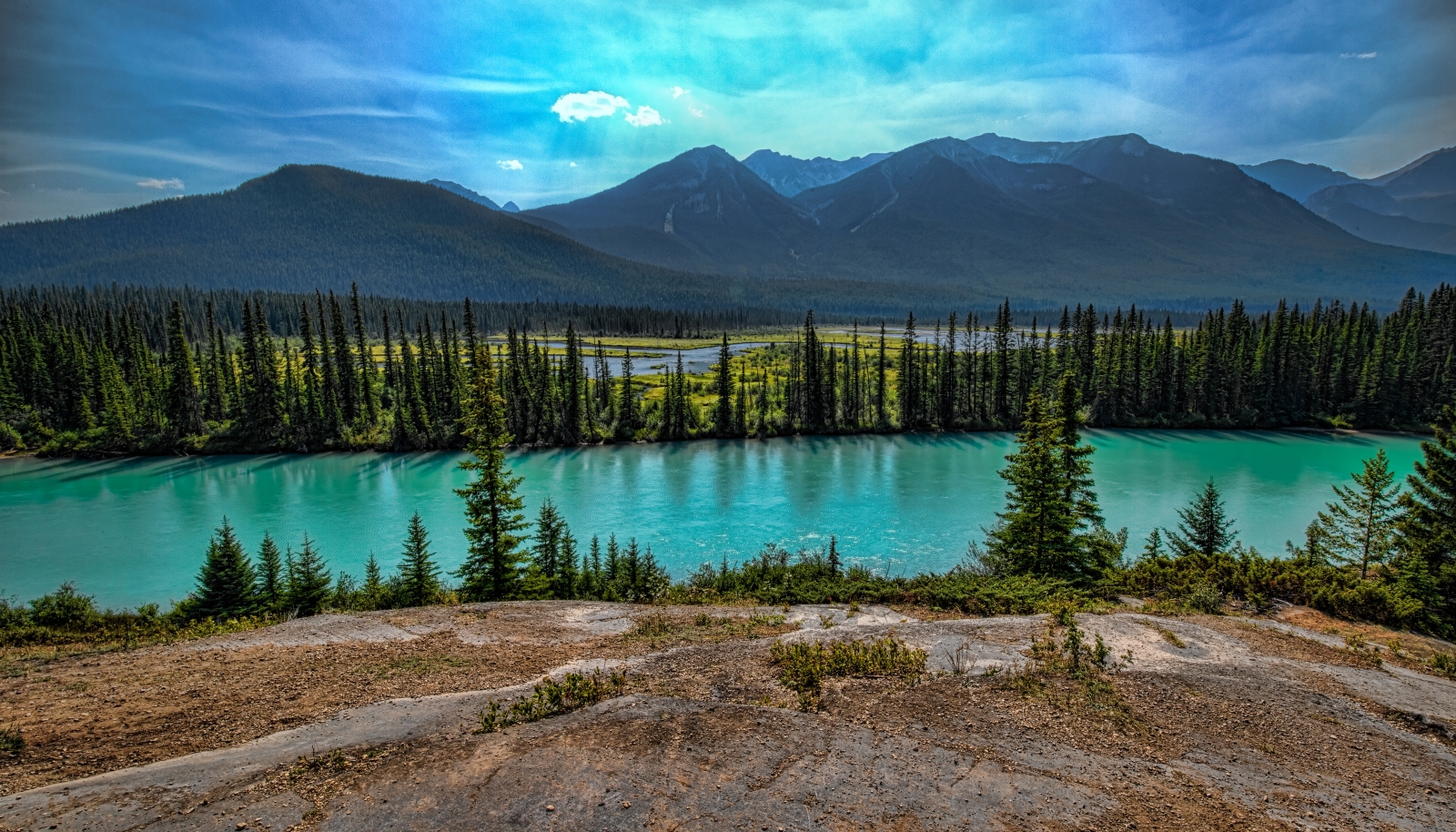
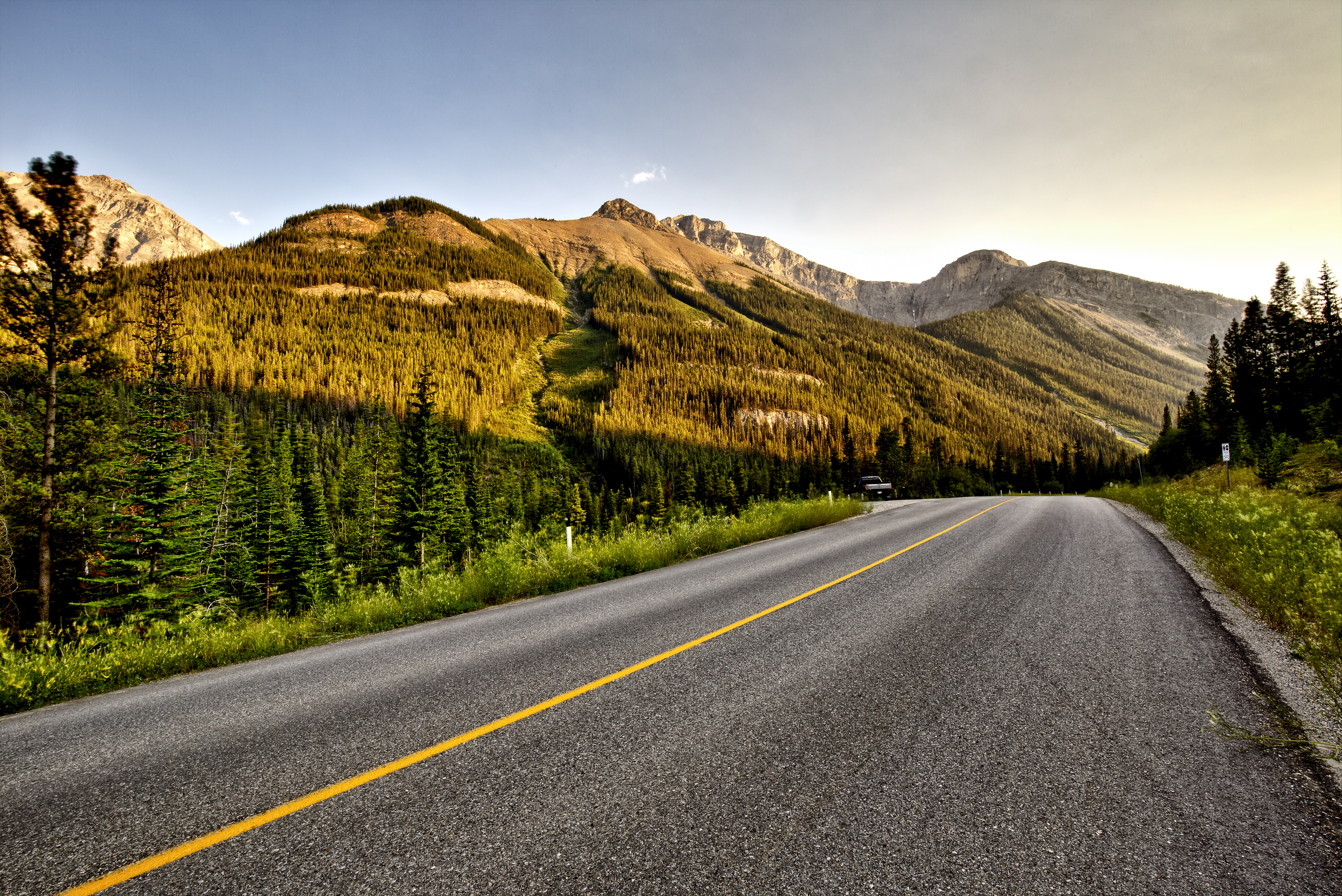
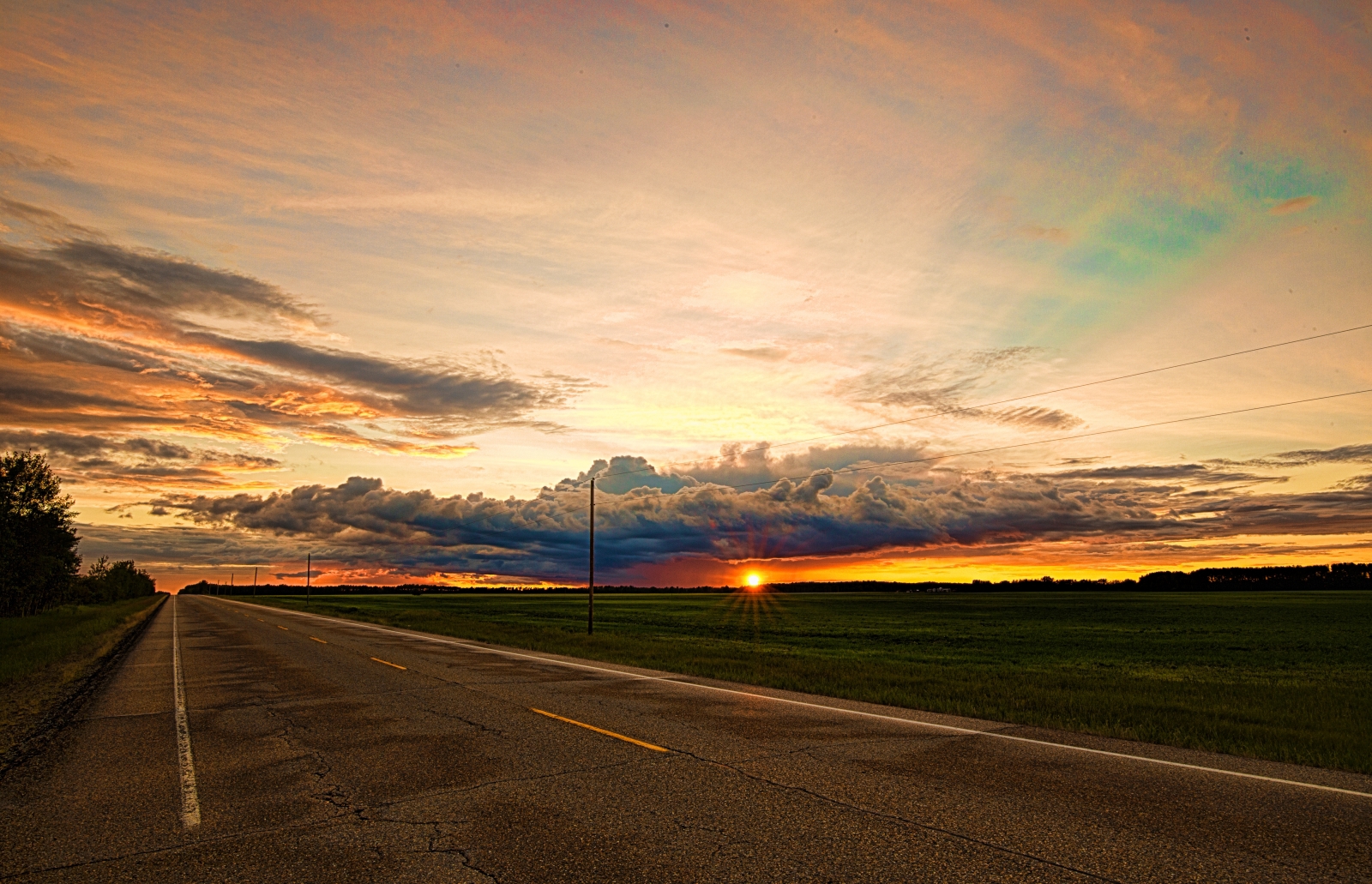
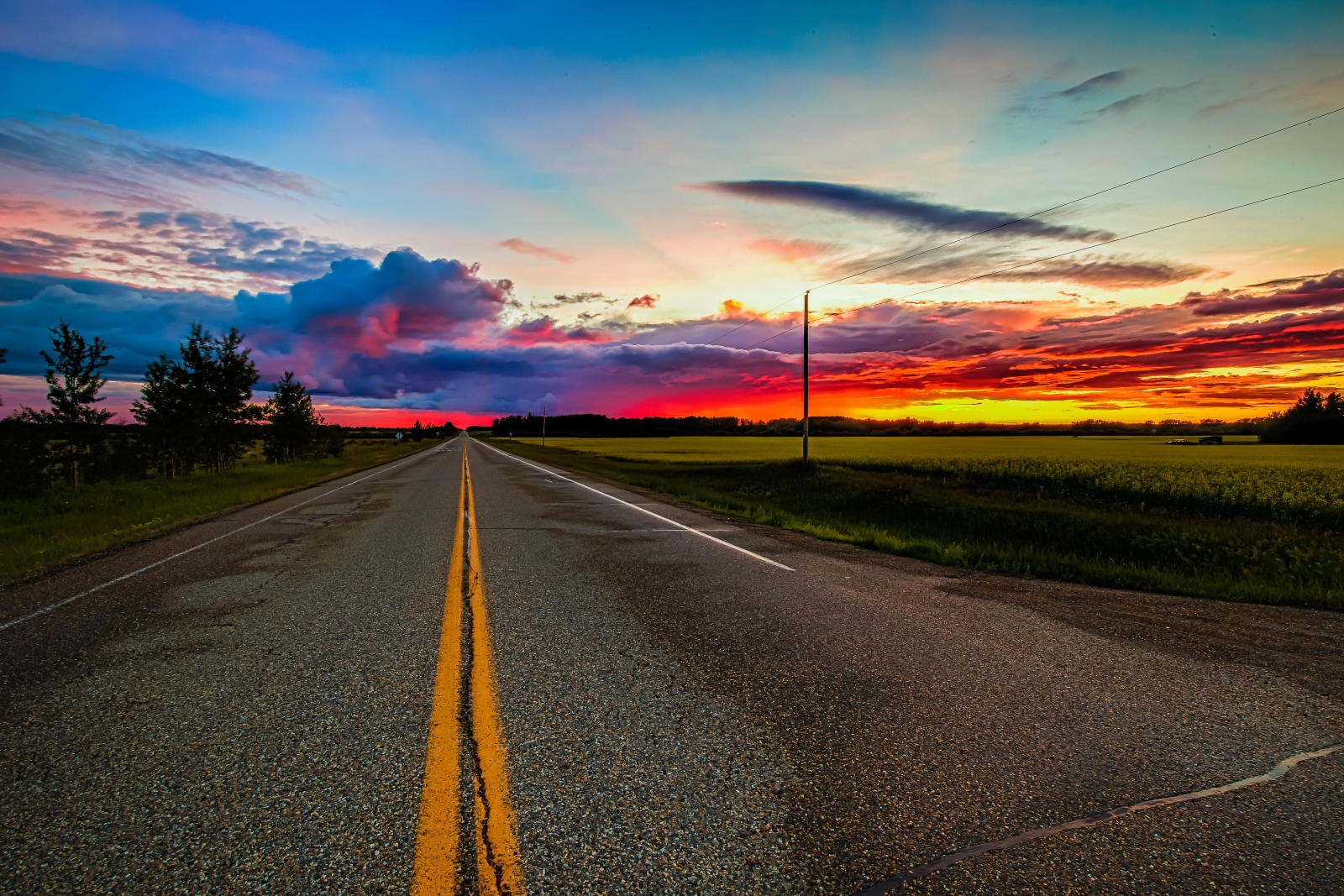
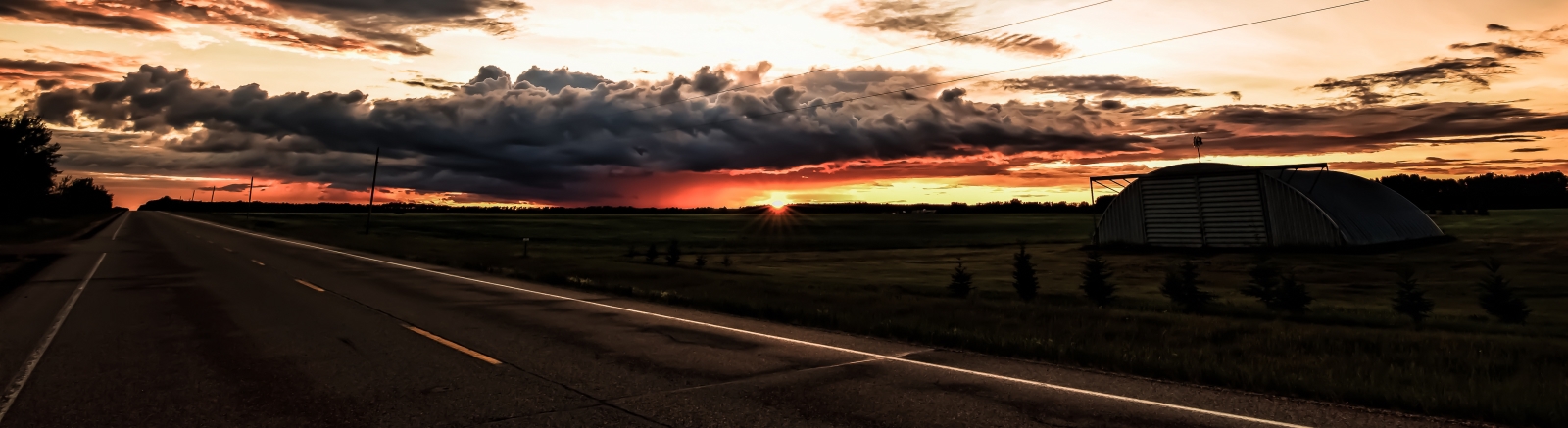
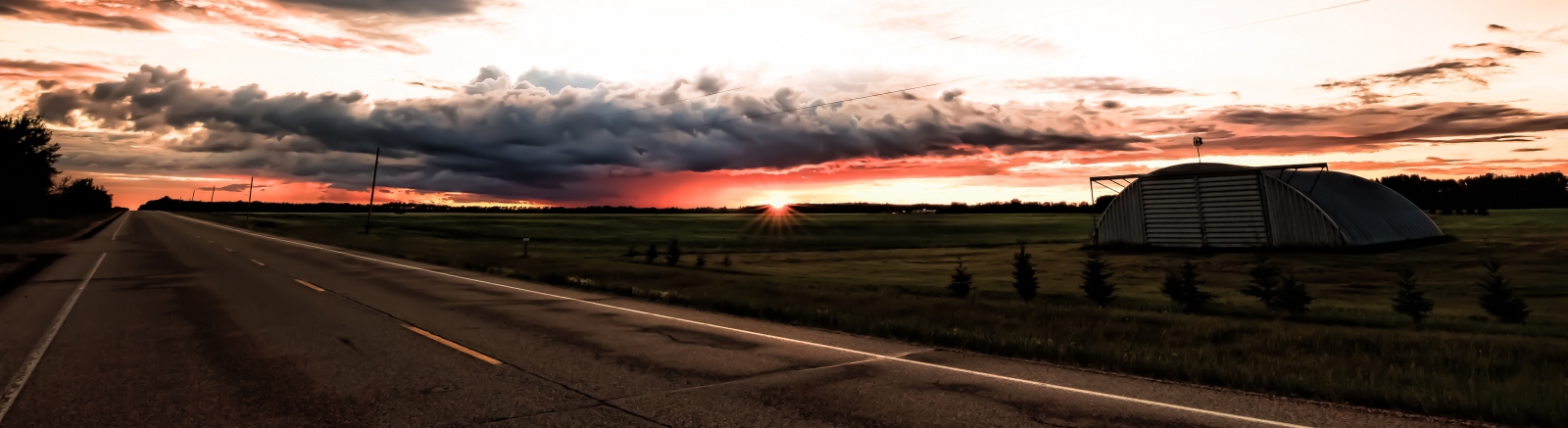
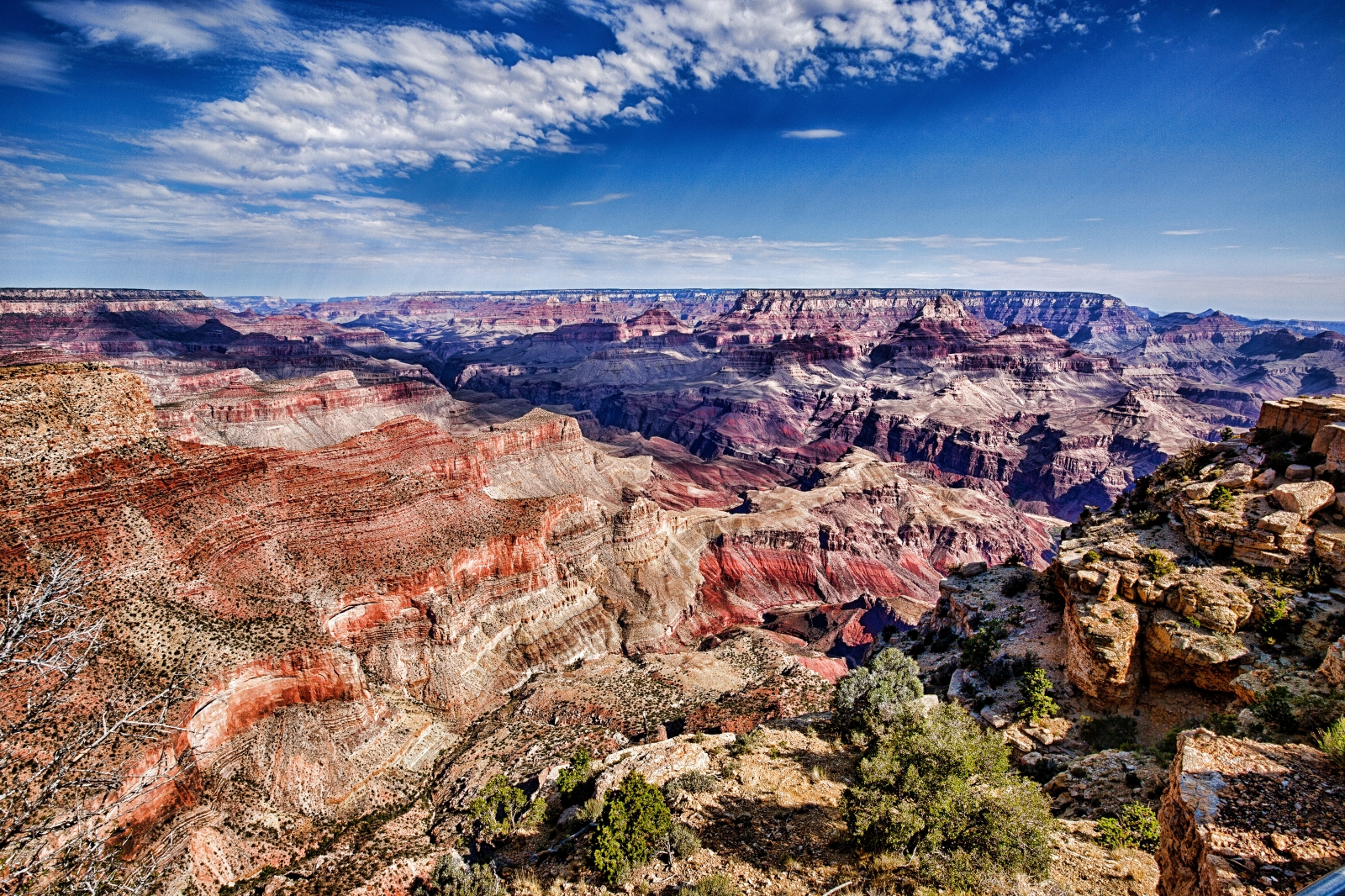
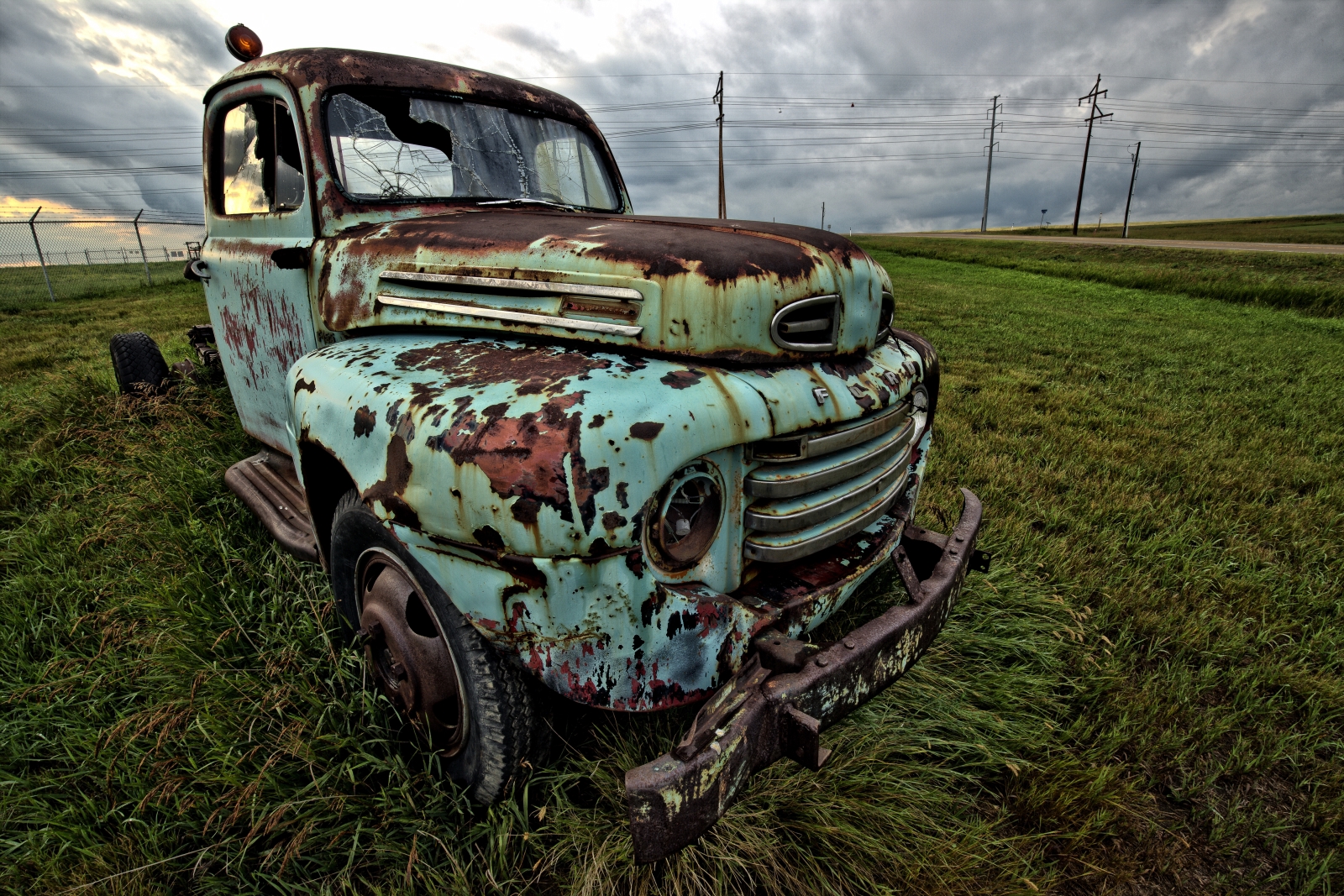
One of this summer’s revelations was finding that my Canon DSLR was able to move from three images in automatic exposure bracketing to seven, a potent option of possibility for use in High Dynamic Range (HDR) Photography. In August, I trialed this broad swath of bracketed exposures in Southern Alberta in creating HDR images. Beyond such experimentation with camera and tripod, where I have been using Adobe CS6, Photomatix and Google’s HDR Efex for High Dynamic Range image processing, I found a free HDR program within the accompanying DVD/CD to my June 2015 issue of PhotoPlus Magazine (the Canon Magazine) – HDR Projects 2 – and was surprised to find how much more was now in my photo-editor’s control in producing an HDR image; I have since upgraded the software to HDR Projects 3 Professional. Summer’s downtime also presented opportunities to gather HDR skills. I took-in a webinar offered by RC Concepcion, ‘HDR Exposed,’ through the KelbyOne website. The webinar dealt with static and moving HDR images and dealt with all considerations in the process of creating the final HDR image (e.g. overcoming camera distortion, creating photo-stitched panoramas in portrait or landscape formats etc.). One of my new goals is to create an HDR image of a building interior – new, old, dilapidated and to utilize natural light to capture colour, textures and depth. We’ll see what happens.

Possibly an HDR Quote to Consider – “In Photography there are no shadows that cannot be illuminated.” – August Sander

Listening to – Bruce Springsteen’s ‘Eyes on the Prize,’ Bruce Hornsby and The Range’s ‘The Valley Road,’ Don Henley’s ‘Sunset Grill,’ The Kingsmen’s ‘Louie Louie,’ Coldplay’s ‘Magic’ and Of Monsters and Men’s ‘Slow and Steady.’
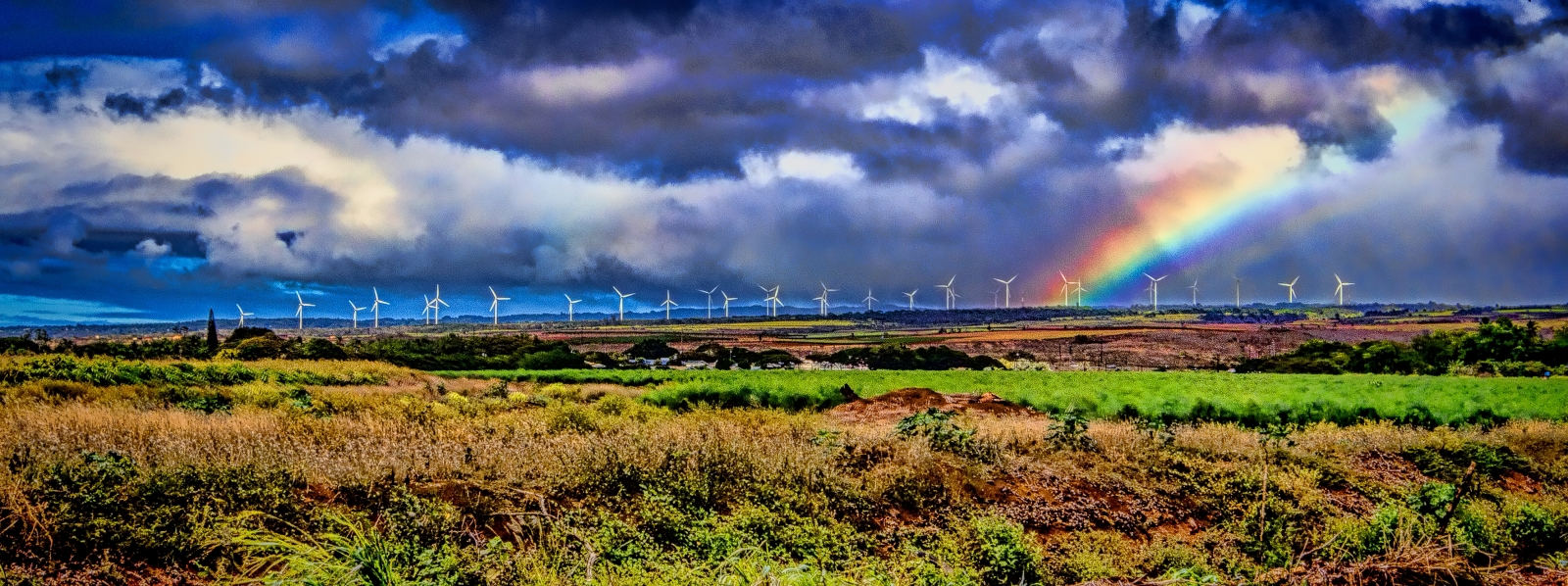
Rainbow Re-edit

Best Practices - Photography, Canon 60D, Canon 70-200 mm 2.8 IS L Series Lens, Canon Camera, Canon Live View, Farm, Flora, High Dynamic Range (HDR), Journaling, Light Intensity, Lookback Photos - One Year Ago, Photography & Conceptualizing Beauty, Project 365 - Photo-a-day, Smoke, Summer, Weather
Wind Turbines and Rainbow - Oahu 1

Wind Turbines and Rainbow – Oahu 1

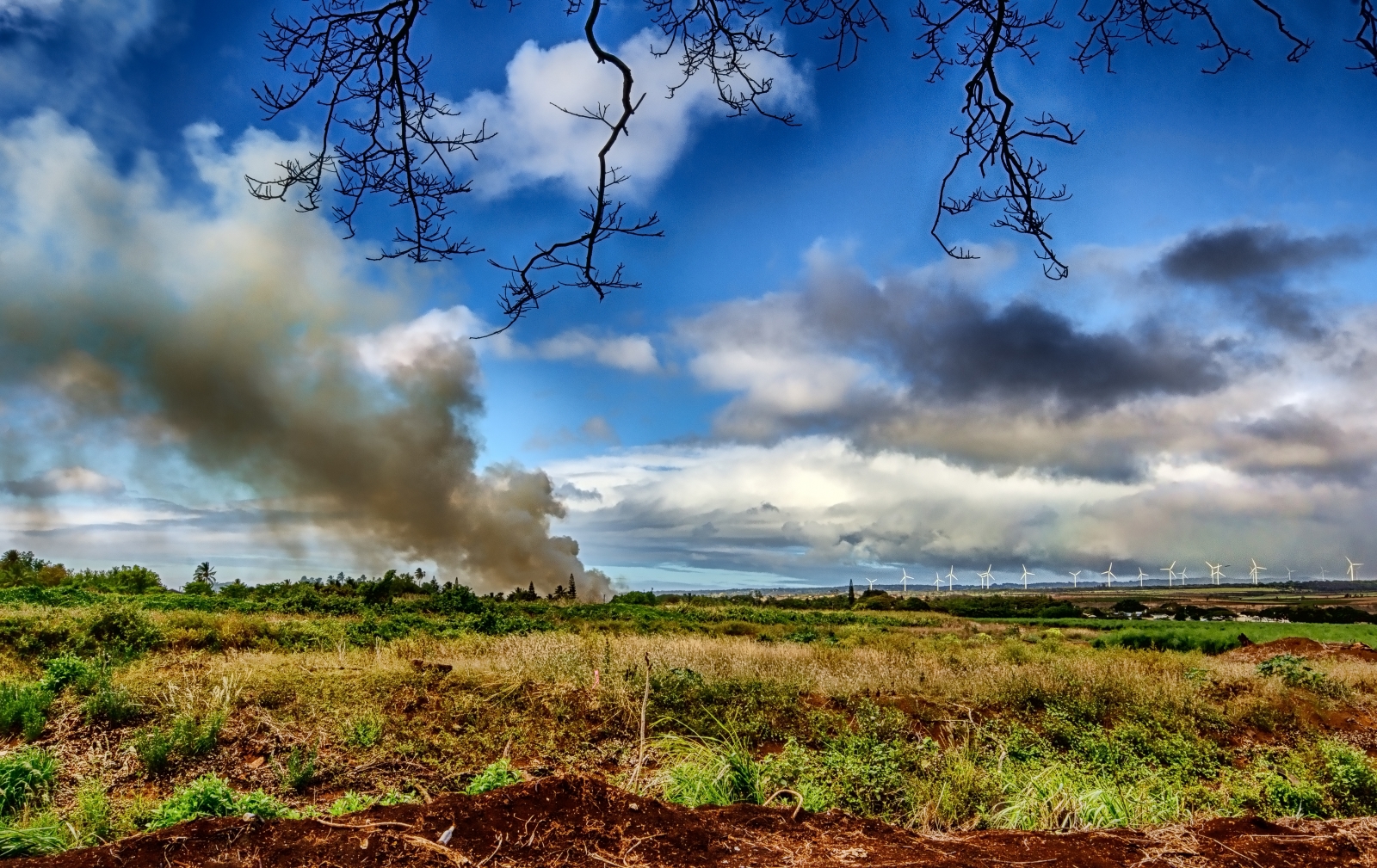
Plantation Fire - Haleiwa, Oahu

Plantation Fire – Haleiwa, Oahu

Wind Turbines and Rainbow - Oahu 5

Wind Turbines and Rainbow – Oahu 5

Wind Turbines and Rainbow - Oahu 4

Wind Turbines and Rainbow – Oahu 4

Wind Turbines and Rainbow - Oahu 3

Wind Turbines and Rainbow – Oahu 3

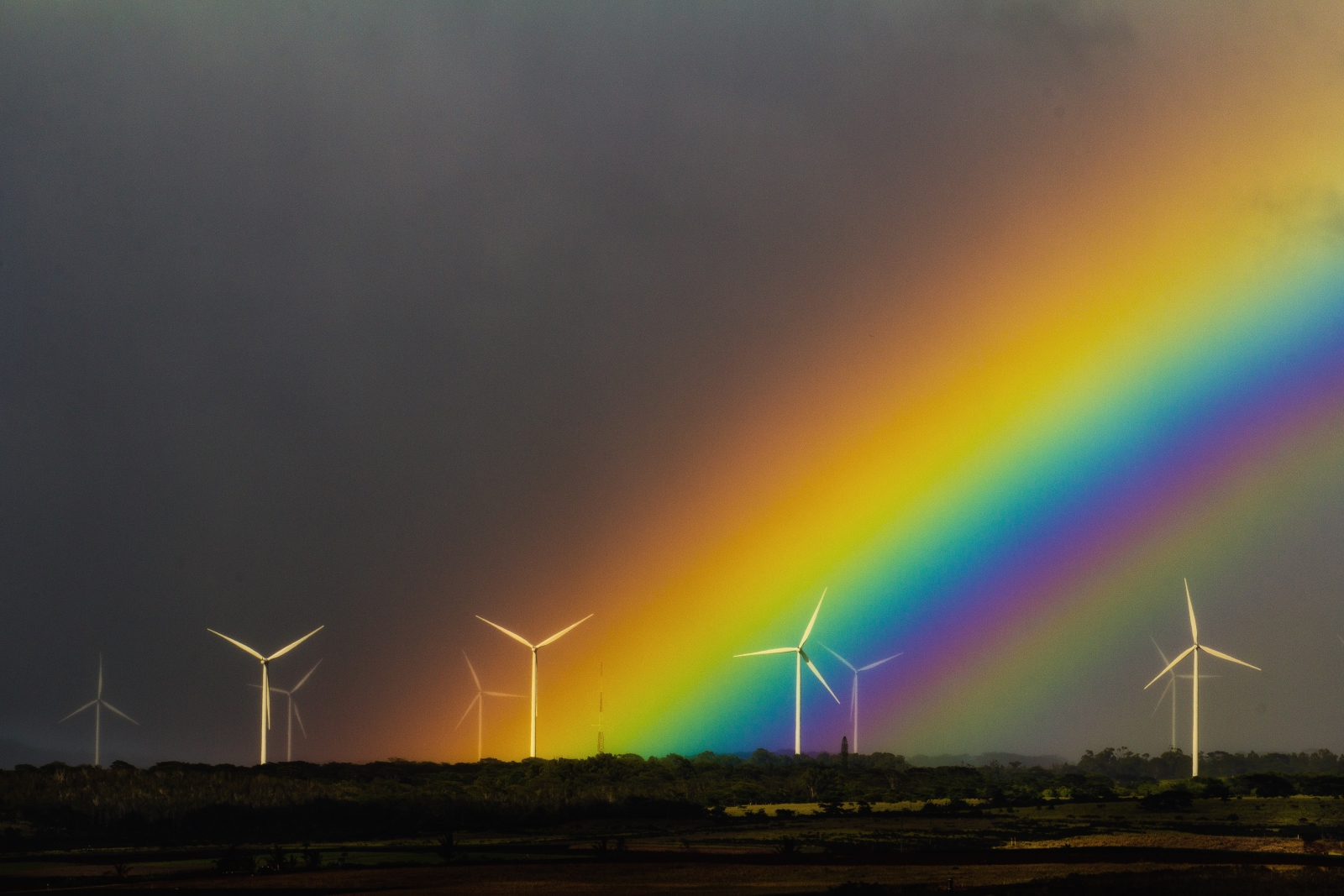
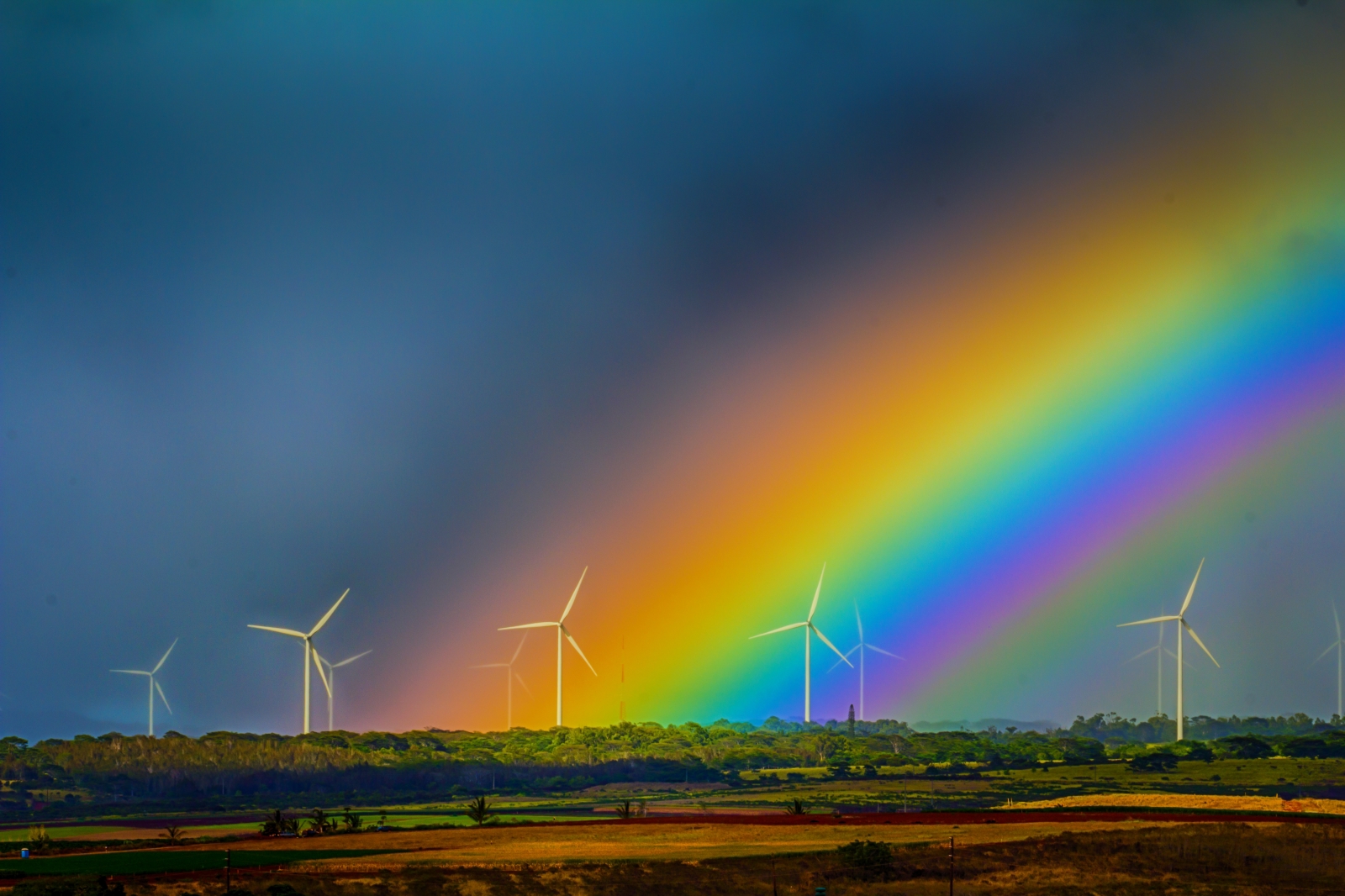
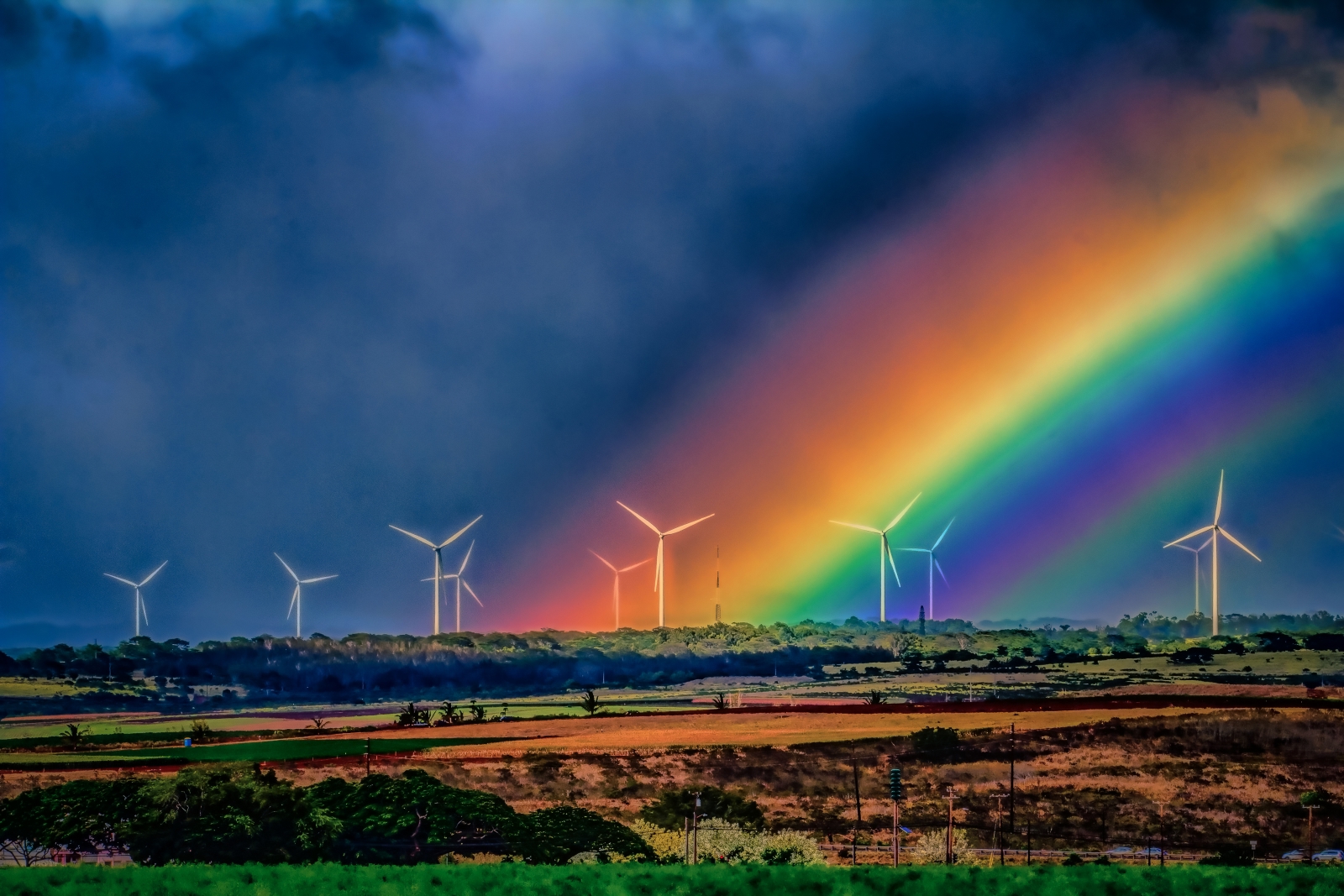
Two summers ago, my wife, daughter and I enjoyed two weeks on Oahu. We rented a car, a Ford Fusion, for the time and used it to take us on day trips exploring Oahu. In the second week we returned for perhaps the fourth time to Haleiwa, part of Oahu’s North Shore. Exploring, shopping and photo gathering were elements of that day. We’d each finished an ice cream cone and were buying t-shirts for my son when sirens of fire engines moved through town – one, then, five minutes later another.

To the north, a plantation, perhaps a mile away was burning and dark black smoke was billowing in the air.

When traffic had returned to its steady flow we got into the car with the intention of returning to Honolulu for the evening. Traffic had slowed, returning to an ambling pace. As we headed away from Haleiwa the idea to see the site of the fire attracted my curiosity. I took a right from the main road and followed a one-lane backroad toward the fire. I thought better of it; the backroad to the plantation was narrow and blocking traffic would be a problem.

I stopped our vehicle, got out and looked back over my right shoulder to see these wind turbines with a rainbow coming down in the midst of them – an opportunity for a photograph had presented itself. I attached my 70-200mm lens to my Canon 60D, zoomed in and captured these images. I posted the image on this blog maybe eighteen months ago, an image edited on my laptop while waiting for clothes to dry in the laundry room of the Marriott Hotel in Honolulu. The original posted is the third image above. Yesterday, I explored this sequence of images and found a few others to share. My thanks to Mark Kurtz for drawing my attention back to these images.

Listening to – Parov Stelar’s ‘Room Service,’ Nitin Sawhney’s ‘Firmament,’ the Gotan Project’s ‘Santa Maria (Del Buen Ayre)’ and Quantic & Tempo’s ‘Sabor.’

Quote to Consider – “In photography there are no shadows that cannot be illuminated.” – August Sander

Reflecting, Road Thought Work

Backlight, Best Practices - Photography, Canon Camera, Canon Lens, Canon Live View, Farm, Farmhouse, Flora, Fog, High Dynamic Range (HDR), Home, Homestead, Journaling, Light Intensity, Night, Photoblog Intention, Photography & Conceptualizing Beauty, Project 365 - Photo-a-day, Still Life, Summer, Sunset, Weather
Homestead - La Glace, Alberta, Canada

Homestead – La Glace, Alberta, Canada

Homestead - La Glace, Alberta, Canada

Homestead – La Glace, Alberta, Canada

Stop Ahead Turnoff - NW Alberta

Stop Ahead Turnoff – NW Alberta

Sunset - Warrensville, Alberta Canada 1

Sunset – Warrensville, Alberta Canada 1

Sunset - Warrensville, Alberta Canada 2

Sunset – Warrensville, Alberta Canada 2

Sunset - Warrensville, Alberta Canada 3

Sunset – Warrensville, Alberta Canada 3

Sunset - Warrensville, Alberta Canada 4

Sunset – Warrensville, Alberta Canada 4

Sunset - Warrensville, Alberta Canada 5

Sunset – Warrensville, Alberta Canada 5

Sunset - Warrensville, Alberta Canada 5

Sunset – Warrensville, Alberta Canada 5

“We never see another person’s experience; all we see is their behaviour (R.D. Lang).”

I have had some alone time travelling in the past few weeks and been able to engage in uninterrupted thought work – some intersecting of ideas has occurred. I’ve listened to a 2007 John O’Donohue lecture on the creative force of the imagination and key ideas as starting points about our inner lives – in his words, “I always think that behind every face there is a secret life and that humanoids are the strangest creatures that you’d ever meet because so much is contained within the human body. A human face is one of the most unusual things in the world. On such a small canvas such a variety of presence can appear. And, behind every face there is a secret, hidden inner life … if friendship means anything it means in the presence of the other you begin to see who you are in how they reflect you back to you.”

Within this same time frame I took in a photography workshop offered by Joe McNally – ‘The Moment It Clicks.’ As I listened and watched Joe work to produce different portraits there was recognition that the photographer does what John O’Donohue proposes; ultimately, the photographer reflects the subject back to him- or herself. I have wondered, though, if portrait photography is really a dance of interrogation; I have wondered if shared vulnerabilities result in trust and a richer portrait. And, is it the photographer’s leading interrogation about the subject’s narrative that produces the best photograph? Or, is it something more mutual that does so? I am wondering if the good portrait photographer leads the subject in the relationship that produces the portrait? It is possible that subject and photographer would share a context of silence in portrait making.

John O’Donohue’s words highlight some of this – “No two humans inhabit the same world, internally. We all inhabit the same world physically. But, internally, each world is completely different.” On the side of the photographer and on the side of the subject, what follows is starting point. “… No one else sees the world the way you do. No one else sees it from the perspective that you do. In no one else is the same narrative building as there is within you. And even though similar things have happened to you as with other people the context that they find in your heart and mind and narrative is different from everyone else. Your inner world is completely hidden from other humans.” So, within portrait photography interrogation has the opportunity to work on both sides co-creating a reality – that of photographer and that of subject. Relationship and moment are captured and recorded as the shutter button is pressed.

As the week rounded out, I found myself among this theme, again, being explored and brought to life in Ben Stiller’s film of James Thurber’s story, The Secret Life of Walter Mitty.

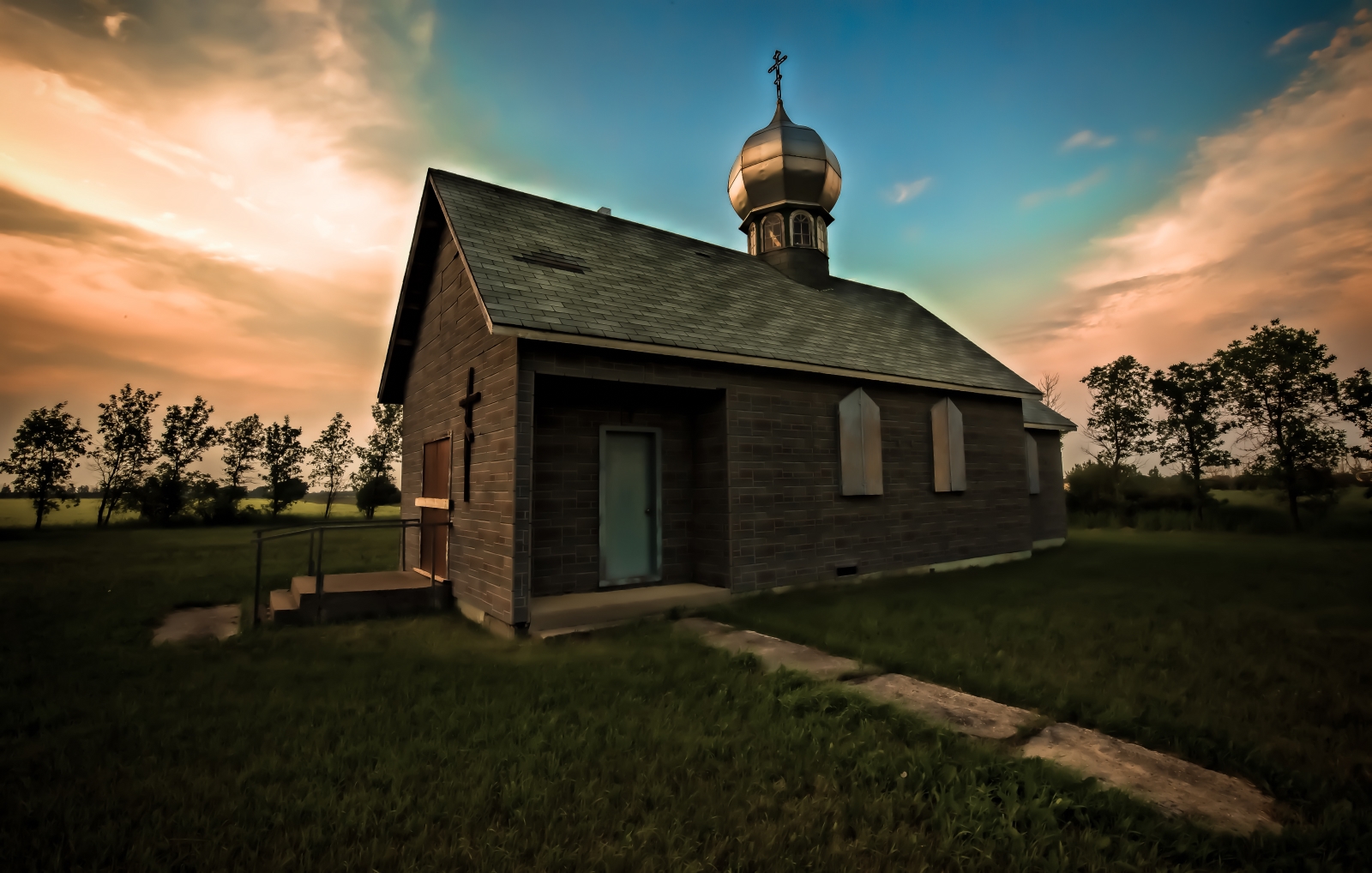
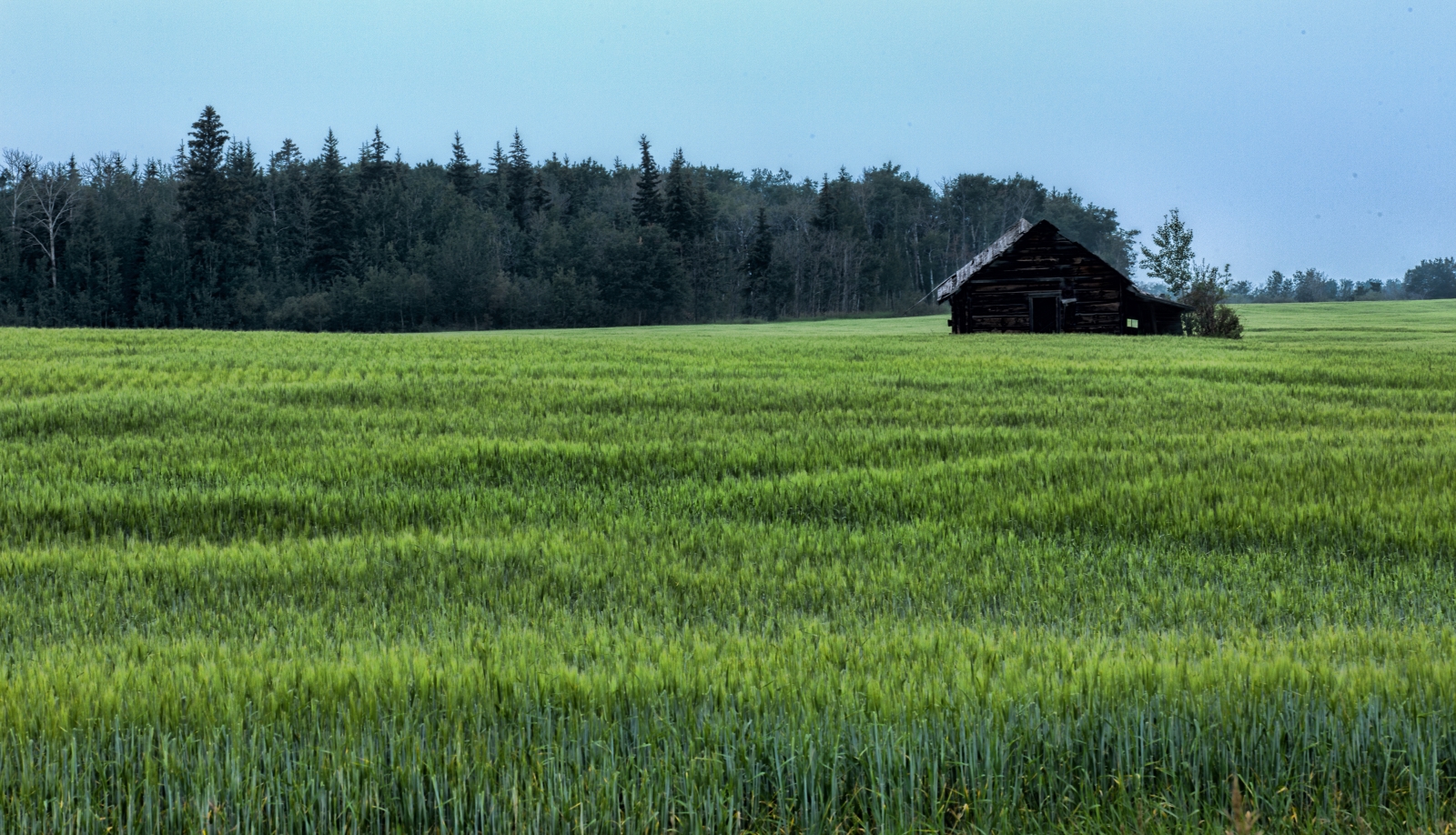
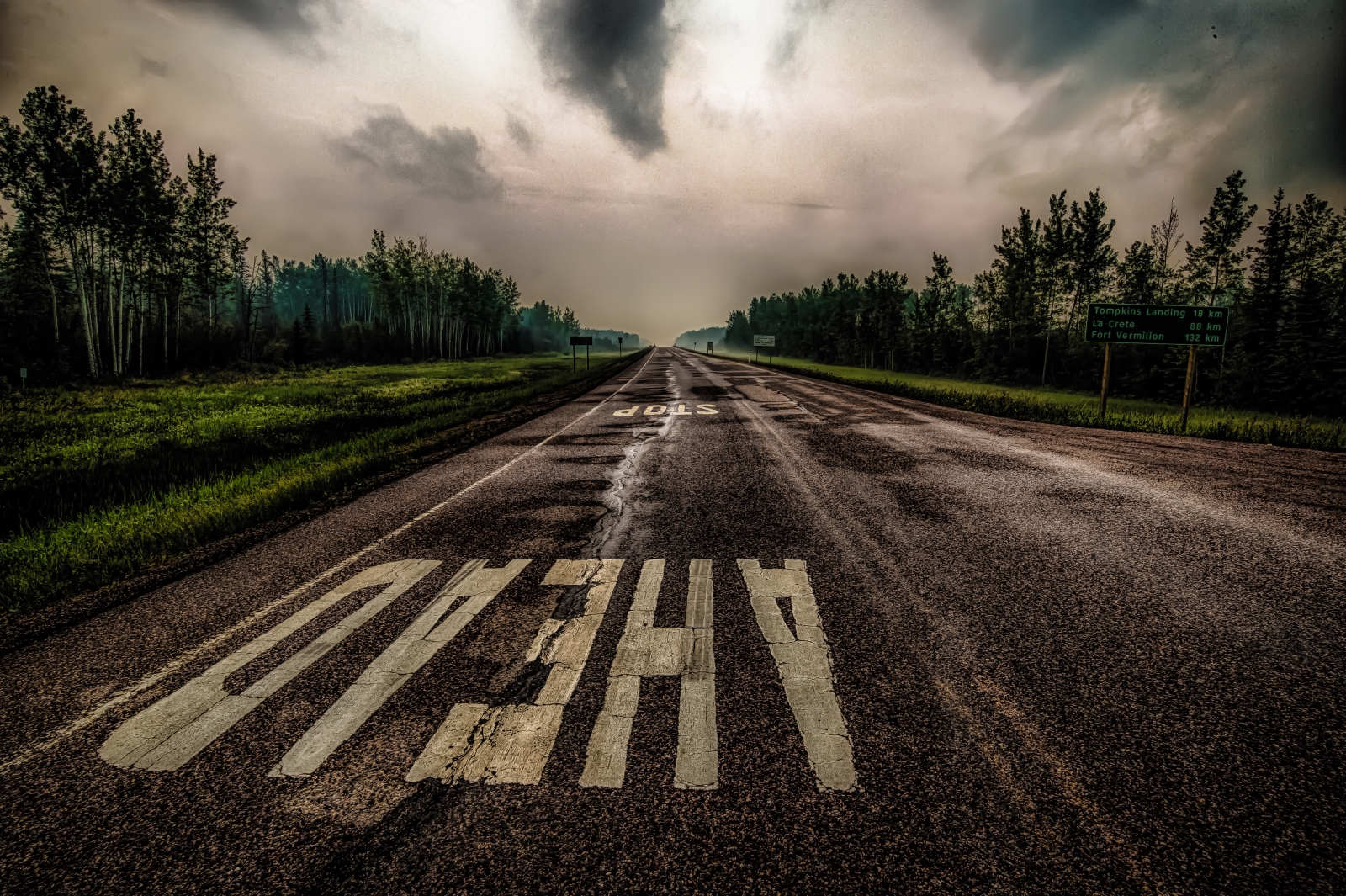
Images from the Road – a derelict church in Woking, a La Glace homestead, the road at night and sunsets.

Quote to Consider – “If you’re having difficulty finding a natural or intuitive expression in a portrait session or having trouble identifying with the person you’re photographing, look into their eyes carefully and see if you can find your own reflection there. Discover yourself looking at you. Then, ask your subject to look into your camera lens and find their own reflection, and be prepared to make the portrait.” – Shelby Lee Adams, ‘Find Your Reflection’ … seems follow-up from the aphorism, “The more I know me, the more I know thee.” – Buber-esque and good, good schtuff!

Listening to – Jose Gonzalez’ ‘Stay Alive’ and Thomas Merton’s ‘The Seven Storey Mountain.’

Winter Light Work

Backlight, Best Practices - Photography, Canon Camera, Canon Lens, Canon Live View, High Dynamic Range (HDR), Home, Homestead, Journaling, Light Intensity, Photography & Conceptualizing Beauty, Project 365 - Photo-a-day, Winter
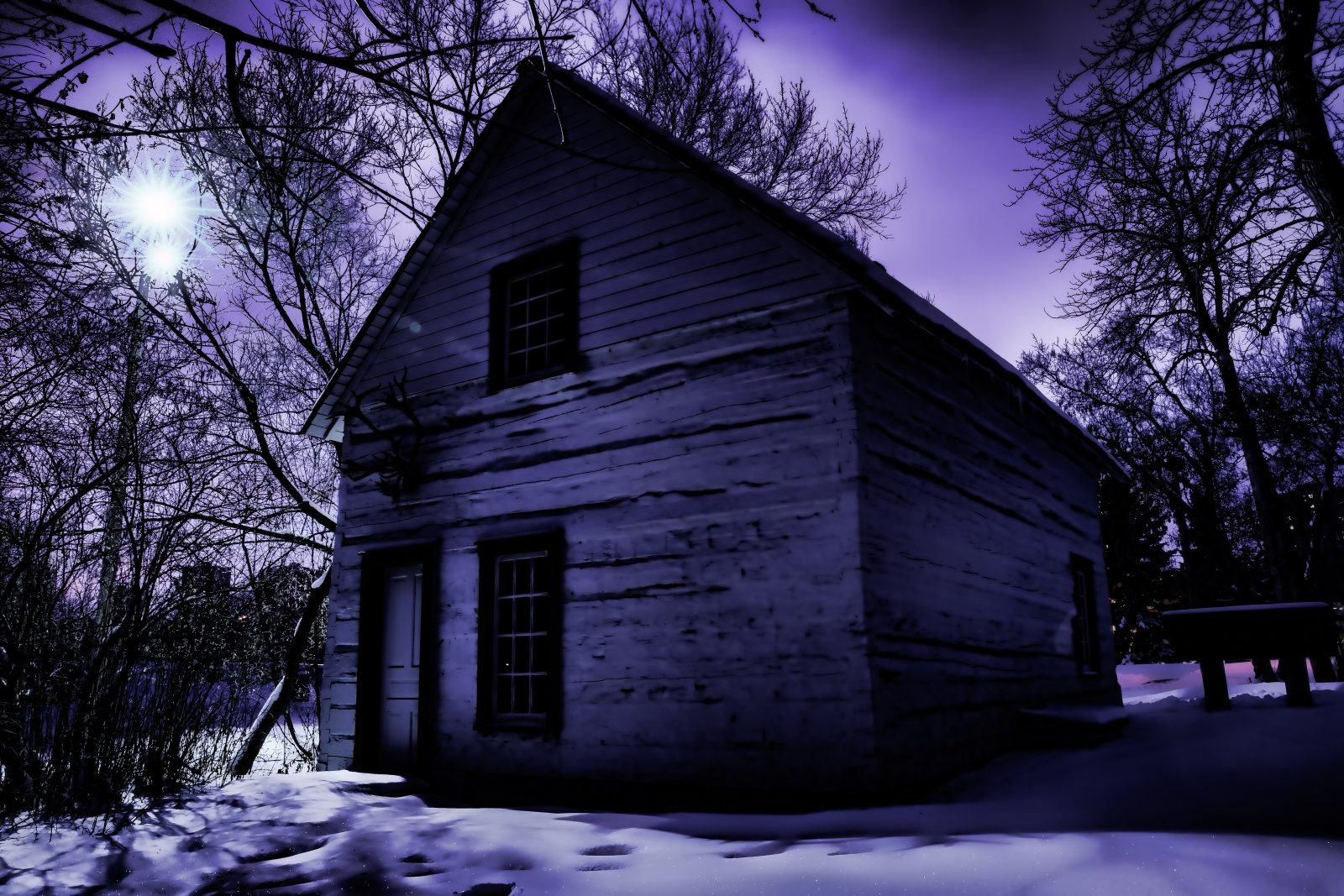
Walterdale House White 2 HDR-Edit-Edit-Edit-3

Walterdale House White 2 HDR-Edit-Edit-Edit-3

An early-hours image from February in Edmonton, one of three surviving homestead structures in Edmonton’s Walterdale community from 1900 or so. The light work in the trees, upon the snow and that reflected to the white walls of the house attracts my attention. The homestead glows in a way you might anticipate when encountering a home within a ghost story, the narrative placing a character too many hours into night and the happenings that occur.

Quote to Consider – “In photography there is a reality so subtle that it becomes more real than reality.” – Alfred Stieglitz

Listening to – Casting Crowns’ ‘City on a Hill.’

Window Pragmatics

Best Practices - Photography, Canon Camera, Canon Live View, Farm, Farmhouse, High Dynamic Range (HDR), Home, Homestead, Journaling, Light Intensity, Photography & Conceptualizing Beauty, Project 365 - Photo-a-day, Season, Spring, Still Life, Weather
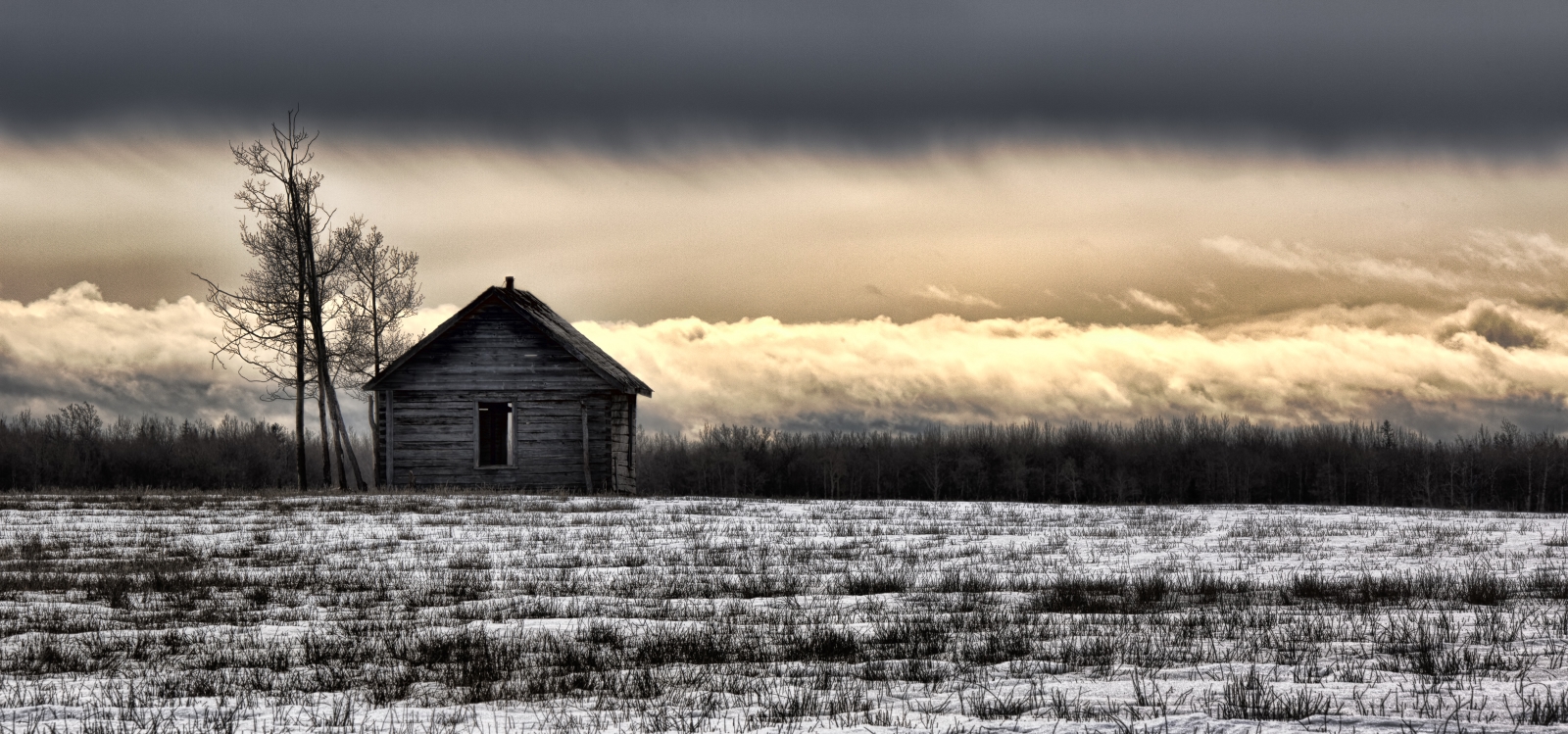
Homestead on a Hill - near Sexsmith, Alberta - Canada

Homestead on a Hill – near Sexsmith, Alberta – Canada

Ten minutes north from Sexsmith, Alberta this homestead is one previously photographed in mid-winter, the land smoothed under a snow blanket, the homestead roof likewise blanketed, but windswept with snow blown into curvilinear shape. Here, in early spring, the homestead’s greying outline pulls my eye, then it is its placement on the rise in this field, then the weather drama of its backdrop clouding and finally it’s the immensity of the homestead windows, each – one on each side – four feet tall by one and a half feet in breadth; much can be seen from this homestead. A South African farming friend points out that being able to see in each direction – north, east, south and west – requires that the farming home be placed at best vantage point to allow observation and consideration of happenings on the farm property. Pragmatics is what has been highlighted – all should be seen from the farm home and limit the need to be on the land to check on things.

Listening to – John O’Donohue’s ‘Longing and Belonging.’

Quote to Consider – “Of course, there will always be those who look only at technique, who ask ‘how,’ while others of a more curious nature will ask ‘why.’ Personally, I have always preferred inspiration to information.” – Man Ray

Its Next Turn

Best Practices - Photography, Canon Camera, Canon Live View, Christmas, High Dynamic Range (HDR), Journaling, Lookback Photos - One Year Ago, Photoblog Intention, Photography & Conceptualizing Beauty, Project 365 - Photo-a-day, Summer, Sunrise, Sunset, Weather, Winter
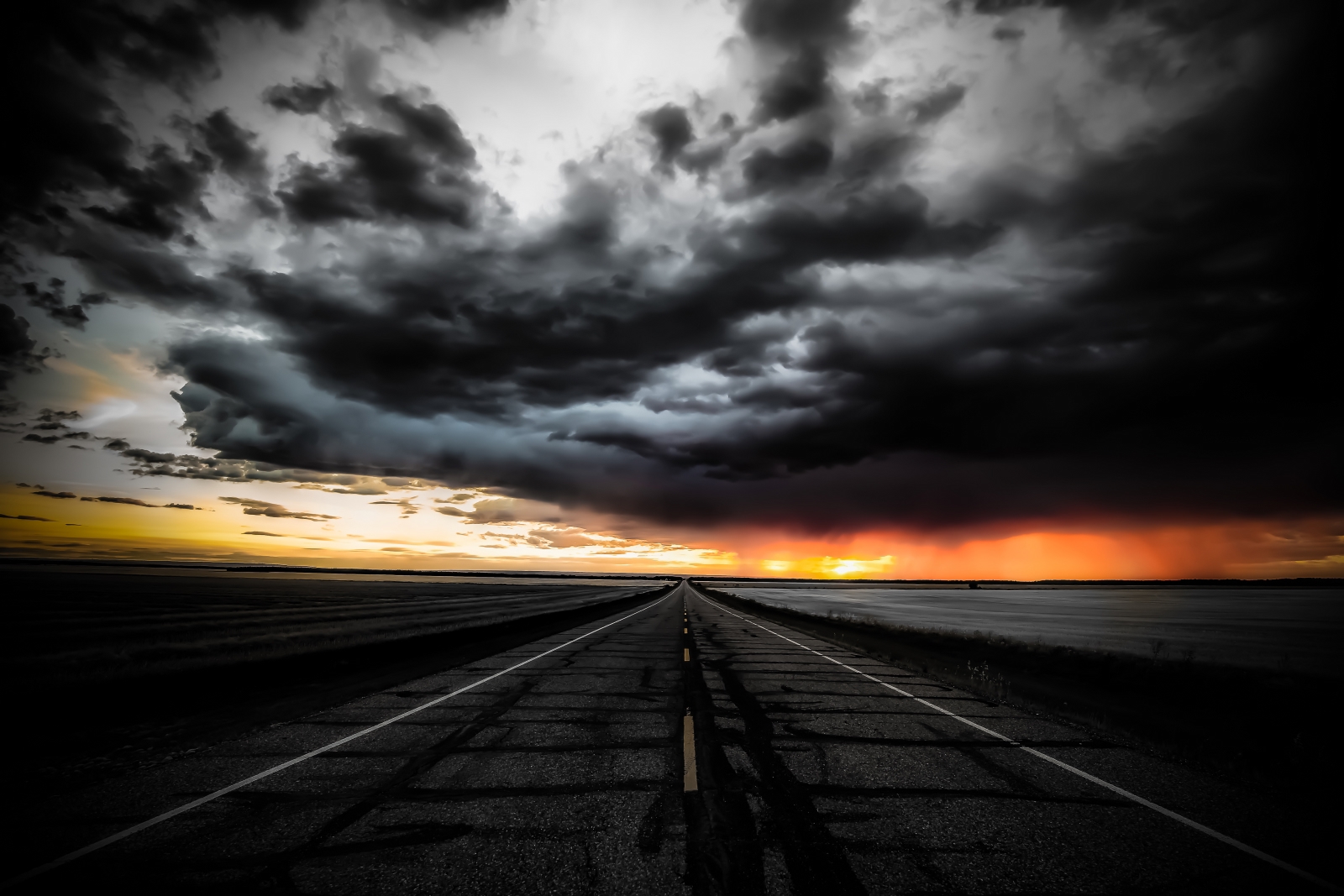
Sunset Cloudburst - Valleyview, Alberta - Canada

Sunset Cloudburst – Valleyview, Alberta – Canada

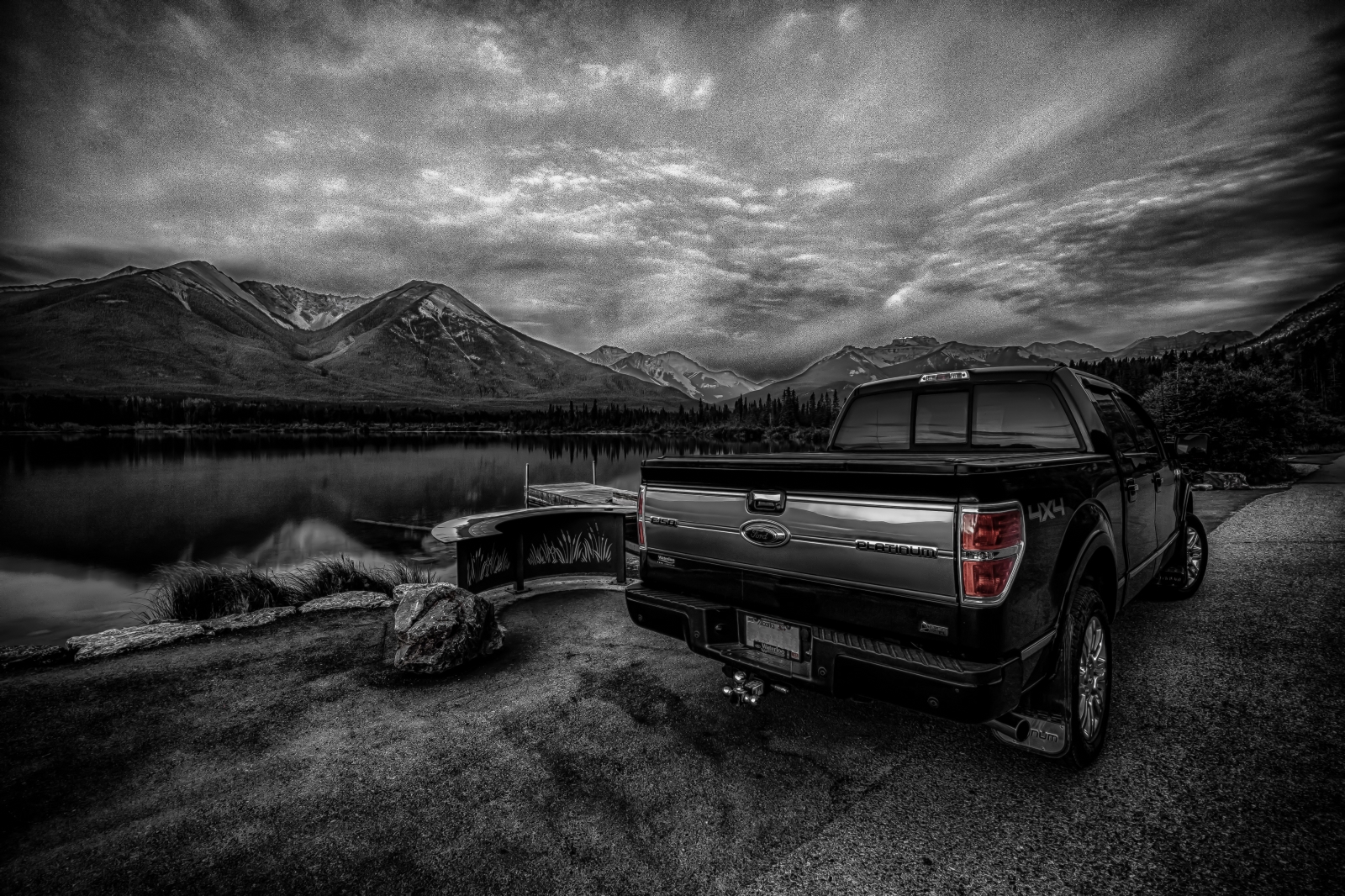
Vermillion Lakes - Banff, Alberta - Canada

Vermillion Lakes – Banff, Alberta – Canada

2015 is here. It has arrived. Christmas has come and been, presents have been shared and received, family has been enjoyed, rest has been had. An emphasis on creating images has been more absent during this time.

The time has offered the chance to explore/research the photography of others and Google Circles has been a key venue for doing so. It has been an excellent venue for sharing images. What I am impressed by is the speed and rapidity by which new images are added to one’s home stream. And, it is entirely too easy to reach out and access the camaraderie of other photographers and genres of photography that you or I define. Google Circles is a marvelous means of gathering inspiration for photography by way of witnessing what others manage to create – ideas for what I or anyone might try are right there, in front of you. With Google Circles it has been necessary to pare down distracting and unintended kinds of images; but, it can be done in an easy way that can serve your photographic interests. What I did not anticipate was that it would surface significant interests for next steps in photography.

What this exploration has also surfaced is that good photographers are always in touch with their world; they are familiar with current affairs; they have a good sense of what’s going on in terms of the Arts; they are current with literature and the intentions behind such narrative. They are in step and in sync with their world. And, they create images with intention.

So, this blog, takes its next turn. What will I photograph next? What skills will I aim to grow? What influences will I find in this next year? These are likely your questions too. Good! Let’s see what images we can bring into being.

Gratitude – thank you, to all who have been a part of these three years of ‘In My Back Pocket – Photography;’ thank you for your interest and encouragement; thank you for those times when you’ve steered me to a next idea or skill; thank you for the camaraderie (or, perhaps better stated, solidarity) associated with a common pursuit. It ‘all’ counts and I am grateful.

The images presented here are some fun with black and white and selective colorization, images from this summer’s travels.

Listening to – Chopin’s Nocturne No. 14 in F Sharp minor, Opus 9, No. 1; a recording by Amir Katz.

Quote to Consider – “The best images are the ones that retain their strength and impact over the years, regardless of the number of times they are viewed.” – Anne Geddes

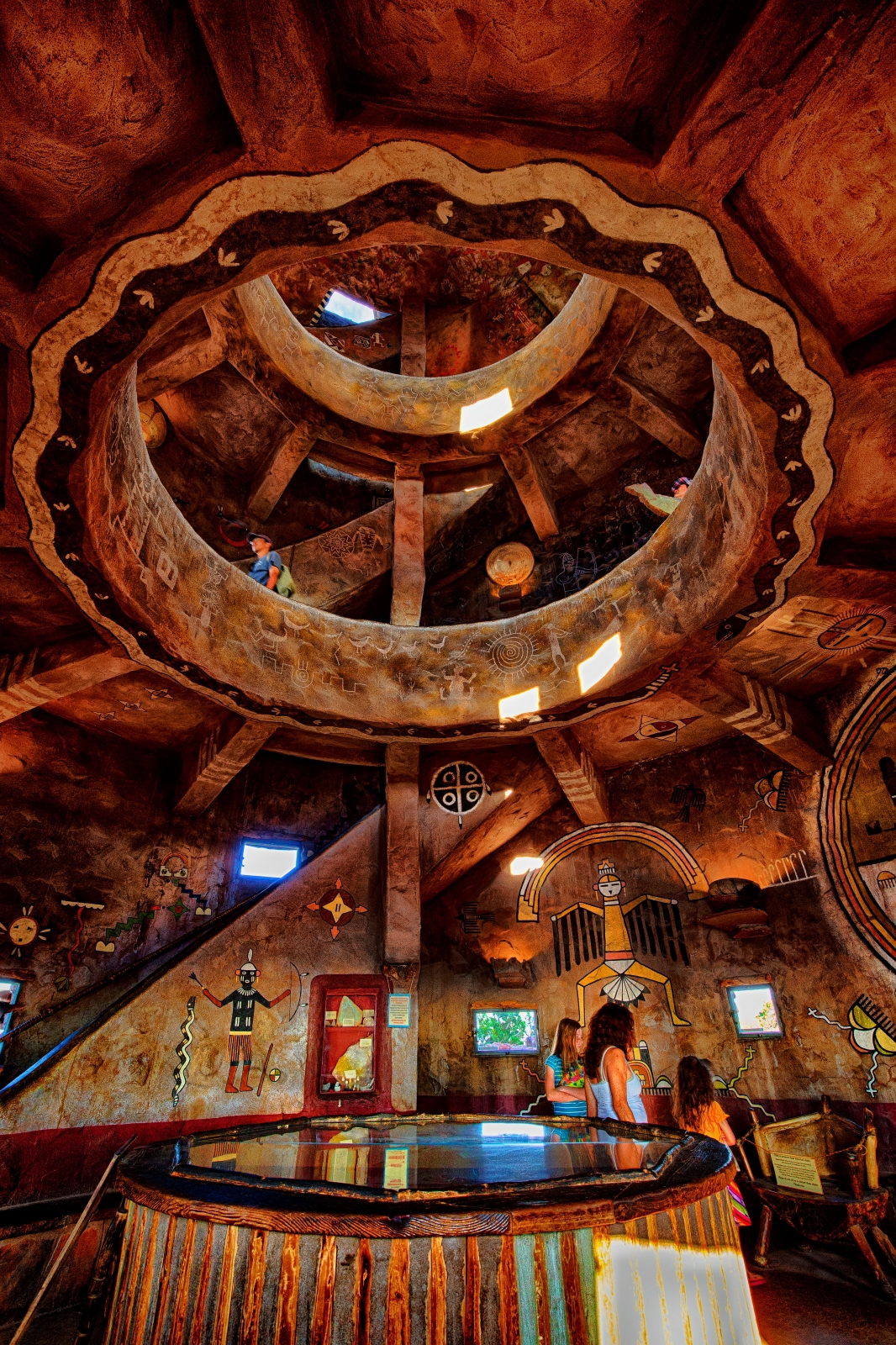
Inside the Watchtower

Best Practices - Photography, High Dynamic Range (HDR), Light Intensity, Photoblog Intention, Photography & Conceptualizing Beauty, Project 365 - Photo-a-day, Season, Summer
Medicine Wheel - Grand Canyon Watchtower 1

Medicine Wheel – Grand Canyon Watchtower 1

Medicine Wheel - Grand Canyon Watchtower 2

Medicine Wheel – Grand Canyon Watchtower 2

A park ranger greeted us as we entered Grand Canyon National Park. He asked where we were from and knew some of our home terrain from personal experience – as a younger man he and a fellow ranger cycled through British Columbia (B.C.) on a two week break; he’d been from Prince Rupert and through Quesnel and into southern B.C.. They’d also been chased by a bear in that adventure.

Our Grand Canyon ranger advised us to stop in at the Watchtower, the first lookout we would encounter in the park. As a structure, the Watchtower was built by Mary Colter in 1932, the same year in which my father was born (eighty-two years ago). Inside, the walls are painted with Navajo art in earthy, vibrant tones. One image, here, is a high dynamic range (HDR) photograph in natural light of a Navajo Medicine Wheel. Another, also an HDR photograph shows the interior structure of the Watchtower looking up through its center. The door to the roof was locked shut, but there were windows to look through, out and over the Canyon. I met a fellow Canon Camera shooter and showed him he could use his 60D’s optical zoom to create tack-sharp images … some camaraderie, there. Good, good. 😉

Listening to – Matthew Perryman Jones’ ‘Unknown.’

Quote to Consider – “[Photographs] … still want, first of all, to show something ‘out there.’” – Susan Sontag, ‘On Photography’

Time Out (in the Brubeck sense)

Best Practices - Photography, Canon Camera, Canon Lens, Canon Live View, Fall, Farm, Flora, Fog, High Dynamic Range (HDR), Homestead, Journaling, Light Intensity, Photography & Conceptualizing Beauty, Season, Still Life, Weather
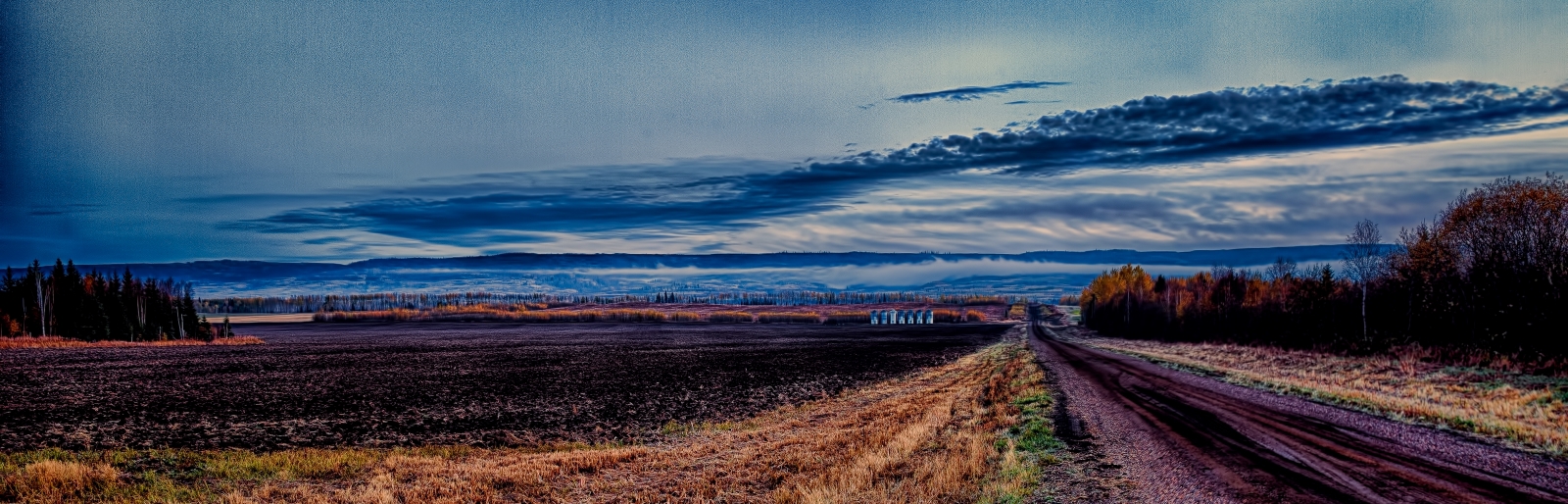
The Blue Hills - Buffalo Head Prairie, Alberta

The Blue Hills – Buffalo Head Prairie, Alberta

Taking time-out in the Brubeck sense, there being too much to do, having completed one huge step along a bigger task, clearing my head with photography before tackling the next huge step. This image is taken on a stretch of road behind the highway connecting Blue Hills to Buffalo Head Prairie, Alberta. The intention had been to use three F-10 images of the same scene with focus-stacking software to produce a merged, focused image utilizing the lens’ strongest point of focus with various focal points in the scene. I didn’t get that far. I didn’t purchase focus-stacking software. Instead, I used HDR Efex Pro to merge the three shots. I’m liking the result, an image that would suit a Thanksgiving theme, the harvest complete, the field prepared for spring and a move toward quieter, less hectic work. Good.

Listening to – A Mash-up of Radiohead vs Dave Brubeck – Five Step; have a listen and watch … http://www.kewego.co.uk/video/iLyROoafJd5s.html ; also, listening to Bruce Cockburn’s ‘My Beat’ and ‘Wondering Where the Lions Are.’

Quote to Consider – “It is not altogether wrong to say that there is no such thing as a bad photograph – only less interesting, less relevant, less mysterious one.” – Susan Sontag, ‘On Photography’

Road as Frontier

Backlight, Best Practices - Photography, Canon Camera, Canon Lens, Canon Live View, Flora, High Dynamic Range (HDR), Light Intensity, Photography & Conceptualizing Beauty, Project 365 - Photo-a-day, Still Life, Summer
1The Road - Arizona

1The Road – Arizona

2 The Road - Arches Nat'l Park

2 The Road – Arches Nat’l Park

3 The Road - Arches Nat'l Park

3 The Road – Arches Nat’l Park

4 The Road - Arizona

4 The Road – Arizona

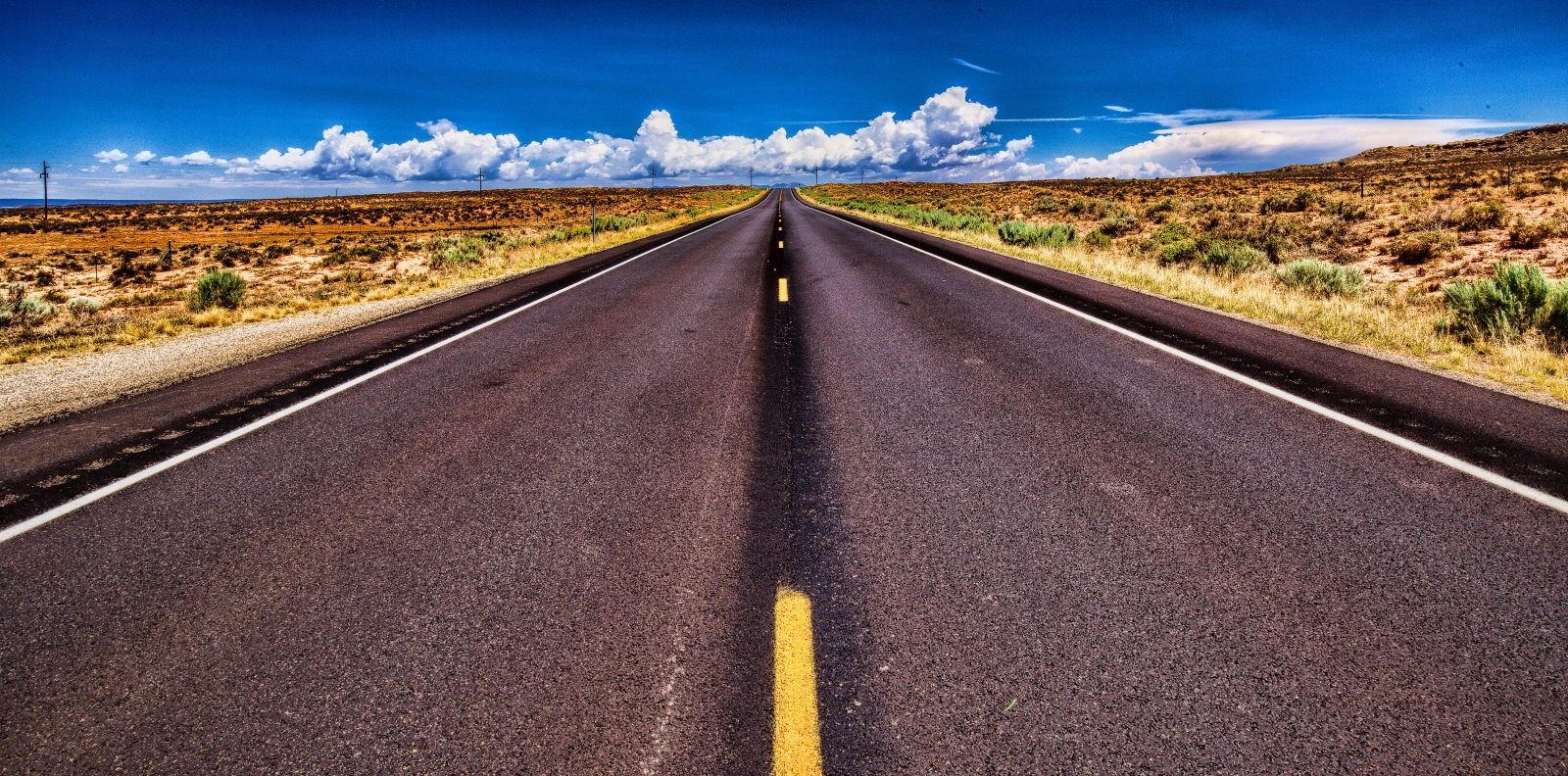
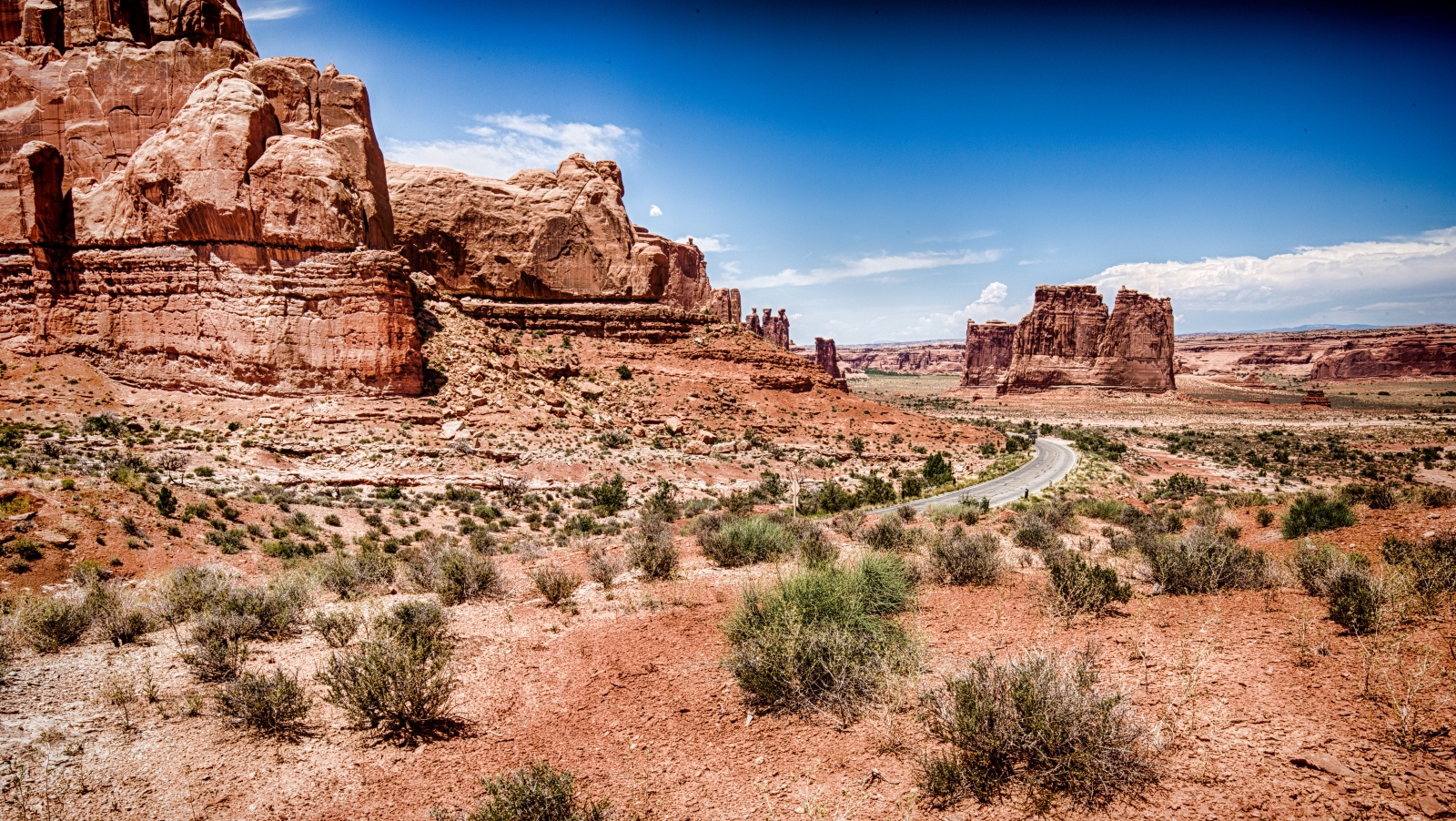
The road – some value the swift movement of traveling from point of origin to established destination; here, travel is not about what you encounter along your distance – travel is about getting ‘there.’ Robert Frost and Scott Peck, on the other hand, each refer to the road less traveled for what the road can reveal of the world and for how that road can grow us as we encounter new frontiers. Jack Kerouac, in his novel, ‘On the Road,’ refers to a life orientation of meeting, new, upcoming road – what we discover moving over it and how we grow as the road challenges us. That road and what we do along it becomes our narrative, our less traveled road.

Images from the road ….

Listening to – Chuck Berry’s ‘Route 66.’

Quote to Consider – “If photographs are messages, the message is both transparent and mysterious.”

Query – HDR Halo Removal

Backlight, Best Practices - Photography, Canon Camera, Canon Lens, Canon Live View, High Dynamic Range (HDR), Journaling, Light Intensity, Photography & Conceptualizing Beauty, Project 365 - Photo-a-day, Still Life, Summer
Grand Canyon - Arizona 1

Grand Canyon – Arizona 1

Grand Canyon - Arizona 2

Grand Canyon – Arizona 2

Grand Canyon - Arizona 3

Grand Canyon – Arizona 3

Grand Canyon - Arizona 4

Grand Canyon – Arizona 4

Grand Canyon - Arizona 5

Grand Canyon – Arizona 5

The following images of the Grand Canyon are high dynamic range (HDR) images. In editing these HDR shots the challenge has been to try and eliminate the halo surrounding edges of highly contrasted colours within images. The method experimented with this week has been to open the Develop module in Adobe Lightroom and within the Lens Correction menu to utilize the ‘Remove Chromatic Aberration’ there instead of relying only on a similar feature in the HDR Efex plug-in, on the plug-in side of merging the three (or more images). Beyond this, NiK Software’s Viveza is used to sharpen and add contrast and adjust/decrease brightness; after that Topaz Labs’ Clarity and Adjust helps adjust sharpness and saturation. With Viveza I’m finding success in editing toward what I want. I still am learning about choosing the filter/preset in Topaz Adjust and then finding optimal saturation from there.

If you are an HDR image creator I would appreciate hearing from you and the method you use to create your non-halo HDR images; this week, a software product called HDR Expose 3 (by Unified Color) has been recommended for its de-ghosting (halo elimination) capacity … do you use this?

Listening to – 16 Horsepower from their ‘Folklore’ album, in their rendering of a Nina Simone song, ‘Sinnerman.’

Quote to Consider – “In the past, a discontent with reality expressed itself as a longing for another world. In modern society, a discontent with reality expresses itself forcefully and most hauntingly by the longing to reproduce this one.”