Skyline Silhouette

Light Intensity, Lookback Photos - One Year Ago, Podcast, Project 365 - Photo-a-day, Summer, The Candid Frame
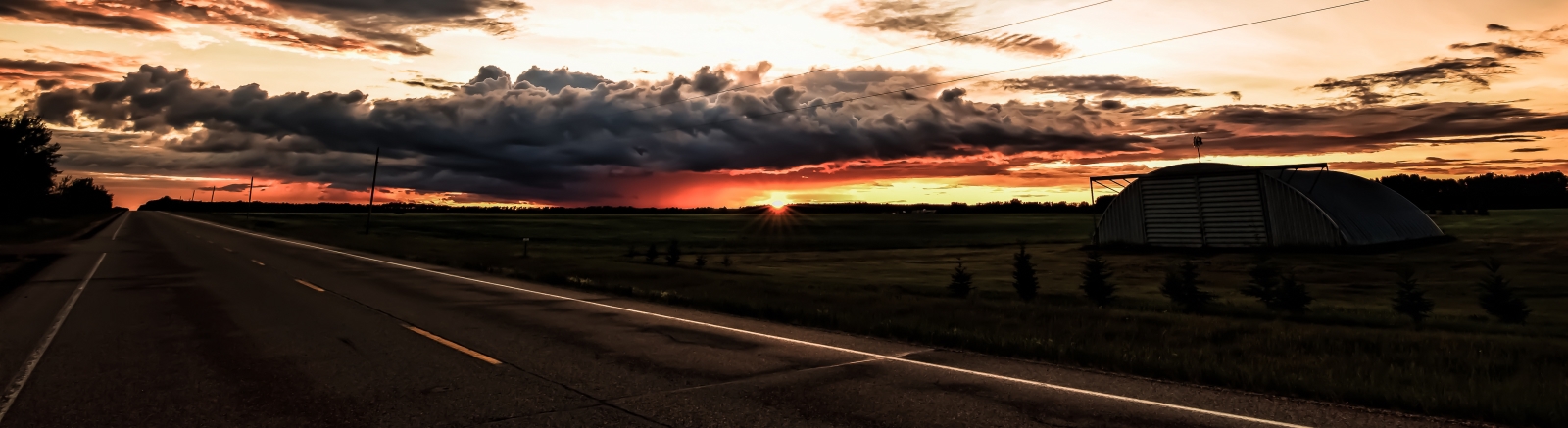
Edmonton Skyline 1

Edmonton Skyline 1

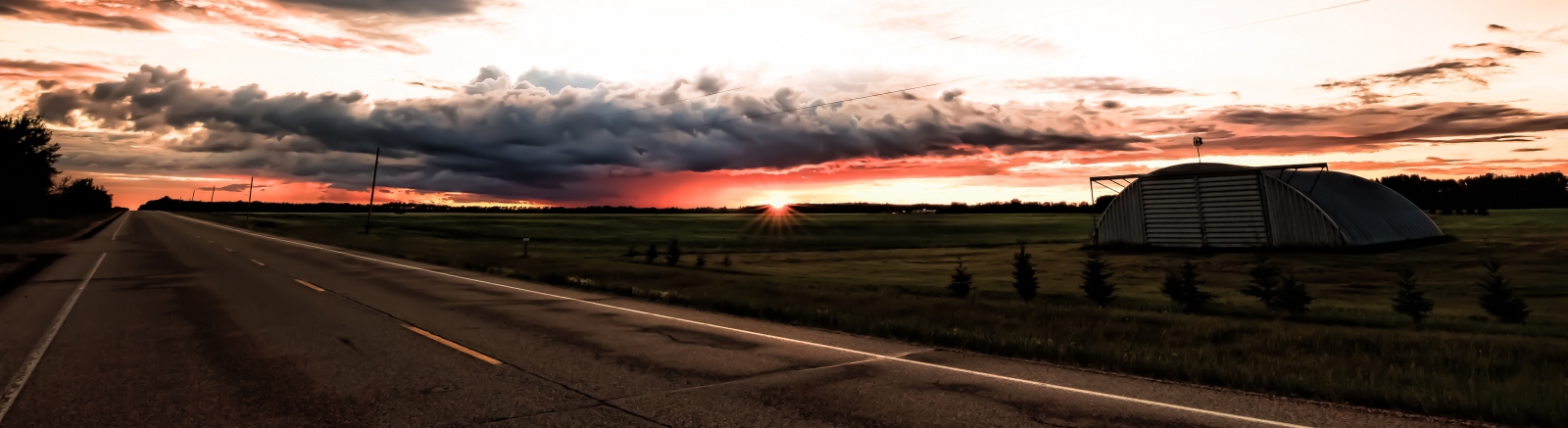
Edmonton Skyline 2

Edmonton Skyline 2

Edmonton Skyline 3

Edmonton Skyline 3

Edmonton Skyline 4

Edmonton Skyline 4

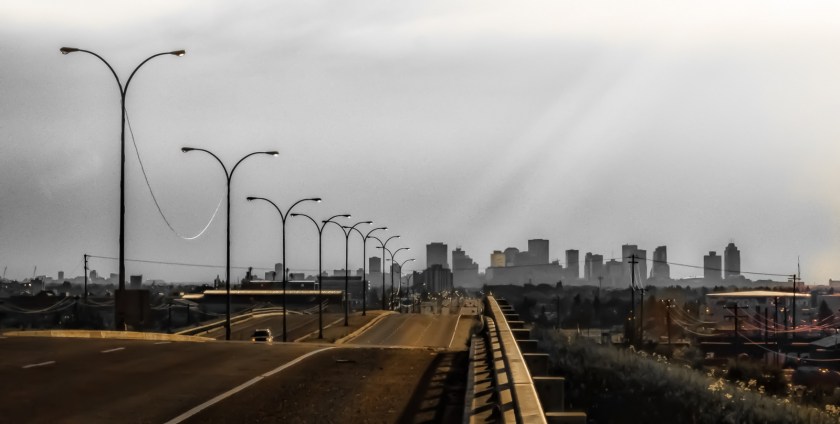
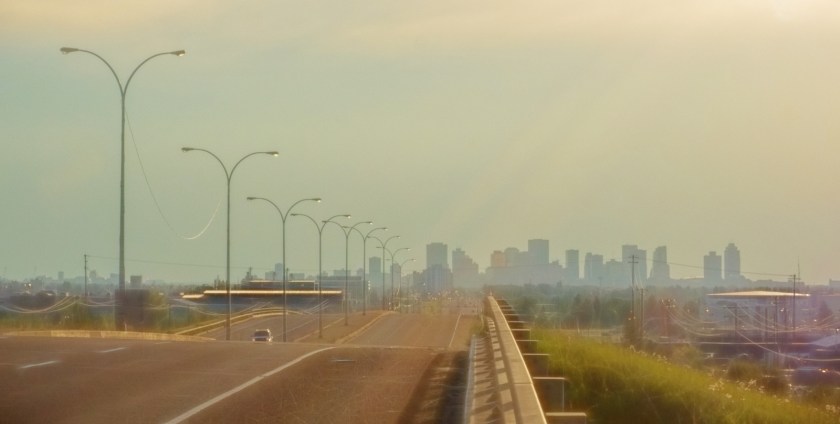
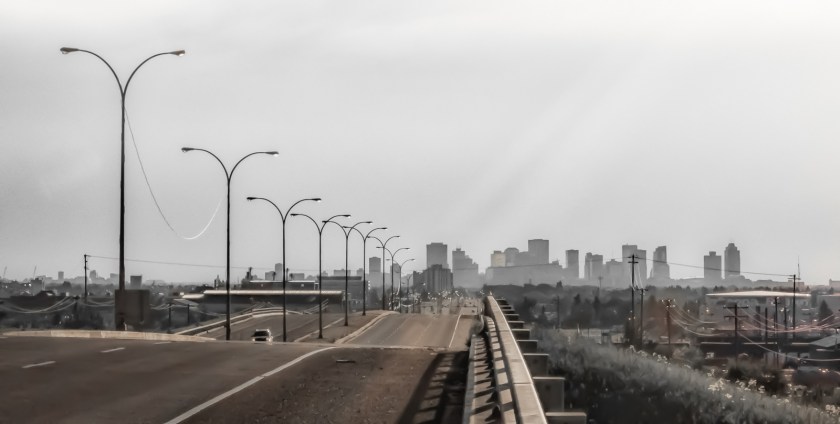
A summer image, looks west from Baseline Road at 17th Street to Edmonton’s skyline; it appears as silhouette. To the left and right are various petroleum-based industries – the road is known also as ‘Refinery Row.’

Quote to Consider – “Just put on the lens and go.” – Miroslav Tichy

Listening to – Bruce Springsteen’s ‘Open All Night,’ as first rendered on his Nebraska album – a rockin’ boogie on an electric guitar and the voice of Bruce, those two instruments, nothing else; the song is quite different from piano and band boogie as it is rendered on his ‘Live in Dublin’ performance. Also, listening to ‘The Candid Frame: A Photography Podcast’ and Ibarionex Perello’s interview of Stacey Pearsall and the subject of Military Journalism and the Veterans’ Portrait Program.

Forty Sorties

Journaling, Photography & Conceptualizing Beauty, Still Life, Summer
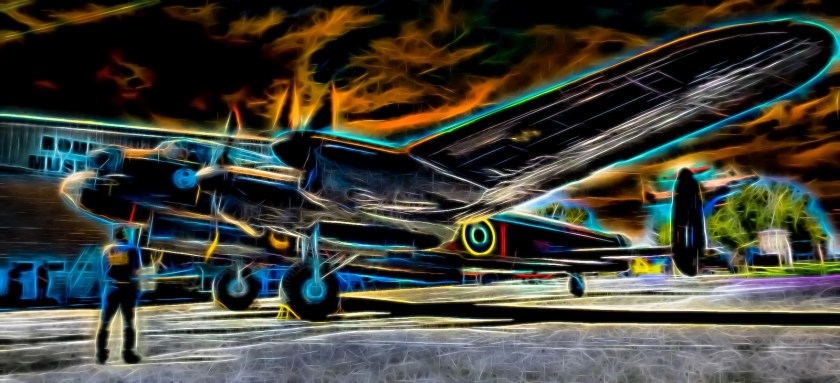
AVRO Lancaster - Nanton, Alberta 1

AVRO Lancaster – Nanton, Alberta 1
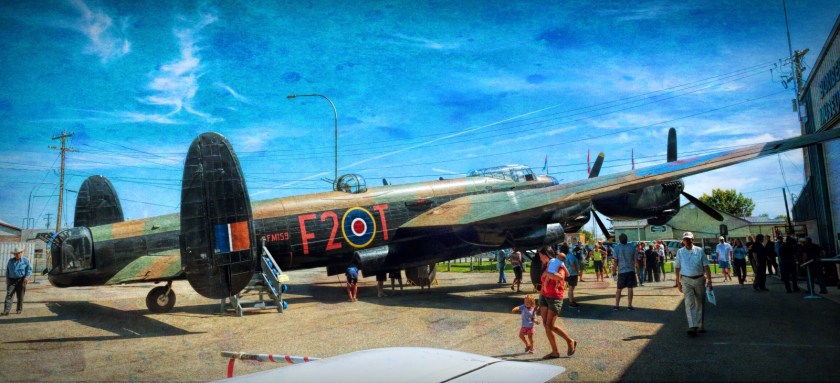
AVRO Lancaster - Nanton, Alberta 2

AVRO Lancaster – Nanton, Alberta 2

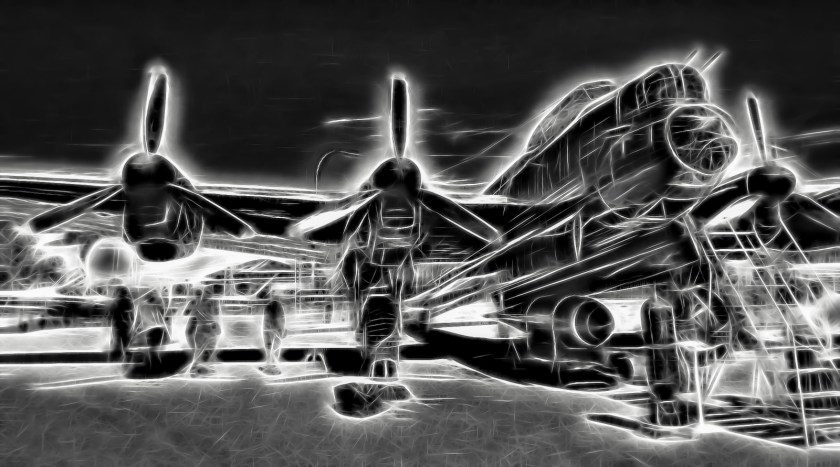
AVRO Lancaster - Nanton, Alberta 3

AVRO Lancaster – Nanton, Alberta 3

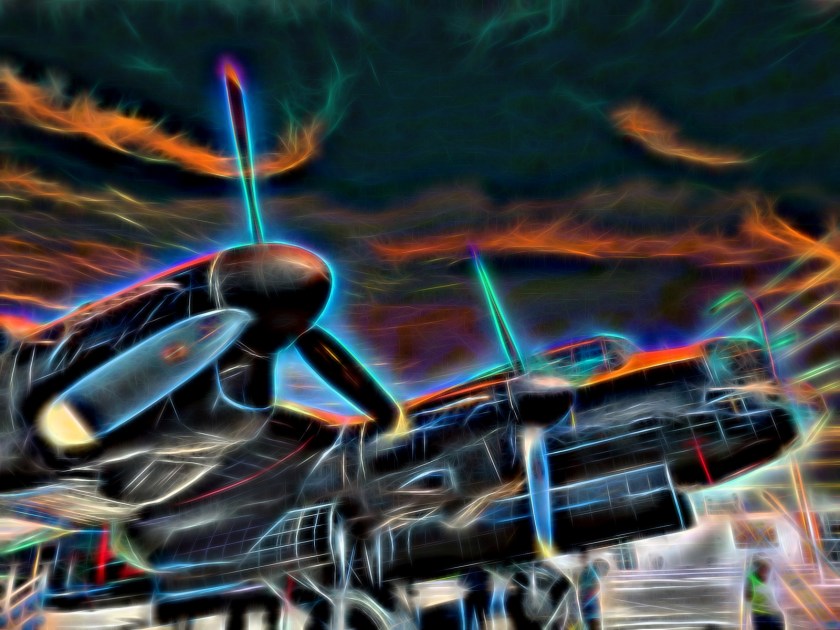
AVRO Lancaster - Nanton, Alberta 4

AVRO Lancaster – Nanton, Alberta 4

AVRO Lancaster - Nanton, Alberta 5

AVRO Lancaster – Nanton, Alberta 5

AVRO Lancaster - Nanton, Alberta 6

AVRO Lancaster – Nanton, Alberta 6

AVRO Lancaster - Nanton, Alberta 6a

AVRO Lancaster – Nanton, Alberta 6a

AVRO Lancaster - Nanton, Alberta 7

AVRO Lancaster – Nanton, Alberta 7

AVRO Lancaster - Nanton, Alberta 8

AVRO Lancaster – Nanton, Alberta 8

AVRO Lancaster - Nanton, Alberta 9

AVRO Lancaster – Nanton, Alberta 9

AVRO Lancaster - Nanton, Alberta 10

AVRO Lancaster – Nanton, Alberta 10

AVRO Lancaster - Nanton, Alberta 11

AVRO Lancaster – Nanton, Alberta 11

AVRO Lancaster - Nanton, Alberta 12

AVRO Lancaster – Nanton, Alberta 12

AVRO Lancaster - Nanton, Alberta 13

AVRO Lancaster – Nanton, Alberta 13

I heard a lot about the AVRO Lancaster and the RCAF around our kitchen table. As an adolescent during the seventies, I was making sense of the Second World War. I was grappling with facts coming to me. Twenty years before I was born, Canada fought a war in Europe. My good-natured uncle, who now farmed with his family, in central Alberta had been a bomber pilot. He had done so before marrying my aunt and starting a family. Our families exchanged visits through each year. They would come to our home for Christmas and Easter. We would see them every other month or so at their farm. We would spend the better part of an afternoon and evening together in each visit. Sometimes a comment or question about piloting a Lancaster would come and I would listen to narrative. I would try to work out what a Lancaster was and what the adults were referring to. My curiosity would stir and I’d wait for the drive home to confirm or ask about what I’d heard.

Those conversations evolved into dinner table fodder. Around the table I could ask questions and listen to answers. Extrapolation, implication – I gathered understanding of my pilot uncle and the Lancaster. What was it like to fly forty sorties in a flight stream to Berlin, Kiel and the Ruhr Valley in War? What kind of task was it to lay mines in enemy waters? My uncle and his crew would need to abandon three Lancaster Bombers in the war – none of the crew were lost, all parachuting to safety each time. My father would point me to an AVRO Lancaster book in the Coles bookstore. He and I would assemble a model of the Lancaster together at our kitchen table. I continue to piece this narrative together decades beyond those kitchen table discussions.

Much later on, my uncle re-certified as a pilot. He and a friend purchased and had a single engine, Cessna 172 that had crashed rebuilt. The plane became alternate transport within Alberta and later around North America. He and my aunt flew to Cuba for vacations. He enjoyed flight. His family gave him opportunities to fly them to different destinations. On one flight I got to ride-along. One fall evening, we dropped off my cousin one-hundred kilometres away. It was my first venture flying in a single engine plane. It took a minute-or-two to find my confidence in this mode of transport – it came, I could trust it. The flight only took twenty minutes.

After landing, taking off again and returning to the air, my uncle invited me to fly his Cessna. My hands took the control. My feet explored the workings of the rudder pedals. My uncle spoke about yaw, pitch and roll and how each worked. I was working to manage the attitude of the plane as we returned to his farm. He had me keep my eye on the horizon as the way to maintain level flight. As we flew, my uncle completed paperwork detailing the route we’d taken. I asked about flying the Lancaster. He said it handled like a heavy truck. With the release of its payload the Lancaster became more buoyant, with noticeable lift. Though lighter it did not pick up any agility. That may have been in my second year of University. Implications associated with the Lancaster’s role in the war were yet to surface.

This past winter I watched BBC One’s ‘Bomber Boys.’ The AVRO Lancaster and the men that flew them are the subject of this documentary. Ewan McGregor hosts the documentary. In it, Ewan’s brother Colin, a Royal Air Force pilot, trains to fly a functional AVRO Lancaster. The documentary spurred my curiosity, again. Over the years, I had heard about an AVRO Lancaster located near Calgary, Alberta.

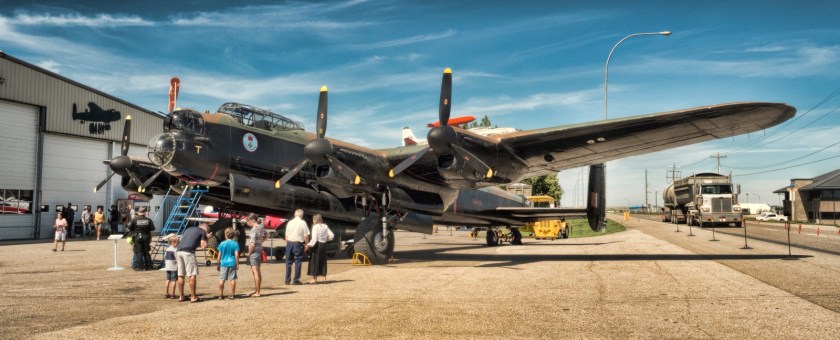
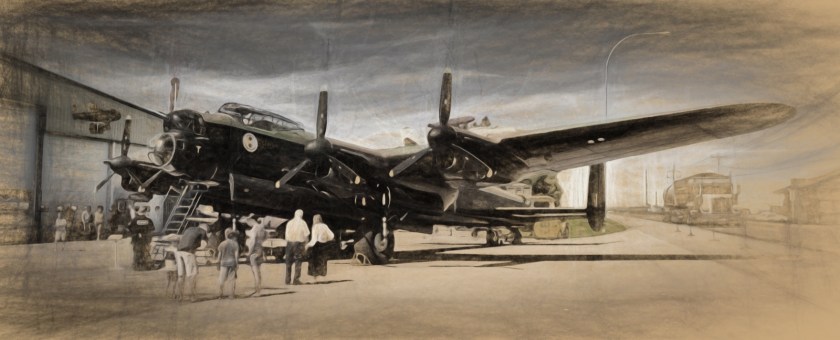
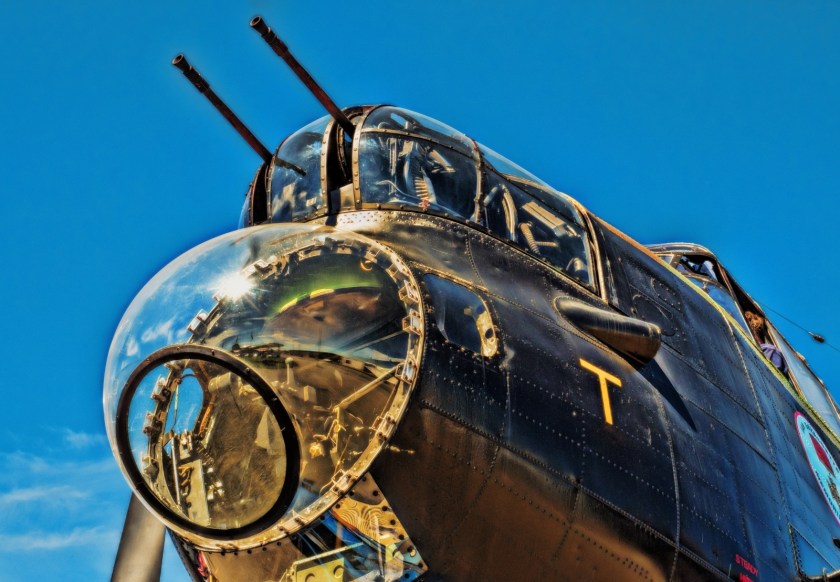
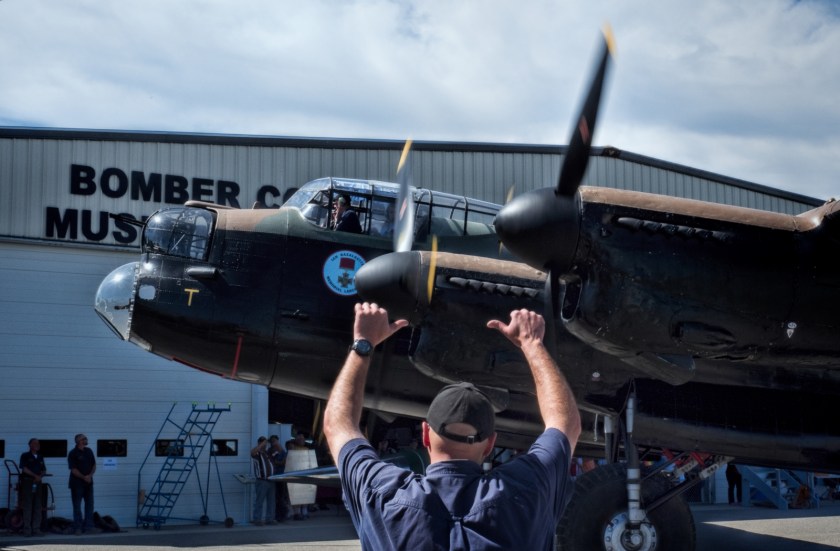
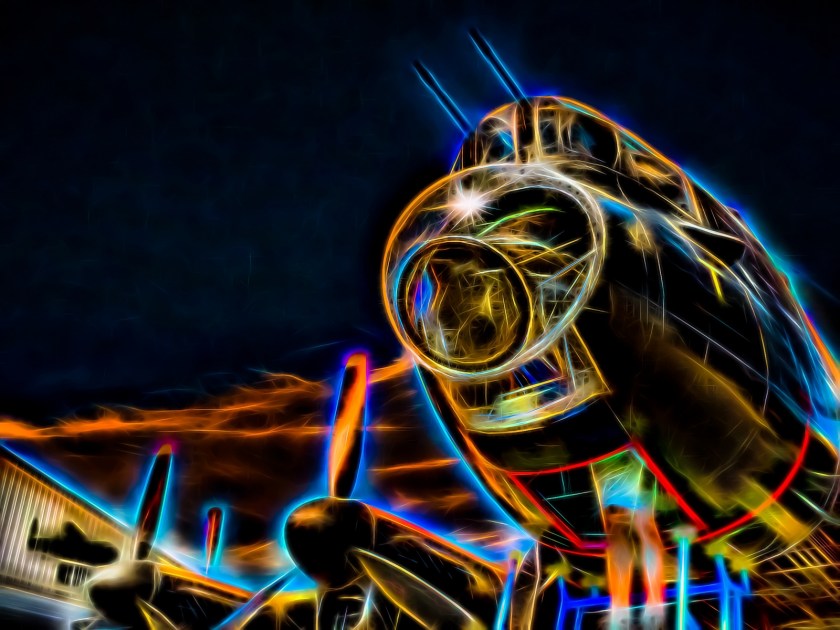
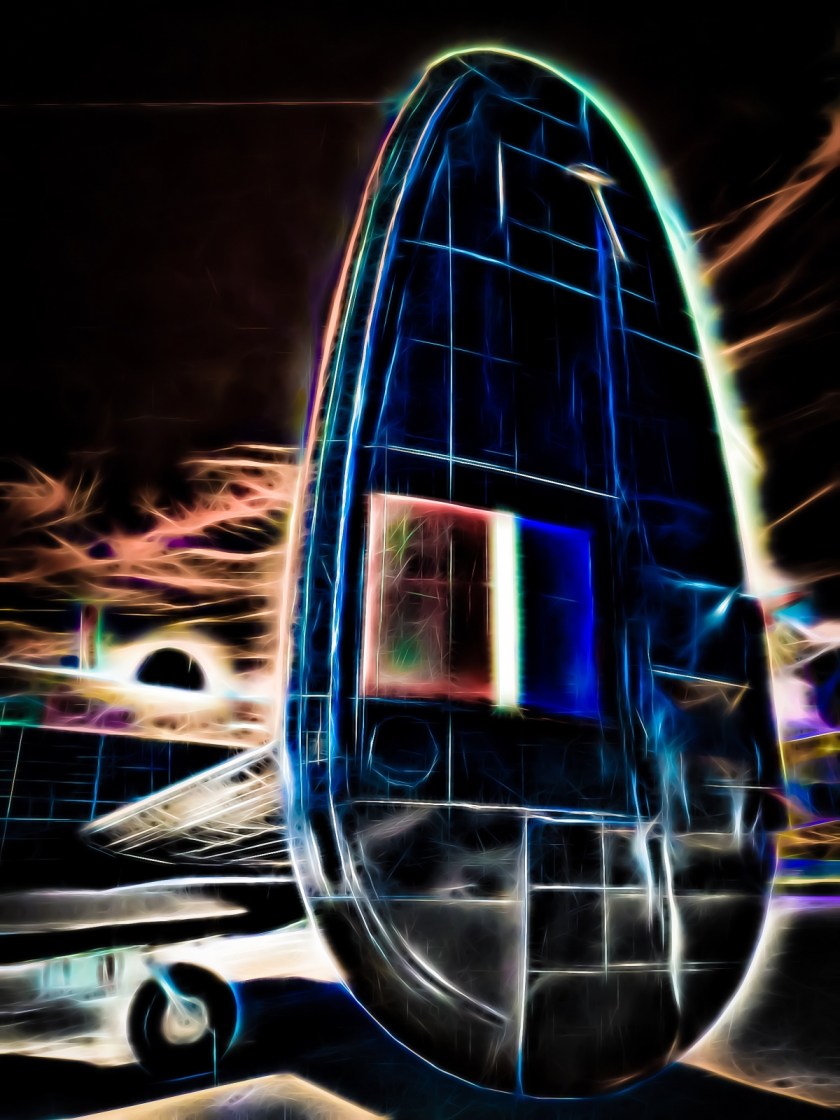
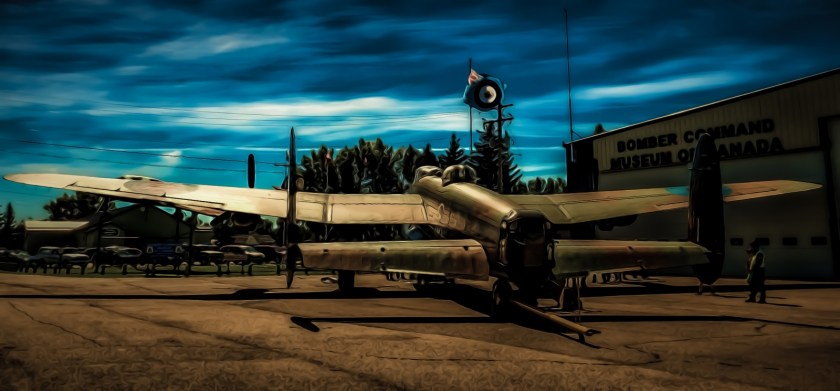
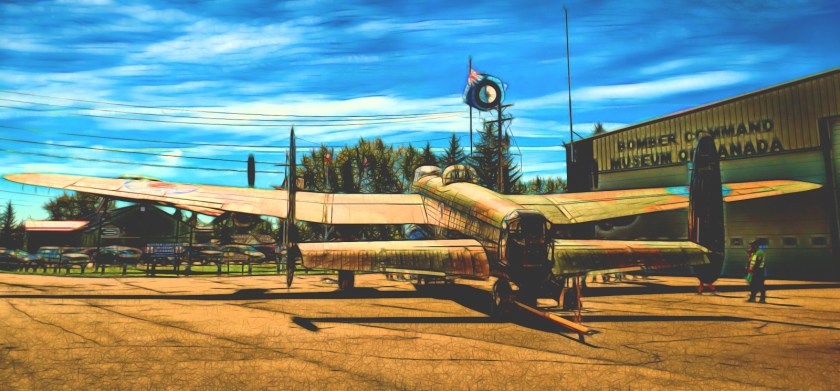
Nanton, Alberta is home to ‘Bomber Command Museum.’ Its chief artifact is a functioning AVRO Lancaster. This past August, I had time between the completion of a conference and some tasks before my return northward home. I arrived in Nanton on 20 August 2016. I arrived as Nanton’s Bomber Command Museum was celebrating its 30th Anniversary. Their Lancaster was outside its hangar. That day I would see the Lanc Crew start all four Merlin engines and before the crowd the Lancaster would move forward 20 feet under its own power. I was able to get a sense for the bomber – its size, the length and depth of its bomb bay, its shape and sound. I also worked to understand the Lancaster through the lens of my camera. The images posted here are of the Lancaster at Nanton’s Bomber Command Museum.

My investigation of what would have been my uncle’s Lancaster and war experience continues. Len Deighton offers a dramatization of a final mission of an RAF Lancaster Bomber. It occurs in the skies and on the ground, in Britain and in Germany. I have it as audio-book on my iPod, listening to it as I cycle to and from our local airport.

I am still at a distance from my uncle’s story. I know that flight engaged my uncle. It brought him challenge and satisfaction. It suited his temperament. For me, the Lancaster is a means to understand that my uncle brought a hand to shaping the world we know. For me, his narrative with the Lancaster helps me understand service, one man’s for another, and that my uncle served our country and protected its freedom. A Flight Lieutenant in the RCAF 428 ‘Ghost Squadron,’ commissioned in 1941, his commendation reflects this well – “His willingness and the cheerful manner in which he has carried out his duties has been a source of inspiration for the younger crews of the squadron. For the completion of a most satisfactory tour of operations and for the support he has given the squadron, I recommend the non-immediate award of the Distinguished Flying Cross.” He received his DFC in 1949.

Well done, Sir. Thank you.

P.S.: My cousin and his wife were able to take my uncle to Nanton in his later years; he took great pride in showing them ‘his’ plane.

Quotes to Consider / Inspire: (1) “In my view you cannot claim to have seen something until you have photographed it.” – Emile Zola; and, (2) “The price of anything is the amount of life you exchange for it.” – Henry David Thoreau.

Listening to: Len Deighton’s ‘Bomber.’

Drawn to Edit

Farm, Summer, Vehicle, Vehicle Restoration
Grain Trucks - Rimbey, Alberta 1

Grain Trucks – Rimbey, Alberta 1

Grain Trucks - Rimbey, Alberta 2

Grain Trucks – Rimbey, Alberta 2

Grain Trucks - Rimbey, Alberta 3

Grain Trucks – Rimbey, Alberta 3

Grain Trucks - Rimbey, Alberta 4

Grain Trucks – Rimbey, Alberta 4

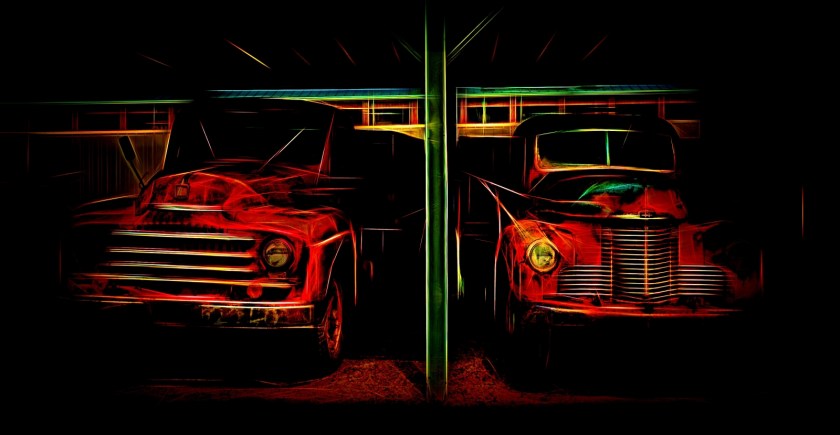
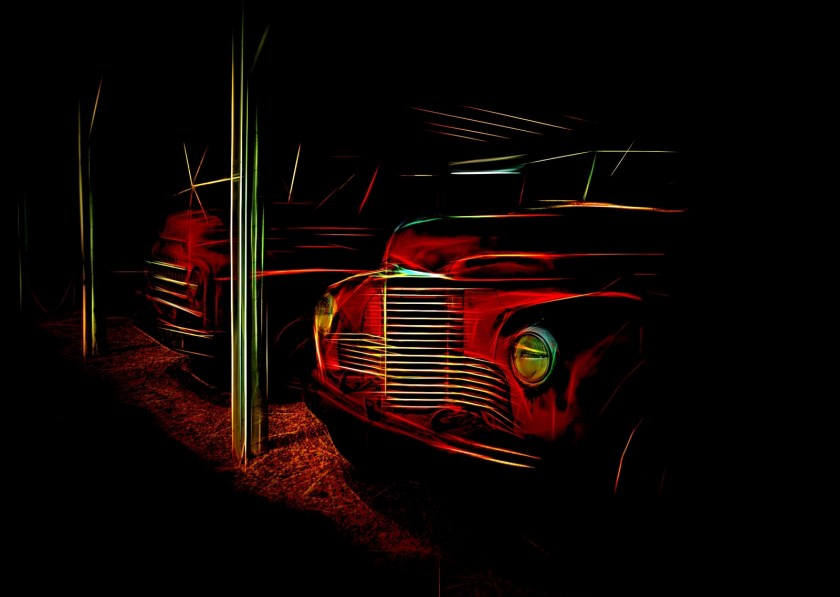
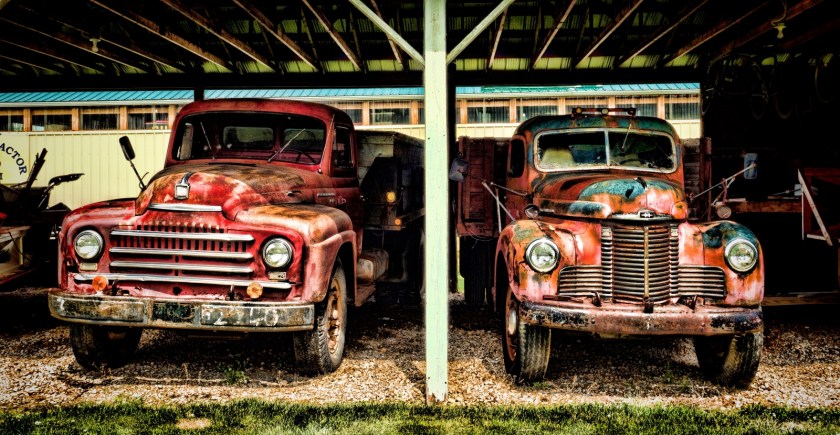
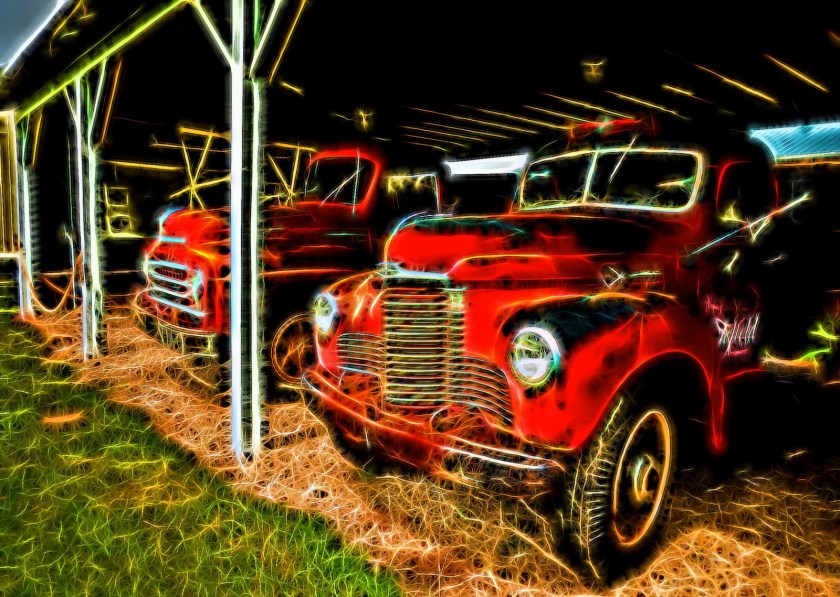
My computer has sat dormant through six weeks. Now, summer’s hiatus concludes. The computer’s card reader accepts an SD card and I upload a first batch of images into Lightroom. I attend to those images pulling me to edit them. I begin work with new and old editing tools and wander the path of image creation, a kind of play, a kind of exploration – seeing what can happen with each edit. Colour, structure, light and shadow – four images, vintage grain trucks, images from a farming heritage museum in central Alberta.

Quote to Consider/Inspire – “If you want to learn what someone fears losing, watch what they photograph.” – Anonymous

Listening to Sigur Ros, their live concert performance entitled ‘Inni’ – Svefn-g-englar, Glósóli, Ný batterí, Fljótavík, Við spilum endalaust, Hoppípolla, Með blóðnasir, Inní mér syngur vitleysingur, and, E-Bow.

That Which Was Is

Best Practices - Photography, Canon Camera, Canon Lens, Canon Live View, Fauna, Photography & Conceptualizing Beauty, Project 365 - Photo-a-day, Still Life, Summer
Dinosaur - Drumheller, Ab - Canada 1

Dinosaur – Drumheller, Ab – Canada 1

Dinosaur - Drumheller, Ab - Canada 2

Dinosaur – Drumheller, Ab – Canada 2

Dinosaur - Drumheller, Ab - Canada 3

Dinosaur – Drumheller, Ab – Canada 3

Dinosaur - Drumheller, Ab - Canada 4

Dinosaur – Drumheller, Ab – Canada 4

Dinosaur - Drumheller, Ab - Canada 5

Dinosaur – Drumheller, Ab – Canada 5

Dinosaur - Drumheller, Ab - Canada 6

Dinosaur – Drumheller, Ab – Canada 6

Dinosaur - Drumheller, Ab - Canada 7

Dinosaur – Drumheller, Ab – Canada 7

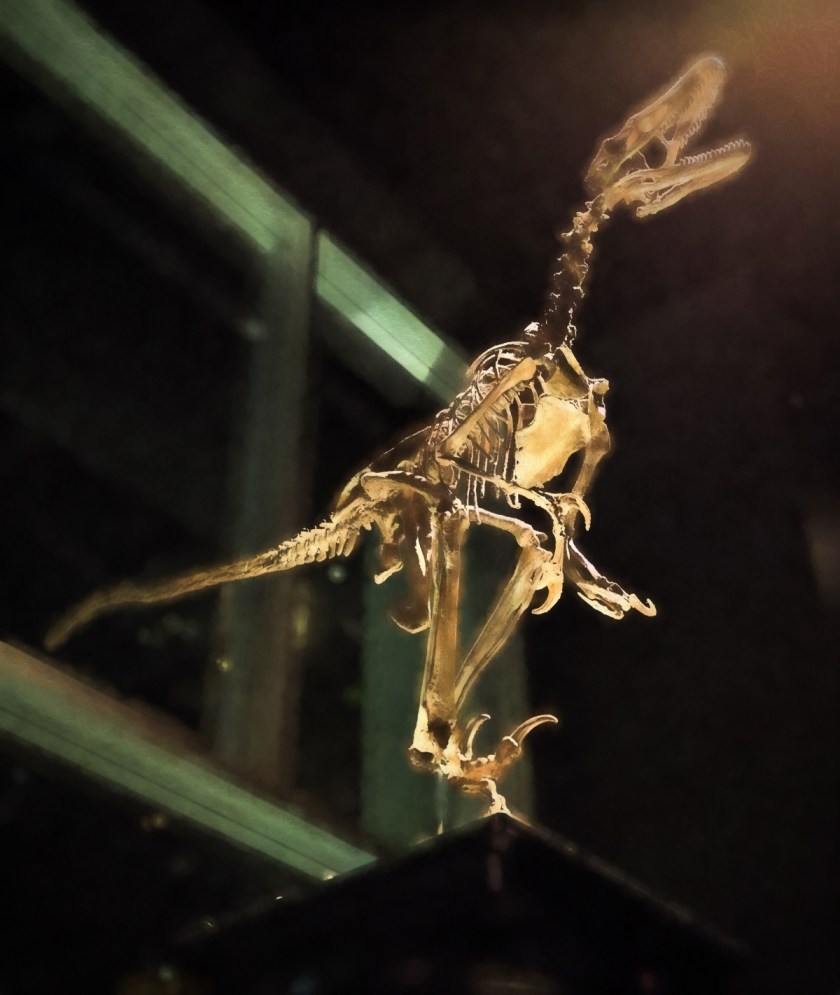
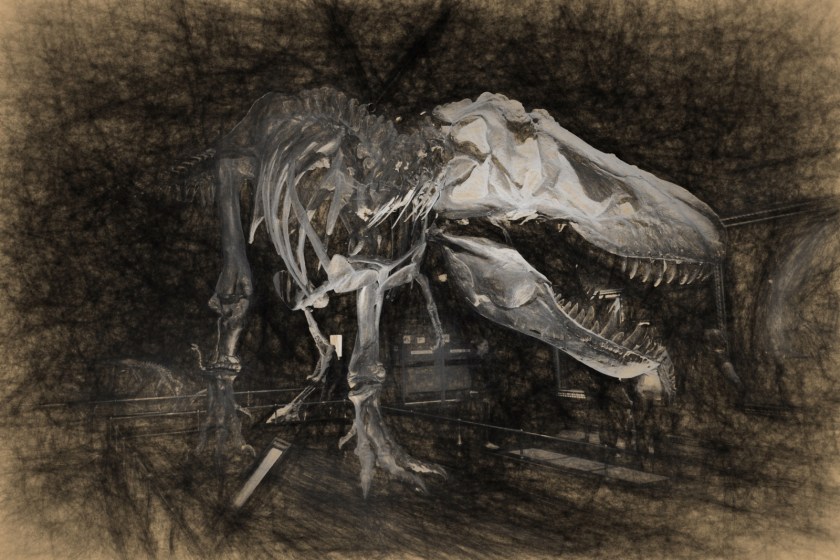
I had a go at photographing remnants of long ago creatures, fossilized and in many cases fully intact, displayed to be discovered again by the would-be archeologist at The Royal Tyrell Museum of Palaeontology. The challenge then became that of presenting images that focused solely on the creature; that was accomplished with editing.

Quote to Consider/Inspire – “I began to realize that the camera sees the world differently than the human eye and that sometimes those differences can make a photograph more powerful than what you actually observed.” – Galen Rowell

Listening to – Bruce Springsteen’s ‘Santa Claus is Comin’ to Town,’ Over the Rhine’s ‘White Horse’ and ‘New Redemption Song,’ The Steep Mountain Rangers’ ‘Atheists Don’t Have No Songs,’ Martyn Joseph’s recently released ‘Bobby,’ ‘The Luxury of Despair,’ ‘Are You Ready’ and ‘Sanctuary,’ Deacon Blue’s ‘Bethlehem Begins,’ The Pogues’ ‘Fairytale of New York,’ Dustin Kensrue’s ‘This is War’ and Bruce Cockburn’s ‘Cry of a Tiny Babe.’

Merry Christmas, all – Take good care of your good selves.

At Home – Dad

Canon Camera, Canon Lens, Canon Live View, Fall, High Dynamic Range (HDR), Journaling, Project 365 - Photo-a-day, Still Life, Summer

Pontiac Memories - Manning, Alberta - Canada

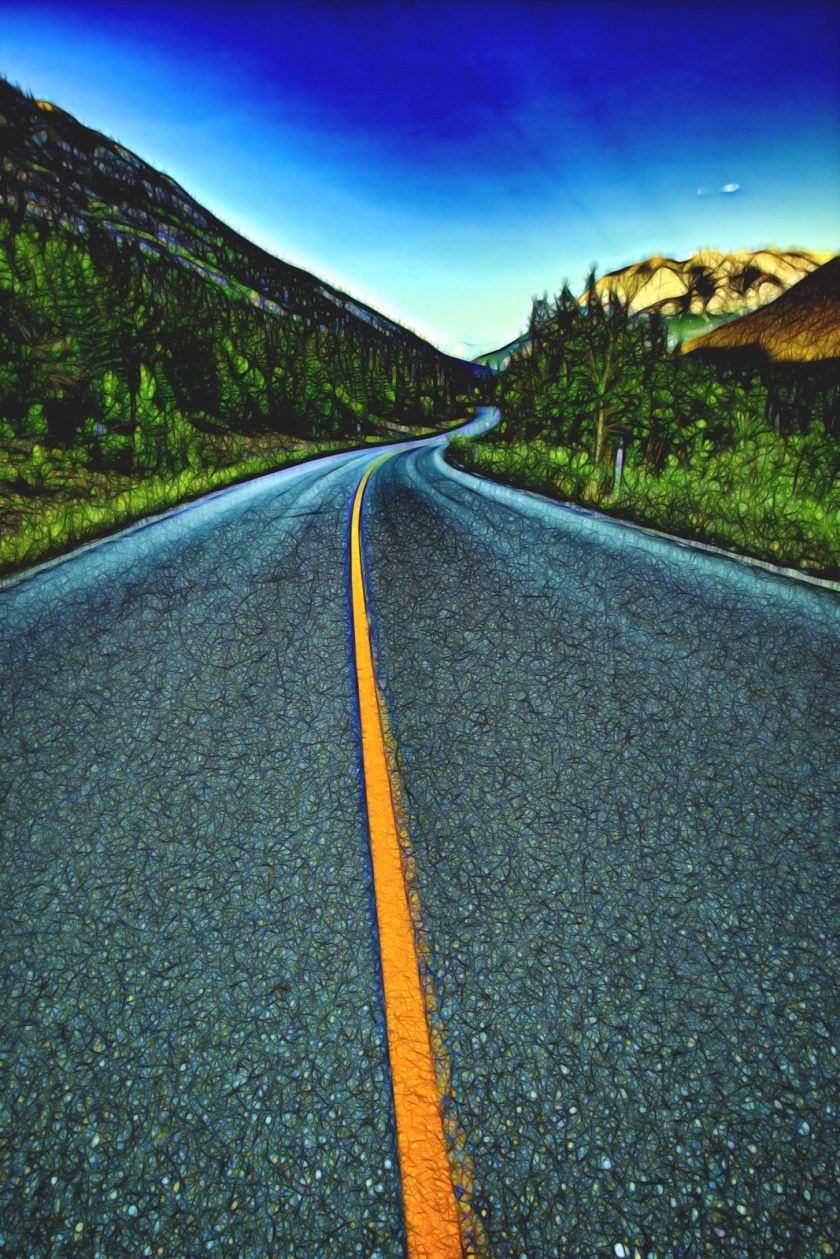
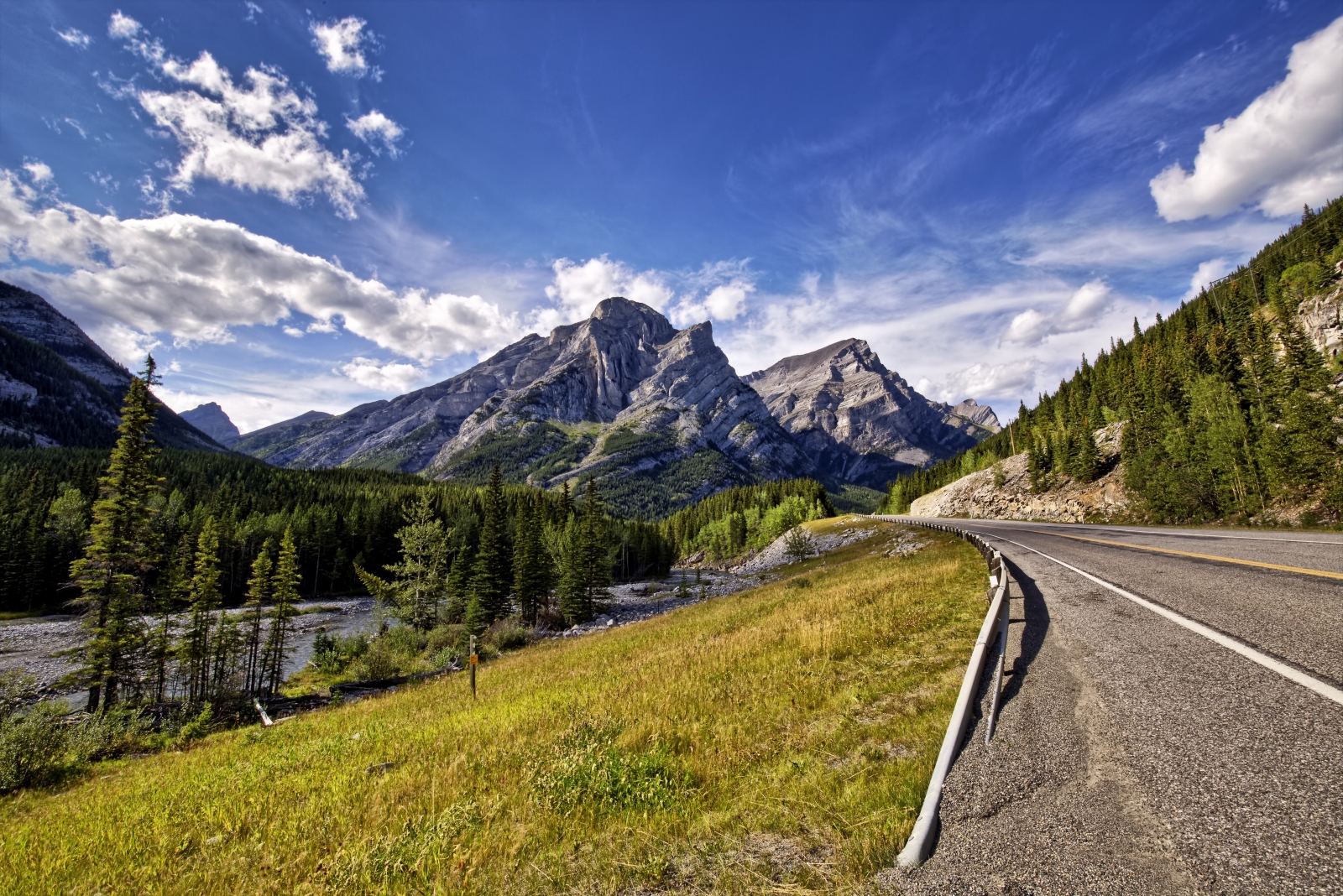
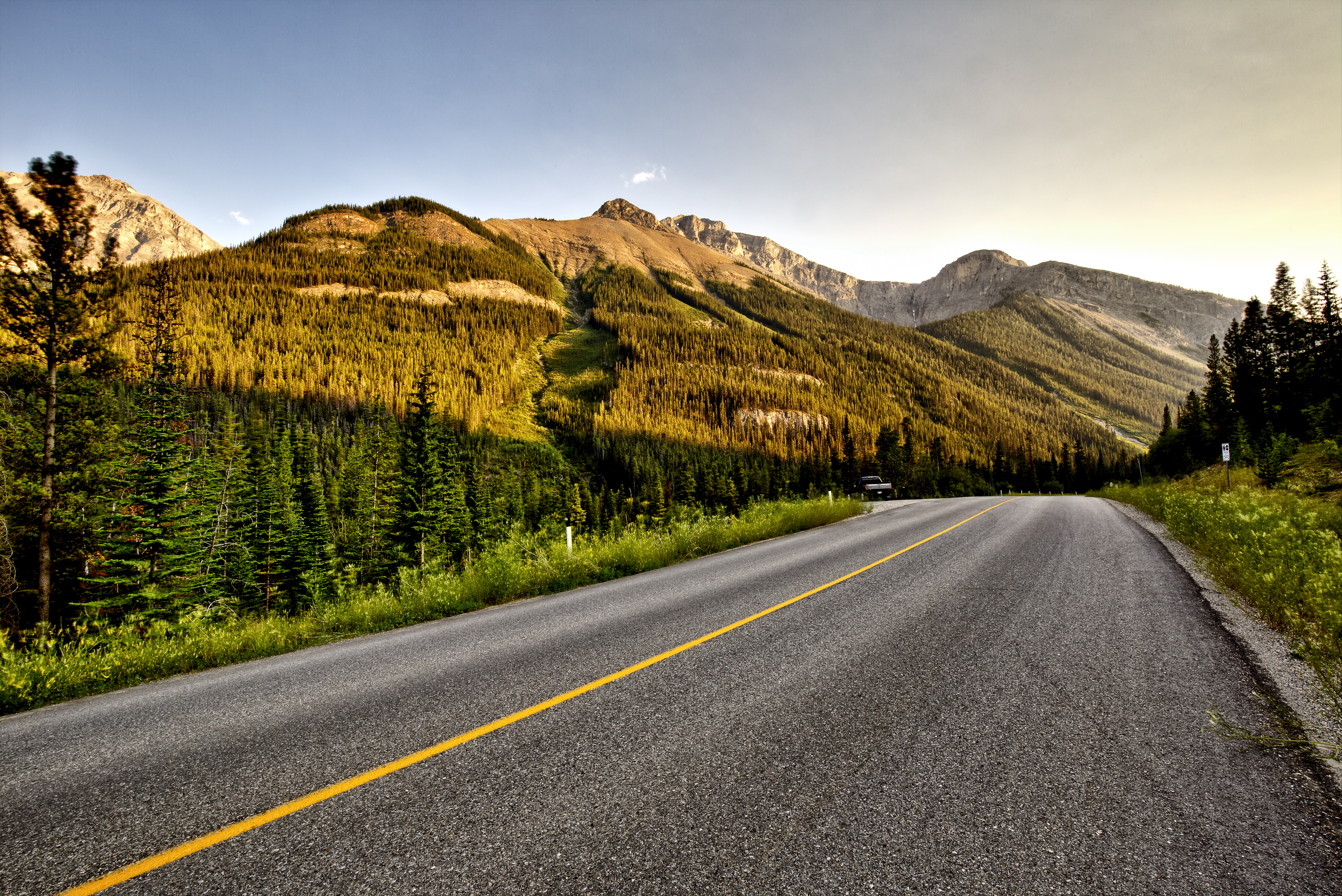
The Open Road - Sunshine Ski Resort, Banff - Canada

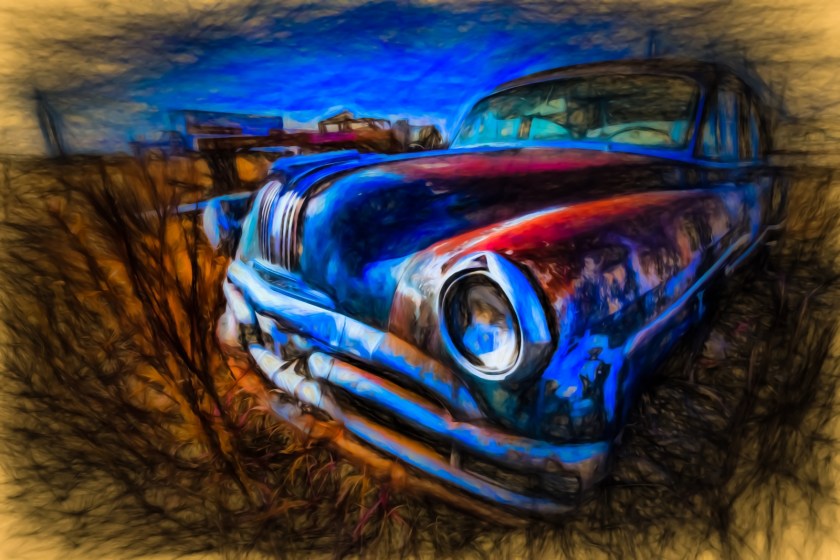
It was a Pontiac, the car my father taught me to drive – an olive green, two-door Pontiac Parisienne built for 1969 yet available to Dad in the fall of 1968. On St. Brendan’s field, hanging out with friends, I saw Dad drive it home – colour, class, chrome and shape. It had a 350 cubic inch engine, powerful enough to pass others easily on the open road; Dad said it had ‘Pep.’ There were seat belts for us all and an a.m. radio tuned to CBC 740, CKUA 580 or CFRN 1260 on the dial … and you dialed in best sound. With Dad, I learned to drive carefully, eloquently and with ease. There were wake-up calls and near misses and other drivers who spoke with their horns. On the highway, Dad said my foot was a little heavy … he said that with a smile. The transition was from driving with Dad to driving alone the way Dad would have me drive. There were times when the tie-rod end came off, when after ten years the regulator was jammed so full with dust and sand that the alternator couldn’t keep a current running through the electrical system on a slow idle and there was that time when a lifter clanged loudly after a drive with me at the wheel. Dad knew what to do and we kept the Pontiac running. My Dad, who made time for all this, did this for me, his son.

Parker J. Palmer speaks of something similar with his father; his father gave him, “… a sense of being at home in [his] own skin and on the face of the Earth.” William Stafford’s poem ‘Father’s Voice,’ resonates in similar fashion.

Father’s Voice
by William Stafford

“No need to get home early;
the car can see in the dark.”
He wanted me to be rich
the only way we could,
easy with what we had.

And always that was his gift,
given for me ever since,
easy gift, a wind
that keeps on blowing for flowers
or birds wherever I look.

World, I am your slow guest,
one of the common things
that move in the sun and have
close, reliable friends
in the earth, in the air, in the rock.

Listening to – Brubeck’s ‘Time Out’ and for a bit more fun, ‘Bru’s Boogie Woogie’ – tunes Dad would play on a Saturday night on his Heintzman grand piano in vertical form, a very bright sounding piano.

Sulfur Mountain – Sunset

Backlight, Best Practices - Photography, Canon Camera, Canon Lens, Canon Live View, High Dynamic Range (HDR), Light Intensity, Night, Photography & Conceptualizing Beauty, Project 365 - Photo-a-day, Summer, Sunset
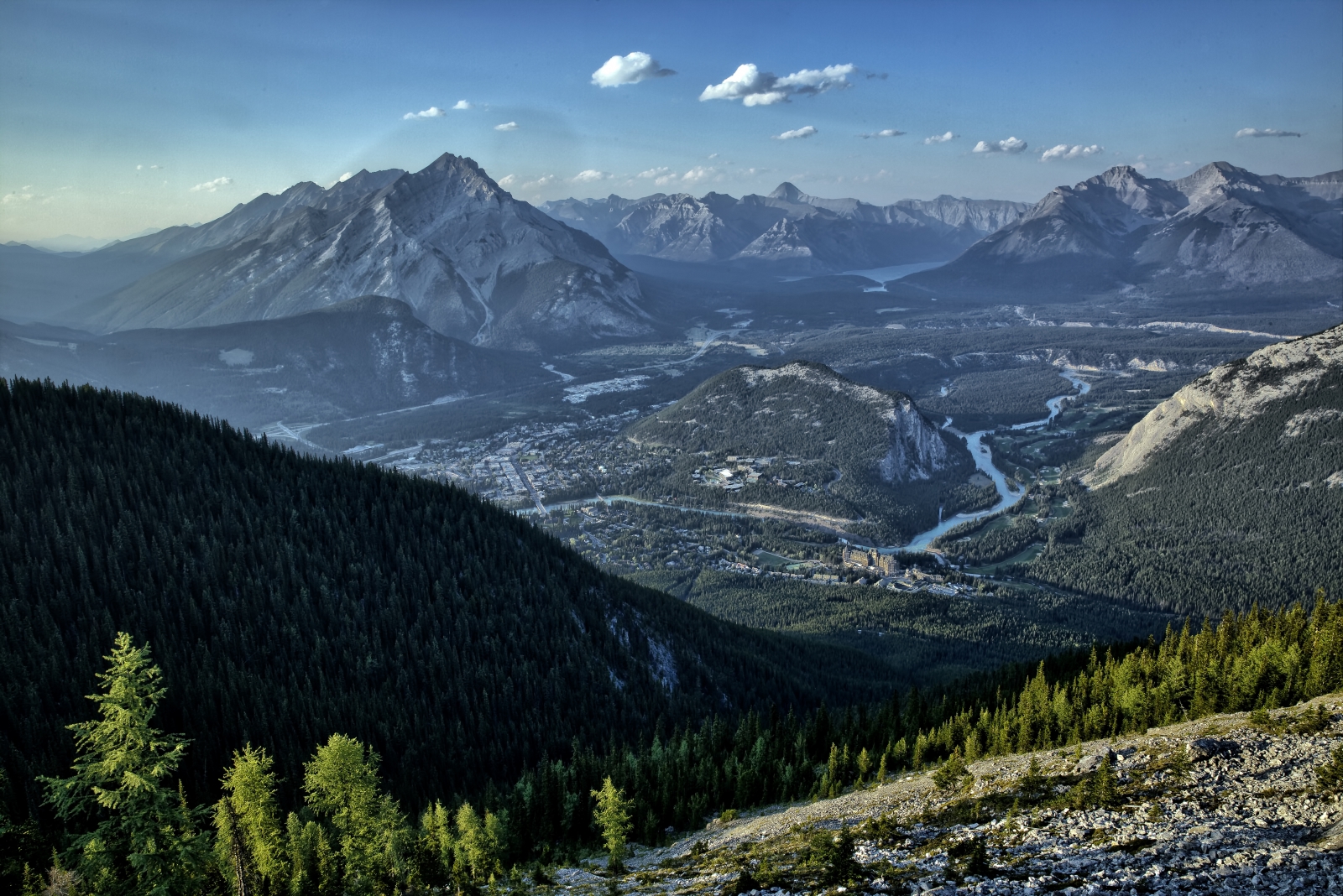
Banff from Sulfur Mountain - Banff, Alberta - Canada

Banff from Sulfur Mountain – Banff, Alberta – Canada

Gondola Sunset - Banff, Alberta - Canada i

Gondola Sunset – Banff, Alberta – Canada i

Gondola Sunset - Banff, Alberta - Canada ii

Gondola Sunset – Banff, Alberta – Canada ii

Sulfur Mountain looking West - Banff, Alberta - Canada

Sulfur Mountain looking West – Banff, Alberta – Canada

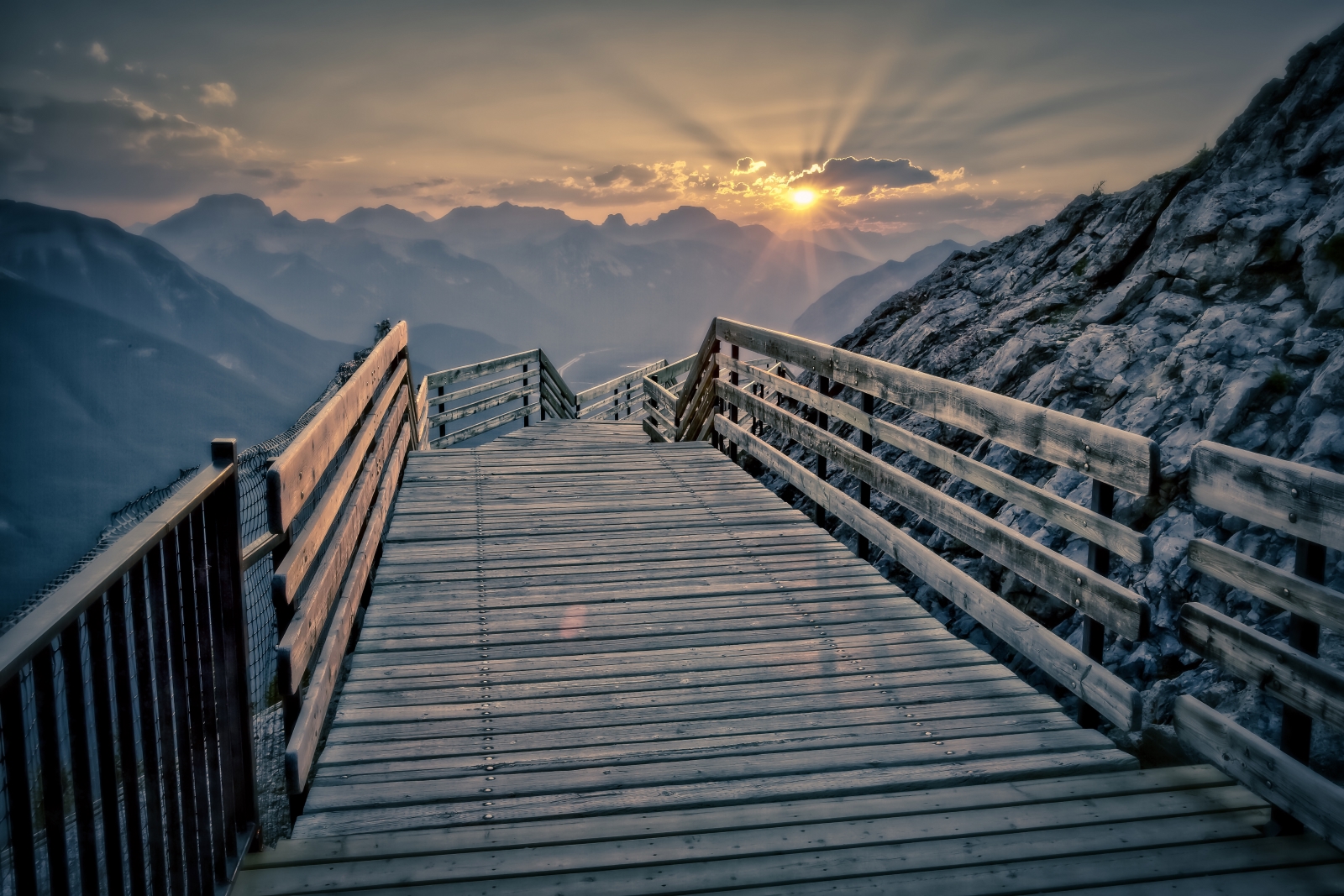
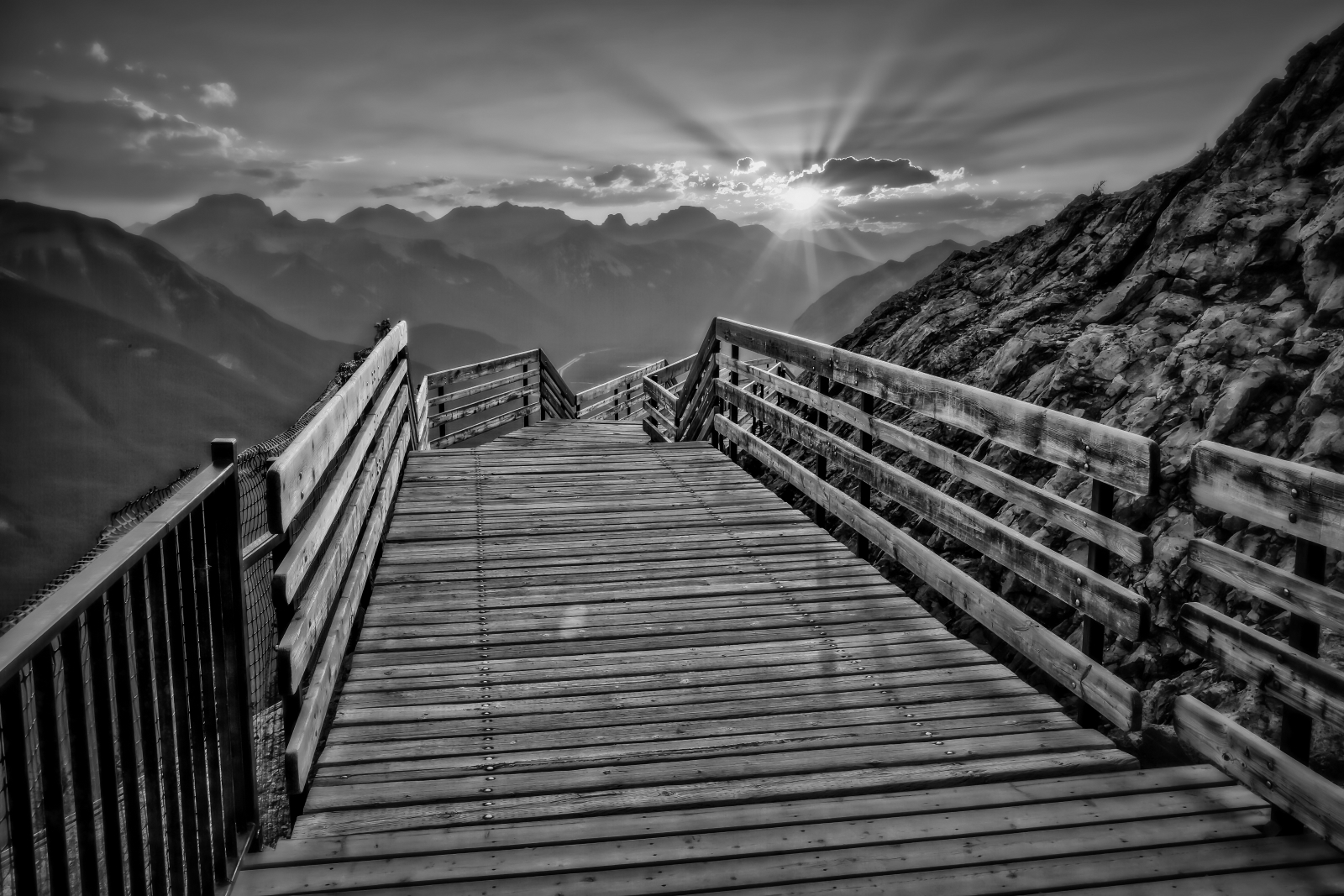
Sulfur Mountain Walkway - Banff, Alberta - Canada

Sulfur Mountain Walkway – Banff, Alberta – Canada

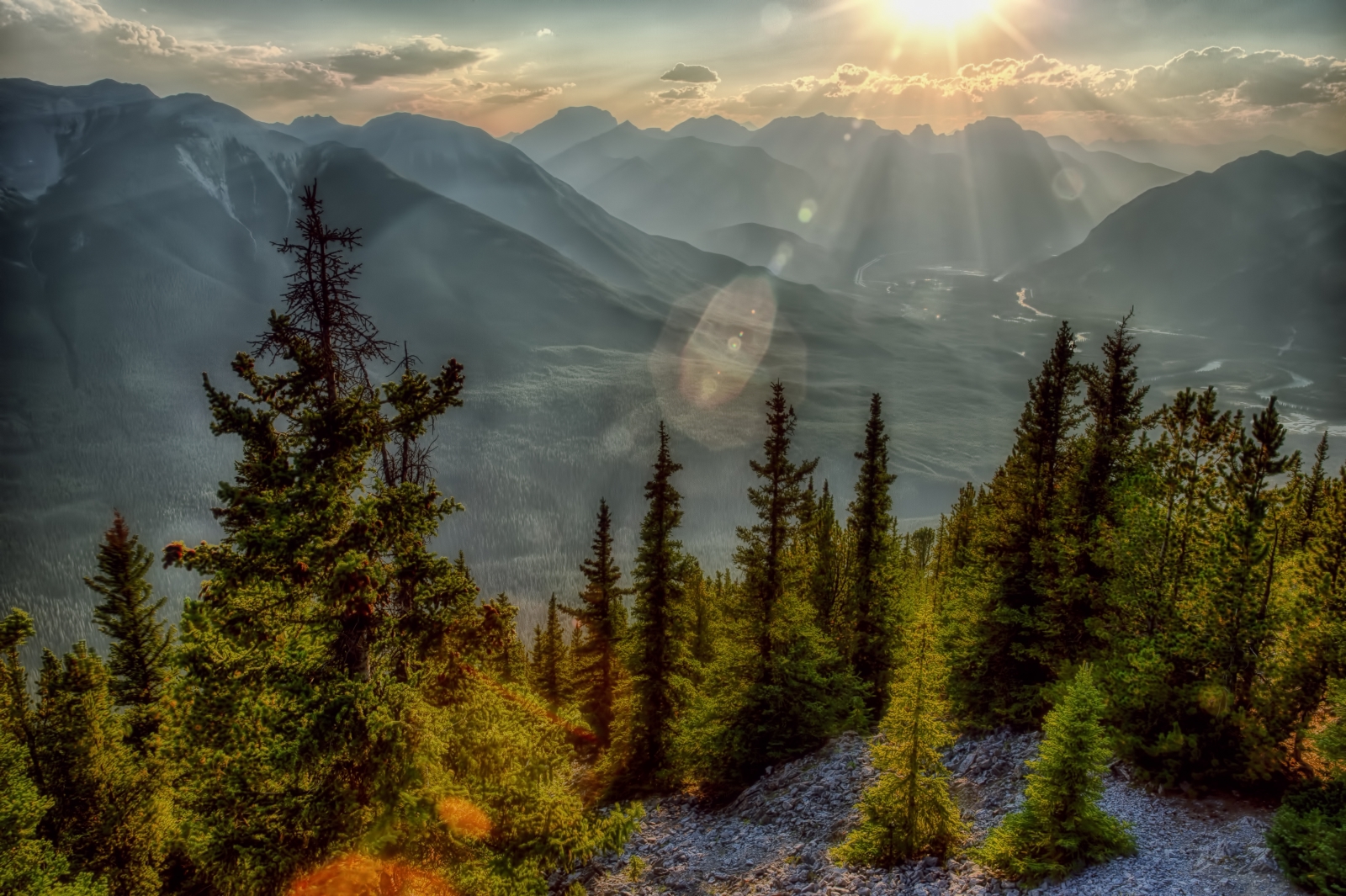
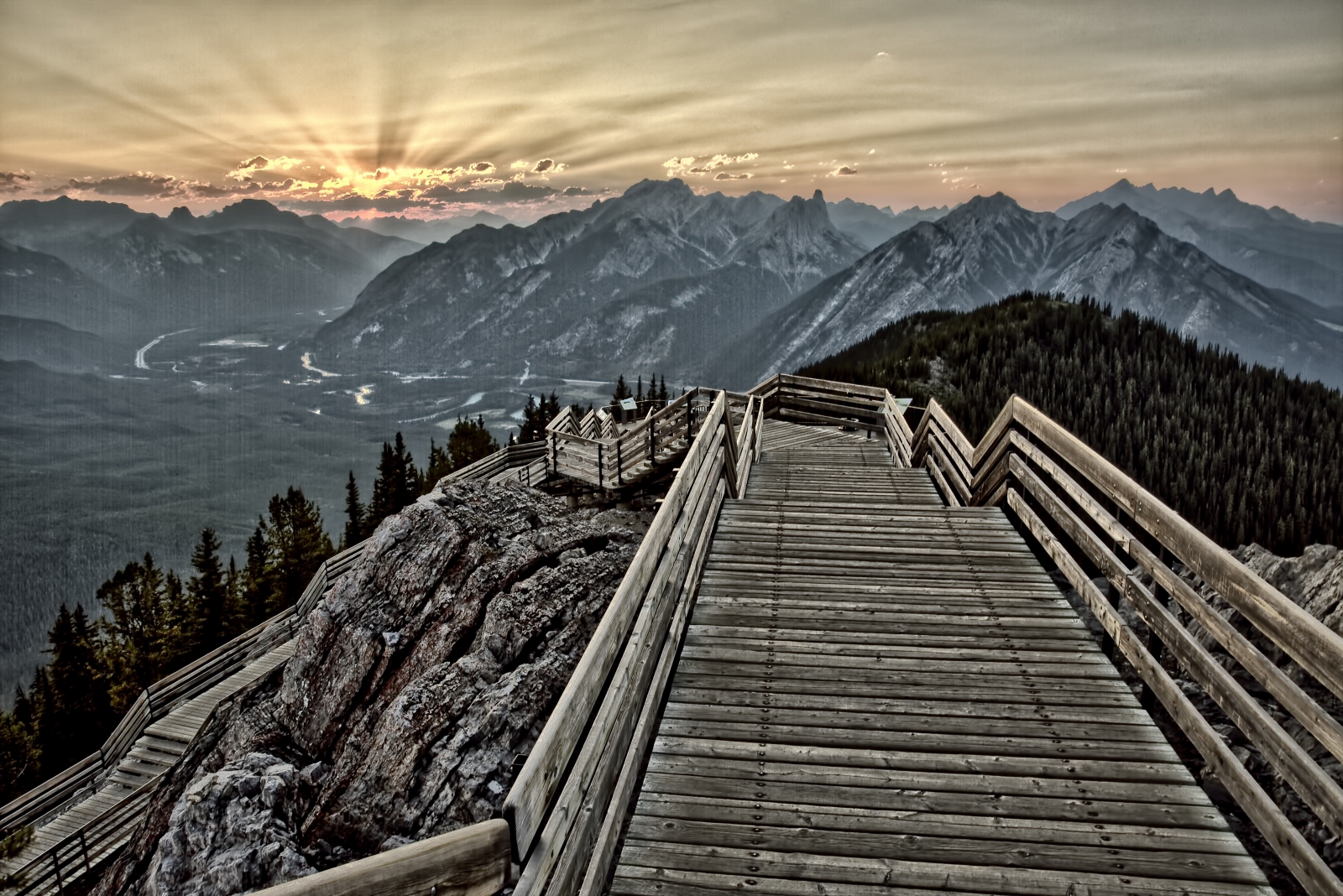
August, up behind Banff, on Sulfur Mountain, a Gondola ride ferries me, skyward, high above to a prominent mountain peak, a culling point for a cross-section of travelers and wanderlust. The sun, glimpsed behind clouds … sets – a time for a photo, a time to share with fellow mountain-top travelers what my camera captures; encouragement comes in broken, best effort English … “ten more minutes” and “beautiful [sunset].”

Quote to Consider – “To consult the rules of composition before making a picture is a little like consulting the law of gravitation before taking a walk.” – Edward Weston

Listening to – Of Monsters and Men’s ‘King and Lionheart,’ ‘Dirty Paws’ and ‘Slow and Steady.’

HDR – Bracketed Swath

Best Practices - Photography, Canon Camera, Canon Lens, High Dynamic Range (HDR), Journaling, Light Intensity, Photography & Conceptualizing Beauty, Project 365 - Photo-a-day, Still Life, Summer
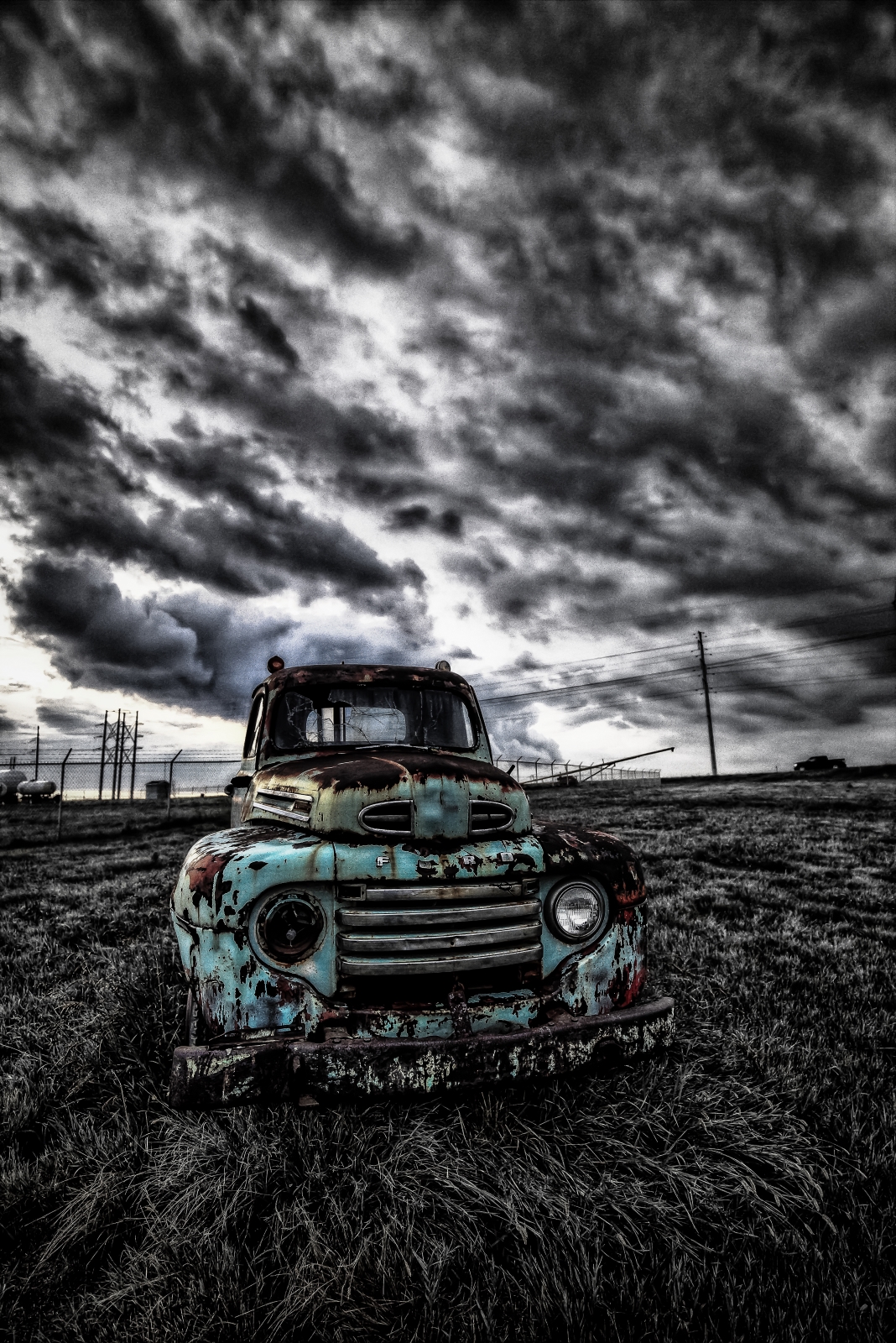
53 Ford - Drumheller, Alberta - Canada i

53 Ford – Drumheller, Alberta – Canada i

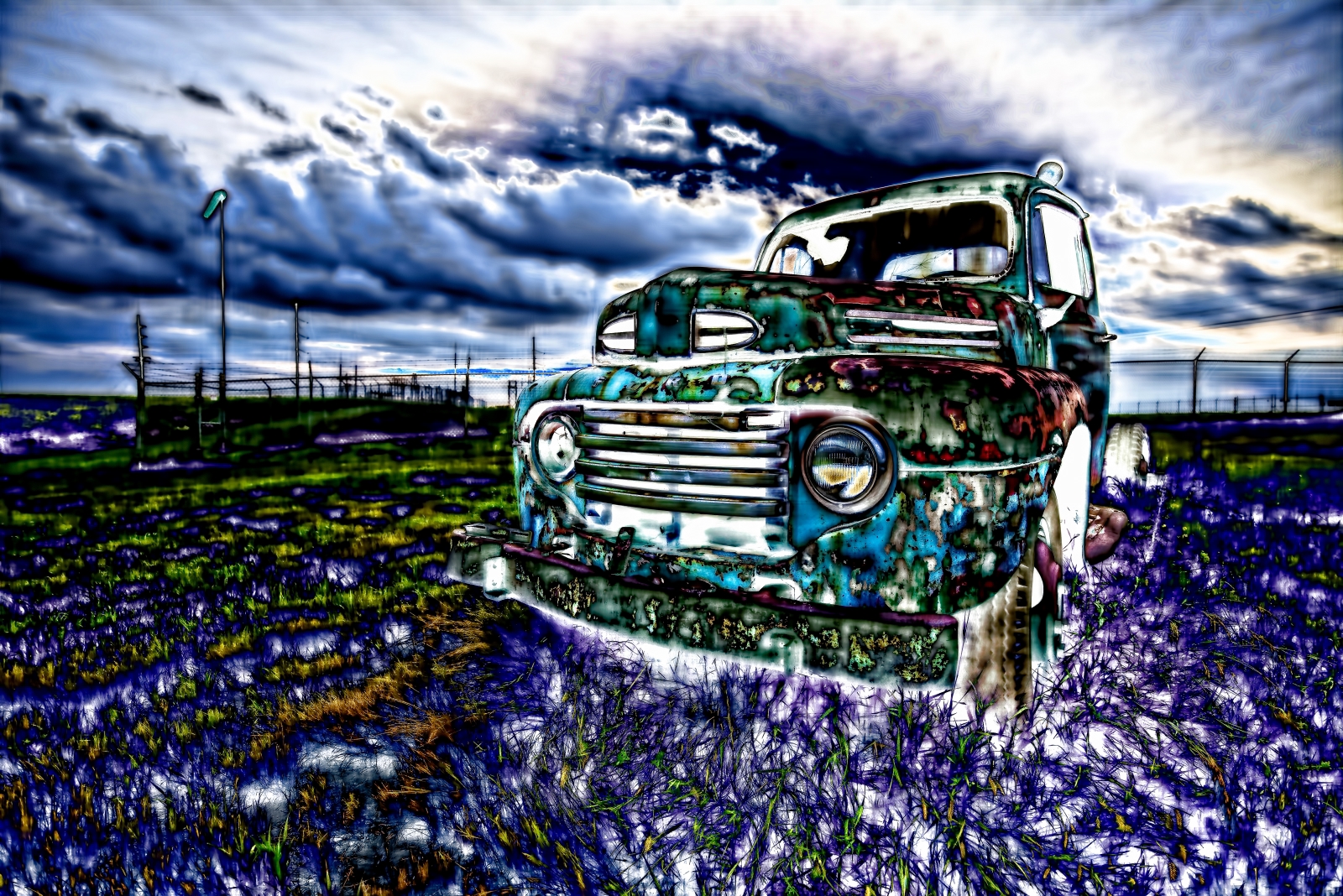
53 Ford - Drumheller, Alberta - Canada ii

53 Ford – Drumheller, Alberta – Canada ii

53 Ford - Drumheller, Alberta - Canada iii

53 Ford – Drumheller, Alberta – Canada iii

53 Ford - Drumheller, Alberta - Canada iv

53 Ford – Drumheller, Alberta – Canada iv

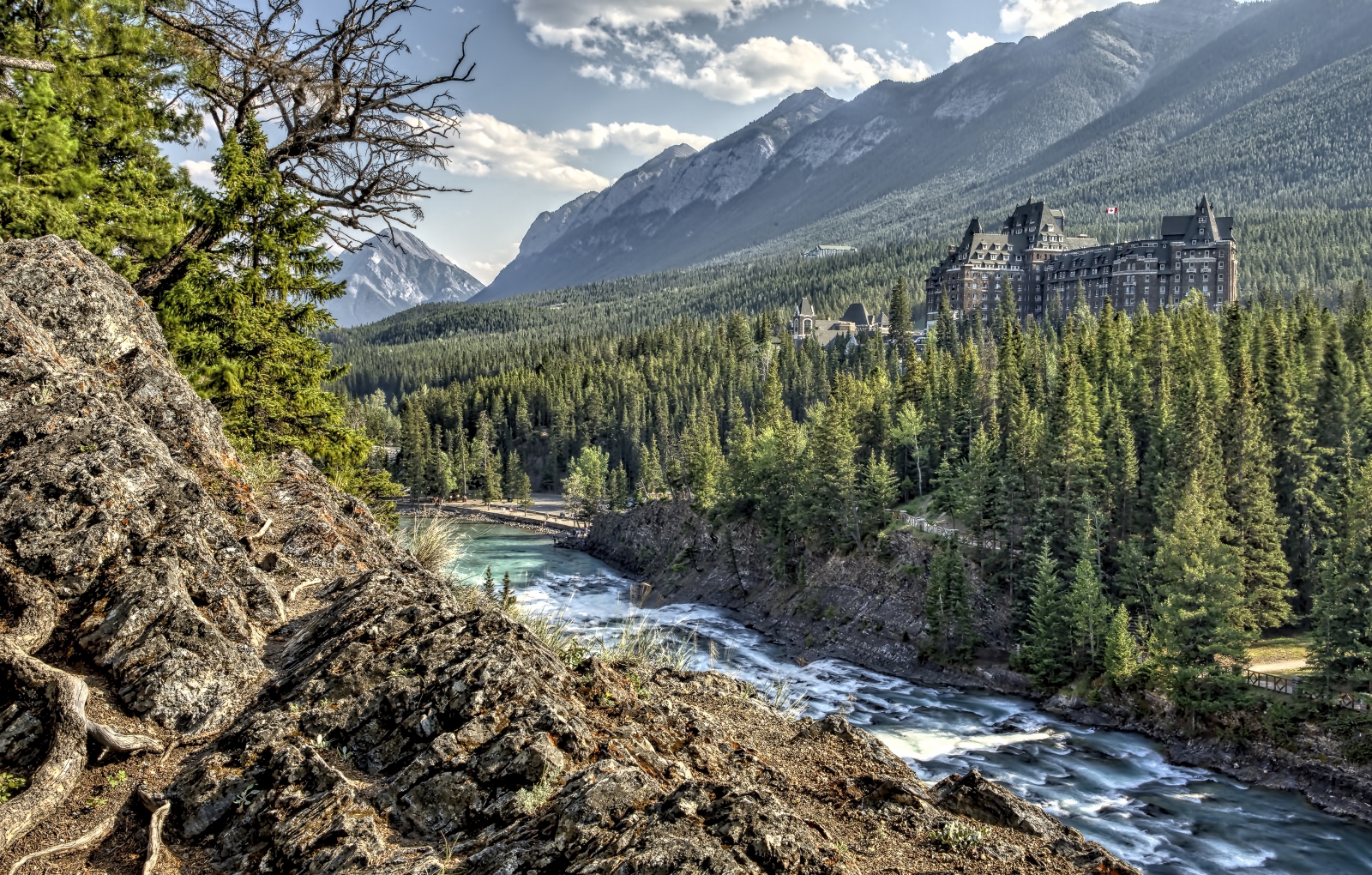
Banff Springs Hotel - Banff, Alberta - Canada

Banff Springs Hotel – Banff, Alberta – Canada

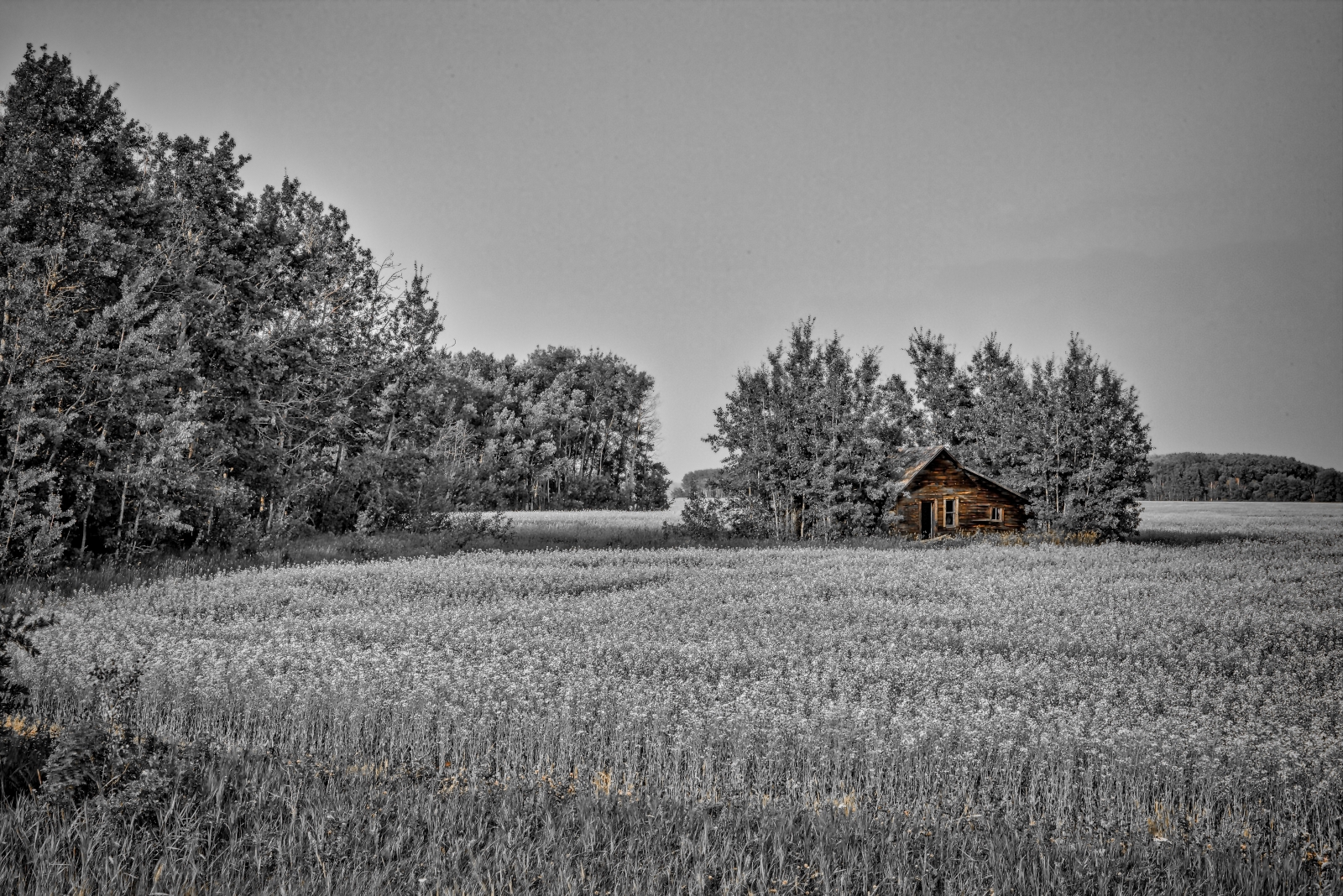
Fairview Homestead HDR i-Edit-Edit-Edit

Fairview Homestead HDR i-Edit-Edit-Edit

Fairview Homestead HDR ii-Edit-Edit-Edit-2

Fairview Homestead HDR ii-Edit-Edit-Edit-2

Grain Bins - Stettler, Alberta

Grain Bins – Stettler, Alberta

Johnson Canyon - Banff, Alberta - Canada i

Johnson Canyon – Banff, Alberta – Canada i

Johnson Canyon - Banff, Alberta - Canada ii

Johnson Canyon – Banff, Alberta – Canada ii

Kananaskis Mountains - Canada

Kananaskis Mountains – Canada

Sunshine Ski Resort Road - Banff, Alberta - Canada

Sunshine Ski Resort Road – Banff, Alberta – Canada

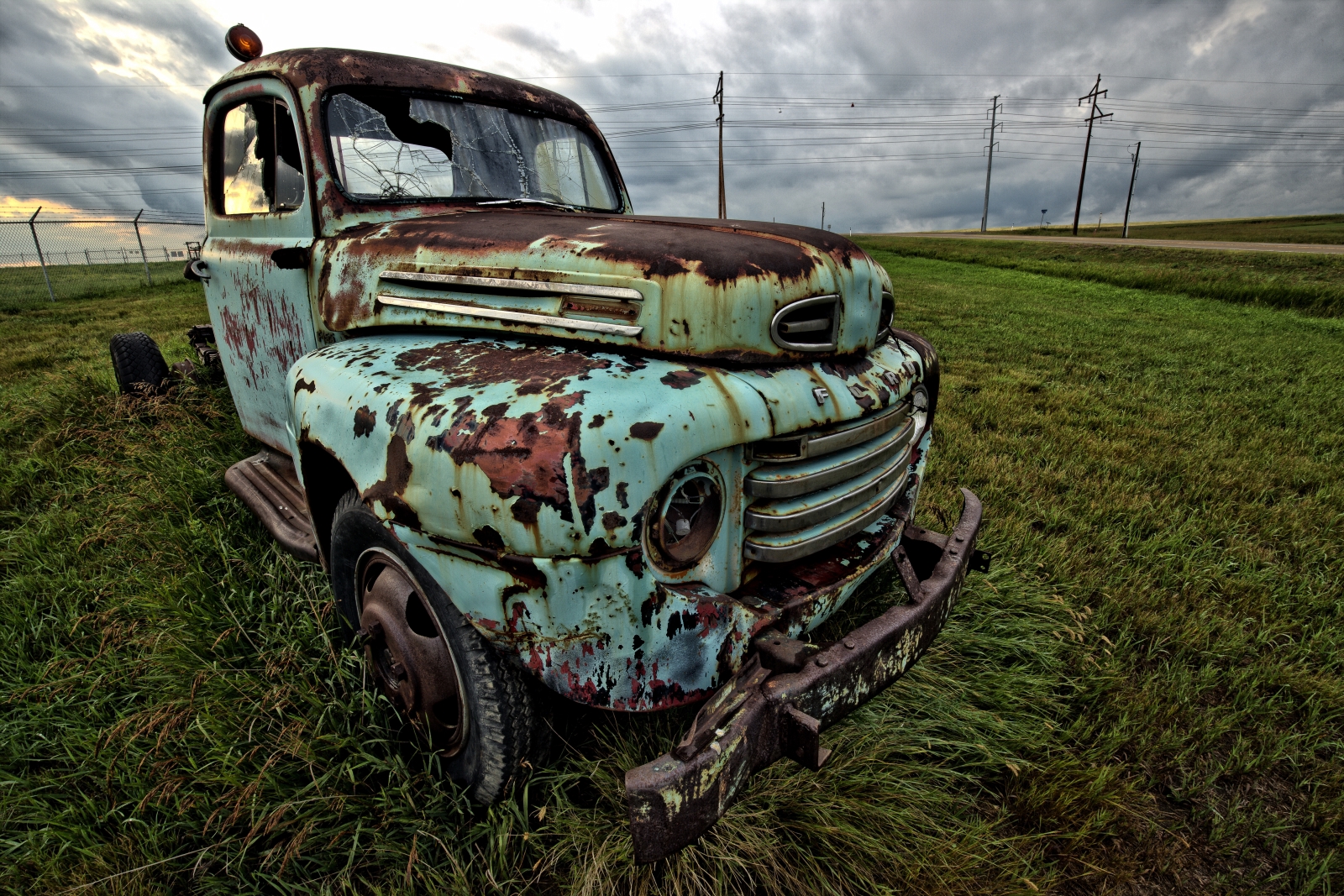
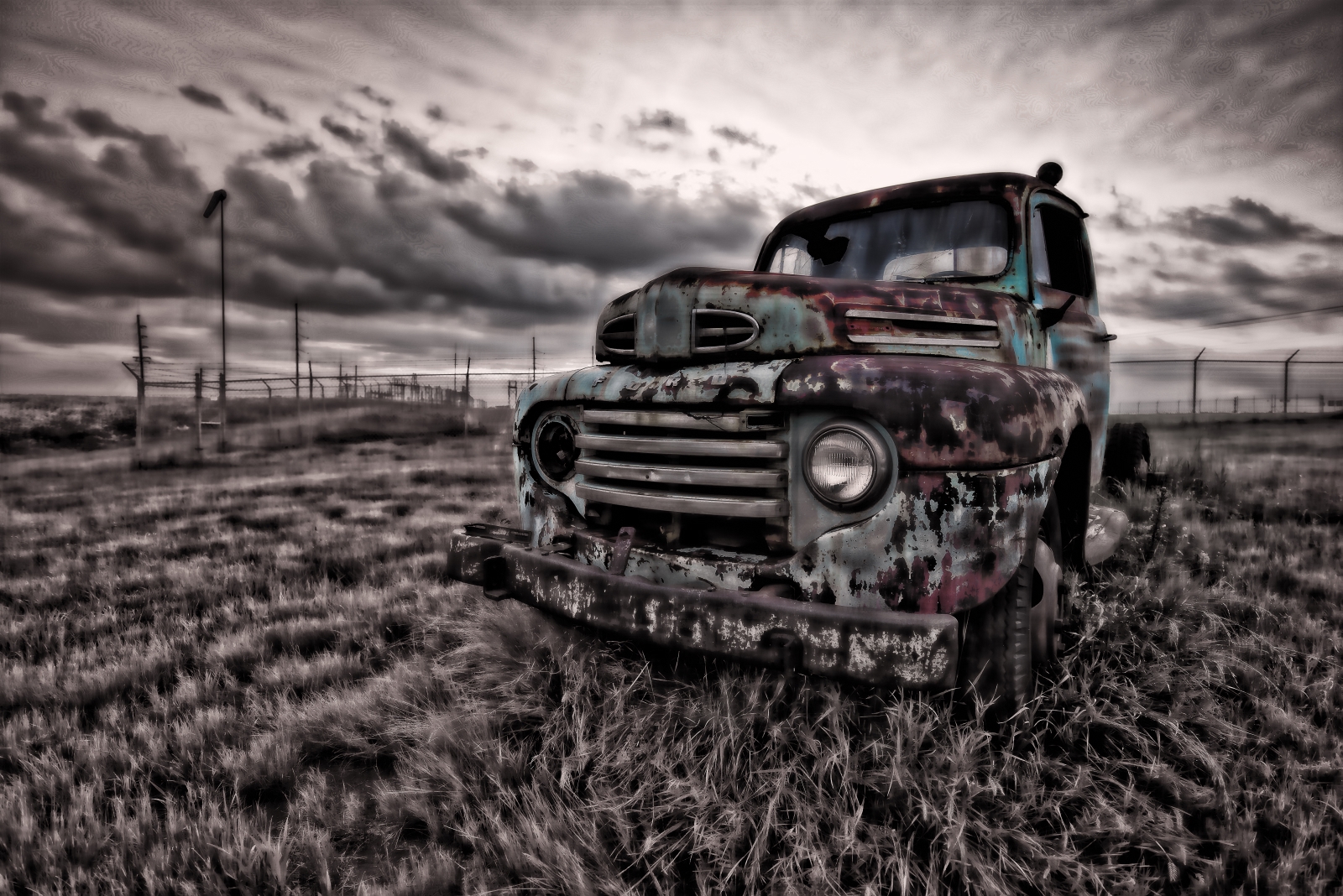
One of this summer’s revelations was finding that my Canon DSLR was able to move from three images in automatic exposure bracketing to seven, a potent option of possibility for use in High Dynamic Range (HDR) Photography. In August, I trialed this broad swath of bracketed exposures in Southern Alberta in creating HDR images. Beyond such experimentation with camera and tripod, where I have been using Adobe CS6, Photomatix and Google’s HDR Efex for High Dynamic Range image processing, I found a free HDR program within the accompanying DVD/CD to my June 2015 issue of PhotoPlus Magazine (the Canon Magazine) – HDR Projects 2 – and was surprised to find how much more was now in my photo-editor’s control in producing an HDR image; I have since upgraded the software to HDR Projects 3 Professional. Summer’s downtime also presented opportunities to gather HDR skills. I took-in a webinar offered by RC Concepcion, ‘HDR Exposed,’ through the KelbyOne website. The webinar dealt with static and moving HDR images and dealt with all considerations in the process of creating the final HDR image (e.g. overcoming camera distortion, creating photo-stitched panoramas in portrait or landscape formats etc.). One of my new goals is to create an HDR image of a building interior – new, old, dilapidated and to utilize natural light to capture colour, textures and depth. We’ll see what happens.

Possibly an HDR Quote to Consider – “In Photography there are no shadows that cannot be illuminated.” – August Sander

Listening to – Bruce Springsteen’s ‘Eyes on the Prize,’ Bruce Hornsby and The Range’s ‘The Valley Road,’ Don Henley’s ‘Sunset Grill,’ The Kingsmen’s ‘Louie Louie,’ Coldplay’s ‘Magic’ and Of Monsters and Men’s ‘Slow and Steady.’

Rainbow Re-edit

Best Practices - Photography, Canon 60D, Canon 70-200 mm 2.8 IS L Series Lens, Canon Camera, Canon Live View, Farm, Flora, High Dynamic Range (HDR), Journaling, Light Intensity, Lookback Photos - One Year Ago, Photography & Conceptualizing Beauty, Project 365 - Photo-a-day, Smoke, Summer, Weather
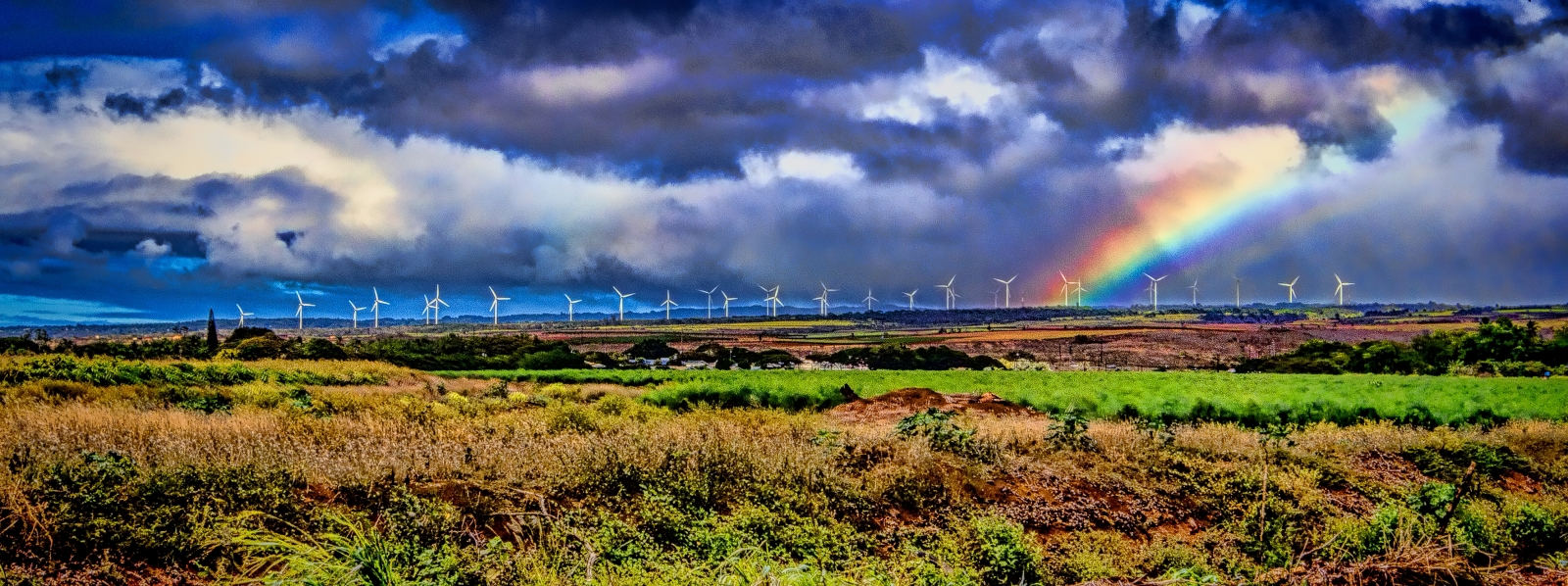
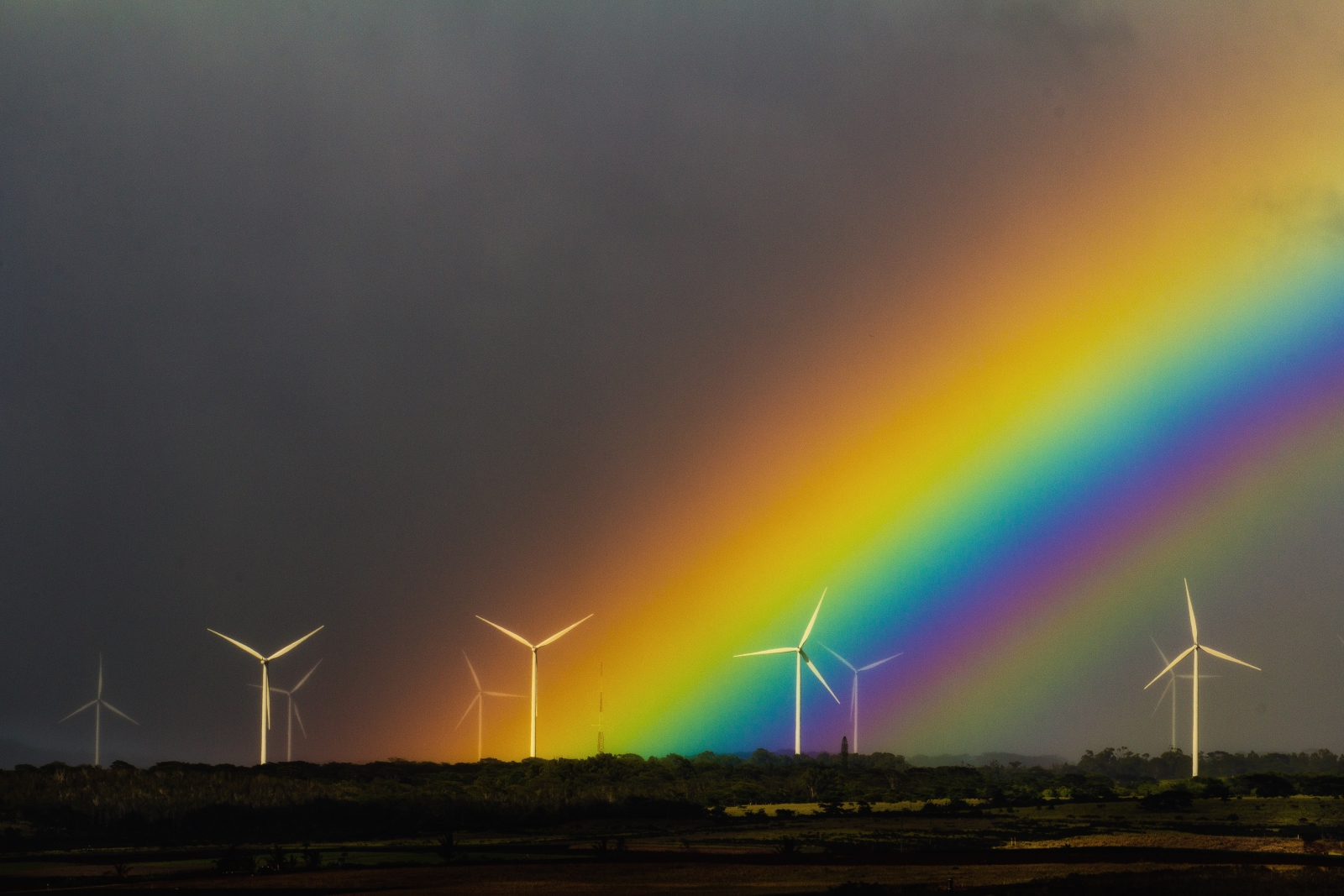
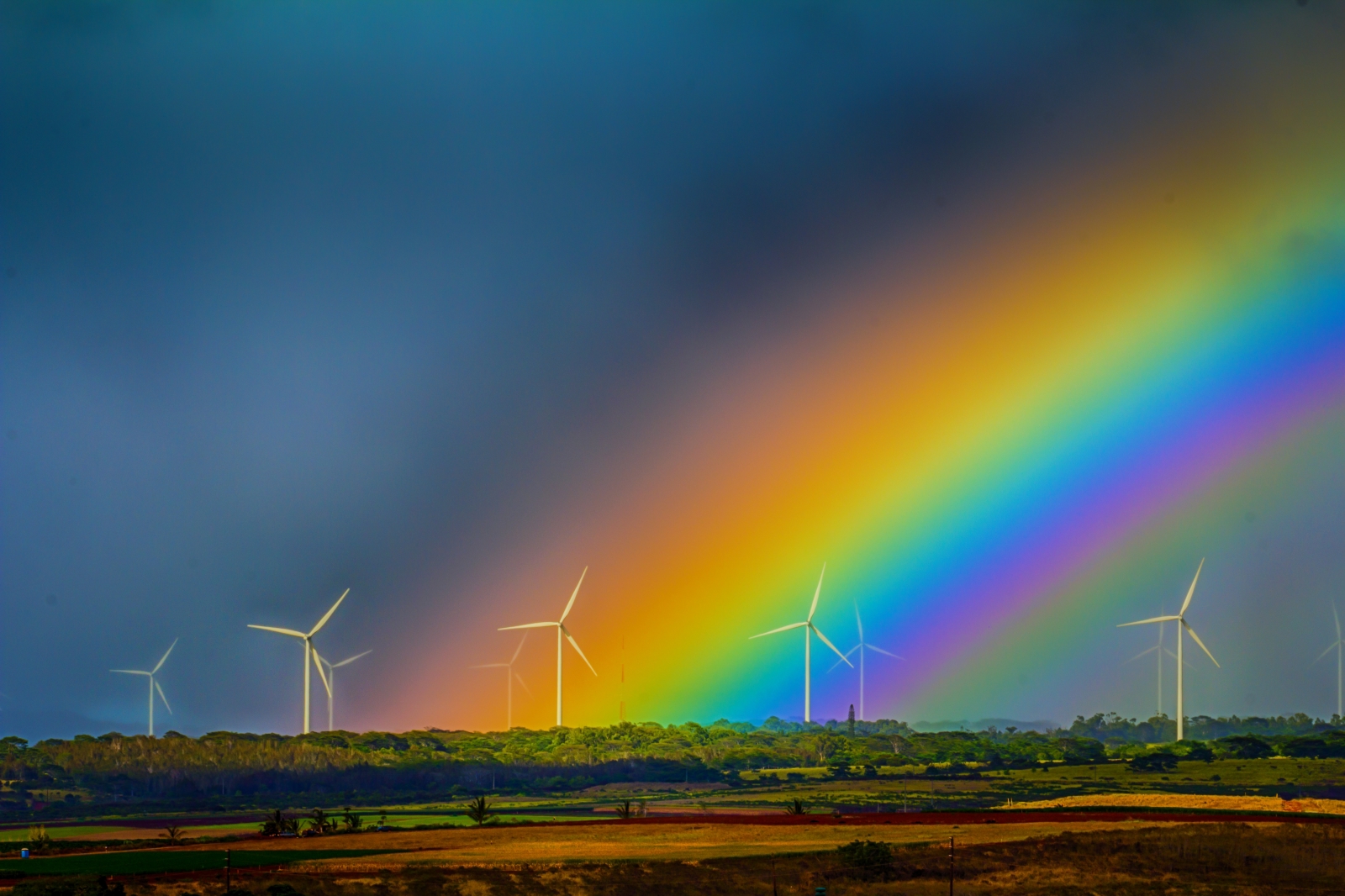
Wind Turbines and Rainbow - Oahu 1

Wind Turbines and Rainbow – Oahu 1

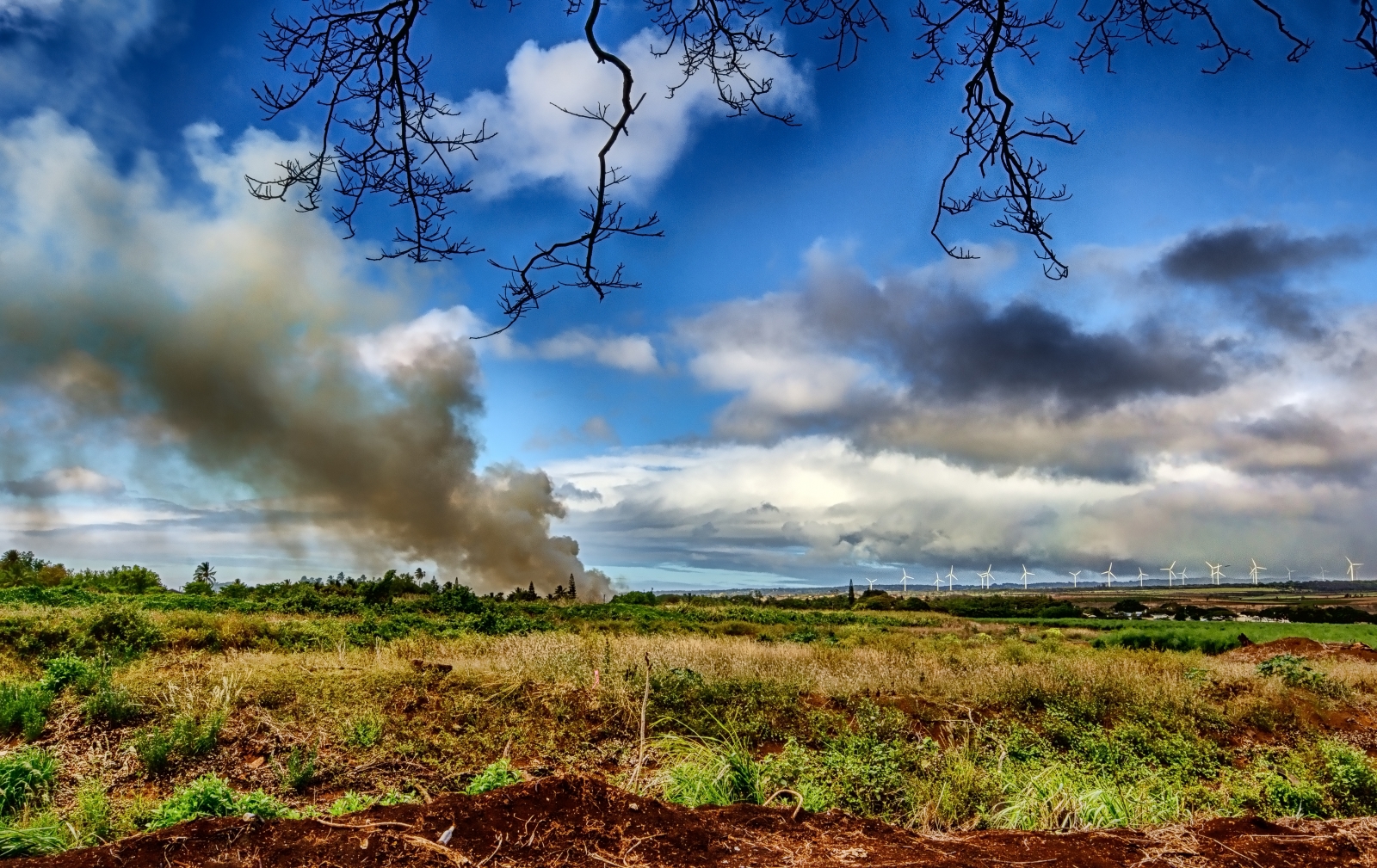
Plantation Fire - Haleiwa, Oahu

Plantation Fire – Haleiwa, Oahu

Wind Turbines and Rainbow - Oahu 5

Wind Turbines and Rainbow – Oahu 5

Wind Turbines and Rainbow - Oahu 4

Wind Turbines and Rainbow – Oahu 4

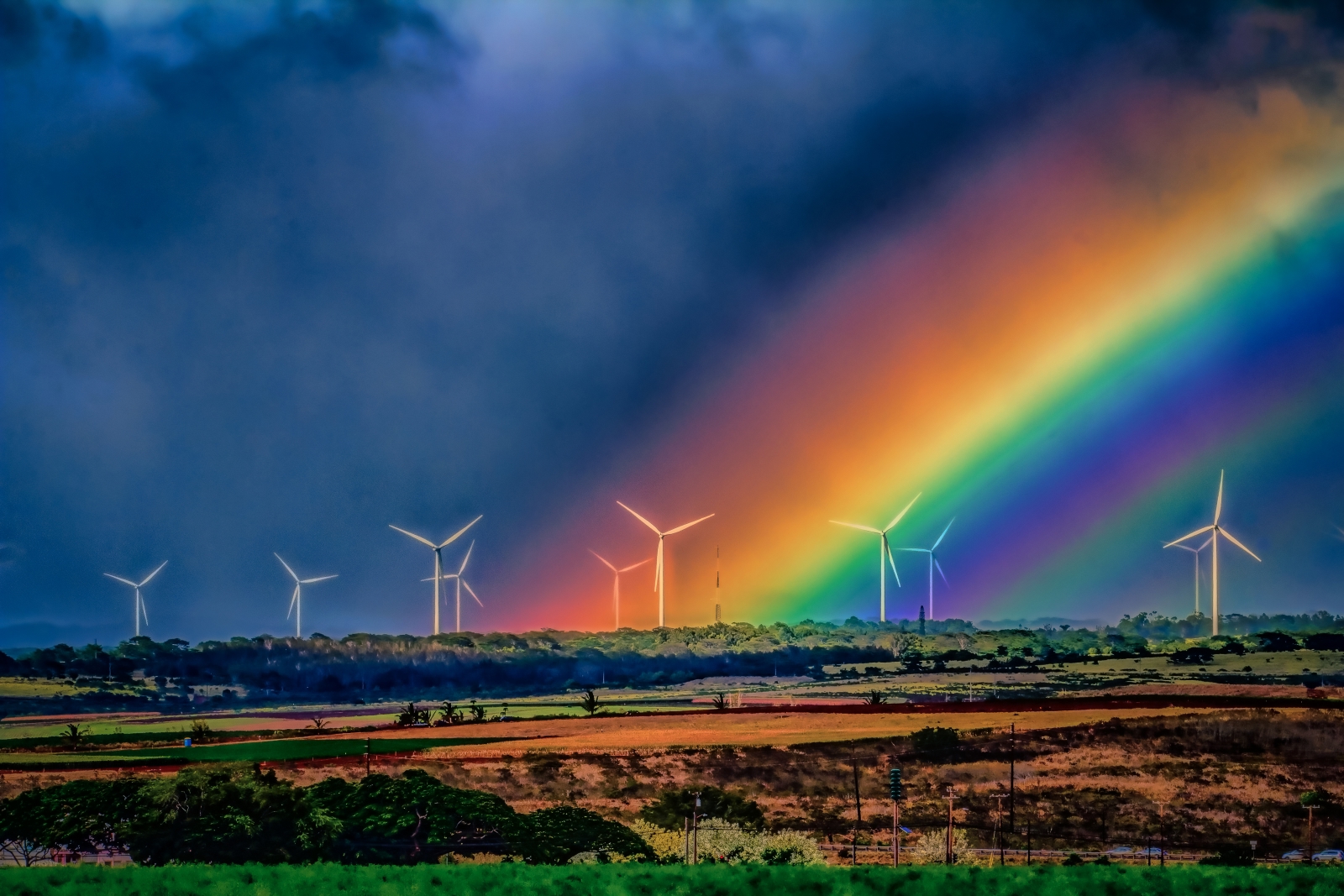
Wind Turbines and Rainbow - Oahu 3

Wind Turbines and Rainbow – Oahu 3

Two summers ago, my wife, daughter and I enjoyed two weeks on Oahu. We rented a car, a Ford Fusion, for the time and used it to take us on day trips exploring Oahu. In the second week we returned for perhaps the fourth time to Haleiwa, part of Oahu’s North Shore. Exploring, shopping and photo gathering were elements of that day. We’d each finished an ice cream cone and were buying t-shirts for my son when sirens of fire engines moved through town – one, then, five minutes later another.

To the north, a plantation, perhaps a mile away was burning and dark black smoke was billowing in the air.

When traffic had returned to its steady flow we got into the car with the intention of returning to Honolulu for the evening. Traffic had slowed, returning to an ambling pace. As we headed away from Haleiwa the idea to see the site of the fire attracted my curiosity. I took a right from the main road and followed a one-lane backroad toward the fire. I thought better of it; the backroad to the plantation was narrow and blocking traffic would be a problem.

I stopped our vehicle, got out and looked back over my right shoulder to see these wind turbines with a rainbow coming down in the midst of them – an opportunity for a photograph had presented itself. I attached my 70-200mm lens to my Canon 60D, zoomed in and captured these images. I posted the image on this blog maybe eighteen months ago, an image edited on my laptop while waiting for clothes to dry in the laundry room of the Marriott Hotel in Honolulu. The original posted is the third image above. Yesterday, I explored this sequence of images and found a few others to share. My thanks to Mark Kurtz for drawing my attention back to these images.

Listening to – Parov Stelar’s ‘Room Service,’ Nitin Sawhney’s ‘Firmament,’ the Gotan Project’s ‘Santa Maria (Del Buen Ayre)’ and Quantic & Tempo’s ‘Sabor.’
Quote to Consider – “In photography there are no shadows that cannot be illuminated.” – August Sander

Reflecting, Road Thought Work

Backlight, Best Practices - Photography, Canon Camera, Canon Lens, Canon Live View, Farm, Farmhouse, Flora, Fog, High Dynamic Range (HDR), Home, Homestead, Journaling, Light Intensity, Night, Photoblog Intention, Photography & Conceptualizing Beauty, Project 365 - Photo-a-day, Still Life, Summer, Sunset, Weather
Homestead - La Glace, Alberta, Canada

Homestead – La Glace, Alberta, Canada

Homestead - La Glace, Alberta, Canada

Homestead – La Glace, Alberta, Canada

Stop Ahead Turnoff - NW Alberta

Stop Ahead Turnoff – NW Alberta

Sunset - Warrensville, Alberta Canada 1

Sunset – Warrensville, Alberta Canada 1

Sunset - Warrensville, Alberta Canada 2

Sunset – Warrensville, Alberta Canada 2

Sunset - Warrensville, Alberta Canada 3

Sunset – Warrensville, Alberta Canada 3

Sunset - Warrensville, Alberta Canada 4

Sunset – Warrensville, Alberta Canada 4

Sunset - Warrensville, Alberta Canada 5

Sunset – Warrensville, Alberta Canada 5

Sunset - Warrensville, Alberta Canada 5

Sunset – Warrensville, Alberta Canada 5

“We never see another person’s experience; all we see is their behaviour (R.D. Lang).”

I have had some alone time travelling in the past few weeks and been able to engage in uninterrupted thought work – some intersecting of ideas has occurred. I’ve listened to a 2007 John O’Donohue lecture on the creative force of the imagination and key ideas as starting points about our inner lives – in his words, “I always think that behind every face there is a secret life and that humanoids are the strangest creatures that you’d ever meet because so much is contained within the human body. A human face is one of the most unusual things in the world. On such a small canvas such a variety of presence can appear. And, behind every face there is a secret, hidden inner life … if friendship means anything it means in the presence of the other you begin to see who you are in how they reflect you back to you.”

Within this same time frame I took in a photography workshop offered by Joe McNally – ‘The Moment It Clicks.’ As I listened and watched Joe work to produce different portraits there was recognition that the photographer does what John O’Donohue proposes; ultimately, the photographer reflects the subject back to him- or herself. I have wondered, though, if portrait photography is really a dance of interrogation; I have wondered if shared vulnerabilities result in trust and a richer portrait. And, is it the photographer’s leading interrogation about the subject’s narrative that produces the best photograph? Or, is it something more mutual that does so? I am wondering if the good portrait photographer leads the subject in the relationship that produces the portrait? It is possible that subject and photographer would share a context of silence in portrait making.
John O’Donohue’s words highlight some of this – “No two humans inhabit the same world, internally. We all inhabit the same world physically. But, internally, each world is completely different.” On the side of the photographer and on the side of the subject, what follows is starting point. “… No one else sees the world the way you do. No one else sees it from the perspective that you do. In no one else is the same narrative building as there is within you. And even though similar things have happened to you as with other people the context that they find in your heart and mind and narrative is different from everyone else. Your inner world is completely hidden from other humans.” So, within portrait photography interrogation has the opportunity to work on both sides co-creating a reality – that of photographer and that of subject. Relationship and moment are captured and recorded as the shutter button is pressed.

As the week rounded out, I found myself among this theme, again, being explored and brought to life in Ben Stiller’s film of James Thurber’s story, The Secret Life of Walter Mitty.

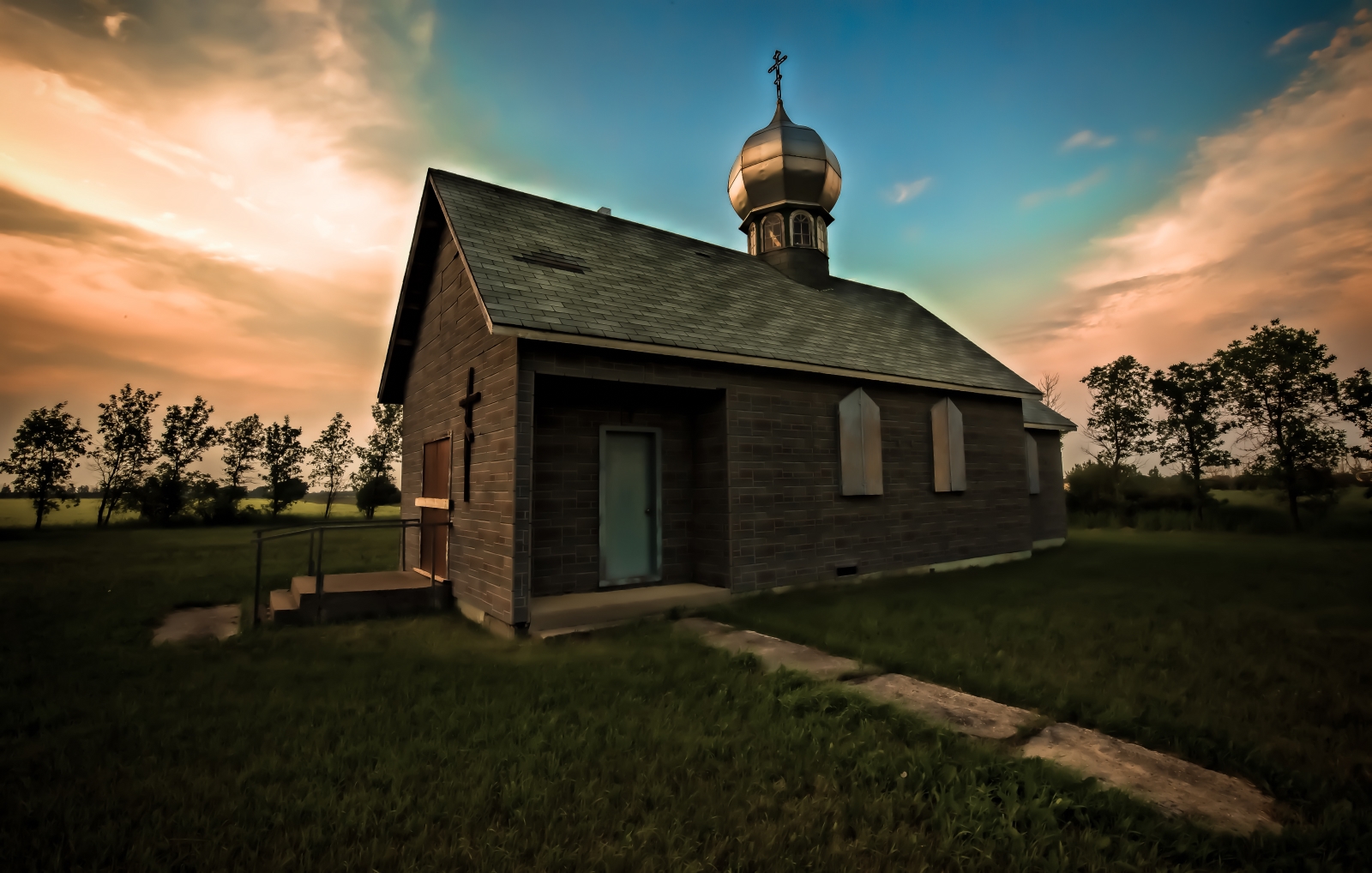
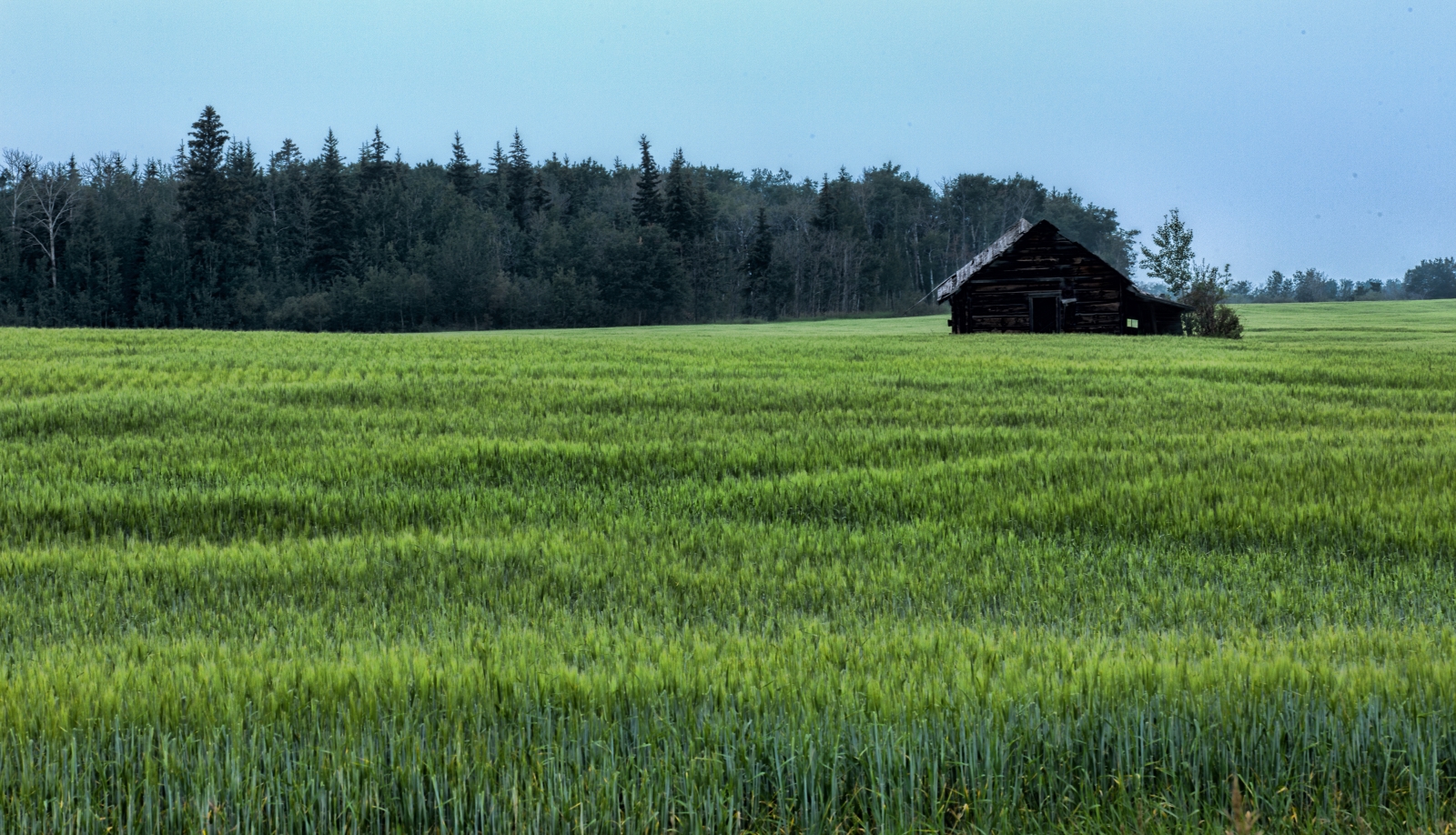
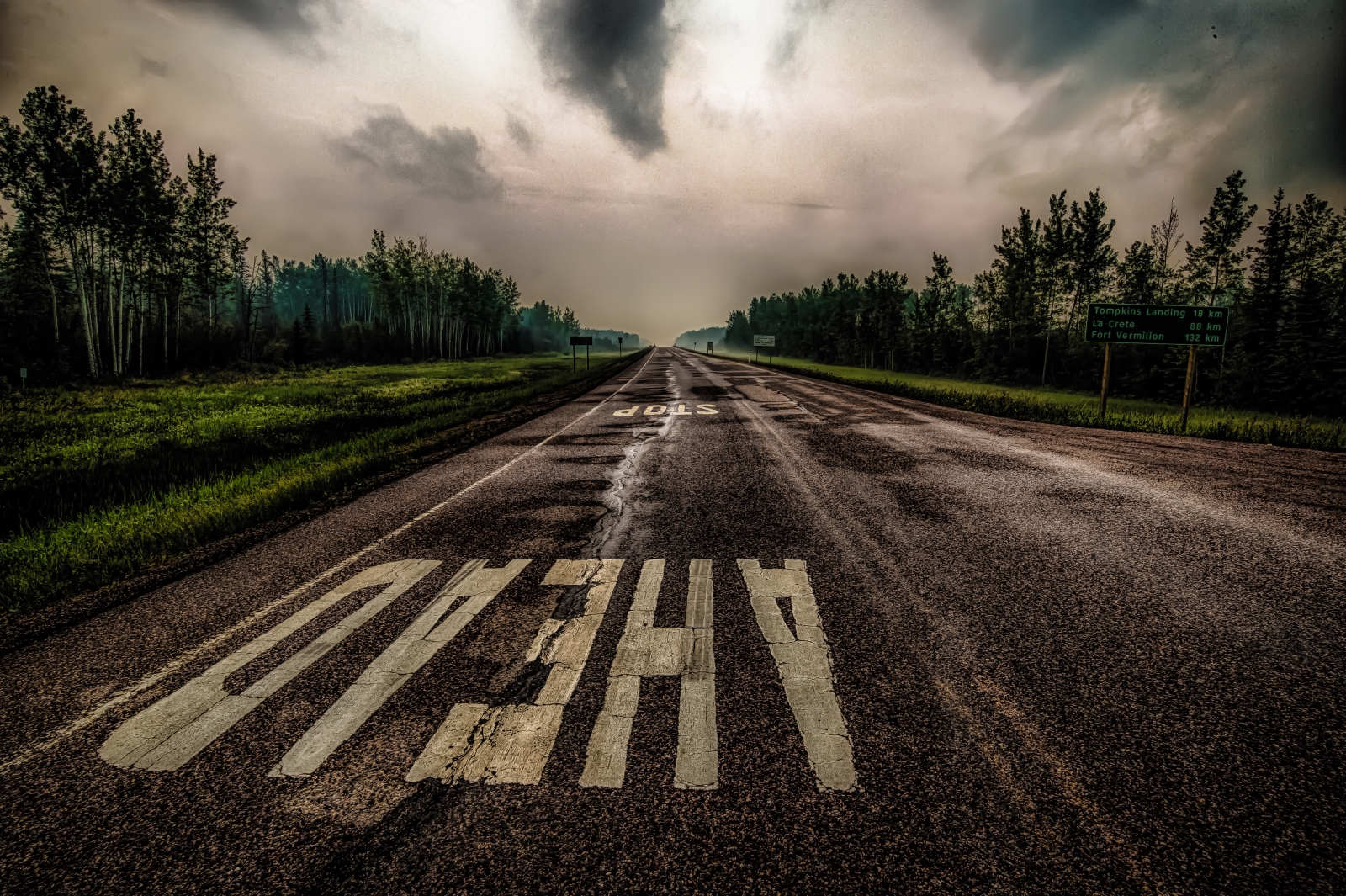
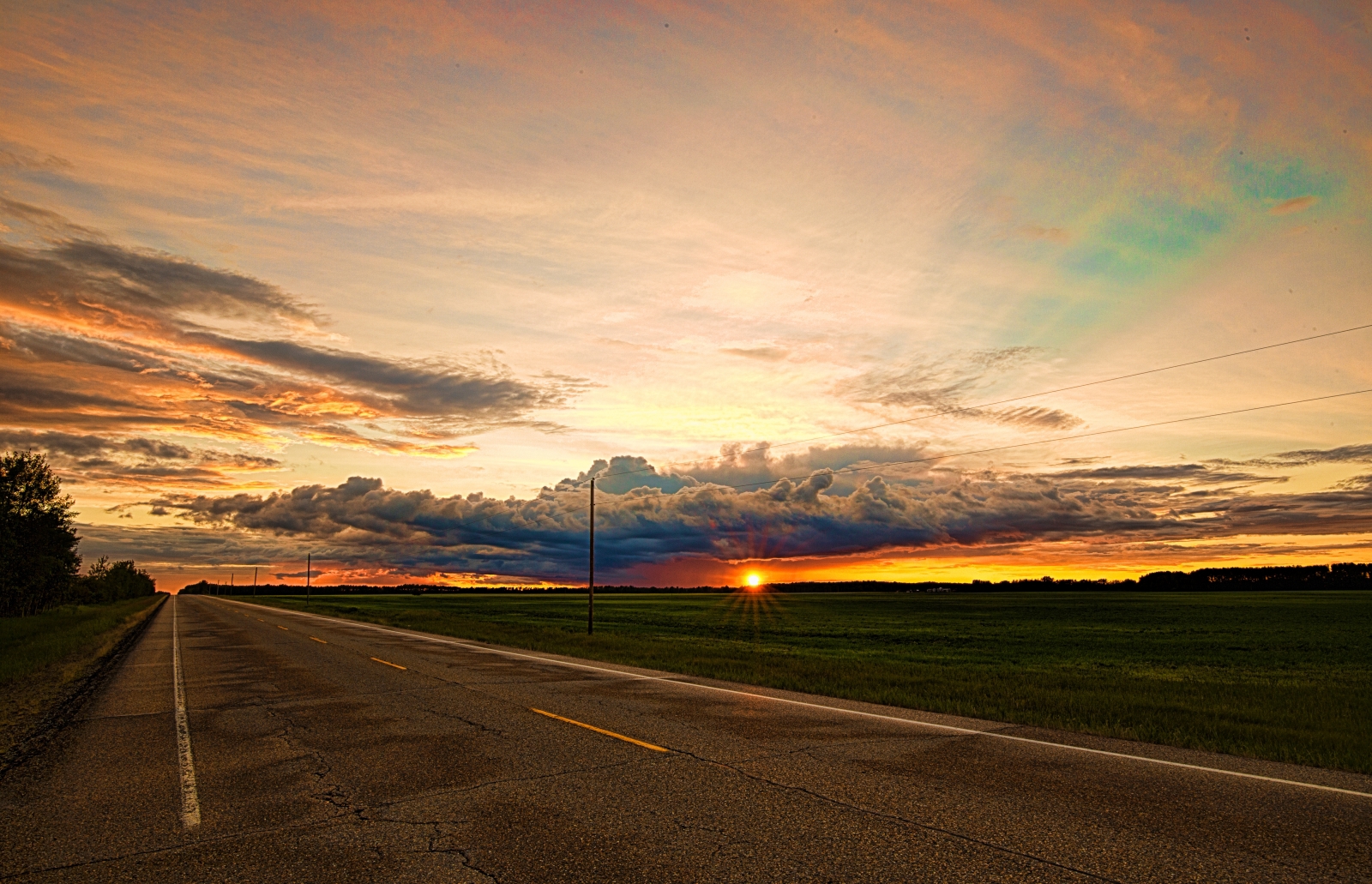
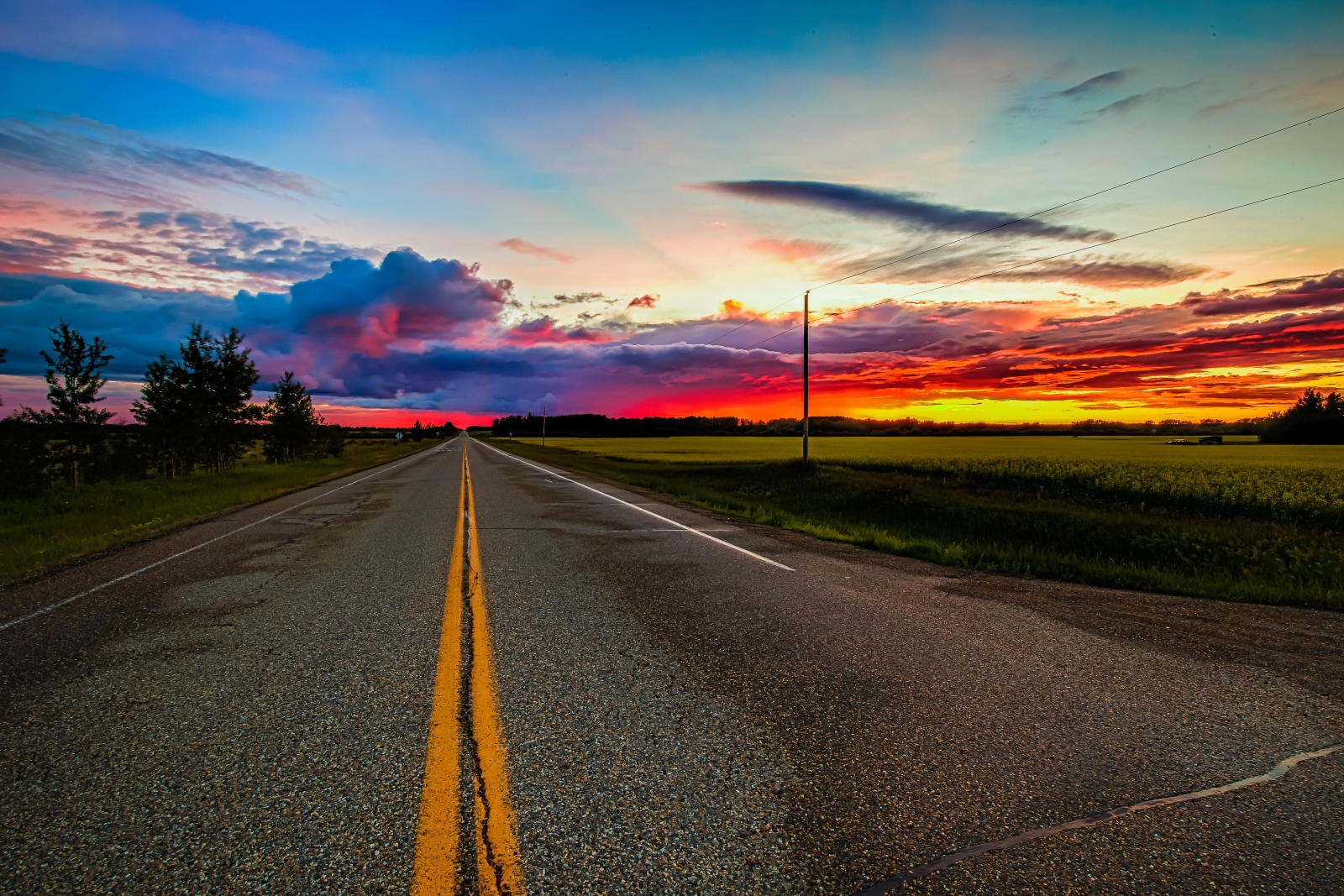
Images from the Road – a derelict church in Woking, a La Glace homestead, the road at night and sunsets.

Quote to Consider – “If you’re having difficulty finding a natural or intuitive expression in a portrait session or having trouble identifying with the person you’re photographing, look into their eyes carefully and see if you can find your own reflection there. Discover yourself looking at you. Then, ask your subject to look into your camera lens and find their own reflection, and be prepared to make the portrait.” – Shelby Lee Adams, ‘Find Your Reflection’ … seems follow-up from the aphorism, “The more I know me, the more I know thee.” – Buber-esque and good, good schtuff!
Listening to – Jose Gonzalez’ ‘Stay Alive’ and Thomas Merton’s ‘The Seven Storey Mountain.’

Yellow Dazzling

Canon Camera, Canon Lens, Canon Live View, Flora, High Dynamic Range (HDR), Light Intensity, Photography & Conceptualizing Beauty, Season, Summer, Weather
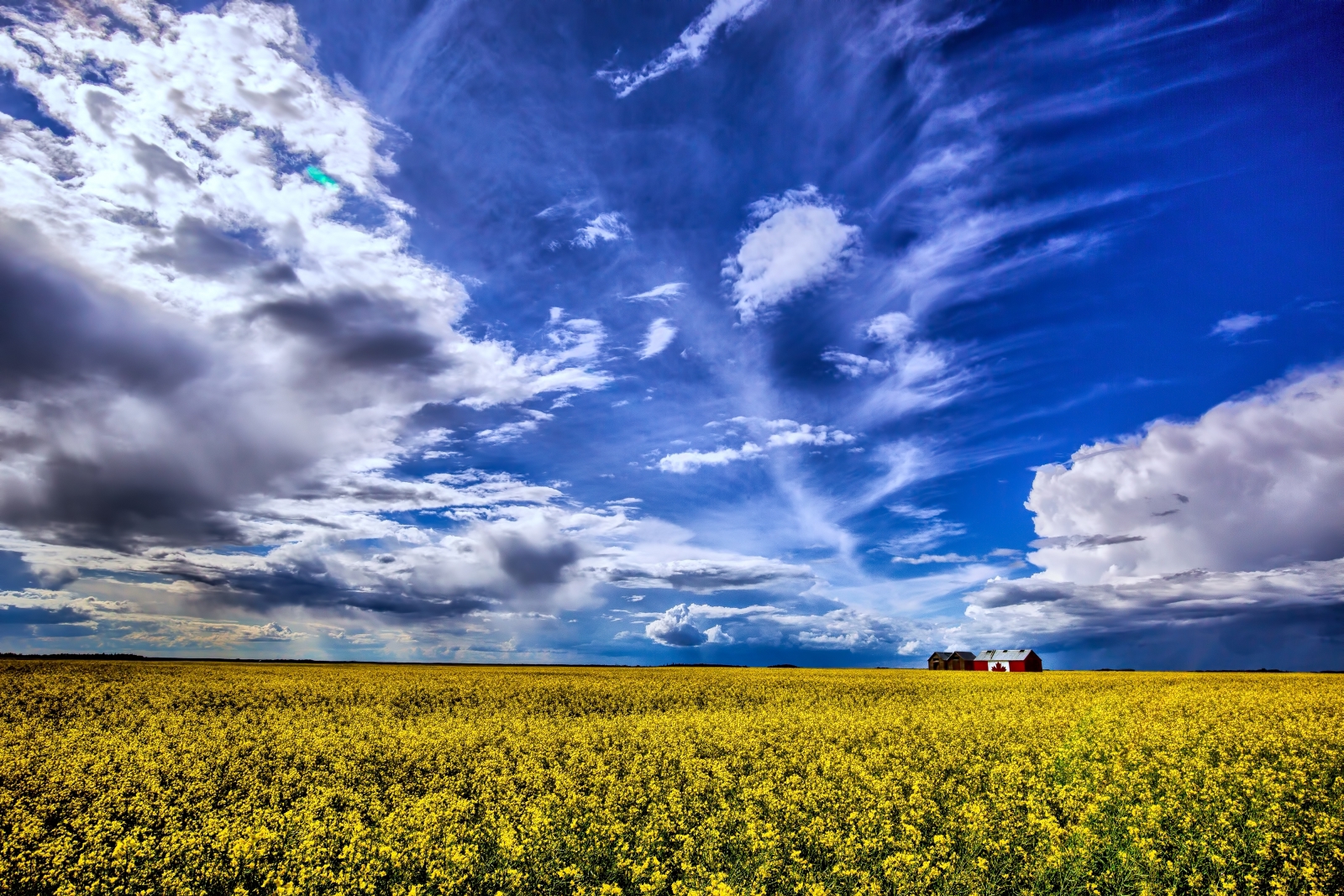
Canadian Grain Bin - Guy, Alberta, Canada 1

Canadian Grain Bin – Guy, Alberta, Canada 1

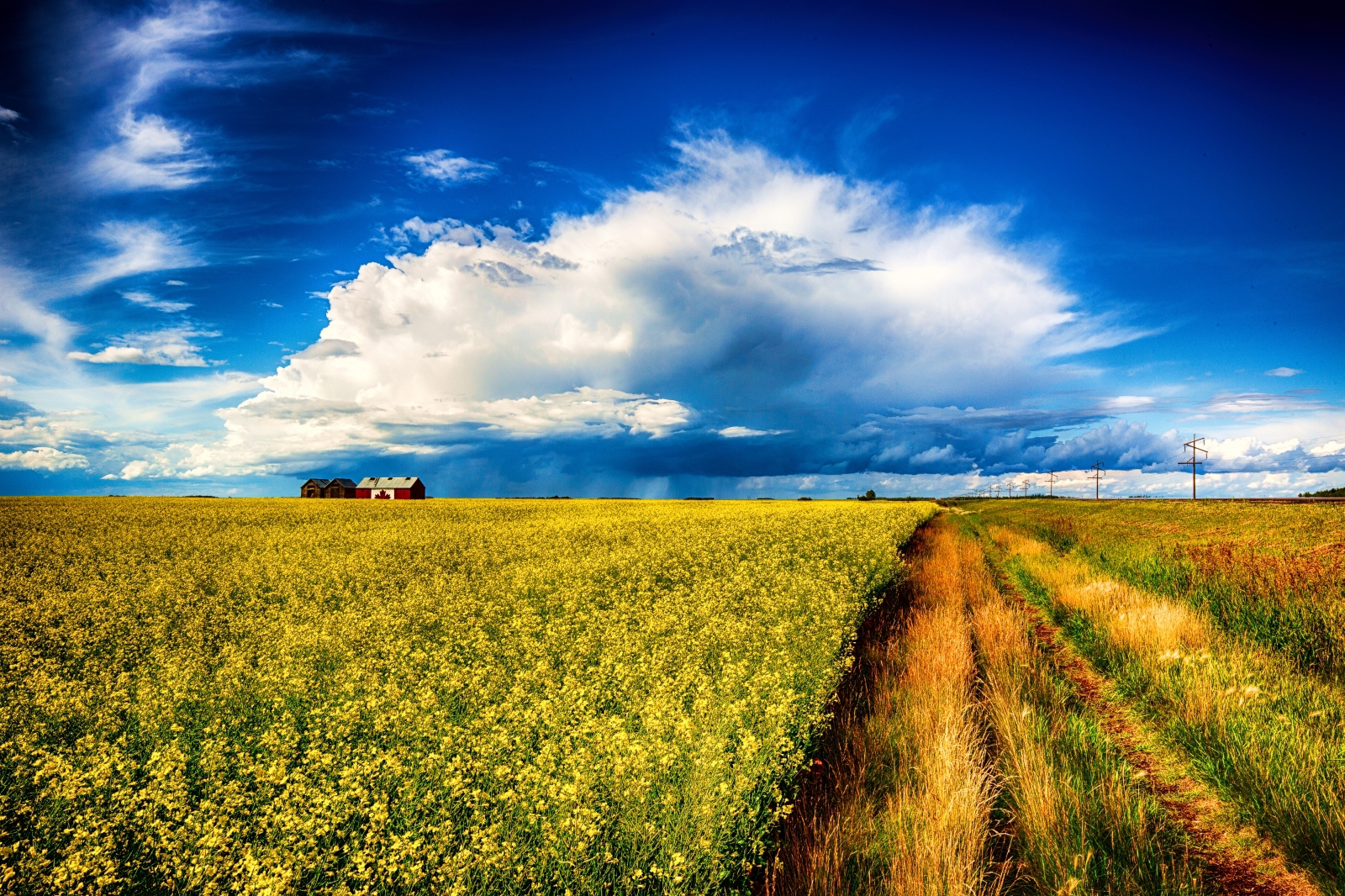
Canadian Grain Bin - Guy, Alberta, Canada 2

Canadian Grain Bin – Guy, Alberta, Canada 2

Canadian Grain Bin - Guy, Alberta i

Canadian Grain Bin – Guy, Alberta i

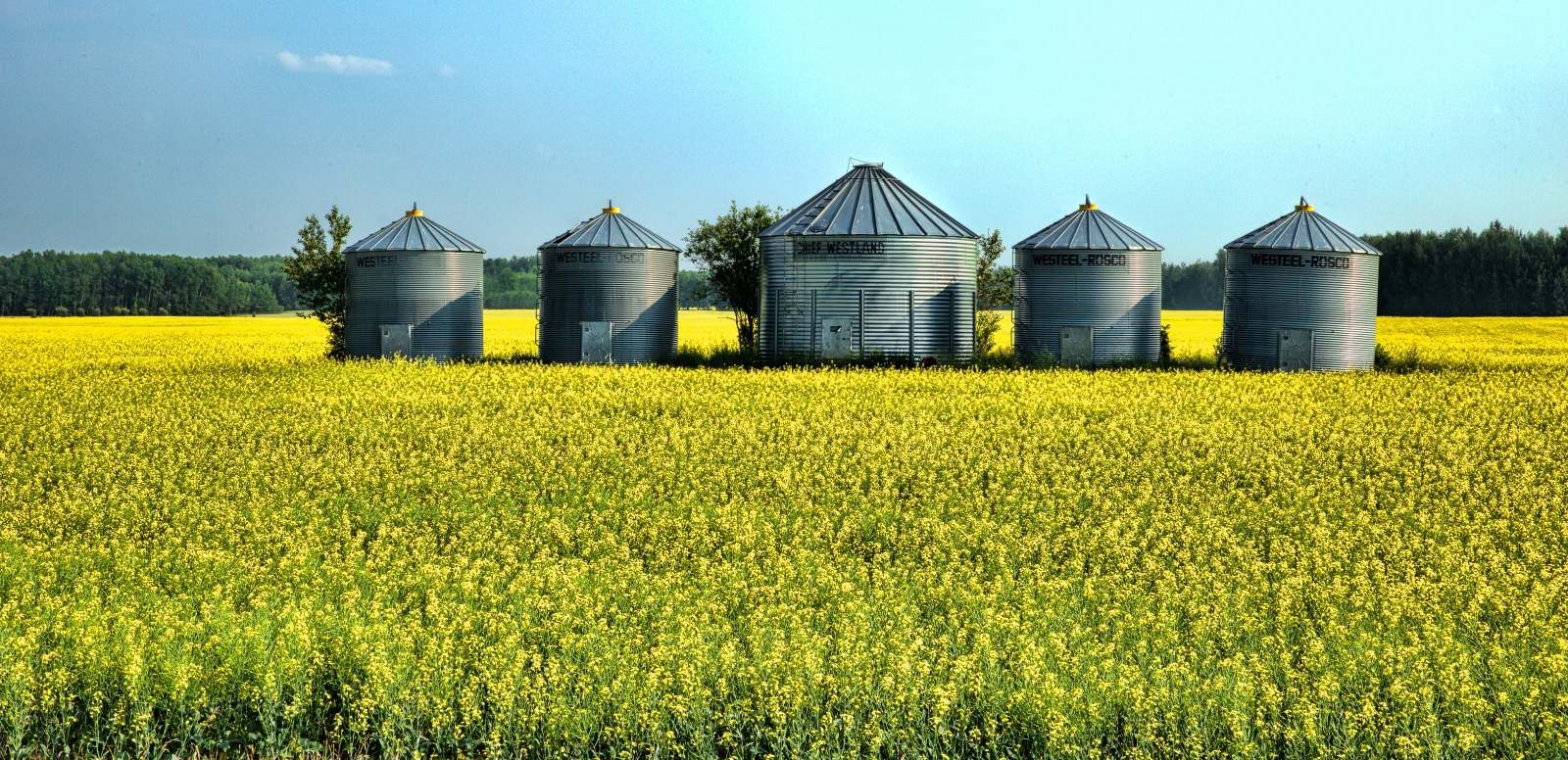
Westeel Grain Bins - Warrensville, Alberta, Canada

Westeel Grain Bins – Warrensville, Alberta, Canada

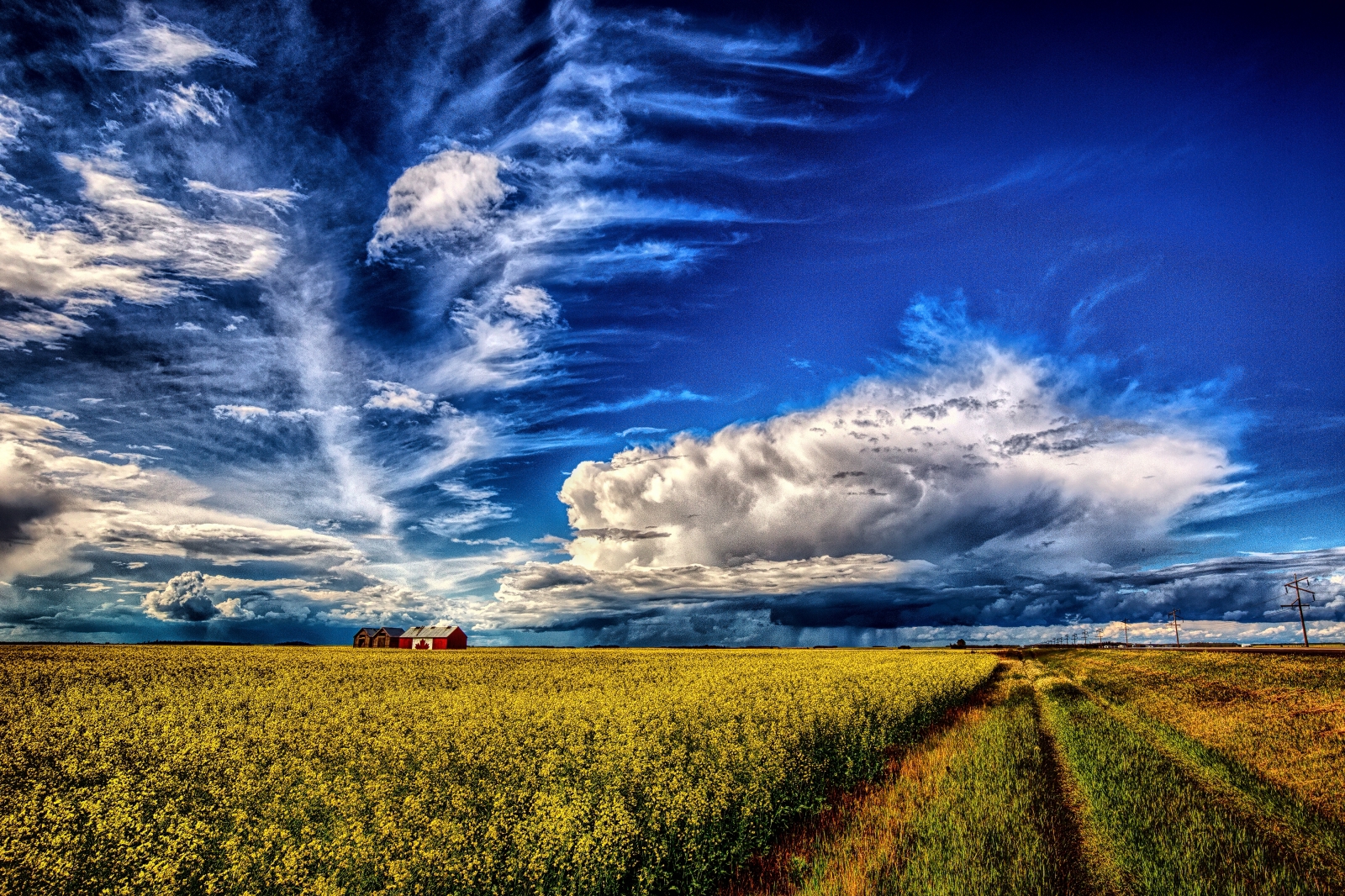
The ground, seeded, transforms from dark, dirt black to green growth reaching its pinnacle of dazzling yellow before being harvested. I have driven through some of Alberta’s farmland in the past two weeks and Canola does seem the farmer grown plant of choice, this year, its yellows colouring and brightening what, in winter, had been a darker and more dreary landscape. I had hoped to catch Canola surrounding these Warrensville Westeel grain bins in the past two or three years, never returning to the site/sight until a week ago.

The Canada Flag painted on the side of a grain bin forms a landmark for travellers nearing the hamlet of Guy, Alberta. On Alberta highway 2, as you climb from the valley holding the Smoky River going north you’ll find the grain bin on your left two or three minutes along; for many the flag and shed serve as time marker for journeys northward. From this point, I can be at my doorstep in High Level, Alberta in three hours and forty minutes.

In addition to the broad reach of Canola’s yellows in these images, immensity surrounding the grain bin is also part of things; looking ahead through the miles a cumulonimbus cloud will later offer its weather, wind and rain, as something to be managed within our drive home. These images remind of photographs in which grain fields, mountains and breathtaking cloud work coalesce and immensity is the dominant feature within the image. I hadn’t considered it; but, the fact that a Canadian Flag has been painted on the side of a grain bin holds associations for the farmer – perhaps pride in being Canadian; it may also aim to have others consider the key role grain farmers play in Canada’s economy; or, perhaps the notion has something to do with being in the heart of Canada. What’s also there is perhaps something political … perhaps something like the assertion, ‘we are all Canadians first and foremost.’ The question intrigues – what was the point of origin for the idea of painting a Canadian flag on a farmer’s grain bin?

Quote to Consider – “A photograph is the story I fail to put into words.” – Destin Sparks

Listening to – Murray McLaughlin’s ‘Hard Rock Town,’ The Who’s ‘I Can See For Miles,’ Bob Dylan’s ‘Buckets of Rain,’ Steve Miller Band’s ‘Fly Like an Eagle,’ Ozark Mountain Daredevils’ ‘If You Wanna Get To Heaven,’ Bruce Springsteen’s ‘Radio Nowhere,’ Link Wray & the Wraymen’s ‘Rumble’ and Bruce Springsteen’s rendering of a Pete Seeger tune ‘We Shall Overcome.’