Composition – Edit Toward Mindfulness

Best Practices - Photography, Canon Camera, Canon Live View, Journaling, Photography & Conceptualizing Beauty, Project 365 - Photo-a-day, Still Life, Summer
Foundation as Canvas - Utah 1

Foundation as Canvas – Utah 1
Foundation as Canvas - Utah 2

Foundation as Canvas – Utah 2

Foundation as Canvas - Utah 3

Foundation as Canvas – Utah 3

Foundation as Canvas - Utah 4

Foundation as Canvas – Utah 4

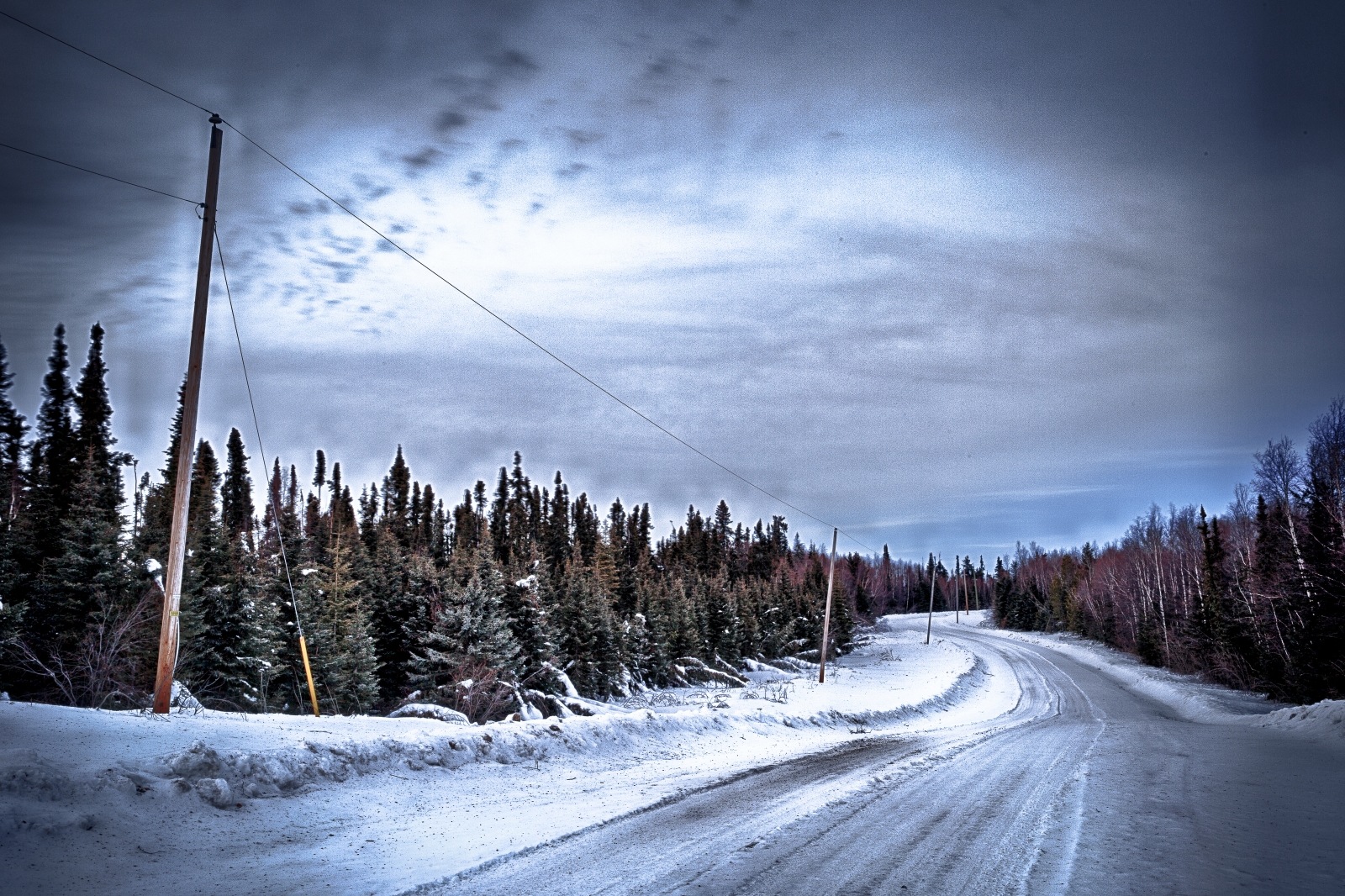
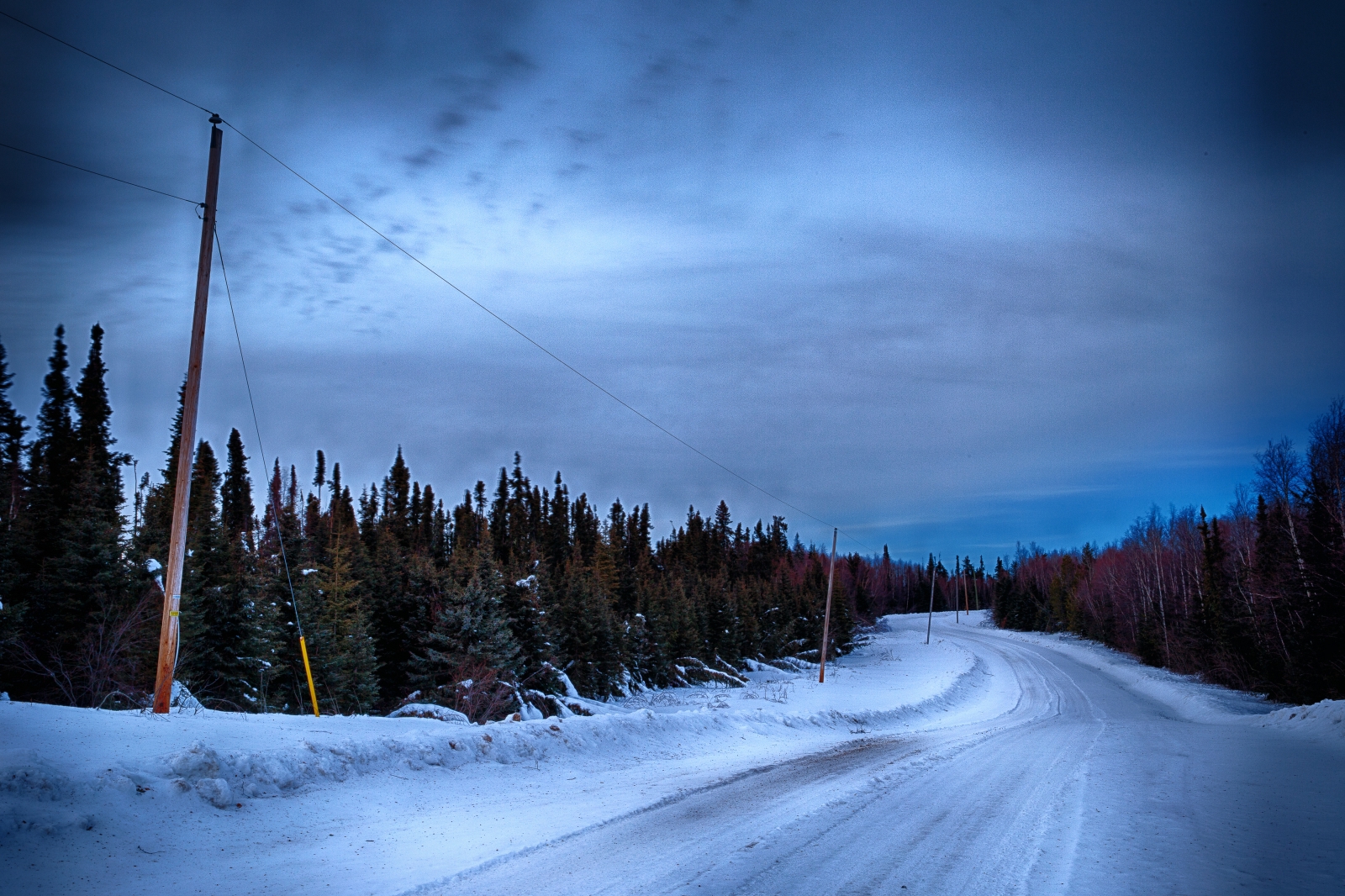
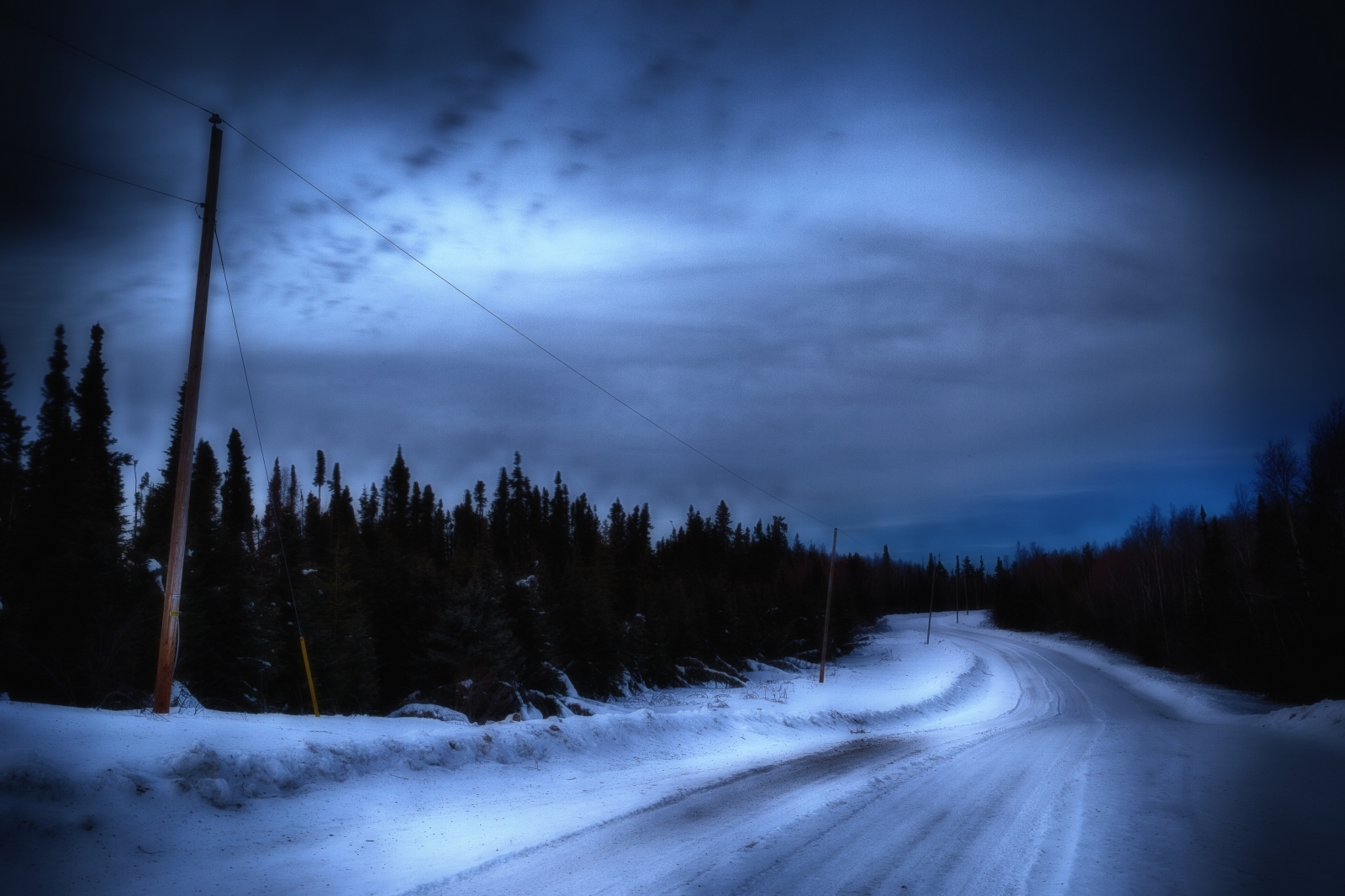
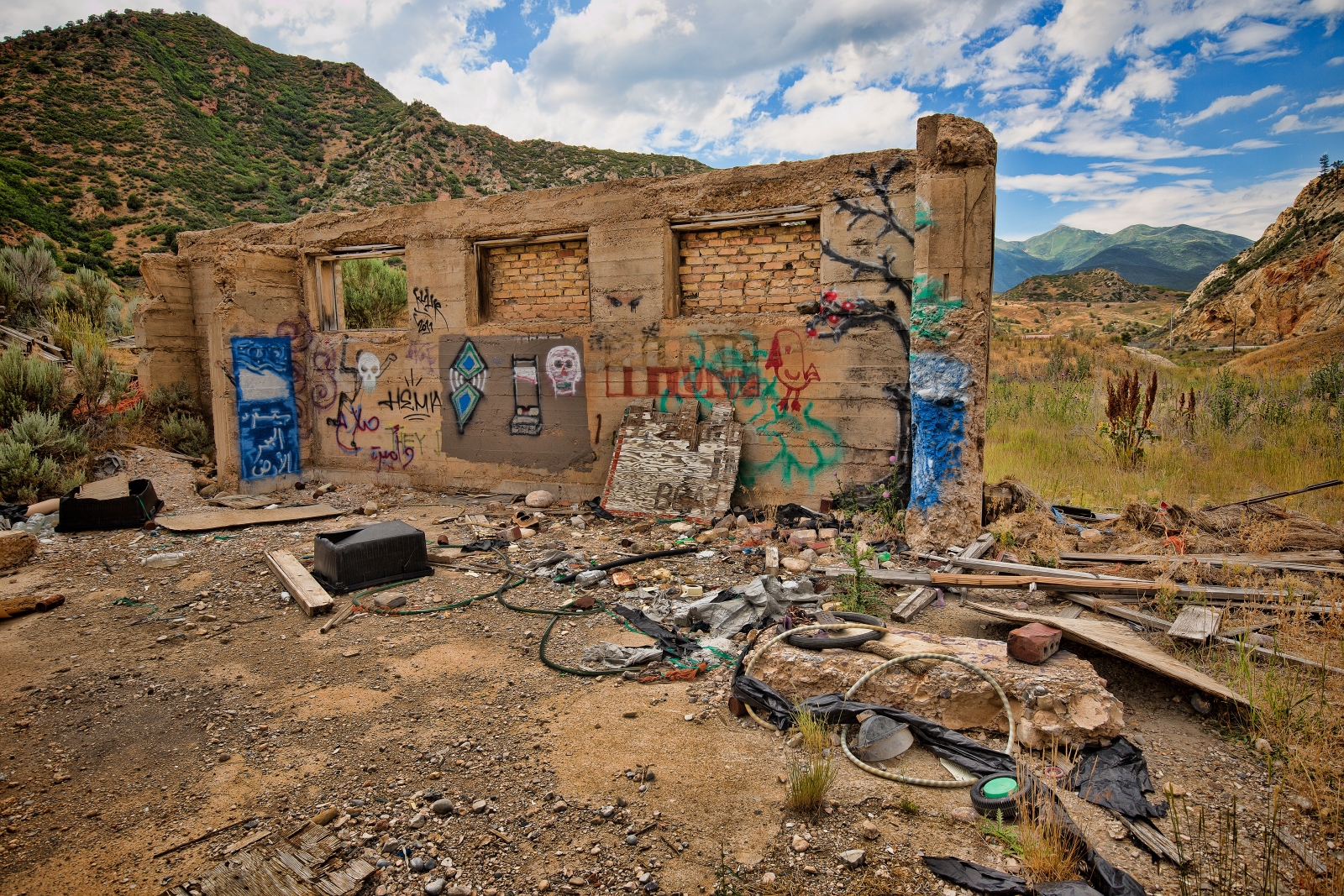
Elements of composition were the subject of discussion a day ago. Eight different ideas about composing a photograph were considered – pattern, symmetry, depth of field, lines and leading lines, framing, perspective, balance and colour. We ended at the point of composition being about finding the best way of seeing … the subject. The discussion stayed with me as I edited images later that evening – we also find the best way of seeing the subject in editing as we try out variation in exposure, consider the blur and detail of clarity and consider the depth or wash of contrasts. With each of these considerations as the image is edited we see more and more of what the image holds – things not fully seen or recognized when the right moment to capture the image was recognized. For me, composition and editing toward best composition are about discovering the narrative of the photograph; each edit or potential edit considered increases mindfulness of what’s going on or has happened within the photograph. These images do that.

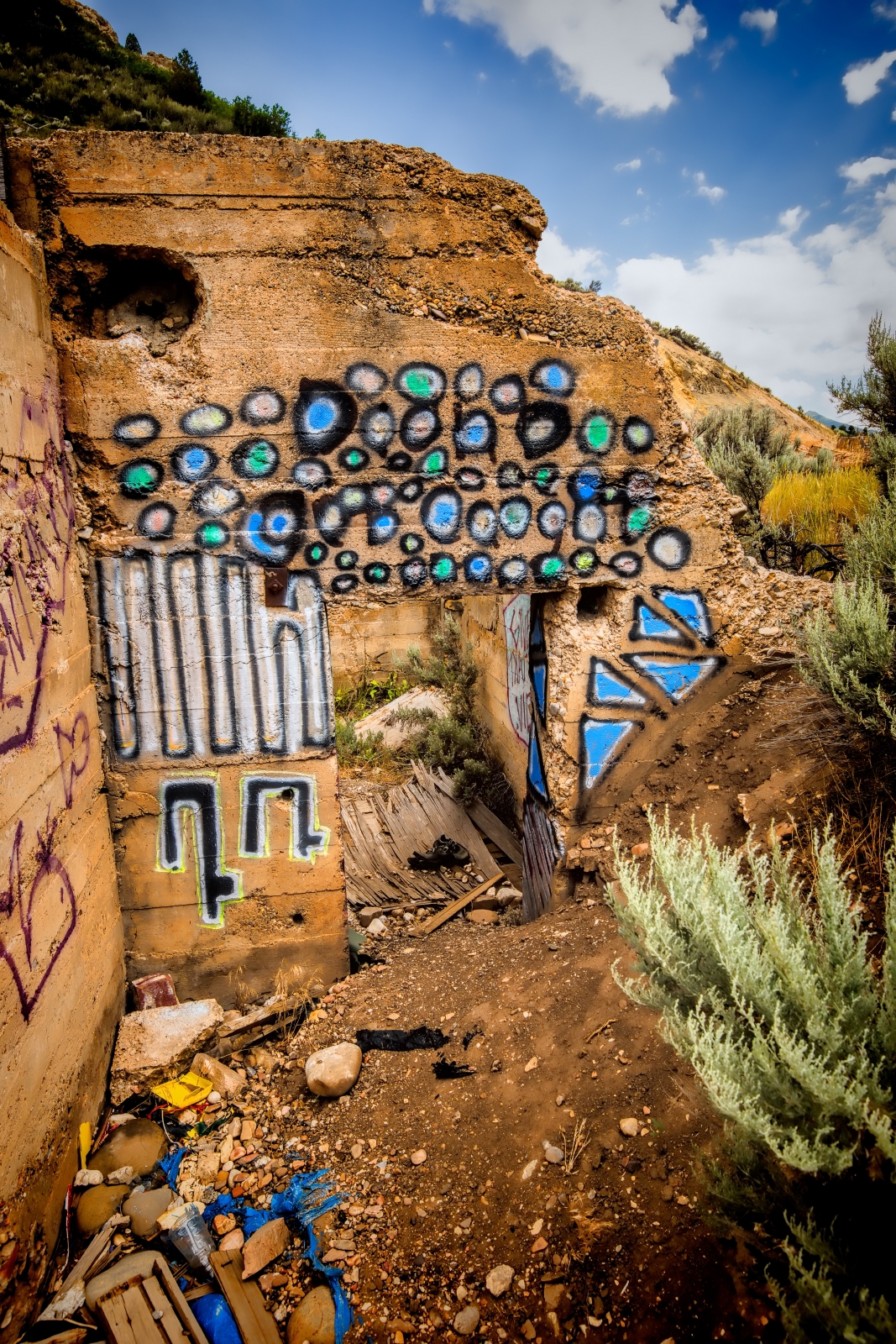
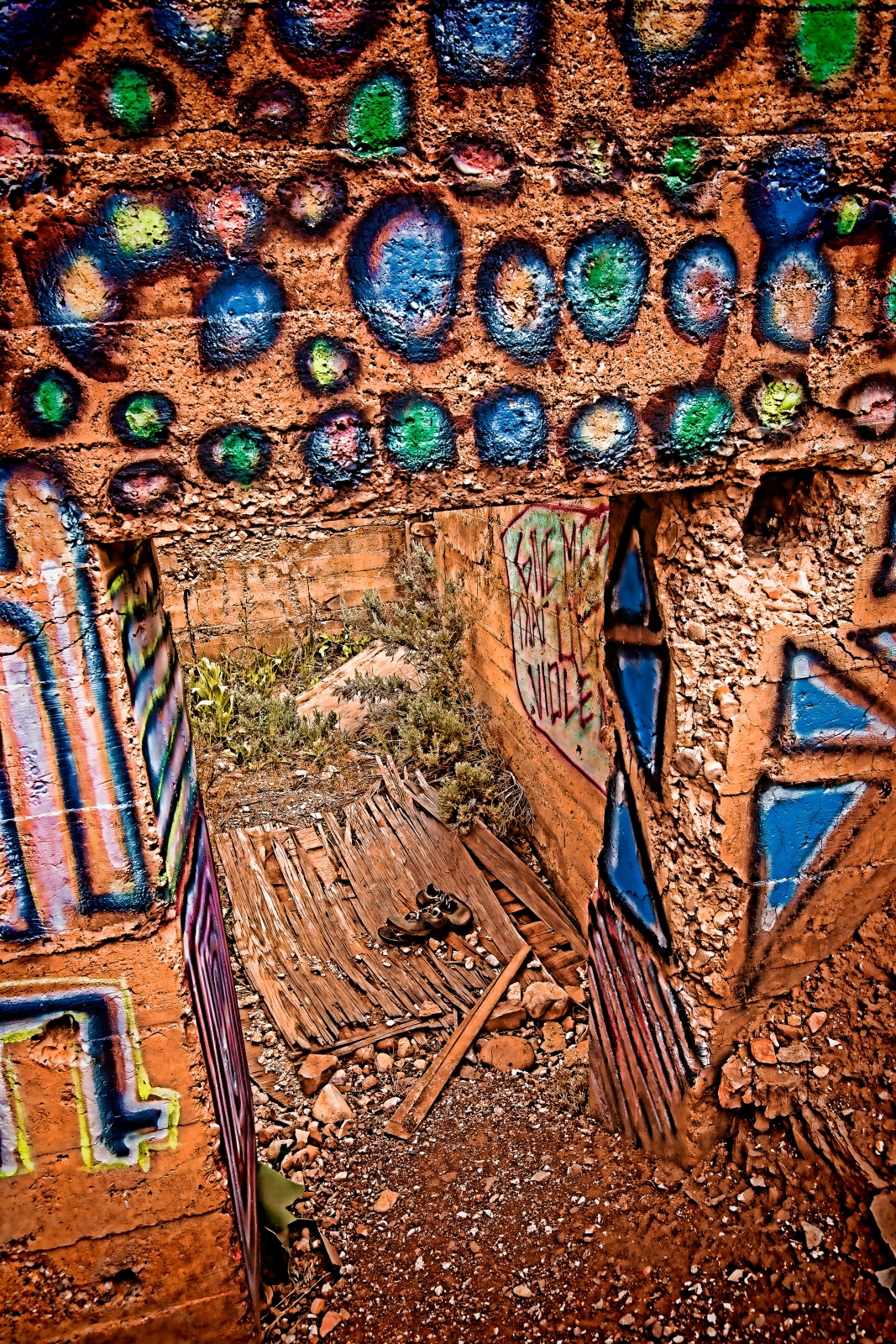
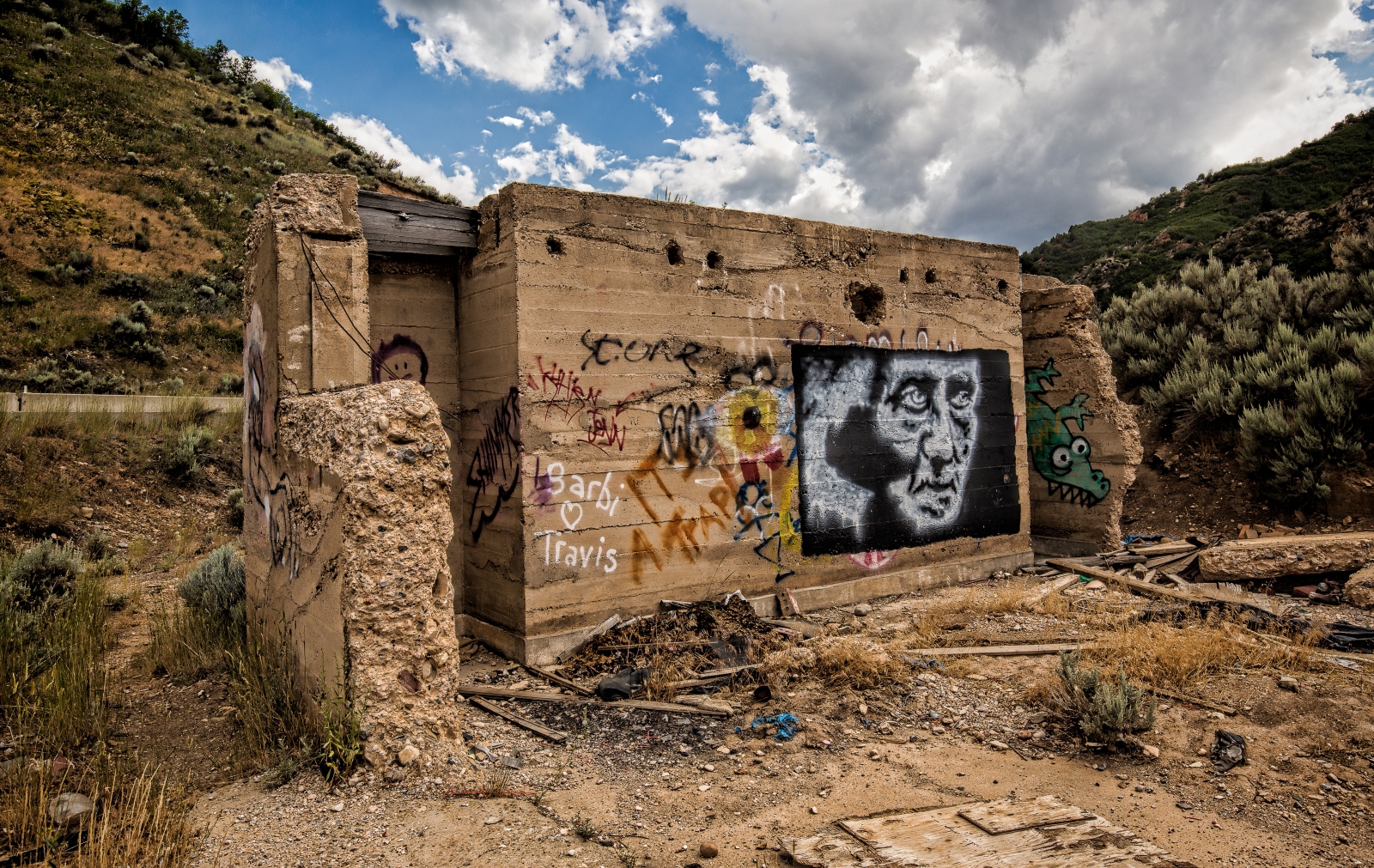
Again, we are at one of the first stops in our scouting look at southeastern Utah. The foundations of a derelict building are tattooed and tagged with graffiti, foundation walls becoming canvas to expression. What are you mindful of in looking at this canvas (or perhaps an actor’s stage to extend and cross-pollinate metaphors)? What can be extrapolated?

Listening to – some of Dave Brubeck’s ‘Time Out’ and remembering my father and early years at home, sophisticated, challenging music; yet now also with a strong, strong element of home. This morning’s tunes have also included U2’s ‘Songs of Innocence’ – the curious phrase, probably for their young adult children is ‘young, not dumb.’ The morning has also held Coldplay – ‘Always in My Head,’ ‘Midnight’ and ‘Oceans’ among others.

Quote to Consider – “Photographs are a way of imprisoning reality … or they enlarge reality that is felt to be shrunk. One can’t possess reality, one can possess images – one can’t possess the present but one can possess the past.” – Susan Sontag, ‘On Photography’
Curious, Unique

Canon Camera, Canon Lens, Canon Live View, Journaling, Photography & Conceptualizing Beauty, Project 365 - Photo-a-day, Still Life, Summer
Utah Landscape

Utah Landscape

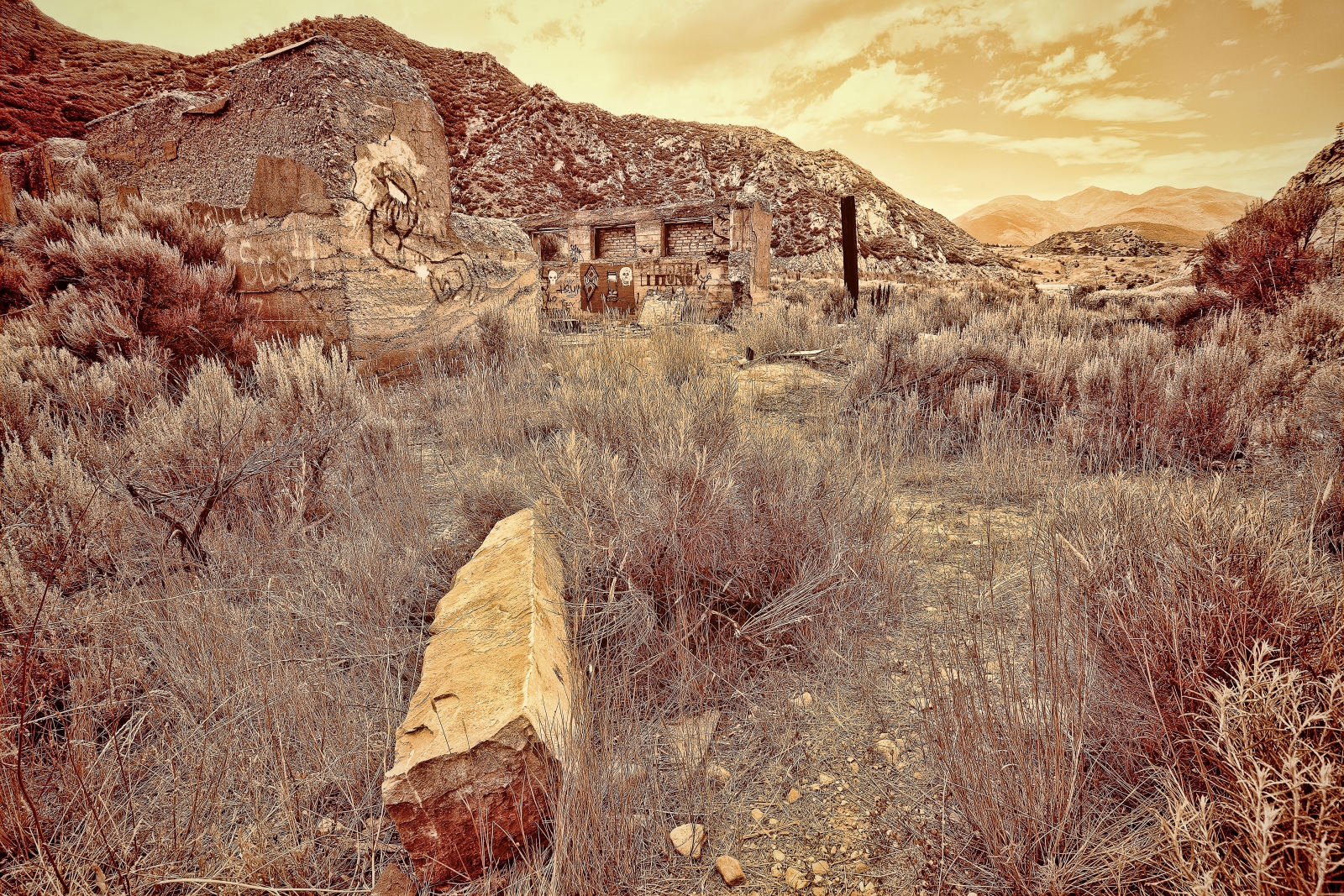
Having read Jack Kerouac’s novel, ‘On The Road,’ this image of American landscape holds interest; the building within this landscape was perhaps intact and used at the time the novel was written, the end of the forties. I’m liking the resulting edit, expressive in terms of colour and compositionally pulling my curiosity toward this former building.

Listening to – U2’s ‘Sleep Like a Baby Tonight,’ ‘Cedarwood Road’ and ‘Raised by Wolves.’

Quote to Inspire – “For photography to compete with painting means invoking originality as an important standard for appraising a photographer’s work, originality being equated with the stamp of a unique, forceful sensibility.” Susan Sontag, ‘On Photography’

Midnight Sun – Mists

Best Practices - Photography, Canon Camera, Canon Lens, Canon Live View, Flora, High Dynamic Range (HDR), Photoblog Intention, Photography & Conceptualizing Beauty, Project 365 - Photo-a-day, Spring, Still Life, Sunset, Weather
Highway Mists - Twin Lakes, Alberta 1

Highway Mists – Twin Lakes, Alberta 1

Highway Mists - Twin Lakes, Alberta 2

Highway Mists – Twin Lakes, Alberta 2

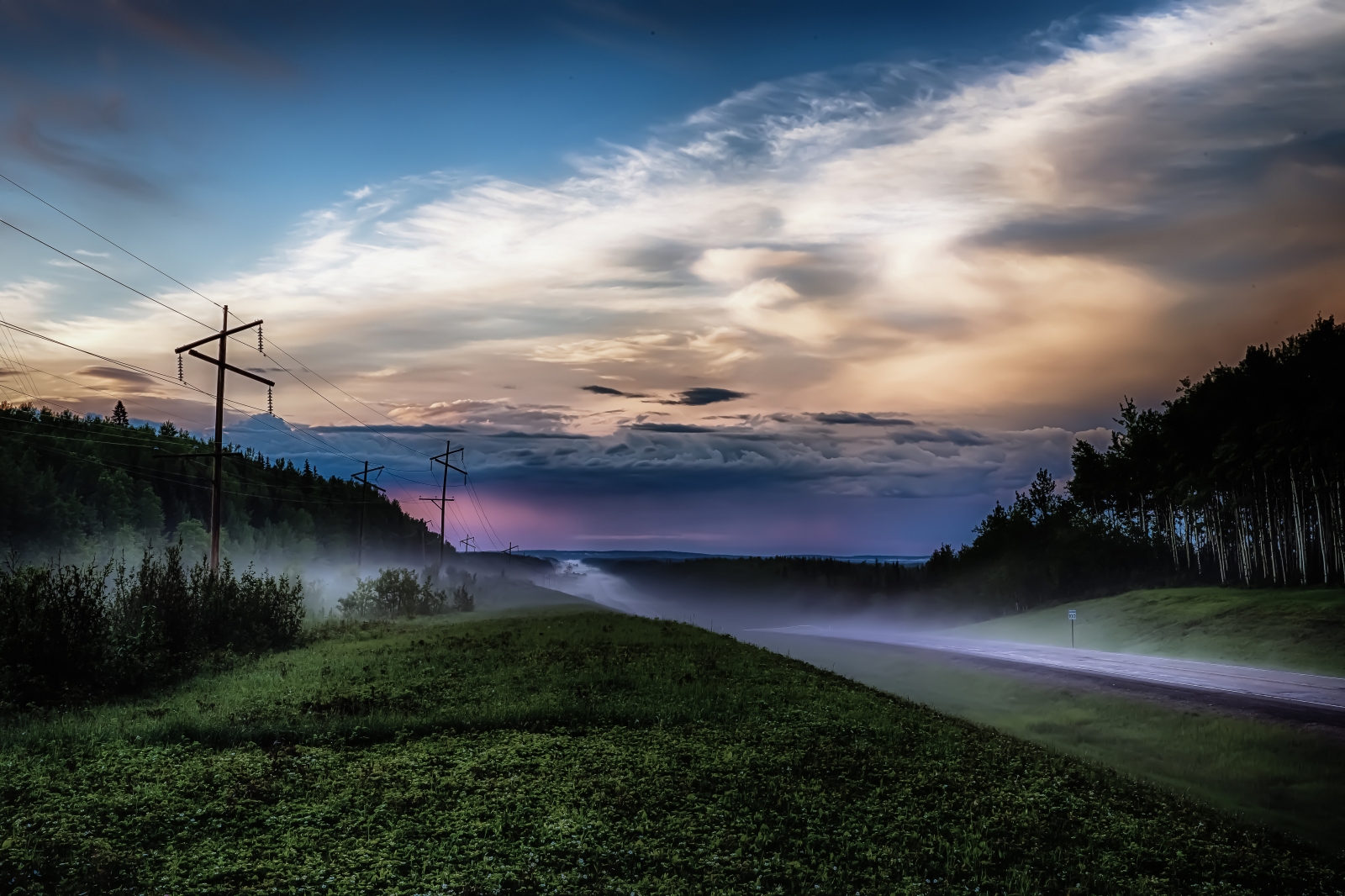
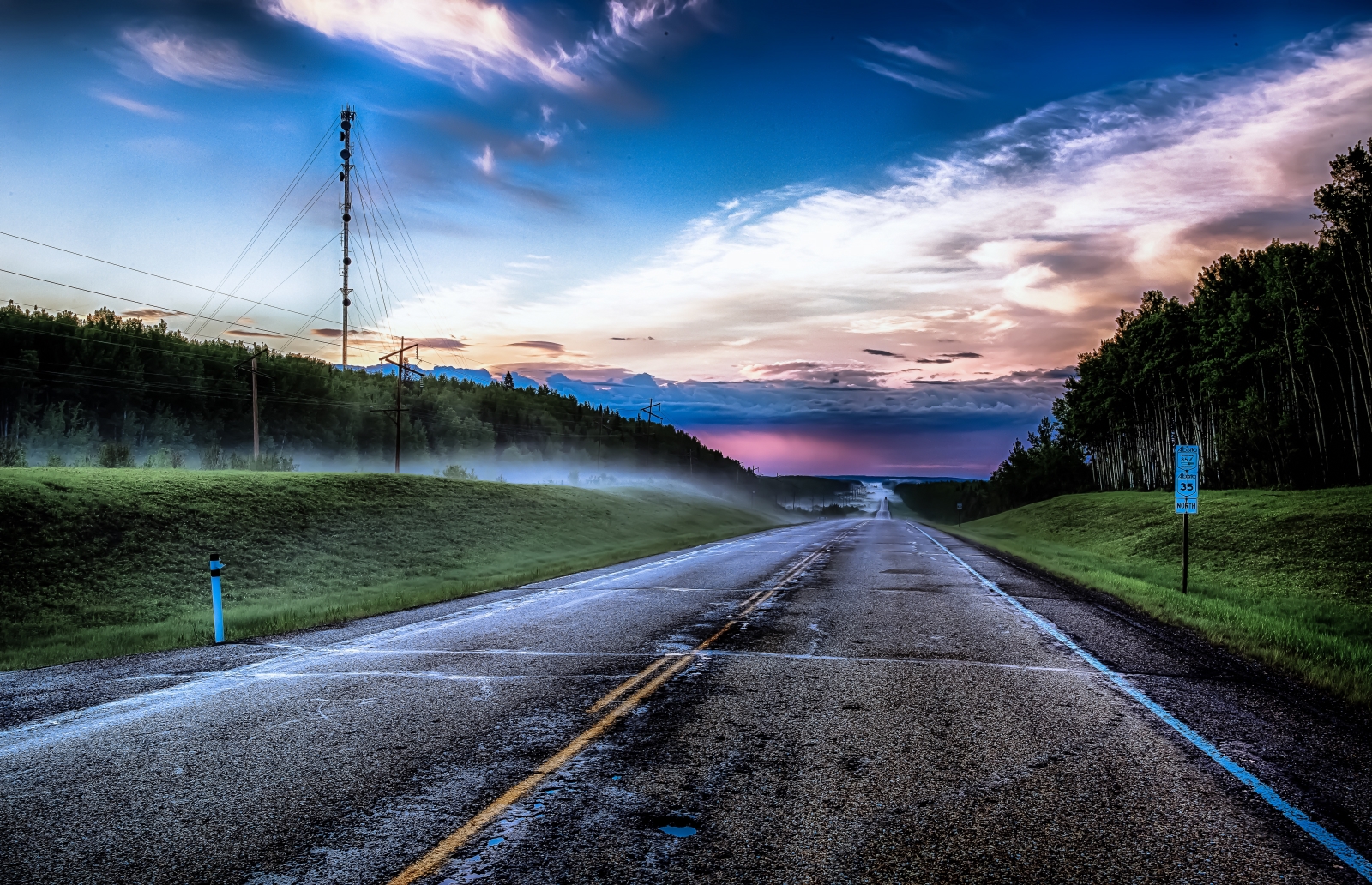
I asked my son to stop our truck, here, at Twin Lakes just where you begin a five kilometre descent, a significant change in altitude often accompanied by an equally significant change in weather. Twin Lakes was our first safe opportunity to pull off the road and to use the camera to capture what we’d been seeing. Not quite, London’s pea-soup fog, but fog thick enough for you to hear a vehicle approaching before you would see it. And, northern Alberta is the land of the midnight sun; at 10:30 p.m. the sun has still not quite crossed the horizon to the West (left). There were perhaps ten other, perhaps more dramatic shots before this point in the road that I would have taken, but stopping in misty conditions could have caused an accident. Better to be safe and take shots without peril.

Listening to – ‘On Being with Krista Tippett’ and her 2011 interview with Vincent Harding who recently passed away; Vincent has connection to the Mennonites and wrote some of Martin Luther King’s speeches.

Quote to Inspire – “Imperfect technique has come to be appreciated precisely because it breaks the sedate equation of Nature and Beauty.” – Susan Sontag, ‘On Photography’

Crosses Cluster

Canon Camera, Canon Live View, Cemetery, Home, Homestead, Photoblog Intention, Photography & Conceptualizing Beauty, Project 365 - Photo-a-day, Spring, Still Life
Crosses - Ft Vermilion North Settlement 1

Crosses – Ft Vermilion North Settlement 1

Crosses - Ft Vermilion North Settlement 2

Crosses – Ft Vermilion North Settlement 2

Crosses - Ft Vermilion North Settlement 3

Crosses – Ft Vermilion North Settlement 3

Crosses - Ft Vermilion North Settlement 4

Crosses – Ft Vermilion North Settlement 4

Crosses - Ft Vermilion North Settlement 5

Crosses – Ft Vermilion North Settlement 5

Crosses - Ft Vermilion North Settlement 6

Crosses – Ft Vermilion North Settlement 6

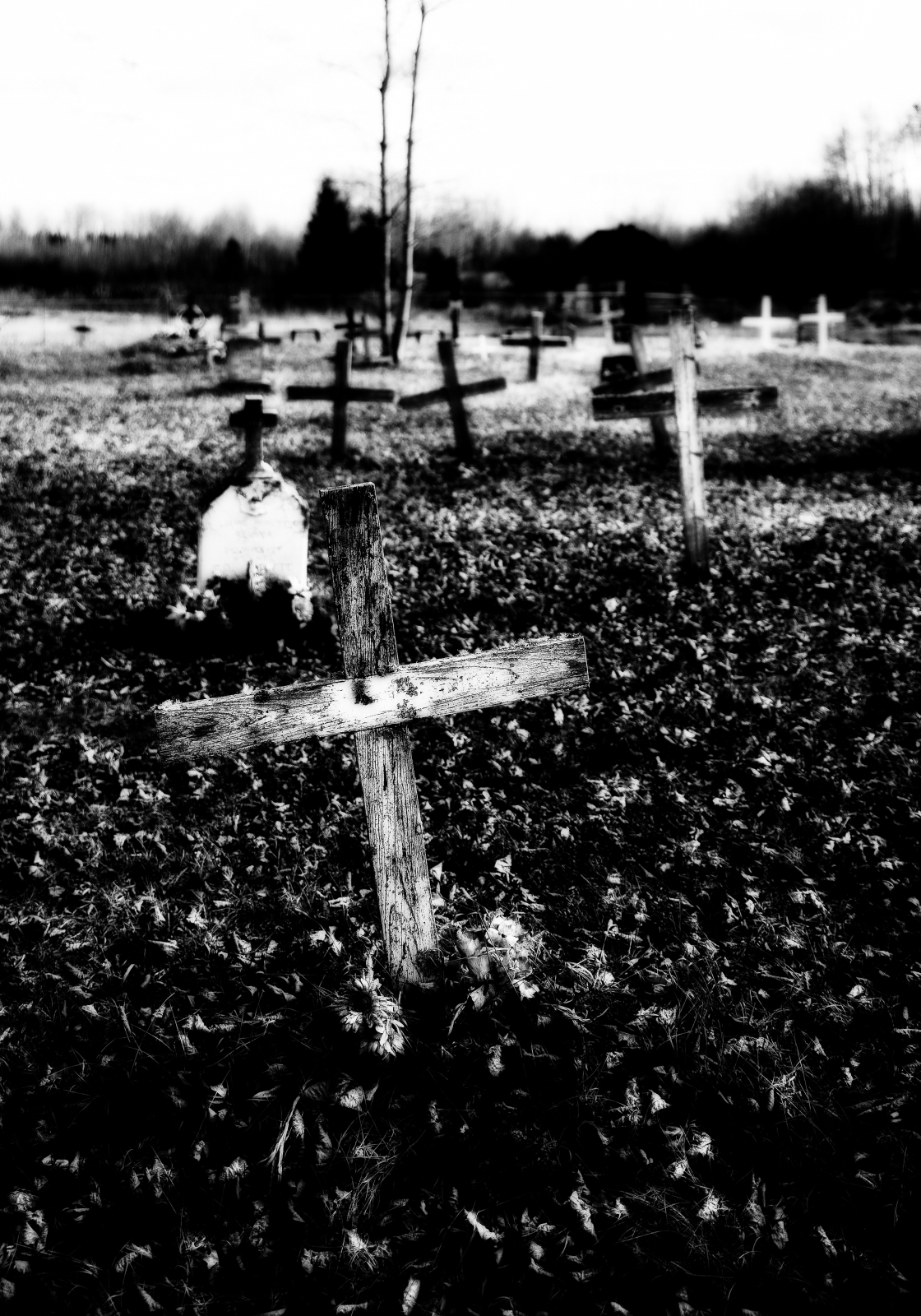
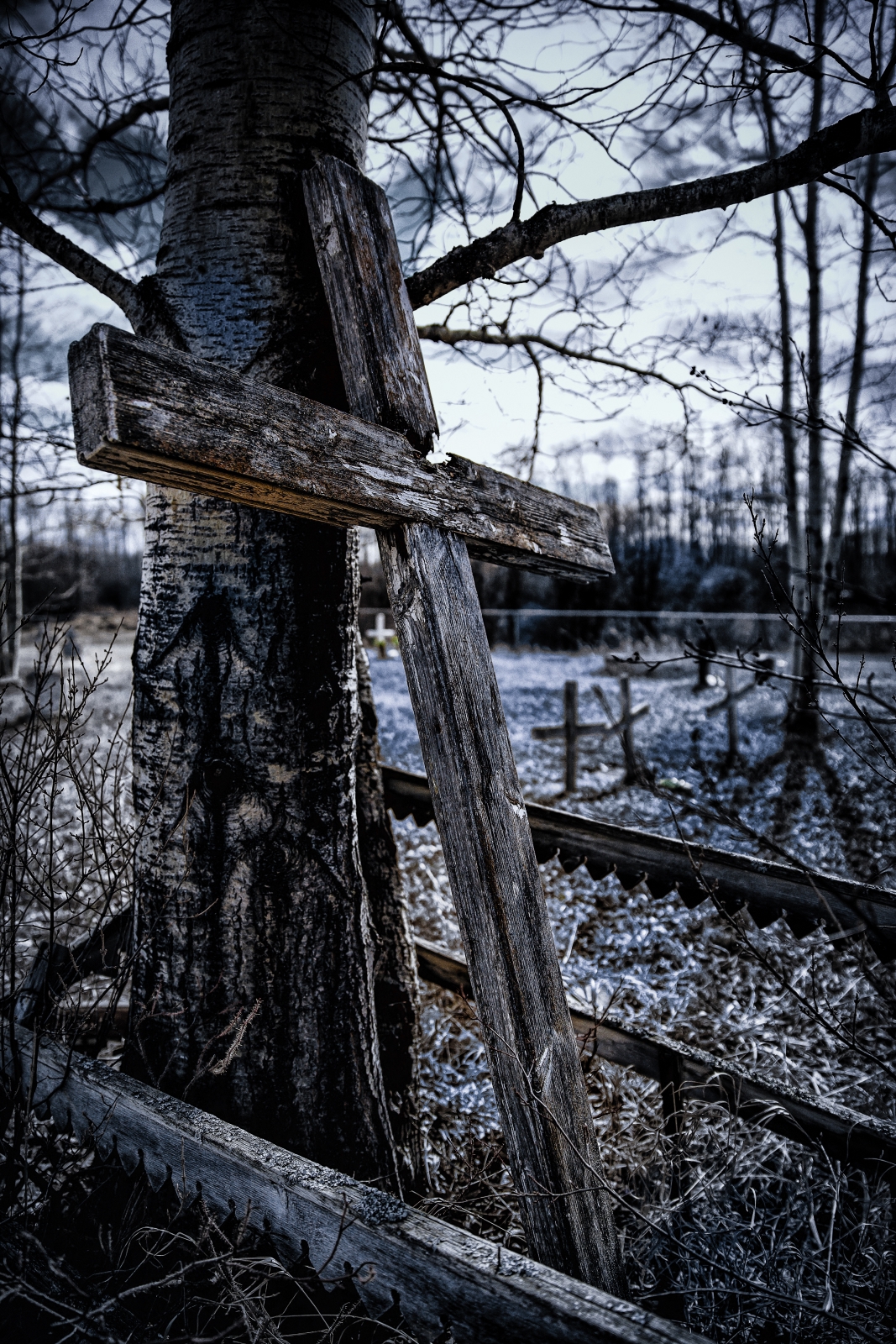
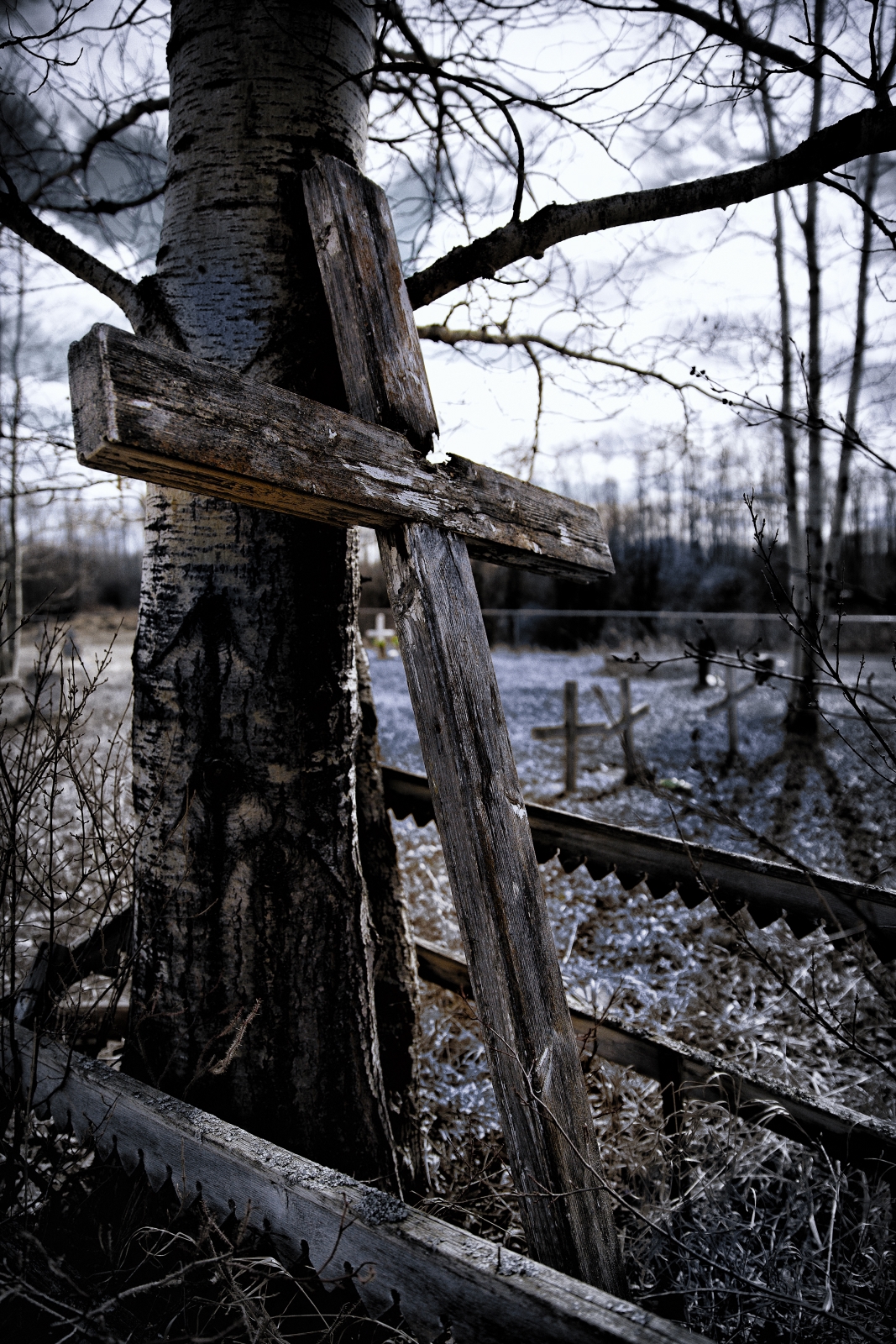
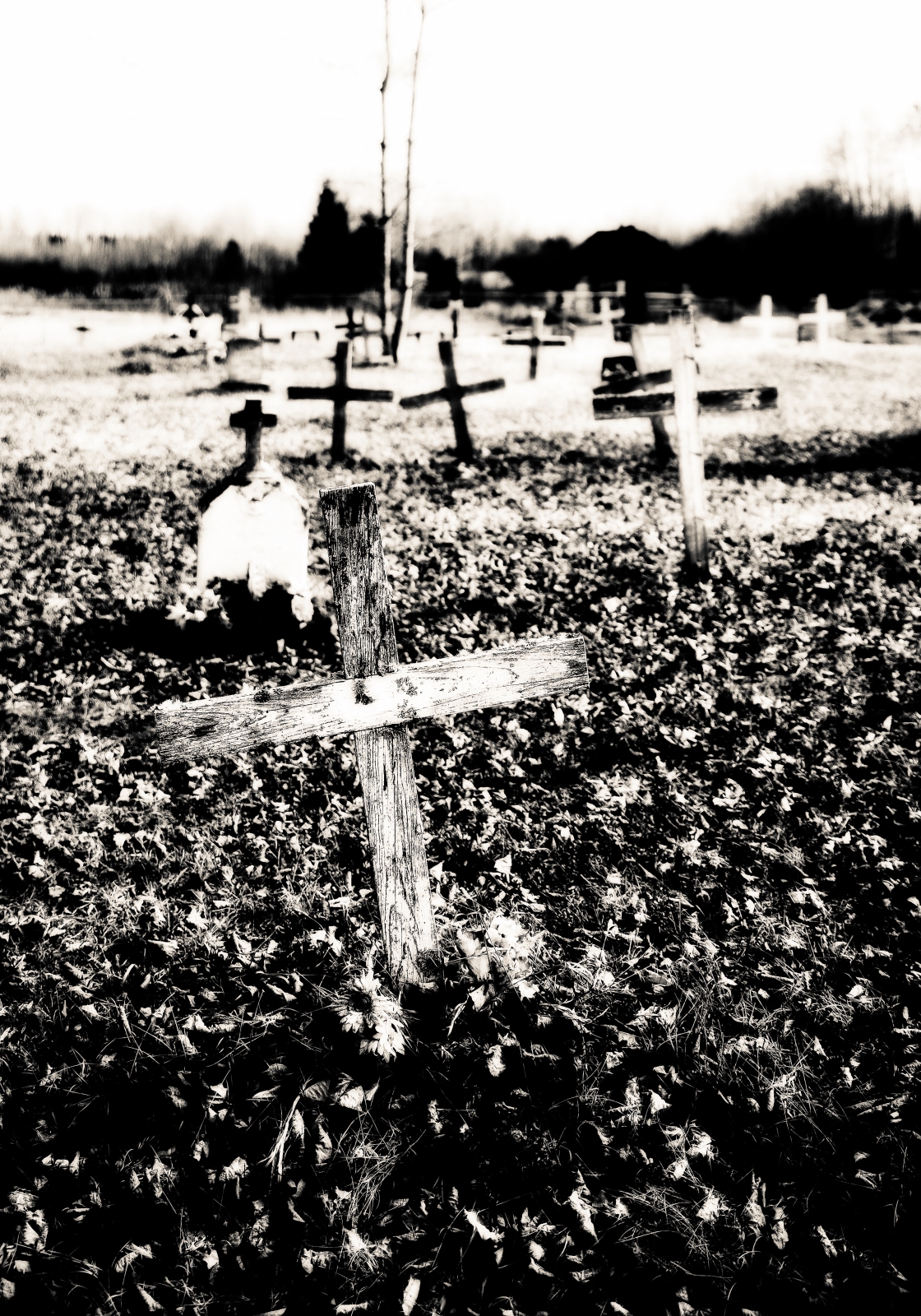
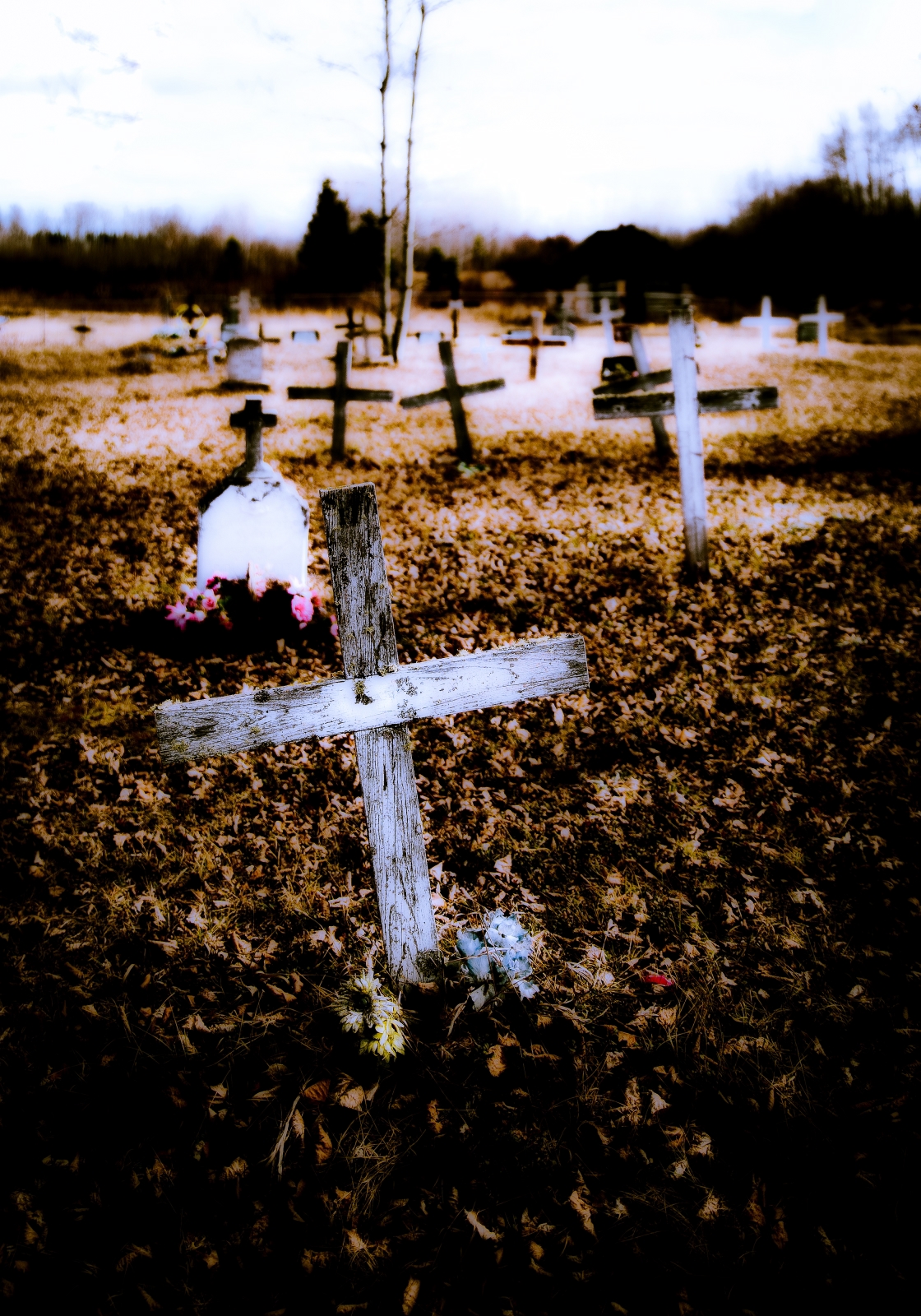
Crosses and headstones dating back to the middle eighteen hundreds cluster, serving as grave markers in the St. Louis Roman Catholic Mission cemetery in Fort Vermilion’s North Settlement (the north side of the Peace River, a settlement that has become known as Butter town). In the center of the cemetery a full-length cross leans against a tree. Not only does this cross provide visual reminder and echo of Christ’s words, “If anyone would come after me, he must deny himself and take up his cross daily and follow me (Luke 9:23-24),” but it serves as reminder that at Life’s end the cross will be put down and put away.

Parker Palmer has a poem about that part of Life, ‘When Death Comes.’

When Death Comes – Parker Palmer

When death comes
Like the hungry bear in autumn;
when death comes and takes all the bright coins from his purse

to buy me, and snaps the purse shut;
when death comes
like the measle-pox;

when death comes
like an iceberg between the shoulder blades,

I want to step through the door full of curiosity, wondering:
what is it going to be like, that cottage of darkness?

And therefore I look upon everything
as a brotherhood and a sisterhood,
and I look upon time as no more than an idea,
and I consider eternity as another possibility,

and I think of each life as a flower, as common
as a field daisy, and as singular,

and each name a comfortable music in the mouth,
tending, as all music does, toward silence,

and each body a lion of courage, and something
precious to the earth.

When it’s over, I want to say: all my life
I was a bride married to amazement.
I was the bridegroom, taking the world into my arms.

When it’s over, I don’t want to wonder
if I have made of my life something particular, and real.
I don’t want to find myself sighing and frightened,
or full of argument.

I don’t want to end up simply having visited the world.

Quote to Inspire – “Moralists who love photographs always hope that words will save the picture. … In fact, words do speak louder than pictures. Captions do tend to override the evidence of our eyes; but no caption can permanently restrict or secure a picture’s meaning. What the moralists are demanding from a photograph is that it do what no photograph can ever do – speak.” – Susan Sontag, ‘On Photography’

Listening to – Sigur Ros’ ‘Glosoli’.

For the Summer

Canon Camera, Canon Lens, Canon Live View, Journaling, Photography & Conceptualizing Beauty, Project 365 - Photo-a-day, Spring, Still Life, Vehicle Restoration
1949 Chevrolet - Peace River

1949 Chevrolet – Peace River

From High Level to Peace River, I made the drive, three hours, right after work. I was on my way to Edmonton to gather my son and his belongings after a year of University and to bring him home for the summer. I booked into a hotel room, brought my gear into the room and returned to my truck to search for a meal. Before I got into my truck I looked across the way to this red 1949 Chevrolet, half-tonne. As a former auto detailer (in a former life), I walked over and then spent ten minutes looking it over. The owner came out and provided the truck’s story – where it came from, how he had restored the vehicle and that he still took it out for a ride occasionally. It had a straight six engine – clean, restored, still capable. The owner, an older fellow, initially thought I wanted to buy the vehicle.

I told him that I was more bent on photographing vehicles than anything else.

He took me into his garage and showed me a 1959 Edsel Corsair – red with white trim and top; again a restored vehicle. The windshield and back window curved around in places where present-day cars have posts to support the roof. I was amazed at the size of the trunk – in area and depth it might actually have held as much as a half-tonne truck box. The car was also about Chrome – chrome bumpers, chrome trim; shine was definitely part of what made this car something. It had old paint, the kind that if it faded you could bring back with polish and glaze. And, I suppose it reminded me of the polishing gleam, the alluring results of those first cars I polished as a young driver and as a lot attendant at Waterloo Mercury.

The evening passed with more talk and the owner knew many of the people I’ve known through the years in High Level and La Crete, Alberta. I think he’d seen me take my L’Arrivee guitar into the hotel because he invited me into the house to play for him and his wife on his Taylor 615 a cherry-wood sunburst with heavier strings. I fretted Rickie Lee Jones’ ‘Starsailor,’ Dar Williams ‘The Beauty of the Rain,’ and Lifehouse’s ‘Me and You.’ I got him to play a few tunes – some country tunes that are becoming difficult with arthritic fingers. By the end of the evening, I had his permission to photograph his red 1949 Chevrolet half-tonne; not a bad evening. I clicked this picture the next morning.

Listening to – Ray LaMontagne’s ‘For the Summer.’

Quote to Inspire – “One of the central characteristics of photography is that process by which original uses are modified, eventually supplanted by subsequent uses ….”

Buttertown Church – Revisited

Canon Camera, Canon Lens, Homestead, Photography & Conceptualizing Beauty, Project 365 - Photo-a-day, Spring, Still Life
St Louis Mission - Buttertown, Alberta 1

St Louis Mission – Buttertown, Alberta 1

St Louis Mission - Buttertown, Alberta 2

St Louis Mission – Buttertown, Alberta 2

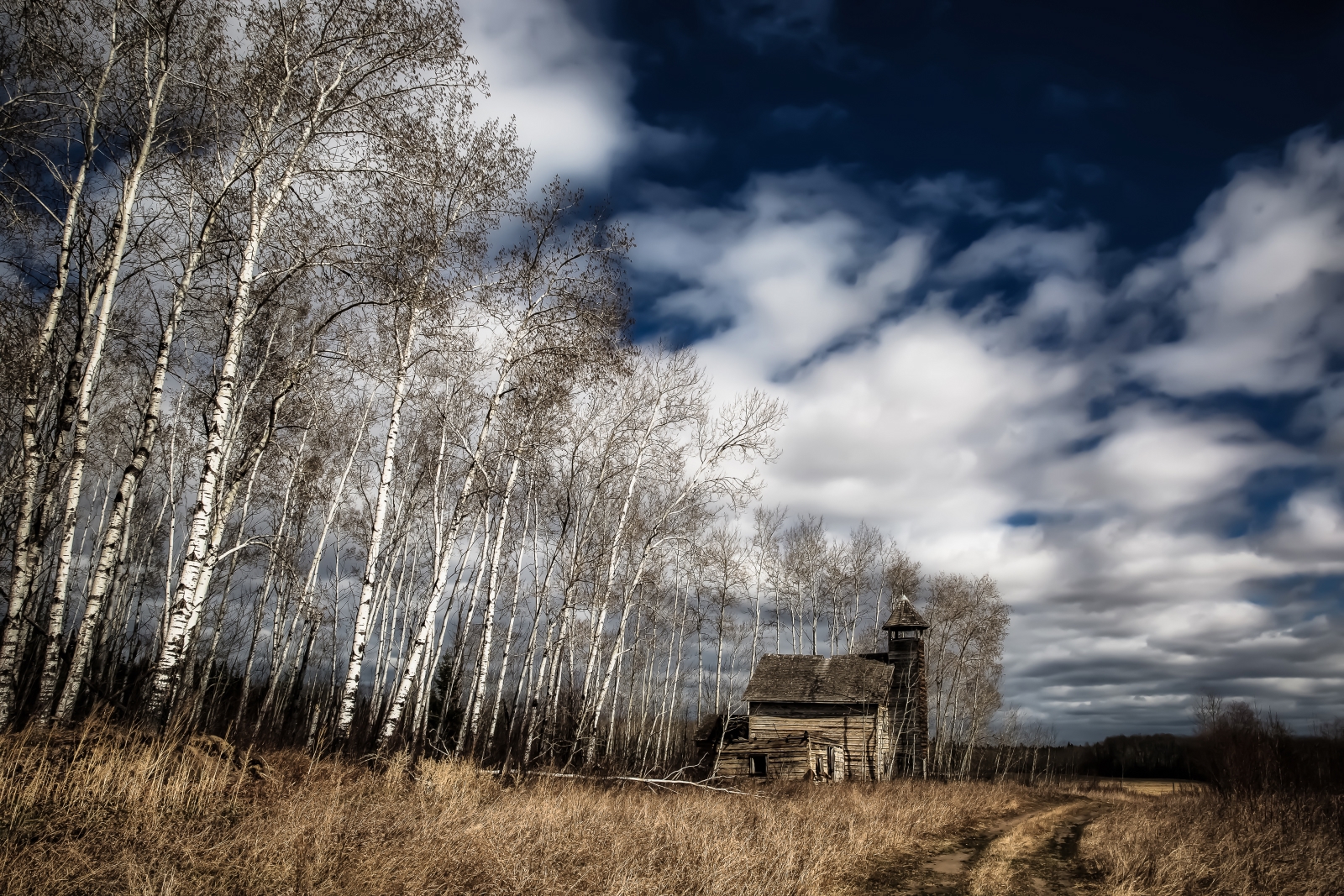
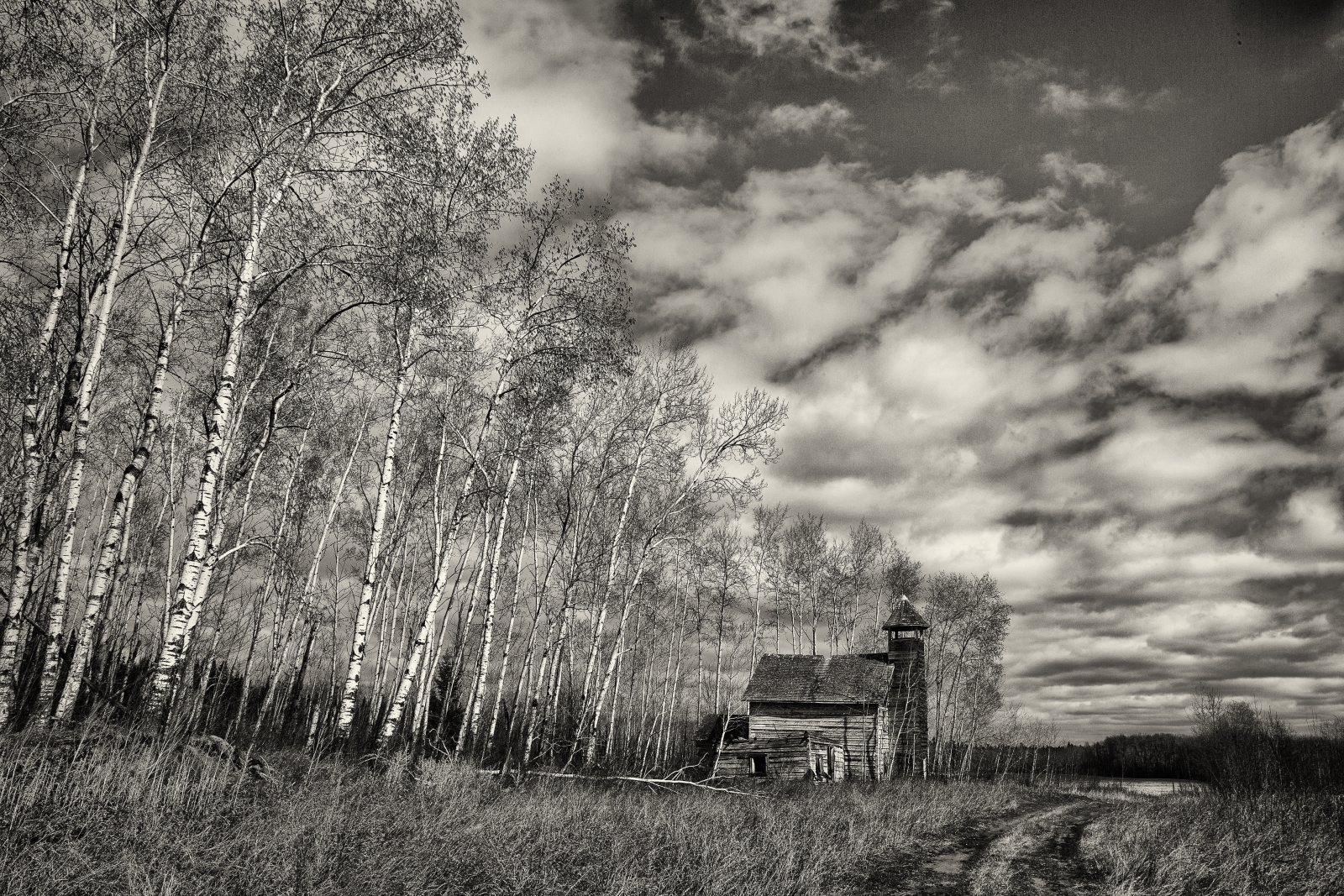
We are well into spring and time has been moving quickly as we move, speeding on, toward June and summer. Two weeks have already passed since I took in a photography workshop with Dave Brosha, a photographer from Yellowknife, NWT. What was extraordinary is that Dave had made the return journey to Fort Vermilion, Alberta, his childhood home to offer a workshop on portraiture and landscape photography. The day before the workshop, at the end of a longer workday I got out to Buttertown’s St. Louis Catholic Mission and photographed the Church that is more than one hundred years old. Two days later, during the landscape portion of the workshop I was able to take Dave and our photography group out to this same site. Dave recalled that his father, a former teacher with the Fort Vermilion School Division, had taken Dave to this same site as a child – a memory from childhood. Dave’s father passed away this year.

Listening to: Jose Gonzales’ ‘Stay Alive,’ David Bowie’s ‘Space Oddity’ (featuring Kristen Wiig) and Rogue Valley’s ‘The Wolves and Ravens’ – all music from the ‘Mitty’ soundtrack, a movie that all photographers should check out.

Quote to Inspire – “In addition to romanticism (extreme or not) about the past, photography offers instant romanticism about the present. In America, the photographer is thus not simply the person who records the past but one who invents it.” – Susan Sontag, ‘On Photography’
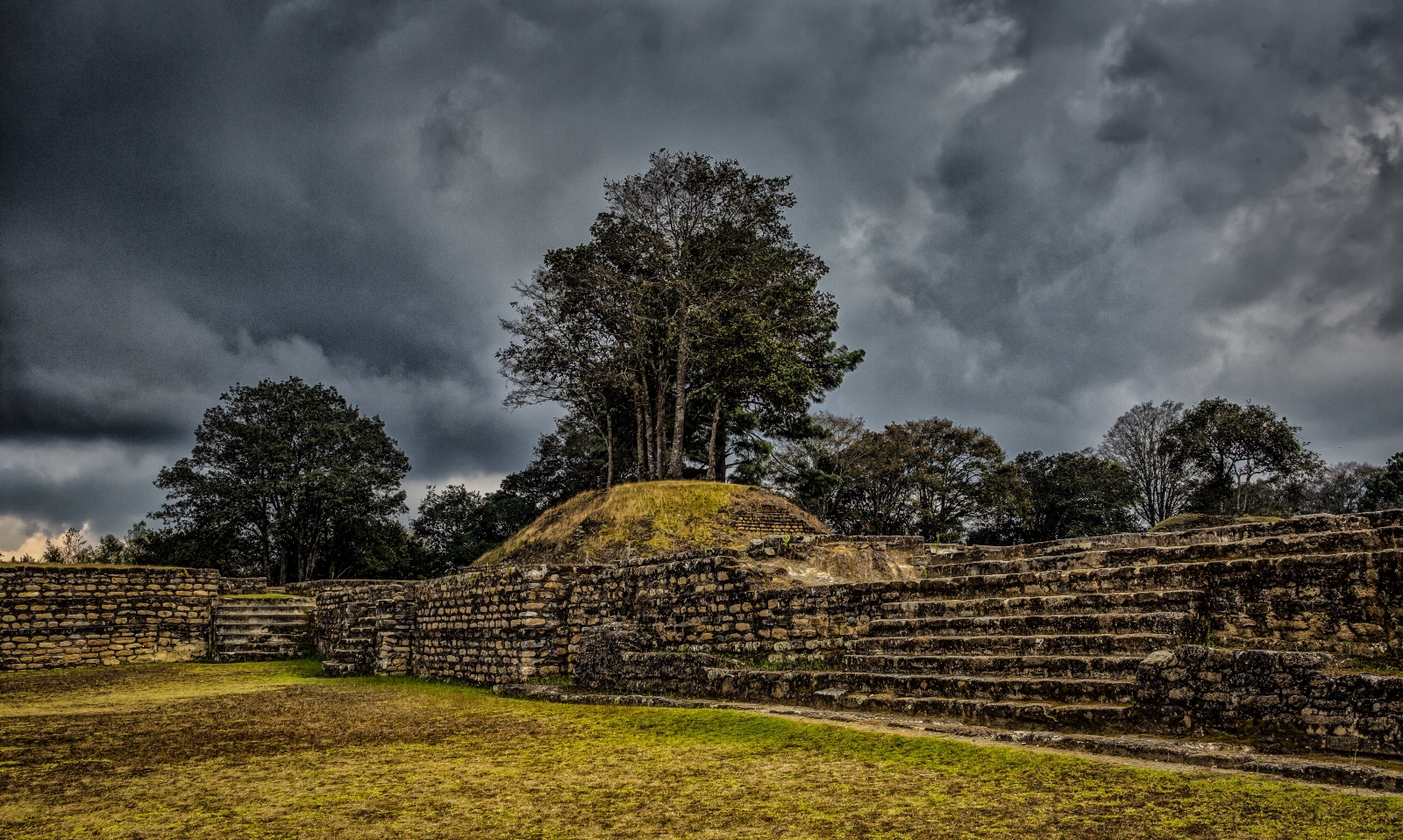
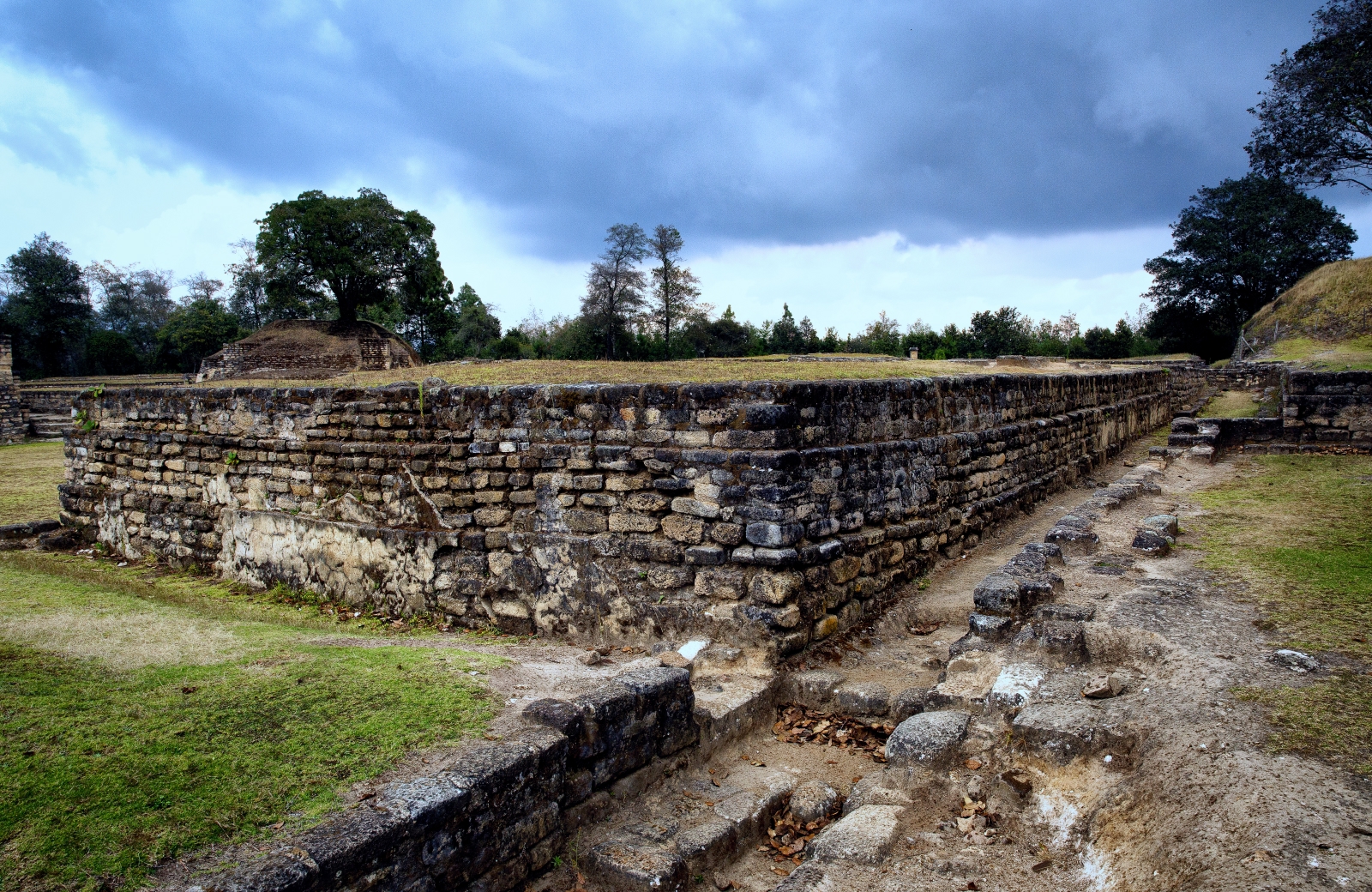
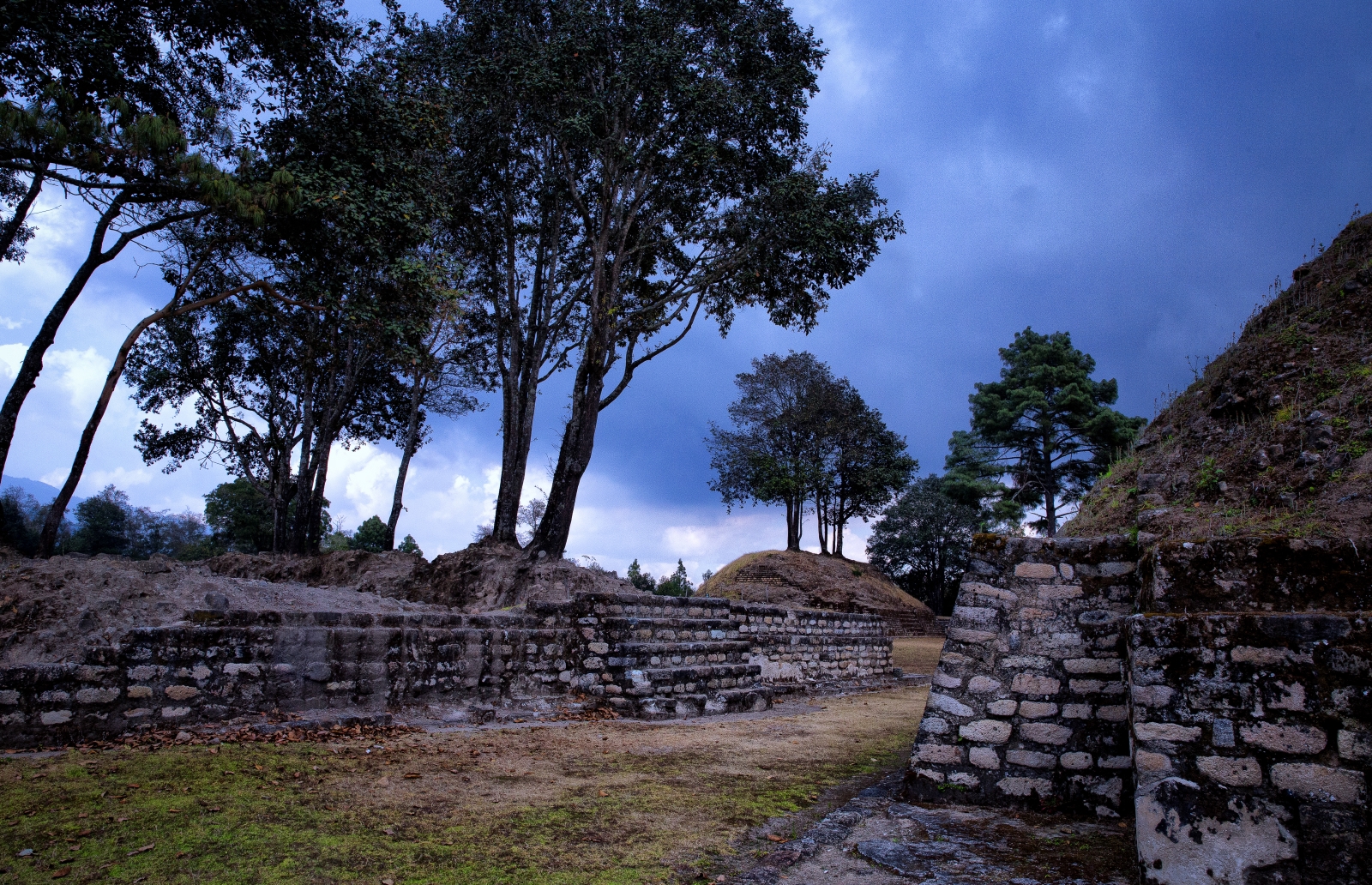
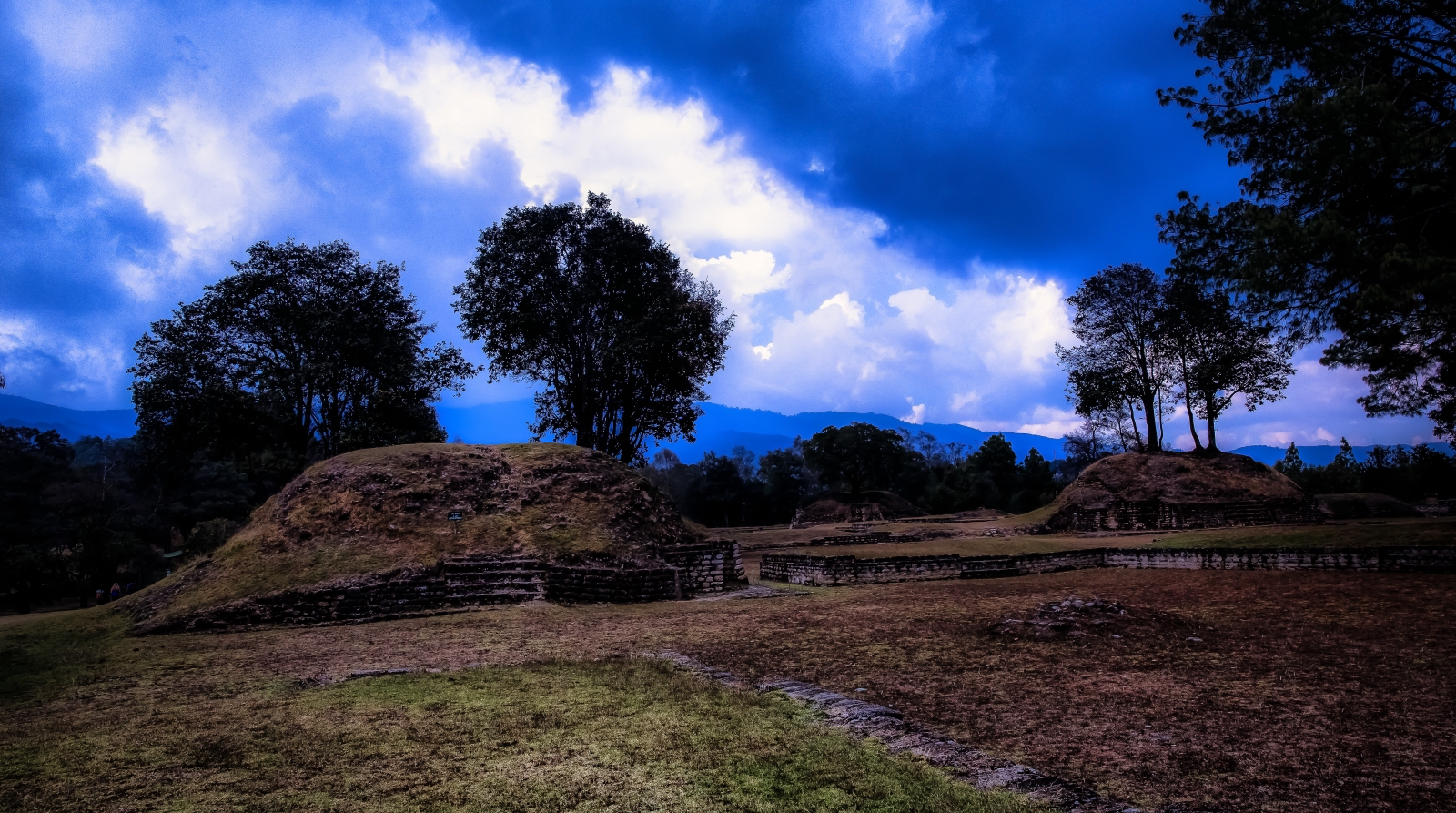
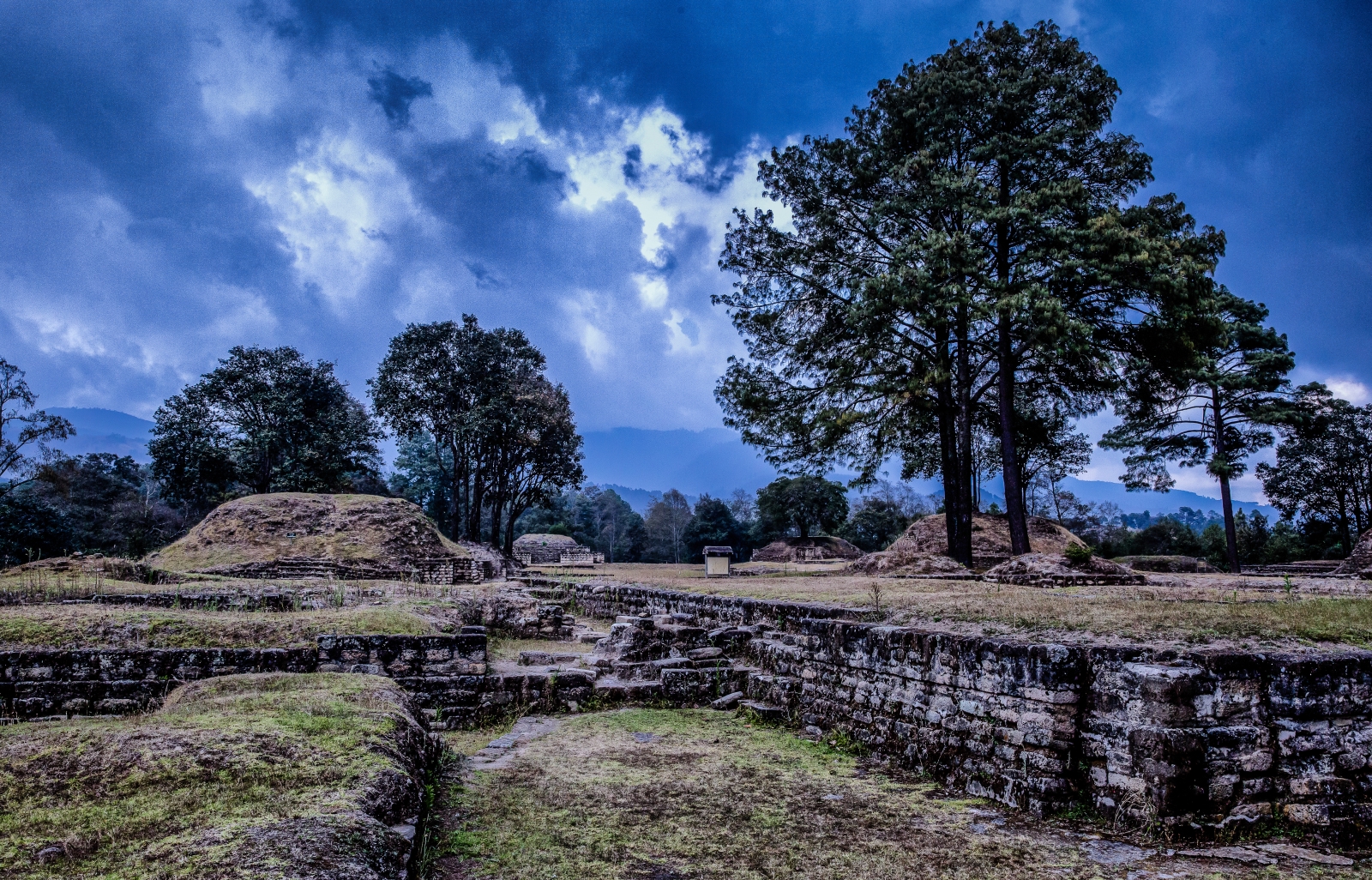
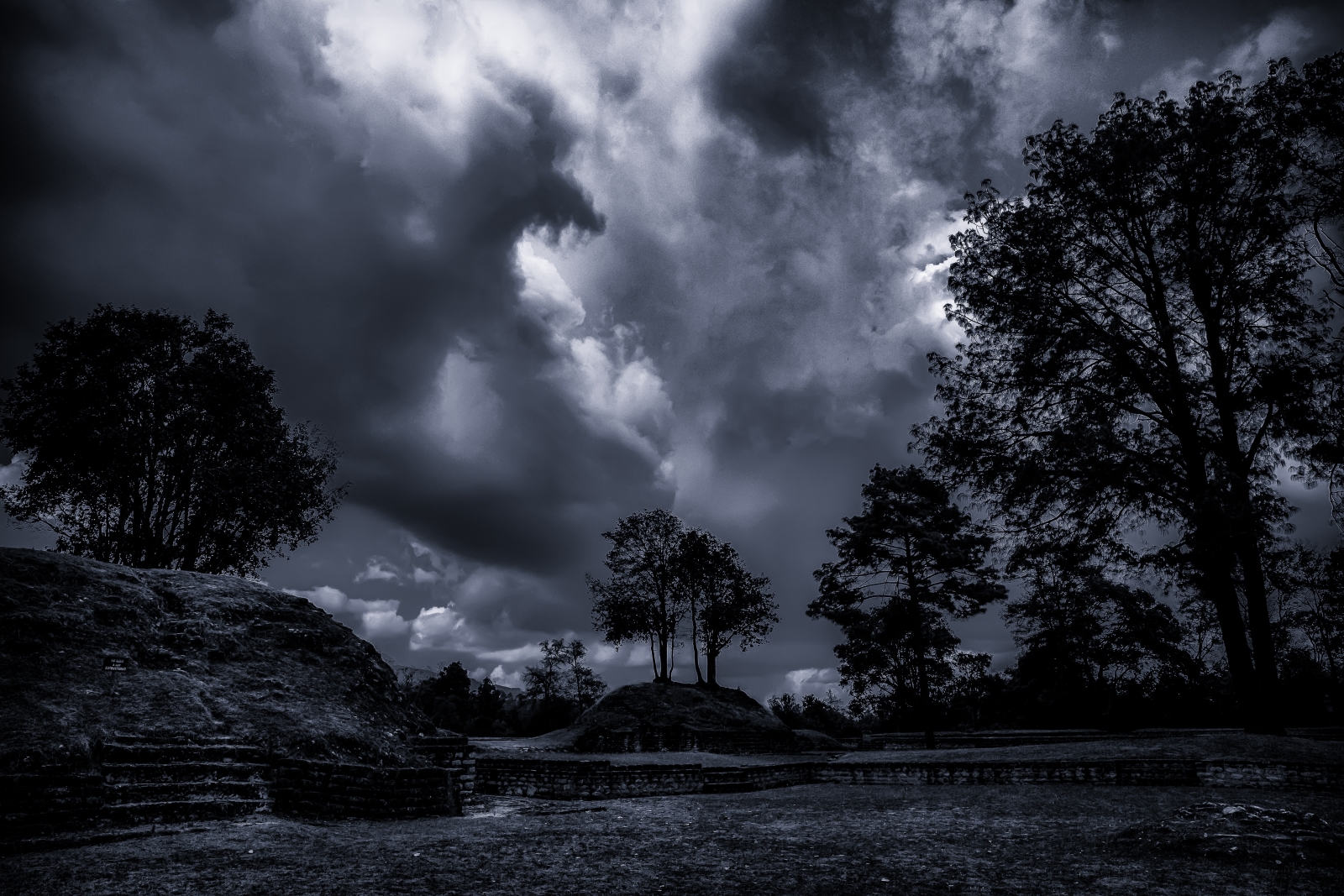
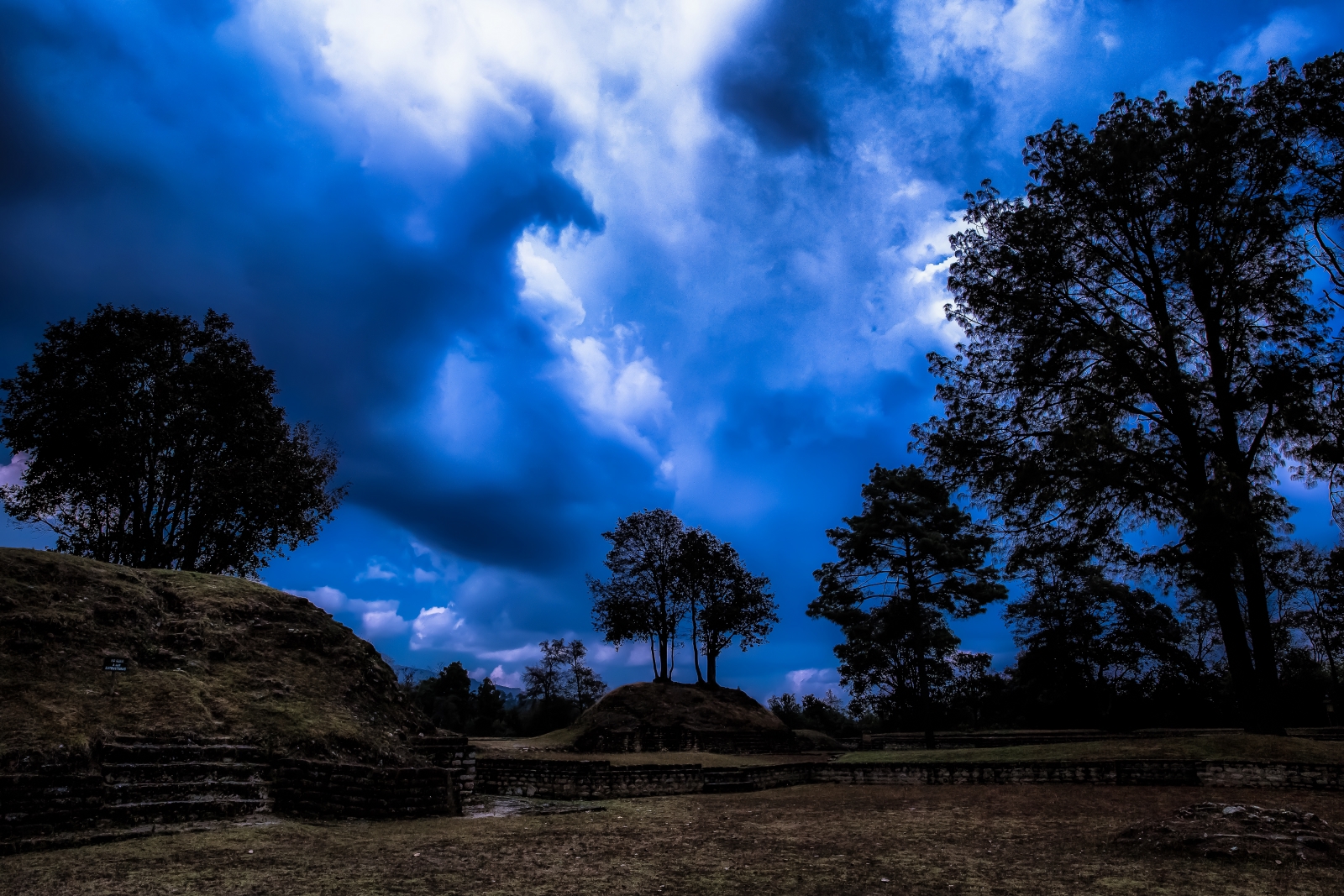
Iximche – Colour, Architecture and Cloudwork

Backlight, Canon Camera, Canon Lens, Light Intensity, Photography & Conceptualizing Beauty, Project 365 - Photo-a-day, Spring, Still Life, Weather
Iximche, Guatemala 1

Iximche, Guatemala 1

Iximche, Guatemala 14

Iximche, Guatemala 14

Iximche, Guatemala 13

Iximche, Guatemala 13

Iximche, Guatemala 12

Iximche, Guatemala 12

Iximche, Guatemala 11

Iximche, Guatemala 11

Iximche, Guatemala 10

Iximche, Guatemala 10

Iximche, Guatemala 9

Iximche, Guatemala 9

Iximche, Guatemala 8

Iximche, Guatemala 8

Iximche, Guatemala 7

Iximche, Guatemala 7

Iximche, Guatemala 6

Iximche, Guatemala 6

Iximche, Guatemala 4

Iximche, Guatemala 4

Iximche, Guatemala 3

Iximche, Guatemala 3

Iximche, Guatemala 2

Iximche, Guatemala 2

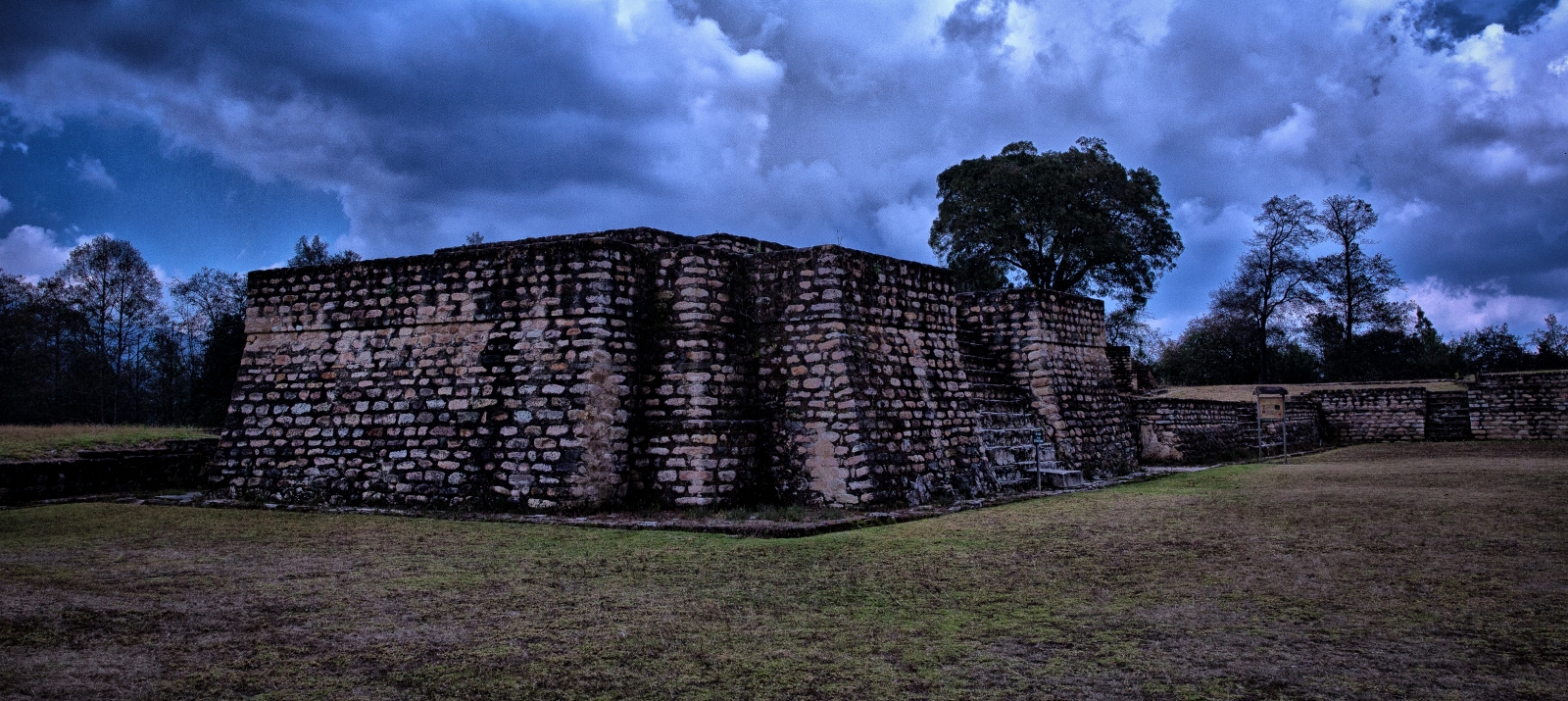
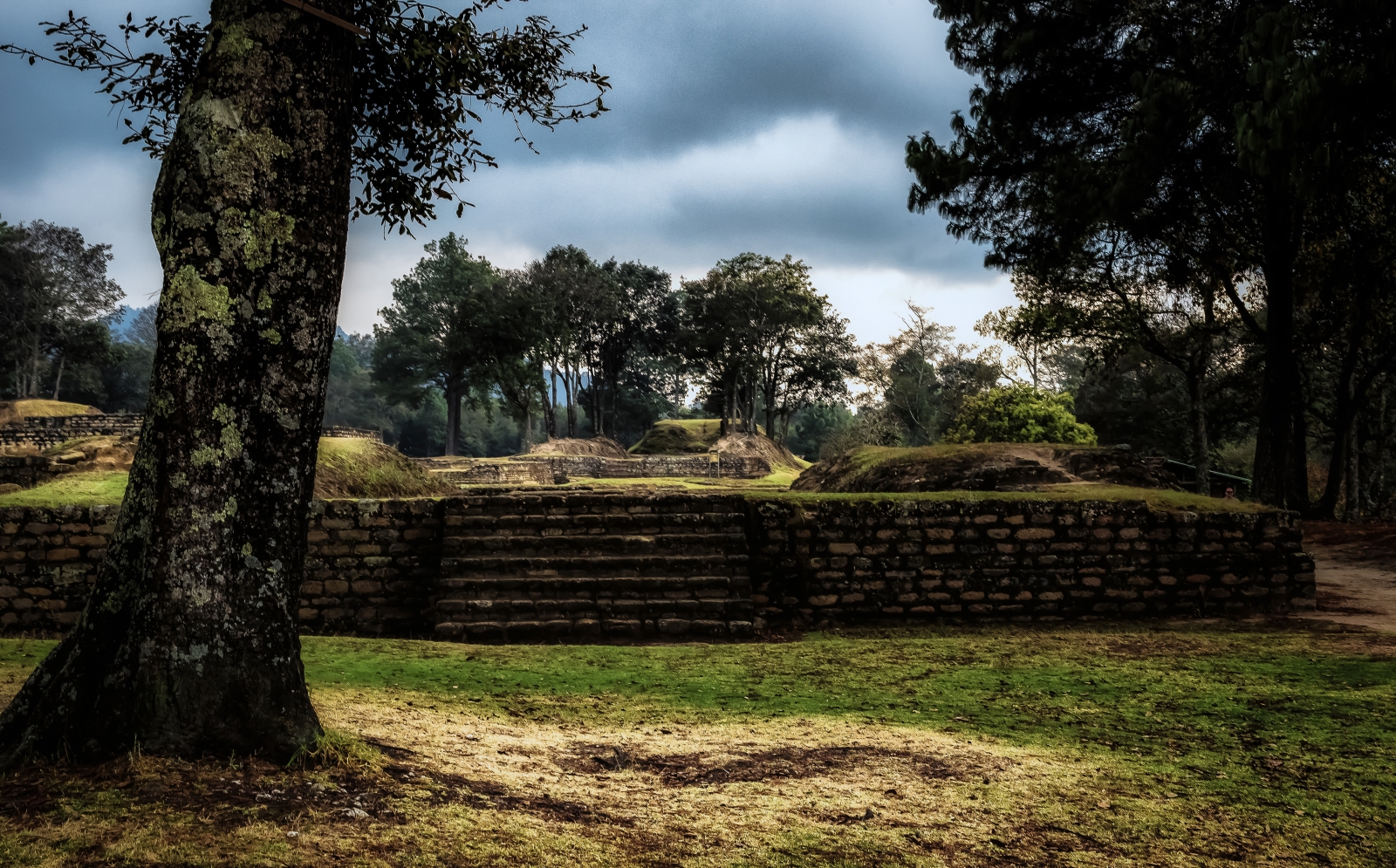
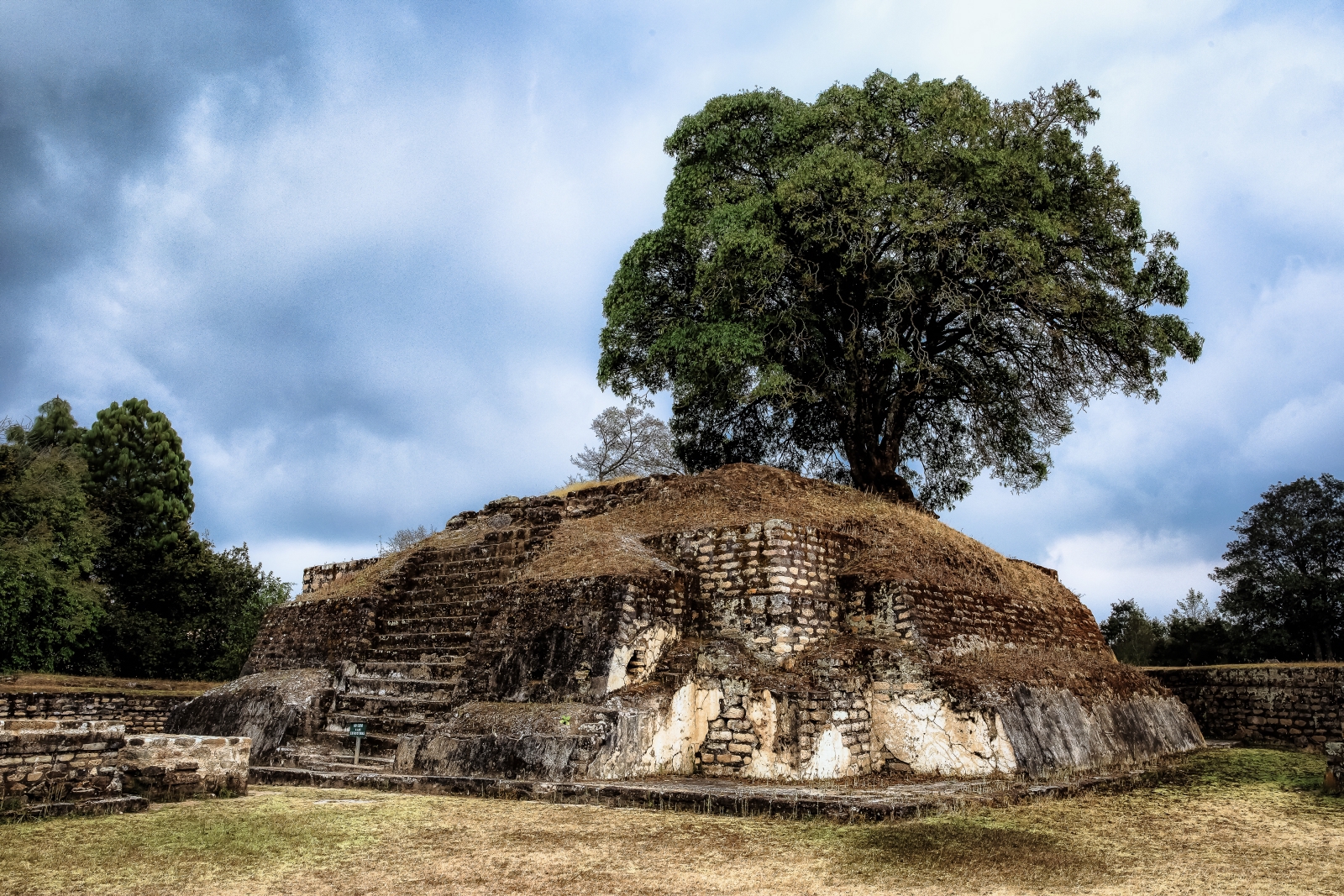
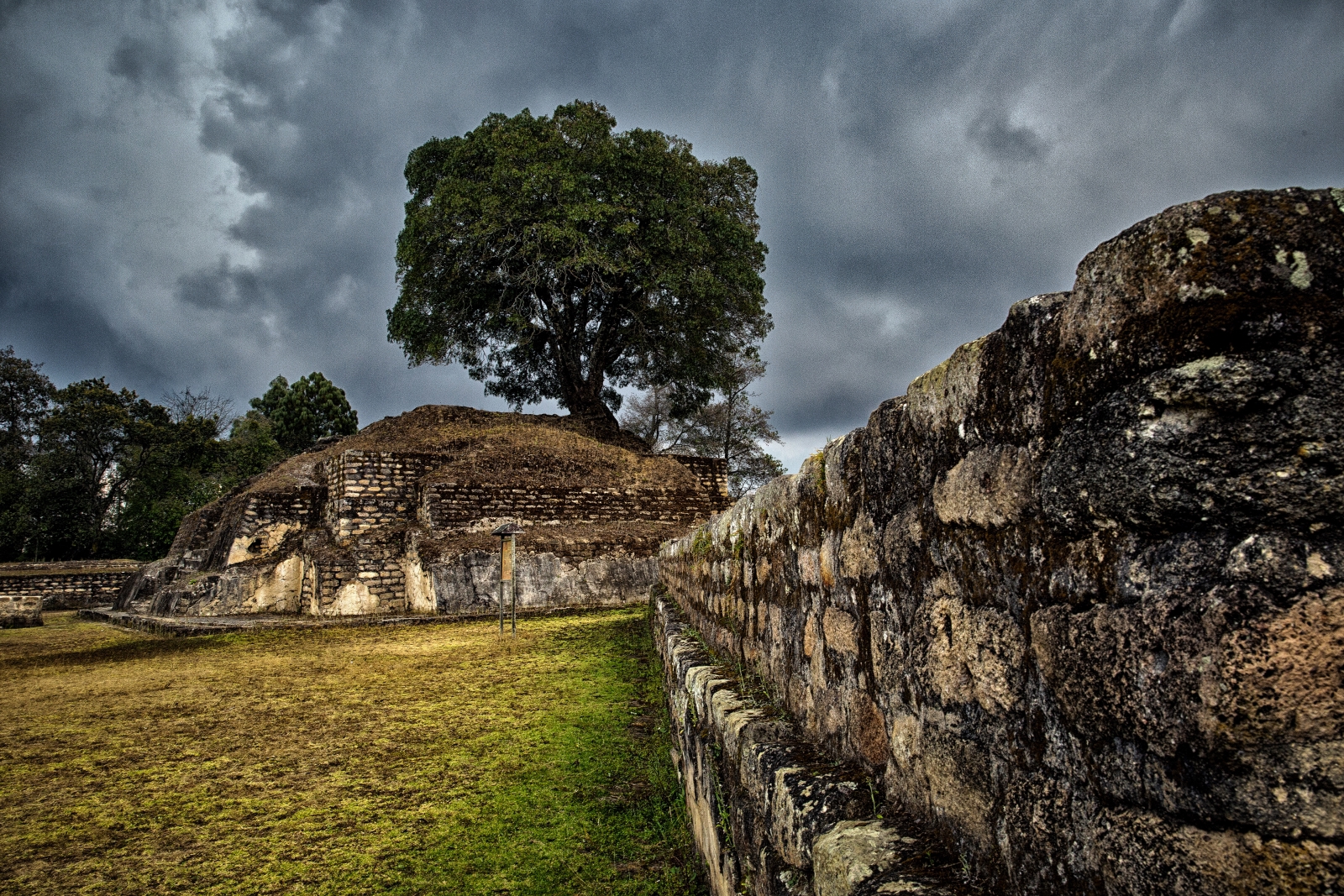
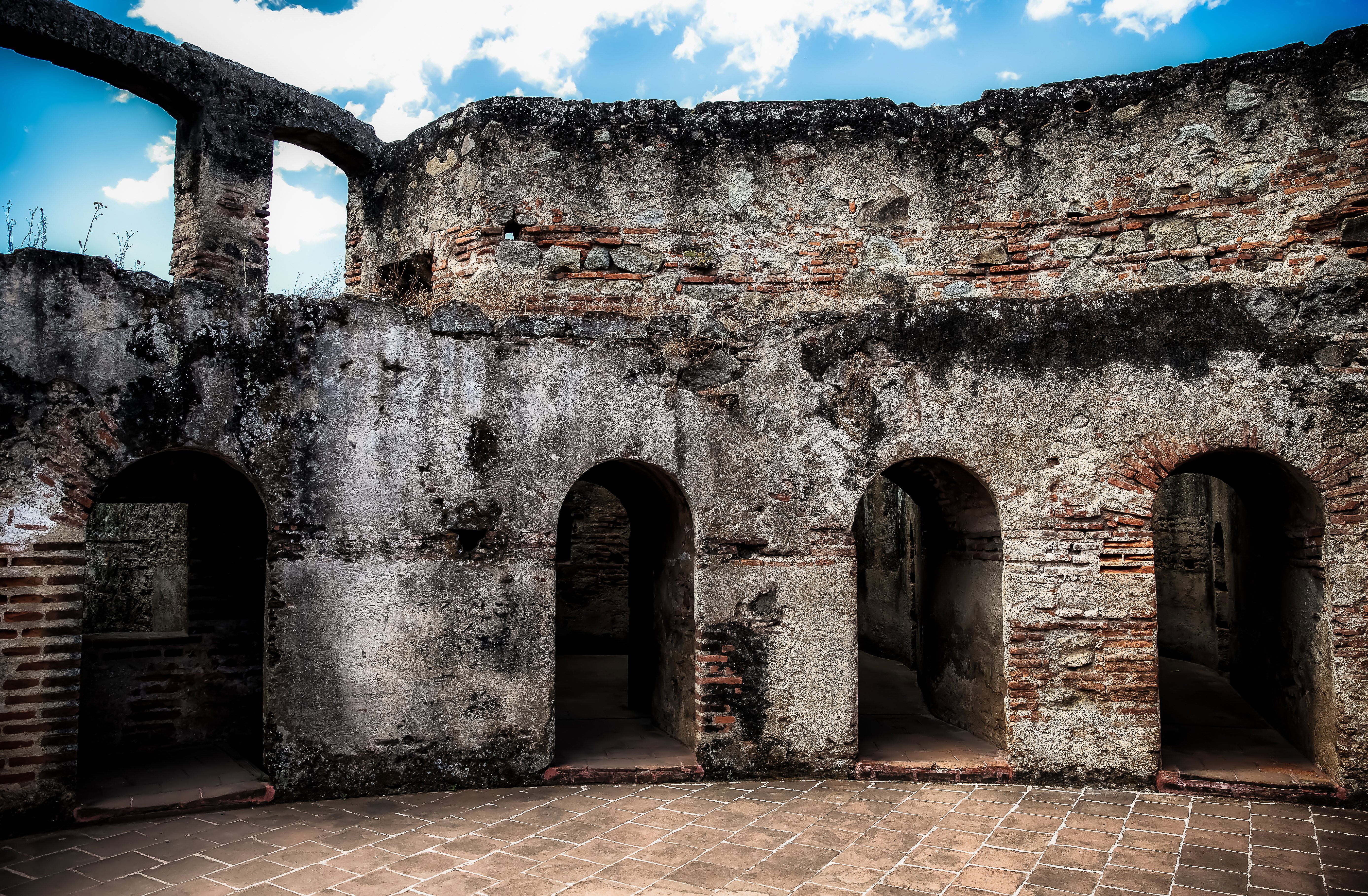
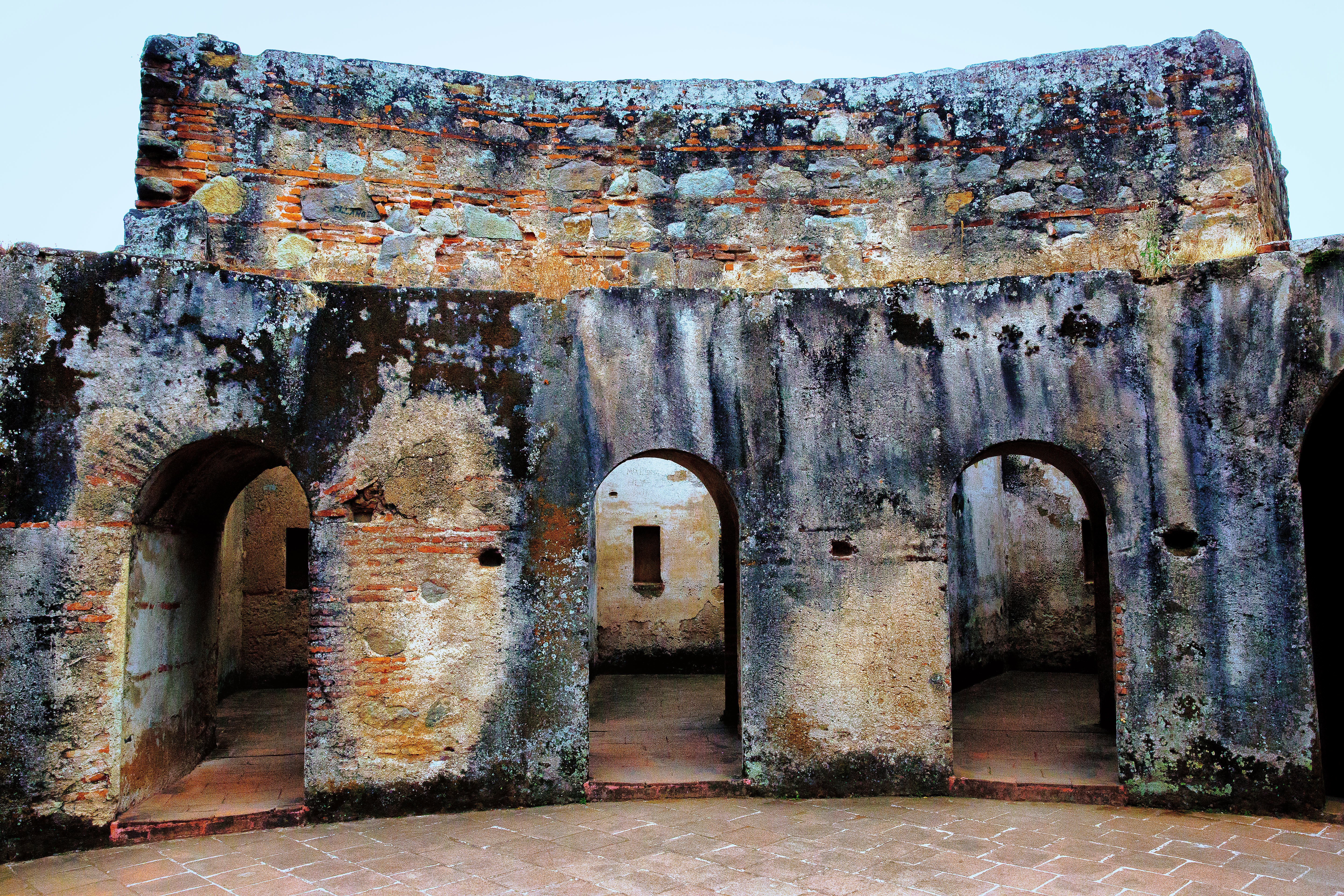
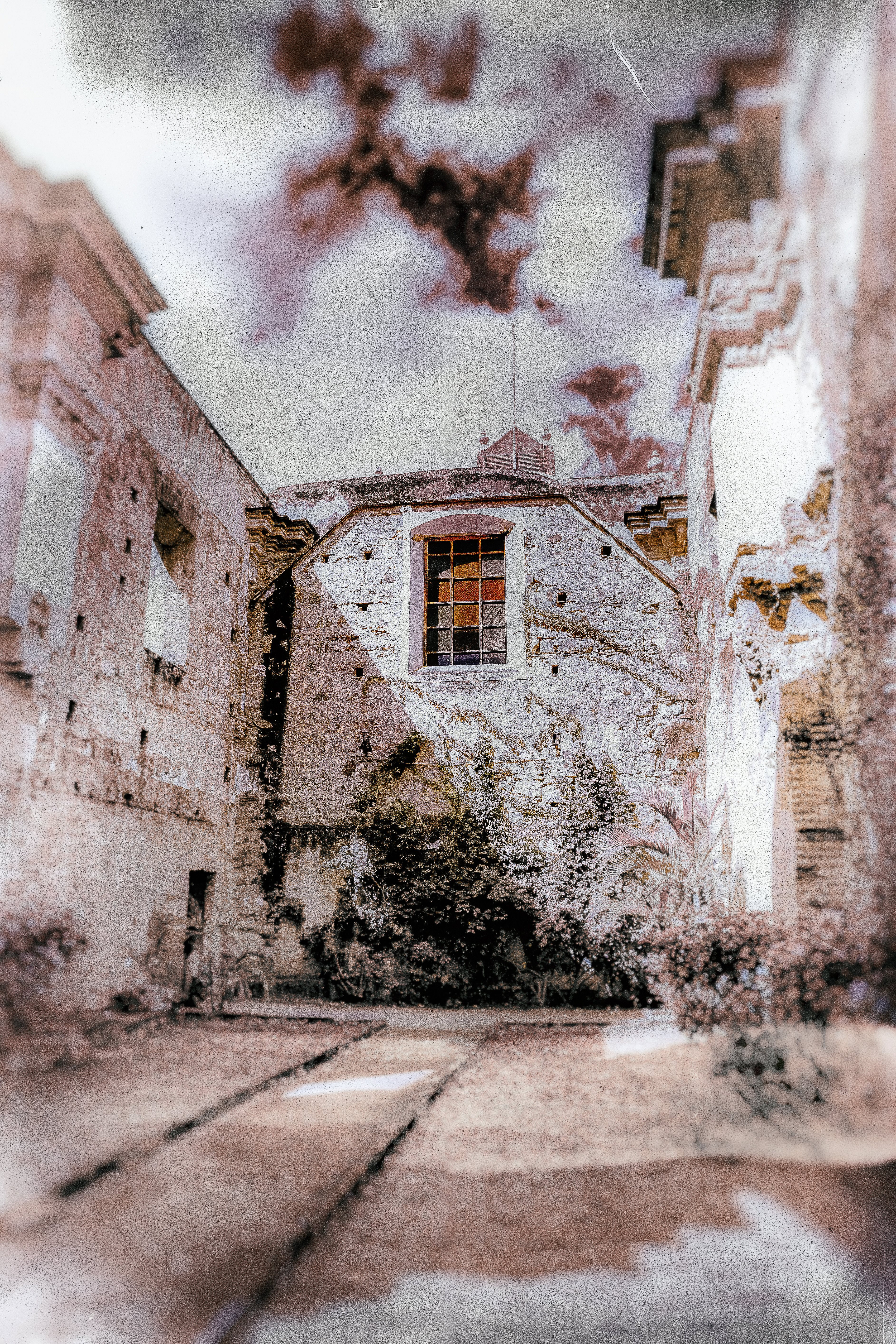
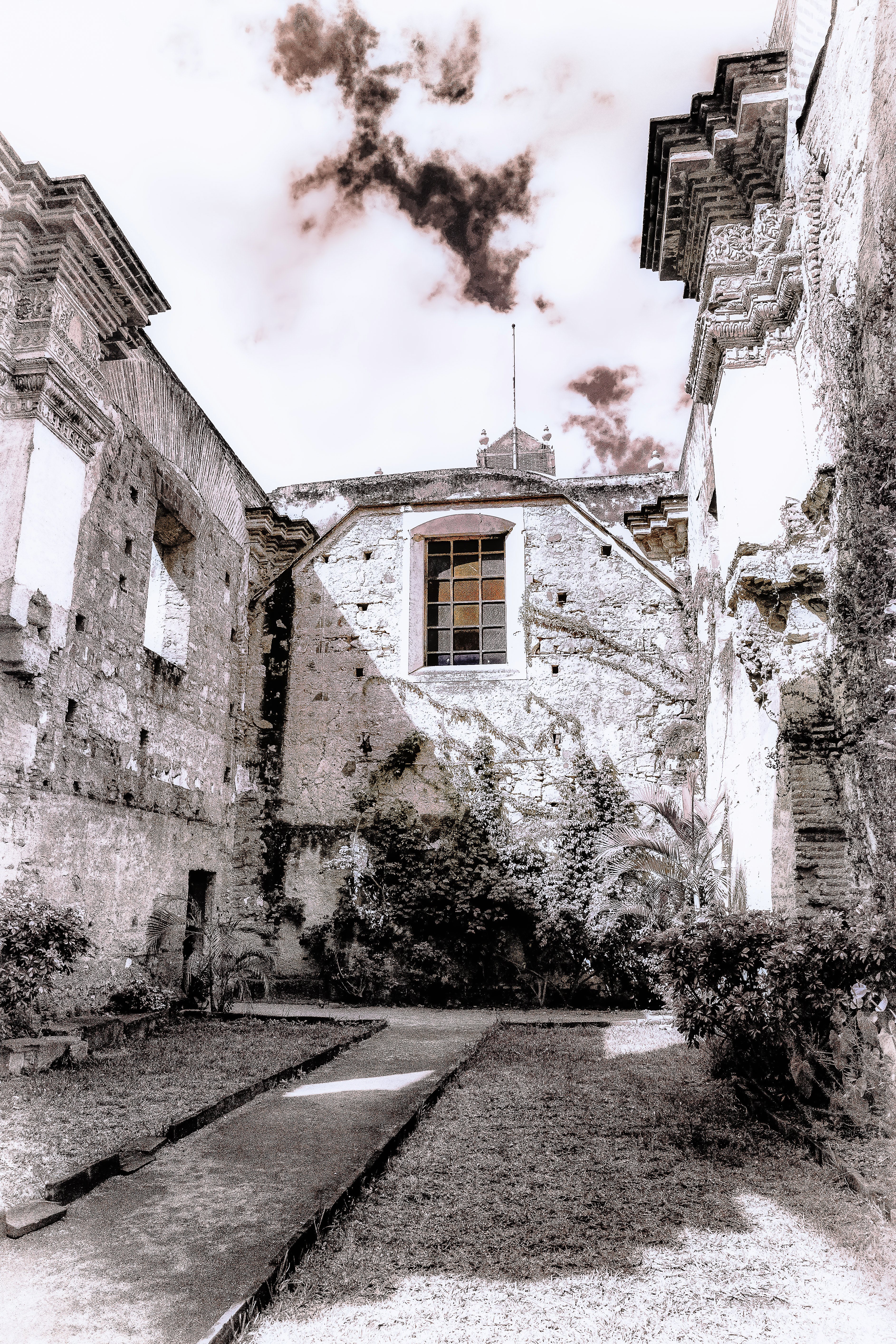
I have been working through images associated with Guatemala in the past few days. The ruins at Iximche have caught my eye both in terms of the architecture and in terms of the cloud work.

Quote to Inspire – “To photograph is to confer importance …. No moment is more important than any other moment; no person more interesting than any other person.” Susan Sontag, ‘On Photography’

Listening to – Need to Breathe and ‘Garden,’ Maroon 5’s ‘Lucky Strike’ and Ozark Mountain Daredevils’ ‘If You Wanna Get To Heaven.’

Open-Air, Sacramentality & Echoes

Canon Camera, Canon Lens, Home, Journaling, Light Intensity, Photography & Conceptualizing Beauty, Project 365 - Photo-a-day, Season, Spring, Still Life
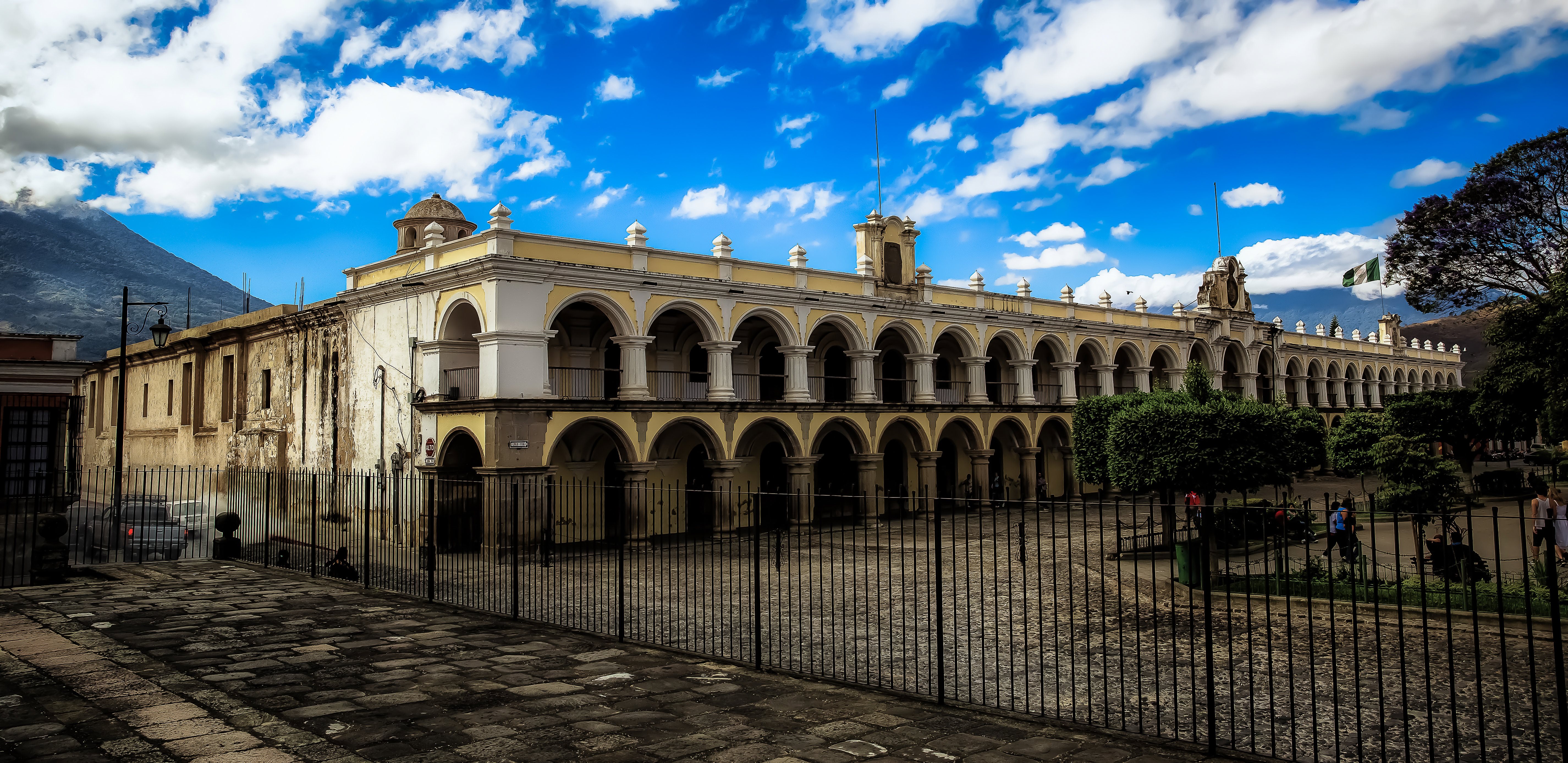
Antigua - Central Square

Antigua – Central Square

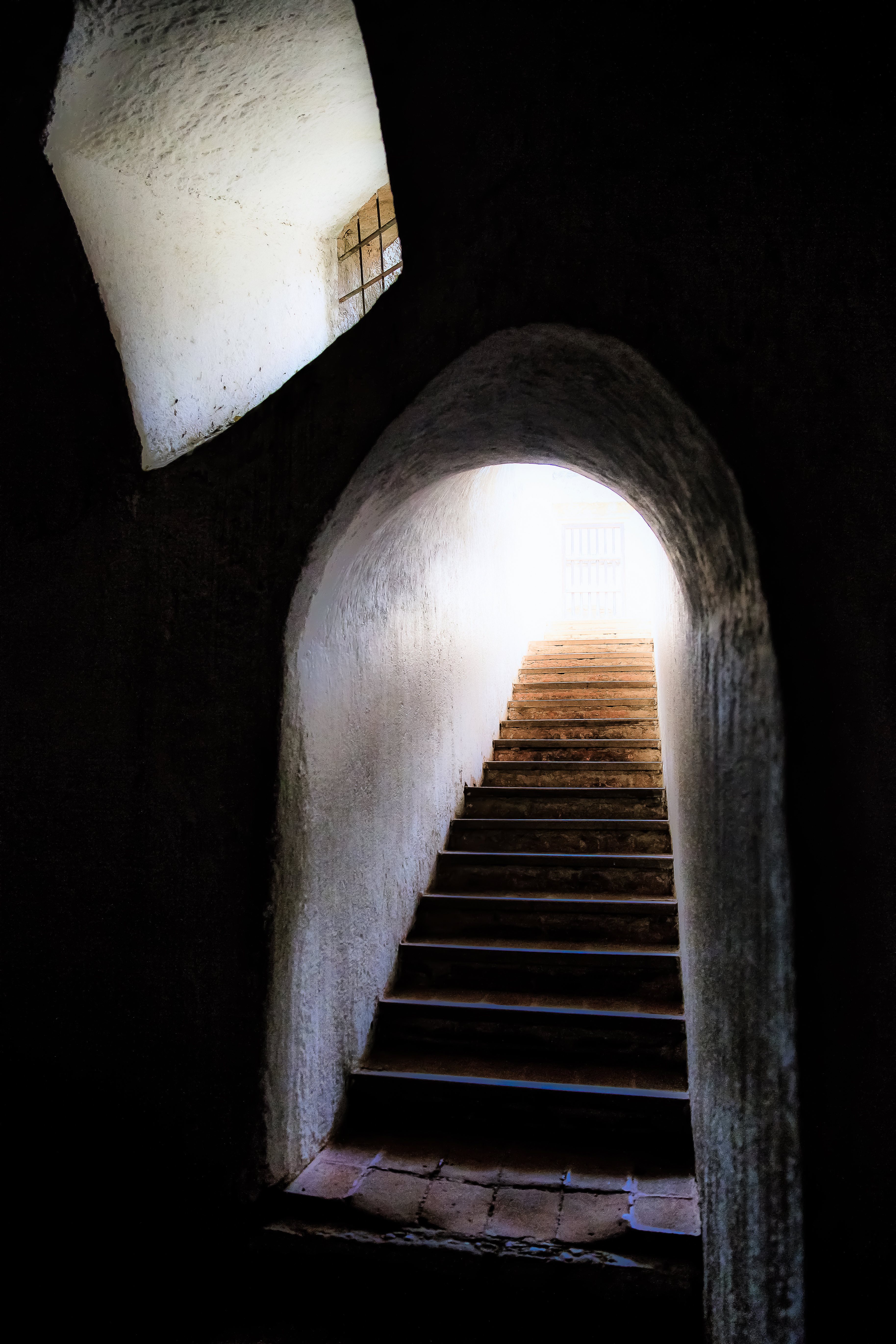
Echo Chamber Entrance - Antigua Convent

Echo Chamber Entrance – Antigua Convent

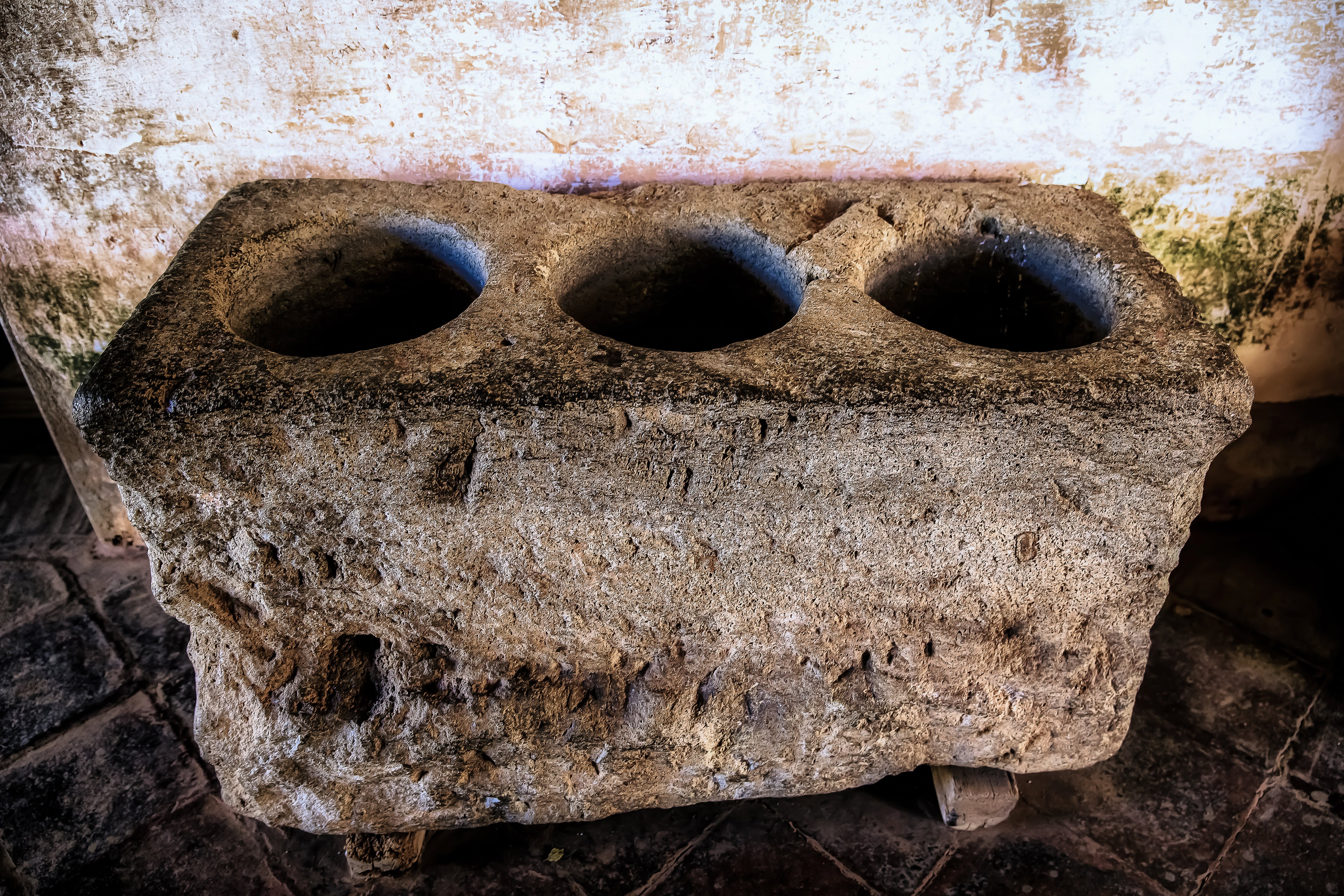
Convent Wash Basins - Antigua

Convent Wash Basins – Antigua

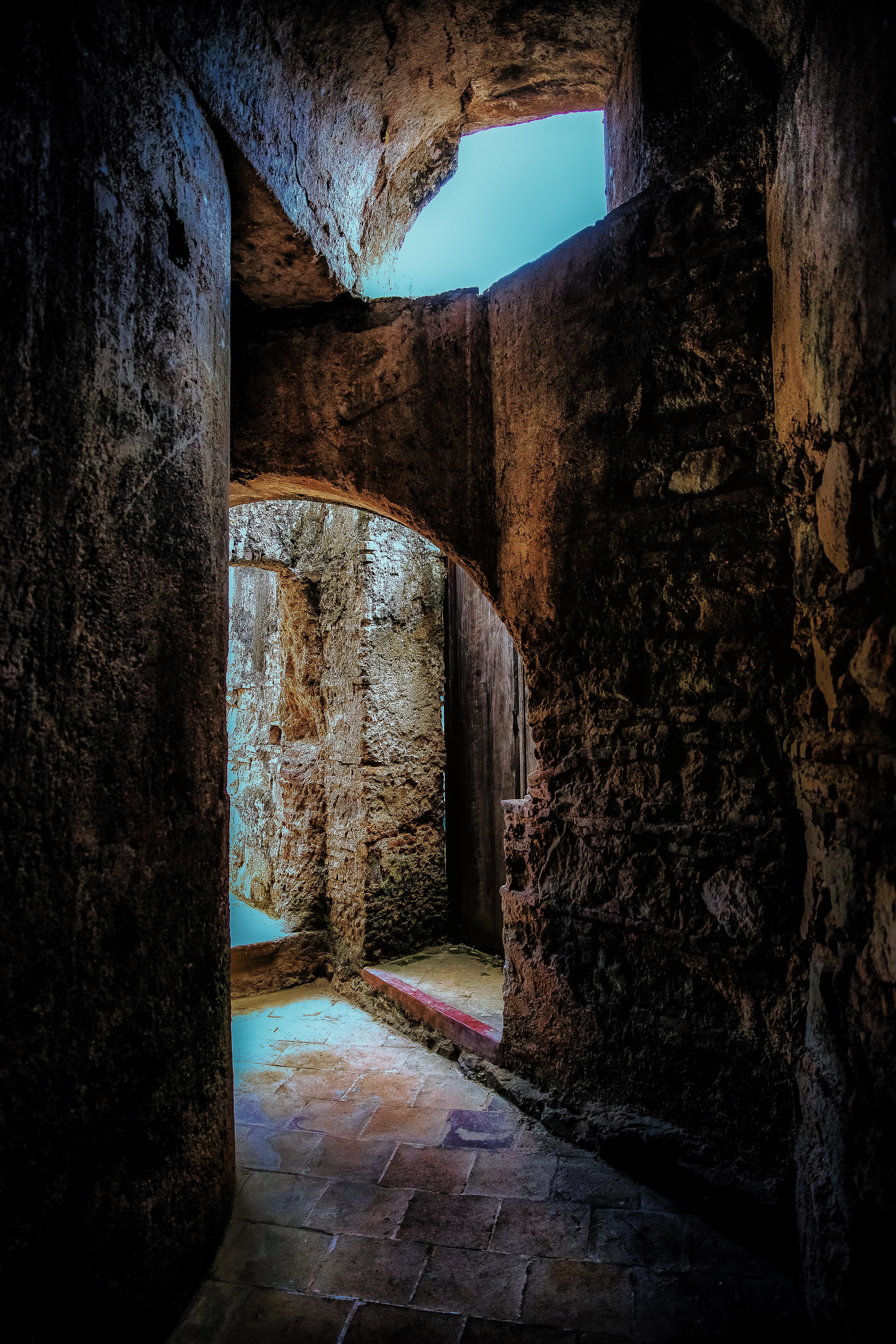
Convent Corridors - Antigua

Convent Corridors – Antigua

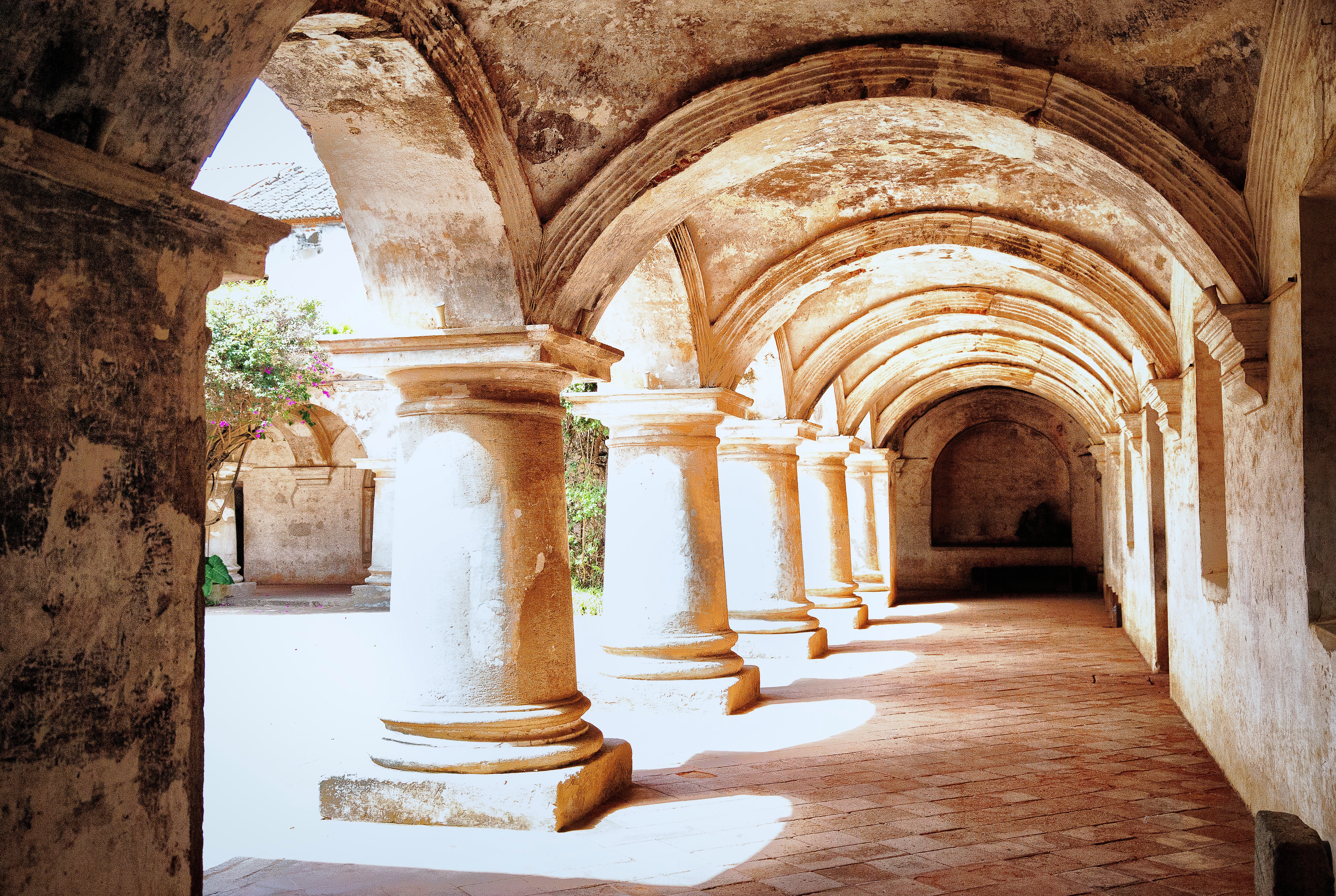
Convent Atrium Arches - Antigua

Convent Atrium Arches – Antigua

Convent Architecture - Antigua

Convent Architecture – Antigua

Convent Architecture - Antigua 2

Convent Architecture – Antigua 2

Antigua Cathedral - 5

Antigua Cathedral – 5

Antigua Cathedral - 4

Antigua Cathedral – 4

Antigua Cathedral - 3

Antigua Cathedral – 3

Antigua Cathedral - 2

Antigua Cathedral – 2

Antigua Cathedral - 1

Antigua Cathedral – 1

Our group of twenty-four walked through Antigua’s open-air market in the morning of one of two market days in the week, the market an active, crowded, buzzing place in which we bumped and jostled our way forward trying not to lose sight of each other as we wound our way from the market entrance on the market’s one side to city streets of central Antigua on the other. Colour was to be taken in, dark and bright, subdued in shadows, vibrantly woven into fabrics, glowing at times when lit by sunlight streaming through breaks in the market canopy. Faces, those of adults and children moved around us and past us traveling in the opposite direction through corridors created between vendor tables. Women balanced baskets on heads, a hand lightly steadying the basket and their purchases. Stay moving, keep moving, keep up with the group.

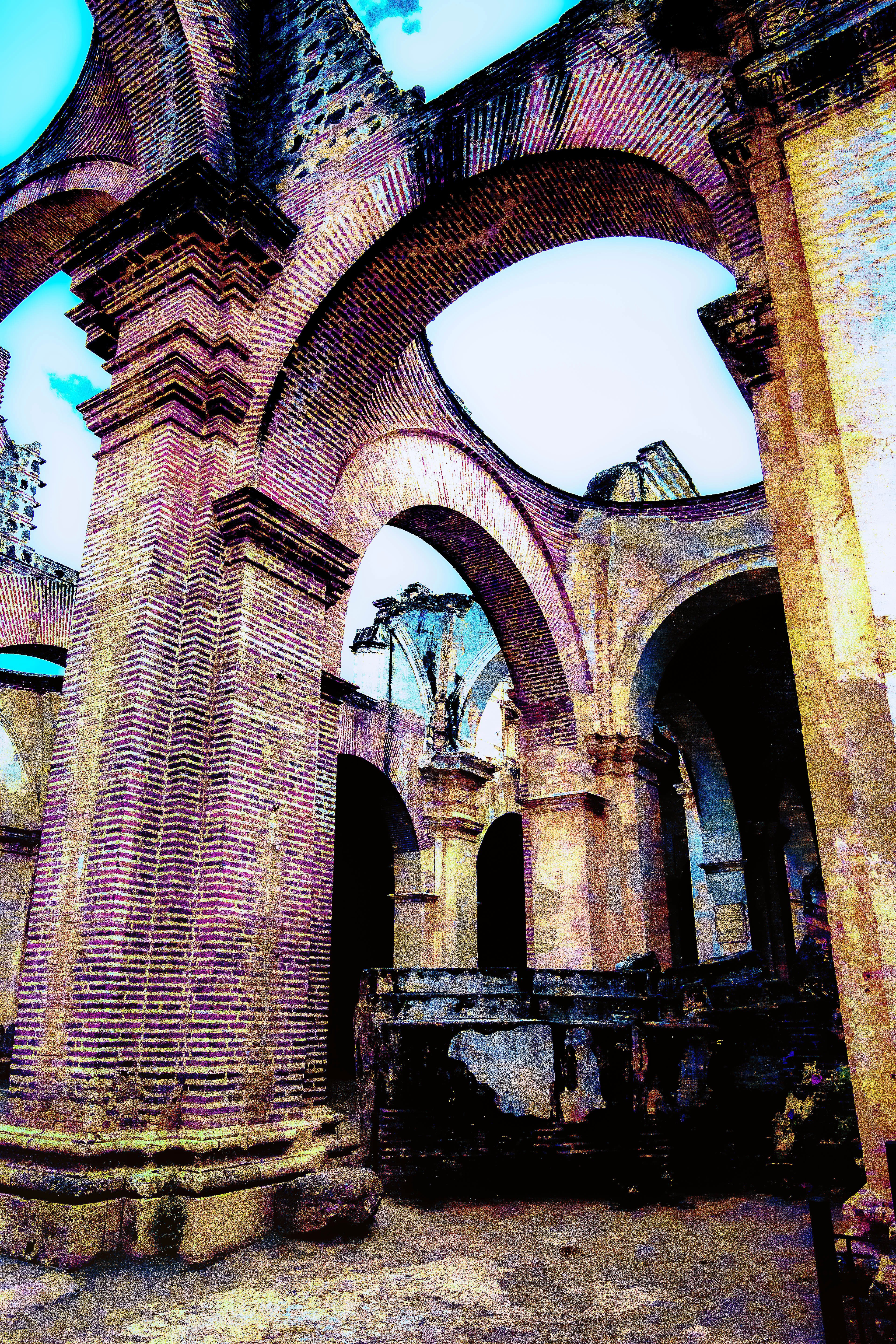
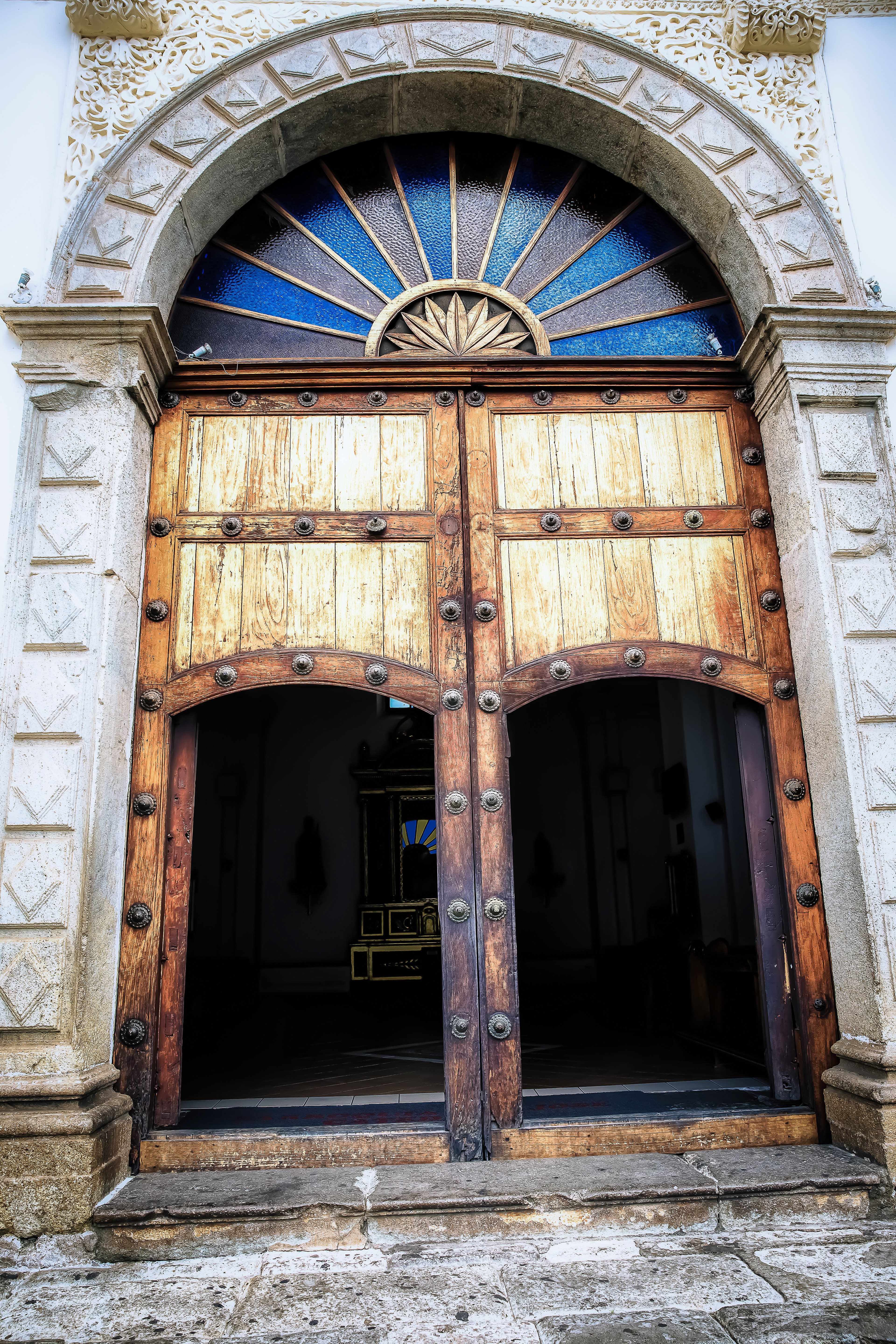
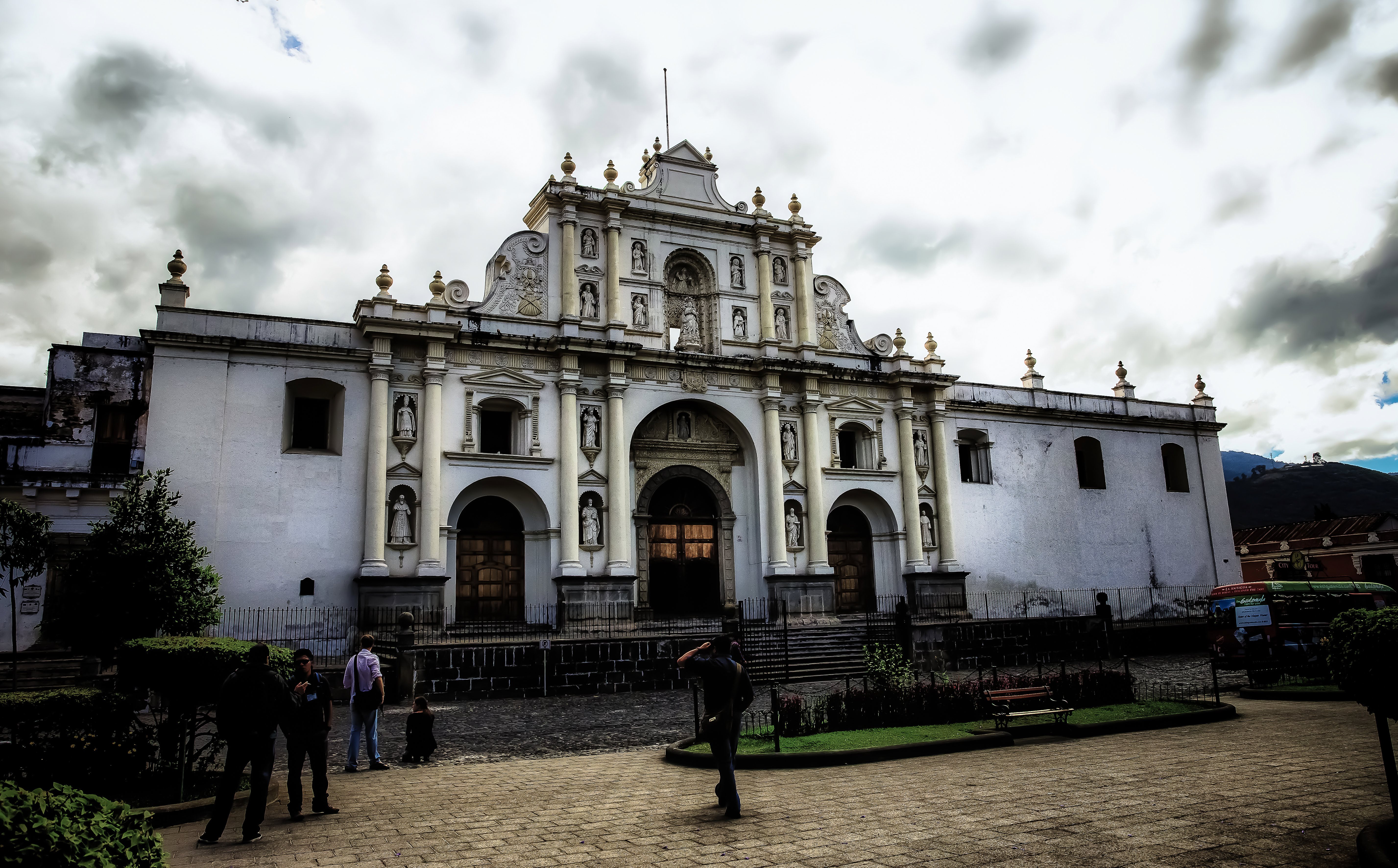
We gathered together near a fountain in Antigua’s central square, surrounded on two sides by what appeared to be hotels, shops on another and a Cathedral on the final side. We moved in and through this Cathedral which connects to another much older one, one that had suffered the devastation of earthquakes dismantling and bringing down huge pieces of architecture. The immensity of this older Cathedral is substantial, a place commanding reverence and sacramentality in size and depths and shape and ornamentation. The Cathedral had not one, but two crypts that could be entered, places where bodies of saints had rested.

From the Cathedral we traveled three blocks further and entered what would have been a convent; here, there was more an architectural sense of context than something yielding narrative of how its inhabitants used the building. The convent held an echo chamber, a round room below ground level that in shape mirrored that of an onion. In trying out the sound qualities, there was an aspect to the room where you needed to catch the resonance of sound produced in order to contribute to it – adding one’s voice to others, here, was and would have been an extraordinary experience. And, then there were the cells of nuns – all shaped in and out of stone.

Listening to – Cat Stevens’ ‘The Wind,’ ‘Rubylove,’ ‘If I Laugh’ and ‘Changes IV.’

Quotes to Inspire – (1) “The justification is still the same, that picture-taking serves a high purpose – uncovering a hidden truth, conserving a vanishing past.” (2) “The photographer both loots and preserves, denounces and consecrates … [the camera is] a way of taking possession of the places they (tourists) visited.” (3) “Life is not about significant details, illuminated (in) a flash, fixed forever. Photographs are.” – Susan Sontag, ‘On Photography.’

Song from My Youth

Canon Camera, Canon Live View, High Dynamic Range (HDR), Journaling, Light Intensity, Photography & Conceptualizing Beauty, Project 365 - Photo-a-day, Still Life, Sunset, Weather, Winter
Fire Tower, Watt Mountain - High Level, Alberta 1

Fire Tower, Watt Mountain – High Level, Alberta 1

Fire Tower, Watt Mountain - High Level, Alberta 2

Fire Tower, Watt Mountain – High Level, Alberta 2

Fire Tower, Watt Mountain - High Level, Alberta 3

Fire Tower, Watt Mountain – High Level, Alberta 3

Watt Mountain 2 - High Level, Alberta 1

Watt Mountain 2 – High Level, Alberta 1

Watt Mountain Ice - High Level, Alberta 1

Watt Mountain Ice – High Level, Alberta 1

Watt Mountain Ice - High Level, Alberta 2

Watt Mountain Ice – High Level, Alberta 2

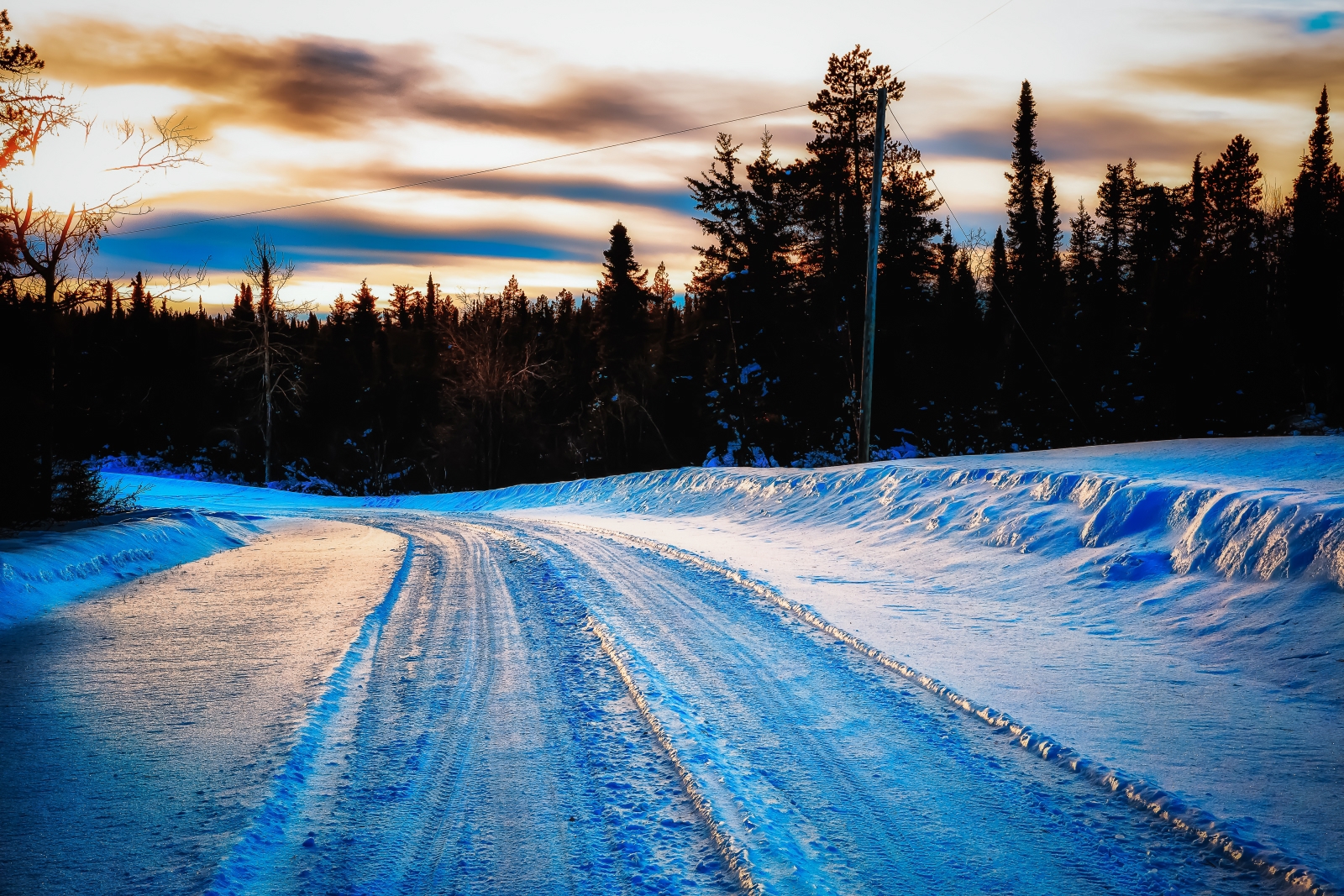
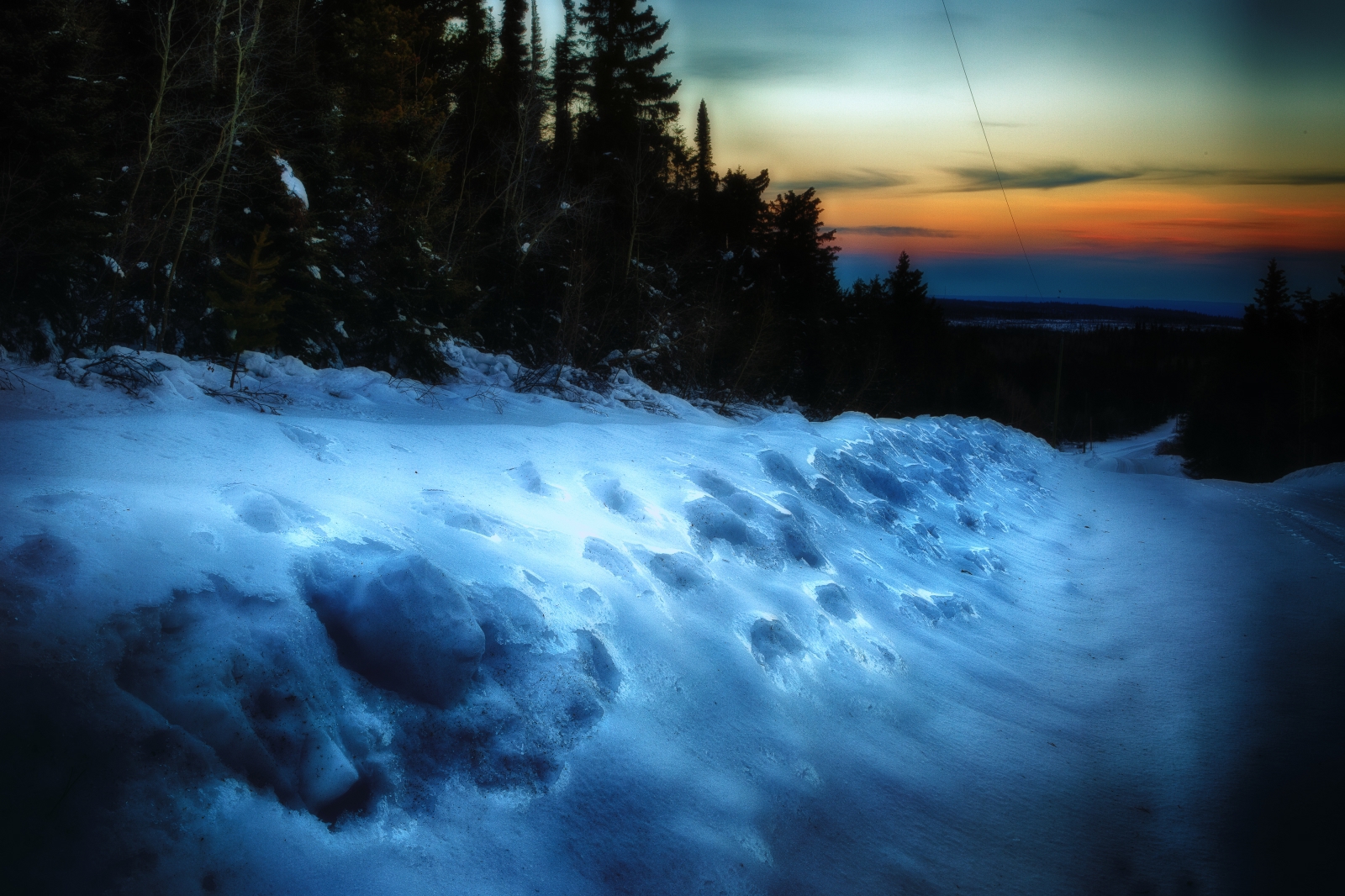
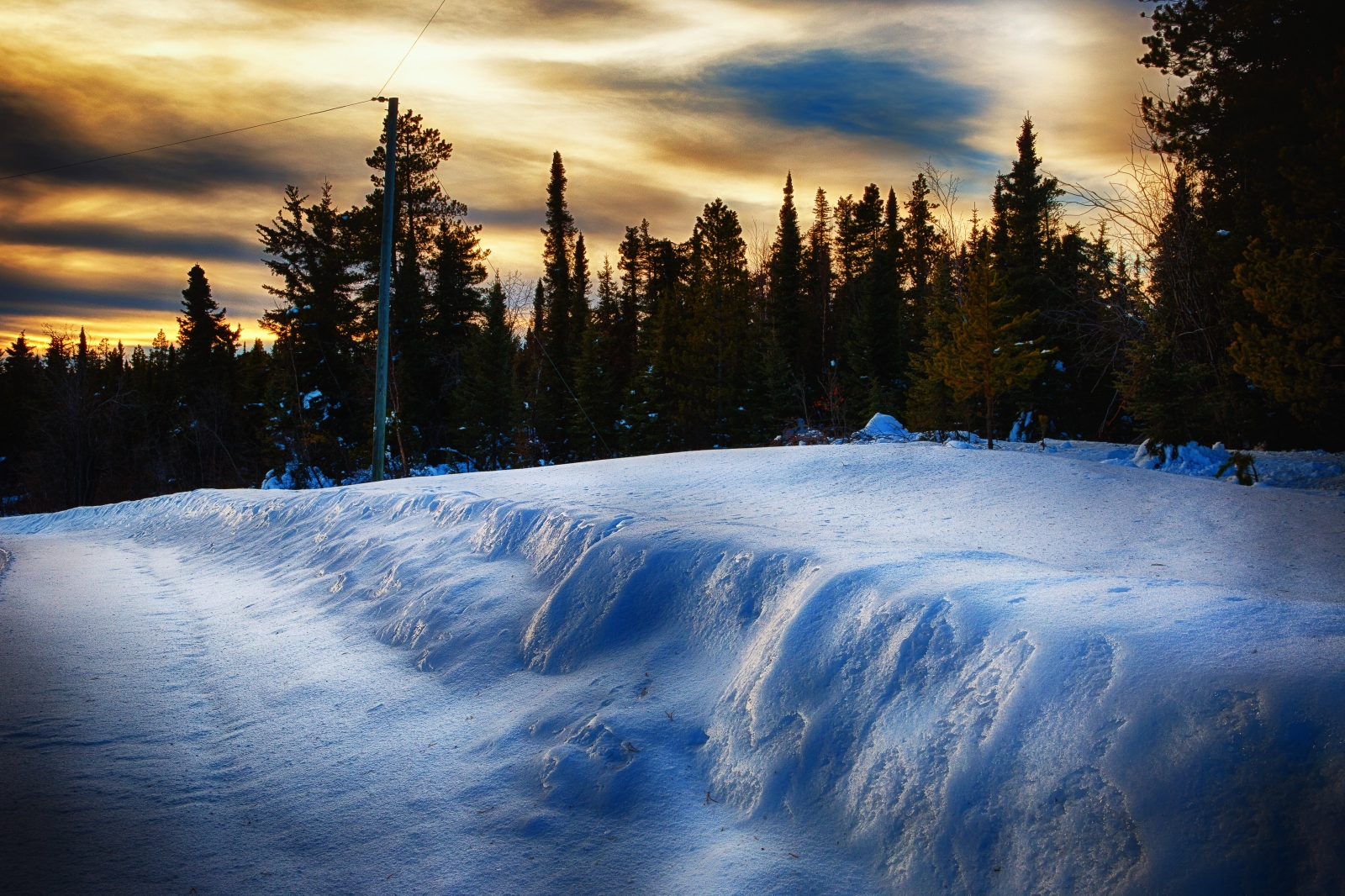
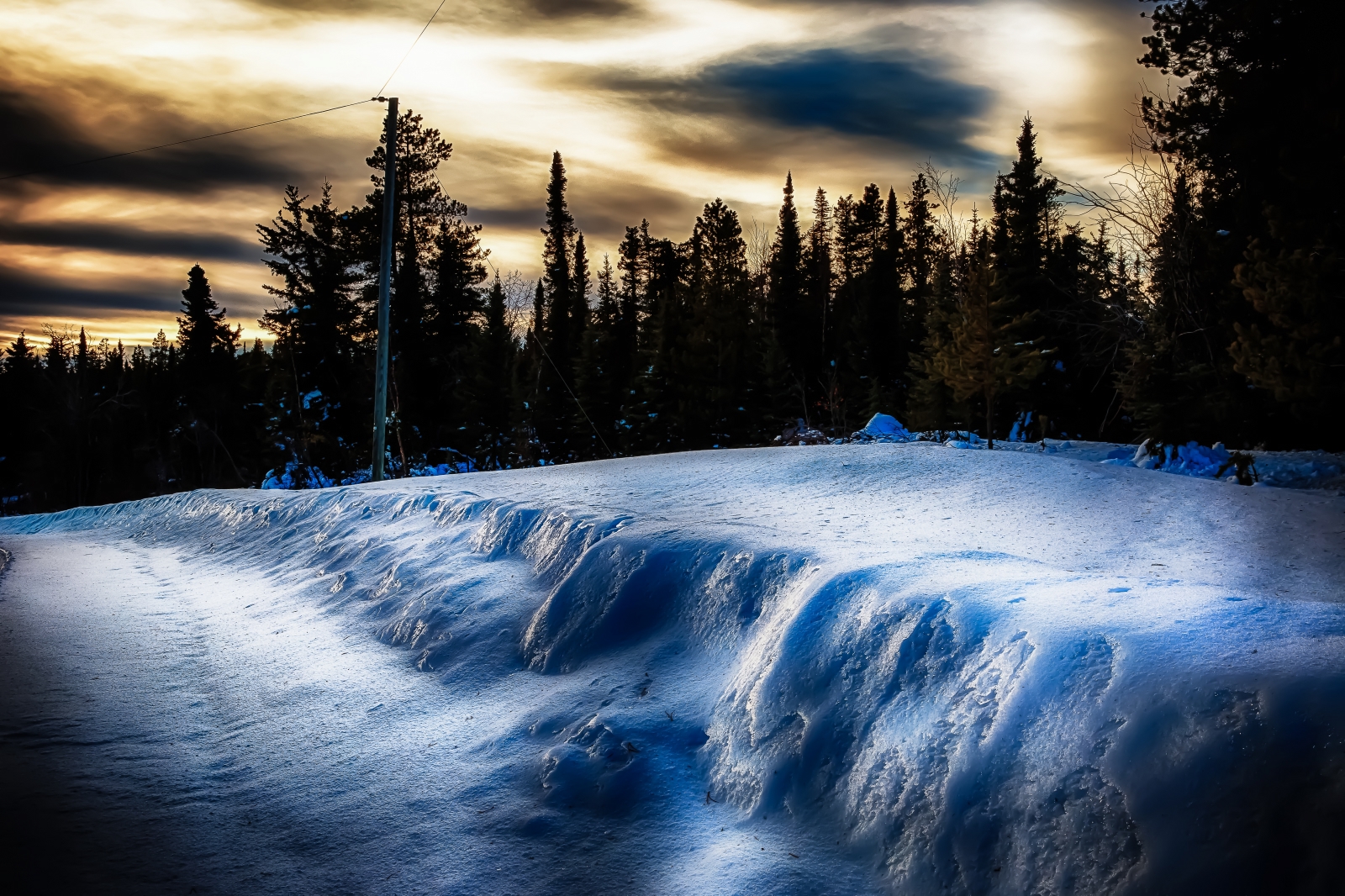
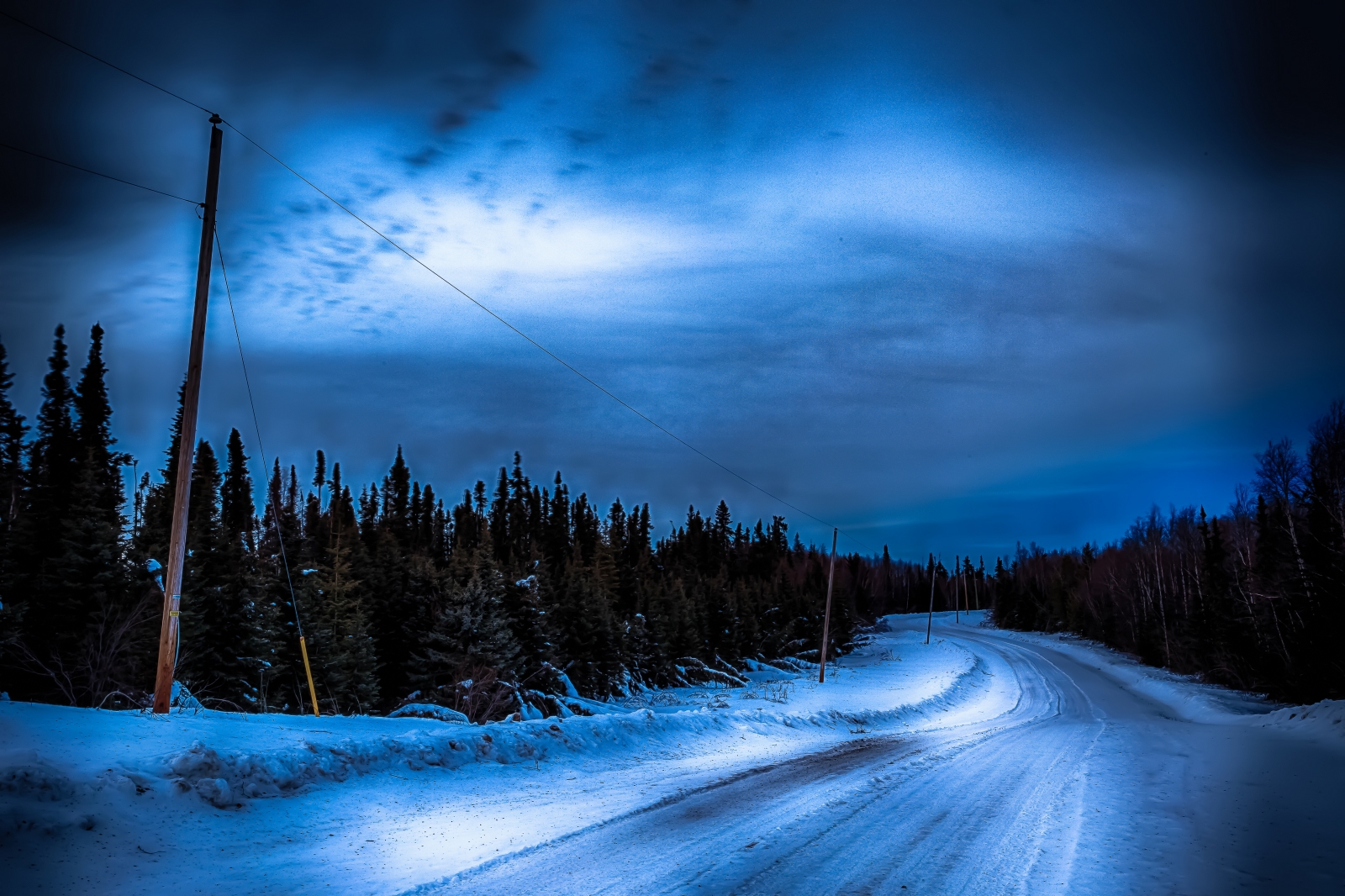
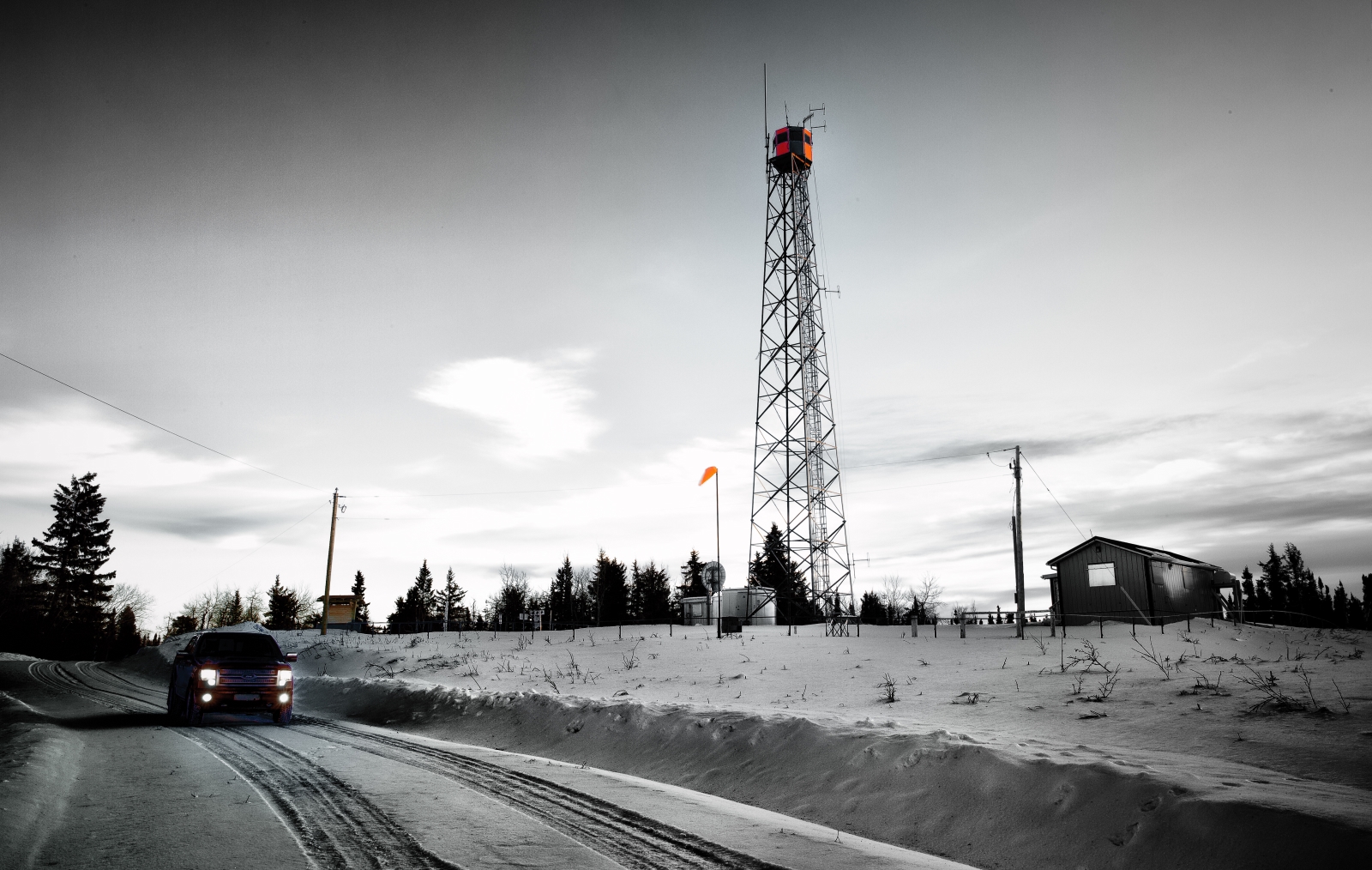
A quiet Saturday, one spent mostly at home comes to a close. The Ozark Mountain Daredevils play from my iTunes account through computer speakers, ‘If You Wanna Get To Heaven’ – muted strings on a guitar are percussive, a harmonica brings in melody and other instruments, the sound preceding lyrics that consider getting to heaven – song and lyrics attract my ear, a song from my youth. The evening has involved editing images from Watt Mountain.

Listening to – Bruce Springsteen’s ‘Highway Patrolman,’ ‘One Step Up,’ and ‘Last to Die.’ There’s been ‘Rumble’ by Link Wray and the Wraymen. The Who have played ‘Boris the Spider,’ ‘I Can See for Miles’ and ‘Magic Bus.’ The Kingsmen have played ‘Louie Louie.’ Green Day have played ‘East Jesus Nowhere.’ The playlist has rounded out with Bruce Springsteen singing Pete Seeger’s Civil Rights anthem, ‘We Shall Overcome.’

Quote to Consider – “Picture-taking has been interpreted in two entirely different ways: either as a lucid and precise act of knowing, of conscious intelligence or as a pre-intellectual, intuitive mode of encounter.” – Susan Sontag, ‘On Photography’
Remembering on Watt Mountain

Canon Camera, Canon Live View, High Dynamic Range (HDR), Night, Photography & Conceptualizing Beauty, Project 365 - Photo-a-day, Still Life, Winter
Watt Mountain - High Level, Alberta 1

Watt Mountain – High Level, Alberta 1

Watt Mountain - High Level, Alberta 2

Watt Mountain – High Level, Alberta 2

Watt Mountain - High Level, Alberta 3

Watt Mountain – High Level, Alberta 3

Watt Mountain - High Level, Alberta 4

Watt Mountain – High Level, Alberta 4

Watt Mountain - High Level, Alberta 5

Watt Mountain – High Level, Alberta 5

Watt Mountain - High Level, Alberta 6

Watt Mountain – High Level, Alberta 6

For Bobby, a cousin and Canadian veteran, who passed away last Wednesday and whose funeral occurs today in Grande Prairie, Alberta. Thank you for the friend you’ve always been to my wife and me. Thank you for the family you’ve been a part of. Thank you for your service to Canada – wounded, but accomplishing what very few others could have. Very well done!

Listening to – ‘William’s Lullaby,’ ‘The Gairlock and Loch Duich’ and ‘Amazing Grace’ offered by the Canadian Scottish Regiment Pipes and Drums.
Quote to Consider – “‘A photograph is not an accident – it is a concept.’ To take a good photograph, runs the common claim, one must already see it. That is, the image must exist in the photographer’s mind at or just before [it is taken].” Susan Sontag (working with an Ansel Adams quote and taking it further) in ‘On Photography.’