
Rosanne Cash says about songwriting, “… Songs are there in the ether, and you just have to have your skills good enough to get them.” Like acapella singer Bobby McFerrin, Cash believes that as a songwriter, “You catch songs…. [and,] … you have to have your catcher’s mitt on…. Sometimes I’m afraid that if I don’t get it down, then somebody else will (Rosanne Cash, Time Traveler – On Being with Krista Tippett, 5 January 2012, https://onbeing.org/programs/rosanne-cash-time-traveler/ ).”
Photography is like that – about being present and ready for what you see, connecting with the moment, and ‘catching the image’ and its import as it confronts you.
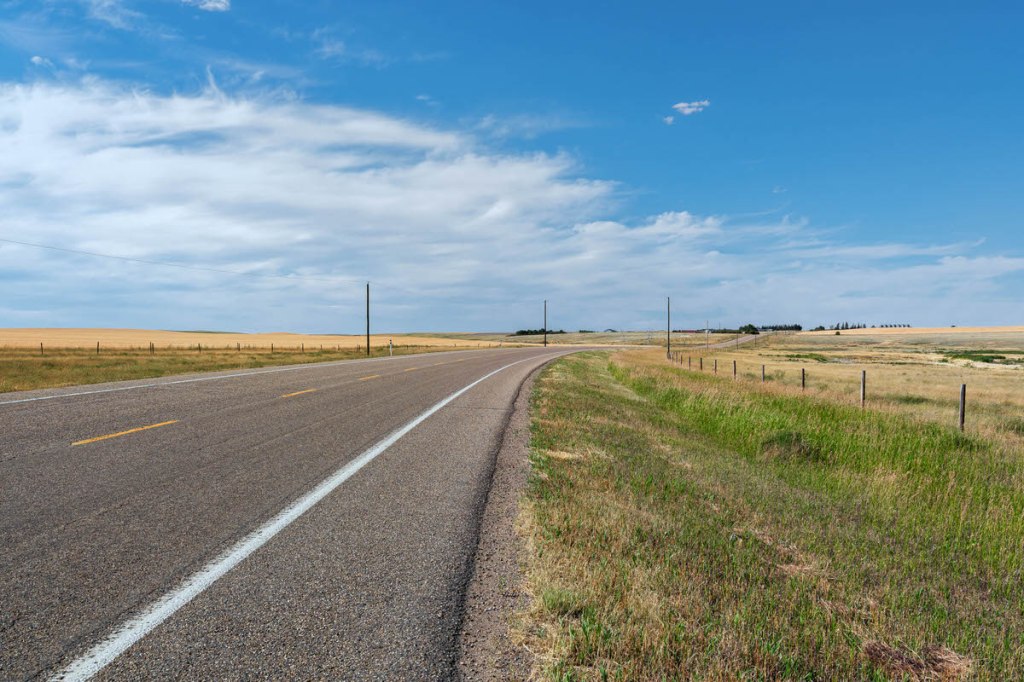
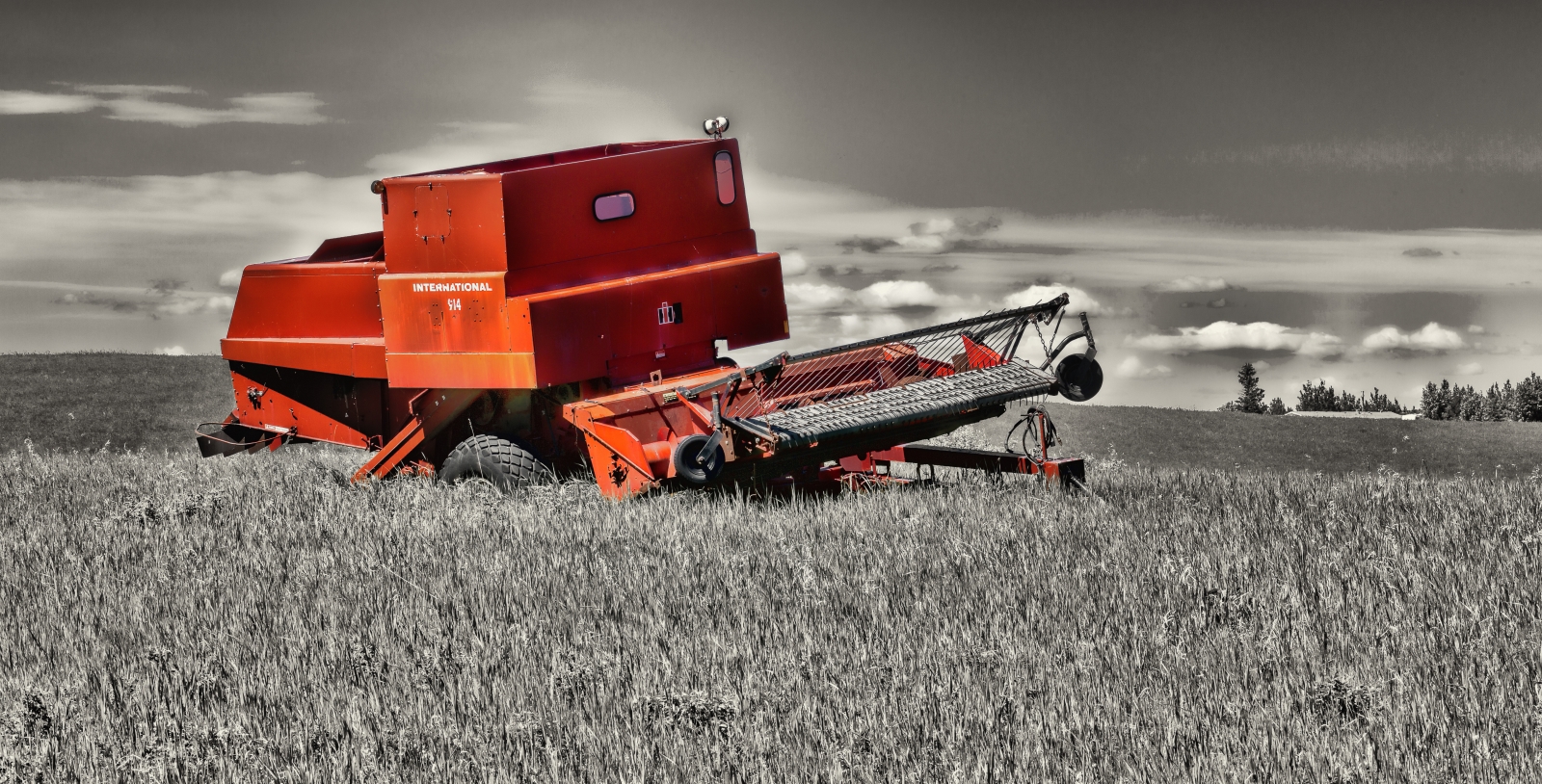
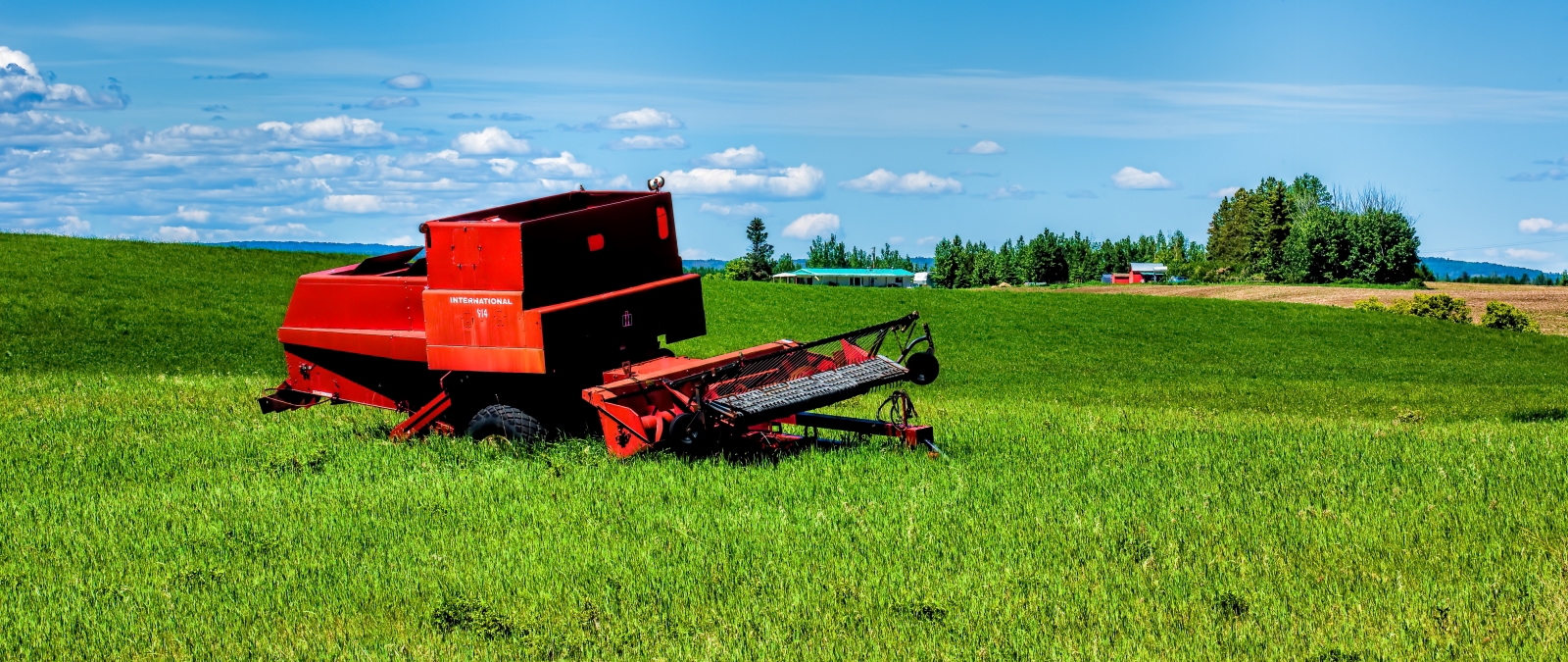
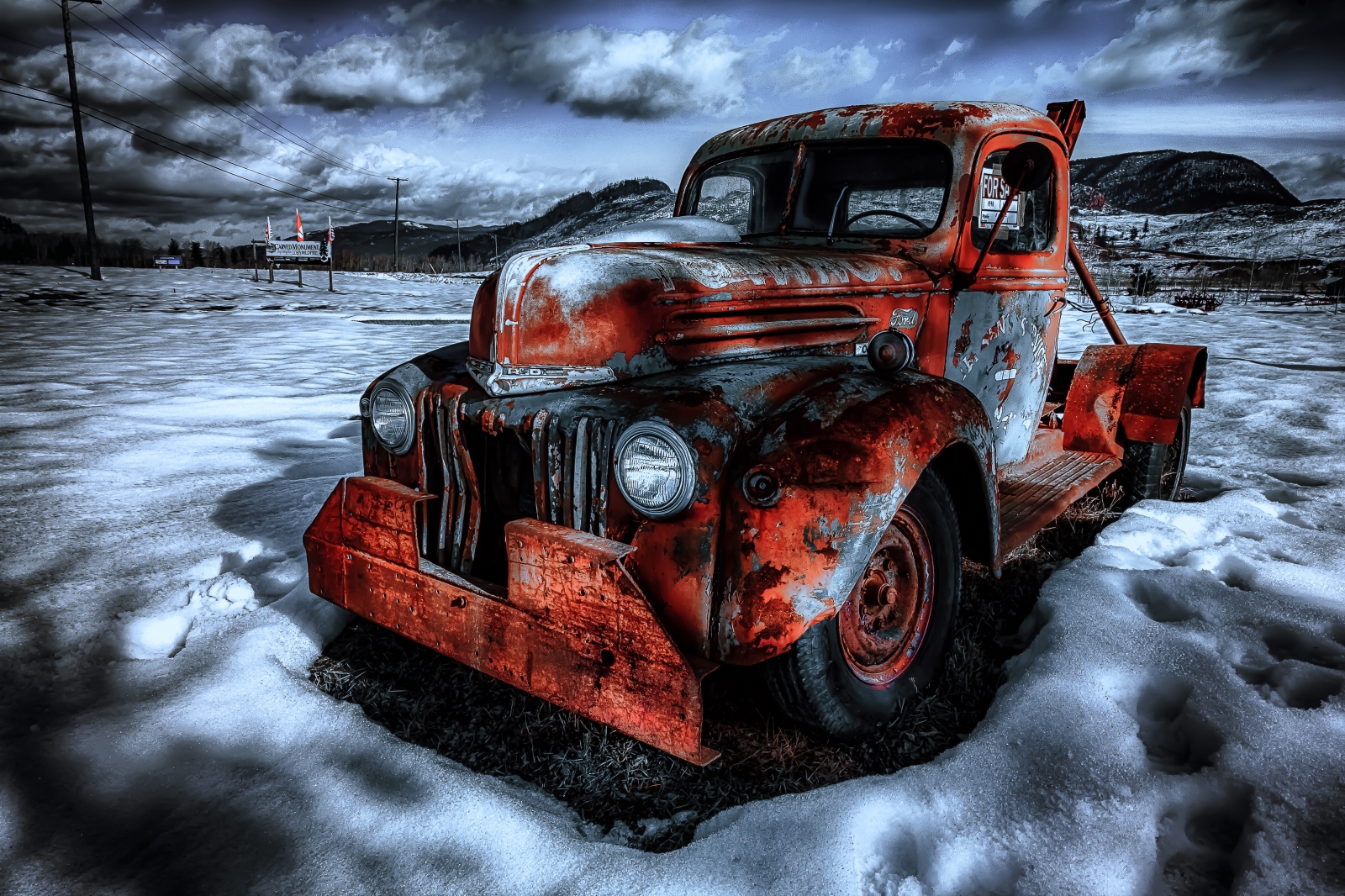
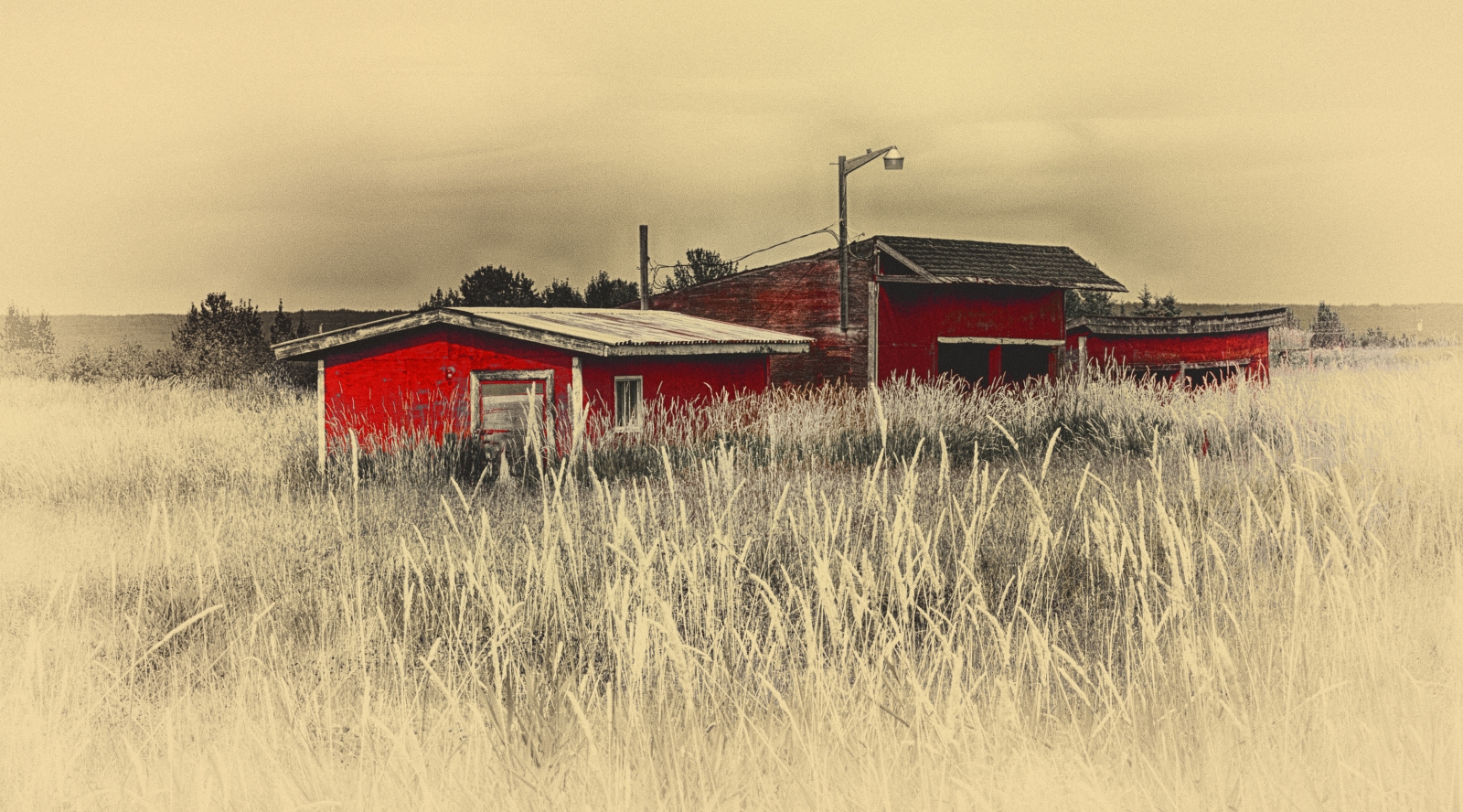
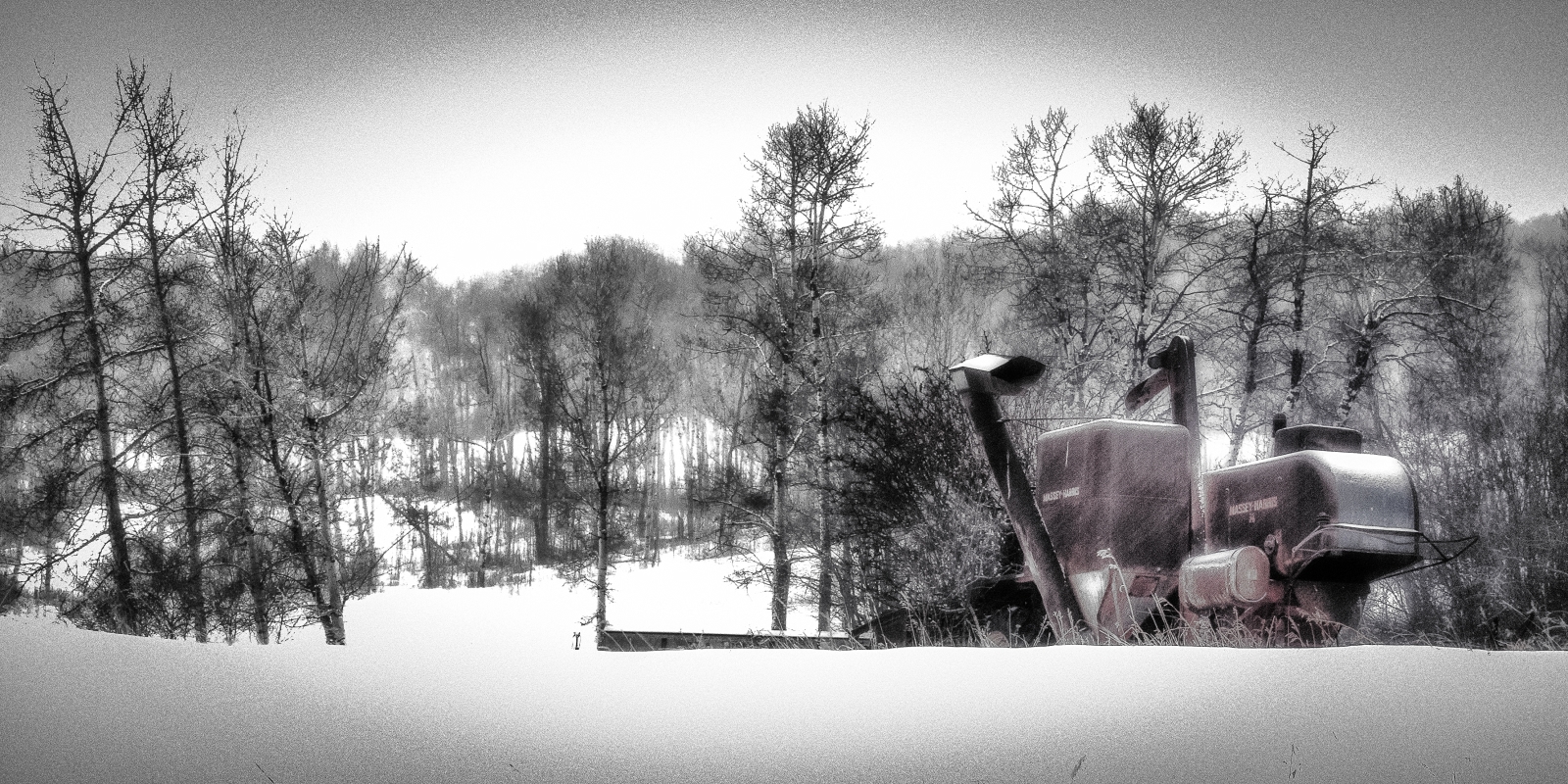
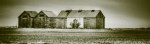
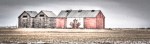
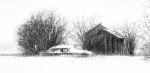
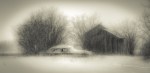
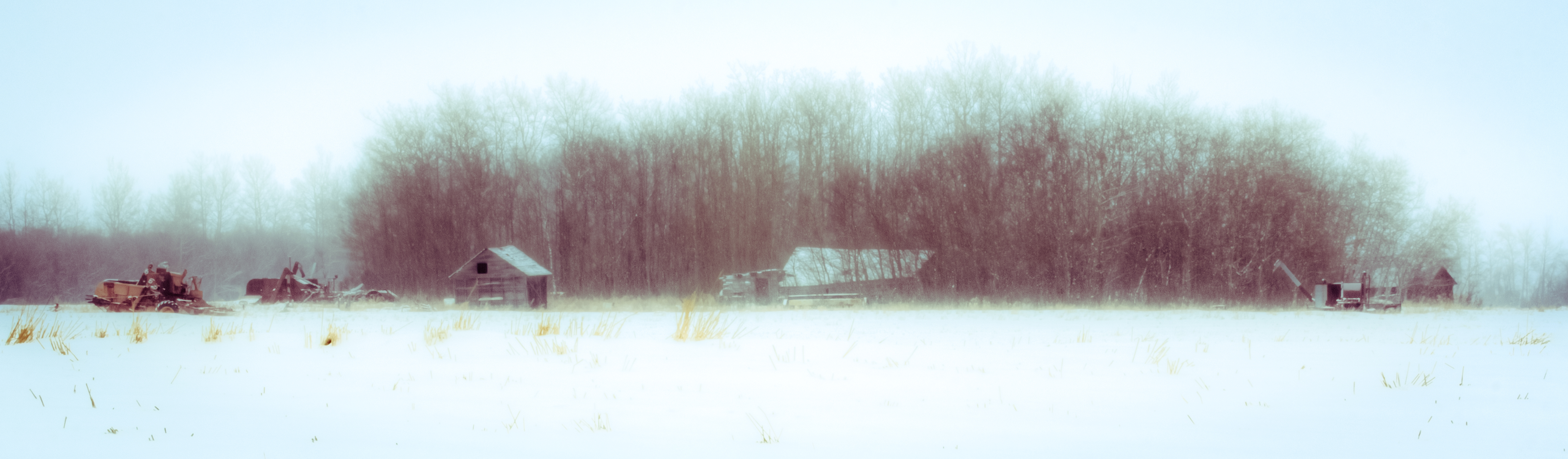
Wheat Kings and farmsteads served as points of departure. Stirling, Wrentham, Skiff, Foremost, Orion and Manyberries were place names in my travel – each had wooden grain elevators from the previous century used to stockpile grain for railway transportation. Some appeared to remain in use. Grey, weathering wood of still-standing derelict farm buildings clustered in disused prairie farmland with the rusting reds and browns of grain trucks – abandoned, yet holding memory to the past. General stores no longer in use faded in terms of colour and signage. I and my cameras went about image making.
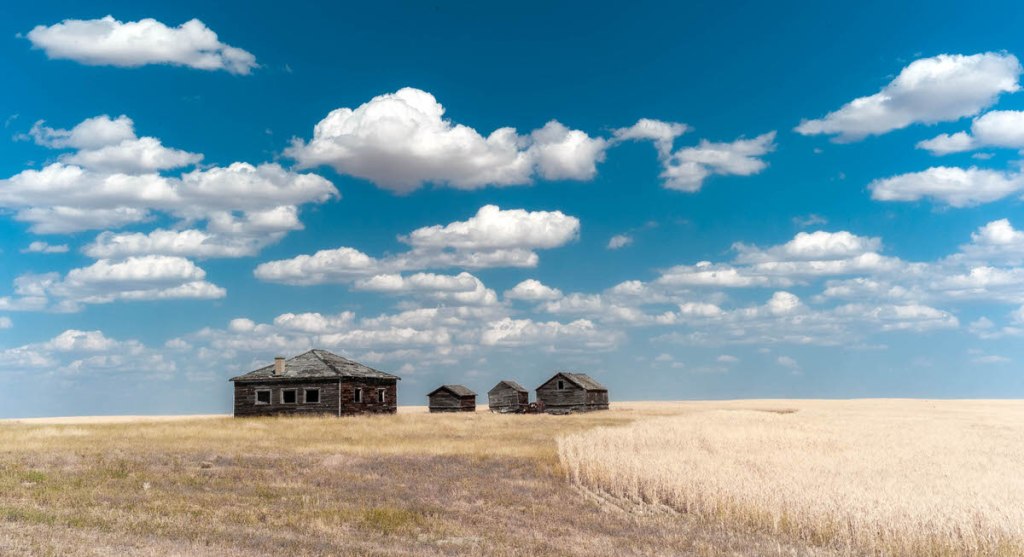
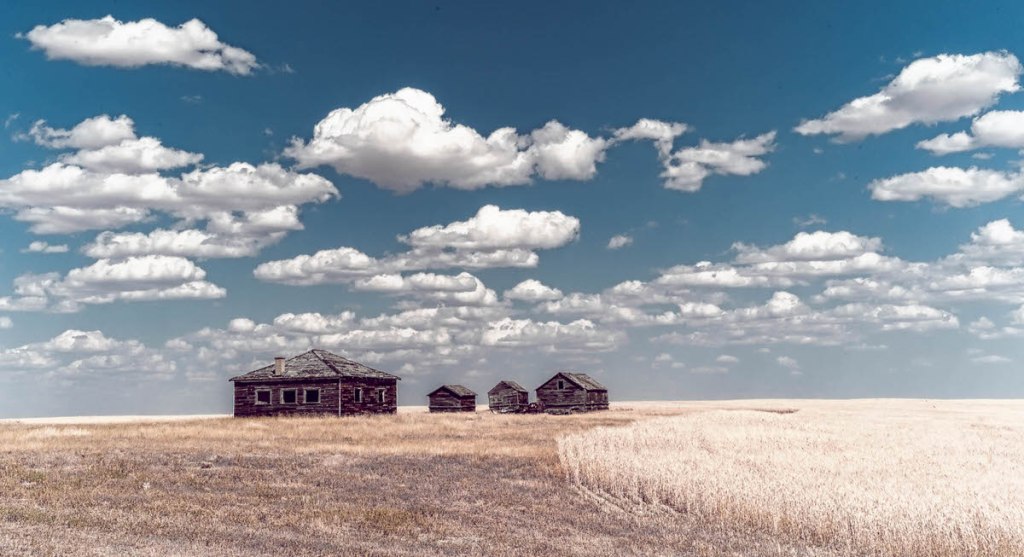


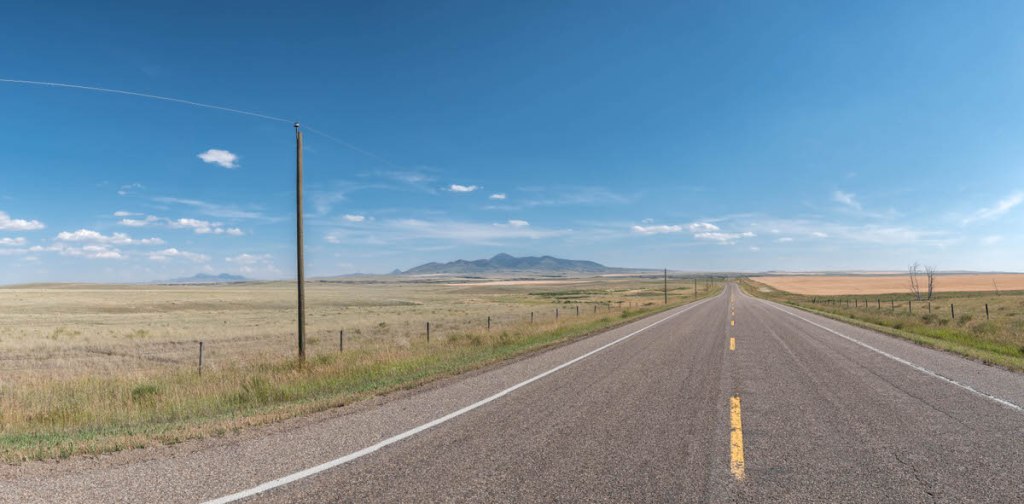
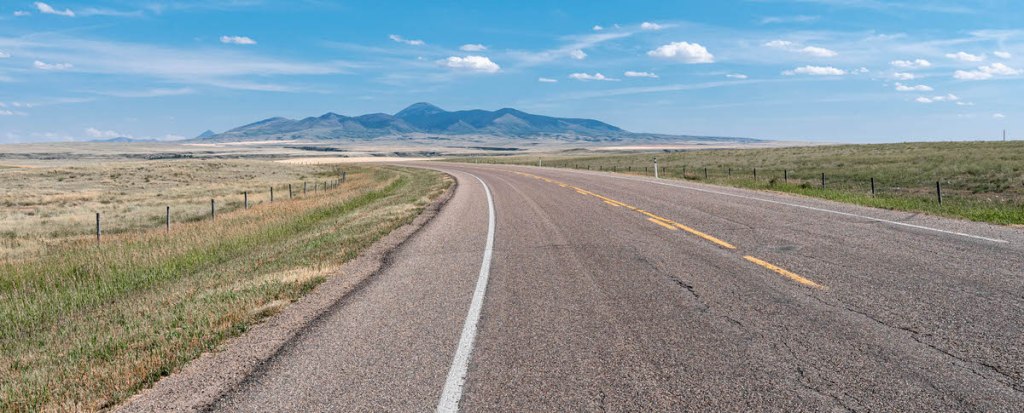
As I meandered, making exposures, travelling east and south, then west toward Milk River, two or three mountains loomed, growing more prominent in Alberta’s southernmost prairie, an unexpected juxtaposition – mountains within the prairie. I photographed them in stages as I travelled closer to them. While the mountains seemed to span the Canada – United States border, I was seeing the Sweetgrass Hills of Montana and evidence that volcanoes were a part of the prairie shared between Montana and Alberta. My mobile phone carrier began sending SMS messages advising of the need for a rate-plan change should I cross into the United States and need to use my phone. They were looking out for me. Good!



At this point in my summer, I was re-reading Thomas King’s novel, ‘Indians on Vacation,’ which has become one venue for Canadians to begin opening out Canada’s treaty history following the release of the National Truth and Reconciliation Commission report in 2015. Characters, Blackbird Mavrias (or ‘Bird’) and Mimi, are vacationing in Prague, in the Czech Republic.
In the interrogatory phrase they encounter with familiar cadence, ‘Where are you from?’ an equivalency of people among peoples, vacationers among vacationers, is drawn out. At play is Bird and Mimi’s nationality, which, while Canadian, shifts as they share it between Canadian (from Canada) and their indigenous first nation identification as Cherokee (Bird has Greek and Cherokee lineage) and Blackfoot (Mimi). ‘Where are you from?’ … is always a jumping-off point for being known and getting to know others.
Bird Mavrias is a writer and journalist looking toward retirement. For Mimi and Bird, considering Prague’s history, exploring it as a city, and its current events – all serve to jostle them, surfacing memories. Their conversations move them through their past and occasionally surface facts from the Truth and Reconciliation Commission’s final report – moments of poignancy, disappointment and numbing revulsion concerning the unimaginable. Somehow, what they remember almost becomes a Viktor Frankl choice point to move forward, to move on.
Bird recalls a story he covered regarding an encampment at ‘Writing-On-Stone’ in southern Alberta. Within the park, on the southern side of the Milk River, an indigenous woman sought to gather and practice traditional ways with those of like-mind, ways of their people(s) on their people’s land. The story recognizes a need to find and return to traditional ways. The story looks at the breaking down of the camp and moving trespassers from the site. Bird’s recollection recalls the impotence of the situation – what it did not achieve and its disappointment.
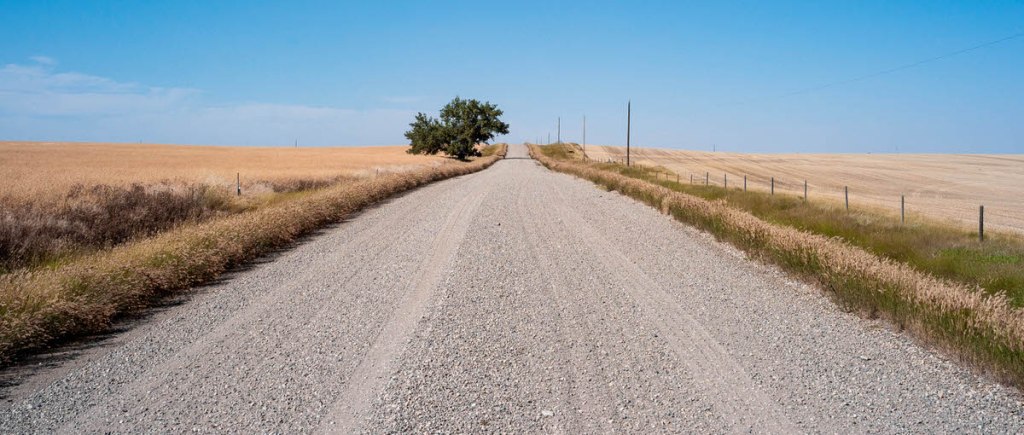
In my drive, moving south and east toward Aden from Milk River and then toward the Sweetgrass Hills of Montana, I came upon this site at ‘Writing-on-Stone Provincial Park.’ In Blackfoot, this site is referred to as Áísínaiʼpi, a word meaning ‘it is pictured’ or ‘it is written.’ The conceptualization of photography as being ‘writing with light’ and exposure of what the camera witnesses seem close to indigenous intention here, and the word Áísínaiʼpi seems as though it should be part of a photographer’s vocabulary. In both cases, the terminology refers to memory being held to be witnessed, considered and understood.
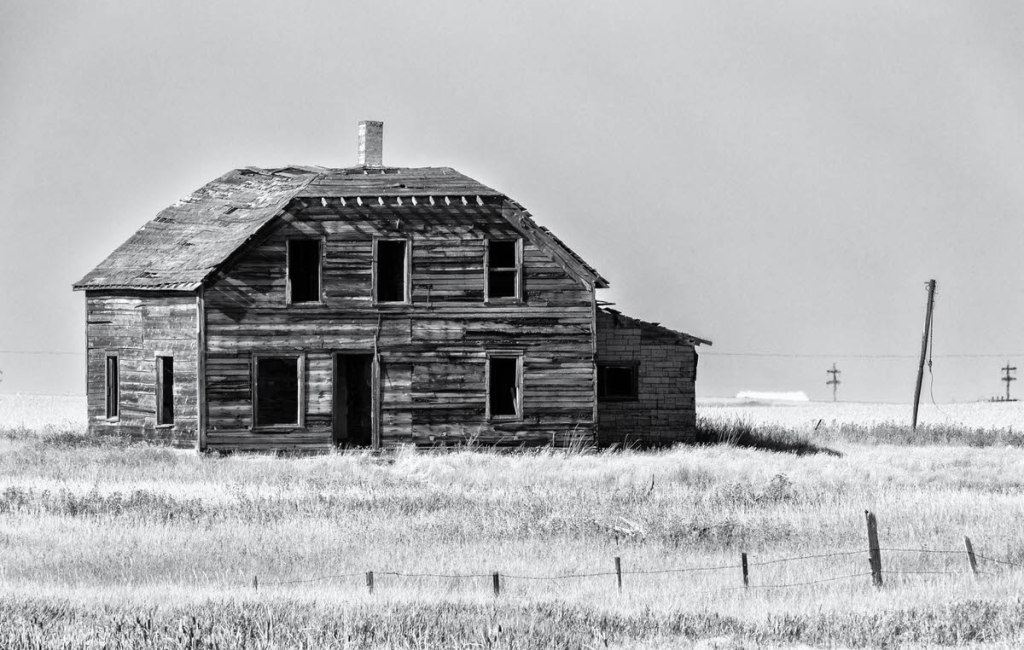


Gauging what remained of my day in terms of kilometres, gas and final meal, I began my return drive to Lethbridge and my hotel quite late. Tired at the end of my drive, I had accomplished a lot of what I intended – a day open for discovery, thought and camera work. I found Wheat Kings. I encountered the big sky of southern Alberta’s prairie landscape. I had scouted and became acquainted with an area of Alberta I was interested in and will return to.

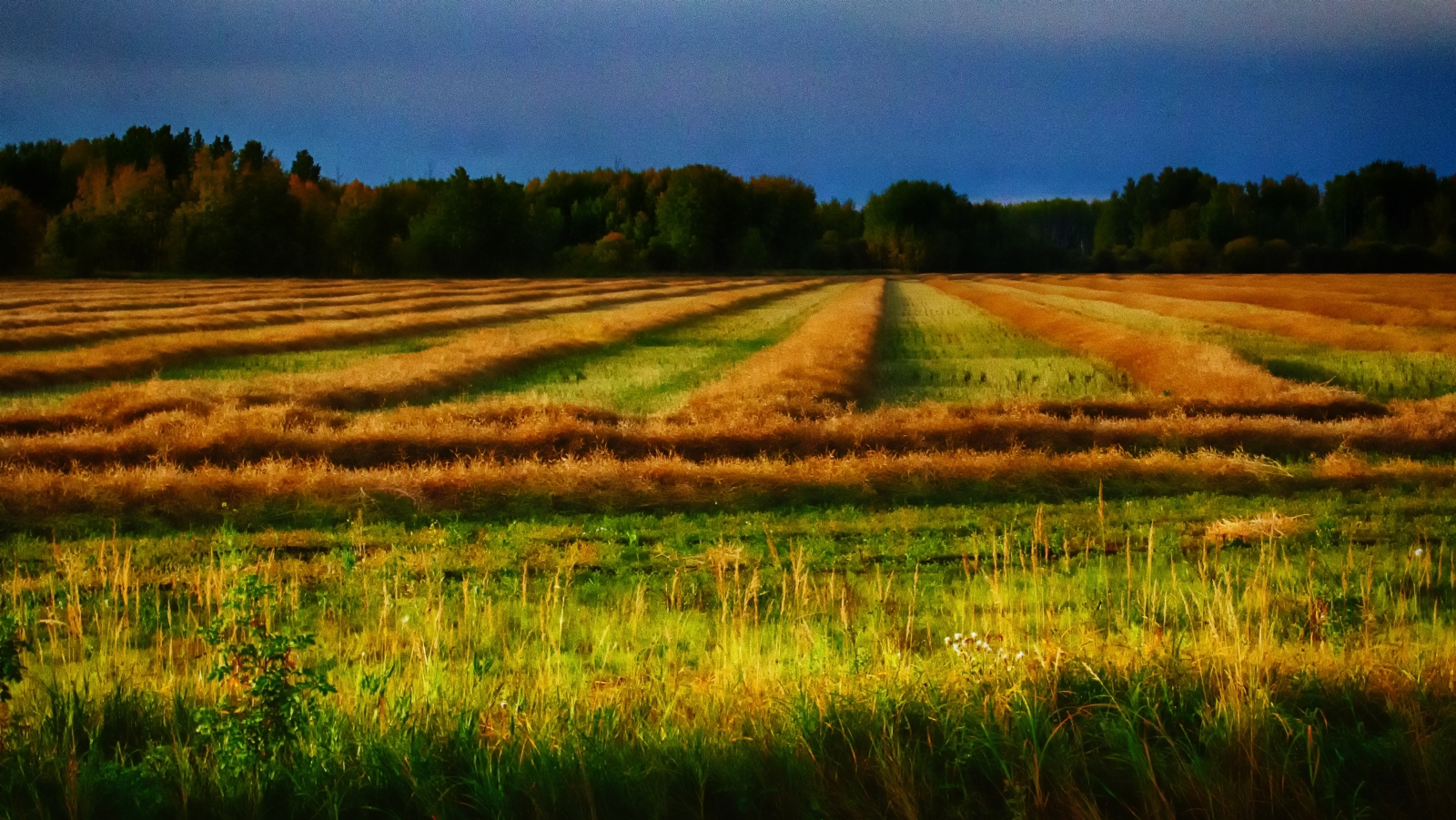
Harvest, though, caught me by surprise. Somewhere between 10:30 – 11:00 p.m. I drove past this late-night harvest scene below. The sight was extraordinary for me because the grain harvest in northern Alberta occurs from late August to mid-September. Here, it was an extraordinary sight … to see as many as five combines gathering grain from the prairie immensity. These mid-August images contain silhouettes of combines and grain haulers outlined in black against a colourful backdrop of setting sun, sky and prairie. People are at work, doing this day’s work as daylight diminishes.
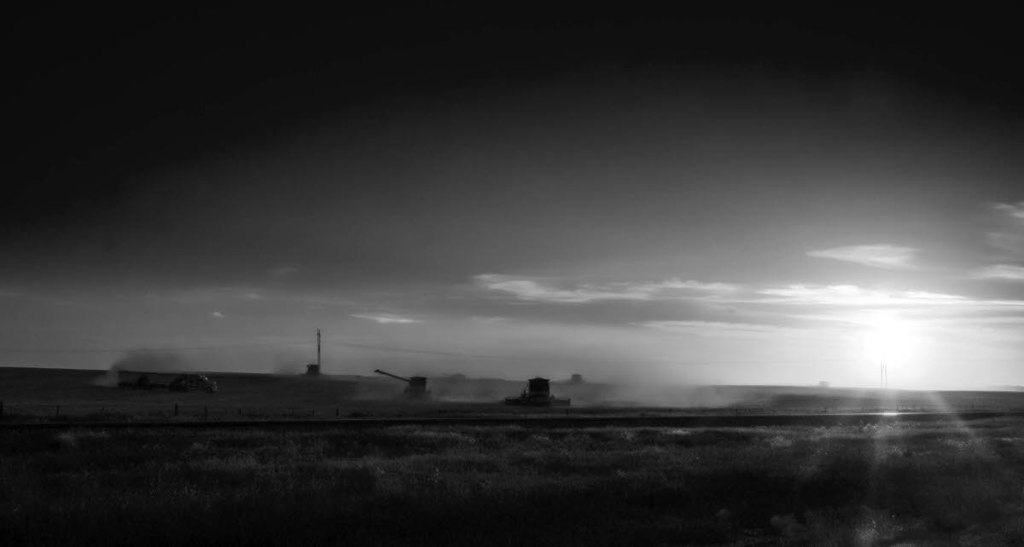
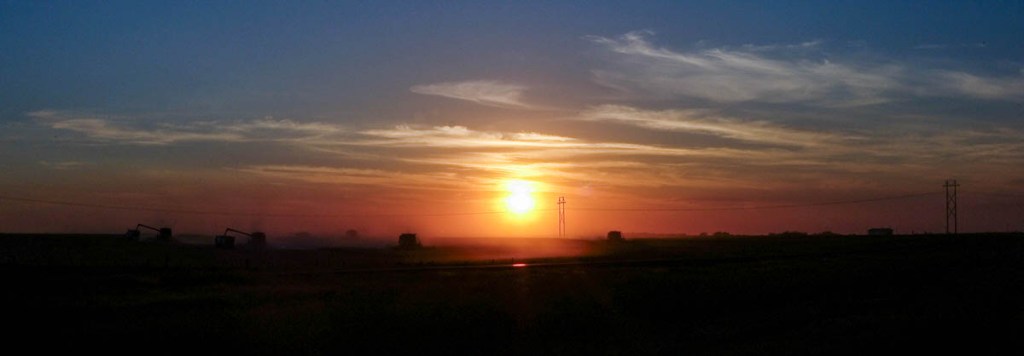

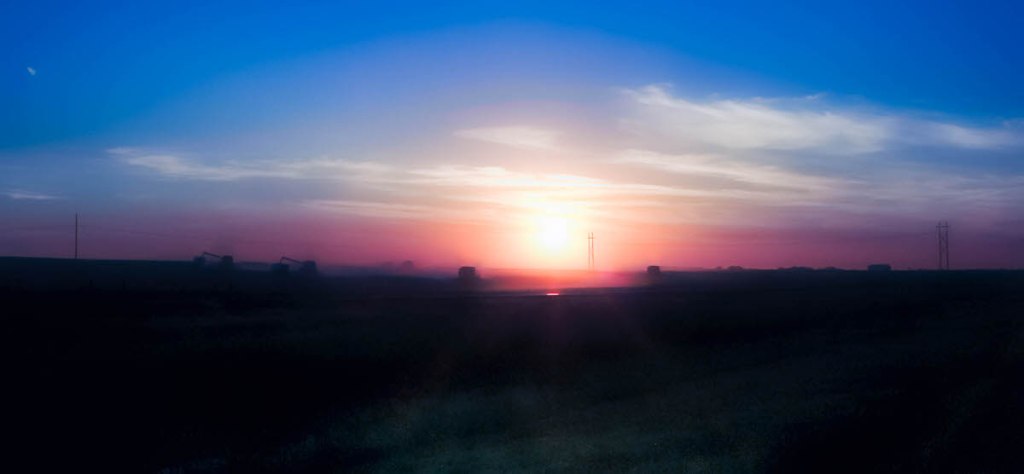
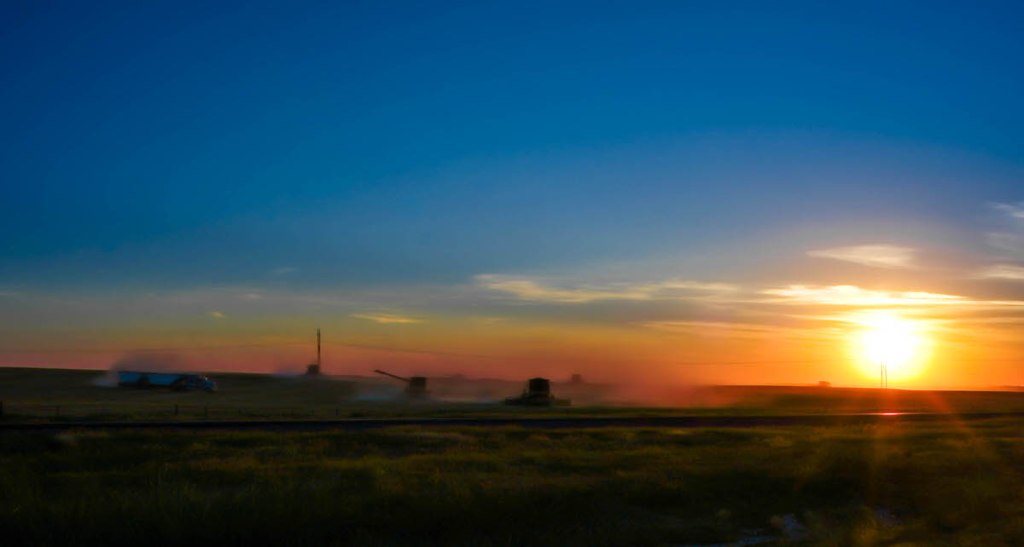
Catcher’s Mitt & Day’s End
My day did not end there. Returning late to Lethbridge meant supper would be drive-through or order-in, and I hadn’t eaten for hours. Near midnight, a McDonald’s provided two quarter-pounders with cheese and a pop. A young, homeless teen hid in the shadows of the building beyond the sight of the cashier. As I moved from the drive-through, the teen presented cardboard on which was written, ‘Needing food. Can you help?’ I gave her twenty dollars, then left, returning to my hotel.
In all this, consideration of Thomas King’s novel has continued to intrigue me in its detail, humour, happenings, intention, and reference to areas of this country I know. It seems to hold the potential to prompt moving toward a good understanding of historical, colonial or treaty complexities for treaty people on both sides of each treaty. The narrative leaves off with vacationers returning from a vacation to the stability and familiarity routine offers but with questions and urgings about what’s next. Often returning from vacation, though, we are empowered (and perhaps have gained perspective enough) to consider ‘the what’ of what’s next. For Bird and Mimi, Tofino is on the table.
A year later, the photographs gathered continue to serve as a point of departure, not just in terms of images or photographic projects, but as a jumping-off point for thought and perspective gathered from such thought. A catcher’s mitt was at play within the day in song, thought and photos.
Quote to Consider / Inspire: “I like it when one is not certain about what one sees. When we do not know why the photographer has taken a picture and when we do not know why we are looking at it, all of a sudden, we discover something that we start seeing. I like this confusion.” – Saul Leiter.
Listening to: Courtney Marie Andrews’ ‘I’ll be Thinking On You,’ Ben Harper’s ‘Yard Sale,’ Terra Lighfoot’s ‘One High Note,’ GA-20’s ‘Dry Run,’ Iris Dement’s ‘The Sacred Now,’ Alberta Hunter’s ‘I’ve Got a Mind to Ramble,’ and Kue Varo’s ‘Yip Yip.’
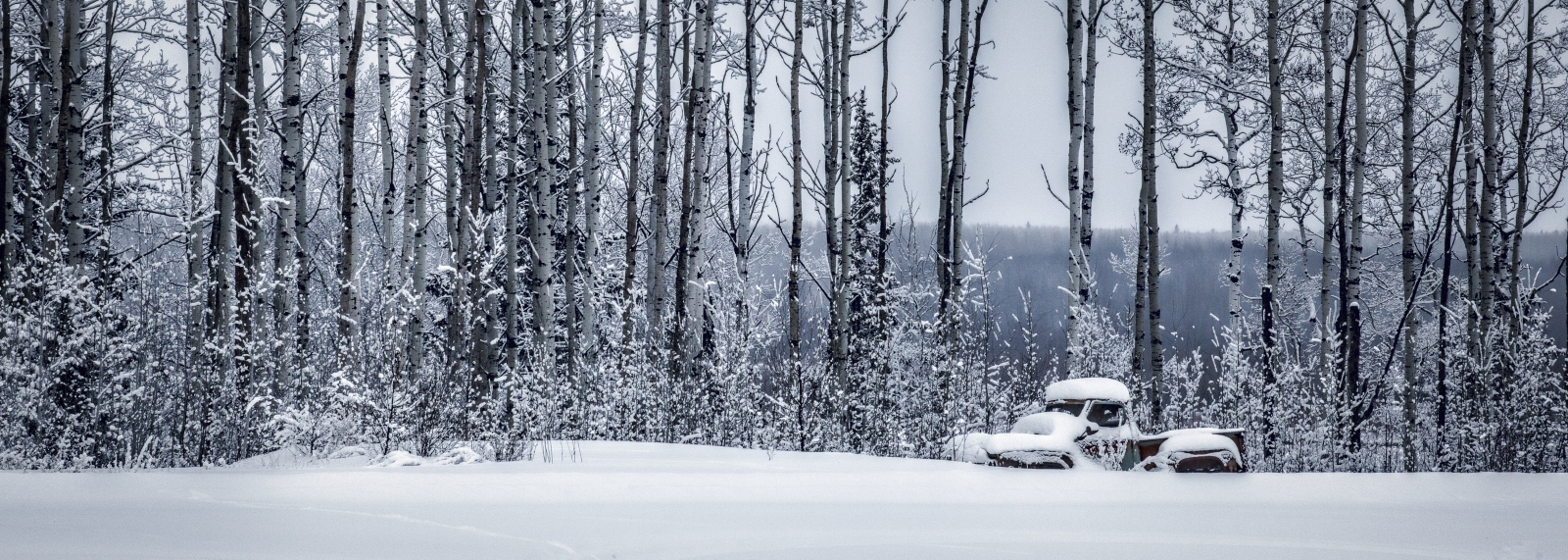































 In My Back Pocket - Photography
You must be logged in to post a comment.