Photo-A-Day Challenge

Barn, Best Practices - Photography, Journaling, Lookback Photos - One Year Ago, Photoblog Intention, photography, Photography, Photography & Conceptualizing Beauty, Project 365 - Photo-a-day

Photography is more an active endeavour than a passive one. You take a photo by placing yourself in front of your subject – you move in small ways aligning camera and lens to subject, and at other times, you move in terms of distances travelled, large and small, to photograph your subject. The word endeavour has work at its core, perhaps even … sustained work, linked to achieving a goal.

In 2009 – 2010, I stumbled upon the photo-a-day challenge, an active pursuit in which a would-be photographer can engage in photography and evolve skills needed to take, edit, and present photos. Over time, the photos created would become stepping stones from which one could look back and consider emerging questions about photography that one was ready to have answered when they had consolidated (put together and understood) the question to be asked. Add exposure to others’ photography, and questions would then be about how photographers brought together an image and their intention to present it in the way they had. Photography in a 365-day, photo-a-day pursuit would become step-by-step, emergent learning. As a favourite ‘Motivation to Move’ podcaster, Scott Smith puts it, all you’d need to do is ‘Stand up, take a step, and repeat … until you’ve reached the goal of your dreams.’

Investigating what others had to say about photo-a-day challenges, Woody Campbell surfaced as a photographer with an interesting tack. In Woody’s ‘1 Photo Every Day’ website, you’ll find that Woody has resolved to ‘… take one photograph every day for the rest of [his] life (www.woodycampbell.com)’ and that, at the time of writing, he has done so for thirteen years. He posts his images in a format of day number since he began photographing for this project – his post for Friday, 30 June 2023, while having a small statement descriptor, also notes the post as ‘Day 5006 of photograph every day for the rest of my life;’ in each post he also presents a look-back image – an image to recall and share.

What is there, though, is Woody’s commitment to photo-a-day image-making, and for the would-be photographer, in addition to Woody’s engaging and captivating photography, an arms-length camaraderie and inspiration in like-endeavour are to be found. Because he engages in this work, you are joining him in like-endeavour.

My trek through the photo-a-day project that this WordPress blog sprang from today finds me sifting through 1100+ edited images taken since 2021 that have not been posted, images that were destined for this ‘In My Back Pocket Photography’ blog. As a teacher now in summer, I am enjoying the post-race wind-down following a ten-month marathon with students, staff, and parents, a school year saturated with people, planning, teaching, and testing. However, through the school year, while I have continued to take photos on an almost daily basis, the matter of posting photos has many steps along its way and my posting stats disappoint grievously.

In this third week of July, I am surfacing to a less other-focused Life, something Frank McCourt refers to in his biography, ‘Teacher Man,’ as all that time off, abbreviated as ‘a.t.t.o.’. All that time off allows me to consider and return to personal pursuits and one of them is posting on this blog. At present, the situation gives me the opportunity to consider and present to you ‘points of departure’ as Dorothea Lange states it (via Ralph Gibson) – the common themes or projects I tend to photograph as I review images moving forward since 2021.

Current Points of Departure (2021 to present, Summer 2023)

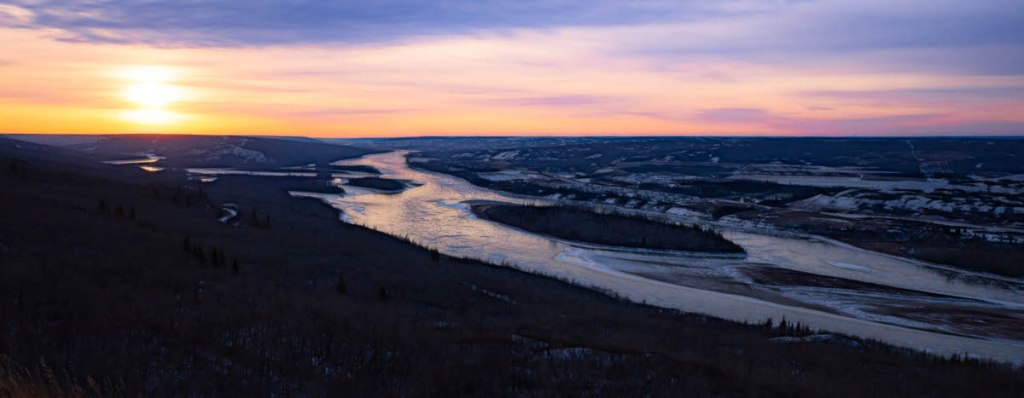
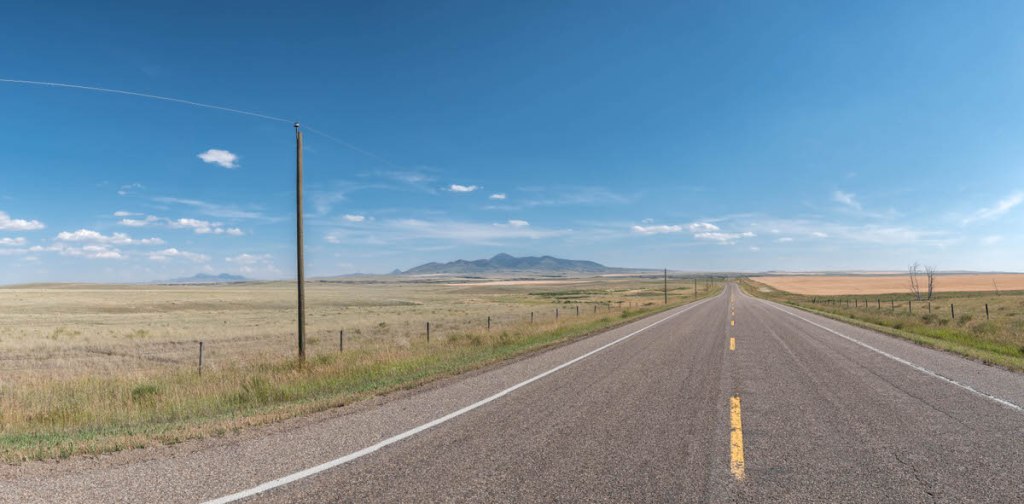
Along Northern Roads – Alberta
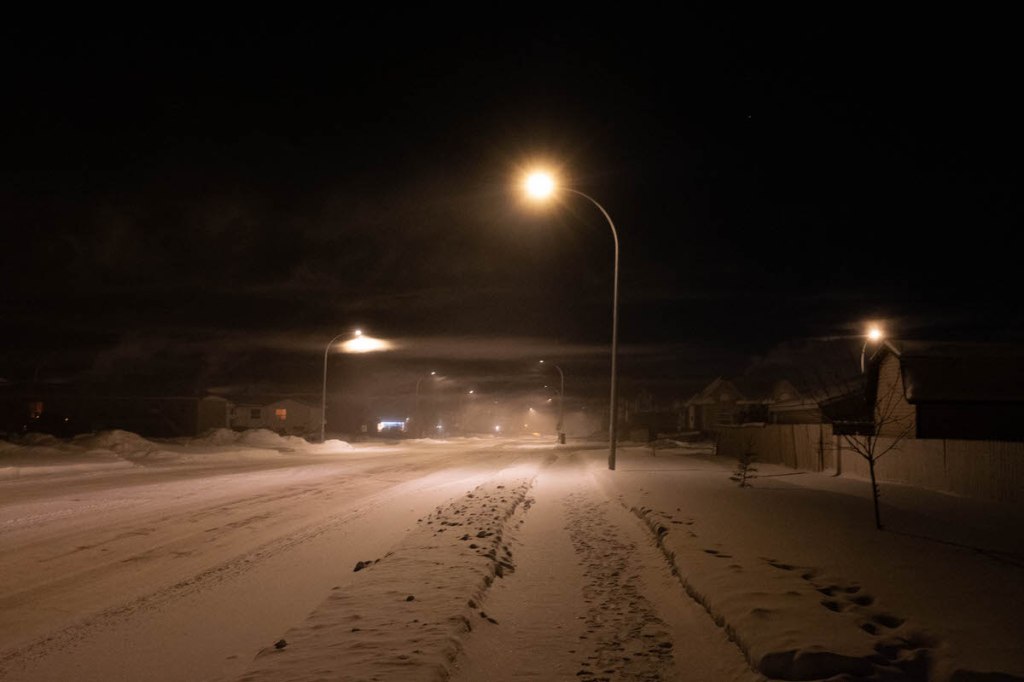
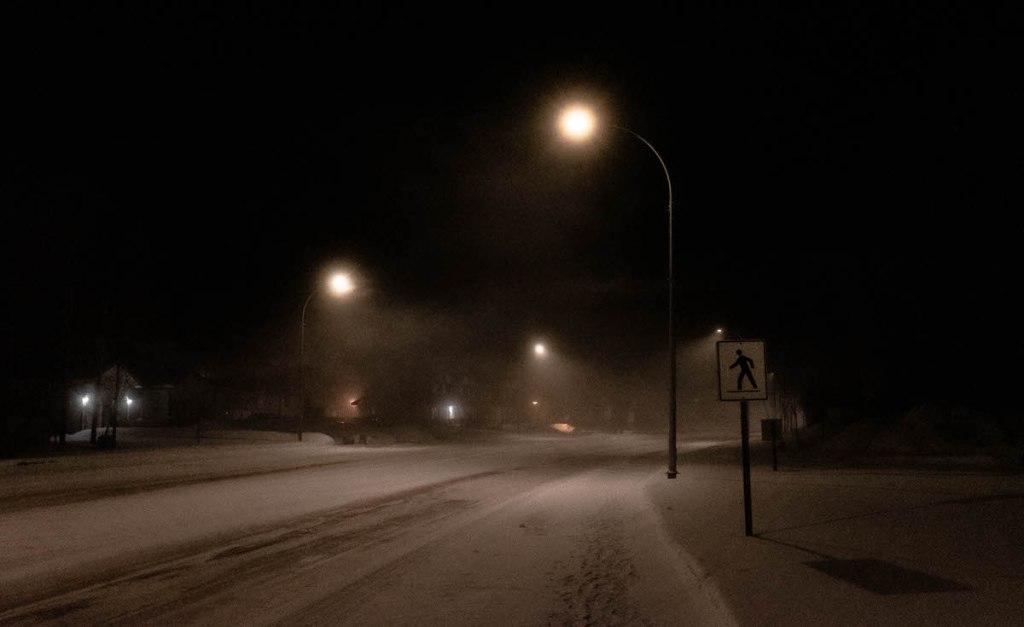
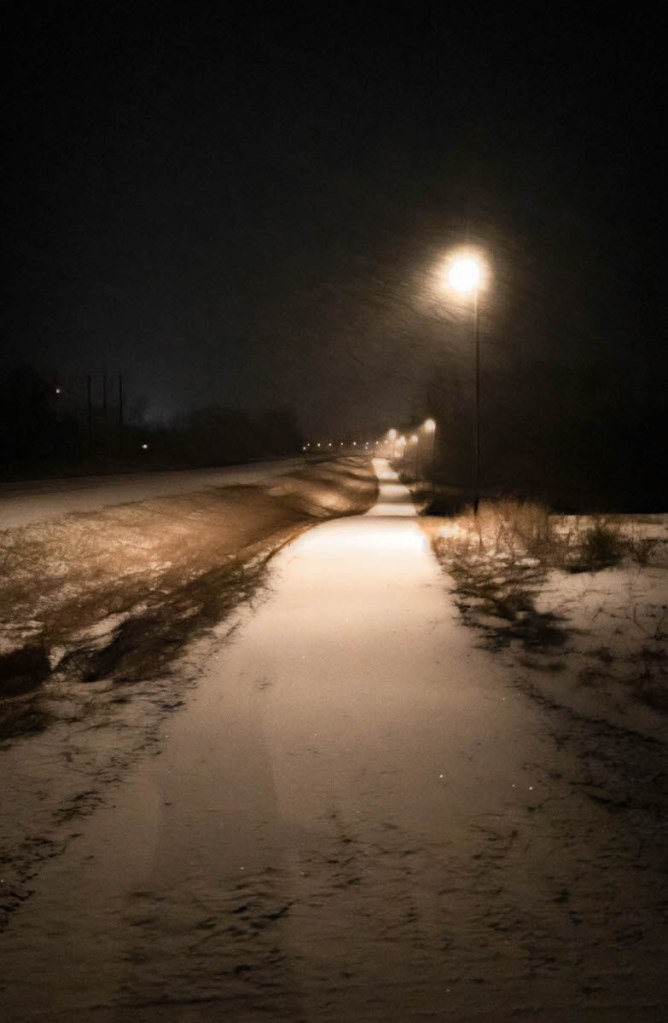
Winter Walks / Cycling in High Level, Alberta
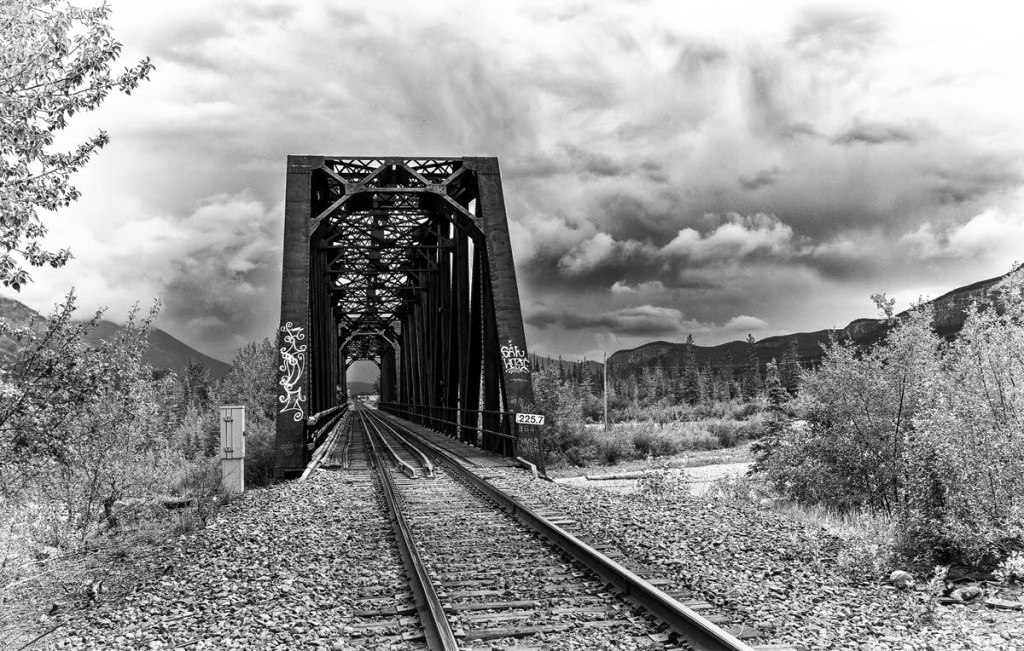
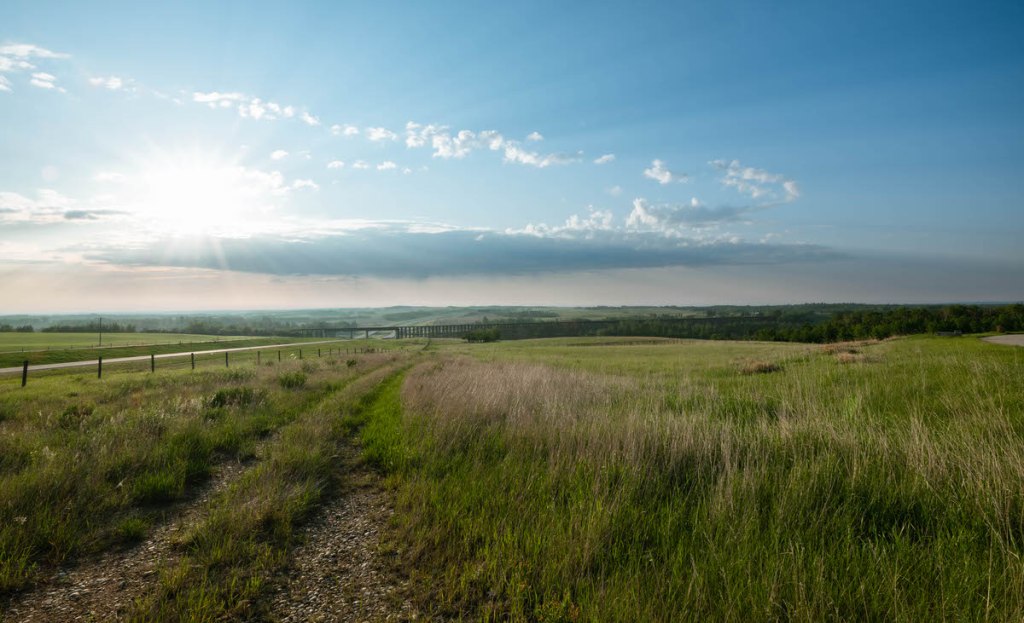
Dunvegan Historic Site and Dunvegan Bridge – Alberta

Edmonton, Alberta

Fort Vermilion, Alberta
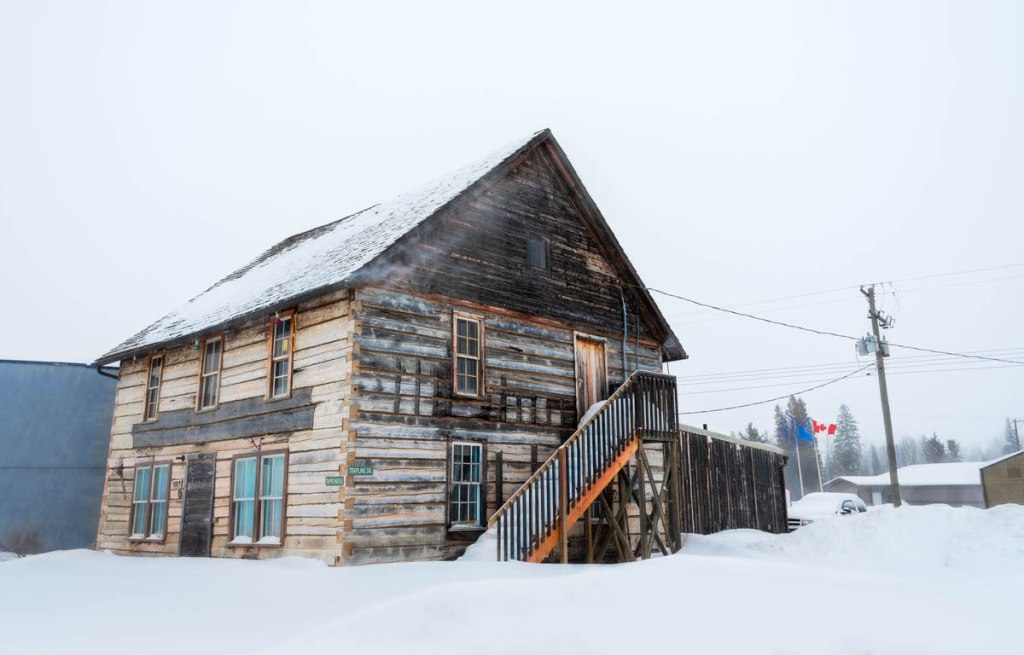
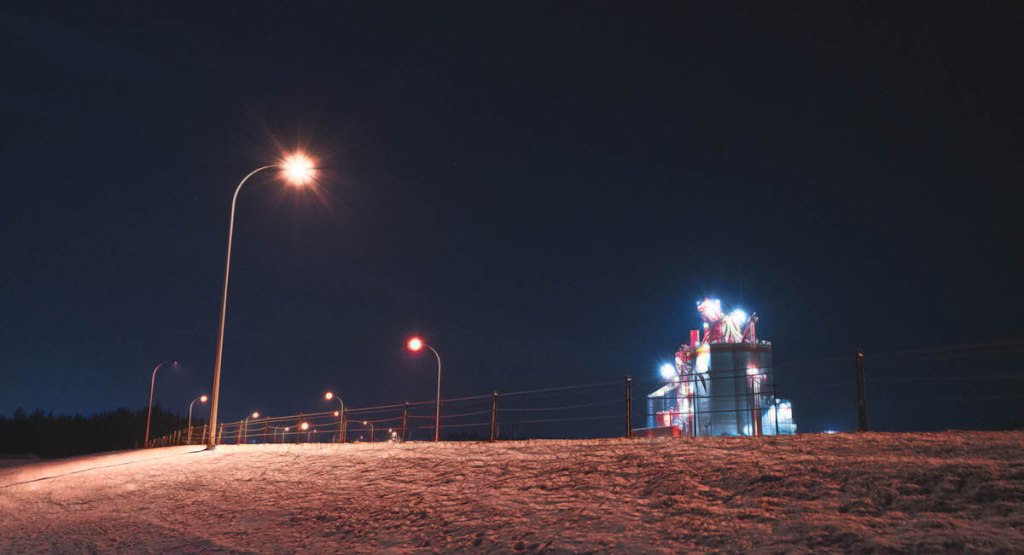
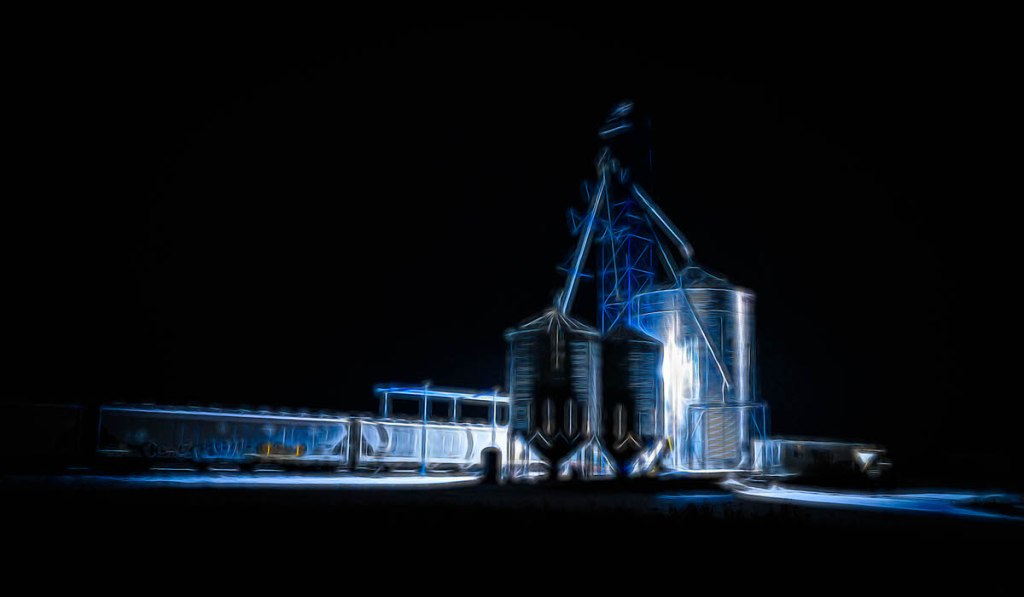
Grain Elevators

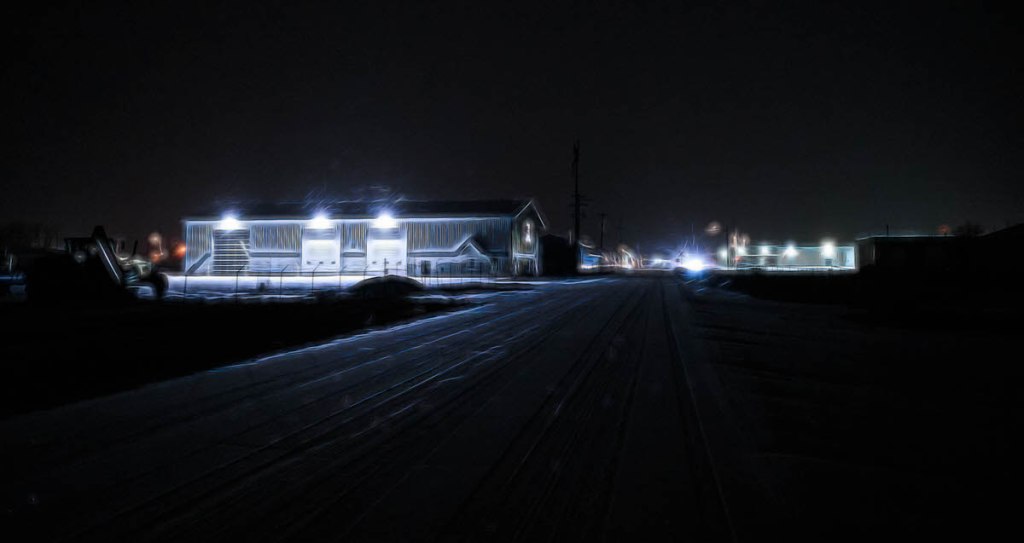
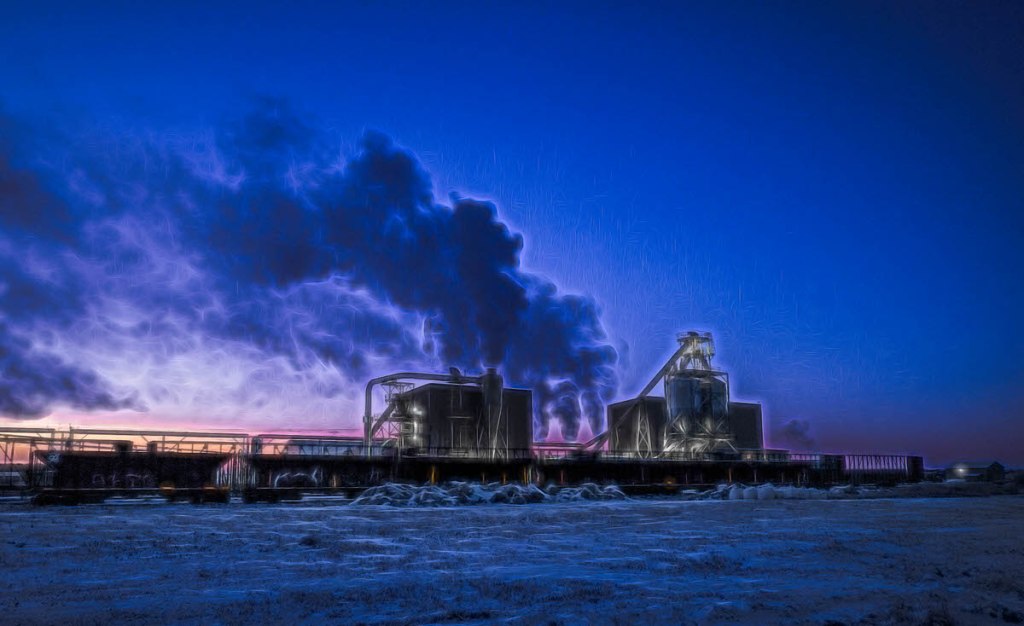
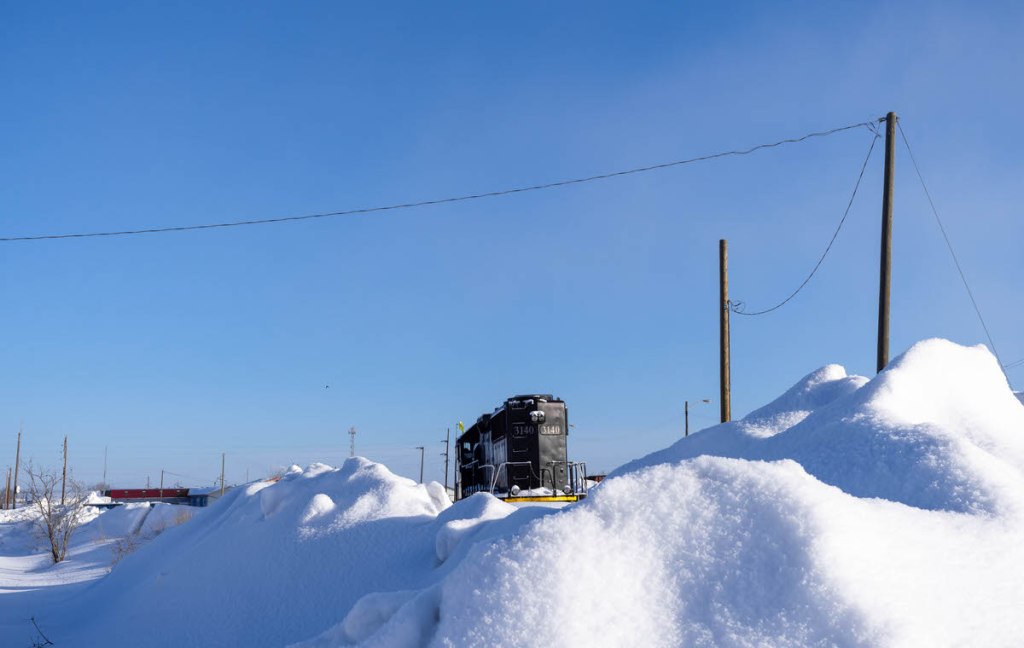
Industrial Area (Morning Rides – Winter and Summer) – High Level
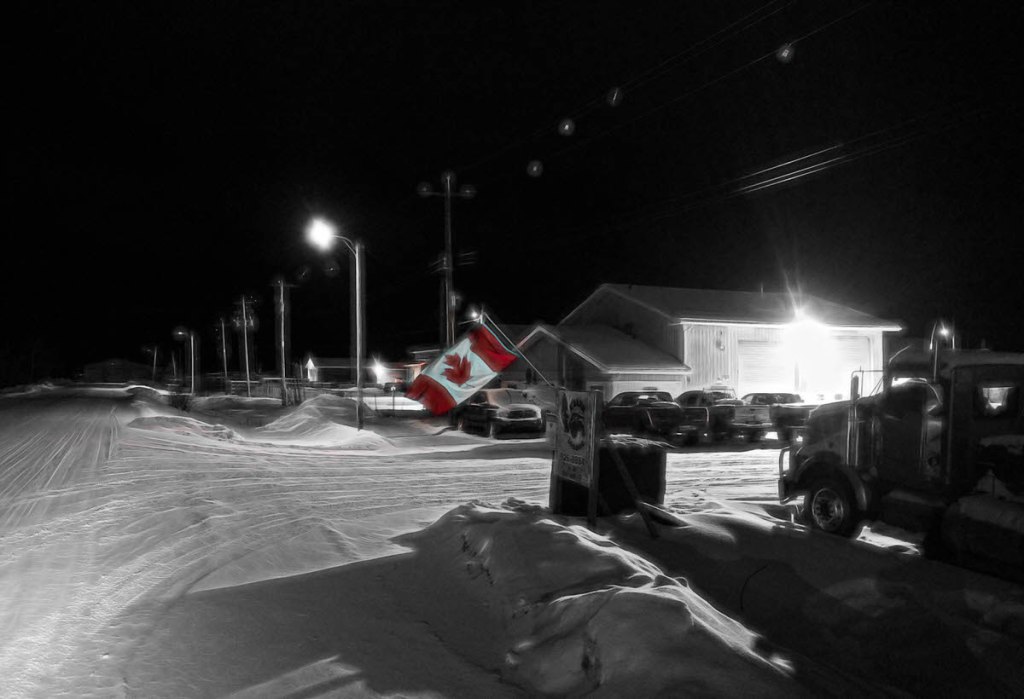
Peace River Area, Alberta

Trains
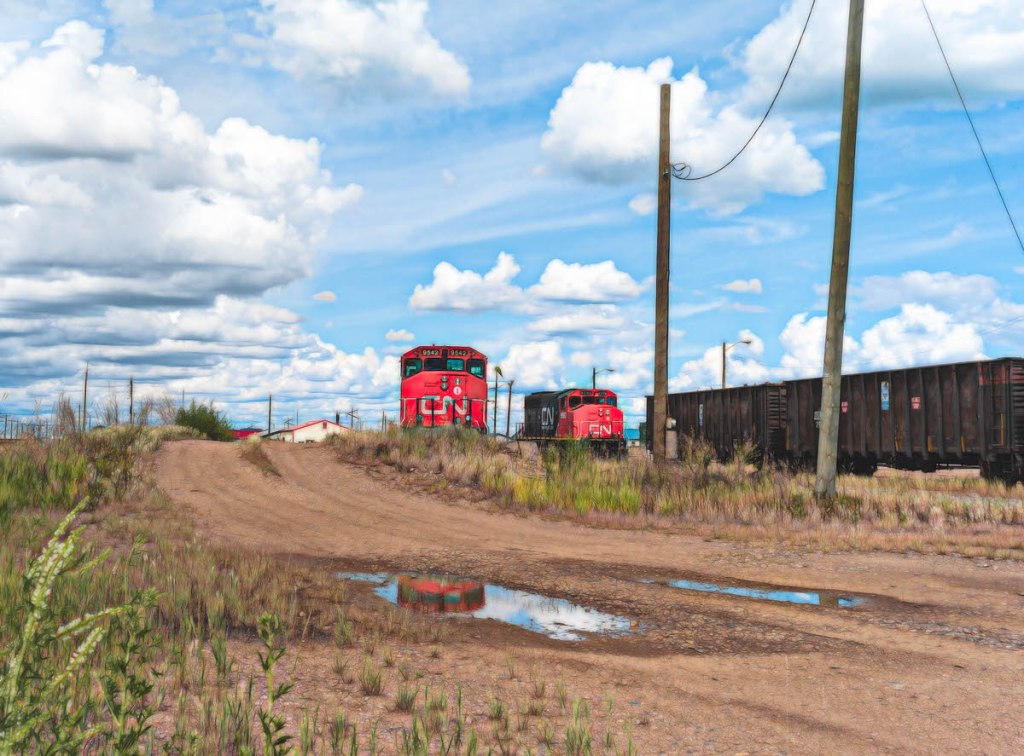
Quotes & Concepts to Consider & Inspire

Oubaitori – (1) ‘the idea that people, like flowers, bloom in their own time and in their individual ways (Victoria Ericksen);’ (2) ‘the meaning of oubaitori is that, instead of comparing ourselves to other people, we should be focusing on our own growth, and valuing what makes us special (https://vocab.chat/blog/japanese-oubaitori.html).’

It is not the answer that enlightens, but the ‘question’ (Eugene Ionesco).”

Whatever you can do, or dream you can, begin it. Boldness has genius, magic and power in it (Johann Wolfgang von Goethe).’

You’ve got what it takes, but it will take everything you’ve got.’ – Anonymous

I have discovered in life that there are ways of getting almost anywhere you want to go, if you really want to go (Langston Hughes).’

Listening to: David Gray’s ‘Sail Away,’ Martyn Joseph’s ‘One Step Up,’ Over the Rhine’s ‘Who Will Guard the Door,’ Amanda Marshall’s ‘Believe in You,’ Van Morrison’s ‘Behind the Ritual,’ and Billy Joel’s ‘This is the Time.’
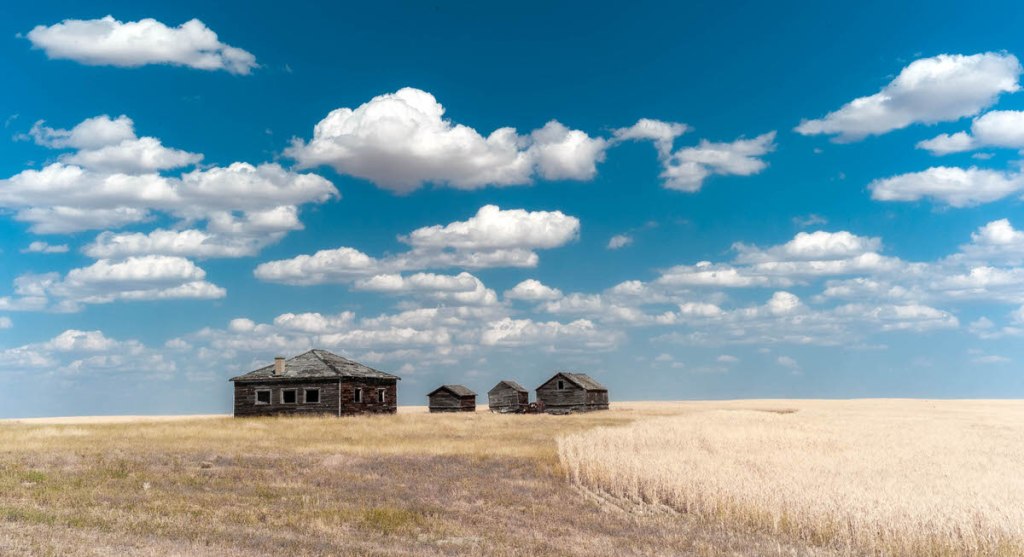
Catcher’s Mitt – Travelogue

Combine (Farming), Farm, Homestead, Lookback Photos - One Year Ago, photography, Photography & Conceptualizing Beauty, Project 365 - Photo-a-day, Season

Rosanne Cash says about songwriting, “… Songs are there in the ether, and you just have to have your skills good enough to get them.”  Like acapella singer Bobby McFerrin, Cash believes that as a songwriter, “You catch songs…. [and,] … you have to have your catcher’s mitt on…. Sometimes I’m afraid that if I don’t get it down, then somebody else will (Rosanne Cash, Time Traveler – On Being with Krista Tippett, 5 January 2012, https://onbeing.org/programs/rosanne-cash-time-traveler/ ).”

Photography is like that – about being present and ready for what you see, connecting with the moment, and ‘catching the image’ and its import as it confronts you.

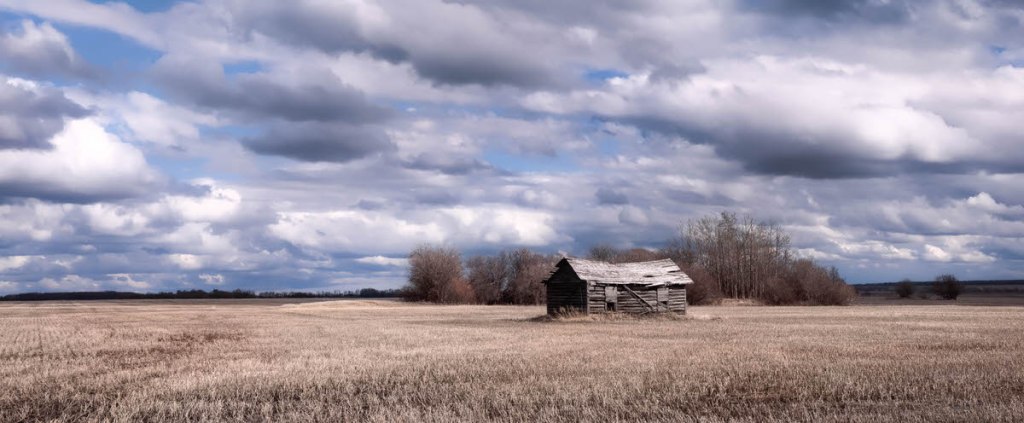
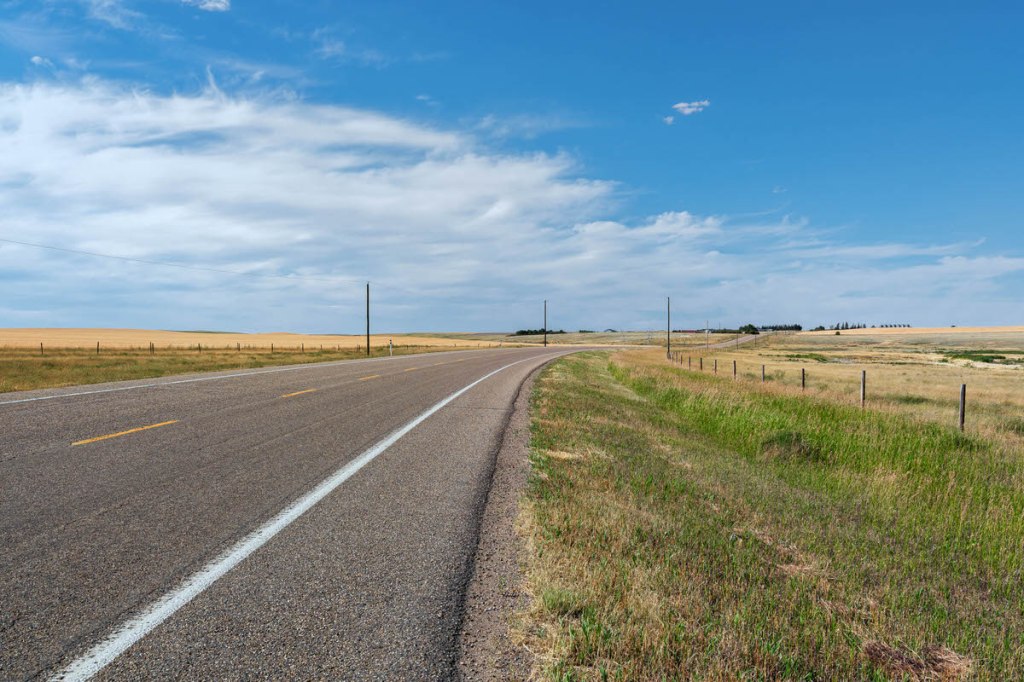
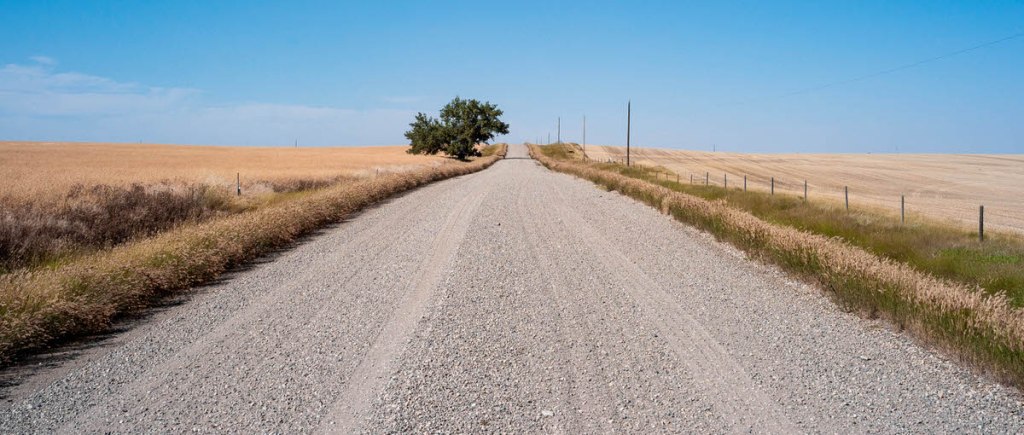
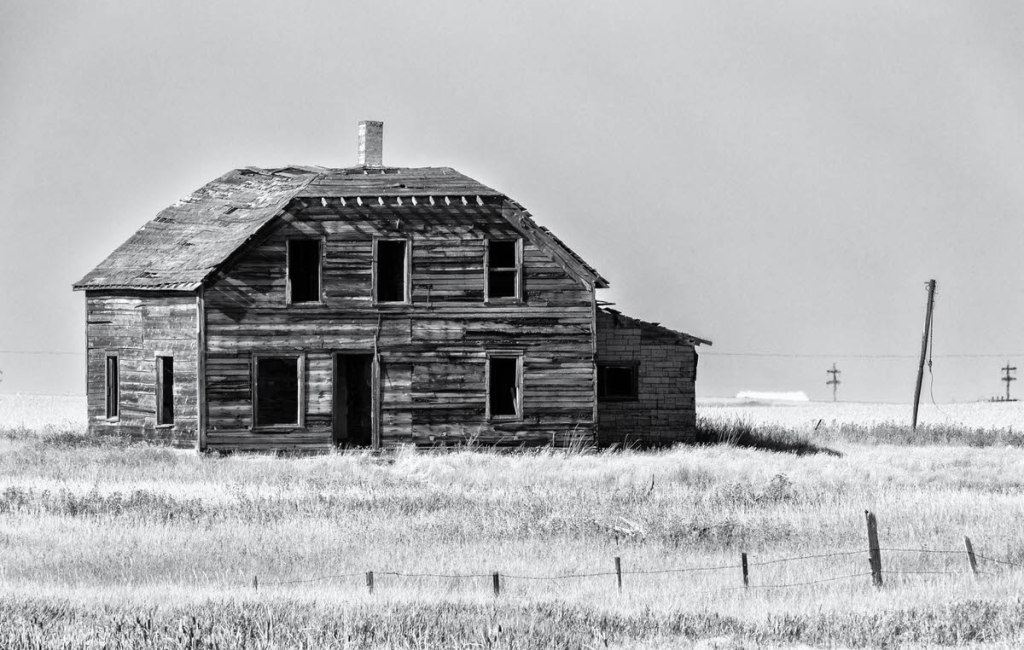
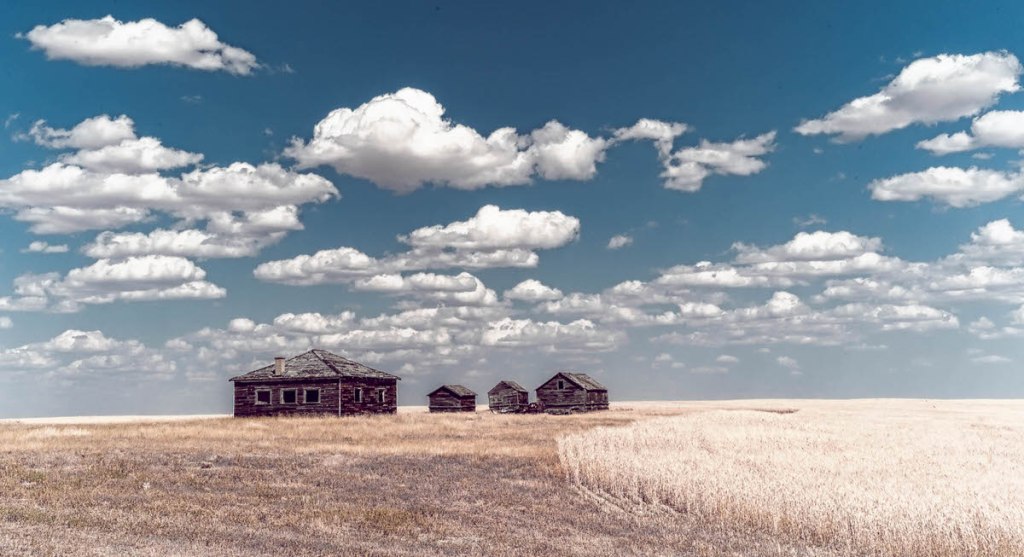
Wheat Kings and farmsteads served as points of departure. Stirling, Wrentham, Skiff, Foremost, Orion and Manyberries were place names in my travel – each had wooden grain elevators from the previous century used to stockpile grain for railway transportation. Some appeared to remain in use. Grey, weathering wood of still-standing derelict farm buildings clustered in disused prairie farmland with the rusting reds and browns of grain trucks – abandoned, yet holding memory to the past. General stores no longer in use faded in terms of colour and signage. I and my cameras went about image making.

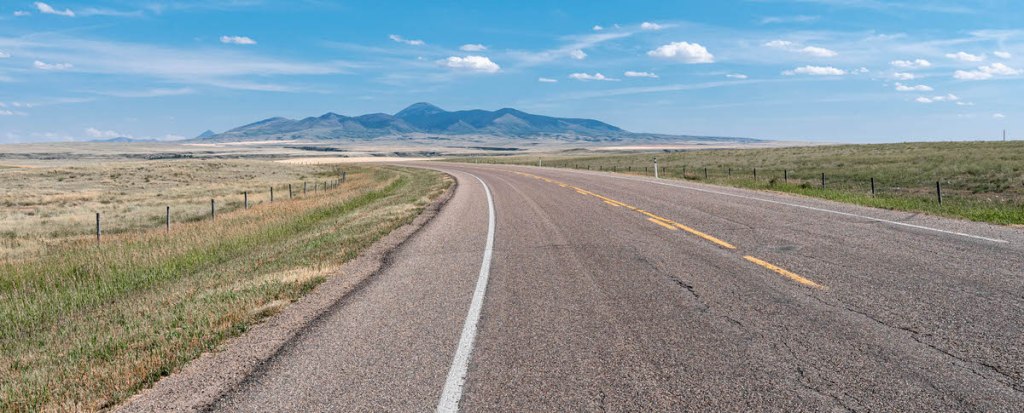
As I meandered, making exposures, travelling east and south, then west toward Milk River, two or three mountains loomed, growing more prominent in Alberta’s southernmost prairie, an unexpected juxtaposition – mountains within the prairie. I photographed them in stages as I travelled closer to them. While the mountains seemed to span the Canada – United States border, I was seeing the Sweetgrass Hills of Montana and evidence that volcanoes were a part of the prairie shared between Montana and Alberta. My mobile phone carrier began sending SMS messages advising of the need for a rate-plan change should I cross into the United States and need to use my phone. They were looking out for me. Good!

At this point in my summer, I was re-reading Thomas King’s novel, ‘Indians on Vacation,’ which has become one venue for Canadians to begin opening out Canada’s treaty history following the release of the National Truth and Reconciliation Commission report in 2015.  Characters, Blackbird Mavrias (or ‘Bird’) and Mimi, are vacationing in Prague, in the Czech Republic.

In the interrogatory phrase they encounter with familiar cadence, ‘Where are you from?’ an equivalency of people among peoples, vacationers among vacationers, is drawn out. At play is Bird and Mimi’s nationality, which, while Canadian, shifts as they share it between Canadian (from Canada) and their indigenous first nation identification as Cherokee (Bird has Greek and Cherokee lineage) and Blackfoot (Mimi). ‘Where are you from?’ … is always a jumping-off point for being known and getting to know others.

Bird Mavrias is a writer and journalist looking toward retirement. For Mimi and Bird, considering Prague’s history, exploring it as a city, and its current events – all serve to jostle them, surfacing memories. Their conversations move them through their past and occasionally surface facts from the Truth and Reconciliation Commission’s final report – moments of poignancy, disappointment and numbing revulsion concerning the unimaginable. Somehow, what they remember almost becomes a Viktor Frankl choice point to move forward, to move on.

Bird recalls a story he covered regarding an encampment at ‘Writing-On-Stone’ in southern Alberta. Within the park, on the southern side of the Milk River, an indigenous woman sought to gather and practice traditional ways with those of like-mind, ways of their people(s) on their people’s land. The story recognizes a need to find and return to traditional ways. The story looks at the breaking down of the camp and moving trespassers from the site. Bird’s recollection recalls the impotence of the situation – what it did not achieve and its disappointment.

In my drive, moving south and east toward Aden from Milk River and then toward the Sweetgrass Hills of Montana, I came upon this site at ‘Writing-on-Stone Provincial Park.’ In Blackfoot, this site is referred to as Áísínaiʼpi, a word meaning ‘it is pictured’ or ‘it is written.’ The conceptualization of photography as being ‘writing with light’ and exposure of what the camera witnesses seem close to indigenous intention here, and the word Áísínaiʼpi seems as though it should be part of a photographer’s vocabulary. In both cases, the terminology refers to memory being held to be witnessed, considered and understood.

Gauging what remained of my day in terms of kilometres, gas and final meal, I began my return drive to Lethbridge and my hotel quite late. Tired at the end of my drive, I had accomplished a lot of what I intended – a day open for discovery, thought and camera work. I found Wheat Kings. I encountered the big sky of southern Alberta’s prairie landscape. I had scouted and became acquainted with an area of Alberta I was interested in and will return to.

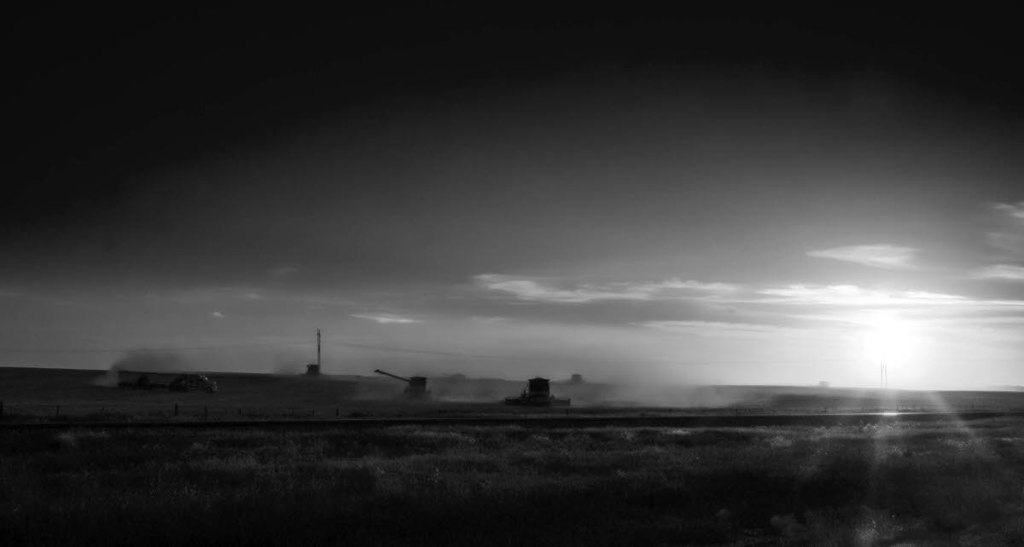
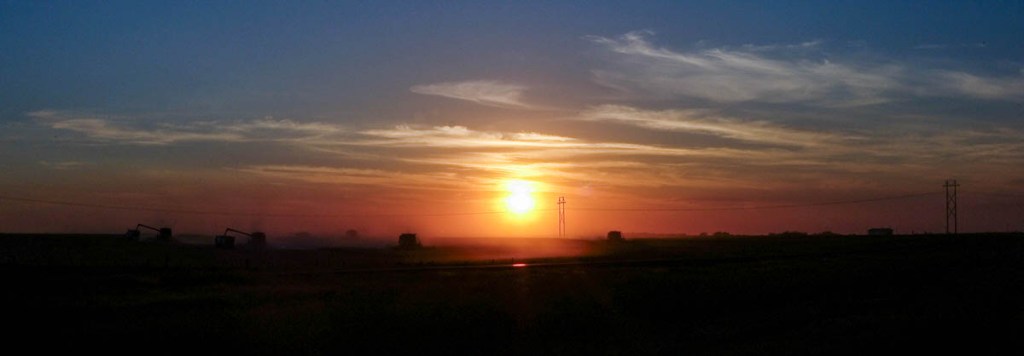
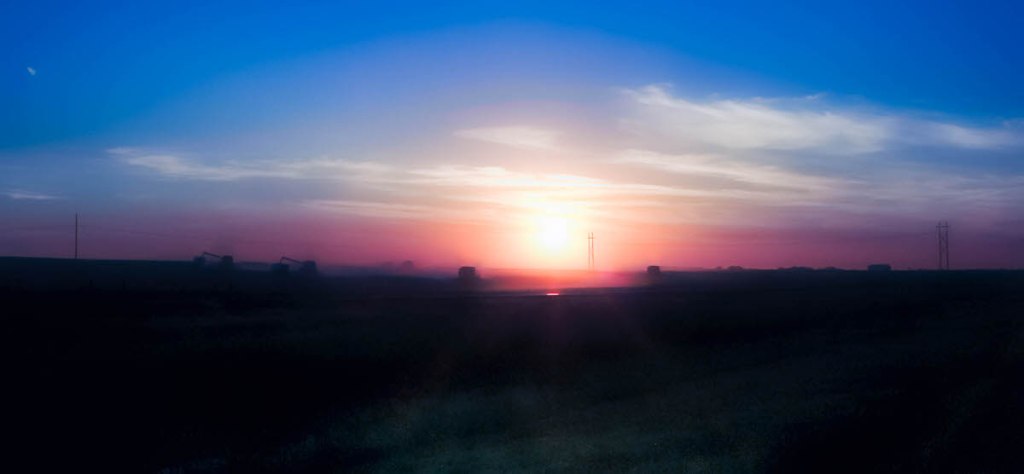
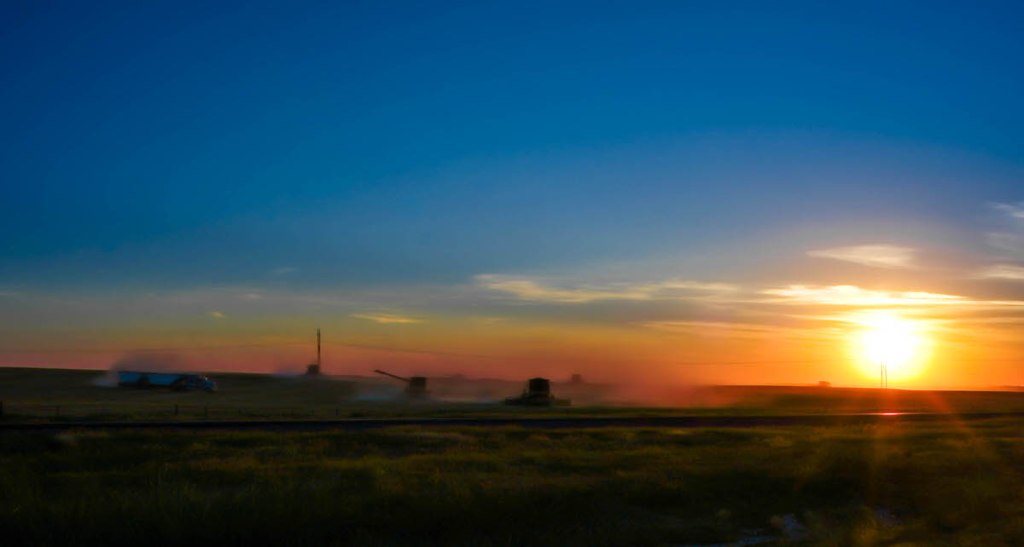
Harvest, though, caught me by surprise. Somewhere between 10:30 – 11:00 p.m. I drove past this late-night harvest scene below. The sight was extraordinary for me because the grain harvest in northern Alberta occurs from late August to mid-September. Here, it was an extraordinary sight … to see as many as five combines gathering grain from the prairie immensity. These mid-August images contain silhouettes of combines and grain haulers outlined in black against a colourful backdrop of setting sun, sky and prairie. People are at work, doing this day’s work as daylight diminishes.

Catcher’s Mitt & Day’s End

My day did not end there. Returning late to Lethbridge meant supper would be drive-through or order-in, and I hadn’t eaten for hours. Near midnight, a McDonald’s provided two quarter-pounders with cheese and a pop. A young, homeless teen hid in the shadows of the building beyond the sight of the cashier. As I moved from the drive-through, the teen presented cardboard on which was written, ‘Needing food. Can you help?’ I gave her twenty dollars, then left, returning to my hotel.

In all this, consideration of Thomas King’s novel has continued to intrigue me in its detail, humour, happenings, intention, and reference to areas of this country I know. It seems to hold the potential to prompt moving toward a good understanding of historical, colonial or treaty complexities for treaty people on both sides of each treaty. The narrative leaves off with vacationers returning from a vacation to the stability and familiarity routine offers but with questions and urgings about what’s next. Often returning from vacation, though, we are empowered (and perhaps have gained perspective enough) to consider ‘the what’ of what’s next. For Bird and Mimi, Tofino is on the table.

A year later, the photographs gathered continue to serve as a point of departure, not just in terms of images or photographic projects, but as a jumping-off point for thought and perspective gathered from such thought. A catcher’s mitt was at play within the day in song, thought and photos.

Quote to Consider / Inspire: “I like it when one is not certain about what one sees. When we do not know why the photographer has taken a picture and when we do not know why we are looking at it, all of a sudden, we discover something that we start seeing. I like this confusion.” – Saul Leiter.

Listening to: Courtney Marie Andrews’ ‘I’ll be Thinking On You,’ Ben Harper’s ‘Yard Sale,’ Terra Lighfoot’s ‘One High Note,’ GA-20’s ‘Dry Run,’ Iris Dement’s ‘The Sacred Now,’ Alberta Hunter’s ‘I’ve Got a Mind to Ramble,’ and Kue Varo’s ‘Yip Yip.’

Burning It Down – Seeing It Through

Journaling, Photography, Winter

On the final day of 2022, I drove from Lethbridge in southern Alberta to High Level in northern Alberta, a long fourteen- to fifteen-hour journey. As a return drive, I had started early, reached Edmonton just after noon, and continued northward through the day. In that time, I concluded my listening to an intriguing audiobook, ‘The Splendid and the Vile’ by Erik Larson, about Winston Churchill written recently and with access to documentation from previously unavailable sources; the book compiles memoirs and correspondences into a more intimate view of Winston’s world – Britain and its people, colleagues, family, friends, brokered loyalties, and royalty – all at a time of war, World War II.

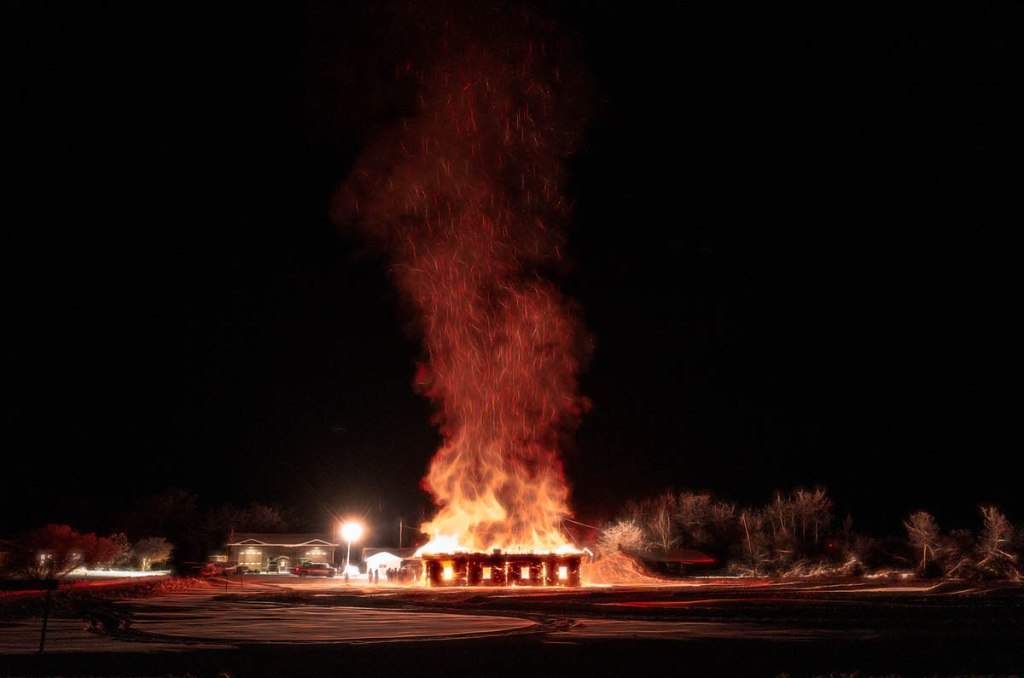
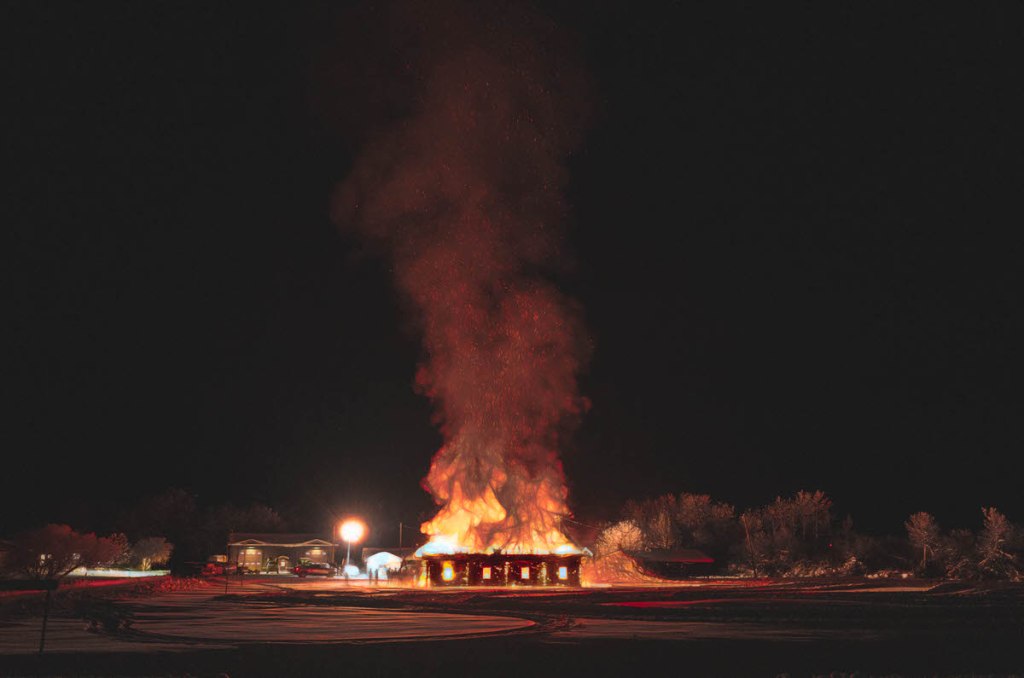
Near 9:00 p.m., my drive brought me to Manning, Alberta, where I fueled my Corolla, got snacks and began the last leg of my journey home. Northward, cresting the hill leading out of Manning, clouds in the night sky reflected bright, red-orange light. As I drove toward the Manning airport (ahead, on my left), flames reached high into the sky.

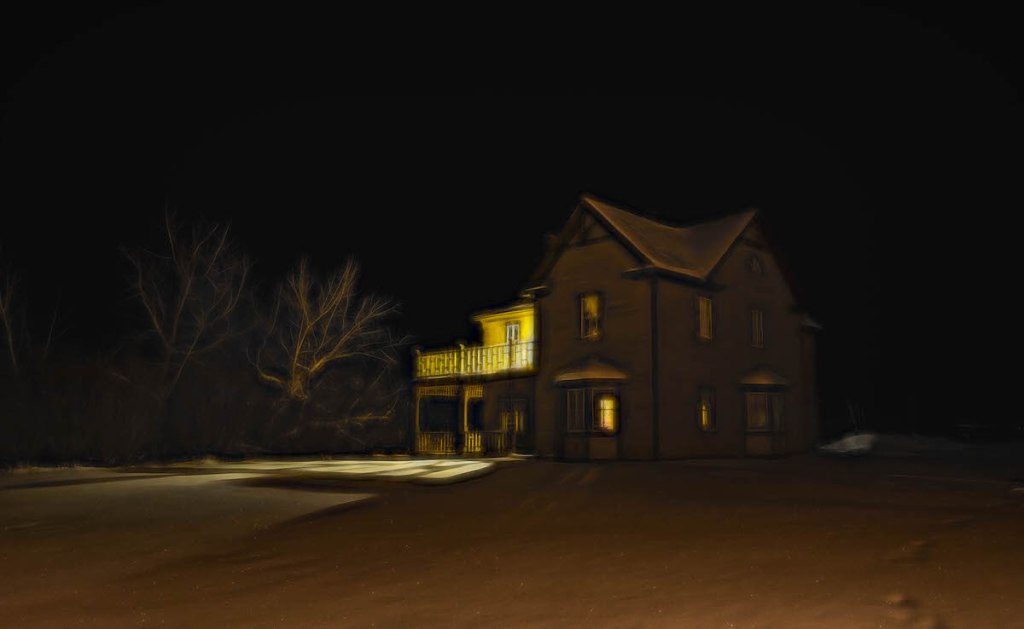
A building was burning, not at the airport, but at a farm on land immediately preceding the airport. The building was one I had considered photographing through the years. But it had been dressed down. While the overall shape and architectural style held interest, the building’s windows were boarded up, and the structure had been painted a dark chocolate brown.  It was more a dark brown brick than architectural interest worthy of a photograph.


A week later, driving south, the building was absent. Nothing remained. The area, where the building had stood, was flat, cleared of debris and now offered a clear, unimpeded view from the farm home out to the service road and highway. Winter likely had been the safest time to burn this farm building, and burning the structure may have been the most efficient way to remove it.


Listened to: Erik Larson’s ‘The Splendid and the Vile: A Saga of Churchill, Family, and Defiance During the Blitz.’


Quotes to Inspire (1) ‘I walk, I look, I see, I stop, I photograph (Leon Levinstein).’ (2) ‘Photography must be integrated with the story (James Wong Howe).’