

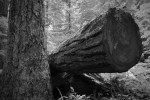
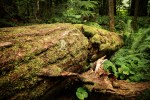
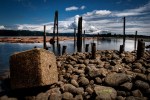

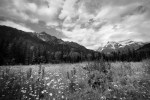
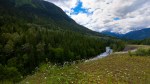
Creating a photograph involves the photographer in workflow. You scout your scene for potential images – as Rick Sammon says, you ‘see’ it or you ‘walk the scene’. Then, you plan your photograph thinking it through in terms of image outcome – you determine best camera angle, you arrange and/or work with light, you plan your work with plane of focus and depth; you open the camera’s shutter and create an exposure/image. Later, you edit and crop the image; what is considered to be a photograph is that final point of image rendering in which the photographer determines that no further adjustment is needed. By the time first images are rendered you understand quite a lot about the image in terms of its visual information – the visual narrative within the photograph. First images become former images. And, former images seen again, after a time, allow time to breathe revelation into each image and its rendering possibilities. The images presented, here, are former first images, seen from time to time; the fun in the past few days has been in working through second edits to find those other possibilities that are/were present within the images – that other part of the visual narrative that was formerly hidden within the photograph.
Listening to Snow Patrol’s Those Distant Bells, New York and This Isn’t Everything You Are.
Quote to Inspire – “Taking pictures is like fishing or writing. It’s getting out of the unknown that which resists and refuses to come to light.” – Jean Gaumy
 In My Back Pocket - Photography
You must be logged in to post a comment.