That Camera & Ten-thousand Hours

Best Practices - Photography, Photography & Conceptualizing Beauty, Podcast, The Candid Frame

A decade ago, we brought Dad back to Edmonton, Alberta, from his retirement in Qualicum Beach, British Columbia, and found him a venue for assisted care/living close to family. Alzheimer’s Disease had its hold on him, and my brothers and I witnessed the decline of Dad’s physical and cognitive abilities through to end-of-life. Managing short-term memory day-to-day grew difficult for him. Long-term memory, though, found him a resource for family histories. Playing the piano had always been a source of joy for Dad. At the piano, in these later years, he could find his way to the music of his youth and that which he enjoyed on his 1964 Heintzman piano through our family years. In Edmonton, the expressive side of Dad’s language diminished, yet we could interact with him through the yes-and-no nods and shaking of his head to help him establish certainty in his communication. As school began in September 2016, we lost him. He’d lived eighty-three years.

We found time, my brothers and I, to disburse Mom and Dad’s belongings among the family – furniture, paintings, photos, China, and personal effects … items that, in their use, would draw out memories of Mom and Dad. One item that came to me was a 1956 Red Dial Leica If camera. While growing up at home, with all my father photographed, of his and mom’s travels abroad, of our family on vacation, of times with extended family and with his time downstairs in his darkroom, Dad had not told me about this camera and the role it played early on in his career.

As far as I knew, my father used Canon cameras, a Canon F-1 and Canon AE-1, during our school years. Before I was born, he made photographs using a Yashica Twin Lens Reflex camera, a medium format film camera, and a handheld light meter. As a research chemist, my father used the 1956 Red Dial Leica If camera to determine and maintain the quality of the product the company produced. The camera was gifted to him in retirement to remember the place and people he worked with when he transferred with his company to Toronto in the mid-eighties. One of my brothers had talked to Dad about the camera and shared the story of its use with me.

The 1956 Red Dial Leica If camera is a rangefinder, a version of the Leica IIIf series without a viewfinder or rangefinder incorporated into its body nor with the ability to work at slow speeds. It uses 35 mm film. The camera measures 5.35 inches by 1.54 inches by 2.60 inches. The body has black leatherette skin, aluminum with chrome plated brass top plate, base plate and knobs. It has two hot shoes to allow the use of an external viewfinder and rangefinder. Where the camera, as produced, was intended for use with an Elmar 50 mm f/3.5 lens, the lens on this camera is a post-war Russian Jupiter 50 mm f/2 lens (a lens not comparable with the Elmar) and not used for regular photography. The Leica If is thinner than today’s cameras. Its weight, though not weighty conveys gravitas – you have a serious piece of photographic equipment in your hands.

Microscope and Adapter – The red velvet Leica camera box contains a camera manual and a manual for an adapter, a MIKAS Micro Attachment for the Leica. With the adapter, the camera can be attached to a microscope directly. The Micro Attachment adapter attaches to the camera’s lens mount and to the microscope. It provides an eye-piece/viewfinder midway along the adapter at an angle perpendicular to the microscope’s eyepiece tube for establishing focus. Making exposures involves calculating settings, trial and error and managing the microscope’s light source. The image produced is called a ‘photomicrograph.’ Placing the camera’s production year into Dad’s career timeline, he would likely have been working in Edmonton, and documents for the camera indicate it being sold in 1957-58.

Looking back to who my father was, I can readily associate a Leica camera with him – a Canadian student from the Maritimes who, at the age of 24, had earned a Ph.D. from a London university in the United Kingdom, a pioneer in organic chemistry on the world stage. He was good at what he did. Leica was quality. So was Dad.

Leica Cameras & The Candid Frame

My first significant consideration of Leica cameras occurred listening to a 5 October 2014 podcast, ‘The Candid Frame – with Ibarionex Perello,’ in which Ralph Gibson was interviewed (The Candid Frame #252 – Ralph Gibson). Dorothea Lange and points of departure were considered. A book Gibson had worked on called ‘The Somnambulist’ was discussed. Gibson discussed a kind of visual literacy that involves not only the content of an image but the visual narrative of the image juxtaposed with other images and in terms of an image among images in sequence. In other talks, Gibson would discuss the proportion of the page in which an image rests as influencing and shaping its visual narrative. Gibson shot with Leica film cameras. In his early post-Navy years, Gibson sometimes pawned one or two of his Leicas to make ends meet. Gibson’s later presentations would consider photography an act of perception, a matter of being present in the situation and to what is photographed. In a broader sense, photography for Gibson is a mindfulness or meditative practice. The range of understanding Gibson brings to photography is extraordinary and captivates – you recognize ‘this is what photography is about.’ Gibson remains a photographer who uses Leica cameras.

“Photography is a way of shouting, of freeing oneself, not of proving or asserting one’s own originality. It’s a way of Life (Henri Cartier-Bresson).”

Gratitude – I am indebted to Ibarionex Perello and his podcast, ‘The Candid Frame,’ for the over eight hundred interviews he has conducted with photographers and their take on what photography is about. Listening to these podcasts while cycling, walking, and driving has been part of my development as a photographer.

10,000 Hours & Photography

With the extremes of cold northern Alberta winters, my exercise game plan involved getting on an inclined treadmill for an hour each morning before getting to school. I set up a basement treadmill area so that with a minimum of noise, I could gather the full-body exercise of walking on the treadmill while watching television and listening to its audio feed through earbuds or headphones. All this occurred in the wee early morning hours while the household slept.
“Dreams without movement are delusions, escapes, kid’s play. You have to put your feet into your dreams if they’re ever going to be reality. The dreamers we know and love today are the ones who worked the hardest (Paul Newman/Interview with James Grissom/1993/Photograph by CW Braun).”

Considering the ‘ten-thousand-hour’ rule suggested by Malcolm Gladwell, that ten-thousand hours of appropriately guided practice would allow the learner to achieve a level of proficiency that would rival that of a professional, I directed my treadmill television watching toward photography. I explored what YouTube offered. I found photographers who used YouTube to share the immediacy of their photography experiences and who used YouTube to generate viewer interest in the photography workshops they led. Adam Gibbs (Quiet Light Photography), Gavin Hardcastle (Fototripper), Nigel Danson, Sean Tucker, and Thomas Heaton became mentor photographers with whom I began my ten-thousand hours of guided photography practice.

“Habit and imitation – there is nothing more perennial in us than these two. They are the source of all working, and all apprenticeship, of all practice and all learning, in this world (Thomas Carlyle).”

The ‘just-like-me’ impact of these videos was surprising. Within a landscape photo shoot, the Lowepro camera bag on the ground that Thomas Heaton was opening up was one I was using. The Canon 5D Mk III camera he put on a tripod was one I used. His Canon 70-200 mm, f/2.8 lens was a lens I used. In weekly videos, Thomas talked through image-making as he made images. Watching the videos, I encountered a photographer who was personable, fallible and a photographer keenly interested in his craft and landscapes around the world. Travel, hiking, camping, exploring various landscapes, image capture, image editing and image printing were the mainstays of his videos. I began to see what was possible in landscape photography and was developing an understanding of choices that can be made when making photographs. The breadth of what photography can achieve became more doable and within reach.

“Apprenticeship is all about being tutored by those who have trod the path we desire to tread (Vincent Okay Nwachukwu).”

The images of a New Zealand photographer attracted my attention. His photography and work came across as a YouTube channel recommendation. Inspired by Thomas Heaton’s vlogging, Paul C. Smith shared videos that explored New Zealand with a camera, exposing viewers to New Zealand’s culture, people, and landscape. While photographing much of New Zealand with Olympus Digital cameras, one being an Olympus EM-D E-M5 II that I also use, Paul also photographs New Zealand with Leica cameras – an M6, M8 and M9. Much of his photography is done with the M8, and the images produced contain a quality reminiscent of Life Magazine images from the 1950s and 1960s – a quality resulting from the camera’s APS-H 10.3-megapixel Kodak CCD image sensor in combination with the colour red being diffracted differently through Leica lenses (as compared to other non-Leica lenses). An infrared UV filter can be used with Leica lenses to render a more natural colour. Paul does not always use the infrared filter, though. Paul speaks of the ‘buttery’ feel of images captured with Leica lenses. You can see this in his photography.

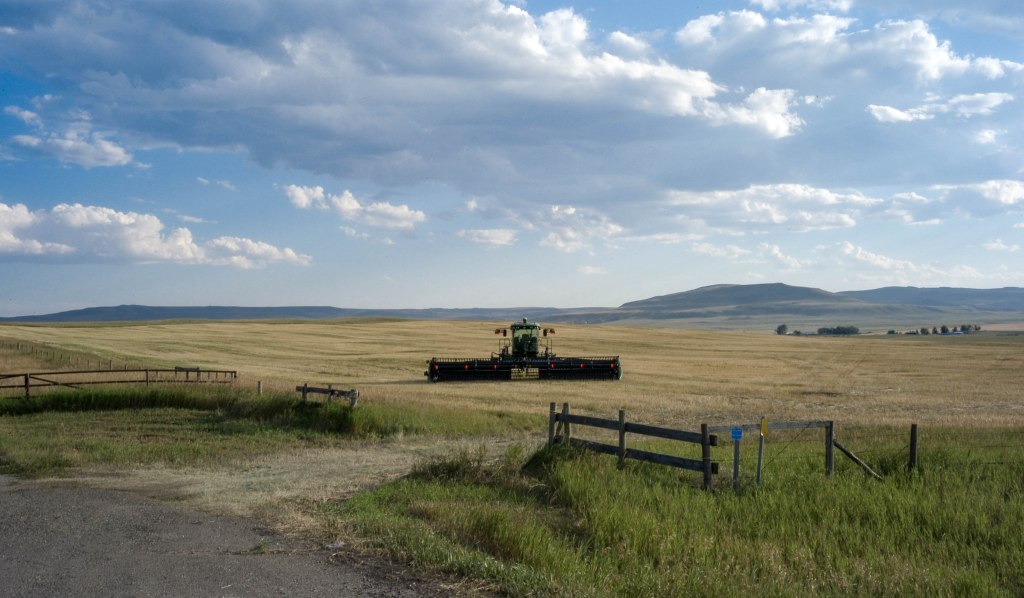
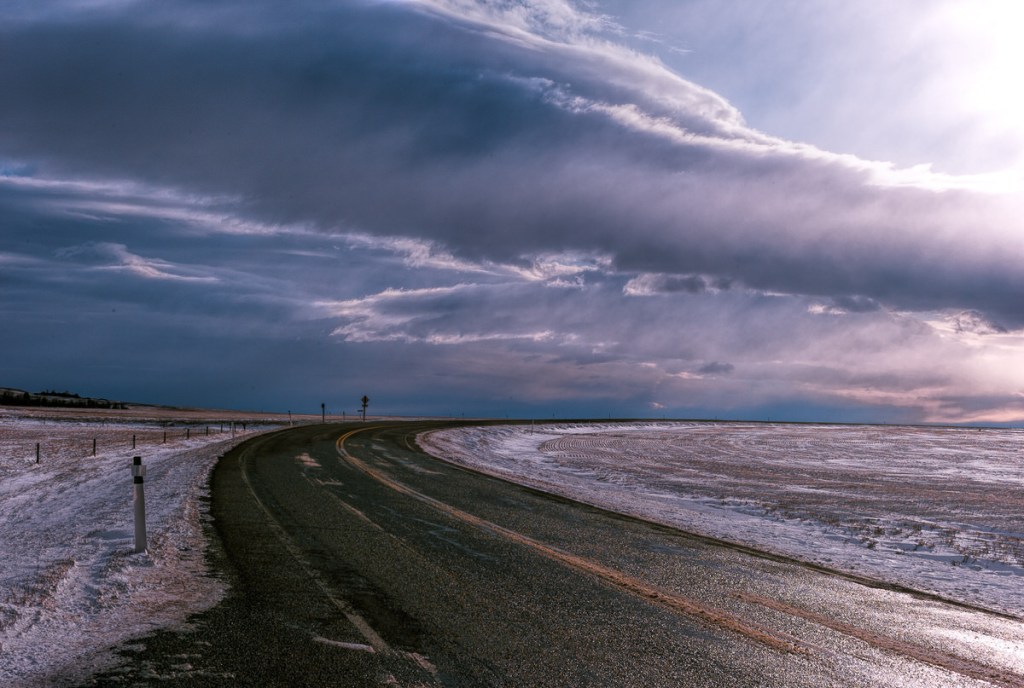
Here are some examples of M8 images I have made – they are from Southern Alberta, Canada.
Paul C. Smith is a self-taught photographer who has a great sense of composition, colour, and light. He believes that a photograph is the result of seeing context, proportion, balance, and placement. To enhance colour, textures, tone, and mood in his pictures, he chooses his Leica M8 camera, which gives his photos a stunning, filmic look. For black-and-white images, he uses his Leica M6 film camera as it presents tone and mood differently. While he uses his Leica M9 camera, it does not get as much use as the M8. ‘Heart’ is another essential ingredient that produces treasure in his images. When someone takes in his photos, they become privy to his response to the subject and scene, and they can consider the beauty and moment captured in his photos. For Paul, a photograph, if done well, is ‘a stolen moment.’

“A good photograph is one that communicates a fact, touches the heart and leaves the viewer a changed person for having seen it. It is, in a word, effective (Irving Penn).”

“Beauty does not indeed lie in things, but in the feeling that we give to them (Carl Jung).”

Leica M8

In the summer of 2018, I visited The Camera Store in Calgary to check out new and old cameras before returning home. While there, I noticed two used Leica M8 camera bodies on consignment. I was intrigued by the possibility of trying out the Leica M8 to see if it could help me improve my photography skills and compare my results with those of a fellow photographer who used the same camera. However, the essential question was whether I could make the Leica M8 work for me and produce the photos I wanted. I decided not to buy the camera as I was unprepared to make such a purchase and needed to rationalize such spending. It was a year later when I purchased the remaining Leica M8 with a Leica Summarit 35 mm lens. I learned to operate the camera by taking photos during the drive home. Once I got home, I ordered a battery charger from the Leica store in Miami, Florida and a few years later a new battery from B&H Photo. I also updated the firmware for the Leica M8. Later, I would add a Zeiss 28mm 2.8 ZM Biogon lens and a fifty-year-old Ernst Leitz Wetzlar Elmar 90 mm lens.

“Life shrinks or expands in proportion to one’s courage (Anais Nin).”

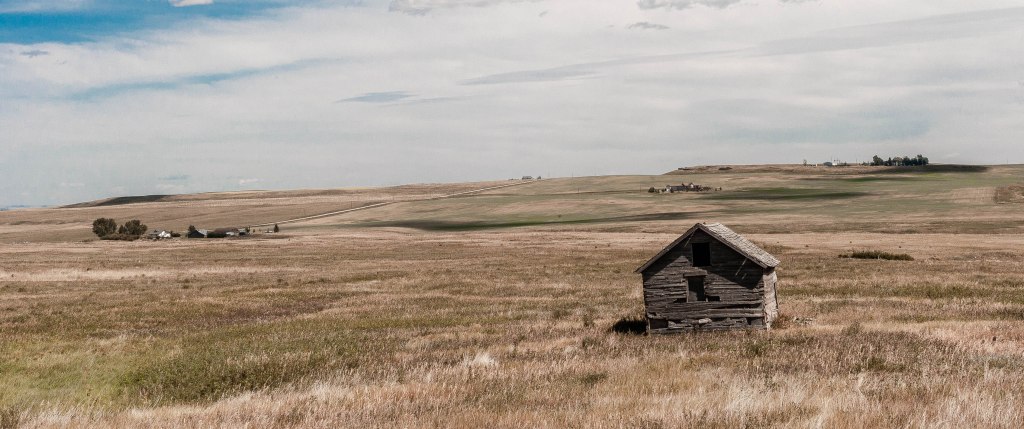
A season of learning began, making photos whenever possible with the M8. The camera helps slow down image-making. I work in aperture priority mode and select an f/stop based on my intention for the photo. Images are composed within the viewfinder frame lines and then the rangefinder focus patch must be aligned to the image within the viewfinder to achieve focus. Once aligned, pressing the shutter button captures the image. This process promotes consideration of composition, lighting, and positioning with respect to the subject. Each element adds to the creation of a well-thought-out image. The resulting ten-megapixel photos are extraordinary.

Operational Fix – Leica M8

While old Leica M8 batteries can be charged, weak batteries can cause operational issues and issues writing images to an SD card.  I thought my Leica M8 had died two years ago – the menu would not hold settings; photos, once taken, would not write to the SD card. My research on what I encountered took months, and finally surfaced a recommendation to replace older batteries with new ones as a solution.  Because I enjoyed working with this camera, I gave it a go and purchased a new Leica Rechargeable Lithium-Ion Battery (Leica 14464) from B&H Photo.  The new battery restored all camera functions and full camera use.

Picture, Story, Photographer

In October 2022, Paul C. Smith produced a video entitled, ‘Cameras Are My Clickbait.’ Responding to a viewer’s question about the cameras he used, Paul spoke about his early YouTube work and having produced videos that few people viewed. He began making videos highlighting photography, the photographer and the camera used. The cameras were older, used, high-end cameras. Gear talk tended toward the trial-and-error process of mastering the camera’s use to create a photograph. Such discussion concerned what impressed him about the picture produced on the other side of picture-making with the camera. Of the cameras used – Olympus, Leica, Hasselblad and others – the Leica M8 was his first choice.

Good photographers will affirm a core truth Paul draws attention to – “Photography is about the picture, the story behind the photo and the photographer. The equipment is not that important – a camera is a camera.” A Frames Magazine podcast with photographer Walid Azami presented a few weeks after Paul’s video (November 2022) echoes the matter of equivalency of gear and takes the discussion Paul offered a step further … ‘[You] either have a Sony, a Fuji, a Canon, a Nikon, or a Hasselblad and … it comes down to a couple of other brands too. That’s it. … [We] all … have the same gear … [What] makes you … stand out is [that] you have to have opinions.’ While Walid asserts that what separates one photographer from other photographers is your opinion, he would likely agree that ‘opinion,’ as he refers to it, comes down to the photographer’s way of seeing and that one’s ‘way of seeing,’ ‘one’s opinion’ is the embodiment of ‘style.’ This part of the photographer’s photo-making adds to the image’s narrative and the photograph produced.

Along Those 10,000 Hours

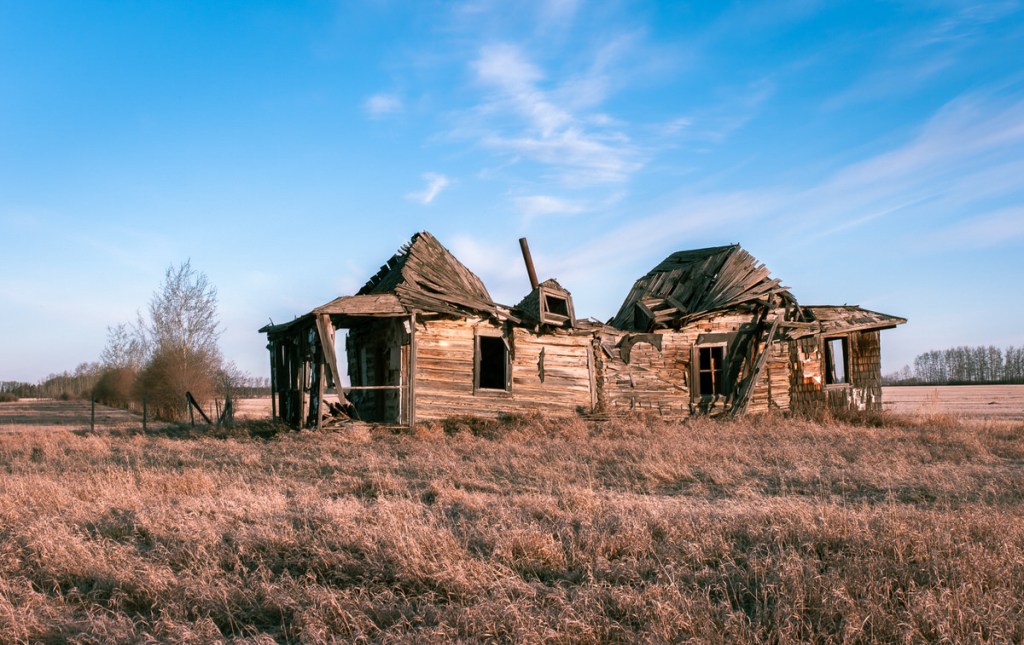
Ten-thousand hours of appropriate, guided practice seems longish to me now.  One hour a day for one year yields a minute step forward to the ten thousand hours Malcolm Gladwell suggests in his book, ‘Outliers.’ In terms of photography, it is not only about being mentored by a photographer. The praxis part of photography must be dialed into the equation – the time in play with the camera in hand, solving problems and making photos. It is the getting out to photograph, taking time to consider intention, making many photographs, sitting down at the computer editing and working out the presentation of photos by way of the printer, photobook or a photoblog such as this.  It’s also about encountering the good, bad and unintended consequences of making and presenting photos along the way.  It is about learning to see and recognize where an image lies (often right in front of you) and recognizing opportunity. Sometimes it’s the photo waiting for you as you drive by, and you need to make an active choice: stop, turn around, go back, see the scene, walk the scene, and gather not just one photograph but several.  In many ways, it is about mastering yourself so that you have the discipline to go back, see all that is there and take the next step in taking the photo. A photo mentor steps in as you choose along the way – you witness the work of others, you take a workshop, you read books that develop your understanding of photography (e.g., Susan Sontag – ‘On Photography), you listen to podcasts, you find your way to talking through photographs with other photographers, friends and family, and you encounter moments that surprise you when the understanding and doing of photography coalesce in pictures you produce. Your photography becomes about the images you make, the stories behind your photographs, and you as a photographer. I am a long way into my ten-thousand hours and perhaps closing in on meeting its threshold. But there will always be something more to consider, learn, and evolve into practice. Right?

“One doesn’t stop seeing. One doesn’t stop framing. It doesn’t turn off and on. It’s on all the time. (Annie Leibovitz).”

Listening to:  Hollow Coves’ ‘Pictures,’ Roo Panes’ ‘Message to Myself,’ JD McPherson’s ‘Dimes for Nickels,’ The New Customs’ ‘Chasing Light,’ Liz Longley’s ‘Unraveling,’ John McCutcheon’s take on ‘Turn, Turn, Turn,’ Dougie Maclean’s ‘The Osprey,’ and Galen Huckins Glacier Quartet’s ‘The Kennicott.’
Seeing It, Naming It – There

Homestead, Journaling, Podcast, Prime Lens, Project 365 - Photo-a-day, Spring, Still Life, Summer, The Candid Frame, Vehicle

Dunvegan 1

Dunvegan 2

Dunvegan 3

Dunvegan 4

Dunvegan 5

Dunvegan 6

Dunvegan 7

Dunvegan 8

Dunvegan 9

Dunvegan 10

Dunvegan 11

Dunvegan 12

Dunvegan 13

Dunvegan Bridge

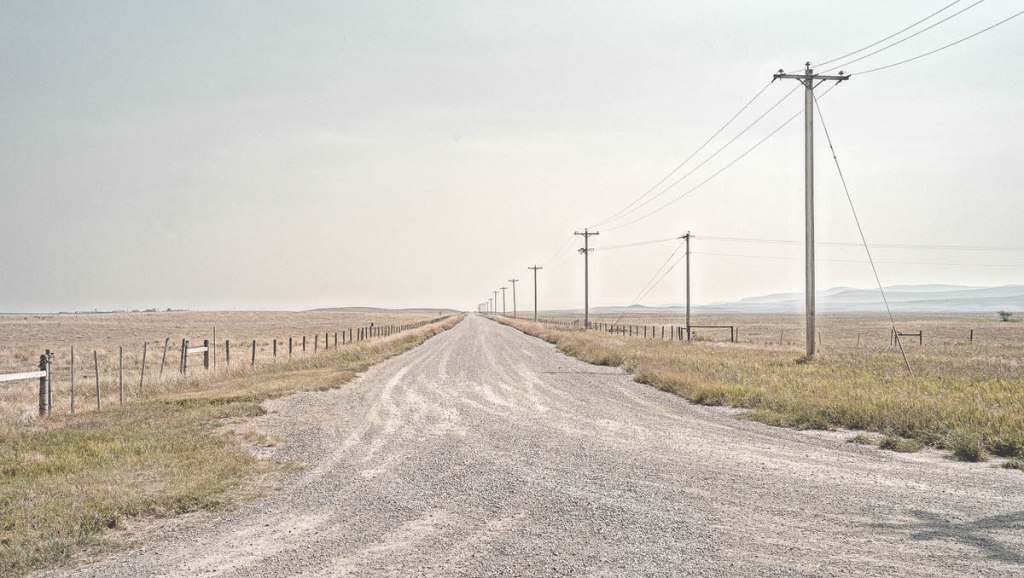
In Alberta’s northwest my family and I have lived in Fox Lake, Garden River, La Crete and High Level. The roads are long and distances travelled influence our cost of living. It can be cost effective to travel south for supplies if you are buying in bulk and stocking up. Yet, buying local permits piecemeal buying as needed and supports local business. We buy groceries here at home. And, I will travel south in the year.

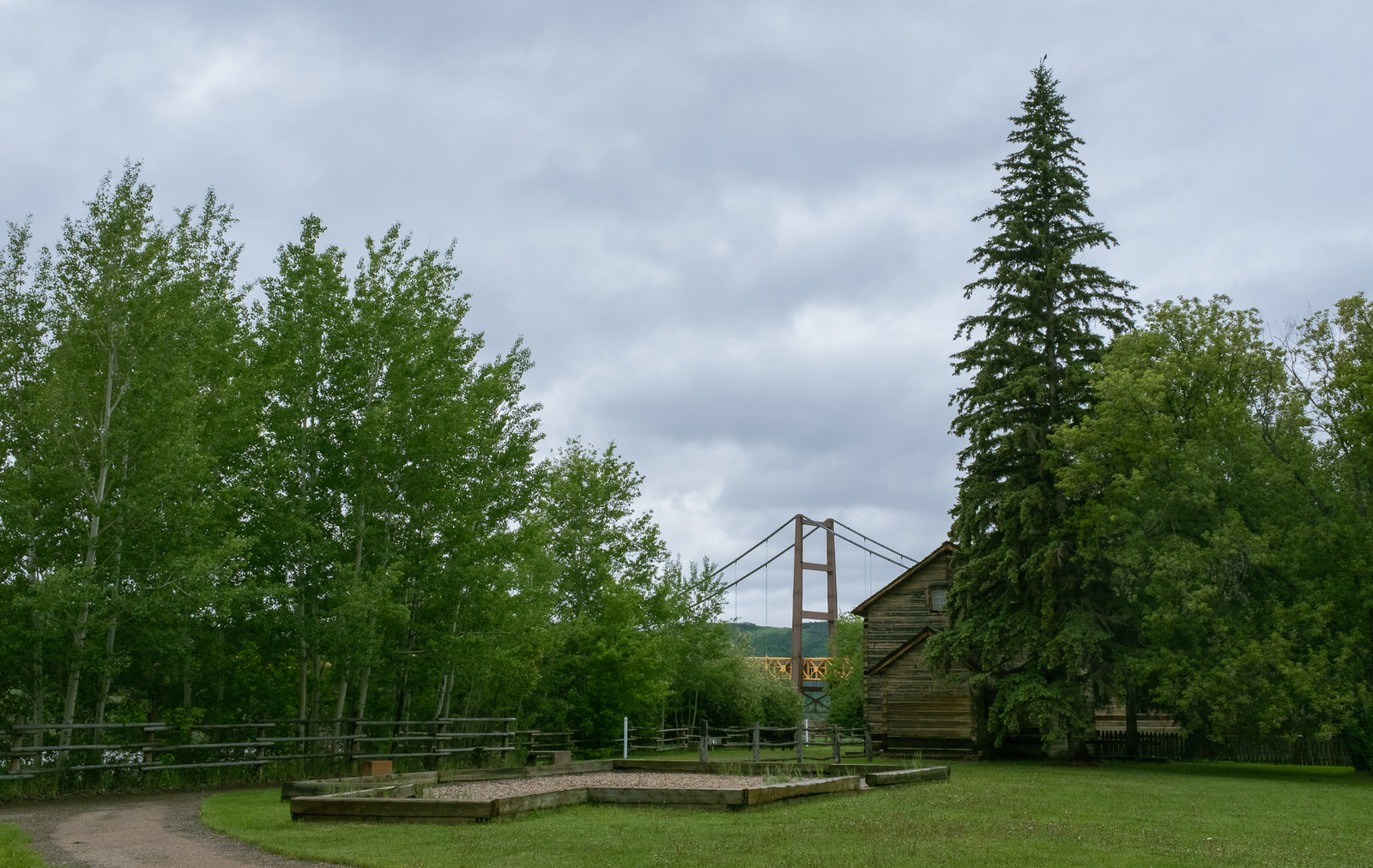
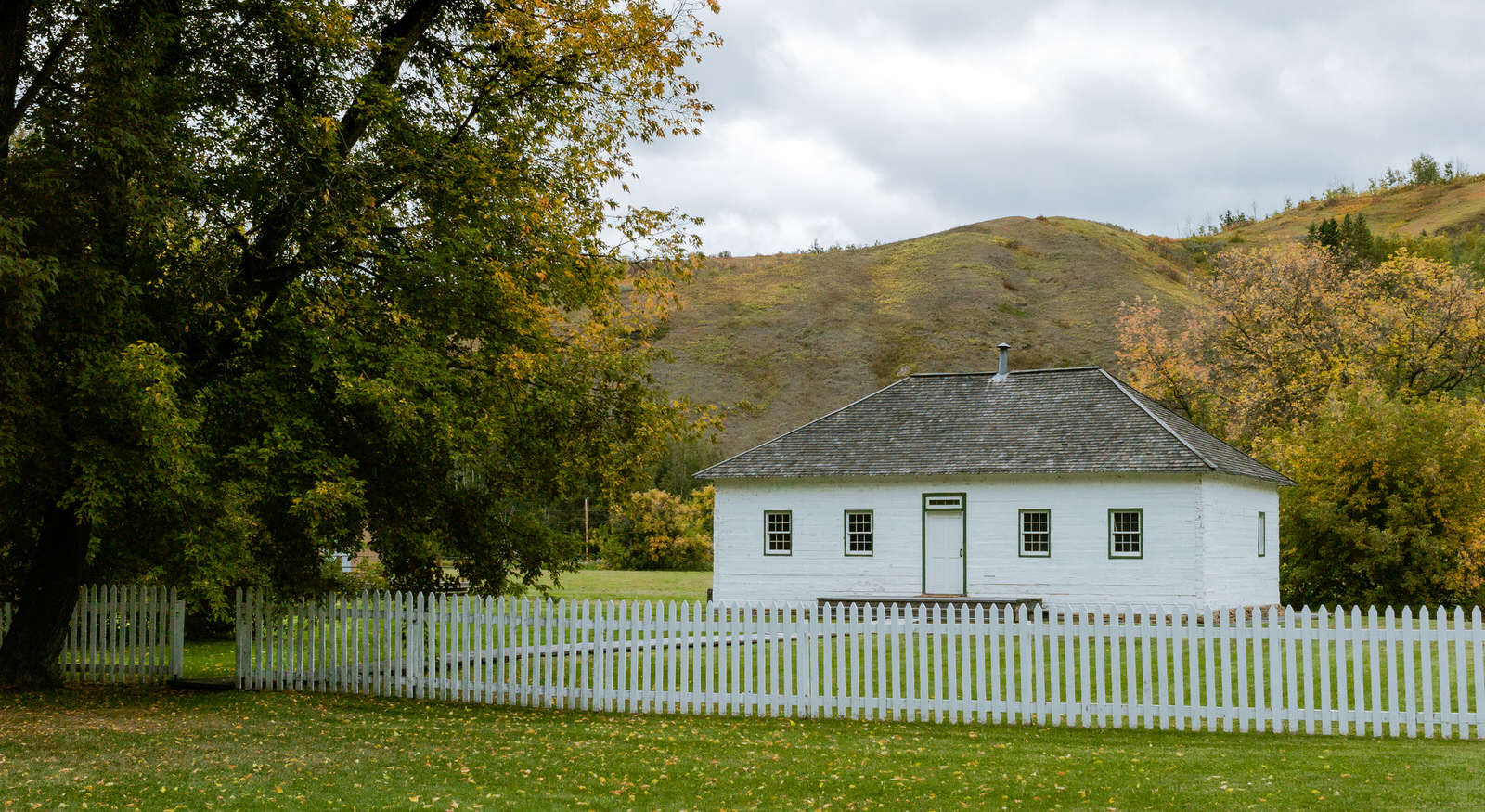
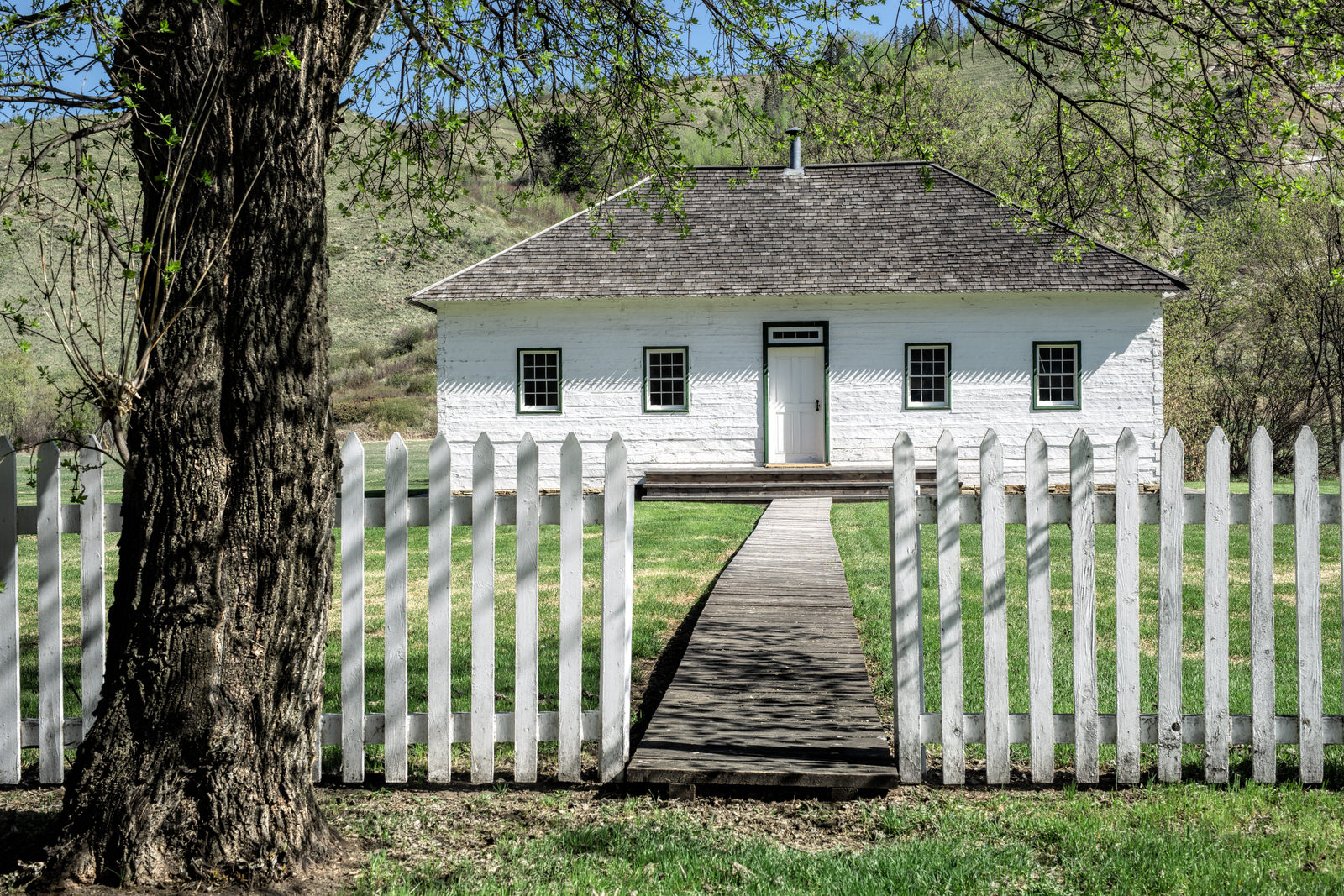
Dunvegan – it is a place I travel through on my way south to Grande Prairie; with the suspension bridge crossing the Peace River, it is a place I know by sight; it became a place I would investigate. Fifteen years would pass before indigenous Art, Alberta history and site use would coalesce with it being a fixed name in my mind – Dunvegan. Like other points along the Peace River you descend into this river valley. A road cuts a long two-kilometre gradient into each valley wall, north and south, to ease the braking efforts of heavy-laden transport trucks. At the lowest point, you cross the kilometre-wide Peace River on a yellow and brown suspension bridge. Then you accelerate moving up and out of the river valley – south towards Rycroft, north towards Fairview. Dunvegan is the name given to the plateau area under and surrounding the north side of the bridge.

Seeing Dunvegan – I would see Dunvegan in indigenous paintings at Grande Prairie Art galleries. The contour of the land folding down from a high river bank to plateau holds the eye. With skilled use of colour and light, the painter could draw attention to sacred place and practices. Longing for old ways was found in such Art. Still though, I was not recognizing these paintings as the area I travelled through a couple of times a year.

Dunvegan took hold in my classroom with my students. Each day, along with our school, students and staff read for 15 minutes. ‘Drop Everything And Read’ (DEAR) saw my students return to one book for regular reading, ‘Alberta Ghost Stories.’ One tale in the book told of a ghost sighting in an upper room in one of the old Dunvegan historical buildings. From what I recall, as with most ghost stories, light dwindles well past dusk. A living and breathing mortal is walking outside the house. He feels compelled to look up and sees someone or something looking at him. There is surprise, impact and connection in seeing and in being seen. The tale’s impact is greater finding out that the house has been shut-up for decades with no way in. Readers in my class always discussed what they thought was going on … offering speculation. The story became real to them. Like me, my students and their parents traveled through Dunvegan on their way to Grande Prairie. Often, they would stop at Dunvegan for lunch or a smoke break. The Dunvegan story held their imagination and during a travel break they would investigate as far as they dared. My students’ stories of being in Dunvegan would return with them to class every few months.
Still, haste in my travels got the better of me. I was not yet stopping at Dunvegan in my travels southward. And, it was only a few years ago that I first stopped in at Dunvegan. My wife had spoken about a nursery for spring bedding plants that she and a friend would go to hours south from High Level. She had been talking about Dunvegan Gardens, one of the best nurseries in Alberta. You find it at/on the eastern-most section of the Dunvegan plateau. Located between Fairview and Rycroft, the Dunvegan Gardens serves residents of Grande Prairie and from as far north as High Level.

One time, as she and I came upon the Dunvegan turn-off my wife pointed out the Dunvegan Gardens to me. It was the place she and her friend had been. And, my wife got me to slow down, turn-in and stop at Dunvegan to look around. I was finally connecting the dots – this was Dunvegan. Since that time, perhaps for the last six or seven years, I have been making time to stop and look around with my camera. Good. The Dunvegan site is a beautiful and worthy landscape in all seasons. One of these times I am hoping to pass through the area in late October or early November when the Dunvegan valley is sometimes shrouded in mists.

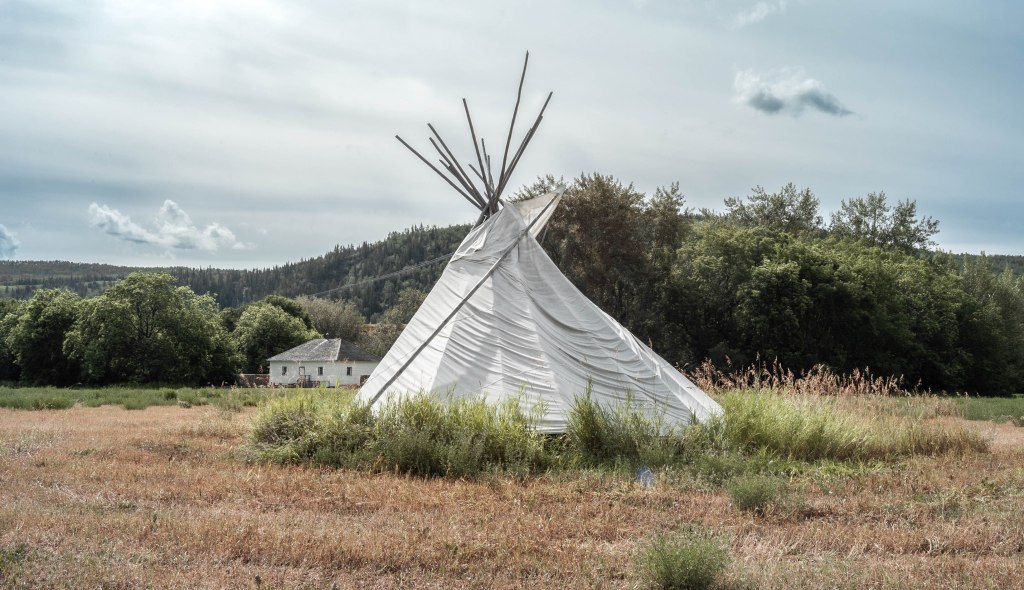
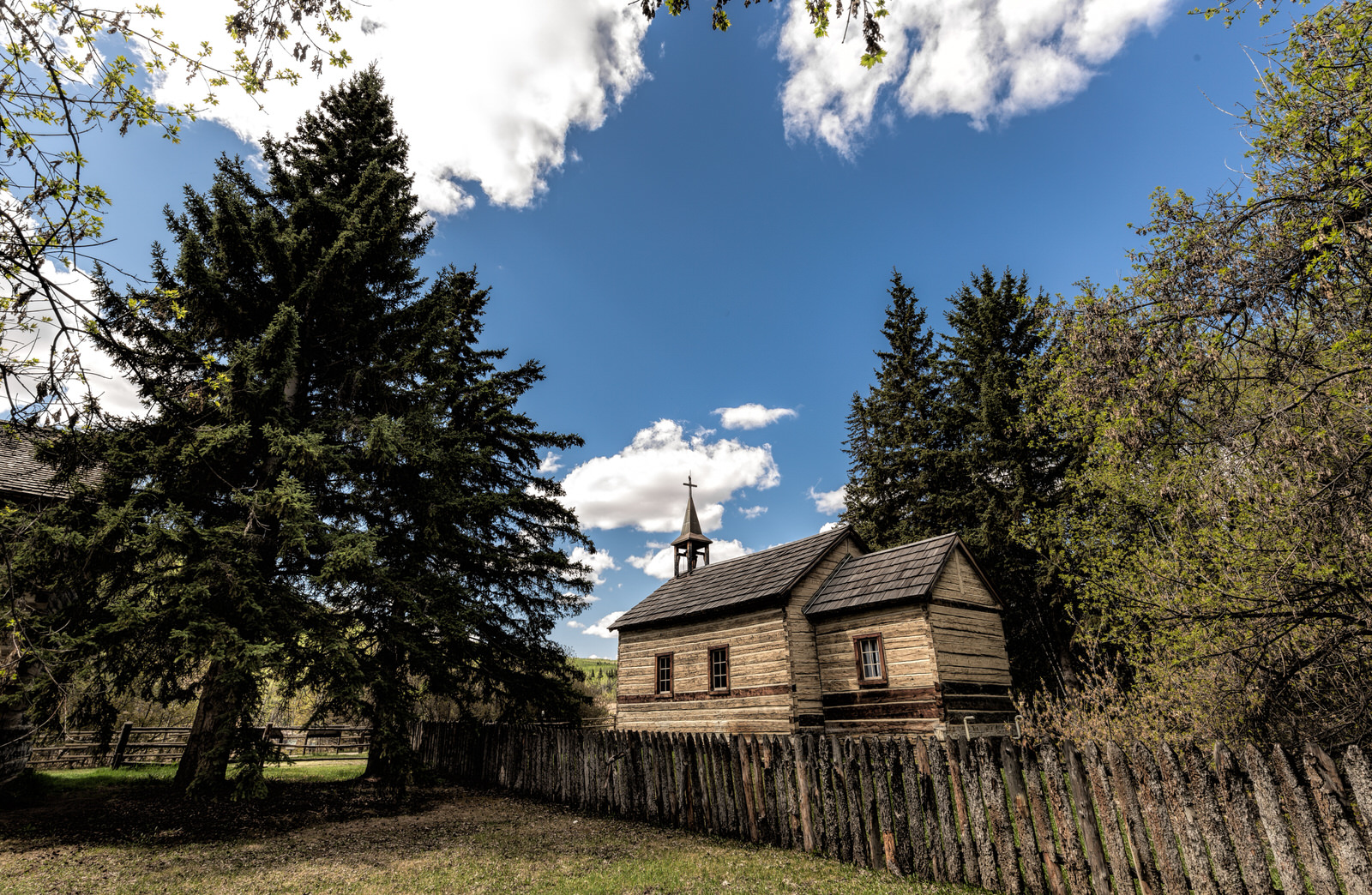
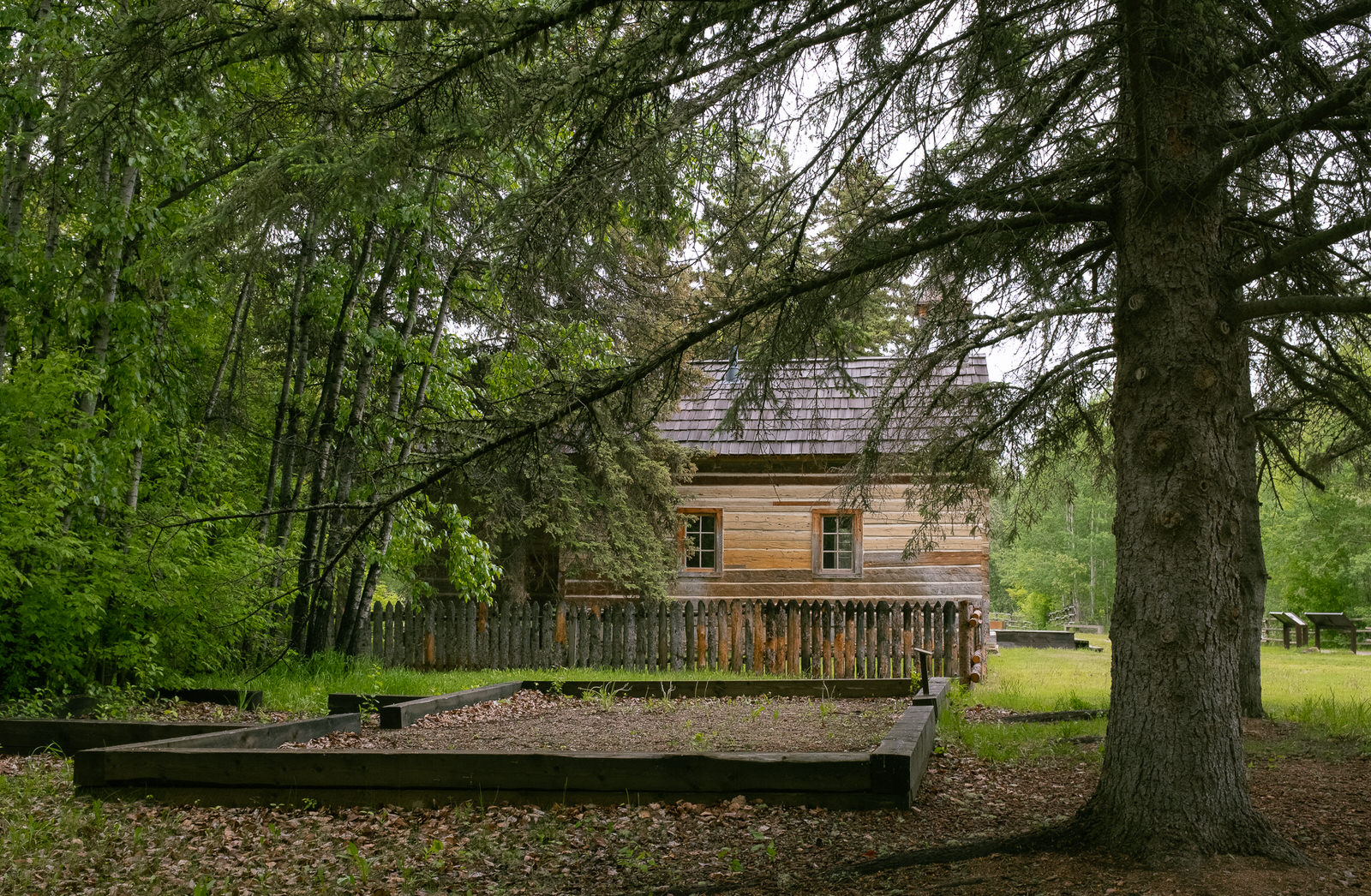
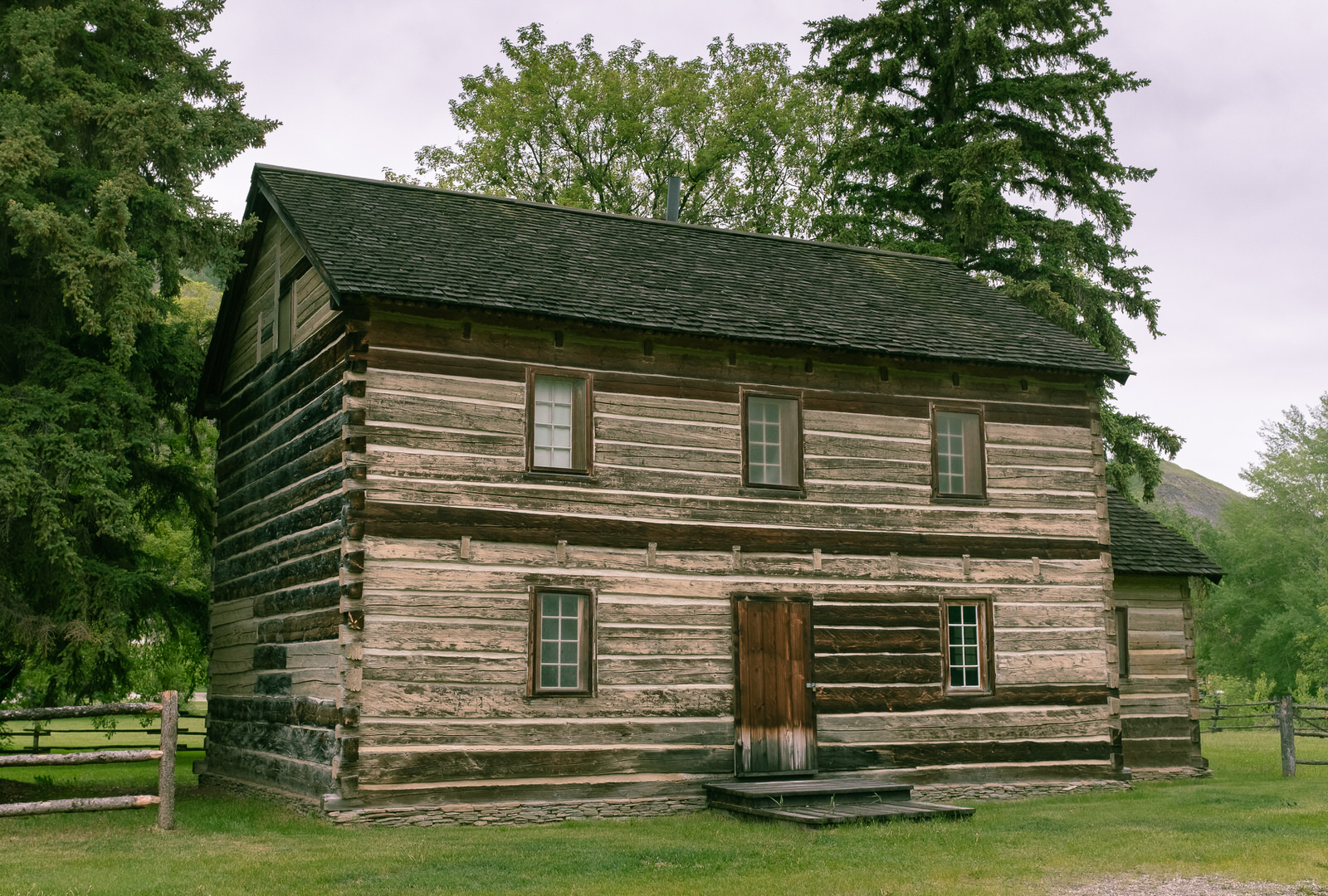
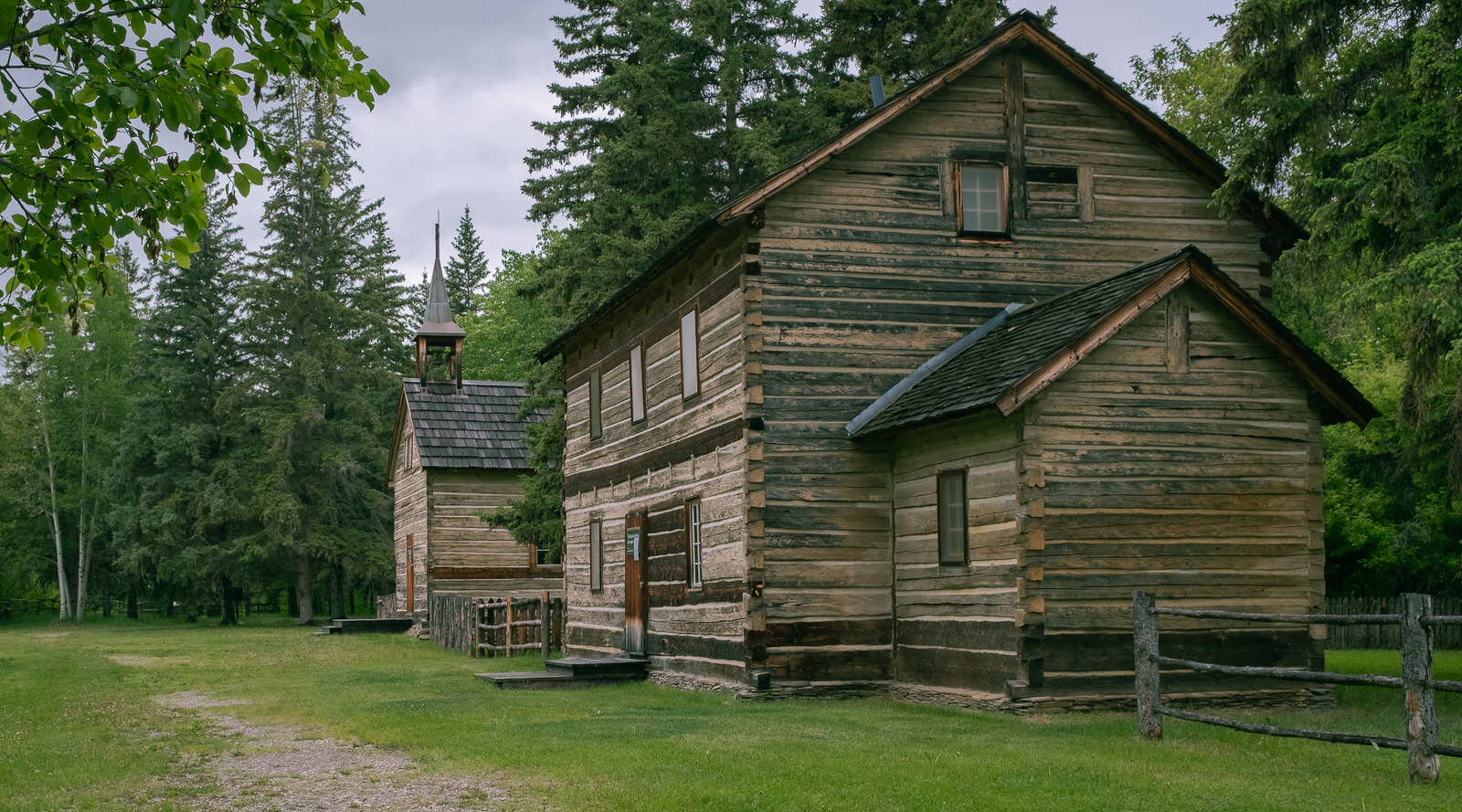
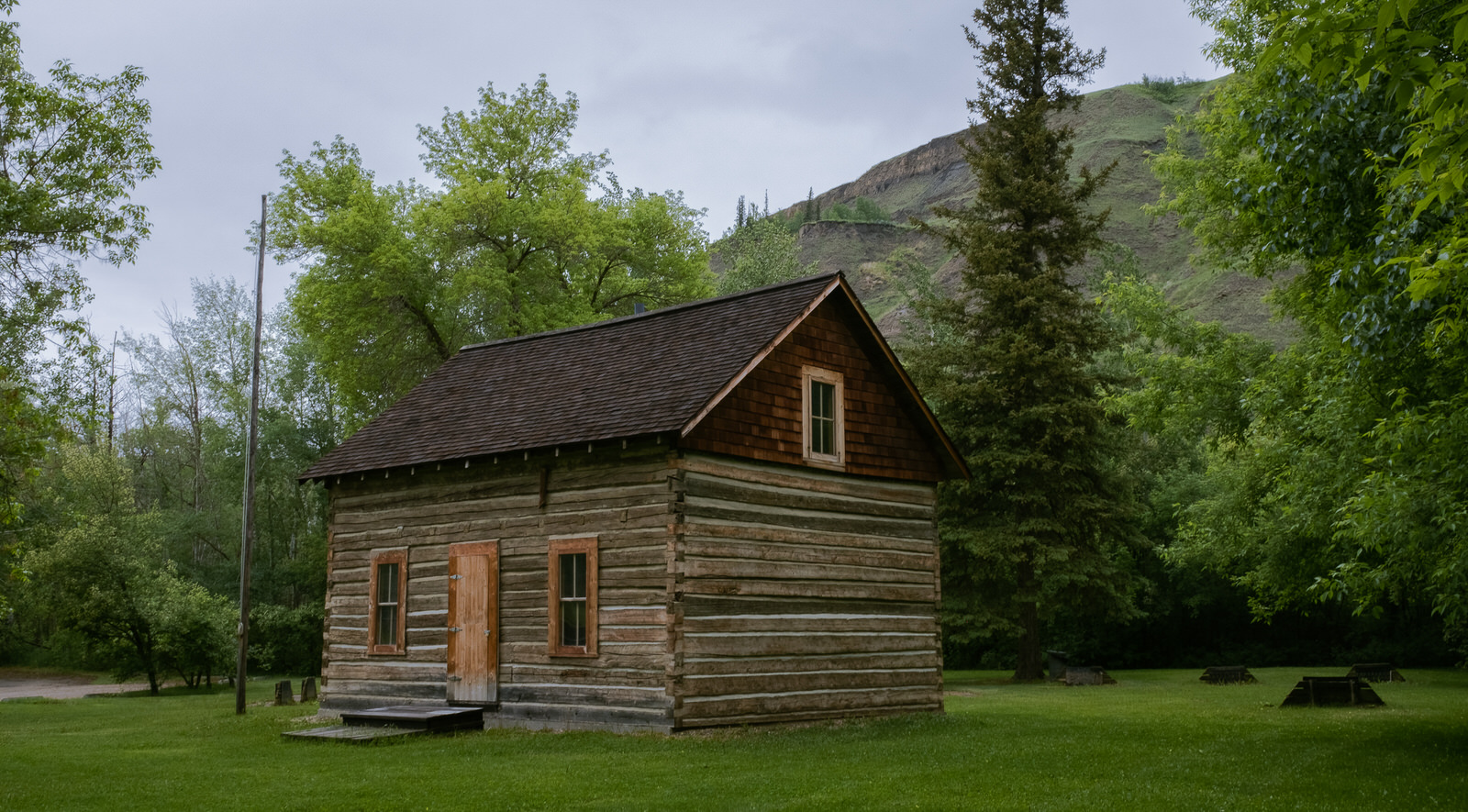
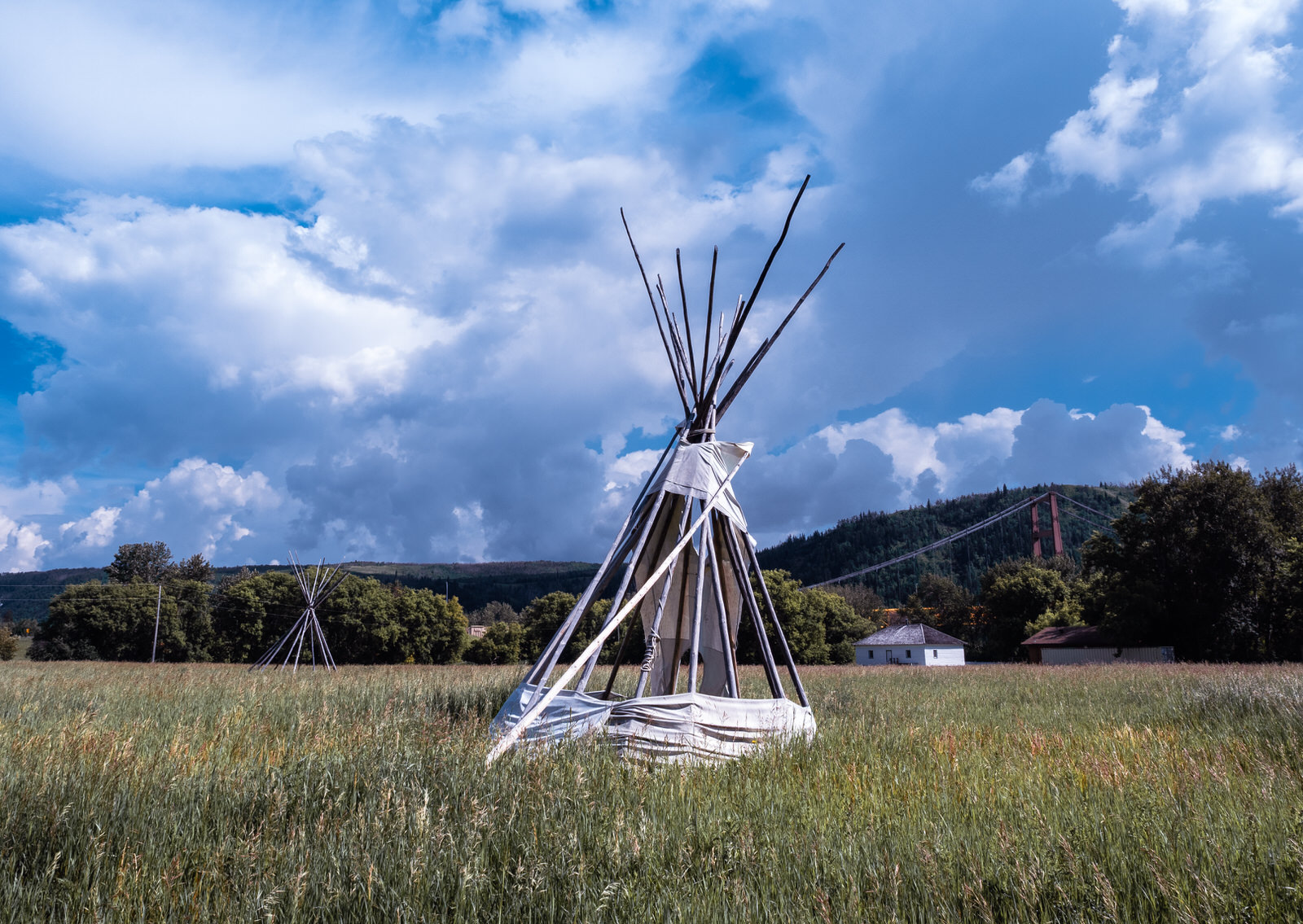
Dunvegan has been one of the prominent fur trading areas in Alberta. Fort Dunvegan was a trading post. Established by the Northwest Company, the Hudson’s Bay Company would later take over the trading post. A Factor’s house still stands. The site would evolve to hold two Churches, a Roman Catholic mission – St. Charles, and, an Anglican mission later – St. Saviour’s. Behind the Factor’s house is the plateau area upon which are four or five Tipis with poles raised waiting for hide or canvas covers. The site is older than Canadian history, the site being a meeting point or assembly area for indigenous peoples.

Quote to Consider / Inspire – “To photograph is to hold one’s breath, when all faculties converge to capture fleeting reality. It’s at that precise moment that mastering an image becomes a great physical and intellectual joy (Henri Cartier-Bresson).”

Listening to – The Candid Frame: Conversations about Photography podcast and Ibarionex Perello’s time in Japan in December, 2019; being present to situation, setting, light. Good, good.

Dyrhólaey Arch – Lighthouse

Canon Camera, Fog, High Dynamic Range (HDR), Journaling, Light Intensity, Lookback Photos - One Year Ago, On Being with Krista Tippett, Photography & Conceptualizing Beauty, Project 365 - Photo-a-day, Spring, The Candid Frame, Weather

Beginning Southward - Iceland 1

Beginning Southward – Iceland 1

Beginning Southward - Iceland 2

Beginning Southward – Iceland 2

Beginning Southward - Iceland 3

Beginning Southward – Iceland 3

Beginning Southward - Iceland 4

Beginning Southward – Iceland 4

Cloudwork, Þjóðvegur, Southern Region - Iceland 1

Cloudwork, Þjóðvegur, Southern Region – Iceland 1

Cloudwork, Þjóðvegur, Southern Region - Iceland 2

Cloudwork, Þjóðvegur, Southern Region – Iceland 2

Lighthouse at Dyrhólaey Arch, Iceland 1

Lighthouse at Dyrhólaey Arch, Iceland 1

Lighthouse at Dyrhólaey Arch, Iceland 2

Lighthouse at Dyrhólaey Arch, Iceland 2

Lighthouse at Dyrhólaey Arch, Iceland 3

Lighthouse at Dyrhólaey Arch, Iceland 3

Lighthouse at Dyrhólaey Arch, Iceland 4

Lighthouse at Dyrhólaey Arch, Iceland 4

Lighthouse at Dyrhólaey Arch, Iceland 5

Lighthouse at Dyrhólaey Arch, Iceland 5

Lighthouse at Dyrhólaey Arch, Iceland 6

Lighthouse at Dyrhólaey Arch, Iceland 6

Lighthouse at Dyrhólaey Arch, Iceland 7

Lighthouse at Dyrhólaey Arch, Iceland 7

Lighthouse at Dyrhólaey Arch, Iceland 8

Lighthouse at Dyrhólaey Arch, Iceland 8

Lighthouse at Dyrhólaey Arch, Iceland 9

Lighthouse at Dyrhólaey Arch, Iceland 9

Lighthouse at Dyrhólaey Arch, Iceland 10

Lighthouse at Dyrhólaey Arch, Iceland 10

Lighthouse at Dyrhólaey Arch, Iceland 11

Lighthouse at Dyrhólaey Arch, Iceland 11

Lighthouse at Dyrhólaey Arch, Iceland 12

Lighthouse at Dyrhólaey Arch, Iceland 12

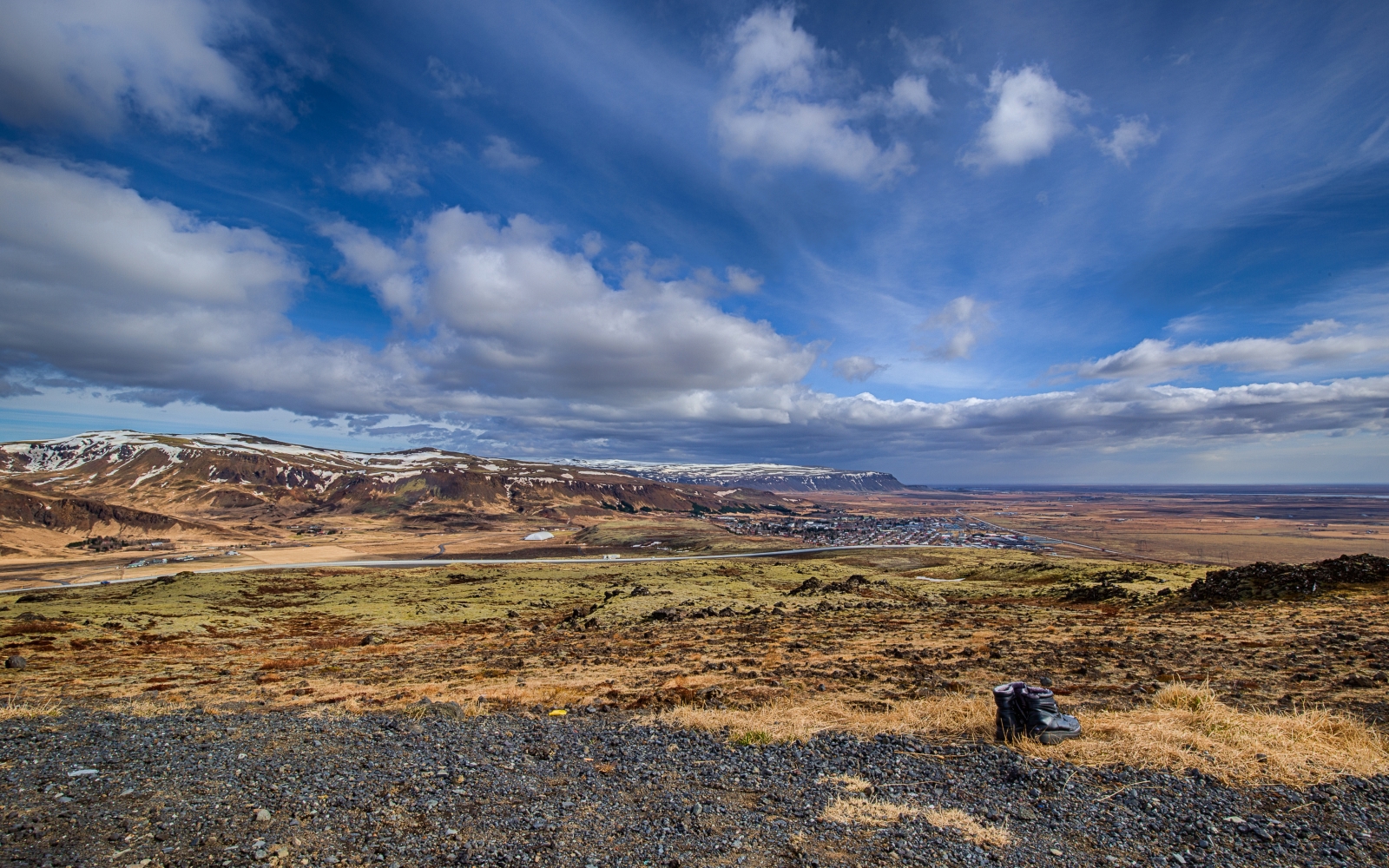
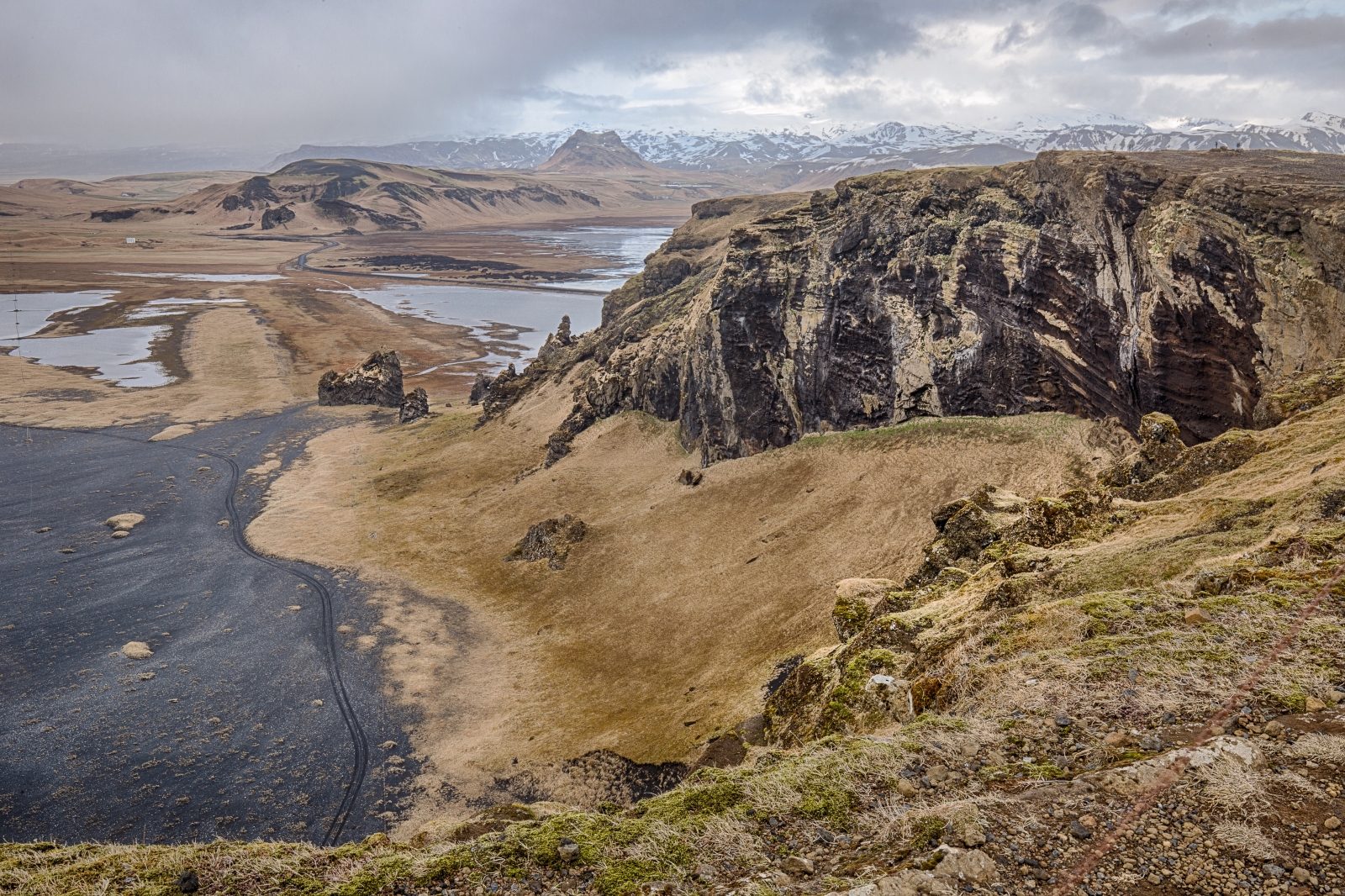
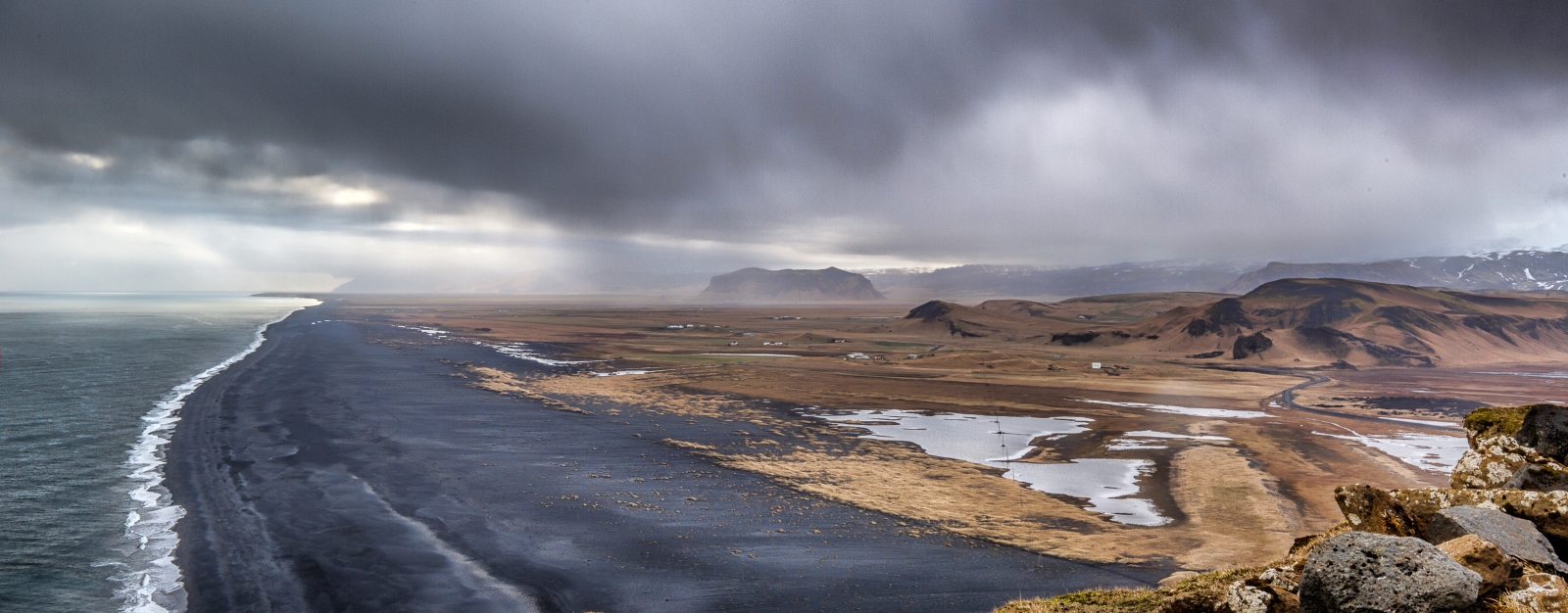
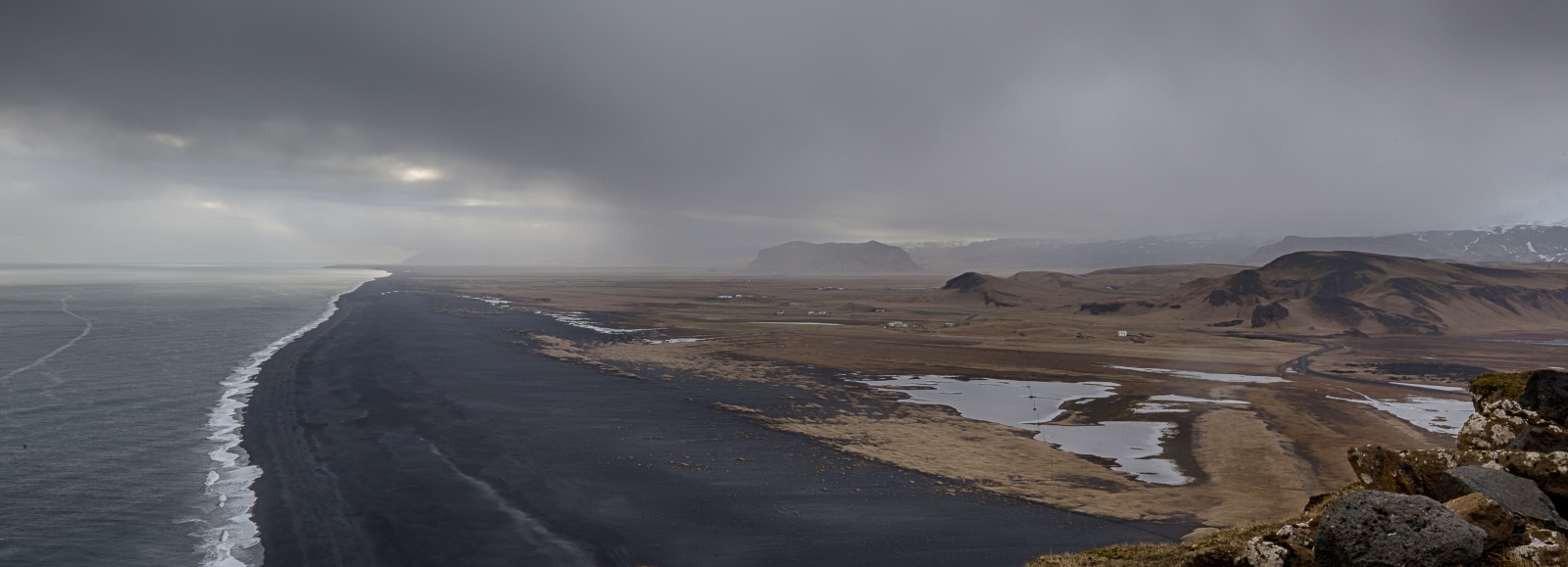
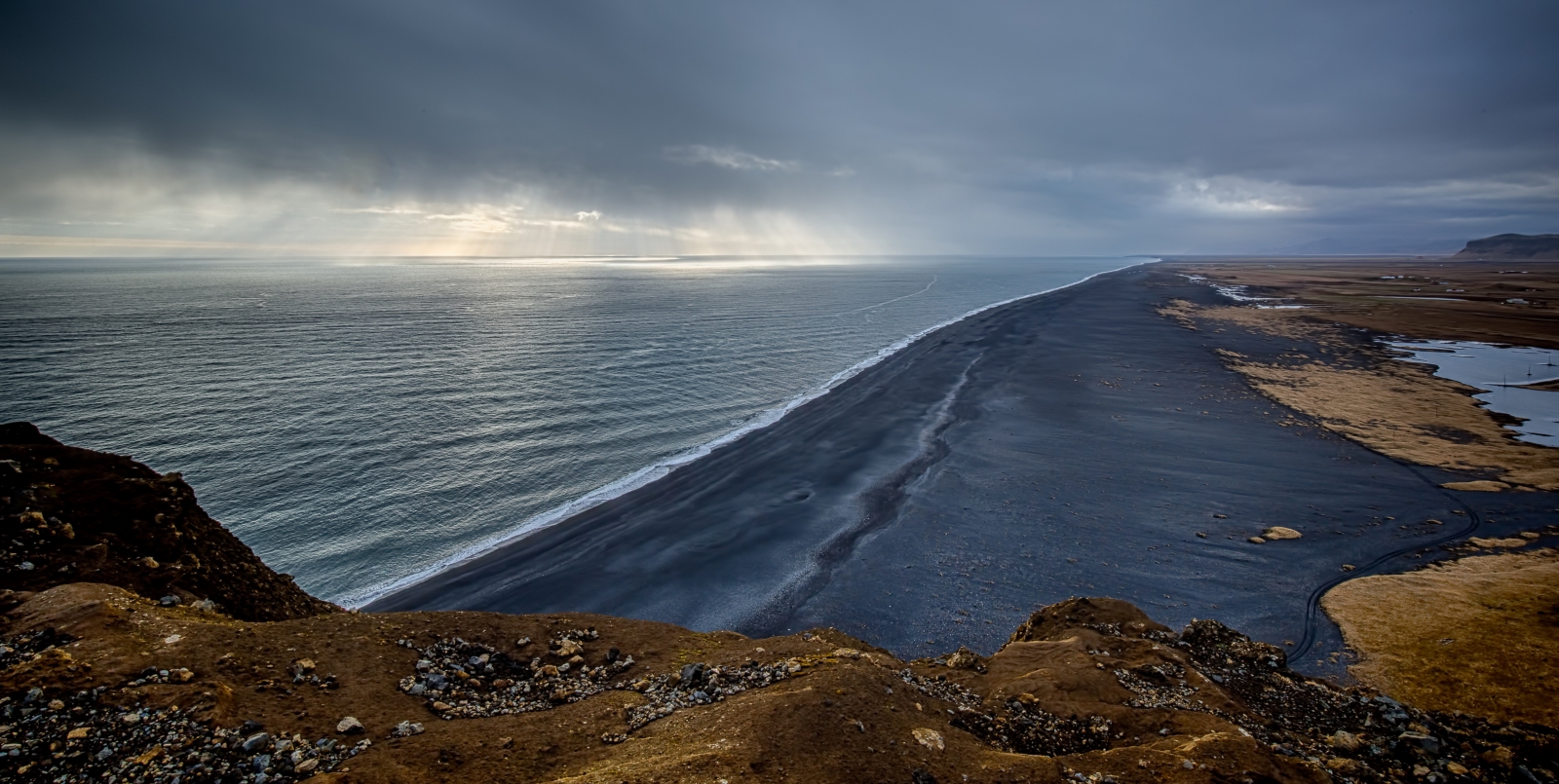
I was in Iceland a year ago. The time was opportunity to move within and over unexplored terrain, alone. I would respond to it all, feasting my eyes through my camera lens, always working to understand the visual narrative of the land, its weather and people.

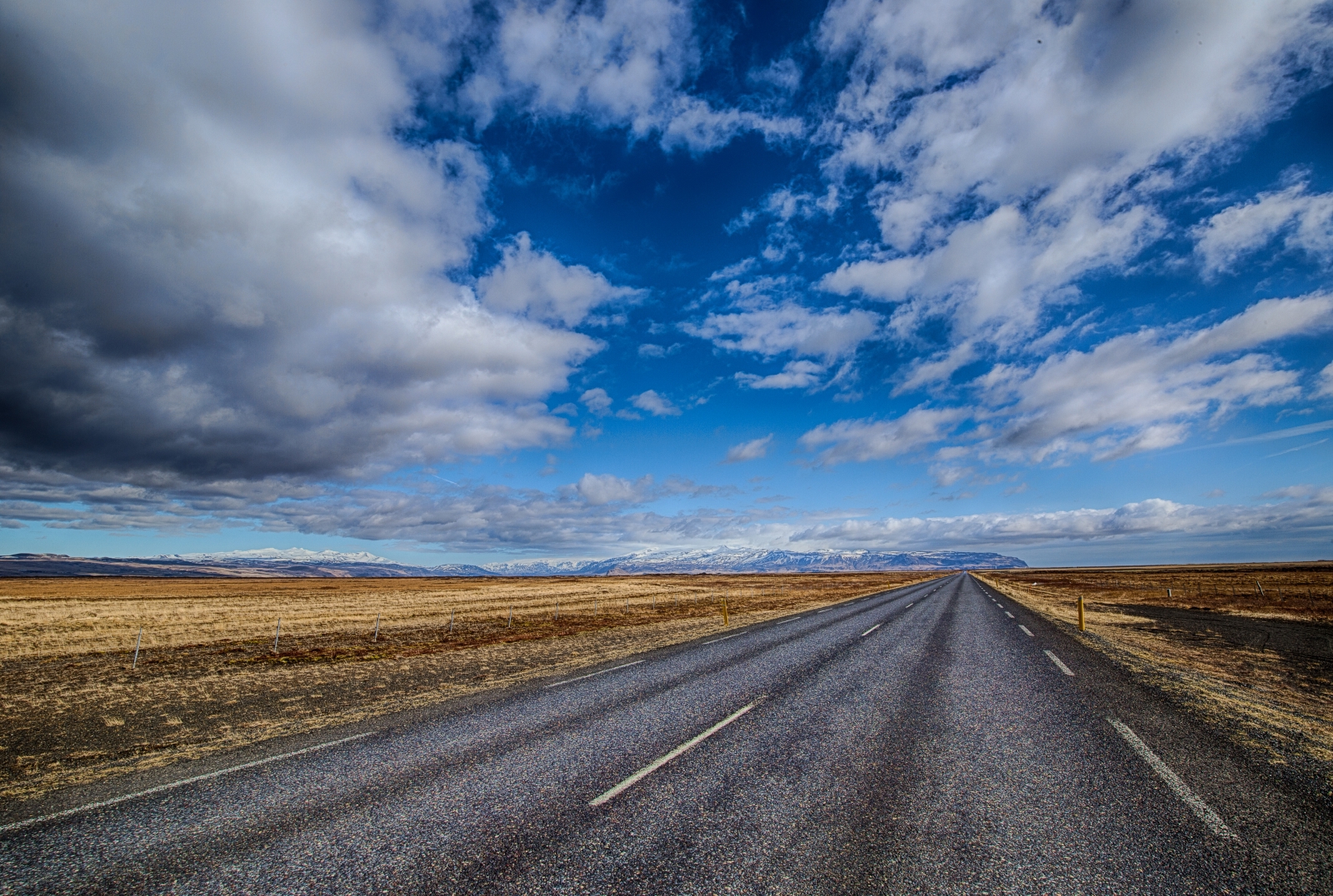
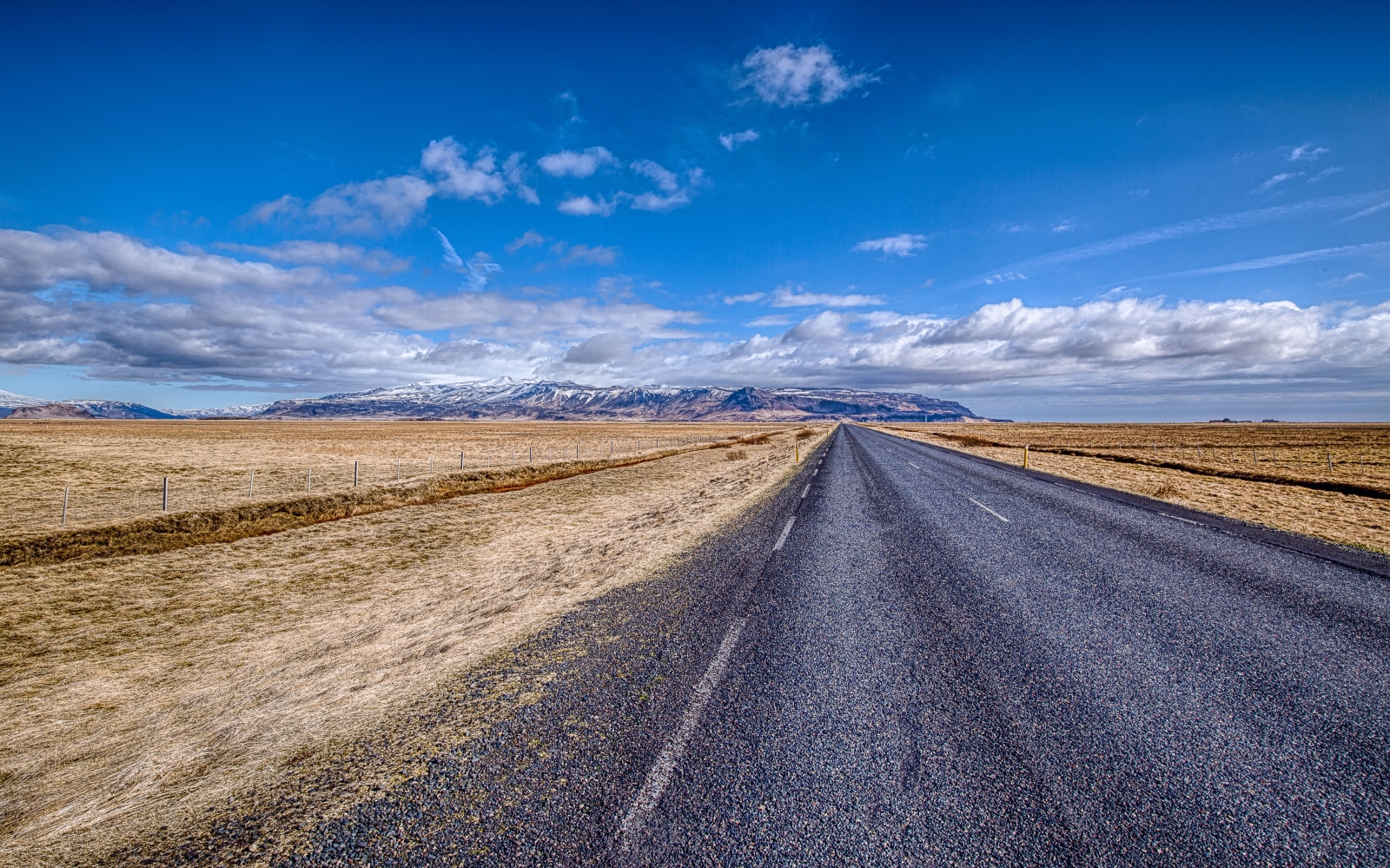
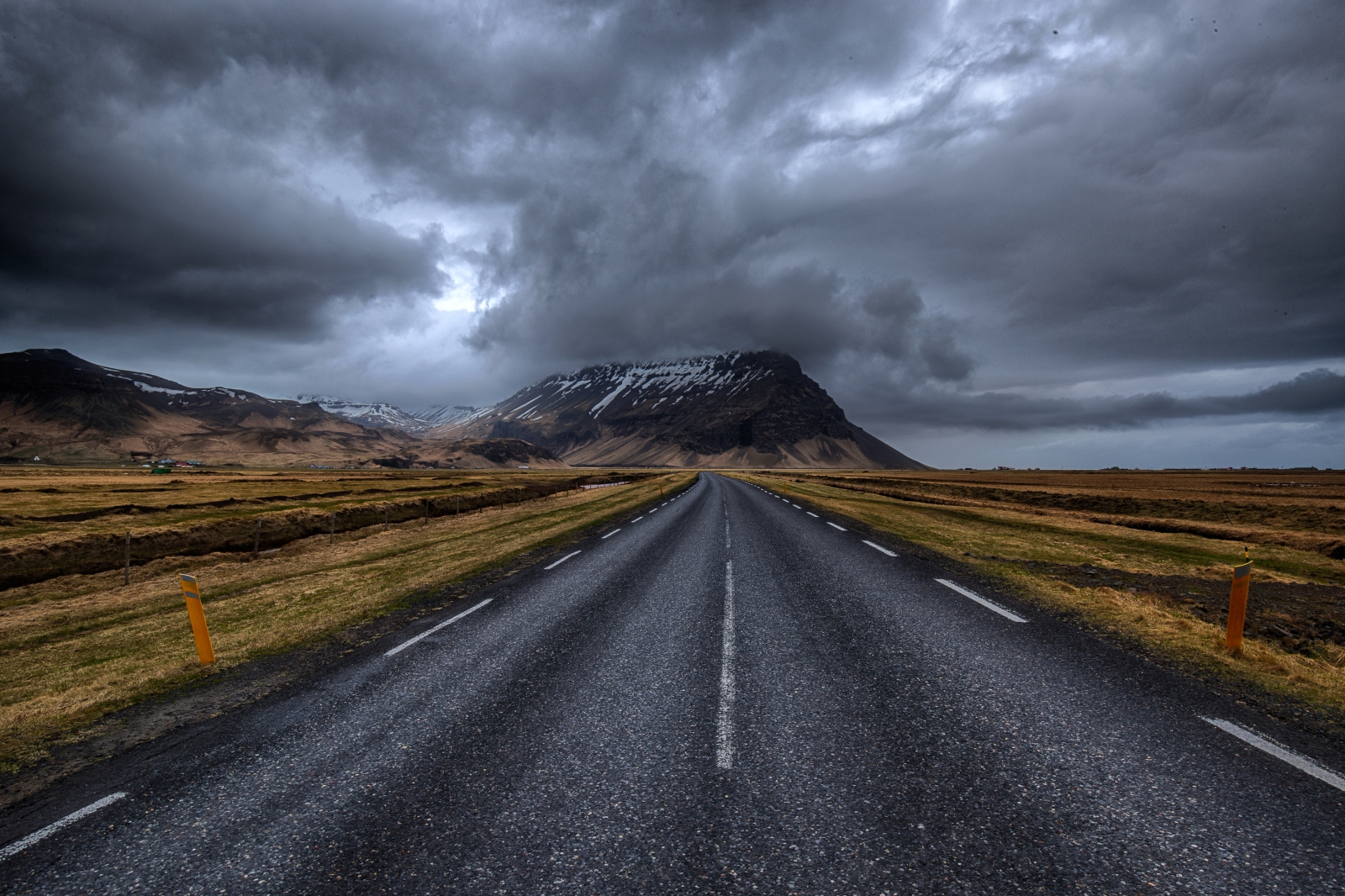
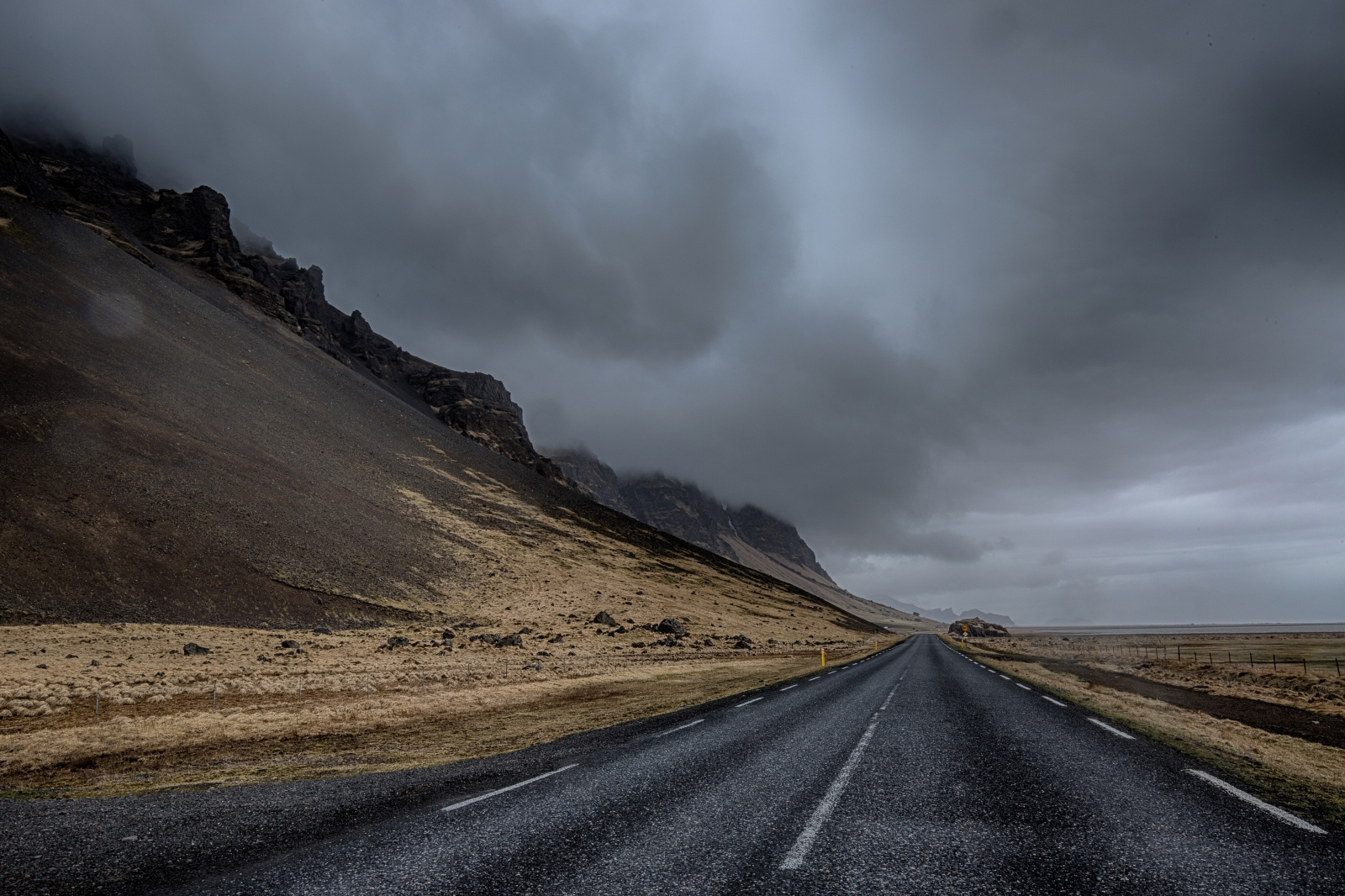
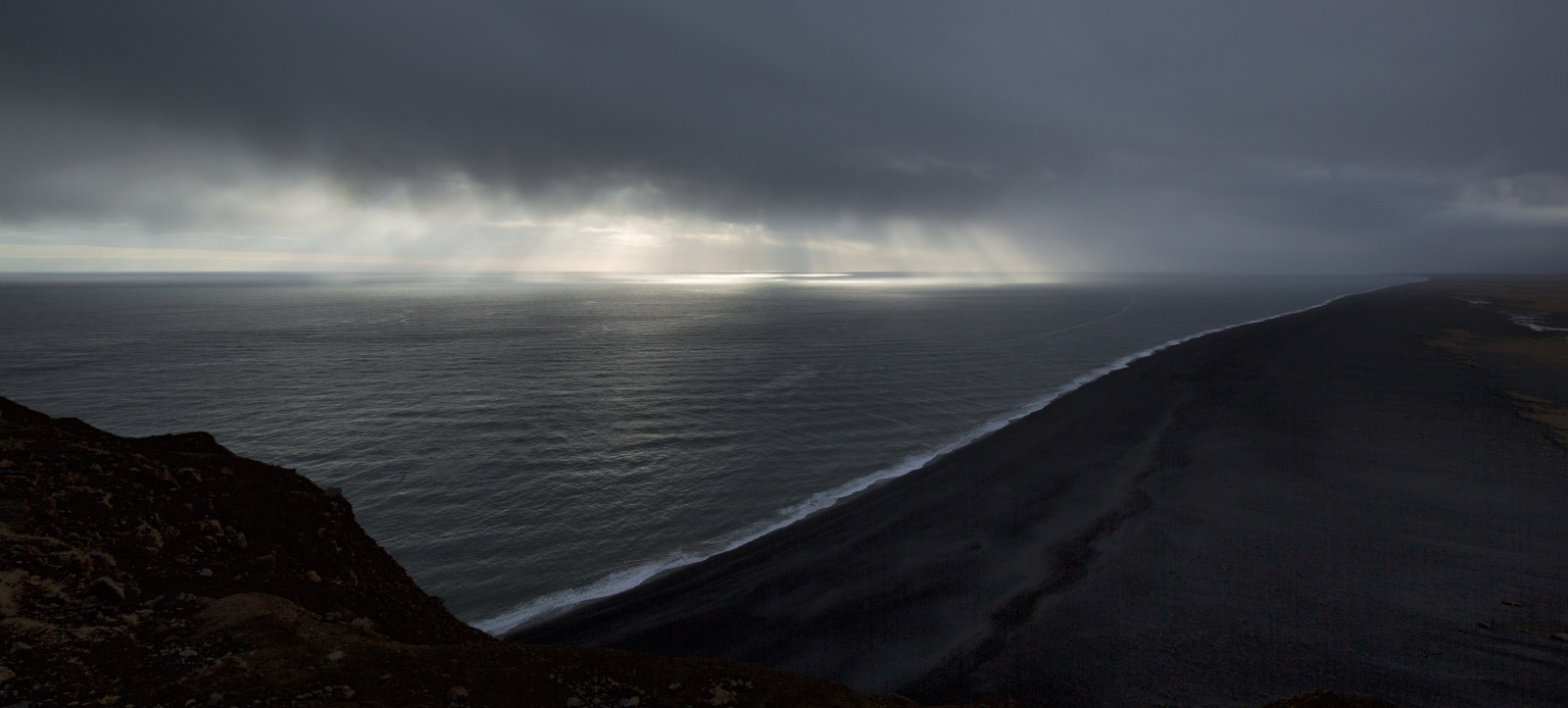
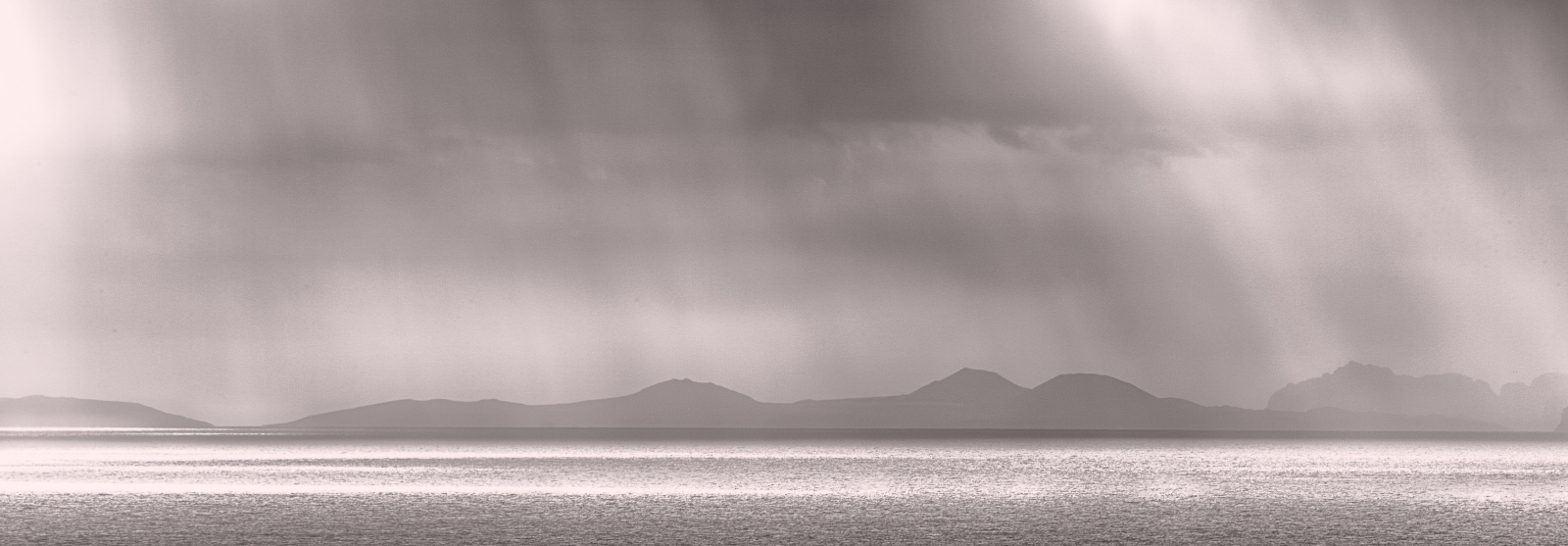
The windward-leeward interaction of mountain weather is a visible dynamic in Iceland. Atlantic clouds push into mountains producing rainy, spitting drizzle along their path. On the lee side they roll down, over mountains becoming a moving cloud blanket that dissipates, evaporating in its encounter with sunlight. Iceland’s cloud-work is extraordinary in its shift and shape, its play of light and shadow, its depths and in its interaction with the island. It is mountain weather, weather that can change radically within the space of a few moments. What was seen is revealed, here, as high dynamic range HDR images.

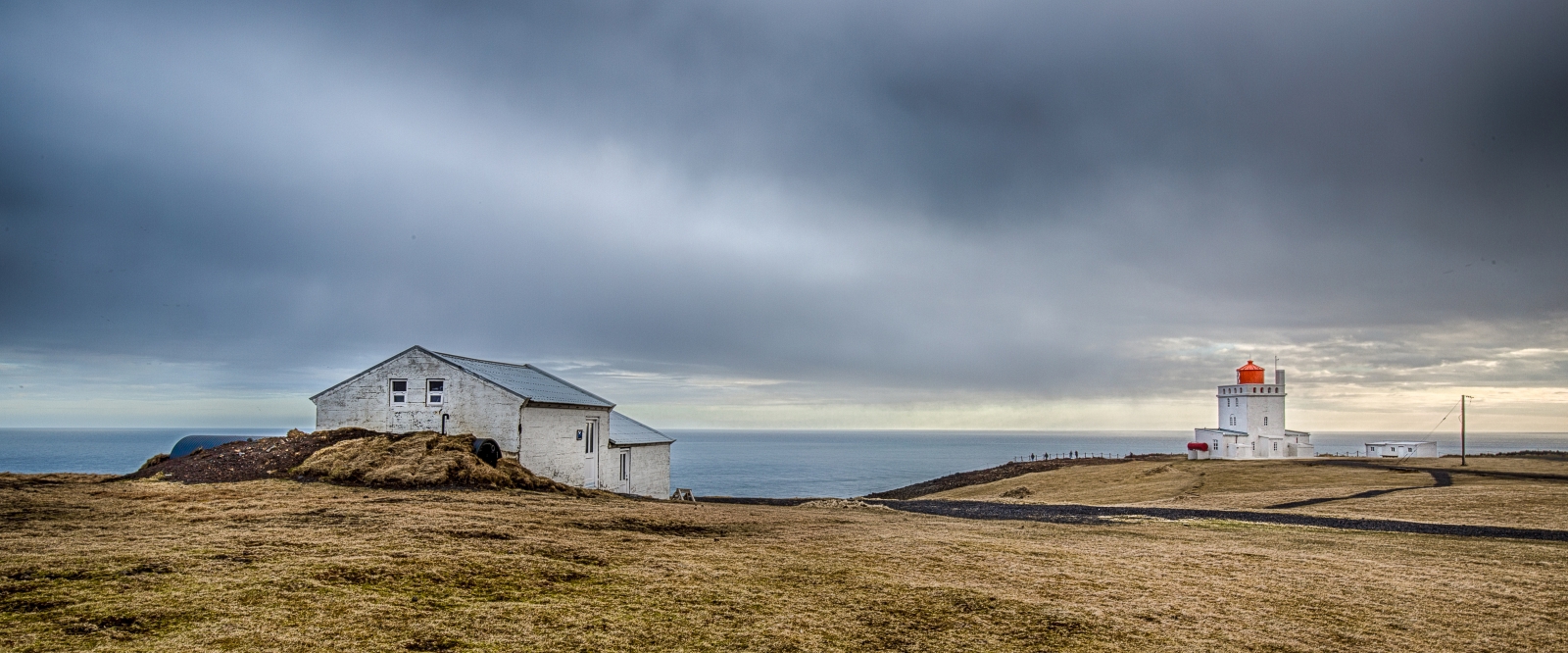
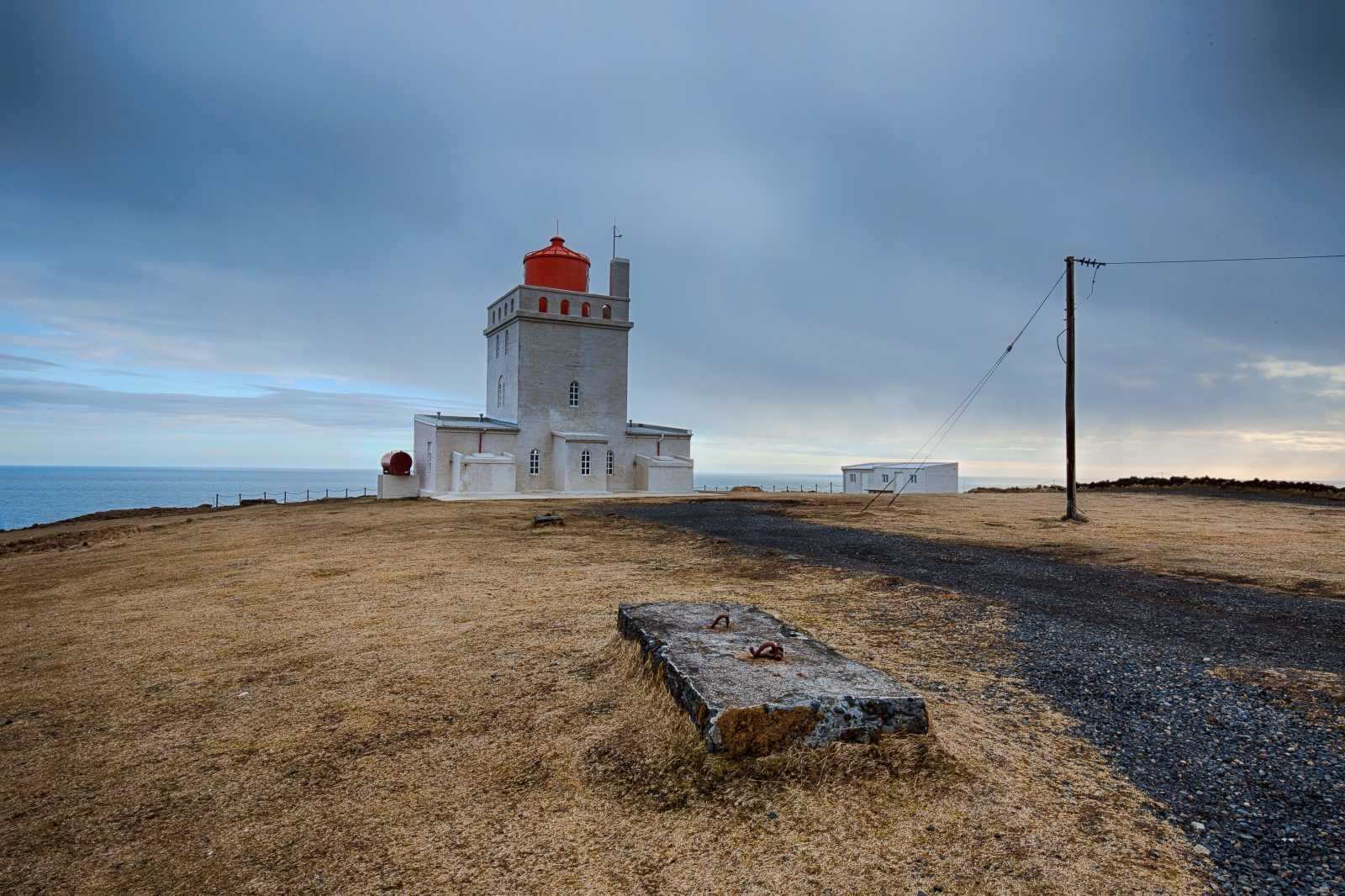
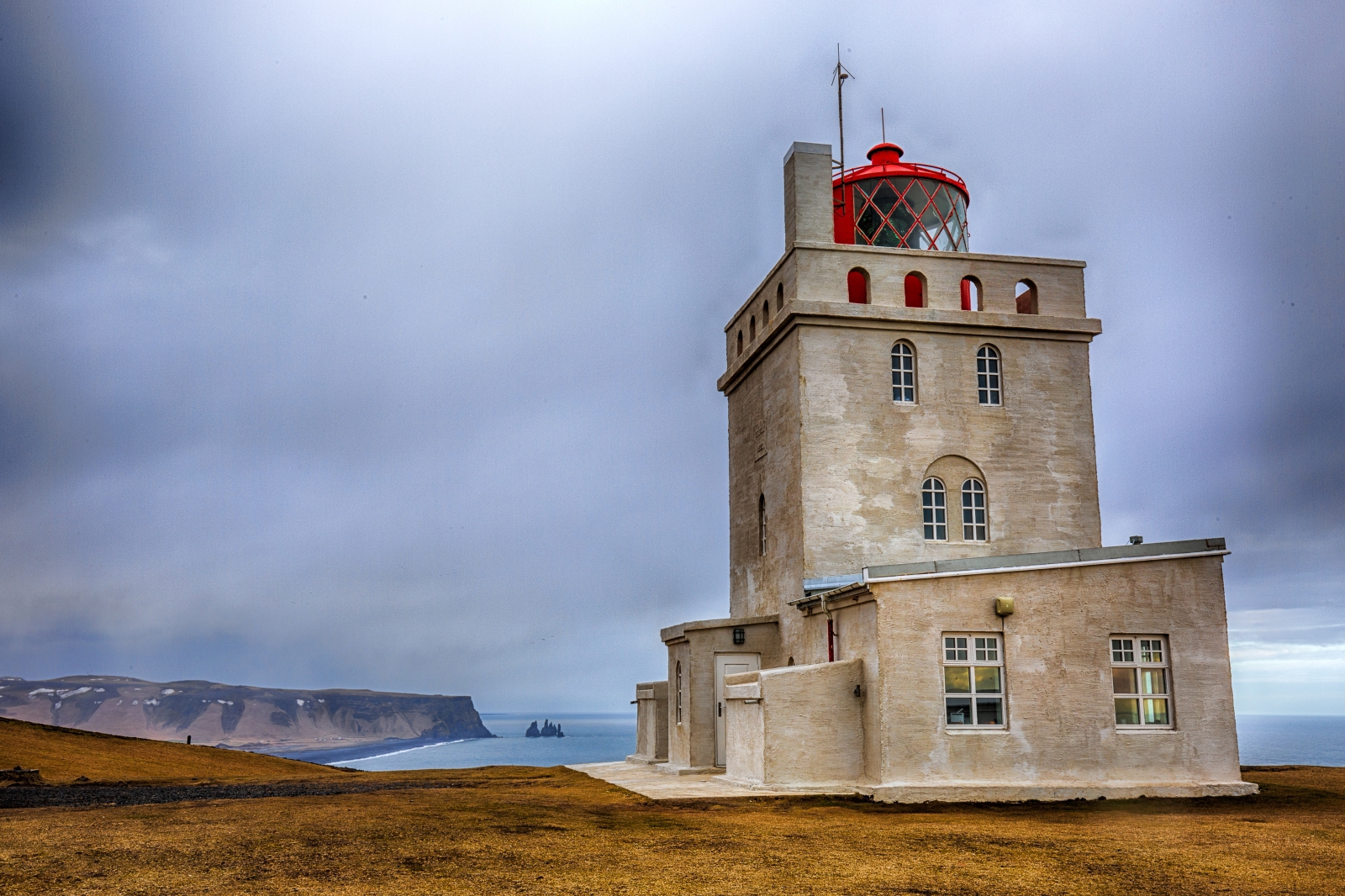
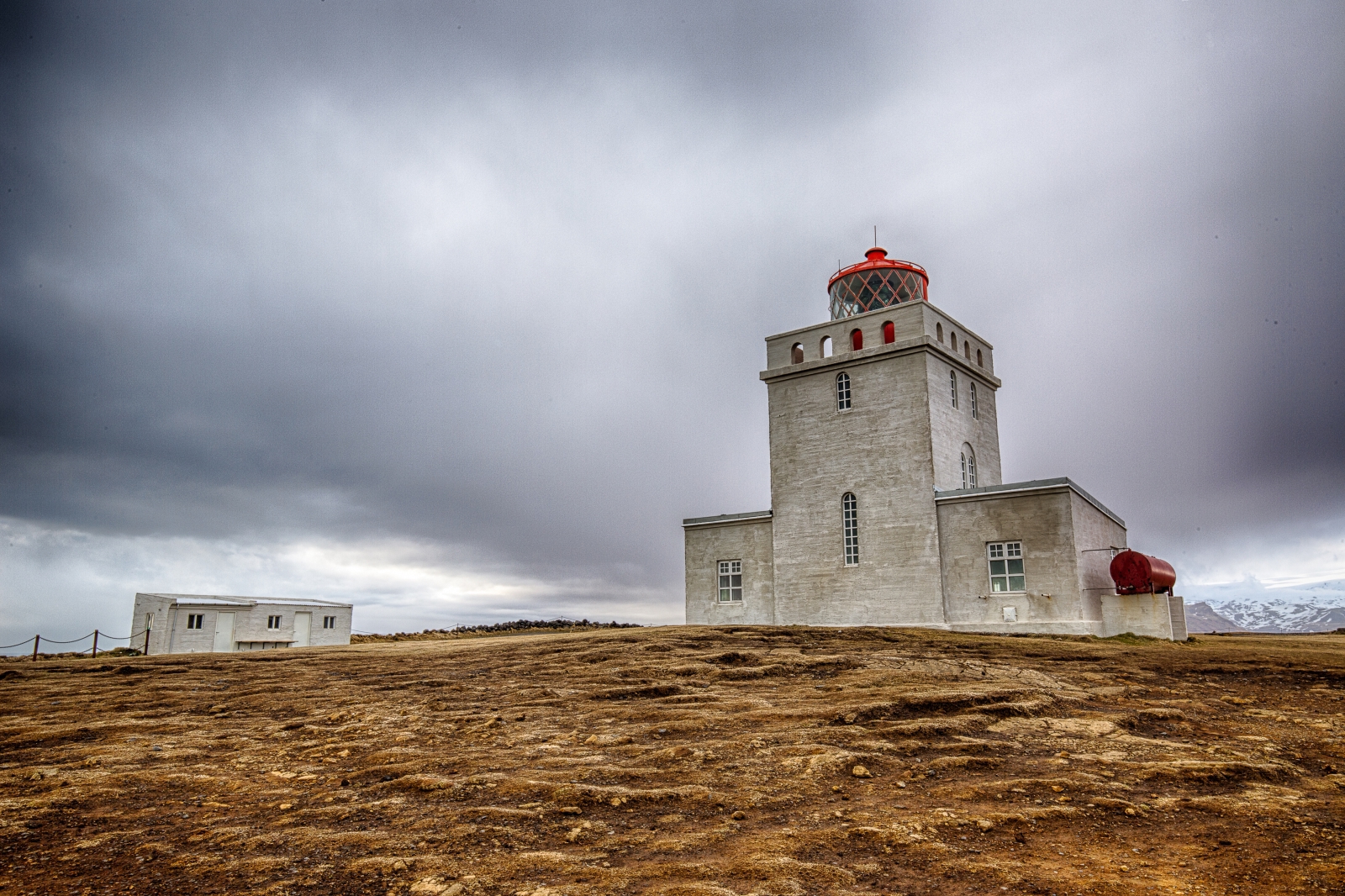
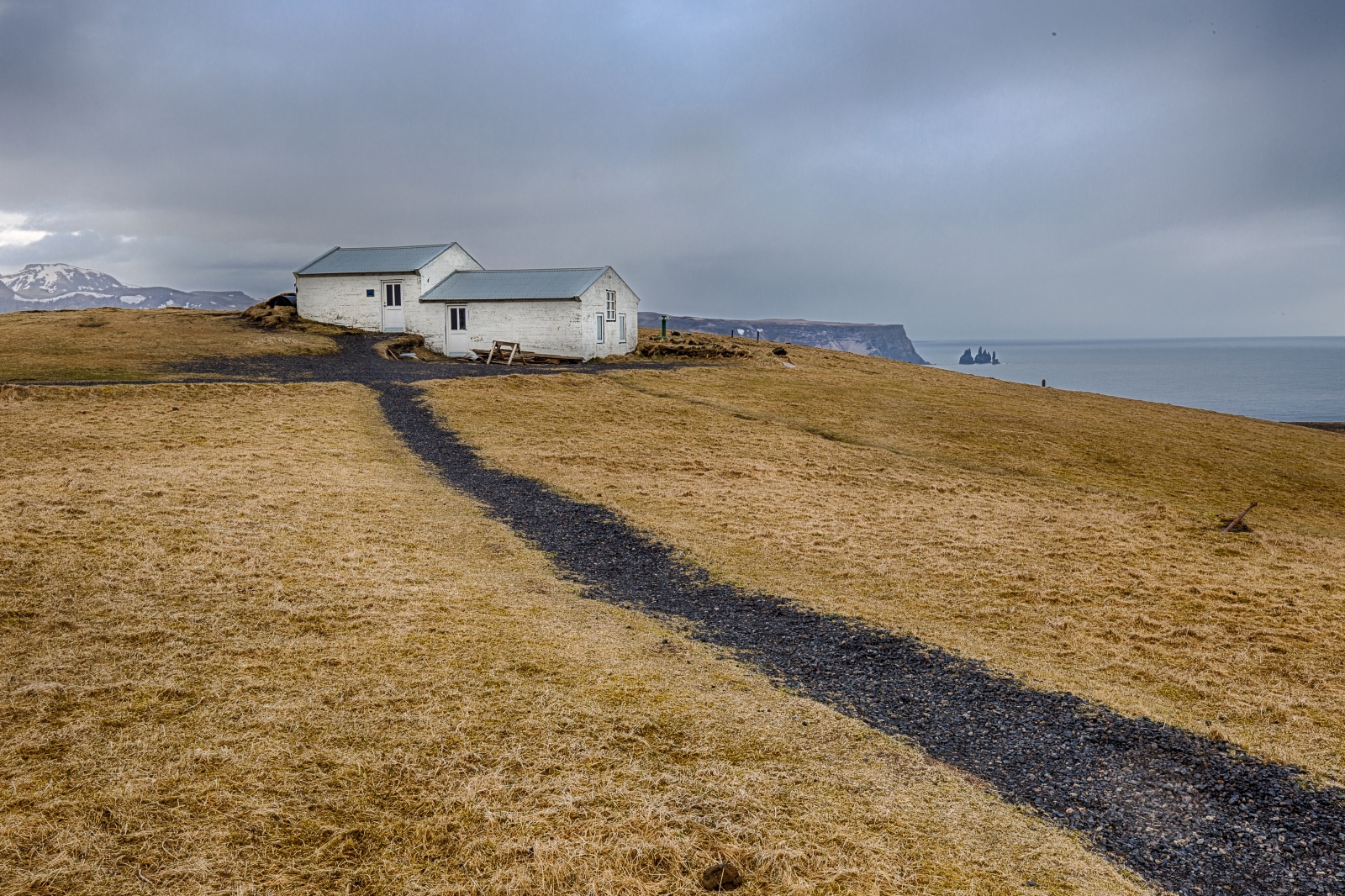
The lighthouse grounds at the Dyrhólaey Arch serve as orienting point for most images. From this crag black, volcanic sand beaches are visible. The Atlantic Ocean shimmers and rolls in. Mist and rain shroud distant islands. And, rays of sunlight stream through cloud and reflect upon the ocean. Inland, mountain snow melts exposing rock, sand and dirt. Lighthouse access is found driving up the side of this mountain outcrop along a steep, muddy, one-track gravel road, a series of switchbacks without road barriers. Poor weather needs a careful driver’s eye to prevent an unfortunate tumble off this crag. With my smaller SUV (a 2006 Ford Escape), the climb and descent were exhilarating as was greeting opposing traffic.

Quote to Consider / Inspire: “I never tried to revolutionize photography; I just do what I do and keep my fingers crossed that people will like it.” – David Bailey

Listening to – two ‘On Being with Krista Tippett’ interviews/podcasts: ‘Carlo Rovelli – All Reality Is Interaction’ and ‘Pádraig Ó Tuama – Belonging Creates and Undoes Us Both;’ ‘The Candid Frame podcast with Ursula Tocik;’ and, Ólafur Arnalds, Atli Örvarsson & SinfoniaNord perform ‘Öldurót,’ a remembrance in music, recalling Iceland.

Summer Look-back

Canon 70-200 mm 2.8 IS L Series Lens, Canon Camera, Canon Live View, Home, Journaling, Photoblog Intention, Project 365 - Photo-a-day, Summer, The Candid Frame, Vehicle

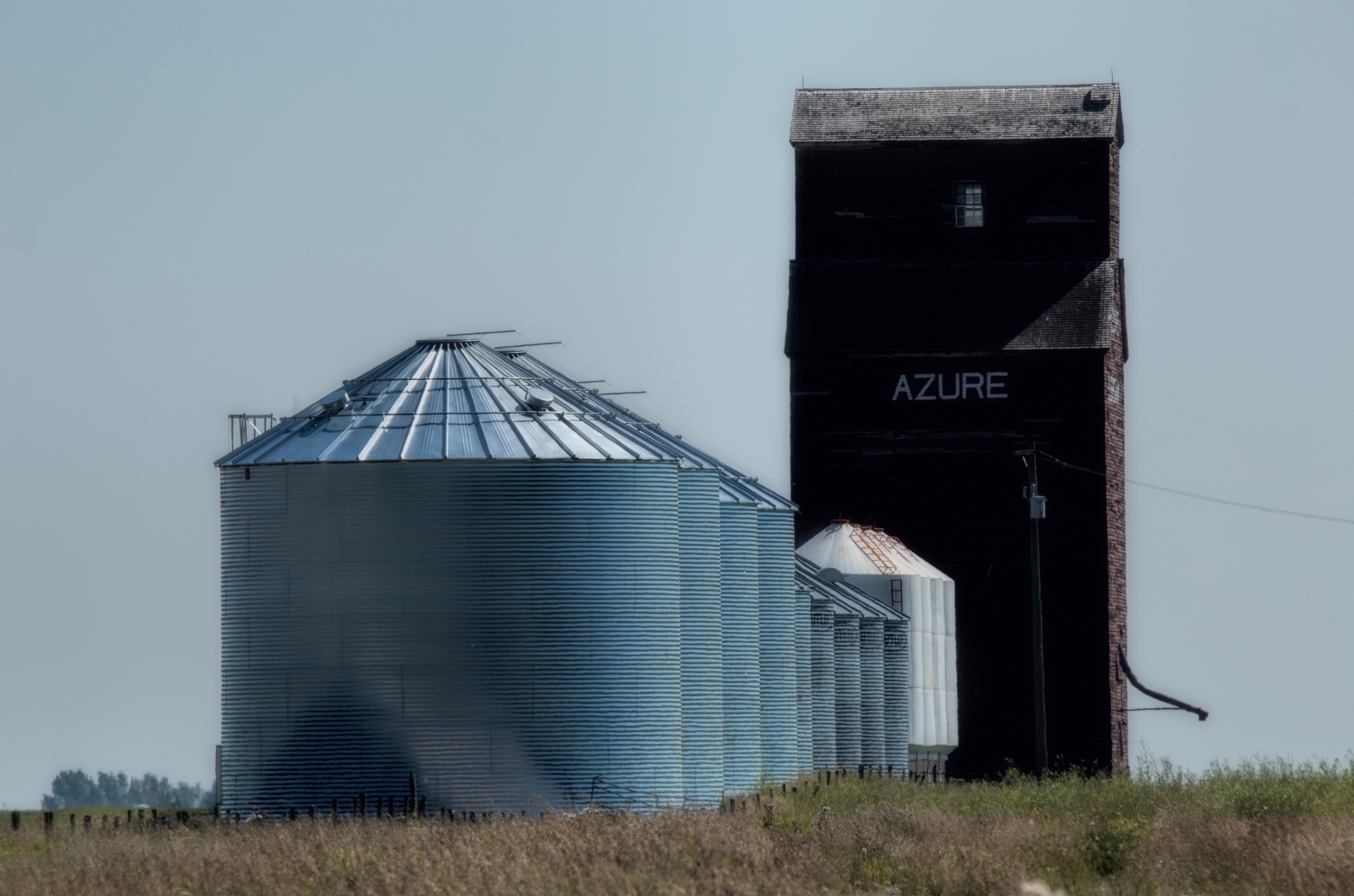
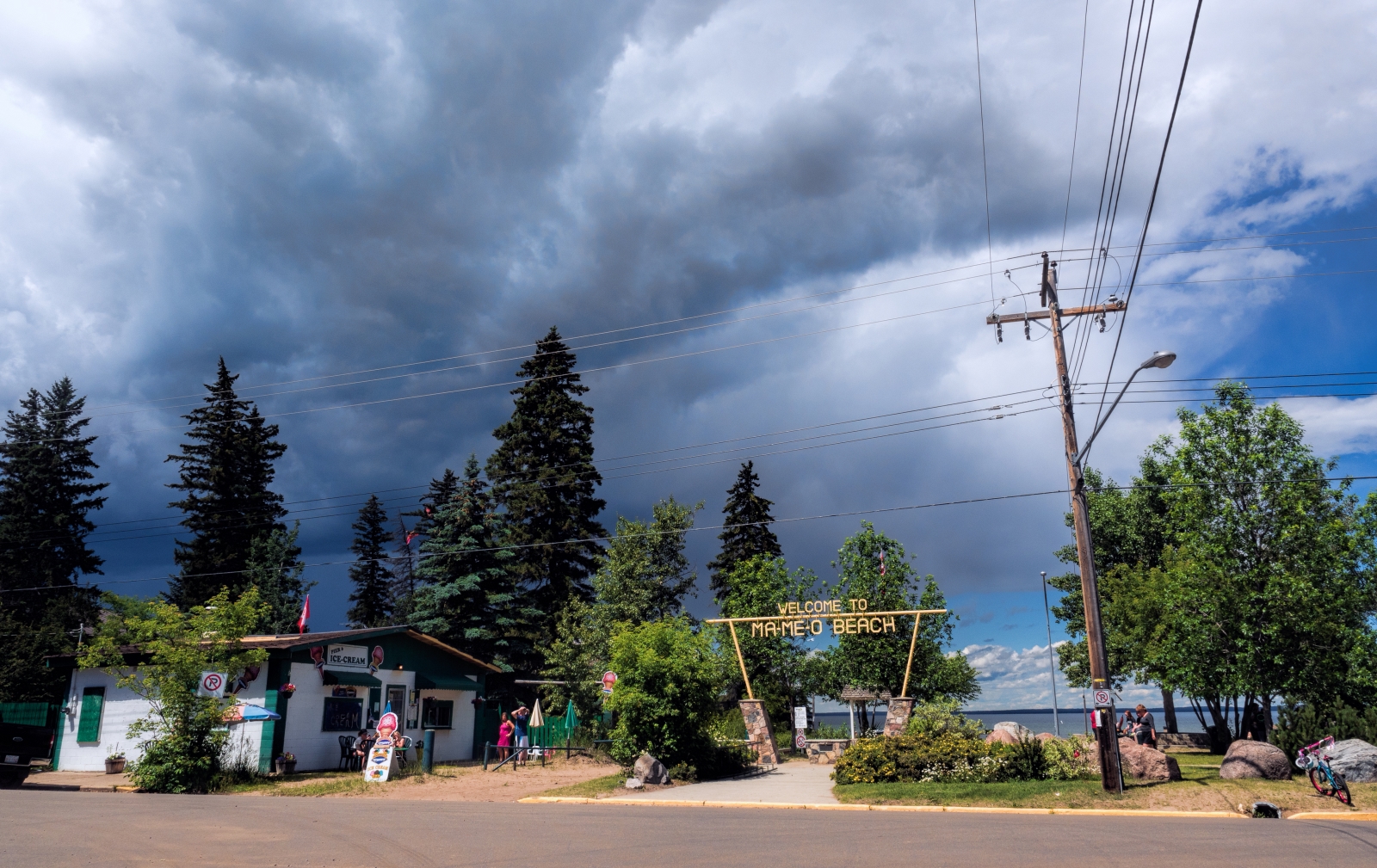
Summer images remind of other photos yet to edit and look back through. With our Ford F-150 we pulled our Tracer Ultra-lite southward from High Level, camping around Alberta – Edmonton, Pigeon Lake, Gull Lake, Hinton, Jasper, Banff, Nanton and Red Deer. We saw cousins and family. We enjoyed an afternoon, with my father in assistive care – out among the flower gardens. We explored the regions we camped in in a more settled way, always having a familiar, yet temporary, home to return to at day’s end. We got out to the Calgary Stampede and my daughter got me on a sky-lift tram – a first for us both. My daughter attended dance camp. I cycled in Jasper National park along highways and upon cycling / hiking trails – the Maligne Lake canyon and trails 4 & 7. I cycled in Banff National park and up to the Johnson Canyon. I attended a conference with our trailer.

Quote to Consider – “It is always the instantaneous reaction to oneself that produces a photograph.” – Robert Frank

Listening to – The Candid Frame podcast and an interview with Andrea Francolini, an Australian sport yachting / sailing photographer and his charitable work in Northern Pakistan setting up and supporting a school – ‘My First School.’

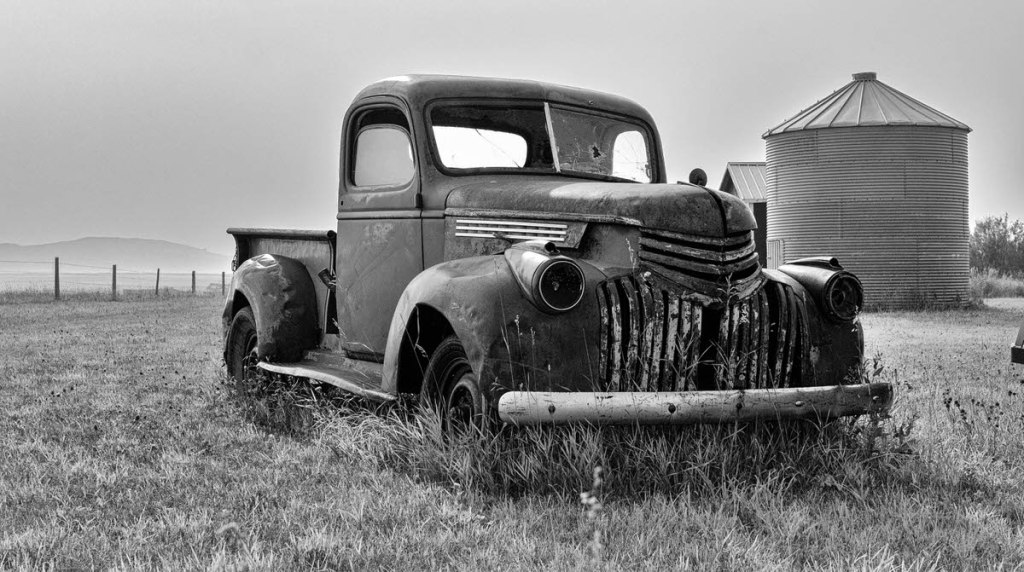
grain-bins-elevator-azure-albertama-me-o-beach-pigeon-lake-alberta-1ma-me-o-beach-pigeon-lake-alberta-2ma-me-o-beach-pigeon-lake-alberta-3pigeon-lake-sunset-1pigeon-lake-sunset-2pigeon-lake-sunset-3rusting-relics-valleyview-alberta

Skyline Silhouette

Light Intensity, Lookback Photos - One Year Ago, Podcast, Project 365 - Photo-a-day, Summer, The Candid Frame

Edmonton Skyline 1

Edmonton Skyline 1

Edmonton Skyline 2

Edmonton Skyline 2

Edmonton Skyline 3

Edmonton Skyline 3

Edmonton Skyline 4

Edmonton Skyline 4

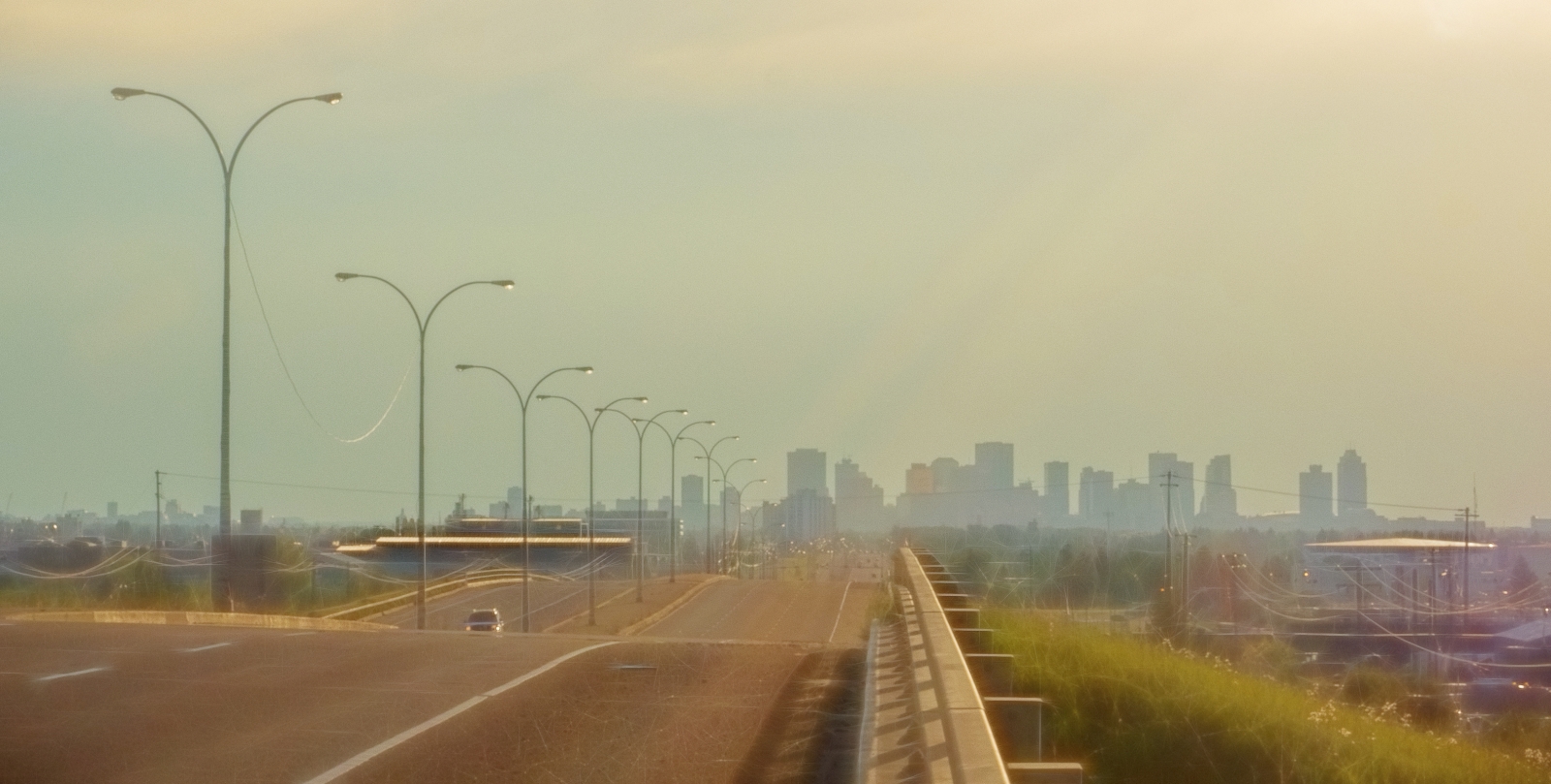
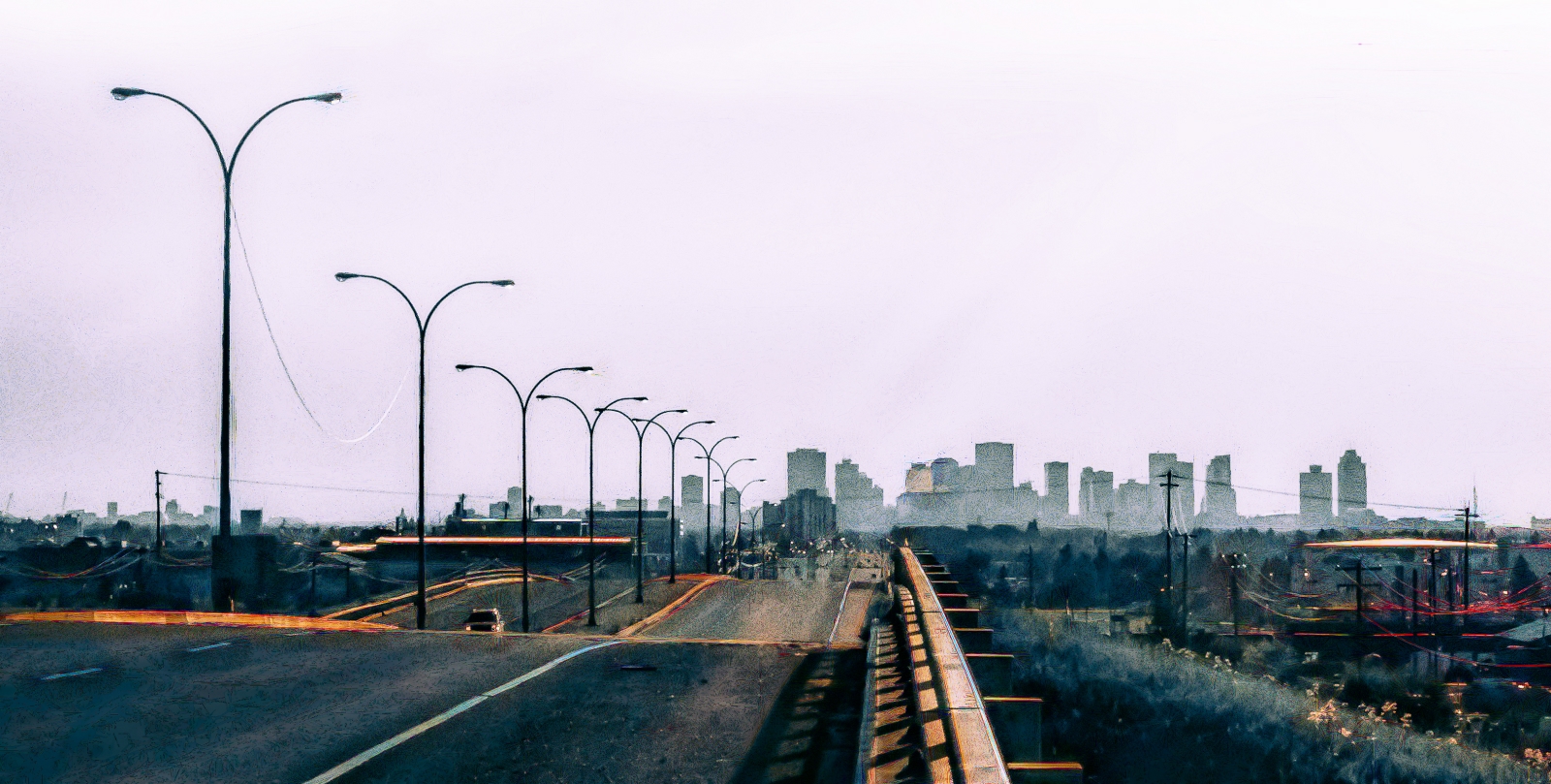
A summer image, looks west from Baseline Road at 17th Street to Edmonton’s skyline; it appears as silhouette. To the left and right are various petroleum-based industries – the road is known also as ‘Refinery Row.’

Quote to Consider – “Just put on the lens and go.” – Miroslav Tichy

Listening to – Bruce Springsteen’s ‘Open All Night,’ as first rendered on his Nebraska album – a rockin’ boogie on an electric guitar and the voice of Bruce, those two instruments, nothing else; the song is quite different from piano and band boogie as it is rendered on his ‘Live in Dublin’ performance. Also, listening to ‘The Candid Frame: A Photography Podcast’ and Ibarionex Perello’s interview of Stacey Pearsall and the subject of Military Journalism and the Veterans’ Portrait Program.

Land’s Next Use

Canon Camera, Canon Lens, Canon Live View, Fall, Farm, High Dynamic Range (HDR), Homestead, Journaling, Photoblog Intention, Photography & Conceptualizing Beauty, Project 365 - Photo-a-day, Still Life, The Candid Frame, Weather, Winter

Strewn Timber - Rocky Lane, Alberta - Canada iv

Strewn Timber – Rocky Lane, Alberta – Canada iv

Strewn Timber - Rocky Lane, Alberta - Canada ii

Strewn Timber – Rocky Lane, Alberta – Canada ii

Strewn Timber - Rocky Lane, Alberta - Canada iii

Strewn Timber – Rocky Lane, Alberta – Canada iii

Strewn Timber - Rocky Lane, Alberta - Canada i

Strewn Timber – Rocky Lane, Alberta – Canada i

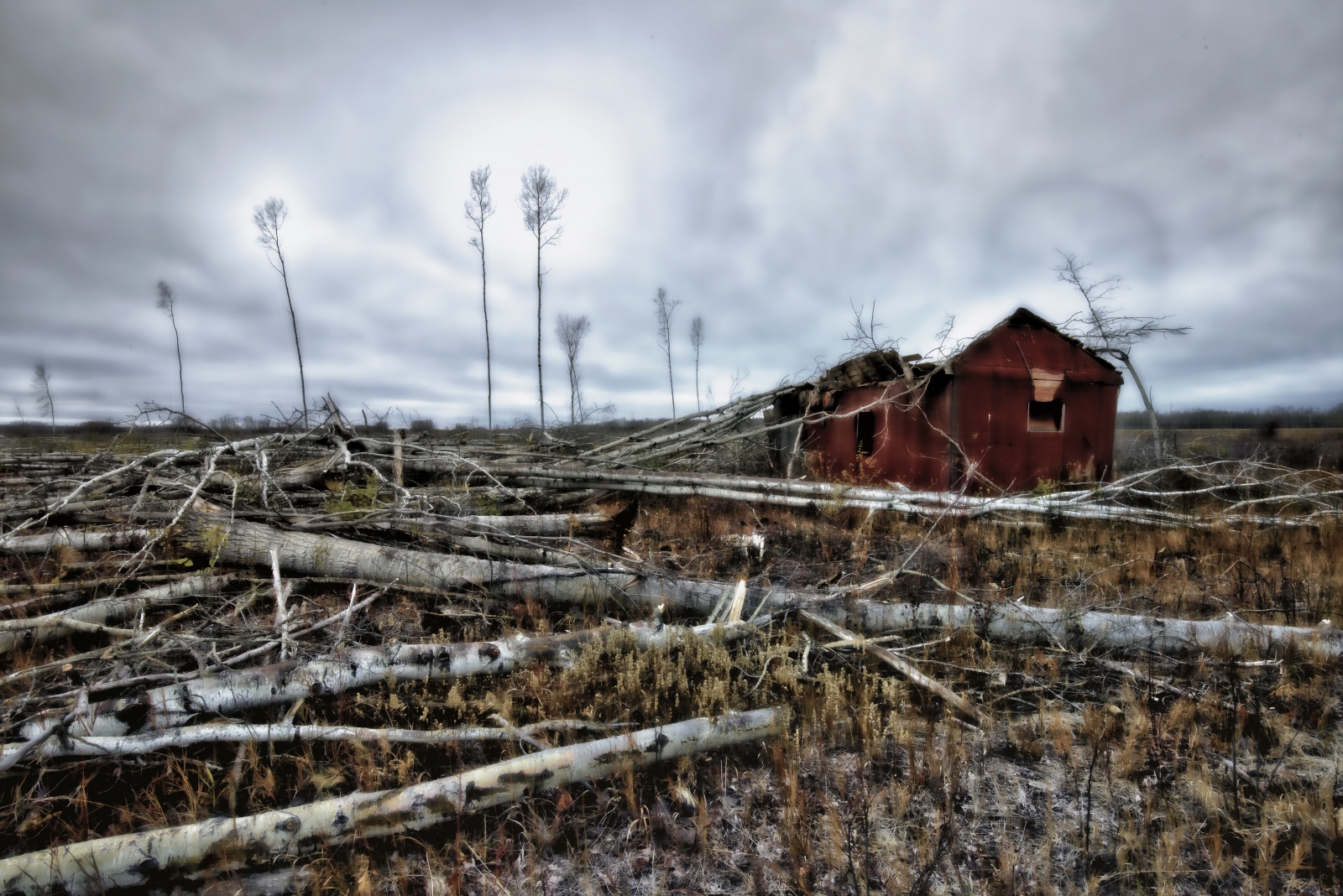
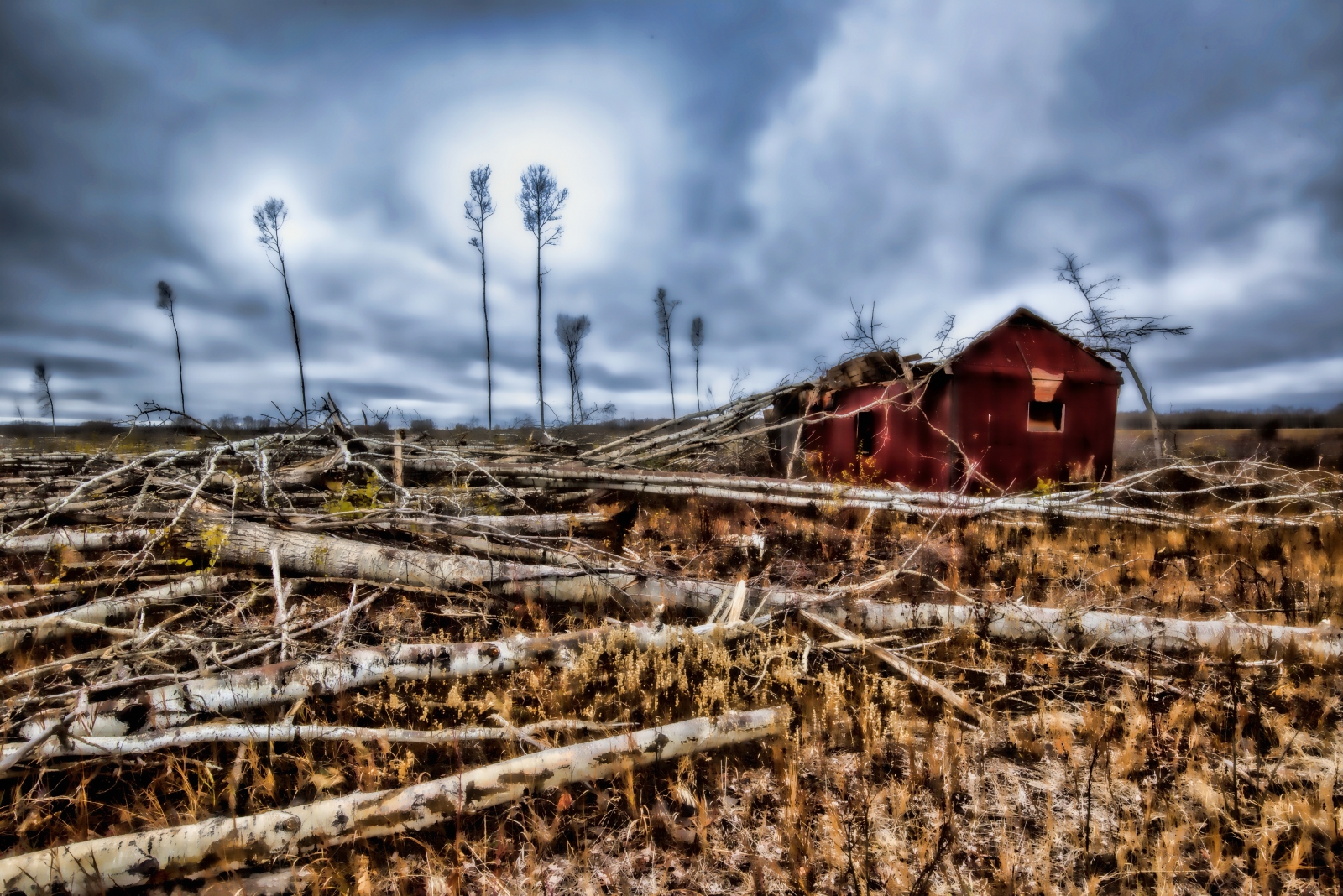
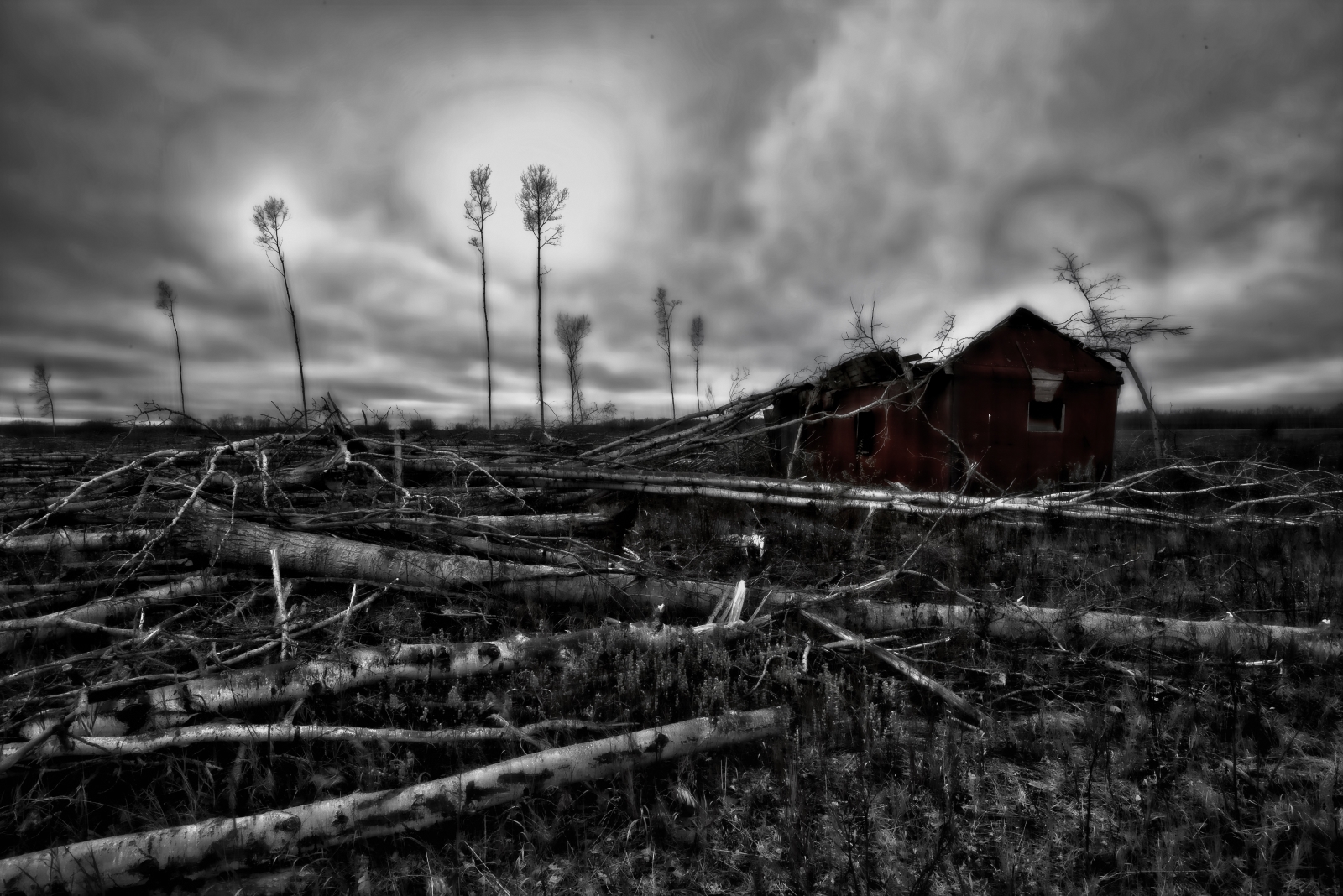
Timber, pushed down, lies strewn throughout a farmer’s field, a first step in clearing the land. Timber has also fallen across the structure of a homestead house yet has not crushed it. The house and a water-filled dugout suggest that a previous owner, another farmer, had initiated and abandoned a similar project in an earlier era. For now, timber will be gathered for burning; a winter or spring burn will reduce these trees and this homestead house to ashes, the land becoming ready for another use.

Quote to Consider – “I really believe there are things nobody would see if I didn’t photograph them.” – Diane Arbus

Listening to – Ibarionex Perello’s ‘The Candid Frame’ – episode 238, an interview with Sara Jane Boyers, Jesse Cook’s ‘Ocean Blue,’ Shadowfax’s ‘Move the Clouds,’ Agnes Obel’s ‘Fivefold,’ U2’s ‘Song for Someone’ and Sigur Ros’ ‘Glosoli.’

The Place Where We Are Right
by Yehuda Amichai

From the place where we are right
flowers will never grow
in the Spring.

The place where we are right
is hard and trampled
like a yard.

But doubts and loves
dig up the world
like a mole, a plough.
And a whisper will be heard in the place
where the ruined
house once stood.

Manning, Dixonville & Blue Sky HDR

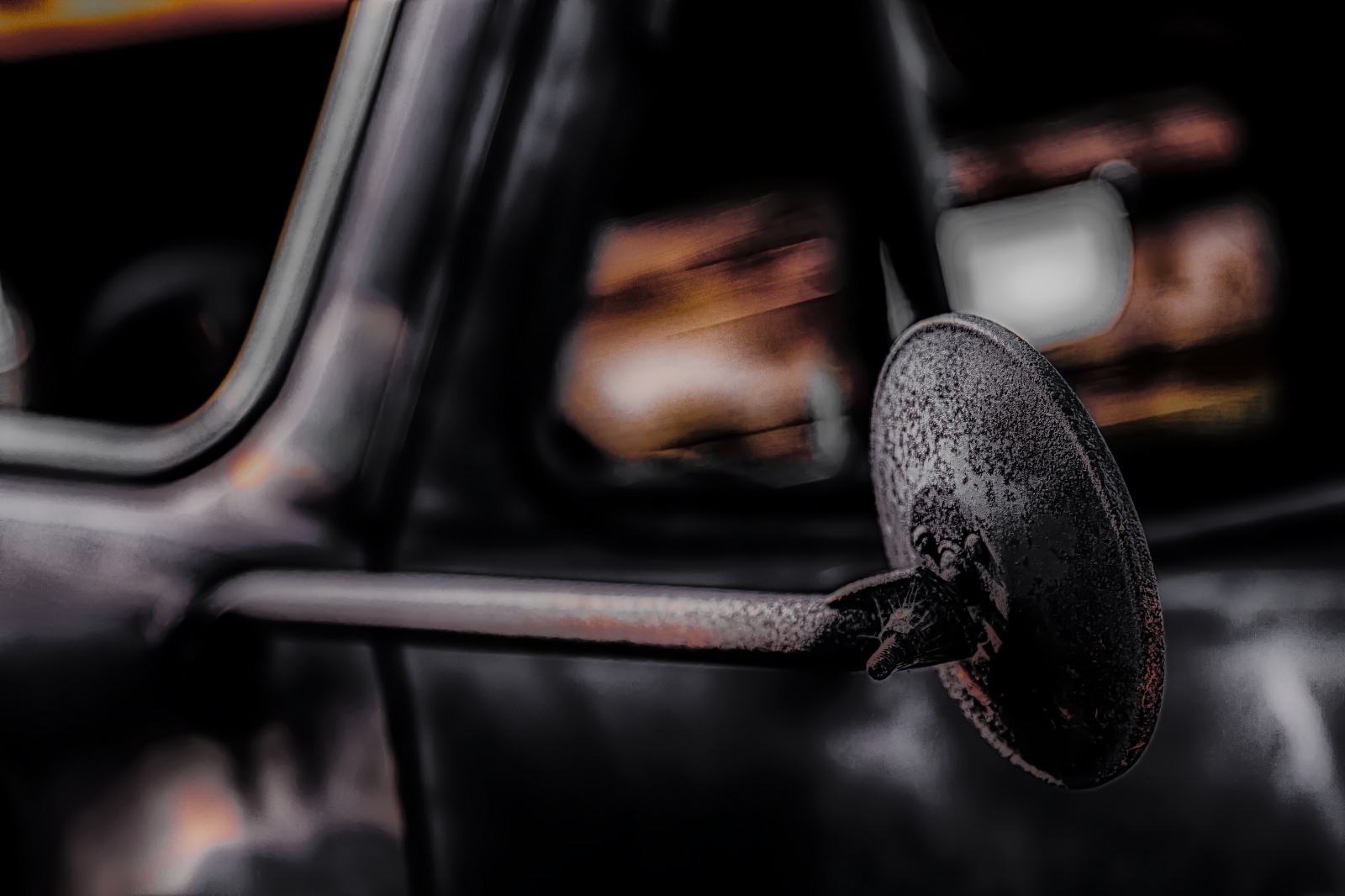
Canon 60D, Canon Camera, Canon Live View, Farm, High Dynamic Range (HDR), Journaling, Light Intensity, Photography & Conceptualizing Beauty, Project 365 - Photo-a-day, Summer, The Candid Frame, Vehicle

Grain Bins - Dixonville, Alberta 1

Grain Bins – Dixonville, Alberta 1

Grain Bins - Dixonville, Alberta 2

Grain Bins – Dixonville, Alberta 2

Grain Truck Box - Manning, Alberta 1

Grain Truck Box – Manning, Alberta 1

Grain Truck Box - Manning, Alberta 2

Grain Truck Box – Manning, Alberta 2

Grain Truck Box - Manning, Alberta 3

Grain Truck Box – Manning, Alberta 3

Grain Truck Cab - Manning, Alberta 1

Grain Truck Cab – Manning, Alberta 1

Grain Truck Cab - Manning, Alberta 2

Grain Truck Cab – Manning, Alberta 2

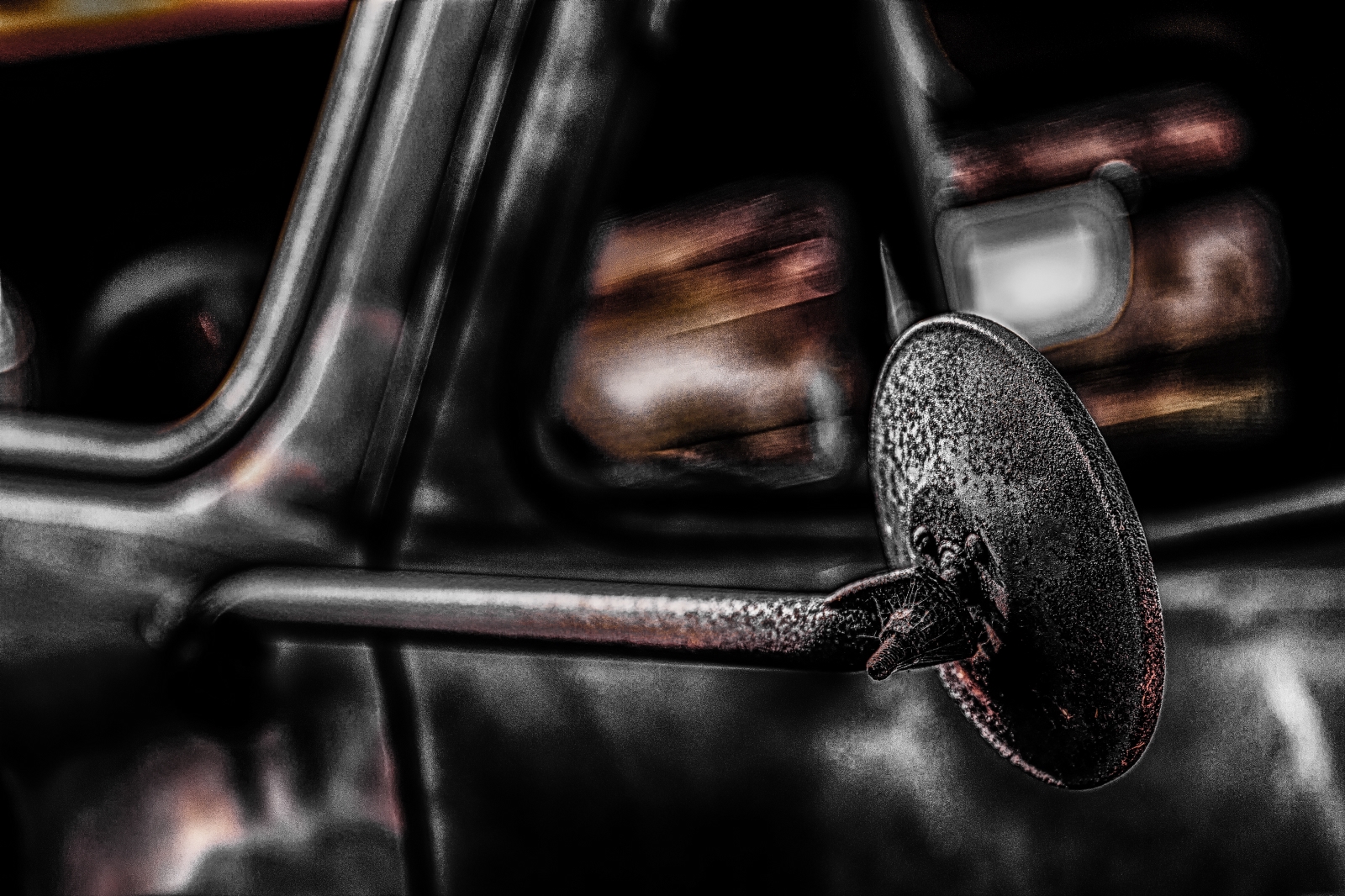
Mercury Grain Truck - Manning, Alberta 1

Mercury Grain Truck – Manning, Alberta 1

Mercury Grain Truck - Manning, Alberta 2

Mercury Grain Truck – Manning, Alberta 2

Mercury Grain Truck - Manning, Alberta 3

Mercury Grain Truck – Manning, Alberta 3

Mercury Grain Truck Badge - Manning, Alberta 1

Mercury Grain Truck Badge – Manning, Alberta 1

Mercury Grain Truck Badge - Manning, Alberta 2

Mercury Grain Truck Badge – Manning, Alberta 2

Mercury Grain Truck Badge - Manning, Alberta 3

Mercury Grain Truck Badge – Manning, Alberta 3

Mercury Grain Truck Badge - Manning, Alberta 4

Mercury Grain Truck Badge – Manning, Alberta 4

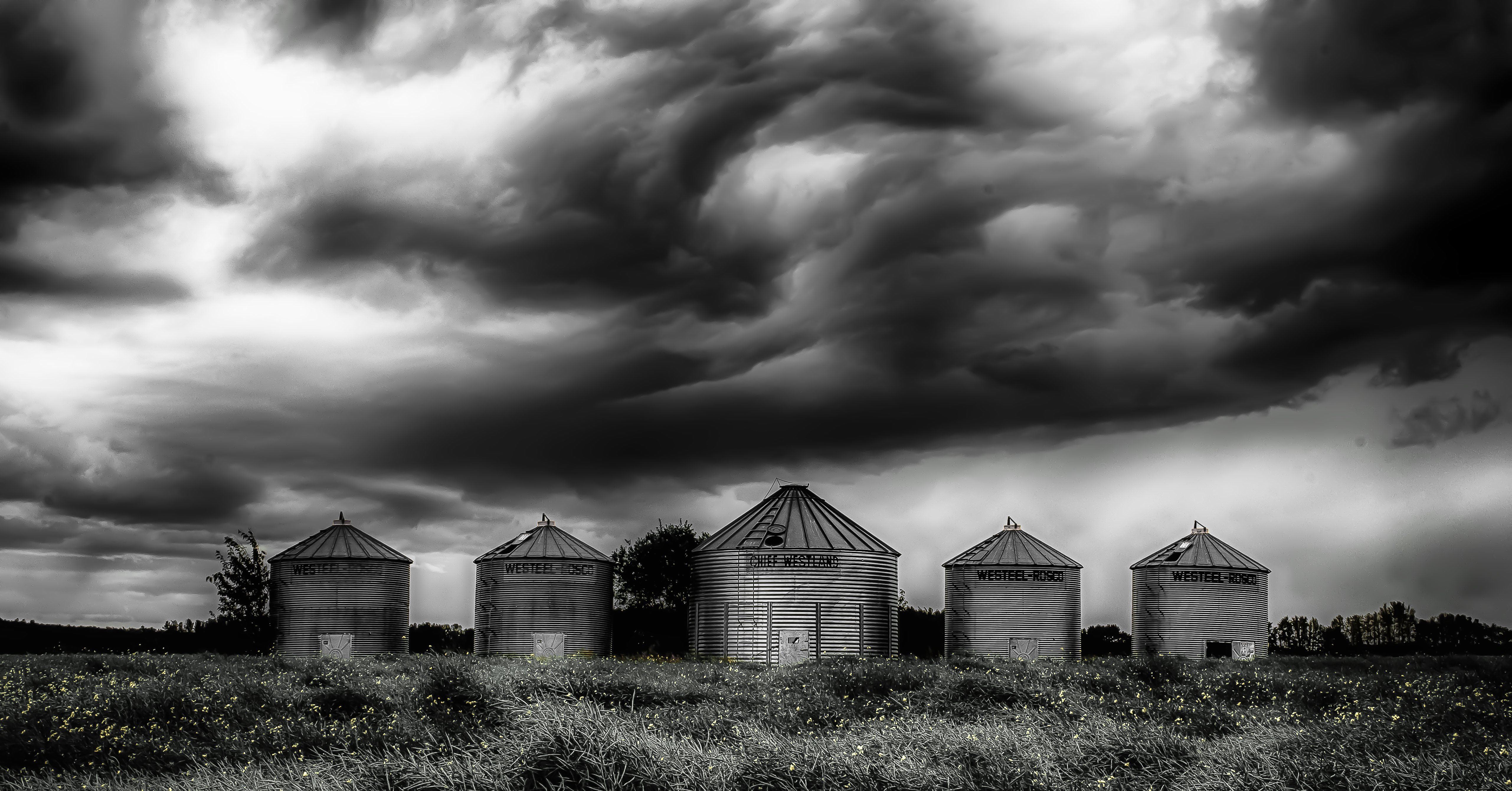
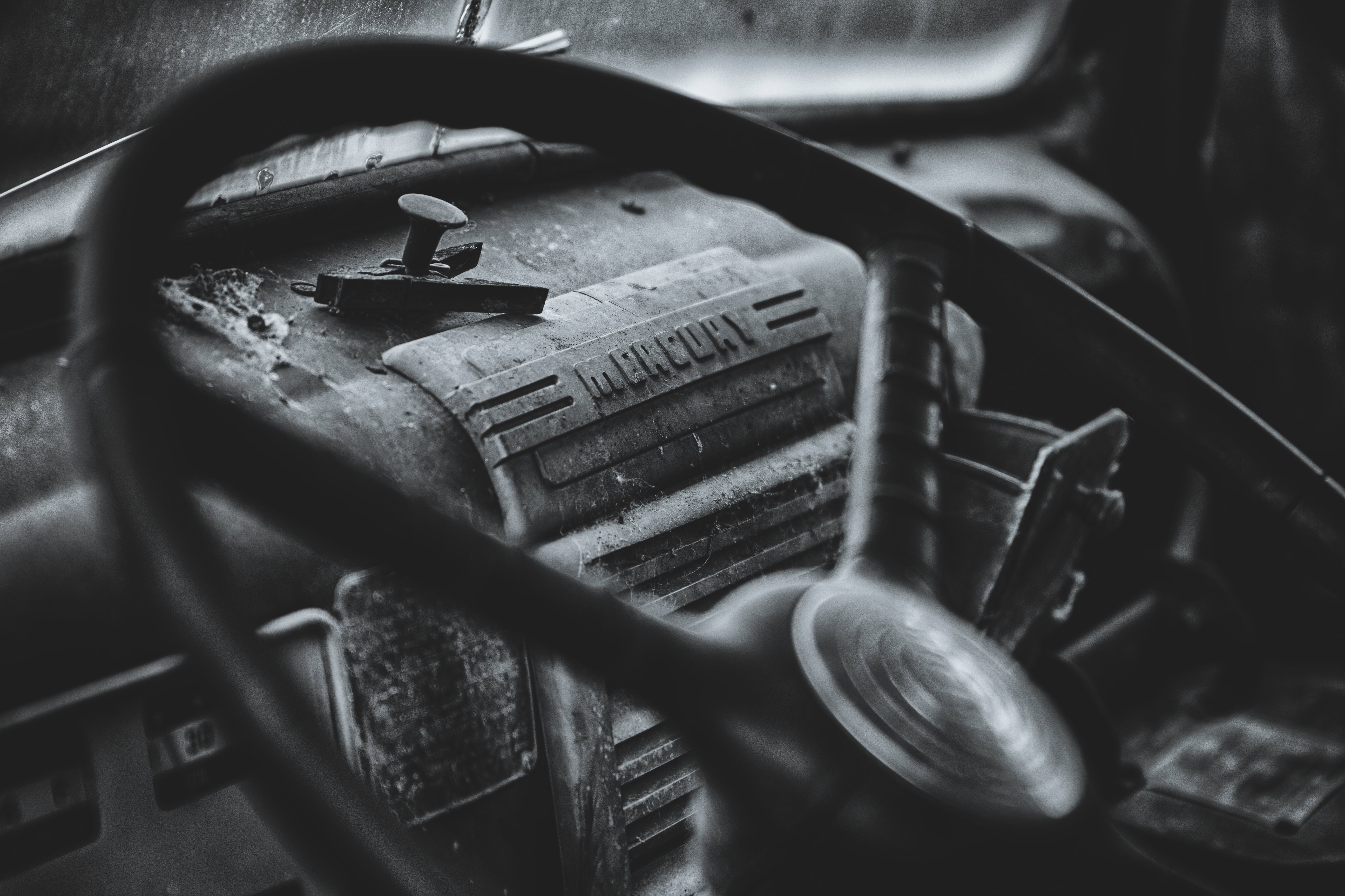
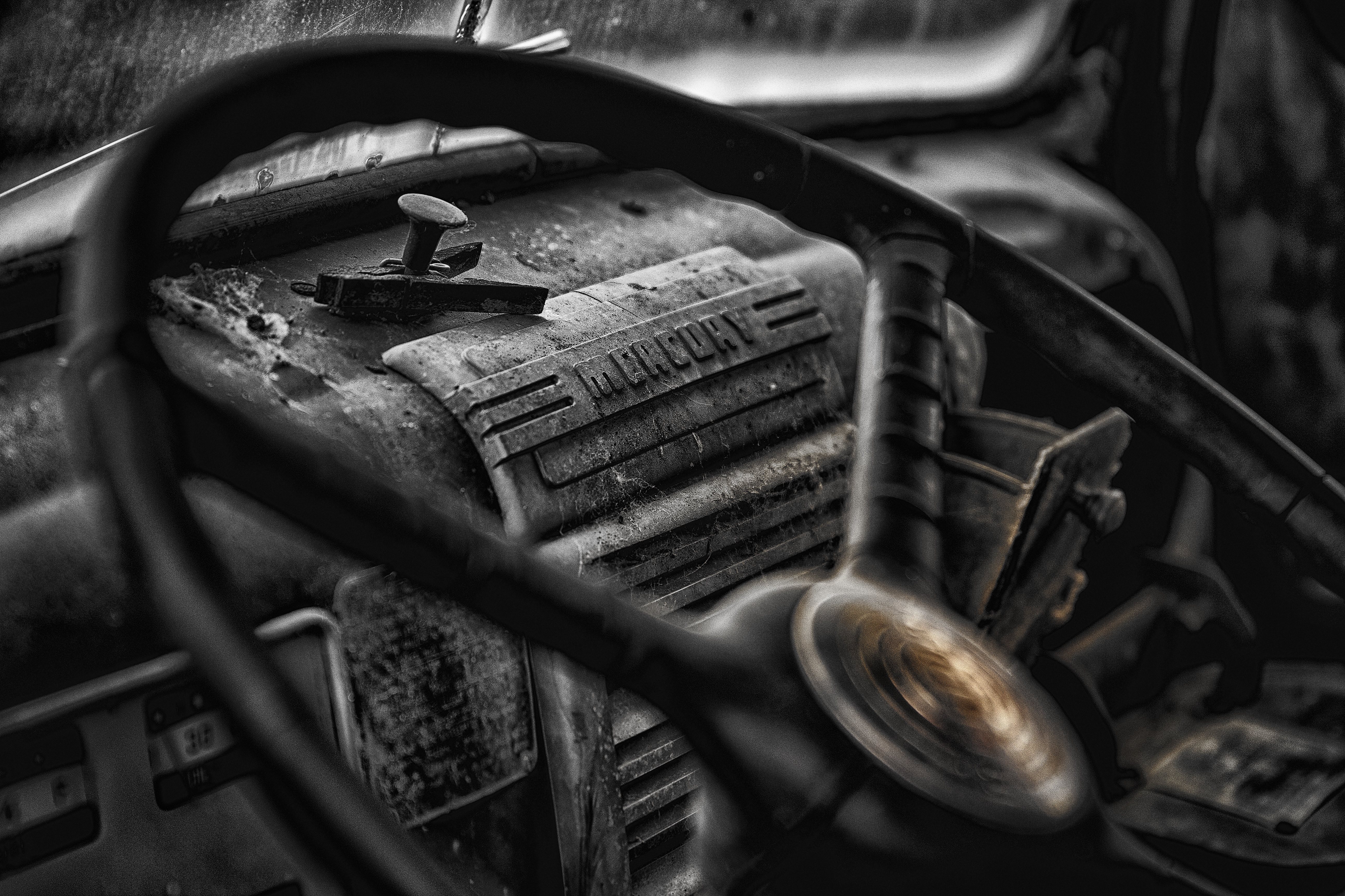
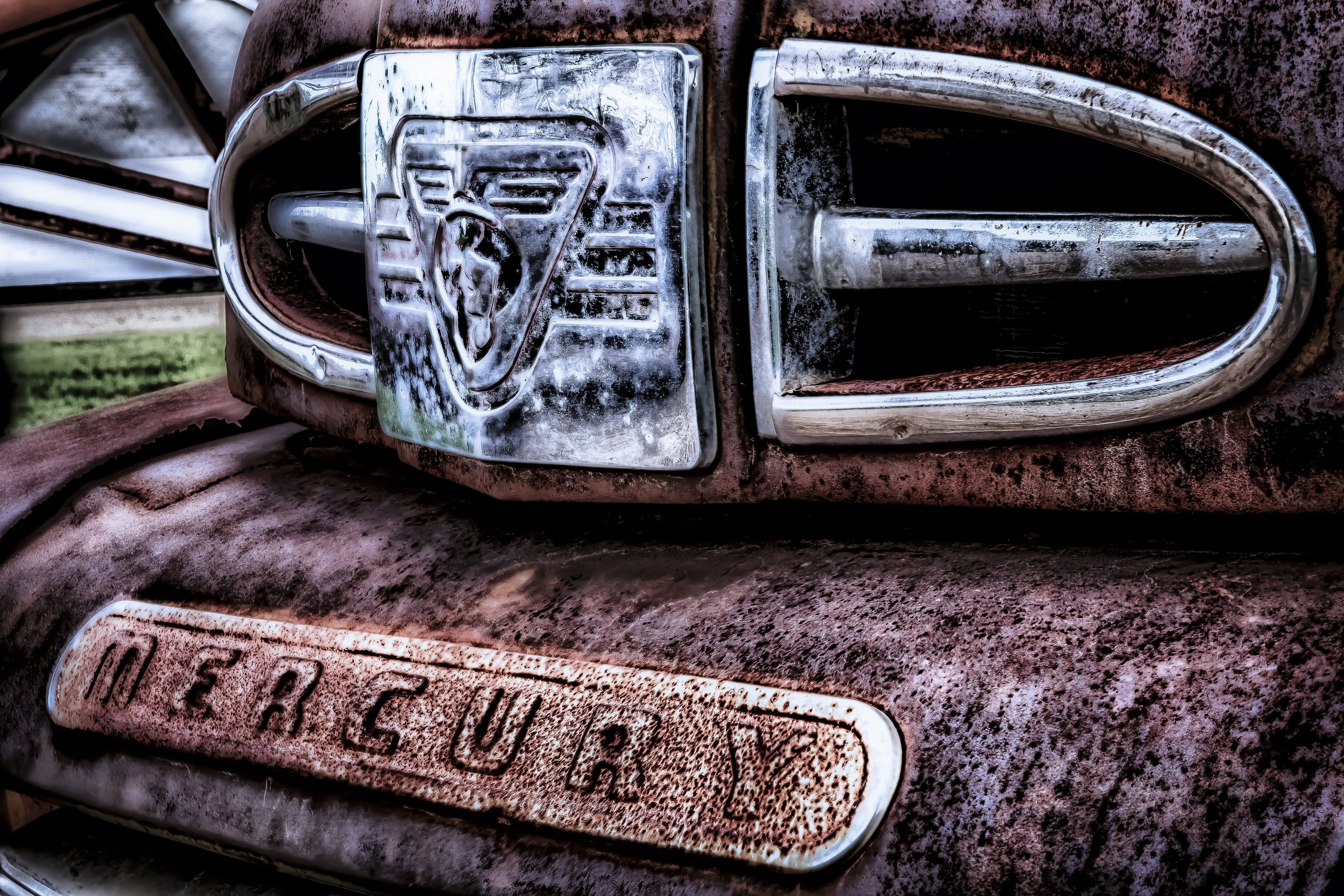
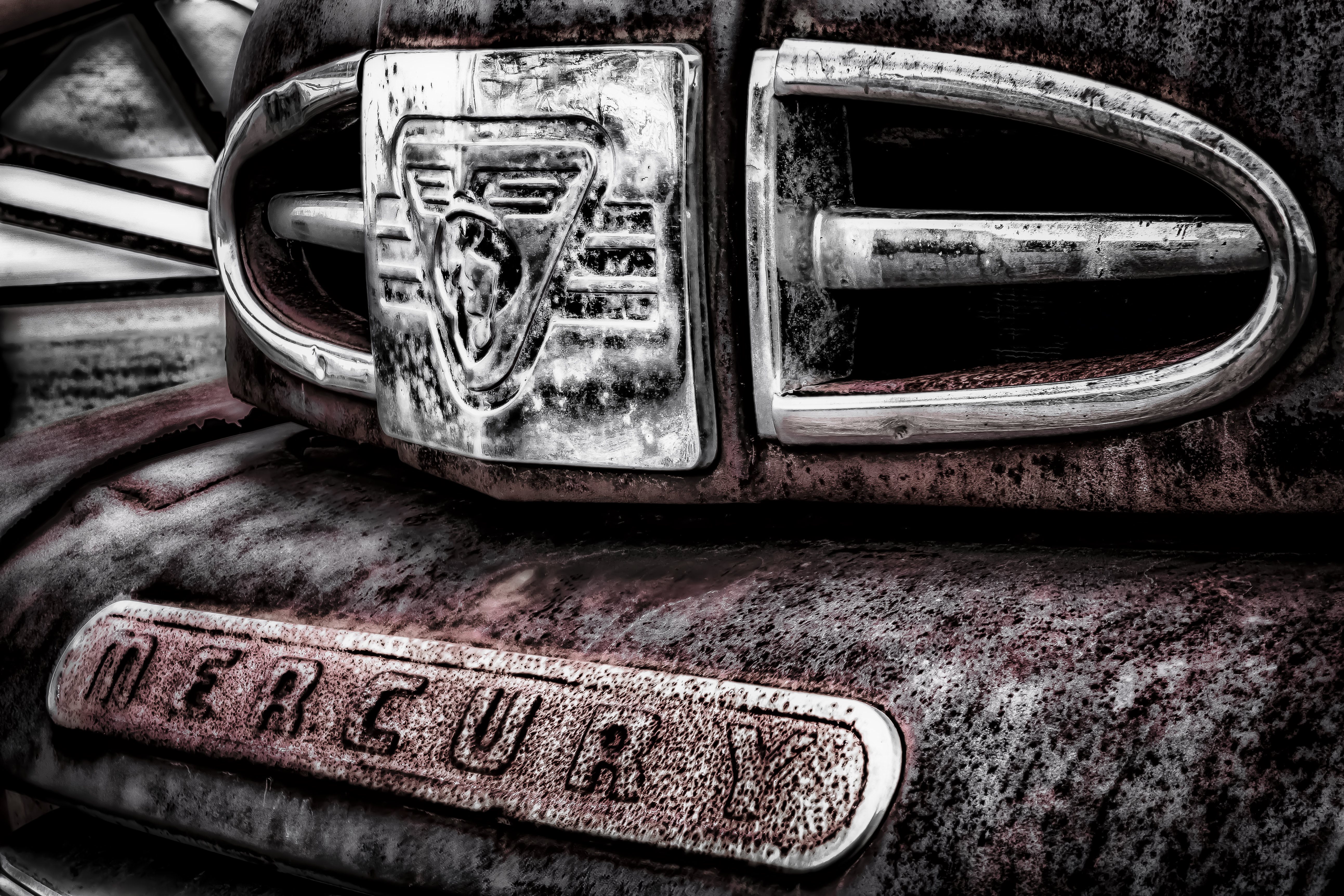
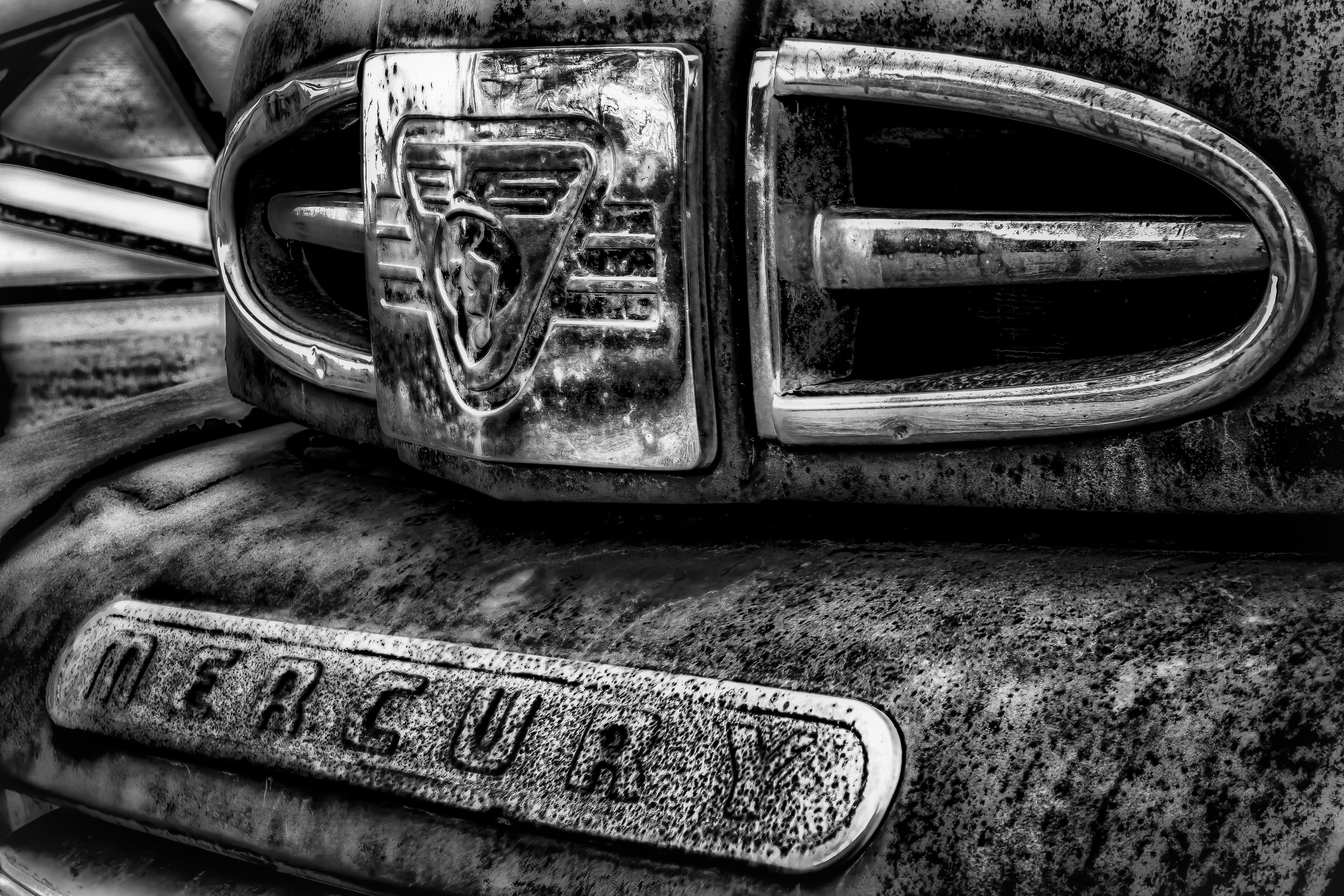
Images this morning are from a farming community in the region that lies between Manning, Dixonville and Blue Sky, Alberta. Grain bins done in HDR with swirling, heavy clouds above and a set of HDR photos of an early fifties grain truck at the pioneer museum minutes north of Manning.

Listening to the Candid Frame – an interview of Niel and Susan Silverman, a husband and wife photographer duo who provide photography workshops around the world; also, Sheryl Crow’s ‘Riverwide,’ U2’s ‘Wire’ and ‘Promenade,’ Roxy Music’s ‘India’ and Christine by Siouxsie & the Banshees.

Quote to Inspire – “On the odd days Auto Tone gets it right I assume it’s using some kind of voodoo.” ― David duChemin, Vision & Voice: Refining Your Vision in Adobe Photoshop Lightroom

That Thought, Complete

Best Practices - Photography, Canon 60D, Canon Camera, Canon Lens, Canon Live View, Farm, High Dynamic Range (HDR), Home, Journaling, Light Intensity, Night, Photoblog Intention, Photography & Conceptualizing Beauty, Project 365 - Photo-a-day, Sigma Lens - Wide Angle 10-20mm, Spring, Still Life, Sunset, The Candid Frame, Vehicle, Vehicle Restoration

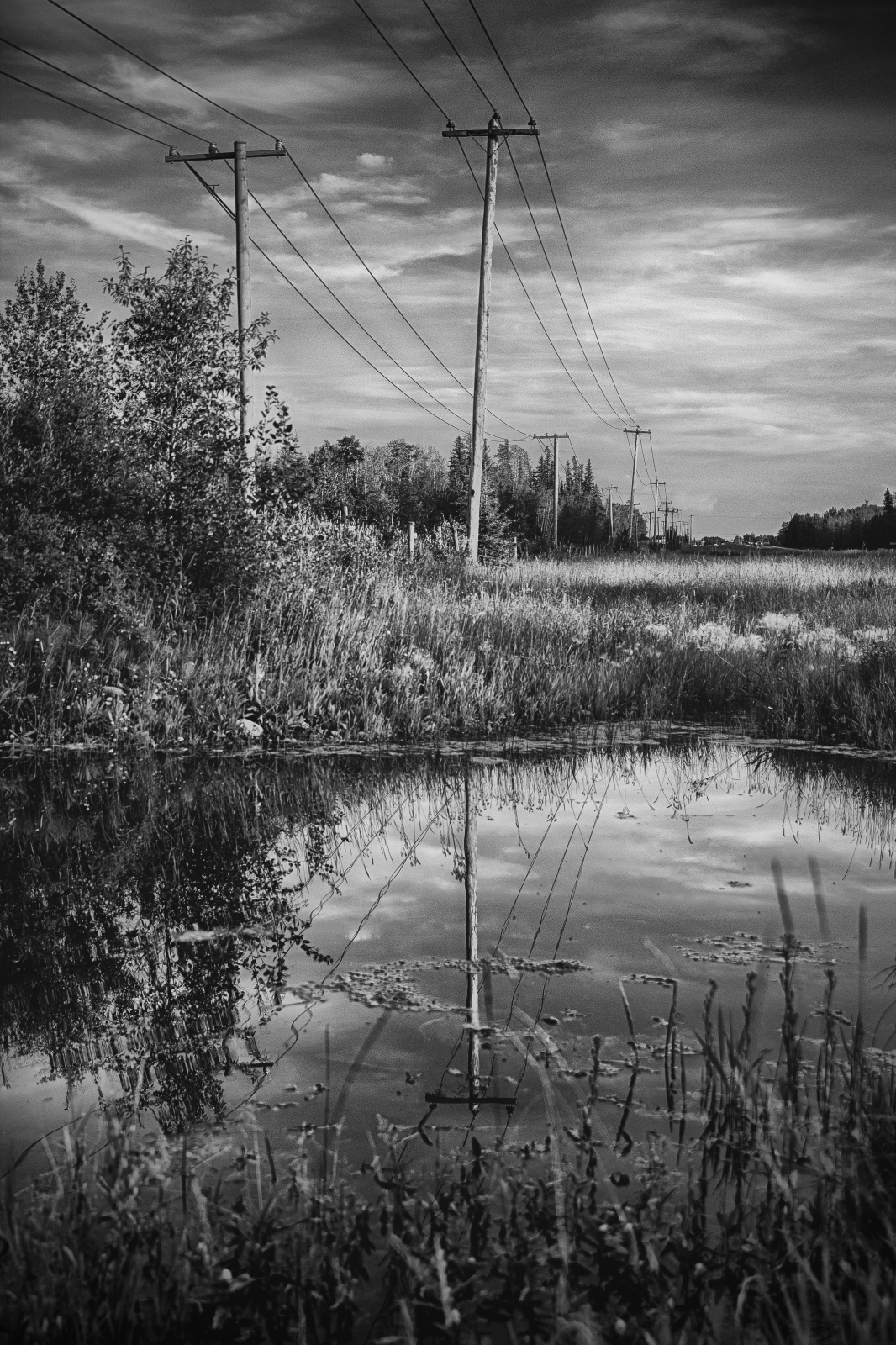
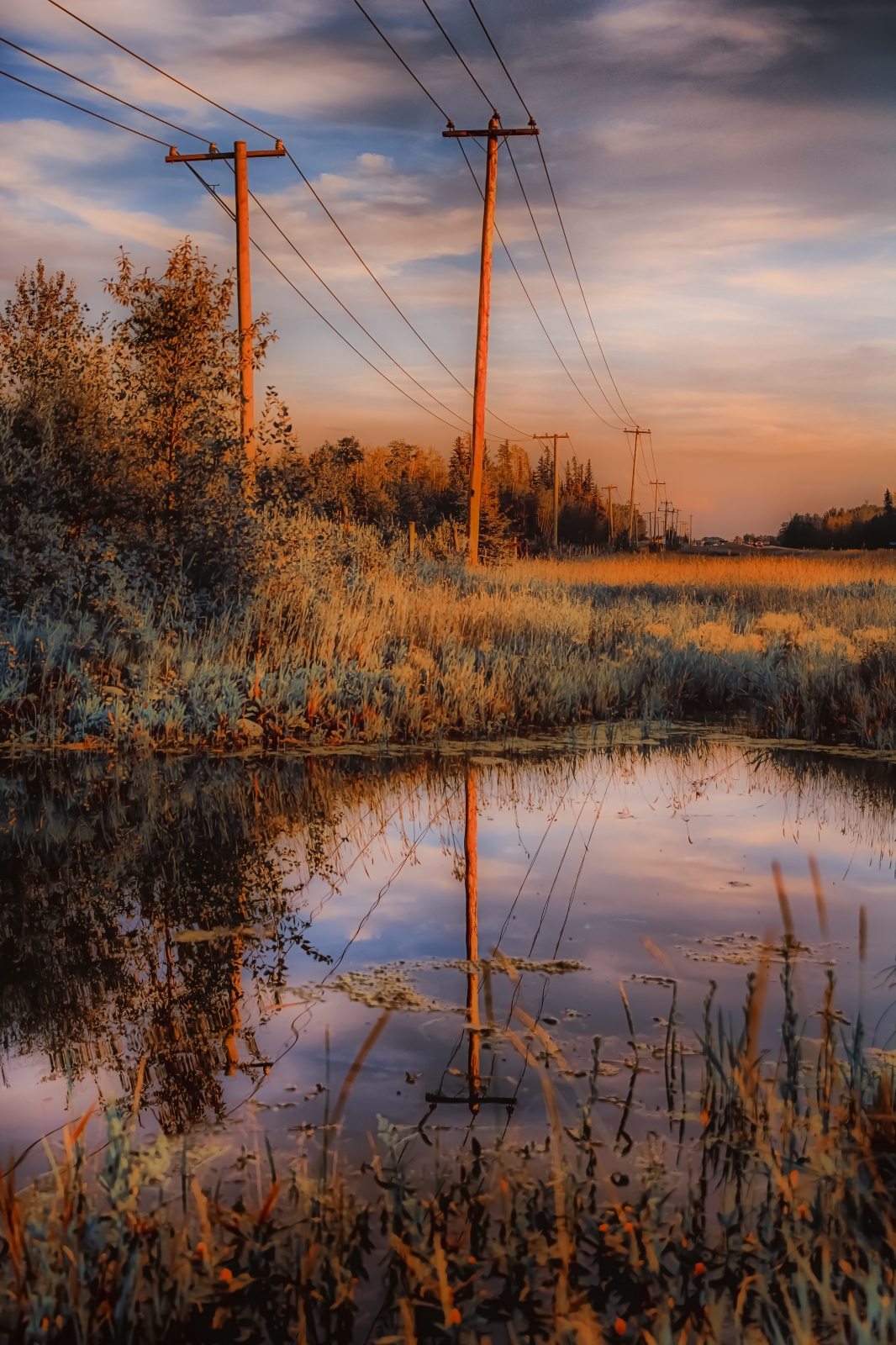
Alberta Reflection - Grande Prairie 1

Alberta Reflection – Grande Prairie 1

Alberta Reflection - Grande Prairie 2

Alberta Reflection – Grande Prairie 2

Alberta Reflection - Grande Prairie 3

Alberta Reflection – Grande Prairie 3

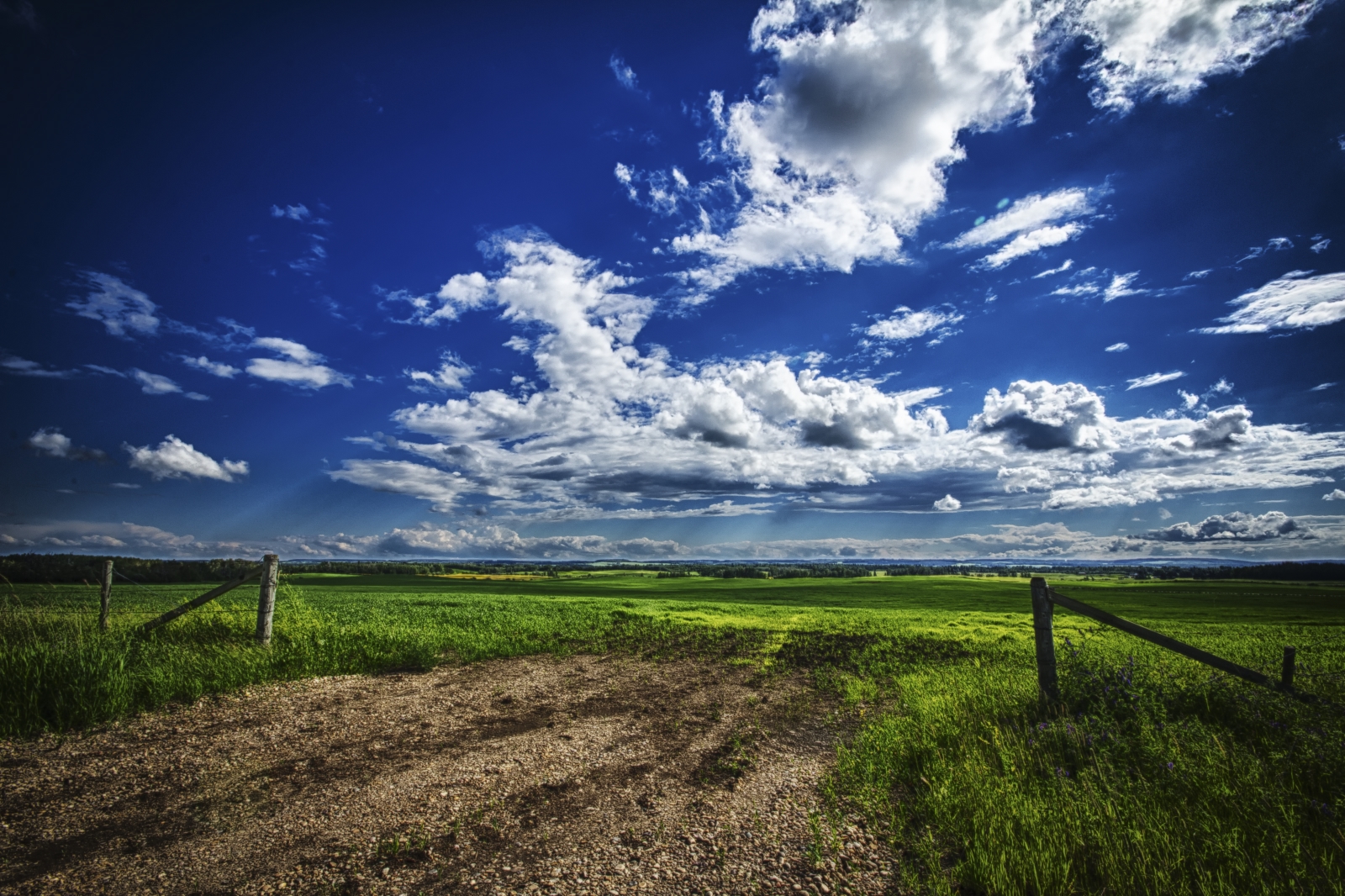
Alberta's Big Sky - 1

Alberta’s Big Sky – 1

Alberta's Big Sky - 2

Alberta’s Big Sky – 2

Along Northern Roads - Grande Cache, Alberta

Along Northern Roads – Grande Cache, Alberta

HDR - Subject Revisited 1

HDR – Subject Revisited 1

HDR - Subject Revisited 2

HDR – Subject Revisited 2

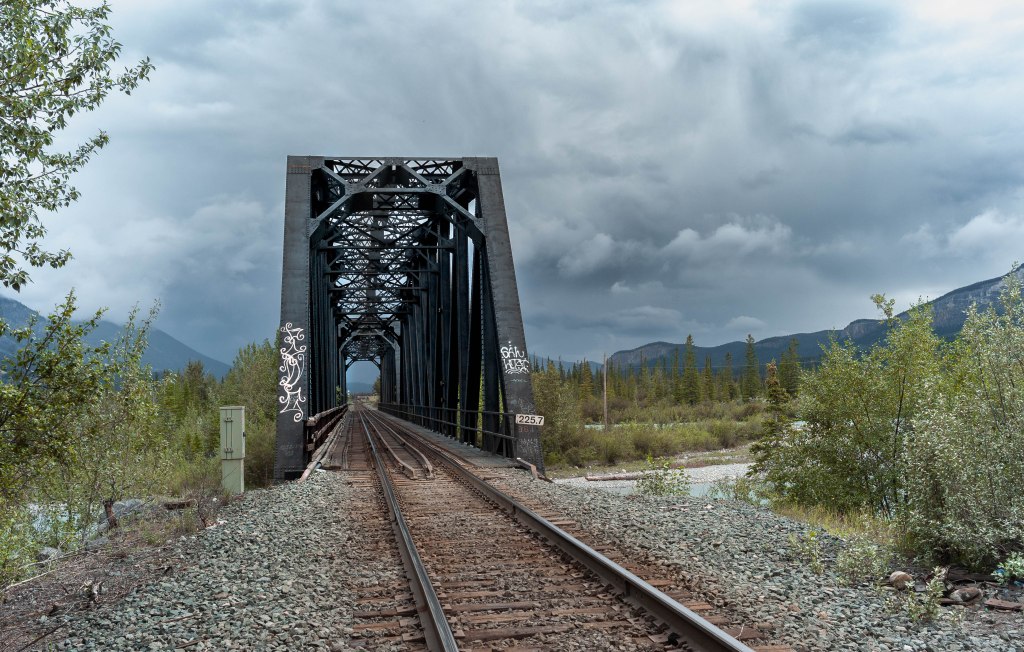
Trestle Bridge - Grande Cache, Alberta

Trestle Bridge – Grande Cache, Alberta

Wet Rock - Banff, Alberta

Wet Rock – Banff, Alberta

Wooded Reflection - Jasper, Alberta 1

Wooded Reflection – Jasper, Alberta 1

Wooded Reflection - Jasper, Alberta 2

Wooded Reflection – Jasper, Alberta 2

Wooded Reflection - Jasper, Alberta 3

Wooded Reflection – Jasper, Alberta 3

The following text is excerpt, core invitation to a cousin to interact with me through my photo blog and exposes intentions for the blog and posting.

“My photoblog’s URL is http://www.lumensborealis.com , written from the point of pseudonym, also most often written at day’s end … a mind saturated, releasing the day; sometimes this can seem very close to the poignant remark made by an Auschwitz inmate in Schindler’s List … ‘I had a complete thought, today.’ Sometimes my posts are good and flow and cohere. But, I’m also editing what I write to limit consequence along parameters suggested by William Stafford in his book, ‘Crossing Unmarked Snow:’

1. The things you do not have to say make you rich.
2. Saying the things you do not have to say weakens your talk.
3. Hearing the things you do not need to hear dulls your hearing.
4. The things you know before you hear them, those are you and this is the reason you’re in the world.

A compelling set of assertions, for any of us, that aims at honourable and integrated Life … a good thing – it’s how I’m aiming to write the blog. Still, in my reading of it there often is opportunity to add more Art within my writing.

The Photoblog – Photography is what the photoblog is about – a photo-a-day kind of thing as intention and as means to grapple with photography and enhance skills; but, at almost two years in I’m only on post 271 and not beyond a year’s 365 posts. The blog is also about responding to each photo or set of photos as starting point to engage the rabbit trail of memory associating to family and times.” And, it often leads my thought to a set of Rimbey farms and my cousins, there.

Listening to – the Candid Frame with Ibarionex Perello in an interview with Will Jax about his Juke Joint photography in the French Quarter of New Orleans; part of the discussion that intrigued was the matter of consent, of giving back, contributing – all parts of what grants access within the exchange that is photography.

Quote to Inspire – “You yourself are unique–you have ways of seeing your world that are unlike those of anyone else–so find ways to more faithfully express that, and your style will emerge.” ― David duChemin, Vision & Voice: Refining Your Vision in Adobe Photoshop Lightroom

Metal Geometry

Best Practices - Photography, Canon 60D, Canon 70-200 mm 2.8 IS L Series Lens, Canon Camera, Canon Lens, Canon Live View, Flora, Journaling, Light Intensity, Lookback Photos - One Year Ago, Photography & Conceptualizing Beauty, Podcast, Project 365 - Photo-a-day, Spring, Still Life, The Candid Frame

Train Trestle - Lac St. Anne, Alberta 1

Train Trestle – Lac St. Anne, Alberta 1

Train Trestle - Lac St. Anne, Alberta 2

Train Trestle – Lac St. Anne, Alberta 2

Train Trestle - Lac St. Anne, Alberta 3

Train Trestle – Lac St. Anne, Alberta 3

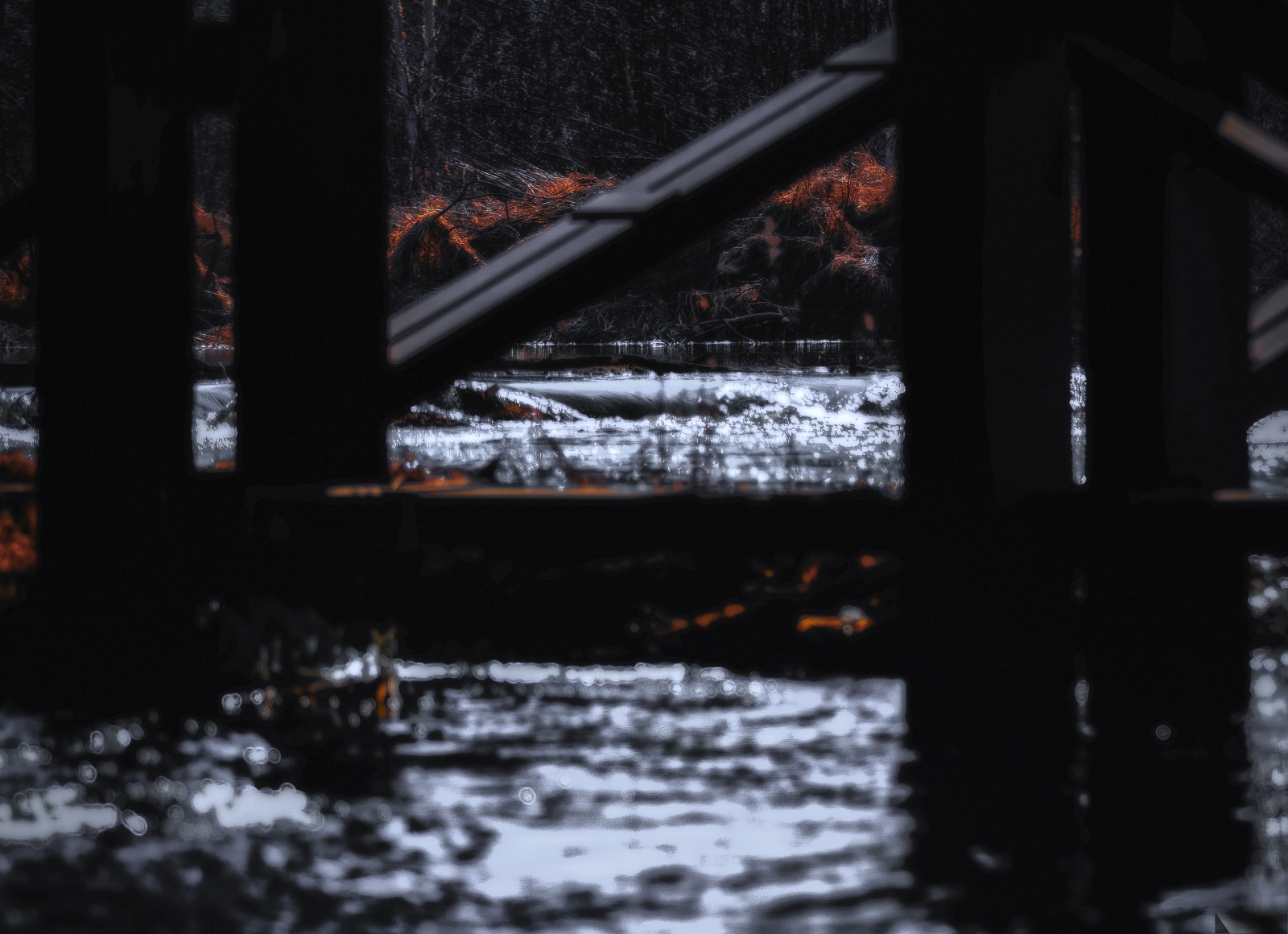
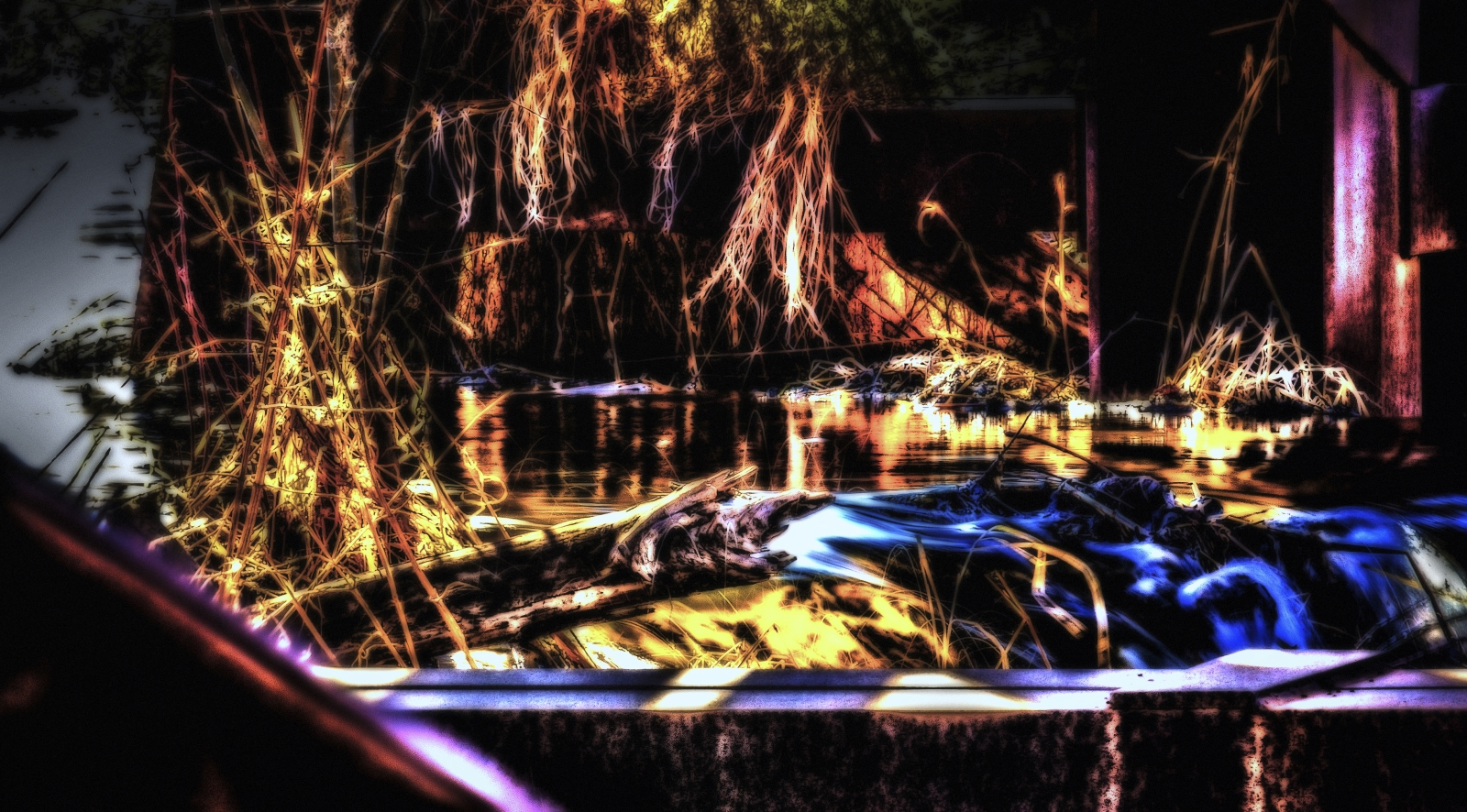
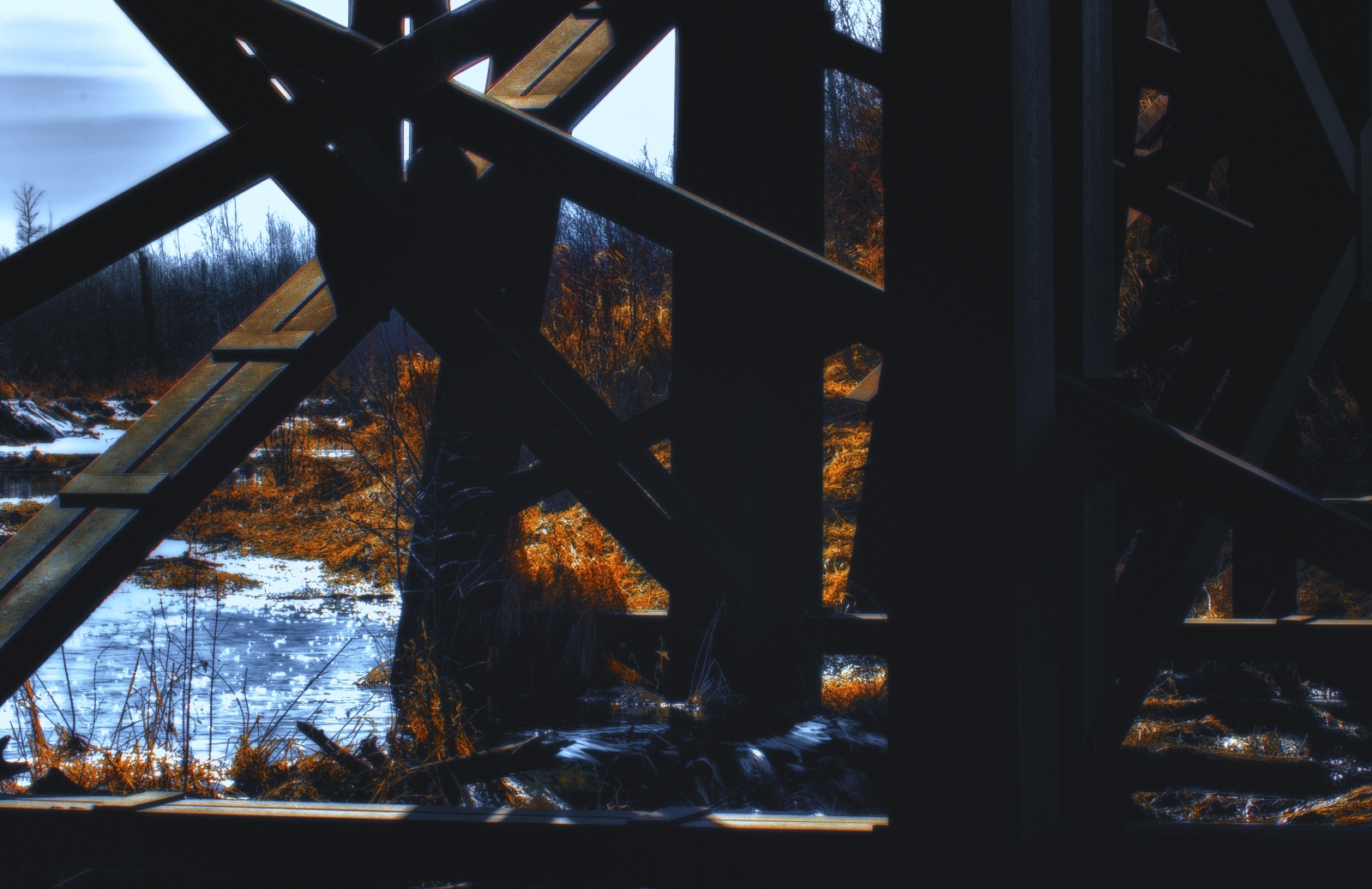
High above a creek running in spring’s thaw, a train trestle’s metal geometry, angles bolted and welded together, contrasts against water’s fluid state and creek bank flora … colourful, yet still to come alive.

Listening to – Ibarionex Perello interview Walter Plotnick on ‘The Candid Frame,’ a discussion of wet photography and digital process – check out episode #189 http://thecandidframe.blogspot.ca/ (you’ll find this as a podcast through iTunes).

Quote to Inspire – “Everything shifts as you move, and different things come into focus at different points of your life, and you try to articulate that.” Chris Steele – Perkins