
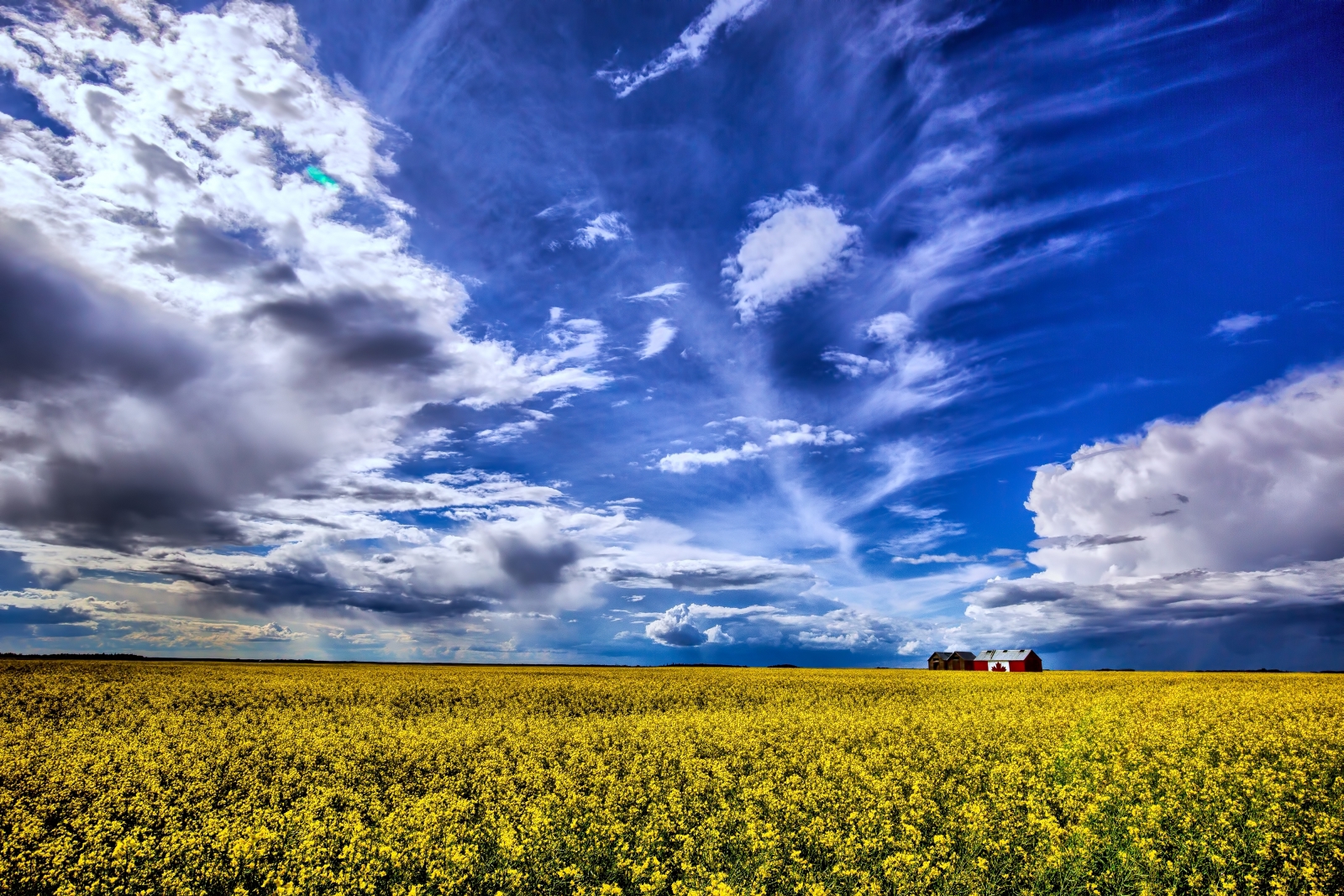
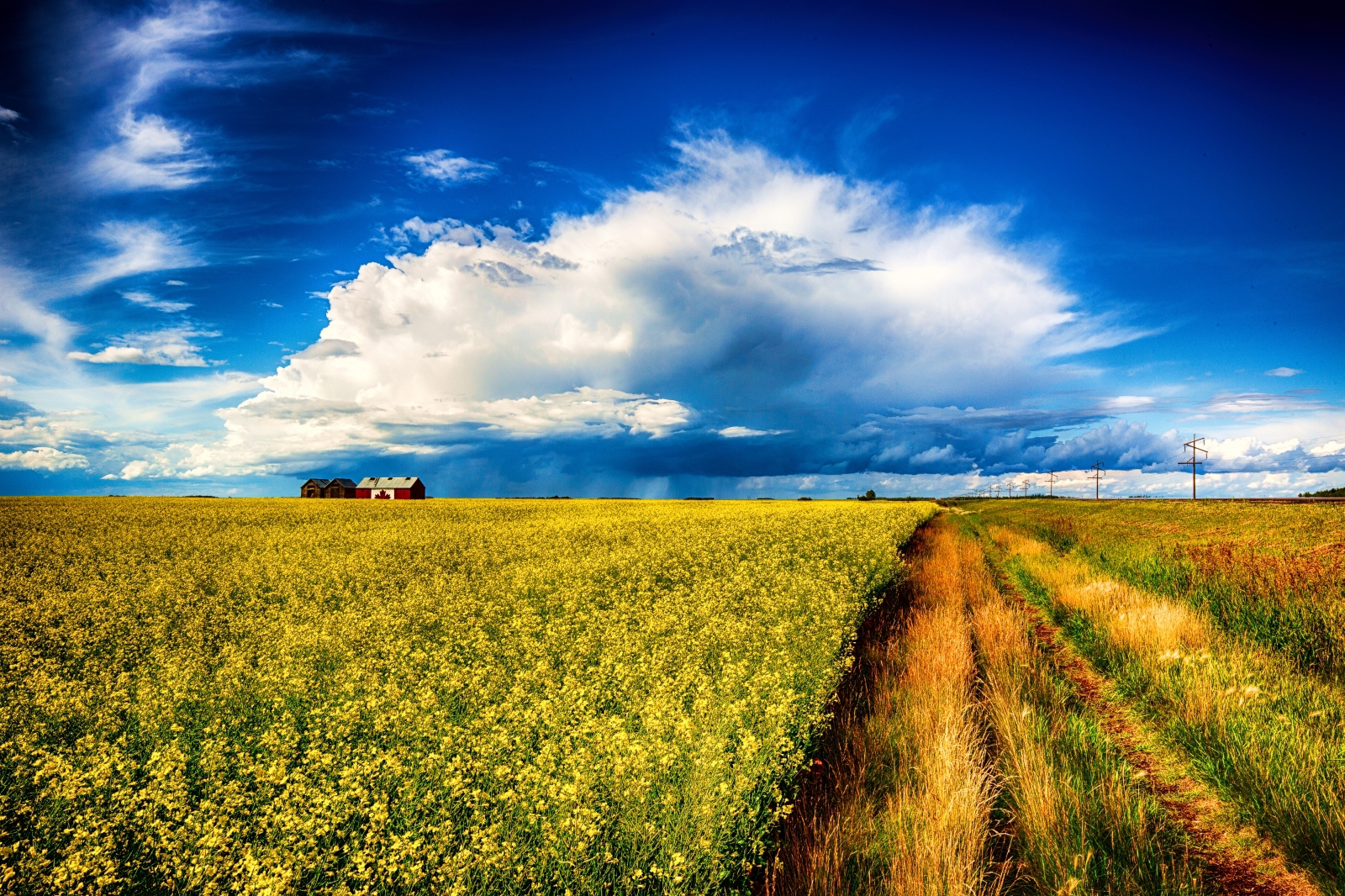
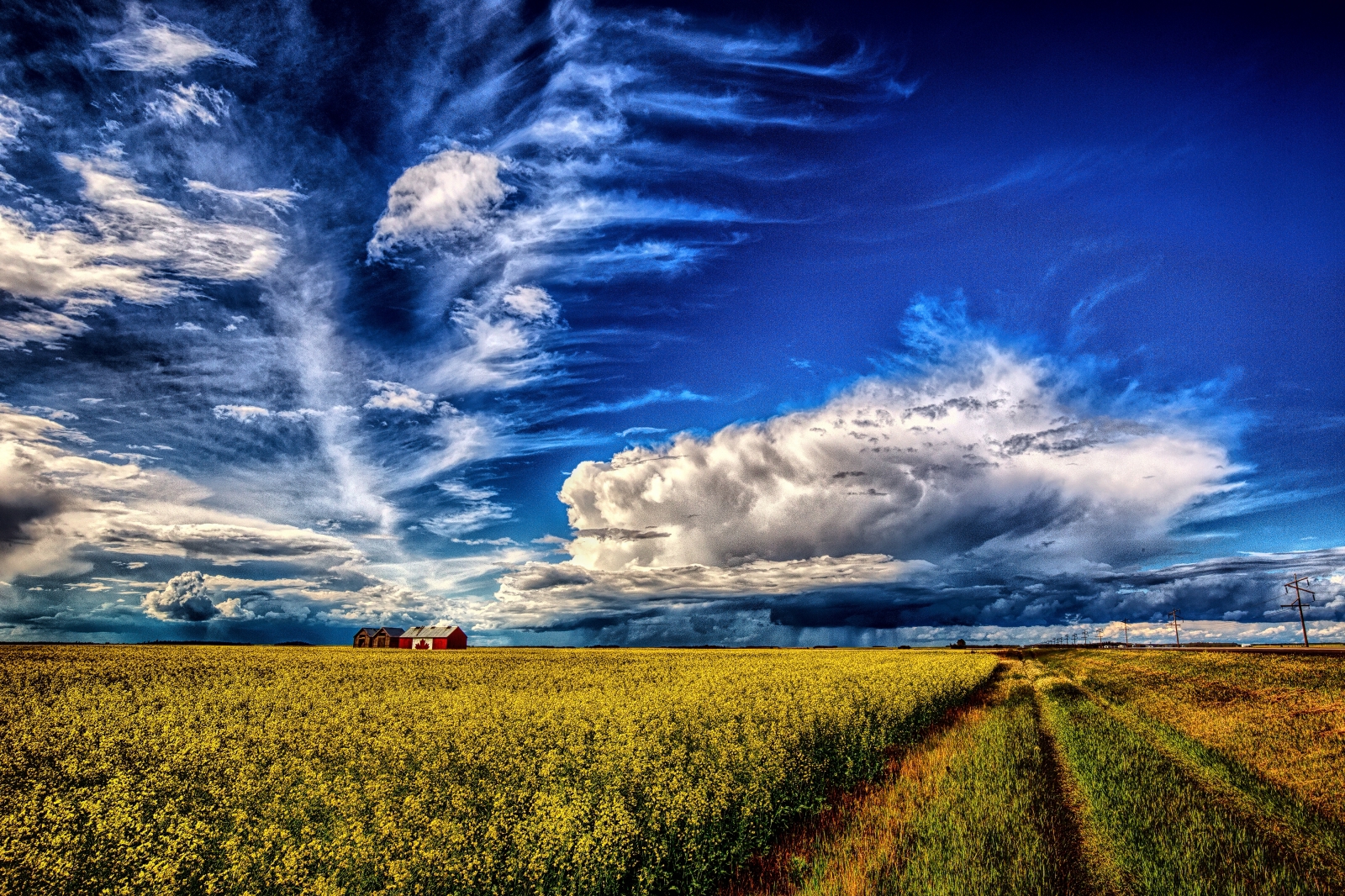
Homestead – La Glace, Alberta, Canada
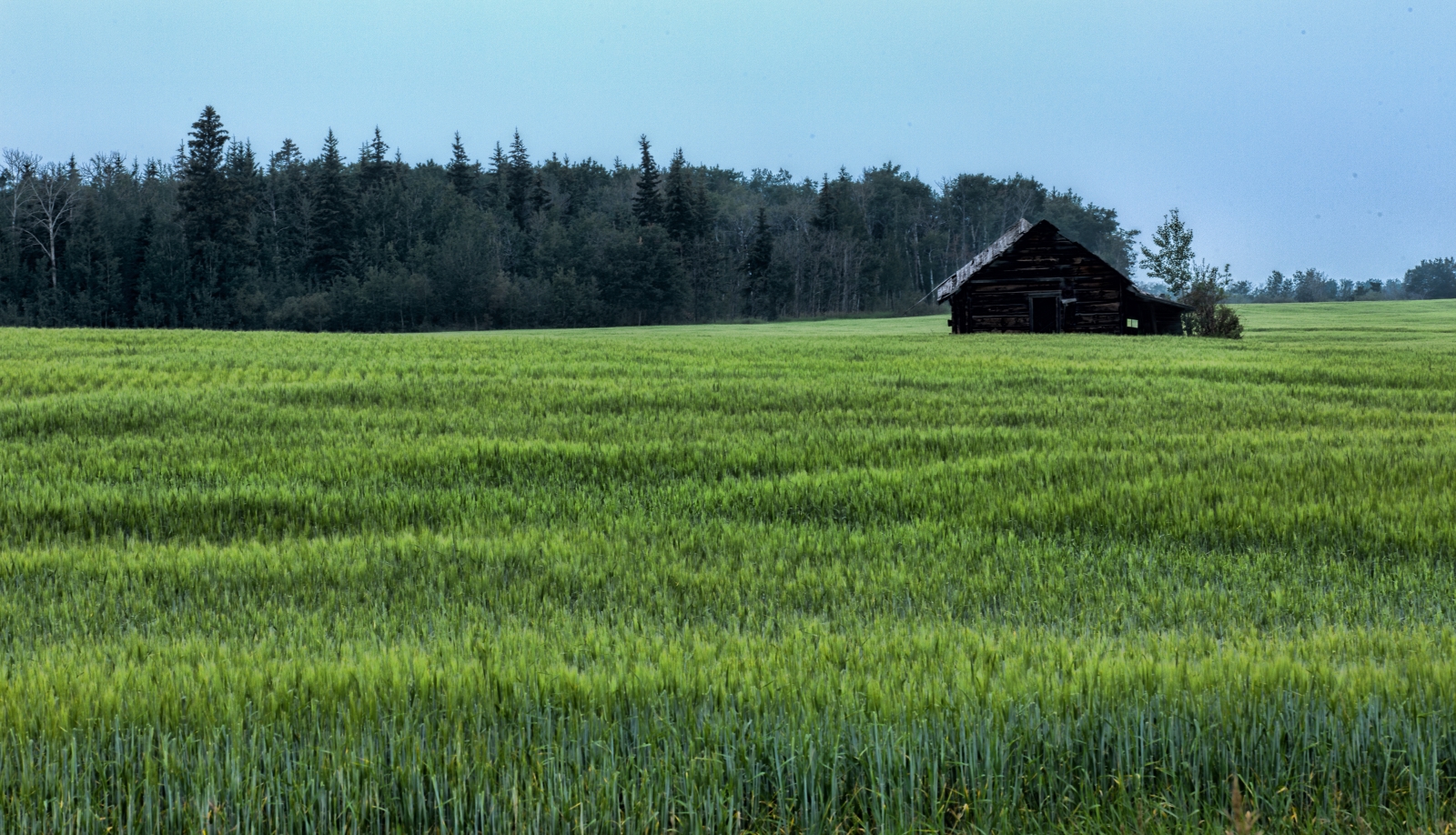
Homestead – La Glace, Alberta, Canada
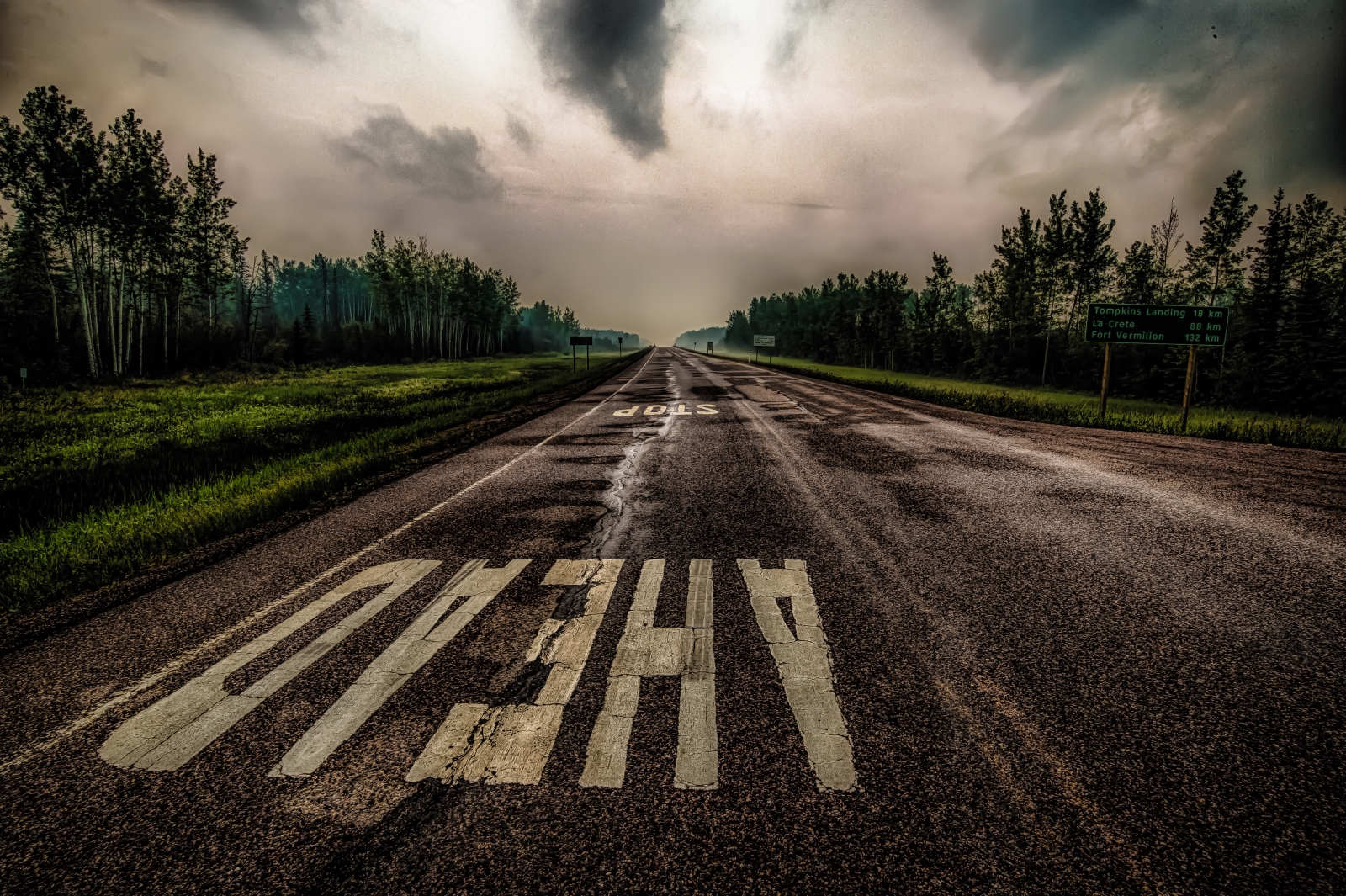
Stop Ahead Turnoff – NW Alberta
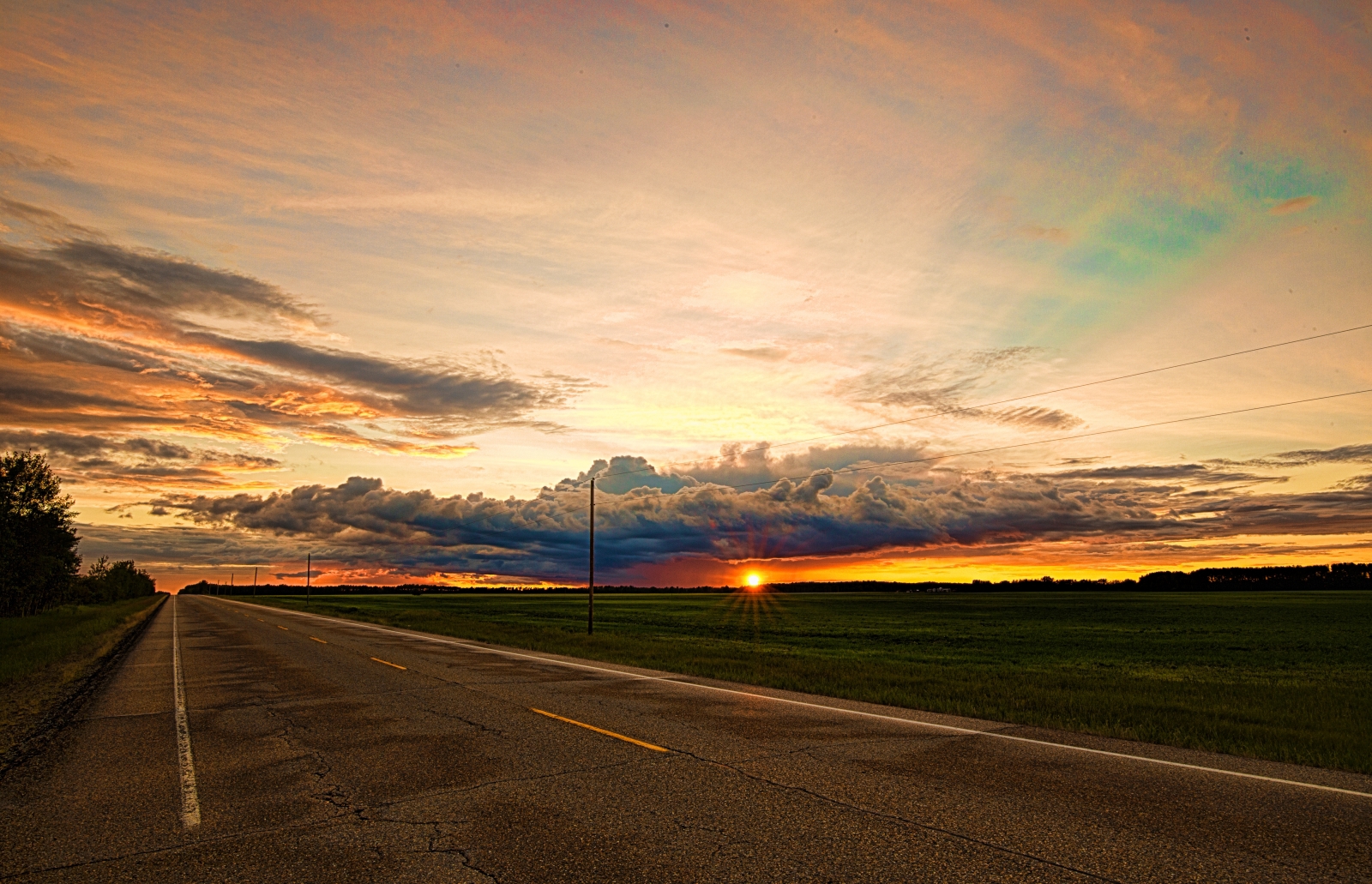
Sunset – Warrensville, Alberta Canada 1

Sunset – Warrensville, Alberta Canada 2

Sunset – Warrensville, Alberta Canada 3

Sunset – Warrensville, Alberta Canada 4
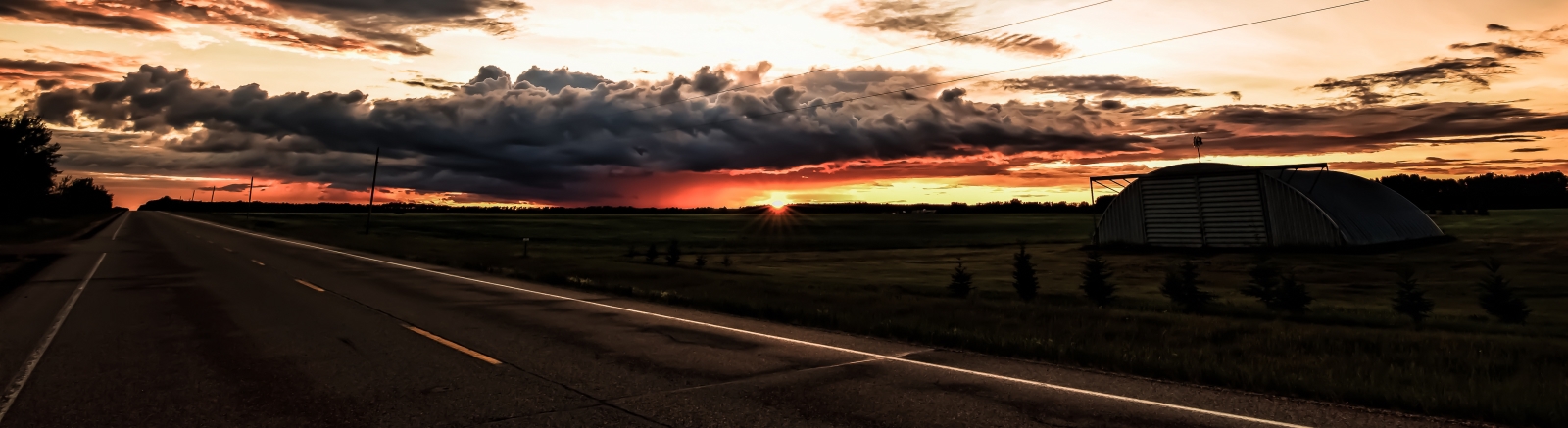
Sunset – Warrensville, Alberta Canada 5
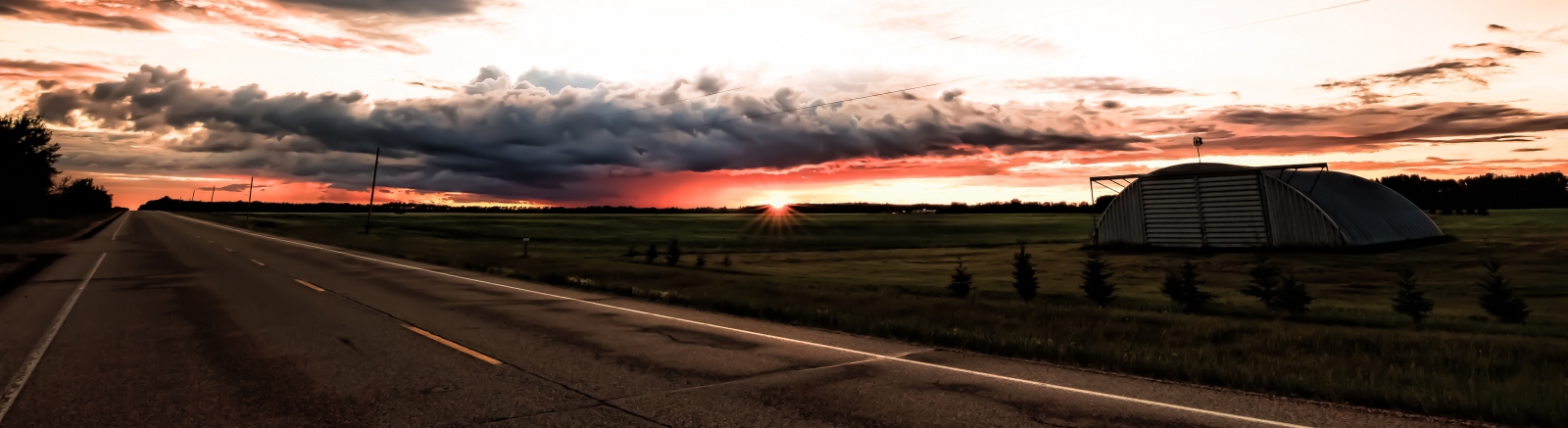
Sunset – Warrensville, Alberta Canada 5
“We never see another person’s experience; all we see is their behaviour (R.D. Lang).”
I have had some alone time travelling in the past few weeks and been able to engage in uninterrupted thought work – some intersecting of ideas has occurred. I’ve listened to a 2007 John O’Donohue lecture on the creative force of the imagination and key ideas as starting points about our inner lives – in his words, “I always think that behind every face there is a secret life and that humanoids are the strangest creatures that you’d ever meet because so much is contained within the human body. A human face is one of the most unusual things in the world. On such a small canvas such a variety of presence can appear. And, behind every face there is a secret, hidden inner life … if friendship means anything it means in the presence of the other you begin to see who you are in how they reflect you back to you.”
Within this same time frame I took in a photography workshop offered by Joe McNally – ‘The Moment It Clicks.’ As I listened and watched Joe work to produce different portraits there was recognition that the photographer does what John O’Donohue proposes; ultimately, the photographer reflects the subject back to him- or herself. I have wondered, though, if portrait photography is really a dance of interrogation; I have wondered if shared vulnerabilities result in trust and a richer portrait. And, is it the photographer’s leading interrogation about the subject’s narrative that produces the best photograph? Or, is it something more mutual that does so? I am wondering if the good portrait photographer leads the subject in the relationship that produces the portrait? It is possible that subject and photographer would share a context of silence in portrait making.
John O’Donohue’s words highlight some of this – “No two humans inhabit the same world, internally. We all inhabit the same world physically. But, internally, each world is completely different.” On the side of the photographer and on the side of the subject, what follows is starting point. “… No one else sees the world the way you do. No one else sees it from the perspective that you do. In no one else is the same narrative building as there is within you. And even though similar things have happened to you as with other people the context that they find in your heart and mind and narrative is different from everyone else. Your inner world is completely hidden from other humans.” So, within portrait photography interrogation has the opportunity to work on both sides co-creating a reality – that of photographer and that of subject. Relationship and moment are captured and recorded as the shutter button is pressed.
As the week rounded out, I found myself among this theme, again, being explored and brought to life in Ben Stiller’s film of James Thurber’s story, The Secret Life of Walter Mitty.
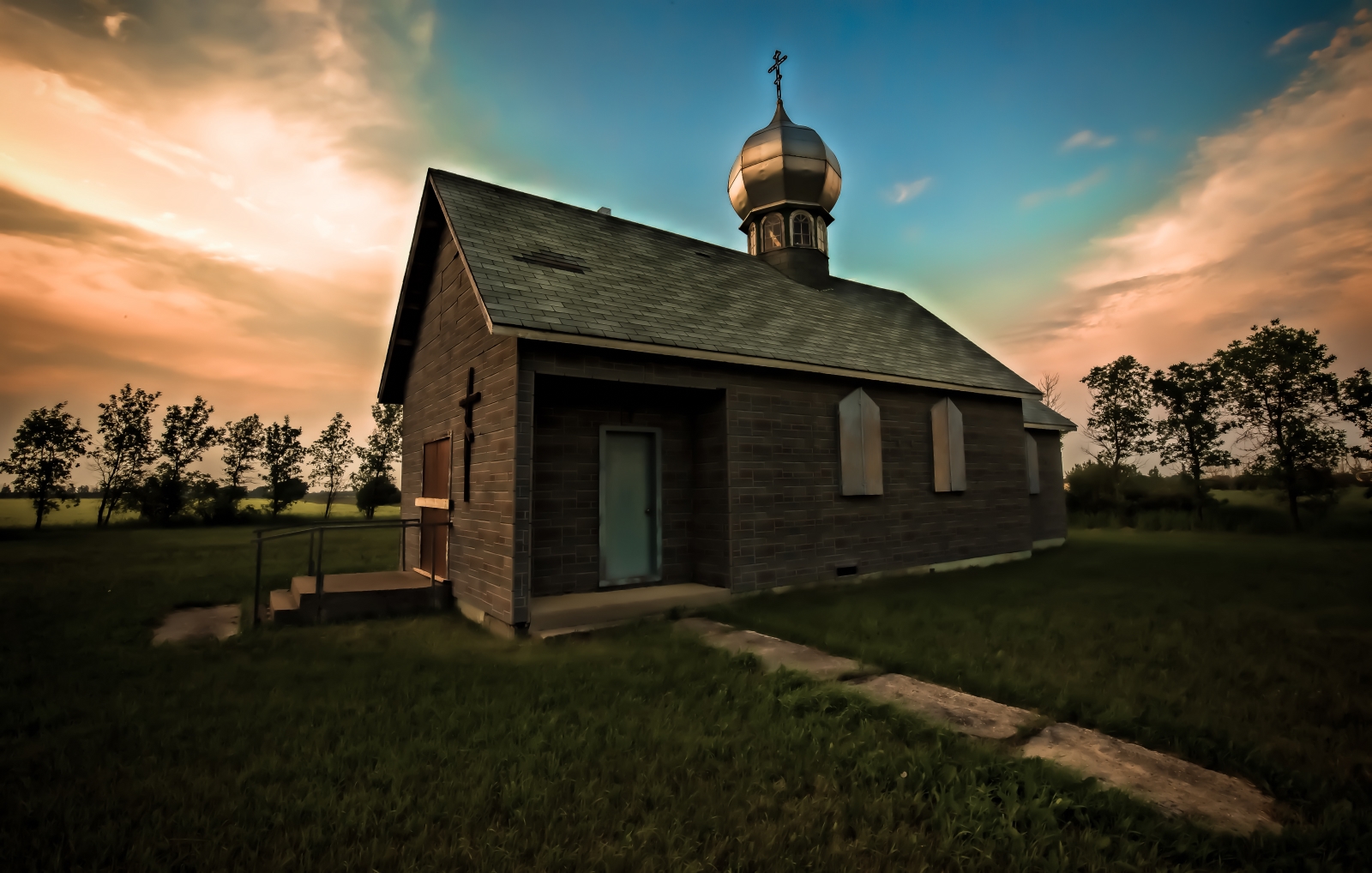
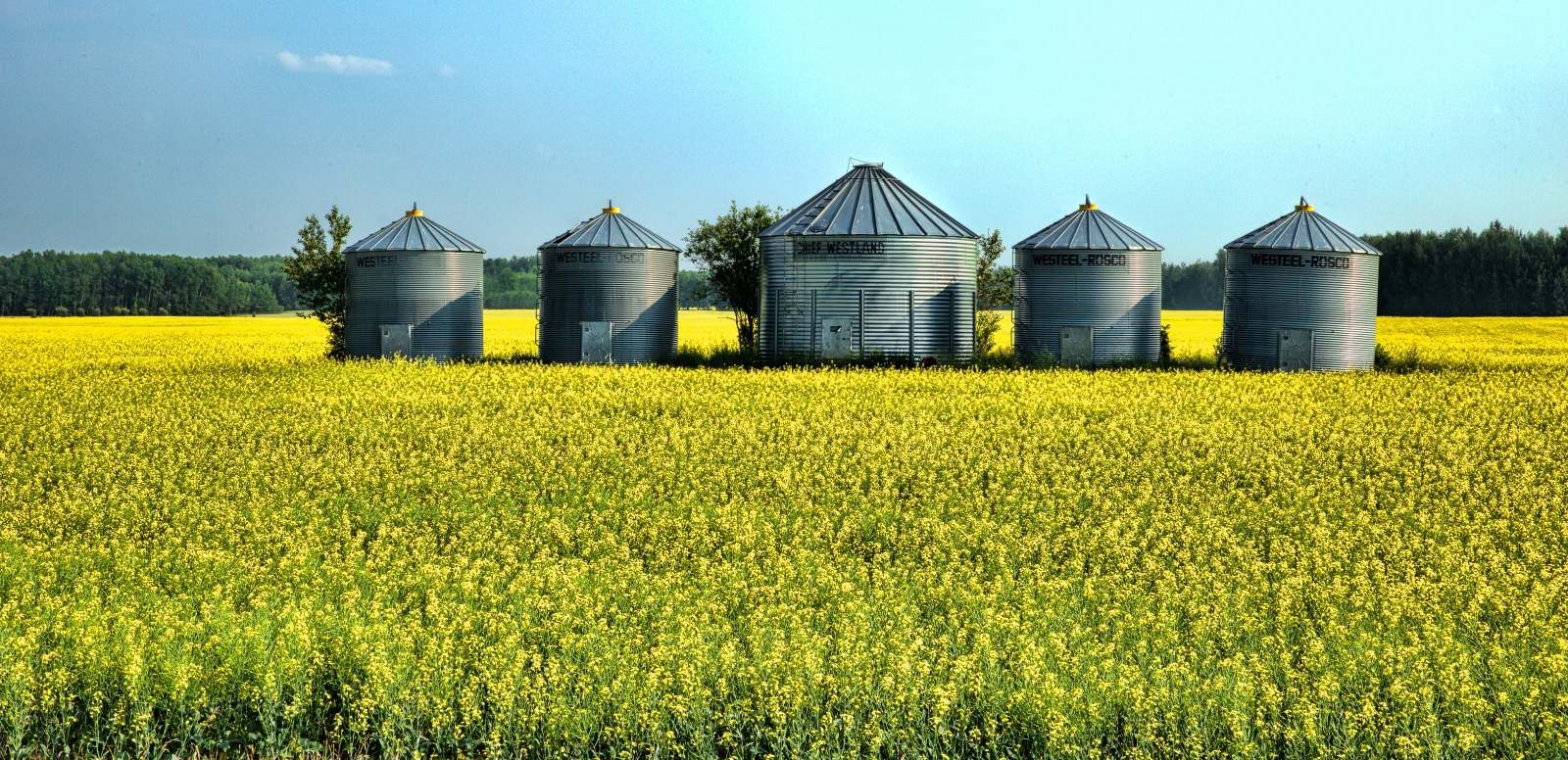
Images from the Road – a derelict church in Woking, a La Glace homestead, the road at night and sunsets.
Quote to Consider – “If you’re having difficulty finding a natural or intuitive expression in a portrait session or having trouble identifying with the person you’re photographing, look into their eyes carefully and see if you can find your own reflection there. Discover yourself looking at you. Then, ask your subject to look into your camera lens and find their own reflection, and be prepared to make the portrait.” – Shelby Lee Adams, ‘Find Your Reflection’ … seems follow-up from the aphorism, “The more I know me, the more I know thee.” – Buber-esque and good, good schtuff!
Listening to – Jose Gonzalez’ ‘Stay Alive’ and Thomas Merton’s ‘The Seven Storey Mountain.’
 In My Back Pocket - Photography
You must be logged in to post a comment.