As a beginning photographer, I often heard people in passing talk about a photograph’s narrative. I could capture an image well. I could frame a shot and arrange its elements into a composition that caught the eye. Viewers responded warmly and asked questions about my work. Good. But the idea that a photograph held narrative threw me.
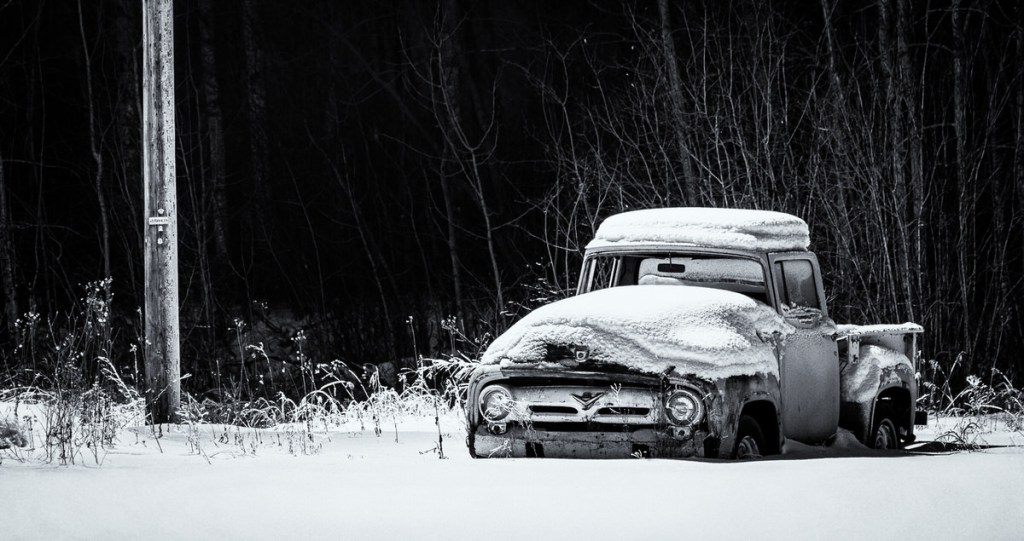
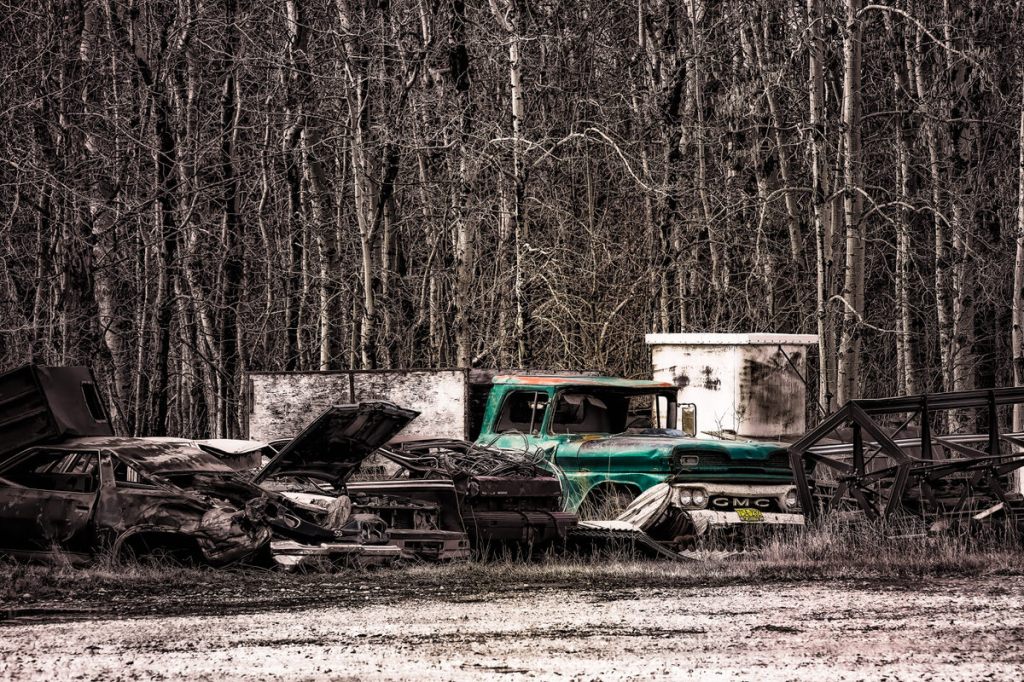
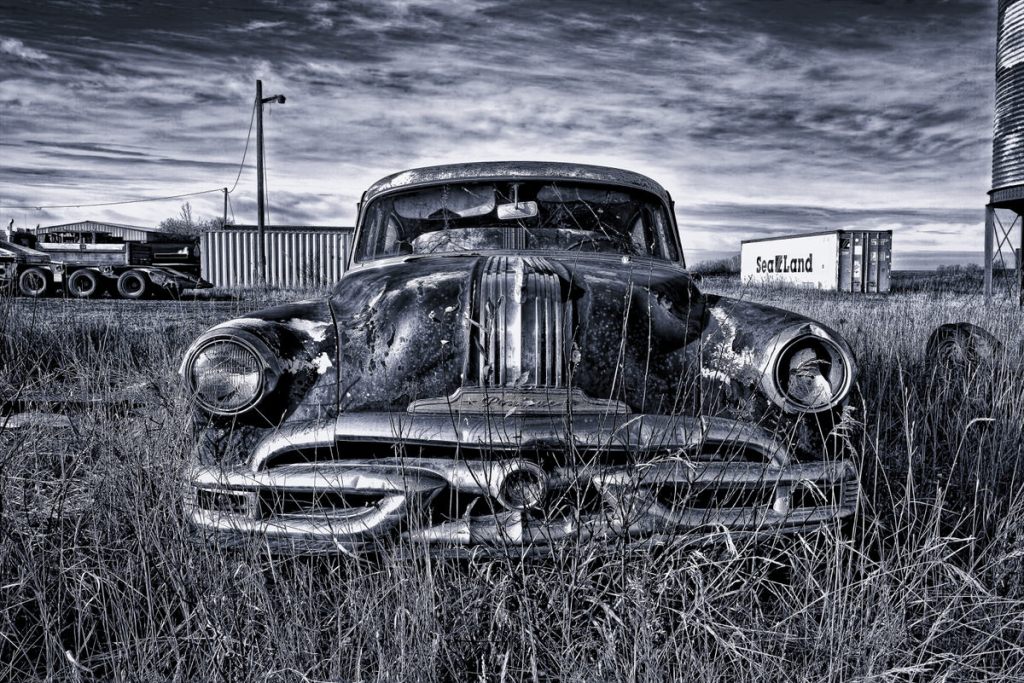
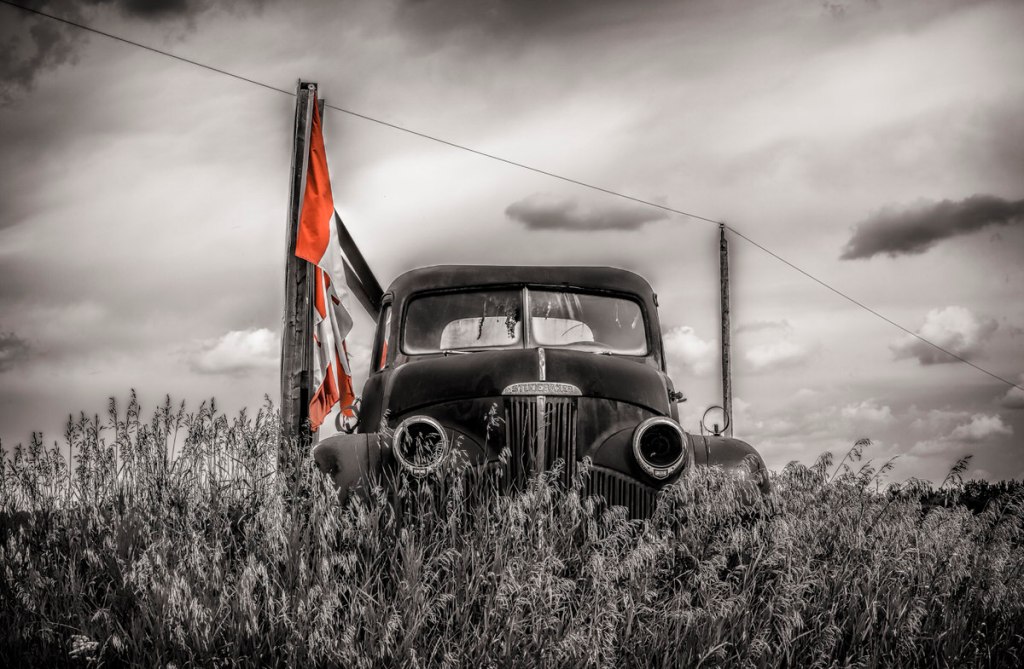
To me, narrative was found in novels—texts I read in high school or university, with a plot and devices that kept me turning pages until the dénouement. E. M. Forster drew a clear distinction between story and plot: “We have defined a story as a narrative of events arranged in their time-sequence. A plot is also a narrative of events, [but] the emphasis [falls] on causality. ‘The king died and then the queen died’ is a story. ‘The king died, and then the queen died of grief’ is a plot. The time-sequence is preserved, but the sense of causality overshadows it.” Plot asks why. It draws the reader’s imagination into the gaps, prompting guesses about what happened and what it means, and carries the reader to the end, where each guess is confirmed or overturned.
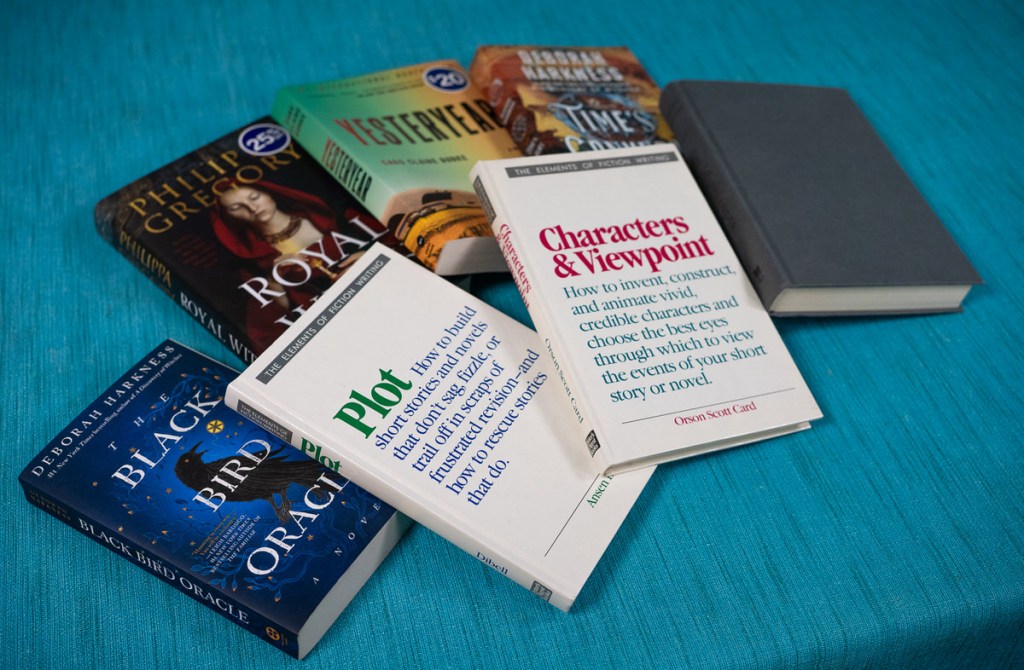
That was narrative. And that was plot.
But do good photographs engage the viewer the way a reader is engaged by a novel’s plot? Many of my early photographs fell squarely into the “king died, and then the queen died” camp. They simply recorded what was there. But as my work evolved, the elements within my frames began to relate to one another, raising questions and inviting conjecture. That is when my photographs began to hold narrative power.
I am only now seeing this. A photograph that works doesn’t merely document what’s in front of the lens; it engages the viewer’s imagination. When I compose a frame, I choose what to include and what to leave out, and those choices prompt the viewer to ask what story the image tells.
I’ve also come to believe that we engage with images the way we engage with learning: we invest ourselves when there’s something left to discover.
Here, the photograph parts ways with the novel. A novel eventually solves its mystery; a photograph rarely does. It can raise a question but seldom answer it, and that unresolved space is where the viewer invests. A photo essay sits between the two, letting several images reveal more of the story while preserving some of the mystery.
Old Cars and the Act of Inquiry
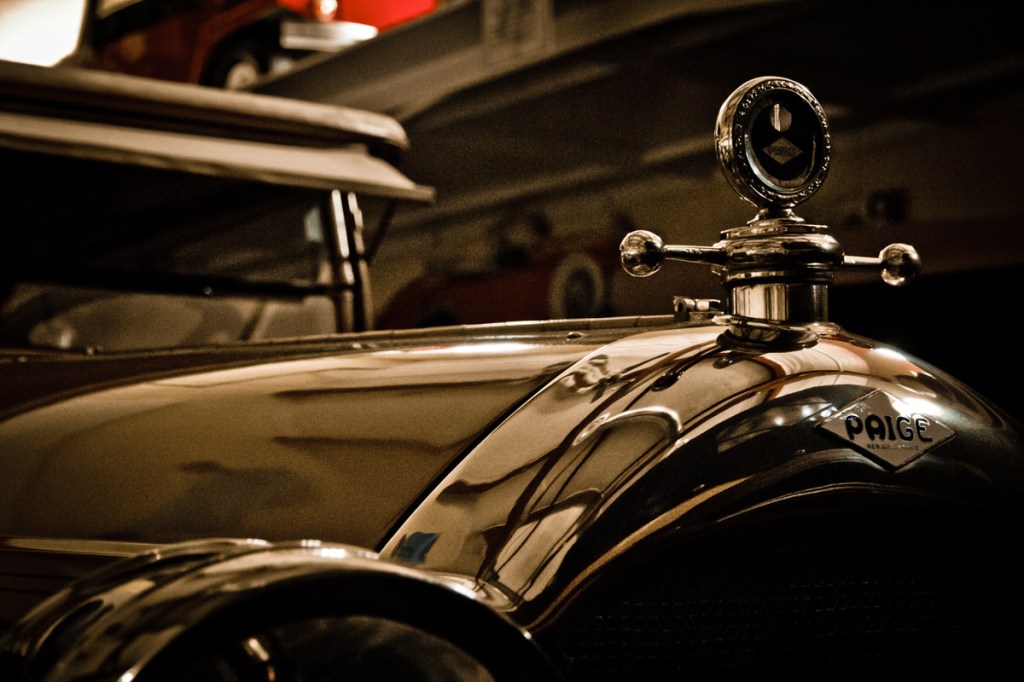
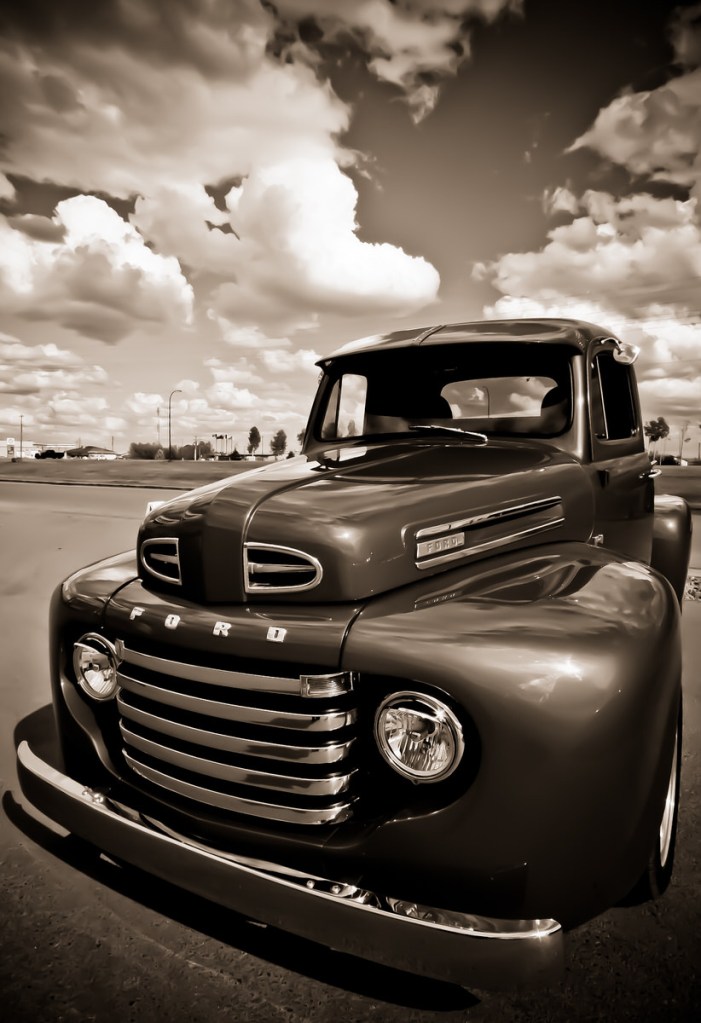
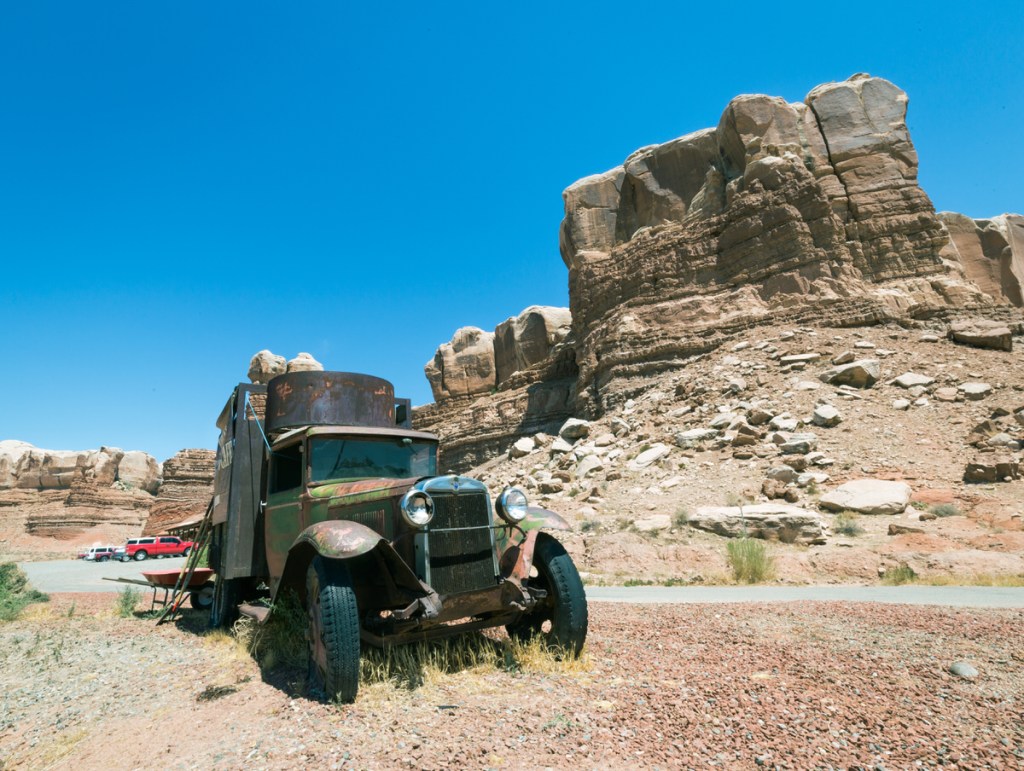
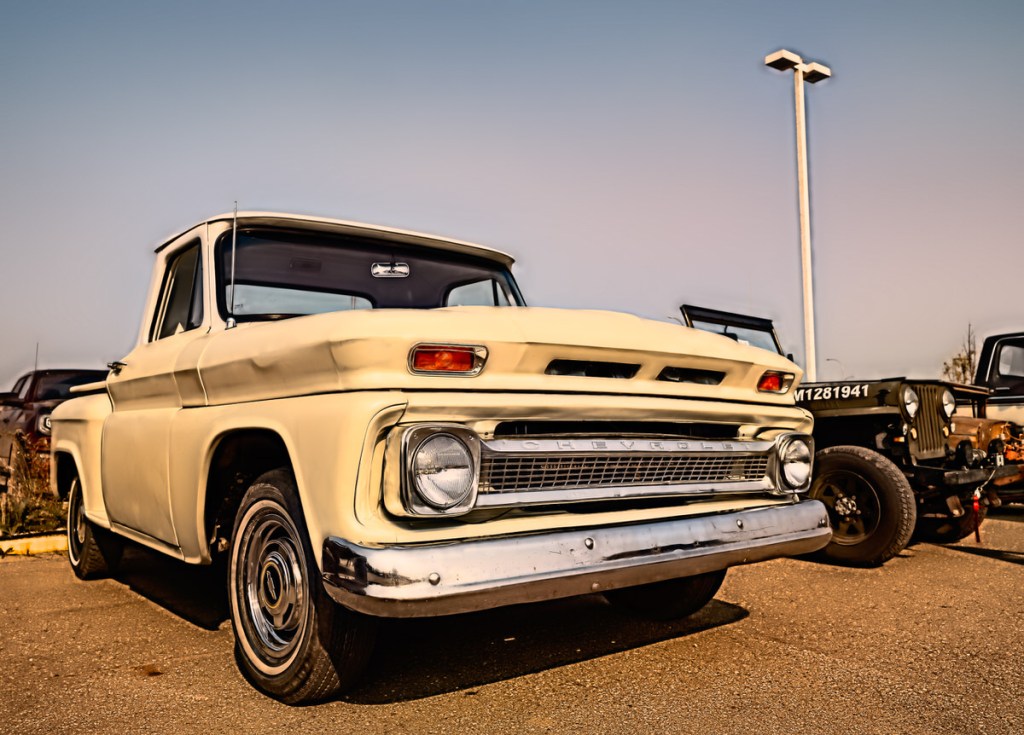
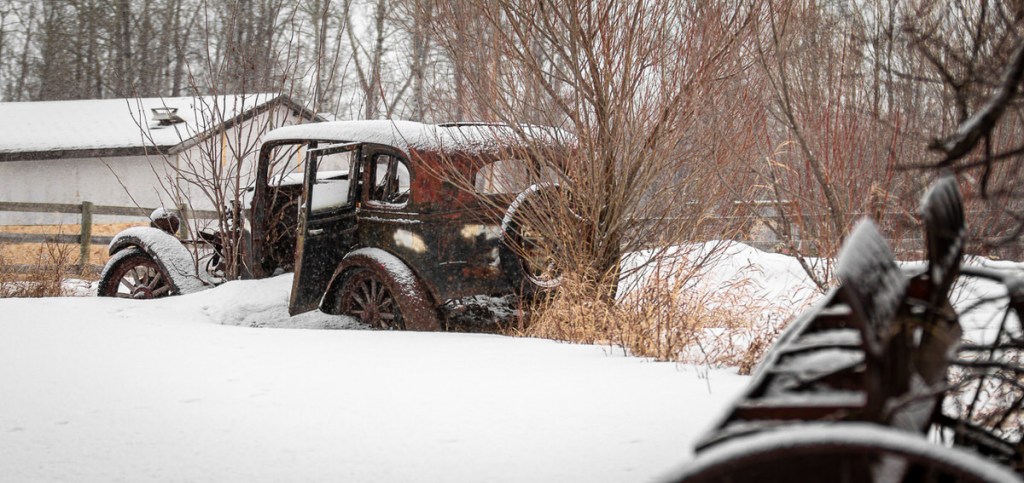
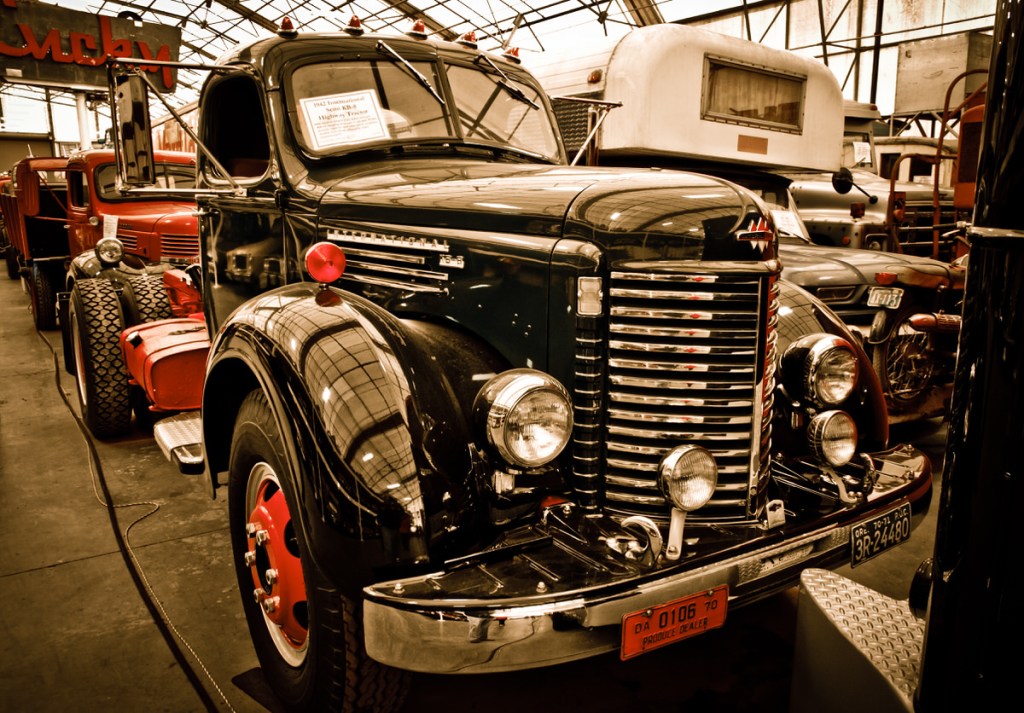
I’m a generalist and photograph a wide range of subjects, but I love old cars — both the lovingly preserved and the rusting relics.
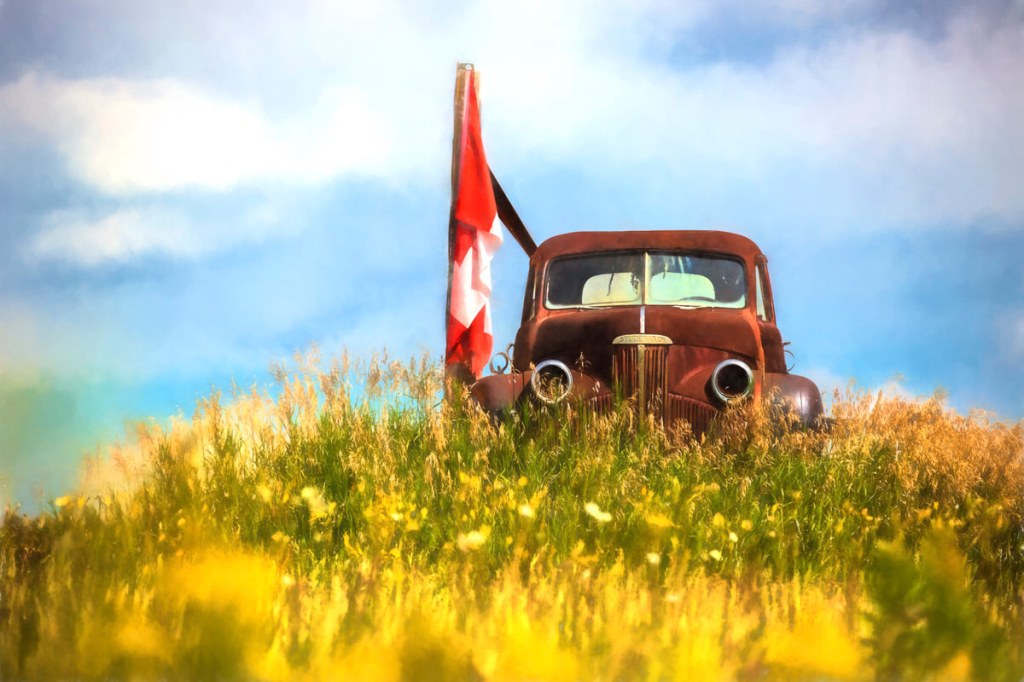
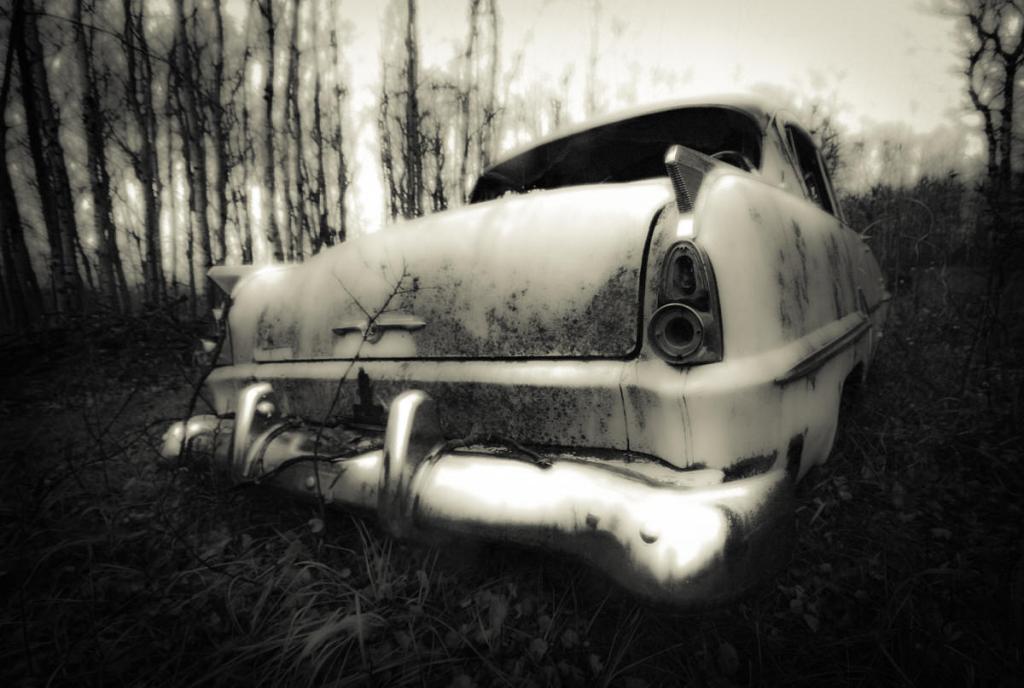
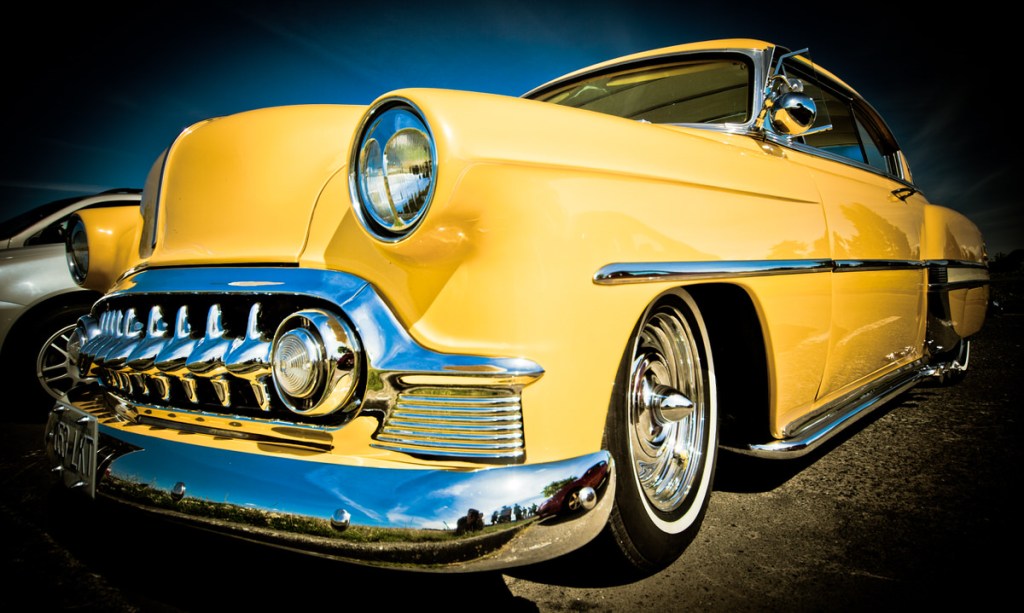
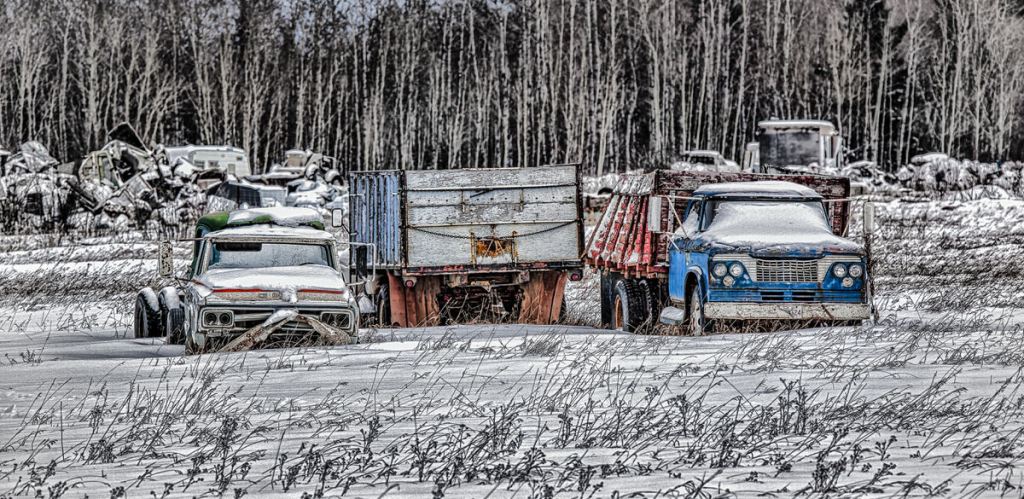
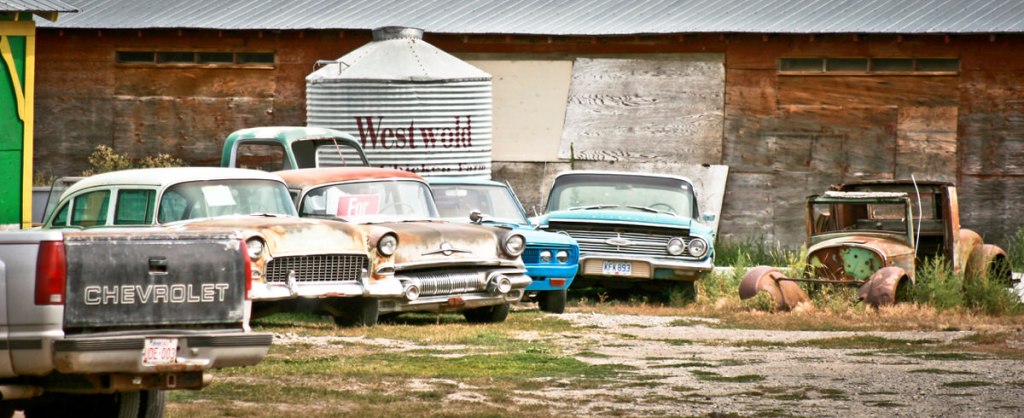
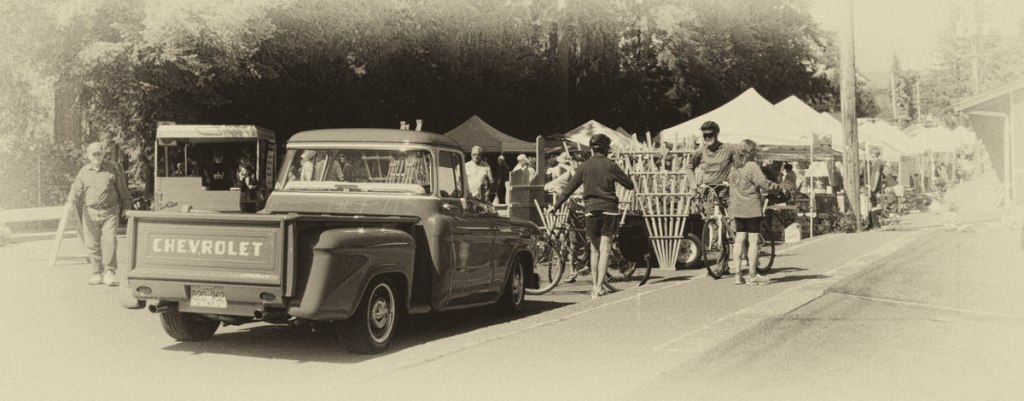
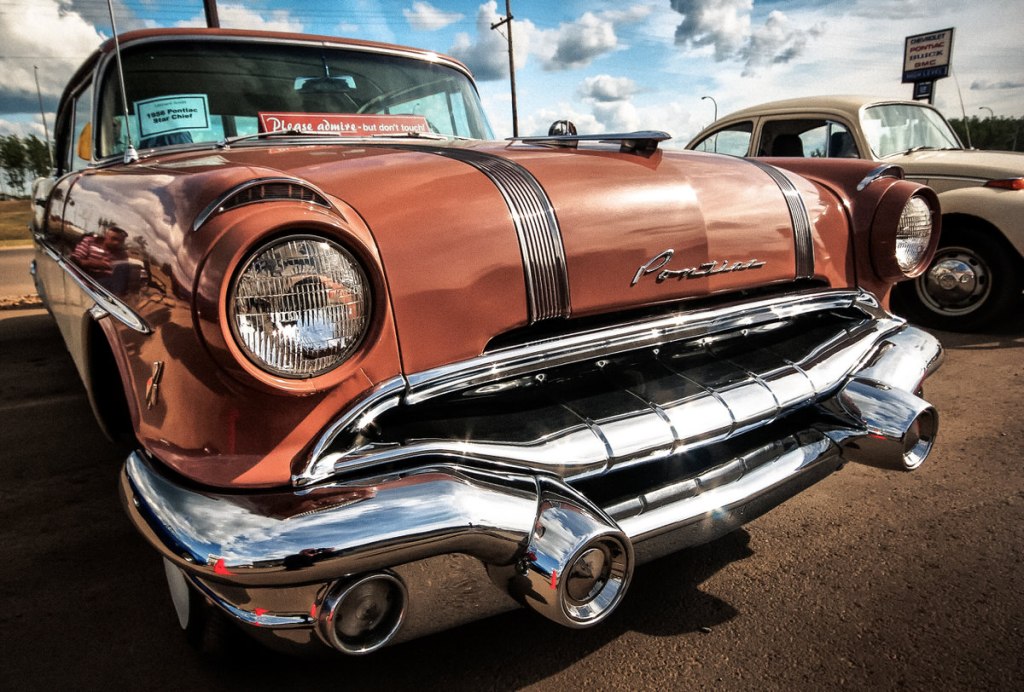
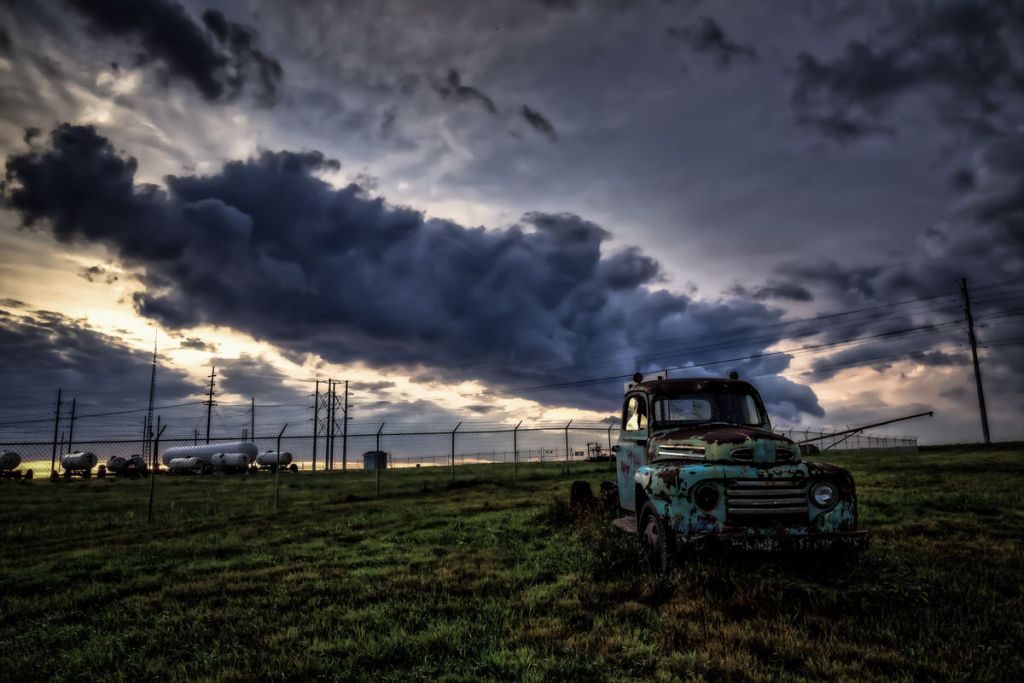
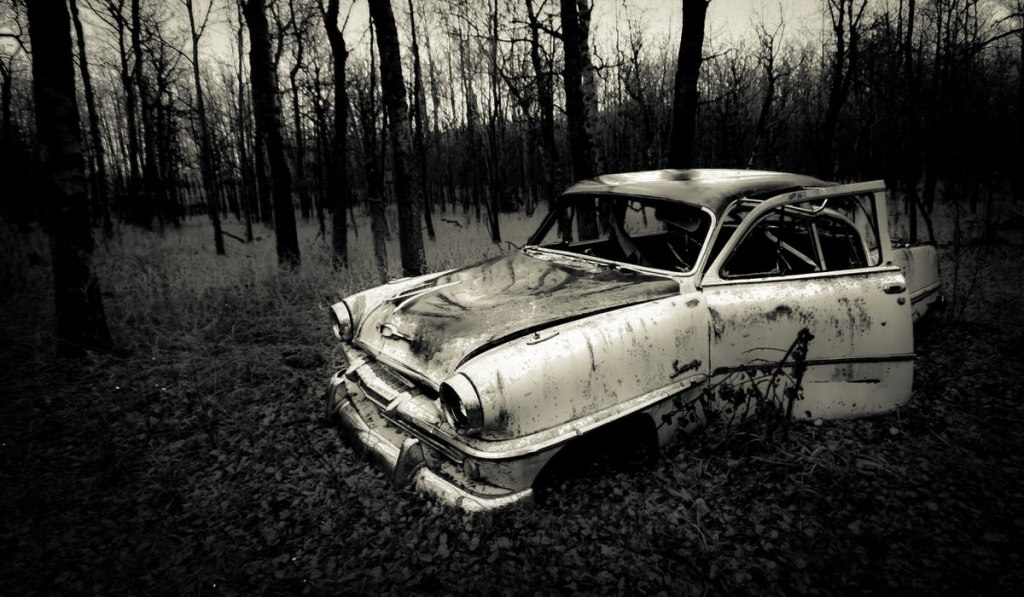
Their shape, colour, and design hold my attention, and so do the questions they raise. Who drove it? Where did they go? How was it used? Why was it abandoned, and why does it remain? These cars belong to a time before mine — the time my parents and grandparents lived in. Because I didn’t live through it, the pull isn’t simple nostalgia; it’s a draw toward their history and a way to make sense of it. When I read a novel, my curiosity follows the plot: what I know so far and what I expect next. With an old car, I was captivated by what I didn’t know. Photographing it became an act of inquiry.
Most of the old cars I’ve photographed have a home in Northern Alberta, along Highway 43. On day-long drives north or south, I watched for vehicles newly listed for sale, and for the ones that had stayed put for years, standing like lighthouses along familiar stretches of road.
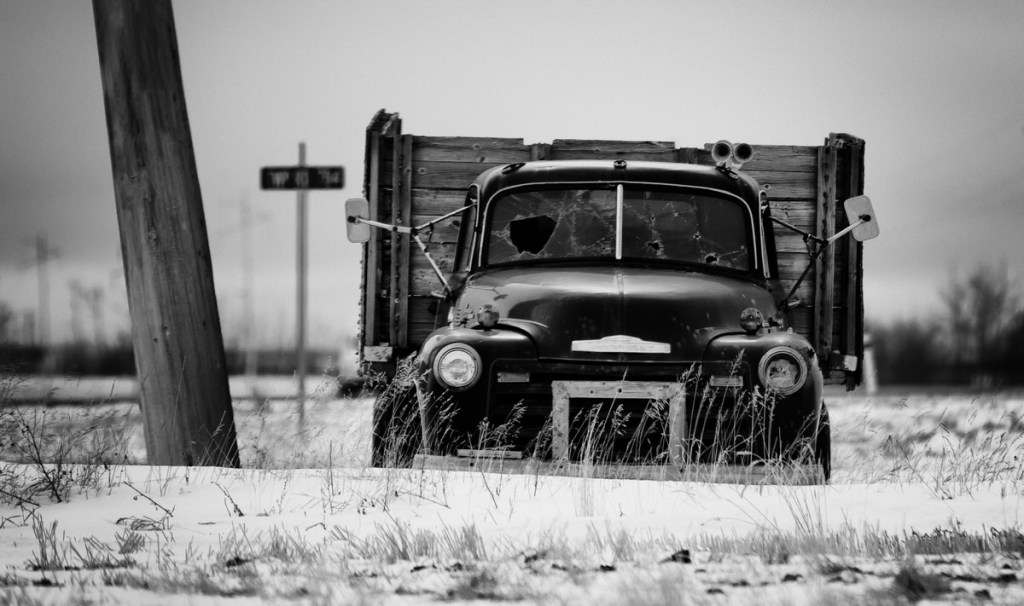
Other times, on vacation, I stopped at an automobile museum. Sangudo, Alberta, was even home to the Alaska Highway Construction Equipment Museum, which housed many of the trucks used to build the highway during the Second World War. It has since closed, its vehicles auctioned off or towed away.
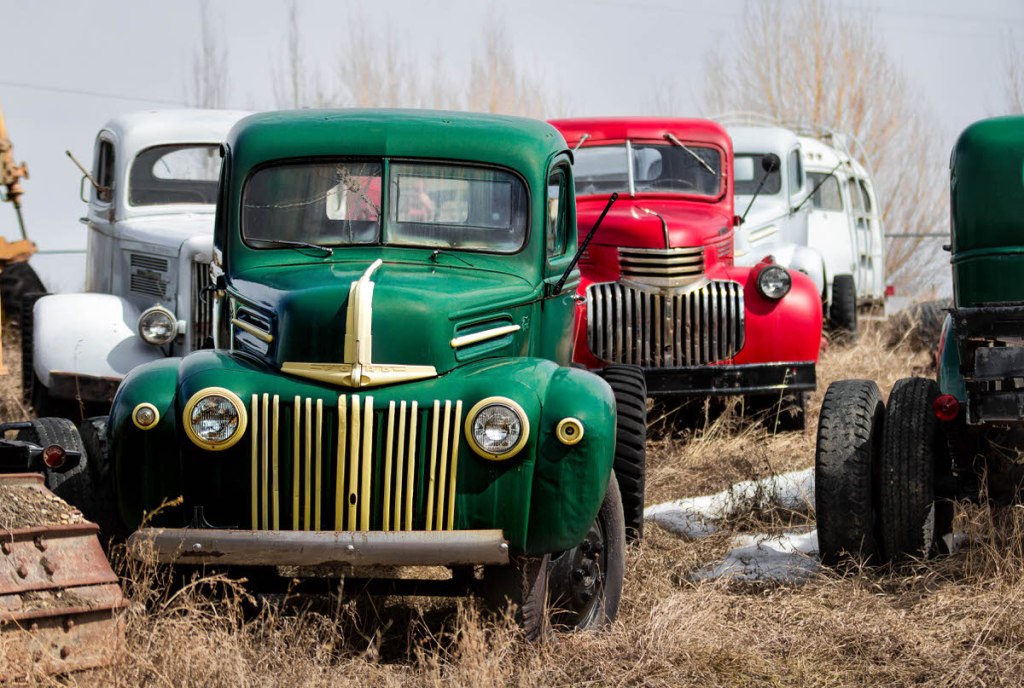
I usually photographed from a distance: me on a range road, the vehicle 100 to 200 metres off. I’d scout the best vantage point on foot first, then set up the tripod, usually with a 70–200mm f/2.8 lens.
I tended to frame the vehicle tightly, angled to show one side and add depth — sometimes more of the side with a little of the front, sometimes more of the back with a little of the side. I used negative space to complement the car and, when I could, left room ahead of it so it seemed to have somewhere to go. A wider aperture softened backgrounds of trees or buildings that weren’t part of its story, though I stopped down enough to keep the car itself sharp. I preferred the diffused light of overcast days; harsh sun brought shadows, reflections, and glare that distracted from the car’s shape, colour, and size.
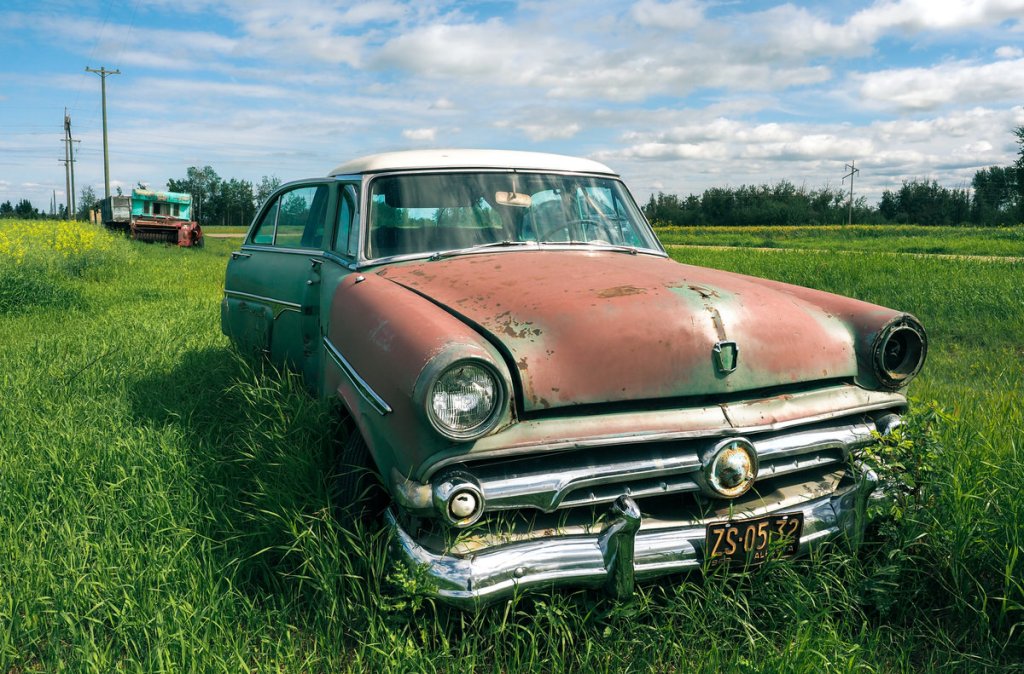
In post-processing, I could look the vehicle over as if I were detailing it: scratches and paint fading, dents in the body, a bent bumper, places where rust had eaten through. I could never piece together the car’s full history, but those clues told me part of its story and something about the people who had owned it. One question always remained: Would I have enjoyed driving this car?
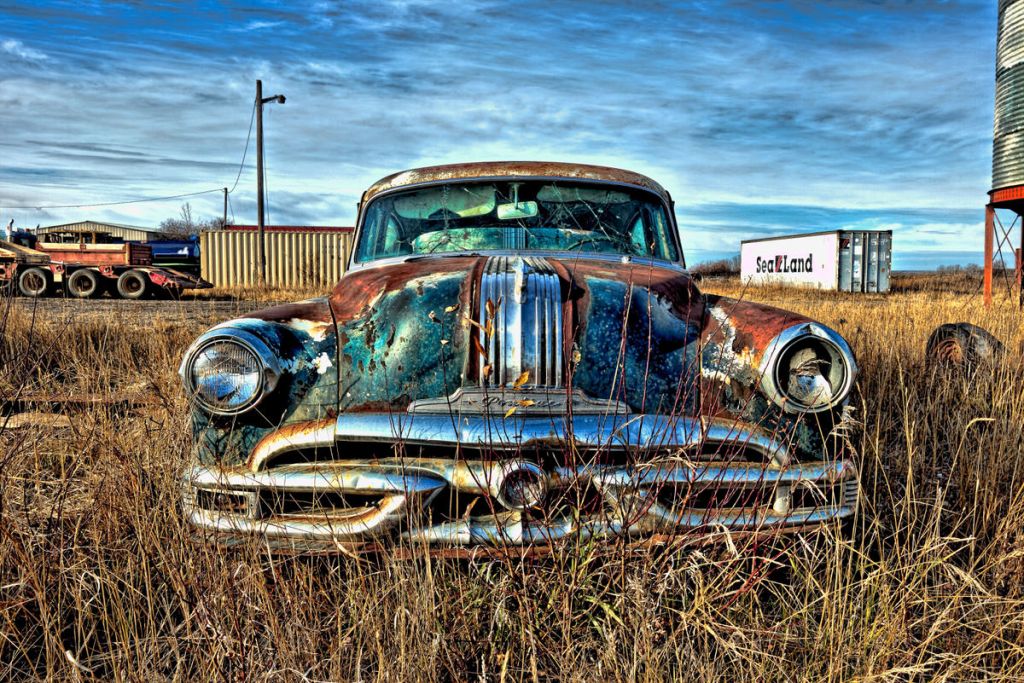
The outcome? I came away knowing a little more about each car. A photograph might answer the easy questions—make, model, and year—while leaving the rest open to discovery. And the same things that drew me to a vehicle often drew other viewers to its image, too.
I might take only one or two shots, then need to get back on the road. Now I see the value in slowing down: capturing several images from different heights, angles, and vantage points to tell a fuller story. That’s the kind of storytelling National Geographic is known for — committing to a subject and following it over time. For me, that could mean returning to the same truck in another season, after another winter of rust, or after the “For Sale” sign comes down.
Looking back, I can see a progression:
- A car caught my eye and held my interest.
- I grew curious and began, with my eyes, to surface questions.
- I photographed it and shared the image online or in print.
- Viewers raised the same questions or related ones.
- They joined me in the inquiry.
In that progression, the photograph worked less as a statement than as an invitation to a conversation about the car.
The Narrative Gap
Technical proficiency matters. It gives us command of the camera and, at its best, a near-flawless arrangement of elements guided by rules, principles, and balance. But a photograph that answers every question about its subject can be technically perfect and still a little dull. It becomes documentation.
An image that holds our attention often draws its power from what it doesn’t disclose — its narrative incompleteness. Compelling photographs seldom show a story’s climax or resolution. More often, they show the moment before (anticipation) or the moment after (consequence). This creates an information gap, prompting the viewer to ask: What just happened? What happens next?
My old cars have this gap built in. A captivating photograph offers enough evidence to anchor the imagination, but not enough to satisfy it. The photograph supplies clues; the imagination supplies possibilities. The photograph is finite. The imagination it provokes is not.
Finding the Goldilocks Zone
As a photographic technique, the use of the gap must be calibrated. Too little or too much, and engagement dies.
- Too obvious (no gap): A generic business handshake. We take it in instantly and move on. There’s nothing to decode.
- Too abstract (gap too wide): A chaotic blur with no recognizable forms. There’s no foothold; the effort required outweighs the reward we expect.
- Just right: Two people shaking hands — but one has their fingers crossed behind their back. The scene is familiar, yet it contains a discrepancy, and we want to work out the story it implies.
The zone depends on the viewer
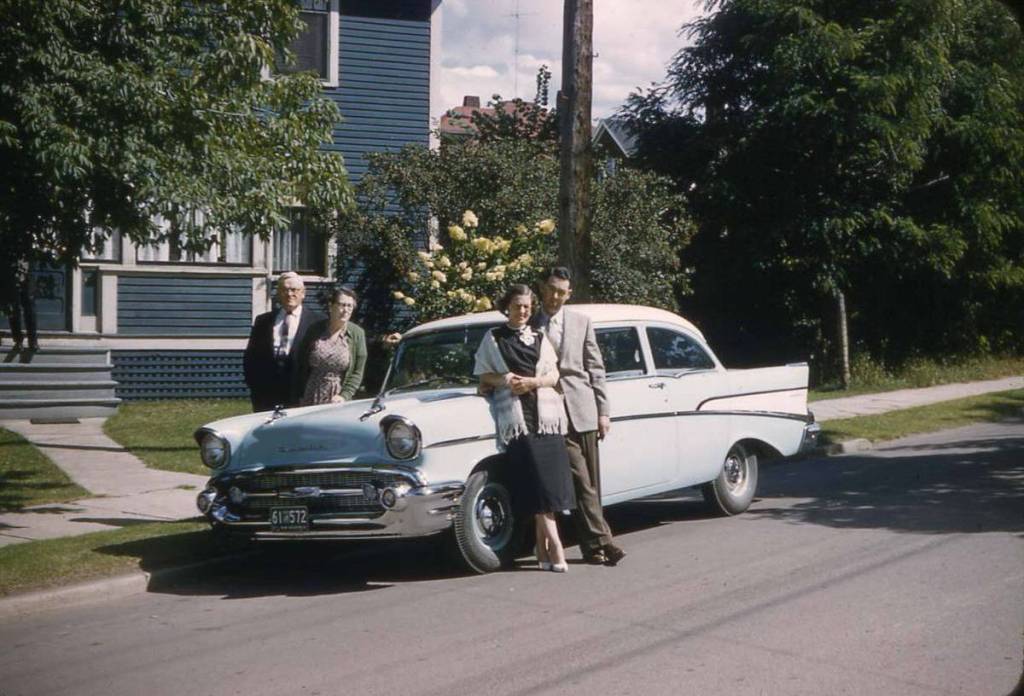
The Goldilocks Zone isn’t fixed in the photograph; it shifts with the viewer. Research on reading suggests we understand a new text best when most of what is encountered is already familiar: the familiar gives us footing, and the unfamiliar gives us something to learn. Photographs seem to work the same way. Show a rusting ’57 Chevy Bel Air to someone who rode in one as a child, or whose family drove mid-fifties Chevys, and most of the image is already theirs — the shape, the era, what a car like that meant. What’s left unexplained — the rust, the weeds, why it was left there — becomes a gap they want to close, and they bring their own memories to fill it. A viewer with no tie to that time may see only an old car in a field, with too little to hold on to. No photograph is for everyone, and none needs to be. Often, it finds its home with the viewer who already holds part of the story.
The Viewer as Co-Author
This dynamic turns viewers from passive consumers into active participants. Gestalt psychologists describe our tendency to seek closure: we perceive incomplete shapes and fill in the gaps to make them whole. A similar effect occurs with stories. When a photograph withholds information — through a cropped face, motion blur, or obscured context — viewers engage with it, filling in the gaps. That effort becomes a form of co-authorship, and we tend to value what we help create.
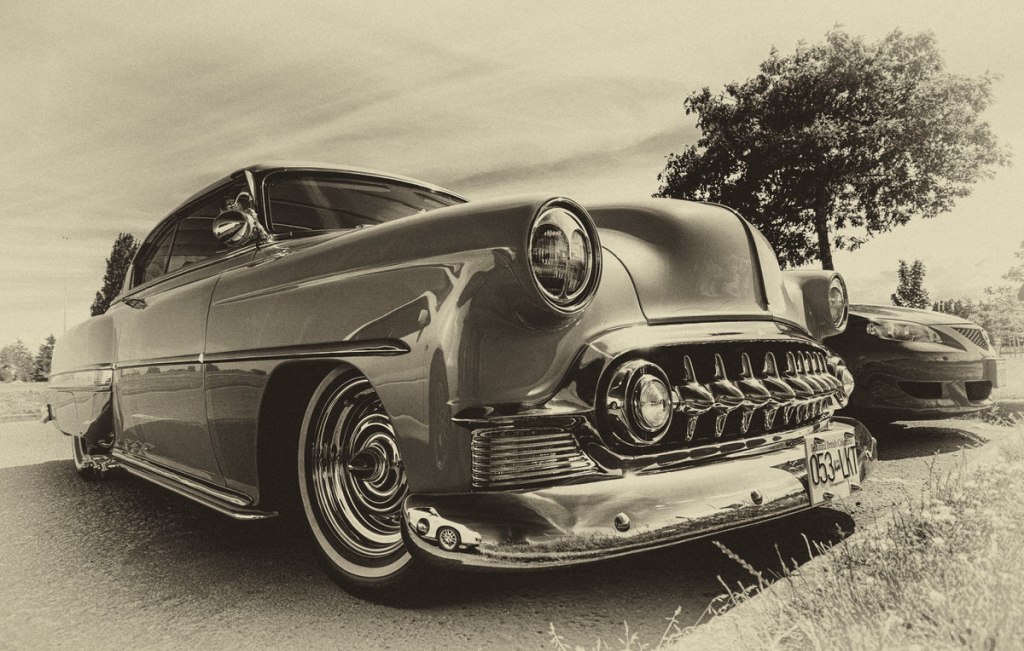
Looking back, many of my choices with the old cars were attempts to manage the gap, long before I had the language for it. Tight framing kept attention on the vehicle. The space ahead invited the viewer to imagine where it might go. A soft background removed anything that didn’t add to its story. In the edit, scratches, dents, faded paint, and rust became clues rather than mere details. Each choice determined what evidence would remain visible and which questions would go unanswered.
The most powerful photographs don’t tell us everything. They tell us just enough to make us want to know more. What holds us isn’t the pixels; it’s the questions they leave unanswered.
Environmental Portraiture: Building the Gap on Purpose
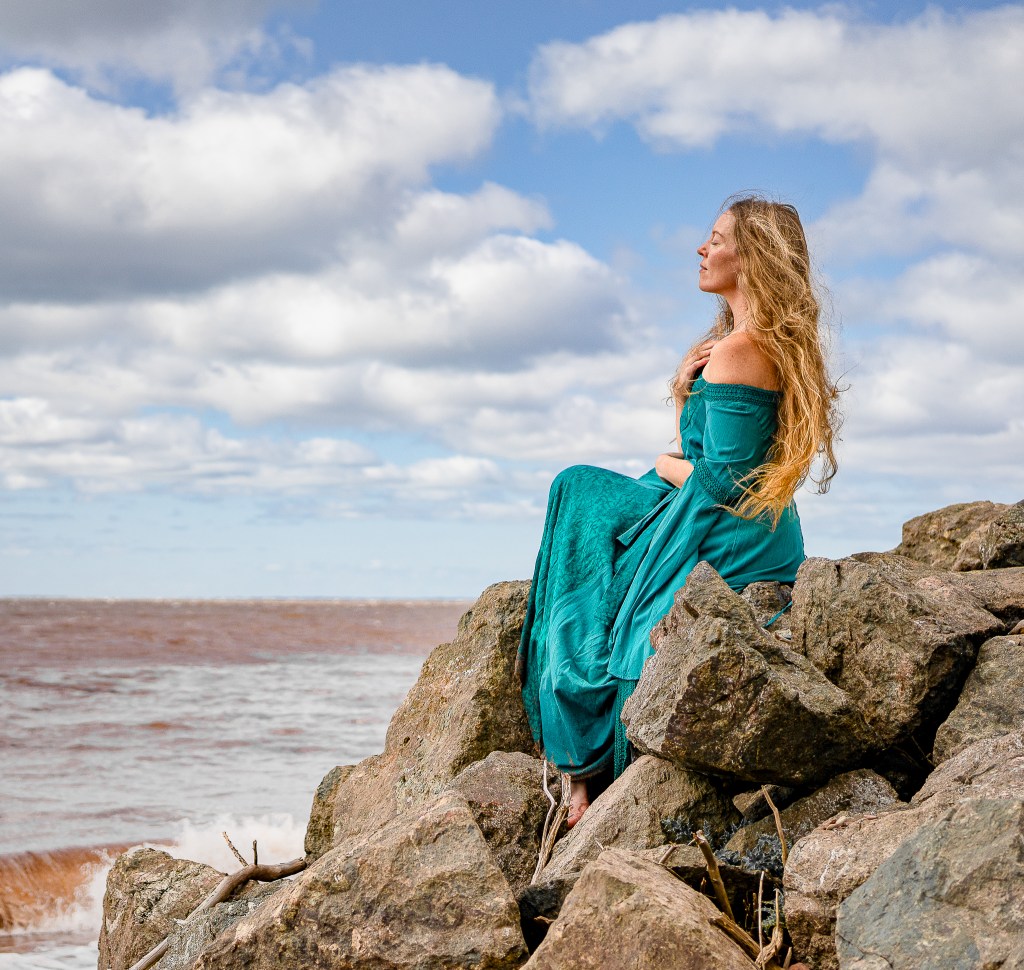
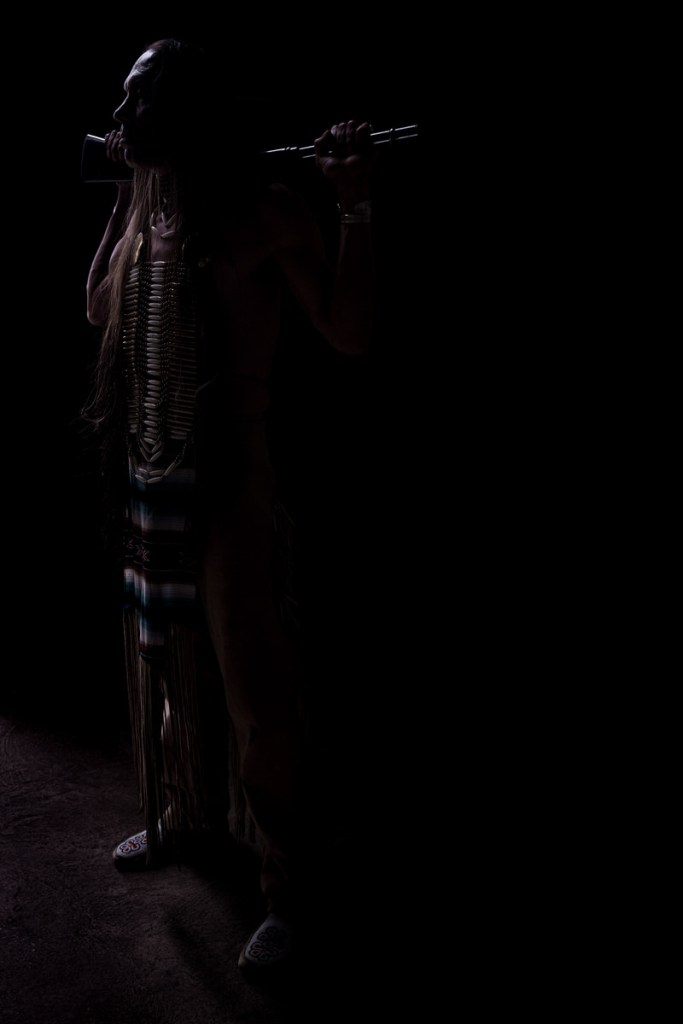
With found subjects like abandoned cars, the gap already exists; the photographer discovers it and decides how much to show. In environmental portraiture, the photographer and the sitter can build the gap together. A face alone conveys expression. A face within an environment conveys expression plus implication, and the space between the two is where the viewer engages.
A slice of time
Photographer Dave Brosha defines portraiture as ‘a slice of time that blends the photographer’s intentions with the subject’s reality.’ That definition leaves two gaps: one between what the subject shows and what they feel, and another between the photographer’s intentions and what the sitter knows about them. Some of what lies in those gaps remains hidden, even from the people who made the image.
Suggest, don’t explain
Picture an elderly woman seated in a workshop surrounded by tools, half-finished carvings, and wood shavings. The setting answers some questions — she makes things and has done so for a long time — while raising others: What does she make? Who taught her? Before we know it, we’re constructing a life for her. The key is to let the environment suggest rather than explain. A chef in a kitchen wearing a chef’s hat is too legible; we know the story without ever meeting the person.
Many of the most interesting environmental portraits carry a slight dissonance: a formally dressed man in a cluttered, decaying room, or a child in an industrial space built for adults. That friction asks the viewer to reconcile two sets of information and, in doing so, to invest. The way the sitter inhabits the space does similar work. They may be at ease, long past noticing their surroundings, or perched carefully in a place that doesn’t feel theirs entirely.
Making the gap together
What an environmental portrait shows and withholds should involve the subject. When that connection is established in advance, the sitter becomes a co-author, deciding what to reveal, what to withhold, and what to provoke in the viewer’s imagination. That shared decision can steer the portrait toward fine art or a political statement. Still, as Brosha’s definition reminds us, each brings something the other may not see. Collaboration narrows the gap between them without closing it.
Done well, an environmental portrait isn’t just a portrait with a background. The environment becomes a co-subject, a parallel text the viewer reads alongside the face. At its best, the portrait stops being a picture of someone and becomes a question about someone — and that question is what makes a viewer linger.
Looking as Inquiry
The way a narrative gap engages a viewer mirrors how we form hypotheses. We don’t simply receive information from a photograph; we begin constructing tentative explanations from the evidence before us.
Go back to the woman in the workshop. We think: She loves making things. She’s done this for a long time. Something keeps bringing her back here. None of it is known; each thought is a hypothesis. Scientists, historians, detectives, and researchers work the same way: a clue appears, a hypothesis forms, more evidence is sought, and the hypothesis is refined.
What sets a compelling photograph apart is that the process rarely ends. The image offers enough evidence to form a hypothesis but not enough to confirm it, so the inquiry stays open. We imagine possible stories, then search the frame for evidence of what we expect to find.
Put simply:
- Evidence comes from the subject and the scene.
- Curiosity directs attention.
- Imagination generates possible explanations.
- Inquiry tests them.
- Meaning emerges from the process.
In this model, the narrative gap isn’t empty space. It’s where the viewer becomes intellectually and imaginatively active, and the photograph functions less as an answer than as a question. This brings me back to learning: the more I look, the more connected the two seem. Both depend on an incompleteness that invites participation.
Other Genres – The Gap Moves
It’s easy to think the narrative gap belongs only to certain kinds of photography. Product, real estate, and documentary work that depend on clarity seem to leave no room for it. Not so. Those genres don’t eliminate the gap; they shift it. The subject is shown clearly, and the open question remains elsewhere.
A product photograph shows the product in full but leaves open what life with it might be like. A coffee mug on a sunlit table beside an empty chair says nothing about the morning to come. It invites the viewer to take that seat. The person is left out on purpose, so the viewer can imagine being there.
Real estate photography works the same way. The room is sharp and well lit, but a door left ajar, a view through the window, or a table set for guests raises a question the photograph can’t answer: What would it be like to live here? Staging a home shapes that gap, offering just enough for a buyer to begin furnishing the space with their own life.
Documentary photography aims to present its subject plainly, often to keep us aware of the state of affairs or to prompt a next step. Here, the gap shifts to cause and consequence: What led to this? What happens now? Many of the most affecting documentary images show the aftermath rather than the event. But in this genre, the gap carries a responsibility. It should prompt concern, questions, or action — never mislead. Unlike the sitter in an environmental portrait, the documentary subject often has no say in what’s shown. The ethic shifts from shared choice to honest context: captions and context provide the facts that keep the gap honest.
Seen this way, the narrative gap is always present. What changes is the question it frames:
- Found subjects, like my old cars: What happened here?
- Environmental portraiture: Who is this person?
- Product and real estate photography: What could my life be like?
- Documentary photography: What does this mean—and what now?
Each genre steers the viewer’s imagination toward a different end. The skill lies in knowing which question your photograph is meant to raise — and leaving just enough unsaid for the viewer to ask it.
Encounter, Wonder, Inquiry, Meaning: Beyond the Gap
A photograph works on several levels and over time. For the photographer and then for the viewer, the first response is emotional, the second intellectual, and the lasting one imaginative. Before we inquire, we must be invited in, and the strongest photographs invite us through an immediate emotional connection. Beauty, wonder, melancholy, nostalgia, tension, recognition: something in the image welcomes us into its world.
That feeling gives inquiry a starting point. Only after that first pull do the questions arise. What am I looking at? Why does this feel significant? What happened here? Who is this person? Why was this left behind? So the gap is not merely an absence. It’s a purposeful incompleteness. The viewer senses something is unresolved and that it belongs that way. A weak photograph leaves questions because it lacks clarity. A strong photograph leaves questions because it has depth.
Those are very different things.
Even a great novel doesn’t answer every question. The central conflict may be resolved, but some ambiguities remain, and the reader accepts them because they feel earned. A photograph makes a similar offer: This is what is there, and this is what it makes us wonder. What is there is the photograph as evidence. What it makes us wonder is the photograph as invitation.
A successful photograph attracts, engages, and holds us. It attracts through emotional connection, engages by offering enough evidence to ground interpretation, and holds us by leaving enough mystery to sustain inquiry. It answers some questions, raises others, and leaves a few unresolved. Those unresolved elements aren’t flaws. They’re invitations that give curiosity, imagination, and meaning room to work.
In the end, it comes down to three questions: What does the photograph make us feel? What does it let us know? And what does it leave us wondering?
Let’s Talk
I’d love to hear how this plays out in your own work:
- Think of a photograph — yours or someone else’s — that you keep returning to. What question does it leave unanswered?
- Where do you find your Goldilocks Zone? Have you made an image that gave away too much, or one that gave the viewer too little to hold on to?
- In environmental portraits, how do you decide how much the setting should reveal?
- Where does the gap sit in the kind of photography you do? What question are your images meant to raise?
- Do you set out to create a narrative gap, or do you discover it afterward, in the edit?
- Do you shoot a subject once and move on, or do you keep coming back to it?
Share your thoughts — and your images, if you like — in the comments.

