Photography workshops require an investment. The registration fee is only part of the cost. Additional expenses may include travel, accommodation, time away from work and family, and the physical and mental energy needed to learn in an unfamiliar environment. After investing so much, an important question remains: how do you make the experience worthwhile?
Over the past several years, I have participated in photo walks, portraiture workshops, landscape photography tours, online courses, and intensive in-person workshops. Each experience taught me something different. More importantly, each revealed that growth as a photographer rarely happens by accident.
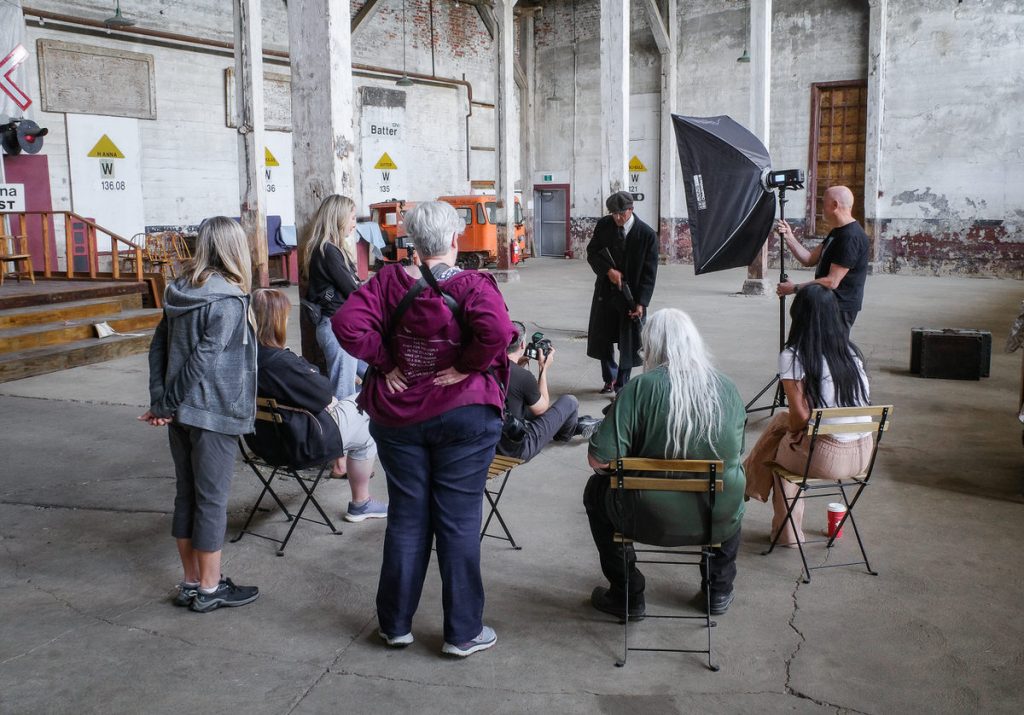
What I have learned is that successful photography experiences follow a common pattern. Preparation matters. Participation matters. Reflection matters. And perhaps most importantly, the relationships we build with instructors and fellow photographers matter.
This article explores what photo walks, tours, and workshops can offer photographers, and what I learned from the Scott Kelby Worldwide Photo Walk and from three workshops: Character (Environmental Portraiture), Camp Create (Creative Portraiture), and Highland Heart (Landscape). Along the way, I discovered that a good workshop does more than teach techniques. It can help you identify what’s holding your photography back.
Context & My Why
As a teacher, I always had commitments throughout the school year. Fundraisers, sporting events, dances, supervision duties, and the everyday demands of teaching filled much of my calendar. Because of these commitments, photography workshops rarely fit my schedule.
Even when I found one that interested me, geography posed another obstacle. Living in northwestern Alberta meant that attending a workshop often required a nine-hour drive to Edmonton, followed by a flight or another long drive to the venue. Simply getting to a workshop could feel like an achievement.
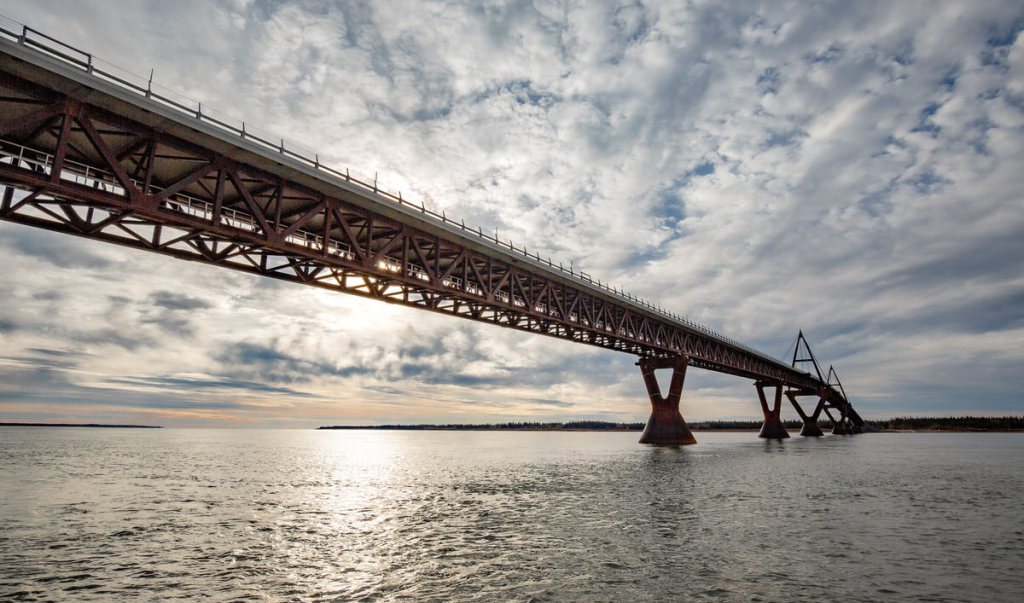
Photography has always been my way to step away from work, both mentally and physically. What I hoped to find in a workshop was not merely information but a practice: something I could learn, repeat, and continue exploring at home. I wanted more than a collection of tips. I wanted approaches that would help me create stronger photographs long after the workshop ended.
Ideally, I wanted something that explained how the various elements of photography work together to create meaningful images. I was also looking for camaraderie: the chance to spend time with other photographers who ask the same questions and struggle with many of the same creative challenges.
I now realize there was another reason I was looking for workshops. Like many photographers, I sometimes knew something wasn’t quite working in my photography, but I couldn’t clearly identify what the problem was. The gap between the photographs I was making and the photographs I wanted to make was obvious. Explaining that gap was much harder.
I hadn’t considered that a workshop could help diagnose a photographic roadblock. Many photographers view workshops as opportunities to learn techniques. Certainly, they can do that. But the most valuable workshops help identify why your work has plateaued and what needs attention next.
Naming my own roadblocks proved more valuable than any single technical lesson. In many ways, a workshop’s greatest value is helping you discover the question you should ask next.
Photo Walks: Where It Started
My path to workshops began with something much simpler: a photo walk.
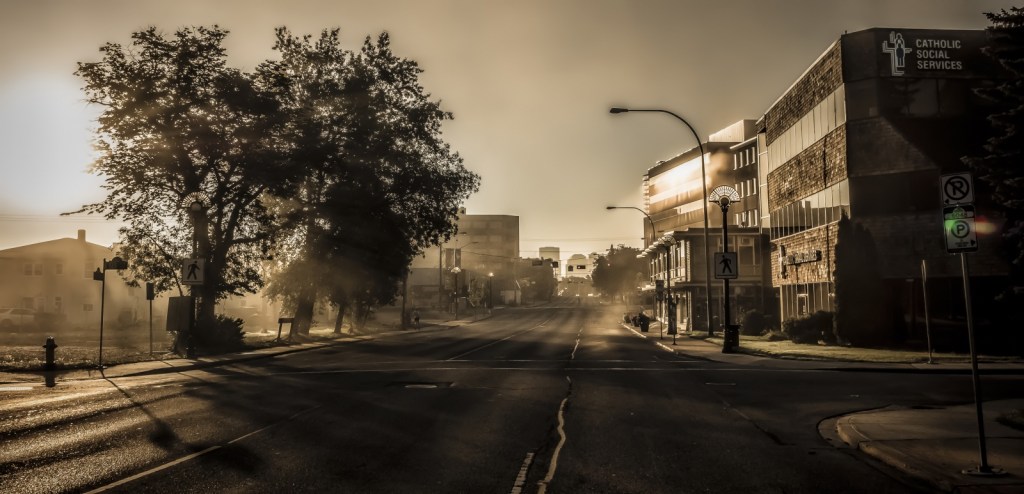
Years ago, while browsing a gallery of autumn photographs from Edmonton, I noticed something interesting. The photographs shared many of the same subjects: familiar streets, buildings and public spaces. Yet no two images looked exactly alike. Each photographer responded to the same environment in a different way. All the photographs were taken during a Scott Kelby Worldwide Photo Walk.
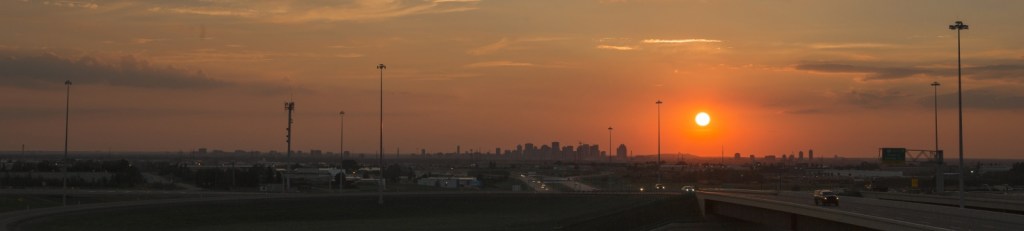
At the time, the concept was new to me. The idea that a group of photographers could spend a few hours walking the same route and return with completely different interpretations of the experience fascinated me. Before long, I was researching the event and planning to participate. I have since joined three Scott Kelby Worldwide Photo Walks: one in Dawson Creek, British Columbia, and two in Yellowknife, Northwest Territories.
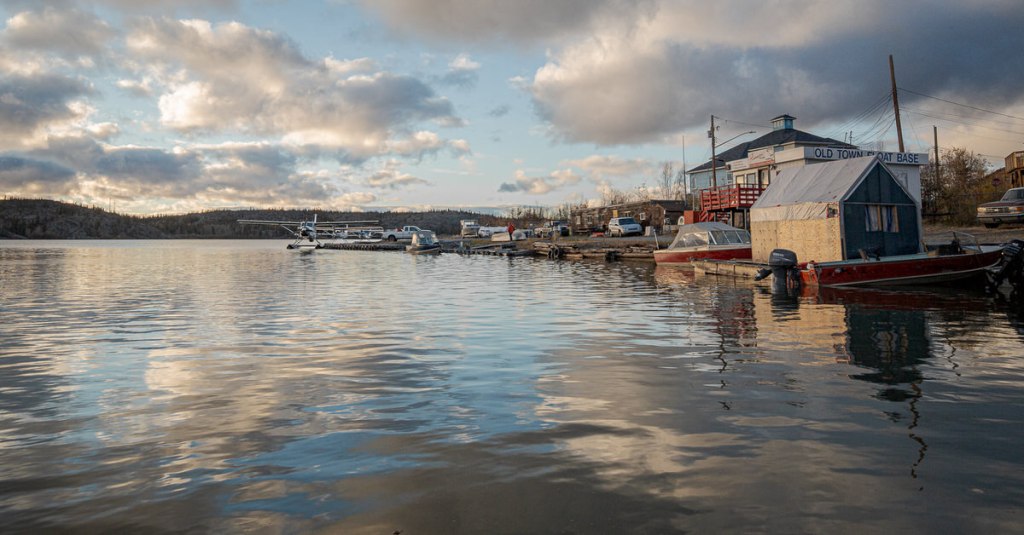
A typical photo walk is straightforward. Participants gather at a pre-arranged location, meet the walk leader, review the route, and discuss any safety considerations. From there, the group heads out together, often through a downtown district, waterfront, historic neighbourhood, marketplace, or park.
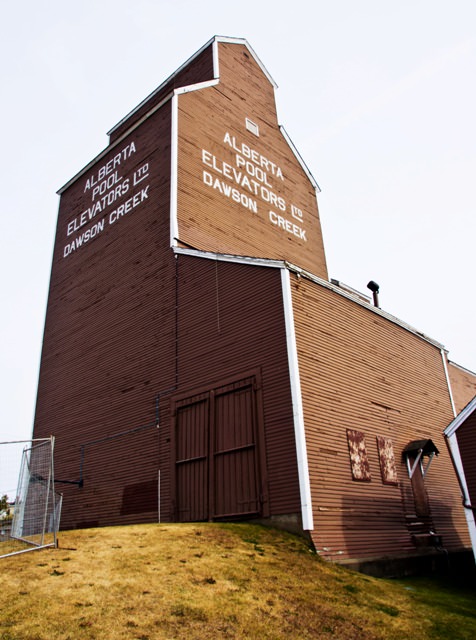
What surprised me was how often the group stopped. Someone would notice an interesting reflection, a patch of light, a distinctive architectural detail, or an engaging street scene. Almost instantly, photographers would spread out, approaching the same subject from different angles and with different intentions. Conversations would naturally arise about composition, lenses, camera settings, and post-processing.
One of the most rewarding aspects of a photo walk is seeing how other photographers see. Standing beside someone as they photograph a scene can be surprisingly educational. One photographer might focus on the broader story, while another notices a small detail others overlook. Some work with wide-angle lenses, while others isolate details with telephoto lenses. Even when photographing the same subject, each person approaches it differently.
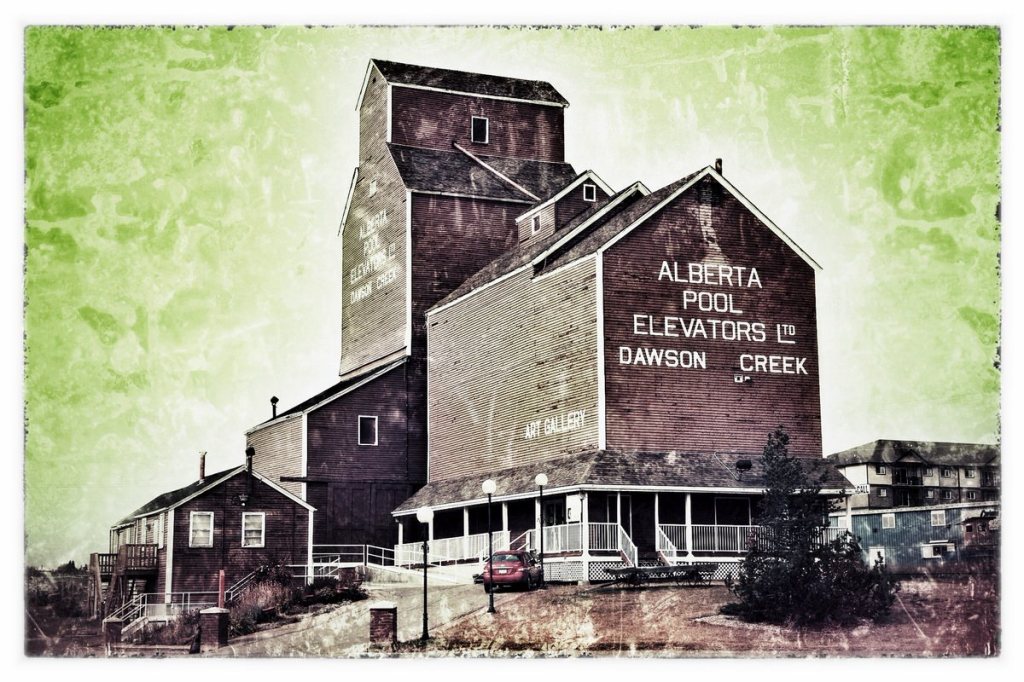
Many groups also gather afterward for coffee or a meal, and some of the most valuable conversations happen there. Participants review their images, discuss what caught their attention on the walk, and compare approaches. Learning continues long after the photography ends. Looking back, the greatest value of these walks was not the photographs I brought home. It was the opportunity to broaden my thinking about photography.
The benefits included:
- Practising how to recognize compositions quickly.
- Working with changing light and unpredictable situations.
- Developing storytelling skills.
- Meeting local photographers who knew lesser-known locations.
- Experimenting with unfamiliar genres, including street, architectural, abstract, and documentary photography.
Most importantly, photo walks introduced me to the idea that photography grows through community. Other photographers may notice opportunities, approaches, and possibilities we would never discover on our own. The photo walks gave me my first glimpse of something I would encounter again and again: photographers learn faster when they learn alongside other photographers.
Goals: What a Workshop Can Address
Most photographers have a sense of what they want from a workshop. Perhaps you want to improve your landscape compositions. Perhaps you want to become more comfortable with artificial light. Perhaps you want to learn a new editing workflow or strengthen your portrait skills.
However, the real issue often lies beneath the initial goal. Many of us go through periods when our photography feels stagnant. We keep photographing, but our images no longer seem to progress as we hoped. We recognize a gap between where we are and where we want to be, yet we struggle to pinpoint the cause. This is where a workshop can deliver tremendous value.
A good workshop helps you identify what is limiting your work. Sometimes the obstacle is technical. Other times, it is creative, logistical, or interpersonal. Once the obstacle has a name, progress becomes much easier. Before choosing a workshop, ask yourself a simple question: What problem am I trying to solve?
The answer may point you toward a workshop focused on:
- A particular location
- A specific genre
- A technical skill
- Post-processing software
- A respected instructor
- Creative development
- Building a photographic community
No workshop can solve every problem. The best workshop is usually the one that addresses the challenge most relevant to your photography right now.
What Shaped My Choices
When I first began attending workshops, three factors shaped my decisions.
Location – A new environment has always appealed to me. For landscape photography, that meant exploring unfamiliar terrain, seasons, weather patterns, and light. For portraiture, the location became part of the story. Whether a portrait was made outdoors or indoors, the surrounding environment helped define the relationship between the subject and the photograph.
Instructor – I wanted to learn from photographers whose work I already respected. That meant studying websites, books, email newsletters, interviews, and YouTube videos long before registering. By the time I attended a workshop, I often already understood the instructor’s approach to photography and teaching.
Camaraderie – Photography can be a solitary pursuit. Workshops bring together people grappling with similar questions and challenges. Conversations over meals, during travel, or while standing in the field often prove as valuable as the formal instruction.
Overcoming Roadblocks – A fourth factor became clear only in hindsight: each workshop addressed a roadblock I had struggled to articulate.
For example:
- Character revealed that portraiture depends on trust and connection as much as on lighting.
- Camp Create deepened my understanding of approaches to creative portraiture.
- Highland Heart helped me reconnect with the landscape subjects and the visual approach that initially drew me to photography.
The greatest lessons were not always technical. Often, they involved understanding what in my photographic practice needed attention, and why.
Example: My Learning Goal for Character
When I enrolled in Character, my technical portrait skills were already reasonably strong. As a school portrait photographer responsible for photographing thousands of students, I noticed something important. My strongest portraits almost always came from positive interactions with the sitter. When conversation flowed naturally and trust developed, the photographs improved. When little connection existed, the photographs suffered.
I wanted to understand that relationship more fully. How does a photographer establish rapport? How do you guide a portrait session while remaining attentive to the person in front of the camera? How do you create a series of photographs that progressively reveal something meaningful about the sitter? Those questions mattered more to me than lighting ratios or camera settings. Once I clearly identified my problem, choosing the right workshop was surprisingly straightforward.
Character: Learning Through Connection
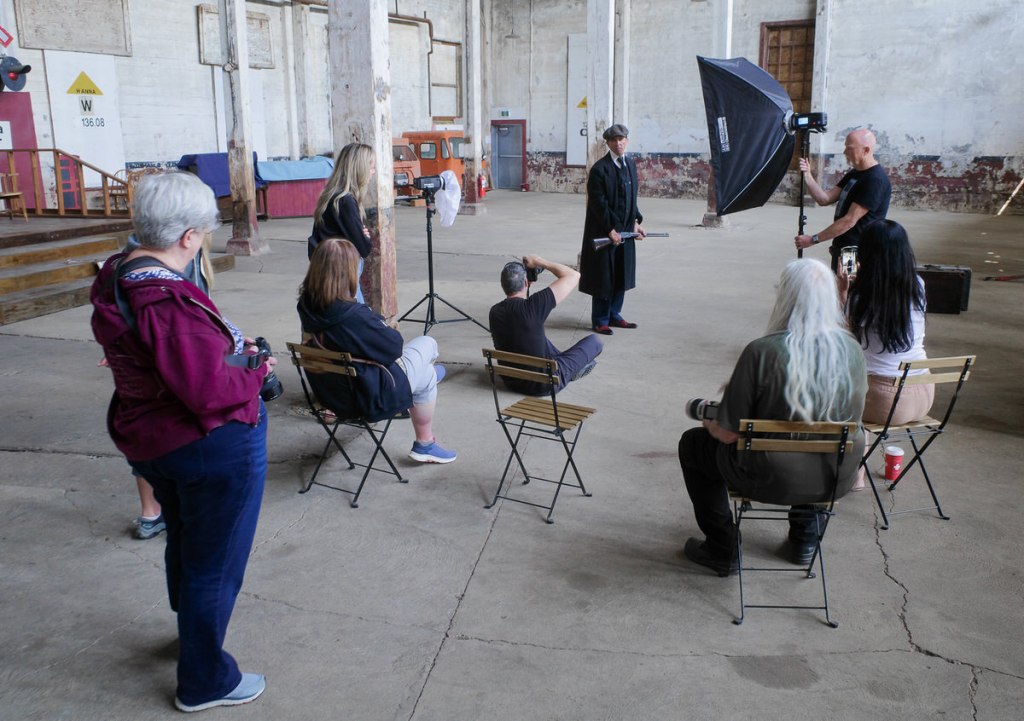
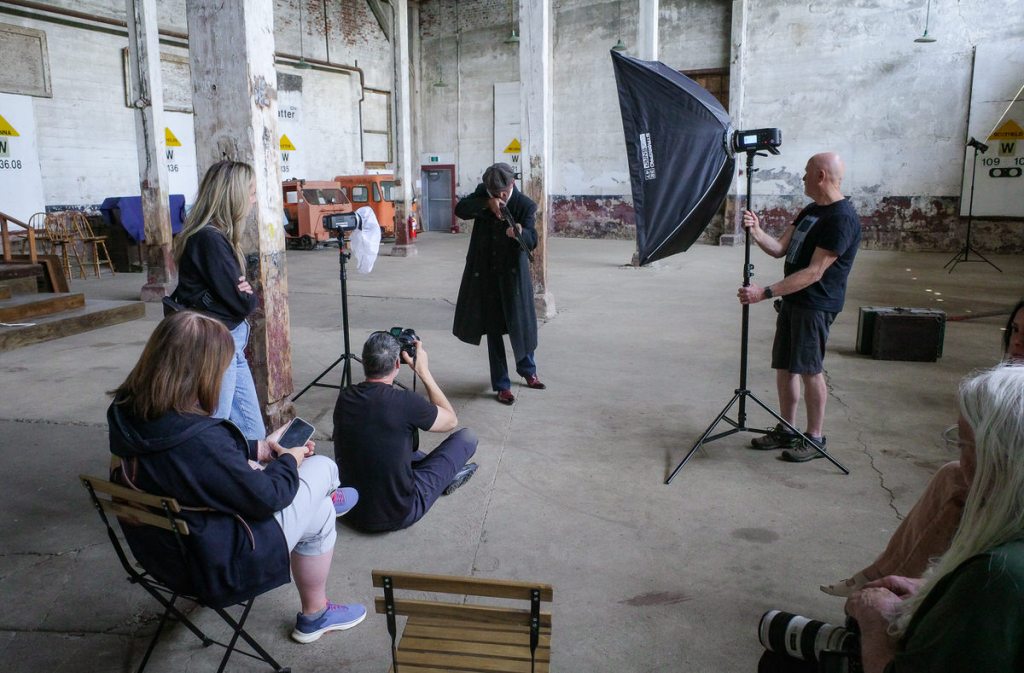
At the Character Portraiture workshop, workshop leader Dave Brosha began by demonstrating his approach to working with a model. He showcased his deliberate use of off-camera flash outdoors and, equally important, his communication with Laurian throughout the session. Wayne Simpson, co-leader, then delivered a second demonstration, creating a riverside portrait of another Kolby, an Indigenous woman in full regalia.
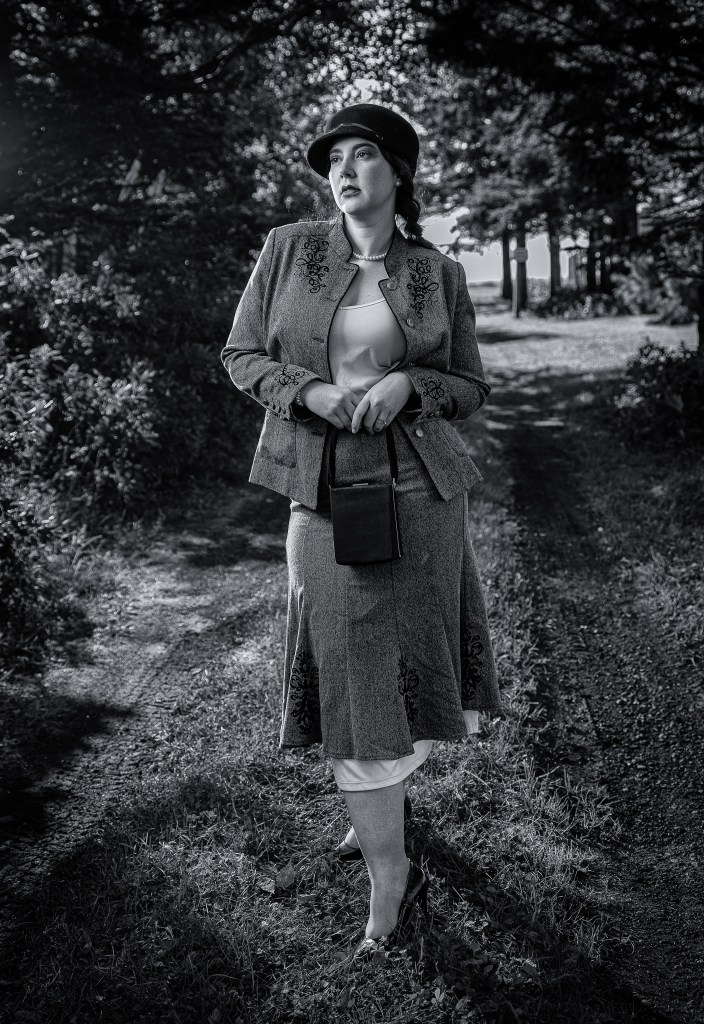
From there, I was paired with another photographer, and we began photographing Laurian among the trees along the river. We used off-camera flash and explored a variety of poses. I had little chance to speak with her beforehand; we simply began. Because I was inexperienced at directing a model, Laurian naturally assumed much of that role. Most of the poses were her choice, with occasional suggestions from my partner, and each carried a quiet elegance.
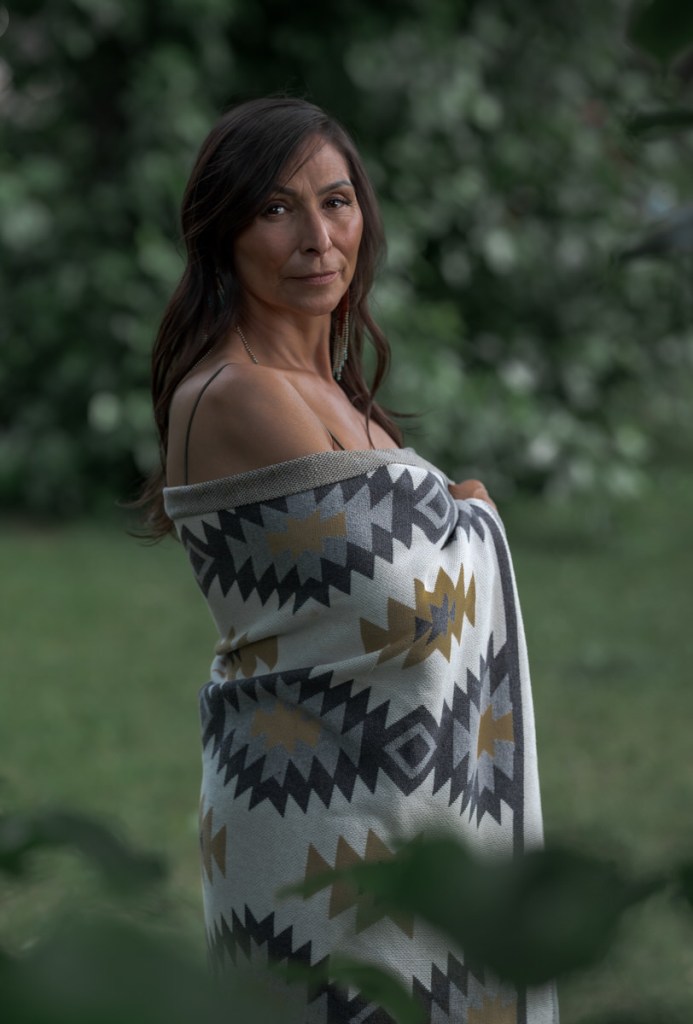
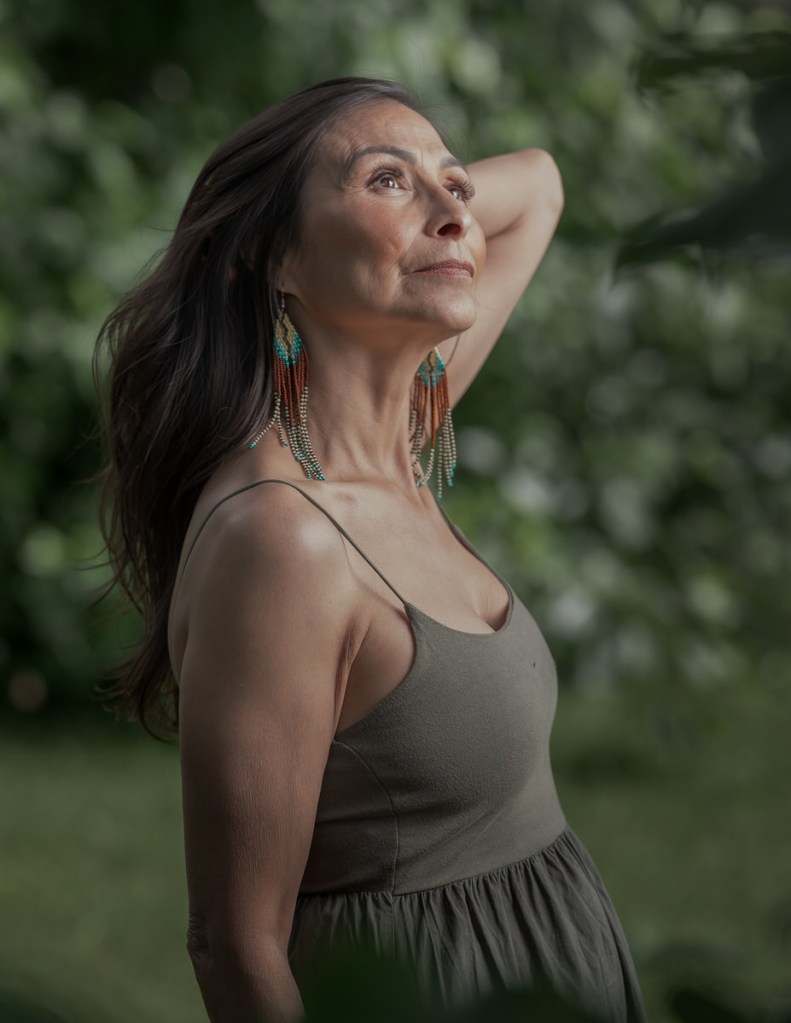
For me, the session became less about posing and more about seeing. Portraiture requires attention to the person in front of the camera and openness to what they bring to the image. Laurian possessed both beauty and presence, and my task was to recognize and respond to them. As the session unfolded, I created some of my strongest portraits from the workshop.
When Wayne worked with Kolby, he positioned her at the river’s edge and built a series of images, each stronger than the last. The portrait he later shared conveyed strength, dignity, and elegance. What struck me was that he achieved this while surrounded by a crowd of photographers, a situation that could easily have felt uncomfortable or distracting for both the photographer and the subject.
Immediately afterward, my partner and I began our session with Kolby. She told us the group’s atmosphere had felt tense, so before taking any photographs, we spent time talking with her. She had recently returned from her fourth Sun Dance ceremony. She worked as a crane operator, and the conversation somehow led to her flexing her “guns” and proudly showing off the effort she had invested in her biceps. Soon we were all laughing.
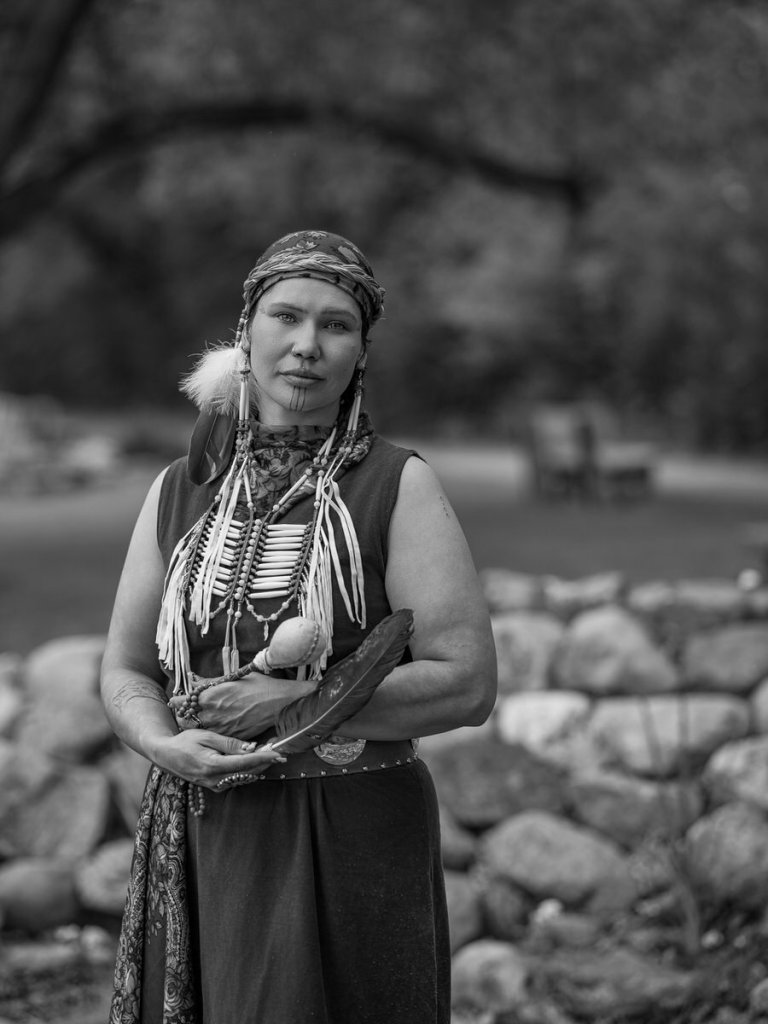
As we talked, I found myself attending to her in the same way I pay attention to students and colleagues throughout the day, noticing subtle cues about how they are doing and responding accordingly. The conversation shifted the session. Instead of beginning with photographs, we began with connection.
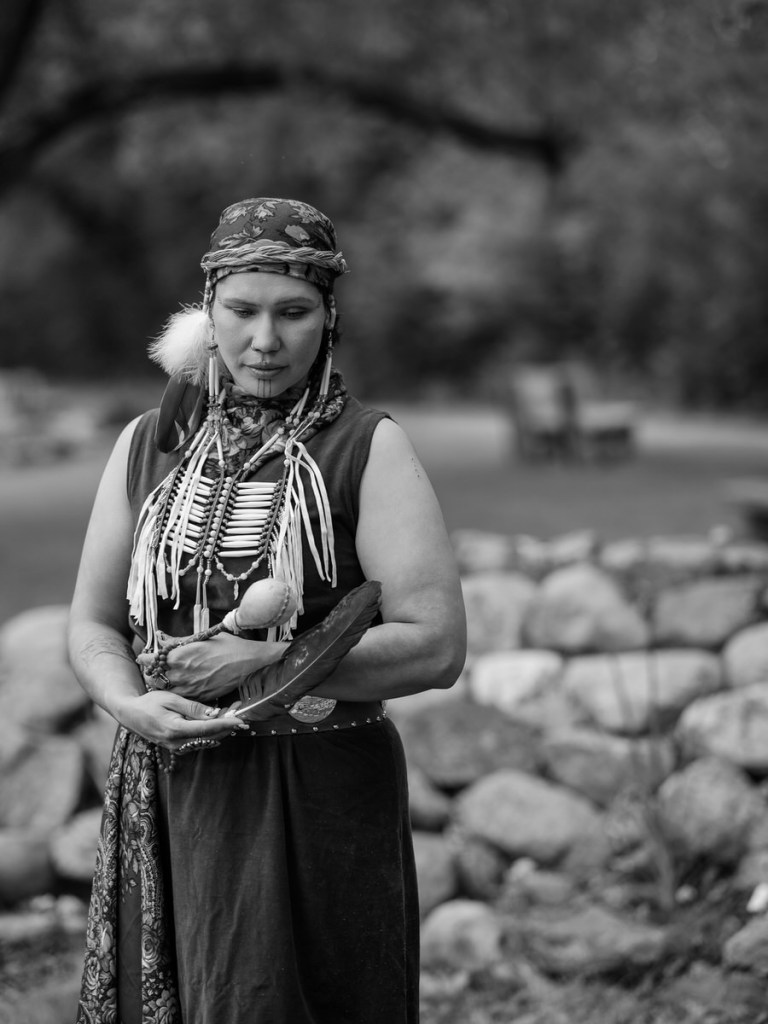
That connection became an investment in the portrait-making process. The trust it created allowed Kolby to explore ideas and suggest poses, both that day and the next. I also grew more comfortable offering direction and proposing images we might make together. We photographed her standing proudly in full regalia, and we laughed often along the way. She could tell I was inexperienced at directing a subject, but she could also tell I was fully engaged with her and the images we were creating. The following day, she met my gaze through the camera, and together we produced some remarkable portraits.
In the process, I discovered something important: portraiture requires a certain vulnerability on the part of the photographer. To create an honest portrait, I had to look carefully, notice what was before me, and allow myself to respond.
The experience transformed my understanding of portraiture.
The first lesson was that every portrait begins with a shared intention. Whether someone is a paying client or a workshop model, they have come because they want a portrait made. The photographer and the subject are working toward the same goal: an image that reveals the subject at their best.
The second lesson was the importance of communication. Conversations about who the subject is, what they hope for, and what the photographer intends all contribute to the process. Invitational language also helps: “Shall we try this?” or “Would you mind if we tried this?” Such exchanges build trust, which enables the creation of stronger, more revealing portraits.
The third lesson was that beauty is only one element of portraiture. Character, dignity, presence, and humanity matter just as much. The photographer’s task is to recognize these qualities and respond to them. Doing so requires trust in one’s perception and a willingness to remain open to what the subject reveals.
A more recent stage in this transformation came from revisiting Wayne’s portrait of Kolby. The dignity, power, elegance, and pride it conveys, and perhaps even its nobility, prompted me to consider how similar qualities have been represented throughout the history of art. It has also led me to wonder whether portrait photographers tend toward two approaches: those who discover their images in the moment through observation and composition, and those who consciously draw on historical traditions of posing.
Wayne’s portrait of Kolby seems, at first glance, to belong to the first approach. It feels discovered rather than constructed, an image built in the moment through careful observation and sound composition. Yet what continues to surprise me is how often such images echo much older artistic traditions. Kolby’s pose conveys a commanding presence reminiscent of figures that have appeared for centuries in sculpture and portraiture, from queens and goddesses to rulers and leaders. At the same time, her expression carries a quiet restraint and vulnerability that soften the pose’s authority and keep the portrait deeply human.
Perhaps the two approaches are not as distinct as they first appear. A photographer working intuitively in the present may still arrive at forms that artists have repeatedly discovered across the centuries, not because they are copying them, but because such forms continue to express enduring human qualities: dignity, power, grace, and nobility.
Choosing the Right Workshop
Over the past fourteen months, I have attended three photography workshops. Each offered instruction in three broad areas:
- Technical skills
- Creative development
- Logistics and fieldcraft
The balance varied from workshop to workshop, but all three areas were important.
The Instructor – The instructor often decided whether I registered. For Character, that factor carried considerable weight.
I had followed Dave Brosha’s work for more than fifteen years. His photographs capture the landscapes, cultures and people of northern Canada, subjects that resonate with my own experiences. Whenever I reached out with a question or observation, he responded thoughtfully and graciously. Years earlier, he had brought a photography workshop to Fort Vermilion and opened it to local teachers. That willingness to make photography accessible left a lasting impression. By the time I registered for Character, I already knew how Dave taught, communicated and approached photography.
Wayne Simpson was new to me; Character was my first opportunity to learn from him. His emphasis on environmental portraiture, storytelling, and emotional connection closely aligned with the questions I hoped to answer. Both proved to be excellent teachers.
More broadly, experienced workshop leaders often recommend seeking instructors who genuinely enjoy teaching and who understand both their subject matter and the context in which they work. Equally important is choosing a workshop that matches your experience level and learning goals. Instructor expertise matters. Instructor fit matters even more.
How I Decided
I first noticed Character nearly ten months before it was scheduled to start. Like many opportunities, it appeared repeatedly on Facebook, then faded into the background noise of everyday life. The demands of the school year kept me busy, and photography often took a back seat. Shortly after summer break began, my wife and I stopped for lunch in Red Deer while travelling. The workshop was still being advertised, and the venue was within easy driving distance. As we talked it over, I finally realized that attending Character was possible. I contacted the instructors, registered, and made the trip.
I arrived tired after a demanding school year. I left with a deeper understanding of portraiture, renewed enthusiasm for photography, and a new set of questions worth pursuing. Those outcomes remind me why workshop selection matters. Workshops require time, money, and effort. Taking the time to identify your learning goal beforehand dramatically increases the likelihood that the investment will pay off. When a workshop aligns with a genuine need in your photography, the experience can influence your work long after the event has ended.
Workshop Formats
Not all photography workshops are designed to achieve the same outcomes. Understanding the format before registering helps set realistic expectations and increases the likelihood that the experience will address your most pressing needs in photography. A workshop that suits one photographer may be entirely unsuitable for another. The key is recognizing what each format does well and matching it to your goals.
Understanding the Different Formats
Photography learning experiences generally fall along a spectrum. At one end are short, highly focused workshops that teach a specific skill. At the other end are immersive, multi-day experiences in which learning extends beyond technique to include seeing, decision-making and personal vision.
One-day workshops often concentrate on a single topic:
- A camera system
- Lighting techniques
- Adobe Lightroom or Photoshop
- Printing
- A specialized photographic skill
They can be efficient and cost-effective because they focus on a clearly defined problem.
Multi-day workshops offer something different. With more time, instructors can move beyond technique to explore process, creativity, and practice. Participants have opportunities to ask questions, receive feedback, test ideas, and gradually build relationships with other photographers. Longer experiences also create room for conversations that often prove as valuable as the formal instruction itself. The greatest lesson may come over supper rather than during a presentation.
Workshop Versus Photo Tour
One distinction worth understanding is the difference between a workshop and a photo tour. Landscape photographer Chris Murray puts it well: a photo tour primarily helps photographers create photographs, while a workshop focuses on helping them grow. Both can produce excellent images. The difference lies in their emphasis.
A photo tour often focuses on access:
- Access to locations
- Access to conditions
- Access to local knowledge
A workshop focuses more heavily on learning:
- Why an image works
- How decisions are made
- What practices lead to improvement
- How photographers develop their personal vision
The distinction is subtle but important. You may measure a photo tour’s success by the images you bring home. A workshop’s success is often measured by the changes that follow your return home.
In Person and Online
I’ve participated in both in-person and online workshops, and each format has provided distinct benefits.
In-Person Workshops
What I value most about in-person workshops is the direct interaction. It’s one thing to watch someone explain an idea. It’s another to stand beside them in the field as they work through a problem in real time. Many of my most important lessons came from casual exchanges, not formal presentations.
An instructor might stop beside me and ask: “What are you trying to accomplish here?” That simple question often led to a deeper conversation about intention, composition, or process. Similarly, hearing instructors ask other participants questions often revealed opportunities or assumptions I had overlooked in my own work. Workshops such as Character, Camp Create, and Highland Heart reminded me that photography is often learned through dialogue rather than lecture.
Online Workshops
Online workshops serve a different purpose in my learning. I have found them particularly useful for exploring ideas and concepts that benefit from reflection. Without the travel and logistical demands of an in-person event, instructors often spend more time discussing philosophy, creativity and process.
Some Zoom sessions I’ve attended have run several hours and covered material at a thoughtful, conversational pace. The ability to record those sessions and revisit them later is a significant advantage. Online learning also lets me pause, review my notes, and explore ideas more thoroughly than in a busy field workshop. The trade-off is that online learning lacks the informal interactions that naturally arise when photographers share the same physical space.
Common Pitfalls
Over time, I’ve noticed a few factors that can limit a workshop’s effectiveness.
- Overpacked Itineraries – Whether the subject is portraiture or landscape photography, there comes a point when too much activity becomes counterproductive. Constantly moving between locations can leave little time to understand any one place. Sometimes fewer locations lead to deeper learning.
- Workshops That Promise Too Much – Rob Sheppard has observed that complex subjects take time to understand. When a workshop promises to teach everything in a very short time, participants often leave feeling overwhelmed rather than empowered. Real growth usually happens gradually.
- Mismatched Skill Levels – Nothing undermines a workshop more quickly than a mismatch between participants and the material. Advanced photographers may become frustrated by beginner-level workshops, while beginners may struggle in advanced sessions that assume extensive prior knowledge. Responsibility rests partly with the organizer and partly with the participant. Reading descriptions carefully and honestly assessing your current abilities go a long way toward ensuring a positive experience.
Choosing the Right Format
Over time, I’ve come to view workshop formats by the questions they answer. A short workshop may answer: “How do I do this?” A longer workshop may answer: “Why am I doing this?” And the best workshops often lead to an even more important question: “What should I work on next?” These questions directly relate to the photographic roadblocks discussed earlier. The format itself matters less than finding an experience that helps move your photography forward.
Before Going
Many workshop successes and frustrations are set before the trip begins. Preparation isn’t just about remembering equipment; it is about eliminating avoidable distractions so you can focus on learning.
Know and Test Your Gear
Experienced workshop leaders agree: know your equipment before you arrive. Instructors can offer guidance, but they cannot provide technical support for everyone’s gear. Time spent fumbling through menus is time taken away from learning. I test all my equipment before I leave home.
Before Highland Heart, a firmware update reset many of my camera’s custom settings. Because I had done it well ahead of departure, I had time to rebuild my configuration and practice again. Even routine maintenance can have unintended consequences. Update firmware well before departure, not the night before.
Batteries and Memory Cards
Workshops mean longer days and more shooting than usual, and mirrorless cameras drain batteries quickly. At Highland Heart, two batteries lasted most of the day, but both needed charging at supper before the evening session. Packing two chargers let me charge both at once, and I have since added a third battery. Running out of storage is just as frustrating, especially in remote locations where replacements may be unavailable.
My rule: Bring more batteries and memory cards than you expect you’ll need.
What to Bring and What to Carry
One lesson recurred across all three workshops: bringing equipment and carrying it are different decisions. At Character, I eventually relied heavily on a single telephoto lens. At Camp Create, carrying two camera systems, lenses, a laptop and external storage became exhausting over several days. At Highland Heart, one camera, four lenses and a carbon-fibre tripod made it easier to move, explore and stay focused. Now I pack in two stages: bring everything I reasonably expect to use, then carry only a carefully selected subset each day and leave the rest at the hotel. Carrying less often leads to seeing more.
Keeping Gear Clean
Workshops often mean dusty, wet, or unpredictable conditions. A small cleaning kit (a rocket-style air blower, lens wipes, and two or three microfibre cloths) takes up little space and prevents considerable frustration.
Software and Laptop Preparation
Many workshops include image review or editing sessions, making a laptop almost as important as a camera. Before travelling, make sure:
- Required software is installed, updated and licensed.
- You can comfortably import, edit and export files.
- Backup procedures work properly.
I learned this at Character. After a teaching career on Windows, I had bought a MacBook Pro just four months earlier. The editing went smoothly, but when it was time to transfer files via AirDrop, I struggled with a task that seemed simple to everyone else until Wayne guided me through it. Prepare your workflow as thoroughly as you prepare your camera gear.
Clothing and Footwear
Cold, wet, or uncomfortable photographers rarely perform at their best. For Highland Heart, layers handled the coastal weather well. Footwear was another matter. My waterproof moc-style shoes were comfortable but unstable on uneven terrain. At one waterfall, I slid down a small embankment and picked up a few scrapes. Afterward, I switched to my Salomon trail-running shoes, which fit more securely and offered much better traction.
Bring footwear designed for the terrain you expect to encounter, not merely footwear that feels comfortable at home.
Communicate with the Instructor Before Arriving
Workshop leaders want participants to succeed, and the better they understand your goals, the more they can help. Before Highland Heart, the instructors asked about experience level, equipment, learning goals, medical considerations, and travel arrangements. Answering those questions helped me clarify my aim: to reconnect with landscape photography after two years of portraiture. Do not hesitate to ask questions in advance; clarifying expectations prevents confusion later.
Research the Location
Before Highland Heart, I studied maps and travel routes, watched videos about Cape Breton, and checked what else was happening during the workshop period. I deliberately stopped short of researching every photographic site so the leaders could introduce us to their Cape Breton rather than following a checklist of viewpoints. I arrived informed yet open to discovery.
Prepare Through Online Learning
Studying an instructor’s articles, videos, and other materials before you arrive familiarizes you with ideas likely to come up. I work through the material in several passes:
- Take notes.
- Review and refine them.
- Expand and organize key ideas.
- Create summaries or learning aids for future review.
Each pass deepens my understanding and helps me arrive at the workshop with more thoughtful questions. The quality of the questions we ask significantly shapes the quality of our learning.
During the Workshop
Preparation gets you to the workshop. Participation determines what you take home.
Once a workshop begins, it is easy to slip into the habit of observing from the sidelines. Most photographers arrive with a mix of excitement, uncertainty, and expectations. We may hesitate to ask questions, worry about seeming inexperienced, or assume that listening alone is enough. Yet workshops reward engagement.
The photographers who benefit most are not necessarily the most experienced or technically accomplished. They are often the most curious. They ask questions, test ideas, make mistakes, and stay actively engaged in learning. A workshop is more than a place to gather information. It is a place to challenge assumptions, experiment with new approaches, and learn how other photographers think.
Stay Close and Speak Up
One of the simplest pieces of workshop advice is also among the most valuable: Stay close enough to the instructor to join the conversation. Workshop leaders are there to teach, not merely to demonstrate. Much of their value comes from the informal exchanges that unfold throughout the day. Questions asked in the moment are often more useful than those saved for later. Just as importantly, other participants’ questions often reveal issues I had not considered in my own work. A conversation that begins with someone else’s problem may lead directly to an insight that improves my photography. The more actively I participate in workshop discussions, the more value I derive from the experience.
Portraiture Workshops
At Character and Camp Create, I approached demonstrations using a simple process:
- Observe carefully.
- Think through what I was seeing.
- Discuss it with the instructor.
- Put the idea into practice myself.
Once the demonstrations concluded, the real learning began. Participants worked directly with models, applying what had just been discussed and adapting it to real-world situations. Here, I learned as much from fellow photographers as from the instructors. I paid close attention to how people communicated with their subjects, worked through challenges, and adjusted when a photograph wasn’t quite coming together. Many of the most valuable lessons came from observation rather than formal instruction.
Landscape Workshops
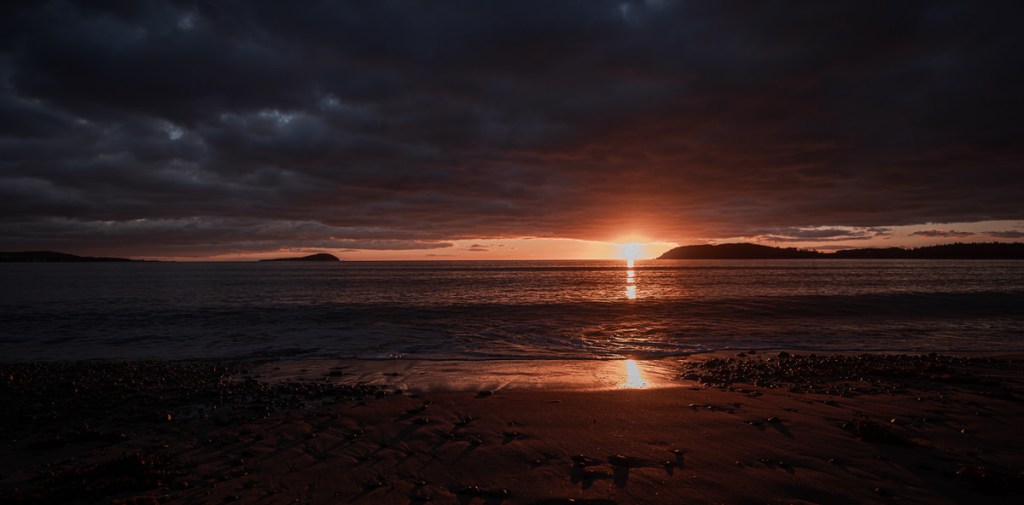
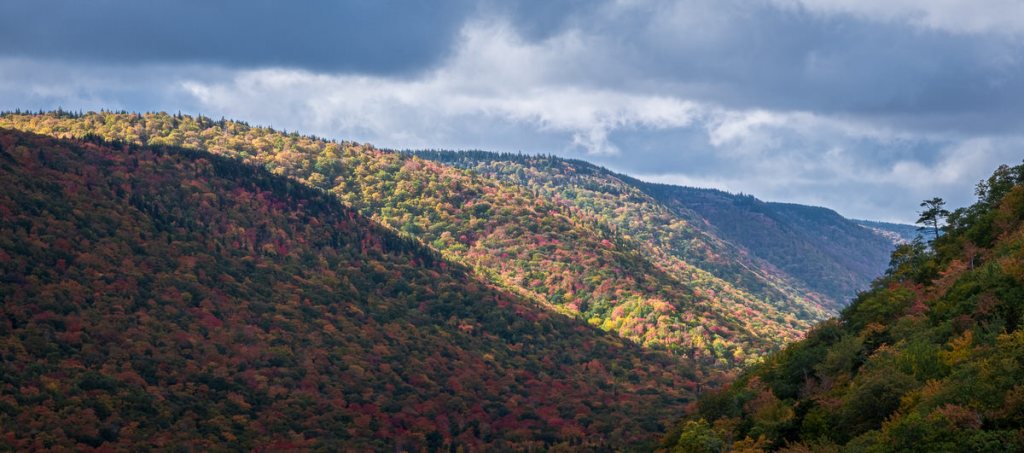
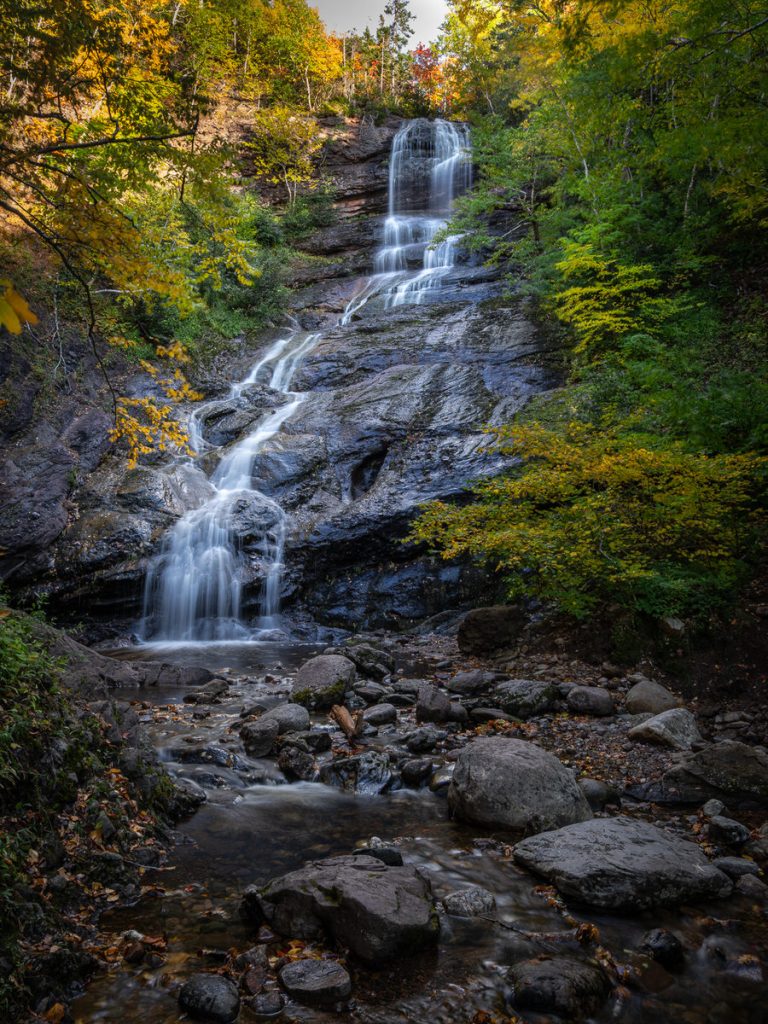
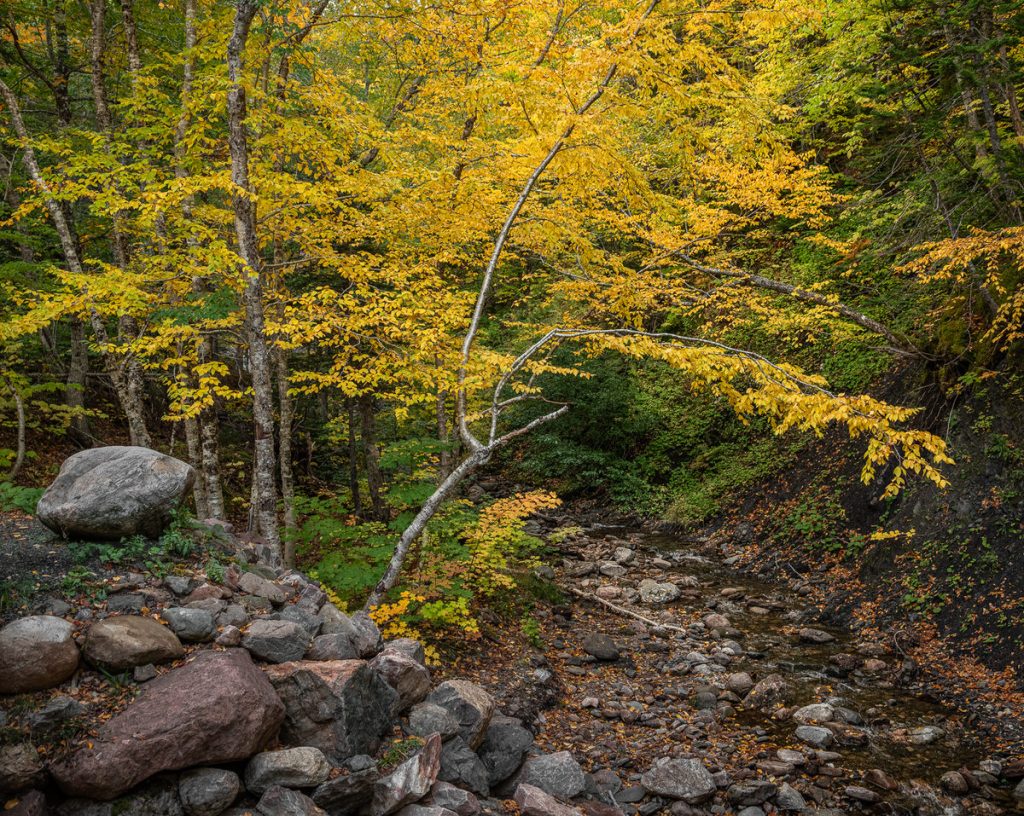
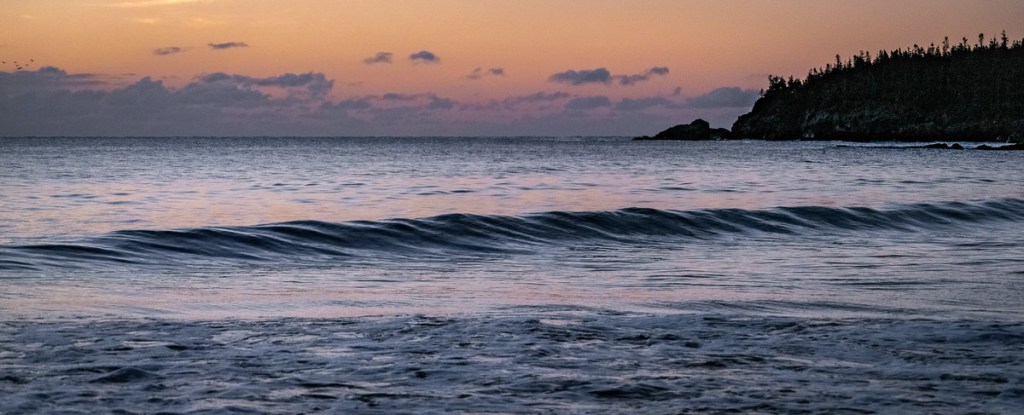
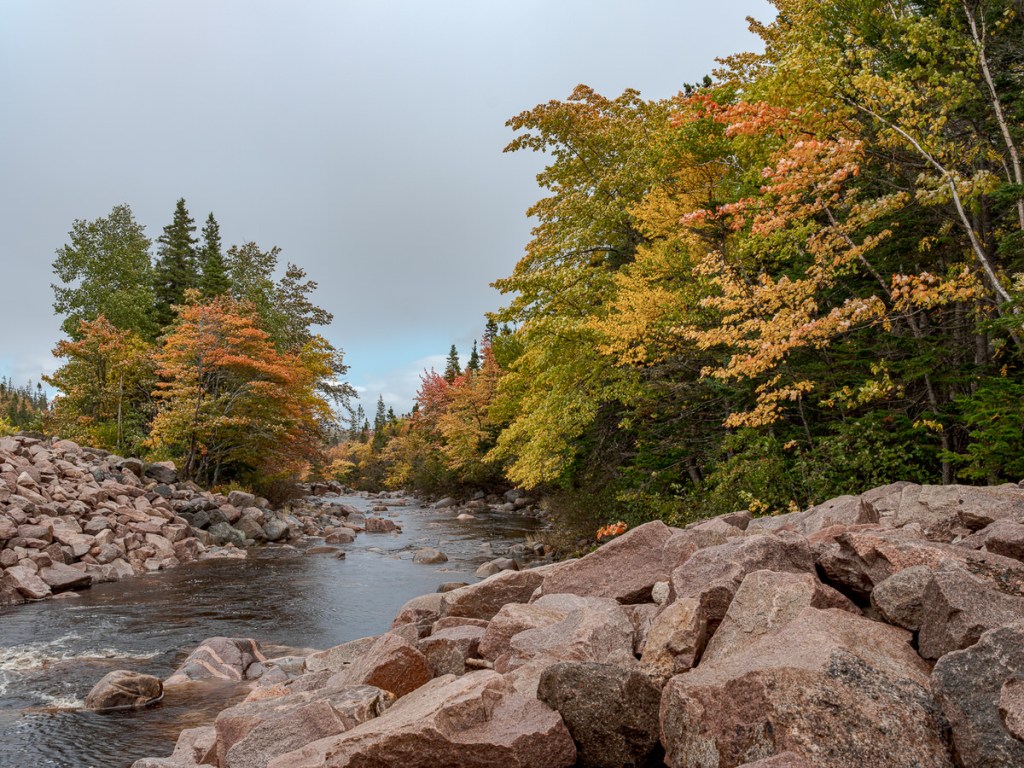
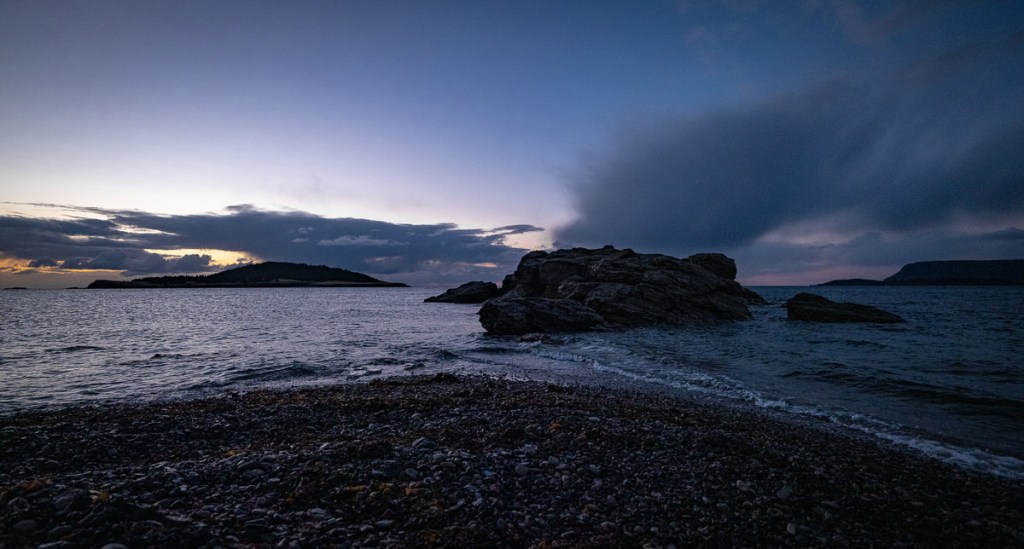
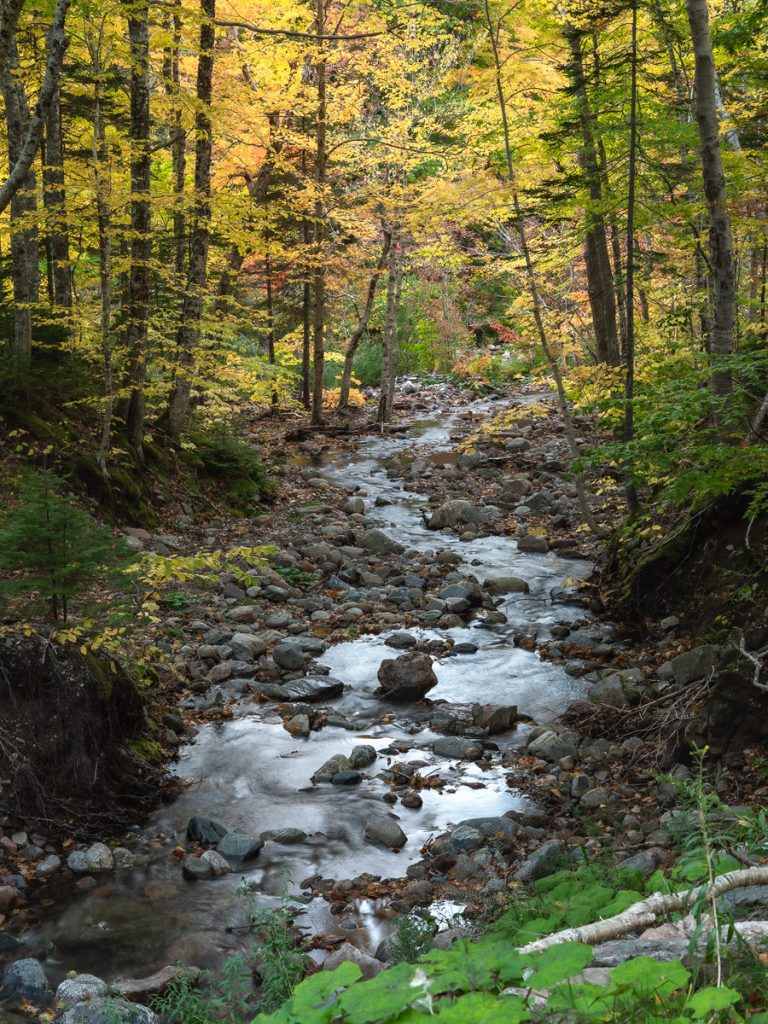
Landscape workshops operate somewhat differently. Participants often spread out across a location, exploring independently and working through creative problems. The pace can feel quieter than in a portrait workshop, but the learning remains just as active. At Highland Heart, instructors regularly stopped to ask what I was trying to achieve and how I approached a scene. Their most useful feedback rarely came as technical corrections. More often, it came as a question. “Have you tried this?” That approach encouraged experimentation rather than reliance. Instead of being handed an answer, I was encouraged to work through the problem myself. Those conversations proved as valuable as any compositional advice I received.
Learn from Every Critique
Many photographers naturally focus on feedback about their own work. The greater opportunity lies in listening to critiques of others’ photographs. One of the most revealing aspects of a workshop critique is how it exposes how experienced photographers think. You begin to see what they notice first, what they value in an image, and how they approach problems. At Character and Camp Create, participants selected images for group review near the end of the workshop. Those critiques often proved to be the most valuable learning experiences of the event.
A critique might touch on:
- Composition
- Subject placement
- Environmental context
- Use of light
- Emotional impact
- Storytelling
- Post-processing decisions
Even when a critique focused on someone else’s image, I often found myself applying the lesson directly to my own work. The value of a critique is not merely in learning whether an image succeeds or fails. It lies in understanding why.
Creative Growth Over Technical Mechanics
Before attending the workshops, I assumed the most valuable lessons would be technical. I expected to learn about cameras, lenses, lighting equipment, exposure, and editing software. Those topics mattered. What surprised me was how often the most meaningful conversations had little to do with equipment. The strongest workshops encouraged participants to think more deeply about intention, observation, and personal vision.
At Character and Camp Create, technical topics covered:
- Studio lighting
- Off-camera flash
- Balancing ambient and artificial light
- Lightroom and Photoshop workflows
- Environmental portrait techniques
Useful subjects, all of them.
The larger lessons revolved around different questions:
- What makes a portrait meaningful?
- Why are we drawn to particular subjects?
- How do photographers build trust?
- How do images evolve during a session?
- What makes a portrait feel authentic?
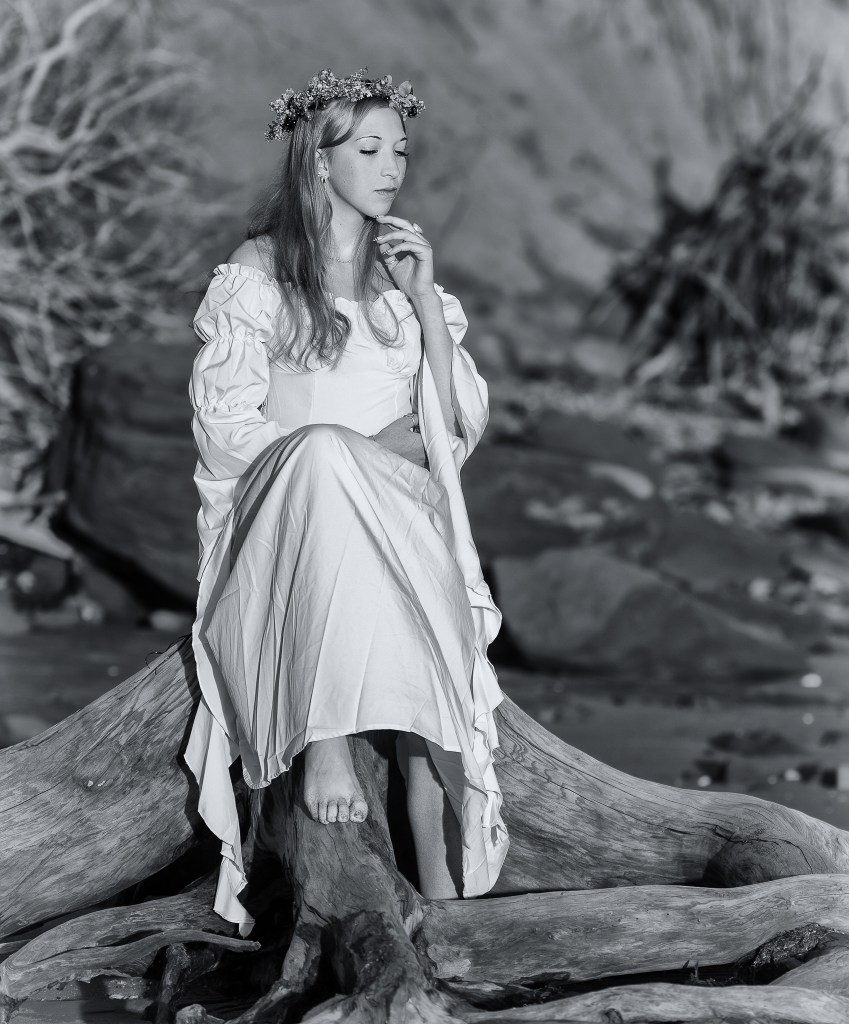
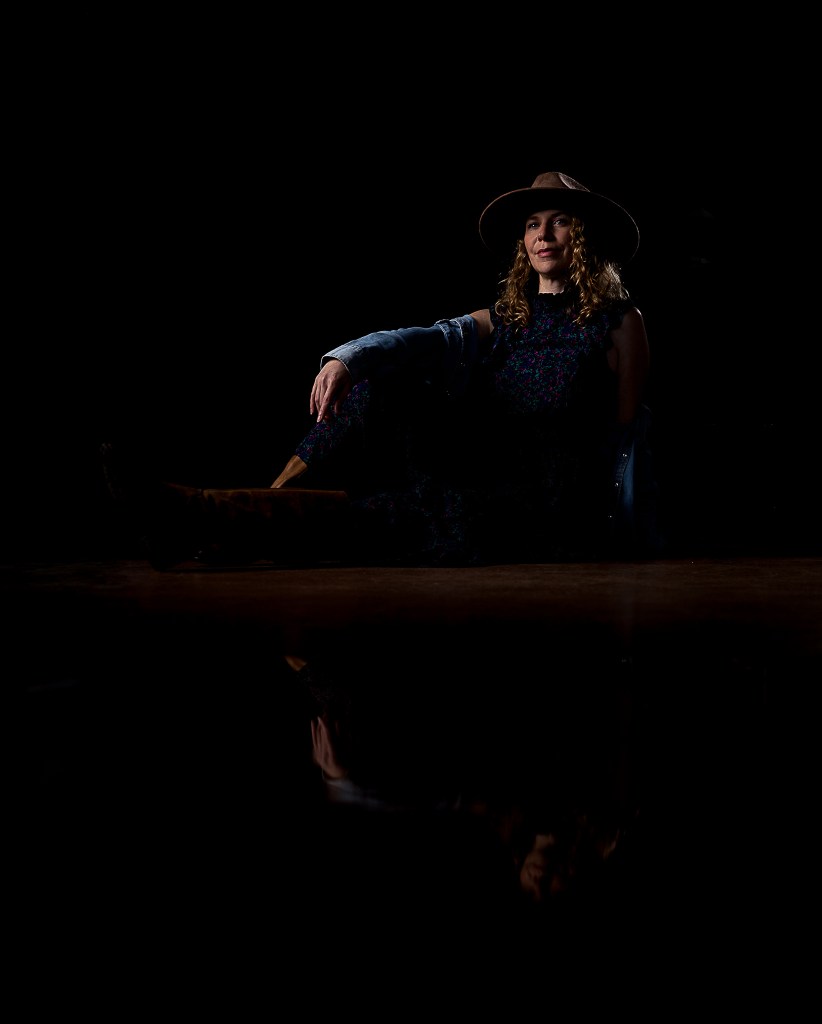
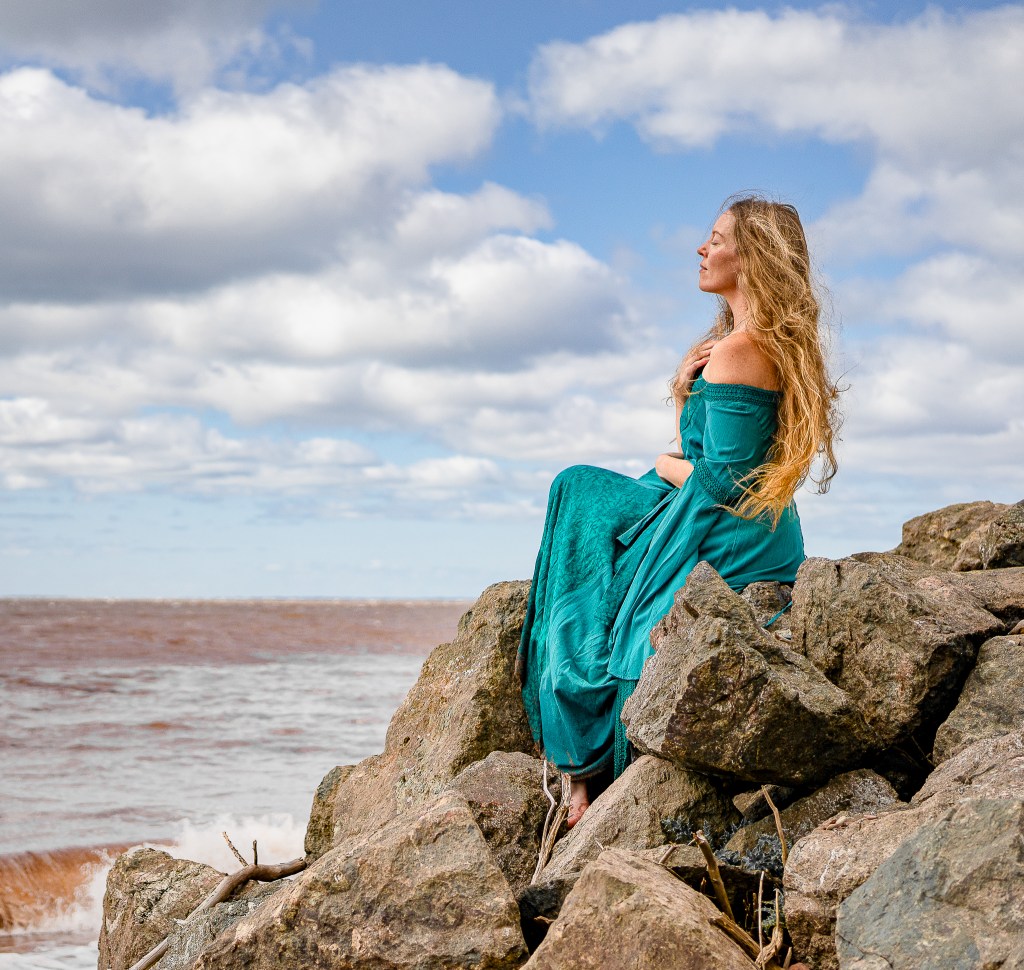
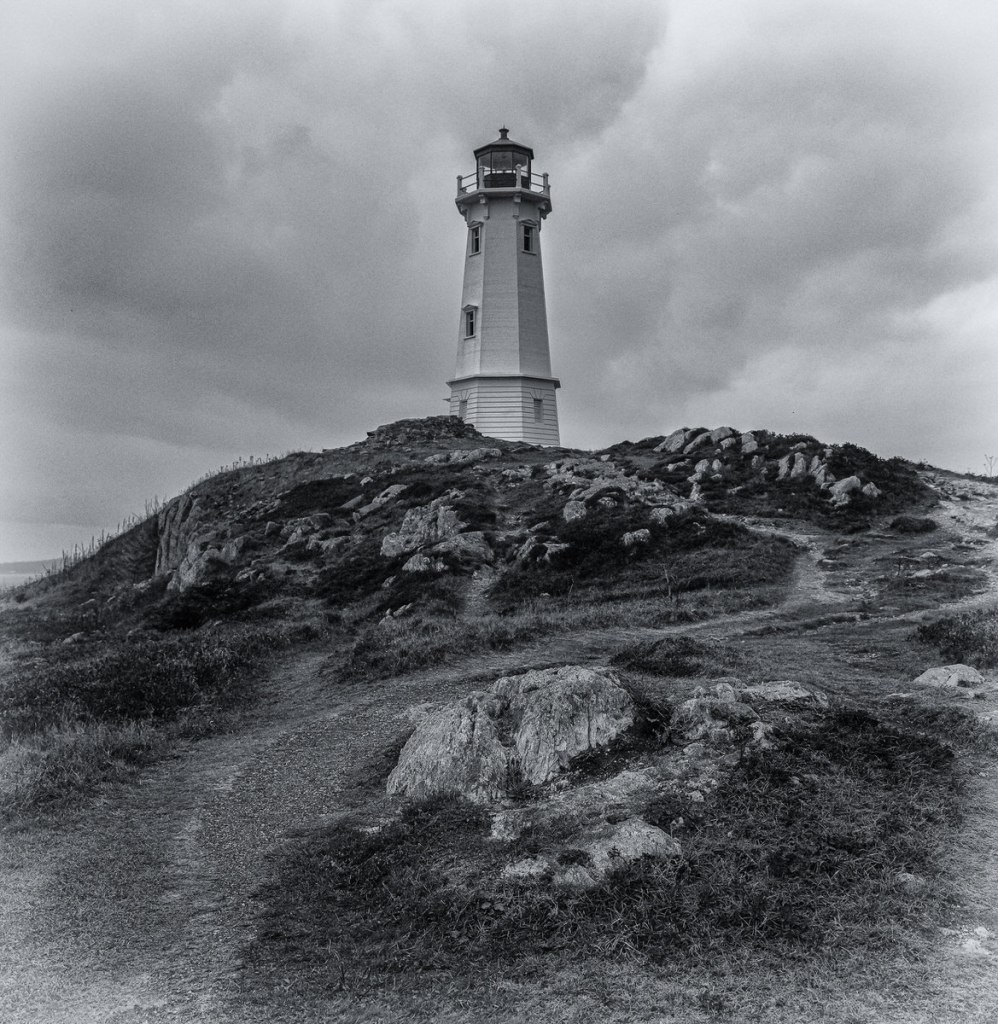
Highland Heart offered similar lessons through a landscape-photography lens. The workshop was not simply about finding dramatic locations. It was about understanding how experienced photographers assess a scene, adapt to changing conditions, and decide what deserves their attention. Technical knowledge can be acquired through books, videos, and online tutorials. Creative judgement develops through practice, observation, and conversation. That is where workshops shine.
The Value of Community
One of photography’s paradoxes is that it is often practised alone, yet learned most effectively with others. Many of my favourite workshop memories have little to do with photography. They involve conversations over breakfast, discussions on long drives, and exchanges with photographers from very different backgrounds.
Workshops bring together people who share a passion for photography and contribute vastly different experiences and perspectives. That diversity creates opportunities to learn beyond the workshop’s curriculum. The friendships and professional relationships formed during these experiences often endure long after the event ends. Some of the most influential lessons I have learned have come not from instructors but from fellow participants.
The photo walks had hinted at this truth years earlier, and the workshops simply reinforced it.
Mindset Matters
More than any camera, lens, or technique, mindset shapes the workshop experience. Photographer Bill Fortney offers simple advice. “Come ready to learn, relax, and have fun.” The advice sounds straightforward, yet it captures something important. Workshops work best when participants arrive ready to learn. That means asking questions, trying unfamiliar approaches, staying open to feedback, and accepting that growth often begins with recognizing what we do not yet know.
I arrived at Character physically and mentally exhausted after a demanding school year. Even so, I remained open to the experience and eager to learn. The same held true at Highland Heart, where long days, travel and changing weather gradually sapped everyone’s energy. One of the workshop leaders recognized this and offered a brief reminder: “Let’s keep the good karma flowing.” At the time, it felt like a passing remark. Looking back, it captured an important truth. Workshops are shared experiences. The attitude we bring affects not only our own learning but also everyone else’s. The photographers who leave with the most are often those who stay curious, positive and engaged from beginning to end. These same qualities that make us better workshop participants often make us better photographers.
After the Workshop
When a workshop ends, most visible activity stops. The trip is over. The equipment is unpacked. Daily routines resume. At first glance, it may seem the learning experience has concluded. In my experience, the opposite is true. The workshop itself often marks the beginning, not the end. Many of the most valuable lessons emerge later through reflection, editing, and the gradual integration of new ideas into one’s photographic practice. Learning doesn’t end when we leave. It becomes our responsibility to carry it forward.
The Journey Home
Travel has become an integral part of my workshop experience. Whether driving across Alberta or flying home from Atlantic Canada, the journey home creates space for reflection. The pace slows, and experiences that once felt isolated begin to connect. I revisit conversations with instructors, reflect on photographs that succeeded or failed, and replay moments that seemed insignificant at the time. New insights often emerge as the pressure of the workshop environment eases.
Returning home from Camp Create and Highland Heart took several days of travel. Both experiences were physically demanding, and I often felt their effects most strongly after the workshops ended. Yet those quieter moments proved productive. After Highland Heart, I spent much of the following morning journaling about the locations we visited, the instructors’ choices, and fellow photographers’ approaches. I recorded ideas for future projects and identified practices to explore at home.
Even during the long drive north, I re-evaluated my photographs and found solutions to problems that had occupied me only days earlier. Learning continued long after I packed away my cameras.
Reflection Creates Understanding
Workshops provide information. Reflection transforms information into understanding. This may be one of the most overlooked aspects of photographic growth. During a workshop, ideas arrive quickly. Demonstrations, critiques, locations, travel, and conversations all compete for attention. It is impossible to absorb everything in the moment.
Once home, however, there is an opportunity to slow down. I usually revisit my notes several times. What seemed obvious during the workshop may reveal deeper layers later. Questions that never occurred to me while travelling often surface when I review photographs or revisit conversations. Sometimes I only fully understand a lesson months later, when I encounter a similar challenge in my own work. That delayed understanding is part of the process.
A workshop plants seeds. Reflection helps them grow.
Post-Processing and Image Review
One of the final activities at both Character and Camp Create was selecting and post-processing photographs for presentation to the group.
At the time, the exercise seemed to centre on our skill, or lack thereof, in post-processing. Looking back, it did something more important. It moved each of us past our pride and into the grace of receiving feedback: what was strong in an image, what distracted from it, and what possibilities it still held. The instructors went further, describing what they might try if the image were theirs and then demonstrating it on our photographs.
Culling – deciding which images work and merit further effort – is a skill. Post-processing to strengthen a photograph and direct the viewer’s attention is a creative skill, as is learning what holds a viewer’s attention and what distracts it. Together, these steps move us beyond image capture and into the layers that make a photograph strong. The exercise also gave us direct help from the instructors – a concrete step toward each of our learning goals.
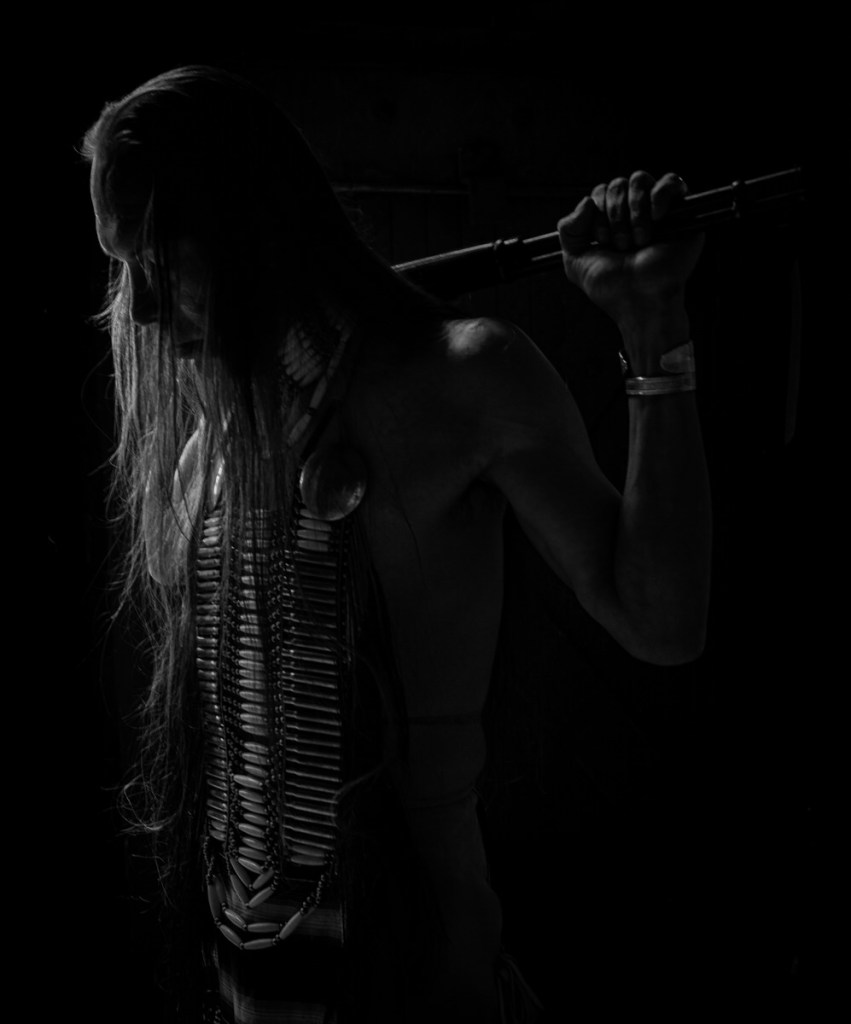
Learning photography is both visual and technical. When we are close to achieving what we intend, the heart of a photography workshop is the mentor’s guidance: words offered with care and kindness that show us how to take the final steps, especially at the vulnerable moment of sharing our work with others. I shared that moment with fellow participants, but more importantly, with Dave and Wayne, who worked through the workshop’s final activity alongside me.
Learning from the Work of Others
One of the most valuable aspects of both portrait workshops continued after the events ended. Participants edited their photographs, delivered portraits to the models, and uploaded selected images to private workshop groups on Facebook. These collections became learning resources in their own right.
Looking at another photographer’s interpretation of the same subject can be remarkably educational. You begin to notice different approaches to lighting, composition, subject interaction, and post-processing. You see decisions that never occurred to you while standing beside the photographer during the workshop.
Sometimes I revisit those galleries months or even years later. A photograph that seemed straightforward during the workshop may reveal subtleties I missed on first viewing. An editing choice that initially escaped my notice may gradually shape how I approach similar situations in my own work. The workshop lives on through those images and the conversations they spark.
Putting New Practices to Work
The true value of a workshop is not measured by what happens during the event. It is measured by what changes afterward. A technique used only once has limited value. A new habit built into your routine can shape your photography for years.
This is why I increasingly view workshops as opportunities to learn practices rather than simply gather information. The goal is not to return home with a collection of facts. The goal is to return home and work differently. Since attending Character, I think differently about building rapport with portrait subjects. Since attending Highland Heart, I think differently about landscape locations, visual intent, and personal vision.
The photographs mattered. The changes in practice matter even more.
Revisiting the Roadblocks
Earlier in this article, I described workshops as opportunities to identify photographic roadblocks. The period after a workshop is often when those roadblocks become most apparent. Distance provides perspective. Questions that seemed vague at first become more precise. What makes a portrait feel authentic? How do I move beyond recording a landscape to expressing a personal response to it? What habits are limiting my growth? Workshops rarely provide definitive answers to questions like these. What they often offer is something more valuable: a clearer sense of which question to explore next. In that sense, every meaningful workshop lays the foundation for future work. The best ones leave us with new directions rather than definitive conclusions.
Carrying It Forward
After a workshop, I am usually tired when I return home. Travel has taken its toll. Hundreds or thousands of images await review, and normal responsibilities have not gone away. Yet I also feel energized, not because I captured a particular photograph, but because I return with new ideas, new questions, and a renewed sense of possibility.
The photographs become part of the experience. The relationships become part of the experience. The lessons become part of the experience. Most importantly, so does the momentum. A successful workshop does not simply improve the photographs you made while you were there. It influences the photographs you will make next.
Yours, in the Doing
A photo walk, tour, or workshop gives you access to something difficult to create on your own: a concentrated experience.
You gain access to photographers who have solved problems you’re still grappling with. You spend time with people who see things differently. You work in environments that challenge familiar habits and foster experimentation. If you’re fortunate, you leave with stronger photographs. More importantly, you leave with new ways of thinking about photography. Over the years, I’ve come to believe that the most valuable outcome of a workshop isn’t a portfolio image.
It is momentum.
The photograph you are proud of today will eventually be replaced by another. Techniques evolve, equipment changes, and editing styles come and go. What endures are the practices you develop and the lessons you carry forward. The Scott Kelby Worldwide Photo Walks introduced me to the idea that photographers benefit from seeing alongside one another. Character taught me that meaningful portraiture begins with connection. Camp Create encouraged experimentation and creative play in portraiture. Highland Heart reminded me of my enduring relationship with landscape photography and the importance of personal vision.
Each experience left me with photographs, but more importantly, with questions worth pursuing.
In the end, the workshops that mattered most were not necessarily the ones that delivered the most information. They were the ones that helped me identify the next step in my growth as a photographer. Perhaps that is a workshop’s true purpose. Not to provide answers to every challenge we encounter, but to reveal the next question.
Photography is a long journey. None of us arrives fully formed. We learn through practice, experimentation, mistakes, successes, and the generosity of those willing to share their knowledge. Photo walks, tours, and workshops are simply different ways to participate in that process. The rest is ours to do.
Checklist for Next Time
Choosing
- Identify what is currently holding back my photography.
- Look for a workshop that directly addresses that challenge.
- Research the instructor’s work and teaching style.
- Read the course description carefully.
- Match the workshop’s level to my experience.
- Register early enough to avoid missing the opportunity.
Before Going
- Practise with my equipment until operation feels natural.
- Update firmware well in advance.
- Test all critical gear.
- Bring extra batteries and memory cards.
- Pack for the trip, but carry only what I need each day.
- Bring a basic cleaning kit.
- Ensure software is installed, updated and working.
- Wear footwear appropriate for the terrain.
- Communicate goals and needs to the instructor.
- Research the location.
- Study relevant material before arriving.
During
- Share my learning goals with the instructor.
- Stay engaged and ask questions.
- Listen carefully to critiques of all participants’ work.
- Observe how others approach photographic problems.
- Experiment with unfamiliar ideas and techniques.
- Remain open, curious and positive.
After
- Use the journey home to reflect.
- Review photographs and notes.
- Revisit critiques and conversations.
- Identify practices worth incorporating into my work.
- Write down new questions and future learning goals.
- Continue learning from fellow participants’ photographs.
- Apply new ideas to projects at home.

