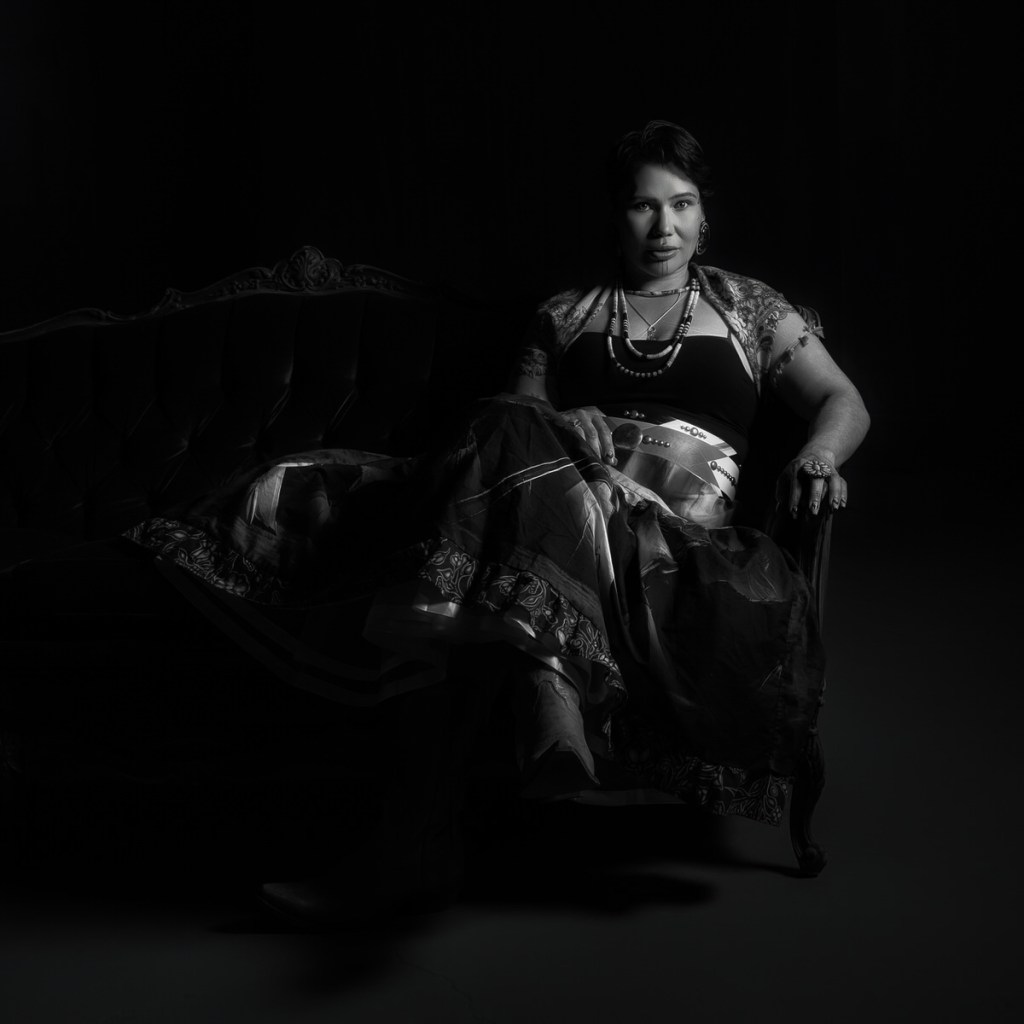
“May the nourishment of the earth be yours, May the clarity of light be yours, May the fluent ocean of the unknown call you To go beyond where your eyes can see.”
— John O’Donohue, ‘Beauty: The Invisible Embrace’
A good portrait begins before the camera comes out. It grows from the photographer’s effort to learn the subject’s story: who they are and what matters to them.
Every portrait session is a threshold, a place where two people cross from one way of being together to another. They begin as strangers, each guarded. If the session goes well, they end somewhere closer, and the portrait bears the mark of that crossing.
The connection that makes this crossing possible, built on trust and a genuine bond, is the foundation of an authentic portrait. For the subject, connection makes it possible to move from how they hold themselves privately to how they allow themselves to be seen. For the photographer, it makes it possible to be fully present in what they explore together.
But what exactly is revealed at this threshold, and by whom? To answer that, it helps to look at what happens between the photographer and the subject during the making of a portrait.
A portrait is never simply a record of one person. In Camera Lucida, Roland Barthes observed that the sitter is several people at once: who they believe themselves to be, who they wish others to see, who the photographer takes them to be, and who the photographer needs them to be to make art. Every portrait is a negotiation among these selves. The moment the shutter clicks, that negotiation briefly settles into a single image.
Connection shapes negotiation. Where trust is absent, neither person crosses. The subject holds to the self they wish to present, and the photographer imposes the self they expect to find. The portrait records two people standing apart. Where trust is present, both can loosen their grip. The subject lets more of themselves be seen, and the photographer lets what they see change their assumptions.
Yet the photographer never entirely leaves the frame. What draws them to a face, where they place the light, and the moment they release the shutter each reflect their own history, fascinations, and blind spots. In this sense, every portrait is also a quiet self-portrait. The question is not whether the photographer is present in the image, but whether they are honest about it.
This is where vulnerability runs both ways. To make an authentic portrait, the photographer must cross the threshold too, accepting that they, too, will be revealed alongside the subject. A good portrait reaches beyond what the eye alone can see, towards the person who has chosen to be seen. Because a portrait outlasts the encounter, the photographer bears responsibility for how the subject is received on the other side. A portrait built on genuine connection does not hide this crossing; it holds both people within it and honours the space between them.
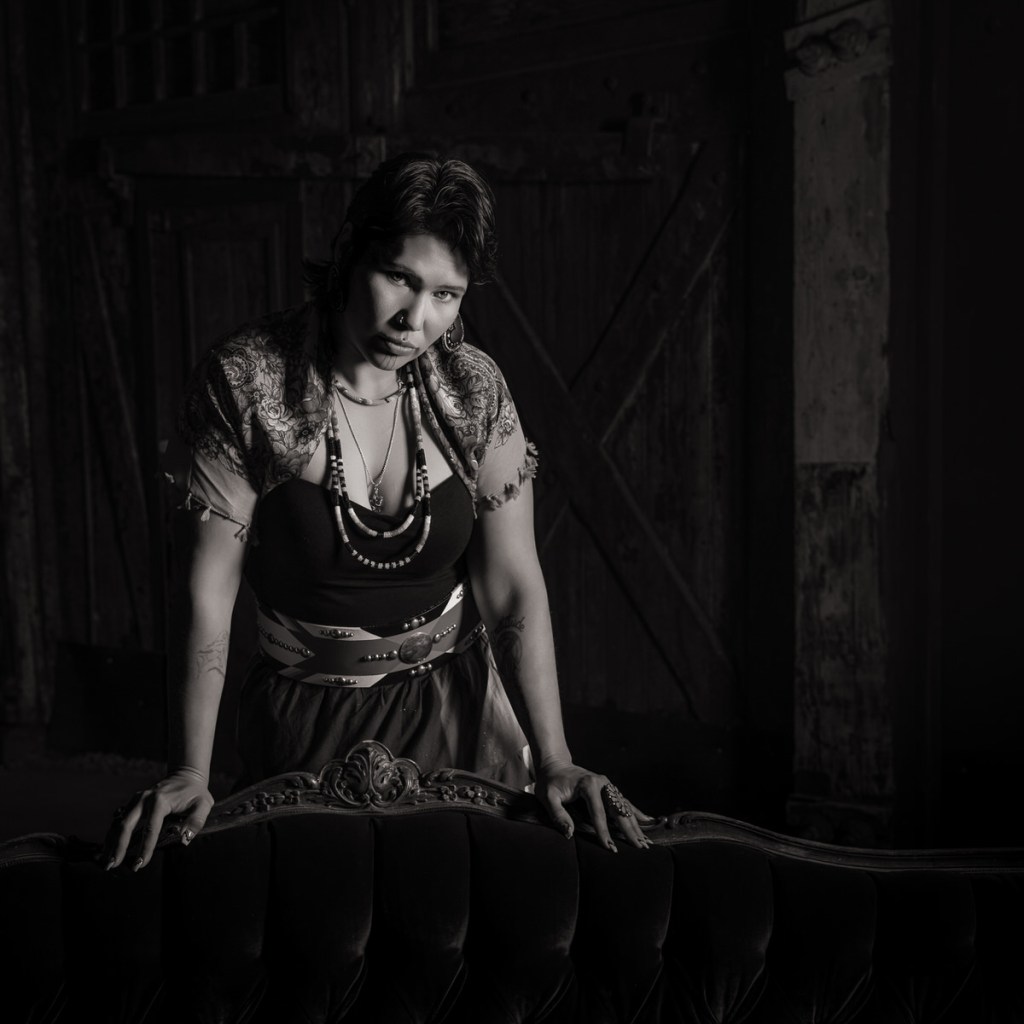
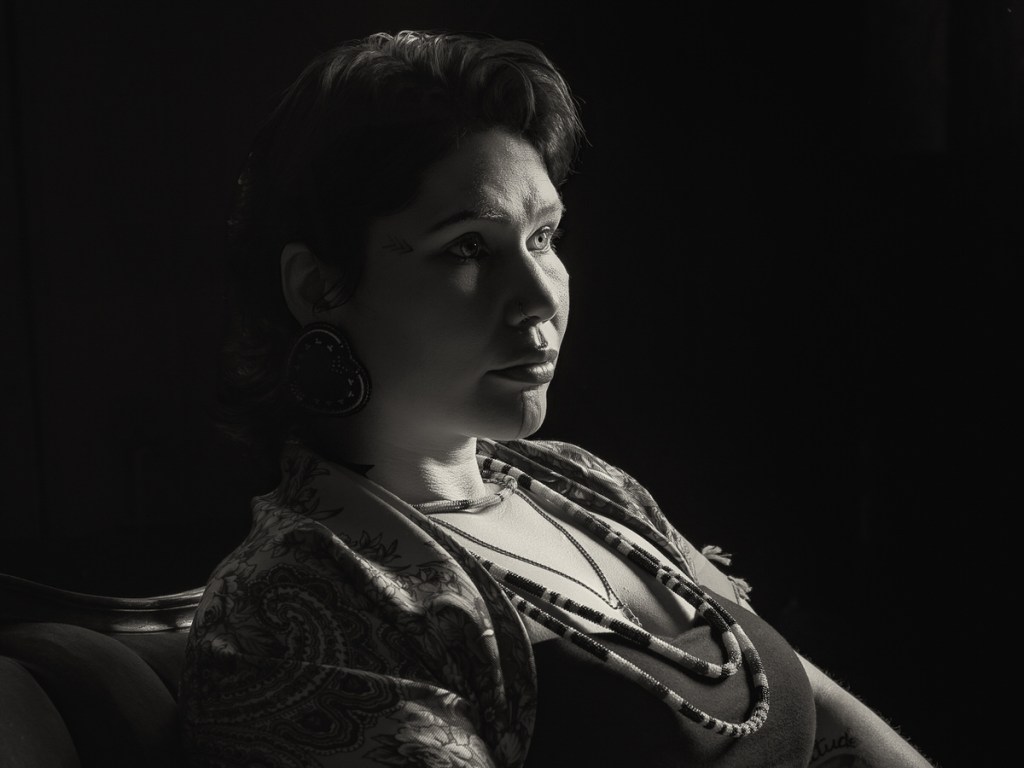
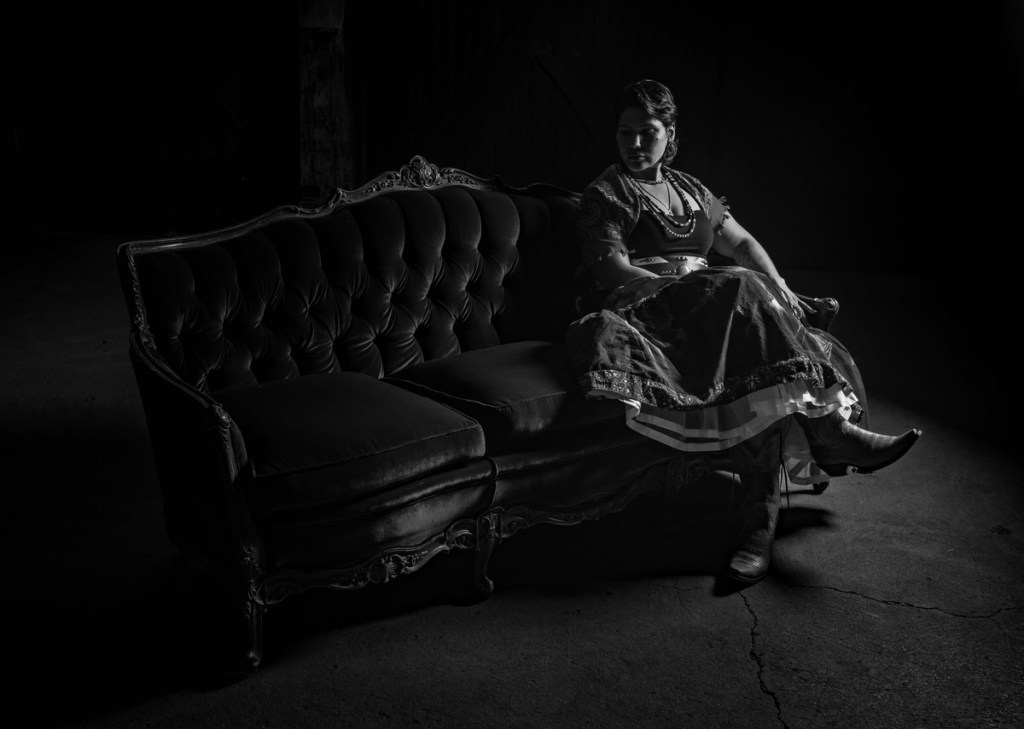
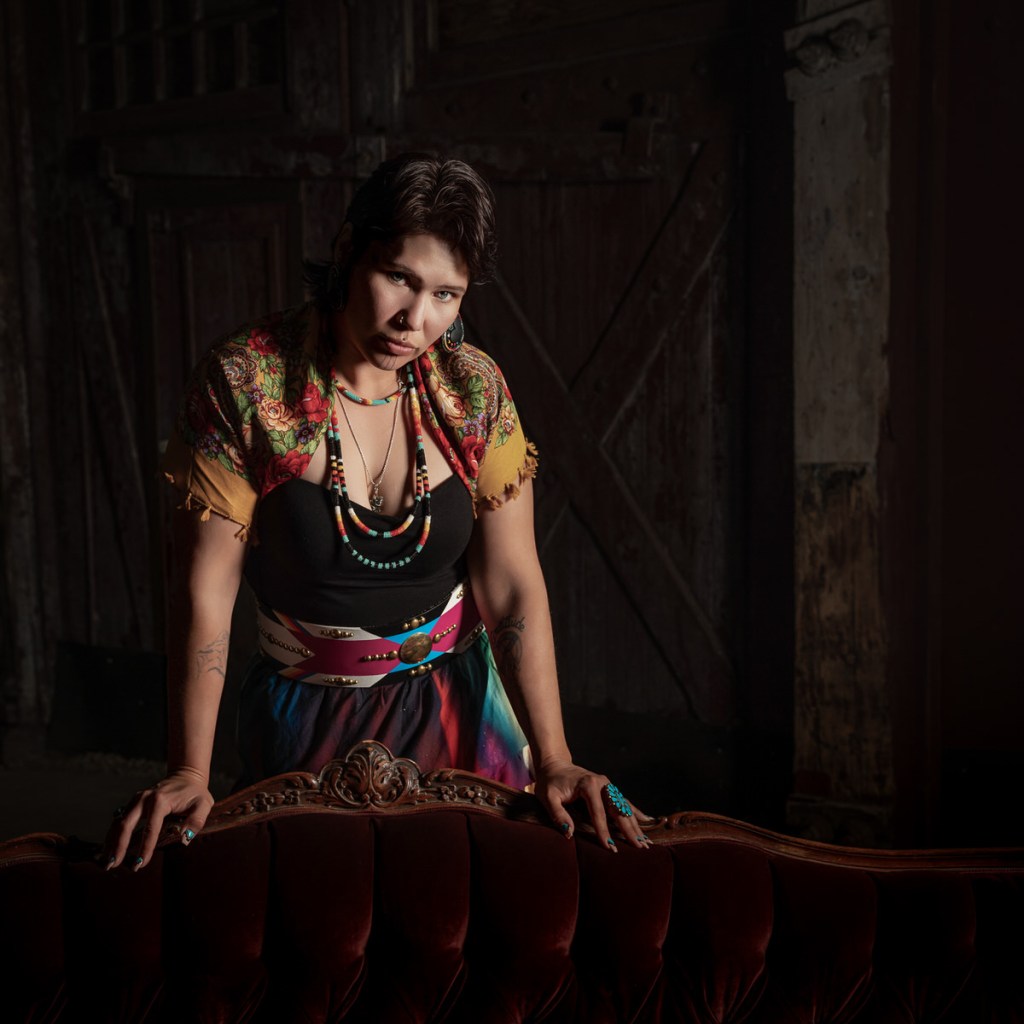
My thanks to model Kolby Nepoose, Mahican Iskwew.
Quotes to Inspire
“When we beautify our gaze, the grace of hidden beauty becomes our joy and our sanctuary (Beauty: The Invisible Embrace, John O’Donohue).”
“Many of us have made our world so familiar that we do not see it anymore. An interesting question to ask yourself at night is: ‘What did I really see this day?’ (Anam Cara, John O’Donohue).”
Listening to:
‘A Friend Like You,’ and ‘My Place Among the Stones’ from The Milk Carton Kids’ album, Lost Cause Lover Fool. ‘Silencio,’ from U2’s ‘Carnaval de Luz’ album and Anne Carson’s ‘The Beauty of the Husband.’