Catcher’s Mitt – Travelogue

Combine (Farming), Farm, Homestead, Lookback Photos - One Year Ago, photography, Photography & Conceptualizing Beauty, Project 365 - Photo-a-day, Season

Rosanne Cash says about songwriting, “… Songs are there in the ether, and you just have to have your skills good enough to get them.”  Like acapella singer Bobby McFerrin, Cash believes that as a songwriter, “You catch songs…. [and,] … you have to have your catcher’s mitt on…. Sometimes I’m afraid that if I don’t get it down, then somebody else will (Rosanne Cash, Time Traveler – On Being with Krista Tippett, 5 January 2012, https://onbeing.org/programs/rosanne-cash-time-traveler/ ).”

Photography is like that – about being present and ready for what you see, connecting with the moment, and ‘catching the image’ and its import as it confronts you.

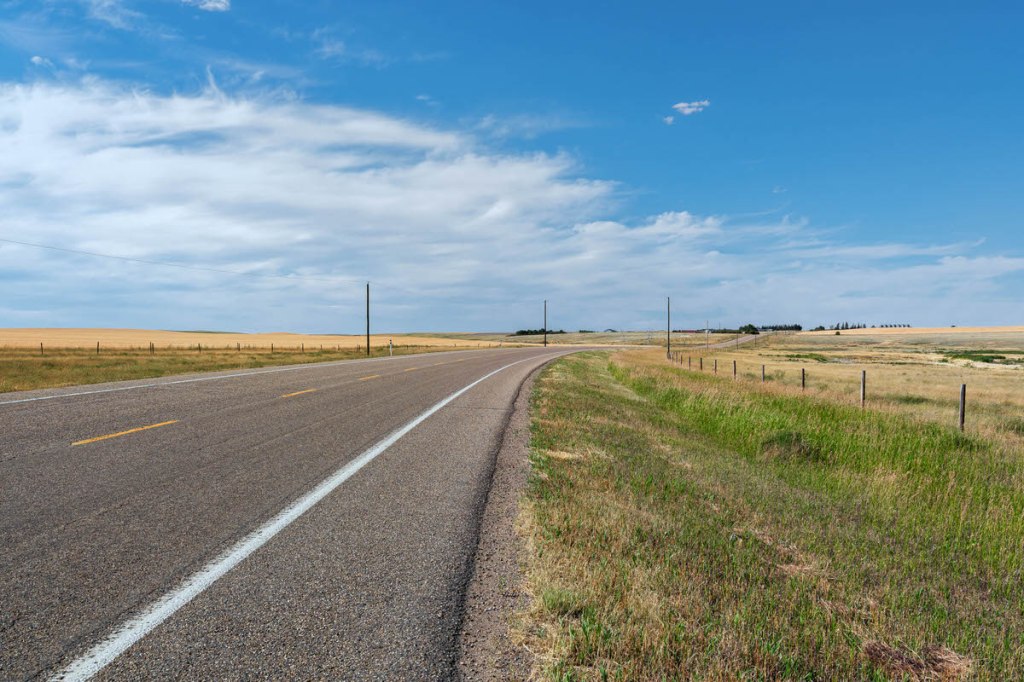
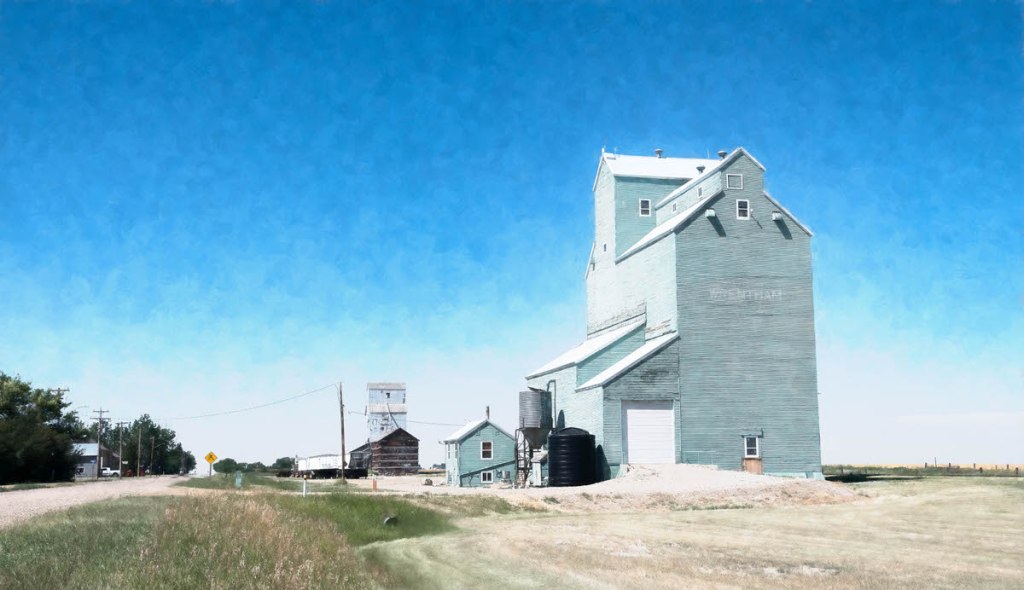
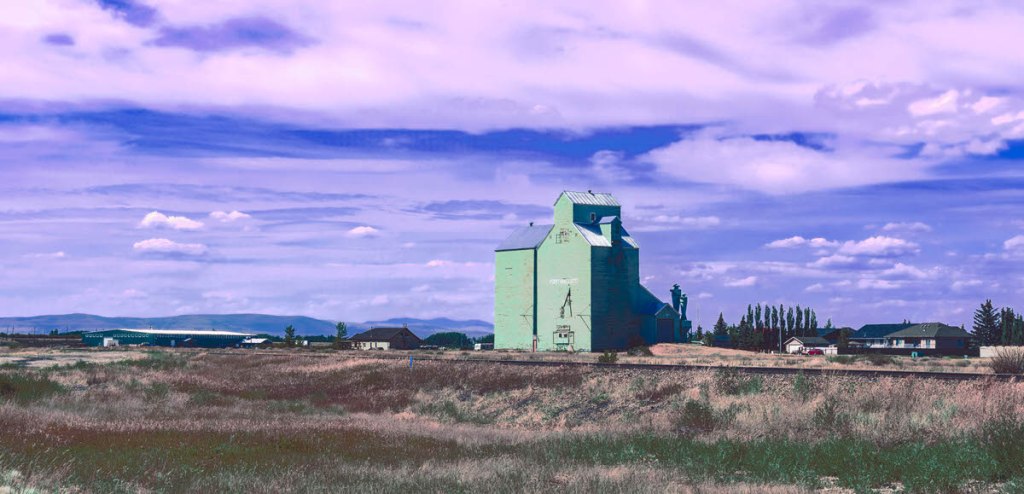
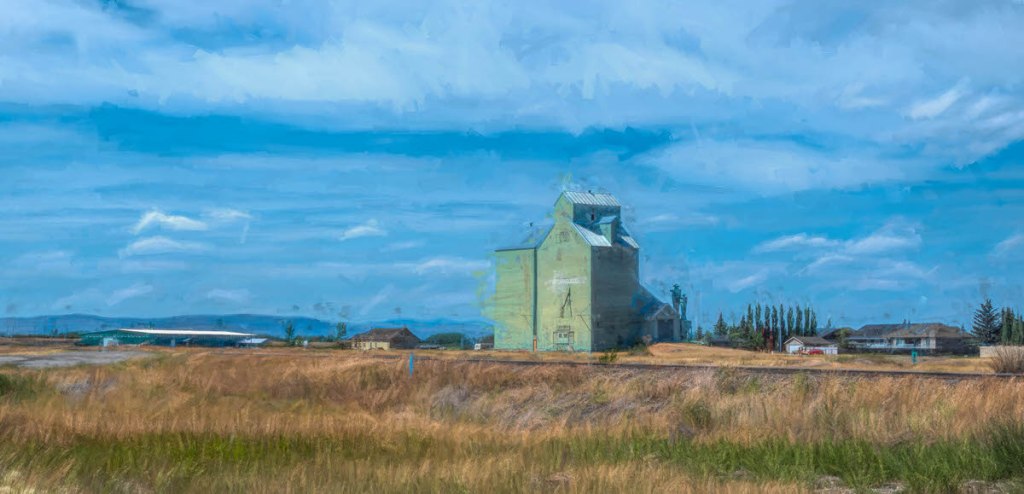
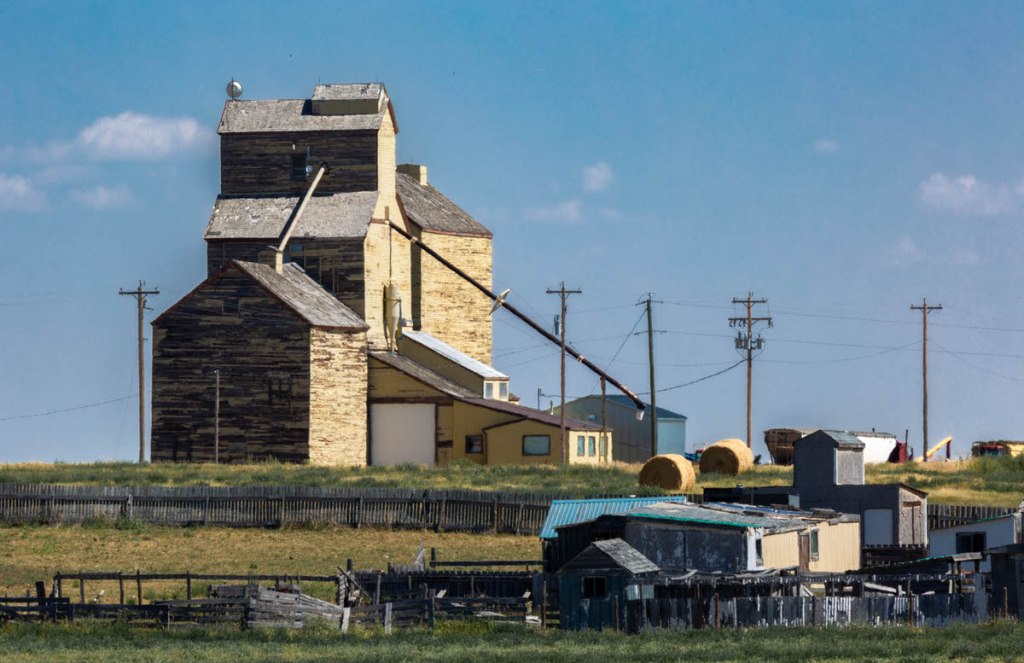
Wheat Kings and farmsteads served as points of departure. Stirling, Wrentham, Skiff, Foremost, Orion and Manyberries were place names in my travel – each had wooden grain elevators from the previous century used to stockpile grain for railway transportation. Some appeared to remain in use. Grey, weathering wood of still-standing derelict farm buildings clustered in disused prairie farmland with the rusting reds and browns of grain trucks – abandoned, yet holding memory to the past. General stores no longer in use faded in terms of colour and signage. I and my cameras went about image making.
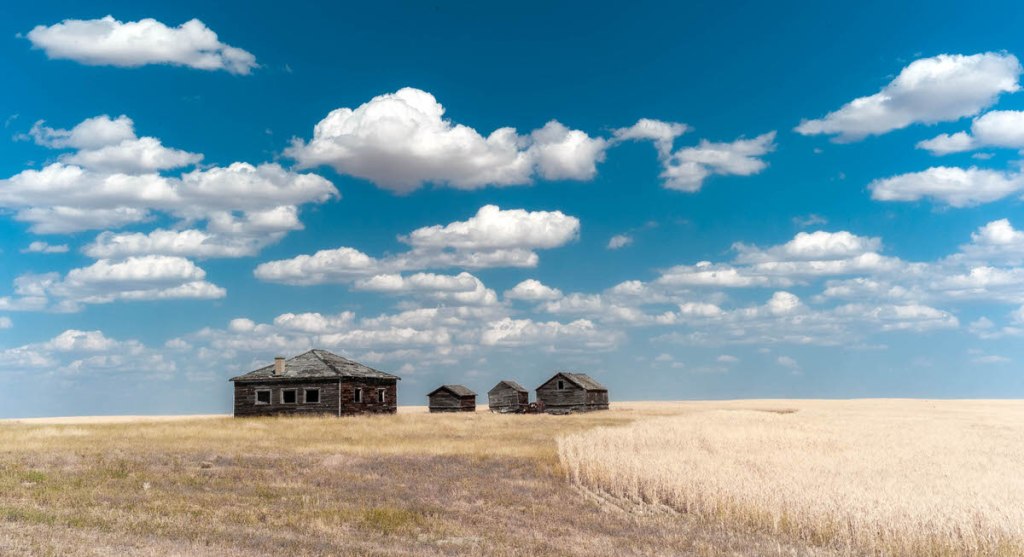
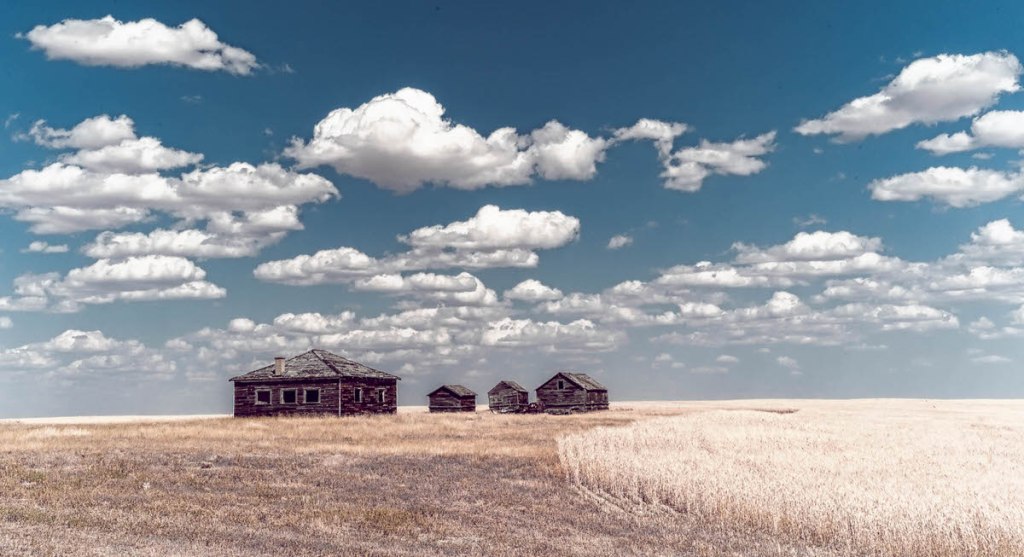
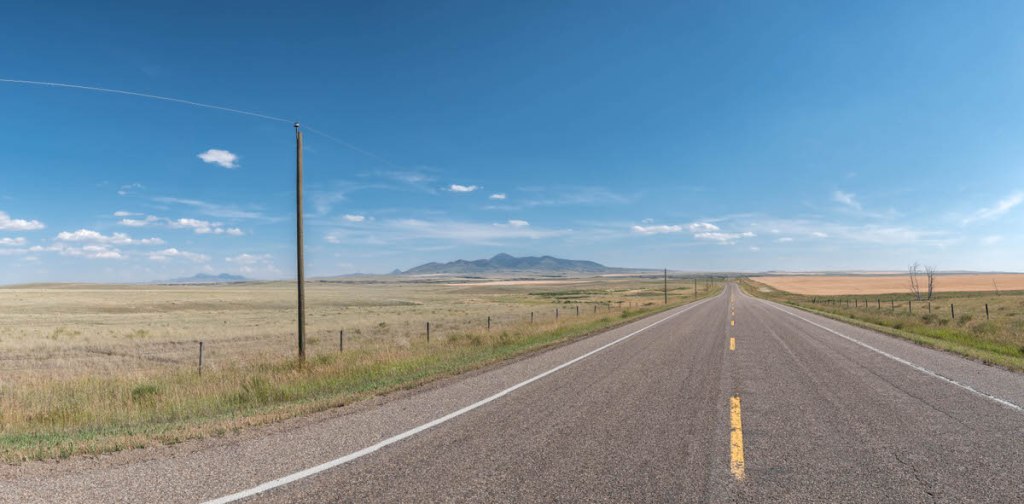
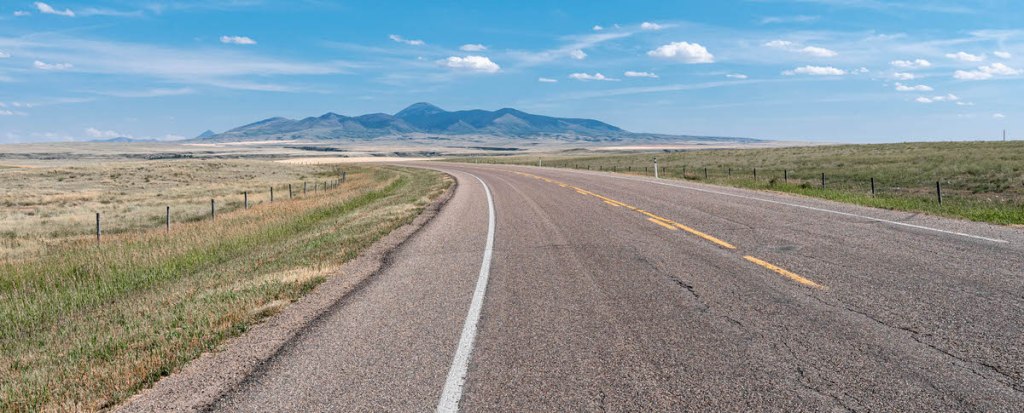
As I meandered, making exposures, travelling east and south, then west toward Milk River, two or three mountains loomed, growing more prominent in Alberta’s southernmost prairie, an unexpected juxtaposition – mountains within the prairie. I photographed them in stages as I travelled closer to them. While the mountains seemed to span the Canada – United States border, I was seeing the Sweetgrass Hills of Montana and evidence that volcanoes were a part of the prairie shared between Montana and Alberta. My mobile phone carrier began sending SMS messages advising of the need for a rate-plan change should I cross into the United States and need to use my phone. They were looking out for me. Good!

At this point in my summer, I was re-reading Thomas King’s novel, ‘Indians on Vacation,’ which has become one venue for Canadians to begin opening out Canada’s treaty history following the release of the National Truth and Reconciliation Commission report in 2015.  Characters, Blackbird Mavrias (or ‘Bird’) and Mimi, are vacationing in Prague, in the Czech Republic.

In the interrogatory phrase they encounter with familiar cadence, ‘Where are you from?’ an equivalency of people among peoples, vacationers among vacationers, is drawn out. At play is Bird and Mimi’s nationality, which, while Canadian, shifts as they share it between Canadian (from Canada) and their indigenous first nation identification as Cherokee (Bird has Greek and Cherokee lineage) and Blackfoot (Mimi). ‘Where are you from?’ … is always a jumping-off point for being known and getting to know others.

Bird Mavrias is a writer and journalist looking toward retirement. For Mimi and Bird, considering Prague’s history, exploring it as a city, and its current events – all serve to jostle them, surfacing memories. Their conversations move them through their past and occasionally surface facts from the Truth and Reconciliation Commission’s final report – moments of poignancy, disappointment and numbing revulsion concerning the unimaginable. Somehow, what they remember almost becomes a Viktor Frankl choice point to move forward, to move on.

Bird recalls a story he covered regarding an encampment at ‘Writing-On-Stone’ in southern Alberta. Within the park, on the southern side of the Milk River, an indigenous woman sought to gather and practice traditional ways with those of like-mind, ways of their people(s) on their people’s land. The story recognizes a need to find and return to traditional ways. The story looks at the breaking down of the camp and moving trespassers from the site. Bird’s recollection recalls the impotence of the situation – what it did not achieve and its disappointment.
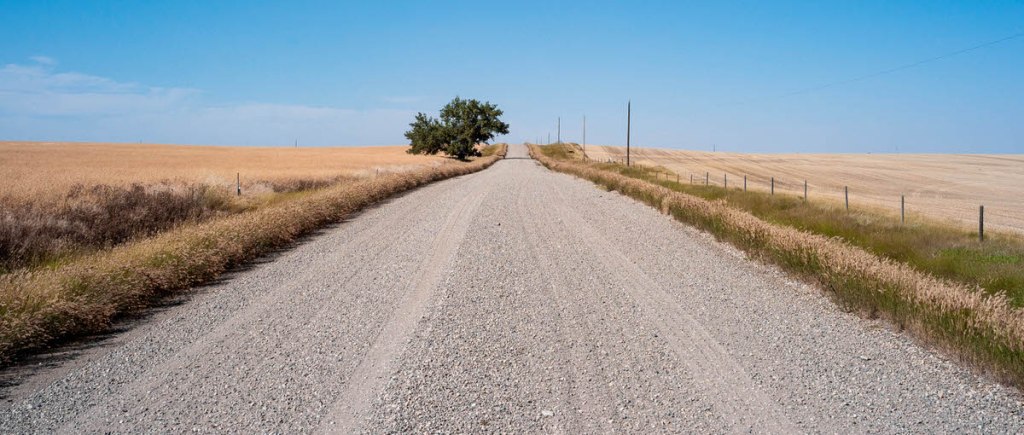
In my drive, moving south and east toward Aden from Milk River and then toward the Sweetgrass Hills of Montana, I came upon this site at ‘Writing-on-Stone Provincial Park.’ In Blackfoot, this site is referred to as Áísínaiʼpi, a word meaning ‘it is pictured’ or ‘it is written.’ The conceptualization of photography as being ‘writing with light’ and exposure of what the camera witnesses seem close to indigenous intention here, and the word Áísínaiʼpi seems as though it should be part of a photographer’s vocabulary. In both cases, the terminology refers to memory being held to be witnessed, considered and understood.
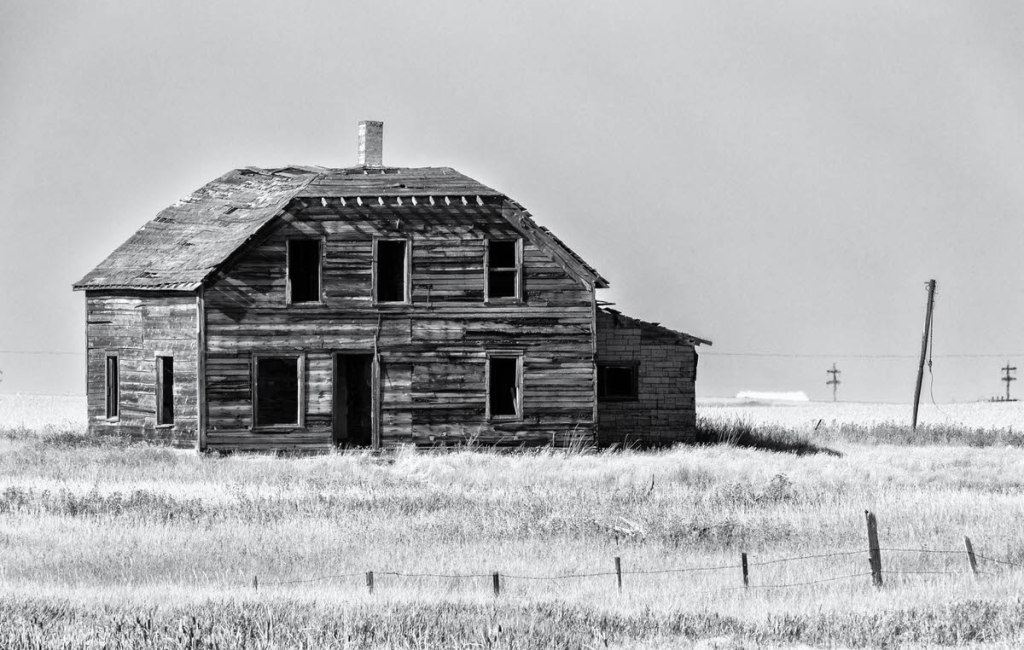
Gauging what remained of my day in terms of kilometres, gas and final meal, I began my return drive to Lethbridge and my hotel quite late. Tired at the end of my drive, I had accomplished a lot of what I intended – a day open for discovery, thought and camera work. I found Wheat Kings. I encountered the big sky of southern Alberta’s prairie landscape. I had scouted and became acquainted with an area of Alberta I was interested in and will return to.

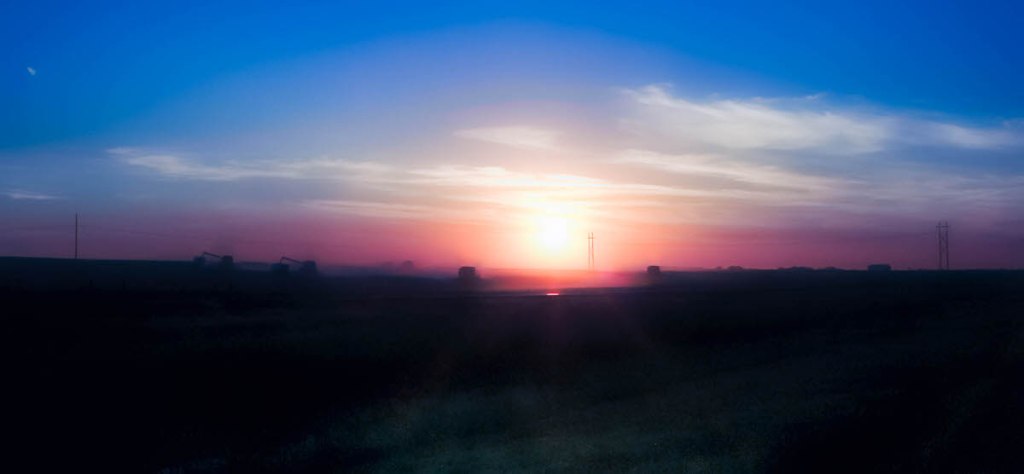
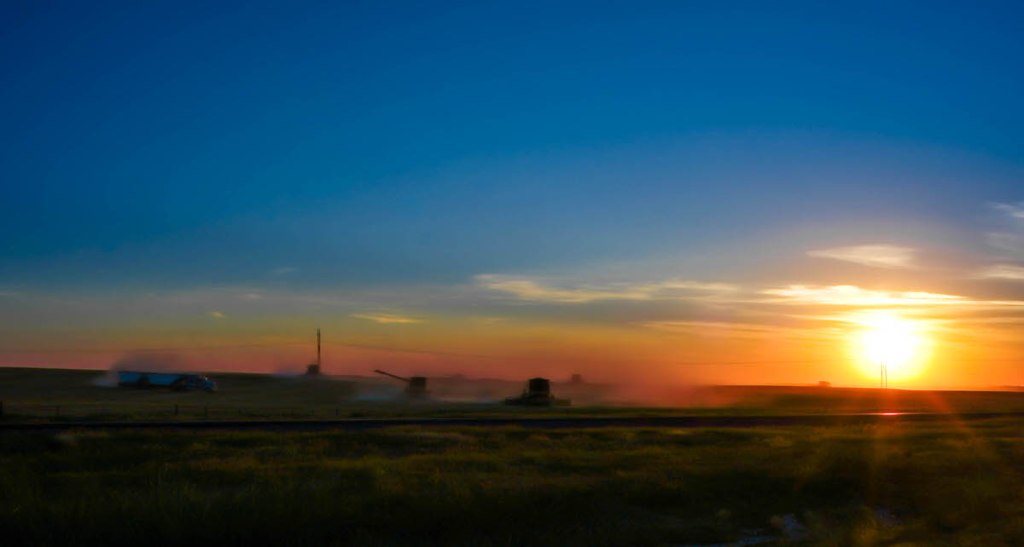
Harvest, though, caught me by surprise. Somewhere between 10:30 – 11:00 p.m. I drove past this late-night harvest scene below. The sight was extraordinary for me because the grain harvest in northern Alberta occurs from late August to mid-September. Here, it was an extraordinary sight … to see as many as five combines gathering grain from the prairie immensity. These mid-August images contain silhouettes of combines and grain haulers outlined in black against a colourful backdrop of setting sun, sky and prairie. People are at work, doing this day’s work as daylight diminishes.
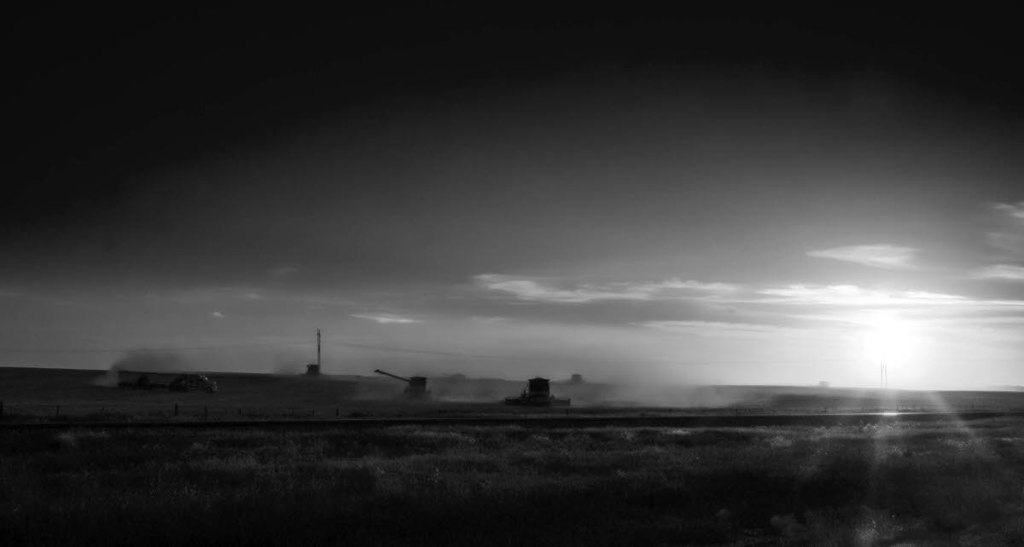
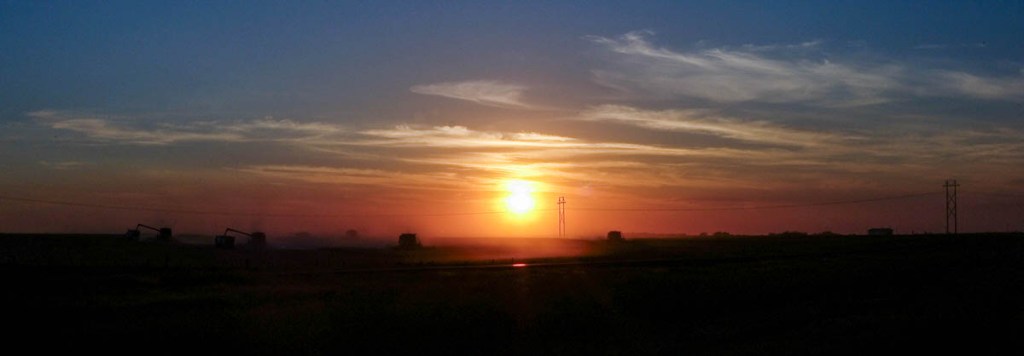
Catcher’s Mitt & Day’s End

My day did not end there. Returning late to Lethbridge meant supper would be drive-through or order-in, and I hadn’t eaten for hours. Near midnight, a McDonald’s provided two quarter-pounders with cheese and a pop. A young, homeless teen hid in the shadows of the building beyond the sight of the cashier. As I moved from the drive-through, the teen presented cardboard on which was written, ‘Needing food. Can you help?’ I gave her twenty dollars, then left, returning to my hotel.

In all this, consideration of Thomas King’s novel has continued to intrigue me in its detail, humour, happenings, intention, and reference to areas of this country I know. It seems to hold the potential to prompt moving toward a good understanding of historical, colonial or treaty complexities for treaty people on both sides of each treaty. The narrative leaves off with vacationers returning from a vacation to the stability and familiarity routine offers but with questions and urgings about what’s next. Often returning from vacation, though, we are empowered (and perhaps have gained perspective enough) to consider ‘the what’ of what’s next. For Bird and Mimi, Tofino is on the table.

A year later, the photographs gathered continue to serve as a point of departure, not just in terms of images or photographic projects, but as a jumping-off point for thought and perspective gathered from such thought. A catcher’s mitt was at play within the day in song, thought and photos.

Quote to Consider / Inspire: “I like it when one is not certain about what one sees. When we do not know why the photographer has taken a picture and when we do not know why we are looking at it, all of a sudden, we discover something that we start seeing. I like this confusion.” – Saul Leiter.

Listening to: Courtney Marie Andrews’ ‘I’ll be Thinking On You,’ Ben Harper’s ‘Yard Sale,’ Terra Lighfoot’s ‘One High Note,’ GA-20’s ‘Dry Run,’ Iris Dement’s ‘The Sacred Now,’ Alberta Hunter’s ‘I’ve Got a Mind to Ramble,’ and Kue Varo’s ‘Yip Yip.’

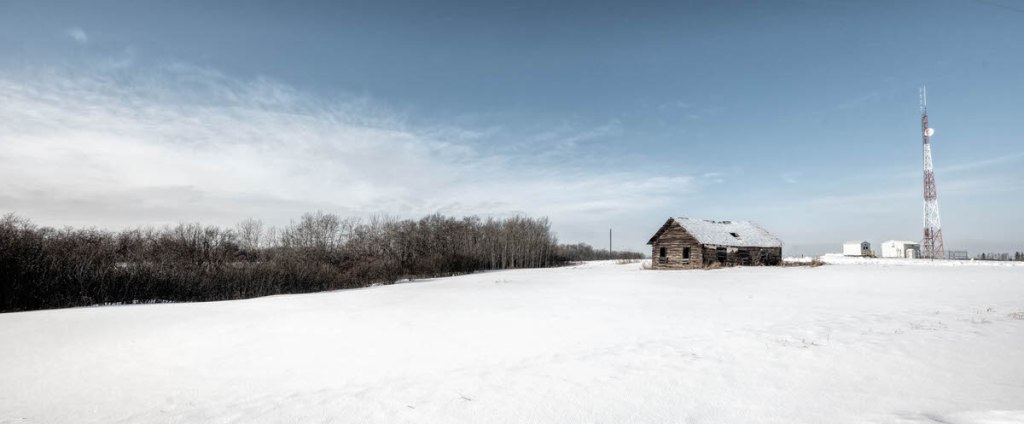
Judah Homestead

Homestead, Journaling, Winter

The weather was that of early spring – a day grey and overcast, later filling with snow flurries, then shifting to bright sunlight among clouds as I drove south from Peace River, Alberta. I was taking time … to look around, to explore, to learn more about a region I drive through regularly but through decades had not yet investigated.

In December 2022, interested in the Peace River’s river valley’s terrain, I asked a farmer about possible vantage points for viewing the river. The river, from one kilometre to a kilometre and a half vast as it moves through an area I teach in, has intrigued me since my wife and I flew into a fly-in teaching community three decades ago. Two locations were recommended to look over the town of Peace River and along the river valley.  The Twelve Foot Davis gravesite was high above the town on its east side. The second recommendation caught my attention – the Sagitowa Friendship lookout point had been described as being along the road to Judah, the hamlet of Judah, perhaps forty minutes south and west of Peace River along a route that follows the southern river bank. This lookout point allows the eye to travel west and south following the river; it allows for a look down and north to the town of Peace River’s south end, up to its north end; it permits looking across the river to the Shaftesbury Estates, the West Peace area, Saddleback Ridge and the Pines.

I was at the Sagitowa lookout working with my camera. After several shots, it began to snow. I packed up and began a drive toward Judah. In the early afternoon, the sun came out, somewhat harsh in terms of the contrast of light and shadows. Within the hamlet of Judah, I found treasure – this homestead.

Quotes to Inspire – two quotes have found me this week; both have value for a photographer.  First, ‘We don’t see things as they are. We see them as we are (Anais Nin).’ The second is one that seems related, ‘People only see what they are prepared to see (Ralph Waldo Emerson).’ This quote highlights a photographer’s readiness to see a given subject and perhaps maturation in terms of seeing that subject. It attaches to a follow-up statement, ‘If you look for what is good and what you can be grateful for, you will find it everywhere.’ So, perhaps Emerson’s quote is a nudge out-of-context but still has import as we use it.
Listening to: Motorhead’s version of David Bowie’s ‘Heroes,’ Fred Eaglesmith’s ‘Can’t Dance,’ Pickin’ On U2 – A Bluegrass Tribute’s version of ‘One,’ and Bono’s ‘Surrender: 40 Songs, One Story’ audiobook reading.

Burning It Down – Seeing It Through

Journaling, Photography, Winter

On the final day of 2022, I drove from Lethbridge in southern Alberta to High Level in northern Alberta, a long fourteen- to fifteen-hour journey. As a return drive, I had started early, reached Edmonton just after noon, and continued northward through the day. In that time, I concluded my listening to an intriguing audiobook, ‘The Splendid and the Vile’ by Erik Larson, about Winston Churchill written recently and with access to documentation from previously unavailable sources; the book compiles memoirs and correspondences into a more intimate view of Winston’s world – Britain and its people, colleagues, family, friends, brokered loyalties, and royalty – all at a time of war, World War II.

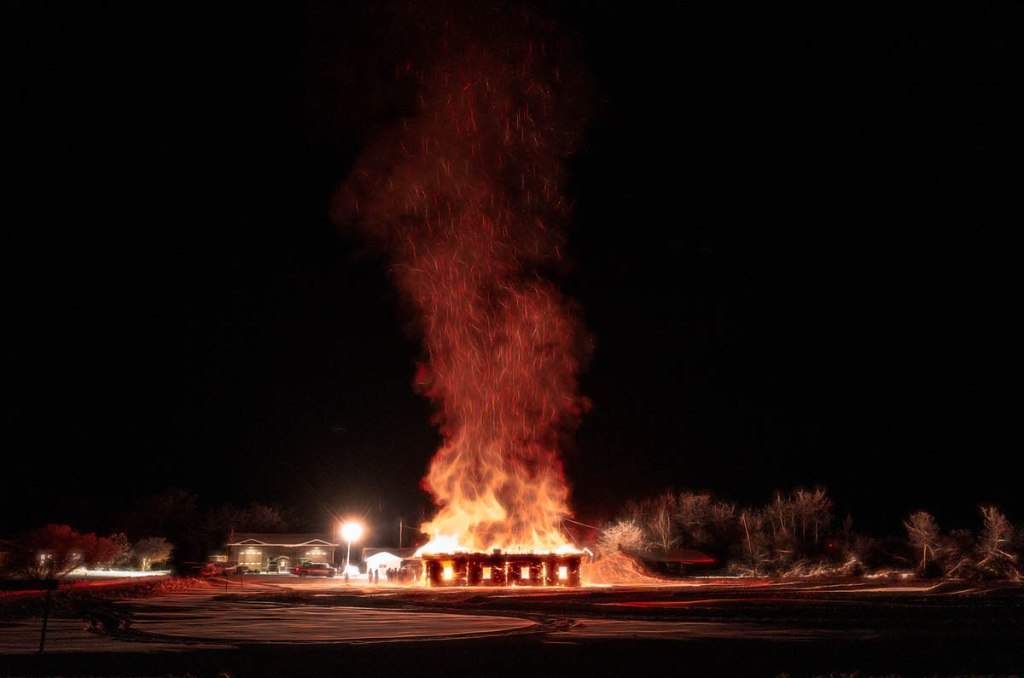
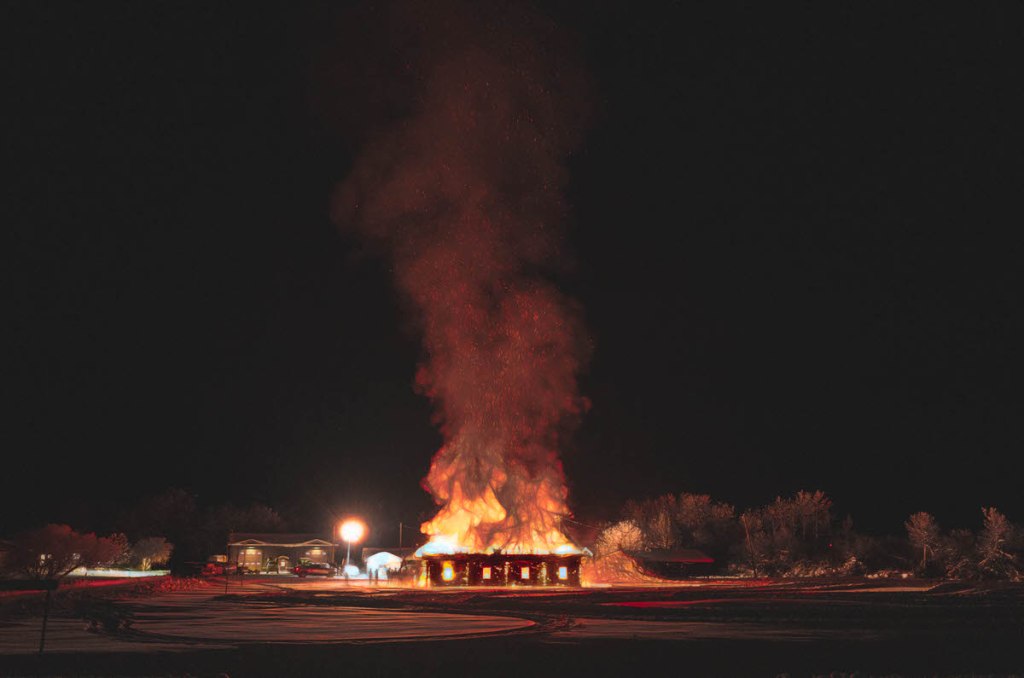
Near 9:00 p.m., my drive brought me to Manning, Alberta, where I fueled my Corolla, got snacks and began the last leg of my journey home. Northward, cresting the hill leading out of Manning, clouds in the night sky reflected bright, red-orange light. As I drove toward the Manning airport (ahead, on my left), flames reached high into the sky.

A building was burning, not at the airport, but at a farm on land immediately preceding the airport. The building was one I had considered photographing through the years. But it had been dressed down. While the overall shape and architectural style held interest, the building’s windows were boarded up, and the structure had been painted a dark chocolate brown.  It was more a dark brown brick than architectural interest worthy of a photograph.


A week later, driving south, the building was absent. Nothing remained. The area, where the building had stood, was flat, cleared of debris and now offered a clear, unimpeded view from the farm home out to the service road and highway. Winter likely had been the safest time to burn this farm building, and burning the structure may have been the most efficient way to remove it.


Listened to: Erik Larson’s ‘The Splendid and the Vile: A Saga of Churchill, Family, and Defiance During the Blitz.’


Quotes to Inspire (1) ‘I walk, I look, I see, I stop, I photograph (Leon Levinstein).’ (2) ‘Photography must be integrated with the story (James Wong Howe).’

Dandelion – Look Back Edit

Fall, Flora, Project 365 - Photo-a-day

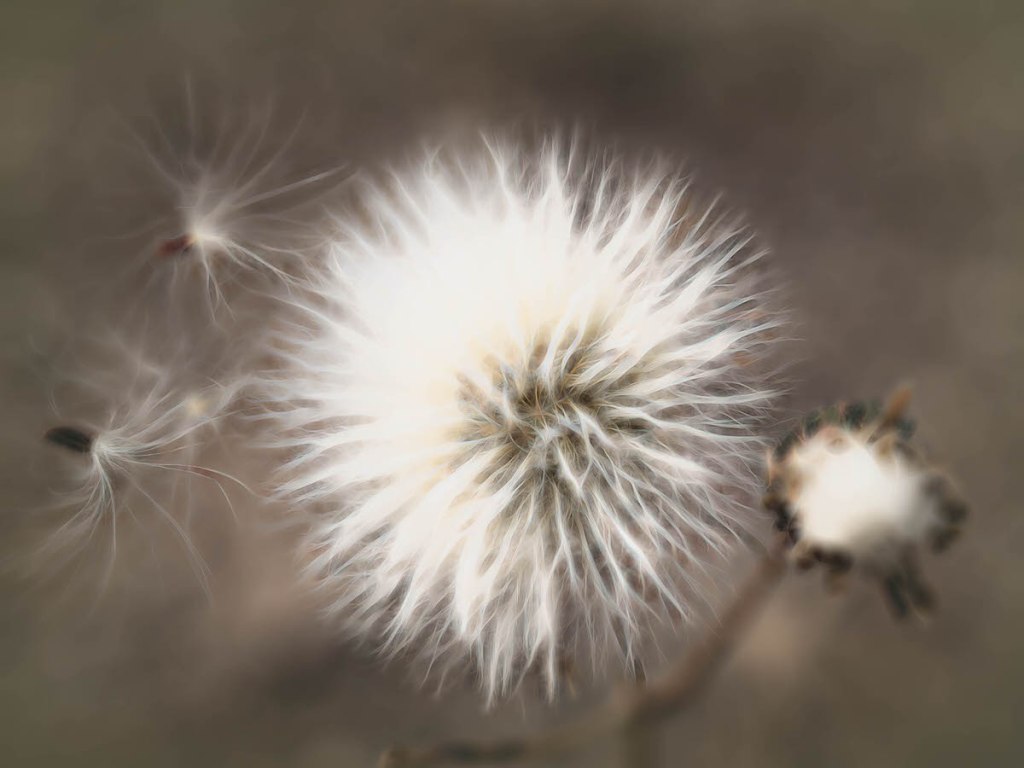
In my free time, I looked back through my Lightroom catalogue this past summer. I took the opportunity to view images I had taken a while ago.  The intent was, in some ways, a historical look back. In another way, it became an opportunity to edit images I like using my present workflow. This dandelion image became a series of different edits – these edits. Looking back, I was surprised that this is a photo from October 2016 and that I had taken the image with my Olympus E-M5 Mark II. Pocketable and light, this camera was easy to use, rendered good images and was a camera I enjoyed using.

Quote to Inspire – “If you argue for your limitations, you get to keep them. But if you argue for your possibilities, you get to create them!” ― Kelly Lee Phipps.

Listening to: Spencer Elliott’s ‘Torque,’ Charl du Plessis’ ‘Ode to Peace,’ Pat Green’s take on U2’s ‘Trip Through Your Wires,’ Birdy’s ‘Quietly Yours’ from the ‘Persuasion’ soundtrack, and 100 Mile House and ‘1952 Vincent Black Lightning.’

Beaverlodge Winter Scene

Project 365 - Photo-a-day

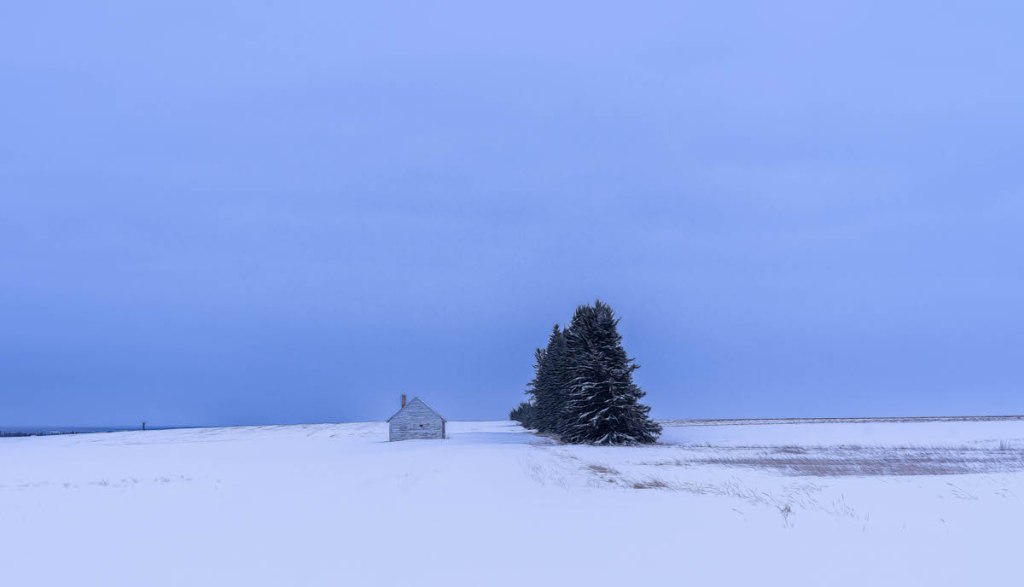
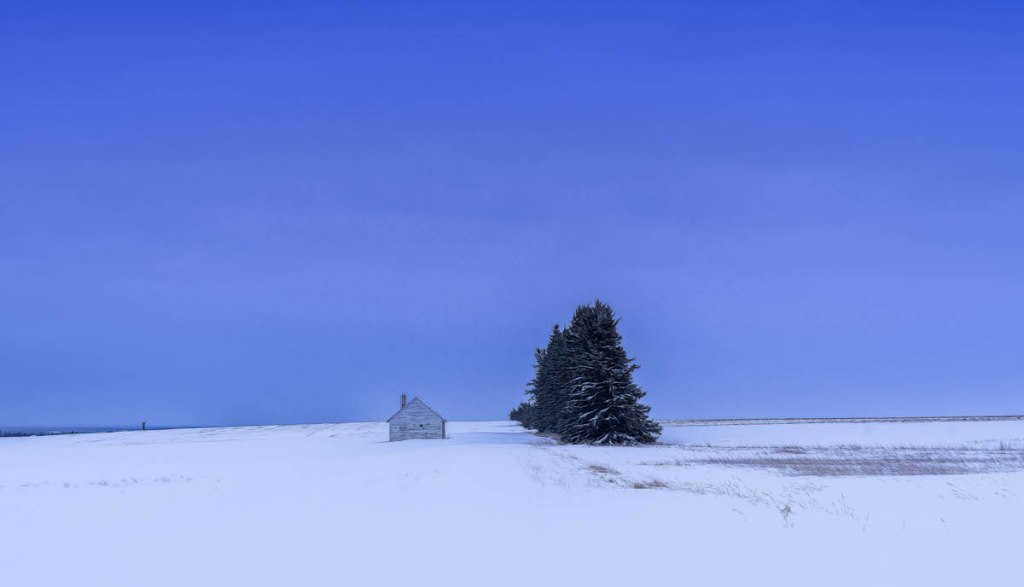
Beaverlodge was the place. On an Alberta February afternoon, I had traveled west from Grande Prairie with my camera – to Hythe, back up to the McNaughton homestead, and then to the Halcourt Church. The sun had been out for most of the afternoon. Towards the supper hour, clouds began to drown out sunlight, the sky becoming grey-white, then overcast, and then darkening. The shots I had taken were of the prairie landscape, often old farmsteads, often derelict buildings no longer used yet still holding the memory of Lives lived by farming families. Often, through the years I would notice that a farmer had cleared buildings from the land. Nostalgic views would disappear.

Light waning, I drove back through Beaverlodge, eastward intending to begin my return drive north. I took a chance and turned left (north). I drove up a hill on a Beaverlodge street that would become a highway. On the other side of this hill, I found the Beaverlodge experimental farm. On the east side of this road before the next highway junction, I gathered these images – a lone house alongside a living snow fence – a row of trees to prevent blowing snow; they are set upon the ark of a horizon line.

Listening to – Of Mice and Men’s ‘Dirty Paws,’ Jason Isbell and the 400 Unit’s ‘What’ve I done to help?’ and ‘Be Afraid,’ and Bruce Cockburn’s ‘Strange Waters.’

Quote to Inspire – ‘The pictures are there, and you just need to take them.’ – Robert Capa

Reworking Photos

Journaling, Photography & Conceptualizing Beauty, Project 365 - Photo-a-day

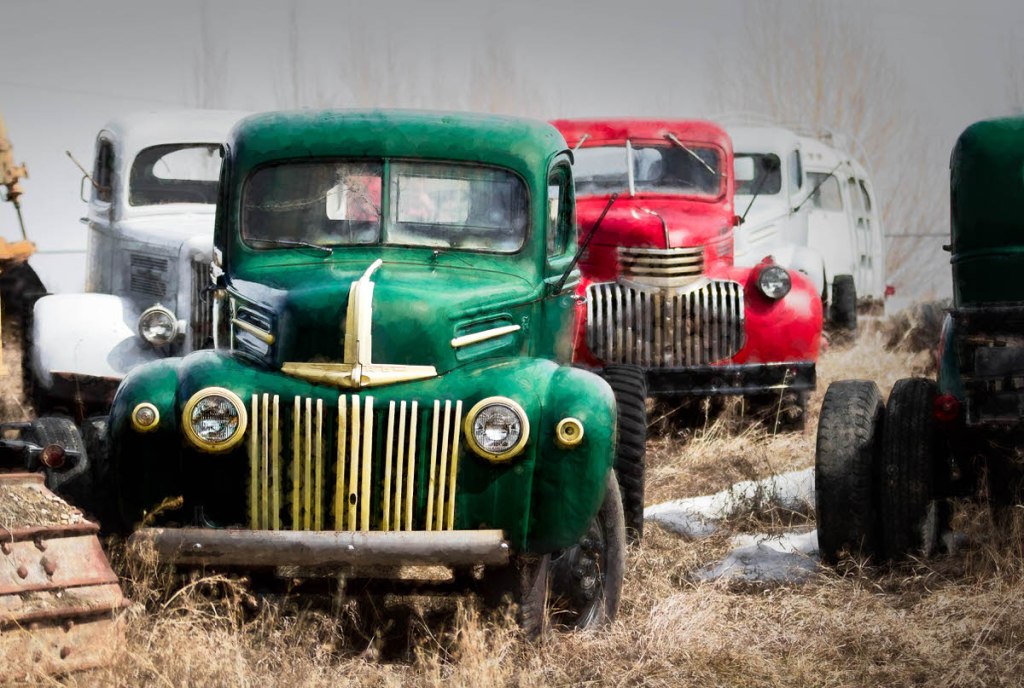
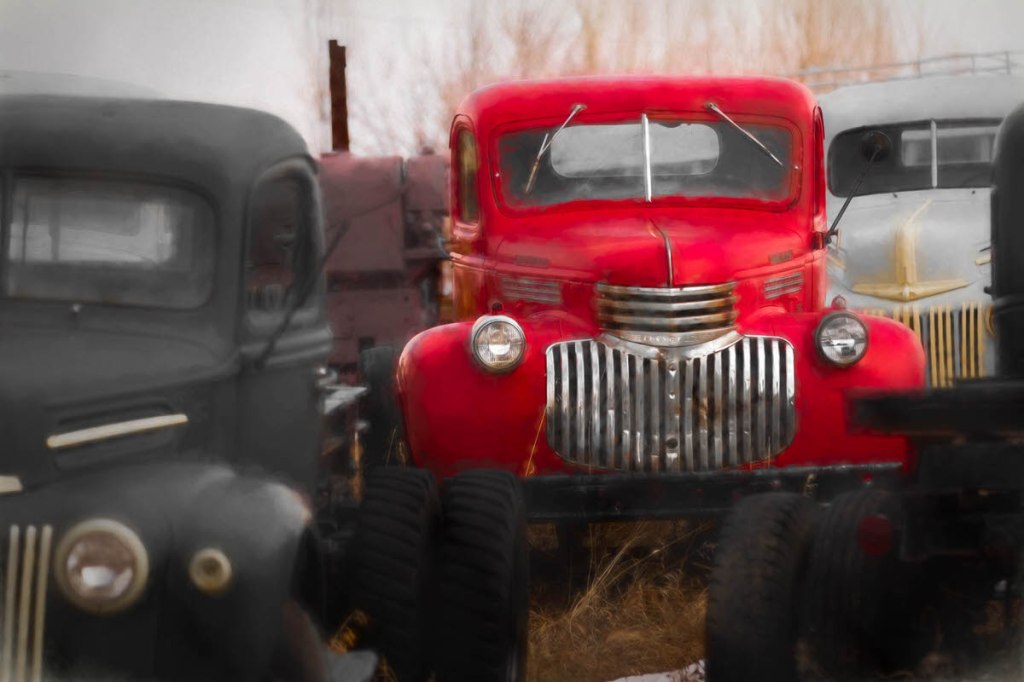
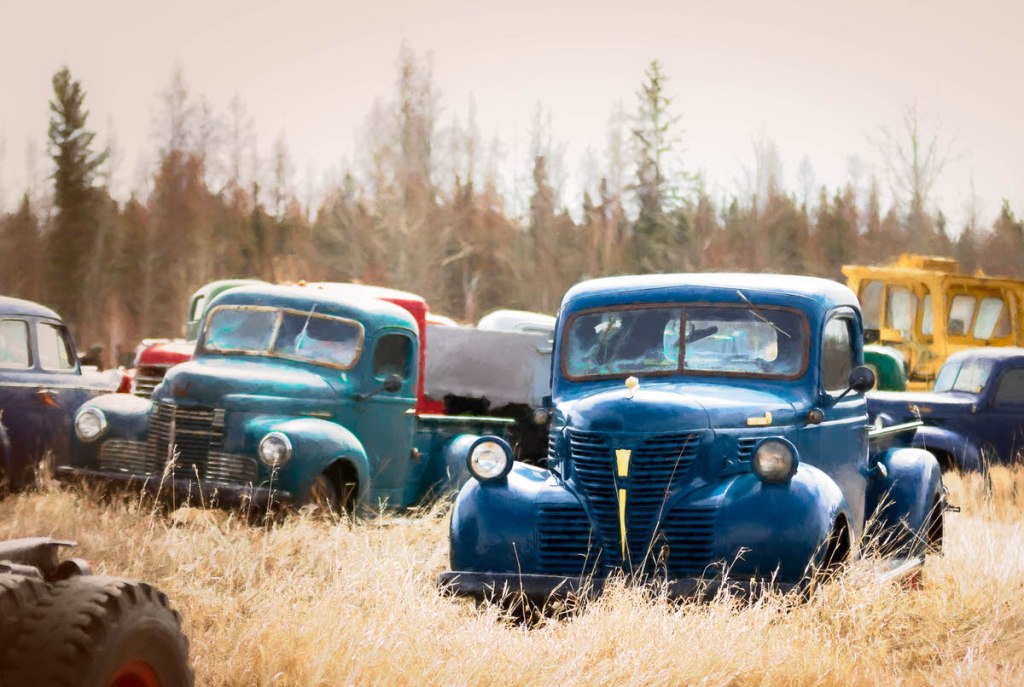
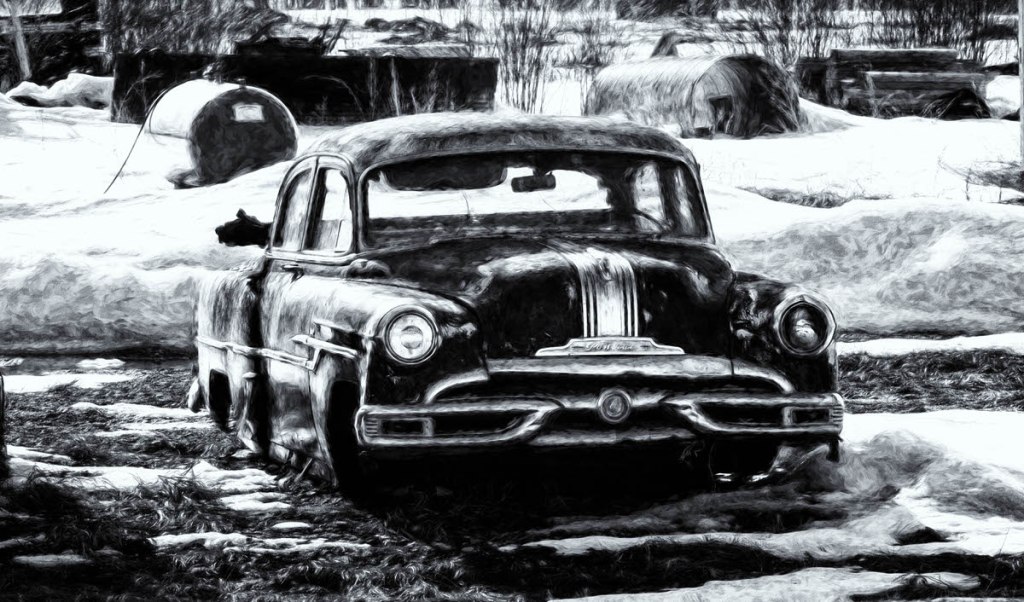
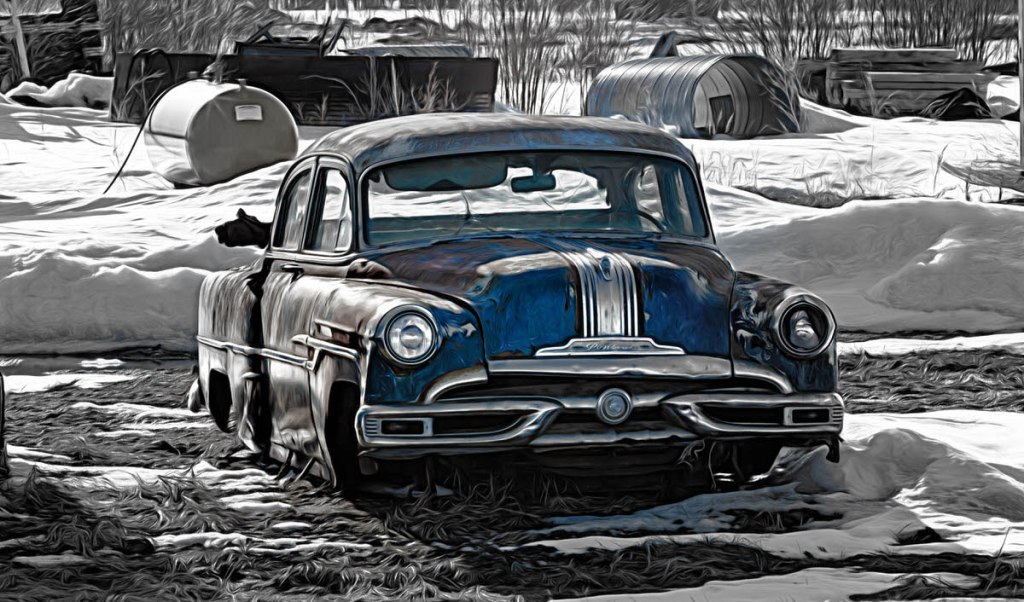
A re-edit and reworking of vehicle images from this blog, photos captured a decade ago, are presented here – line, shape, and size draw my attention, as does consideration of vehicle ride, feel, weight and driveability. Nostalgia may describe my desire to see and photograph these vehicles. However, these vehicles are from former eras. My interest is also in the post-war world of mom and dad, uncles and aunts, grandparents, and the time preceding me – their time engages my imagination.

The trucks were part of an army of vehicles that played a role in constructing the Mackenzie highway that serves northern Alberta and the Northwest Territories. They had been part of the vehicle collection of the Mackenzie Highway Truck Museum at Sangudo, Alberta. The museum vehicles have since been auctioned off long after the photographs were taken, and the museum structure itself has been dismantled and taken away. I am reminded here that my educator-grandfather worked different administrative roles in the highway’s construction during his summer teaching breaks. The early fifties Pontiac (a Chieftain or Pathfinder) continues to sit along the Mackenzie highway on its west side at Grimm’s Service Station in Manning, Alberta.  My Pontiac interest derives from a two-door 1969 Pontiac Parisienne that transported our family through eleven years, the vehicle my parents taught me to drive in. A ‘car-guy’ interest also draws me to find aesthetic commonality or influence between the older and newer Pontiacs.

This text revision occurred on Friday, 18 August 2023. Wildfires in the Northwest Territories threaten communities and have burned through some communities. Yesterday, the city of Yellowknife was added to the list of communities being evacuated, and it is possible that wildfires could reach the city this weekend. The Mackenzie highway, referred to above, is the exodus route for NWT residents relocating to Grande Prairie, Fort McMurray, Edmonton and Calgary evacuation centers. These residents of the NWT are travelling through High Level today, gassing up, finding food and carrying on. It is indeed a hard thing they do: leave all that home is behind, take those things most precious with you, and not know what’s next.  You are in our thoughts today.  We wish you well.

Listening to – Snow Patrol’s ‘Chasing Cars‘ and ‘Berlin,’ Kathleen Edwards’ ‘Take It With You When You Go,’ and Bruce Springsteen’s ‘Ghosts.’

Quote to Inspire – “Photography has no rules; it is not a sport. It is the result which counts, no matter how it is achieved (Bill Brandt).”

Sunwapta Falls

Project 365 - Photo-a-day

Sunwapta Falls, Jasper National Park, Alberta, Canada

This image is a reworking of a summer photograph from a few years back. I’m liking where the image got to in terms of edits. About the day – I remember the camaraderie of other photographers chatting with me, from other parts of the world sharing chatter about their images, and showing the image captured on the back of their camera’s screens. On the right of this image – a group of fool-hardy photographers has stepped out beyond the fence above the gorge that drops perhaps 10-15 metres. I’m glad they got to go home safely.

Listening to – the Verve’s ‘Bittersweet Symphony,’ Dave Matthews and Tim Reynolds’ live take on ‘Bartender,’ Ryan Adams’ ‘Wonderwall,’ and Martyn Joseph’s ‘Arizona Dreams.’

Quote to Inspire – “A photograph is like a recipe – memory the finished dish.” – Carrie Latet

Southern Alberta Wheat Kings

Project 365 - Photo-a-day
Wrentham, Alberta – Grain Elevator 1
Wrentham, Alberta – Grain Elevator 2
Warner, Alberta – Grain Elevator
Fort MacLeod, Alberta – Grain Elevator 1

Fort MacLeod, Alberta – Grain Elevator 2

Skiff, Alberta – Grain Elevator 1
Skiff, Alberta – Grain Elevator 2

I drove south and east from Lethbridge, Alberta with Wheat Kings as point of departure.

Listening to – The New Customs ‘McCarthy’s’ and Mariel Buckley’s take on ‘Ahead by a Century.’

Quote to Inspire – ‘The camera sees more than the eye, so why not make use of it?’ – Edward Weston

An Evening’s Summer Shower

Project 365 - Photo-a-day
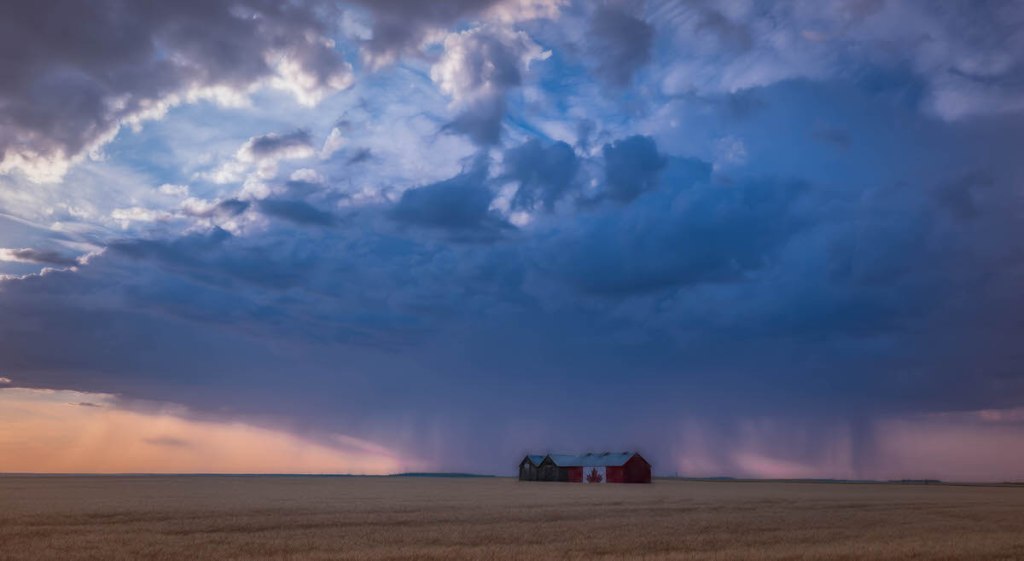
Canadian Grain Bin – Summer Shower 1
Canadian Grain Bin – Summer Shower 2
Canadian Grain Bin – Summer Shower 3

On summer’s return drive home – near Guy, Alberta, Canada

Listening to – Pat Green’s version of U2’s ‘Trip Through Your Wires’ with Joe Ely, Birdy’s ‘Quietly Yours,’ and 100 Mile House’s ‘1952 Vincent Black Lightning.’

Quote to Inspire – ‘When words become unclear, I shall focus with photographs. When images become inadequate, I shall be content with silence (Ansel Adams).’

That Door Opened …

Project 365 - Photo-a-day

One of my summer reads has been Thomas King’s ‘Indians on Vacation.’ It’s my second time through. I’m seeing more of the dynamic of a close-to-retirement husband and wife on vacation, away from the norms of their day-to-day Life, in the capital of the Czech Republic, Prague. Bird Mavrias and Mimi Bullshield are indigenous (Mimi – Blackfoot, Bird Cherokee, and Greek). They live in Toronto. In one sense, the vacation draws them away from the norms of their everyday lives, lives in which their indigeneity and that of indigenous persons within Canada are at issue. As well, it draws them out from their daily lives in Toronto.

While the proposed purpose of their trip is to search for evidence of Mimi’s Uncle Leroy and his European travels as part of an ‘Old West’ show and the medicine/memory bundle he would have carried, Mimi and Bird explore Prague – museums, walkabouts, the Charles bridge and more.  While each is present to each site they investigate, each point of interest, as touchstone, leverages memory, the residue of significant happenings in their Lives – narratives of things done, not done, incomplete, and yet to complete. Each memory becomes a current stepping stone for what has brought them to Prague, each spilling out in response to what they encounter, and each often associates to unfinished/incomplete works in their lives.

Mimi and Bird move through Prague as ‘near-to-be’ retirees. They observe, they chat, they chuckle … they pull each other along, they love each other. Mimi has a moment in one of the museums, where she recalls a by-the-way kind of fact, ‘you know, they did that [ … ] at residential schools.’ The statement comes across with sober, unflinching anger. It is one inconceivable act (a haunting, repulsive consideration in this read) among the many that surfaced in Canada’s Truth and Reconciliation hearings. ‘So, we’re in Prague …’ begins most chapters. In structure, it’s a re-orienting phrase that allows Bird to recap and move forward in his telling of what’s next.  Occasionally, perhaps often, the statement is a way for Bird to step into his day. It often comes across as resignation – a way of saying, yes this all happened. But, it comes across with resolve too – I still choose to move forward.

Prague’s Charles Bridge seems significant. It is a medieval, sandstone structure and along either side of the bridge are statues of saints, the Madonna, the crucifix, and Calvary – there are thirty-one statues they encounter strolling from one side to the other.  In one sense, the statues may act as the grandfathers do in terms of Tipi poles – anchoring points for wisdom to be lived out in action.  Perhaps the intention is to contrast the saints encountered in Prague with those encountered at residential schools.

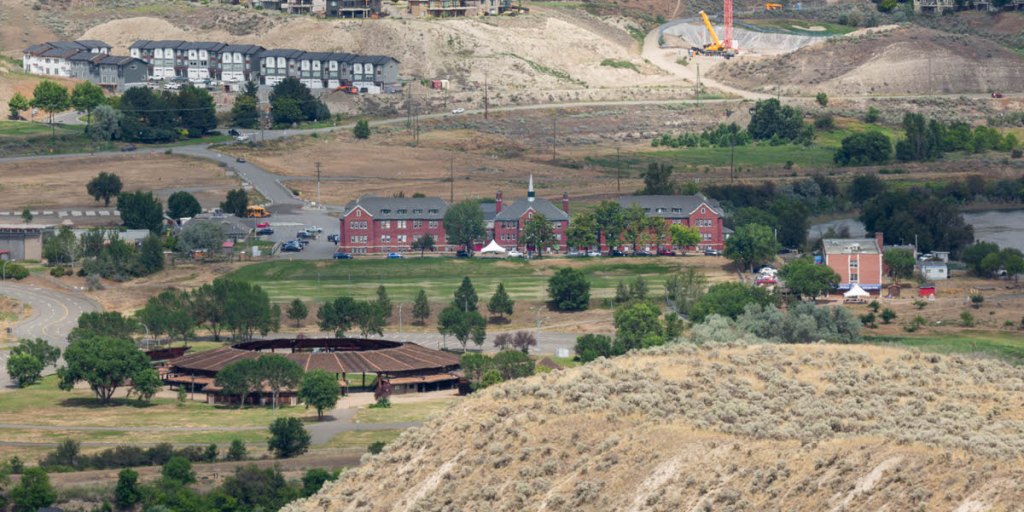
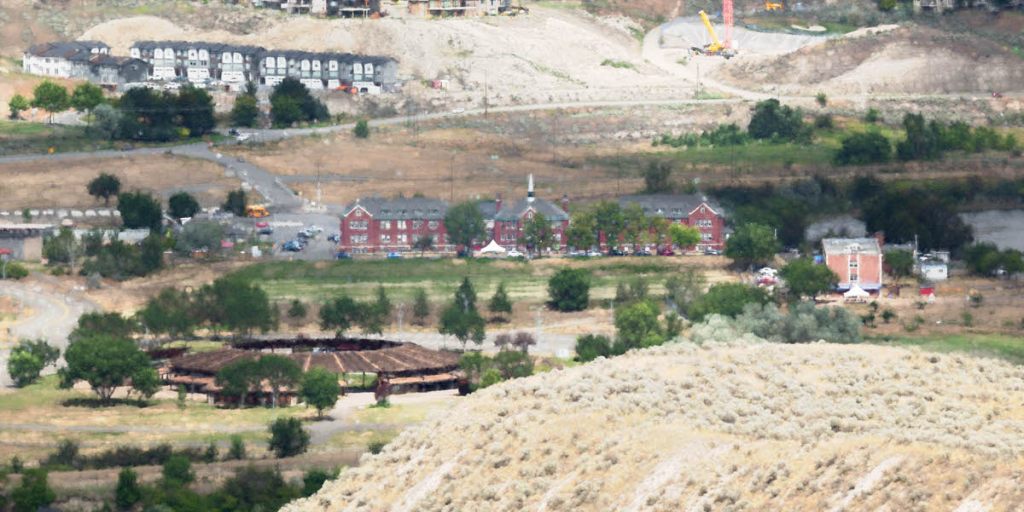
The Kamloops Indian Residential School – Summer, 2022

In my grappling with what residential schools were and all I am coming to know about their history and Canada’s history, I note that ten years ago the dominant word used would have been colonization and reference would have been made to colonizers. Now, ten years on, we seem to be in a time acknowledging the guilt of wrongdoing by the government and those running residential schools. Now there are Calls to Action that follow from the hearings of the Truth and Reconciliation Commission. One action taken as a step forward occurred this past summer. Pope Francis came to Canada and Maskwacis in Alberta and apologized to residential school survivors for how members of the Catholic Church co-operated in the cultural destruction of Indigenous Life.

The Kamloops Indian Residential School – Summer, 2022

My learning about residential schools came about as an educator beginning my teaching career at a school, on-reserve within a fly-in community. In the early nineteen nineties, my wife and I taught at a First Nation school in northern Alberta. As we began our first teaching year, there, an addition was being built onto the school. Students and staff weathered the inconveniences of learning and teaching in a school while a part of it was under construction. We completed our year well.

As we returned to school in the following year, the school’s renovation was complete. Classrooms would make do with existing furniture until new desks, chairs, and tables would arrive once the ice bridge allowed transport trucks across the river to the community. In that last week of August before the start of school in our renovated school, there was an occurrence. Staff were at the school into the evening with their work, readying the school and classrooms for learning, assembling the year’s plans for teaching. It might have been 8:00 p.m. and staff that had been at school began to leave for home, their teacherages.

One of our educational assistants, indigenous and fluent in his Cree language and culture, walked past one of the new classrooms, one that would be used for a kindergarten class, a class meant to acquaint students with the routines of school and to help them work in a bilingual Cree and English learning environment. No one was in this classroom as our educational assistant walked by. School corridor lights were starting to be turned off.  The classroom’s lights had been shut off. As our educational assistant walked past, the classroom door opened … on its own. This event was significant and troubled the educational assistant. He took the information to community elders. We, as a staff, heard about the event days later.

Elders were concerned and did not want to send children to school. One of the elders asserted that the incident had to do with the souls of students who have died.  A Jesuit priest who served the community was called upon and asked to perform an exorcism of the school using the burning of sweetgrass and holy water. We did begin the school year, but it took six weeks to gather most students into a regular pattern of daily attendance. All that happened in the fall of 1992, in a new school within a First Nation in its first years of self-government.

The Kamloops Indian Residential School – Summer, 2022

There is a learning point for me, here, though – something I had not grasped until 29 May 2021. From the time of the door opening in our new school and the community’s response to it, I grew to understand more and more about the residential school survivor experience.  Through time survivors and counselors who worked with survivors would tell me little bits of what had gone on with residential schools and about impacts. As a teacher, attention would be drawn to the matter of taking children away from their parents and being without parent examples through their time at residential school as a dynamic impacting the parenting choices of residential school survivors – a void of parenting knowledge. My understanding began to grow about something called ‘Residential school syndrome,’ something similar to post-traumatic stress disorder. Here, the First Nation we worked with, back then, is to be commended for one of the primary goals they asserted for their teachers – in all that teachers did and would undertake in their teaching, teachers were to work from a stance of ‘good understanding’ when working with students and their parents.

But, there was more. A newer revelation came my way.  I had not yet grasped this other potentiality for First Nation parents and families. On 29 May 2021, the Tk’emlups te Secwépemc First Nation in Kamloops, British Columbia disclosed that the remains of approximately two-hundred children were found buried at the Kamloops Indian Residential School. In hearing this news, I understood something significantly more disturbing than what had been my understanding about survivors and their families. While Indigenous children were taken from their families to school, it sometimes was the case that children did not return home. In the case of the Kamloops residential school, these two-hundred children are now considered missing children because their deaths are undocumented.

Michelle Good’s novel, ‘Five Little Indians,’ opens out the experience(s) of residential school survivors. What is more, though, parts of the novel have the reader consider that it was sometimes the case that a child’s parents were never informed of their child’s death. Children did not always return home to their parents and family from residential school.

In northern Alberta, at the school we taught at all those years ago, the kindergarten door opening in front of our educational assistant at a newly built school now had a deeper significance. At that time, the elders had considered that the souls of children who had not returned home from residential school were responsible for the classroom door opening. In May 2021, with the Kamloops residential school disclosure of graves surrounding the school, I was now able to understand more of the reality behind the elders’ concerns in sending students, their children to school.

The Kamloops Indian Residential School – Summer, 2022

Listening to: Bob Dylan’s ‘Dignity,’ John Prine’s ‘Summer’s End,’ Bruce Springsteen’s ‘One Step Up,’ and Blue Rodeo’s ‘Hasn’t Hit Me Yet;’ also a good listen to Gord Downie’s ‘Secret Path for Chanie Wenjack.’ Listening as well to Northern Cree’s ‘Straight Song,’ ‘A Song for TJ,’ and ‘Wah-Yo, Always Pray It Will Take You a Long Way.’

Quotes to Consider – “The residential school experience is one of the darkest, most troubling chapters in our collective history.” — Justice Murray Sinclair, the commission chairman, in his final remarks on the report.