Portraiture is hard to define because it isn’t just one thing. Still, we know a compelling portrait when we see one. It draws the viewer in, even when the subject is a stranger. It captures something essential about the person: their expression, the light on them, and the setting around them. The portrait centres on the subject, inviting us to see it as art.
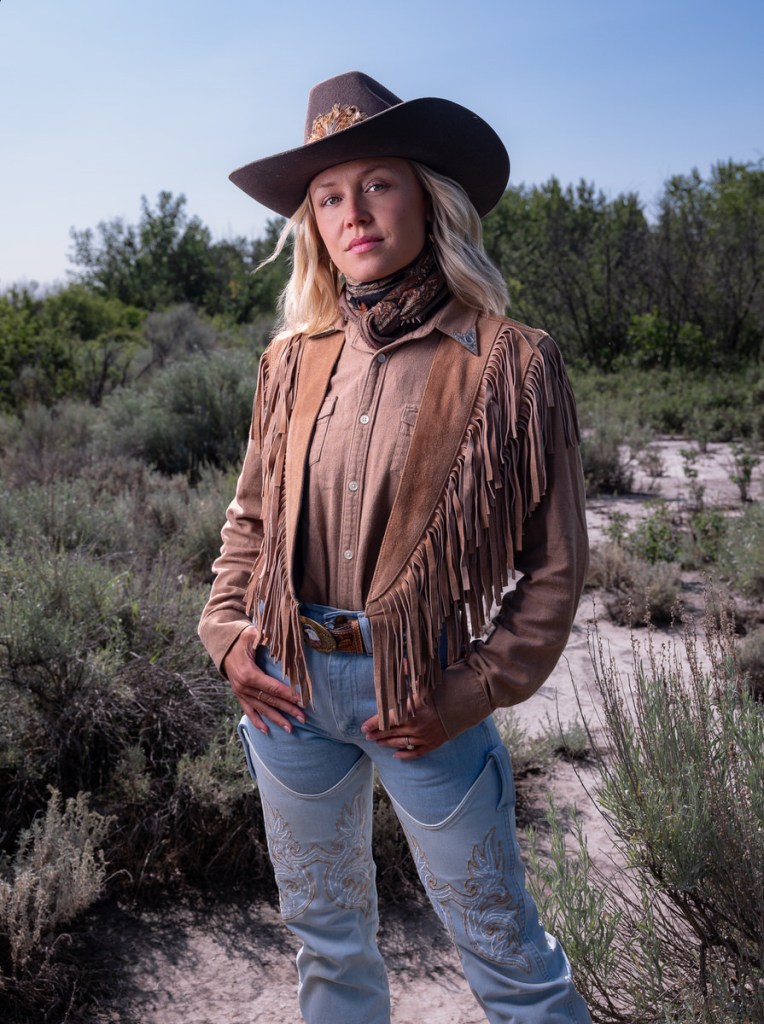
A slice of time
A portrait is a slice of time where the photographer’s intentions meet the subject’s reality. The photographer presses the shutter, capturing someone in a split second, and that moment matters enormously.
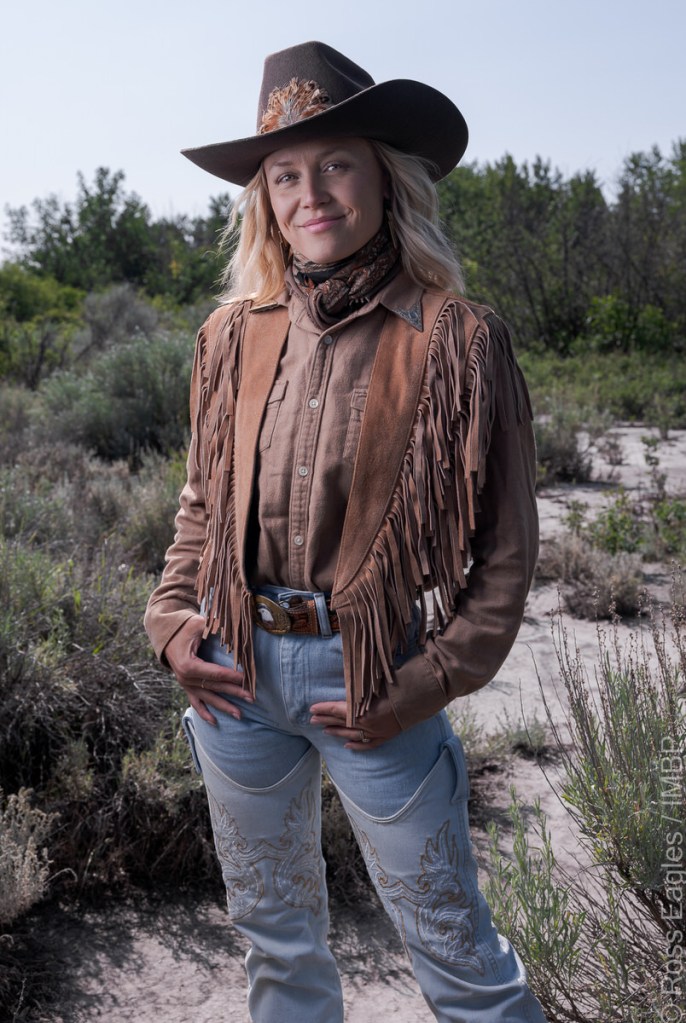
As photographers, we have real influence over that moment. Are we recording a person simply being themselves, or are we shaping them to express what we want? If we shape them, is the result still honest? Later, a viewer may say, “You really captured a piece of their soul.” But does what we captured truly reflect who they are, or only the most striking version? There may be no single right answer.
Because each portrait captures only a single moment, a person’s portraits can differ markedly.
Two implications
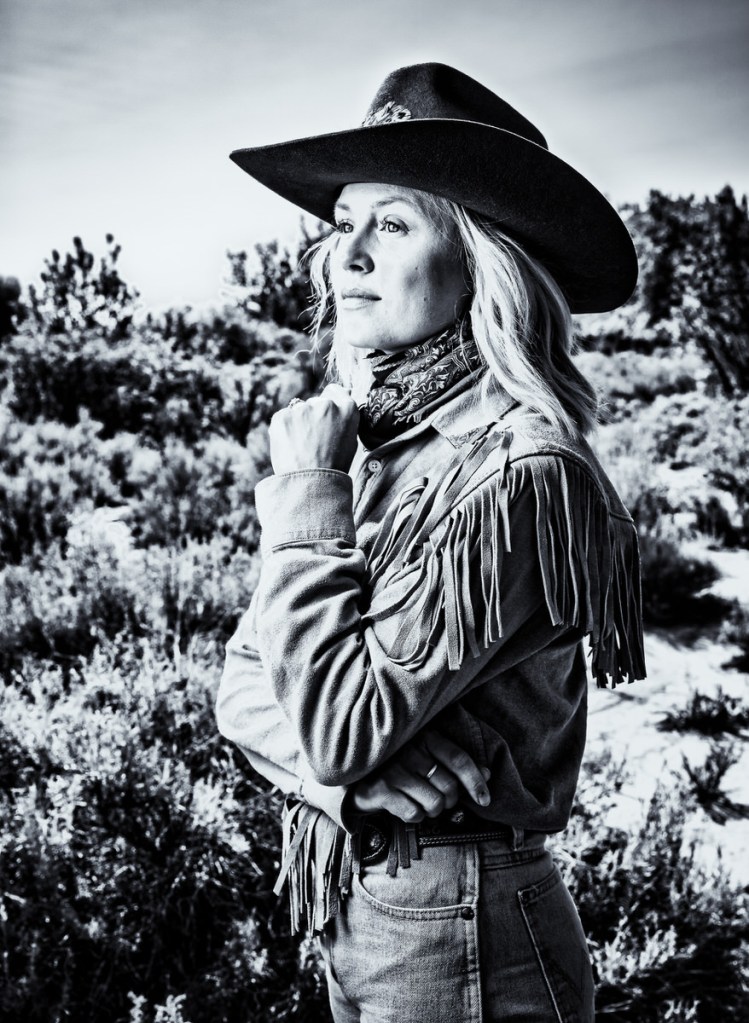
- A good portrait often shows something familiar about the subject, something people who know them would recognize.
- At the same time, we can’t know the subject’s true inner state at the moment the photo was taken.
Staged portraits and mood
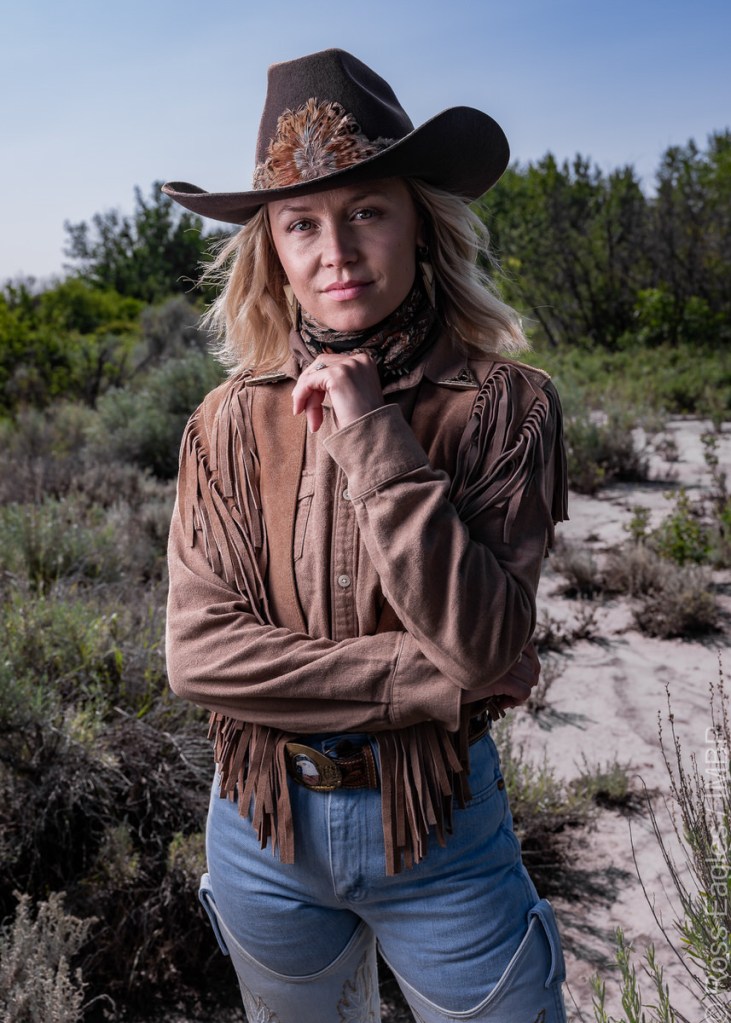
Some portraits are staged. A subject may be happy, yet the photographer can make them look moody through choices such as camera angle, distance, and lighting, and later in post-processing. To that extent, the photographer shapes the subject’s reality in the image. Portraits of one person can convey very different moods. In some, the photographer created that mood; in others, the subject brought it.
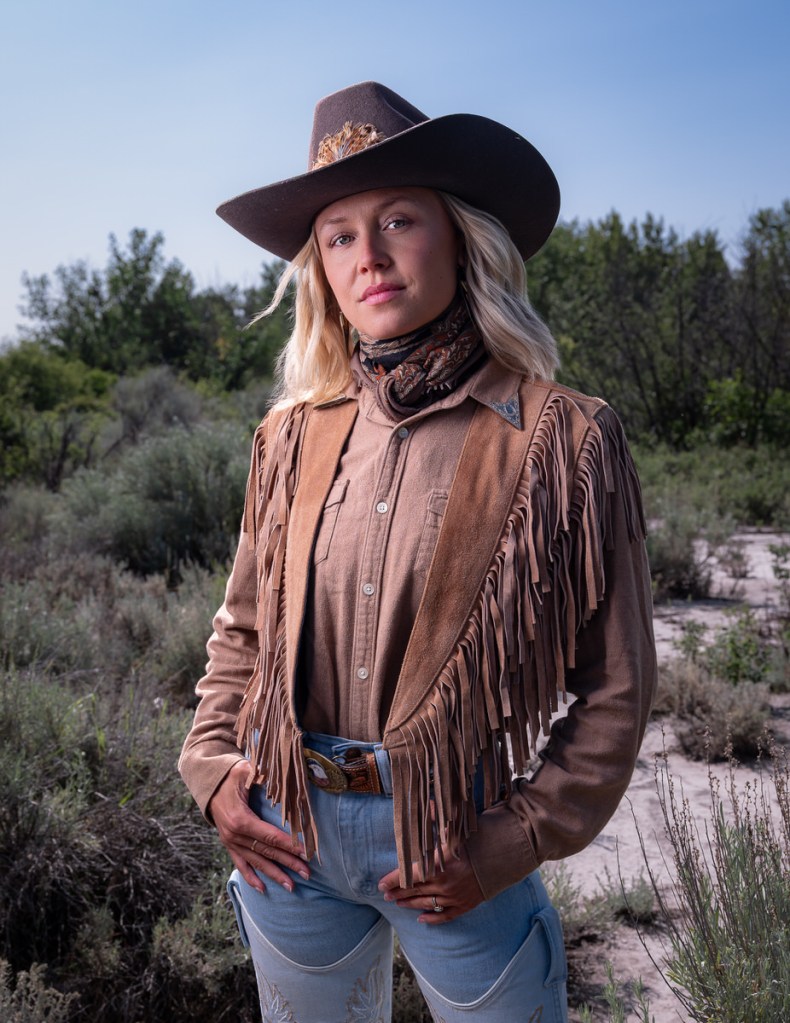
The craft
Portraiture is a broad subject. A single image draws on several skills simultaneously:
- Lighting: how it shapes the face and sets the mood.
- Location: where the person is and what the setting reveals about them.
- Personality: who the subject is and how much of that comes through.
- Interaction: the connection between the photographer and the subject, which often makes or breaks the moment.
- Creativity: the choices that turn a record of someone into an interpretation of them.
No one masters all of these at once, and that’s part of what makes portraiture rewarding.
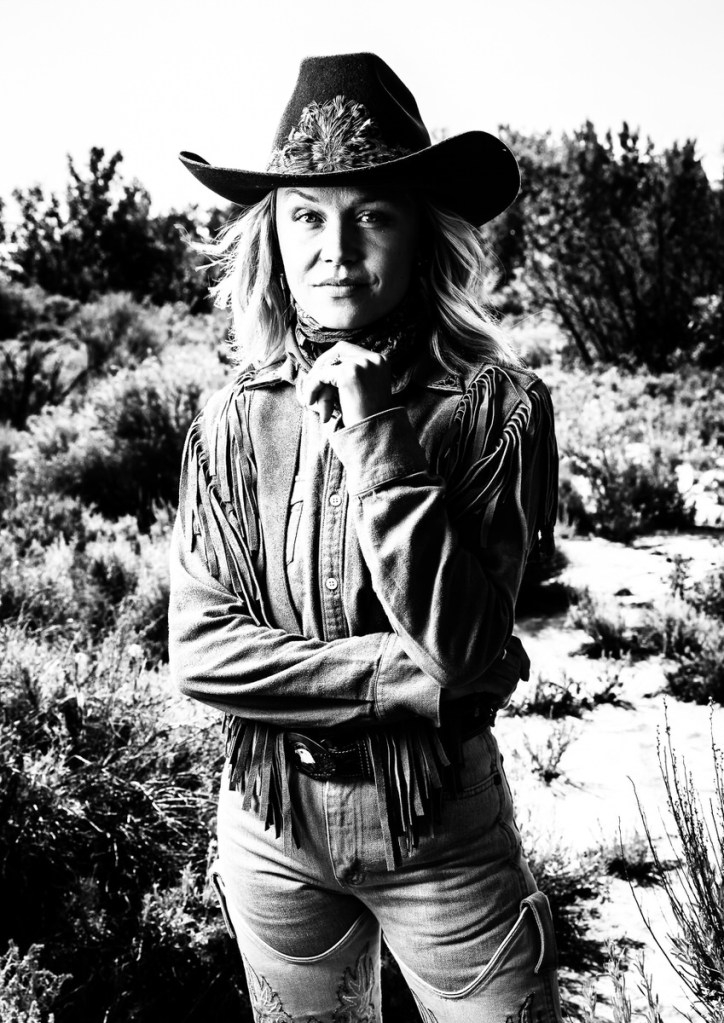
Keep growing
The best way to improve is to stretch yourself:
- Take risks. Try the angle, the light, or the idea you’re not sure will work.
- Photograph people you don’t know. Unfamiliar subjects push you to read and connect with them quickly.
- Seek out situations you haven’t tried. New settings and challenges reveal what you haven’t yet learned.
- Build sound habits. Good practices, from preparation to how you treat your subjects, give you a steady foundation for managing those risks.
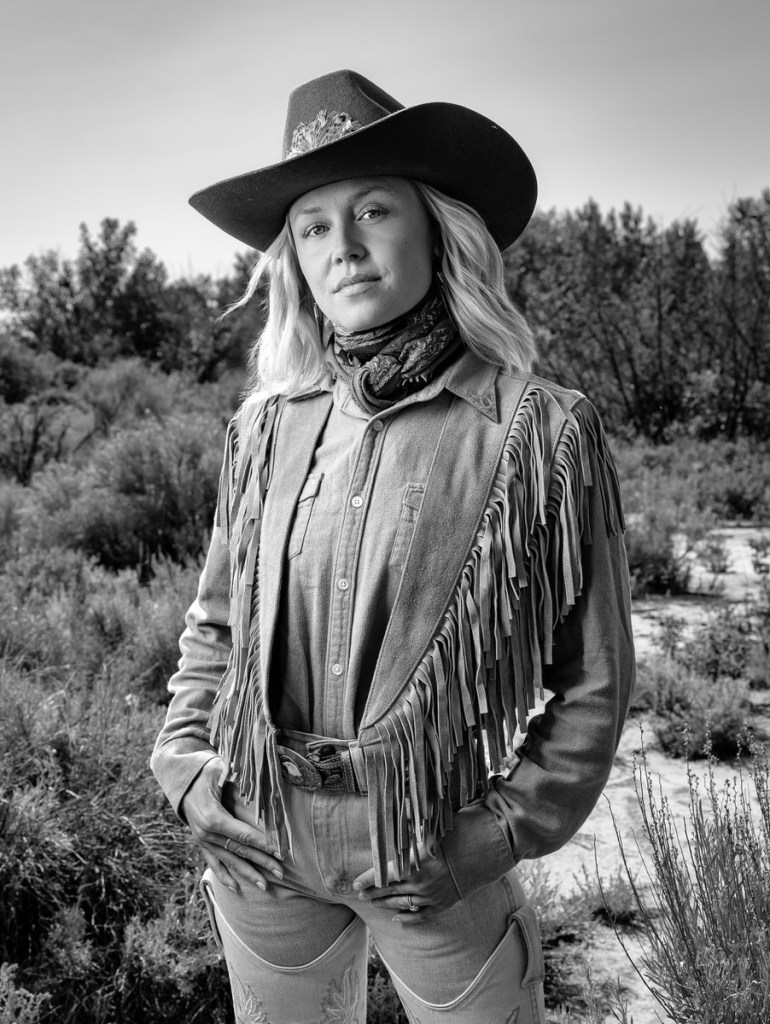
My thanks to model Vanessa Juti.
Do them justice
Don’t settle until you’ve done the person and their portrait justice. When someone sits for you, they’re trusting you with something personal. It is an honour when people share part of their soul with you, and the portrait is how you honour that trust in return.
Quote to Consider – ‘I spent a great deal of my life being ignored. I was always very happy that way. Being ignored is a great privilege. That is how I think I learnt to see what others do not see and to react to situations differently. I simply looked at the world, not really prepared for anything (Saul Leiter).’
Reading – ‘Forever Saul Leiter’ by Margit Erb & Michael Parillo.
Listening to ‘Remember Me This Way’ from Steve Martin & Edie Brickell’s album ‘Love Has Come for You’; John Cougar Mellencamp’s ‘Small Town’ and ‘Minutes to Memories’; Martyn Joseph’s ‘Born Too Late’; and Hollywood Park’s ‘Come on Out’ from their album ‘The Airborne Toxic Event.’

